UNICEF deplores ‘unconscionable’ killing of families lining up for aid in Gaza

Catherine Russell said she was appalled by the reported killing of 15 Palestinians, including nine children and four women, who were waiting in line for nutritional supplements provided by Project Hope, a UNICEF partner organization.

The incident occurred in Deir Al-Balah. An additional 30 people were injured, including 19 children. News reports indicate that it resulted from an Israel strike. 

‘Mothers seeking a lifeline’

“The killing of families trying to access life-saving aid is unconscionable,” she said in a statement.

These were mothers seeking a lifeline for their children after months of hunger and desperation.”

They included Donia, whose one-year-old son, Mohammed, was killed. She reported that the boy had spoken his first words to her just hours earlier.

“Donia now lies in a hospital bed, critically injured by the blast, clutching Mohammed’s tiny shoe,” said Ms. Russell.  “No parent should have to face such tragedy.”

A ‘cruel reality’

For the UNICEF chief, “this is the cruel reality confronting many in Gaza today after months of insufficient aid being allowed into the territory, and parties to the conflict failing to uphold basic responsibilities to protect civilians.”

She explained that “the lack of aid means children are facing starvation while the risk of famine grows,” warning that “the number of malnourished children will continue to rise until life-saving aid and services are resumed at full scale.”

“International law is clear: all parties to the conflict have an obligation to protect civilians and ensure the safe and unimpeded delivery of humanitarian assistance,” she said.

“We call on Israel to urgently review its rules of engagement to ensure full compliance with international humanitarian law, notably the protection of civilians including children, and to conduct a thorough and independent investigation of this incident and all allegations of violations.”

UN condemns killings

The UN yet again condemned the killing of civilians in Gaza, Spokesperson Stéphane Dujarric told journalists in New York.

Furthermore, the UN humanitarian affairs office OCHA “stresses that parties are bound by international humanitarian law to prevent such excessive death and injury of civilians in the midst of war,” he added.

OCHA reported that another strike on Thursday reportedly hit the office of a humanitarian partner in Gaza City. Three staff there were killed. 

Fuel running out

Mr. Dujarric also updated journalists on the dire fuel situation in Gaza, which impacts both the population and humanitarians.

A UN team managed to bring roughly 75,000 litres of fuel from Israel into the beleaguered enclave on Wednesday, marking the first such provision in 130 days.

He warned, however, that fuel is still running out and services will shut down if greater volumes do not enter immediately.

Water services at risk

We and our humanitarian partners need hundreds of thousands of litres of fuel each day to keep essential lifesaving and life-sustaining operations going, meaning the amount entered yesterday isn’t sufficient to cover even one day of energy requirements,” he said.

One aid partner reported that fuel shortages could soon cut off supplies of clean drinking water to about 44,000 children, he added, which would further increase the risk of cholera, diarrhoea, dysentery and other waterborne illnesses. 

Meanwhile, UN partners providing education services said that between October 2023 and this June, 626 temporary learning spaces have been established in Gaza, with 240,000 students enrolled, roughly half of them girls. 

However, only 299 spaces are currently operational due to the ongoing displacement orders, funding shortfalls and other challenges.

Aid workers also going hungry

Humanitarian partners in Gaza – who include first responders, health workers, and aid workers – “continue to deliver food and other assistance under intolerable conditions, and they themselves are facing hunger,” said Mr. Dujarric.

“A number of our own colleagues are also facing hunger. They also face water scarcity and threats to their personal safety, just like everyone else in Gaza,” he added.

The Spokesperson reiterated the UN’s long-standing message that “this catastrophic situation must end.”  He stressed that “a ceasefire is not only urgent, it is long overdue,” while also calling for the unconditional and immediate release of all hostages. 

Some Palestinians have been forced to flee their homes in the West Bank.

West Bank operations

Mr. Dujarric also addressed the situation in the West Bank, where humanitarians report and continue to warn of the intensification of Israeli operations in the northern areas.

These operations are causing massive destruction, driving further humanitarian needs and dampening hopes of thousands of displaced families that they will eventually be able to go back home,” he said.

“Meanwhile, attacks, harassment and intimidation by Israeli settlers against Palestinians have become a daily reality.”

He cited a settler attack on 3 July that led to the displacement of the Mu’arrajat East Bedouin community in the central West Bank. 

“This is the ninth community to be fully displaced in the Ramallah and Jericho areas since January 2023 following the recurrent attacks by Israeli settlers.” 

Source link

She fought for the girl the world left behind: Natalia Kanem’s UN legacy

She returns, over and over, to a single image: that of a ten-year-old girl – standing on the edge of adolescence, her future uncertain, and her rights still in grave doubt.

“Will she be able to stay in school, graduate, and make her way through the world?” Dr. Kanem wonders. “Or is she going to be derailed by things like child marriage, female genital mutilation, or abject poverty?”

That seismic question and that girl – not one child in particular, but an emblem of the millions worldwide whose future is at risk – have become the touchstone of Dr. Kanem’s nearly eight-year tenure as Executive Director of the UN’s sexual and reproductive health agency, formally known as the UN Population Fund (UNFPA).

From her early days working on the frontlines in East Africa to overseeing a $1.7 billion agency with operations in more than 150 countries, Dr. Kanem has shepherded UNFPA through global shifts, political headwinds, and ideological pushback.

Most of all, she has led a fierce revolution in the lives of millions of women and girls.

This month, she is stepping down from her post ahead of schedule. “It’s time to pass on the baton,” the 70-year-old told her staff – a 5,000-strong workforce – in a videotaped address earlier this year. “I have pledged to do everything in my capacity to keep positioning UNFPA to continue to do great things.”

UNFPA Executive Director Natalia Kanem (centre) visits the Mamas Market in Port Vila, Vanuatu.

Roots and ascent

Born in Panama and trained as a medical doctor, Dr. Kanem joined UNFPA in 2014 after a career in philanthropy. Her decision to serve “the noble purpose of the United Nations” first led her to East Africa and Tanzania, where she was struck by the quiet heroism of field staff. “It’s really at the country level where we prove our worth,” she told UN News.

But the job was not easy. In 2017, when she took the reins of the agency, Dr. Kanem inherited an organization grappling with waning visibility, unstable funding, and persistent pushback from conservative viewpoints. Still, UNFPA grew – not just in budget, but in stature.

“When I came, the narrative was, ‘We’re a small organization, beleaguered, nobody understands what we do,’” she said. “Now, I think it’s clearer.”

That clarity came, in part, from what Dr. Kanem calls “thought leadership.”

Whether challenging misconceptions about fertility or confronting gender-based violence enabled by technology, she pushed UNFPA to the frontlines of global discourse. “We exist in a marketplace of ideas,” she explained. “And we have to tell the truth in a way that’s compelling enough so we can garner the allies this movement requires.”

Under her leadership, the agency trained hundreds of thousands of midwives, distributed billions of contraceptives, and expanded humanitarian operations to reach women and girls in the most fragile settings – from the Rohingya camps in Bangladesh’s Cox’s Bazar to war-scarred Ukraine and cholera-stricken Haiti.

UNFPA’s presence in crisis zones was not only logistical, but symbolic. In Sudan, Syria, and Gaza, a simple tent stocked with menstrual pads, a blanket, and a bar of soap could serve as sanctuary. “It represents the respite that a woman needs in a time of crisis,” she said. “You know, we call our kits ‘dignity kits’ for that reason.”

UNFPA Executive Director, Natalia Kanem (right), visits Sudan in March 2021.

Shifting the conversation

Beyond delivering services, Dr. Kanem elevated UNFPA’s role as a thought leader in a polarised world. She steered the agency into difficult public conversations – about teen pregnancy, climate anxiety, fertility rates, and online harassment – with an unflinching insistence on rights.

“The 10-year-old girl exists,” she said. “What her parents and her religious leaders and her community think is vital for her to be well prepared, for her to know what to do when she’s challenged by coercive practices.”

That leadership extended to data. Under Dr. Kanem, UNFPA invested heavily in supporting national censuses and building dashboards to help lawmakers shape reproductive health policy with real-time insight.

This year’s State of World Population report, the agency’s annual deep dive into demographic trends, reframed conventional narratives around so-called “population collapse” – noting that many women and men delay having children not out of ideology, but because they cannot afford to raise them.

Dr. Kanem praised the altruism of young people who say they’re choosing not to have children for fear of worsening the climate crisis. But that’s not what the data shows.

“The world replacement fertility rate is not endangering the planet,” she explained. “The facts really say: you can have as many children as you can afford.”

A rights-based compass in turbulent times

Dr. Kanem’s tenure coincided with mounting attacks on reproductive rights, rising nationalism, and growing scepticism of multilateral institutions. She faced years of US funding cuts – including under the current administration – even as demand for UNFPA’s services surged.

“UNFPA has more money than we’ve ever had,” she noted. “But it’s never going to be enough to stop the flow of need.”

Resources alone won’t secure the agency’s future – credibility and persistence are just as vital. “The multilateral system itself has come under question at a time when it is needed now more than ever,” she warned. “We do have to prove ourselves each and every day. And when we make mistakes, we’ve got to get up and rectify them and find partners who are going to be allies.”

One such partner has been the private sector. In 2023, UNFPA teamed up with tech firms to launch a development impact bond in Kenya, delivering mobile-based sexual health services to prevent teenage pregnancy and new HIV infections among adolescent girls.

Dr. Natalia Kanem, head of the United Nations Population Fund (left) talks to UN News and Media Deputy Director Mita Hosali.

Changing mindsets

UNFPA has long worked to end harmful practices such as female genital mutilation (FGM) and child marriage. Under Dr. Kanem, that work became as much about shifting mindsets as changing laws.

“Yes, absolutely,” she said when asked if progress was real. “It’s been very important to see religious leaders and traditional leaders standing against certain practices… and to work with school systems so that the girls themselves will understand the risks and be able to take better decisions about their options.”

The coronavirus“>COVID-19 pandemic, she admitted, was a setback. With schools closed, some communities increased the number of weddings and FGM ceremonies. But in many countries – including populous Indonesia – UNFPA has seen the practice decline, in part thanks to youth advocates speaking out from within their own communities.

New generation, next chapter

Looking ahead, Dr. Kanem didn’t dwell on uncertainty. She spoke instead of possibility. “We’ve transformed ourselves, modernized ourselves,” she said. “There’s just unlimited possibility for UNFPA.”

Her own future includes what she calls a “mini-sabbatical” – more time for music, her family, and, finally, herself. But she won’t stay silent for long. “I know that my passion for issues of women and girls is not going to recede,” she said. “It’s been a labour of love.”

Her parting thought? One final return to the girl at the centre of it all.

“When that 10-year-old girl succeeds, everyone succeeds,” she said. “It is a better world.”

Source link

UN warns of record civilian casualties in Ukraine

Russian forces launched an attack overnight focused on Kyiv, deploying 397 Shahed unmanned attack and decoy drones, along with 18 high-powered missiles, killing two and injuring at least 16, according to the UN Human Rights Monitoring Mission in Ukraine (HRMMU).

UN Spokesperson Stéphane Dujarric noted during his daily briefing in New York that four Kyiv districts were hit, damaging residential buildings, a clinic and a TV station, while an outpatient clinic was destroyed during the bombardment.

Mr. Dujarric also relayed reports from local authorities of recent attacks in other regions which left more than nine dead and at least ten civilians injured.

Grim June record

These attacks come after June saw the highest monthly civilian casualty count in Ukraine since the Russian invastion began in February 2022, with 232 people killed and 1,343 injured.

This data reflects a worsening trend: 6,754 civilians were killed or injured in the first half of 2025 – a sharp 54 per cent rise compared to the same period in 2024, when 4,381 civilian casualties were documented.

This breaks down to a 17 per cent increase in civilian deaths and a 64 per cent increase in injuries.

Russia’s increased use of long-range missiles and drones in urban areas – and their enhanced destructive power – were key drivers behind the spike in casualties.

The growing number of attacks also played a crucial role, as Russia launched ten times more missile and unmanned drone strikes in June 2025 than in June 2024.

Civilians across Ukraine are facing levels of suffering we have not seen in over three years,” said Danielle Bell, Head of HRMMU. “The surge in long-range missile and drone strikes across the country has brought even more death and destruction to civilians far from the frontline.”

Child suffering intensifies

Also on Thursday, the UN Children’s Fund (UNICEF) reported that an estimated 70 per cent of children in Ukraine (3.5 million) are experiencing “material deprivation” – up from 18 per cent in 2021.

Material deprivation refers to a lack of essential goods and services, including nutritious food, appropriate clothing, heating at home and access to education.

According to UNICEF’s report, one in three children in Ukraine lives in a home without a functioning water supply or sewage system, and nearly half lack access to a space to play.

This deprivation is driven by continued attacks on infrastructure – including water, sanitation, and energy systems – as well as on homes, schools, and healthcare facilities, along with rising poverty across the country.

Looking towards recovery

These warnings come as the fourth Ukraine Recovery Conference opened in Rome on Thursday. It aims to build global awareness and maintain momentum for international support and investment in Ukraine’s recovery, rebuilding, reform, and modernisation.

The Director General of the UN migration agency (IOM), Amy Pope, is among those attending. The agency plays a major role in Ukraine, where nearly four million people remain internally displaced, and another five million refugees reside across Europe.

“Displacement on this scale imposes numerous challenges for Ukraine and its people,” she said.

“Recovery must begin with a focus on the people in need – connecting them to services and restoring their livelihoods, so it becomes more than just returning home, but about regaining their place in society.”

Source link

Fight to end AIDS: ‘This is not just a funding gap – it’s a ticking time bomb’

The 2025 Global AIDS Update released on Thursday by UNAIDS – the global body’s agency fighting AIDS and HIV infection – warns that a historic funding crisis now threatens to unravel decades of hard-won gains unless countries radically rethink how they fund and deliver HIV services.

Yet even amid these challenges, many of the most-affected countries are stepping up. Of the 60 low and middle-income nations surveyed in the report, 25 have signaled plans to increase domestic HIV budgets in 2026 – a clear sign of growing national leadership and commitment to the response.

Although promising, such efforts are not sufficient to replace the scale of international funding in countries that are heavily reliant on global donors.  

Global emergency   

Despite marked progress in the HIV response in 2024, this year has seen many disruptions to HIV prevention programmes and treatment services, due to abrupt funding shortfalls in Washington and other major donor capitals.  

Even before the large-scale service disruptions, reported data for 2024 showed that 9.2 million people living with HIV still did not have access to life-saving treatments, contributing to 75,000 AIDS-related deaths among children in 2024.  

“This is not just a funding gap – it’s a ticking time bomb,” said Winnie Byanyima, UNAIDS Executive Director, as many AIDS-relief programmes are being defunded, pushing people out of critically needed care.  

If US-supported HIV treatment and prevention services collapse entirely, UNAIDS estimated that an additional six million new HIV infections, and four million additional AIDS-related deaths could occur between 2025 and 2029. 

Call for solidarity

Despite the grim landscape, “there is still time to transform this crisis into an opportunity,” said Ms. Byanyima, as countries and communities are stepping up to protect treatment gains.  

As of December 2024, seven countries in sub-Saharan Africa had achieved the 95-95-95 targets: 95 per cent of people living with HIV know their status, 95 per cent of those are on treatment, and 95 per cent of those on treatment are virally suppressed.  

While such successes must be maintained and further scaled up, the global HIV response cannot rely on domestic resources alone.  

In a time of crisis, the world must choose transformation over retreat,” said Ms. Byanyima.  

Together, we can still end AIDS as a public health threat by 2030 – if we act with urgency, unity and unwavering commitment,” she added.   

Overlooked and underestimated: Sand and dust storms wreak havoc across borders

That’s how much sand and dust enters the atmosphere on an annual basis according to the World Meteorological Organization (WMO)’s annual report on the storms which scatter such particles across borders worldwide.

The UN weather agency’s reports warns that while the amount of dust decreased marginally in 2024, the impact on humans and economies is increasing.

WMO estimates that over 330 million people across 150 countries are affected by sand and dust storms, leading to premature deaths and other health consequences in addition to steep economic costs.

More than just a dark sky 

Sand and dust storms do not just mean dirty windows and hazy skies. They harm the health and quality of life of millions of people and cost many millions of dollars,” said Celeste Saulo, the Secretary-General of WMO.

While the movement of sand and dust is a natural weather process, increased land degradation and water mismanagement have, in the past few decades, exacerbated the prevalence and geographic spread.

Dust and sand particles – 80 per cent of which come from North Africa and the Middle East – can be transported thousands of kilometres across borders and oceans.

“What begins in a storm in the Sahara, can darken skies in Europe. What is lifted in Central Asia, can alter air quality in China. The atmosphere does not recognize borders,” said Sara Basart, WMO Scientific Officer, at a briefing in Geneva.

And this is precisely what happened in 2024. Dust and sand from the Western Sahara travelled all the way to Spain’s Canary Islands. And fierce winds and drought in Mongolia brought dust to Beijing and northern China.

Fast-growing challenge

“These extreme weather events are not local anomalies. Sand and dust storms are fast becoming one of the most overlooked yet far-reaching global challenges of our time,” said a senior official on Thursday morning speaking on behalf of Philémon Yang, President of the General Assembly.

The storms can obscure sunlight, altering ecosystems on land and in the ocean. In addition to environmental impacts, these weather occurrences have profound impacts on humans and their economies.

“Once considered seasonal or localised, sand and dust storms have escalated into a persistent and intensifying global hazard,” said Rola Dashti, the co-chair of the UN Coalition on Combating Sand and Dust Storms.

Between 2018-2022, over 3.8 billion people were exposed to dust particles, with the worst-affected regions experiencing dust exposure 87 per cent of the time during that same period.

These particles exacerbate cardiovascular diseases and have other adverse health effects, leading to 7 million premature deaths each year especially among already vulnerable populations.

Mr. Yang referred to this as the “staggering human toll”: from an economic perspective, storms can lead to a 20 per cent reduction in crop production among rural communities, pushing them towards hunger and poverty.

In the Middle East and North Africa alone, economic losses in 2024 as a result of sand and dust storms accounted for 2.5 per cent of the regional GDP.

Can’t go it alone

WMO is calling on the international community to invest more in early warning systems and data tracking.

No country, no matter how prepared, can face this challenge alone. Sand and dust storms are a trans-boundary threat that demands coordinated, multisectoral and multilateral action,” said Ms. Dashti.

With 2025-2034 declared the Decade on Combating Sand and Dust Storms, Mr. Yang said this should prove a turning point. He urged Member States to move from awareness to action – and fragmentation to coordination. 

Source link

UN voices concern over Greece’s suspension of asylum applications

The move, currently being debated in the Greek Parliament, would halt asylum registration for three months and allow for the return of new arrivals without assessing their claims. It follows a recent rise in landings on the southern islands of Gavdos and Crete.

While acknowledging the strain of managing new arrivals, UNHCR said such measures must remain within the boundaries of international and European law.

“States have the right to manage borders and address irregular migration,” the agency said in a statement. “Controlling a State’s borders, however, must be in line with international and European law.”

A fundamental right

The right to seek asylum, UNHCR underscored, is “a fundamental human right enshrined in international, European and national law – and applies to everyone regardless of how or where they arrive in a country.”

“Even at times of migratory pressure,” the statement continued, “States must ensure that people seeking asylum have access to asylum procedures.”

The proposed Greek legislation would deny asylum seekers the ability to lodge applications and instead provide for their return, prompting fears of so-called refoulement – the forced return of individuals to countries where they may face threats to life or freedom.

Source link

UN calls for reversal of US sanctions on Special Rapporteur Francesca Albanese

They’re calling for the decision to be reversed, warning it could undermine the wider international human rights system.

The sanctions were announced by US Secretary of State Marco Rubio on Wednesday under a Presidential Executive Order.

Mr. Rubio alleged that Ms. Albanese had “directly engaged with the International Criminal Court (ICC) in efforts to investigate, arrest, detain, or prosecute nationals of the United States or Israel, without the consent of those two countries,” which he called a “gross infringement” on national sovereignty.

The US and Israel are not parties to the Rome Statute, the international treaty that established the ICC.

Dangerous precedent and unacceptable

Reacting to the announcement, UN Spokesperson Stéphane Dujarric said that the imposition of sanctions on Special Rapporteurs sets a “dangerous precedent.”

The use of unilateral sanctions against Special Rapporteurs or any other UN expert or official is unacceptable,” he said on Thursday at his regular news briefing in New York.

He also highlighted the independent mandate and role of the Special Rapporteurs, noting that Member States “are perfectly entitled to their views and to disagree with” the experts’ reports.

“But we encourage them to engage with the UN’s human rights architecture,” he added.

Call for reversal

In a statement issued on Thursday, UN High Commissioner for Human Rights Volker Türk called for the “prompt reversal” of the sanctions against the Human Rights Council-appointed Special Rapporteur “in response to work she has undertaken under the mandate” she is tasked with.

Even in face of fierce disagreement, UN Member States should engage substantively and constructively, rather than resort to punitive measures,” he said.

The UN rights chief also called for an end to attacks and threats against mandate holders appointed by the council, as well as key institutions like the ICC.

The solution is not less, but more, debate and dialogue on the very real human rights concerns they address,” Mr. Türk urged.

Cooperation, not reprisal

Jürg Lauber, President of the UN Human Rights Council, also voiced regret over the punitive move by the US.

In a statement, he highlighted that Special Rapporteurs “are an essential instrument” in fulfilling the Council’s mandate and urged all nations to “fully cooperate” with them.

I call on all UN Member States…to refrain from any acts of intimidation or reprisal against them,” he said.

Independent Special Rapporteurs

Special Rapporteurs are appointed under what is known as the Special Procedures of the Human Rights Council.

They are independent experts appointed to monitor and report on human rights issues worldwide. These experts serve in their personal capacity, are not UN staff and receive no financial remuneration for their work.

They regularly report to the Geneva-based council as well as to the UN General Assembly in New York.

In addition to the mandate on the occupied Palestinian territory, mandates exist to monitor human rights in countries such as Iran, the Democratic People’s Republic of Korea and Afghanistan. In all there are 46 thematic and 14 different country-based mandates.

Libya: UN urges restraint as military buildup threatens renewed violence in Tripoli

In a statement late on Wednesday (local time), the UN Support Mission in Libya (UNSMIL) expressed deep concern over continued reports of armed group mobilisation in densely populated areas, urging all parties to refrain from the use of force and inflammatory rhetoric.

The Mission strongly urges all parties to avoid any actions or political rhetoric that could trigger escalation or lead to renewed clashes,” it said.

UNSMIL stressed that protection of civilian lives and property under international law remains a binding obligation for all political and security actors.

Those responsible for attacks against civilians will be held accountable,” the Mission said.

Pursue dialogue, not violence

The Mission reiterated its support for the implementation of security arrangements developed by the Truce and Security and Military Arrangements Committees, emphasising that “forces recently deployed in Tripoli must withdraw without delay.

It also underscored that dialogue – not violence – remains the only viable path to achieving sustainable peace and stability in Tripoli and across Libya.

The appeal comes amid reports of military movements in the capital and renewed clashes between armed groups, reflecting the persistent volatility that has plagued Libya since the fall of former leader Muammar Gaddafi in 2011.

Political stalemate

The country remains divided between rival administrations in the east and west, with unity efforts repeatedly stalled.

A UN-brokered ceasefire signed in 2020 raised hopes for national elections, but progress has been hampered by political deadlock and sporadic outbreaks of violence – particularly in Tripoli.

In May, clashes erupted in several districts of the capital, reportedly triggered by the killing of a prominent militia leader. The fighting, which involved heavy weaponry in densely populated areas, forced hundreds of families to flee and further strained the city’s already fragile infrastructure.

Source link

UN warns of deepening health crisis in Gaza amid mass casualty incidents

Across the Gaza Strip, as people desperately search for food, mass casualty incidents are reported almost daily, UN Spokesperson Stéphane Dujarric, told reporters at his regular briefing in New York.

Hospitals, already under immense strain, are struggling to cope and lack of essential supplies – including fuel and medicines – is placing even greater pressure on overstretched teams.

The war has also had a devastating impact on health workers. According to Gazan health authorities, more than 1,500 medical staff have been killed in Gaza since October 2023.

Medical supplies arrive – but much more is needed

The World Health Organization (WHO) reported that 11 trucks carrying medical aid, including surgical supplies, assistive devices, orthopaedic instruments and other essential medical items, had entered the Strip on Tuesday.

These supplies are set to be distributed to various health facilities across Gaza.

“The health needs remain immense. Much more medical supplies are needed. We urgently call for the unimpeded entry of fuel, food, and health aid at scale into Gaza through all possible routes,” Tedros Adhanom Ghebreyesus, WHO General-Director, said in a post on social media.

Mr. Dujarric echoed that message, calling for the opening of all crossings and corridors “to ensure the consistent, frequent and large-scale distribution of aid to people in need, wherever they are.”

Disease risk rising

Against the backdrop of access challenges, the spectre of deadly disease outbreaks is also rising.

In northern Gaza, 10 water wells have stopped functioning due to lack of fuel, and another 25 are operating only partially and could soon shut down.

“Shorter pumping hours, reduced water production and limited solid waste collection provide fertile ground for diseases to spread – especially among vulnerable people including children, older people and pregnant women,” Mr. Dujarric said.

No hygiene items have entered Gaza since early March 2025, he noted, added that the ongoing shortage of cleaning and sanitation supplies is severely affecting health and impeding an effective medical response.

Source link

Ukrainian baker rises above adversity

Ms. Honcharenko’s story, like her bread, has risen through layers of loss, resilience, and hope. Before 2014, she lived in Horlivka, in Ukraine’s Donetsk region, working as a doctor at a mine and raising four children with her husband, Dmytro. Life was stable, full of routine and love. 

When the fighting in Donetsk broke out that year, the family had to leave everything behind and move to nearby Toretsk, which remained under the control of the Ukrainian government.

“The first few months, I felt completely lost,” she recalled.  “Then I came across an ad for an entrepreneurship course. It asked: ‘What do you know best?’ And I immediately thought – crêpes! I used to make them all the time for my family.”

© IOM/Anastasiia Rudnieva

Hanna Honcharenko runs a bakery in Dnipro in eastern Ukraine,

From that memory, a business was born. She bought a crêpe maker and a coffee machine and rented a tiny space. But it was baking bread that truly called to her.

“Everyone in my family baked: my mother, my grandmother, but I was never very good at it. I failed again and again. Still, I kept trying. I knew that one day it would work.”

It did. Today, Ms. Honcharenko’s bakery sells more than 20 types of bread.

Oven dough

In 2019, she received a grant from the International Organization for Migration (IOM) that allowed her to purchase a large oven – the heart of her business. It has baked bread through two cities, survived shelling, and been repaired and relocated.

“When the full-scale war started, all I could think of was how to get the oven out,” she said. “Not money, not documents – the oven. Without it, I wouldn’t be able to start over again.”

In 2022, Ms. Honcharenko’s and her family were forced to move again – this time to Dnipro. They packed their belongings, their dog, oven, and began again.

A few weeks later, the bakery reopened.

© Humanitarian Mission Proliska

The Donetsk region of Ukraine has been heavily bombed during the war.

“My son, who had never shown any interest in baking before, said: ‘I’ll bake with you.’ My daughter-in-law took over the counter and my husband renovated the premises. We did everything together. For us, a family business isn’t just a structure – it’s the heart of what we do.”

Today, Ms. Honcharenko runs two bakeries in Dnipro – one managed by her and the other by her son. In 2023, IOM provided additional support to help her purchase new equipment for the second location. The assistance allowed the family to expand the business and create more job opportunities for other displaced people. 

Rising star

The menu includes more than 20 types of bread, cookies, croissants, nuts, cinnamon rolls, and her best-seller: the Donbas poppy seed roll, with three times more poppy seed than dough. “We always have queues for it,” she smiled. “Some recipes didn’t catch on in the new city, but others became iconic. I learn along with my customers.”

Displaced people were her first customers in Dnipro.

© IOM/Anastasiia Rudnieva

The best-selling poppy seed roll, a special family recipe.

“I wrote on social media: ‘You’re welcome to come for tea and a chat. Just stop by.’ And people did. They were scared and lonely, just like us. We supported each other. Later, Dnipro locals started coming too.”

“I want to keep this feeling, no matter how much we grow,” she said. “I dream of hiring families: mothers and daughters, husbands and wives, siblings working side by side. Because family is a pillar of support. You can’t rely on anyone like you can rely on your family.”

Her story is just one of many. Since the start of the full-scale Russian invasion in 2022, IOM has supported over 1,800 Ukrainian micro and small businesses with grants and consultancies to help them adapt to the challenges of a wartime economy. 

IOM says it remains committed to standing with entrepreneurs across Ukraine, helping them rebuild, grow, and carry on despite the uncertainty.  

Still, uncertainty lingers. she admits that she still gets scared, especially as attacks on Ukrainian cities continue to affect daily life and customer turnout.

“When it’s loud at night, it’s quiet in the morning,” she said. “But we open anyway. Someone has to keep life going.” 

Source link

‘Very limited time to react’: Texas flash floods expose challenges in early warning

The UN World Meteorological Organization (WMO) said that the tragedy highlights growing global challenges around extreme rainfall, warning dissemination and community preparedness.

Flash floods are the most lethal form of flooding, responsible for over 5,000 deaths annually and 85 per cent of all flood-related fatalities worldwide, according to WMO data, and result in economic losses of more than $50 billion annually.

Unlike slow-onset river floods, flash floods leave very limited time for reaction,” the agency said in a news release on Wednesday.

That makes accurate short-term forecasting and community preparedness essential.

One-day precipitation totals from NASA’s IMERG multi-satellite precipitation product show heavy rainfall over central Texas on July 4, 2025.

Months of rains in hours

Overnight 3 into 4 July, torrential rains – up to 46 centimetres (about 18 inches) in a matter of hours – sent a wall of water surging through Kerr County’s Guadalupe River basin at around 4 AM, catching many residents and vacationers off guard.

The US National Weather Service issued timely alerts – including a flash flood watch more than 12 hours in advance, upgraded to a flash flood emergency about three hours before impact.

The warnings were disseminated by Weather Radio, emergency management systems and television and radio stations, but many people, including hundreds of children at summer camps, were not reached in time.

Floodwaters surged dramatically as the Guadalupe River rose nearly 8 metres (about 26 feet) in about 45 minutes.

Among the hardest hit was the all-girls summer camp, Camp Mystic, along the river, where at least 27 campers and counsellors died, according to media reports. Texas state authorities report that more than 160 people remain missing.

The disaster has triggered one of the largest search-and-rescue efforts in state history.

More frequent and severe floods

Flash floods are not new, but their frequency and intensity are increasing in many regions due to rapid urbanization, land-use change and a warming climate.

A warmer atmosphere holds more moisture and so this means that extreme rainfall events are becoming more frequent,” WMO said.

The Texas disaster joins a string of recent catastrophic floods. In 2022, flash floods in Pakistan killed over 1,700 people and displaced millions. In 2024, floods in Europe, the Middle East and Africa saw $36 billion in economic damages.

And just this week, a flash flood along the Nepalese-Chinese border swept away the main bridge linking the two countries.

In September 2022, Pakistan was hit by devastating flooding which left large swathes of the country under water.

Supporting countries

To help countries predict such hazards, WMO operates the Flash Flood Guidance System, a real-time forecasting platform used in over 70 countries. It integrates satellite data, radar, and weather models to detect local flash flood threats and supports training programs to build national capacity.

Beyond technology, the agency plays a convening role by building national capacity, certifying experts, and facilitating real-time coordination between forecasting agencies and disaster managers.

Source link

Yemen deserves hope and dignity, Security Council hears

For over a decade, Yemen has endured conflict between Houthi rebels and government forces. Millions of lives and livelihoods remain at risk, and the conflict shows no sign of ending.

The appetite for a military escalation remains,” Hans Grundberg, UN Special Envoy for Yemen, told ambassadors.

While violence remains an immediate threat, he noted that the economy has now become the “most active frontline” of the conflict: the national currency in free fall and purchasing power rapidly declining, poverty is a daily threat.

The little money people do have in their pockets is either falling in value or literally falling apart,” he said.

Currently, 17 million people face food insecurity – a number that could rise to 18 million by September without swift and expanded humanitarian aid.  More than one million children under the age of five are suffering from life-threatening malnutrition, putting them at risk of permanent physical and cognitive harm.

“We haven’t seen this level of deprivation since before the UN-brokered truce in early 2022,” said Tom Fletcher, UN Under-Secretary-General for Humanitarian Affairs.

Regional instability deepens the crisis

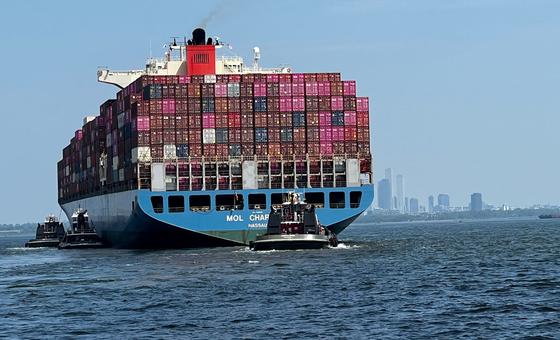
Broader instability in the Middle East has further worsened Yemen’s situation, Mr. Grundberg said, pointing to recent attacks by Ansar Allah (as the Houthi rebels are formally called) on commercial ships in the Red Sea and retaliatory strikes by Israel on key Yemeni infrastructure, including ports and a power station.
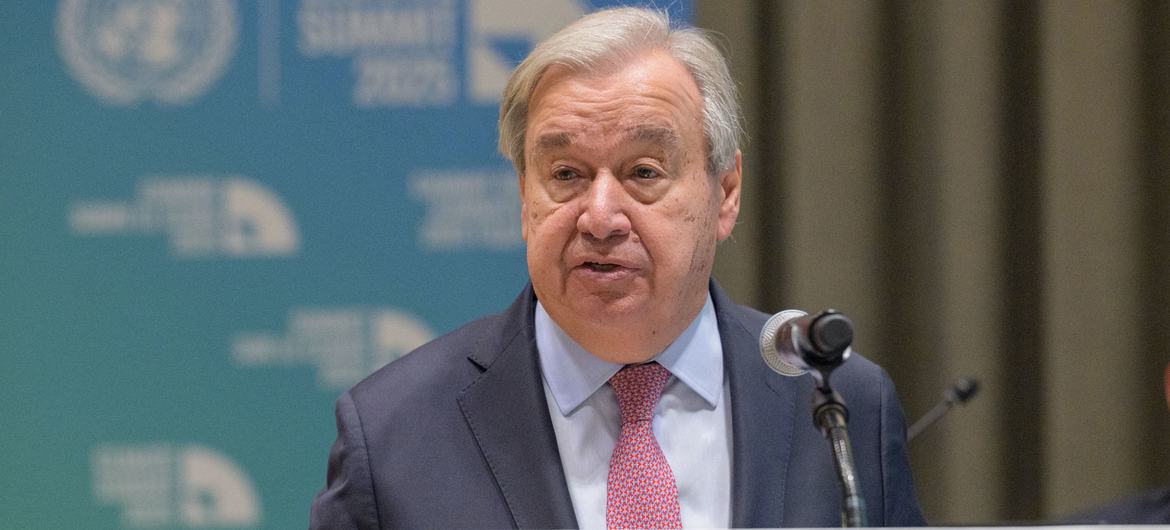
Yemen must not be drawn deeper into the regional crisis that threatens to unravel the already extremely fragile situation in the country. The stakes for Yemen are simply too high,” he said.

Nevertheless, he noted that the ceasefire between Iran and Israel did spark hope that momentum for negotiations in Yemen might resume.

Still, he stressed that Yemen’s peace process must solely depend on regional dynamics.

“Yemen must advance regardless, moving from simply managing shocks and volatility to developing practical steps that lay the groundwork for lasting solutions,” he said.

Negotiations must prevail

Without meaningful peace negotiations, Yemen’s humanitarian crisis will only deepen, Mr. Grundberg warned.

A military solution remains a dangerous solution that risks deepening Yemen’s suffering,” he said.

He highlighted recent progress in Taiz governorate, where both parties agreed to jointly manage water supplies – a move that will provide safe drinking water to over 600,000 people.

This agreement also promotes sustainable water access, reducing reliance on humanitarian aid.

“While negotiations may not be easy, they offer the best hope for addressing, in a sustainable and long-term manner, the complexity of the conflict,” Mr. Grundberg said.

Call for international support

Mr. Grundberg called on the Security Council to continue prioritizing Yemen.

He also reiterated UN calls for all detained humanitarians, including UN staff, and called on donors to ensure sufficient funding to sustain aid organizations on the ground.

Yemen’s future depends on our collective resolve to shield it from further suffering and to give its people the hope and dignity they so deeply deserve,” Mr. Grundberg said.

US tariff delay deepens trade uncertainty, warns top UN economist

While the initial 90-day pause on so-called “reciprocal” tariffs offered some relief compared to planned increases of up to 50 per cent, the US imposed a 10 per cent baseline tariff instead, added on top of existing duties. This means many countries – especially developing economies – faced higher costs exporting goods to the US.

The tariff suspension, originally set to expire soon, has now been extended until August 1, further prolonging uncertainty, Pamela Coke-Hamilton, Executive Director of the International Trade Centre (ITC), told reporters at a regular news briefing at the UN Office in Geneva (UNOG).

She warned this move adds to a mounting “dual shock” of rising trade restrictions and deep cuts to development aid, which hit developing countries the hardest.

ITC is a joint United Nations-World Trade Organization (WTO) agency supporting businesses in developing countries.

Real-world consequences

Economic uncertainty has real-world consequences on countries and sectors,” Ms. Coke-Hamilton said, citing the volatility in gold and precious metals flows as a case in point.

After the US exempted those commodities from the new tariffs, trade volumes surged – with gold imports into Switzerland up 800 per cent year-on-year in May, based on US import data.

Ms. Coke-Hamilton said that since the beginning of the year, ITC has tracked more than 150 new restrictive trade measures globally.

Layered onto existing global trade disruptions since the start of the war in Ukraine, the resulting strain has disproportionately impacted least developed countries (LDCs), which often face the steepest tariffs and the narrowest fiscal space to respond.

A ‘perfect storm’ is brewing

Lesotho, for instance, faces a 50 per cent tariff on apparel exports to the US, threatening its largest industry and tens of thousands of jobs. Viet Nam, though having negotiated a lower tariff, faces a 20 per cent levy – double the current baseline rate – potentially reshaping its $937 million auto and auto-related trade with the US.

Ms. Coke-Hamilton also flagged concerns over cuts in development financing, noting that G7 countries are projected to reduce aid spending by 28 per cent next year – the largest drop in five decades.

A perfect storm is brewing – just as trade becomes more unpredictable, external support through aid is also shrinking,” she said.

Navigating the challenges

To respond, she urged developing countries to focus on three strategic responses: strengthening regional value chains, investing in value addition to reduce commodity dependence and prioritising small business resilience.

Stability can come from the ground up,” she said.

Although uncertainties lie ahead in both the trade and aid landscapes, developing countries can still find ways not only to navigate these challenges, but to take on an active role in bringing about greater stability.

Source link

In South Asia, anaemia threatens women’s health and economic futures

The warning, issued jointly by UN agencies and the regional socio-economic bloc SAARC on Wednesday, underscores South Asia’s status as the “global epicentre” of anaemia among adolescent girls and women.

An estimated 259 million already suffer from the condition, which impairs the body’s ability to carry oxygen, contributing to chronic fatigue, poor maternal outcomes, and reduced educational and economic participation.
This is a clarion call for action,” said Sanjay Wijesekera, Regional Director for the UN Children’s Fund (UNICEF), which together with the UN World Health Organization (WHO) and SAARC prepared the analysis.

When half of all adolescent girls and women in South Asia are anaemic, it is not only a health issue – it is a signal that systems are failing them.

A far-reaching but preventable condition

Anaemia doesn’t just affect women and girls – it contributes to 40% of the world’s low birth weight cases and affects child growth and learning, particularly in poorer households.

The economic toll is staggering: anaemia costs South Asia an estimated $32.5 billion annually, perpetuating cycles of poverty and poor health.

Yet, the condition is preventable and treatable. Proven solutions include iron and folic acid supplementation, iron- and vitamin-rich diets, better sanitation and infection control, and stronger maternal health services.

Experts stress that multi-sector collaboration is critical for sustained progress.

A nurse speaks to women about nutritious food in western India’s Sabarkantha district, were many women and girls suffer from iron deficiency.

Integrated efforts crucial

In nearly every country, progress hinges on strengthening health systems, expanding nutrition programmes, and reaching adolescent girls and women in marginalised communities.

Sri Lanka, where 18.5 per cent of women of reproductive age are anaemic, is scaling up its national nutrition initiative, focusing on the most affected districts.

India and Pakistan are also seeing encouraging signs. In India, high-burden states are integrating iron supplementation into school and maternal care programmes. Pakistan has piloted community-based nutrition initiatives linked to reproductive health services, enabling early detection and follow-up care.

In Bangladesh, school-based health initiatives are reaching adolescents with fortified meals and health education, coordinated across health, education, and agriculture ministries.

Community-driven action works

The Maldives and Bhutan are prioritising early prevention through childhood nutrition, food fortification, and public awareness campaigns. Though smaller in population, both are investing in anaemia surveillance and inter-ministerial collaboration.
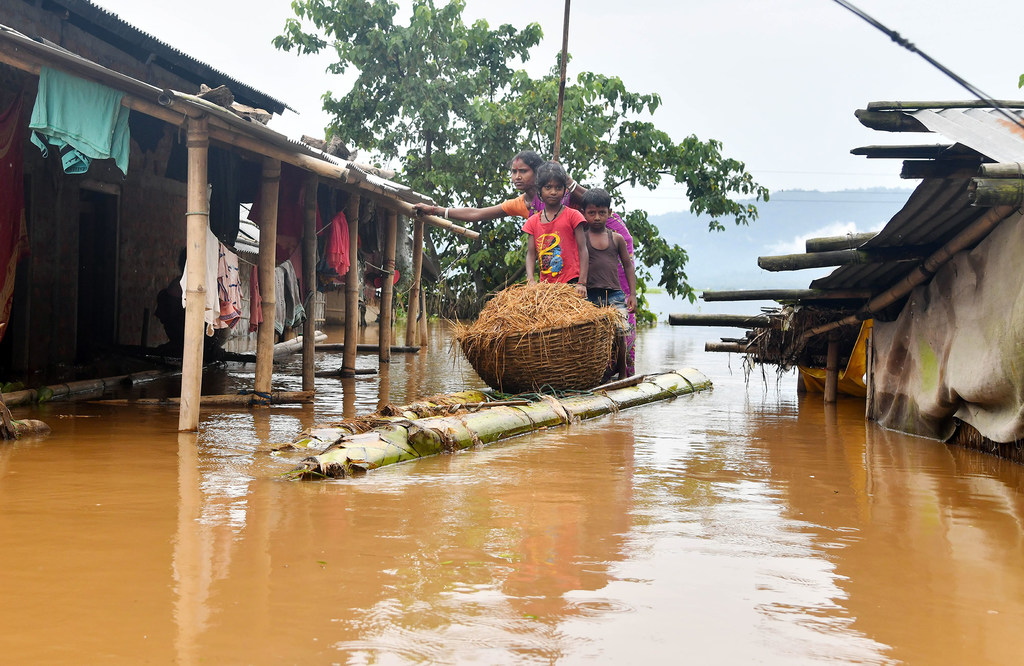
Nepal stands out for its equitable results: since 2016, the country has cut anaemia among women of reproductive age by 7 per cent, with larger declines in poorer areas. Its female community health volunteers are key, providing counselling and referrals in remote regions and linking vulnerable households to public services.

Man Kumari Gurung, a public health nurse in Karnali Province, credits the achievements to a range of community-driven efforts.

“Pregnant women receive eggs, chicken and nutritious food through programmes like Sutkeri Poshan Koseli (Nutrition Gift for New Mothers),” she said. “Cash grants also help with transport to hospitals, supporting safer births and better nutrition.”

A nurse checks a pregnant woman’s weight and vital signs at a clinic in Galigamuwa, Sri Lanka.

Everyone has a role

Ending anaemia requires leadership and teamwork. Governments must lead, but communities, health workers, schools, and families all play a part.

Stronger health systems, better data, and coordinated action across sectors can help girls and women reach their full potential – building healthier communities and stronger economies.

Young people and mothers are at the heart of South Asia’s development goals. Ensuring that they are healthy, nourished and empowered is not just a moral imperative, it is a strategic investment in the future of our societies,” said Md. Golam Sarwar, Secretary General of SAARC.

UN calls on Taliban to end repressive policies

Adopted with 116 votes in favour, 12 abstentions and 2 against (Israel and United States), the resolution highlighted the multifaceted crises confronting Afghanistan nearly four years after the Taliban’s return to power, calling for greater international support for the Afghan people and a renewed push for human rights, peace and stability.

It emphasised the need for a coherent approach among humanitarian, political and development actors, and raised alarm over the “grave, worsening, widespread and systematic oppression” of all women and girls in Afghanistan, calling on the Taliban to swiftly reverse policies that exclude them from education, employment and public life.

The text further called for adherence to Afghanistan’s obligations under international law, including human rights and humanitarian principles.

Security and economic concerns

The 193-member General Assembly reiterated its “serious concern” over continuing violence and the presence of terrorist groups such as Al-Qaida, Islamic State in Iraq and the Levant (ISIL/Da’esh) and their affiliates ISIL-Khorasan and Tehrik-e-Taliban Pakistan, and “demanded” that Afghanistan not be used as a safe haven for terrorist activity.

Beyond security, the resolution stressed Afghanistan’s severe economic collapse, widespread poverty and spiralling humanitarian crisis, urging Member States and donors to scale up principled, sustained assistance.

It also highlighted the growing threat of natural disasters such as floods and droughts, which worsen food insecurity and economic fragility.

Sustainable and lasting peace can be achieved only through long-term social, economic and political stability, which requires full respect for civil, political, social, economic and cultural rights as well as commitment to inclusive and representative governance,” the resolution stated.

Result of the UN General Assembly vote on the draft resolution on Afghanistan.

Needs surge amid refugee returns

The resolution comes at a time of intensified strain on Afghanistan’s overstretched humanitarian system.

According to UN agencies, waves of returns from Pakistan and Iran – including both refugees and those in refugee-like situations – have increased pressure on services, especially in border provinces ill-equipped to absorb new arrivals.

These returns, many of them involuntary or under duress, have heightened protection risks and left thousands of families in urgent need of food, shelter and basic services.

The 2025 Humanitarian Needs and Response Plan for Afghanistan – which seeks $2.4 billion to assist nearly 17 million people – is only 22 per cent funded as of early July, raising concerns among aid officials about maintaining life-saving programs in the months ahead.

The resolution called on all donors and stakeholders to “reconsider any decisions that may lead to reductions in such assistance, taking into account the potential adverse humanitarian consequences for the most vulnerable populations.”

Governance and accountability

The Assembly also reiterated concern over the lack of political inclusion since the Taliban takeover in August 2021.

It raised alarm over extrajudicial punishments, such as reprisals and summary executions, enforced disappearances and arbitrary detentions, including those targeting former members of the security personnel.

While the Assembly acknowledged the Taliban’s limited steps to reduce opium cultivation, it stressed the need for comprehensive counter-narcotics measures and efforts to combat organized crime and illicit arms trafficking.

UN General Assembly votes on the draft resolution on Afghanistan.

A call for collective responsibility

The resolution expressed appreciation to major refugee-hosting countries – particularly Pakistan and Iran – and called for more equitable burden-sharing and international cooperation to support displaced Afghans and the communities that host them.

It underlined the importance of creating conditions for the safe, dignified and voluntary return of refugees and internally displaced persons, as well as their sustainable reintegration.
Source link

‘Cooperation is humanity’s greatest innovation,’ UN chief declares at BRICS summit

Speaking at the 17th BRICS summit in Rio de Janeiro, Brazil, he emphasised the human impact of environmental devastation and climate change.  And as environmental disasters increase, the sustainable development goals are also being left behind.  

Across the world, lives and livelihoods are being ripped apart, and sustainable development gains left in tatters as disasters accelerate,” Mr. Guterres said. 

The impact on human health is atrocious…the vulnerable and the poorer pay the highest price.” 

BRICS was founded by Brazil, Russia, India and China in 2006. South Africa joined in 2011 and Egypt, Ethiopia, Indonesia, Iran, Saudi Arabia and the United Arab Emirates joined the group since. Collectively, these eleven States represent over half of the world’s population and approximately one-third of the world’s GDP.  

Artificial intelligence must benefit all

On Sunday, Mr. Guterres addressed a session on strengthening multilateralism, economic-financial affairs and artificial intelligence, where he called for efforts to “minimize the risks and maximize the potential” of the breakthrough technology.

Artificial intelligence is reshaping economies and societies. The fundamental test is how wisely we will guide this transformation, how we minimize the risks and maximize the potential for good,” he said.  

To maximize the potential, the Secretary-General argued that AI cannot be “a club of the few but must benefit all,” calling for the “real voice” of developing countries to be included in global AI governance.

He also said that human rights and equity must be the guiding principles which shape any international governance structure for AI.  

“We cannot govern AI effectively – and fairly – without confronting deeper, structural imbalances in our global system,” he said.  

Collaboration is key

UN Secretary-General António Guterres stressed the need for peace amid conflicts in Gaza, Ukraine, Sudan and Myanmar.

He called for urgent reform of global institutions, noting that bodies like the Security Council and international financial systems were “designed for a bygone age, a bygone world, with a bygone system of power relations.”

“The reform of the Security Council is crucial,” he said, highlighting also calls from the recent financing for development conference in Sevilla.

Priorities include greater voice for developing countries in global governance, effective debt restructuring, and tripling multilateral bank lending – especially in concessional and local-currency terms.

Call for reform

Mr. Guterres concluded his remarks highlighting the power of cooperation and trust.

At a time when multilateralism is being undermined, let us remind the world that cooperation is humanity’s greatest innovation,” he said.

Let us rise to this moment – and reform and modernize multilateralism, including the UN and all the systems and institutions to make it work for everyone, everywhere.” 

Source link

Ukraine: UN refugee agency helps repair homes amid ongoing conflict

In the fourth year of Russia’s full-scale invasion of Ukraine, housing remains one of the country’s most urgent humanitarian and recovery challenges. The destruction has been widespread and ongoing.

According to the latest Rapid Damage and Needs Assessment, 13 per cent of Ukraine’s housing stock has been damaged since February 2022, impacting an estimated 2.5 million families.

More than buildings 

In coordination with Ukrainian authorities and partners, UNHCR has invested over $114 million in durable housing solutions since July 2022, supporting both durable home repairs and emergency shelter assistance.

“By helping repair houses and apartments, we are enabling people to stay in or return to their homes – places that hold profound meaning, often passed down through generations,” said Karolina Lindholm Billing, UNHCR’s representative in Ukraine.  

“These are not just buildings. These are treasured spaces where couples raised their children, families celebrated milestones, cared for older relatives and built their lives together,” she said.

UNHCR’s support includes a range of solutions: contracting local builders, providing construction materials or offering cash assistance to homeowners. 

Repairs may include roofs, windows, insulation and in some cases, major reconstruction. The agency also helps restore common areas in apartment buildings.

Emergency shelter and long-term needs

UNHCR also provides emergency shelter kits – tarpaulin, wooden boards, nails and other materials – to help protect homes from further weather damage.  

Since 2022, more than 470,000 people have received such kits.

With millions still internally displaced – many from areas under temporary occupation and with little prospect of return – UNHCR supports broader shelter options, including restoring social housing, repairing rural homes and refurbishing collective centres for the most vulnerable. 

Source link

South Sudan’s longest cholera outbreak enters critical stage

The outbreak – which started in September 2024 and was confirmed a month later – comes amidst a protracted humanitarian crisis exacerbated by rising intercommunal violence, climate shocks such as flooding and catastrophic hunger.  

“Now, more than ever, collective action is needed to reduce tensions, resolve political differences and make tangible progress in implementing peace,” said Anita Kiki Gbeho, UN Resident and Humanitarian Coordinator in South Sudan.  

Alarming escalation

Since the cholera outbreak was declared in October 2024, UN agencies and partners have documented over 80,000 cholera cases and 1,400 deaths.  

This is in addition to regional outbreaks of mpox, hepatitis and measles among other communicable diseases.

South Sudanese authorities, civil society and UN agencies held an inter-ministerial meeting on Monday to discuss what they called an “alarming escalation” in the spread of the outbreak. 

“This is not merely a public health crisis, but a multi-sectoral emergency exacerbated by flooding, displacement, and limited access to basic services,” the ministers wrote in a communiqué released.  

The group resolved to facilitate unimpeded humanitarian access to areas which already have outbreaks and to other areas at risk for outbreaks. The Government of South Sudan will coordinate these efforts.

Partners will also work to preposition materials, improve water and sanitation infrastructure and coordinate proactive and reactive vaccination campaigns.  

Time is running out

With the peak of the rainy season on the horizon, the next eight weeks are critical in containing and mitigating the outbreak before severe flooding begins.  

“Time is of the essence to prevent a further escalation of the outbreak,” the officials wrote.  

Floods more than double the frequency of cholera outbreaks by imperiling access to clean water and impeding humanitarian access to affected areas. And with rising global temperatures making floods more severe, millions of South Sudanese who were not previously in regions of concern may now be at risk for cholera outbreaks.

A preventable disease  

Cholera is an acute diarrhoeal infection caused by consuming contaminated water or food. Although highly communicable, it is preventable through proper hygiene, regular handwashing, safe food preparation and storage, improved sanitation infrastructure, and vaccination.

Symptoms typically include watery diarrhoea. Most cases are mild to moderate and can be treated effectively with oral rehydration salts (ORS) mixed with clean, boiled water.

However, in severe cases, cholera can be fatal—sometimes within hours—if not treated promptly.

Infected individuals can also transmit the disease through their faeces for up to ten days, even if they show no symptoms.

Need for additional funds

In South Sudan, the already inadequate water and sanitation infrastructure and overstretched public health system has further deteriorated as a result of displacement and conflict. This has ripened the conditions for the spread of cholera.

The UN and its partners are working quickly to preposition emergency supplies, especially in these previously low-risk areas, but they are hampered by funding shortfalls. Agencies estimate that they will need $1.69 billion – of which they have only received $368 million – to address the many intersecting humanitarian needs in the country.  

Nevertheless, the group of ministers insisted that this outbreak is and must remain a priority for all involved.

“Cholera response and flood preparedness must be treated as urgent national priorities,” they said in the communiqué. 

Source link

Gaza: Hospitals rationing critical supplies, ambulances stalling

What little fuel remains is powering essential operations, but it is running out fast, and there are virtually no additional accessible stocks left, UN Spokesperson Stéphane Dujarric said, citing reports from the UN relief coordination office, OCHA.  

“Hospitals are rationing. Ambulances are stalling. Water systems are on the brink. And the deaths this is likely to cause could soon rise sharply unless the Israeli authorities allow new fuel to get in,” said Mr. Dujarric.

“We need fuel urgently and we need it in large quantities to power the most essential parts, notably water desalination, hospitals and telecommunications,” he added, noting fuel has not entered the enclave in the last few months.

Khan Younis displacement

Meanwhile Israeli forces continue to attack civilian infrastructure in Gaza and issue new displacement orders.

On Tuesday, such orders were issued for parts of Khan Younis, specifically ordering those staying in tents to move, Mr. Dujarric reported.

The map published alongside the order indicates that some areas included had not been subject to displacement orders since before the March ceasefire, he said.

“The issuance of a displacement order does not relieve any party from the imperative to spare civilians, including those who are unable or unwilling to move.”  

Safeguard hospitals

Mr. Dujarric also reiterated the UN World Health Organization’s (WHO) call to protect the Nasser Medical Complex in Khan Younis, warning that the hospital is overwhelmed with trauma injuries at double its capacity.  

In a video message sent from the hospital on Monday, Rik Peeperkorn, WHO representative in the Occupied Palestinian Territory, said the facility is running critically low on trauma supplies, essential medicines, equipment and fuel, and that staff are exhausted.

Humanitarian movements

Meanwhile, OCHA reported that humanitarian movements inside Gaza remain heavily restricted: only four out of 12 attempts on Monday to coordinate movements with the Israeli security authorities were fully facilitated, and just one delivered supplies.

Four more attempts were rejected by Israeli authorities, halting efforts to evacuate patients, retrieve disabled trucks or clear debris.  

Although the remaining four were initially approved, ground-level impediments ultimately undermined the ability to carry out the missions.

Source link

UN summit confronts AI’s dawn of wonders and warnings

The AI for Good Global Summit 2025 brings together governments, tech leaders, academics, civil society and young people to explore how artificial intelligence can be directed toward Sustainable Development Goals (SDGs) – and away from growing risks of inequality, disinformation and environmental strain.

We are the AI generation,” said Doreen Bogdan-Martin, chief of the International Telecommunications Union (ITU) – UN’s specialized agency for information and communications technology – in a keynote address.

But being part of this generation means more than just using these technologies.

It means contributing to this whole-of-society upskilling effort, from early schooling to lifelong learning,” she added.

Warnings on AI risks

Ms. Bogdan-Martin warned of mounting dangers in deploying AI without sufficient public understanding or policy oversight.

The biggest risk we face is not AI eliminating the human race. It is the race to embed AI everywhere, without sufficient understanding of what that means for people and our planet,” she said.

Her remarks reflected a growing sense of urgency among policymakers and technologists, as new “agentic AI” systems capable of autonomous reasoning and action emerge at unprecedented speed.

With some experts predicting human-level AI within the next three years, concerns about safety, bias, energy consumption and regulatory capacity have intensified.

Tech on display at the AI for Good Global Summit.

Tech on display

The summit’s agenda reflects these tensions.

Over 20,000 square meters of exhibit space at Geneva’s Palexpo now hosts more than 200 demonstrations, including a flying car, a fish-inspired water quality monitor, brain-computer interfaces and AI-driven disaster response tools.

Workshops throughout the week will tackle topics ranging from AI in healthcare and education to ethics, gender inclusion and global governance.

One highlight will be the AI Governance Day on Thursday, where national regulators and international organizations will address the gap in global oversight. An ITU survey found that 85 per cent of countries lack an AI-specific policy or strategy, raising alarms about uneven development and growing digital divides.

Focus on health

Health is a prominent theme this year.

On Wednesday, the UN World Health Organization (WHO) will lead a session titled “Enabling AI for Health Innovation and Access,” bringing together technologists, regulators, clinicians and humanitarian leaders to address how AI can improve healthcare delivery – especially in low-resource settings.

Real-world applications – from AI-powered triage in emergency care to diagnostic tools for rural clinics – will be spotlighted, alongside a preview of WHO’s forthcoming Technical Brief on AI in Traditional Medicine.

Experts will also examine the challenges of interoperability, regulatory harmonisation and intellectual property rights at the intersection of AI and global health. The summit will feature the AI for Good Awards, recognising groundbreaking projects that harness AI for public benefit, with categories spanning people, planet and prosperity.

Tech on display at the AI for Good Global Summit in Geneva.

Launchpad for action

The health track exemplifies the summit’s core goal: ensuring AI serves the public good, especially in areas of greatest need.

Youth-led robotics teams from underserved communities will present solutions for disaster recovery and waste management, while startups compete in the Innovation Factory to showcase AI tools for education and climate resilience.

Live demonstrations include an autonomous orchard robot, a self-sanitising mobile toilet and a drone-eDNA system for scalable biodiversity and pest monitoring.

Closing her keynote, Ms. Bogdan-Martin reminded participants that the future of AI is a shared responsibility.

Let’s never stop putting AI at the service of all people and our planet,” she said.

Source link