Measles cases drop in 2025 across Europe and Central Asia, but outbreak risks remain

While cases have reduced, the conditions that led to the resurgence of this deadly disease in recent years remain and must be addressed,” said Regina De Dominicis, the UN Children Fund (UNICEF) regional director for Europe and Central Asia.

Fifty-three countries in Europe and Central Asia reported 33,998 measles cases in 2025, down from 127,412 in 2024.

The overall decreasing trend in cases reflects both outbreak response measures and the gradual decline in the number of people susceptible to measles infection as the virus made its way through under-vaccinated communities, according to UN agencies.

Tackling deadly misinformation

However, many cases could have been prevented with higher routine vaccination coverage at community level and more timely response to outbreaks, UN agencies said.

“Until all children are reached with vaccination, and hesitancy fuelled by the spread of misinformation is addressed, children will remain at risk of death or serious illness from measles and other vaccine-preventable diseases,” she warned.

Hans Henri P. Kluge, WHO regional director for Europe, said eliminating measles is essential for national and regional health security, stressing that “in today’s environment of rampant fake news, it’s also crucial that people rely on verified health information from reliable sources such as WHO, UNICEF and national health agencies.”

Measles still present

The number of cases in 2025 still exceeded what has been reported for most years since 2000, and some countries reported more cases in 2025 than in 2024. Measles cases continue to be detected in 2026 in the region, according to WHO.

“Over 200,000 people in our region fell ill with measles in the past three years,” Dr. Kluge said.

“Unless every community reaches 95 per cent vaccination coverage, closes immunity gaps across all ages, strengthens disease surveillance and ensures timely outbreak response, this highly contagious virus will keep spreading.”

Highly contagious

Measles is one of the most contagious viruses affecting people. For every one person who has measles, up to 18 other unvaccinated people will be infected.

This makes measles around 12 times more contagious than influenza. As well as hospitalisation and death, the virus can cause long-term, debilitating health complications.

It can also damage the immune system by “erasing” its memory of how to fight infections for months to even years, leaving measles survivors vulnerable to other diseases and death.

Two doses of measles-containing vaccine provide up to 97 per cent life-long protection against measles

A vaccination rate of 95 per cent with two doses of the measles vaccine in every community each year is needed to prevent measles outbreaks and achieve herd immunity, which protects infants too young for measles vaccination and other people for whom it is not recommended due to medical conditions, like those who are immunocompromised.

Public health priorities

Outbreak preparedness and response alongside the target of measles elimination, remain public health priorities.

UNICEF and WHO work together with governments and with the support of partners, including Gavi, the Vaccine Alliance, and the European Union, to prevent and respond to measles outbreaks by, among other things:

  • engaging with communities
  • training health care workers
  • strengthening immunisation programmes and disease surveillance systems
  • initiating measles vaccination catch-up campaigns

Source link

US withdrawal from WHO ‘risks global safety’, agency says in detailed rebuttal

The statement, released on Saturday, also includes a rebuttal of the US administration’s reasoning for the measures. In response to government statements that the WHO has “trashed and tarnished” and insulted it, and compromised its independence, the agency notes that “the reverse true,” and that the WHO has always sought to “engage with the United States in good faith, with full respect for its sovereignty.”

The accusation by the US administration that the WHO has “pursued a politicized, bureaucratic agenda driven by nations hostile to American interests” is countered and described as untrue. The agency, the statement reads “has always been and remains impartial and exists to serve all countries, with respect for their sovereignty, and without fear or favour.”

Defence of COVID-19 response 

A significant portion of the statement is dedicated to defending the WHO against US accusations of “failures” during the COVID-19 pandemic: according to the administration, the WHO obstructed the “timely and accurate sharing of critical information” and “concealed those failures”. 

The agency counters this by noting that, throughout the pandemic, it acted quickly, shared all information it had rapidly and transparently with the world, and advised Member States on the basis of the best available evidence. 

WHO recommended the use of masks, vaccines and physical distancing, but at no stage recommended mask mandates, vaccine mandates or lockdowns.

Immediately after receiving the first reports of a cluster of cases of “pneumonia of unknown cause” in Wuhan, China on 31 December 2019, WHO asked China for more information and activated its emergency incident management system.

By the time the first death was reported from China on 11 January 2020, WHO had already alerted the world through formal channels, public statements and social media, convened global experts, and published comprehensive guidance for countries on how to protect their populations and health systems.

When the WHO Director-General declared COVID-19 a public health emergency of international concern under the International Health Regulations on 30 January 2020 – the highest level of alarm under international health law – outside of China there were fewer than 100 reported cases, and no reported deaths.

In the first weeks and months of the pandemic, the Director-General urged all countries repeatedly to take immediate action to protect their populations, warning that “the window of opportunity is closing”, “this is not a drill” and describing COVID-19 as “public enemy number one”.

In response to the multiple reviews of the COVID-19 pandemic, including of WHO’s performance, WHO has taken steps to strengthen its own work, and to support countries to bolster their own pandemic preparedness and response capacities. The systems WHO developed and managed before, during and after the emergency phase of the pandemic, have contributed to keeping all countries safe, including the United States.

Door open for US return

Despite the withdrawal notice, WHO remains committed to global cooperation and expresses hope that the United States will re-engage in the future. The agency highlights recent milestones, including the adoption of the WHO Pandemic Agreement, described as “a landmark instrument of international law” aimed at preventing and responding to future pandemics.

As a founding member of the WHO, the United States of America has contributed significantly to many of the agency’s greatest achievements, including the eradication of smallpox, and progress against many other public health threats including polio, HIV, Ebola, influenza, tuberculosis, malaria, neglected tropical diseases, antimicrobial resistance, food safety and more.

“WHO remains steadfastly committed to working with all countries in pursuit of its core mission,” the statement concludes, reaffirming its mandate to advance “the highest attainable standard of health as a fundamental right for all people.”

Mozambique floods heighten disease, malnutrition risks – UN agencies

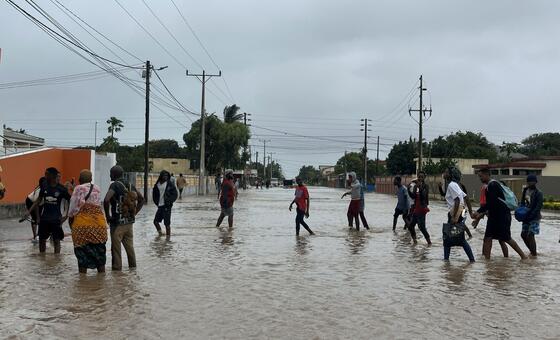
The head of aid coordination office, OCHA, in the country, Paola Emerson, told reporters in Geneva that more than half a million people have been impacted by the floods, triggered by heavy rains in the first weeks of the new year.

“The numbers keep rising as extensive flooding continues and dams keep releasing water to avoid bursting,” she said.

Mozambique’s Gaza province is most affected along with Maputo and Sofala provinces.

‘Melting’ houses

Speaking from Xai-Xai, Gaza’s capital city, Ms. Emerson stressed that 90 per cent of the country’s people live in adobe houses, which are earth-based structures “that basically melt after a few days’ rains”.

Health facilities, roads and critical infrastructure are also heavily impacted. Ms. Emerson said that some 5,000 kilometres of roads have been damaged across nine provinces, including the main road linking the capital Maputo to the rest of the country, which is currently inaccessible, resulting in major supply chain disruptions.

Meanwhile, dams continue to release water even as heavy rains subside.

“From just one dam, up to 10,000 cubic metres-worth of water were being discharged. That is approximately 25 times the amount of water that could be held in the press briefing room you are in today, every second,” Ms. Emerson told journalists, seated in a room with capacity for more than 100 people.

You cannot imagine the strength of this water and the impact it has on people and the infrastructure.

National emergency

The Government of Mozambique has declared a national emergency and has established an emergency operations centre in Gaza province. Xai-Xai, which is near the Limpopo River, has been inundated, prompting evacuations. Ms. Emerson said that authorities have issued alerts for downtown Xai-Xai, “including warnings of crocodile risks in flooded areas”.

“River levels are rising and are reaching urban areas or heavily populated areas,” she said. “The crocodiles that are in the Limpopo River…are able to get into urban or populated areas that are now submerged underwater.

Also speaking from Xai-Xai, the UN Children’s Fund (UNICEF)’s Chief of Communication in Mozambique, Guy Taylor, warned that flooding is “turning unsafe water, disease outbreaks and malnutrition into a deadly threat for children”.

Lethal combination

The combination of waterborne diseases and malnutrition “can often prove lethal,” he said, stressing that even before the floods, four out of every 10 children in Mozambique experienced chronic malnutrition.

“This renewed disruption to food supplies, to health services and to care practices threatens to push the most vulnerable children into a dangerous spiral,” he insisted.

Mr. Taylor added that Mozambique is now entering into its annual cyclone season, creating the risk of a double crisis. “We can prevent disease, deaths and irreversible losses to children, but we need to act fast,” he said.

The UNICEF spokesperson described Mozambique as “a country of children and young people”, with an average age of 17.

“When floods and cyclones strike, as they have repeatedly and with increasing frequency over recent years, it’s the youngest and children who are hit hardest,” he concluded.

Source link

UN agencies warn of rising heat stress risks for workers worldwide

The new joint report, Climate change and workplace heat stress, underscores the mounting risks as climate change fuels longer, more extreme, and more frequent heatwaves.

Stressing that workers in agriculture, construction, and fisheries are already suffering the impacts of dangerous temperatures, the report points out that vulnerable groups in developing countries – including children, older adults, and low-income communities – face increasing dangers.

Heat stress is already harming the health and livelihoods of billions of workers, especially in the most vulnerable communities,” said Dr. Jeremy Farrar, WHO Assistant Director-General for Health Promotion, Disease Prevention and Care.

This new guidance offers practical, evidence-based solutions to protect lives, reduce inequality, and build more resilient workforces in a warming world”, he added.

Drawing on five decades of research, the report highlights how rising temperatures are hitting both health and productivity.

WMO confirmed that 2024 was the hottest year on record, at 1.55 degrees Celsius above pre-industrial temperatures, and with daytime highs above 40 °C becoming commonplace – and in some areas, even exceeding 50 °C. 

Occupational heat stress has become a global societal challenge, which is no longer confined to countries located close to the equator – as highlighted by the recent heatwave in Europe,” said Ko Barrett, WMO Deputy Secretary-General. “Protection of workers from extreme heat is not just a health imperative but an economic necessity.”

Alarming findings

The report details how extreme heat is reshaping the world of work. It finds that worker productivity drops by 2 to 3 per cent for every degree above 20°C.

The health consequences are wide-ranging, including heatstroke, dehydration, kidney dysfunction, and neurological disorders. Overall, nearly half of the world’s population is now experiencing negative effects from high temperatures.

Path forward

Calling for urgent occupational heat action plans tailored to industries and regions, WHO and WMO guidance includes several recommendations:

  • Develop targeted occupational heat-health policies based on local weather and workforce vulnerabilities.
  • Prioritize protections for middle-aged and older workers, those with chronic health conditions, and individuals with lower physical fitness.
  • Train health professionals, employers, and workers to recognize and treat heat stress, which is often misdiagnosed.
  • Involve workers, unions, and local authorities in shaping heat-health strategies.
  • Promote affordable, sustainable, and scalable solutions, alongside innovation and new technologies.
  • Strengthen research and monitoring to ensure measures remain effective.

The guidance builds on International Labour Organization (ILO) findings that more than 2.4 billion workers are exposed to excessive heat globally, resulting in over 22.85 million occupational injuries each year.

‘Critical milestone’

“This report represents a critical milestone in our collective response to the growing threat of extreme heat in the world of work,” said Joaquim Pintado Nunes, ILO Chief of Occupational Safety and Health and the Working Environment.

“Aligned with the ILO’s mandate to promote safe and healthy working environments as a fundamental right, it offers robust, evidence-based guidance to help governments, employers and workers confront the escalating risks of climate change.”

A call to action

Both UN agencies stress that addressing heat stress is central to safeguarding lives, livelihoods, and economies. The guidance supports the UN Sustainable Development Goals (SDGs), urging decisive action to protect vulnerable workers, reduce poverty, and promote sustainable growth.

Urgent and coordinated action is no longer optional – it is essential, the report says.

Indigenous Peoples Day highlights AI’s risks and opportunities

An estimated 476 million Indigenous Peoples live across 90 countries, representing 5,000 different cultures.

Without proper safeguards, AI risks harming Indigenous rights through inequitable distribution of the groundbreaking technology, environmental damage and the reinforcement of damaging colonial legacies.

The growing amount of electricity generation needed for AI data centres and other infrastructure is also intensifying climate change pressures, according to the UN.

When situated near Indigenous Peoples’ lands, AI data sites can exacerbate environmental degradation, negatively affecting the ecosystems they depend on.

Moreover, decisions on AI are often made by governments and major tech companies excluding any consultation with Indigenous Peoples. This has meant Indigenous language, knowledge and culture are regularly included in AI datasets without consent, perpetuating patterns of appropriation and misrepresenting Indigenous Peoples.

Despite challenges and risks, AI also presents new opportunities. Worldwide, Indigenous Peoples have explored the use of AI, using it as a tool for preserving intergenerational knowledge, empowering youth, and preserving culture, language and identity.

Safeguards for and innovations from Indigenous Peoples in the realm of AI are the focus of this year’s International Day of the World’s Indigenous Peoples, as well as recipients of the Equator Prize.

2025 Equator Prize  

To commemorate the day, the UN Development Programme (UNDP) has announced the ten community-based, Indigenous-led organizations that will be recipients of the 2025 Equator Prize.  

This award honours environmentally grounded solutions led by Indigenous Peoples that promote sustainable development, with winners demonstrating this year’s prize theme, “Nature for Climate Action”.

Winners will receive $10,000, be honored at a high-level online ceremony later this year and may join global events, including the UN General Assembly and the UN Climate Change Conference, COP30, taking place in Brazil later this year.

Prize recipients  

The Latin American recipients include Cooperativa de Mujeres Artesanas del Gran Chaco (COMAR) in Argentina, Associação Uasei dos Povos Indígenas de Oiapoque (Uasei) in Brazil, the Hakhu Amazon Foundation in Ecuador and the First Agrobiodiversity Zone in Peru.  

COMAR supports Indigenous women through Matriarca, a brand turning traditional crafts into sustainable products. Uasei fosters an Indigenous-led bioeconomy around native açaí, while Hakhu defends the Ecuadorian Amazon and Indigenous rights through advocacy, decolonial education and grassroots media. 

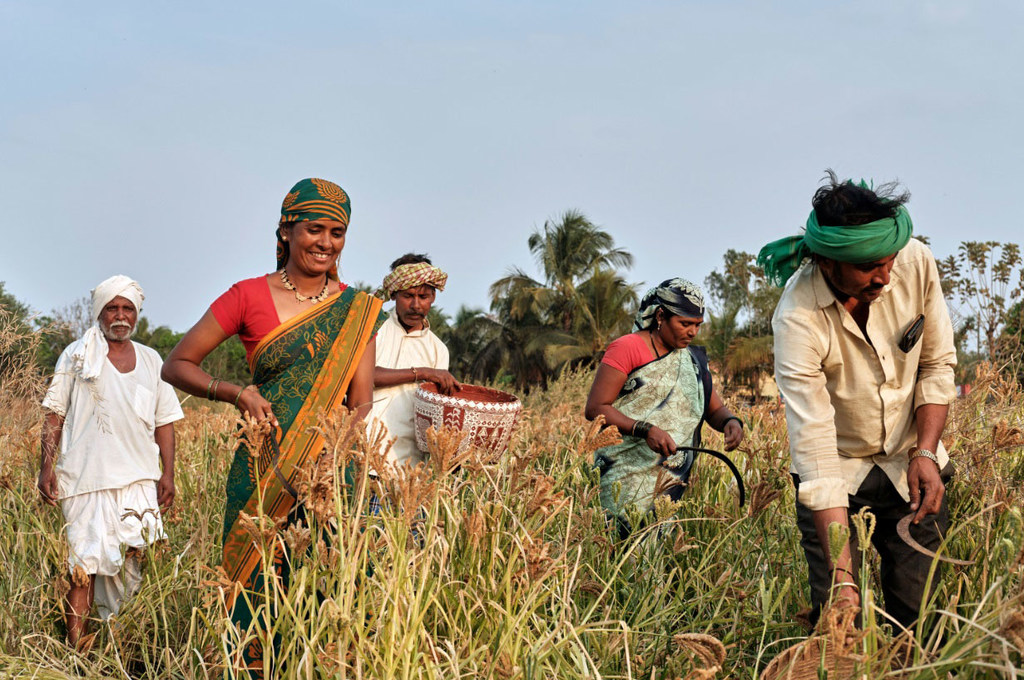
In India, Bibifathima Swa Sahaya supports village farmers through multi-cropping, seed banks and solar-powered processing – combining traditional knowledge with regenerative agriculture and renewable energy. 

© Equator Initiative/Bibifathima Swa Sahaya Sangha

The 2025 Equator Prize winners exemplify this year’s theme, “Nature for Climate Action,” with a special focus on youth- and women-led climate action.

In Indonesia, Mitra BUMMA supports community enterprises protecting 100,000 hectares of rainforest while also boosting local economies and governance. The Ranu Welum Foundation empowers Indigenous Dayak communities through forest conservation and cultural preservation.

In Papua New Guinea, Sea Women of Melanesia Inc. empowers women to lead marine conservation by combining traditional knowledge with modern science.

And in Africa, Nature and People As One in Kenyaempowers pastoralist communities to restore drylands using traditional knowledge and affordable restoration methods, and Sustainable Ocean Alliance Tanzania restores marine ecosystems through sustainable seaweed farming and empowers coastal communities.

“On this important day, the 2025 Equator Prize winners are a reminder of the importance of honoring and recognizing the vision and leadership of Indigenous Peoples and local communities,” said Marcos Neto, UN Assistant Secretary-General and Director of UNDP’s Bureau for Policy and Programme Support. 

Facing rising risks, landlocked nations launch climate alliance at UN summit

Operating within the UN Framework Convention on Climate Change (UNFCCC), the group aims to amplify their voices in global climate talks, where their distinct vulnerabilities have long been overlooked.

Disproportionate climate risks

Although LLDCs account for approximately 12 per cent of the world’s land surface, they have experienced nearly 20 per cent of the world’s droughts and landslides over the past decade – underscoring their disproportionate exposure to climate-related disasters.

Lacking access to the sea, these countries rely heavily on neighboring transit states, which further increases their vulnerability to climate-induced disruptions.

The Awaza Programme of Action is not the first global framework to address the development needs of LLDCs, but for the first time, such an action plan includes a strong focus on adaptation to climate-related disasters.

A call for resilience and preparedness

Natalia Alonso Cano, Chief of the UN Office for Disaster Risk Reduction (UNDRR) Regional Office for Europe and Central Asia, emphasized this in an interview with UN News.

LLDCs, she said, face overlapping risks: over half of their territory is classified as dryland; many are in mountainous regions; and some sit in seismically active zones.

“Landlocked countries in general, they suffer about three times the economic losses compared to the global average,” she said. “Also, the mortality rates [when disasters strike these countries] much higher than the global average. Such big difference explained by a combination of this vulnerability, but also a combination of exacerbating impacts.”

Limited capacity, growing challenges

Landlocked developing countries often struggle to respond to climate challenges due to limited financial capacity, dependence on undiversified, commodity-based economies, and weak governance. In 2024, one-third of LLDCs were either in conflict or considered unstable.

The new 10-year UN action plan aims to support LLDCs in climate adaptation, sustainable development, and disaster risk reduction.

“We know that early warning saves lives. It’s a fact,” Ms. Alonso Cano explained. “When you can communicate to the communities affected that something is going to happen and they need to prepare – to evacuate, for example – they need to do certain things. If they know what they need to do, that’s part of the early warning system. Obviously, it saves lives, and it saves livelihoods as well.”

She gave an example of drought preparedness: “If there [is] a systemic drought in an area, you work in the preparedness with the communities, they can, for example, take certain measures, reduce maybe the amount of cattle in the case of that, they can congregate towards points of water, etc. There are a number of measures to address that.”

Ms. Alonso Cano stressed the need for long-term planning: “We need to take into account what is going to happen in 10, 20, 30 years. And climate change will become more extreme – we know this for sure.”

Women and girls at the forefront

Within LLDCs, women and girls are particularly at risk, making gender a key concern at Thursday’s events at LLDC3 in Awaza. One highlight was a Women Leaders’ Forum, opened by UN Under Secretary-General Rabab Fatima, who emphasized that sustainable development cannot be achieved without the full participation of women and girls.

Ms. Fatima, the High Representative for the Least Developed Countries, Landlocked Developing Countries and Small Island Developing States, noted progress over the last 25 years: women now occupy one-third of parliamentary seats in LLDCs, compared to just 7.8 per cent in 2000.

“This is higher than the global average,” she said, adding that 11 of the world’s 54 female speakers of parliament come from LLDCs.

Persistent gender gaps

Yet challenges remain. “Progress is uneven and far too slow. One in four women in LLDCs live in extreme poverty – that is nearly 75 million women; and nearly half – about 150 million – face food insecurity.”

Employment statistics show wide gender disparities. While 80 per cent of women in LLDCs work informally, without contracts or protections, the global average is 56 percent. One in three girls in LLDCs marries early – nearly twice the global rate – and only one in three completes secondary education. In addition, just 36 per cent of women in these countries have access to the internet.

“That is why gender-responsive industrial and development policies are so important,” Ms. Fatima stressed. “These policies must be tailored to national contexts, and industrial development in rural areas, business support, formalization of employment, and strengthened partnerships must be priorities.”

Digital inclusion for women and girls

She also called for improved internet access and education for women and girls.

The International Telecommunication Union (ITU), a UN specialized agency, is addressing these challenges.

Dr. Cosmas Luckysin Zavazava, Director of the ITU Telecommunication Development Bureau, told UN News that while some regions such as the CIS have achieved gender parity in internet access, LLDCs still face major barriers.

“That’s why we’ve developed special programmes for women and girls in this region,” he said. “It’s not just about access, but also about building coding skills and introducing girls to fields like robotics. Our programmes aim to motivate young women and girls to pursue careers in STEM sectors.”

Turning point for action

As the Awaza conference nears its conclusion, participants are expected on Friday to reaffirm their political commitment to the Awaza Programme of Action, which was adopted by the UN General Assembly in 2024.

The time has come for implementation – or as High Representative Rabab Fatima put it, “Let this forum be a turning point.

Source link

Afghan women returnees face rising risks, UN warns

UN Women – which champions gender empowerment and equality – alongside the international humanitarian agency CARE International and partners, issued the call in a report published on Thursday that also highlights the key challenges and needs of women aid workers assisting the returnees.

The Gender Alert comes amid a surge in returnees to Afghanistan, where the Taliban has ruled for four years, implementing numerous decrees that restrict women’s rights amid economic crisis, climate shocks and immense humanitarian needs.

Strangers in a strange land

Since September 2023, more than 2.4 million undocumented Afghan migrants have returned, or were forced to return, from Pakistan and Iran.

Women and girls account for a third of returnees from Iran so far this year, and about half of those coming from Pakistan.   

Many arrive in a country they have never lived in, with no home, income or access to education and healthcare.

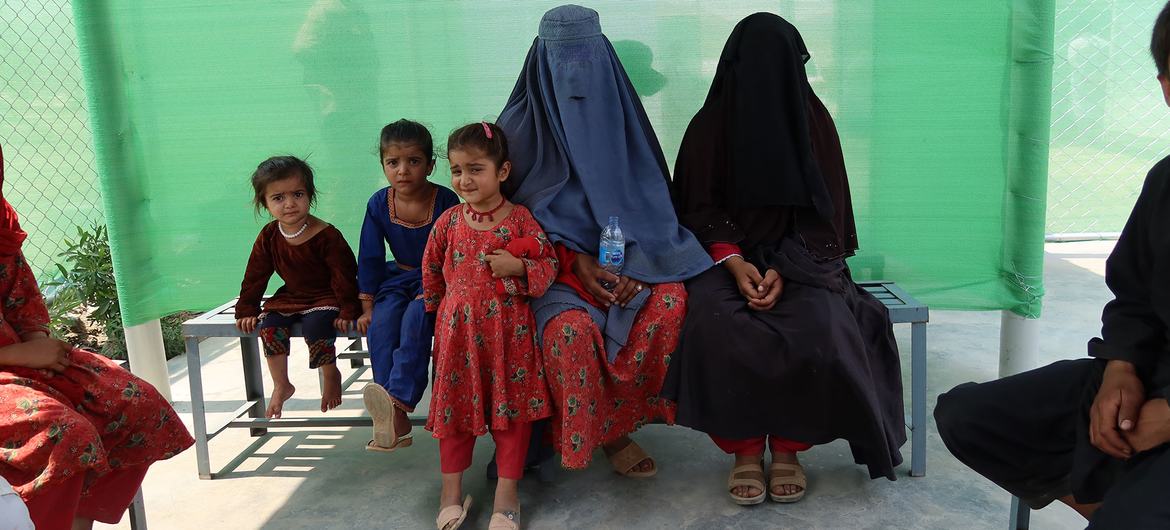
Women and children who have returned to Afghanistan, wait to be seen at a maternity clinic.

A myriad of risks

Like all women and girls in Afghanistan, the returnees face increased risks of poverty, early marriage, violence, exploitation and unprecedented restrictions on their rights, movements and freedoms.  

Vulnerable women and girls arriving with nothing into communities that are already stretched to breaking point puts them at even greater risk,” said Susan Ferguson, UN Women Special Representative in the country. 

We need a place to stay, a chance to learn and a way to earn.

“They are determined to rebuild with dignity, but we need more funding to provide the dedicated support they need and to ensure women humanitarian workers are there to reach them.” 

Housing, income and education

The report outlines urgent and long-term needs, such as safe and affordable shelter, livelihood support and girls’ education.  

As one participant in a focus group in Nangahar province put it, “We need a place to stay, a chance to learn and a way to earn.”

Currently, only 10 per cent of women-headed households live in permanent shelter, nearly four in 10 fear eviction, and all girls are banned from attending secondary school.

Impact of aid cuts

Although women humanitarian workers at border points are critical to reaching female returnees, cuts in foreign aid and movement restrictions increasingly hamper their efforts.

For example, women humanitarians are required to be accompanied by a male guardian, or mahram, when travelling.  However, “funding cuts have sharply eroded staff mahram support in the provinces of Kandahar and Nangarhar, leaving provision inconsistent, delayed, or absent altogether,” the report said.

The funding cuts have severely weakened the capacity of humanitarian organizations to respond, and women humanitarian workers at border points report that they are overwhelmed by the sheer number of arrivals and being unable to meet even their basic needs. 

‘Distressed, disoriented and without hope’

“Witnessing the volume of arrivals and the hardship faced by women, children and families – many distressed, disoriented and without hope – has left a deep impact on all of us responding to this crisis,” said Graham Davison, CARE Afghanistan Director.

He underscored the urgent need for support to provide basic services, safe spaces and protection for women and girl returnees. 

The report noted that Afghanistan is already facing one of the world’s most dire humanitarian crises, driven by decades of conflict, poverty and natural disasters.

As this latest wave of returns threatens to push already fragile communities further into crisis, the partners urged the international community to act now to protect the rights of Afghan women and girls and to invest in the women humanitarians who support them.

Arafat Jamal, the UN refugee agency (UNHCR) Representative in Afghanistan, recently spoke about the surge in returnees from Iran.

Record number of returns

Separately, the International Organization for Migration (IOM) also called for international support as Afghanistan confronts “one of the largest return movements in recent history.”

Returnee numbers are on track to increase as one million more Afghans are expected to return from Pakistan following the Government’s decision not to extend their stay.

IOM operates four reception centres at major border crossings in Afghanistan, including Islam Qala and Milak with Iran, and Torkham and Spin Boldak with Pakistan. 

The UN agency is appealing for additional funding to scale up its response to address growing needs at the borders and in areas of return.

Source link

Pollution, melting microbes, undamming rivers, risks for elders: 4 key climate issues

From ancient microbes awakening in melting glaciers to toxic pollutants unleashed by floods, the dangers are no longer distant or theoretical. They are here, and they are growing.

The Frontiers Report 2025, released by the UN Environment Programme (UNEP), highlights four critical areas where environmental degradation intersects with human vulnerability: legacy pollution, melting glacier microbes, undamming rivers and climate risks for an ageing population that is growing.

The report paints a vivid picture of how climate change is not only altering ecosystems but also exposing communities – especially the most vulnerable – to new and intensifying dangers. Some issues may be local or relatively small-scale issues today, but have the potential to become issues of regional or global concern if not addressed early, the report warned.

UNEP Executive Director Inger Andersen said action must be taken “to protect people, nature and economies from threats that will only grow with each passing year”.

Here’s what’s at stake and why it matters to all of us:

UN Nepal/Narendra Shrestha

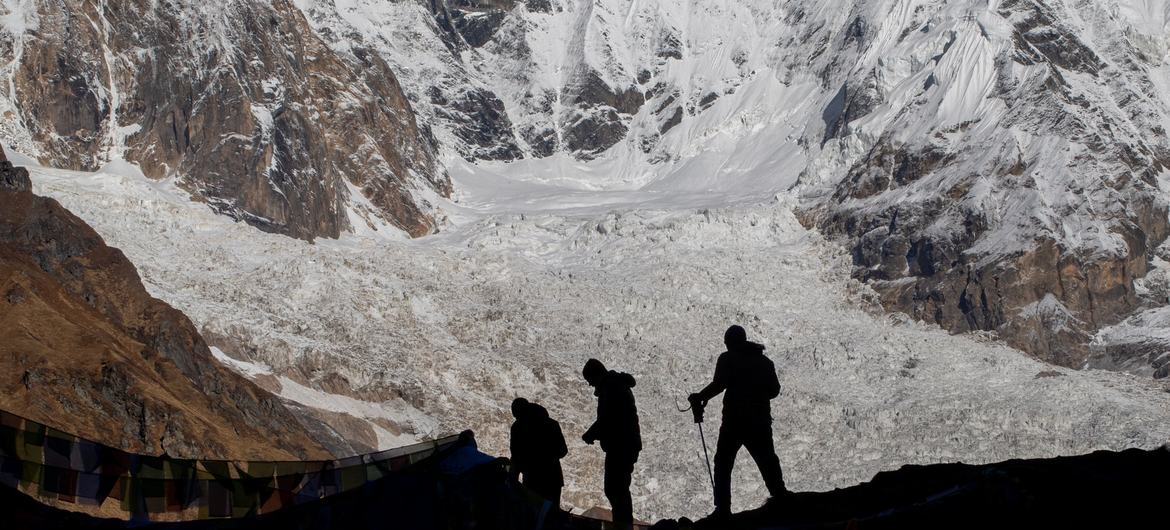
UN Secretary-General António Guterres visits the Annapurna base camp in Nepal in 2023. (file)

Melting glacier microbes

Climate scientists are saying many glaciers will not survive this century unless action is taking to slow the melting rate caused by climate change. That means those living downstream will face a tide of floods alongside threats posed by reactivated microbes in a warming cryosphere or frozen parts of the Earth.

Frozen in ice sheets, glaciers and permafrost are bacteria, fungi and viruses. While most are dead, some are dormant and some are active. As global temperatures hit record highs, these microorganisms will become more active in many ecosystems. Even if the melting can be slowed down by mitigating greenhouse gas emissions, efforts must assess and prepare for possible threats from potential pathogens.

Also crucial is documenting and preserving cryospheric microorganisms, which can shed light on the history of climate and evolution, help in finding therapies for diseases and develop innovative biotechnologies.

© UNICEF/Felipe Chic Jiménez

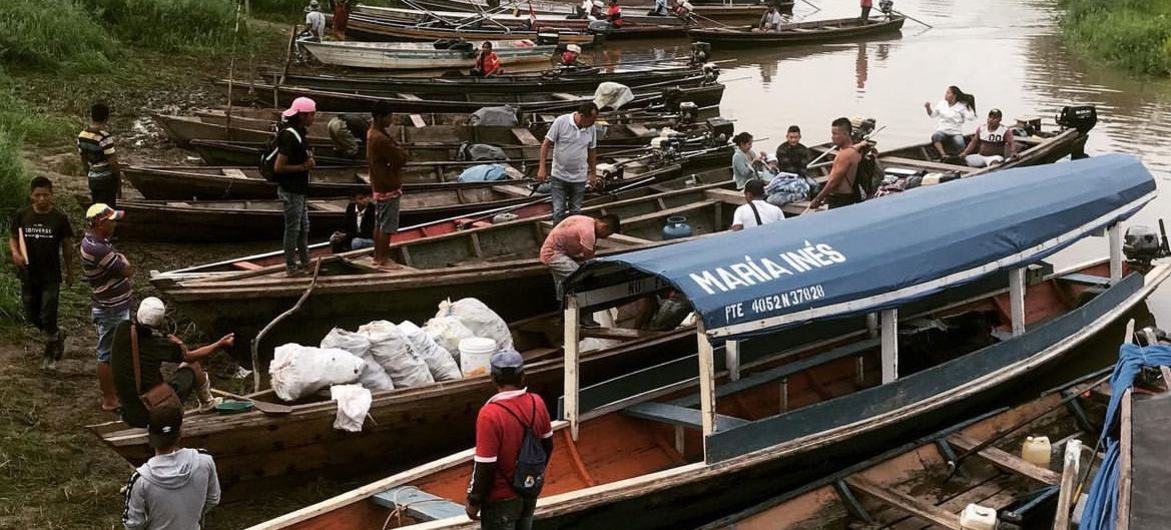
Indigenous communities in the Amazonía region in southern Colombia. (file)

Dismantling dams

In the Colombian Amazon, river water levels have dropped by up to 80 per cent, restricting access to drinking water and food supplies, leading to shuttering 130 schools, increasing children’s risk of recruitment, use and exploitation by non-State armed groups and resulting in increased respiratory infections, diarrhoeal diseases, malaria and acute malnutrition among youngsters under age five.

Part of what is making the problem worse in Colombia and other hot spots around the world are the plethora of dams operating at a time when climate change is triggering droughts around the world. Drought is keeping more than 420,000 children out of school in Brazil, Colombia and Peru alone, according to a report by the UN Children’s Fund (UNICEF).

As such, there is a growing need to remove dams and other barriers to rehabilitate river ecosystems, a process increasingly initiated by local communities, Indigenous Peoples, women and youth. Rivers and streams can recover remarkably once barriers are gone, but other stressors, from pollution to climate change, need to be addressed in parallel. Understanding the restoration outcomes of barrier removal is necessary not only to guide future removals, but also to inform decisions about existing and future barriers.

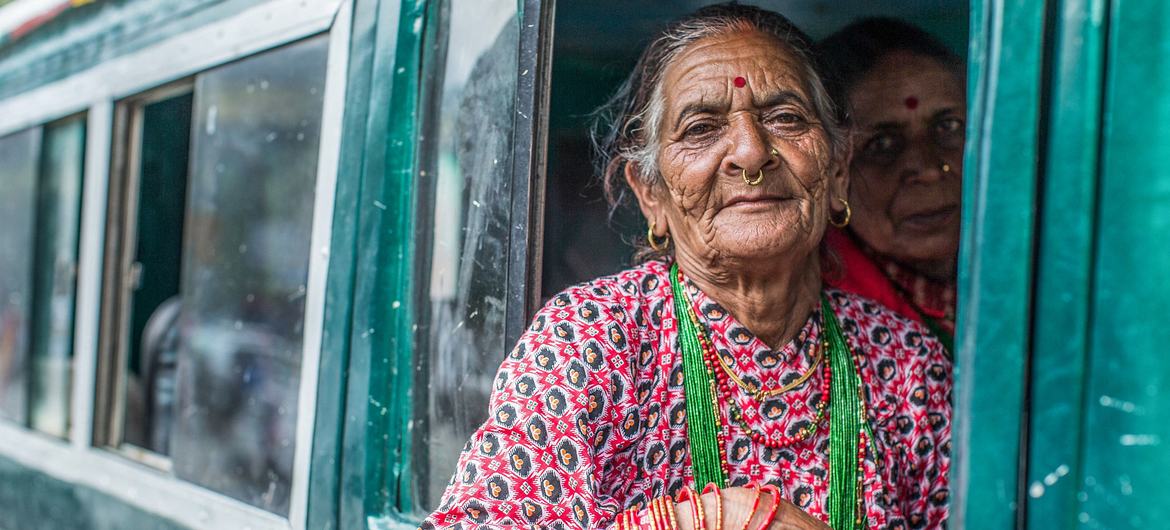
Elderly people suffer disproportionately from climate change consequences.

Climate risks for the elderly

Older people face increased risks during extreme weather and suffer more from ongoing environmental degradation. As the World Meteorological Organization (WMO) predicts ever more hot weather, the elderly are suffering disproportionately, as seen in rising numbers of deaths and illnesses amid recent heat waves around the world.

At the same time, the world’s ageing population is growing: the global share of people over 65 years old will rise from 10 per cent in 2024 to 16 per cent by 2050. Most of them will live in cities, where they will be exposed to extreme heat and air pollution and experience more frequent disasters.

Older people are already more at risk, so effective adaptation strategies will need to evolve to protect these older populations.

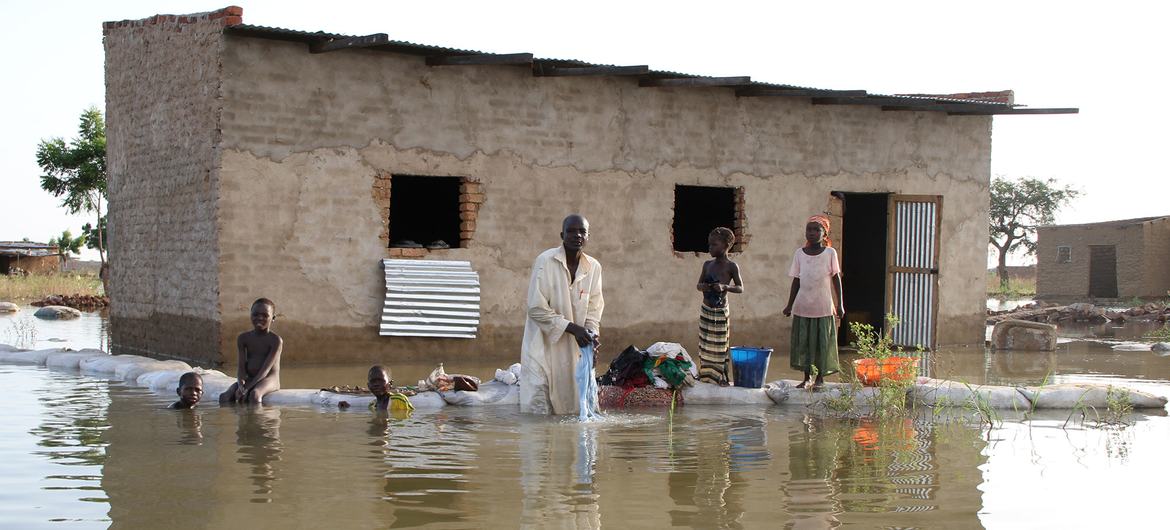
A family outside their flood damaged home in N’Djamena, Chad. (file)

Legacy pollutants

Flooding has crippled communities in all regions of the world as the number of extreme weather events climb. Among the hidden dangers are legacy pollutants that have been secreted into the ground over time and released as extreme rainfall and floods wash away sediments and debris.

The Pakistan floods of 2010, flooding in the Niger Delta in 2012 and Hurricane Harvey off the coast of Texas in 2017 are all examples when floodwaters stirred up sediments, releasing heavy metals and persistent organic pollutants.

Evaluating sediments to understand hazards, rethinking flood protection to lean on nature-based solutions and investments in natural remediation of contaminated sediments are all options to deal with this problem.

Read the full Frontiers Report here.

Human Rights Council hears concerns over displacement, genocide risks and migrant trafficking

Of the record 83 million people internally displaced worldwide, at least 1.2 million were displaced by crime-related violence in 2024 – more than double the 2023 figure – amid a global decline in support for international norms, human rights and the rule of law.

The growing reach of organised crime in driving displacement and rights violations was the focus of a report delivered Monday morning by the Special Rapporteur on the human rights of internally displaced persons, Paula Gaviria Betancur.

Driving displacement

As violent conflicts worsen globally, displacement is increasingly driven by the threat of violence or the desire of criminal groups to control territory, resources and illicit economies.

Additionally, in places like Sudan, Palestine and the Democratic Republic of the Congo (DRC), occupying powers and criminal groups are systematically uprooting communities to alter demographics, treating IDPs as military targets.

“Displacement is no longer just a consequence of conflict – it is increasingly its deliberate objective,” Ms. Betancur warned.

In these regions, either the State enables impunity for violent groups or national security operations worsen the crisis by punishing victims and fuelling further displacement, eroding state legitimacy.

IDPs in these contexts “face grave violations of their human rights,” including “murder, violent assault, kidnapping, forced labour, child recruitment and sexual exploitation,” she said.

The rise in global displacement is the result of systemic failure – the failure of States and the international community to tackle its root causes,” Ms. Betancur concluded, calling for stronger support for the UN and accountability for criminal groups.

Genocide risks in conflict areas

Virginia Gamba, Special Adviser on the Prevention of Genocide, briefed the council on escalating risks in Sudan, Gaza, the DRC and beyond during Monday’s session.

In Sudan, where over 10.5 million have been displaced since fighting erupted in April 2023, both the Sudanese Armed Forces and the Rapid Support Forces (RSF) are committing grave rights violations.

Ethnically motivated attacks by the RSF in certain regions mean “the risk of genocide, war crimes and crimes against humanity in Sudan remains very high,” Ms. Gamba underscored.

Turning to Gaza, she called the scale of civilian suffering and destruction “staggering and unacceptable,” noting the conflict has also fuelled rising antisemitism and Islamophobia worldwide.

Hate speech fuelling violence

As attacks on civilians and ethnic violence continue in the DRC, hate speech and discrimination have surged.

But this surge is also occurring worldwide, further exacerbating the risk of genocide.

“Hate speech – which has been a precursor for genocide in the past – is present in far too many situations, often targeting the most vulnerable,” said Ms. Gamba, highlighting refugees, Indigenous peoples and religious minorities.

For genocide prevention, she urged greater efforts to monitor hate speech, expand education efforts, and strengthen partnerships with regional organizations.

The task of preventing genocide remains critical and urgent—the moment to act is now,” she stressed.

Trafficking of migrant domestic workers

Special Rapporteur on trafficking in persons, Siobhán Mullally, presented her report on the trafficking risks faced by migrant domestic workers.

“The specific nature of domestic work, and weak regulatory responses by States, produce a structural vulnerability to exploitation,” Ms. Mullally said.

The crisis disproportionately affects women, as they make up the majority of domestic workers and 61 per cent of trafficking victims detected globally in 2022.

Conditions of domestic work

Many women from disadvantaged communities are promised jobs abroad, but upon arrival, realise they have been conned. They endure violence, labour abuses and sexual exploitation but are unable to pay the exorbitant penalty for terminating their work contracts.

Ms. Mullally cited the legacy of slavery, gendered and racialised views of domestic work and intersecting discrimination as key factors behind poor conditions and trafficking risks.

Most States lack the political will to enforce labour laws in the domestic work sector, reinforcing this crisis, she said, calling for stronger labour laws, safe migration pathways, bilateral agreements grounded in human rights and an end to the criminalisation of trafficking victims.

Source link

UN warns copper shortage risks slowing global energy and technology shift

In its latest Global Trade Update, released this week, UNCTAD describes copper as “the new strategic raw material” at the heart of the rapidly electrifying and digitising global economy.  

But with demand set to rise more than 40 per cent by 2040, copper supply is under severe strain – posing a critical bottleneck for technologies ranging from electric vehicles and solar panels to AI infrastructure and smart grids.

More than just metal

Copper is no longer just a commodity,” said Luz María de la Mora, Director of the International Trade and Commodities Division at UNCTAD.

Valued for its high conductivity and durability, copper is essential to power systems and clean energy technologies. It runs through homes, cars, data centres and renewable infrastructure.

Yet developing new mines is a slow and expensive process, and fraught with environmental risks – often taking up to 25 years from discovery to operation.

Meeting projected demand by 2030 could require $250 billion in investment and at least 80 new mining projects, according to UNCTAD estimates.

The Democratic Republic of the Congo holds some of the world’s largest copper reserves, yet most of the metal is exported, limiting the country’s ability to benefit fully from this valuable resource.

Uneven geography, unequal gains

Over half of the world’s known copper reserves are concentrated in just five countries – Chile, Australia, Peru, the Democratic Republic of the Congo and Russia.

However, much of the value-added production occurs elsewhere, particularly in China, which now imports 60 per cent of global copper ore and produces over 45 per cent of the world’s refined copper, says the UN.

This imbalance leaves many developing countries stuck at the bottom of the value chain, unable to fully benefit from their resources.

“Digging and shipping copper is not enough,” the report states.

To move up the ladder, copper-rich developing countries must invest in refining, processing and manufacturing – this means strengthening infrastructure and skills, establishing industrial parks, offering tax incentives and pursuing trade policies that support higher-value production.”

Tariff and trade barriers

UNCTAD also highlights the challenge of tariff escalation, where duties on refined copper are relatively low – typically below two per cent – but can rise to as high as eight per cent for finished products like wires, tubes and pipes.

These trade barriers discourage investment in higher-value industries and lock countries into roles as raw material suppliers, the report warns.

To address this, UNCTAD is urging governments to streamline permitting, reduce trade restrictions, and develop regional value chains to help developing economies climb the industrial ladder.

Scrappy solution

With new mining projects facing long lead times, recycling is emerging as a vital part of the solution.

In 2023, secondary sources accounted for 4.5 million tonnes – nearly 20 per cent of global refined copper output. The United States, Germany and Japan are the top exporters of copper scrap, while China, Canada and the Republic of Korea are major importers.

“For developing countries, copper scrap could be a strategic asset,” UNCTAD notes.

“Investing in recycling and processing capacity can reduce import dependence, support value-added trade and advance a more circular, sustainable economy.”

Test case for critical materials

Copper, UNCTAD says, is a likely “test case” for how global trade systems handle rising demand for critical materials amid growing pressures.

“The age of copper has arrived…but without coordinated trade and industrial strategies, supply will remain under strain and many developing countries risk missing out,” the report concludes.

Source link

Funding crisis increases danger and risks for refugees

With humanitarian resources running dry, critical support for millions of forcibly displaced people is under threat.

UNHCR said that two-thirds of countries hosting refugees are already severely overstretched and urgently need support to continue providing education, healthcare and shelter.

Global solidarity with those fleeing conflict and violence is weakening, the agency added.

‘No one wants to be a refugee for life’

“The safety that refugees seek in neighbouring countries is at risk,” said Elizabeth Tan, Director of International Protection at UNHCR.

Without international solidarity and burden-sharing, the institution of asylum is under threat.”

Ms Tan noted that some 12,000 Central African refugees in Chad and Cameroon have expressed a desire to return home but cannot do so safely without transport and reintegration assistance.

“No one wants to be a refugee for life,” she said.

Lifesaving services

Marking the agency’s 75th anniversary, Ms Tan reminded journalists that refugees – unlike migrants – have lost the protection of their home countries.

They arrive across borders traumatised, often after experiencing torture or persecution, and they need specialised support – including mental health care,” she said.

Children separated from their families face especially grave risks, including recruitment by armed groups, exploitation and trafficking.

Protecting them, Ms Tan stressed, “is not a luxury – it is lifesaving.”

© UNHCR/Andrew McConnell

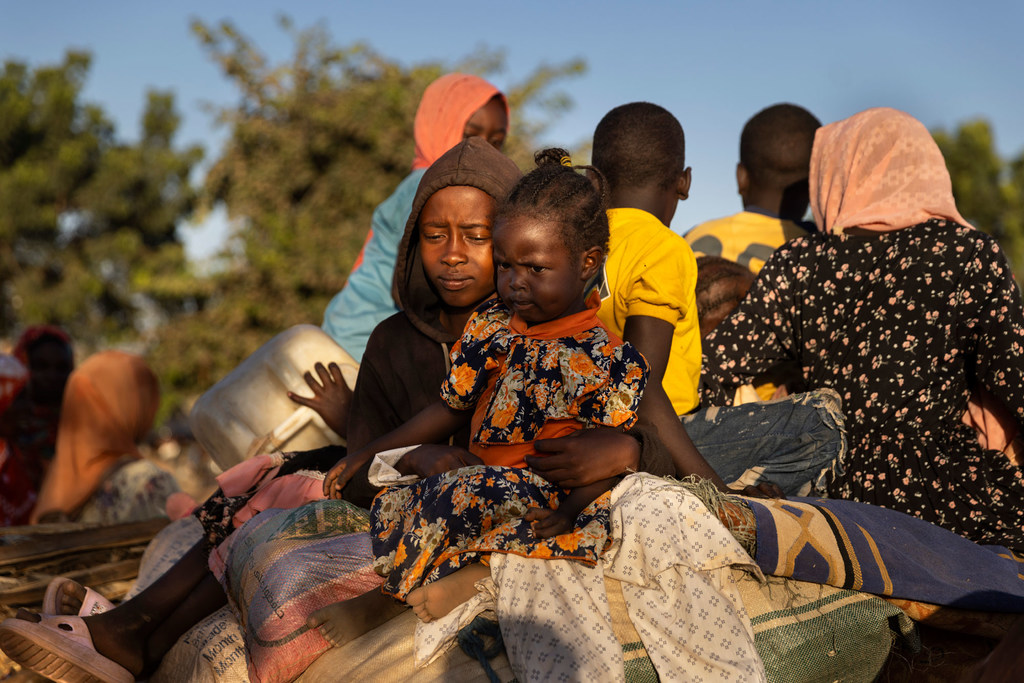
Refugees from Sudan arrive in Adre on the border with Chad.

Source link

AI lightens the workload – but risks remain, labour agency warns

In a new report highlighting the universal impact of the technological revolution now underway, the UN International Labour Organization (ILO) insisted that it offered a way out from so-called 3D jobs that are “dirty, dangerous and demeaning”.

Health and safety

But the ILO also warned that greater oversight is needed to prevent unexpected safety issues caused by the roll-out of AI and associated technology in the workplace.

“Digitalization offers immense opportunities to enhance workplace safety,” said Manal Azzi, Team Lead on Occupational and Safety Health Policy at the ILO.

“Automation can reduce repetitive tasks, such as in factory production lines or in administrative work, allowing workers to take on more challenging tasks. But for us to fully benefit from these technologies, we must ensure they are implemented without incurring new risks.”

The ILO notes that these new tools are already revolutionizing how safety is managed across industries, from logistics to healthcare and construction. Even low-tech sectors are beginning to feel the benefits.

Here are some of the key unfamiliar risks associated with AI, robotics and digitalization:

  • Human-robot interaction: Workers who collaborate with or maintain robots may be exposed to injuries from malfunctions, unpredictable behaviour, or design flaws.
  • Cybersecurity threats: As workplaces become more connected, system failures or cyberattacks could compromise safety systems and endanger workers.
  • Ergonomic issues: Wearables and exoskeletons, if poorly designed or ill-fitting, can cause discomfort, strain, or injury rather than preventing them.
  • Mental health: Constant digital monitoring, algorithm-driven workloads and the pressure of always being connected can lead to stress, burnout, and other mental health problems.
  • Reduced human oversight: Over-reliance on automation and AI can decrease critical human judgement, potentially increasing safety risks when systems fail or make errors.
  • Digital supply chain hazards: Workers in parts of the tech supply chain, such as mining for materials in hostile environments or handling e-waste, face dangerous and often overlooked conditions.

Source link