Black fungus found in intestine; New complication seen in Covid patients

As Covid-19 cases are witnessing a reduction in numbers from a peak of 4 lakhs to 2.5 lakhs now in the country, Black Fungus or mucormycosis has taken centre stage. Notwithstanding the add-on, doctors in New Delhi have detected that the fungal infection infected the lower intestine of two patients.

Both the patients, including one aged 68 years and another 56 and lost three of his family members including wife, are being treated at Delhi’s Sir Ganga Ram Hospital. “It is observed for the first time that the black fungus infected the lower intestine and even made a hole in it,” said a top Ganga Ram Hospital doctor.

The second patient had experienced abdomen pain when he just completed the last rites of his wife and had been experiencing mild covid symptoms. Initially it was considered gastritis or stress-related and self-medication for acidity was taken which delayed proper treatment by three days, said doctors at the Sir Ganga Ram Hospital.

Dr Ushast Dhir, senior consultant in department of Surgical Gastroenterology and Liver Transplantation at Gangaram Hospital said, “The CT scan revealed Kumar’s small intestine (jejunum) had been perforated. His Covid disease also had worsened by now requiring ventilator support. The patient was admitted and taken up urgently for surgery.”

Ulceration of small intestine

According to Dr Dhir, “Ulceration of Jejunam (first part of small intestine) in the patient raised my suspicion of fungal disease and patient was immediately started on anti-fungal treatment. We sent the portion of removed intestine for biopsy.”

Another patient had recovered from Covid but soon started having mild abdominal pain. He was a diabetic and had received steroids for treatment of Covid, which was mild. Later when his CT scan came, it “revealed small intestinal perforation similar to the first patient,” the hospital authorities said. “The biopsy confirmed our worst fear of mucormycosis of small intestine in both patients. Both these patients had Covid and had diabetes but only one of them had received steroids.”

Usually, Mucormycosis involves Rhino-orbital-cerebral system or the lungs and intestinal mucormycosis is a very rare. “These patients are immune-compromised. A majority of gastro-intestinal mucormycosis is seen in organ transplant recipients. The cases treated at Sir Ganga Ram Hospital were unique as as they had covid and small intestine (instead of stomach or colon) was involved in both,” hospital authorities said

In recent times history of Covid exposure along with treatment with steroids “should warrant an early CT scan of abdomen,” warned the doctors.

Covid-19: Japan scientists discover a new defense mechanism for SARS-CoV-2

Scientists from Hokkaido University in Japan have discovered a novel defensive response to SARS-CoV-2 or Covid-19 that involves the viral pattern recognition receptor RIG-I. Upregulating expression of this protein could strengthen the immune response in COPD patients.

In the 18 months since the first report of COVID-19 and the spread of the pandemic, there has been a large amount of research into understanding it and developing menas to treat it. COVID-19 does not affect all infected individuals equally. Many individuals are asymptomatic; of those who are symptomatic, the large majority have mild symptoms, and only a small number have severe cases. The reasons for this are not fully understood and are an important area of ongoing research.

The team of scientists from Hokkaido University, led by Professor Akinori Takaoka of the Institute for Genetic Medicine, has shown that RIG-I, a biological molecule that detects RNA viruses, restrains SARS-CoV-2 replication in human lung cells. Their findings, which could help predict COVID-19 patient outcomes, were published in the journal Nature Immunology.

Covid pandemic

To date, over 162 million people have been affected by COVID-19. About 40% – 45% of these individuals are asymptomatic; as for the rest, around 35% – 40% experienced a mild form of the disease, while the remaining 19% were affected by symptoms that were severe enough to warrant hospitalisation or were fatal, which are usually associated with comorbidities and risk factors such as chronic obstructive pulmonary disease (COPD). This range of symptoms indicates that there are vast differences between individual responses to the virus.


SARS-CoV-2 replication is suppressed by RIG-I. When pulmonary cells that do not express RIG-I (left) are exposed to SARS-CoV-2, viral spike proteins (green) are detected as soon as 5 days (72 hours) after exposure. In normal cells (right), SARS-CoV-2 replication is suppressed / Taisho Yamada, et al. Nature Immunology. May 11, 2021

Microbial pathogens in our body are detected by proteins called pattern recognition receptors (PRRs), which also trigger immune responses to these pathogens. Viral infections are detected by a subset of PRRs; the scientists focused their attention on the protein RIG-I, which belongs to this subset. RIG-I is known to be critical for the detection and response to RNA viruses such as the influenza virus.

In experiments carried out in cell culture lines, the scientists found that there was little innate immune response to SARS-CoV-2 in pulmonary cells, suggesting the signaling pathway leading to immune response was aborted. Nevertheless, viral replication was suppressed. The scientists investigated the role of RIG-I and found that its deficiency caused increased viral replication. Further experiments confirmed that the suppression of viral replication was dependent on RIG-I.

A single previous study has shown that RIG-I expression is downregulated in pulmonary cells of COPD patients. Using primary pulmonary cells from two COPD patients, the scientists showed that this downregulation of RIG-I resulted in the detection of viral replication after 5 days .


Taisho Yamada (left), first author, and Akinori Takaoka (right), communicating author of the paper / Photo: Taisho Yamada, Akinori Takaoka


They also demonstrated that treatment of these COPD cells with all-trans retinoic acid (ATRA), which upregulates the expression of RIG-I, significantly reduced viral titres in the cells. Furthermore, using RIG-I mutants, they were able to elucidate the mechanisms by which RIG-I suppressed SARS-CoV-2 replication: The helicase domain, a structural element in RIG-I, interacts with the viral RNA, blocking a virus-derived enzyme responsible for replication.

This study has demonstrated a unique viral recognition mode of RIG-I, termed the RIG-I-mediated signaling-abortive anti-SARS-CoV-2 defense mechanism. It has also indicated that RIG-I expression levels are one of the potential parameters for the prediction of COVID-19 patient outcomes. Further work must be done to uncover factors or conditions that modulate RIG-I expression levels, and may lead to new strategies to control SARS-CoV-2 infection.

Who’s Anandaiah, the Krishnapatnam man behind miracle herbal medicine to cure Covid

In a modern era of business conglomerates and corporates taking over the daily lifestyle, here is a man who had tested a concoction of herbal medicines when his brother was down with Covid-19 infection a couple of months ago and succeeded in creating one that defies logic, reason and above all the global standards of modern science keen to fight Covid-19 for at least three years.

Bonigi Anandaiah, in his 50s, has brought the tiny town of Krishnapatnam to prominence in Google Maps with tens of thousands searching frantically for directions to drive early this week when Nellore District authorities descended on the coastal town in Andhra Pradesh.  An uncertified Ayurvedic practitioner of herbal medicine from the days of his mother, Anandaiah has kept the town away from Covid surge and deaths for over a month now.

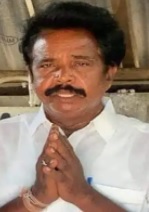
Bonigi Anandaiah is giving traditional medicine to save severely ill Covid-19 patients in Krishnapatnam, Nellore District, Andhra Pradesh.

When corporates are gearing up for a minimum charge of Rs.5 lakh per person to treat for Covid-19, defying medical insurance caps for any single disease, here is a man giving away his medicine free of cost, the way the Centre is giving half of the vaccines to States free of cost. He never charged anybody for the medicine and started the venture on a voluntary basis with the help of local people.

Unable to grasp the value of freely available medicine, local authorities tried to shut down his effort for two days until the YSRCP MLA from Sarvepalli, Kakani Govardhan Reddy, intervened and announced that the new cure for Covid would be distributed from Friday morning. More than 50,000 Covid patients and their relatives have flocked the open grounds in Krishnapatnam waiting for the miracle medicine.

Covid norms violated?

The main concern being that Covid norms were being violated, the police too have stepped in to coordinate and control the crowds. The videos of Telugu news channels and local video channels have already stormed social media with the details of the Covid treatment, which is yet to receive ICMR evaluation on side effects, especially for eyes since it is given in eyes for critically ill patients with alarmingly low levels of oxygen.

Essentially, Anandiah is giving the medicine in the form of balls or liquid drops, containing natural antioxidants and components such as pepper, ginger, neem, turmeric, and tinospora codifolio, commonly known as giloy. Those who could not get vaccines that are perennially in short supply, are turning to Anandiah for Ayurvedic cure, even though there is no scientific sanctity behind his medicine that even some Ayurvedic pundits denied as authentic since honey is boiled for making the concoction.

Nellore Collector K.V.N. Chakradhar Babu had formed a committee consisting of officials and AYUSH doctors to evaluate the efficacy of the concoction which in its report said no adverse effects are seen in people who took the medicine. Meanwhile, samples have been sent for testing to a laboratory in Hyderabad, and the results are still awaited.

If he is allowed to patent the miracle medicine, it is likely to open up a new industry in this coastal town but reports suggest that the VIP culture has already taken the sheen away from the voluntary effort of Anandaiah, his brother and some locals. With police managing the show, many in the queue for days complain that half the medicine is being diverted to VIPs, notwithstanding the final evaluation of its side effects.

Krishnapatnam Medicine for Covid-19: AP expert panel finds no ill-effects; ICMR team rushed to study


As the town of Krishnapatnam hit headlines for a local medicine capable to cure Covid-19 instantly within minutes reviving critically ill patients. While AYUSH ministry’s Ayurvedic doctors are conducting study on the medicine in the town, the person who has been giving the medcine by name Anandaiah, has emerged as the savior for now.

With Vice President Venkaiah Naidu ordering the ICMR to conduct a study and submit a report, a team of experts has been rushed to study the medicine, its constituents and side effects. While the report may not be ready even in a week’s time, the precarious situation of Covid-19 has forced many relatives of critical patients to rush for any succour that can save them.

A person just a few minutes away from losing the battle against Covid-19 was rushed to the place and given the medicine in the form of eye drops and the person recovered within minutes. Since the long term effects remain questionable, the question before the administration is to make the process systematic, if not abandon entirely.

Not exactly Ayurveda but traditional medicine

B. Anandaiah, who has been giving the traditional medicine, which does not entirely fit into Ayurvedic medicinal traits, has been open about the contents, which are to be tested by the team of experts on Saturday. He says the medicine was a mixture of several locally available herbals that has been given by his family for centuries. The medicine, being given in the form of five medicines, is given based on the severity of Covid infection in a patient, said Anandaih in an interview to the TV9 channel on Friday.

Anandaiah, who is giving traditional medicine to save severely ill Covid-19 patients in Krishnapatnam, Nellore District, Andhra Pradesh.

Meanwhile, a team of Ayurvedic doctors from the Department of Ayush that visited the village on Wednesday has submitted a report to the government, saying the medicine preparation, treatment process and the side effects should be studied scientifically. Since nobody is complaining about any ill effects after taking the medicine, the team could not provide any negative report on the medicine for now, pending the ICMR study next.

Anandaiah has been preparing five different medicines using natural herbs, honey and spices, which he claims to have been giving for lung diseases for long. “One of the COVID-19 patients saw his oxygen level rise to 95 from 83 in an hour after getting two drops of the medicine administered in his eyes. We have spoken to the patients,” the Ayurvedic doctors said in their report in which the district medical and health officer and Nellore Revenue Divisional Officer were also part.

The only point the team made was that nobody was following the rules of Covid safety such as wearing mask or maintaining the social distance. Local YSR Congress MLA K Govardhan Reddy supporting the medicine distribution, AP Deputy Chief Minister (Health) A K K Srinivas said, “We have decided to get it studied by the ICMR and other experts to determine its efficacy.”

However, doctor-turned-bureaucrat P V Ramesh, termed the Krishnapatnam medicine as “yet another recipe for disaster” and called for the government “to stop such epidemics of superstition. Those preparing and promoting this Krishnapatnam concoction are punishable under the Pharmacy Act, 1948, and Drugs and Magic Remedies Act, 1954.”

The SPS Nellore district medical and health officer and Nellore Revenue Divisional Officer were also part of the official team. The team, however, said no COVID-19 rules were being followed in the village where the medicine was being given. On Friday, there was a virtual stampede at Krishnapatnam as over 10,000 people thronged there for the medicine, the supply of which was resumed after a break for a few days.