Human rights can be a ‘strong lever for progress’ in climate change, says UN rights chief

Speaking at the Human Rights Council in Geneva, High Commissioner Volker Türk asked Member States whether enough was being done to protect people from the escalating impacts of climate change  

“Are we taking the steps needed to protect people from climate chaos, safeguard their futures and manage natural resources in ways that respect human rights and the environment?” asked delegates at the ongoing session of the Human Rights Council in Geneva.  

His answer was simple – we are not doing nearly enough.  

Mr. Türk emphasised that while climate change presents dire risks human rights – especially for the most vulnerable – it also can be a strong lever for progress.  

Central to this is a “just transition” away from environmentally destructive activities.  

“What we need now is a roadmap that shows us how to rethink our societies, economies and politics in ways that are equitable and sustainable,” he said.  

The right to decent work 

One of the main avenues through which the Council – UN’s highest intergovernmental body on human rights – examined the connection between human rights and climate change was the right to decent work.

“Because of climate change, the very human right of decent work is fundamentally challenged today,” said Moustapha Kamal Gueye, a senior official at the International Labor Organization (ILO).

He warned that 80 million full-time jobs will no longer exist in 2030 if the world continues its current climate trajectory. More than 70 per cent of the global workforce – 2.4 billion workers – will be exposed to excessive heat at some point on the job.  

These alarming statistics underscored the urgent need for robust social protection systems, including social security, for workers as the climate crisis continues to intensify, Mr. Gueye said. Less than 9 per cent of workers in the 20 most climate-impacted countries have any form of social protection.  

“From a climate resilience perspective, nations are far from achieving the human right to social protection,” Mr. Gueye said. “Investments in social protection need to be scaled up, and this must move from shock-responses to institutionalised and rights-based approaches.”

On a more hopeful note, he added, a shift towards low-carbon economies can potentially generate over 100 million new jobs by 2030. However, he cautioned that, that these jobs may not emerge where others are lost, reinforcing the need for strong safety nets and planning.  

‘Defossilize’ the economy and knowledge

Elisa Morgera, the UN special rapporteur on human rights and climate change, also presented her latest report, which calls for “defossilization” of economies. Phasing out fossil fuels, she said, is the most effective way to reduce climate impacts while protecting human rights.

Of course, this is not a simple task, as Ms. Morgera noted that fossil fuels have invaded all parts of our lives and economies.  

“Fossil fuels are everywhere: in our food systems, in our ocean and in our bodies, including in our brains – in many cases without us knowing or choosing for them to be in our lives,” Ms. Morgera said.  

Ms. Morgera – who is mandated and appointed by the Human Rights Council, and is not a UN staff member – also stressed the need to “defossilize knowledge,” noting how fossil fuel interests have distorted public understanding and attacked climate defenders.

While geopolitical divisions may slow progress, she insisted that action can begin now at every level. “We can nourish hope and share concrete learning that can inspire a course correction, within the current decade, toward a safe climate for all.” 

A people-centred approach

Mr. Türk concluded his remarks reinforcing that a just transition must ensure no one is left behind.

“If we don’t safeguard people’s lives, their health, their jobs and their future opportunities, the transition will replicate and exacerbate the injustices and inequalities in our world,” he said.  

Mr. Gueye echoed that message: “The global climate agenda is a human story and it is about human rights. The ambition that nations and the global community seek cannot be confined to numerical targets and indicators – it must fundamentally be about people.” 

Every hour, 100 people die of loneliness-related causes, UN health agency reports

 Loneliness is linked to approximately 100 deaths every hour – more than 871,000 deaths annually. By contrast, strong social connections are associated with better health and longer life, the UN health agency said on Monday.

WHO defines social connection as the ways in which people relate to and interact with one another. Loneliness is the distressing feeling that arises when there is a gap between desired and actual social relationships, while social isolation refers to the objective lack of social ties.

“In this age when the possibilities to connect are endless, more and more people are finding themselves isolated and lonely,” said Tedros Adhanom Ghebreyesus, WHO Director-General.

Disproportionate impact

While loneliness affects people across all ages, young people and people living in low- and middle-income countries are especially vulnerable.

“Even in a digitally connected world, many young people feel alone. As technology reshapes our lives, we must ensure it strengthens – not weakens – human connection,” said Chido Mpemba, co-chair of WHO Commission on Social Connection, which published the report.

The report, From loneliness to social connection: charting the path to healthier societies, highlights concerns about excessive screen time and harmful online interactions, particularly among youth and their negative effects on mental health.

Multiple factors contribute to loneliness and social isolation, including poor health, low income and education, living alone, lack of adequate community infrastructure and public policies, as well as certain aspects of digital technologies.

Serious health risks

Loneliness and social isolation increase the risk of stroke, heart disease, diabetes, cognitive decline, and early death. Lonely people are twice as likely to experience depression and may also face heightened anxiety and suicidal thoughts.

Conversely, social connection offers protective benefits throughout life—reducing inflammation, lowering the risk of serious illness, promoting mental health, and extending longevity.

Towards healthier societies

The report lays out a roadmap for global action focused on five key areas: policy, research, interventions, improved measurement and public engagement. Together, these aim to reshape social norms and build a movement for social connection.

While the costs of social isolation and loneliness are steep, the benefits of social connections are profound. WHO urged governments, communities, and individuals to make social connection a public health priority.

After the big development pledges in Seville, UN says action starts now

That’s where the Sevilla Platform for Action (SPA) comes in – a major step to begin implementing the Seville Agreement without delay.

It features over 130 concrete actions to support the renewed global financing framework that world leaders just adopted at the international conference.

They will help countries mobilise resources for an SDG investment push, build developing countries’ development capacity, help address the sustainable development debt crisis, and take steps to improve the system by which the developing world can borrow money for national investment without crippling debt burdens.

Launching the platform, Spain’s Prime Minister Pedro Sánchez, highlighted the urgency of collective action saying the platform represents “a critical opportunity to restore trust in multilateralism and deliver tangible financing.”

UN Secretary-General António Guterres underscored the importance of the SPA as a catalyst for joint action and delivery.

In a world divided, it is “a springboard towards a more just, inclusive and sustainable world for all countries,” he said.

Countries can make up for absence of US

Speaking earlier at press conference for the hundreds of journalists here in Sevilla, he said the absence of the United States which left negotiations earlier this month was a challenge but there are always ways to raise the money needed: “It’s a question of political will.”

This can be done if leaders are willing to take the necessary measures such as working through multilateral development banks and carbon taxes, for example.

Power shifts

To have the United States on board would be excellent but it can be done in any case by those willing to do so.”

“I have a clear message to the powerful,” the UN chief continued. “It’s better to lead the reform of the system now than to wait and eventually suffer the resistance later when power relations change.

“And I believe that the reforms that are proposed in Sevilla in line with the work that was done in the Summit of the Future are reforms that are absolutely needed both for developing and developed countries.”

Following the opening remarks, interventions demonstrated strong political commitment to start implementing the historic funding agreement.

Notable initiatives include a global hub for debt swaps for development at the World Bank and a debt pause clause alliance – championed by Spain and a coalition of partners.

Sevilla Platform for Action at a glance:

  • It aims to bring together countries, organisations, businesses and others to make real, measurable progress in tackling global financial and development challenges.
  • Any group – from governments to charities, businesses to universities – can put forward a new or significantly expanded plan that supports the UN’s sustainable development goals.
  • Proposals must set out clear, achievable actions with specific results, a timeline, and show how they will be funded.
  • Submissions were open from 1 May to 6 June 2025, using an online form.
  • Each plan had to name the lead group behind it, list any supporting partners, explain what makes it new or ambitious, and include a communications plan.
  • Selected initiatives will be presented to the public and media during FFD4 in Sevilla.
  • All approved commitments will be listed online, with progress tracked and reported through future UN reviews and meetings.

‘Everyone’s business’

A further essential part of turning words in Sevilla into action on the ground, is mobilising the business community.

Business leaders on Monday issued an urgent appeal to unlock more private capital at the opening of the International Business Forum on Monday.

António Guterres told delegates: “Development is everyone’s business”, emphasising the private sector’s essential role alongside public institutions in achieving the SDGs.

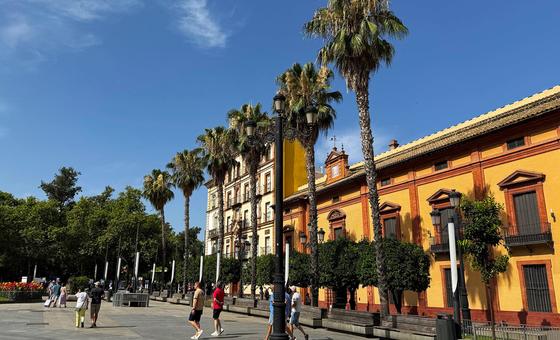
Sevilla in the south of Spain is the venue for FFD4.

Five priorities for delivery

A new communique from the conference’s Business Steering Committee – co-chaired by the International Chamber of Commerce (ICC) and Global Investors for Sustainable Development (GISD) – outlines five priority areas for action:

  • Create more ways to invest in development: Set up tools and platforms that make it easier and safer for private money to flow into projects that help people, especially in poorer countries.
  • Work more closely with governments: Join forces to plan and support projects from an early stage, making them ready for investment.
  • Make sustainability rules clearer and more consistent: Align standards across countries so businesses can invest more confidently and support national development goals.
  • Fix financial rules that get in the way: Update regulations that make it harder to invest long-term in developing countries.
  • Help small businesses get funding: Improve access to finance for entrepreneurs by reducing risks and partnering with development banks and governments.

The communiqué complements the newly endorsed Seville Agreement and business leaders described the moment as pivotal. “Private finance is essential to bridge the global gap,” said José Viñals, co-chair of GISD.

At the forum, developing countries are showcasing over $1 billion worth of investable projects in sectors including energy, agriculture and digital infrastructure.

“The focus now must be on action,” said UN economic chief and conference Secretary-General Li Junhua.

Source link

It’s time to finance our future and ‘change course’, Guterres tells world leaders in Sevilla

António Guterres issued his clarion call noting that sustainable development powered by international cooperation, is now facing “massive headwinds.”

Addressing the opening session of the 4th Financing for Development Conference (FFD4) in baking hot Sevilla, Spain – basking in record high June temperatures – the Secretary-General noted multilateralism itself is also feeling the heat, while trust between nations and institutions fray.

The world is on fire, shaken by inequalities, climate chaos and raging conflicts: “Financing is the engine of development and right now, this engine is sputtering,” he told the conference, attended by more than 50 world leaders, over 150 nations and around 15,000 delegates.

“As we meet, the 2030 Agenda for Sustainable Development – our global promise to transform our world for a better, fairer future – is in danger.”

Some two-thirds of the ambitious Sustainable Development Goals (SDGs) targets agreed in 2015 are significantly off track – hence the staggering $4 trillion investment needed to turn it around.

“We are here in Sevilla to change course. To repair and rev up the engine of development to accelerate investment at the scale and speed required,” said Mr. Guterres.

He described the outcome known as the Sevilla Commitment adopted on Monday – without the United States which pulled out of the process earlier this month – as a “global promise” to low-income nations to lift them up the development ladder.

The UN chief outlined three key action areas:

  • First, get resources flowing fast at home to spur sustainable growth, and for richer countries to honour their pledge under the accord to double aid to poorer countries to boost development. This includes tripling the lending capacity of Multilateral Development Banks and innovative solutions to unlock private cash.
  • Second, fix the “unsustainable, unfair and unaffordable” global debt system. Right now, poorer countries are spending around $1.4 trillion just servicing their vast debts in the form of interest payments. Among the innovations, a new borrowers’ forum will ensure fairer debt resolution and action.
  • Third, reform the global financial architecture, with major shareholders playing their part, so that it empowers every country. “We need a fairer global tax system shaped by all, not just a few.”

The current crisis of affordability and stalled development is “a crisis of people,” he continued, which leaves families hungry, children unvaccinated, and girls left out of education.

“This conference is not about charity. It’s about restoring justice and to facilitate the ability of all people to live in dignity,” said Mr. Guterres.

This conference is not about money – it’s about investments in the future we wish to build together.”

A tangible and actionable’ roadmap

King Felipe of Spain spoke just ahead of the official opening, telling delegates the multicultural city of Sevilla welcomes the world “with open arms”.

He said a new roadmap would emerge that is based on what is “concrete and tangible and actionable”.

The conference must be a success, because cooperation is one of our fundamental pillars of the multilateral world and “the ultimate embodiment of the values that sustain it – especially at this particular point in history where many certainties are melting away and many fears and uncertainties are taking shape.”

‘Our time is now’

Spain’s President Pedro Sánchez told delegates “our time is now and our place is here.” Millions of lives will depend on the choices made in Sevilla and going forward.

We must choose “ambition over paralysis, solidarity over indifference and courage over convenience,” he continued, adding that the eyes of world are on this hall, to see what we are ready to do together and in the face of this historic challenge we must prove our worth.”

Sevilla was “the New York of the 16th century” in diplomatic terms he told delegates – and a cradle of globalism – we must all do that legacy justice today.

‘Sevilla is not an end point’

Secretary-General of the conference, Li Junhua – who’s in charge of the Department of Economic and Social Affairs (DESA) – said the week in Sevilla is key moment to mobilise the resources necessary to build a just, inclusive and sustainable future.

The UN effort to finance development has been anchored in multilateralism and solidarity – but today, the whole framework is under “profound stress.”

He said never has sustainable development been so tested but the pact made in Sevilla puts people back at the centre.

Sevilla is not an end point, it is a launch pad for a new era of implementation, accountability and solidarity.” UNDESA is ready to support all nations to translate the commitment into international action, he underscored.

President of the UN General Assembly Philémon Yang told delegates above all, “we need leadership to guide the world forward into a brighter more prosperous future for everyone, everywhere.”

He said the Sevilla framework will renew global partnership for the decade ahead and provide a focus on a debt burden which is crippling the developing world.

President of the UN Economic and Social Council Bob Rae said trust between countries had to be strengthened, because its absence “creates chaos.”

“Most of all I want to congratulate states for bringing forward the ambition, deepening engagement between financial institutions.”

The week represents a real commitment to action, he said.

Ajay Banga, President of the World Bank Group, told delegates ending poverty remains his key mission and the surge in population underway in developing countries requires resources “at an unprecedented scale and pace.”

He said everyone knew that governments, philanthropies and institutions are unable to meet every projection or promise – which is why the private sector is essential to the Sevilla Agreement so that capital can flow.

Mr. Banga added that the bank’s reforms of recent years are about being a better partner to the private sector and government clients.

Improving response time, boosting capital and systems of growth are key – but much more is needed to deliver for the next generation.

Exempt least-developed from punishing tariffs: WTO

Ngozi Okonjo-Iweala, Director-General of World Trade Organization said the conference was gathering at a time of unprecedented difficulty.

After decades of positive contributions, the global trading system has now been “severely disrupted” leaving exports so hampered by unilateral tariff measures and policy uncertainty that the WTO has sharply downgraded growth forecasts.

Further tariff barriers on 9 July – the deadline set by the US administration – will only make the contraction in global trade worse.

She reminded that the WTO has argued for the least developed nations and Africa overall to be exempted from the tariffs, “so we can better integrate them into the world trading system, not further exclude them.”

She said the Sevilla Agreement rightly recognises international trade as an engine of development.

“We therefore need to bolster stability and predictability in global trade,” through action at many levels that can grow national resources through exports, she told delegates.

IMF calls for broader tax base

Nigel Clarke, Deputy Managing Director of the International Monetary Fund (IMF), called for broadening the tax base, building strong financial management systems, coordinating support and addressing debt more sustainably.

“Many countries continue to struggle with high interest costs,” he said, calling on the international community to improve debt restructuring processes.  

Through its capacity development, the Fund is equipping members to chart their own paths and is also providing financial support when they need it most, he added.

Source link

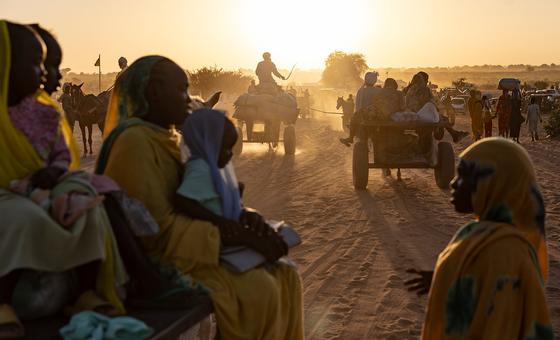
Funding shortages threaten relief for millions of Sudanese refugees: WFP

In an alert, the UN agency warned that it faces having to make “drastic cuts” to life-saving food assistance, which may “grind to a halt” in the Central African Republic, Egypt, Ethiopia and Libya in the coming months as resources run out.

WFP noted that the situation for many Sudanese refugees is already dire, more than two years since war erupted between Sudan’s national army and paramilitary rebels.

“In Uganda, many vulnerable refugees are surviving on less than 500 calories a day” – less than a quarter of daily nutritional needs – as new arrivals strain refugee support systems, WFP said. In Chad, which hosts almost a quarter of the four million refugees who fled Sudan, food rations will be reduced in the coming months without new contributions.

Vulnerable youngsters

Children are particularly vulnerable to sustained periods of hunger and malnutrition rates among young refugees in reception centres in Uganda and South Sudan have already breached emergency thresholds. According to WFP, refugees are already severely malnourished even before arriving in neighbouring countries to receive emergency assistance.

“This is a full-blown regional crisis that’s playing out in countries that already have extreme levels of food insecurity and high levels of conflict,” said Shaun Hughes, WFP Emergency Coordinator for the Sudan Regional Crisis.

“Millions of people who have fled Sudan depend wholly on support from WFP, but without additional funding we will be forced to make further cuts to food assistance. This will leave vulnerable families, and particularly children, at increasingly severe risk of hunger and malnutrition.”

Source link

LIVE: World leaders in Sevilla launch ambitious push to finance the future

From rising debt and shrinking investment, to the aid funding crisis and struggles to meet ambitious development goals, the global financial system is failing the people it’s supposed to serve: that’s the challenge facing world leaders gathered in Spain’s sweltering southern jewel of Sevilla this week, as the  UN’s 4th International Conference on Financing for Development gets underway. Follow our live Meetings Coverage below; app users can catch all the action from the opening day here and you’ll find all related stories on our special dedicated page right here.

Source link

Guterres welcomes peace deal between DR Congo and Rwanda

The accord is “a significant step towards de-escalation, peace and stability in the eastern Democratic Republic of the Congo and the Great Lakes region,” he said in a statement that evening.

A breakthrough amid crisis

Since the 1990s, eastern DRC has been plagued by dozens of armed groups who have terrorized the population.

The Government has long accused Rwanda of supporting the M23 rebel group which Rwanda has denied.

Earlier this year, the M23 launched an offensive in North and South Kivu provinces, capturing cities and villages, including provincial capitals Goma and Bukavu.

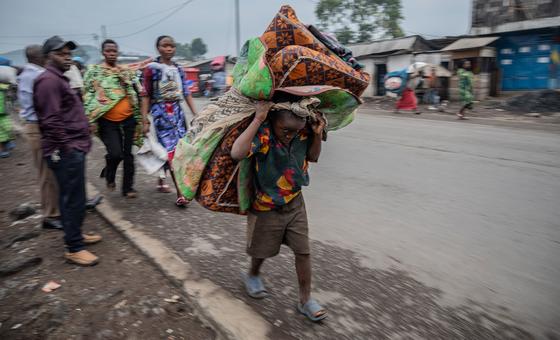
Thousands of civilians were killed, hundreds of thousands more were displaced, and serious human rights violations were committed.

UN commitment remains

The Secretary-General commended the US for its leadership in facilitating the mediation process, in coordination with Qatar and the African Union Mediator, President Faure Gnassingbé of Togo.

He also acknowledged the contributions of the five co-facilitators designated by the East African Community (EAC) and the Southern African Development Community (SADC).

He urged the parties to fully honour their commitments under the peace agreement and in line with UN Security Council resolution 2773 (2025), including the cessation of hostilities and all other agreed measures.

The resolution, unanimously adopted in February, condemned the M23 offensive and called for the DRC and Rwanda to return to diplomatic talks.

The Secretary-General concluded his statement by saying the UN, including through its peacekeeping mission in the DRC, MONUSCO, “remains fully committed to supporting the implementation of the agreement, in close coordination with the African Union, regional and international partners.”

Coincidentally, the Security Council met on Friday to discuss developments in the DRC.

The Secretary-General’s Special Representative for the country and Head of MONUSCO, Bintou Keita, welcomed the peace agreement as a significant step towards ending the conflict.

‘A chance to turn the page’

The UN refugee agency, UNHCR, echoed this message in a statement on Saturday, saying the agreement “offers a chance to stop the cycle of violence and displacement and focus on solutions that restore dignity, stability, and opportunity.”

Furthermore, it “can bring renewed hope to those who have endured far too much for far too long,” added the agency’s chief, UN High Commissioner for Refugees Filippo Grandi.

“This is a chance to turn the page – ensuring the protection of civilians, including refugees and internally displaced people, and advancing durable solutions that allow them to rebuild their lives in safety and dignity,” he said.


Source link

Faith in finance: Indonesia’s innovative path to sustainable development

The Southeast Asian country has already raised close to $12 billion in thematic bonds, including blue bonds and Islamic investment instruments over the last seven years.

These efforts have been supported by development partners, including the United Nations.

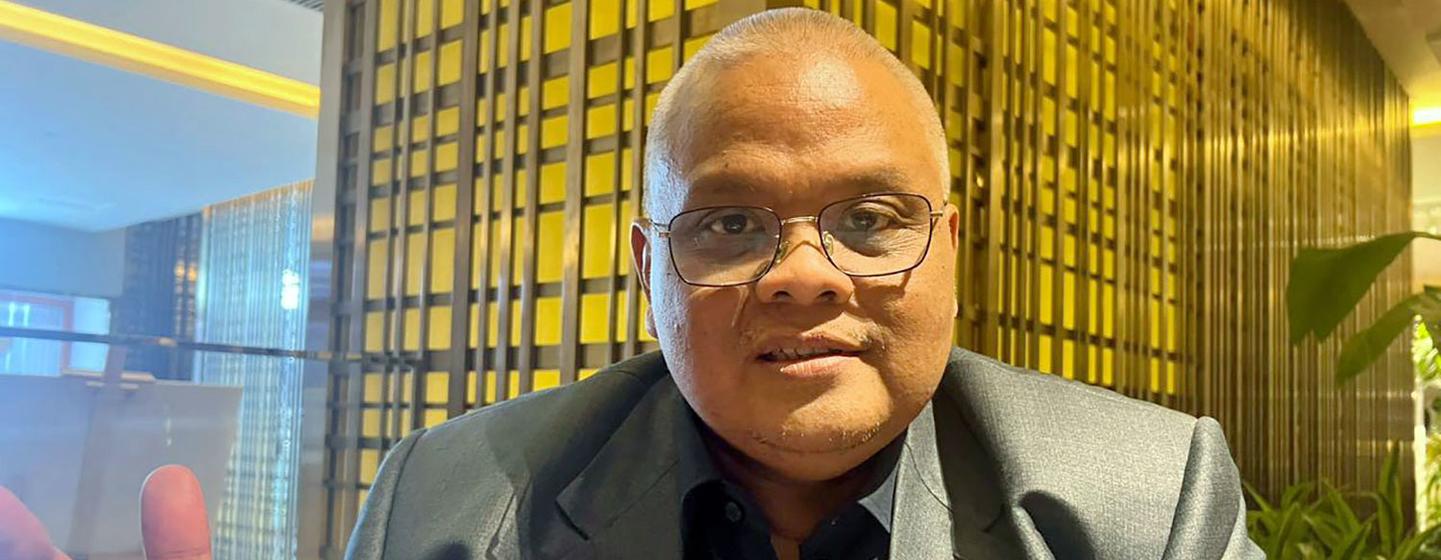
Putut Hari Satyaka, is the Deputy Minister for Development Financing and Investment at Indonesia’s Ministry of National Development Planning (Bappenas). He spoke to UN News ahead of a key UN conference on financing for development which begins in Sevilla on 30 June.

UN News: How much money is needed in Indonesia to achieve the SDGs and what is your estimated funding gap?

Putut Hari Satyaka: The existence of an SDG financing gap remains a significant challenge, especially to developing countries. Indonesia is no exception. The financing gap to fully achieve all 17 goals and their targets remains significant. With an estimated $4.2 trillion needed for Indonesia to achieve the SDGs, there is a $1.7 trillion financing gap that is yet to be resolved.

Putut Hari Satyaka, Deputy Minister for Development Financing and Investment at Indonesia’s Ministry of National Development Planning (Bappenas).

UN News: How can that gap be closed?

Putut Hari Satyaka:  We need an integrated and transformative approach, going beyond “business as usual”. For us, this means two things.

Firstly, we must enhance the use of public finances to be more efficient, resilient and transparent. This includes improving budgetary alignment with SDG targets, strengthening expenditure efficiency, and ensuring that resources are effectively prioritized and utilized for sectors generating spill-over transformative effects to sustainable development.

Secondly, we must be creative and innovative – meaning that we need to scale up the existing innovative financing methods and explore new ones. Some of the most prominent instruments and approaches are blended finance, thematic bonds and faith-based financing.

Indonesia has been making great progress in this regard. We have created an ecosystem of a wide range of innovative instruments, attracting a diverse range of stakeholders and entities, supporting necessary regulations, and developing the enabling environment to nurture the market.

UN News:  What is faith-based financing and what has been Indonesia’s experience so far?

Putut Hari Satyaka:  Faith-based financing, especially within the Indonesian context, refers to financial practices grounded in religious principles, most notably, in the principles of Sharia law in Islam.

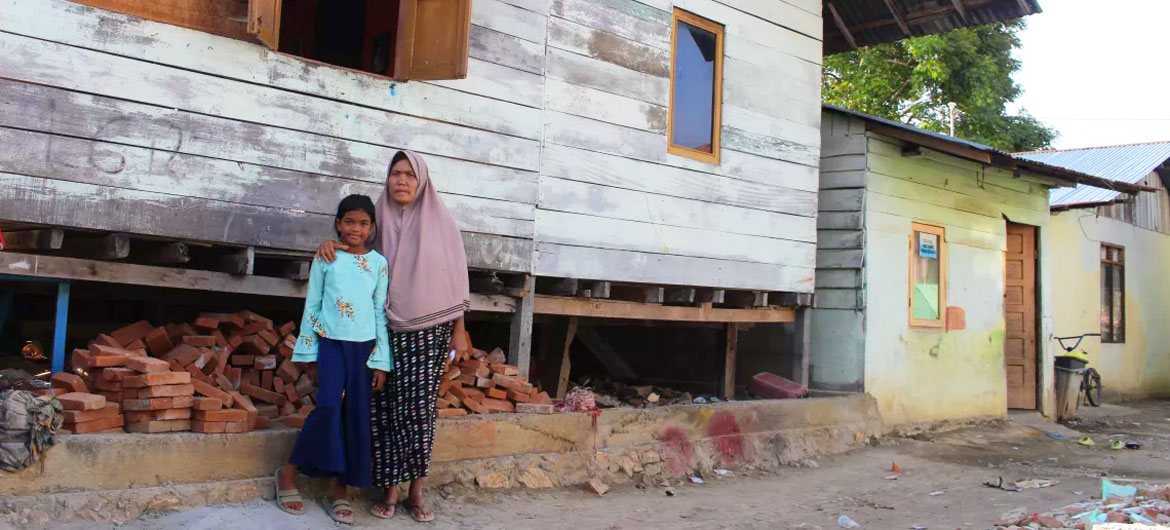
Families in Ache, Indonesia, have received faith-based cash grants to make improvements to their homes.

As Indonesia has 241.5 million Muslims, 85 per cent of the population, and faith-based social financing like zakat and waqf have been a long-standing practice, deeply rooted in our society.

What is new is the allocation of these instruments towards the SDGs. Indonesia has made strong progress in advancing Sharia finance as part of its inclusive growth agenda.

Sharia financing is now growing by 14 per cent a year, outpacing conventional finance. We are also championing scaling-up, green sukuk, which is a Sharia-compliant bond specifically issued to finance environmentally friendly projects.

This reflects Indonesia’s strong commitment to building a competitive financial ecosystem for faith-based instruments, and we will continue to strengthen collaboration, drive innovation, and ensure that faith-based financing plays a central role in our economic development.

UN News: Are you able to raise new funding through these faith-based instruments? Critics sometimes say this is just another way to reach the same funds you could get otherwise.

Putut Hari Satyaka: Yes, we are. With the world’s largest Muslim population, there is a massive potential in channeling faith-based financing towards the SDGs.

In 2018, Indonesia issued the world’s first sovereign green sukuk, raising $1.25 billion to fund renewable energy and climate adaptation projects.

Between 2019 and 2023, the government raised approximately $1.4 billion through domestic retail green sukuk, engaging individual investors in climate financing. This demonstrates the strong potential of green sukuk, both domestically and internationally.

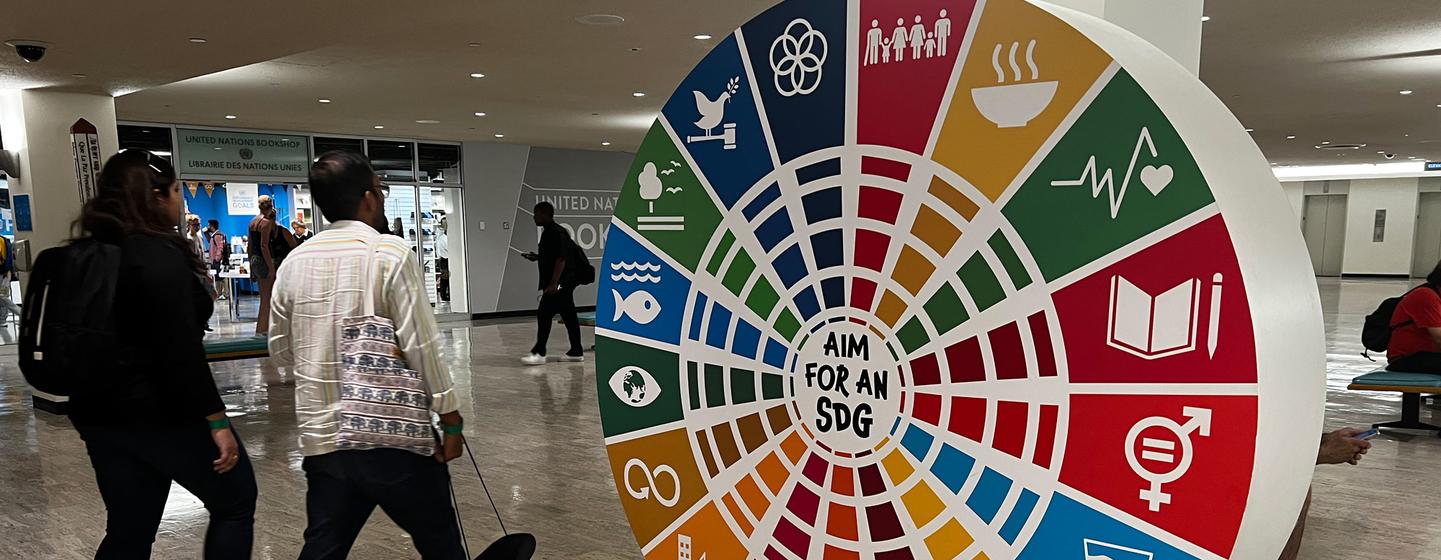
The 17 Sustainable Development Goals provide the blueprint for a more equitable world.


We also see great potential in Islamic Social Financing. Indonesia’s zakat potential is estimated at between $18 billion and $25 billion per year. The actual collection remains below 5 per cent of that potential, so there is clearly a vast opportunity to strengthen social finance.

UN News: What lessons have you learned over the years and what advice do you have for national or subnational governments interested in faith-based financing?

Putut Hari Satyaka: Although we have made great progress in faith-based financing, we have much room for enhancement, improvement and even exploration. Here are a few potential lessons:

First and foremost, awareness raising is key. As many view faith-based financing also as community-based financing, society’s participation in these instruments starts with their understanding of their importance and the way the money will be used.

Secondly, we see that the close coordination and concerted actions of relevant stakeholders are crucial. Overlaps are unavoidable without proper coordination. It is coordination – including with subnational governments, where we see room for improvement in order to scale-up faith-based financing in Indonesia.

Finally, building trust takes time. Faith-based financing relies heavily on public confidence, both in the institutions managing the funds and in how the funds are used.

Just like many other financing instruments, we have learned that transparency, accountability and consistent communication are essential to earn and maintain that trust.

Source link

DR Congo: New initiative to eliminate HIV in children ‘a beacon of hope’

“Our country can no longer tolerate children being born and growing up with HIV, when tools exist to prevent, detect and effectively treat this infection,” President Félix Tshisekedi declared at a recent government conference in the south-eastern Lualaba province, as he launched the five-year initiative.

Backed by an initial commitment of $18 million in national funds, the Presidential Initiative to End Pediatric AIDS will focus on political leadership, systems strengthening and inclusive healthcare access particularly for children, adolescents, and pregnant women.

It also aligns well with DRC’s global commitments under the Sustainable Development Goal 3 (SDG 3) to ensure healthy lives and promote well-being for all.

Children lagging behind

The initiative marks a renewed commitment by the DRC to address children’s extremely limited access to HIV prevention and treatment services.

While the DRC has made notable strides in adult HIV response – 91 per cent of adults living with HIV now have access to antiretroviral treatment – children continue to lag far behind. 

Only 44 per cent of children living with HIV in the country currently receive lifesaving treatment, a figure that has remained unchanged for over a decade.

Every year, thousands of Congolese children are still infected, often due to a lack of screening among pregnant women, depriving the health system of a crucial opportunity to prevent mother-to-child transmission as well as saving the mother’s live.

“The eradication of paediatric AIDS is a moral imperative, an imperative of social justice and an indicator of dignity,” Mr. Tshisekedi said.

Four core priorities

The Presidential Initiative targets four core areas:

  • Improving early detection and treatment of HIV for children, adolescents and pregnant women
  • Preventing new infections in children, adolescents and mothers
  • Guarantee systematic and immediate treatment for those diagnosed
  • Remove structural barriers hindering young people’s access to health services 

A breath of fresh air

The UN Joint Programme on HIV/AIDS (UNAIDS) praised the initiative as an example of the national leadership needed to close critical gaps in global HIV response.

Susan Kasedde, UNAIDS Country Director in the DRC, commended the initiative as “a breath of fresh air” at a time when global development financing is under strain.

“At a time when development financing is experiencing turbulence and risk jeopardizing the systems that support the most vulnerable, President Tshisekedi’s leadership initiative is a beacon of hope,” she said.

According to UNAIDS, recent funding cuts are threatening critical HIV services, with stock of medication and condoms feared to run out within months. Key areas like antenatal testing, paediatric treatment and data quality monitoring have also been impacted. 

Tide of change in Philippines as women revive watersheds and livelihoods

Onshore, women in this tropical zone gather to mend torn nets, sort the day’s catch, and prepare their harvests for the market.

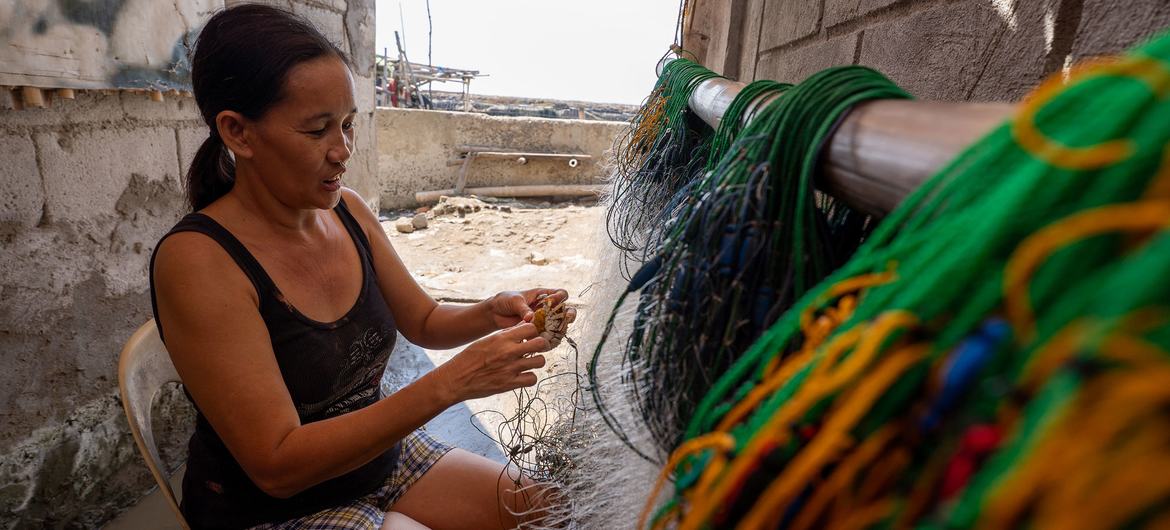
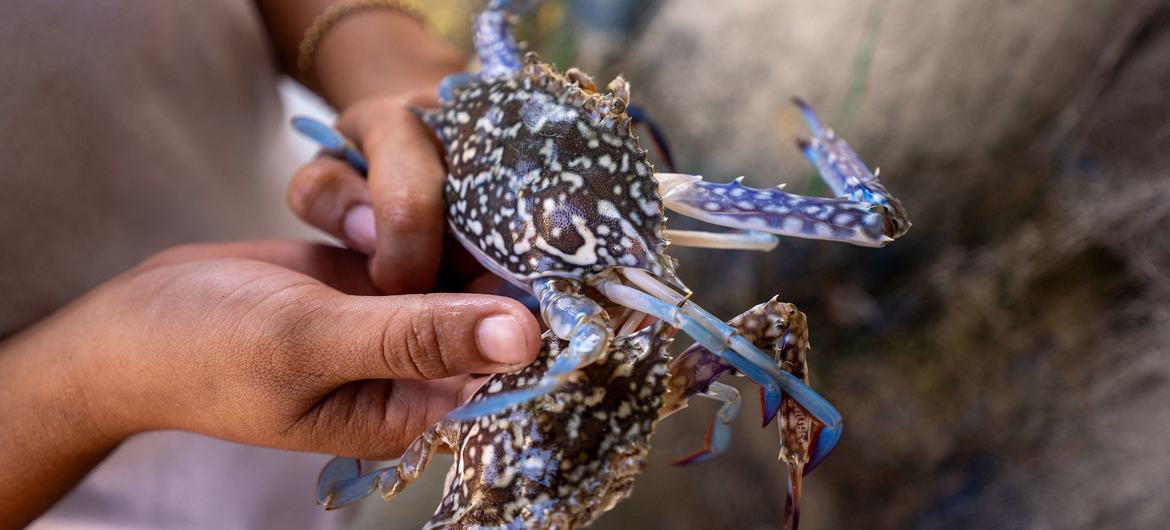
Among them is Christina Guevarra, who gently frees a blue swimming crab from her net. “From February to May, we are grateful,” she told the UN ahead of the International Day of the Tropics  marked annually on 29 June. “But after these months, especially when the rainy season begins, we have to find other ways to earn.”

Christina Guevarra removes crabs from fishing nets.

Simple but hard life

Christina’s family, like many others in Sasmuan, relies on the river’s bounty, a livelihood increasingly threatened by dwindling fish populations and environmental degradation.

“It’s difficult in coastal communities like ours because we are so dependent on the river’s harvests,” she explained. “Life for us fishers is simple, but it’s also hard.”

For generations, the local people have depended on the Sasmuan Pampanga coastal wetlands, part of a watershed that drains into Manila Bay.

But pollution, poor waste management, and unsustainable practices now imperil its biodiversity and the local economy.

“The wastes we see in the river also come from upstream communities,” said Irene Villar, Assistant Head of Pampanga’s Environment and Natural Resources Office. “Even with proper waste disposal and policies in place, enforcement remains a challenge.”

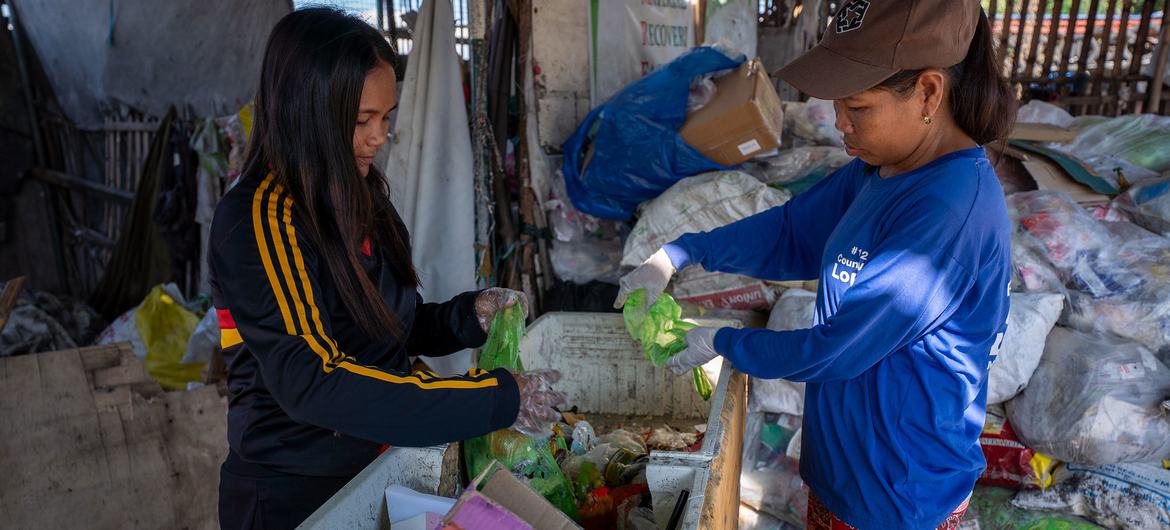
Edna Bilacog and Rose Ann Tungol have been supporting their families as waste segregators.

To address these issues, the Integrated River Basin Management (IRBM) Project which is financed by the Global Environment Facility, implemented by  the UN Development Programme (UNDP) has partnered with the Provincial Government of Pampanga and local groups to promote sustainable practices including not only on conserving waterways but also on uplifting vulnerable communities—especially women.

In Sasmuan, women like Edna Bilacog and Rose Ann Tungol find work at a Materials Recovery Facility, sorting household waste. Their pay, about 175 pesos a day (US$4), is well below the local minimum wage. “What we earn barely meets our needs,” they admit, but their work helps sustain their families.

Net gain

Others, like Maricar Guevarra, have relied on traditional crafts. A skilled weaver for over 20 years, she earns about $4 per repaired net and $13 for a large one known as a panti, which takes four days to complete. “This has been my main source of income, especially when my husband fell ill,” she said. To make ends meet, she also does laundry and sells home-cooked meals.

Women also lead the crab trade, detangling crustaceans from nets and preparing them for market, though unsustainable aquaculture from nearby fishponds threatens their livelihood. In response, many have diversified. During the off-season, they work as helpers, labourers, or store employees in nearby towns.

The blue swimming crab is abundant in the Sasmuan Pampanga coastal wetland.

In the village of Batang 2nd, a women’s group turns sea purslane, a wild riverbank weed, into atchara (pickled salad), while on the mainland, Patricia Culala has built a business around crab paste. “The fat from the crab is the tastiest part—that’s what I preserve and sell in bottles,” she explained. “Through this business, I was able to send my children to school.”

The women of Sasmuan are both resilient and innovative. But without sustainable solutions, their future remains uncertain. Fair wages, community-led conservation, and responsible river management are essential to preserving the wetlands, and the lives they nourish.

‘Global solidarity benefits us all’: Spain makes the case for development funding

For decades, helping the least developed countries to develop has been seen as beneficial for the international community as a whole, as well as a duty of the countries with more resources.

However, this philosophy is being challenged by some wealthy nations, which have decided to reduce or even end funding for projects and initiatives designed to support the poorer countries of the Global South in their attempts to improve the living standards and wellbeing of their citizens.

Ahead of the fourth International Conference on Financing for Development, which takes place in Seville, Spain, between 30 June and 3 July, Ms. Granados told Antonio Gonzalez from UN News that, despite the uncertainty, many rich countries, including Spain, still believe in the need for development financing and solidarity between nations.

This interview has been edited for clarity and length

UN News: Is development financing as we know it over?

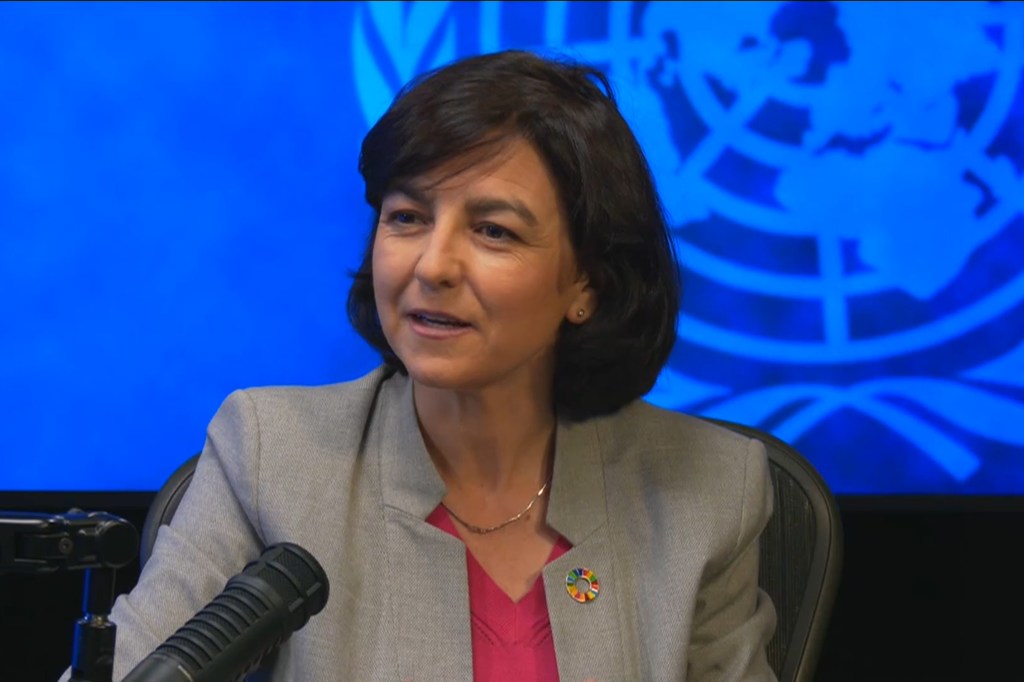
Spain’s Secretary of State for International Cooperation, Eva Granados.

Eva Granados: Development cooperation and global solidarity are not only beneficial for everyone, but also a political and moral duty.

It is true that, in the last year, there has been a reduction in official development aid, but this is not the case for all countries. Spain, for example, has increased its contribution to official development aid by 12 percent.

The philosophy behind development financing is certainly being challenged in some quarters, but this is the same kind of denialism that questions the need for policies calling for equality between men and women, or the reality of the climate crisis. There are many people making a lot of noise, but there are far more of us who believe in global solidarity. We have to explain, and explain well, why this solidarity and this international cooperation matter.

I believe that all the peoples of the world have a duty to each other, and we need to counter these narratives; climate change is clearly affecting us all and solidarity between genders is beneficial to the whole of society.

In 2015, at a conference in Addis Ababa [which laid the groundwork for a landmark international agreement on financing], we talked about debt issues, international taxation, trade and research. It’s the job of those of us who are committed to development cooperation and financing for development to make this agenda evolve.

UN News: Why is it in the interests of richer countries like Spain to spend money on international development?

Eva Granados: In the case of Spain, international cooperation and global solidarity are part of our social contract. Cooperation and peaceful relations between the peoples of the world are included in our constitution, and setting aside a 0.7 percent contribution of our gross national income to international cooperation is inscribed in law.

And this benefits our country. For example, during the COVID-19 pandemic, it was clear that, whilst the challenges were national, the solutions were global. Another example is climate change. The Mediterranean is heavily impacted, both on the European and African side. We have to cooperate and work in a coordinated manner, to form partnerships and to create global policies.

UN News: There is a €4 trillion annual gap in the funding needed for development and what is currently raised. Can this gap be bridged?

Eva Granados: The financing gap is large, but relatively speaking, €4 trillion is still only one percent of the financial transactions that take place annually. I think we have quite a few scenarios where it can be achieved.

If all donor countries contributed 0.7 percent of Gross National Income, we would barely meet 10 percent of the financing needs for development. This means that we have to do everything we can to attract investment, and work with the private sector.

We also have to help create global tax systems that distribute wealth and end the situation whereby two out of five citizens worldwide live in countries that spend more on debt servicing than on education or health services. It is unacceptable that the richest and wealthiest on the planet are contributing so little to international development. Super-rich people and large multinationals have to do more.

UN News: What results do you want to see coming out of this conference?

Eva Granados: These are uncertain times, but Seville is a ray of light for global solidarity. The countries represented at the conference are signalling that they believe in multilateralism.

The objective is to obtain more and better resources for sustainable development. We need to combine ambition with action. Just as in Addis Ababa, where we were able to reach agreement on a large number of issues, Seville is the time to put concrete issues on the table and bring together the political will of world leaders to reach agreements.

Seville is also a good time for us to set that viewpoint from the perspective of women. It is important that, in all the chapters of the document we are discussing, the needs of women are at the forefront.

And it is important that the final document includes a follow-up mechanism, so that countries can be held  accountable on an annual basis for the commitments we reach, and a commitment from all Member States to contribute to official development aid. 

Source link

Syria: UN commission hails recent action to address past violations

Paulo Sérgio Pinheiro highlighted the establishment of the National Transitional Authority and the National Authority for Missing Persons which are expected to help reveal the fate of the more than 100,000 Syrians estimated to have been forcibly disappeared or gone missing.

They are also expected to expose the truth about systematic violations like arbitrary detention, torture and ill-treatment, and about widespread attacks which killed hundreds of thousands of civilians and maimed millions during hostilities.

Syria continues along the path to transition following the overthrow of the Assad regime last December.

Wave of retaliatory attacks

Mr. Pinheiro said the security vacuum left after the dismissal of the armed forces and security services, together with a lack of clarity on the new framework for justice, contributed to an atmosphere where victims of past crimes and violations attempted to take the law into their own hands and settle scores.

Retaliatory attacks that took place in coastal areas in March, and on a smaller scale in other parts of the country, were “in part a response to five decades of systematic crimes perpetrated by security forces with impunity which affected all Syrians,” he said.

“More recently, sectarian fault lines have also been fuelled by widespread hate speech and incitement against Alawis, off and online, including posts with false information reportedly often originating from abroad.”

Eyewitness accounts

The Commission conducted its latest visit to Syria last week and travelled to several locations on the coast where killings and looting had occurred.  The team met with several civil and security authorities, as well as eyewitnesses and victims’ families.

“First-hand accounts by survivors of these events…revealed in detail how residential areas were raided by large groups of armed men, many of them members of factions now affiliated with the State. They told us how the assailants detained, ill-treated and executed Alawis,” he said.

He acknowledged the interim authorities’ establishment of a National Inquiry to investigate the violations as well as an additional High-Level Committee to Maintain Civil Peace.  Furthermore, dozens of alleged perpetrators have been arrested.

“Protection of civilians is essential to prevent further violations and crimes,” he said. 

“We welcome the commitment of President (Ahmed) al-Sharaa to hold those responsible accountable to restore confidence for State institutions amongst the affected communities.”

He also pointed to a deadly attack on a Greek Orthodox church in Damascus last Sunday, saying the authorities must ensure the protection of places of worship and threatened communities, and perpetrators and enablers must be held accountable.

Foreign intervention

Mr. Pinheiro told the Council that “the Syrian conflict has had no shortage of internal challenges and grievances, many of which were made worse by foreign interventions.”

In recent weeks, Israel has carried out a wave of airstrikes in and around Damascus, including near the presidential palace. Military bases and weapons depots in Daraa, Hama, Tartous and Latakia have also been targeted as part of its sustained military campaign in Syria. Several civilians were killed.

Civilian casualties were also reported in the context of Israeli operations in the buffer zone in Quneitra and southwestern Daraa monitored by the UN Disengagement Observer Force (UNDOF)

“These actions raise serious concerns of violations of international human rights and humanitarian law as UN Secretary-General (António) Guterres further stated recently,” he said.

Millions in need 

Mr. Pinheiro reported that more than two million Syrians have returned home since December, including nearly 600,000 from neighbouring countries and just under 1.5 million internally displaced persons (IDPs).

“For many of the over seven million Syrians who remain displaced, massive property-related challenges will need to be tackled in the wake of industrial-scale destruction, pillage and confiscation of homes and lands,” he said.

Moreover, he noted that “despite the recent encouraging steps towards lifting of sectoral sanctions and opening the country to new investments, nearly 16.5 million Syrians remain in need of humanitarian assistance.” Among them are nearly three million people facing severe food insecurity.

Mr. Pinheiro concluded his remarks, saying “the interim authorities’ repeated commitments to protect the rights of everyone and all communities in Syria without discrimination of any kind are encouraging” and “should be met with the necessary support from the international community.”

About the Commission

The Independent International Commission of Inquiry on the Syrian Arab Republic was by the Human Rights Council in August 2011 with a mandate to investigate all alleged violations of international human rights law since March 2011.

The members are Mr. Pinheiro and Commissioners Hanny Megally and Lynn Welchman.

They are not UN staff and do not receive any payment for their work.

New UN report charts path out of debt crisis threatening global development

On Friday, Deputy Secretary-General Amina Mohammed launched a new report, Confronting the Debt Crisis: 11 Actions to Unlock Sustainable Financing.

She was joined by experts Mahmoud Mohieldin and Paolo Gentiloni, along with Rebeca Grynspan, Head of the UN Conference on Trade and Development (UNCTAD).

A growing crisis

“Borrowing is critical for development,” Ms. Mohammed said, but today, “borrowing is not working for many developing countries, over two-thirds of our low income countries are either in debt distress or at a high risk of it.”

The crisis is accelerating, Ms. Grynspan warned.

More than 3.4 billion people now live in countries that spend more on interest payments than on health or education – 100 million more than last year.

Debt service payments by developing countries have soared by $74 billion in a single year, from $847 billion to $921 billion.

“The nature of this crisis is mostly connected to the increase of debt servicing costs,” Mr. Gentiloni explained. “Practically, the debt services costs doubled in the last ten years.”

Prepared by the UN Secretary-General’s Expert Group on Debt, the report reinforces the commitments put forward in the Compromiso de Sevilla, the outcome document of the Fourth International Conference on Financing for Development – taking place next week.

A path forward

The report outlines 11 actions that are both technically feasible and politically viable.

Mr. Mohieldin explained that the recommendations fall under two key goals: providing meaningful debt relief and preventing future crises.

It identifies three levels of action:

At the multilateral level: repurpose and replenish funds to inject liquidity into the system, with targeted support for low-income countries.

At the international level: establish a platform for borrowers and creditors to engage directly.

At the national level: strengthen institutional capacity, improve policy coordination, manage interest rates, and bolster risk management.

“These are eleven proposals that are doable and that only need the political will of all the actors to be able to make them real,” Ms. Grynspan stressed.

Source link

Sudan: ‘Fighting shows no signs of abating,’ senior UN official tells Security Council

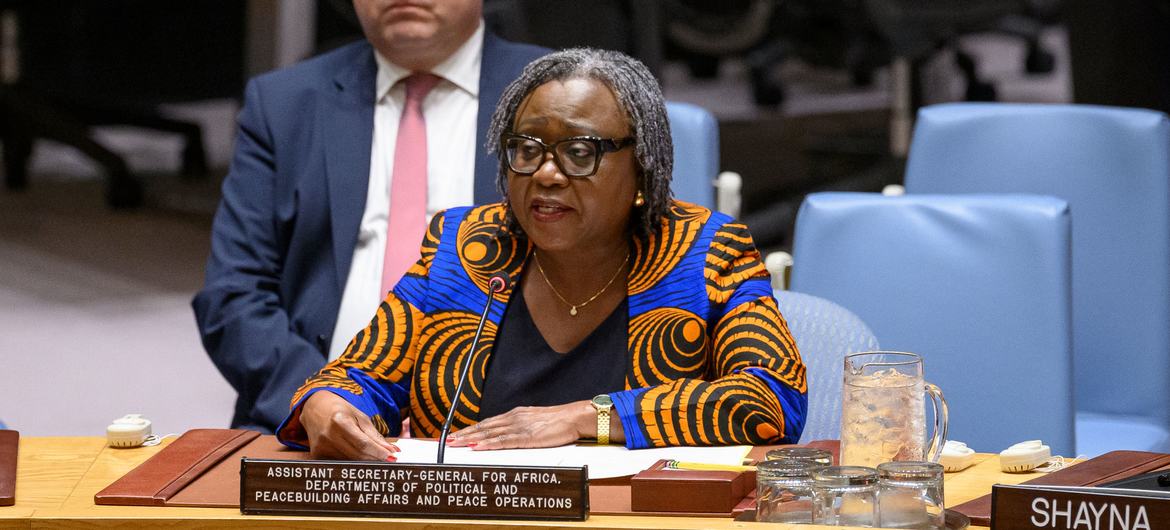
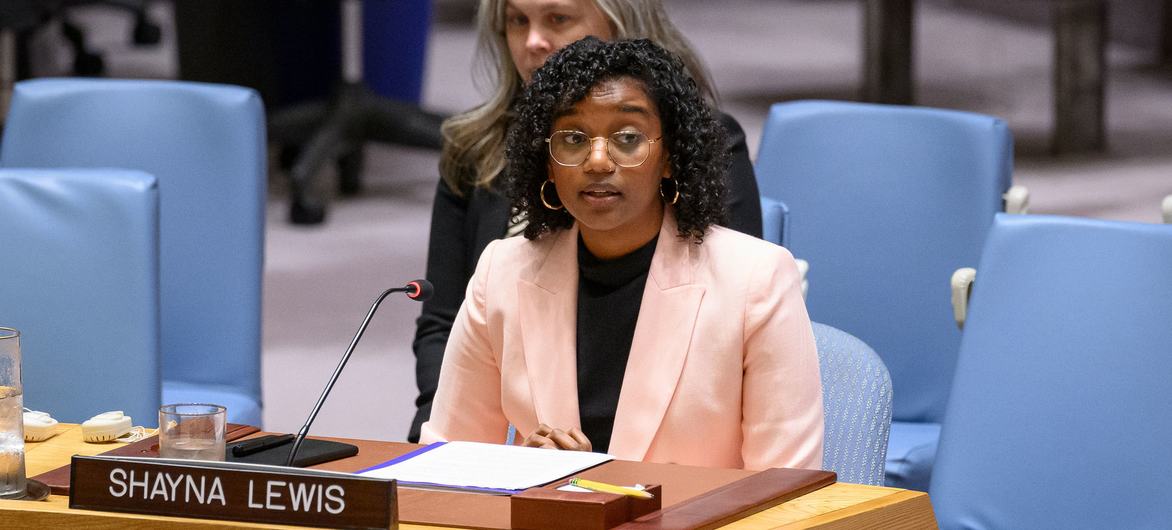
On Friday, the UN Security Council heard sobering briefings from Martha Ama Akyaa Pobee, UN Assistant Secretary-General for Africa, and Shayna Lewis, Sudan Specialist and Senior Advisor with Preventing and Ending Mass Atrocities (PAEMA), a US-based organization.

Ms. Pobee stressed that front lines continue to shift as the RSF and SAF press on with their military objectives, warning, “the warring parties appear unrelenting in their resolve to pursue military objectives.”

She noted the growing use of advanced weaponry, including long-range drones, which have expanded the violence into previously stable areas.

Martha Ama Akyaa Pobee, Assistant Secretary-General for Africa in the UN Department of Political and Peacebuilding Affairs and Peace Operations, briefs the Security Council meeting on the situation in Sudan.

Ms. Pobee further warned of the conflict spilling further into the region, citing recent reports of violent clashes in the tri-border area between Sudan, Libya and Egypt, involving the SAF, RSF and forces affiliated with the Libyan National Army.

Human rights violations

Ms. Pobee also referenced UN human rights reports documenting a tripling of arbitrary civilian killings between February and April this year.

“Entrenched impunity is fuelling these and other gross human rights violations and abuses. All parties to the conflict must be held accountable,” she stressed.

Ms. Lewis’s briefing focused on the worsening humanitarian situation, highlighting the over 15 million children now in need of assistance due to ongoing attacks on civilians.

Shayna Lewis, Senior Advisor and Sudan Specialist at Preventing and Ending Mass Atrocities (PAEMA), addresses the Security Council meeting on the situation in Sudan.

Returning from a recent visit to Sudan, she shared accounts of severely injured children in hospitals and stressed that up to 80 per cent of health facilities in conflict areas are no longer functioning.

She also cited examples of indiscriminate attacks on hospitals by both the SAF and RSF, including a suspected SAF drone strike on 21 June that hit a hospital in West Kordofan, killing over 40 people and destroying critical lifesaving equipment.

Both Ms. Lewis and Ms. Pobee raised alarm over the warring parties’ widespread use of sexual and gender-based violence against women and girls across Sudan.

Government of Hope

Despite the ongoing violence and human rights abuses, Ms. Pobee underscored the significance of the new “Government of Hope.”

On 31 May, a new interim Prime Minister was inaugurated, announcing reform plans and immediately appointing a cabinet of professional technocrats.

Ms. Pobee also acknowledged the efforts of the Personal Envoy of the UN Secretary-General for Sudan, Ramtane Lamamra, who has been engaging with the Prime Minister, civilian groups and the warring parties.

Through this crucial communication, the Personal Envoy is helping these stakeholders work toward an inclusive political resolution.

“I urge this Council – once again – to unite in lending full support to Personal Envoy Lamamra’s efforts, and to use its influence with the parties and their external backers to press for a genuine commitment to dialogue and de-escalation,” Ms. Pobee said.

Ambassadors also heard a briefing from the Chair of the Sudan Sanctions Committee, established by the Council pursuant to Resolution 1591 (2005), on the work of the Committee. Following the open briefing, the Council held closed consultations during which Personal Envoy Lamamra also briefed members.

Source link

DR Congo: Despite efforts towards a political solution, violence still rages in the east

Since January, the region has seen a new escalation of violence as the Rwanda-backed M23 armed group launched an offensive in North and South Kivu provinces.

While tensions persist in the DRC, both frontlines and negotiation positions are shifting, paving the way for peace, the Security Council heard this Friday.

The path to lasting peace in the DRC requires “collective action,” said Bintou Keita, Head of the UN peacekeeping mission in the country, MONUSCO.

“Priority must be given to dialogue over division, and national cohesion must be actively preserved,” she said.

Yet, while diplomatic efforts focus on ways to address the current crisis, the situation in other regions within MONUSCO’s area of operations also demands urgent attention.

Humanitarian situation

With seven million people currently displaced across the country, 27.8 million people facing food insecurity and almost 1.4 million children in acute malnutrition, the humanitarian situation is dire. 

The security crisis in the east of the country has worsened the humanitarian situation, yet due to funding cuts, MONUSCO does not have sufficient means to respond to it accordingly. 

The suspension of funding from MONUSCO’s main donor, which covered 70 per cent of the humanitarian response in 2024, is “forcing humanitarian actors to focus solely on life-saving emergencies,” said Ms. Keita. 

“We are at the end of July, and the humanitarian response plan is only 11 per cent funded,” she added. 

Insecurity, sexual violence and abductions

Violence in the east of the country continues to disproportionately affect women, boys, and girls, notably as rape and other forms of sexual violence are still being systematically used as weapons of war.

Men and boys accused of links with opposing forces are at risk of abduction, while women and girls who have survived sexual violence face severely limited access to healthcare, as healthcare facilities are often targeted by attacks. 

In 2025, over 290 schools were destroyed, with ongoing cycles of violence keeping 1.3 million children out of the education system in Ituri, in the east of the country.  

Source link

Lacroix upholds role of UN peacekeeping in Lebanon and Syria

Jean-Pierre Lacroix briefed journalists on his recent visit to the two countries ahead of Security Council meetings on the extension of the mandates of the UN Interim Force in Lebanon (UNIFIL) and the UN Disengagement Observer Force (UNDOF) in the Golan.

He said UNIFIL “has been working very hard” in the wake of the cessation of hostilities.

Achievements in Lebanon

The agreement last November between Lebanon and Israel followed more than a year of fighting on Lebanese territory between Hezbollah militants and Israeli forces, linked to the war in Gaza.

“I believe that there are a number of achievements that have been realized with the support of UNIFIL,” he said.

Mr. Lacroix reported that the Lebanese Armed Forces (LAF) have continued to strengthen their presence south of the Litani river, with UNIFIL’s support. The Mission has also worked to identify and neutralize weapon caches.

Furthermore, UNIFIL also continues to play a critical liaison and de-conflicting role between the LAF and the Israel Defense Forces (IDF), and supports the local population, including through mine action and clearing roads.

While highlighting these achievements, he stressed that more needs to be done to achieve the full implementation of Security Council resolution 1701 (2006), which defines UNIFIL’s mandate, noting that violations continue.

Mr. Lacroix also interacted with the Lebanese authorities who “unequivocally” upheld the critical need for the Mission’s continuous presence.

His visit also coincided with last days in office of UNIFIL Force Commander Major General Aroldo Lázaro Sáenz, who he praised for heading the Mission “during extremely, extremely challenging times.”

He also welcomed incoming Force Commander Diodato Abagnara and wished him all the best going forward.

Developments in Syria

Meanwhile, UNDOF continues its “critically important” role liaising between the Syrian and Israeli authorities and working to resolve the conflict.

He said the presence of the IDF in the so-called area of separation is a violation as only UNDOF can have a military presence there, according to the 1973 Designation of Forces Agreement.

Mr. Lacroix interacted with senior officials from the interim authorities in Syria who expressed support for UNDOF, adding that communication between them has improved.

“At the same time, I heard very clearly from the Syrian authorities that they are ready to assume the full authority of the whole of Syrian territory, including deploying the military and security presence to all the Syrian territory,” he said.

“That includes the area where UNDOF is, of course, according to and consistent with the provisions of the 1973 Agreement.”

He welcomed this “expression of readiness” while emphasizing that UNDOF’s goal is a return to the full implementation of the accord.

Short-range drone attacks deepen crisis on Ukrainian frontlines

According to the rights mission, while the majority (89 per cent) of civilian casualties were documented in Ukrainian-controlled territory as a result of attacks by the Russian armed forces, the remaining occurred in territory occupied by Russian authorities, including in attacks that struck public transport and clearly marked ambulances.

While individually less destructive than artillery or missiles, “the sheer scale and increasing frequency of short-range drone attacks have made them one of the deadliest weapons in Ukraine,” said Danielle Bell, Head of HRMMU.

Not compliant with laws of war

Forcing residents to drastically restrict their movements, limiting access to essential goods and affecting livelihoods, the large number of short-range drone attacks exacerbated an already dire humanitarian situation.

Most short-range drones have on-board cameras that provide operators with a real-time view of potential targets.

However, the high number of civilian casualties resulting from drone attacks suggests that these weapons have been deployed in ways that violate international humanitarian law, in particular the principles of distinction and precaution, HRMMU noted.

In some instances, drone operators appear to have intentionally attacked civilians or civilian objects, including medical transport and personnel, which would amount to war crimes, it added.

“It is clear that these weapons are not being used in compliance with the laws of war,” Ms. Bell said.

Call for accountability

Information verified by the mission showed that the number of civilian casualties from short-range drones steadily increased in late 2023 and early 2024, before spiking in July 2024 and reaching record numbers in April 2025.

Casualties continued in May and June, such as during a strike on a minibus in Kostiantynivka, Donetsk region, on 23 June, in which the 65-year-old driver was killed.

On 22 May, a 58-year-old woman, a local volunteer, was killed in a frontline village in Kharkiv region when a drone dropped a munition on the balcony of a two-story residential building, according to the HRMMU.

“Each of these attacks must be investigated,” Ms. Bell said.

“Those responsible for targeting civilians and humanitarian personnel must be held to account.”

Source link

Myanmar human rights crisis deepens as aid collapses, attacks intensify

In a stark briefing to the Human Rights Council in Geneva, UN High Commissioner for Human Rights Volker Türk described a country gripped by war, repression and deepening suffering.

Since the military coup in February 2021, nearly 6,800 civilians have been killed and over 22,000 remain arbitrarily detained, he said. Humanitarian needs have soared, with nearly 22 million people in need of assistance and more than 3.5 million displaced by conflict.

“The report I am presenting today is about the people of Myanmar and their aspirations for a better future,” Mr. Türk said.

Despite massive challenges, people from across society are striving to build a peaceful, sustainable, democratic and diverse Myanmar, grounded in human rights.

A crisis worsened

However, conditions on the ground have only worsened.

Following a 28 March earthquake that killed nearly 4,000 people and left six million in urgent need, the military intensified attacks instead of facilitating relief, Mr. Türk said.

The UN human rights office, OHCHR, documented more than 600 military strikes since the quake – 94 per cent of them occurring during supposed ceasefires – with schools, religious sites and other protected locations frequently targeted.

Situation in Rakhine

The situation in Rakhine state remains particularly dire, with civilians – the minority Muslim Rohingya in particular – caught between the Myanmar military and the Arakan Army, an ethnic armed group. In addition, the military’s ongoing obstruction of humanitarian access has worsened an already acute crisis.

Throughout the country, economic collapse and the breakdown of public institutions have compounded the suffering.

Nearly four in five people now live below or just above the poverty line and an estimated 1.3 million have fled the country – many undertaking perilous journeys by land and sea. So far in 2025, nearly one in five people attempting sea crossings in the region have been reported dead or missing.

End violence, ensure accountability

The High Commissioner’s report outlined four key pathways to lay the groundwork for a transition toward a peaceful and democratic Myanmar: justice and accountability, democratic governance; economic reform to serve the people, and sustained international engagement.

Mr. Türk stressed that accountability must begin with the release of all political prisoners and prosecution of those responsible for grave human rights violations.

“It is imperative for the military to immediately end the violence, allow unhindered humanitarian access and release all arbitrarily detained people,” he said.

Amid the turmoil, planning for a future with human rights front and centre offers people a sense of hope. We owe it to the people of Myanmar to make that hope a reality.

Millions have lost their homes and livelihoods due to the earthquakes that struck Myanmar in late March.

Independent expert’s alarm

Tom Andrews, the UN Special Rapporteur on the situation in Myanmar, echoed the High Commissioner’s warnings, raising alarm over a collapse in international humanitarian support and the military’s repression.

“The junta has chosen to use aid as a weapon,” he told the Council.

“I have spoken with humanitarian workers physically blocked at checkpoints and received reports of earthquake survivors evicted from shelters with no place to go.”

Mr. Andrews, who has been appointed and mandated by the Human Rights Council and is not a UN staff member – also warned that drastic cuts in international funding have already had severe consequences.

As of 27 June, the $1.14 billion comprehensive humanitarian response plan for the country is only 12 percent funded and the $275 million addendum for the earthquake response is about 37 per cent.

At a time when the people of Myanmar need an enhanced level of support from the international community, they are getting the opposite, Mr. Andrews said, warning that the cost in human lives and human suffering will soon very likely get “significantly worse.”

This dangerous trend begs the question – do human rights matter?” he asked.

Because if human rights matter, if saving the lives of children in Myanmar matters, why are so many governments reluctant to invest even a modest amount of resources to save lives?

Source link

Guterres calls for immediate Gaza ceasefire as humanitarian crisis reaches ‘horrific proportions’

Speaking to reporters at UN Headquarters ahead of his departure to Spain for the International Conference on Financing for Development, the Secretary-General said that while the Israel-Iran conflict had dominated recent headlines, the plight of civilians in Gaza remained urgent and dire.

Families have been displaced again and again – and are now confined to less than one-fifth of Gaza’s land,” he said.

Even these shrinking spaces are under threat. Bombs are falling – on tents, on families, on those with nowhere left to run.

Search for food must never be a death sentence

Mr. Guterres described the situation as the most severe since the onset of the war, citing acute shortages of food, fuel, medicine and shelter.

The search for food must never be a death sentence,” he said, highlighting the danger faced by Palestinians simply trying to survive.

He has repeatedly called for three urgent steps: an immediate ceasefire, the unconditional release of all hostages, and full, unimpeded humanitarian access.

On Friday, he again pressed for these demands, emphasising that aid workers are starving, hospitals are rationing life-saving supplies and civilians are trapped in unsafe zones.

Surge in aid urgently needed

“What’s needed now is a surge – the trickle must become an ocean,” he said.

The UN chief stressed that Israel, as the occupying power, is legally obliged to facilitate humanitarian relief.

“To those in power, I say: enable our operations as international humanitarian law demands. To those with influence, I say: use it,” he added.

Earlier this week, a small convoy of UN medical supplies entered Gaza for the first time in months, Mr. Guterres noted, adding that it only underscored the overwhelming scale of the need.

He also also cautioned that any aid delivery method must ensure civilian safety, stressing that “operations which place desperate people in or near militarized areas are inherently unsafe.”

We have the solution – a detailed plan grounded in the humanitarian principles of humanity, impartiality, neutrality, and independence,” he said.

It worked during the last ceasefire. So it must be allowed to work again.

Two-State solution critical

Mr. Guterres concluded with a broader political appeal:

The only sustainable path to re-establishing hope is by paving the way to the two-State solution. Diplomacy and human dignity for all must prevail.

Source link

Gaza: Health system crumbles amid growing desperation over food, fuel

“Definitely, people get shot,” said Gaza-based medic Dr. Luca Pigozzi, WHO Emergency Medical Team Coordinator. “They are victim of blast injuries as well and bodily injuries.”

The WHO official’s comments follow reports of another mass casualty incident on Thursday, this time involving a strike on a market in the central city of Deir al Balah.

More than 20 people were killed and approximately 70 others were injured, said the UN aid wing, OCHA, with victims rushed to Al Aqsa Hospital, Nasser Medical Complex and two other health facilities.

Hundreds killed seeking food

In addition to the latest deadly incident, at least 410 Palestinians have been killed by the Israeli military while trying to fetch aid from controversial non-UN aid hubs supported by Israel and the United States, the UN human rights office, OHCHRsaid on Tuesday.

Providing high-quality medical care is very difficult in the war-torn occupied enclave today, “particularly because we are speaking about a high volume of patients every time”, Dr Pigozzi insisted.

Health needs are widespread and dramatic, with almost 50 per cent of medical stocks completely depleted.

WHO’s first medical shipment into Gaza on Wednesday was its first since 2 March, when Israel imposed a full blockade on the Strip.

In total, nine trucks carrying essential medical supplies entered the enclave with 2,000 units of blood and 1,500 units of plasma; all transited through the Kerem Shalom crossing. It is “only a drop in the ocean” of what is required, Dr Pigozzi said.

Aid obstacles remain

Speaking to journalists from Jerusalem, WHO’s Dr Rik Peeperkorn highlighted renewed difficulties in securing agreement from the Israeli authorities to allow more UN and partner agencies’ supply trucks into Gaza.

“That’s really unfortunate and should not happen, because you don’t want to see those desperate people, and specifically desperate young men, risking their lives to get some food either,” he said, amid reports of a chaotic rush for supplies at non-UN distribution points and of starving Gazans taking goods directly off lorries.

Before the Israeli blockade, the UN and its humanitarian partners demonstrated that their aid delivery system reached those most in need, insisted Dr Peeperkorn, WHO Representative in the occupied Palestinian territory. Today that is not the case because of repeated refusals by Israeli authorities to allow supplies into Gaza.

“Open the routes and make sure that we can get our supplies in,” he said. “The market needs to be flooded with food and non-food items and water, et cetera, et cetera, and including essential medicines in a most cost-effective manner.”

Denied entry

Since March, aid teams have encountered a 44 per cent denial rate, meaning that for every 10 staff requesting entry, “four to five of them are denied per rotation”, WHO’s Dr Pigozzi said.

Echoing that message, WHO spokesperson Christian Lindmeier insisted that people are starving, sick and dying across Gaza every day.

“They have been killed on the way trying to get medical help, they have been killed inside hospitals. Now, additionally, they are being killed on the way to get food items which are scarcely being provided,” he said.

“We have food and medical help minutes away across the border, sitting there and waiting for weeks and months by now. Just open the door.”