UN envoy urges renewed political push as Yemen tensions rise

Hans Grundberg also warned that rising regional tensions risk dragging Yemen back into broader confrontation. 

I ask this Council to remain united in supporting a credible path back to a political process, and I urge regional actors to align around the same purpose and to use their influence in a coordinated way to steer Yemenis toward engagement,” he said. 

A ‘fragile’ situation 

Since 2014, Yemeni government forces, who are backed by a Saudi-led coalition, and Houthi rebels have been fighting for full control of the fractured country.  

The internationally recognised authorities are largely based in the southern city of Aden while the Houthis, officially known as Ansar Allah, control the capital Sana’a and large areas of the north and west.  

In recent months, forces affiliated with a separatist group in the south have advanced on more territory.  

Mr. Grundberg briefed from the Saudi capital Riyadh, where he held talks with Yemen’s newly appointed Prime Minister Shaya al-Zindani and members of the Presidential Leadership Council. 

He highlighted early positive signs in government areas, including improvements in the provision of electricity and payment of public sector salaries, and commended the appointment of three women cabinet ministers. 

“However, continued tensions, recent security incidents and demonstrations, where in some cases violence and loss of life has been reported, underscore the fragility of the situation,” he said. 

‘Protect recent gains’ 

He told the Council that the new cabinet “can protect recent gains by anchoring them in strengthened institutions and economic reforms”. 

Furthermore, a planned southern dialogue offers an opportunity to begin addressing long-standing grievances and build consensus on issues important to the region’s people and all Yemenis.  

Mr. Grundberg said that stabilisation in any part of the country will not be durable if the broader conflict is not addressed comprehensively. 

“It is high time to take decisive steps in that regard,” he said. “Without a wider negotiated political settlement to the conflict, gains will continue to remain vulnerable to reversal.” 

The way forward 

The UN envoy has been engaging with the warring parties, regional actors and the international community to explore ways to restart an inclusive political process in Yemen.  

His office has also held consultations with a diverse group of Yemenis, leading to three takeaways. 

The first calls for acknowledging what more than a decade of war has done to Yemen. Although the conflict has become more complex, the common objective has remained steady and firm. 

Yemen needs an inclusive political process under UN auspices to reach a negotiated political settlement that can sustainably end the conflict, but getting there requires that the parties adopt a forward-looking approach,” he said. 

Restarting a political process will require engagement across political, economic and security issues in tandem “without making engagement in one track contingent on progress in another”, he added. 

The third point calls for a credible process that enables near-term agreements that reduce suffering and demonstrate progress. At the same time, space must be created for negotiations on longer-term issues, including the future shape of the State, security arrangements and principles of governance. 

Free detained staff 

The Special Envoy also used the briefing to reiterate his call for the unconditional release of scores of UN personnel who have been arbitrarily detained by the Houthis. 

Currently, 73 staff are locked up, along with representatives from civil society and diplomatic missions. 

“Many have been held incommunicado, with serious concerns about their conditions and wellbeing. Some have been referred to Ansar Allah’s special criminal court, which is proceeding with trials that fall far short of basic due process,” he said. 

He noted that this week marked a year since a staff member with the World Food Progamme (WFP) died while being held and no investigation has taken place. 

Houthis storm UN offices 

A senior official with the UN aid coordination office, OCHA, updated the Council on the humanitarian situation in Yemen. 

“As we have said in this Council before, these detentions of humanitarian workers are having a profound impact on operations,” Lisa Doughten, director of OCHA’s financing and outreach division, told ambassadors. 

She reported that the Houthi de facto authorities entered multiple UN offices in Sana’a on 29 January “without permission, commandeering equipment and vehicles”.  

They also continue to withhold clearances for UN Humanitarian Air Service (UNHAS) flights to Marib, though flights to Sana’a resumed over the weekend following a month-long suspension.  

Millions in need 

The “interference and impediments” are happening when 22.3 million people – half the population – need humanitarian assistance this year, or nearly three million more than in 2025.  

Around 18 million face food insecurity, making Yemen the region’s most severe hunger crisis. It is also the country with the largest number of people experiencing emergency food security conditions, some 5.5 million. 

Source link

Aid cuts push millions in West and Central Africa deeper into hunger

The UN World Food Programme (WFP) issued the warning on Friday, citing latest analysis from the food security framework Cadre Harmonisé, the regional equivalent of the Integrated Food Security Phase Classification (IPC) that uses a one to five scale – with five spelling catastrophe/famine – to inform response.

It projects that 13 million children are also expected to suffer from malnutrition this year while over three million people will face emergency levels of food insecurity – more than double the 1.5 million in 2020.

Nigeria, Chad, Cameroon, and Niger account for 77 per cent of the food insecurity figures, including 15,000 people in Nigeria’s Borno state at risk of catastrophic hunger for the first time in nearly a decade.

Although a combination of conflict, displacement, and economic turmoil has been driving hunger in West and Central Africa, the slashes to humanitarian funding are now pushing communities beyond their ability to cope.

“The reduced funding we saw in 2025 has deepened hunger and malnutrition across the region,” said Sarah Longford, WFP Deputy Regional Director.

“As needs outpace funding, so too does the risk of young people falling into desperation.”

Rations reduced, hunger soars

WFP urgently requires more than $453 million over the next six months to continue its humanitarian assistance across the region, where the impacts of the aid budget cuts are evident.

In Mali, when families received reduced food rations, areas experienced a nearly 65 per cent surge in acute hunger (IPC 3+) since 2023, compared with a 34 per cent decrease in communities that received full rations.

Continued insecurity has disrupted critical supply lines to major cities – including for food – and 1.5 million of the country’s most vulnerable people are on track to face crisis levels of hunger.

Malnutrition levels deteriorate

In Nigeria, funding shortfalls last year forced WFP to scale down nutrition programmes, affecting more than 300,000 children.  Since then, malnutrition levels in several northern states have deteriorated from “serious” to “critical.”

The UN agency will only be able to reach 72,000 people in Nigeria in February, down from the 1.3 million assisted during the 2025 lean season.

Meanwhile, more than half a million vulnerable people in Cameroon are at risk of being cut off from assistance in the coming weeks.

‘Paradigm shift’ needed

WFP underscored the importance of having adequate funding for its operations, which have helped to improve food security in the region.

For example, teams have worked with local communities in five countries to rehabilitate 300,000 hectares of farmland to support more than four million people in over 3,400 villages.

WFP programmes have also supported infrastructure development, school meals, nutrition, capacity building and seasonal aid to help families manage extreme weather and security risks, stabilise local economies and reduce dependency on aid.

“To break the cycle of hunger for future generations, we need a paradigm shift in 2026,” Ms. Longford said.

She urged governments and their partners to step up investment in preparedness, anticipatory action, and resilience-building to empower local communities.

UN aid push continues across Gaza despite Israeli airstrikes


“Our humanitarian colleagues tell us that their partners continue their scale-up efforts, despite reported Israeli airstrikes across the Strip,” he said, noting that some strikes hit areas near the so-called ‘Yellow Line’ – a buffer zone marked by the Israeli military inside Gaza as part of the ceasefire agreement.

“We stress again that all parties must refrain from any activities that put civilians, including aid workers, at risk.”

Despite the insecurity, UN operations have managed to move significant volumes of relief into the enclave. According to the UN’s so-called 2720 delivery mechanism authorised by the Security Council, more than 24,000 metric tonnes of aid – including food, medicine, nutritional supplements and shelter materials – have been collected from Gaza’s crossings since the truce began several weeks ago.

Looting subsides

Encouragingly, looting and interception of aid have sharply declined. Between 10 and 28 October, only five per cent of supplies were intercepted, compared with around 80 per cent in the months before the ceasefire.

The World Health Organization (WHO) has also delivered over 840 pallets of life-saving medical supplies, including insulin, surgical kits and essential medicines, and is supporting nutrition services to treat some 2,500 children.

But Mr. Dujarric warned that Gaza’s health system remains “under immense strain”, with the local Ministry of Health reporting that more than 1,700 health workers have been killed since the start of the war.

On education, agencies are working to restore “minimum teaching and learning conditions” for over 630,000 school-aged children who have missed more than two years of classes.

Over 90 classrooms have been rehabilitated, though Israeli restrictions on educational materials continue to hamper efforts.

“We continue to call for all crossing points to be open and more UN agencies and organizations authorized to bring in aid supplies into Gaza,” Mr. Dujarric said.

Fragile window to resume food production

Despite catastrophic destruction across Gaza’s farmlands, the current ceasefire has created a fragile but vital window to revive food production, the UN Food and Agriculture Organization (FAO) and satellite agency UNOSAT said on Thursday.

New satellite analysis shows nearly 87 per cent of cropland, 80 per cent of greenhouses and almost 87 per cent of irrigation wells have been damaged since the start of the conflict. But the pause in fighting has opened access to 37 per cent of affected farmland – some 600 hectares of which remain undamaged – allowing farmers to begin rehabilitating their land.

“The ceasefire has opened a window of opportunity,” said FAO Deputy Director-General Beth Bechdol. “Urgent support is needed to restore agricultural land and infrastructure, enable farmers to resume fresh food production, and rebuild fisheries and livestock so families can feed themselves again.”

FAO stressed that rebuilding food systems now could help stabilise livelihoods and prevent deeper hunger in Gaza.

However, its $75 million appeal to support recovery remains only 10 per cent funded, highlighting the need for swift international backing to seize this brief moment of hope amid widespread devastation.

Deadly Attacks, Trembling Services Push Sudan Closer to Catastrophe

According to local reports, heavy shelling and assaults late last week in El Fasher, the capital of North Darfur state, killed at least six civilians and injured scores more, triggering fresh displacement from the already besieged city.

Sudan has been roiled in a brutal civil war between rival militaries – the Sudanese Armed Forces and the paramilitary Rapid Support Forces (RSF) and affiliated militias. Thousands of civilians have been killed, villages and farmlands destroyed, and nearly 12 million people driven from their homes – over four million as refugees into neighbouring countries.

The country also risks becoming the world’s largest hunger crisis in recent history as infrastructure, trade routes and supply chains lie in ruins. Famine has already been confirmed in the Zamzam camp, which once sheltered hundreds of thousands of civilians – and many more areas are at risk.

Humanitarians warn that essential services are breaking down. Water trucking to the only functioning hospital was suspended over the weekend and community kitchens shut down after running out of food.

Without urgent support, they warn that the most vulnerable people could face severe hunger within days. Across Darfur, hospitals remain under immense strain.

Nearly 100 wounded people, including women and children, were admitted to medical facilities in a single day last week, with several pronounced dead on arrival, according to reports from the medical charity Médecins Sans Frontières (MSF – Doctors Without Borders).

Survivors who managed to escape El Fasher described “unbearable” conditions in the city, which has endured more than a year of siege by the Rapid Support Forces (RSF) and allied groups.

Children sit beside makeshift tents in El Fasher, North Darfur, where intensified fighting has left thousands trapped.

Drone strikes on 10 September hit multiple locations across Darfur, injuring scores. A strike landed just four kilometres (about 2.5 miles) from an MSF-supported hospital in Central Darfur, forcing staff to activate a mass casualty plan. The following day, two more strikes struck Nyala in South Darfur, reportedly killing at least four people, including a child.

The fighting is not confined to Darfur. In Khartoum, RSF airstrikes on 9 September damaged a power station, causing a blackout in parts of the capital and disrupting critical hospital equipment and services.

Disasters add to misery

Meanwhile, Sudan is grappling with natural disasters on top of conflict. A landslide triggered by heavy rains on 31 August in Sharg Aj Jabal, near the Central and South Darfur border, killed an estimated 400 people, half of them children, according to local reports.

Furthermore, over 4,000 people were displaced and 550 homes destroyed in Aj Jazirah state in flash floods last week.

Every year, hundreds of thousands of people in Sudan are affected by heavy rains, flash floods and landslides.

The UN Office for the Coordination of Humanitarian Affairs (OCHA) stressed that civilians remain at the epicentre of the violence. “[We] once again call for an immediate cessation of hostilities, protection of civilians, safe and unimpeded humanitarian access, and increased international support to sustain life-saving operations across Sudan,” the Office said.

In Khartoum, OCHA reported some improvements in restoring basic services and security. Yet more than 800,000 people who have returned to the capital in recent months still urgently need assistance to rebuild their lives.

On the political front, the Secretary-General’s Personal Envoy for Sudan, Ramtane Lamamra, is currently in Port Sudan after concluding consultations in Nairobi.

According to UN Spokesperson Stéphane Dujarric, Mr. Lamamra has held “very constructive engagements” with Sudanese stakeholders across the spectrum as well as key international interlocutors.

“These discussions will help lay the groundwork necessary to support an inclusive process that can deliver a sustainable solution that preserves Sudan’s sovereignty, its unity and its territorial integrity,” Mr. Dujarric said.

He added that the UN also looks forward to working closely with regional partners, including the African Union, the east African regional bloc Intergovernmental Authority on Development (IGAD), and the League of Arab States, to restart efforts toward an intra-Sudanese dialogue.

A fourth generation nuclear survivor’s push for justice

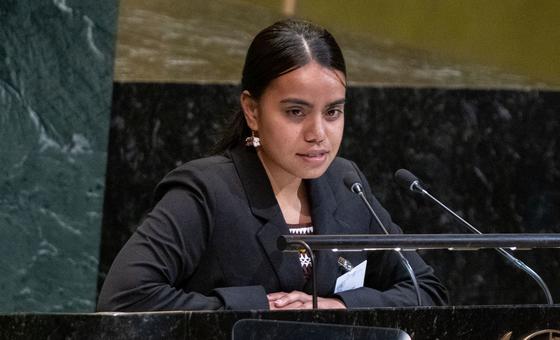
“We are not prepared to inherit a legacy of complacency, nor can we continue to live in the shadow of these weapons,” she told the commemoration inside the gilded UN General Assembly Hall.

As the Youth Representative of the Republic of Kiribati, Ms. Johnson is one of the many young people around the world whose ancestors have been affected by the toxic aftermath of nuclear tests.

After her speech to the General Assembly where she urged Member States to take action, Ms. Johnson spoke to UN News about the effects that the past has had on her family and community.

Devastating Consequences

Between 1957 and 1962, the United States and United Kingdom conducted nuclear weapon tests on Kiritimati Island, now part of Kirbati, resulting in devastating consequences for the local population. Ms. Johnson’s late grandfather, who lived on the island, was 14 years old when the testing began.

“They were all gathered in a small tennis court, and they were only given a thin blanket without real protection,” she said, describing the scene just ahead of the detonation.

“They used that to cover their eyes from the flashes of the bombing,” she added.

The radiation Johnson’s grandfather was exposed to led to serious health implications including hearing loss and cognitive decline. These impairments followed him for the remainder of his life and affect his descendants till this day.

“My dad’s two older sisters were born prematurely and died shortly after that,” she said. “And similar cases were also found in other families in the community.”

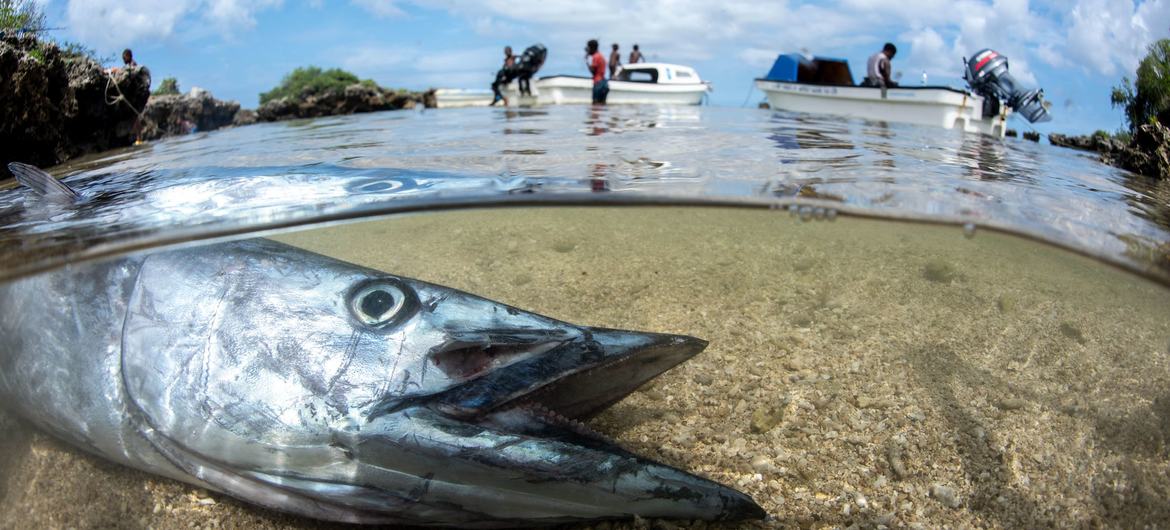
Beyond the devastating impact on the people of Kiritimati, the tests also caused lasting environmental damage. According to Ms. Johnson, specific type of fish on the island are believed to be radioactive and when eaten, can make people “sick and nauseous.”

Push for disarmament

To address the irreversible harm on behalf of the younger generation of Kiribati – and the world – she called on Member States to support an international trust fund meant to offer needed assistance for the victims of nuclear testing. The trust fund was first jointly proposed by Kiribati and Kazakhstan in 2022.

Kiribati is a member of the Coordination Committee of the Treaty on the Prohibition of Nuclear Weapons (TPNW), a landmark agreement aimed at eliminating the nuclear threat.

Articles 6 and 7 of the legally binding Treaty stipulate that signatory parties must provide assistance to those affected by nuclear weapons under their jurisdiction, or as a result of their actions.

‘The lives of many depend on this’

A fourth-generation nuclear testing survivor, Ms. Johnson’s deeply personal experience with the human, environmental and social impact of nuclear weapons has only made her more determined to pressure the international community to build on the treaty entering into force in 2021.

“For the sake of all the mothers, children and future generations, I urge everyone to join in the Treaty for the Prohibition of Nuclear Weapons because the lives of many are dependent on this.”

Learn more about the UN’s actions against nuclear testing and proliferation here

Source link

Funding cuts could push 6 million more children out of school, warns UNICEF

Official Development Assistance (ODA) for education is projected to fall by $3.2 billion – a 24 per cent drop from 2023 – with just three donor governments accounting for nearly 80 per cent of the cuts.

Such a decline would push the number of out-of-school children worldwide from 272 million to 278 million, UNICEF said – the equivalent of shutting every primary school in Germany and Italy combined.

“Every dollar cut from education is not just a budgetary decision, it’s a child’s future hanging in the balance,” said UNICEF Executive Director Catherine Russell.

Children in crisis hit hardest

The heaviest impact is expected in regions that are already vulnerable. West and Central Africa could see 1.9 million children lose access to school, while 1.4 million more could be pushed out across the Middle East and North Africa.

In total, 28 countries stand to lose at least a quarter of the education aid they rely on. Côte d’Ivoire and Mali face some of the steepest risks, with enrolment projected to fall by 340,000 and 180,000 students respectively.

Primary education will be hit hardest, with funding expected to drop by one-third. UNICEF warns this could deepen the global learning crisis and cost those children affected an estimated $164 billion in lost lifetime earnings.

In humanitarian contexts, the cuts could be devastating. In the Rohingya refugee response, 350,000 children risk losing access to basic schooling permanently.

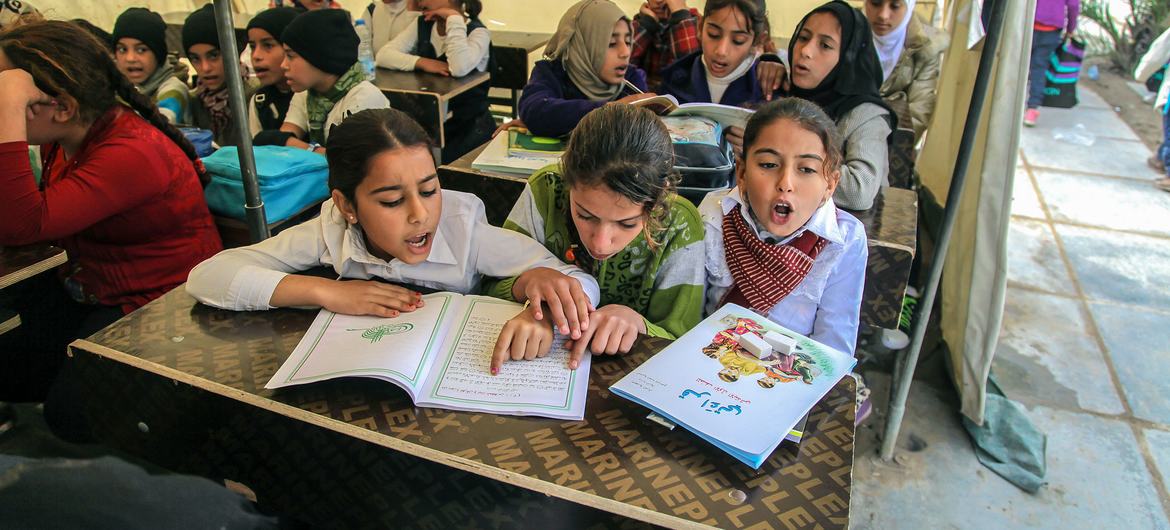
Displaced children in a classroom in Baghdad, Iraq.

Call to protect education

The crisis will also threaten vital services. School feeding programmes – sometimes a child’s only reliable meal – could see funding halved, while support for girls’ education is likely to shrink. At least 290 million children who remain in classrooms could also face a decline in learning quality.

UNICEF is calling on donors to direct at least half of all education aid to least developed countries, safeguard humanitarian funding, and prioritise early years and primary schooling. It also urges reforms to make financing more efficient and sustainable.

“Education, especially in emergency settings, often serves as a lifeline,” Ms Russell said. “Investing in children’s education is one of the best investments in the future – for everyone.”

Source link

Daily malnutrition deaths continue as Israeli forces push further into Gaza City

Military activities continue in and around Gaza City, but also in the south, taking a heavy toll on civilians, including deaths, injuries and further displacement,” said UN Spokesperson Stéphane Dujarric at the daily press briefing in New York: “Our colleagues report that people continue to flee, mainly towards the coast.”

More than 76,000 people have been newly displaced since mid-August, with most occurring in the north, he said, citing the latest reports from UN agencies on the ground that are monitoring population movements. More than 23,000 people were displaced from northern Gaza.

Coastal areas are also crowded with tents, forcing many people to flee from Gaza City in the north towards central areas, according to the UN humanitarian coordination agency, OCHA.

Famine response: ‘We can do this again’

Daily reports of malnutrition deaths continue, the UN Spokesperson said. Since the start of the nearly two-year-long war, more than 300 people, including many children, have died of malnutrition in the Strip, according to local authorities.

The World Food Programme (WFP) reported that the situation “continues to deteriorate”, the UN Spokesperson added, adding that families without able-bodied members to fetch food are facing the highest risks.

As such, the UN agency resumed last week its distribution system of digital vouchers, reaching 22,000 people, including vulnerable groups, following a five-month pause.

“We and our partners are continuing to transport aid and other medical supplies to and from the crossings [into Gaza], but the current situations on the ground have not yet allowed us to resume community-based distribution,” Mr. Dujarric said. “Only a ceasefire will ensure necessary conditions for a massive response to prevent famine from spreading further.”

During the previous ceasefire from January to March, he said “we reached nearly every single person in the Gaza Strip with lifesaving aid, and we can do this again.”

Obstacles delay urgent aid deliveries

WFP said obstacles include supply shortages and violent unrest around convoys which is making distributions “nearly impossible”.

According to the UN humanitarian agency, the movement of aid teams inside Gaza remains heavily restricted. OCHA also reported that about one in three planned missions were “impeded or outright denied by Israeli authorities” between Friday and Monday, the UN Spokesperson said.

As a result, many missions could not be completed, he said, also noting that strict Israeli inspections continue to significantly delay aid clearance at Ashdod Port.

Visas for top Palestinian officials blocked

News reports indicated that the United States announced last week that it would not issue visas to senior Palestinian leaders ahead of the high-level General Assembly meetings later this month at UN Headquarters in New York.

That includes a conference on 22 September where Heads of State and Government are expected to endorse a political declaration adopted by leaders attending an international conference in late July, endorsing the two-State solution.

Responding to a reporter’s question on the matter, Mr. Dujarric said “the participation of a senior Palestinian delegation to the conference is essential.”

UNRWA chief levels charge of ‘scholasticide’

Philippe Lazzarini, Commissioner-General of the UN agency for Palestine refugees, UNRWA, raised alarms at what would have been the start to the school year for more than 600,000 children in Gaza.

Gaza is in ruins; so is its education system,” he said in a statement on Monday. “Instead of going back to school, like most children around the world, around 660,000 girls and boys in Gaza will be sifting through the rubble, desperate, hungry, traumatised and mostly bereaved.”

The longer they stay out of school with their trauma, the higher the risk they become “a lost generation, sowing the seeds for more hatred and violence”, the UNRWA chief warned.

“Ceasefire is the only way forward to reverse the famine and the ‘scholasticide’ hitting the children of Gaza,” he said.

Source link

SECURITY COUNCIL LIVE: Push for peace in Ukraine could rapidly fade if large-scale Russian attacks continue

The UN Security Council met in emergency session in New York on Friday afternoon following overnight strikes early on Thursday by Russia on Ukrainian cities including the capital, which left at least 23 dead, including four children. Assistant Secretary-General Miroslav Jenča told ambassadors that diplomatic momentum towards a possible peace deal was “at risk of rapidly fading” if large-scale attacks by Moscow continue. Follow our live meetings coverage below. 

Source link

Africa’s push for HIV independence advances with first procurement of locally made medicines

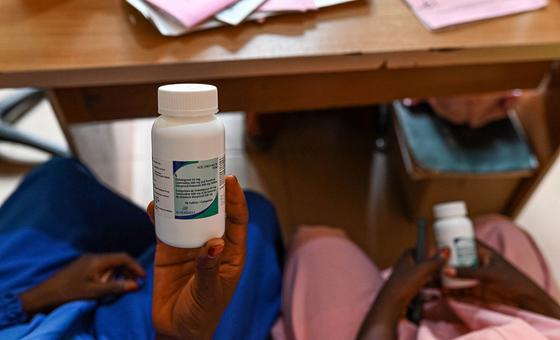
The development marks a milestone for a region that bears nearly 65 per cent of the global HIV burden and has long depended on imports of lifesaving antiretroviral medicines and testing kits. But that may be starting to change.

The human immunodeficiency virus (HIV) weakens the body’s immune system, reducing its ability to fight infections and certain cancers. Without timely intervention, it can progress to acquired immunodeficiency syndrome (AIDS), the most advanced stage of infection.

In 2023, Kenya-based pharmaceutical company Universal Corporation Ltd became the first African manufacturer to receive World Health Organization (WHO) prequalification to produce tenofovir disoproxil fumarate, lamivudine and dolutegravir (TLD) – a first-line antiretroviral therapy for HIV.

Now, in a major step forward, the Global Fund – a worldwide partnership financing HIV, tuberculosis and malaria responses – is procuring this locally produced HIV treatment for Mozambique, making it the first time African-manufactured TLD has been deployed through this channel.

The procurement of the African-manufactured first-line HIV treatment by the Global Fund for Mozambique is a great milestone towards strengthening supply chain systems in Africa,said Meg Doherty, Director of WHO’s Global HIV Programmes.

This will contribute to better health outcomes for people living with HIV who need uninterrupted medicine supplies.

Building regional capacity

WHO says the achievement is part of a broader push to bolster local production capacity and improve access to essential health technologies across Africa.

The UN agency has been partnering with countries, manufacturers and global health organizations – including the Global Fund and Unitaid – to expand quality-assured African manufacturing.

“Local production of quality-assured health products is an urgent priority,” said Rogerio Gaspar, WHO Director for Regulation and Prequalification.

With every African manufacturer that meets WHO prequalification standards, we move closer to a more self-reliant, resilient and equitable health system.

Progress, but structural gaps remain

Despite the milestone, WHO cautioned that production alone is not enough. To ensure long-term sustainability, the agency is calling for advanced market commitments, fair procurement policies and ongoing technical support.

WHO also points to diagnostics as a critical gap. With shifting donor funding, many countries are under pressure to maintain HIV testing programmes, which are the frontline of prevention and treatment.

In a related effort, Codix Bio, a Nigerian diagnostics company, recently received a sublicense to manufacture rapid diagnostic tests for HIV.

Locally produced HIV rapid tests will help increase affordability, and address supply chain vulnerabilities and delays
– WHO Director Meg Doherty

Having locally produced HIV rapid tests will help increase affordability, and more broadly address supply chain vulnerabilities and delays in access to diagnostics,” said Dr. Doherty.

Sustaining impact amid funding strain

As part of its guidance, the UN health agency is also encouraging countries to adopt low-cost, WHO-prequalified rapid HIV tests, especially as the first test in national algorithms, which can significantly cut costs while maintaining service delivery.

While the latest update marks tangible progress, more action is needed.

“Locally manufactured TLD is a major step towards that goal,” WHO said, “but more action is needed.”

Source link

Once-in-a-decade push for the ‘locked out’: Global leaders set for landmark UN conference in Turkmenistan

Backed by the new Awaza Programme of Action, the Third UN Conference on Landlocked Developing Countries or LLDC3 will push for freer transit, smarter trade corridors, stronger economic resilience and fresh financing to lift development prospects for the 570 million people living in those countries.

For landlocked nations, geography has long dictated destiny.  

Trade costs are up to 74 per cent higher than the global average and it can take twice as long to move goods across borders compared to coastal countries. As a result, landlocked nations are left with just 1.2 per cent of world trade.

UN Video | What to expect from LLDC3 in Awaza, Turkmenistan

And amid global economic shifts, these countries face the huge risk of being left behind.

LLDC3 is a pivotal opportunity to reverse this trajectory,” said Rabab Fatima, UN High Representative for Landlocked Developing Countries.

At its heart, this conference is about people – it is about the millions of children who lack internet or digital tools, the farmers who cannot get their goods to market because of poor roads, and the entrepreneurs whose dreams are held back by border delays and limited access to funding.

Broad engagement

The four-day event, from 5 to 8, August will feature plenary sessions, five high-level roundtables, and a Private Sector Forum focused on building partnerships and boosting investment.  

Dedicated forums with parliamentarians, women leaders, civil society and youth will bring voices from across society into the heart of the discussions.

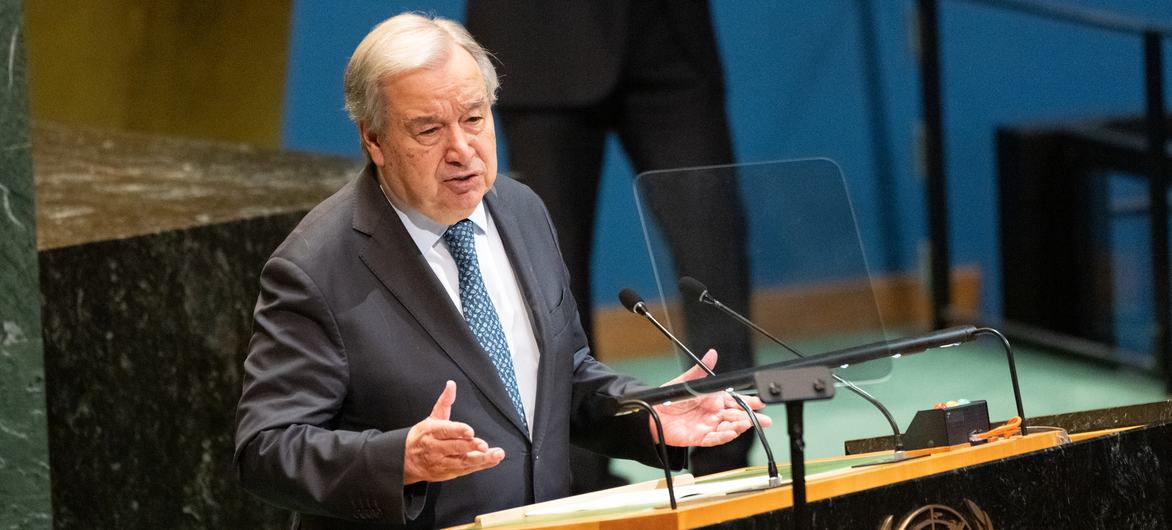
UN Secretary-General António Guterres is expected to attend, underlining the urgency of the agenda.

World Bank/Curt Carnemark

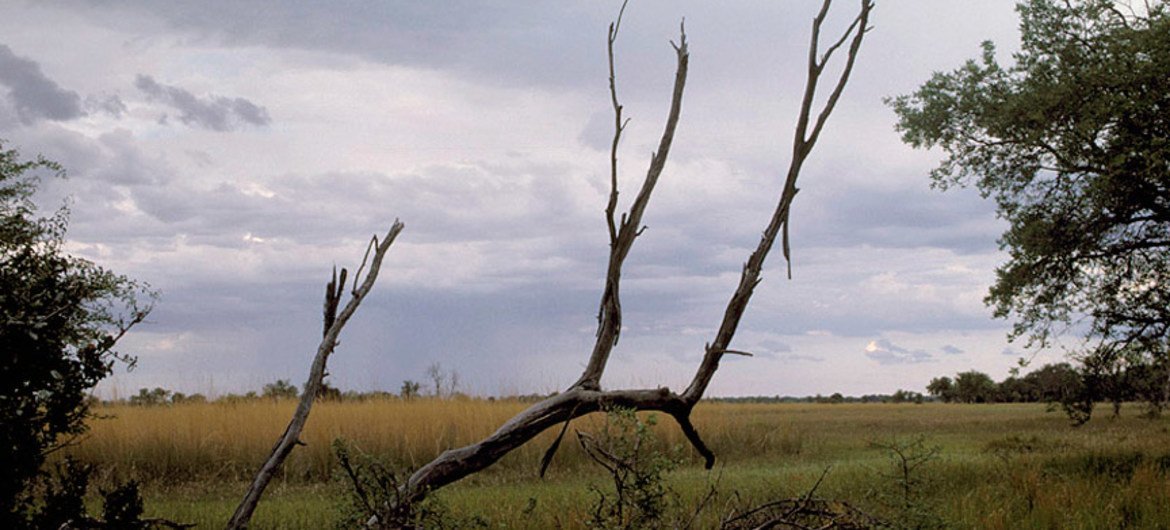
Many landlocked countries, such as Botswana (pictured) are also on the frontlines of the impact of climate change, highlighting their vulnerability.

The Awaza Programme of Action

Central to the conference is the Awaza Programme of Action for 2024-2034, adopted by the UN General Assembly in December.  

It lays out five priority areas – structural transformation, infrastructure and connectivity, trade facilitation, regional integration, and resilience building – supported by five flagship initiatives.  

These include:

  • A global infrastructure investment facility to close financing gaps.
  • Regional agricultural research hubs to boost food security.
  • A high-level UN panel on freedom of transit, ensuring smoother cross-border flows.
  • Digital connectivity initiatives to bridge the digital divide.
  • A dedicated landlocked developing countries trade work programme at the WTO.

© UNICEF/Giacomo Pirozzi

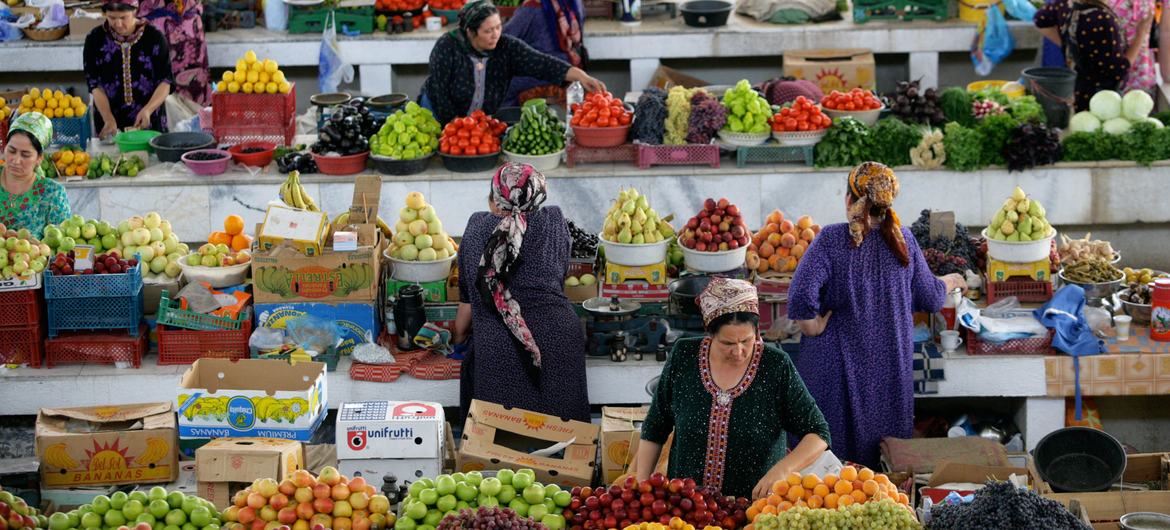
Women shop at a vegetable market in Ashgabat, the capital of Turkmenistan. Boosting food security is one of the priority areas of the Awaza Programme of Action.

Turkmenistan

For Turkmenistan, hosting LLDC3 is both a diplomatic milestone and a statement of intent.

We are proud to host it on the Caspian Sea coast in Turkmenistan,” said Aksoltan Ataeva, Ambassador and Permanent Representative to the UN.

We look forward to welcoming [everyone] to Awaza for a transformative, action-oriented conference that puts landlocked countries at the heart of global partnerships.

Organizers promise state-of-the-art facilities, cultural showcases and networking spaces designed to spur collaboration. Delegates will also experience Turkmen heritage firsthand, from local art to Caspian cuisine.

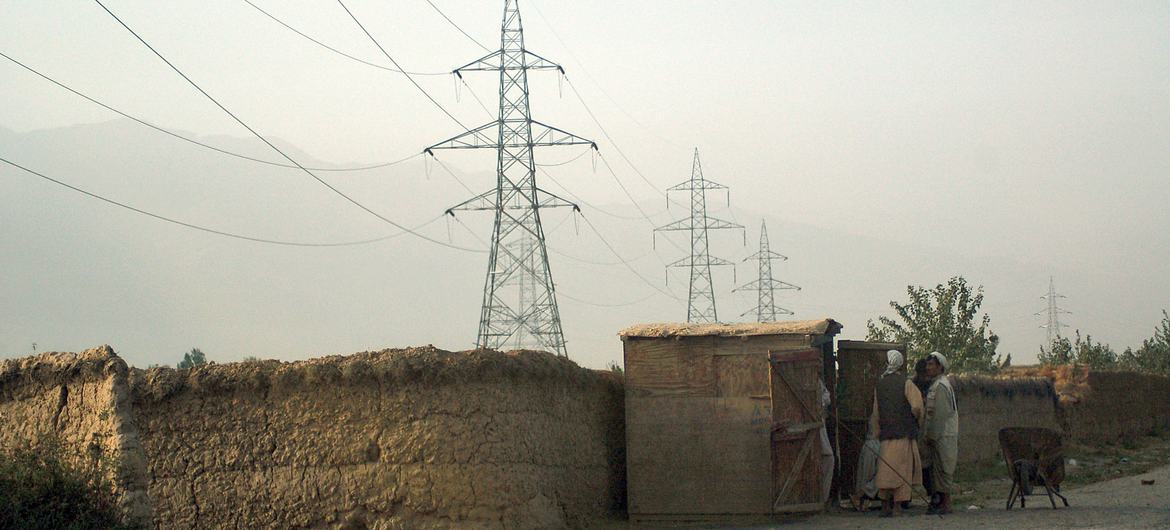
Cross-border infrastructure, such as these power lines, are crucial connections linking LLDCs with the regional and global electric grids.

The bigger picture

For the landlocked developing countries, the stakes are existential.  

These countries are among the most climate-vulnerable, least connected and furthest from global value chains. Without bold action, progress on the 2030 Agenda for Sustainable Development will remain out of reach.

The destiny of humanity is inseparably linked to the destiny of these countries,” said Diego Pacheco, Ambassador of Bolivia, who currently chairs the LLDC Group at the UN.

Together, we can unlock the potential of landlocked developing countries – not just for the benefit of our nations, but for the shared future of all humanity and the Mother Earth.

As the countdown to Awaza begins, expectations are high – not about whether geography matters (it does), but whether global solidarity can transcend its limits.

LLDC3 aims to prove that it can.

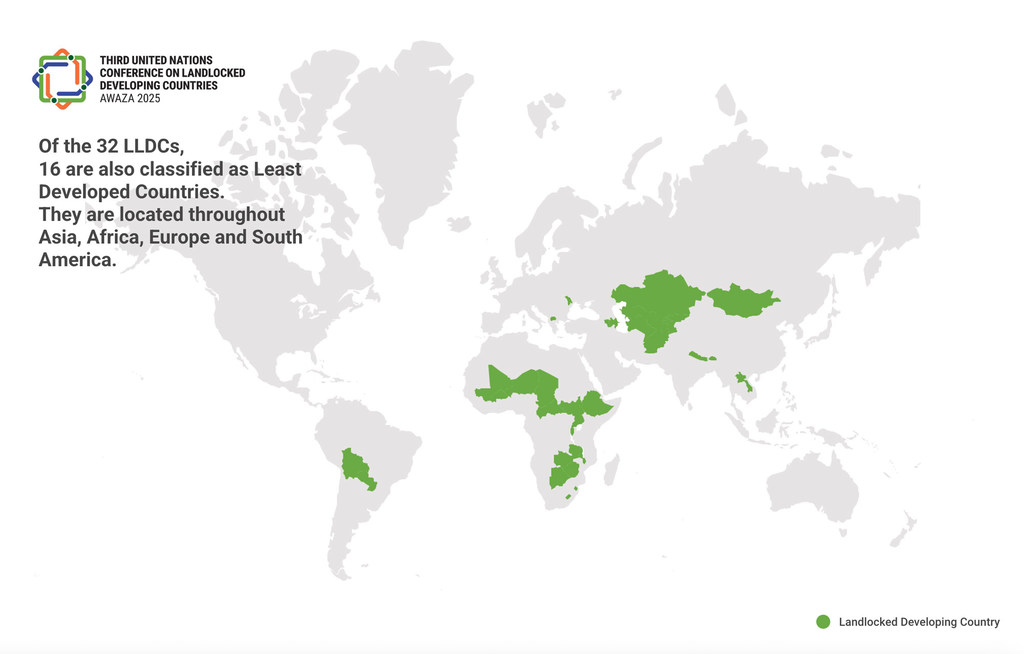
There are 32 landlocked developing countries, of which 16 are also least developed.

Source link

With Gaza smouldering, ministers renew push for two-State solution at UN

The High-level International Conference for the Peaceful Settlement of the Question of Palestine and the Implementation of the Two-State Solution took place in New York from 28 to 30 July.

The United States and Israel did not participate.

France and Saudi Arabia, co-chairs of the Conference, called on all UN Member States to support a declaration urging collective action to end the war in Gaza and to achieve a just, peaceful and lasting settlement of the Israeli-Palestinian conflict.

The New York Declaration on the Peaceful Settlement of the Question of Palestine and the Implementation of the Two-State Solution outlines political, humanitarian, and security steps to be taken on a timebound and irreversible basis.

The co-chairs urged countries to endorse the declaration by the end of the 79th session of the General Assembly, in early September, should they so wish.

Act before it is too late

In his stark opening remarks on Monday, Secretary-General Guterres stressed that the two-State solution is the only viable path to ending the longstanding conflict and achieving lasting peace in the region, warning that there is no alternative.

“A one-State reality where Palestinians are denied equal rights and forced to live under perpetual occupation and inequality? A one-State reality where Palestinians are expelled from their land? That is not peace. That is not justice. And that is not acceptable,” he said.

He condemned both Hamas’ 7 October 2023 attacks and the scale of Israel’s military response, reiterating his call for an immediate and permanent ceasefire, the unconditional release of hostages, and unfettered humanitarian access.

“This conflict cannot be managed. It must be resolved,” Mr. Guterres concluded. “We must act before it is too late.”

Secretary-General António Guterres addresses the high-level conference on the peaceful settlement of the question of Palestine and the implementation of the two-State solution.

Calls for peace

Over the three days, more than 125 speakers took the floor during the general debate, including high-level representatives from across the globe and major regional and international organizations such as the Organization of Islamic Cooperation (OIC) and the International Committee of the Red Cross (ICRC).

Delegates underscored the urgency of concrete steps to realise a two-State solution, highlighting the need to empower and reform the Palestinian Authority, reconstruct Gaza and ensure accountability for violations of international law.

France, which co-chaired the Conference, recalled its support for Israel as it joined the community of nations and affirmed that Palestinians deserve the same right to a homeland.

“At a time where the two-State solution is more threatened than ever, France is ready to fully recognise the State of Palestine,” said Jean-Noël Barrot, Minister for Europe and Foreign Affairs. That recognition, he added, would come in September when leaders reconvene for the General Assembly’s 80th session.

Co-chair Saudi Arabia’s Foreign Minister, Faisal bin Farhan al Saud, emphasised the suffering of thousands of civilians in Gaza under bombardment, while Israeli settlements expand in Jerusalem and the West Bank to alter the region’s demographic nature.

“Peace and security do not take place through deprivation of rights or force,” he said, underscoring the need for a genuine and irreversible peace process.

Foreign Secretary David Lammy of the United Kingdom addresses the high-level conference.

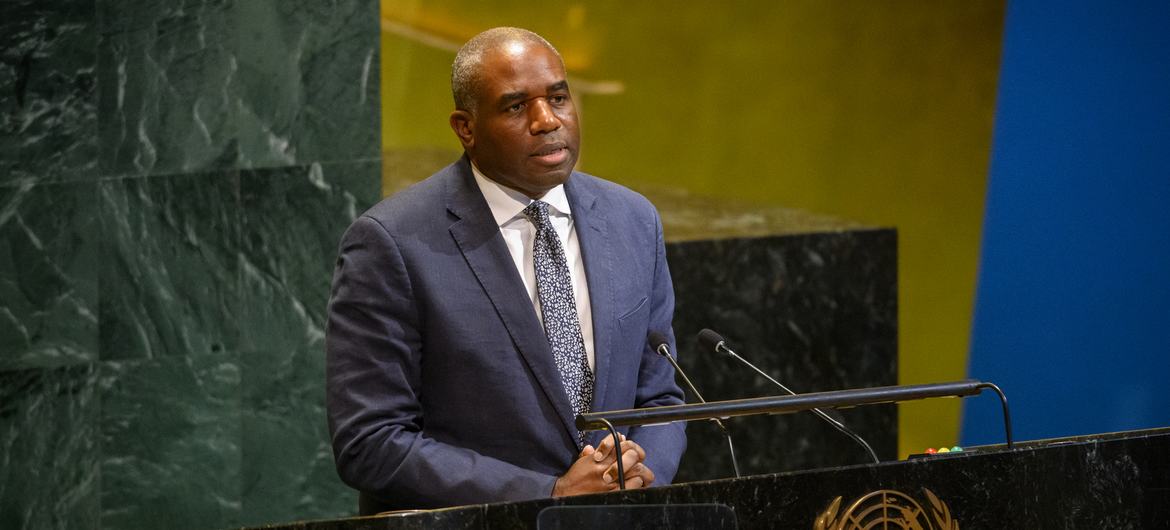
The United Kingdom’s Foreign Secretary, David Lammy, outlined recent UK actions – including the suspension of arms exports and sanctions on extremist settlers, and restoring of funding to the UN Relief and Works Agency for Palestine Refugees.

“It is with the hand of history on our shoulders that His Majesty’s Government therefore intends to recognise the State of Palestine when the UN General Assembly gathers in September here in New York,” he declared.

“We will do this unless the Israeli Government acts to end the appalling situation in Gaza, ends its military campaign and commits to a long-term sustainable peace based on a two-State solution.”

Source link

Spain and Brazil push global action to tax the super-rich and curb inequality

Presented during the UN’s 4th International Conference on Financing for Development, taking place this week in Sevilla, the proposal highlights a growing problem: the richest individuals often contribute less to public finances than ordinary taxpayers, thanks to lower effective tax rates and legal loopholes.

“Our countries need more and more public revenues to meet their needs. Inequality is a problem everywhere, and the richest pay less than the middle class – even less than lower-income taxpayers,” said Spain’s Secretary of State for Finance Jesús Gascón, during a press conference at the conference venue, where temperatures have soared to record highs in recent days.

The two governments are calling on others to join a drive for a fairer, more progressive global tax system. They point to a stark reality: the wealthiest one per cent of the global population owns more than 95 per cent of humanity combined.

The Spanish Secretary of State for Finance Jesús Gascón (on screen) addresses a meeting at the Financing for Development conference in Sevilla, Spain.

Sharing knowledge, closing gaps

In today’s interconnected world, access to reliable data is essential. The initiative prioritises information sharing – between governments and tax authorities – to help expose gaps in tax systems, close loopholes, and combat evasion and avoidance.

Improving data quality and building national capacities for data analysis will help tax administrations identify where and how wealth is concentrated, how much is currently being paid, and what needs to change.

Though some progress has already been made, the countries say much more must be done and many more countries should come on board.

There’s a real need to know who the beneficial owners are behind companies and legal structures used to conceal wealth,” said Mr. Gascón. The initiative also proposes technical cooperation, training in data analytics, and peer review mechanisms to strengthen national tax systems.

A global wealth registry?

Spain and Brazil are even considering steps toward a global wealth registry – acknowledging that this would take time, political will, and major national efforts.

But the aim is clear: more transparency, more accountability, and fairer contributions from the richest.

We cannot tolerate the intensity of inequality, which has been increasing in recent years,” said Brazil’s Minister-Counsellor to the UN, José Gilberto Scandiucci denying that this was some kind of far-leftist agenda.

This is a moderate initiative to confront a very radical reality.”

The proposal forms part of the Seville Platform for Action, which is turbocharging voluntary actions to help reach the Sustainable Development Goals (SDGs) – currently way off track for the 2030 deadline.

G20 highlights ‘high worth’ factor

It also follows the 2024 agreement by the G20 industrialised nations who met in Rio, Brazil, last year – the first international accord to commit to a joint tax agenda for high-net-worth individuals.

A three-month work plan is now being drawn up, with regular meetings planned to track progress. The goal: bring more countries, international organisations and civil society on board to push forward tax reforms targeting the ultra-rich.

“If we want to effectively tax the super-rich, fight inequality and make our tax systems fairer and more progressive, we need political will – and we need to act within our means,” Mr. Gascón added.

Source link

LIVE: World leaders in Sevilla launch ambitious push to finance the future

From rising debt and shrinking investment, to the aid funding crisis and struggles to meet ambitious development goals, the global financial system is failing the people it’s supposed to serve: that’s the challenge facing world leaders gathered in Spain’s sweltering southern jewel of Sevilla this week, as the  UN’s 4th International Conference on Financing for Development gets underway. Follow our live Meetings Coverage below; app users can catch all the action from the opening day here and you’ll find all related stories on our special dedicated page right here.

Source link

‘No Ocean Declaration without small islands’: Delegates push for inclusion as UN summit nears end

With the conference, known as UNOC3, set to close Friday, the stakes couldn’t be higher.

Li Junhua, the UN’s Under-Secretary-General for Economic and Social Affairs, told UN News on Thursday that the past four days have been marked by a rare sense of solidarity around Sustainable Development Goal 14 (SDG 14) – protection life below water.

“This is the true testament to the impact of this Conference on the future of our ocean,” he added.

Draft outcome signals sense of urgency

Under way since Monday on France’s sun-drenched Côte d’Azur, UNOC3 is set to conclude with the adoption of a consensus-backed package aimed at securing the future of the world’s oceans.

Delegates are preparing to endorse a political declaration alongside a sweeping set of voluntary commitments from participating nations – collectively known as the Nice Ocean Action Plan.

The declaration itself, titled ‘Our Ocean, Our Future: United for Urgent Action,’ has undergone four rounds of intense intergovernmental negotiations at UN Headquarters in New York since January, alongside informal consultations with key delegations and civil society groups.

At the heart of the conference’s mission – mobilizing action to safeguard and sustainably manage marine ecosystems – the declaration, in draft form, signals a marked shift in tone, underscoring an unprecedented sense of urgency.

It calls for immediate and transformative measures to protect oceans, reflecting growing concerns over climate change, biodiversity loss, and the depletion of marine resources.

© Coral Reef Image Bank/Tom Vierus

The people of Galoa Village and their ancestors have depended on the reef system for hundreds of years for sustenance and income.

In addition, the draft declaration outlines measures to protect marine ecosystems and foster sustainable ocean-based economies. It also emphasizes accelerating action, highlighting that SDG 14 remains one of the least funded UN goals. 

To drive global ocean initiatives forward, the draft declaration calls for significant, accessible financing and the fulfillment of existing commitments under international agreements.

The draft highlights the ocean’s deep ties to climate and biodiversity, urging nations to fully implement the Convention on Biological Diversity. It also reaffirms commitment to an international, legally binding agreement on plastic pollution, emphasizing a comprehensive approach that addresses plastics across their entire life cycle.

Final negotiations are under way, and tomorrow we’ll report on whether nations have reached a consensus to tackle the global ocean emergency, turning decades of pledges into meaningful marine protection.

H.E. Safiya Sawney, Special Envoy and Ambassador for Climate, Government of Grenada.

Small island voices are vital to ocean policy

Among all the stakeholders, small island nations have a key role in shaping the Declaration. As communities most vulnerable to rising seas and marine degradation, their firsthand experience and leadership are essential to crafting effective, inclusive ocean policy.

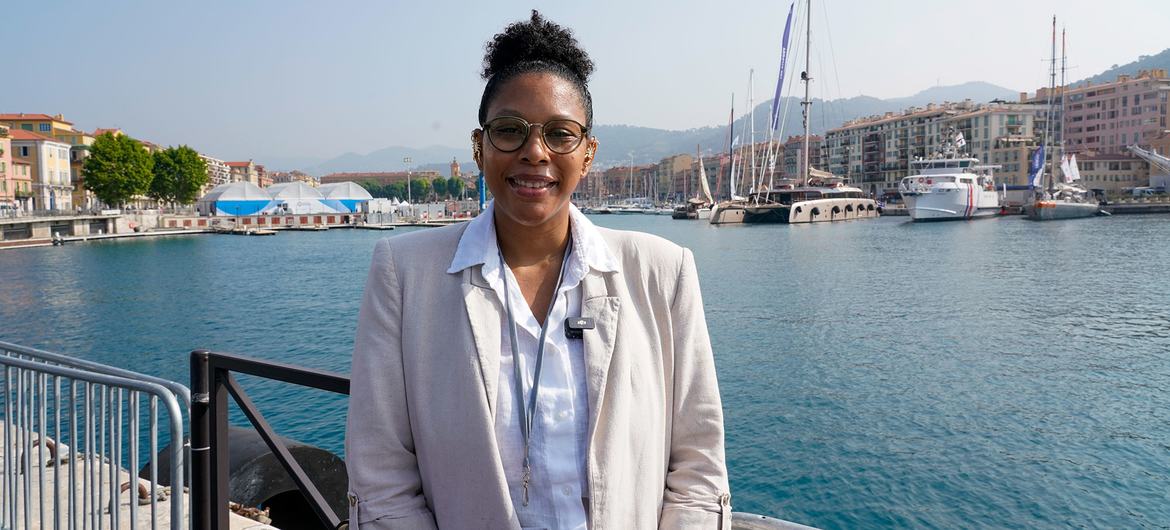
Safiya Sawney, Special Envoy and Ambassador for Climate of Grenada, told UN News that she is pleased to see the reference in the draft outcome to the Antigua and Barbuda Agenda for Small Island Developing States, or ABAS, which was adopted during the fourth International Conference on Small Island Developing States on May 2024.

Ms. Sawney said that including the Antigua and Barbuda Agenda in the UNOC3 political declaration signals growing unity among island nations. She emphasized that, despite numerous challenges, small islands are committed to implementing every obligation under ABAS, demonstrating their determination to turn commitments into action.

“A big part of our heritage, of our culture, of our economy is derived from the ocean,” she said, “So for us, you cannot have an ocean declaration without SIDS.”

‘No compromise with nature’

As for the negotiation process on the draft declaration, Ms. Sawney said that Grenada and other delegations in the Alliance of Small Island States (AOSIS) affirmed that they were leveraging strength and experience from past climate talks and bringing that to the ocean space.

“Part of healthy multilateralism is knowing that you have to compromise,” she admitted, but also adding that “the one thing that we cannot compromise with, however, is nature”.

To ensure that “we’re able to all be successful together in supporting this ocean agenda”, she suggested that “there are some countries that need to do more than others”. She added that small island developing States are asking those countries to show their leadership, not just through offsets or financing, but through “real action”.

Ocean Coordination Mechanism Secretariat

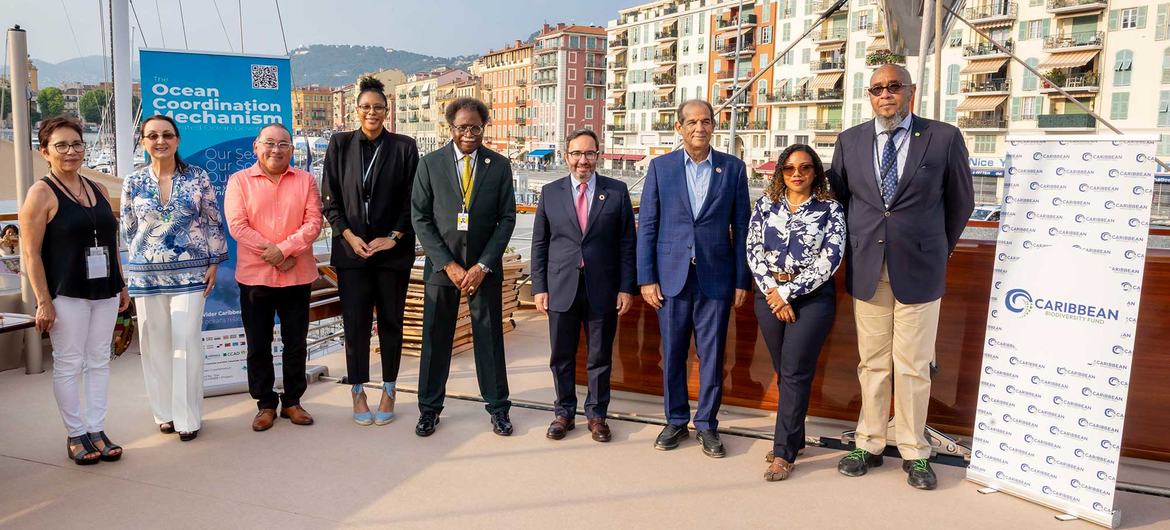
Representatives from 14 Caribbean countries sign the Declaration Of Actioning Blue: The Caribbean 30×30 Vision and Roadmap For Our Ocean at a high-level launch event at the 3rd United Nations Ocean Conference (UNOC3) in Nice, France.

Caribbean governments acting together

Calling themselves “large ocean nations” at UNOC3, small island developing States are aggregating their weight to not only participate in but shape the global ocean agenda, said Ms. Sawney. Among these efforts, Caribbean governments have been keen to demonstrate political unity and regional ambition throughout the run of the conference.

On the opening day of UNOC3, the Actioning Blue: Caribbean 30×30 Vision for the Ocean was officially launched. It reflects an urgent call by political leaders of the Caribbean to advance collective regional advocacy aligned with the Kunming-Montreal Global Biodiversity Framework, as well as SDG14.

“Coming into UNOC3, we endorsed 12 Caribbean governments, including independent states and territories, and we’ve had one additional signature and expression of interest from three different governments,” explained Ms. Sawney.

Changing the tide of over-reliance

Recalling the 2008 Caribbean Challenge Initiative that advanced the protection of roughly 49,000 km of marine protected areas in the region, Ms. Sawney said part of what the newly launched Vision does is remind the international community that “we will continue to work, we’ll continue to show up, and we really like their help”.

Describing the Caribbean as “capacity-constrained”, she however pointed to the region’s over-reliance on external help, experts, and capacity.

“We’re trying to change the tide,” she continued, by stressing the importance of letting donors know that the region is very invested in building its own capacity and owning its own implementation.

Seeing UNOC3 as an important opportunity to get across this message, Ms. Sawney stated that Caribbean Islands are not just looking forward to the end of the Conference, but what happens afterwards.

“The real work begins after all of this is over,” she concluded with hope.

Source link

Global push to end plastic pollution gains ground in Nice

Away from the cameras and fanfare of the Third UN Ocean Conference under way in the coastal French city, they voiced a shared determination to finalize this year a global treaty that could, for the first time, regulate plastics across their entire life cycle.

“There is renewed commitment to conclude the treaty in August,” Jyoti Mathur-Filipp, who attended the meeting and is leading the treaty negotiations, told UN News. “This is too urgent an issue to be left for the future.”

Hosted by Inger Andersen, the head of the UN Environment Programme (UNEP), the informal gathering marked a quiet but significant diplomatic moment – a sign that after two years of deliberations, political momentum may finally be catching up with scientific alarm.

With one round of talks remaining – scheduled from August 5 to 14 in Geneva – negotiators are now under pressure to deliver the first legally binding treaty aimed at tackling plastic pollution across production, consumption, and waste.

A crisis accelerating in plain sight

Plastic waste has infiltrated nearly every ecosystem on Earth, and increasingly in the form of microplastics – the human body. Without urgent action, the amount of plastic entering the ocean each year could reach 37 million metric tons by 2040, according to UN estimates.

“We are choking with plastic,” Ms. Mathur-Filipp said. “If we do not do something to tackle plastic pollution, we will not have a single ecosystem left, whether it’s terrestrial or marine.”

The economic toll is no less staggering. Between 2016 and 2040, the projected cost of plastic-related damage could reach $281 trillion. “It is costing the economy a lot,” said the Indian native. “In tourism, in beach clean-up, in lack of fish for fishing folk, coastal damage, wetlands damage.”

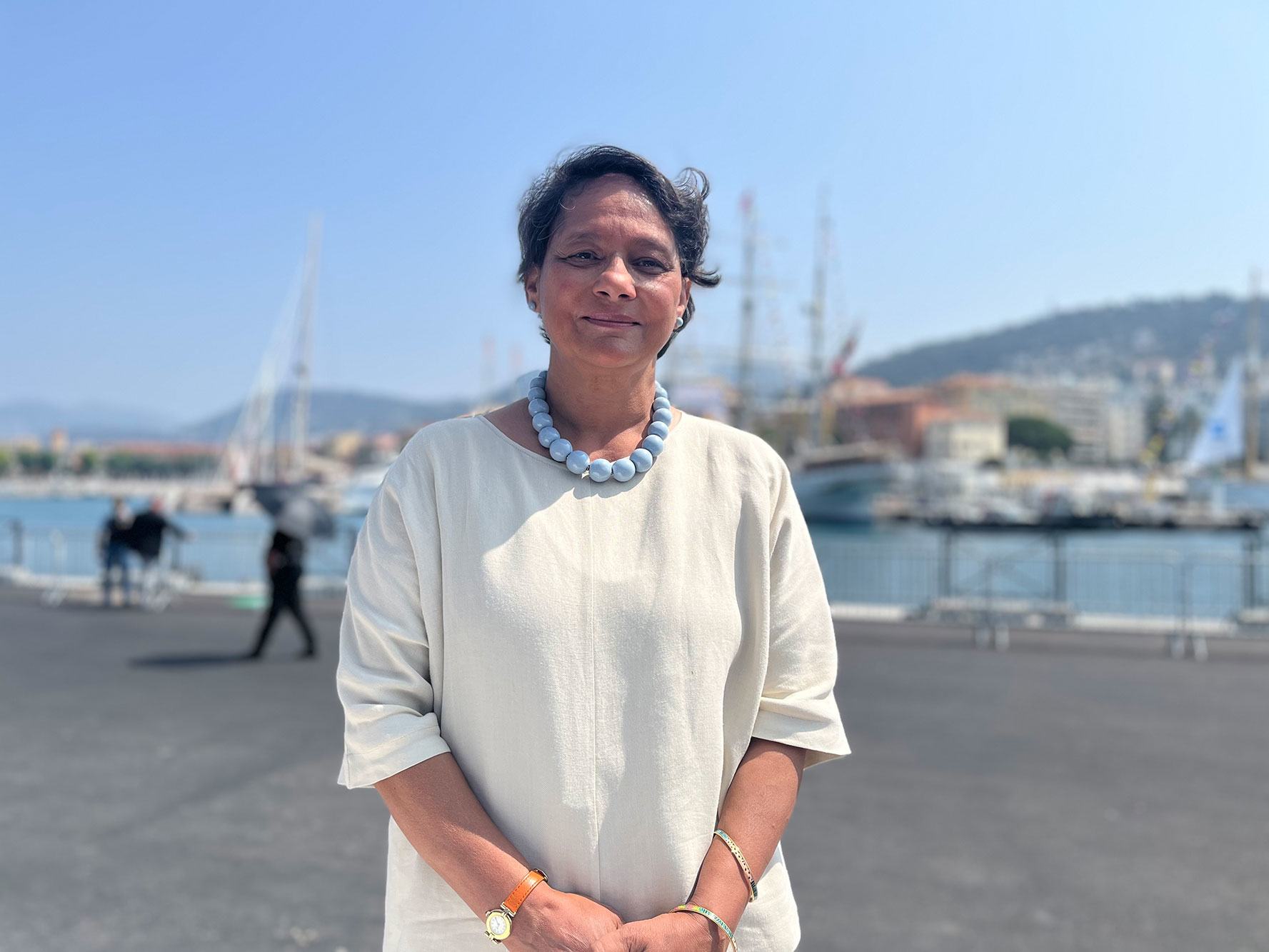
Jyoti Mathur-Filipp, Executive Secretary of the Intergovernmental Negotiating Committee (INC) on Plastic Pollution.

The final stretch in Geneva

The treaty process was launched in 2022, at the request of the UN Environment Assembly, the world’s highest decision-making body on environmental issues. Since then, the Intergovernmental Negotiating Committee (INC) has convened five times in less than two years – an unusually rapid timeline by UN standards.

“We have had five sessions very rapidly from December of 2022 to December of 2024,” said Ms. Mathur-Filipp, who serves as the INC’s Executive Secretary. She hopes the upcoming session this August in Geneva will mark the treaty’s conclusion.

A key breakthrough came six months ago at the last round of talks in Busan, South Korea, where delegates produced a 22-page “Chair’s text,” outlining the draft treaty’s basic structure.

“It has 32 or 33 articles in it, with names of articles, so countries can now start seeing what this treaty will look like,” she explained. “They have started speaking with article numbers for negotiation… and this is why my hope is that there would be a conclusion.”

A treaty with teeth – and flexibility

While the draft treaty is still under negotiation, it includes measures that would target the entire life cycle of plastic – from upstream production to downstream waste. It reflects both mandatory and voluntary provisions, in line with the original UN mandate.

The current draft also includes the institutional architecture of a typical multilateral treaty: the ratification process, governance rules, and proposed implementation bodies.

“It has an objective. It has a preamble,” said Ms. Mathur-Filipp. “It looks like a treaty.”

If all goes according to plan, the final text will be submitted to a diplomatic conference – later this year or in early 2026 – where governments can formally adopt it and begin the ratification process.

Unequal burdens, global stakes

Although plastic pollution is a global issue, some countries – especially small island developing states – bear a disproportionate burden.

“It is a fact that small island developing states are not the ones that are using plastic as much as what’s flowing onto their shores and therefore, they become responsible for beach clean-up, which is not their doing,” Mathur-Filipp said. “They are unfairly impacted.”

An estimated 18 to 20 per cent of global plastic waste ends up in the ocean.

One diplomat’s mission

Before leading the INC, Ms. Mathur-Filipp worked at the UN Convention on Biological Diversity, where she helped shape the landmark Kunming-Montreal Global Biodiversity Framework, the 2022 agreement to protect 30 per cent of the planet’s land and ocean by 2030. The challenge of managing a fast-moving, high-stakes negotiation is familiar terrain.

“I wasn’t tired enough there, so now I’m doing this,” she said.

As the Mediterranean UNOC3 host city plays its part in building momentum, all eyes will, in the weeks ahead, turn to Geneva. The outcome in August could determine whether the world takes a decisive step toward curbing the plastic crisis – or allows it to deepen, unchecked.