UN ocean summit in Nice closes with wave of commitments

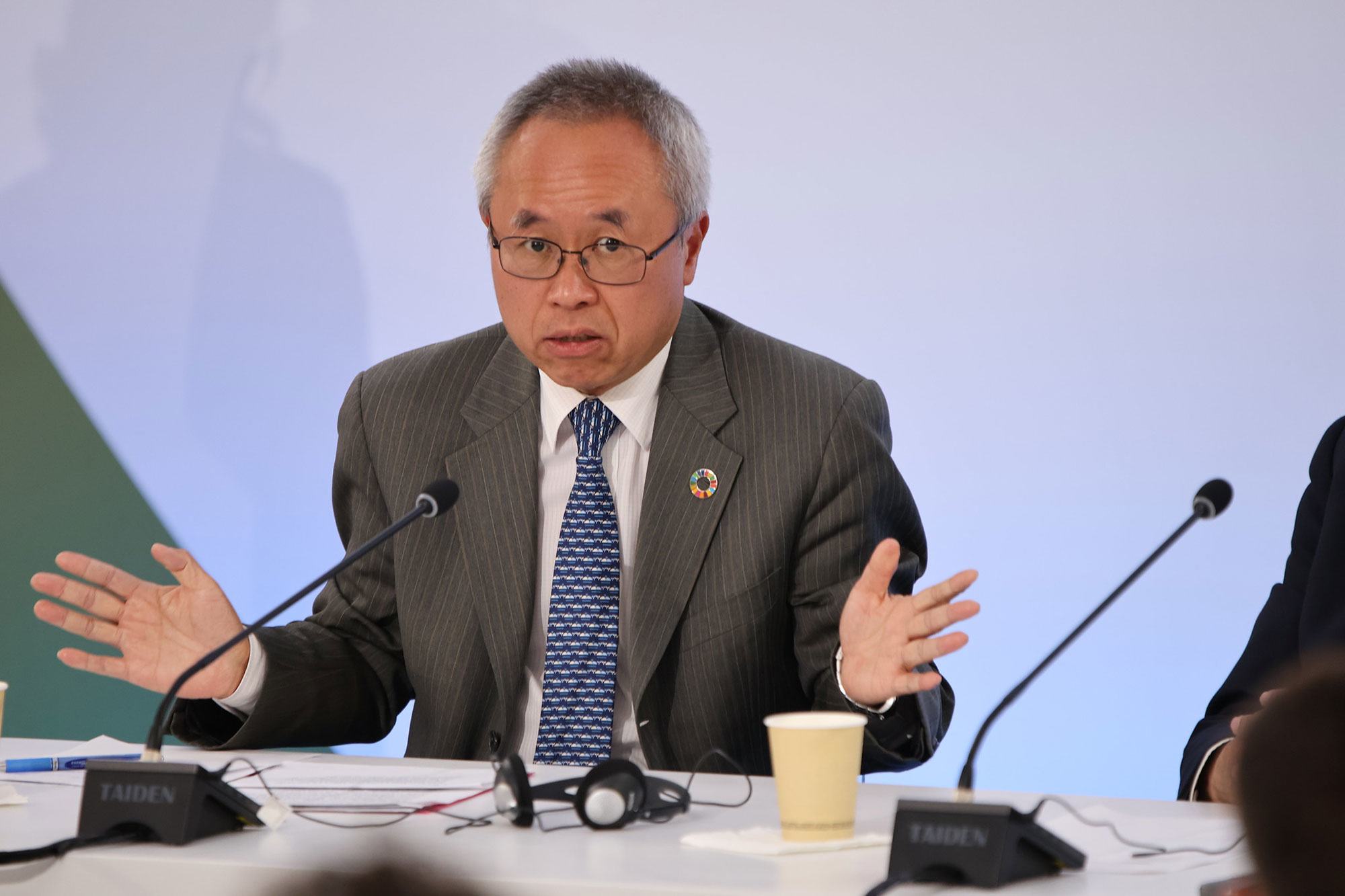
“We close this historic week not just with hope, but with concrete commitment, clear direction, and undeniable momentum,” Li Junhua, the UN’s Under-Secretary-General for Economic and Social Affairs and Secretary-General of the summit, told reporters.

Co-hosted by France and Costa Rica, the five-day event brought 15,000 participants, including more than 60 Heads of State and Government, to France’s Mediterranean coast.

With over 450 side events and nearly 100,000 visitors, the gathering, dubbed UNOC3, built on the momentum of previous ocean summits in New York (2017) and Lisbon (2022). It culminated in a shared call to expand marine protection, curb pollution, regulate the high seas, and unlock financing for vulnerable coastal and island nations.

Li Junhua, the UN’s Under-Secretary-General for Economic and Social Affairs and Secretary-General of UNOC3, at the closing press conference, in Nice.

Ambitious pledges

The conference’s outcome, known as the Nice Ocean Action Plan, is a two-part framework that comprises a political declaration and over 800 voluntary commitments by governments, scientists, UN agencies, and civil society since the previous conference.

“These range from advocacy by youth to deep-sea ecosystem literacy, capacity building in science and innovation, and pledges to ratify intergovernmental treaties,” Mr. Li said.

The pledges unveiled this week reflected the breadth of the ocean crisis. The European Commission announced an investment of €1 billion to support ocean conservation, science, and sustainable fishing, while French Polynesia pledged to create the world’s largest marine protected area, encompassing its entire exclusive economic zone – about five million square kilometers.

Germany launched a €100-million programme to remove underwater munitions from the Baltic and North Seas. In addition, New Zealand committed $52 million to strengthen ocean governance in the Pacific, and Spain announced five new marine protected areas.

A 37-country coalition led by Panama and Canada launched the High Ambition Coalition for a Quiet Ocean to tackle underwater noise pollution. Meanwhile, Indonesia and the World Bank introduced a ‘Coral Bond’ to help finance reef conservation in the country.

“The waves of change have formed,” Mr. Li said. “It is now our collective responsibility to propel them forward – for our people, our planet, and future generations.”

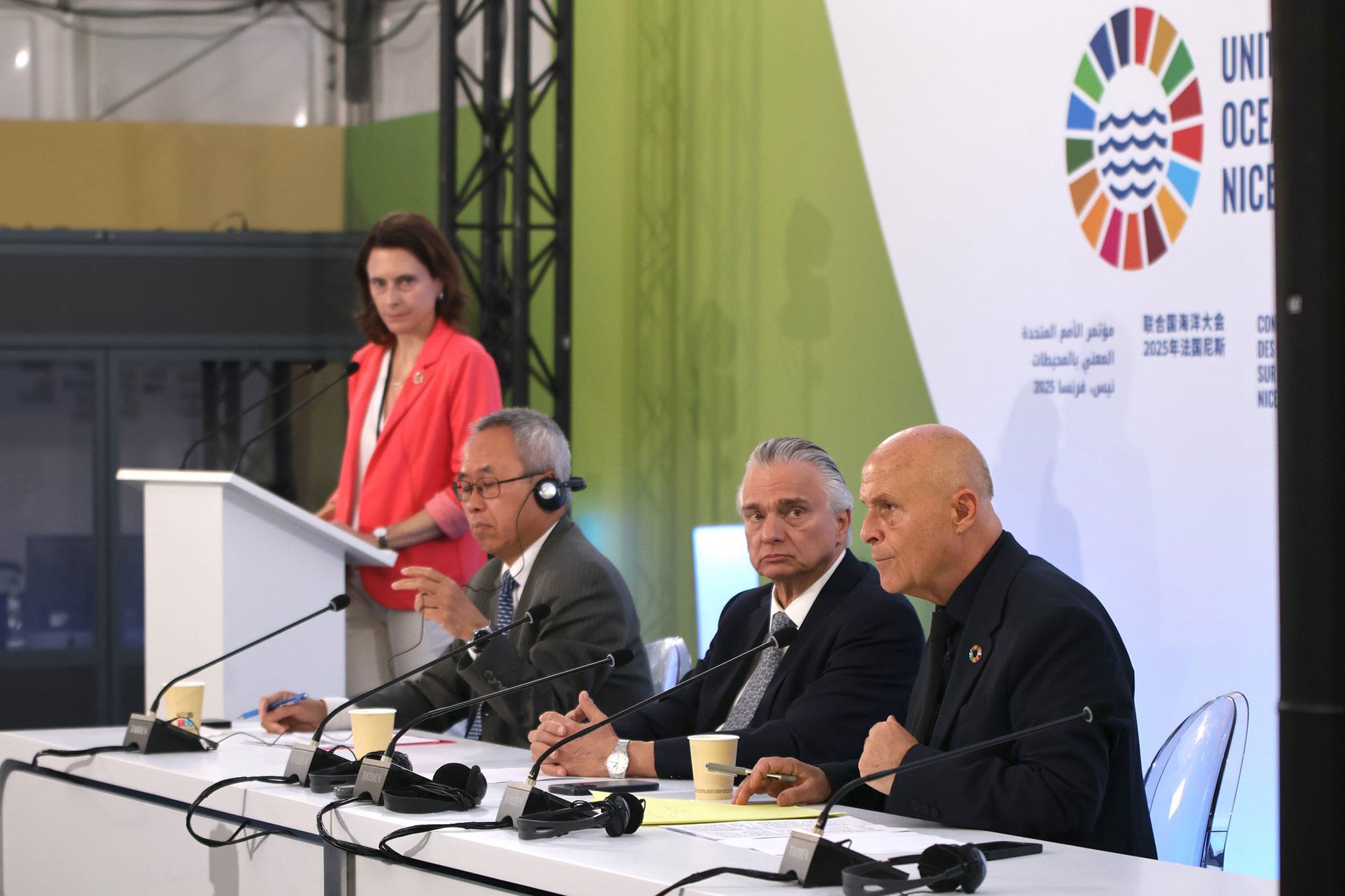
Olivier Poivre d’Arvor (right), France’s special envoy for the conference, at UNOC3;s closing press conference, in Nice.

A diplomatic stage

The summit opened Monday with stark warnings. “We are not treating the ocean as what it is – the ultimate global commons,” said UN Secretary-General António Guterres, alongside the presidents of France and Costa Rica, Emmanuel Macron and Rodrigo Chaves Robles, who called for a renewed multilateralism anchored in science.

On Friday, France’s special envoy for the conference, Olivier Poivre d’Arvor, recalled the stakes: “We wanted in Nice… to take a chance on transformative change. I believe we have moved forward, but we can no longer go backwards.”

One of the conference’s main objectives was to accelerate progress on the High Seas Treaty – known as the BBNJ agreement – adopted in 2023 to safeguard marine life in international waters. Sixty ratifications are needed for it to enter into force. Over the past week, 19 countries ratified the accord, bringing the total number as for Friday, to 50.

“This is a significant victory,” said Mr. Poivre d’Arvor. “It’s very difficult to work on the ocean right now when the United States is so little involved.”

The French envoy was alluding to the absence of a senior US delegation, as well as President Donald Trump’s recent executive order advancing deep-sea mining. “The abyss is not for sale,” he said, echoing remarks made earlier in the week by President Macron.

Still, Mr. Poivre d’Arvor emphasized the broad agreement achieved at the summit. “One country may be missing,” he said. “But 92 per cent of the ‘co-owners’ were present today in Nice.”

His counterpart, Arnoldo André-Tinoco, the Foreign Minister of Costa Rica, urged other nations to accelerate financing for ocean protection. “Each commitment must be held accountable,” he said at the conference’s closing meeting.

Momentum – and a test

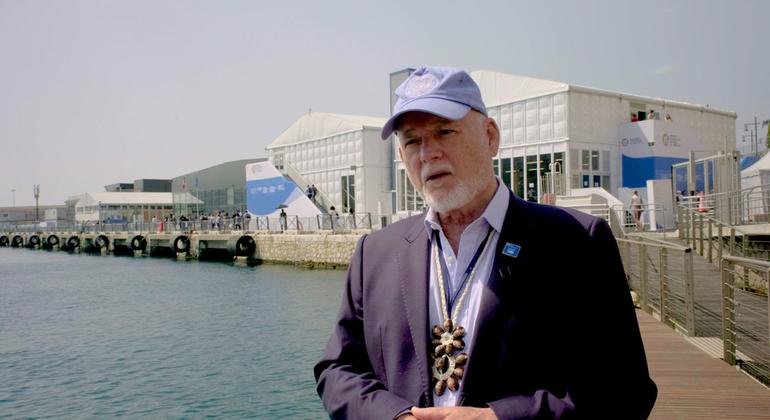
For Peter Thomson, the UN’s Special Envoy for the Ocean, Nice marked a turning point. “It’s not so much what happens at the conference, it is what happens afterwards,” he told UN News, recalling the early days of ocean advocacy when Sustainable Development Goal 14 (SDG14), on life below water, was first established.

“From the desert we were in back in 2015… to where we are now, where you see this incredible engagement.”

Looking ahead, attention is already turning to the Fourth UN Ocean Conference, slated to be co-hosted by Chile and South Korea in 2028.

“We’re going to again see a big surge upwards from here,” Mr. Thomson predicted. He expressed hope that major global agreements — including the BBNJ treaty, the WTO Fisheries Subsidies Agreement, and the future Global Plastics Treaty – will all be ratified and implemented by then.

The 2028 summit will also mark a moment of reckoning, as SDG 14 approaches its 2030 target.

“What do we do when SDG 14 matures in 2030?” Mr. Thomson asked. “Obviously, it’s got to be raised ambition. It’s got to be stronger.” He emphasized that while SDG14 had aimed to protect 10 per cent of the ocean by 2020 – a target the world failed to meet – the new benchmark is 30 per cent by 2030.

Wearing a shell necklace gifted by the Marshall Islands, the Fiji native praised small island nations and atoll collectives for setting ambitious marine protections.

“If small countries can make big measures like that, why can’t the big countries follow suit?” he said.

He also saluted the 2,000 scientists who gathered for the One Ocean Science Congress ahead of the summit. “What a great way to run things,” he said.

A show of unity

Despite the celebratory tone, tensions lingered. Small Island Developing States pushed for stronger language on loss and damage – harms inflicted by climate change that go beyond what people can adapt to. “You cannot have an ocean declaration without SIDS,” one delegate warned earlier this week.

Others, including President Chaves, of Costa Rica, called for a moratorium on deep-sea mining in international waters until science can assess the risks – a step not included in the final declaration.

Still, the political declaration adopted in Nice, titled Our ocean, our future: united for urgent action, reaffirms the goal of protecting 30 percent of the ocean and land by 2030, while supporting global frameworks like the Kunming-Montreal Biodiversity Agreement and the International Maritime Organization’s climate goals.

“The real test,” Mr. Li said, “is not what we said here in Nice – but what we do next.”

As the sun dipped behind the Promenade des Anglais and the conference’s final plenary adjourned, the sea – ancient, vital, and imperiled – bore silent witness to a fragile but shared promise.

‘No Ocean Declaration without small islands’: Delegates push for inclusion as UN summit nears end

With the conference, known as UNOC3, set to close Friday, the stakes couldn’t be higher.

Li Junhua, the UN’s Under-Secretary-General for Economic and Social Affairs, told UN News on Thursday that the past four days have been marked by a rare sense of solidarity around Sustainable Development Goal 14 (SDG 14) – protection life below water.

“This is the true testament to the impact of this Conference on the future of our ocean,” he added.

Draft outcome signals sense of urgency

Under way since Monday on France’s sun-drenched Côte d’Azur, UNOC3 is set to conclude with the adoption of a consensus-backed package aimed at securing the future of the world’s oceans.

Delegates are preparing to endorse a political declaration alongside a sweeping set of voluntary commitments from participating nations – collectively known as the Nice Ocean Action Plan.

The declaration itself, titled ‘Our Ocean, Our Future: United for Urgent Action,’ has undergone four rounds of intense intergovernmental negotiations at UN Headquarters in New York since January, alongside informal consultations with key delegations and civil society groups.

At the heart of the conference’s mission – mobilizing action to safeguard and sustainably manage marine ecosystems – the declaration, in draft form, signals a marked shift in tone, underscoring an unprecedented sense of urgency.

It calls for immediate and transformative measures to protect oceans, reflecting growing concerns over climate change, biodiversity loss, and the depletion of marine resources.

© Coral Reef Image Bank/Tom Vierus

The people of Galoa Village and their ancestors have depended on the reef system for hundreds of years for sustenance and income.

In addition, the draft declaration outlines measures to protect marine ecosystems and foster sustainable ocean-based economies. It also emphasizes accelerating action, highlighting that SDG 14 remains one of the least funded UN goals. 

To drive global ocean initiatives forward, the draft declaration calls for significant, accessible financing and the fulfillment of existing commitments under international agreements.

The draft highlights the ocean’s deep ties to climate and biodiversity, urging nations to fully implement the Convention on Biological Diversity. It also reaffirms commitment to an international, legally binding agreement on plastic pollution, emphasizing a comprehensive approach that addresses plastics across their entire life cycle.

Final negotiations are under way, and tomorrow we’ll report on whether nations have reached a consensus to tackle the global ocean emergency, turning decades of pledges into meaningful marine protection.

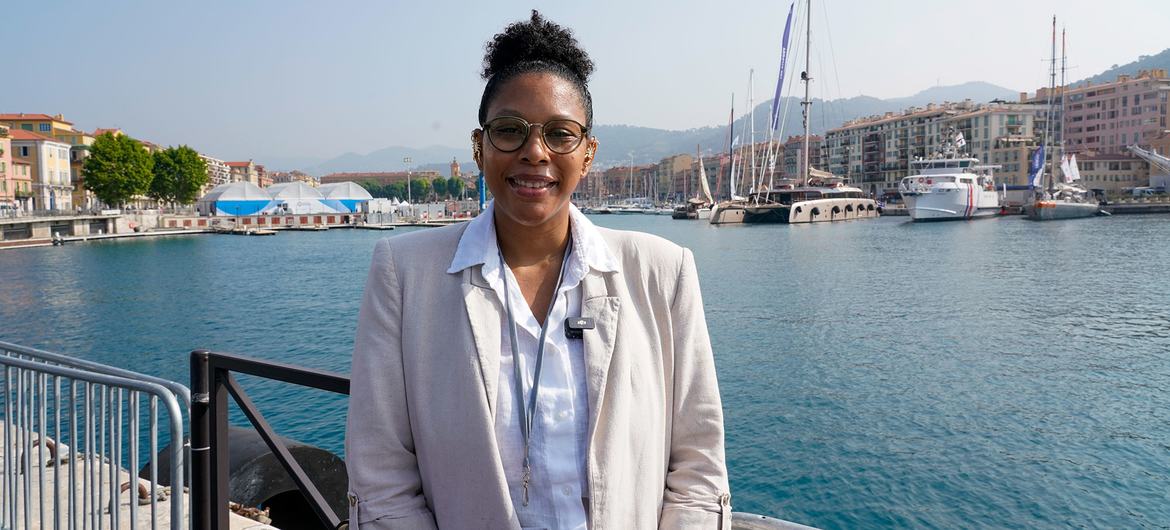
H.E. Safiya Sawney, Special Envoy and Ambassador for Climate, Government of Grenada.

Small island voices are vital to ocean policy

Among all the stakeholders, small island nations have a key role in shaping the Declaration. As communities most vulnerable to rising seas and marine degradation, their firsthand experience and leadership are essential to crafting effective, inclusive ocean policy.

Safiya Sawney, Special Envoy and Ambassador for Climate of Grenada, told UN News that she is pleased to see the reference in the draft outcome to the Antigua and Barbuda Agenda for Small Island Developing States, or ABAS, which was adopted during the fourth International Conference on Small Island Developing States on May 2024.

Ms. Sawney said that including the Antigua and Barbuda Agenda in the UNOC3 political declaration signals growing unity among island nations. She emphasized that, despite numerous challenges, small islands are committed to implementing every obligation under ABAS, demonstrating their determination to turn commitments into action.

“A big part of our heritage, of our culture, of our economy is derived from the ocean,” she said, “So for us, you cannot have an ocean declaration without SIDS.”

‘No compromise with nature’

As for the negotiation process on the draft declaration, Ms. Sawney said that Grenada and other delegations in the Alliance of Small Island States (AOSIS) affirmed that they were leveraging strength and experience from past climate talks and bringing that to the ocean space.

“Part of healthy multilateralism is knowing that you have to compromise,” she admitted, but also adding that “the one thing that we cannot compromise with, however, is nature”.

To ensure that “we’re able to all be successful together in supporting this ocean agenda”, she suggested that “there are some countries that need to do more than others”. She added that small island developing States are asking those countries to show their leadership, not just through offsets or financing, but through “real action”.

Ocean Coordination Mechanism Secretariat

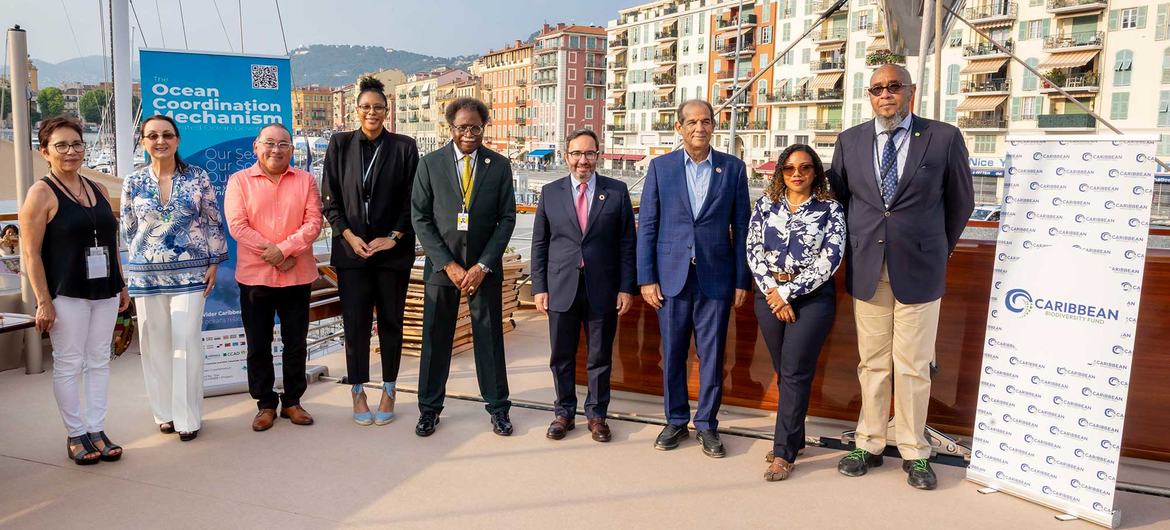
Representatives from 14 Caribbean countries sign the Declaration Of Actioning Blue: The Caribbean 30×30 Vision and Roadmap For Our Ocean at a high-level launch event at the 3rd United Nations Ocean Conference (UNOC3) in Nice, France.

Caribbean governments acting together

Calling themselves “large ocean nations” at UNOC3, small island developing States are aggregating their weight to not only participate in but shape the global ocean agenda, said Ms. Sawney. Among these efforts, Caribbean governments have been keen to demonstrate political unity and regional ambition throughout the run of the conference.

On the opening day of UNOC3, the Actioning Blue: Caribbean 30×30 Vision for the Ocean was officially launched. It reflects an urgent call by political leaders of the Caribbean to advance collective regional advocacy aligned with the Kunming-Montreal Global Biodiversity Framework, as well as SDG14.

“Coming into UNOC3, we endorsed 12 Caribbean governments, including independent states and territories, and we’ve had one additional signature and expression of interest from three different governments,” explained Ms. Sawney.

Changing the tide of over-reliance

Recalling the 2008 Caribbean Challenge Initiative that advanced the protection of roughly 49,000 km of marine protected areas in the region, Ms. Sawney said part of what the newly launched Vision does is remind the international community that “we will continue to work, we’ll continue to show up, and we really like their help”.

Describing the Caribbean as “capacity-constrained”, she however pointed to the region’s over-reliance on external help, experts, and capacity.

“We’re trying to change the tide,” she continued, by stressing the importance of letting donors know that the region is very invested in building its own capacity and owning its own implementation.

Seeing UNOC3 as an important opportunity to get across this message, Ms. Sawney stated that Caribbean Islands are not just looking forward to the end of the Conference, but what happens afterwards.

“The real work begins after all of this is over,” she concluded with hope.

Source link

No green without blue: Young ocean explorers set sail for a sustainable future

In the old town of Nice, the 98-meter-long, three-masted barque arrived last week at Port Lympia, where UNOC3 is now under way. Built in 1914 and owned by Norway since 1921, the Statsraad Lehmkuhl – named for former Norwegian minister Kristofer Lehmkuhl – was refitted last year with state-of-the-art ocean science instruments, transforming it into a floating university.

Now, more than a century after its construction, the vessel has become a cutting-edge research platform, bringing together scientists, students, and explorers to unravel the ocean’s secrets.

This transformation is central to the ship’s second One Ocean Expedition, launched on April 11 from Bergen, Norway, with a mission to bridge ocean science, education, and sustainability. The expedition aims to raise awareness and share knowledge about the ocean’s crucial role in a sustainable future for all. It is expected to return to Bergen a year from now.

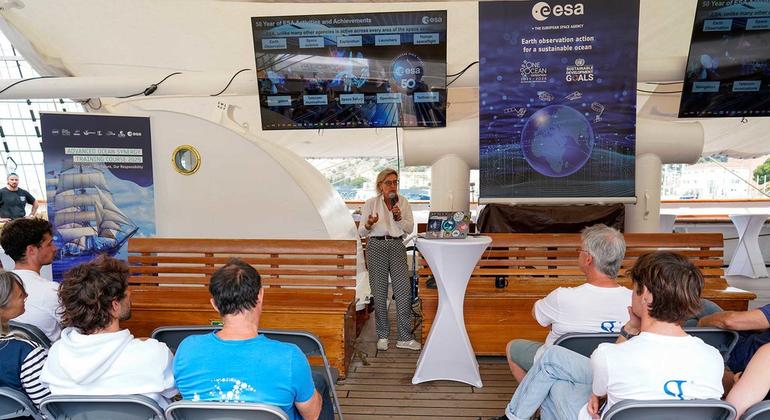
As part of the UN Decade of Ocean Science for Sustainable Development, a global initiative aimed at reversing the decline in ocean health, this expedition partnered with the ESA Advanced Training Course on ocean synergy remote sensing. Together, they assembled young talent from 28 countries to cross-reference ocean observations from space and sea, bridging the gap between satellite data and in-situ research.

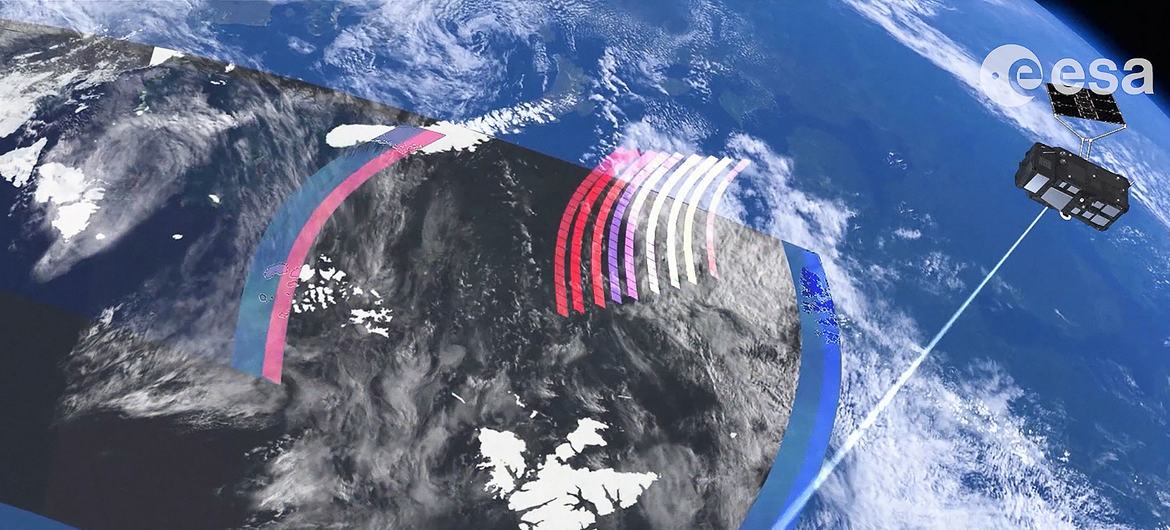
Demonstration of ESA satellite remote sensing.

Space-ocean synergy

“Marrying … the science, oceanographic and sailing traditions is the best way to get inside the ocean from the surface,” said Craig Donlon, the ESA ocean scientist who led the expedition. He also told UN News that real-time satellite data is used to guide on-board research and point students towards areas that need more and better measurement.

Each day, the ESA transmits space-collected data to the ship, delivering it approximately three and a half hours after processing. “Then we come to the captain, and we upset him by saying, we’ve just discovered this new thing, can please we move here?” laughs Mr. Donlon.

Student’s hard work bearing fruit

Mr. Donlon said that cutting-edge oceanographic instruments, including an acoustic Doppler current profiler (ADCP) to measure water movement, hydrophone arrays to capture underwater soundscapes, and Conductivity, Temperature, Depth (CTD) sensors to analyze seawater properties, work together to decode the ocean’s hidden dynamics.

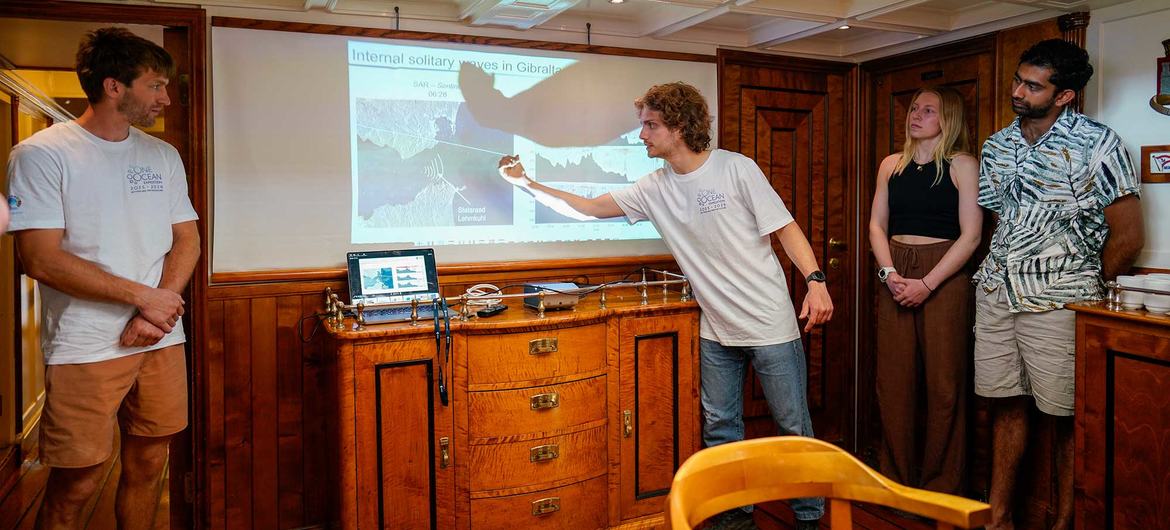
Leveraging these, the students can cross-pollinate between their findings in physics, biology, and air-sea interaction, working individually or in groups on projects including internal solitary waves, drifter trajectories and ocean biodiversity studies.

“It’s quite tough, because they have to work eight hours a day on deck, and the remaining time they have to eat and sleep, but they also find ways to work together,” Mr. Dolon explained. “They made a huge number of measurements […] it’s an amazing journey that they’ve made. We have nearly 15 terabytes of in-situ observations taken aboard this scientific vessel.”

He also spoke highly of the value of these works as evidence-based tools that can ensure the data sets sensibly underpin policies and promote ratification.

“It’s our one Ocean, and we must learn to live in harmony with its majesty because it’s beautiful but fragile. It’s not a global dumping ground. Our future ocean ambassadors, the students aboard this ship, will lead this endeavor,” he insisted.

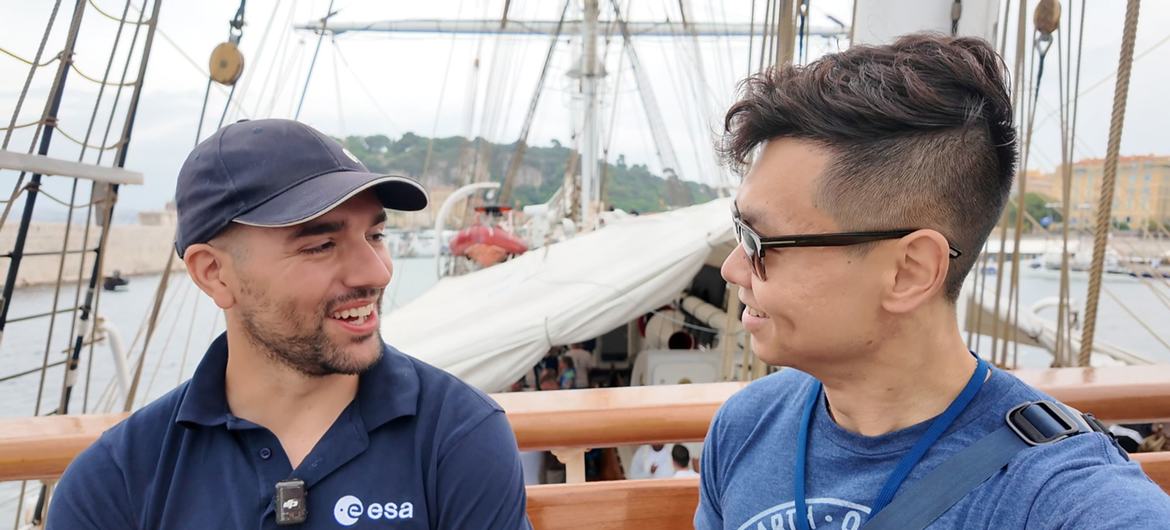
Pablo Álvarez, an ESA training astronaut, talks to UN News.

An astronaut’s blue ambition

Among these young explorers is Pablo Álvarez, an ESA training astronaut set to join the International Space Station before 2030. Before launching into orbit, he’s honing his skills and deepening his knowledge aboard this tall ship – trading the vastness of space for the mysteries of the sea.

He specializes in remote sensing of the ocean’s surface. By analyzing satellite imagery, such as patterns formed by sunlight reflecting off waves, known as ‘sun glitter’, he uncovers insights into surface roughness, wind behavior, and ocean dynamics. These key data points aid both marine scientists and astronauts studying Earth from afar, offering valuable clues that may help predict the ocean’s movement.

“In both fields [Ocean Science and Earth System Science] you’re moving the human knowledge a bit farther with everything you do,” added Mr. Álvarez, “I think it’s in our DNA to explore and to learn more about our environment, and the universe where we are living.” 

Lena Schaffeld (second from the right) is among students presenting their studies on board.

Women improve scientific study

Among the students aboard, Lena Schaffeld, from Germany, found the expedition particularly inspiring. She felt empowered knowing that female students outnumbered their male peers – a rare and meaningful shift in a field often dominated by men.

“I think we need a lot of women in science, especially ocean science. So, it’s quite nice to be one of them,” Ms. Schaffeld said proudly.

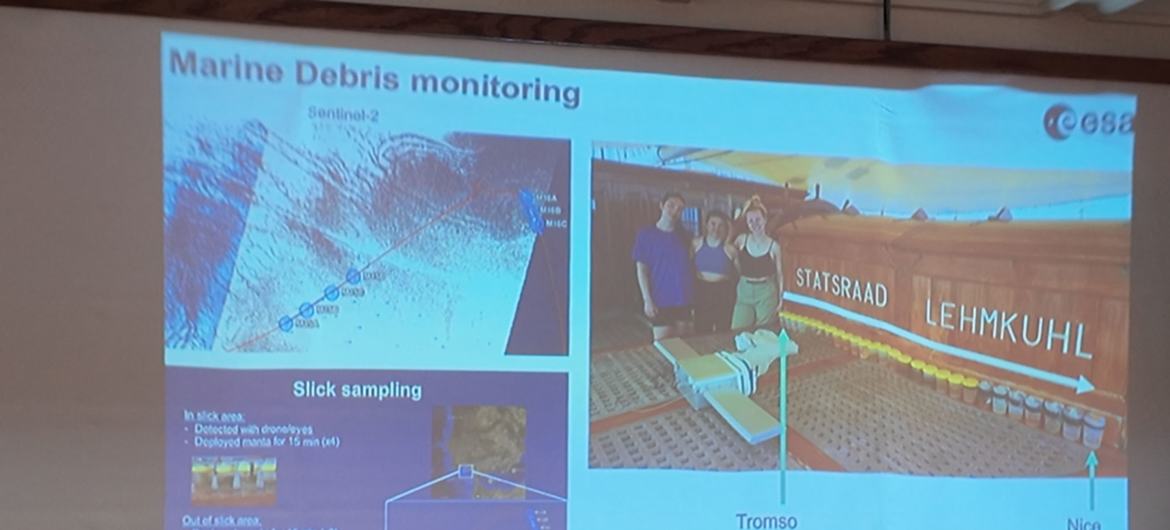
Focused on the increasing abundance and distribution of microplastic pollution in the ocean, Ms. Schaffeld went on to tell UN News that the journey has benefitted her studies as well. “We’ve been passing different seas. We’ve come from the Norwegian Sea and the Arctic Sea, towards the open Atlantic Ocean, and now into the Mediterranean,” she said.

The marine debris monitoring project is conducted by Lena Schaffeld with other two students.

Collecting data along the way, she said she has found more visible plastics in samples taken from the Mediterranean.

“Microplastics are pieces of plastic that are smaller than 5 millimeters, and most of them are invisible,” explained Ms. Schaffeld, who stressed that her work is just beginning and it’s too soon to draw any conclusions.

“Only after [the filtration process] and when I look under the microscope, which is going to happen at the end of this voyage, will we know how much plastic there actually is.”

Looking forward to further studying these samples, she said she will also try to explore ways to use satellite data to detect microplastics in the water, and to lay out a bigger picture about how plastic moves with the currents.

“The water is always moving and plastic on the surface moves along with these currents. So, we’re also going to be applying some numerical modeling to predict or even backtrack [to] where that plastic came from. It’s going to interesting,” she noted with hope.

‘A sustainable ocean is a necessity’

Many students on board the Statsraad Lehmkuhl expressed their gratitude to take part in the training course and to be able to share their stories and experiences as part of UNOC3.

“Bringing the ocean to the people is a job that we’ve tasked our students with,” stressed Mr. Donlon. “They’ve engaged with Peter Thomson, the United Nations Special Envoy (for the ocean). He gave us a mandate to run this course, and we’ve followed that mandate.”

In Mr. Donlon’s eyes, “the UNOC3 is the place where we come together. We discuss the most relevant topics, and we bring a ministerial element to that, to ratify evidence-based decisions”.

He said that he is convinced that the science-based decisions and discussions taking place at the Conference “will make lives and societies stronger”, while at the same time help to protect the environment for future generations. “A sustainable ocean is not a luxury; it is an absolute necessity. There can be no green unless we have a blue thriving ocean,” he reiterated.

Source link

Guterres calls for an end to ocean ‘plunder’ as UN summit opens in France

“The ocean is the ultimate shared resource,” he told delegates gathered at the port of Nice. “But we are failing it.”

Oceans, he warned, are absorbing 90 per cent of the excess heat from greenhouse gas emissions and buckling under the strain: overfishing, rising temperatures, plastic pollution, acidification. Coral reefs are dying. Fish stocks are collapsing. Rising seas, he said, could soon “submerge deltas, destroy crops, and swallow coastlines — threatening many islands’ survival.”

Port Lympia, Nice’s historic marina, now transformed into a secured diplomatic zone known as the Blue Zone for UNOC3.

Call for stewardship

More than 50 Heads of State and Government took part in the opening ceremony, including Brazilian President Luiz Inácio Lula da Silva and European Commission President Ursula von der Leyen — a show of political force underscoring the summit’s weight.

In total, over 120 countries are participating in the five-day gathering, signaling a growing recognition that ocean health is inseparable from climate stability, food security, and global equity.

French President Emmanuel Macron, whose country is co-hosting the summit alongside Costa Rica, followed with a forceful appeal for science, law, and multilateral resolve.

Brazilian President Luiz Inácio Lula da Silva, at the opening ceremony of UNOC3

“The abyss is not for sale, any more than Greenland is for sale, any more than Antarctica or the high seas are for sale,” he declared. “If the Earth is warming, the ocean is boiling.”

He insisted the fate of the seas could not be left to markets or opinion. “The first response is therefore multilateralism,” Mr. Macron said. “The climate, like biodiversity, is not a matter of opinion; it is a matter of scientifically established facts.”

Costa Rican President Rodrigo Chaves Robles took the podium next, thanking Mr. Guterres for elevating the ocean on the global agenda, then shifting to a stark warning.

“The ocean is speaking to us — with bleached coral reefs, with storms, with wounded mangroves,” he said. “There’s no time left for rhetoric. Now is the time to act.”

Condemning decades of treating the ocean as an “infinite pantry and global waste dump,” Mr. Chaves urged a shift from exploitation to stewardship.

“Costa Rica is a small country, but this change has started,” he said. “We are now declaring peace with the ocean.”

Most notably, the Costa Rican leader called for a moratorium on deep-sea mining in international waters until science can adequately assess the risks — a position already backed by 33 countries, he noted.

A treaty within reach

One of the summit’s core objectives is to help bring into force the landmark High Seas Treaty — known as the BBNJ accord — adopted in 2023 to safeguard life in international waters. Sixty ratifications are required for the treaty to become binding international law. Emmanuel Macron announced that this milestone is now within reach.

“In addition to the 50 or so ratifications already submitted here in the last few hours, 15 countries have formally committed to joining them,” he said. “This means that the political agreement has been reached, which allows us to say that this [Treaty] will be properly implemented.”

Whether the legal threshold is crossed this week or shortly after, the French President added, “it’s a win.”

The plenary hall of the third UN Ocean Conference (UNOC3) in Nice.

High-stakes negotiations in the ‘Blue Zone’

The tone set by the opening speeches made clear that Nice will be the stage for high-stakes negotiations — on finalizing a global treaty on plastic pollution, scaling up ocean finance, and navigating the controversy surrounding seabed mining.

Hundreds of new pledges are expected to be announced, building on more than 2,000 voluntary commitments made since the first UN Ocean Conference in 2017. The week-long talks will culminate in the adoption of a political declaration and the unveiling of the Nice Ocean Action Plan, a blueprint aligned with the landmark Kunming-Montreal Global Biodiversity Framework, a 2022 agreement to protect 30 per cent of marine and terrestrial ecosystems by 2030.

“The deep sea cannot become the Wild West,” António Guterres warned, urging that decisions be “grounded in science, guided by precaution, and in line with the rights and obligations enshrined in the UN Convention on the Law of the Sea.”

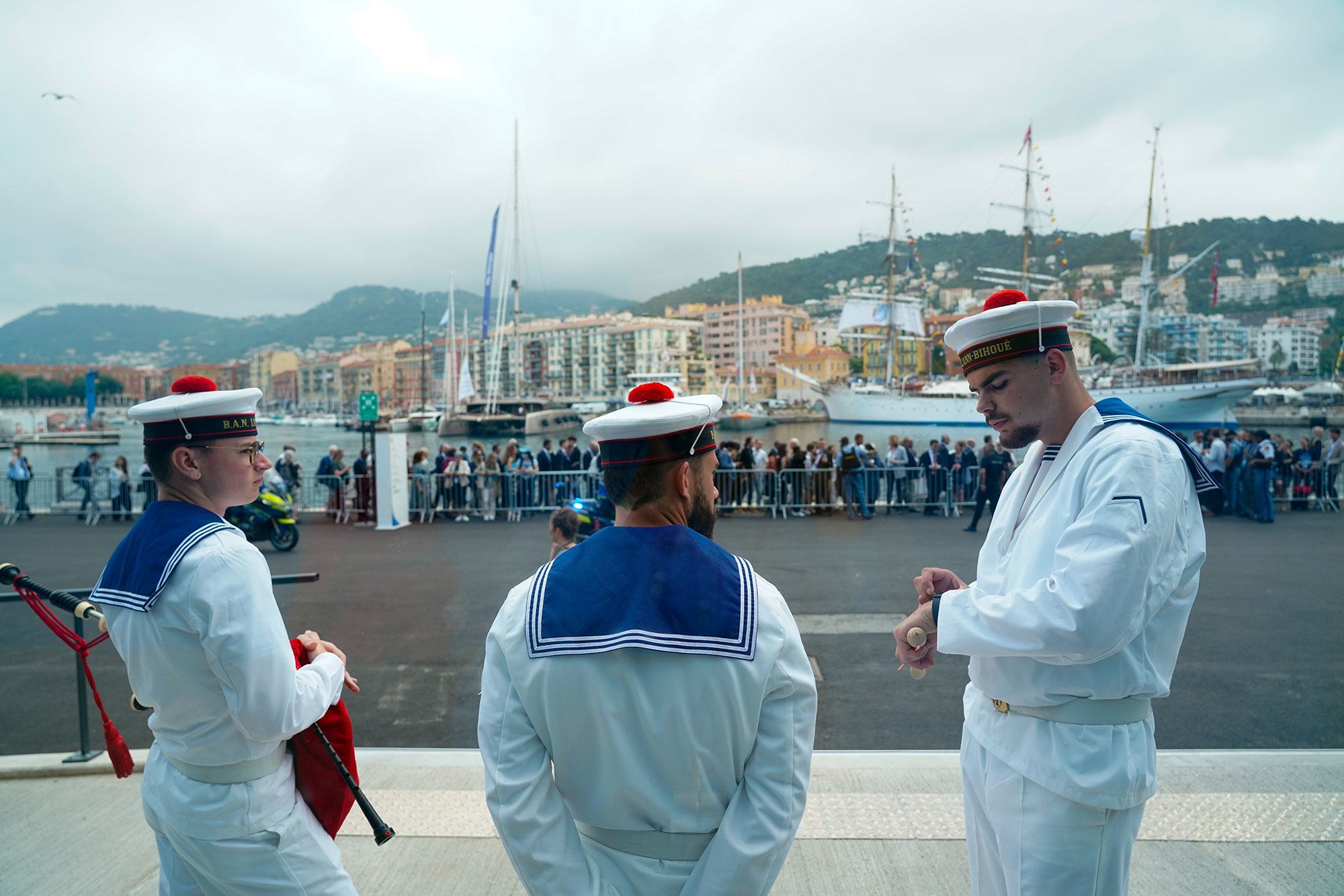
The summit is being held in a purpose-built venue overlooking Port Lympia, Nice’s historic marina, now transformed into the secured diplomatic ‘Blue Zone.’ On Sunday, a symbolic ceremony led by Li Junhua, head of the UN Department of Economic and Social Affairs and Secretary-General of the conference, saw the French and UN flags raised above the harbor.

“This ceremony marks not only the formal transfer of this historic port into the hands of the United Nations, but also the beginning of a week of shared commitment, responsibility, and hope,” said Mr. Li.

Ludovic Burns Tuki marked the start of the summit by blowing a pu, a traditional conch shell

Culture, science, and collective memory

Before the negotiations began in earnest, Monday’s opening turned to ritual and reflection. Polynesian climate activist Ludovic Burns Tuki marked the start of the summit by blowing a pu, a traditional conch shell.

“It’s a way to call everyone,” he told UN News after the ceremony. “I blow with the support of our ancestors.” In Polynesian navigation, the conch is sounded upon arrival at a new island to signal peaceful intent. Mr. Tuki, born in Tahiti to parents from the Tuamotu and Easter Islands, sees the ocean as both boundary and bond.

“We are not only countries,” he said. “We need to think like a collective system, because this is one ocean, one people, a future for all.”

The cultural segment also included a blessing by Tahitian historian Hinano Murphy, a martial arts performance by French taekwondo master Olivier Sicard, a scientific reflection by deep-sea explorer Antje Boetius, and a poetic testimony by Mauritanian filmmaker Abderrahmane Sissako, accompanied by kora musician Wassa Kouyaté.

What was lost can return

The goals of the conference are clear — but ambitious: to advance the ‘30 by 30’ pledge, promote sustainable fisheries, decarbonize maritime transport, and unlock new streams of “blue finance,” including ocean bonds and debt-for-nature swaps to support vulnerable coastal states.

In addition to plenary sessions, Monday will feature two high-level action panels: one on conserving and restoring marine ecosystems — including deep-sea habitats — and another on strengthening scientific cooperation, technology exchange, and education to bridge the gap between science and policy.

In his opening statement, António Guterres stressed that Sustainable Development Goal 14 , on ‘Life Below Water’, remains the least funded of the 17 UN’s global goals.

“This must change,” he said. “We need bold models to unlock private capital.”

“What was lost in a generation,” he concluded, “can return in a generation. The ocean of our ancestors — teeming with life and diversity — can be more than legend. It can be our legacy.”

Source link

Drifting architects: Plankton, climate, and the race to understand our changing ocean

On a sun-drenched morning off the coast of Villefranche-sur-Mer, the Sagitta III cuts through the cobalt waters of the Mediterranean, past the quiet marinas and pine-fringed terraces of France’s Côte d’Azur. The 40-foot scientific vessel – named after a fearsome zooplankton with hook-lined jaws – rumbles toward a lonely yellow buoy bobbing offshore.

In the distance, the resort town shimmers, a mirage of pastel villas and church towers clinging to the cliffs. But aboard the Sagitta III, the romance ends at the rail. Lionel Guidi, a local scientist at the Villefranche Oceanography Lab — known, with fitting Frenchness, by its acronym LOV — peers into the sea with a practiced intensity.

He is here to fish plankton.

“There’s life!” cries marine technician Anthéa Bourhis

Around him, a veteran crew moves with precision, under the iron fist of Captain Jean-Yves Carval. “Plankton is fragile,” cautions the rugged seaman, who’s spent nearly 50 years navigating freighters, trawlers – and now, scientific boats. “If you go too fast, you make compote.”

The craft slows as it reaches the buoy, a sampling site where Guidi and his LOV colleagues have gathered marine data every day for decades. Below deck, the boat’s bearded chief mechanic, Christophe Kieger, readies a large winch. Its 12,000-foot cable unfurls, sending a fine-meshed net – each pore no wider than a grain of salt – drifting toward the deep. Slowly, it sinks to 250 feet.

Minutes later, the net resurfaced, heavy with a brownish, gelatinous goo.

“There’s life!” cries Anthéa Bourhis, a 28-year-old technician from Brittany, as she carefully transfers the contents into a plastic bucket.

Indeed, that catch holds more than seawater and slime. It is the raw material of the planet’s past – and perhaps its future.

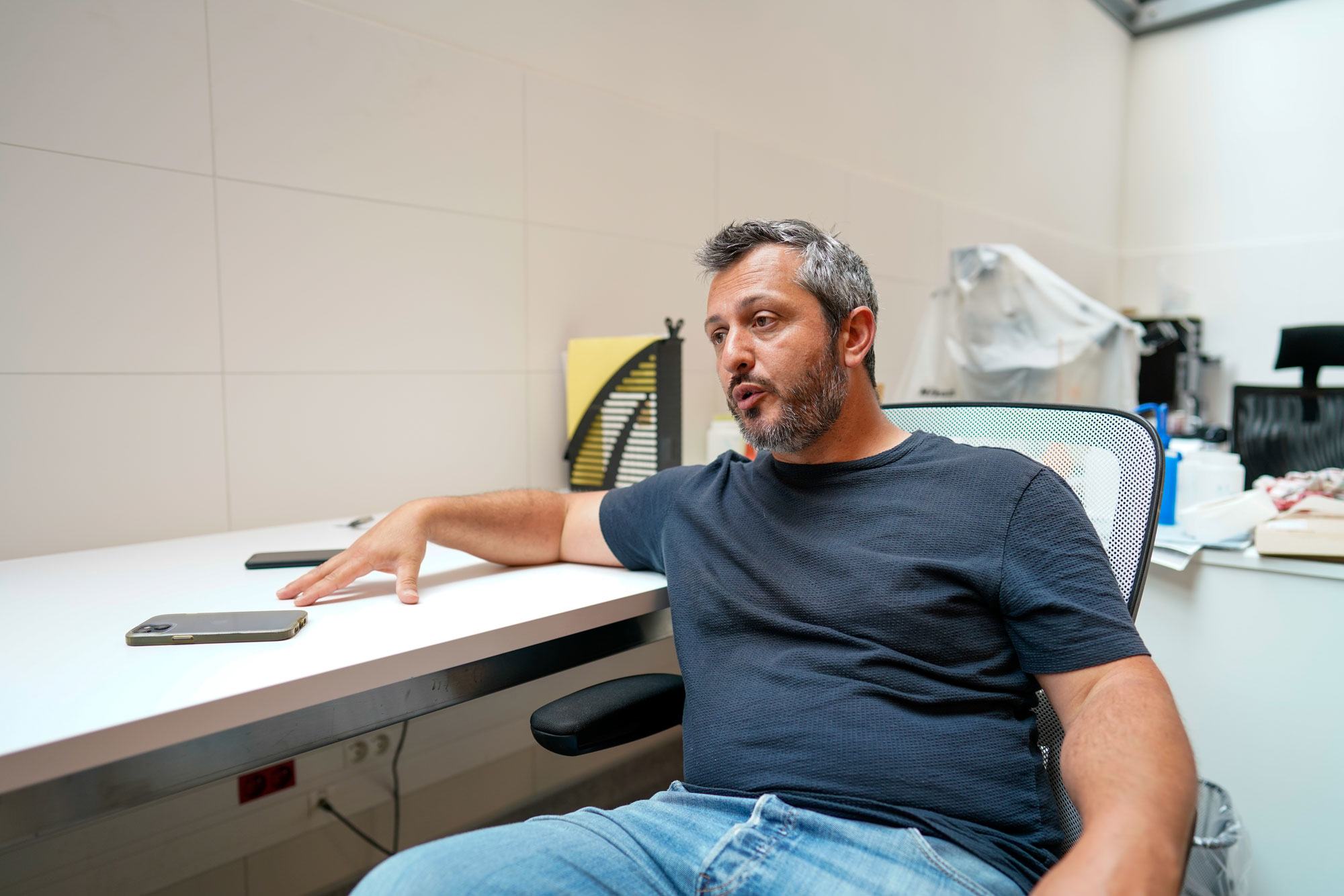
Lionel Guidi, 44, a plankton-research scientist at the Villefranche Oceanography Lab, known as LOV (part of IMEV-Institut de la Mer de Villefranche, Sorbonne University-CNRS).

A worrisome trend

Plankton form the beating heart of the ocean’s engine. These tiny organisms absorb carbon dioxide, release oxygen, and underpin the entire marine food web. Without them, life as we know it would not exist.

But what is plankton?

It’s not a single creature, but a vast cast of marine nomads, all bound by one trait: they can’t swim against the current. They drift with tides and eddies, riding invisible flows that govern their lives. Some are no bigger than a speck of dust; others, like jellyfish, can stretch more than a meter wide.

There are two main kinds. Those that harness sunlight: phytoplankton — microscopic marine plants that photosynthesize like greenery on land and, over geological time, have produced more than half the oxygen we breathe. And those that feed: zooplankton — tiny animals that graze on their plant-like cousins, hunt each other, and themselves become prey, sustaining fish, whales, and seabirds alike.

At the Villefranche Oceanography Lab, scientists have been tracking these creatures for decades. Their daily sampling, performed just a few miles offshore, has yielded one of the longest continuous records of plankton in the world.

And that record is now showing signs of stress.

“At our observation site, surface temperatures have risen by about 1.5 degrees Celsius over the last 50 years,” Lionel Guidi tells UN News. “We’ve seen a general drop in phytoplankton primary production.”

The consequences could potentially be far-reaching. Phytoplankton form the foundation of the marine ecosystem, and a decline in their numbers might trigger a cascading effect, disrupting zooplankton, fish stocks, and ocean biodiversity as a whole. It could also weaken their ability to absorb carbon dioxide, drawing it from the atmosphere and carrying it into the deep – what scientists call ‘the biological pump’, one of Earth’s most vital natural climate regulators.

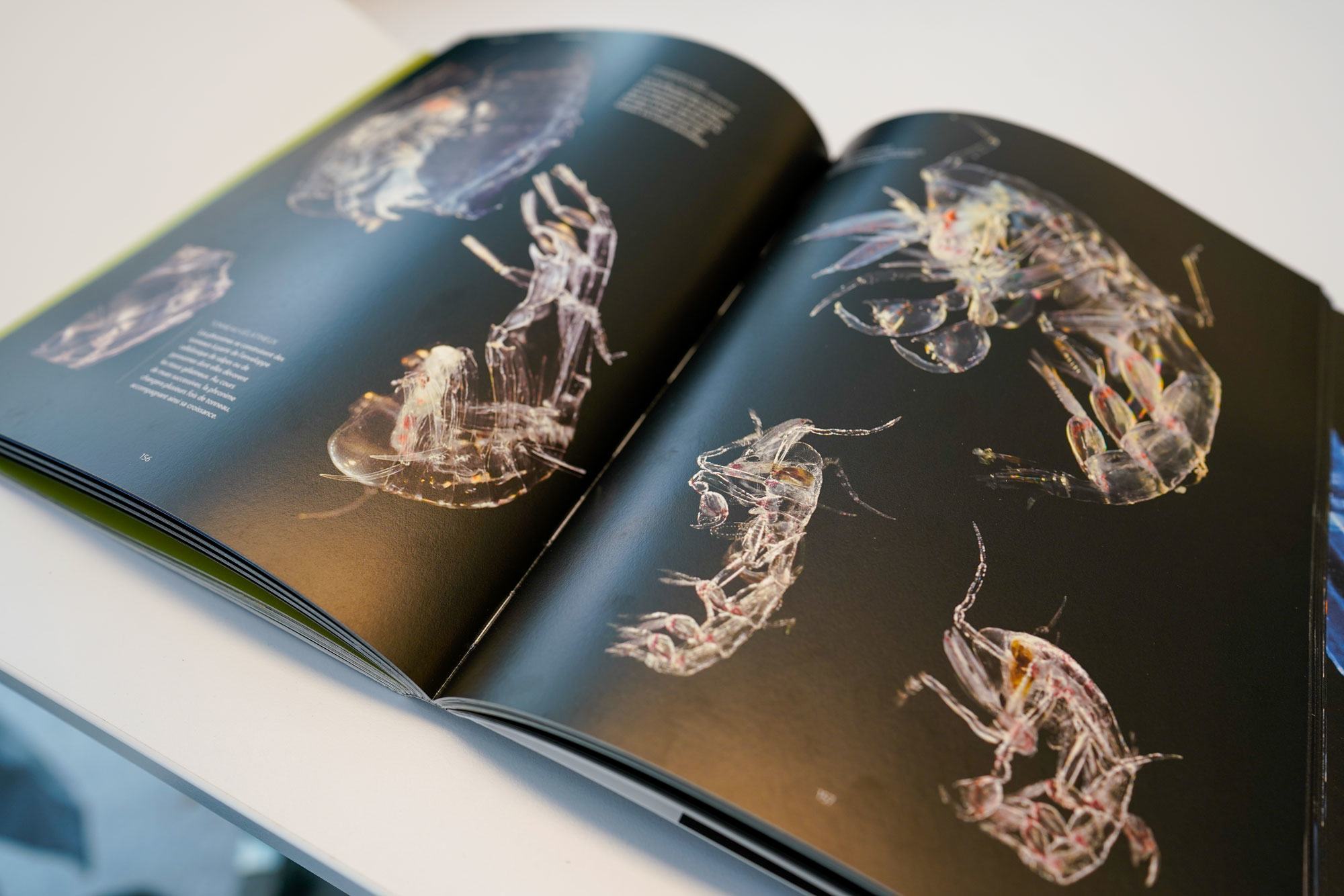
Phronima, a deep-sea zooplankton, inspired the design of the creature in the 1979 film, “Alien.”

Tiny aliens

Back at the LOV, with the Sagitta III now resting in its berth, Lionel Guidi gestures toward the day’s sample. “Everything starts with plankton,” says the scientist, who, before landing in Villefranche, conducted marine research in Texas and Hawaii.

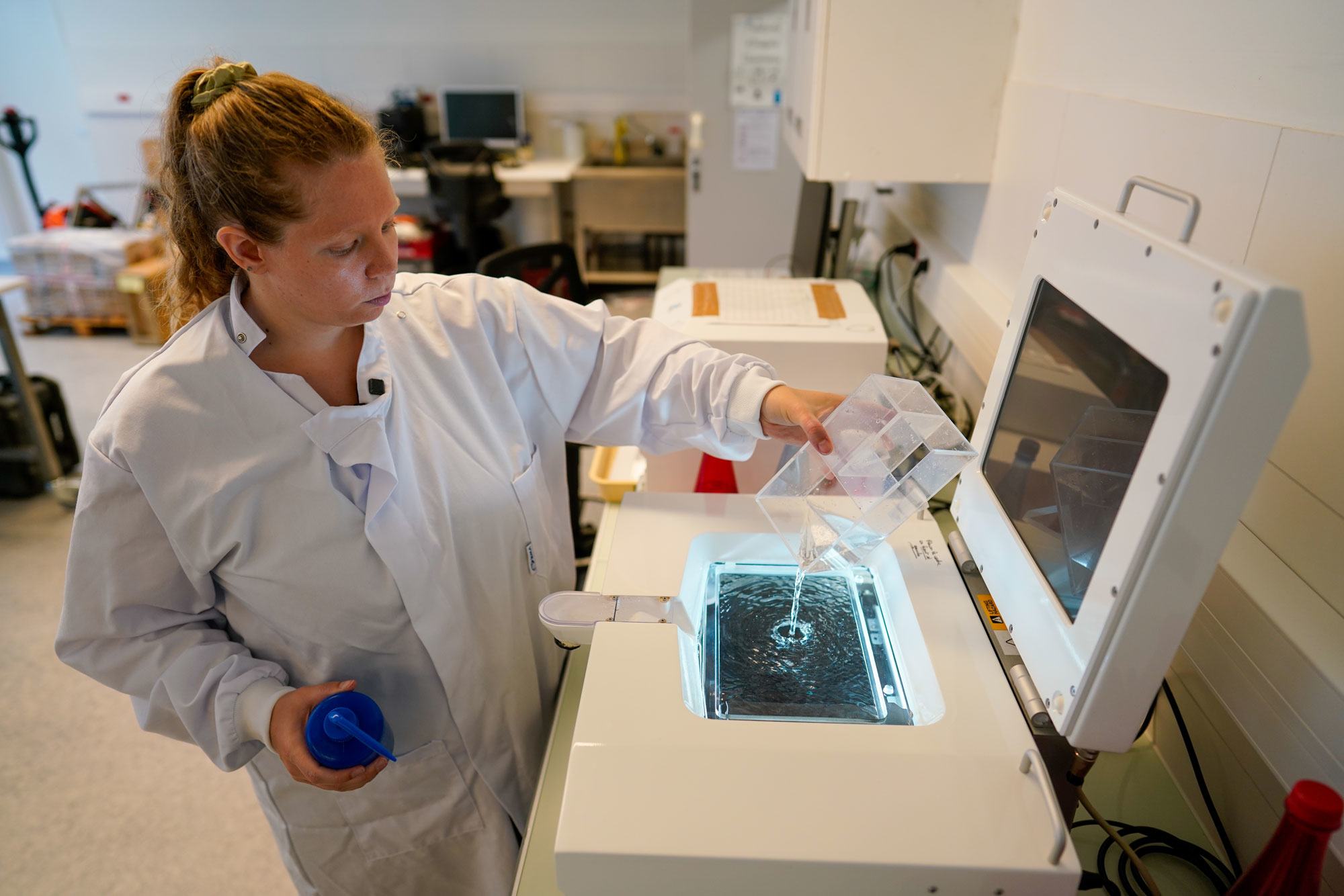
Meanwhile, Anthéa Bourhis, the young technician, has donned a white lab coat and is bent over the morning’s catch. She fixes the sample in formaldehyde, a step that will store the zooplankton but also kill them. “If they move, it messes with the scan,” she explains.

Once morbidly still, the small animals are fed into a scanner. Slowly, shapes blossom on Bourhis’s screen, as improbably graceful copepods – translucent and shrimp-like, with feathery antennae – float into view.

“You look through the microscope and there’s a whole world,” says plankton specialist Lionel Guidi

“We’ve got some good-looking ones,” she says, grinning.

She begins transferring the digital images into an AI-operated database capable of sorting zooplankton by group, family, and species. 

“They have appendages everywhere,” adds Lionel Guidi. “Arms pointing in all directions.”

One of these deep-sea creatures, called Phronima, even inspired the monster in Ridley Scott’s 1979 film Alien. “You look through the microscope,” Guidi says, “and there’s a whole world.”

Anthéa Bourhis, 28, a lab technician at the Villefranche Oceanography Lab, known as LOV, pours the morning’s catch into a scanning machine to produce a digital image of the zooplankton.

From science to policy

A world that is changing – and not fast enough to be understood by satellites or snapshots. That’s why LOV’s long-term series matters: it captures trends that span years and even decades, helping scientists distinguish natural cycles from climate-driven shifts.

“When we explain that if there’s no more plankton, there’s no more life in the ocean. And if there’s no more life in the ocean, life on land won’t last much longer either, then suddenly people become a lot more interested in why protecting plankton matters,” said Jean-Olivier Irisson, another plankton specialist at the LOV.

Next week, just 15 minutes down the coast, the city of Nice is hosting the third UN Ocean Conference (UNOC3) – a five-day summit bringing together scientists, diplomats, activists, and business leaders to chart the course for marine conservation.

Among the gathering’s priorities: advancing the ‘30 by 30’ pledge to protect 30 per cent of the ocean by 2030 and bringing the landmark High Seas Treaty, or ‘BBNJ accord’ to safeguard life in international waters, closer to ratification.

Guidi underscored the urgency of these UN-led efforts, saying: “All of this must be thought through with people who are capable of making laws, but based on scientific reasoning.”

He doesn’t claim to write policy himself. But he knows where science fits. “We convey scientific results; we have proof of a phenomenon. These are not opinions, they’re facts.”

And so, in Villefranche, Lionel Guidi, Anthéa Bourhis and Captain Carval continue their work – hauling life from the sea, capturing it in pixels, counting its limbs, and sharing its data with scientists across the globe. In doing so, they chart not just a threatened ocean, but the unseen threads that bind life itself.

Source link

UN aims to transform urgency into action at Nice Ocean Conference

The third United Nations Ocean Conference (UNOC 3) from 9-13 June will bring together Heads of State, scientists, civil society and business leaders around a single goal: to halt the silent collapse of the planet’s largest – and arguably most vital – ecosystem.

The ocean is suffocating due to rising temperatures, rampant acidification, erosion of biodiversity, plastic invasion, predatory fishing.

‘A state of emergency’

Our planet’s life support system is in a state of emergency,” said Li Junhua, head of the UN Department of Economic and Social Affairs (DESA) and the Secretary-General of the upcoming summit. 

He insisted that there is still time to change course.

The future of the ocean is not predetermined.  It will be shaped by the decisions and actions that we are making now,” Mr. Li said on Tuesday during a press briefing at UN Headquarters in New York. 

In the eyes of the senior official, UNOC 3 “will not be just another routine gathering.” 

“We hope that it proves to be the pivotal opportunity to accelerate action and mobilize all stakeholders across the sectors and borders.”

World-class conference

More than 50 world leaders are expected on the Côte d’Azur, alongside 1,500 delegates from nearly 200 countries. 

The programme includes 10 plenary meetings, 10 thematic roundtables, a blue zone reserved for official delegations, and a series of parallel forums during five days of negotiations.

For France, which is co-hosting the conference alongside Costa Rica, the challenge is clear: to make Nice a historic milestone. 

“This is an emergency,” declared Jérôme Bonnafont, Permanent Representative of France to the UN, during the press conference.

“An ecological emergency: we are witnessing the deterioration of the quality of the oceans as an environment, as a reservoir of biodiversity, as a carbon sink.”

France hopes to make the conference a turning point and the goal “is to produce a Nice agreement that is pro-oceans, as the Paris Agreement 10 years ago now was for the climate.” 

This agreement will take the form of a Nice Action Plan for the Ocean, a “concise action-oriented declaration,” according to Mr. Li, accompanied by renewed voluntary commitments.

Three milestones

Three events will prepare the ground for UNOC 3.

The One Ocean Science Congress, from 4-6 June, will bring together several thousand researchers. The Summit on Ocean Rise and Coastal Resilience to be held the following day will explore responses to rising sea levels. Finally, the Blue Economy Finance Forum, on 7-8 June in Monaco, will mobilize investors and policymakers.

For Costa Rican Ambassador Maritza Chan Valverde, there is no more time for procrastination.

We’re expecting concrete commitments with clear timelines, budgets and accountability mechanisms. What is different this time around, zero rhetoric, maximum results,” she said.

‘Transform ambition into action’

The conference’s theme Accelerating Action and Mobilizing All Stakeholders to Conserve and Sustainably Use the Ocean will address several topics, ranging from sustainable fishing to marine pollution and the interactions between climate and biodiversity.

This is our moment to transform ambition into action,” Mr. Li concluded, calling for governments, businesses, scientists, and civil society to come together in a common spirit. 

He also praised the “visionary leadership” of France and Costa Rica, without whom this large-scale mobilization would not have been possible.

A slogan promoted by Costa Rica seems to sum up the spirit of the summit: “Five days. One ocean. One unique opportunity.” 

Source link

UN relief chief welcomes limited Gaza aid resumption – but it’s a ‘drop in the ocean’

Tom Fletcher said in a statement on Monday that nine UN trucks were cleared to enter the southern Kerem Shalom crossing earlier in the day.

“But it is a drop in the ocean of what is urgently needed…We have been reassured that our work will be facilitated through existing, proven mechanisms. I am grateful for that reassurance, and Israel’s agreement to humanitarian notification measures that reduce the immense security threats of the operation.”

Alarm over Israeli bombardment: UN chief

The UN Secretary-General on Monday expressed his alarm over the intensifying air strikes and ground operations in Gaza “which have resulted in the killing of hundreds of Palestinian civilians in recent days, including many women and children, and, of course, large-scale evacuation orders.”

António Guterres reiterated his call for the rapid, safe, and unimpeded delivery of humanitarian assistance at scale directly to civilians, in order to avert famine, alleviate widespread suffering, and prevent further loss of life.

Briefing reporters on Monday, UN Spokesperson Stéphane Dujarric said Mr. Guterres “welcomes the ongoing efforts by the mediators to reach a deal in Gaza. He has repeatedly warned that the continued violence and the destruction will only compound civilian suffering and heighten the risk of a broader regional conflict.”

He added that the Secretary-General “firmly rejects any forced displacement of the Palestinian population.”

Minimise risk of aid theft

Relief chief Fletcher said in his statement that he was determined to ensure UN aid reaches those in greatest need and make sure that any risk of theft by Hamas or other militants battling Israeli forces in the Strip amid a new offensive, would be minimised.

He said the UN aid coordination office, OCHA, had realistic expectations: “Given ongoing bombardment and acute hunger levels, the risks of looting and insecurity are significant.”

UN aid workers are committed to doing their jobs, “even against these odds,” he said, thanking humanitarian colleagues for their courage and determination.

Practical plan

“The limited quantities of aid now being allowed into Gaza are of course no substitute for unimpeded access to civilians in such dire need,” Mr. Fletcher continued.

The UN has a clear, principled and practical plan to save lives at scale, as I set out last week.”

He called on Israeli authorities to:

  • Open at least two crossings into Gaza, in the north and south
  • Simplify and expedite procedures together with removing quotas limiting aid
  • Lift access impediments and cease military operations when and where aid is being delivered
  • Allow UN teams to cover the whole range of needs – food, water, hygiene, shelter, health, fuel and gas for cooking

Ready to respond

Mr. Fletcher said to reduce looting, there must be a regular flow of aid, and humanitarians must be permitted to use multiple routes.

“We are ready and determined to scale up our life-saving operation Gaza and respond to the needs of people, wherever they are,” he stressed – calling again for the protection of civilians, a resumption of the ceasefire and the immediate and unconditional release of all hostages.

He concluded saying the operation would be tough – “but the humanitarian community will take any opening we have.”

Source link

Is the Earth warming? The ocean gives you the answer

Humans have released carbon dioxide and other greenhouse gases, and the result is an accumulation of heat in the Earth’s climate system, commonly referred to as “global warming”. “How fast is the Earth’s warming?” is a key question for decision makers, scientists and general public.

Previously, the global mean surface temperature has been widely used as a key metric of global warming. However, a new study published in AGU’s Eos proposed a better way of measuring global warming: monitoring ocean heat content change and sea level rise. The authors come from a variety of international communities including China (Institute of Atmospheric Physics, Chinese Academy of Sciences), U.S.A. (NCAR, NOAA, and University of St. Thomas) and France (Mercator Ocean).

To determine how fast the Earth is accumulating heat, scientists focus on the Earth’s energy imbalance (EEI): the difference between incoming solar radiation and outgoing longwave (thermal) radiation. Increases in the EEI are directly attributable to human activities that increase carbon dioxide and other greenhouse gases in the atmosphere. Extra heat trapped by increasing greenhouse gases mainly ends up in the oceans (more than 90% is stored there). Hence, to measure global warming, we have to measure ocean warming!

On the other hand, the amplitude of the global warming signal compared with natural variability (noise) defines how well a metric tracks global warming. This study shows that the temporal evolution of ocean heat content has relatively high signal-to-noise ratio; therefore, it requires 3.9 years to separate the global warming trend from natural variability. Similarly, for sea level rise, 4.6 years are sufficient to detect the climate change signal. By contrast, owing to weather, El Niño – Southern Oscillation and other natural variability embedded in the global mean surface temperature record, scientists need at least 27 years of data to detect a robust trend. An excellent example is the 1998-2013 period, when energy was redistributed within the Earth’s system and the rise of global mean surface temperature slowed – sometimes call a “hiatus”.

This study suggests that changes in ocean heat content, the dominant component of Earth’s energy imbalance, should be a fundamental metric along with sea level rise. Based on the recent improvements of ocean monitoring technologies, especially after 2005 through autonomous floats called Argo, and advanced methodologies to reconstruct the historical ocean temperature record, scientists have been able to quantify ocean heat content changes back to 1960, even though there is a much sparser historical instrument record prior to 2005. Sea level rise is best known since 1993 when altimeters were first launched on satellites to enable sea level change observations to millimeter accuracy.

According to the most up-to-date estimates, the top-10 warmest years of the ocean (indicated by OHC change at upper 2000m) are all in the most recent decade after 2006, with 2015-2016 the warmest period among the past 77 years. The heat storage in the ocean amounts to an increase of 30.4×10²² Joules (J) since 1960, equal to a heating rate of 0.33 Watts per square meter (W m-2) averaged over the entire Earth’s surface– and 0.61 W m-2 after 1992. For comparison, the increase in ocean heat content observed since 1992 in the upper 2000 meters is about 2000 times the total net generation of electricity by U.S. utility companies in 2015.

It is evident that scientists and modelers who seek global warming signals should track how much heat the ocean has stored at any given time, i.e. ocean heat content, as well as sea level rise. Locally, in the deep tropics, ocean heat content directly relates to hurricane activity. Ocean heat content is a vital sign of our planet and informs societal decisions about adaptation to and mitigation of climate change.