UN rights chief decries US treatment of migrants, as deaths in ICE custody rise

In a news release on Friday, High Commissioner Volker Türk said individuals suspected of being undocumented migrants are being surveilled, arrested and detained – sometimes violently – in locations ranging from hospitals and places of worship to courthouses, schools, markets and private homes.

The UN rights chief said he was “astounded by the now-routine abuse and denigration of migrants and refugees.

He warned that fear generated by such federal operations is rippling through communities, with children missing school and medical appointments, out of concern that their parents may not return.

Those who dare to speak up or protest peacefully against heavy-handed immigration raids are vilified and threatened by officials, and on occasion subjected to arbitrary violence themselves,” Mr. Türk said.

He said numerous migration policies now being implemented by US authorities are resulting in arbitrary and unlawful arrests and detentions, as well as flawed removal decisions. He expressed concern that enforcement actions often lacked sufficient individualised assessments.

Due process

US immigration enforcement is primarily carried out by the Immigration and Customs Enforcement (ICE), a federal agency responsible for identifying, arresting, detaining and removing non-citizens deemed to be in violation of immigration law.

Mr. Türk stressed that while national governments have the authority to establish and enforce migration policies, those powers must be exercised in full accordance with the law. Failure to respect due process, he said, risks eroding public trust, weakening institutional legitimacy and violating individuals’ rights.

He also deplored Washington’s use of large-scale enforcement operations, raising concerns that force has at times appeared unnecessary or disproportionate.

On 7 January 2026, a woman was fatally shot in Minnesota’s largest city, Minneapolis, during an operation involving federal officers.

Under international law, the intentional use of lethal force is only permissible as a measure of last resort against an individual representing an imminent threat to life,” Mr. Türk said.

Families torn apart

The UN rights chief highlighted the human cost of these practices, particularly for families.

Mr. Türk cited cases in which parents were detained or transferred between facilities without adequate information being provided about their whereabouts or access to legal counsel, making it difficult to maintain family contact or pursue legal remedies.

“I call on the administration to end practices that are tearing apart families,” said the High Commissioner. He also called for independent and transparent investigations into a reported rise in the number of deaths in ICE custody.

At least 30 deaths were reported last year, with six more so far this year.

‘Xenophobic hostility’

Mr. Türk also expressed deep concern over what he described as “dehumanising narratives” used by some Government officials to portray migrants and refugees.

I call on leaders at all levels in the US to halt the use of scapegoating tactics that seek to distract and divide, and which increase the exposure of migrants and refugees to xenophobic hostility and abuse,” he said.

He also recognised the efforts of a wide range of public officials, community groups and civil society representatives across the US, who are working to uphold dignity, fairness and accountability in the treatment of migrants and their communities.

Net benefits of migration

He highlighted that the US’ history has been “shaped profoundly” by the contributions that migrants, from all parts of the world, have made and continue to make.

“Demonising migrants and refugees collectively as criminals, threats, or burdens on society – based on their origin, nationality or migration status – is inhuman, wrong, and it goes against the very fabric and foundations of the nation,” he warned.

Source link

Daily malnutrition deaths continue as Israeli forces push further into Gaza City

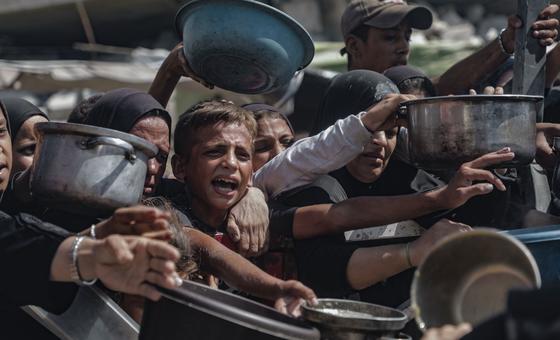
Military activities continue in and around Gaza City, but also in the south, taking a heavy toll on civilians, including deaths, injuries and further displacement,” said UN Spokesperson Stéphane Dujarric at the daily press briefing in New York: “Our colleagues report that people continue to flee, mainly towards the coast.”

More than 76,000 people have been newly displaced since mid-August, with most occurring in the north, he said, citing the latest reports from UN agencies on the ground that are monitoring population movements. More than 23,000 people were displaced from northern Gaza.

Coastal areas are also crowded with tents, forcing many people to flee from Gaza City in the north towards central areas, according to the UN humanitarian coordination agency, OCHA.

Famine response: ‘We can do this again’

Daily reports of malnutrition deaths continue, the UN Spokesperson said. Since the start of the nearly two-year-long war, more than 300 people, including many children, have died of malnutrition in the Strip, according to local authorities.

The World Food Programme (WFP) reported that the situation “continues to deteriorate”, the UN Spokesperson added, adding that families without able-bodied members to fetch food are facing the highest risks.

As such, the UN agency resumed last week its distribution system of digital vouchers, reaching 22,000 people, including vulnerable groups, following a five-month pause.

“We and our partners are continuing to transport aid and other medical supplies to and from the crossings [into Gaza], but the current situations on the ground have not yet allowed us to resume community-based distribution,” Mr. Dujarric said. “Only a ceasefire will ensure necessary conditions for a massive response to prevent famine from spreading further.”

During the previous ceasefire from January to March, he said “we reached nearly every single person in the Gaza Strip with lifesaving aid, and we can do this again.”

Obstacles delay urgent aid deliveries

WFP said obstacles include supply shortages and violent unrest around convoys which is making distributions “nearly impossible”.

According to the UN humanitarian agency, the movement of aid teams inside Gaza remains heavily restricted. OCHA also reported that about one in three planned missions were “impeded or outright denied by Israeli authorities” between Friday and Monday, the UN Spokesperson said.

As a result, many missions could not be completed, he said, also noting that strict Israeli inspections continue to significantly delay aid clearance at Ashdod Port.

Visas for top Palestinian officials blocked

News reports indicated that the United States announced last week that it would not issue visas to senior Palestinian leaders ahead of the high-level General Assembly meetings later this month at UN Headquarters in New York.

That includes a conference on 22 September where Heads of State and Government are expected to endorse a political declaration adopted by leaders attending an international conference in late July, endorsing the two-State solution.

Responding to a reporter’s question on the matter, Mr. Dujarric said “the participation of a senior Palestinian delegation to the conference is essential.”

UNRWA chief levels charge of ‘scholasticide’

Philippe Lazzarini, Commissioner-General of the UN agency for Palestine refugees, UNRWA, raised alarms at what would have been the start to the school year for more than 600,000 children in Gaza.

Gaza is in ruins; so is its education system,” he said in a statement on Monday. “Instead of going back to school, like most children around the world, around 660,000 girls and boys in Gaza will be sifting through the rubble, desperate, hungry, traumatised and mostly bereaved.”

The longer they stay out of school with their trauma, the higher the risk they become “a lost generation, sowing the seeds for more hatred and violence”, the UNRWA chief warned.

“Ceasefire is the only way forward to reverse the famine and the ‘scholasticide’ hitting the children of Gaza,” he said.

Source link

World News in Brief: More deaths in Ukraine, lengthy detentions in Egypt, AI governance, US postal tariffs

Since Friday, 11 civilians have been killed and more than 90 wounded, according to the authorities. Schools and energy infrastructure also were damaged.

The Donetsk region in eastern Ukraine was the most affected, with the town of Kostiantynivka particularly hard hit. 

Six other regions – Sumy, Kharkiv, Kherson, Mykolaiv, Dnipro and Zaporizhzhia – were also impacted, with homes, schools, ambulances and power infrastructure in front-line areas sustaining damage.

In response, aid organizations have distributed repair materials, hot meals and drinks, in addition to providing psychological support.

Families on the run

Meanwhile, humanitarians continue to support people fleeing hostilities in the Donetsk and Dnipro regions.

OCHA said over 2,000 people, many of them children, were evacuated from Donetsk between Friday and Monday. 

“With growing pressure on the transit site in the town of Pavlohrad, authorities and aid organizations opened new facilities in the village of Voloske, Dnipro region, and the town of Lozova, Kharkiv region,” the agency said.

Evacuees receive medical and psychosocial support, hot meals, water and hygiene supplies, and can register for cash assistance before moving on to safer areas. 

At the same time, humanitarians are also supporting arrivals in other parts of Ukraine.

Egypt urged to end ‘rotation’ detention practice targeting Government critics

The UN human rights office, OHCHR, called on Tuesday for Egypt to end a practice known as “rotation” which allows Government critics to be held arbitrarily and for prolonged periods even after serving their sentences or completing maximum pre-trial detention.

Human rights defenders, activists, lawyers, journalists, peaceful protesters and political opponents are among those who have been targeted.

The latest case concerns poet Galal El-Behairy, who was arbitrarily detained after completing a prison term on 31 July 2021 for writing songs and poetry critical of the Government. 

He has since faced similar charges in two different cases under the counter-terrorism law and the penal code. The latest charges were brought on 19 August 2025, extending his detention for at least 15 more days.

Suppressing critical voices

Rotation “has become a tool by which the Egyptian Government represses those perceived to be critical of its policies,” OHCHR Spokesman Thameen Al-Kheetan told journalists in Geneva.

“Most of those targeted by ‘rotation’ should not have been detained or jailed in the first place, as the charges brought against them are often related to the exercise of their legitimate rights to freedom of expression and peaceful assembly,” he said.

OHCHR urged the Egyptian authorities to immediately end the practice and release all those who have been subjected to it. 

UN announces two new mechanisms to promote cooperation on AI governance

The UN Secretary-General welcomed the General Assembly’s decision on Tuesday to establish two new mechanisms to promote international cooperation on the governance of artificial intelligence (AI).

The establishment of the UN Independent International Scientific Panel on AI and the Global Dialogue on AI Governance marks a significant step forward in global efforts to harness the benefits of the technology while addressing its risks.  

The development underlines commitment by Member States to build on the Global Digital Compact adopted as part of the Pact for the Future last September, UN Spokesperson Stéphane Dujarric told journalists in New York.

Fostering inclusion, informing decision-making

He said the Global Dialogue will provide an inclusive platform within the UN for States and stakeholders to discuss the critical issues concerning AI facing humanity today.

The Scientific Panel will serve as a crucial bridge between cutting-edge AI research and policymaking, he added.

“By providing rigorous, independent scientific assessments, it will help the international community to anticipate emerging challenges and make informed decisions about how we govern this transformative technology,” he explained.

The Secretary-General will soon launch an open call for nominations for the Scientific Panel, which will present its annual reports at the Global Dialogue on AI Governance to take place in July 2026 in Geneva and 2027 in New York.

In the interim, all stakeholders are urged “to support this historic initiative and contribute to building a future where artificial intelligence serves the common good of all humanity.”

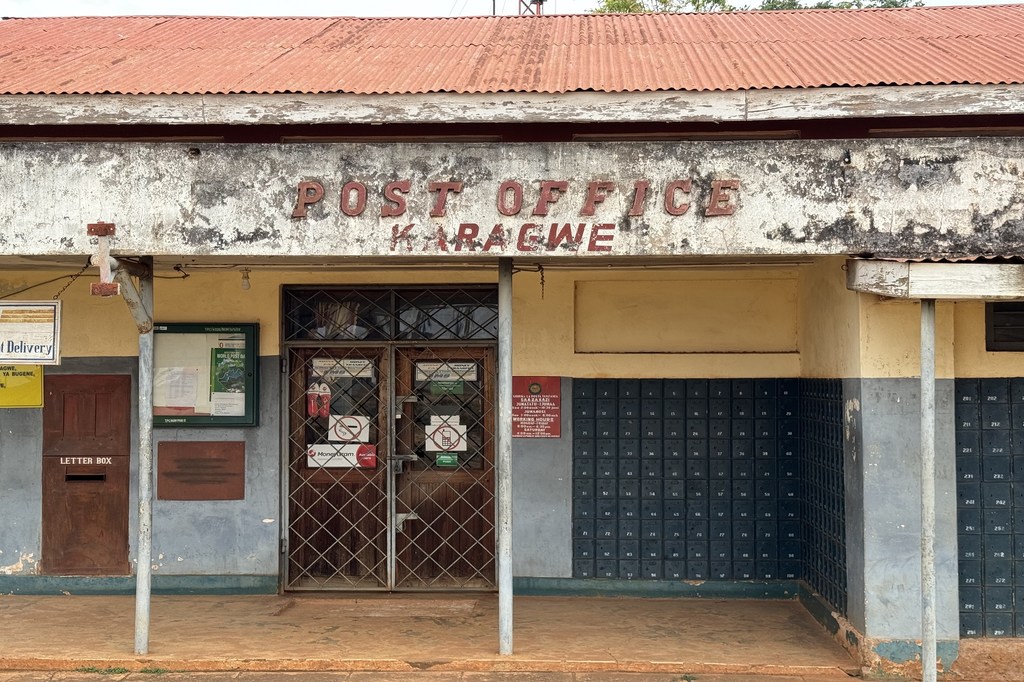
This post office was officially opened on 4 September 1981 in Karagwe District, Kagera Region in Tanzania

UN postal agency striving to keep packages moving ahead of US duty-free deadline

The UN postal agency says it is taking all possible measures to keep packages flowing to the United States after dozens of countries suspended service. 

“Maintaining the trust of the billions of people served by the postal network is our top priority,” said Universal Postal Union (UPU) Director General Masahiko Metoki. 

Starting on 29 August, the US announced that it will suspend duty-free “de minimis” measures for low-value packages.  

That means packages worth less than $800 will no longer be exempt from customs duties and may require new processing requirements. There is no impact on letters. 

A big change

The UPU noted that while each country has the sovereign right to adopt its own customs policies, the change “will entail considerable operational changes for postal operators around the world” – given the short notice. 

Postal services in at least 25 countries have suspended their outbound postal services to the US, citing uncertainties related to transit, according to the UPU. 

The UN agency says it is working to help countries adjust to new customs duty collection and remittance process and is in contact with the US Government to develop practical solutions.   

Source link

Malnutrition deaths mark ‘latest in the war on children’ in Gaza: UNRWA chief

These young deaths are “the latest in the war on children and childhood in Gaza,” Philippe Lazzarini, head of UN Palestine refugee agency UNRWA, said in a tweet on Wednesday.

The toll also includes some 40,00 boys and girls reported killed or injured due to bombardment and airstrikes, at least 17,000 unaccompanied and separated children, and one million deeply traumatised youngsters who are not getting an education. 

“Children are children,” he said.

 “No one should stay silent when children die, or are brutally deprived of a future, wherever these children are, including in Gaza.”

A sombre reunion

Thousands of sick children in Gaza need urgent medical evacuation, according to UN aid coordination office OCHA.

Olga Cherevko, a spokesperson for the agency, recalled the moment she recognized a young girl requiring treatment in a Gaza hospital after a year’s interval, once again suffering from malnourishment.

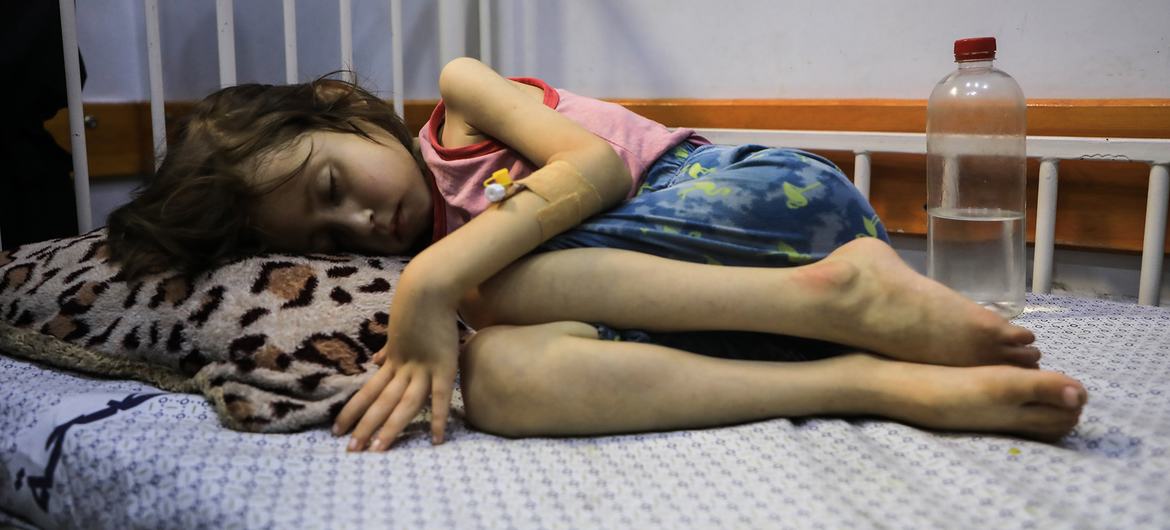
“I remembered her long eyelashes,” the veteran humanitarian told UN News, describing seven-year-old Janah, who she came across at Gaza City’s Patient Friendly Hospital on Tuesday.

“The first time I met her was in the IMC Field Hospital in southern Gaza in April 2024. Back then, she was severely malnourished and was getting treatment. And she gradually became better and was released eventually and went home.”

Seven-year-old Janah is treated at Gaza City’s Patient Friendly Hospital.

Evacuation saves lives

However, Janah was now back in hospital “because the malnutrition became aggravated and the condition that she has also is not properly diagnosed and cannot be properly diagnosed.” 

The girl is on a list of people to be medically evacuated for treatment outside Gaza.  The most recent evacuations took place last week when the World Health Organization (WHO) supported the transfer of 15 critically ill children to Jordan, but more than 14,800 people are still waiting.

Ms. Cherevko stressed the importance of ensuring that evacuations continue to save as many lives as possible.

More aid needed

She also pointed out that for children and adults with pre-existing conditions, their situation becomes worse with malnutrition.

“It wouldn’t be this way if they had proper nutrition, because these conditions existed before the starvation crisis and they weren’t getting as sick as they are now,” she said.

“This is why it’s imperative to make sure that we have proper conditions on the ground for adequate volumes of supplies to be entering – everything from food to medicine to nutrition to shelter,” she continued. 

“And these lifelines have to be really enabled for us to be able to deliver this aid to the people in need.” 

Source link

Gaza: Guterres urges probe into killing of journalists, as child malnutrition deaths rise

The reporters – five of whom worked for the Al Jazeera media network – were killed in a targeted Israeli strike in Gaza City the previous day. 

These latest killings highlight the extreme risks journalists continue to face when covering the ongoing war,” UN Spokesperson Stéphane Dujarric said during his regular media briefing from New York.

“The Secretary-General calls for an independent and impartial investigation into these latest killings.” 

Respect the press

Mr. Dujarric pointed out that at least 242 journalists have been killed in Gaza since the war began nearly three years ago.

“The Secretary-General underscores that journalists and media workers must be respected, they must be protected and they must be allowed to carry out their work freely, free from fear and free from harassment,” he said.

© UNICEF/Mohammed Nateel

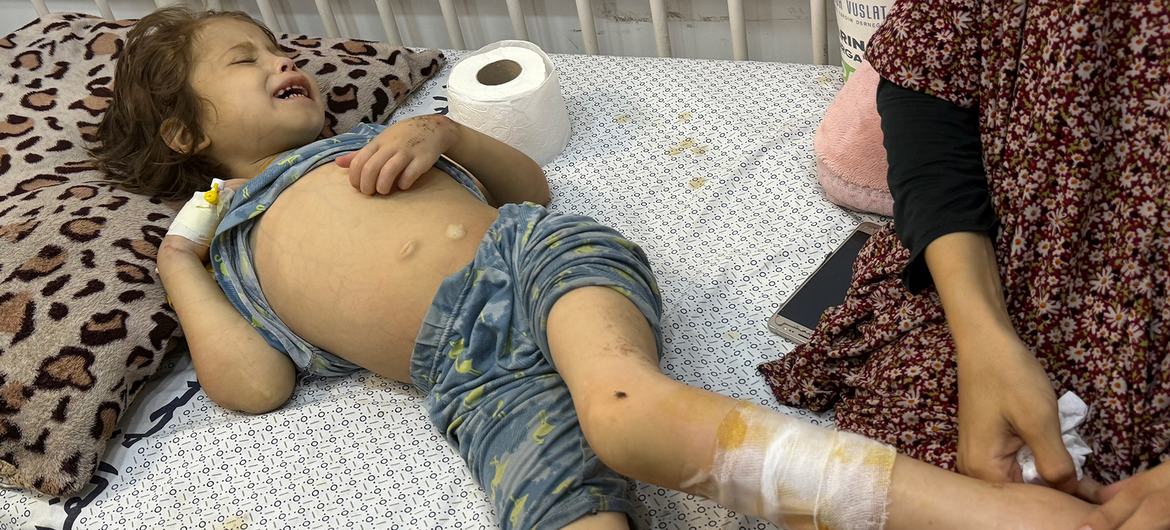
A child suffering from malnutrition lies on a bed in the Patient Society Hospital in Gaza City.

Hungry children dying

Meanwhile, the number of children in Gaza who have died from malnutrition since October 2023 has surpassed 100, according to the Gazan health authorities, the UN aid coordination office, OCHA, said in an update.

More than a third of the population is not eating for days at a time, according to the UN World Food Population (WFP).  Furthermore, acute malnutrition is spiking, with over 300,000 children at severe risk.

This comes amidst a recent warning by the UN Food and Agriculture Organization (FAO) that a mere 1.5 per cent of cropland in the enclave remains both accessible and undamaged, “signaling a near-total collapse of the local production of food.”

Aid taken from trucks

On the aid front, the UN and its partners collected food and hygiene kits from the Kerem Shalom/Karem Abu Salem border crossing on Wednesday.

“However, supplies were offloaded directly from these trucks before reaching their destination, given the extreme desperation pervasive in Gaza today,” OCHA said.

The agency stressed that people there “need a predictable lifeline – not a trickle of aid – so they do not feel they need to take desperate measures to survive.”

WFP said that just to cover basic humanitarian food assistance needs, more than 62,000 metric tonnes are required to enter Gaza every month, and so far, humanitarians have not been permitted to bring in enough supplies to support the population. 

Fuel shortages continue

Humanitarians also collected fuel from the Kerem Shalom crossing on Wednesday. Israel is allowing, on average, the entry of about 150,000 litres of fuel daily, which is still far below the minimum required. As a result, life-saving operations continue to be at risk.

The Palestine Civil Defence organization has warned that more than half of their ambulances have stopped operating across Gaza due to the shortage of both fuel and spare parts. 

“Israeli authorities must allow aid to enter through all crossings and via all available corridors so that humanitarians can deliver – at scale, in a safe and dignified manner – to reach the most vulnerable, including women, children and older people,” OCHA said. 

Source link

Aid blockade deepens Gaza crisis as malnutrition deaths rise, warns UNRWA

“For over 150 days, not a single truck from UNRWA has been permitted to deliver food, medicine or other essentials into Gaza,” the agency said on Friday. “This denial of access is costing lives every single day.”

Nearly 100 children dead from malnutrition

According to Gaza’s Ministry of Health, cited by the UN, at least 61,158 Palestinians have been killed and more than 151,000 injured since October, amid relentless Israeli bombardment and ground operations.

UNRWA said nearly 350 of its own staff are among the dead since Israel’s military operation in Gaza began following the 7 October 2023 Hamas-led terror attacks.

Many civilians have been killed while sheltering in schools or tents, or while queuing for food.

Food insecurity is now acute. UN data show 193 people — including 96 children — have died from malnutrition since the start of August, with July seeing the highest monthly rate of acute malnutrition recorded in children under five.

Soaring prices

Wheat flour prices have soared by up to 15,000 per cent compared to pre-war levels. “Sustained, large-scale deliveries are the only way to stabilise food supplies and prices,” UNRWA stressed.

Health services are close to collapse. More than half of essential medical supplies are already out of stock, and hospitals have been forced to ration fuel for generators. UNRWA teams have nevertheless managed over 1.5 million health consultations since March, but “without resupply, our ability to save lives is dwindling,” the agency warned.

Vast scale of displacement

Displacement is on a vast scale: 1.9 million people — around 90 per cent of Gaza’s population — have been forced from their homes, many repeatedly. Nearly 100,000 are crammed into over 60 UNRWA-run shelters.

In the northern Israeli-occupied West Bank, around 30,000 people from Nur Shams, Tulkarm and Jenin refugee camps remain unable to return home due to Israel’s “Iron Wall” military operation, ongoing since January.

The agency urged immediate, unhindered humanitarian access. “We need the world to act — to open the crossings, to stop the suffering, and to uphold the most basic principles of humanity,” it said.

The UN Security Council is due to meet in New York in emergency session on Sunday morning local time to discuss the Israeli cabinet’s endorsement of a military takeover of Gaza City which is home to around one million Palestinians.

World News in Brief: Child deaths in Pakistan, Ukrainian rail station attack, new UN-India development partnership

The children picked up the unexploded ordnance in a nearby field, mistaking it for a toy, and brought it back to their village where it later detonated, UNICEF said.

The ordnance is likely one of the many unexploded shells left over from the military clashes between Pakistan and India in May, according to news reports.

Extending condolences to those affected, the agency stressed that “no child should fall victim to landmines or unexploded ordnance.”

The organization denounced the presence of explosive remnants of war, as they continue to pose deadly risks to children and communities in conflict zones – and former conflict areas – worldwide. 

Ordnance risk education

Since January, UNICEF has collaborated with the Government to educate 9,500 children on the risks posed by leftover munitions in the Khyber Pakhtunkhwa province.

The agency called on Pakistan to increase support for lifesaving explosive ordnance risk education.  

Five dead in attack on Ukrainian rail station

Amid a wave of record civilian casualties, an overnight strike early Tuesday on a railway station in the city of Lozova, in Ukraine’s frontline Kharkiv region, killed five civilians and workers, injuring several others.

According to a social media post from the UN humanitarian aid agency (OCHA) in Ukraine, the railway station was heavily damaged, and surrounding homes were also affected.

According to news reports, the attack triggered fires across the city and disrupted rail traffic in Lozova, a strategically important transport hub.

Emergency assistance is ongoing, with aid workers on site providing emergency repair materials and psychological support.

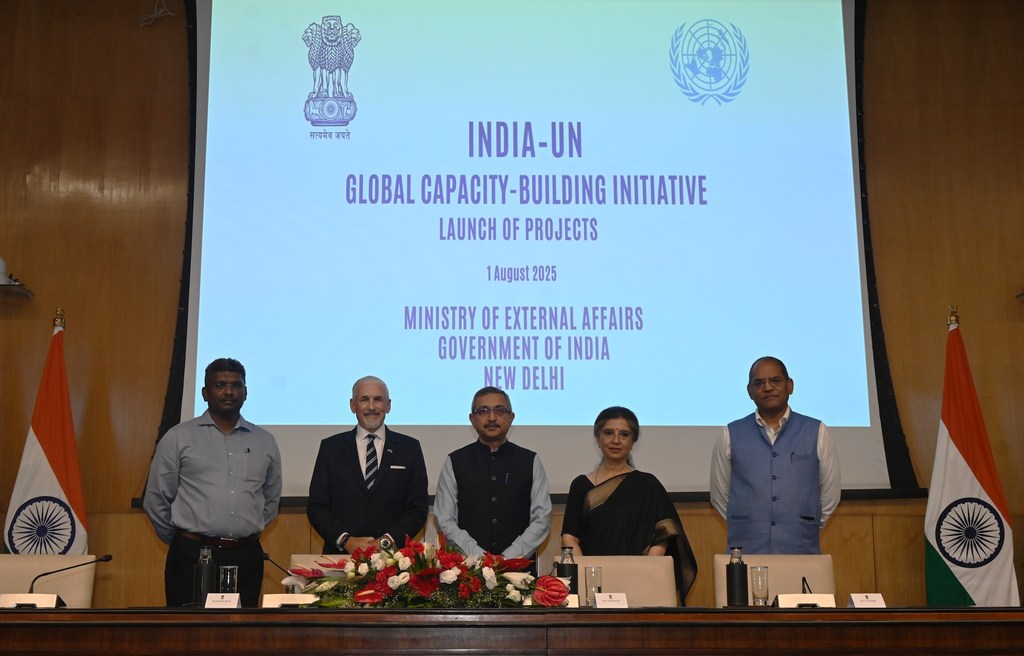
UN-India partnership launches SDG projects across Global South

At Tuesday’s daily press briefing in New York, UN Deputy Spokesperson Farhan Haq highlighted the launch of a new UN-India partnership to facilitate cooperation across the Global South and advance the Sustainable Development Goals (SDGs).

The UN-India Global Capacity-Building Initiative, will showcase successful innovations to countries across the Global South, tailored to national priorities.

The Gates Foundation and the Indian Technical and Economic Cooperation (ITEC) programme are also supporting the projects, which will be implemented with national partners in the Caribbean, Laos, Nepal, South Sudan and Zambia.

The projects aim to enhance digital health, food security, census preparedness and vocational skills training.  

India and UN join forces for South-South Cooperation to accelerate the SDGs.

Source link

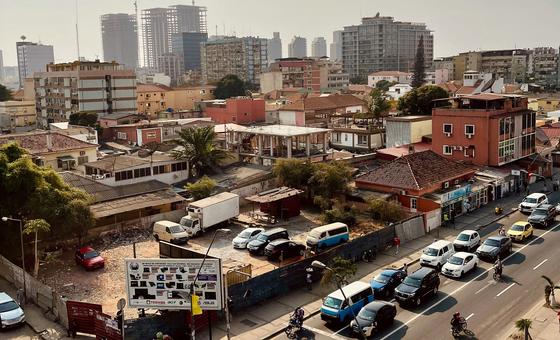
Angola protests: UN urges restraint, investigations into deaths

The Office of the UN High Commissioner for Human Rights (OHCHR) on Thursday urged Angolan authorities to conduct prompt, thorough and independent investigations into the deaths as well as the reported use of excessive force during the demonstrations.

Unverified footage suggests that security forces used live ammunition and tear gas to disperse protesters, which points to an unnecessary and disproportionate use of force,” OHCHR spokesperson Thameen Al-Kheetan said.

He added that while some demonstrators resorted to violence and looting, any force used by authorities must comply with international human rights standards.

Any individuals who may have been arbitrarily detained must be immediately released.

Rapid escalation in situation

The protests began on Monday as a strike by minibus taxi drivers over a one-third rise in diesel prices, part of a government effort to reduce fuel subsidies. According to media reports, the demonstrations quickly spread, becoming one of Angola’s most disruptive protest waves in recent years.

Government officials reported that at least one police officer was among those killed. Nearly 200 people are said to have been injured and shops and vehicles reportedly vandalised, mostly in the capital, Luanda.

Sporadic gunfire was also reported in parts of the city earlier in the week, and emergency services were overwhelmed. Many businesses remained shuttered Thursday, and hospitals reportedly struggled to cope with the number of casualties.

Ensure rights protection

OHCHR emphasised that while authorities have a responsibility to maintain public order, they must do so in a way that protects human rights.

All protesters taking to the streets to express their opinions should do so peacefully,” said Mr. Al-Kheetan. “All human rights violations must be investigated and those responsible held accountable.

The UN rights office also reiterated the importance of safeguarding fundamental freedoms, including the rights to life, expression and peaceful assembly, in any law enforcement response.

Source link

World News in Brief: Cambodia-Thailand ceasefire, bloody weekend in Ukraine, stop hepatitis deaths

The deal was announced on Monday by Malaysia’s Prime Minister Anwar Ibrahim, current chair of the Southeast Asian bloc ASEAN, and was due to take effect at midnight local time.

The clashes, which began on 24 July, reportedly displaced more than 130,000 people in Thailand and over 4,000 in Cambodia, UN aid partners said last week.

Nearly 40 people were killed and some 200 injured, according to media reports, which cited Thai and Cambodian sources

The UN Security Council met behind closed doors on Friday afternoon to discuss the crisis, which goes back decades.

‘A positive step’

The Secretary-General hailed the ceasefire “as a positive step towards ending current hostilities and easing tensions,” UN Deputy Spokesperson Farhan Haq said in a statement.

The UN chief urged both countries “to respect the agreement fully and to create an environment conducive to addressing long-standing issues and achieving lasting peace.

He commended Malaysia, the current ASEAN Chair, as well as the United States and China, for their dedicated efforts towards the peaceful resolution of the situation.

Media reports said Prime Minister Ibrahim of Malaysia mediated talks between the sides at his official residence near the country’s capital, Kuala Lumpur.

The statement concluded by underlining that the UN stands ready to support efforts aimed at promoting peace and stability in the region.

Ukraine: 20 dead and 120 injured in weekend attacks

Since Friday, at least 20 people were killed and a further 120 injured in Ukraine as attacks continued to devastate the country, the UN Office for the Coordination of Humanitarian Affairs (OCHA) said on Monday.

The most severe attacks occurred in the Sumy region where a civilian bus was hit, killing three women over the age of 65 and injuring 19 more. Sumy also experienced electricity outages as a result of the attacks. 

These attacks come in the midst of a three-year high for civilian casualties, with 6,574 killed in the first half of 2025 and 5,000 long-range munitions launched by Russia in July alone. 

Civilian structures damaged

Residential buildings, shops and schools were hit across the border region this weekend, damaging structures which civilians rely upon for their livelihoods. A hospital in Kharkiv was also struck on Friday, the World Health Organization (WHO) said. 

To support families and people impacted by the attacks, aid workers delivered assistance in the form of shelter materials and psychosocial support. They also helped with repairs to some structures. 

“Aid workers continue to coordinate with local organizations to support the most vulnerable people in the Sumy region,” UN Deputy Spokesperson Farhan Haq told journalists at Headquarters in New York.

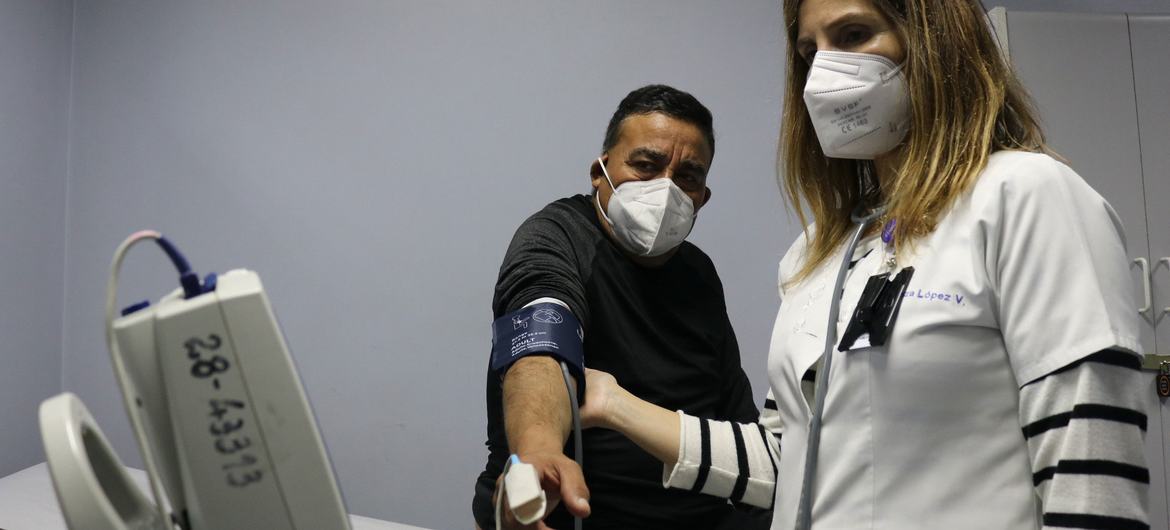
In Chile, new hepatitis treatments mean around 98 per cent of patients recover completely.

UN health agency calls for urgent action on hepatitis

The World Health Organization (WHO) is urging governments and partners to step up efforts to eliminate viral hepatitis as a public health threat and reduce liver cancer deaths.

The UN agency issued the appeal on Monday, World Hepatitis Day.

“Every 30 seconds, someone dies from a hepatitis-related severe liver disease or liver cancer. Yet we have the tools to stop hepatitis”, said WHO Director-General Tedros Adhanom Ghebreyesus.

Viral hepatitis – types A, B, C, D and E – are the main causes of acute liver infections, but only hepatitis B, C and D can lead to chronic disease, significantly increasing the risk of cirrhosis, liver failure and liver cancer.

However, most people with hepatitis are unaware that they are infected. Types B, C, and D affect over 300 million people globally and cause more than 1.3 million deaths each year, mainly from liver cirrhosis and cancer.

Break down the barriers

World Hepatitis Day is observed annually on 28 July. This year’s theme, Let’s Break It Down, calls for urgent action to dismantle the financial, social and systemic barriers that stand in the way of hepatitis elimination and liver cancer prevention.

Last month, the International Agency for Research on Cancer (IARC) – a specialized branch of WHO – classified hepatitis D as a human carcinogen, along with types B and C. 

Hepatitis D, which only develops in people already infected with hepatitis B, increases the risk of liver cancer two to six times compared with hepatitis B alone. 

WHO said the disease’s reclassification “marks a critical step in global efforts to raise awareness, improve screening, and expand access to new treatments for hepatitis D.”

Oral treatment can cure hepatitis C in two to three months and effectively suppress hepatitis B with lifelong therapy, the agency said.

Although treatment options for hepatitis D continue to evolve, reducing the incidence of cirrhosis and liver cancer will only occur with significant expansion and deepening of vaccination, testing, and treatment programmes. 

Source link

Gaza: More deaths reported as starvation spreads

In an update on Friday, OCHA said that the starvation crisis is deepening across the enclave, with the local health authorities announcing that two more people had died from starvation the previous day.

Hunger and malnutrition increase the risk of illnesses that weaken the immune system, particularly among women, children, older people and persons with disabilities or chronic diseases, with deadly consequences. 

Food scarcity also impacts pregnant and breastfeeding women, increasing the risk of their babies being born with health complications and affecting mothers’ ability to breastfeed. 

Aid constrictions

The small trickle of supplies making it into the Strip is nowhere near adequate to address the immense needs as Israeli authorities continue to impose constraints on humanitarians and hamper their response. 

Out of 15 attempts to coordinate humanitarian movements inside Gaza on Thursday, four were outright denied, three were impeded, one was postponed and two others had to be cancelled by the organisers, with only five missions facilitated.

Even though the limited amount of fuel received yesterday was fully allocated to community kitchens, healthcare and water and sanitation facilities, the fuel shortage continues as the quantities entering Gaza remain insufficient to maintain essential facilities.

UN preparations

Despite severe constraints, UN teams are prepared to ramp up aid delivery and address these severe needs as soon as they are allowed to do so. 

For the UN to accelerate the delivery of food aid, health services, clean water and waste management, nutrition supplies and shelter materials, Israel must open its crossings, allow fuel and equipment in and permit humanitarian staff to operate safely.

The Under-Secretary-General for Humanitarian Affairs, Tom Fletcher, said in a social media post on Thursday that “we must save as many lives as we can – and we have a plan.” 

The plan he shared with Member States outlines the necessary steps to stop the horror and alleviate constraints on humanitarian operations. 

Mr. Fletcher has also written to the head of the Gaza Humanitarian Foundation (GHF), the aid distribution model backed by Israel and the United States, reiterating that the UN is ready to engage with any partner to provide desperately needed humanitarian aid to Gaza.

He stressed that any such partnership must adhere to the globally accepted principles of humanity, impartiality neutrality and independence, with aid going where needs are greatest and without discrimination and that humanitarians answer to civilians in need, not the warring parties. 

Mr. Fletcher also said that he welcomes dialogue on how to reach as many people as possible to alleviate suffering without causing harm. 

Humanitarians report more deaths, displacement and desperation in Gaza

“Every day brings more preventable deaths, displacement and desperation,” the agency said in a humanitarian update.

On Friday, Israeli authorities issued another displacement order, this time for parts of North Gaza.

OCHA said it continues to receive deeply troubling reports of malnourished children and adults being admitted to hospitals with insufficient resources available to treat them.

Fuel crisis deepens

The energy crisis in Gaza is also deepening, despite the resumption of limited fuel imports as the quantities that are entering – while critical for continuity – “remain at lower levels than what we were previously able to extract from dwindling internal reserves, which have now been fully depleted”.

The situation has forced solid waste collection to be paused in recent days, and additional wells have had to shut down, particularly in Deir Al-Balah.

“While specific health services, including dialysis, have reduced or shut down, others could go on for a few more days before they too will have to go dark,” OCHA warned.

“With every day that passes, people have less clean water and healthcare and more sewage flooding ground floors.”

Since the limited entry of fuel entry supplies resumed on 9 July, the UN has managed to send just over 600,000 litres of diesel to Kerem Shalom. On Thursday,

it was able to send 35,000 litres of much-needed benzene for the first time.

OCHA said these volumes are limited because Israel has allowed only 14 trucks over the past week. 

The agency stressed that to maintain lifesaving operations, hundreds of thousands of litres of fuel are needed every day. The limited fuel currently entering is primarily allocated to health, water and communications services as well as to power vehicles.

Humanitarian movements curtailed

Humanitarian movements inside Gaza also continue to be restricted.

On Thursday, seven out of 13 attempts to coordinate the movement of aid workers and supplies with the Israeli authorities were facilitated.

Teams were able to retrieve some fuel, collect some water, relocate generators, provide supplies related to hygiene and sanitation and transfer much-needed medical supplies.

The six remaining attempts were either outright denied or approved initially, but then faced obstacles on the ground.

End international media ban

Meanwhile, the head of the UN Palestine refugee agency UNRWA called on Friday for the ban on international media entering Gaza to be lifted.

“650 days of atrocities against civilians with no international media allowed in,” Philippe Lazzarini wrote in social media post, adding that over 200 Palestinian journalists have been killed during this time.

“Media ban fuels dis-information campaigns questioning first-hand data and accounts from eyewitnesses and international humanitarian organizations,” he said.

Source link

World News in Brief: Haiti funding cuts bite, civilian suffering intensifies in Myanmar, Belarus deaths in custody alert

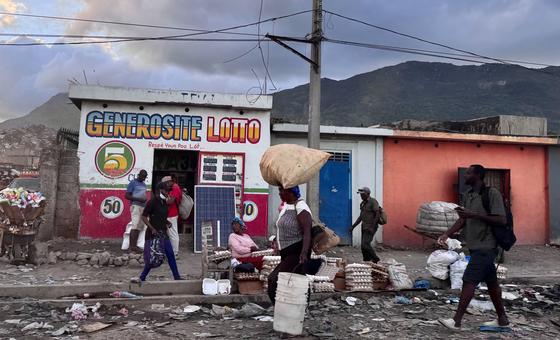
Ongoing violence is compounding the country’s food crisis, disrupting local food production in critical areas such as the commune of Kenscoff and the Artibonite department, often considered the breadbaskets of Haiti.

While the UN and its partners are responding “wherever and whenever possible,” UN Spokesperson Stéphane Dujarric said this Wednesday that humanitarians have only been able to reach 38 per cent of the population they aim to support.

Multiple roadblocks

“This is due to ongoing violence and insecurity, severe underfunding of the response, and the obvious access challenges,” he said.

Over halfway through the year, Haiti is the least-funded of the many humanitarian appeals that the UN coordinates – despite shortfalls for food security in the country being at extreme levels – with just over two per cent of the $425 million needed this year received to date.

Myanmar: Intensifying conflict impedes humanitarian aid

Almost four months after Myanmar’s devastating earthquake, the UN is deeply concerned over the plight of civilians caught up in the country’s devastating and continuing conflict between the military regime and opposition armed groups.

As fighting intensifies, civilians are particularly vulnerable, with increasing attacks on infrastructure.

According to reports, an air strike hit a monastery in Sagan Township in Sagaing Region on 11 July, killing 22 people and injuring at least 50 others. The monastery had been providing shelter to displaced people who had fled nearby villages.

A displacement camp in North Shan State was also reportedly hit by an airstrike over the weekend.

‘Broader pattern’

“These incidents are part of a broader pattern of attacks affecting people across Myanmar,” said Mr. Dujarric, with frequent reports of people being killed, injured or displaced by violence.

Such insecurity also impacts the ability of humanitarian teams to reach people in need: with one in three people now facing acute hunger, and the current monsoon season having caused flooding, “the UN urgently calls on all parties to respect human rights and international humanitarian law,” he said.

Belarus: Rights experts urge probe into deaths in custody of opposition activists

Top independent human rights experts called on Belarus on Wednesday to launch urgent investigations into the deaths of several people jailed for political dissent.

The experts – who are known as Special Rapporteurs – highlighted the case of 61-year-old businessman Valiantsin Shtermer. He died in May 2025 while serving his sentence in a so-called “Correctional Colony” in Šklou.

Mr. Shtermer had been jailed for making critical remarks about Russia’s full-scale invasion of Ukraine. Despite his serious medical condition, he was allegedly denied adequate care in prison.

Fifty-year-old opposition activist Vitold Ashurak meanwhile, also died shortly after being placed in an isolation in the same prison.

According to the Special Rapporteurs, Mr. Ashurak was a member of the Belarusian National Front who was jailed for violating public order during protests related to the disputed 2020 presidential elections.

We must not ignore these deaths

“These deaths must not be ignored,” said the experts, who added that there were strong grounds to believe that they resulted from abuse or neglect linked to the exercise of fundamental rights.

“It is of the utmost importance to thoroughly investigate the alleged instances of ill-treatment and neglect that resulted in the deaths of Shtermer, Ashurak, Puškin and other persons designated as political prisoners by human rights defenders,” the Human Rights Council appointed experts underscored.

“There are strong reasons to believe that these individuals lost their lives in retaliation for exercising their civil and political rights, including the rights to freedom of expression and peaceful assembly.”

The independent experts voiced concern that some opposition figures had been stigmatised and labelled as “extremists” or even “terrorists”.

Special Rapporteurs report regularly to the Human Rights Council. They are not UN staff and do not receive payment for their work.

Source link

Lifesaver: Study shows vaccine campaigns cut deaths by nearly 60 per cent

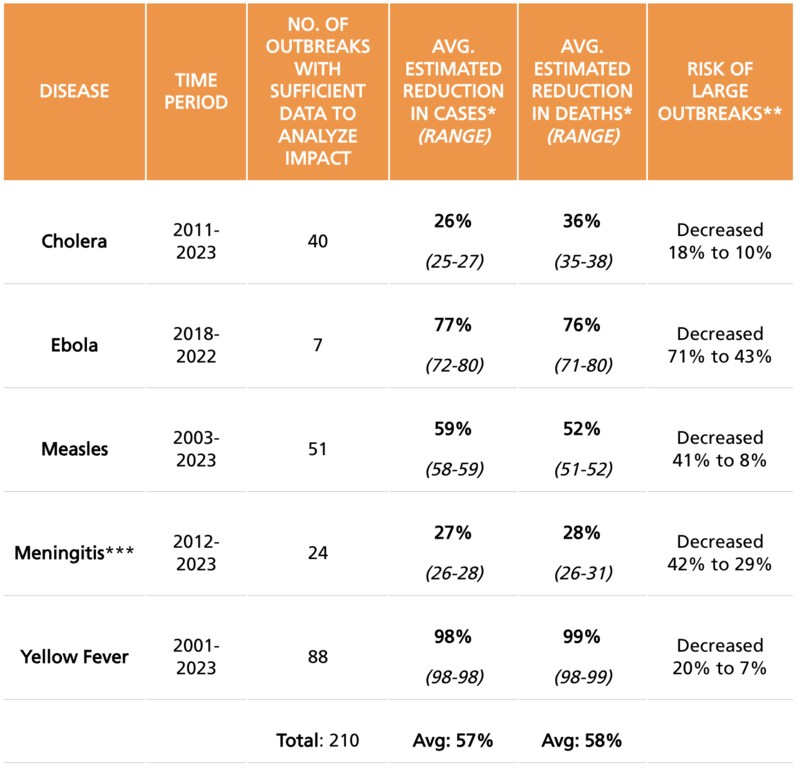
The study, conducted by Gavi, the Vaccine Alliance, in collaboration with Australia’s Burnet Institute, and published in the authoritative British Medical Journal (BMJ) Global Health, analyzed 210 outbreaks across 49 low-income countries over a 23-year period.

It found that rapid vaccine deployment during outbreaks of cholera, Ebola, measles, meningitis and yellow fever, had led to estimated reductions in illnesses and deaths of nearly 60 per cent on average.

For diseases like yellow fever and Ebola, the impact was even more dramatic: yellow fever deaths dropped by 99 per cent, while Ebola fatalities fell by 76 per cent.

The results highlight not only the effectiveness of emergency vaccination, but also the critical role of preparedness and speed in response to emerging threats.

“For the first time, we are able to comprehensively quantify the benefit, in human and economic terms, of deploying vaccines against outbreaks of some of the deadliest infectious diseases,” said Sania Nishtar, CEO of Gavi.

This study demonstrates clearly the power of vaccines as a cost-effective countermeasure to the increasing risk the world faces from outbreaks.

Gavi: A lifesaving partnership

Gavi, the Vaccine Alliance, is a unique global partnership that helps vaccinate nearly half the world’s children against deadly and debilitating diseases.

It brings together developing country and donor governments, the World Health Organization (WHO), UN Children’s Fund (UNICEF), the World Bank, the Bill & Melinda Gates Foundation and other key partners to expand access to immunisation.

Gavi also maintains global vaccine stockpiles for major diseases, managed in coordination with WHO, UNICEF, Médecins Sans Frontières (MSF), and the International Federation of Red Cross and Red Crescent Societies (IFRC).

Working in partnership with Gavi, governments and health authorities, UN agencies support vaccination campaigns in some of the most remote regions of the wrote. Pictured here, a child receives a vaccine in Solomon Islands in the Pacific.

Quantifying lives and costs saved

In addition to reducing deaths and disability-adjusted life years, emergency vaccination during the 210 outbreaks studied generated nearly $32 billion in economic benefits – from averting premature deaths and years of life lost to disability.

The study’s authors say this figure is likely a conservative estimate, as it does not include the broader social and macroeconomic impacts of major outbreaks.

For example, the 2014 Ebola outbreak in West Africa, which occurred before an approved vaccine was available, cost the region an estimated $53 billion. In contrast, later outbreaks responded to with emergency vaccines saw deaths reduced by three-quarters and the threat of regional spread dramatically lowered.

Source: Gavi/Burnet Institute study

Results by disease

Click here for details.

Disease-by-disease gains

The study provides a breakdown of vaccine effectiveness by disease.

Measles, one of the most infectious viruses known, saw cases drop by 59 per cent and deaths by 52 per cent thanks to outbreak response campaigns.

Yellow fever saw the biggest gains, with emergency vaccination nearly eliminating deaths – a 99 per cent drop.

Cholera and meningitis, which often strike communities with limited healthcare access and infrastructure, saw more modest but still meaningful reductions in cases and deaths.

Vaccinations helped reduce cholera cases and deaths by 28 per cent and 36 per cent, respectively, across 40 cholera outbreaks between 2011 and 2023. For meningitis, cases and deaths fell by 27 per cent and 28 per cent respectively, over 10 years.

Vaccines, COVID-19, and future threats

The coronavirus“>COVID-19 pandemic was a stark reminder of the value of vaccines, which saved an estimated 20 million lives globally in the first year of rollout alone, according to the respected and influential Lancet medical journal.

Yet the pandemic also disrupted routine immunisation, leading to dangerous backsliding in coverage rates for diseases like measles and polio. The Gavi study emphasizes that emergency vaccination must be paired with strong routine immunisation systems to prevent future outbreaks.

Looking ahead, Gavi’s 2026-2030 strategy includes expanding stockpiles, accelerating vaccine access for diseases like mpox and hepatitis E, and supporting preventive campaigns in high-risk regions.

Look back: COVID-19 pandemic disrupts vaccinations for children globally.

Civilian deaths in conflict are surging, warns UN human rights office

At least 48,384 individuals – mostly civilians – were killed in 2024, based on casualties recorded by OHCHR.

“Behind every statistic is a story. Behind every data point, a person,” said UN rights chief Volker Türk.

This alarming rise in civilian deaths exposes major failures to protect some of the most vulnerable in both peacetime and conflict situations, “painting a picture of a global human rights landscape in need of urgent action,” he said.

Human rights defenders

Just over 500 of those killed in 2024 were human rights defenders, with the number of journalists killed also rising by 10 per cent, comparing 2023 to 2024.

The level of targeting of human rights defenders and journalists remained alarmingly high: at least one human rights defender, journalist, or trade unionist was killed or forcibly disappeared every 14 days.

Detentions of rights defenders was most widespread in northern Africa, central, southern and western Asia. Killings were most prevalent in Latin America and the Caribbean.

Alarming rise in deaths of women and children

Violence against children and women in armed conflicts has been devastating over the past two years.

Between 2023 and 2024, approximately four times more children and women were killed in armed conflicts than during 2021–2022.

Women reported experiencing gender-based discrimination at more than twice the rate of men, and the poorest households were hardest hit, perpetuating cycles of poverty and inequality.

Discrimination does not exist in isolation,” said Mr Türk, as OHCHR’s findings revealed widespread and compounding discrimination, with nearly one in three persons with disabilities reporting having experienced discrimination, compared to fewer than one in five without disabilities.

Source link

Gaza: Strikes on houses and tents responsible for over half of deaths this week

629 Palestinians were reportedly killed over the past week, according to OHCHR in the Occupied Palestinian Territory.  

At least 358 were killed because of attacks targeting houses and tents for displaced people, with children and women accounting for at least 148 of the victims.

“The high number of strikes on shelters, in the context of the existing destruction of infrastructure in Gaza, raises grave concerns that not all strikes were targeting military objectives,” OHCHR said.

Journalists under fire

Furthermore, nine Palestinian journalists were killed last week, making it one of the deadliest for the profession since the conflict began in October 2023.

Although journalists have a deep sense of duty to their work, “they, too, are displaced, tired and hungry like the rest of the population of Gaza,” OHCHR said.

“However, it appears that in many instances, these journalists may have been deliberately targeted with the intention of limiting the flow of information on what is happening in Gaza and the scale of the impact that this war is having on civilians.”

The office said international journalists must be allowed into Gaza and their safety ensured.

Aid on the move

Meanwhile, lifesaving aid is making its way across the enclave following a nearly 80-day blockade.

UN aid coordination office OCHA confirmed that 90 trucks carrying nutrition supplies, flour, medicines and other critical stocks left the Kerem Shalom border crossing on Wednesday for multiple destinations inside Gaza.

Among the supplies were more than 500 pallets containing items such as ready-to-use therapeutic food and nutritional supplements which were offloaded at a warehouse in Deir Al-Balah belonging to the UN Children’s Fund (UNICEF).

The contents are being unpacked and repackaged into smaller loads for onward transportation to distribution points.

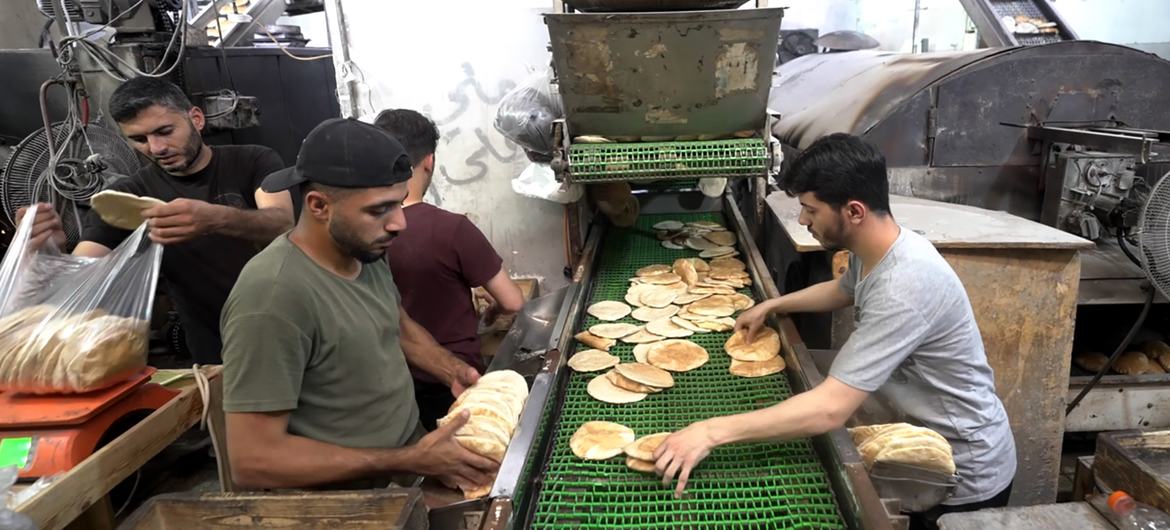
Workers pack freshly baked bread into bags for distribution at Al-Banna Bakery in Deir al-Balah, Gaza.

Famine risk persists

A handful of bakeries in south and central Gaza, supported by the UN World Food Programme (WFP), are also now operational and are back to baking bread, which is being distributed via community kitchens.

“However, after nearly 80 days of a total blockade of humanitarian assistance, families still face a high risk of famine, and far more aid is urgently needed into the Gaza Strip,” said Mr. Dujarric.

Food security experts recently warned that Gaza’s entire population, over two million people, are at risk of famine, with nearly half a million facing starvation.

Humanitarians underlined the critical need for Israel to facilitate the movement of aid convoys, including from southern Gaza into the north, so that all supplies can reach people in need wherever they are. 

“We also need to ensure the use of secure routes from Kerem Shalom onward into Gaza, as we did last night,” the Spokesperson said.

Strikes and shelling continue

Meanwhile, military operations continue across Gaza, with reports of strikes, shelling and fresh ground incursions.

The Al Awda hospital in North Gaza caught fire on Thursday, reportedly after being attacked. The medicine warehouse was heavily damaged, according to initial reports.

“Through coordination with Israeli authorities, OCHA facilitated the access of the Palestinian Civil Defense to the area, where they spent hours working to extinguish the fire,” said Mr. Dujarric.

He added that water wells in some areas of Gaza are shutting down as no fuel has been allowed in since the blockade.

“OCHA reports that Israeli authorities continue to deny our attempts to deliver fuel from areas where coordination is required,” he said. 

Healthcare under attack

The World Health Organization (WHO) warned that Israel’s intensified military operations continue to threaten Gaza’s already weakened health system. 

Four major hospitals have had to suspend medical services in the past week due to their proximity to hostilities or evacuation zones, and attacks. 

Only 19 out of 36 hospitals remain operational. Twelve provide a variety of health services, while the rest are only able to provide basic emergency care. 

WHO has recorded 28 attacks on healthcare in Gaza over the past week, and 697 attacks since October 2023. 

Source link

World News in Brief: Sudan aid update, child migrant deaths at sea, nursing shortages, invasive pest scourge

Port Sudan – the main entry point for humanitarian supplies and personnel into the country – came under attack for the ninth consecutive day. As the UN’s main humanitarian hub in Sudan, drone strikes on the coastal city have gravely impacted aid delivery.

Nonetheless, UN Humanitarian Air Service (UNHAS) flights were able to resume on 8 May, providing a continuation of a key humanitarian lifeline as the war between rival militaries for control of Sudan continues, UN Spokesperson Stéphane Dujarric confirmed.

Targeting of civilian infrastructure has sparked panic and displacement. The International Organization for Migration (IOM) reported last week that 600 people were displaced within Port Sudan alone because of the attacks.

Catastrophic situation in North Darfur

The UN Humanitarian Coordinator for Sudan, Clementine Nkweta-Salami, warned on Sunday that the situation in the North Darfur camps of Abou Shouk “is catastrophic.”

Although the UN and its partners continue to scale up their humanitarian response, both camps remain, in effect, cut off from aid.

Ms Nkweta-Salami issued an urgent call for a ceasefire and humanitarian pauses to allow life-saving deliveries to resume.

Call for action after deaths of migrant children at sea

Two young children, aged 3 and 4, have died from dehydration aboard a rubber dinghy found adrift in the central Mediterranean, the UN Children’s Fund (UNICEF) said on Monday.

The vessel, which departed Libya carrying 62 migrants including several children, had reportedly been stranded for days after its engine failed.

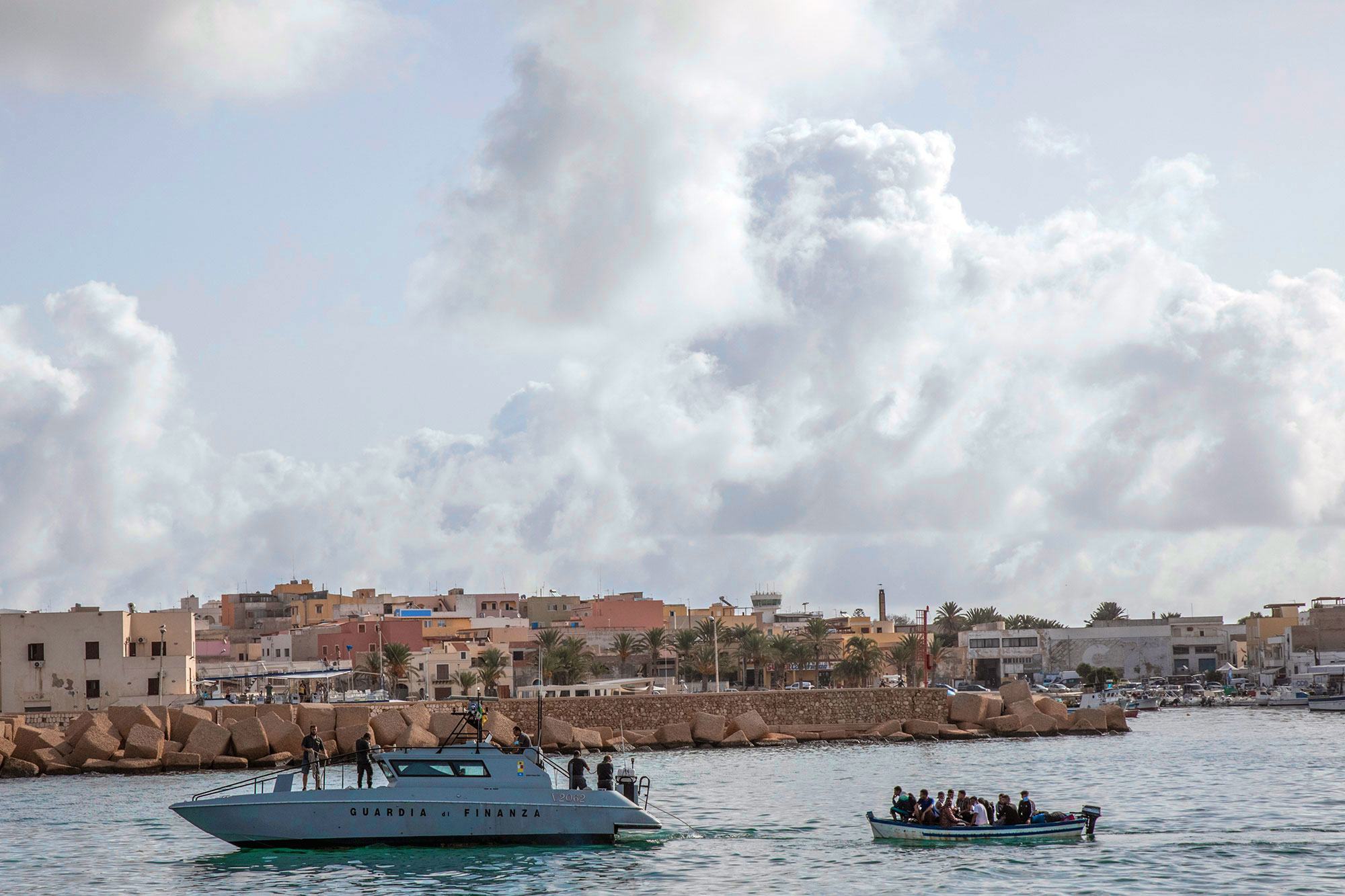
Refugees and migrants in a wooden boat are rescued near the Italian island of Lampedusa in the Mediterranean Sea.

According to survivors, the children had died nearly a day before rescuers arrived.

One additional passenger is believed to have drowned earlier in the journey. Many others onboard suffered severe chemical burns caused by contact with a mixture of seawater and spilled fuel – injuries which require urgent medical attention.

All surviving passengers were eventually rescued and transferred to Lampedusa by the Italian coast guard.

‘Devastating reminder’

Regina De Dominicis, UNICEF Regional Director for Europe and Central Asia, called the incident “another devastating reminder” of the deadly risks migrants face.

She stressed the need for coordinated search and rescue missions, and greater investment in support services for migrant families.

“The central Mediterranean remains one of the most dangerous migration routes in the world,” Ms. De Dominicis said. “Without immediate action, more lives will continue to be lost.”

UNICEF continues to call on governments to meet their obligations under international law and protect vulnerable children seeking safety.

Nursing workforce grows, but deep inequalities persist worldwide

The number of nurses around the world has increased in recent years, but a new UN report published on Monday shows that many countries and regions still face serious shortages, highlighting ongoing inequalities in access to nursing care.

Low-income countries are particularly affected, struggling with too few nurses to meet the needs of their growing populations, said the UN World Health Organization (WHO) which crunched the data.

Poor prospects at home

While these countries are training new nurses at a faster rate than wealthier nations, challenges such as rapid population growth and limited job opportunities are making it hard to close the gap, WHO added.

These imbalances in where nurses are working mean that millions still don’t have access to basic health services.

This is holding back efforts to achieve universal health coverage, protect global health, and meet international development goals linked to health.

“We cannot ignore the inequalities that mark the global nursing landscape,” said WHO Director-General Tedros Adhanom Ghebreyesus.

WHO is urging governments to create more nursing jobs and ensure they are fairly distributed, especially in communities where healthcare services are lacking.

Plant pests continue to threaten global food supplies

Protecting crops from pests is key to ensuring everyone has enough to eat, said the head of the UN Food and Agriculture Organization (FAO) on Monday, who stressed that access to food is a basic human right.

Each year, around 40 per cent of the world’s crops are lost to plant pests and diseases, causing over $220 billion in economic damage.

Invasive pests turn up the heat

Migratory pests like locusts and armyworms are among the biggest threats, especially in regions already hit hard by conflict and climate change.

Countries in the Near East and North Africa – including Algeria, Libya and Tunisia – are currently dealing with a serious outbreak of desert locusts that began in the Sahel.

These insects destroy crops and pastureland, putting food supplies for both people and animals at risk, and threatening the survival of farming communities.

“No country can face these challenges alone,” said FAO Director-General QU Dongyu, at a high-level conference in Italy marking the International Day of Plant Health.

He called for greater international cooperation and more funding to tackle cross-border pests and diseases.

Source link