The deal was announced on Monday by Malaysia’s Prime Minister Anwar Ibrahim, current chair of the Southeast Asian bloc ASEAN, and was due to take effect at midnight local time.
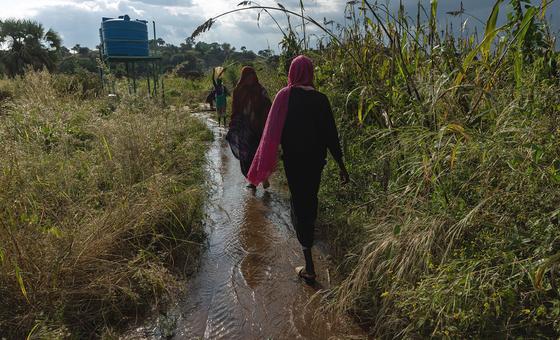
The clashes, which began on 24 July, reportedly displaced more than 130,000 people in Thailand and over 4,000 in Cambodia, UN aid partners said last week.
Nearly 40 people were killed and some 200 injured, according to media reports, which cited Thai and Cambodian sources
The UN Security Council met behind closed doors on Friday afternoon to discuss the crisis, which goes back decades.
‘A positive step’
The Secretary-General hailed the ceasefire “as a positive step towards ending current hostilities and easing tensions,” UN Deputy Spokesperson Farhan Haq said in a statement.
The UN chief urged both countries “to respect the agreement fully and to create an environment conducive to addressing long-standing issues and achieving lasting peace.
He commended Malaysia, the current ASEAN Chair, as well as the United States and China, for their dedicated efforts towards the peaceful resolution of the situation.
Media reports said Prime Minister Ibrahim of Malaysia mediated talks between the sides at his official residence near the country’s capital, Kuala Lumpur.
The statement concluded by underlining that the UN stands ready to support efforts aimed at promoting peace and stability in the region.
Ukraine: 20 dead and 120 injured in weekend attacks
Since Friday, at least 20 people were killed and a further 120 injured in Ukraine as attacks continued to devastate the country, the UN Office for the Coordination of Humanitarian Affairs (OCHA) said on Monday.
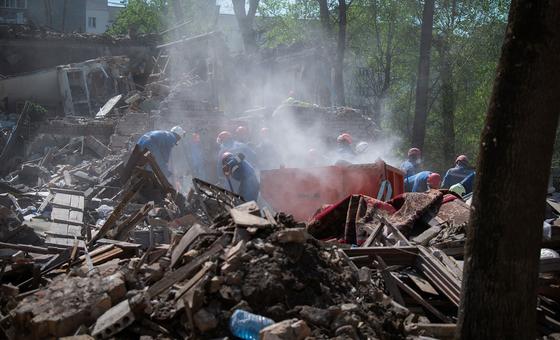
The most severe attacks occurred in the Sumy region where a civilian bus was hit, killing three women over the age of 65 and injuring 19 more. Sumy also experienced electricity outages as a result of the attacks.
These attacks come in the midst of a three-year high for civilian casualties, with 6,574 killed in the first half of 2025 and 5,000 long-range munitions launched by Russia in July alone.
Civilian structures damaged
Residential buildings, shops and schools were hit across the border region this weekend, damaging structures which civilians rely upon for their livelihoods. A hospital in Kharkiv was also struck on Friday, the World Health Organization (WHO) said.
To support families and people impacted by the attacks, aid workers delivered assistance in the form of shelter materials and psychosocial support. They also helped with repairs to some structures.
“Aid workers continue to coordinate with local organizations to support the most vulnerable people in the Sumy region,” UN Deputy Spokesperson Farhan Haq told journalists at Headquarters in New York.

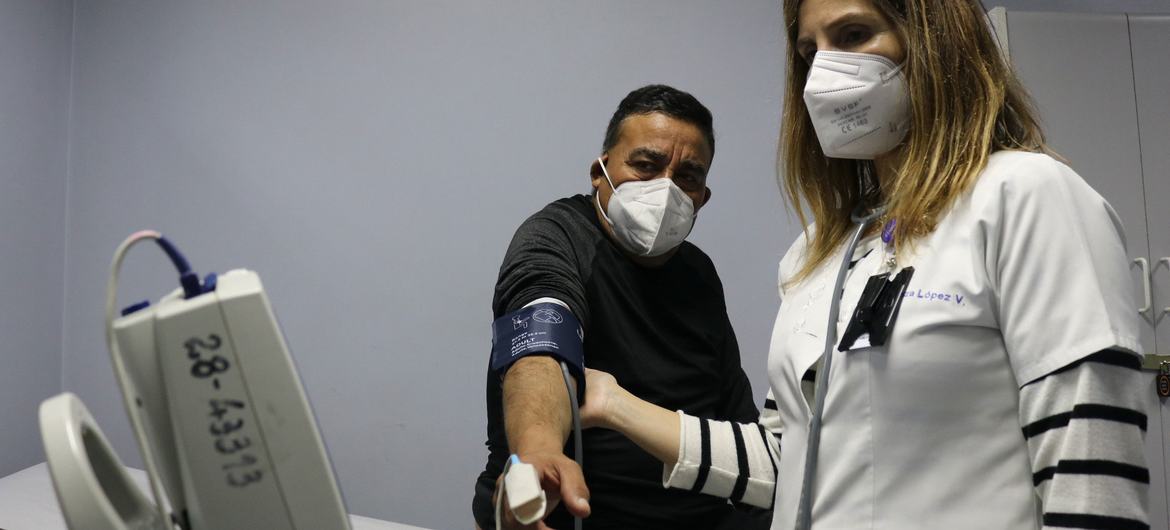
In Chile, new hepatitis treatments mean around 98 per cent of patients recover completely.
UN health agency calls for urgent action on hepatitis
The World Health Organization (WHO) is urging governments and partners to step up efforts to eliminate viral hepatitis as a public health threat and reduce liver cancer deaths.
The UN agency issued the appeal on Monday, World Hepatitis Day.
“Every 30 seconds, someone dies from a hepatitis-related severe liver disease or liver cancer. Yet we have the tools to stop hepatitis”, said WHO Director-General Tedros Adhanom Ghebreyesus.
Viral hepatitis – types A, B, C, D and E – are the main causes of acute liver infections, but only hepatitis B, C and D can lead to chronic disease, significantly increasing the risk of cirrhosis, liver failure and liver cancer.
However, most people with hepatitis are unaware that they are infected. Types B, C, and D affect over 300 million people globally and cause more than 1.3 million deaths each year, mainly from liver cirrhosis and cancer.
Break down the barriers
World Hepatitis Day is observed annually on 28 July. This year’s theme, Let’s Break It Down, calls for urgent action to dismantle the financial, social and systemic barriers that stand in the way of hepatitis elimination and liver cancer prevention.
Last month, the International Agency for Research on Cancer (IARC) – a specialized branch of WHO – classified hepatitis D as a human carcinogen, along with types B and C.
Hepatitis D, which only develops in people already infected with hepatitis B, increases the risk of liver cancer two to six times compared with hepatitis B alone.
WHO said the disease’s reclassification “marks a critical step in global efforts to raise awareness, improve screening, and expand access to new treatments for hepatitis D.”
Oral treatment can cure hepatitis C in two to three months and effectively suppress hepatitis B with lifelong therapy, the agency said.
Although treatment options for hepatitis D continue to evolve, reducing the incidence of cirrhosis and liver cancer will only occur with significant expansion and deepening of vaccination, testing, and treatment programmes.