Amid Sudan’s humanitarian crisis, Chad shows ‘act of solidarity’


That’s according to UN human rights chief Volker Türk, who had discussions with over 40 leaders of Sudanese civil society in Northern State’s capital, Dongola, this week.

“But these representatives have also found the solution,” Mr. Türk said in a video on X. “There needs to be an all-out effort, both within Sudan and by the international community to help them, to facilitate their work.”

The conflict in Sudan which erupted in 2023 between the Sudanese Armed Forces (SAF) and the armed group Rapid Support Forces (RSF) has uprooted some 9.3 million people and has brought about one of the world’s largest hunger crises.

Mr. Türk began his visit on Wednesday and is meeting with Sudanese authorities, civil society, humanitarian partners and people displaced by the conflict in Darfur and Kordofan. He will be holding two press conferences at the end of his visit on 18 January.

Chad shows ‘act of solidarity’ 

Since April 2023, more than 900,000 Sudanese refugees have arrived in eastern Chad, with new arrivals every day, the UN refugee agency (UNHCR) said on Friday.

The newly-appointed UN High Commissioner for Refugees Barham Salih visited Chad this week for the first time in this capacity, where he met with Sudanese refugee families and local authorities.

Many of the refugees he met had been displaced multiple times since the conflict began. They described years of violent attacks and human rights abuses.

“What is unfolding in Sudan is a humanitarian calamity of overwhelming scale. Chad’s generous welcome of refugees is a powerful act of solidarity,” Mr. Salih said.

From displacement to solutions 

Mr. Salih also acknowledged the host communities that have welcomed refugees despite economic hardship and environmental pressure.

He reiterated UNHCR’s readiness to work with the Government and others to facilitate economic opportunity and provide services for both refugees and the host communities.

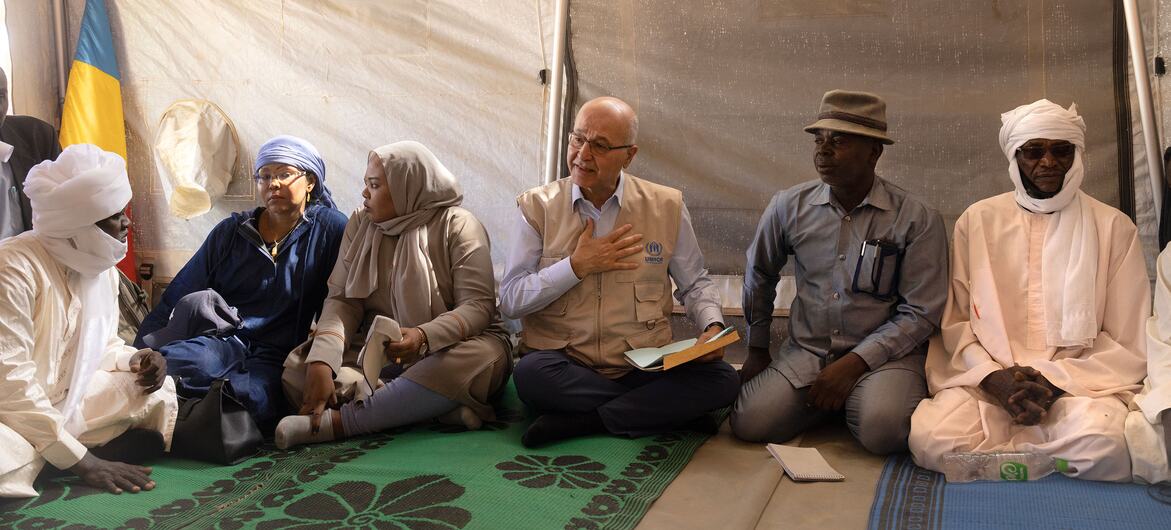
The UN Refugees chief, Barham Salih (centre), speaks with Sudanese refugees at a women’s centre in Farchana, Chad.

“Visiting Chad and Kenya this last week, both countries clearly demonstrate how, with sustained international support, inclusive policies can move us from responding to displacement emergencies towards providing solutions,” Mr. Salih emphasised.

“When refugees are protected and included, they can rebuild their lives and contribute to the societies that host them. This is what I am seeing here, and this is the direction in which we must travel.”

 

Lifesaver: Study shows vaccine campaigns cut deaths by nearly 60 per cent

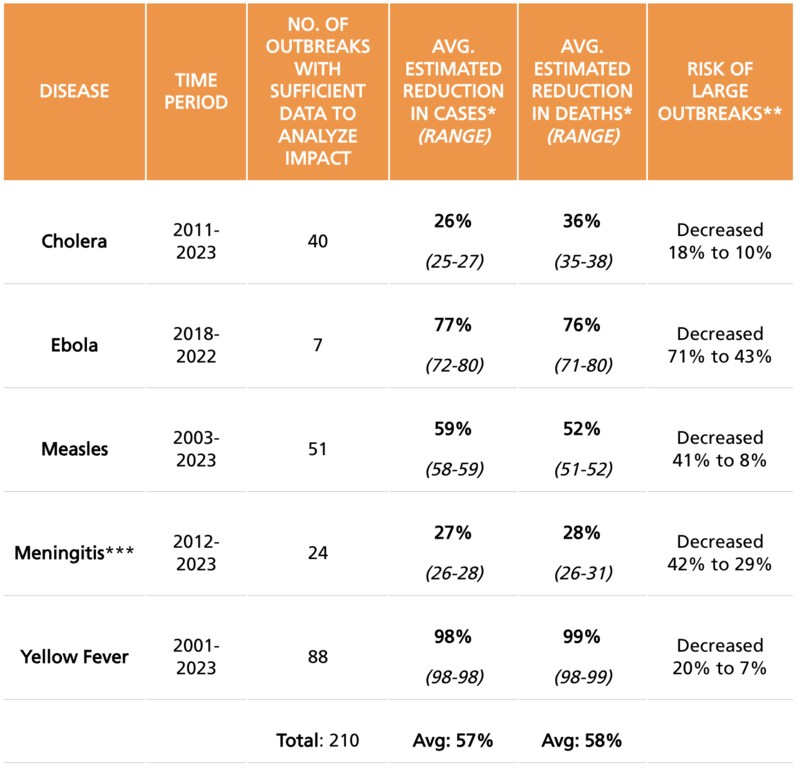
The study, conducted by Gavi, the Vaccine Alliance, in collaboration with Australia’s Burnet Institute, and published in the authoritative British Medical Journal (BMJ) Global Health, analyzed 210 outbreaks across 49 low-income countries over a 23-year period.

It found that rapid vaccine deployment during outbreaks of cholera, Ebola, measles, meningitis and yellow fever, had led to estimated reductions in illnesses and deaths of nearly 60 per cent on average.

For diseases like yellow fever and Ebola, the impact was even more dramatic: yellow fever deaths dropped by 99 per cent, while Ebola fatalities fell by 76 per cent.

The results highlight not only the effectiveness of emergency vaccination, but also the critical role of preparedness and speed in response to emerging threats.

“For the first time, we are able to comprehensively quantify the benefit, in human and economic terms, of deploying vaccines against outbreaks of some of the deadliest infectious diseases,” said Sania Nishtar, CEO of Gavi.

This study demonstrates clearly the power of vaccines as a cost-effective countermeasure to the increasing risk the world faces from outbreaks.

Gavi: A lifesaving partnership

Gavi, the Vaccine Alliance, is a unique global partnership that helps vaccinate nearly half the world’s children against deadly and debilitating diseases.

It brings together developing country and donor governments, the World Health Organization (WHO), UN Children’s Fund (UNICEF), the World Bank, the Bill & Melinda Gates Foundation and other key partners to expand access to immunisation.

Gavi also maintains global vaccine stockpiles for major diseases, managed in coordination with WHO, UNICEF, Médecins Sans Frontières (MSF), and the International Federation of Red Cross and Red Crescent Societies (IFRC).

Working in partnership with Gavi, governments and health authorities, UN agencies support vaccination campaigns in some of the most remote regions of the wrote. Pictured here, a child receives a vaccine in Solomon Islands in the Pacific.

Quantifying lives and costs saved

In addition to reducing deaths and disability-adjusted life years, emergency vaccination during the 210 outbreaks studied generated nearly $32 billion in economic benefits – from averting premature deaths and years of life lost to disability.

The study’s authors say this figure is likely a conservative estimate, as it does not include the broader social and macroeconomic impacts of major outbreaks.

For example, the 2014 Ebola outbreak in West Africa, which occurred before an approved vaccine was available, cost the region an estimated $53 billion. In contrast, later outbreaks responded to with emergency vaccines saw deaths reduced by three-quarters and the threat of regional spread dramatically lowered.

Source: Gavi/Burnet Institute study

Results by disease

Click here for details.

Disease-by-disease gains

The study provides a breakdown of vaccine effectiveness by disease.

Measles, one of the most infectious viruses known, saw cases drop by 59 per cent and deaths by 52 per cent thanks to outbreak response campaigns.

Yellow fever saw the biggest gains, with emergency vaccination nearly eliminating deaths – a 99 per cent drop.

Cholera and meningitis, which often strike communities with limited healthcare access and infrastructure, saw more modest but still meaningful reductions in cases and deaths.

Vaccinations helped reduce cholera cases and deaths by 28 per cent and 36 per cent, respectively, across 40 cholera outbreaks between 2011 and 2023. For meningitis, cases and deaths fell by 27 per cent and 28 per cent respectively, over 10 years.

Vaccines, COVID-19, and future threats

The coronavirus“>COVID-19 pandemic was a stark reminder of the value of vaccines, which saved an estimated 20 million lives globally in the first year of rollout alone, according to the respected and influential Lancet medical journal.

Yet the pandemic also disrupted routine immunisation, leading to dangerous backsliding in coverage rates for diseases like measles and polio. The Gavi study emphasizes that emergency vaccination must be paired with strong routine immunisation systems to prevent future outbreaks.

Looking ahead, Gavi’s 2026-2030 strategy includes expanding stockpiles, accelerating vaccine access for diseases like mpox and hepatitis E, and supporting preventive campaigns in high-risk regions.

Look back: COVID-19 pandemic disrupts vaccinations for children globally.

Sudan: ‘Fighting shows no signs of abating,’ senior UN official tells Security Council

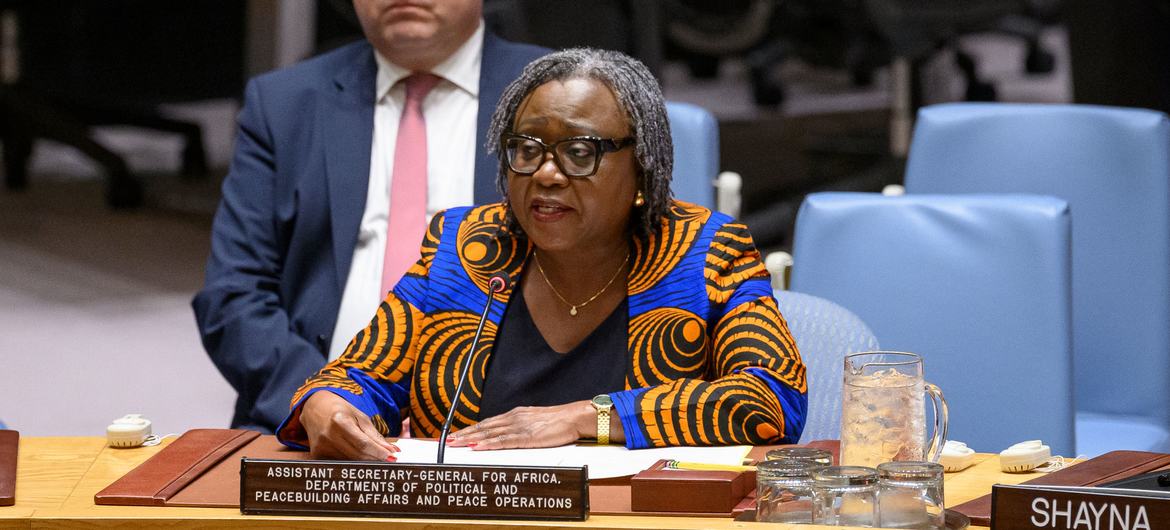
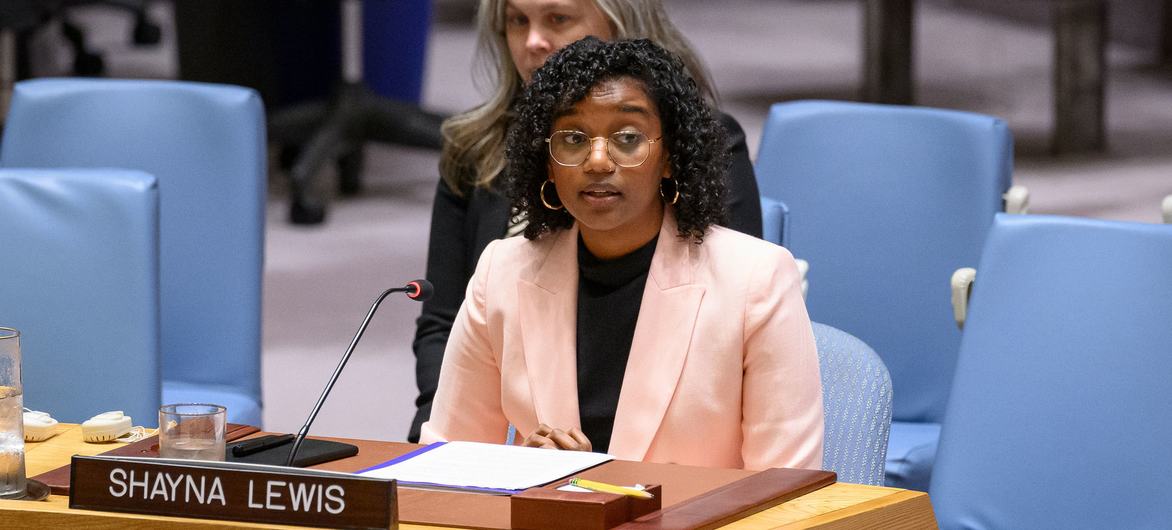
On Friday, the UN Security Council heard sobering briefings from Martha Ama Akyaa Pobee, UN Assistant Secretary-General for Africa, and Shayna Lewis, Sudan Specialist and Senior Advisor with Preventing and Ending Mass Atrocities (PAEMA), a US-based organization.

Ms. Pobee stressed that front lines continue to shift as the RSF and SAF press on with their military objectives, warning, “the warring parties appear unrelenting in their resolve to pursue military objectives.”

She noted the growing use of advanced weaponry, including long-range drones, which have expanded the violence into previously stable areas.

Martha Ama Akyaa Pobee, Assistant Secretary-General for Africa in the UN Department of Political and Peacebuilding Affairs and Peace Operations, briefs the Security Council meeting on the situation in Sudan.

Ms. Pobee further warned of the conflict spilling further into the region, citing recent reports of violent clashes in the tri-border area between Sudan, Libya and Egypt, involving the SAF, RSF and forces affiliated with the Libyan National Army.

Human rights violations

Ms. Pobee also referenced UN human rights reports documenting a tripling of arbitrary civilian killings between February and April this year.

“Entrenched impunity is fuelling these and other gross human rights violations and abuses. All parties to the conflict must be held accountable,” she stressed.

Ms. Lewis’s briefing focused on the worsening humanitarian situation, highlighting the over 15 million children now in need of assistance due to ongoing attacks on civilians.

Shayna Lewis, Senior Advisor and Sudan Specialist at Preventing and Ending Mass Atrocities (PAEMA), addresses the Security Council meeting on the situation in Sudan.

Returning from a recent visit to Sudan, she shared accounts of severely injured children in hospitals and stressed that up to 80 per cent of health facilities in conflict areas are no longer functioning.

She also cited examples of indiscriminate attacks on hospitals by both the SAF and RSF, including a suspected SAF drone strike on 21 June that hit a hospital in West Kordofan, killing over 40 people and destroying critical lifesaving equipment.

Both Ms. Lewis and Ms. Pobee raised alarm over the warring parties’ widespread use of sexual and gender-based violence against women and girls across Sudan.

Government of Hope

Despite the ongoing violence and human rights abuses, Ms. Pobee underscored the significance of the new “Government of Hope.”

On 31 May, a new interim Prime Minister was inaugurated, announcing reform plans and immediately appointing a cabinet of professional technocrats.

Ms. Pobee also acknowledged the efforts of the Personal Envoy of the UN Secretary-General for Sudan, Ramtane Lamamra, who has been engaging with the Prime Minister, civilian groups and the warring parties.

Through this crucial communication, the Personal Envoy is helping these stakeholders work toward an inclusive political resolution.

“I urge this Council – once again – to unite in lending full support to Personal Envoy Lamamra’s efforts, and to use its influence with the parties and their external backers to press for a genuine commitment to dialogue and de-escalation,” Ms. Pobee said.

Ambassadors also heard a briefing from the Chair of the Sudan Sanctions Committee, established by the Council pursuant to Resolution 1591 (2005), on the work of the Committee. Following the open briefing, the Council held closed consultations during which Personal Envoy Lamamra also briefed members.

Source link

Sevilla conference on development financing shows optimism for multilateralism

Today, a $4 trillion financing gap is hindering progress toward achieving the Sustainable Development Goals (SDGs) by the end of this decade.

In response, the Fourth International Conference on Financing for Development (FFD4) will take place in Sevilla, Spain, beginning on 30 June, bringing together stakeholders to advance solutions to the financing challenges threatening sustainable development.

“We’ve seen mounting debt burdens and declining investment, and we’ve seen reduced aid and growing trade barriers. The current system is certainly not delivering for the people it was designed to support,” said Deputy Secretary-General Amina Mohammed at a briefing on Wednesday about the conference.  

She was joined by Ambassador Héctor Gómez Hernández of Spain, and Ambassador Chola Milambo of Zambia.  

Role of stakeholders

More than 70 heads of state and government will attend the Conference, along with leaders of international financial institutions, civil society, philanthropies and the private sector, including those from energy, food systems and digital industries.

“The collective presence alone, I believe, sends a good signal for multilateralism at a time when we’re facing quite a bit of pushback,” said Ms. Mohammed.

Seville Commitment

On 17 June, Member States agreed on the Compromiso de Sevilla, or Seville Commitment, to adopt at the Conference.  

Ms. Mohammed stressed that the Commitment addresses the debt crisis in developing countries that are particularly vulnerable to financing shortfalls, as many spend more on debt interest than on essential services, straining the opportunity for sustainable development.  

Ambassador Milambo explained that this will be done through greater transparency, a global debt registry, and amplifying the voices of debtor countries.

It also aims to catalyse investment by tripling Multilateral Development Bank (MDB) lending, doubling Official Development Assistance (ODA) to developing countries, leveraging private sector investment and ensuring the international financing system is more inclusive and effective.

“This is an agenda that world leaders can do something about. They do have the tools – and the political clout – to make it happen,” said Ms. Mohammed.

Test of multilateralism

Ambassador Hernández emphasised that the Conference comes at a critical time for multilateralism.

“This conference is an appeal to action, and we have the extraordinary opportunity to send a very strong message to defend the international community’s commitment to the multilateral system,” he said.  

Ambassador Milambo later added that the consensus on the Seville Commitment “sends a real message of hope to the world that we can tackle the financing challenges that stand in the way of the SDGs and that multilateralism can still work.”

Despite the consensus, the United States recently announced it will not send a delegation to the Conference.

Speakers urged observers to keep the broader picture in mind: “It is regrettable, but it doesn’t stop us from continuing to engage with that Member State” and urge a change in the course of action, said Ms. Mohammed.

She concluded by noting that, especially given the recent agreement of the Commitment, the discussions the UN is having with other donors on how they are trying to use resources more efficiently will hopefully go a long way.  

Source link