Port Sudan – the main entry point for humanitarian supplies and personnel into the country – came under attack for the ninth consecutive day. As the UN’s main humanitarian hub in Sudan, drone strikes on the coastal city have gravely impacted aid delivery.
Nonetheless, UN Humanitarian Air Service (UNHAS) flights were able to resume on 8 May, providing a continuation of a key humanitarian lifeline as the war between rival militaries for control of Sudan continues, UN Spokesperson Stéphane Dujarric confirmed.
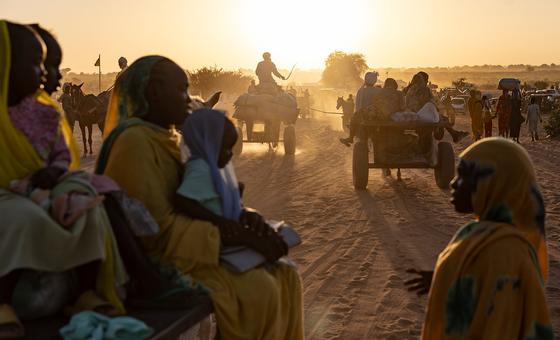
Targeting of civilian infrastructure has sparked panic and displacement. The International Organization for Migration (IOM) reported last week that 600 people were displaced within Port Sudan alone because of the attacks.
Catastrophic situation in North Darfur
The UN Humanitarian Coordinator for Sudan, Clementine Nkweta-Salami, warned on Sunday that the situation in the North Darfur camps of Abou Shouk “is catastrophic.”
Although the UN and its partners continue to scale up their humanitarian response, both camps remain, in effect, cut off from aid.
Ms Nkweta-Salami issued an urgent call for a ceasefire and humanitarian pauses to allow life-saving deliveries to resume.
Call for action after deaths of migrant children at sea
Two young children, aged 3 and 4, have died from dehydration aboard a rubber dinghy found adrift in the central Mediterranean, the UN Children’s Fund (UNICEF) said on Monday.
The vessel, which departed Libya carrying 62 migrants including several children, had reportedly been stranded for days after its engine failed.
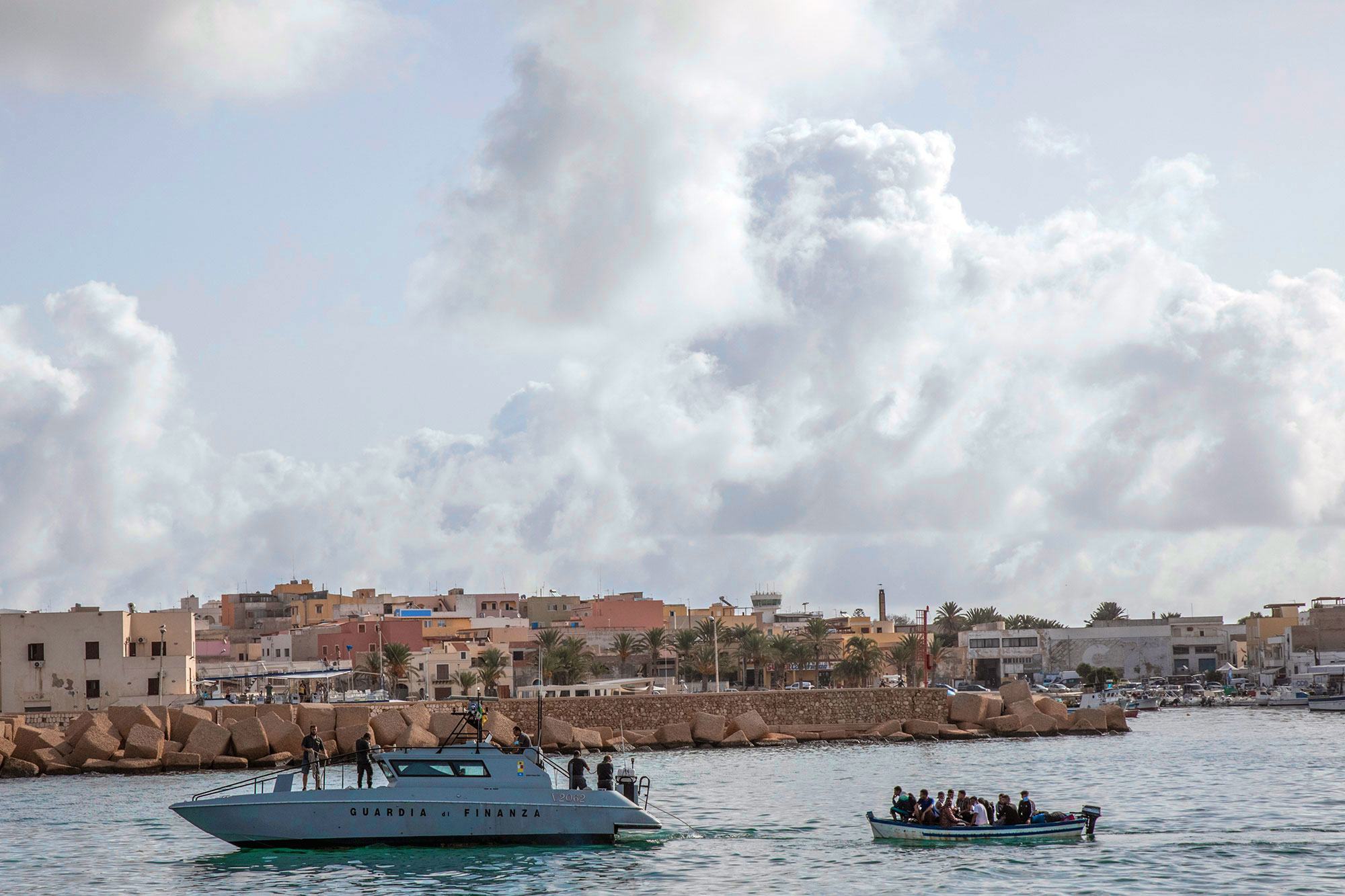
Refugees and migrants in a wooden boat are rescued near the Italian island of Lampedusa in the Mediterranean Sea.
According to survivors, the children had died nearly a day before rescuers arrived.
One additional passenger is believed to have drowned earlier in the journey. Many others onboard suffered severe chemical burns caused by contact with a mixture of seawater and spilled fuel – injuries which require urgent medical attention.
All surviving passengers were eventually rescued and transferred to Lampedusa by the Italian coast guard.
‘Devastating reminder’
Regina De Dominicis, UNICEF Regional Director for Europe and Central Asia, called the incident “another devastating reminder” of the deadly risks migrants face.
She stressed the need for coordinated search and rescue missions, and greater investment in support services for migrant families.
“The central Mediterranean remains one of the most dangerous migration routes in the world,” Ms. De Dominicis said. “Without immediate action, more lives will continue to be lost.”
UNICEF continues to call on governments to meet their obligations under international law and protect vulnerable children seeking safety.
Nursing workforce grows, but deep inequalities persist worldwide
The number of nurses around the world has increased in recent years, but a new UN report published on Monday shows that many countries and regions still face serious shortages, highlighting ongoing inequalities in access to nursing care.
Low-income countries are particularly affected, struggling with too few nurses to meet the needs of their growing populations, said the UN World Health Organization (WHO) which crunched the data.
Poor prospects at home
While these countries are training new nurses at a faster rate than wealthier nations, challenges such as rapid population growth and limited job opportunities are making it hard to close the gap, WHO added.
These imbalances in where nurses are working mean that millions still don’t have access to basic health services.
This is holding back efforts to achieve universal health coverage, protect global health, and meet international development goals linked to health.
“We cannot ignore the inequalities that mark the global nursing landscape,” said WHO Director-General Tedros Adhanom Ghebreyesus.
WHO is urging governments to create more nursing jobs and ensure they are fairly distributed, especially in communities where healthcare services are lacking.
Plant pests continue to threaten global food supplies
Protecting crops from pests is key to ensuring everyone has enough to eat, said the head of the UN Food and Agriculture Organization (FAO) on Monday, who stressed that access to food is a basic human right.
Each year, around 40 per cent of the world’s crops are lost to plant pests and diseases, causing over $220 billion in economic damage.
Invasive pests turn up the heat
Migratory pests like locusts and armyworms are among the biggest threats, especially in regions already hit hard by conflict and climate change.
Countries in the Near East and North Africa – including Algeria, Libya and Tunisia – are currently dealing with a serious outbreak of desert locusts that began in the Sahel.
These insects destroy crops and pastureland, putting food supplies for both people and animals at risk, and threatening the survival of farming communities.
“No country can face these challenges alone,” said FAO Director-General QU Dongyu, at a high-level conference in Italy marking the International Day of Plant Health.
He called for greater international cooperation and more funding to tackle cross-border pests and diseases.