Protecting children in war is key to lasting peace, top UN envoy warns

In an exclusive interview with UN News, Special Representative for Children and Armed Conflict, Vanessa Frazier, reflected on the alarming rise in grave violations against children and the urgent need to safeguard their future.

“The recruitment and use of children is still one of the most widespread and devastating violations we face. In 2024 alone, over 7,400 children were recruited or used by armed forces and armed groups, and those are only the verified cases,” Ms. Frazier told us, just ahead of Thursday’s international day against the use of child soldiers.

Over the last 30 years, we have separated over 220,000 children from armed gangs,” she emphasised. 

Growing crisis across conflicts

Her office monitors approximately 26 conflict situations around the world, and the numbers tell a grim story.

“The violations are most prevalent in the Democratic Republic of the Congo, Nigeria, Somalia, Syria, and Myanmar,” Ms. Frazier explained. 

Interview with Vanessa Frazier, Special Representative of the Secretary-General for Children and Armed Conflict, for UN News.

“But we’re also seeing worrying trends in Sudan, where children are specifically targeted because they are seen as useful – as border guards, as workers, even as fighters.”

Behind those statistics, she stressed, are young lives forever altered. “Each number in our report represents a child whose innocence has been interrupted,” she said.

From abduction to reintegration

Beyond documenting violations, Ms. Frazier’s office engages directly with combatants to negotiate the release of children and their safe return home.

“One of the strengths of our mandate is that we can negotiate directly with armed groups for the handover of children,” she explained. “Once separated, [children’s agency] UNICEF and our partners work on their reintegration, ensuring they receive psychosocial support, access to education, and the chance to reclaim their childhood.”

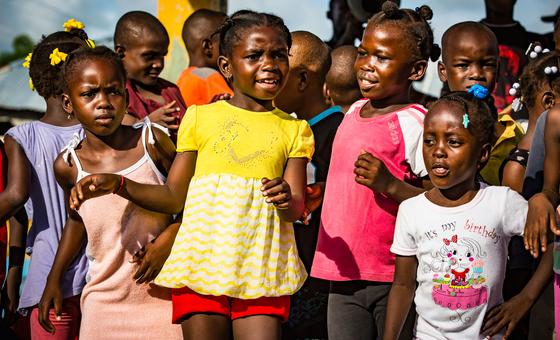
An eleven-year-old boy sits in the dormitory of a reintegration centre for recently demobilized child soldiers in Goma, DR Congo. (file)

But reintegration is often fraught with stigma. “Girls who return may be shunned by their communities, especially those who come back with children,” she said. “For societal reasons, some girls cannot be fully reintegrated are considered damaged goods.”

Prevention and accountability 

For Ms. Frazier, prevention is the ultimate goal.

“Prevention is better than cure,” she told us. “You know, this is why we really do advocate that even in times of war and armed conflict, children must remain in school. When they are out of school, they become very vulnerable to recruitment – whether forced or not.”

Accountability, too, plays a key role. The Special Representative – who previously served as Malta’s Ambassador to the UN, including an influential period on the Security Council – pointed to recent prosecutions before national courts and the International Criminal Court (ICC) as vital deterrents.

One of the greatest tools of deterrence is justice and accountability,” she highlighted”. “When warlords or armed group leaders are prosecuted and sentenced for recruiting children – including in national courts and at least three cases before the International Criminal Court – it sends a powerful message. Justice and accountability act as strong deterrents, showing armed groups that this crime carries real consequences.”

A 13-year-old girl formerly associated with an armed group in the Central African Republic holds a mock weapon.

Her conviction is rooted in field experience – from meeting survivors of Boko Haram’s abductions in Nigeria to listening to women once enslaved by the Lord’s Resistance Army in Uganda. 

“You hear about a 13-year-old girl holding her baby, and you realise how deeply conflict steals childhood,” she said. 

“When you hear these stories, you realise those numbers in our reports are individuals – children who were supposed to have their whole future ahead of them,” she said. 

Epitome of innocence 

Ms. Frazier spoke with emotion about why she is so committed to this cause.

“Children are the epitome of innocence,” she said. “They have not taken sides in any war, yet their innocence and childhood have both been interrupted. Children should never be treated as collateral of war.”

Children are the epitome of innocence

She added that the path to lasting peace begins with protecting and empowering those same children.

“The sustainability of peace depends on children’s right to take it forward. When they are brought back from conflict, they must have access to education and the chance to be fully integrated into society — to aspire to become doctors, nurses, lawyers, politicians, engineers — and that can only be achieved through education.”

Messages of hope

The Special Representative outlined her campaign Prove It Matters, which invites children affected by war to send messages to leaders, folded into origami doves, the universal symbol of peace.

“One child wrote to me, ‘I still have hope for a peaceful world. Never again a girl being a wife of a guerrilla fighter. Never again being part of armed groups. Let’s save childhoods and families too.’ It’s such an innocent plea, but it is what we are about,” she said.

A young man and former child soldier in Sultan Kudarat, Philippines, plans to return to school.

As the conversation ended, Ms. Frazier reiterated her conviction that education, justice and hope remain the pillars of peace.

“Children should be able to continue with their innocence even during times of conflict,” she said. “It is about ensuring a sustainable and peaceful future for the world.”

Source link

At-risk mountain vipers and iguanas, in rare company at key wildlife talks

Ethiopian mountain vipers, Galapagos iguanas and Brazil’s Pernambuco tree – prized by violin bow-makers – and are just three of the more than 30 species that could be listed for special protection under the Convention on International Trade in Endangered Species of Wild Fauna and Flora (CITES).

“Because the trade in wild animals and plants crosses borders between countries, the effort to regulate it requires international cooperation to safeguard certain species from over-exploitation,” CITES said in a statement.

Today, the Convention covers the trade of more than 40,000 species of wild animals and plants. States parties to CITES can add more species by submitting proposals which are considered at meetings held every three years. 

“The proposals to be discussed highlight how scientists continue to address conservation and sustainable use across species that are not only biologically unique, but also culturally, economically and ecologically significant,” said Thea Carroll, CITES Secretariat Science Unit Chief, speaking in Geneva.

The final proposals slated for discussion in the Uzbek city of Samarkand include a range of perennially endangered wildlife such as elephants and rhinos, along with what must surely be the latest CITES pin-up candidate, the Golden-bellied mangabey monkey. 

Additional protection requests alongside these natural born charmers include arguably less obvious candidates, including the giant Galli wasp – all 32 centimetres of it – moths, frogs, sea cucumber, abalone and other commercially exploited aquatic species.

It’s been 50 years since the CITES convention entered into force, although it was originally conceived a decade earlier at a meeting of the International Union for Conservation of Nature. 

The Convention is just one of several international accords aimed at protecting the planet’s biodiversity. It specifically addresses regulation of the international wildlife trade that’s estimated to be worth billions of dollars and to include hundreds of millions of plant and animal specimens.

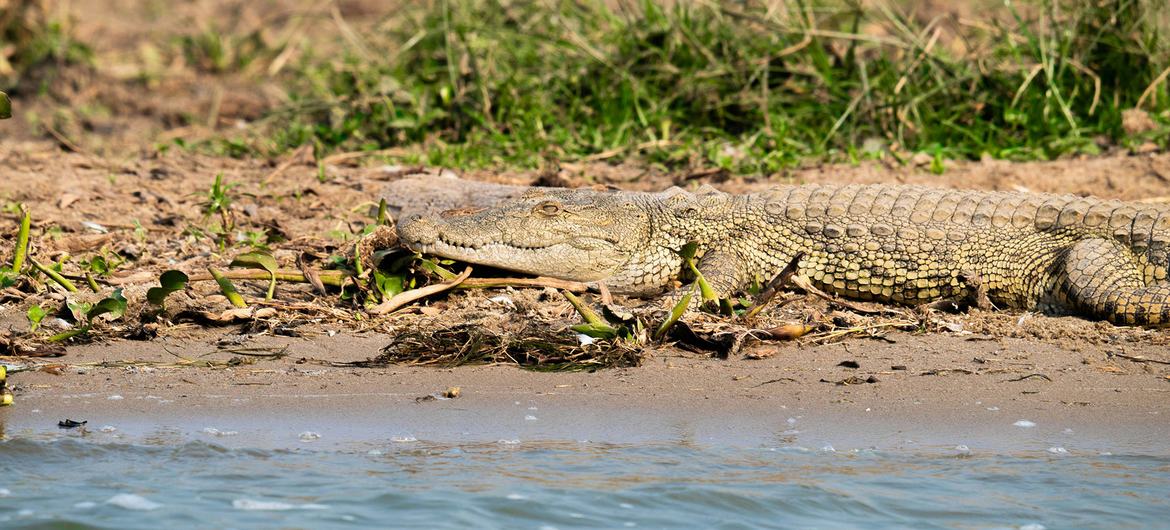
A young Nile crocodile rests on the riverbank by the Kazinga channel in Uganda.

Success stories

The Convention has been behind conservation success stories including the South American vicuña – a small camel – and the Nile crocodile. 

Their survival was assured when CITES supported national efforts to turn their wool and skins respectively into valuable and sustainably managed commodities that benefit local communities.

Overexploitation for international trade presents a major threat to wildlife but other risk factors include disease, pollution, a loss of habitat or the fragmentation of habitats.

Who protects the protectors

The fundamental biodiversity protection role played by CITES has not shielded it from a dire funding crisis for multilateral work everywhere, warned the organization’s Secretary-General, Ivonne Higuero.

“We’re all struggling,” she told journalists in Geneva. “All the entities of the UN are struggling right now with budgetary issues. There’s a falling of contributions from the Member States, from our Parties, and this is becoming very difficult for us to be able to operate.”

Ms. Higuero added: “We have not been receiving the expected contributions from the parties that have that is assessed according to the UN scale and of course we have arrears and payments. So this is one of the things that we will also be discussing.”

Explainer: What is CITES?

  • CITES is a UN-backed treaty that regulates the global trade of wildlife to ensure the sustainability of species and their prevention from extinction. CITES is short for the Convention on International Trade in Endangered Species of Wild Fauna and Flora.
  • The international agreement brings together 185 States Parties and is one of the world’s most powerful conservation tools. It marks its 50th anniversary this year at its 20th meeting (COP20) in Samarkand, Uzbekistan, beginning 24 November.

Key CITES facts:

  • Scope: The treaty provides protection for more than 40,000 species of animals and plants.
  • Goal: To make wildlife trade legal, sustainable and traceable.
  • How it works: Species are listed in “Appendices” I and II, based on the level of threat they face.
  • Meetings: Parties meet every three years to vote on new rules and listings in the Appendices. Appendix I includes species threatened with extinction and commercial trade is generally prohibited; Appendix II covers species not yet endangered but which risk becoming so without regulation.
  • Success story: Conservation works – the Guadalupe fur seal, once reduced to just 200 animals, today numbers more than 34,000.
  • Global reach: CITES works in conjunction with other UN bodies and treaties to advance biodiversity goals, sustainable livelihoods and implementation of the Kunming‑Montreal Global Biodiversity Framework. Find out more here:
Putting people at the heart of cities, key to improving urban life

Yet, amid this rapid transformation, one question rises above all: how can innovation truly serve the people, as more and more of them migrate to cities?

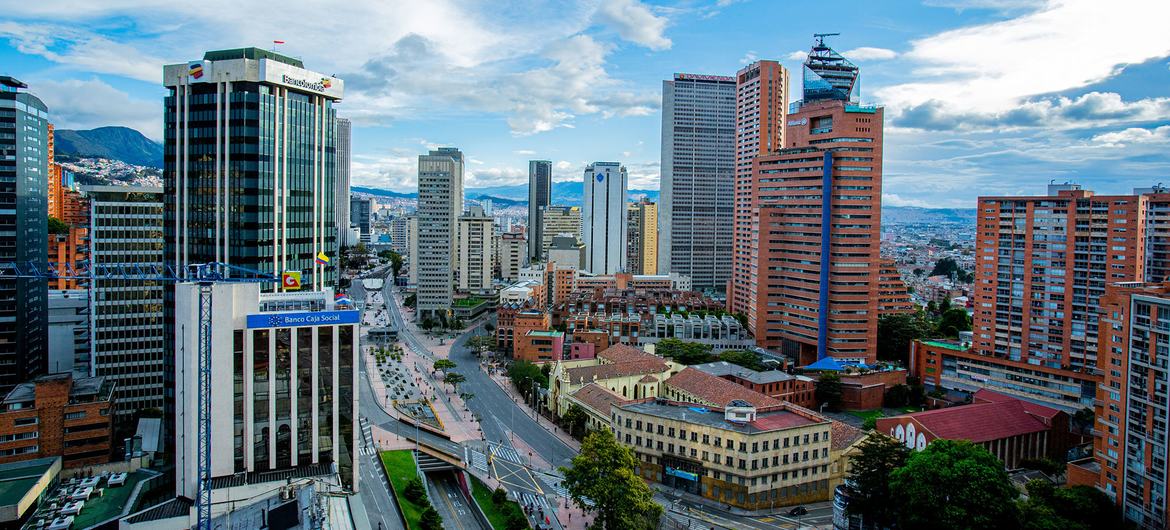
That question lies at the heart of this year’s World Cities Day, which will be celebrated in Bogotá, Colombia, under the theme People-Centred Smart Cities.

Organized by the UN’s urban agency, UN-Habitat, the event brings together mayors, experts on city life and community leaders from around the world to explore how data, design, and digital tools can build communities that are not only smarter, but also fairer, greener, and more inclusive.

By 2050, nearly 70 per cent of humanity is expected to live in urban areas, intensifying demands for housing, services, and climate resilience.

In his message for the day, UN Secretary-General António Guterres emphasized that innovation must close gaps, not widen them.

“A truly smart city puts people first, especially the most vulnerable,” Mr. Guterres said. “When we place people at the centre, digital innovation can help drive fairness and sustainability for all.”

Bogotá’s big experiment 

Bogotá, long known for urban experimentation, has earned global recognition for combining technology with citizen engagement.

From TransMilenio, its influential bus rapid transit system, to Ciclovía, which turns streets into car-free community spaces every Sunday, the city has redefined how urban design can foster social connection and sustainability.

For Elkin Velásquez, UN-Habitat’s Regional Director for Latin America and the Caribbean, Bogotá offers a compelling example of how data and dialogue can shape better futures.

“The global observance here will foster international dialogue on people-centred smart cities — where technology enhances quality of life and strengthens community bonds,” he said.

© Unsplash/Delaney Turner

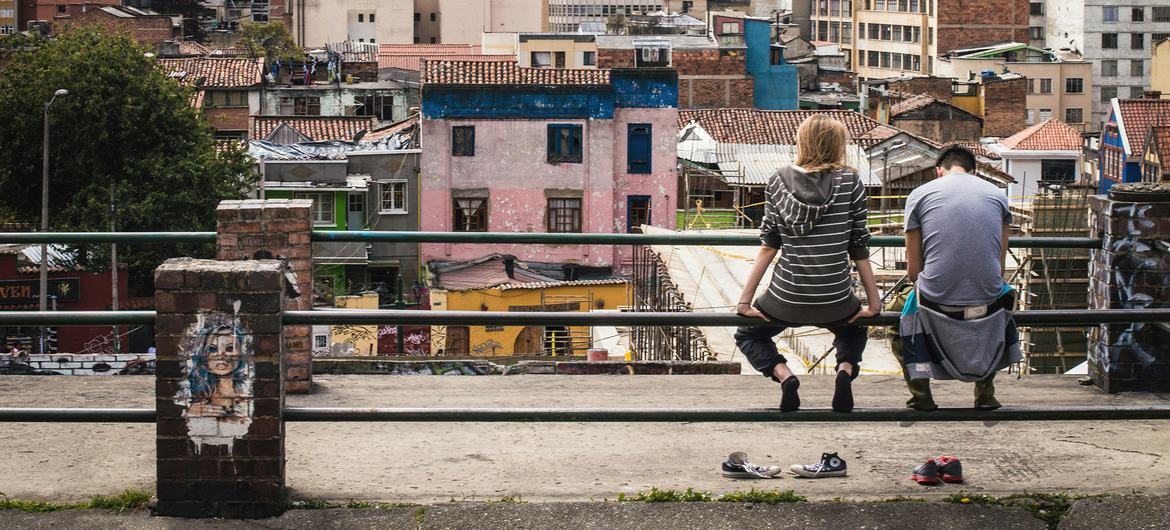
Bogotá, Colombia’s capital city.

Listening to the city

Among the keynote speakers in Bogotá is Carlo Ratti, architect, engineer, and director of the MIT Senseable City Lab in the United States, as well as curator of the 2025 Venice Architecture Biennale.

Mr. Ratti, one of the world’s leading thinkers on urban innovation, believes that cities must evolve beyond the notion of the “smart city” toward what he calls the “senseable city.”

“I’m not fond of the term ‘smart city,’” Mr. Ratti said. “It often implies a top-down system guided by technology alone. Cities must first and foremost be about people — responsive, inclusive, and adaptive. A ‘senseable city’ uses technology not for its own sake, but to better listen to and serve its citizens.”

For Mr. Ratti, Bogotá embodies this spirit. “It has long intrigued me as a leading city for urban experimentation,” he said. “Projects like TransMilenio and Ciclovía have become global case studies.

“They show how local interventions, when scaled and embraced, can shift urban trajectories.”

On principle, Mr. Ratti believes that in an age of climate emergency and demographic transition, “the most radical act may be not to build or build differently”. As an alternative, he suggests prioritizing reuse, retrofitting, and transformation.

“And if you truly need to build on greenfield sites, learn from the logic of nature. In terms of energy and circularity, a tree is still much smarter than any building we can design”, he concluded. 

A people-centred vision

According to Anacláudia Rossbach, Executive Director of UN-Habitat, the city’s approach exemplifies what a people-centred smart city should look like.

“In Bogotá, the smart cities approach is people-centered, aiming to improve well-being and quality of life,” Ms. Rossbach said.

“Programmes like Ecobarrios and Mi Casa focus on resilience and sustainability, while digital initiatives such as Chatico, a virtual agent, use Artificial Intelligence to help citizens access information on public services and participate in consultations.”

These initiatives, she explained, represent a broader effort to advance sustainable mobility, data-driven policymaking, and bridge the digital divide.

© Bogota Mayor’s Office/Cristia

Bogotá, Colombia, is recognized as a leader in smart city initiatives, with a focus on digital transformation, mobility, and urban sustainability.

“These are good examples of technology and innovation that serve people and communities,” Ms. Rossbach added. “It’s vital that such experiences are shared globally, allowing other cities to adapt these lessons to their own contexts.”

A global conversation

World Cities Day marks the conclusion of Urban October, UN-Habitat’s month-long campaign for sustainable and inclusive urbanization. This year’s observance in Bogotá aims to leave behind a legacy, one built on collaboration, learning, and shared commitment to a more equitable urban future.

“The legacy we seek is twofold,” Ms. Rossbach concluded. “First, to showcase the creativity of cities in advancing people-centred smart approaches. And second, to strengthen the networks of cooperation that ensure innovation serves people, and not the other way around.”

As digital tools become ever more embedded in urban life, the challenge for cities is clear: to ensure that smart solutions remain human ones.
 

Climate science and early warnings key to saving lives

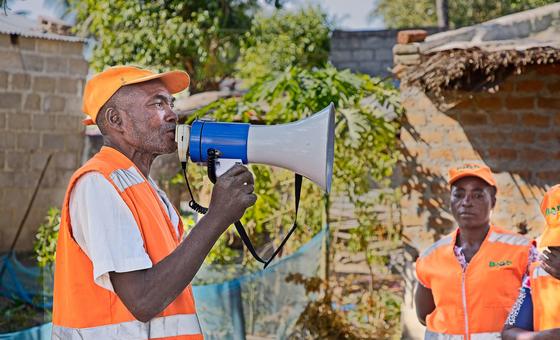
“Early-warning systems work,” he told the World Meteorological Organization (WMO) in Geneva. “They give farmers the power to protect their crops and livestock. Enable families to evacuate safely. And protect entire communities from devastation.”

“We know that disaster-related mortality is at least six times lower in countries with good early-warning systems in place,” the UN chief said.

He added that just 24 hours’ notice before a hazardous event can reduce damage by up to 30 per cent.

In 2022, Mr. Guterres launched the Early Warnings for All initiative aiming to ensure that “everyone, everywhere” is protected by an alert system by 2027.

Progress has been made, with more than half of all countries now reportedly equipped with multi-hazard early-warning systems. The world’s least developed countries have nearly doubled their capacity since official reporting began “but we have a long way to go,” the UN chief acknowledged.

At a special meeting of the World Meteorological Congress earlier this week, countries endorsed an urgent Call to Action aiming to close the remaining gaps in surveillance.

Extreme weather worsens

WMO head Celeste Saulo, who has been urging a scale-up in early-warning system adoption, warned that the impacts of climate change are accelerating, as “more extreme weather is destroying lives and livelihoods and eroding hard-won development gains”.

She spoke of a “profound opportunity to harness climate intelligence and technological advances to build a more resilient future for all.”

Weather, water, and climate-related hazards have killed more than two million people in the past five decades, with developing countries accounting for 90 per cent of deaths, according to WMO.

Mr. Guterres emphasized the fact that for countries to “act at the speed and scale required” a ramp-up in funding will be key.

Surge in financing

“Reaching every community requires a surge in financing,” he said. “But too many developing countries are blocked by limited fiscal space, slowing growth, crushing debt burdens and growing systemic risks.”

He also urged action at the source of the climate crisis, to try to limit fast-advancing global warming to 1.5 degrees Celsius above pre-industrial era temperatures – even though we know that this target will be overshot over the course of the next few years, he said.

“One thing is already clear: we will not be able to contain global warming below 1.5 degrees in the next few years,” Mr. Guterres warned. “The overshooting is now inevitable. Which will mean that we’re going to have a period, bigger or smaller, with higher or lower intensity, above 1.5 degrees in the years to come.”

Still, “we are not condemned to live with 1.5 degrees” if there is a global paradigm shift and countries take appropriate action.

At the UN’s next climate change conference, where states are expected to commit to reducing greenhouse gas emissions over the next decade, “we need to be much more ambitious,” he said. COP30 will take place on 10-21 November, in Belén, Brazil.

“In Brazil, leaders need to agree on a credible plan in order to mobilize $1.3 trillion per year by 2035 for developing countries, to finance climate action,” Mr. Guterres insisted.

Developed countries should honour their commitment to double climate adaptation funding to $40 billion this year and the Loss and Damage Fund needs to attract “substantial contributions,” he said.

Mr. Guterres stressed the need to “fight disinformation, online harassment and greenwashing,” referring to the UN-backed Global Initiative on Climate Change Information Integrity.

“Scientists and researchers should never fear telling the truth,” he said.

He expressed his solidarity with the scientific community and said that the “ideas, expertise and influence” of the WMO, which marks its 75th anniversary this week, are needed now “more than ever”.

‘Reparatory justice’ key to ending racism against Africans and their descendants

Doing so is key to dismantling systemic racism that is rooted in legacies of slavery and colonialism, it said.

Actions include formal apologies, truth-seeking, memorialisation and education measures, medical and psychosocial support, as well as compensation.

Past and present linked

For the most part, the report found that that amid some rollback of commitments to racial justice, measures taken by States, businesses, religious groups, universities, museums and others remain limited. 

To deliver reparatory justice, States and other actors must implement a comprehensive approach that includes reparations in various forms,” said UN High Commissioner for Human Rights Chief Volker Türk. 

“To be truly effective, this approach must squarely consider the web of links between the past and the present – at the individual and societal levels, in all areas of life – in order to dismantle unjust structures and systems designed and shaped by the past.”

Consider local contexts

Mr. Türk cautioned against a “one-size-fits-all approach” as reparatory justice should respond to the demands of affected communities.  

Initiatives and processes should be grounded in history and local context, respond to evolving demands of communities, and centre the specific experiences of women of African descent in particular,” he said.

The report recommends that Africans and people of African descent must guide the design and implementation of these measures through meaningful, inclusive and safe participation. 

Reviews, restitution and research

It also highlights initiatives already underway. For example, some countries have reviewed public spaces to identify, remove or contextualise statues and place names linked to persons who were involved in the transatlantic slave trade.

Museums in several European countries are also taking steps to address their collections’ links with the past.  

The restitution of cultural heritage is continuing, such as the return of so-called “Benin bronzes” – centuries’ old sculptures, plaques and other items looted from what is now Edo state in Nigeria. 

Additionally, some academic institutions have carried out or funded external research into their own history, issued apologies, advanced educational opportunities for communities and created memorials. Some business enterprises also have taken clear steps to acknowledge their links with the past. 

“Claims for compensation have been lodged before courts in multiple jurisdictions, and associated legal arguments have bolstered wider public movements and fostered political pressure for change,” the UN rights office added. 

The report calls for further research and policy proposals on broader structural and systemic issues, including in the areas of climate and environmental justice, as well as reforms to address the shortcomings of development aid and international financial and governance architecture.  

Source link

Safe seas key to global prosperity, Security Council told

Keeping sea routes safe today while also addressing emerging challenges was the focus of a debate in the UN Security Council on Monday which was convened by Panama, president for the month of August.

Arsenio Dominguez, Secretary-General of the International Maritime Organization (IMO), told the Council that last year, a workforce of just 1.9 million seafarers moved over 12.3 billion tonnes of goods, essentially “keeping global trade afloat”. 

Safety and security fundamental

He said the maritime sector has proved to be “remarkably resilient” in the face of geopolitical challenges.

“Yet resilience cannot breed complacency,” he warned.  

The safety and security of the maritime sector is fundamental to economic stability, sustainable maritime development and to livelihoods.”

Multiple threats

The threats are numerous. Nearly 150 incidents of piracy and armed robbery were reported in 2024 alone. In some regions such as Southeast Asia, incidents are surging, according to the International Criminal Police Organization (INTERPOL). 

Beyond piracy, international vessels plying the Red Sea have also come under attack against the backdrop of the war in Gaza.

Meanwhile, trafficking continues – including drugs, endangered wildlife and protected timber – and organized crime groups tap into criminal supply chains to move weapons, operatives and illicit goods to finance their operations.

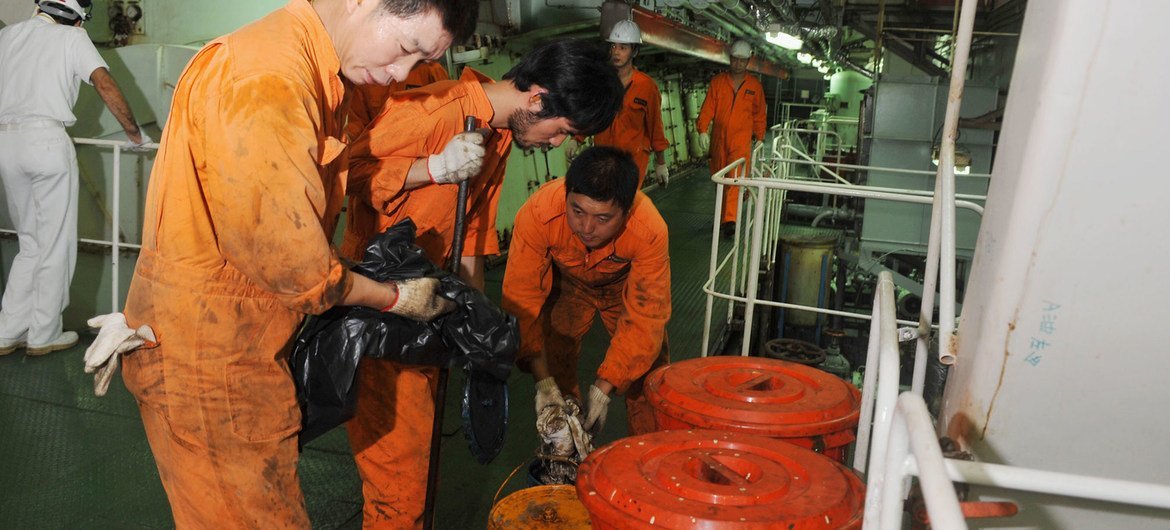
Seafarers work in the engine room of a Chinese registered ship in the Port of Genoa in Italy. (file)

A ‘network’ under attack

Maritime routes were “the world’s first truly global network,” connecting distant shores for thousands of years, said Valdecy Urquiza, INTERPOL Secretary General.

“Today, and more than ever, that same network is exploited by criminals who threaten navigation, trade, communication – and with them, the global stability essential to sustainable development,” he told the Council.

He said the “poly-criminality at sea” is “making criminals more resilient, and enforcement more complex” as new and less visible dangers arise.

“As ports go digital – with automated vessel management, cargo tracking and logistics – vulnerabilities are emerging faster than they can be secured. Ports are facing a wave of cyber intrusions targeting the power, communication and logistics systems they rely on.” 

Furthermore, “cybercriminals can weaponise artificial intelligence to attack with greater speed, scale and precision.”

Global coordination, environmental action

In response to the situation, IMO has developed binding mandatory requirements, for example to address international ship and port security as well as cybersecurity threats.

The UN agency has also supported projects to boost regional capacity, including information sharing. This is in addition to establishing partnerships with the UN Office on Drugs and Crime (UNODC), INTERPOL, regional entities and donor States, aimed at strengthening national capabilities and building trust.

“While addressing maritime security, we must not lose sight of our responsibility to protect the ocean,” said Mr. Dominguez.

Maritime safety and security and environmental stewardship go hand in hand. Support for countries to develop and enhance response capabilities for maritime pollution incidents including from oil spills is ongoing.”

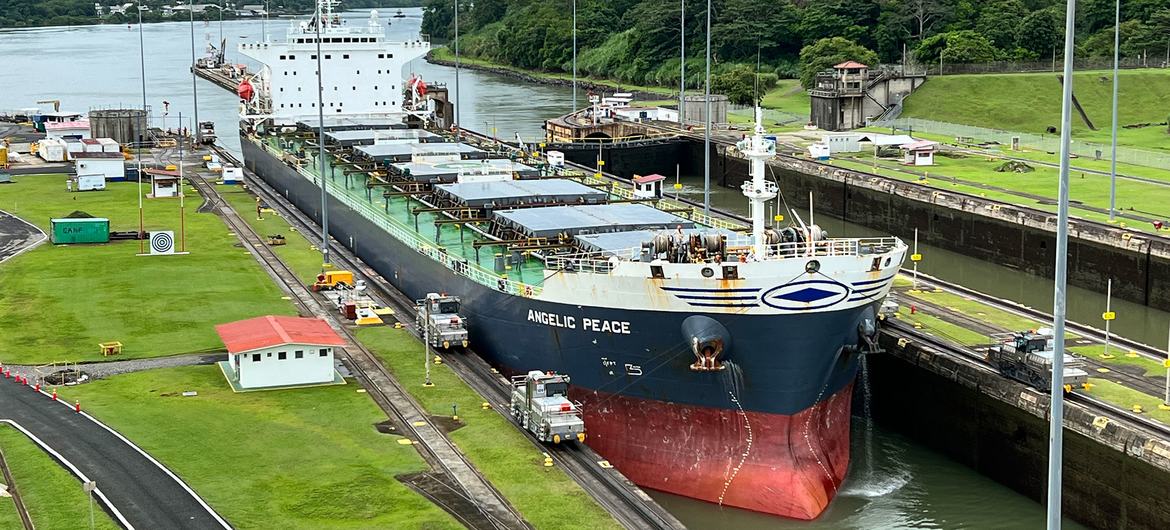
A ship passes through the Panama Canal in Central America. (file)

Perspectives from the Panama Canal

The Council also heard from the agency responsible for the operation of the Panama Canal, one of the world’s most important maritime corridors.

Ricaurte Vásquez Morales, CEO of the Panama Canal Authority, shared perspectives from “one of the most emblematic channels for human cooperation,” highlighting the strength of “principles-based neutrality.”

The Panama Canal is governed by an international treaty which safeguards equal access to all nations in times of peace or war,” he said, speaking in Spanish.

“This promise, which is incorporated in our Constitution, has enabled a small country to contribute stability to global trade, shielding this infrastructure from geopolitical tensions that also too often stymied progress.”

His remarks also showcased how the Canal has been under Panamanian administration for the last 25 years – a period which saw the completion of a third set of locks in 2016. As a result, the cargo volume transiting its waters increased by 50 per cent, while maintaining the same annual transit of roughly 13,500.

Climate adaptation

Like the IMO chief, Mr. Vásquez Morales also emphasised the need to address climate change. The Panama Canal experienced a drought over the past two years and this “global wake-up call” sparked water conservation efforts, logistical adjustments and the building of an artificial lake.

“Today, the canal boasts technologies that strengthen climate resilience,” he said.

“It creates financial mechanisms and ensures water and environmental security, while at the same time implementing efficient governance to harness the rapid progress in artificial intelligence and collaborating to strengthen cyber security on our roads and our logistics systems.”

Commitment, peace and solidarity

Concluding his remarks, Mr. Vásquez Morales insisted that “the Panama Canal is living proof that global public goods can be administered with equity, responsibility and vision.”

“Through sustained cooperation, constant adaptation and steadfast commitment to the principles of international law, the Canal will remain a safe and efficient route ready to serve not only this generation, but also many more to come,” he said.

“We trust that by working together, we will be able to keep open, not only waterways, but also the channels of understanding peace and solidarity.” 

Source link

Pollution, melting microbes, undamming rivers, risks for elders: 4 key climate issues

From ancient microbes awakening in melting glaciers to toxic pollutants unleashed by floods, the dangers are no longer distant or theoretical. They are here, and they are growing.

The Frontiers Report 2025, released by the UN Environment Programme (UNEP), highlights four critical areas where environmental degradation intersects with human vulnerability: legacy pollution, melting glacier microbes, undamming rivers and climate risks for an ageing population that is growing.

The report paints a vivid picture of how climate change is not only altering ecosystems but also exposing communities – especially the most vulnerable – to new and intensifying dangers. Some issues may be local or relatively small-scale issues today, but have the potential to become issues of regional or global concern if not addressed early, the report warned.

UNEP Executive Director Inger Andersen said action must be taken “to protect people, nature and economies from threats that will only grow with each passing year”.

Here’s what’s at stake and why it matters to all of us:

UN Nepal/Narendra Shrestha

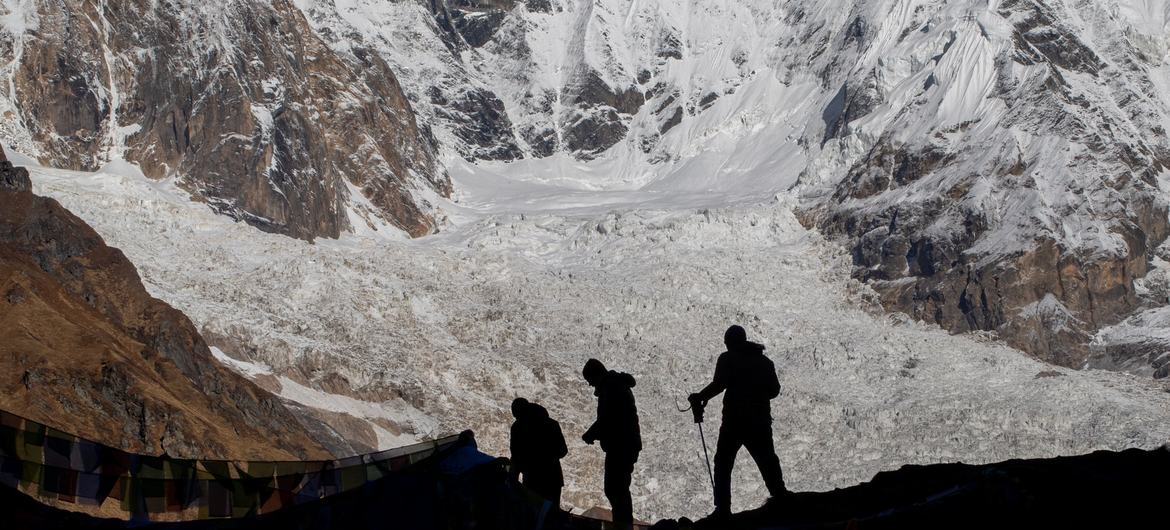
UN Secretary-General António Guterres visits the Annapurna base camp in Nepal in 2023. (file)

Melting glacier microbes

Climate scientists are saying many glaciers will not survive this century unless action is taking to slow the melting rate caused by climate change. That means those living downstream will face a tide of floods alongside threats posed by reactivated microbes in a warming cryosphere or frozen parts of the Earth.

Frozen in ice sheets, glaciers and permafrost are bacteria, fungi and viruses. While most are dead, some are dormant and some are active. As global temperatures hit record highs, these microorganisms will become more active in many ecosystems. Even if the melting can be slowed down by mitigating greenhouse gas emissions, efforts must assess and prepare for possible threats from potential pathogens.

Also crucial is documenting and preserving cryospheric microorganisms, which can shed light on the history of climate and evolution, help in finding therapies for diseases and develop innovative biotechnologies.

© UNICEF/Felipe Chic Jiménez

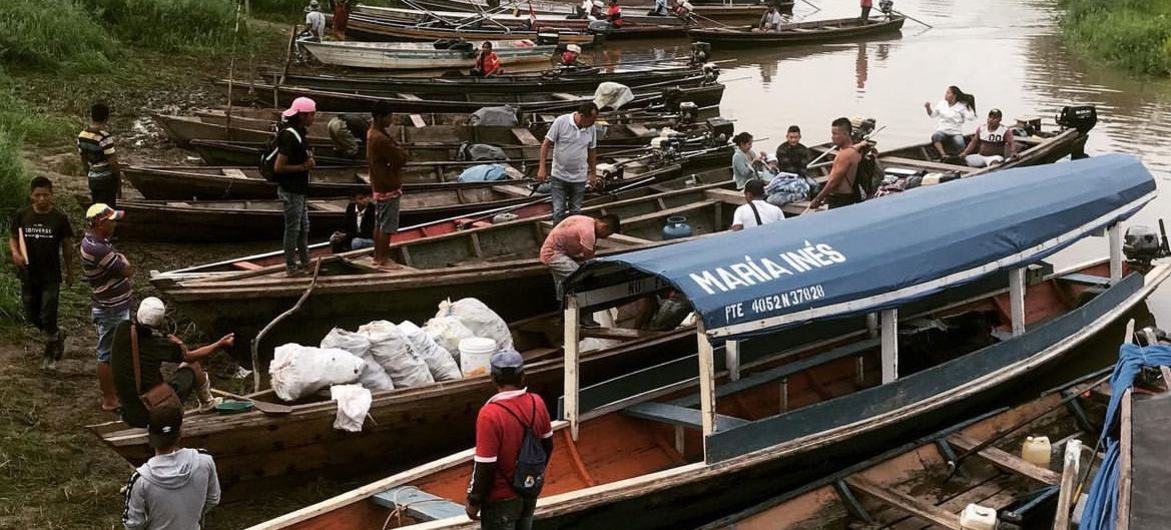
Indigenous communities in the Amazonía region in southern Colombia. (file)

Dismantling dams

In the Colombian Amazon, river water levels have dropped by up to 80 per cent, restricting access to drinking water and food supplies, leading to shuttering 130 schools, increasing children’s risk of recruitment, use and exploitation by non-State armed groups and resulting in increased respiratory infections, diarrhoeal diseases, malaria and acute malnutrition among youngsters under age five.

Part of what is making the problem worse in Colombia and other hot spots around the world are the plethora of dams operating at a time when climate change is triggering droughts around the world. Drought is keeping more than 420,000 children out of school in Brazil, Colombia and Peru alone, according to a report by the UN Children’s Fund (UNICEF).

As such, there is a growing need to remove dams and other barriers to rehabilitate river ecosystems, a process increasingly initiated by local communities, Indigenous Peoples, women and youth. Rivers and streams can recover remarkably once barriers are gone, but other stressors, from pollution to climate change, need to be addressed in parallel. Understanding the restoration outcomes of barrier removal is necessary not only to guide future removals, but also to inform decisions about existing and future barriers.

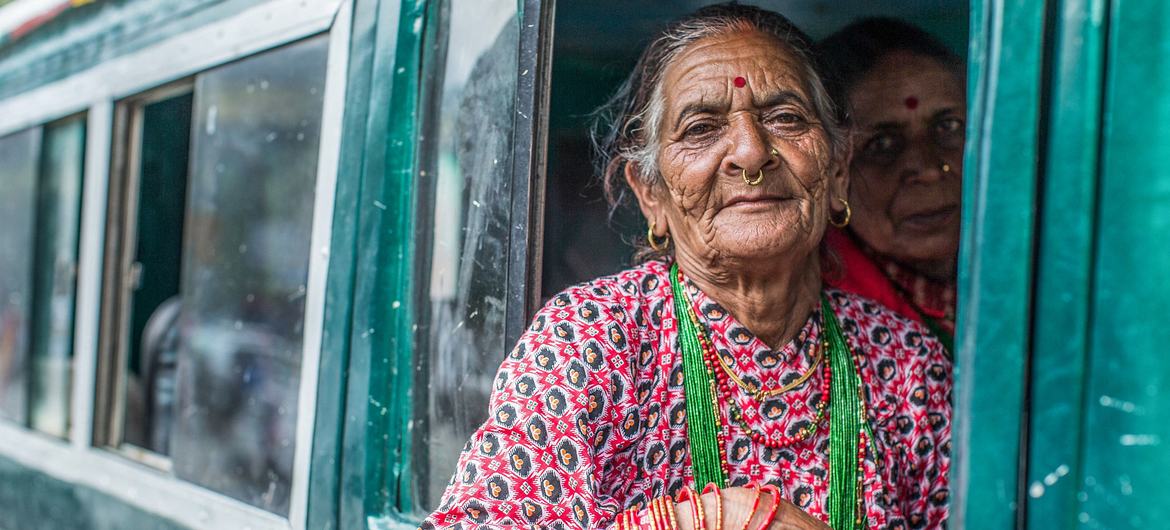
Elderly people suffer disproportionately from climate change consequences.

Climate risks for the elderly

Older people face increased risks during extreme weather and suffer more from ongoing environmental degradation. As the World Meteorological Organization (WMO) predicts ever more hot weather, the elderly are suffering disproportionately, as seen in rising numbers of deaths and illnesses amid recent heat waves around the world.

At the same time, the world’s ageing population is growing: the global share of people over 65 years old will rise from 10 per cent in 2024 to 16 per cent by 2050. Most of them will live in cities, where they will be exposed to extreme heat and air pollution and experience more frequent disasters.

Older people are already more at risk, so effective adaptation strategies will need to evolve to protect these older populations.

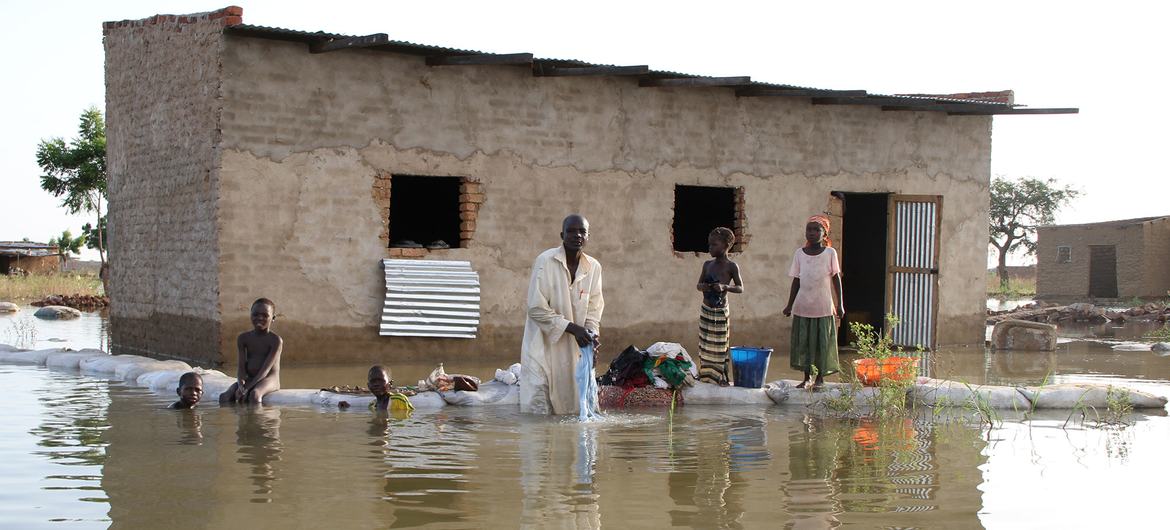
A family outside their flood damaged home in N’Djamena, Chad. (file)

Legacy pollutants

Flooding has crippled communities in all regions of the world as the number of extreme weather events climb. Among the hidden dangers are legacy pollutants that have been secreted into the ground over time and released as extreme rainfall and floods wash away sediments and debris.

The Pakistan floods of 2010, flooding in the Niger Delta in 2012 and Hurricane Harvey off the coast of Texas in 2017 are all examples when floodwaters stirred up sediments, releasing heavy metals and persistent organic pollutants.

Evaluating sediments to understand hazards, rethinking flood protection to lean on nature-based solutions and investments in natural remediation of contaminated sediments are all options to deal with this problem.

Read the full Frontiers Report here.

‘A compass towards progress’ – but key development goals remain way off track

The UN’s key Sustainable Development Goals Report released Monday by Secretary-General António Guterres, chronicles both progress and setbacks – showing that the world has made significant advances but is still drastically off-track to achieve its development goals by 2030.

Seize the day

This report is more than a snapshot of today. It’s also a compass pointing the way to progress. This report shows that the Sustainable Development Goals (SDGs) are still within reach, but only if we act – with urgency, unity, and unwavering resolve,” Mr. Guterres said.

The release of the report coincides with the first day of the High-Level Political Forum on Sustainable Development which will convene over the next ten days in New York in the hopes of answering the UN chief’s call to action. 

‘A global development emergency’

In 2015, the General Assembly adopted the 2030 Agenda, which outlined 17 Sustainable Development Goals – including ending poverty and ensuring that everyone had access to healthcare and quality education.

The ambitious SDGs were to be achieved by prioritising future generations through sustainable and climate-friendly initiatives.

“The 2030 Agenda represents our collective recognition that our destinies are intertwined and that sustainable development is not a zero-sum game but a shared endeavour that benefits us all,” said Li Junhua, UN Under Secretary-General for Economic and Social Affairs.

Ten years after this commitment, the agenda is facing increasingly strong headwinds, including a $4 trillion funding shortfall for the developing world and increasing geopolitical tensions which are undermining multilateralism.

“The problem is that the Sustainable Development Goals do not include the instruments that would be necessary to make them happen,” Mr. Guterres said.

In light of these challenges, only 18 per cent of the SDGs are on track to be met by 2030. Around 17 per cent are experiencing moderate progress. But over half of the goals are moving too slowly – and 18 per cent of the goals have gone backwards.

“We are in a global development emergency, an emergency measured in the over 800 billion people still living in extreme poverty, in intensifying climate impacts and in the relentless debt service,” the Secretary-General said.

Real lives transformed – and left behind

Between 2015 and 2023, maternal death rates and death rates of children under the age of five dropped by approximately 15 per cent. During this same period of time, 54 countries eliminated at least one tropical disease, and 2.2 billion cases of malaria were averted as a result of prevention areas.

“These victories are not abstract statistics – they represent real lives transformed, families lifted from poverty and communities empowered to build better and more resilient futures,” Mr. Li said.

However, just as some have had their lives transformed, many people around the world have been left behind.

One in 10 people still live in abject poverty and one in 11 experience food insecurity. Over 1.1 billion people live in slums or informal settlements without basic services, including access to clean water and sanitation. And in 2024, one person lost their life to conflict every 12 minutes.

In short, while many lives were transformed in the past ten years, many lives were not – and some were actually worsened or lost.

“What we have learned since then is that sustainable development is not a destination but rather a journey of innovation, adaptation and commitment to human dignity,” Mr. Li said.

Data at the heart of development

Reliable data is what underpins sustainable development, according to the Secretary-General’s report. It is what enables the UN, State governments and civil society leaders to understand what progress has been made and how to target increased investments for areas which require more work.

When the 2030 Agenda was first adopted in 2015, only a third of the SDGs had sufficient data and over a third lacked internationally agreed upon methodologies. Today, 70 percent of the SDGs are well-monitored and all indicators have internationally established monitoring mechanisms.

However, the progress made in monitoring development progress is, like all parts of the development agenda, under increasing threat.

“This report tells the SDG story in numbers, but it is, above all, a call to action,” Mr. Guterres said.

© UNICEF/Anderson Flores

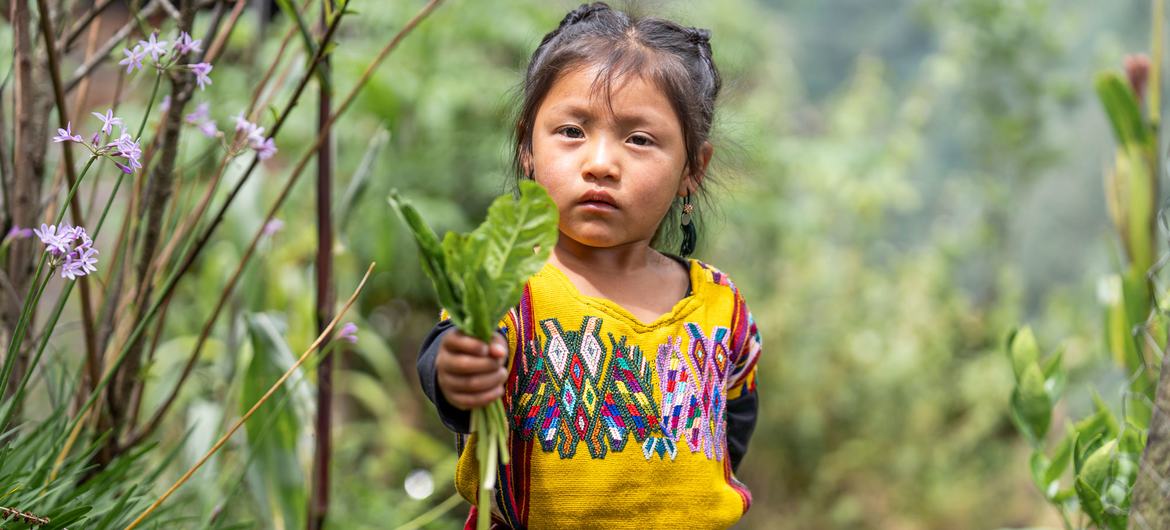
A young girl in Guatemala holds herbs from a kitchen garden.

Multilateralism is non-negotiable

The Secretary-General said that the SDGs cannot be achieved without significant reforms to the financial architecture, which must begin with an investment in multilateralism.

This year’s HLPF is a crucial moment that gives us hope and encourages us to think collectively outside the box,” said Lok Bahadur Thapa, Vice President of the Economic and Social Council (ECOSOC) at the meeting which opened the HLPF.

This forum is an acknowledgement that the work is not yet done – the goals require more investment and more commitment in the next five years in order to ensure that the world does not leave more people behind.

“This is not a moment for despair, but for determined action. We have the knowledge, tools, and partnerships to drive transformation. What we need now is urgent multilateralism – a recommitment to shared responsibility and sustained investment,” Mr. Li said.

Source link

Gaza: Access to key water facility in Khan Younis disrupted, UN reports

According to the UN Office for the Coordination of Humanitarian Affairs (OCHA), Israeli authorities issued displacement orders overnight for two neighbourhoods in Khan Younis, where up to 80,000 people had been living.

The Al Satar reservoir – a critical hub for distributing piped water from Israel – has become inaccessible as a result.

Grave warnings

“Any damage to the reservoir could lead to a collapse of the city’s main distribution of the water system, with grave humanitarian consequences,” UN spokesperson Stéphane Dujarric told reporters at a daily news briefing in New York.

Al Satar’s disruption comes as Gaza’s infrastructure buckles under relentless displacement, strained services and critical shortages of fuel and supplies.

Approximately 85 per cent of Gaza’s territory is currently either under displacement orders or located within military zones – severely hampering people’s access to essential aid and the ability of humanitarians to reach those in need, OCHA reported.

Displacement continues

Since the collapse of a temporary ceasefire in March, nearly 714,000 Palestinians have been displaced again, including 29,000 in the 24 hours between Sunday and Monday. Existing shelters are overwhelmed, and aid partners report deteriorating health conditions driven by insufficient water, sanitation and hygiene services.

Health teams report that rates of acute watery diarrhoea have reached 39 per cent among patients receiving health consultations. Khan Younis and Gaza governorates are hardest hit, with densely overcrowded shelters and little access to clean water exacerbating the spread of disease.

Adding to the crisis, no shelter materials have entered Gaza in over four months, despite the hundreds of thousands of newly displaced people. UN partners reported that in 97 per cent of surveyed sites, displaced families are sleeping in the open, exposed to heat, disease and trauma.

Fuel shortages

Meanwhile, fuel shortages are jeopardising the humanitarian response. A shipment of diesel intended for northern Gaza was denied on Wednesday by Israeli authorities, just a day after a successful but limited delivery to Al Shifa Hospital in Gaza City.

If the fuel crisis is not urgently addressed, Mr. Dujarric warned that relief efforts could grind to a halt.

“If the fuel crisis isn’t addressed soon, humanitarian responders could be left without the systems and the tools that are necessary to operate safely, manage logistics and distribute humanitarian assistance,” he said.

“This would obviously endanger aid workers and escalate an already dire humanitarian crisis.”