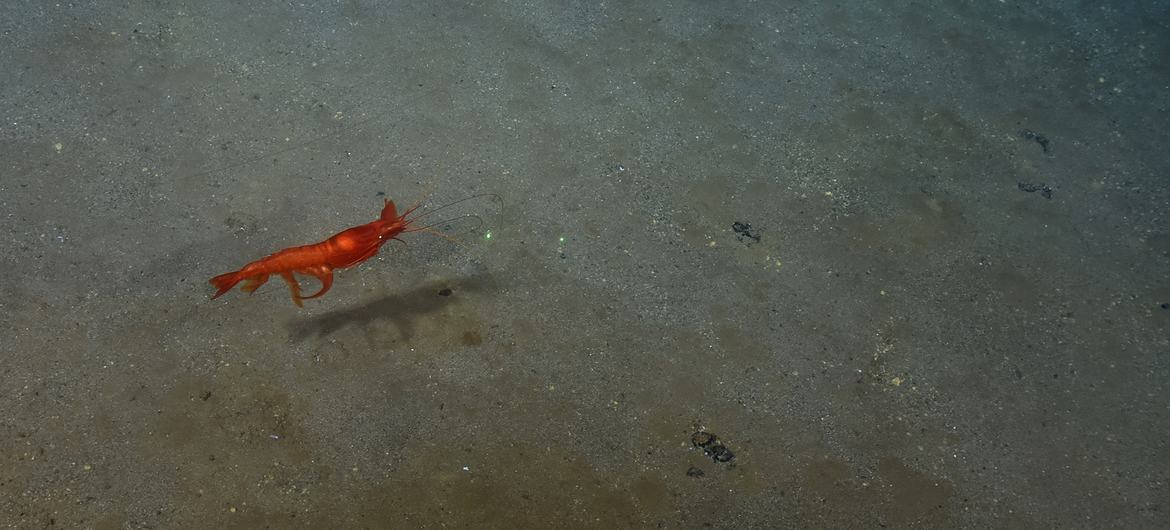
Ethiopian mountain vipers, Galapagos iguanas and Brazil’s Pernambuco tree – prized by violin bow-makers – and are just three of the more than 30 species that could be listed for special protection under the Convention on International Trade in Endangered Species of Wild Fauna and Flora (CITES).
“Because the trade in wild animals and plants crosses borders between countries, the effort to regulate it requires international cooperation to safeguard certain species from over-exploitation,” CITES said in a statement.
Today, the Convention covers the trade of more than 40,000 species of wild animals and plants. States parties to CITES can add more species by submitting proposals which are considered at meetings held every three years.
“The proposals to be discussed highlight how scientists continue to address conservation and sustainable use across species that are not only biologically unique, but also culturally, economically and ecologically significant,” said Thea Carroll, CITES Secretariat Science Unit Chief, speaking in Geneva.
The final proposals slated for discussion in the Uzbek city of Samarkand include a range of perennially endangered wildlife such as elephants and rhinos, along with what must surely be the latest CITES pin-up candidate, the Golden-bellied mangabey monkey.
Additional protection requests alongside these natural born charmers include arguably less obvious candidates, including the giant Galli wasp – all 32 centimetres of it – moths, frogs, sea cucumber, abalone and other commercially exploited aquatic species.
It’s been 50 years since the CITES convention entered into force, although it was originally conceived a decade earlier at a meeting of the International Union for Conservation of Nature.
The Convention is just one of several international accords aimed at protecting the planet’s biodiversity. It specifically addresses regulation of the international wildlife trade that’s estimated to be worth billions of dollars and to include hundreds of millions of plant and animal specimens.

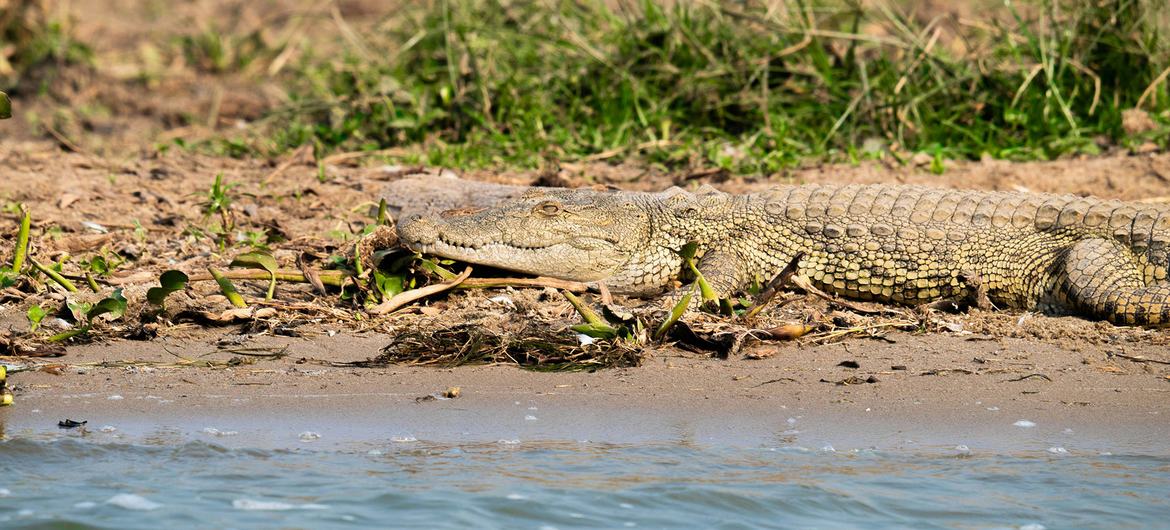
A young Nile crocodile rests on the riverbank by the Kazinga channel in Uganda.
Success stories
The Convention has been behind conservation success stories including the South American vicuña – a small camel – and the Nile crocodile.
Their survival was assured when CITES supported national efforts to turn their wool and skins respectively into valuable and sustainably managed commodities that benefit local communities.
Overexploitation for international trade presents a major threat to wildlife but other risk factors include disease, pollution, a loss of habitat or the fragmentation of habitats.
Who protects the protectors
The fundamental biodiversity protection role played by CITES has not shielded it from a dire funding crisis for multilateral work everywhere, warned the organization’s Secretary-General, Ivonne Higuero.
“We’re all struggling,” she told journalists in Geneva. “All the entities of the UN are struggling right now with budgetary issues. There’s a falling of contributions from the Member States, from our Parties, and this is becoming very difficult for us to be able to operate.”
Ms. Higuero added: “We have not been receiving the expected contributions from the parties that have that is assessed according to the UN scale and of course we have arrears and payments. So this is one of the things that we will also be discussing.”
Explainer: What is CITES?
- CITES is a UN-backed treaty that regulates the global trade of wildlife to ensure the sustainability of species and their prevention from extinction. CITES is short for the Convention on International Trade in Endangered Species of Wild Fauna and Flora.
- The international agreement brings together 185 States Parties and is one of the world’s most powerful conservation tools. It marks its 50th anniversary this year at its 20th meeting (COP20) in Samarkand, Uzbekistan, beginning 24 November.
Key CITES facts:
- Scope: The treaty provides protection for more than 40,000 species of animals and plants.
- Goal: To make wildlife trade legal, sustainable and traceable.
- How it works: Species are listed in “Appendices” I and II, based on the level of threat they face.
- Meetings: Parties meet every three years to vote on new rules and listings in the Appendices. Appendix I includes species threatened with extinction and commercial trade is generally prohibited; Appendix II covers species not yet endangered but which risk becoming so without regulation.
- Success story: Conservation works – the Guadalupe fur seal, once reduced to just 200 animals, today numbers more than 34,000.
- Global reach: CITES works in conjunction with other UN bodies and treaties to advance biodiversity goals, sustainable livelihoods and implementation of the Kunming‑Montreal Global Biodiversity Framework. Find out more here: