‘We must stand up for our shared humanity – each and every day’: UN human rights chief

Tuesday’s solemn commemoration marks the day 81 years ago that the Auschwitz-Birkenau concentration and extermination camp – where over a million people were murdered – was liberated by Allied forces towards the end of World War Two. 

Commenting on the disturbing rise of antisemitism in recent years – including the “heinous attacks” targeting Jewish communities in Sydney and Manchester – Mr. Türk warned that “hatred and dehumanization are creeping into our daily lives.” 

He urged people to remember the lessons of the Holocaust, during which six million Jews were killed by the Nazis and their collaborators. 

“The genocide did not begin with concentration camps and gas chambers; it started with apathy and silence in the face of injustice, and with the corrosive dehumanization of the other.”

The need for remembrance

The central theme of this year’s commemoration is Holocaust Remembrance for Dignity and Human Rights.

Reflecting this theme and addressing some of today’s challenges, the High Commissioner emphasised the need for “laws that prohibit discrimination, and politicians who do not polarize by calling out differences – but unite by calling out injustice.”

To protect humanity from repeating its darkest chapters, Mr Türk stated: “We need education about the Holocaust, human rights for all ages, and robust, inclusive systems to moderate digital content, so that people can express their concerns without fear.”

Reasons for hope 

Calling on the world to use available tools today such as international human rights law, unprecedented access to verifiable information and “the memory of how exclusion can turn into annihilation”, Mr Türk demanded action to counter the “plague” of racism, antisemitism, and dehumanisation.

Together, we must challenge exceptionalism, supremacy, and bigotry wherever we encounter them: at the dinner table, at our workplaces, and on social media,” the rights chief continued.

“Each of us can be an architect of a world free from discrimination and intolerance.”

Echoing the words of Anne Frank and remembering her step sister, Eva Schloss, who died a few weeks ago, Mr Türk emphasised that “nobody needs to wait a single moment before starting to improve the world.” 

Listen to our interview with Ms. Schloss, who spoke to UN News in Geneva in 2018, here

The UN commemorates

New York – United Nations Holocaust Memorial Observance

  • Start Time: 11:00am EST, General Assembly Hall, United Nations Headquarters

Exhibition: Between Life and Death: Stories of Rescue during the Holocaust | Visitors’ Lobby, United Nations Headquarters |15 January – 20 February 2026

Exhibition: Holocaust Remembrance – A Commitment to Truth | Visitors’ Lobby, United Nations Headquarters | 15 January – 8 February 2026

Geneva – Holocaust Remembrance 

  • Start Time: 1pm CET, Palais des Nations, Room XVI

Source link

Indirect disaster effects cost the world nearly $2 trillion per year, Guterres says on International Day

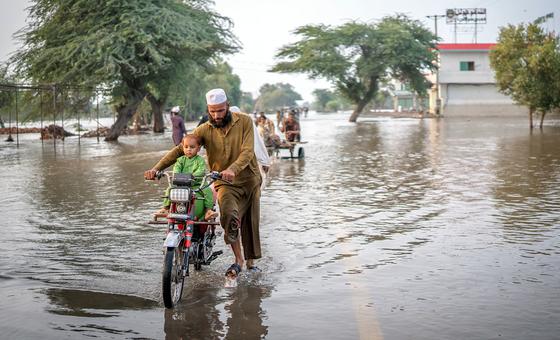
Most of the exorbitant costs of disaster are preventable with proper funding and planning —one of the main messages for this year’s International Day for Disaster Risk Reduction, themed Fund Resilience, Not Disasters, observed on Monday.

“Every dollar invested in resilience saves many more in avoided losses and protects the dignity of those most at risk. The choice is ours. We can continue to fund disaster response or we can invest in resilience,” said Amy Pope, chief of the International Organization for Migration (IOM).

In 2024 alone, nearly 46 million people were displaced by disasters, the highest number ever recorded, but disaster risk reduction efforts remain severely underfunded, according to the IOM. 

Preventable disaster costs

“As the climate crisis accelerates, disasters are multiplying and amplifying – devastating lives and livelihoods, erasing decades of development gains in an instant,” said UN Secretary-General António Guterres in his message to mark the Day. 

“The cost to the global economy is staggering: an estimated $2 trillion every year, when indirect costs are taken into account.”

Indirect costs include the wider social and ecosystem losses that come as a result of natural catastrophes. Earthquakes, floods, storms, droughts and heatwaves made up 95 per cent of direct costs in the past two decades, according to the report. 

“Wildfires in Europe and the Americas, and devastating earthquakes in Myanmar and Afghanistan prove that no country is immune, but the heaviest toll falls on communities already struggling with conflict, poverty, and hunger,” said Ms. Pope.

Different natural catastrophes affect different regions in the world. In South Sudan, annual floods can submerge houses, farmland and schools, forcing people to flee their homes and increasing food insecurity. 

As a disaster prevention measure, dykes have been constructed in South Sudan with the support of the IOM, protecting farmland and restoring livelihoods. 

Promoting disaster reduction 

The International Day for Disaster Risk Reduction was established in 1989 to foster a global culture of risk-awareness and celebrate how communities around the world are reducing their exposure to disasters. 

“The impact of disasters depends in large part on the choices we make, how strong our infrastructure is, how much we invest in prevention, and how well we protect the most vulnerable,” said Ms. Pope.

With planning and funding, the negative impacts of disasters can be reduced. Accordingly, this year’s Day call is for an increase in disaster risk funding and for the development of risk-adapted and resilient private investment. 

Mr. Guterres stressed that for every decision they make, the public and private sectors must take risk into account to minimise exposure and vulnerability to hazards. 

“On this Day, let’s commit to meet surging risk with a surge in funds, and build a safer and more equitable future for all,” he said. 

International Day for Remembrance of Slave Trade: ‘Time to abolish exploitation once and for all’

“It is time to abolish human exploitation once and for all and to recognise the equal and unconditional dignity of each and every individual,” Ms. Azoulay said.

The Day is intended to inscribe the tragedy of the slave trade in the memory of all peoples.

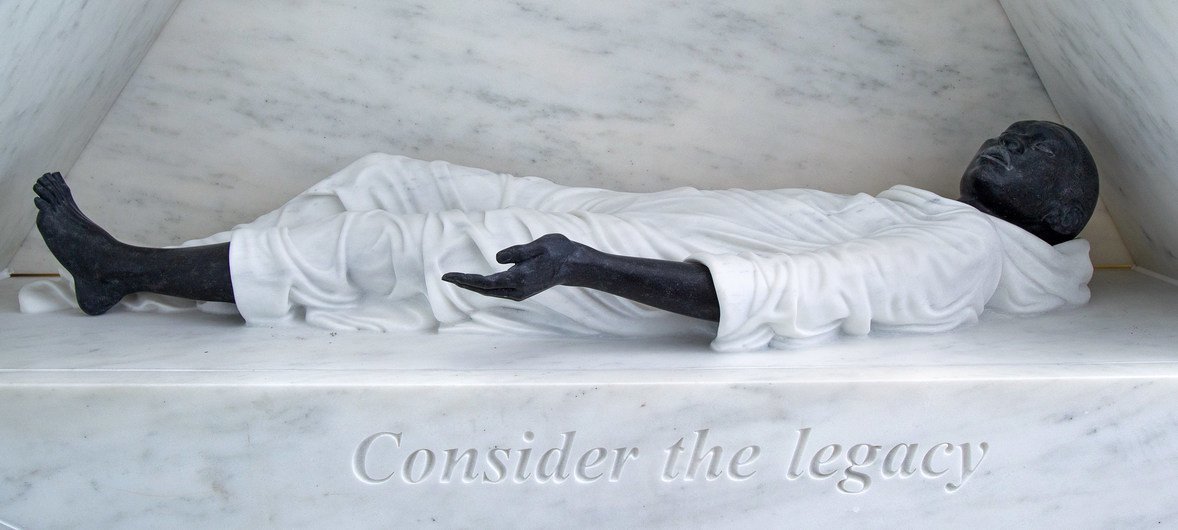
Details from Ark of Return, the permanent memorial at UN Headquarters to acknowledge the tragedy and consider the legacy of slavery and the transatlantic slave trade.

‘The fight is not over’

Echoing the goals of UNESCO’s intercultural project The Routes of Enslaved Peoples, it should offer an opportunity for collective consideration of the historic causes, the methods and the consequences of this tragedy and for an analysis of the interactions to which it has given rise between Africa, Europe, the Americas and the Caribbean, said the UN agency, which leads the annual commemoration.

UN Deputy Secretary-General Amina Mohammed said that while the Day honours the victims of the transatlantic slave trade, “the fight is not over.”

“Modern slavery persists,” she stated. “Let’s confront injustice, past and present and uphold the dignity and rights of every person.”

For its part, the UN works towards these goals, including through its Outreach Programme on the Transatlantic Slave Trade and Slavery, established in 2007.

Uprising led to abolition

On the night of 22 to 23 August 1791, in then Saint Domingue, now Haiti, saw the beginning of the uprising that would play a crucial role in the abolition of the transatlantic slave trade.

Against this background, the International Day is commemorated around the world. It was first celebrated in a number of countries, including in 1998 in Haiti and in 1999 on Gorée Island in Senegal, where millions of enslaved people had been forced onto ships to cross the ocean.

“Today, let us remember the victims and freedom fighters of the past so that they may inspire future generations to build just societies,” UNESCO’s Ms. Azoulay said.

Source link

UN honours fallen aid workers on World Humanitarian Day

The first eight months of 2025 show no sign of a reversal of this disturbing trend, with 265 humanitarian workers killed as of 14 August, according to figures released on World Humanitarian Day.

Attacks on humanitarian workers, assets and operations violate international law and undermine the lifelines that sustain millions of people trapped in war and disaster zones.  

“Even one attack against a humanitarian colleague is an attack on all of us and on the people we serve,” said Tom Fletcher, head of the UN Office for the Coordination of Humanitarian Affairs (OCHA), speaking in Geneva.

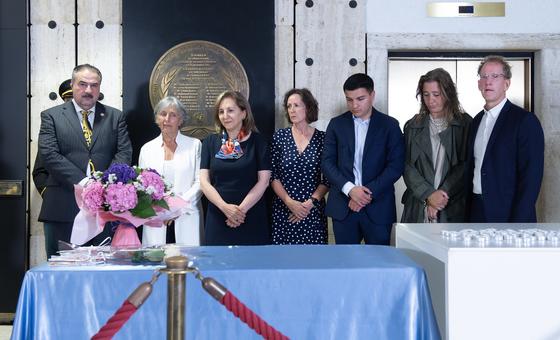
At Headquarters in New York City, the UN hosted a commemoration ceremony for the victims of the bombing of the United Nations headquarters its office in Baghdad in 2003, which cost the lives of 22 people. Some of the survivors attended the event.

Protect aid workers

“Humanitarians carry hope where there is despair,” said Mr. Fletcher at the World Humanitarian Day 2025 Commemoration Ceremony in Geneva.  

“They bring humanity where there is inhumanity.”  

Yet, humanitarian workers are under attack.  

In 2024, most of the aid workers killed were national staff serving their communities and were attacked in the line of duty or in their homes.  

Since October 2023, 520 aid workers, mostly staff with UN Palestine refugee agency UNRWA, have been killed in Gaza — the deadliest place for humanitarians for the second year running.  

OCHA demanded that Member States protect civilians and aid workers, and hold perpetrators accountable.

Despite the dangers, “humanitarians will not retreat”, said Mr. Fletcher.

Humanitarians in the Middle East  

Across the Middle East, civilians, including humanitarian workers, “are being killed, injured, and attacked in shocking numbers,” said the UN Resident and Humanitarian Coordinators in the Occupied Palestinian Territory (OPT), Syria, Yemen and Lebanon in a joint statement this Tuesday.  

Since August 2024, at least 446 humanitarian workers have been killed, wounded, kidnapped or detained in these locations. “The world is failing humanitarian workers and the people they serve,” the statement read.  

Renewing their call for the respect of international humanitarian and human right laws, the officials called on the international community to “protect those who protect humanity.”  

Source link

World Humanitarian Day 2025: Aid workers mull record toll of their own

Speaking to UN News from the wartorn enclave to mark World Humanitarian Day, Olga Cherevko from the UN aid coordination office, OCHA, said that exhausted aid workers continue to show up for work “day in and day out”.

Approaching two years since the start of the war in Gaza, Ms. Cherevko emphasized the commitment of her Palestinian colleagues, “the doctors, the nurses, aid workers who many of them have, lost everything and several times over”.

Red lines crossed

In comments in support of aid workers everywhere, UN Secretary-General António Guterres pointed out that humanitarian teams “are the last lifeline for over 300 million people” impacted by conflict or disaster.

Despite their lifesaving role, funding cuts are having a serious and negative impact on the world’s most vulnerable people, Mr. Guterres warned, while those who provide aid are increasingly under attack as “red lines are crossed with impunity”.

This is despite the fact that such attacks are prohibited under international law, the UN chief continued, noting that although governments have pledged action to protect them, “what is missing is political will – and moral courage…Humanitarians must be respected and protected. They can never be targeted.”

Powerless to help

From her base in Deir Al-Balah in central Gaza, Ms. Cherevko reflected on the nature of humanitarian work today and the frustration that aid teams often face when their lifesaving missions are delayed, preventing them from delivering assistance at scale.

“I think as a humanitarian, I feel powerless sometimes in Gaza because I know what it is that we can do as humanitarians when we’re unable to do so, both here in Gaza and in any other humanitarian crisis,” she explained.

“The fact that we continue to face massive impediments for delivering aid at scale, when our missions are delayed, when our missions lasted 12, 14, 18 hours; the routes that we’re given are dangerous, impassible or inaccessible.”

Surge in killings

Latest data indicates a 31 per cent surge in aid worker deaths compared to 2023, driven by the relentless conflict in Gaza.

The Strip saw 181 humanitarian workers killed in 2024, with 60 more fatalities in Sudan. More widely, violence against aid workers increased in 21 countries in 2024 compared to the previous year, with State actors the most common perpetrators.

Worryingly, there is no sign that the trend is slowing this year, with 265 aid workers killed as of 14 August this year, according to provisional data from the Aid Worker Security Database.

Amid early reports that Hamas has agreed to a 60-day ceasefire in Gaza and ongoing uncertainty about the Israeli plan to pursue a complete military takeover of the enclave, OCHA’s Ms. Cherevko highlighted the need for a permanent end to the conflict.

Aid teams are exhausted and “everyone’s still showing up (to work), but courage alone and commitment alone isn’t going to feed people, isn’t going to save people”, she insisted. “What we need is, again, a permanent ceasefire. We need political solutions to this conflict and a resolution to this crisis.”

Indigenous Peoples Day highlights AI’s risks and opportunities

An estimated 476 million Indigenous Peoples live across 90 countries, representing 5,000 different cultures.

Without proper safeguards, AI risks harming Indigenous rights through inequitable distribution of the groundbreaking technology, environmental damage and the reinforcement of damaging colonial legacies.

The growing amount of electricity generation needed for AI data centres and other infrastructure is also intensifying climate change pressures, according to the UN.

When situated near Indigenous Peoples’ lands, AI data sites can exacerbate environmental degradation, negatively affecting the ecosystems they depend on.

Moreover, decisions on AI are often made by governments and major tech companies excluding any consultation with Indigenous Peoples. This has meant Indigenous language, knowledge and culture are regularly included in AI datasets without consent, perpetuating patterns of appropriation and misrepresenting Indigenous Peoples.

Despite challenges and risks, AI also presents new opportunities. Worldwide, Indigenous Peoples have explored the use of AI, using it as a tool for preserving intergenerational knowledge, empowering youth, and preserving culture, language and identity.

Safeguards for and innovations from Indigenous Peoples in the realm of AI are the focus of this year’s International Day of the World’s Indigenous Peoples, as well as recipients of the Equator Prize.

2025 Equator Prize  

To commemorate the day, the UN Development Programme (UNDP) has announced the ten community-based, Indigenous-led organizations that will be recipients of the 2025 Equator Prize.  

This award honours environmentally grounded solutions led by Indigenous Peoples that promote sustainable development, with winners demonstrating this year’s prize theme, “Nature for Climate Action”.

Winners will receive $10,000, be honored at a high-level online ceremony later this year and may join global events, including the UN General Assembly and the UN Climate Change Conference, COP30, taking place in Brazil later this year.

Prize recipients  

The Latin American recipients include Cooperativa de Mujeres Artesanas del Gran Chaco (COMAR) in Argentina, Associação Uasei dos Povos Indígenas de Oiapoque (Uasei) in Brazil, the Hakhu Amazon Foundation in Ecuador and the First Agrobiodiversity Zone in Peru.  

COMAR supports Indigenous women through Matriarca, a brand turning traditional crafts into sustainable products. Uasei fosters an Indigenous-led bioeconomy around native açaí, while Hakhu defends the Ecuadorian Amazon and Indigenous rights through advocacy, decolonial education and grassroots media. 

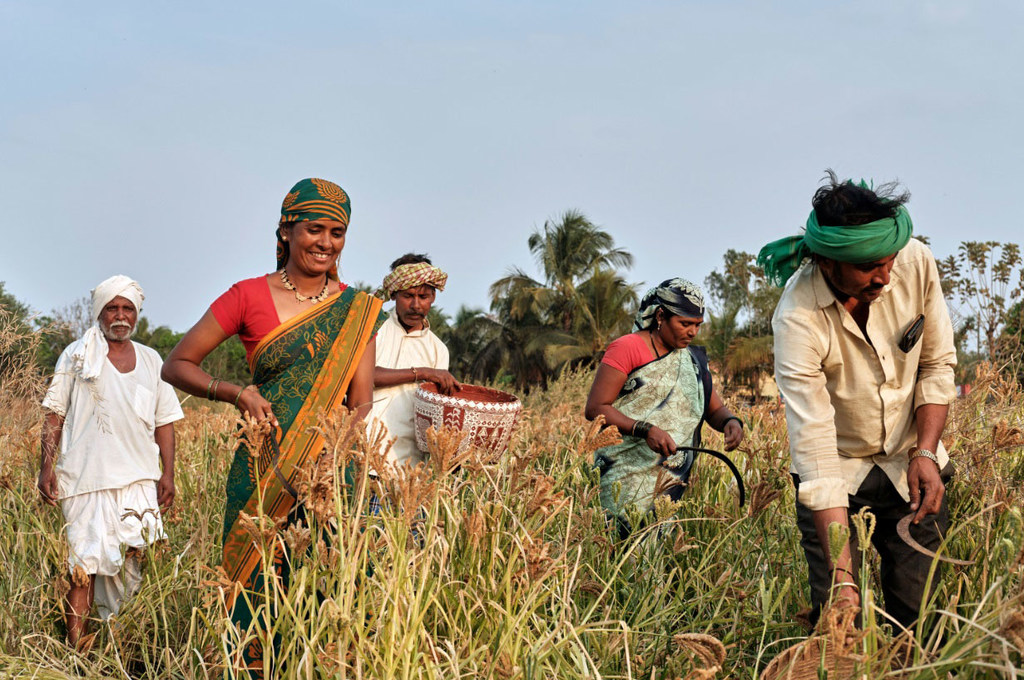
In India, Bibifathima Swa Sahaya supports village farmers through multi-cropping, seed banks and solar-powered processing – combining traditional knowledge with regenerative agriculture and renewable energy. 

© Equator Initiative/Bibifathima Swa Sahaya Sangha

The 2025 Equator Prize winners exemplify this year’s theme, “Nature for Climate Action,” with a special focus on youth- and women-led climate action.

In Indonesia, Mitra BUMMA supports community enterprises protecting 100,000 hectares of rainforest while also boosting local economies and governance. The Ranu Welum Foundation empowers Indigenous Dayak communities through forest conservation and cultural preservation.

In Papua New Guinea, Sea Women of Melanesia Inc. empowers women to lead marine conservation by combining traditional knowledge with modern science.

And in Africa, Nature and People As One in Kenyaempowers pastoralist communities to restore drylands using traditional knowledge and affordable restoration methods, and Sustainable Ocean Alliance Tanzania restores marine ecosystems through sustainable seaweed farming and empowers coastal communities.

“On this important day, the 2025 Equator Prize winners are a reminder of the importance of honoring and recognizing the vision and leadership of Indigenous Peoples and local communities,” said Marcos Neto, UN Assistant Secretary-General and Director of UNDP’s Bureau for Policy and Programme Support. 

LIVE COVERAGE: Day 3 of high-level conference on two-State solution for Israel and Palestine

UN Secretary-General António Guterres on Monday warned that the Israeli-Palestinian conflict is “at a breaking point” and headed toward a one-State reality marked by perpetual occupation and inequality, unless the international community takes urgent, irreversible steps to implement the two-State solution.

Source link

LIVE COVERAGE: Day 2 of high-level conference on two-State solution for Israel and Palestine

Welcome to our continuing live coverage of the high-level international conference at UN Headquarters, aimed at advancing practical steps toward achieving a two-State solution to the Israel-Palestine conflict. Mandated by the General Assembly, the three-day meeting features plenaries, working groups and interventions from senior UN officials and Member States. UN News app users can follow here.

Source link

People dying from lack of aid every day in Gaza: WFP official

Ross Smith, director of emergency preparedness and response, briefed journalists in New York in the wake of a deadly incident on Sunday in which dozens of civilians were killed and injured while waiting to access food as a WFP convoy was entering northern Gaza.

“Yesterday’s incident is one of the greatest tragedies we’ve seen for our operations in Gaza and elsewhere while we’re trying to work,” he said, speaking from Rome.

“And it’s completely avoidable, and it’s an absolute tragedy,” he added.

Famine conditions and malnutrition

Gaza’s population stands at roughly 2.1 million and earlier this year, food security experts warned that one in five people faces starvation.

Mr. Smith said WFP assessments show that a quarter of the population is facing famine-like conditions. Almost 100,000 women and children are suffering from severe acute malnutrition and need treatment as soon as possible.

Pointing to reports, he said “people are dying from lack of humanitarian assistance every day, and we are seeing this escalate day by day.” 

He stressed that food assistance, and humanitarian assistance more broadly, are “the only solution at the moment” for Gaza.

Minimum operating conditions

Mr. Smith said humanitarians have a set of minimum operating conditions that need to be in place for them to work effectively.

These include crossing points into Gaza, “proper routing” inside the enclave so that teams can move independently, and the entry of more than 100 trucks of aid a day.

“We also need to have no armed actors near food distribution points, near our convoys, and near the movement of those convoys from one place to another,” he continued, while underscoring the need to reach people where they are and not in otherwise predetermined locations.

“And I would say above all that we have had agreements in principle on these things, but we have not had adherence to these in practice in Gaza itself. And this is really where the breakdown is, and it’s where we see incidents like (yesterday) take place,” he said.

Ceasefire now

Mr. Smith also highlighted the critical need for a ceasefire “so that we can move effectively.”

In response to a journalist’s question, he said WFP moved more than 200 trucks of assistance per day into Gaza during the ceasefire earlier this year. Since mid-May, it has been able to move less than 10 per cent of what is needed.

He said the UN agency has enough stocks pre-positioned outside Gaza to supply the entire population for two months “if we can get a ceasefire and if we can move.” 

Source link

Mandela’s legacy ‘is now our responsibility’, Guterres says on International Day

In his remarks, the Secretary-General celebrated the extraordinary life of the South African civil rights icon, affectionately known by his Khosa clan name, Madiba.

“He endured the brutal weight of oppression, and emerged not with a vision of vengeance and division – but of reconciliation, peace and unity,” Mr. Guterres said.

“Today, Madiba’s legacy is now our responsibility. We must carry forward his commitment to peace, justice and human dignity.”

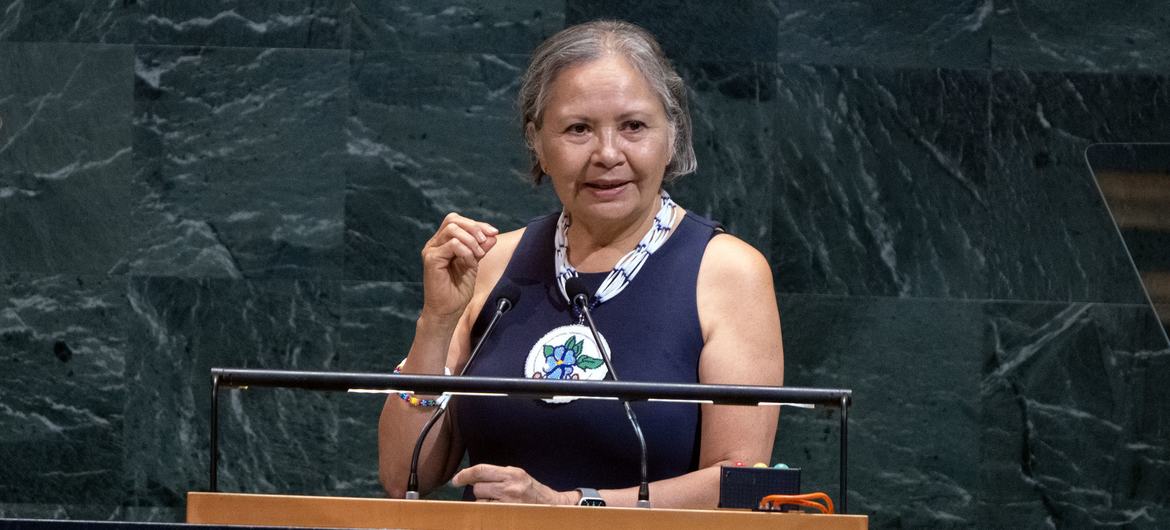
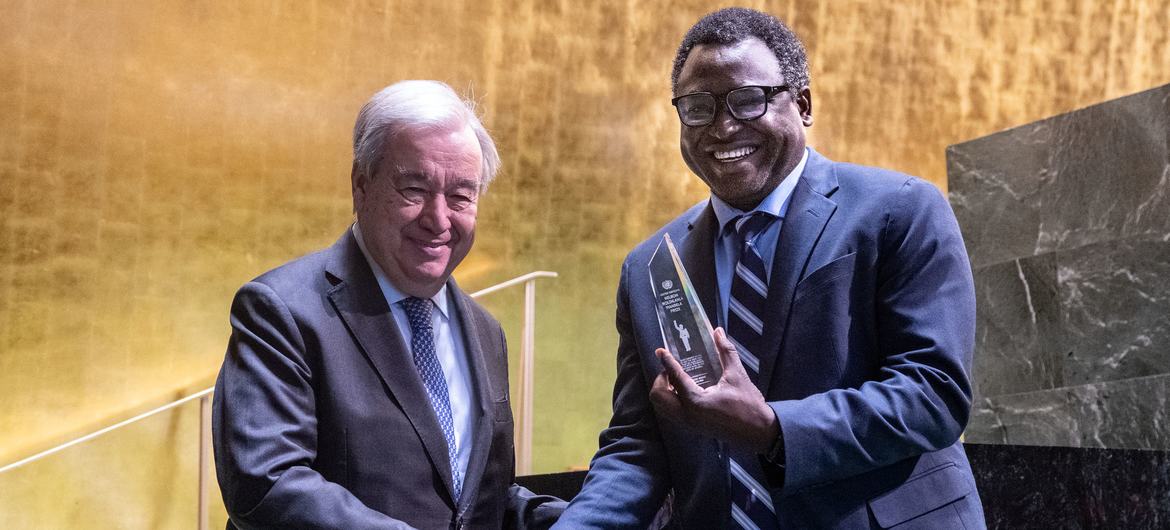
To honour this legacy, the UN chief awarded the annual Nelson Mandela Prize to two individuals who reflect the late leader’s commitment to peace and collective action, and this year’s theme of combating poverty and inequity: Brenda Reynolds of Canada and Kennedy Odede of Kenya. 

Brenda Reynolds, Nelson Mandela Prize awardee, speaks in the UN General Assembly hall on the observance of the annual Nelson Mandela International Day.

Brenda Reynolds: turning pain into action

Brenda Reynolds is a Saulteaux member from Fishing Lake First Nation in Canada, and as a social worker she has spent decades advancing Indigenous rights, mental health and trauma-informed care.

“There are many parallels to what we had experienced in both our countries, where the governments made impacted policies to change who we are, to face oppression, to face violations of human rights in our countries,” Ms. Reynolds said in her acceptance speech.

In 1988, she supported 17 teenage girls in the first residential school sexual abuse case in Saskatchewan. 

“These charges were the beginning of other disclosures that came from across Canada from survivors speaking about their sexual abuse experiences. Those charges and the disclosures became the largest class action lawsuit to date in Canada,” known as Canada’s Indian Residential Schools Settlement Agreement, she explained.

Afterwards, she became a special adviser to the Truth and Reconciliation Commission and developed the Indian Residential School Resolution Health Support Program – both created by the agreement – helping shape survivor support and trauma responses nationwide.

Secretary-General António Guterres (left) with Nelson Mandela Prize awardee Kennedy Odede of Kenya at the informal meeting on the observance of the annual Nelson Mandela International Day.

Kennedy Odede: from slums to CEO

After growing up in Kenya’s Kibera Slum, Kennedy Odede went from living on the street to global recognition when he was named one of TIME magazine’s 2024 100 Most Influential People and became a New York Times bestselling author.

“At ten years old, fleeing domestic violence, I joined the ranks of Nairobi’s street children. One day I stole a mango because I was starving. A mob gathered to beat me dead, until a stranger stepped forward, paid for that mango, and in that single act of grace, showed me that kindness could interrupt cycles of violence,” Mr. Odede recounted in his acceptance speech.

He began his journey as an activist by saving his meagre factory earnings to buy a soccer ball and bring his community together. 

“That ball was not just for play; it was a tool for organising. A centre around which a community could form,” he said. 

This soon grew into Shining Hope for Communities (SHOFCO), the largest grassroots movement in Kenya he now leads as CEO. SHOFCO operates across the country, empowering local groups and delivering vital services to over 4 million people annually.

“Mandela showed all of us at SHOFCO, that leadership is not a privilege reserved for those born to power. It belongs to anyone willing to serve and look within.” 

Source link

Indigenous youth meet trailblazers ahead of Nelson Mandela Day

Accompanied by their parents and mentors from the midwestern state of Wisconsin, the group wore handmade ribbon skirts and vests featuring seven coloured bands, each symbolizing a Sustainable Development Goal (SDG) of personal significance, such as good health and gender equality.

Also visiting the UN in New York for the first time that day was Brenda Reynolds, a social worker from Canada and a member of the Fishing Lake First Nation. She was joined by her husband, Robert Buckle, and 12-year-old granddaughter Lillian, and wore one of her own ribbon skirts for the occasion.

Ms. Reynolds will be awarded the 2025 United Nations Nelson Rolihlahla Mandela Prize on 18 July. The Prize, presented every five years, recognizes two individuals whose life work exemplifies service to humanity. Ms. Reynolds will receive the award alongside Kennedy Odede, a social entrepreneur from Kenya.

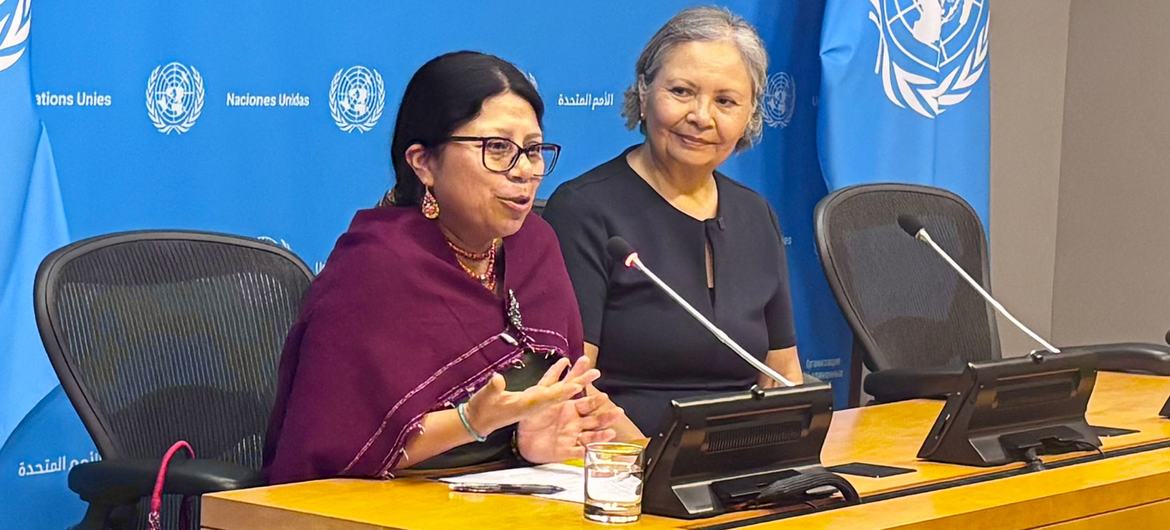
Mirian Masaquiza Jerez, a UN Social Affairs Officer, and Brenda Reynolds, a recipient of the 2025 United Nations Nelson Rolihlahla Mandela Prize, brief Indigenous youth visiting UN Headquarters in New York.

Agents of change

After a UN tour (unanimously enjoyed) and a quick stop for lunch and souvenirs at the UN Bookshop (where one plushie hummingbird was traded for a green turtle named “Coral”), the group settled into a briefing room.

Onstage, Ms. Reynolds was joined by Mirian Masaquiza Jerez, a Kichwa woman from Ecuador and a Social Affairs Officer at the UN Department of Economic and Social Affairs (UNDESA), easily recognized in the UN corridors for always wearing traditional regalia from her Indigenous community of Salasaka,

“Wherever you go to public spaces, wear who you are,” she said.  “The UN is the place to raise your voice. Be free to be who you are.”

Encouraging them to speak their languages and honour their cultures, Ms. Masaquiza urged the young students to see themselves as agents of change.

“You didn’t come by invitation. You came because you belong,” she said. “You are the future. You are the present. As Indigenous, we have the space. Use it.”

A painful past

Ms. Reynolds shared her personal story with the group, reflecting on her early career as a counsellor at Gordon’s Indian Residential School in Saskatchewan, the last federally funded residential school to close in Canada.

She described seeing children as young as five separated from their families for a year at a time and issued shirts with numbers instead of their names written inside: “The only other time I had seen people identified that way was when Jewish people had numbers tattooed on them.”

During her first year at Gordon’s in 1988, a young girl confided that she had been abused. By the next morning, 17 would come forward, launching what would become the province’s first major residential school abuse case.

Ms. Reynolds, then labeled a “troublemaker,” went on to help shape the Indian Residential Schools Settlement Agreement and advise the Truth and Reconciliation Commission. Her work has impacted hundreds of thousands of Indigenous People across Canada.

The room echoed with laughter, knowing nods and tears, and phrases from Ojibwe and other languages represented by the Indigenous Peoples in the room, including Potawatomi, Ho-Chunk, Ojibwe, Menomonee, Oneida, Navajo, Hawaiian, Pacific Islander, and Afro-Indigenous communities.

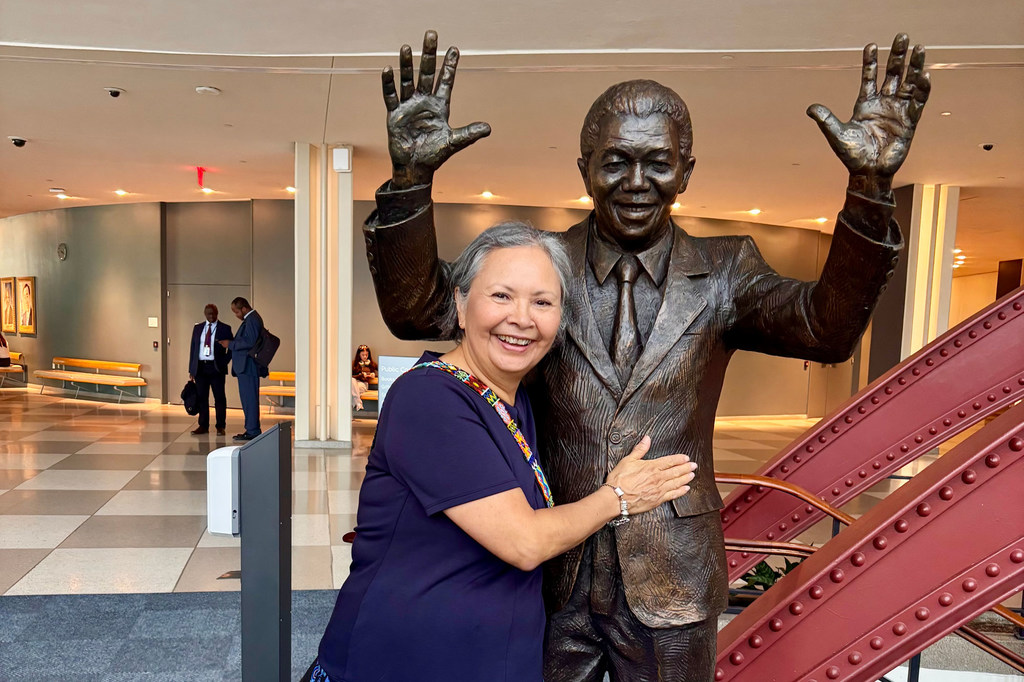
Brenda Reynolds, a recipient of the 2025 United Nations Nelson Rolihlahla Mandela Prize, poses with a statute of the late South African President at UN Headquarters in New York.

Coming full circle

The youth came from the Daughters of Tradition and the Sons of Tradition, part of a long-running healing initiative by Milwaukee’s Healing Intergenerational Roots (HIR) Wellness Institute, which supports Indigenous communities with no-cost, comprehensive mental healthcare and other services.

The founder, Lea S. Denny, wants Indigenous youth to see themselves in positions of power. This particular group has been together for eight years, with some heading off to college in the fall.

One father, attending with his three daughters, reflected on raising Indigenous youth in the digital age. “We want them to access the world out there,” he said, “but also protect the inside world we want to hold dear.” He said he also offered the advice that “if you don’t see yourself on the screen, sometimes you have to be the first.”

The day finished with hugs and exchanges of handmade leis as a symbol of the breath of life and sharing a good life source.

They will reunite on 18 July to see Ms. Reynolds accept the Mandela Prize in the General Assembly Hall.

Before then, a planned detour to visit Times Square.

Meanwhile, Ms. Reynolds and her family discussed their plans for a Broadway show. On the way out, she paused to hug a life-sized bronze statue of Nelson Mandela, a gift from the South African Government to the UN.

“I started my work with children,” she said. “And today, I spoke to children. This feels full circle for me.”

Source link

World Horse Day: Honoring humanity’s oldest and most loyal companion

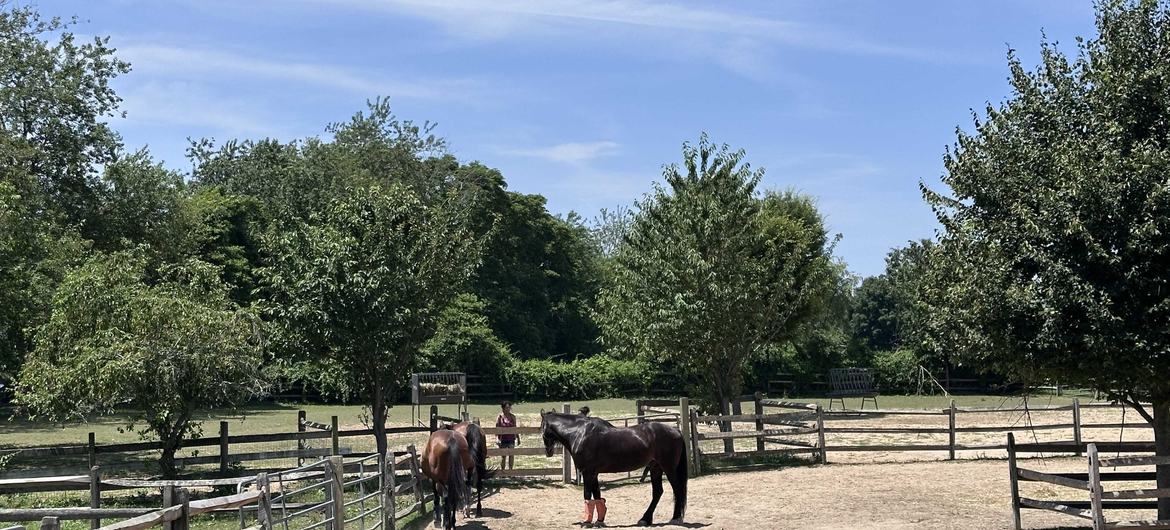
UN News visited the farm to mark the first-ever World Horse Day, established this year by the UN General Assembly. By creating the Day, Member States sent a clear message: animals deserve to be treated with care and respect.

A faithful companion

From ancient battlefields to modern therapeutic programs, horses have been by humanity’s side for millennia—but in today’s high-tech world, few remember that legacy.

“Horses didn’t just help us survive,” says Marisa Striano. “They built America with us. They plowed the land, they carried people.”

Many cultures revere horses not only for their strength, but for their spiritual presence. In Mongolia—the country that introduced the resolution for World Horse Day—horses are sacred, central to national identity. Children there often learn to ride before they can walk, and folk songs celebrate the animals’ loyalty and nobility.

Fading from view

Once humanity’s primary mode of transportation, horses have largely been replaced by machines. Today, they are mostly found in sport, tourism, therapy, and entertainment. But this shift doesn’t mean they’ve lost their place in human life. “Horses haven’t lost their value – we’ve just stopped seeing it,” Striano says.

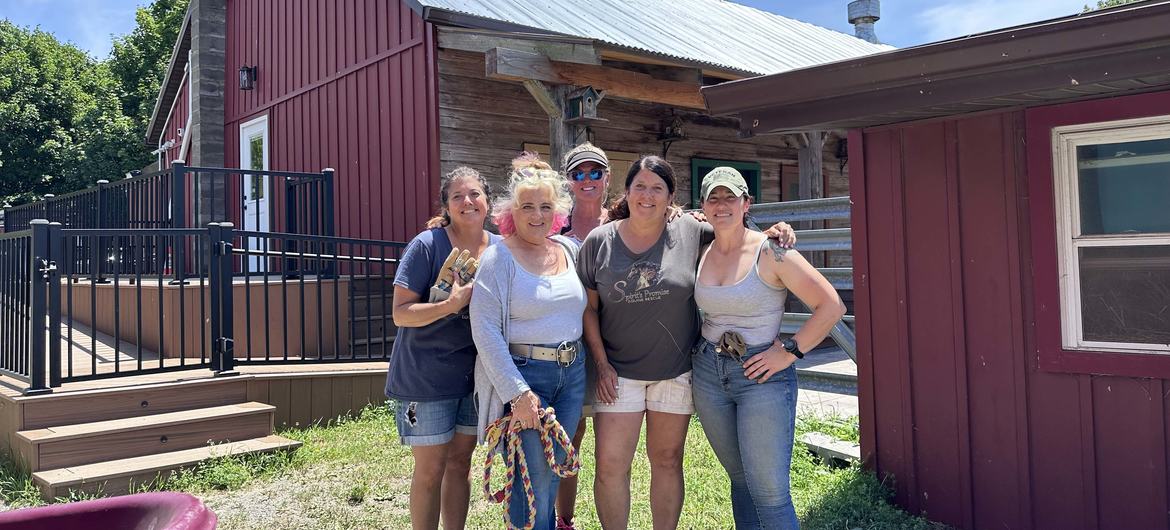
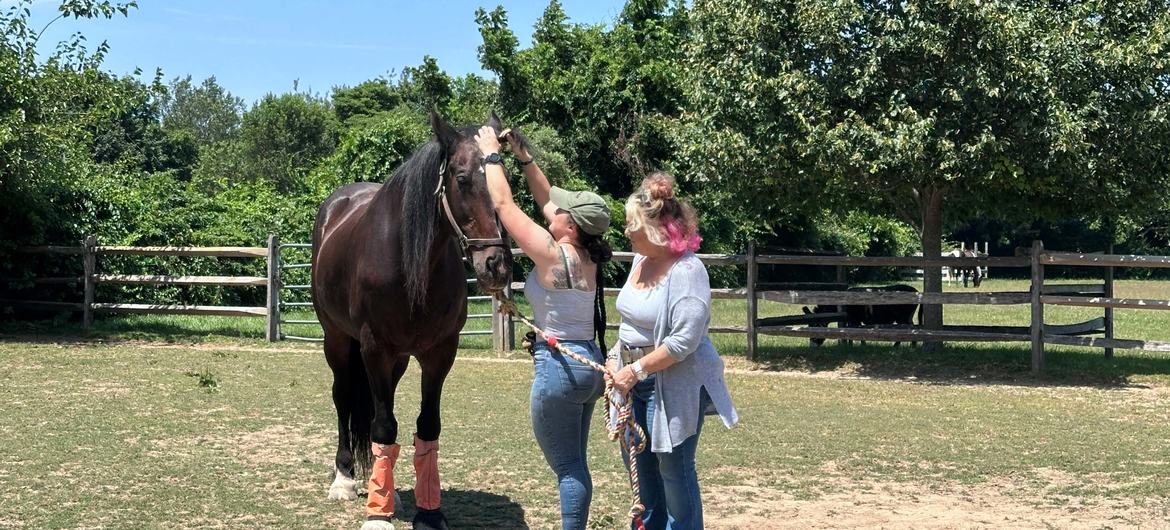
Located on Long Island New York’s scenic North Fork, Spirit’s Promise provides a sanctuary of healing for both animals and humans alike.

A second chance

Sick, aging, or retired racing horses are often shipped to slaughterhouses in Canada or Mexico.

“Imagine working 15 years, giving your all, and then being thrown away just because you got old,” Striano says. “Those are the horses we take in. We give them more time. A second chance.”

The farm is home to 19 rescued horses, including retired police horses, former breeding stallions, and even old Amish workhorses – each with their own story.

“One of them is Gus – he’s 107 in human years,” Striano says. “He used to be a therapy horse, but near the end he started throwing kids off. Now he’s retired and in love with his blind companion, Ramona. They’re inseparable. That’s the horse’s soul.”

Emotional congruency

Horses aren’t just helpers – they’re deeply emotional, intuitive, and highly social beings. With near-360-degree vision and a heightened sensitivity to their surroundings, horses are naturally attuned to emotional states, Striano explains. This makes them ideal partners in therapeutic settings.

The Spirit’s Promise farm is run by a close-knit team of women.

At Spirit’s Promise, horses work with children with disabilities, survivors of abuse, and older adults with dementia. A horse can calm an anxious teenager or bring joy to someone who thought they had forgotten how to feel it.

They’re often called “mirrors of emotion”: horses instantly pick up on a person’s true inner state—even if the person isn’t aware of it themselves.

“Horses are 100 percent emotion. They don’t lie, and they can’t stand lies in others,” says Ms. Striano. “If you say you’re fine but inside you’re falling apart, they’ll sense it—and walk away. But if you’re honest—even if you’re sad or angry – they’ll stay with you.”

This sensitivity makes them remarkable companions for those experiencing grief, addiction, or trauma. One moment stands out vividly for her.

A young man came to the farm early in his recovery from drug addiction. Dressed in a hoodie with sleeves pulled low, he seemed constantly on guard. At the time, the farm had a horse named Heartbreaker. Though she has since passed, Striano recalls what happened next with awe.

“She walked right up to him and just… accepted him,” Ms. Striano says. “She looked at him like, ‘I see you’re broken. I am too. But that’s not the end. You can still love.’”

The two entered the paddock together. Heartbreaker lay down on the ground, and the man sat beside her, resting his face on her body. For half an hour, they just sat there in silence.

“It was complete peace,” Ms. Striano remembers. “Trust without words. Presence without conditions.” Then the young man’s mother approached. Heartbreaker, who had been calm and gentle, suddenly grew agitated — snorting, tossing her head, trying to break free.

“She acted like she wanted to protect him from his mother,” she says. “I rushed to lead Heartbreaker away. And the young man turned to me and whispered, ‘She hides behind her religion, but she hasn’t forgiven me. She’ll never say it – but the horse saw it.’”

For Ms. Striano, this confirmed something she’s seen again and again: horses don’t respond to appearances, only truth. “They don’t see the mask. They see the soul. And that’s their power. They see us for who we really are – and still choose to be with us.”

Between Care and Exploitation

Debates around horse exploitation are ongoing: from carriage horses to racing and show industries, where is the line between tradition and cruelty?

Located on Long Island New York’s scenic North Fork, Spirit’s Promise provides a sanctuary of healing for both animals and humans alike.

“I hate racing,” Ms. Striano says. “Maybe it had purpose once. Now it’s just about money. Horses get pumped with drugs, locked up, used up. Then slaughtered.”

At the same time, she acknowledges that ethical questions aren’t always clear-cut. “I don’t believe in sacrificing one soul for another,” she says when asked about the horses pulling carriages for tourists in New York’s Central Park. “Those horses feed entire families. We have to find a balance. But we must never forget: horses are not tools. They are living beings.”

To Forgive and Love Again

For Ms. Striano and the horses she cares for, the farm is a place where trust between species is rebuilt. She sees her work as a privilege—a daily chance to be with creatures that know how to forgive and love again, no matter what they’ve been through.

“When I walk into the paddock and they come up to me—I thank them. Every time,” she says. “Because a horse is pure. They’re not with you because you broke them—they’re with you because they chose to be. And that means everything.”

A Day to Say “Thank You”

According to  the UN Food and Agriculture Organization (FAO), there are around 60.8 million horses in the world. The United States has 2.41 million horses and ponies across 63,000 farms, while the European Union is home to about 7 million horses and 800,000 jobs in equestrian breeding, sport, and tourism. In Mongolia there are 3.4 million horses – nearly one for every person.

Beyond sport and industry, horses, donkeys, and mules are vital to rural life. According to research by the World Organisation for Animal Health and FAO, 112 million working equids support the livelihoods of some 600 million people in low- and middle-income countries, helping transport water, food, and much more.

On July 11, the first World Horse Day, the UN invites the world to say “thank you” to humanity’s loyal companion – for their labor, trust, and patience. For staying by our side – and helping us heal. “A horse is a gift,” Ms. Striano says. “And we have no right to lose it.”


‘Our kids cry for food’: Most Gaza families survive on one meal a day

The meals which families are able to obtain are nutritiously poor — thin broths, lentils or rice, one piece of bread or sometimes just a combination of herbs and olive oil known as duqqa

Adults are routinely skipping meals in order to leave more for children, the elderly and the ill. And still, on average since January, 112 children have been admitted on a daily basis for acute malnutrition.  

“[When my children wake up at night hungry] I tell them ‘Drink water and close your eyes.’ It breaks me. I do the same – drink water and pray for morning,” as one parent said. 

Risking lives for food

Due to these extreme food shortages, people in Gaza are forced to risk their lives on a daily basis to access small amounts of food. Since 27 May, 549 Palestinians have been killed and 4,066 have been injured trying to access food, according to the Ministry of Health (MoH) in Gaza.

“The majority of casualties have been shot or shelled trying to reach US-Israeli distribution sites purposefully set up in militarized zones,” said Johnathan Whittall, head of office for the UN humanitarian affairs agency, OCHA, in the Occupied Palestinian Territories. 

Since the end of May, the US-Israeli backed Gaza Humanitarian Foundation (GHF) has been distributing aid in Gaza, bypassing the UN and established NGOs.

The UN has said Palestinians who seek aid from the GHF face threats of gunfire, shelling and stampedes.

“We don’t want to be out there. But what choice do we have? Our kids cry for food. We don’t sleep at night. We walk, wait, and hope we come back,” one Palestinian told WFP.

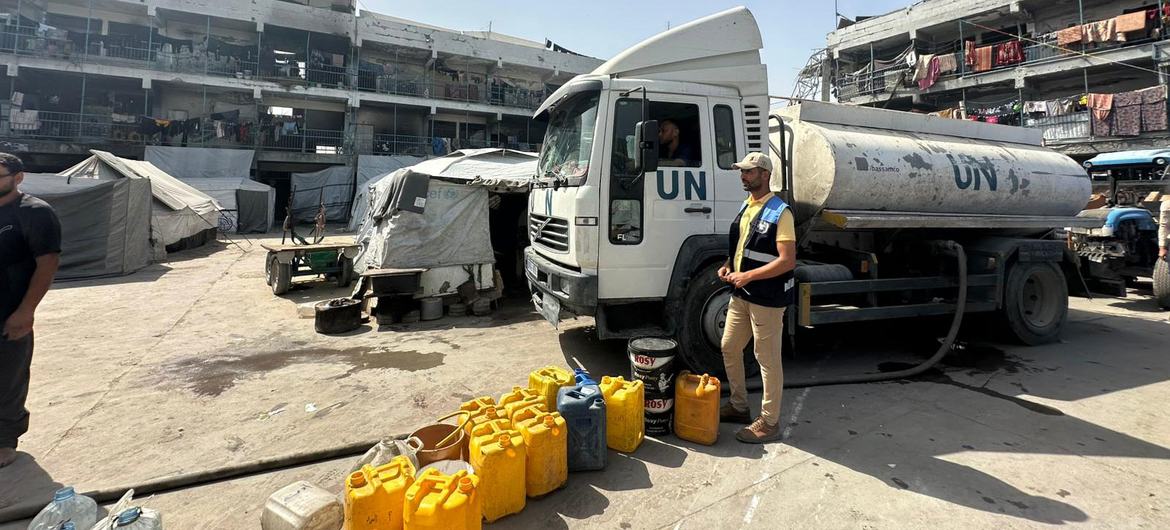
Water is delivered to Gazans sheltering at an UNRWA school.

Systems near collapse

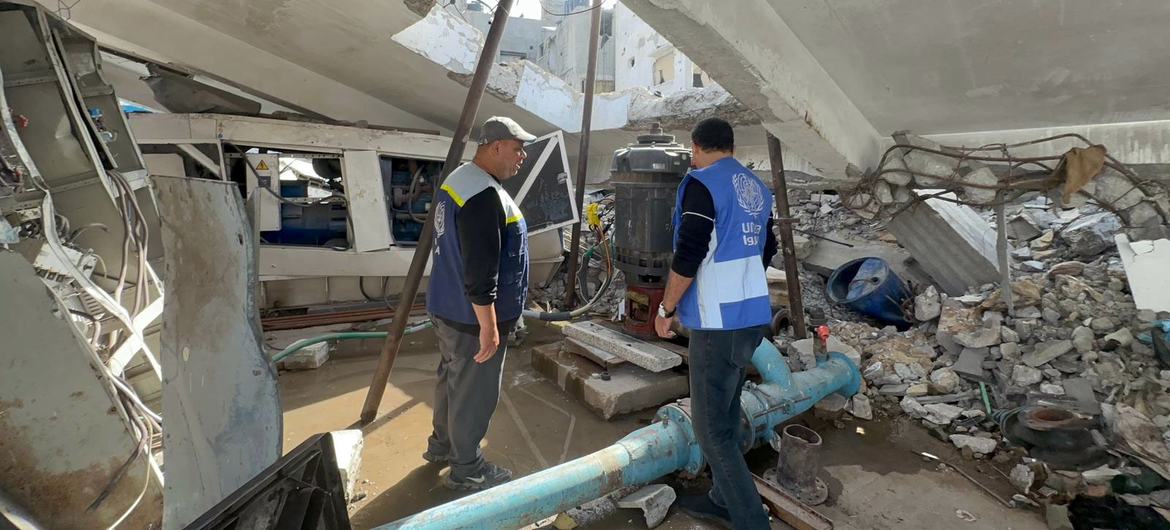
Protracted conflict and bombardment have pushed almost all service systems in Gaza to the brink.

As a result of fuel shortages, only 40 per cent of drinking water facilities are functional and 93 per cent of households face water insecurity. 

The fuel shortage is also negatively affecting the provision of medical services with medical equipment and medicine storage reliant on electricity.

For the first time since the resumption of limited aid entry on 19 May, nine trucks containing medical items offloaded supplies on the Israeli side of the Kerem Shalom crossing on Wednesday.

Displaced, over and over again

Since the resumption of Israeli bombardment in Gaza on 18 March after a 42-day ceasefire, over 684,000 Palestinians have been displaced. And for almost all of them, this is not the first time.

With over 82 per cent of Gaza either designated as an Israeli militarized zone or under a displacement order, there are few places — much less safe places — that the newly displaced can go.

They have been forced to take shelter in overcrowded displacement camps, makeshift shelters, damaged buildings and sometimes just on open streets. Schools are no longer buildings of learning but of shelter.

An UNRWA member of staff inspects destroyed infrastructure.

“Schools have transformed into empty shelters, devoid of any elements of a safe learning environment,” said Kamla, a teacher with the UN Relief and Works Agency for Palestinian Refugees in the Near East (UNRWA) in Nuseirat. 

All of these shelters are experiencing rapidly deteriorating conditions as a result of insufficient shelter materials, according to Stéphane Dujarric, spokesperson for the Secretary-General. 

“No shelter materials have entered Gaza since 1 March, before the Israeli authorities imposed a full blockade on aid and any other supplies for nearly 80 days,” he said at a briefing on 19 June.

“While some commodities have subsequently been allowed in small quantities, tents, timber, tarpaulins and any other shelter items remain prohibited.”

The UN and its partners have 980,000 shelter items prepared to dispatch into Gaza once authorization is granted by the Israeli authorities. 

‘Symbols of hope’

Since the beginning of the violence in Gaza, UNRWA has continued to work tirelessly to provide displaced and injured Palestinians with many types of support.

“Despite all this, the eyes and hopes of our community remain fixed on us. UNRWA staff are not merely service providers. In the eyes of people in Gaza, we are pillars of resilience, lifelines of stability and symbols of hope,” said Hussein, an UNRWA worker in Gaza City. 

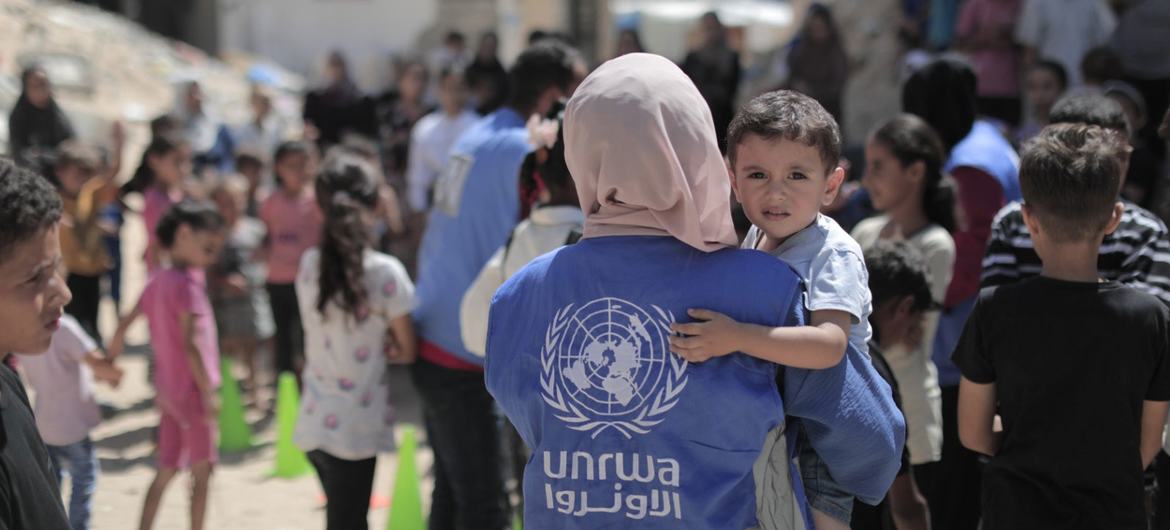
An UNRWA worker carries a young boy in Gaza.

But as fuel shortages continue and only small amounts of humanitarian aid — food, medicine, shelter materials — trickle through the Kerem Shalom border crossing, the job of UNRWA workers and other humanitarians in Gaza is increasingly untenable. 

“We have lost all the tools needed to work, so we have had to adapt,” said Neven, a psychosocial UNRWA worker in Khan Younis.

Dspite their best efforts, the bombardment and devastation of Gaza continues with children going hungry and some even expressing suicidal thoughts. 

“I told my daughter her deceased father is safe, eating and drinking with God,” one mother said. “Now, she cries every day and says, ‘I’m hungry and want to go to my father because he has food to feed us.’” 

Source link

‘One Earth, One Health’: Yoga Day provides respite in a tumultuous world

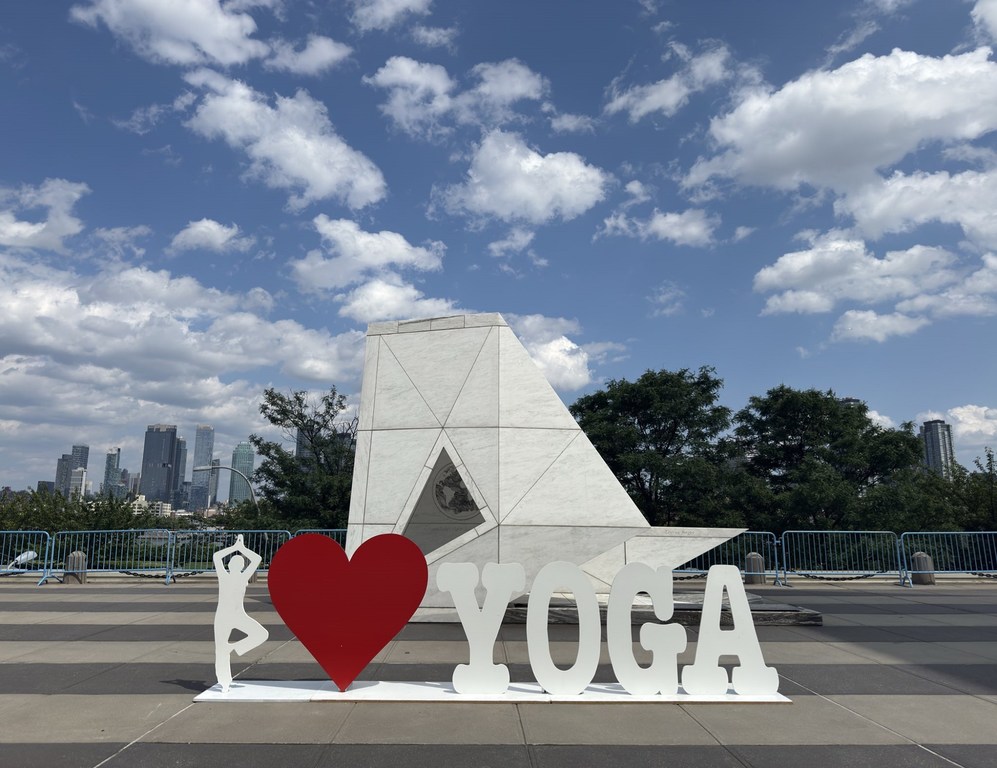
This powerful message of International Yoga Day, observed annually on 21 June, reverberated through UN Headquarters in New York on Friday as hundreds gathered to embrace the ancient, holistic practice.

A familiar tradition now each year, the North Lawn once again transformed into an open-air yoga studio overlooking the East River.  Following a stretch of rainy, gray days, the sky had finally cleared, making it a bright, warm day.

And yoga enthusiasts, including diplomats, UN officials and staff, took full advantage of it, rolling out their mats – flexing bodies and minds.

Peter Rogina, founder of Project Peace Lights, was delighted to return to the headquarters and fondly recalled the 2019 event, which was moved indoors to the General Assembly Hall due to rain.

“I love the opportunity to practice with such a large group of people, the energy is just amplified…And I also have my son with me, so to introduce him to this experience, I am also very excited.”

Lama Aria Drolma is a Buddhist teacher and meditation expert.

A Buddhist monastic Lama Aria Drolma comes to the UN every year to participate in the event. Her path has taken her from the world of corporate modeling to a more reflective place of inner peace and meditation.

“When I was a young child growing up in India, I used to practice yoga. It touches not only the body but also the soul. It’s very meditative as well. I find yoga to be one of the healthiest things we all can do to take care of our health.”

‘One family’

The emphasis on personal wellness also highlighted the benefits of yoga going beyond individuals to encompass the health of the entire planet.

Organized by the Permanent Mission of India to the UN in collaboration with the UN Secretariat, the theme of this year’s event was, Yoga for One Earth, One Health.

India’s Permanent Representative Ambassador P. Harish noted how it underscores a vital truth: personal well-being and planetary health are deeply interconnected.

“In caring for ourselves, we begin to care for Earth, reflecting the enduring Indian ethos of Vasudhaiva Kutumbakam, or the whole world is one family.”

“The 11th edition of the Yoga Day offers us an opportunity to reflect on how yoga has grown into a global force for well-being, touching people across age-groups, geographies and walks of life,” he added.

Echoing that, Didi Ananda Radhika Acharya from Ananda Marga Women’s Welfare Center pointed out that more than just an exercise, yoga is  a way to discover the sense of oneness with yourself, the world and nature.

“On the outside, we are our bodies, within that lies our mind. Deep further inside, there is something that is always witnessing us, observing us. That is our soul. Through Yoga, we can reach that inner space. When we delve into the depths of our mind through yoga, we realize how deeply connected we all are.”

A symbol of hope

Participants on the lawn ranged from experienced practitioners to curious first timers, engaged in basic yoga asanas (poses), breathing techniques and stretching exercises.

Permanent Mission of India to the UN

Marking International Day of Yoga at UN Headquarters in New York City. (20 June 2025)

The key highlight of the programme was a guided meditation session by the renowned physician and a leading figure on integrative well-being, Dr. Deepak Chopra.

Marta Shedletsky from Sivananda Yoga Vedanta Center in New York attended the session seeking a sense of community, trust – and hope. The venue held a special meaning for her.

“What’s going on in the world these days, with all the turmoil and all the wars that are going on, this place feels like a symbol of hope for a better future and the possibility of peace.”

World Refugee Day: telling their stories

While hotspots include Sudan, Syria, Afghanistan, Ukraine and Palestine, displacement affects every region of the world.

In the lead-up to World Refugee Day, Friday, the UN is spotlighting the importance of solidarity with refugees through support, solutions, and the power of storytelling.

Zahra Nader: Reporting from exile

Ahead of World Refugee Day, UN News spoke with Zahra Nader, a refugee, journalist and women’s rights activist from Afghanistan.

At age six, Nader and her family fled to Iran after the Taliban first took power, where she was denied access to education and faced racism.

Returning to Afghanistan years later, the stark contrast between life in exile and the opportunity to attend school ignited her passion for journalism and advocacy.

In August 2021, while she was pursuing a PhD in Canada, the Taliban regained control, shattering her dreams of returning home to teach and conduct fieldwork.

I felt as a journalist who grew up in Kabul, who became a journalist there, I have a right and responsibility to tell these stories of women in Afghanistan,” she said. “This is really inhuman, for half of the population of a country to be stripped of their basic human rights because they were born female.”

Channeling that pain into action, she founded Zan Times, an Afghan women-led newsroom in exile documenting human rights abuses in Afghanistan, particularly those affecting women.  

Despite limited funding and growing risks to her reporters, Nader continues her work to ensure that Afghan women are seen and heard.

She described the situation in Afghanistan as “the most severe women’s rights crisis of our time”, calling international action insufficient and warning that inaction emboldens the Taliban and its misogynistic ideologies.  

Despite her trauma and current inability to return, Nader remains optimistic and urges young Afghan women to resist through learning and preparing for a better future.

“I am hopeful, and I want to be also part of that change, to envision a better future for Afghanistan, and do my part to make that future happen.”  

Barthelemy Mwanza: From survival to leadership

On Thursday, UN Video featured the story of Barthelemy Mwanza, a refugee from the Democratic Republic of the Congo (DRC) who is now a youth leader and advocate.

At 18, Mwanza was caught between pressure to join an armed tribal group involved in nationwide conflict and his father’s plea to stay out of the fight, a decision that could have cost him his life.

To survive, he fled to the Tongogara refugee camp in Zimbabwe.

Emotionally overwhelmed from being displaced from his home country, “It really made me cry to say ‘Where am I?’” Mwanza said. “Later on, I was like, ‘Till when will I continue to cry? Shouldn’t I look at the future?’”

He began volunteering with UNHCR, leading more than 5,000 young refugees through initiatives tackling gender-based violence, youth protection, and climate action.

Now resettled in Ohio, United States, Mwanza continues to collaborate with UNHCR to elevate refugee voices, inspire climate action and share his story.

Empowering and advocating for refugees on a global stage “was one of my dreams, and now I can really see that it’s coming to life,” he concluded.  

© UNHCR/Nicolo Filippo Rosso

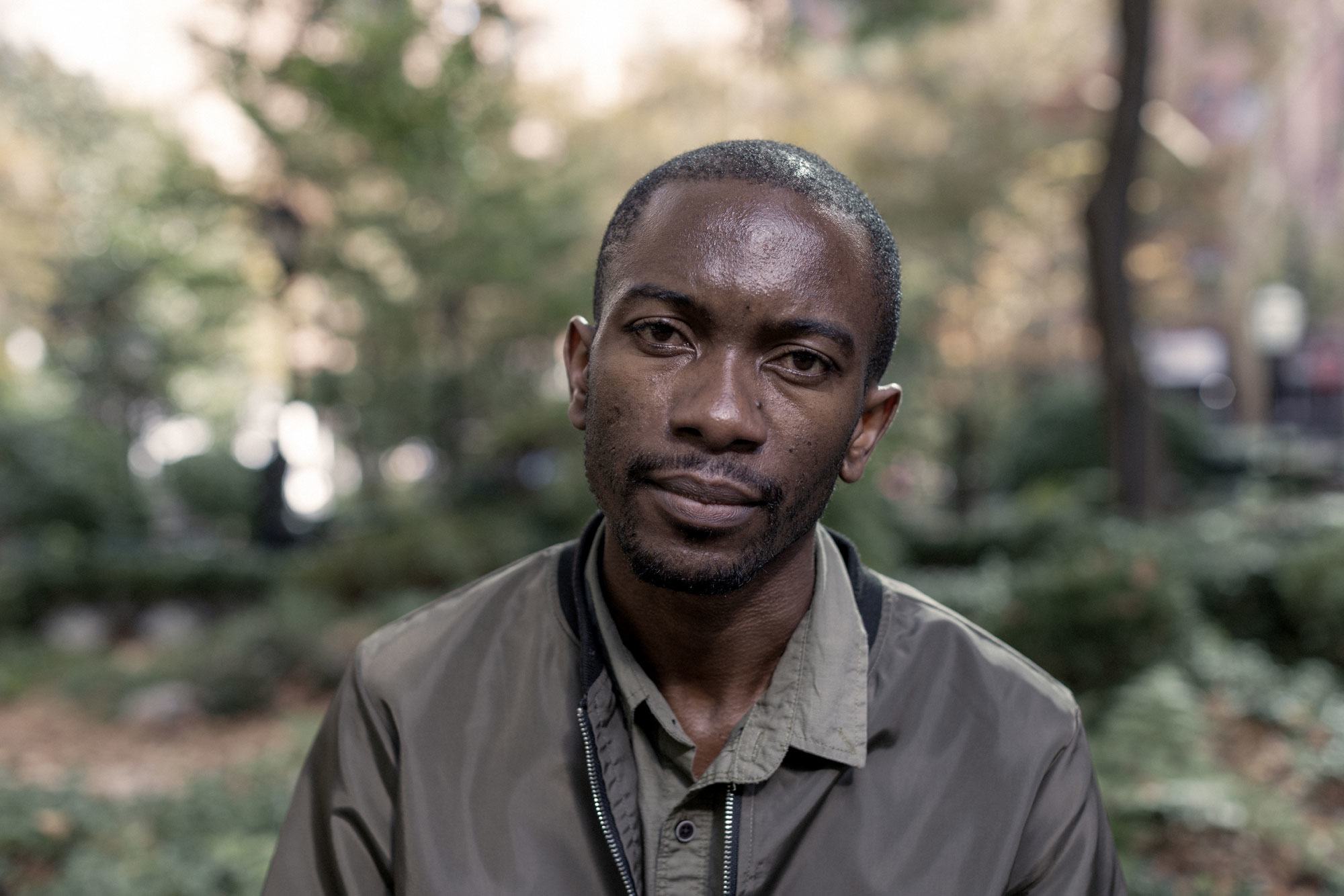
Barthelemy Mwanza Ngane is a refugee from the Democratic Republic of the Congo and is currently living in Akron, Ohio, US.

Source link

Both radio and sports can help people achieve their potential, says UN on World Radio Day


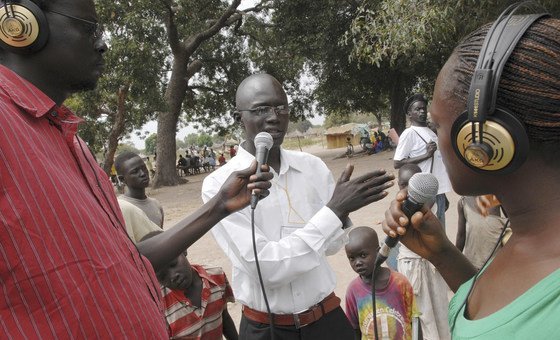
In an era of dramatic advances in communications, radio retains its power to entertain, educate, inform and inspire, United Nations Secretary-General António Guterres said, marking World Radio Day with a call to celebrate both radio and sports as ways of helping people achieve their potential.

Source link

From summits to street art to schools: Here’s how we’re marking World Environment Day

Around the world, civil society groups and UN teams are hosting webinars, forums, summits and other diverse celebrations. It’s a collective effort that’s drawing together different wings of the UN from Educational, Scientific and Cultural Organization (UNESCO) to UN Peacekeeping.

Worldwide events

On Tuesday, Qatar launched a national biodiversity database, concluding a three-year UNEP-led project.

In the Indian capital New Delhi, UNEP hosted the Tide Turners Plastic Challenge National Youth Summit on Tuesday to empower young people to take action to end plastic pollution.

As host, Jeju held a commemoration ceremony and the Future Generation Forum on Thursday.

Mexico launched its 2025–2030 National Beach and Coastal Clean-Up and Conservation Campaign in Puerto Progreso, Yucatán, with volunteer brigades and a formal ceremony.

In Geneva, UNEP and the Orchestre des Nations are presenting a one-hour concert, Our Home, blending music, images and spoken word to highlight ecological emergencies.

Brussels is screening the documentary Ocean with legendary environmental campaigner and broadcaster Sir David Attenborough, in honour of World Environment Day, World Oceans Day and the UN Ocean Conference.

In the United States, Street Art for Mankind unveiled a 245-foot mural for World Environment Day as part of the UN Decade on Ecosystem Restoration, calling for better protection for vulnerable communities.

UNESCO initiative

In a statement released Thursday, UNESCO reported that over 80,000 schools across 87 countries are following the recommendations in the Green school quality standard released in May 2024.

The initiative promotes green learning environments through governance, facilities and operations, teaching, and community engagement. This includes setting up “green governance committees” and training teachers in sustainable management practices.

Peacekeeping and the environment

In a video released Wednesday, UN Under-Secretary-General for Operational Support Atul Khare and Environment Section Chief Joanna Harvey outlined how UN Peacekeeping is reducing its environmental footprint.

Efforts over the past decade include bringing renewable energy to missions, requiring newer, more efficient generators, supporting local energy providers, and investing in sustainable infrastructure.

“We want to leave behind a legacy… [of] projects that are created by us which are finally beneficial to the local communities,” said Mr. Khare. 

World Environment Day: UN sounds alarm on plastic pollution crisis

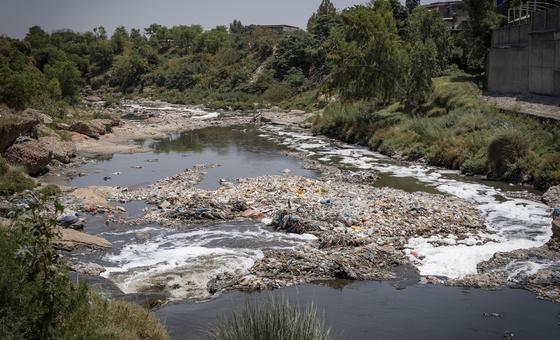
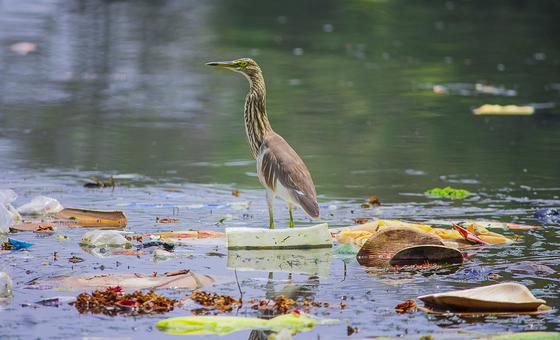
Between 19 and 23 million tonnes of plastic waste leak into aquatic ecosystems annually, and without urgent action, this figure is expected to rise by 50 per cent by 2040.

Plastic pollution is contaminating every corner of the planet, threatening ecosystems, wildlife, and human health. Microplastics are found in food, water and air, with the average person estimated to ingest over 50,000 plastic particles each year, and far more when inhalation is included.

If the climate crisis goes unaddressed, with plastic pollution as a major driver, air pollution levels exceeding safe thresholds could rise by 50 per cent within a decade. Meanwhile, plastic pollution in marine and freshwater environments may triple by 2040.

Global action day

To rally momentum, the UN Environment Programme (UNEP) is leading the 52nd annual World Environment Day on 5 June, the world’s largest platform for environmental outreach.

This year’s commemoration is hosted by Jeju, Republic of Korea, under the theme #BeatPlasticPollution. Since launching in 2018, the UNEP-led campaign has advocated for a just and inclusive transition away from plastic dependency.

The day brings together governments, businesses, communities, and individuals in a shared mission to protect and restore the planet, while advancing progress towards the Sustainable Development Goals (SDGs), especially those linked to climate action and sustainable consumption.

Towards a treaty

A major focus of the day is the ongoing push for a global treaty to end plastic pollution. Countries are currently negotiating an international, legally binding agreement, with the next round of talks scheduled for August.

UN Secretary-General António Guterres called for an “ambitious, credible and just agreement” that addresses the full lifecycle of plastics, reflects community needs, aligns with the SDGs and is implemented quickly and fully.

UNEP Executive Director Inger Andersen echoed the call, urging nations to unite around innovative solutions and alternatives to plastic use.

World Environment Day serves as a catalyst for action, driving attention toward the UN Environment Assembly later this year – where hopes are high that nations will finalise concrete steps to curb plastic pollution and address the broader climate emergency. 

Source link