UN warns Gaza crisis could worsen without safe, unrestricted aid flow

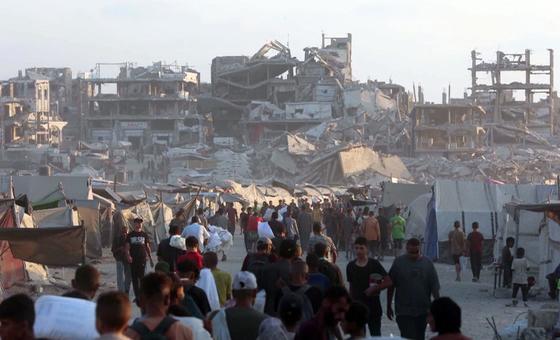
In his regular daily briefing, UN Spokesperson Stéphane Dujarric highlighted that ongoing delays, bottlenecks at holding points and interference in the loading process at crossing platforms are undermining efforts to collect and distribute supplies to those in need.

It is imperative that the UN and its humanitarian partners are enabled to deliver aid at scale, using community-based mechanisms to reach the most vulnerable,” he said.

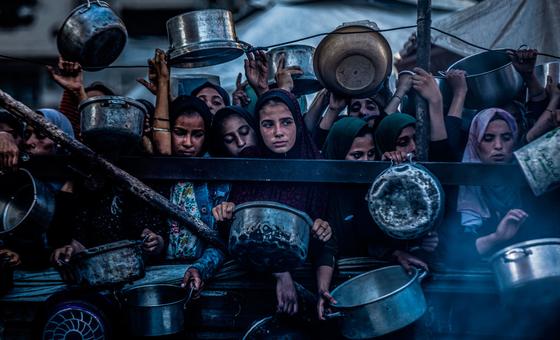
Injured trying to reach food

Recent figures illustrate the scale of the challenge. Between May 27 and August 8, the Red Cross Field Hospital in Rafah treated more than 4,500 wounded patients – most reporting injuries sustained while attempting to reach food distribution sites.  

Many were hurt in crowd crushes or subjected to theft or violence immediately after receiving critical food aid.

Of 12 aid missions requiring coordination with Israeli authorities on Thursday, five were facilitated without impediments. Four missions were cancelled by the organisers, and three others were impeded and only eventually fully accomplished – these included the collection of food aid from Zikim and Kerem Shalom/Karem Abu Salem crossings.

The UN Spokesperson also highlighted an ongoing starvation crisis, with increasing numbers of deaths, particularly among children.

Hospitals are struggling to cope with rising cases of malnutrition and many facilities have reportedly run out of bedspace to treat patients, he said.

No cooking fuel

Energy shortages are compounding the crisis, Mr. Dujarric said, noting that cooking gas has been unavailable in Gaza’s markets for five months, while firewood has become increasingly unaffordable.

More people are resorting to using waste and scrap wood as alternative fuel sources for cooking, which only makes worse health and protection risks, and causes environmental hazards,” he added.

Protect fleeing civilians

He also stressed that civilians must be protected in the event of expanded military operations in Gaza City.

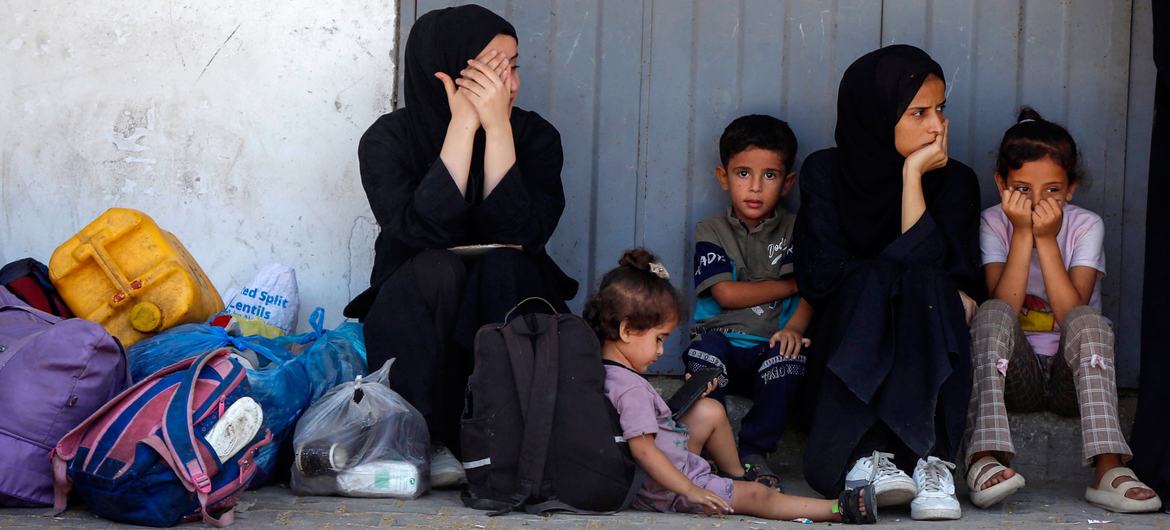
Fleeing civilians must be protected and they must have their essential needs met, and they must be able to voluntarily return when the situation allows. And if they choose to stay, they should not be threatened or put at risk,” he said.

Mr. Dujarric also reiterated the UN’s long-standing call for the immediate and unconditional release of hostages held in the Strip.

World News in Brief: Cholera strikes Sudan and beyond, humanitarian needs grown for returning Afghans, rising insecurity in DR Congo

So far this year, cholera has killed more than 4,300 people across 31 countries. These figures are underestimates and there is particular concern for those impacted by war in Sudan, Chad, the Democratic Republic of the Congo, South Sudan and Yemen.  

In Sudan, the disease has already claimed over 1,000 lives since 1 January. It has reached every state in the country, one year after the outbreak started, according to WHO.

Cases rise in war-torn Darfur

With the sub-Saharan rainy season now underway, the UN agency is worried about a spike in the waterborne disease, linked to the huge numbers of people fleeing ongoing violence.

“While cases have plateaued or decreased in some areas, including Khartoum, they are rising in the Darfur region and neighboring Chad. In Tawila, North Darfur,” said WHO’s Kathryn Alberti.

Refugees have quadrupled the population from close to 200,000 to over 800,000, causing immense strain on water and sanitation systems, she added.

“People have as little as three litres of water daily and this is for cooking, washing, cleaning and drinking.”  

To respond to the problem, WHO and partners have set up task forces, deployed rapid response teams for surveillance and stockpiled essential cholera supplies in Darfur – although “large parts” of Darfur and Kordofan remain unreachable.

Humanitarian needs keep growing in Afghanistan

Four years after the de-facto Taliban regime took over Afghanistan, more than half of the population needs vital aid, according to the UN humanitarian office (OCHA).

Women and girls are particularly vulnerable due to the increasingly restrictive policies that Taliban authorities have imposed, excluding them from education, the workforce and public life.

“Humanitarian aid is a lifeline for women and girls who are otherwise unable to access essential services and assistance,” said UN Spokesperson Stéphane Dujarric, at Friday’s daily briefing in New York.  

1.7 million returnees 

OCHA also warned that the return of 1.7 million Afghan citizens from Iran and Pakistan this year has further increased humanitarian needs, as most have limited community ties and are struggling to find shelter and ways of making a living.

To support the response of the under-resourced host communities, the UN Central Emergency Response Fund (CERF) recently released $10 million, and additional funding is in the pipeline from the Afghanistan Humanitarian Fund.

But more resources are urgently needed. This year’s Humanitarian Needs and Response Plan in Afghanistan is just 25 per cent funded, with $624 million received of the $2.4 billion that are needed, and another influx of refugees is expected ahead of Pakistan’s 1 September deadline for Afghan Proof of Registration cardholders to exit.

Insecurity also rising in DR Congo’s restive east

In the war-torn eastern parts Democratic Republic of the Congo, OCHA says insecurity is on the rise in Djigu territory, in Ituri province.

Clashes between multiple armed groups and the Congolese armed forces in several areas has resulted in nearly 50 civilian deaths and more than 30 injuries in the past month alone there.

In the same period, violence and insecurity have led to the displacement of more than 80,000 people in Djugu.

In the attacks, homes were looted or burned, and those who fled are now sheltering in schools, churches and other public buildings.

Targeted killings

There have been three targeted attacks on sites hosting internally displaced people.

These clashes have severely limited humanitarian access, depriving around 250,000 people of essential services. In the Nizi health district in the Ituri territory, nine out of 12 health facilities are now out of service.

The UN and its humanitarian partners are ready to respond, but they need unimpeded, safe access to do so.

“All parties must take urgent measures to protect civilians and facilitate humanitarian access. Civilians must be protected at all times, in line with international law,” stressed Mr. Dujarric on Friday. 

Source link

Trapped in Gaza: Palestinians with disabilities cannot reach aid

But for an increasing number of Palestinians, including those who cannot hear the orders or whose mobility is impaired, following these orders may be impossible. Yet, failure to do so, could cost them their lives.  

“In a normal situation, people with disabilities suffer the most. And in wartime, of course, the situation is heightened further,” said Muhannad Salah Al-Azzeh, member of the UN Committee on the Rights of Persons with Disabilities at a public dialogue this week in Geneva.  

With the number of disabled people in Gaza increasing every day, Mr. Al-Azzeh said that the minimum level of safety for people with disabilities is not being upheld.  

No replacements for a broken hearing aid

Over 83 per cent of people with disabilities in Gaza do not have the assistive devices they need, including wheelchairs, hearing aids and other tools. And for those that do, the batteries which enable these devices to work are in very short supply.   

This makes it exponentially more difficult – if not impossible – for them to access healthcare and food.  

This shortage comes amidst an increasing number of people with disabilities. The UN Relief and Works Agency in Palestine (UNRWA) estimates that one in four Gazans has a new disability as a result of the war between Israeli forces and Hamas, which requires treatment and rehabilitation.

At least 35,000 people have “significant hearing damage” as a result of repeated explosions. And Ammar Dwaik, director-general of the Palestinian Independent Commission for Human rights, said that an average of 15 children are newly disabled each day. According to some rights groups, Gaza has the largest number of child amputees in modern history.  

But with over 134,000 people having sustained conflict-related injuries – 40,500 of whom are children – the besieged and under-resourced healthcare system cannot keep up.  

“Hospitals, ambulances, and medical and humanitarian personnel have been systematically targeted, with over 1,580 health workers and 467 humanitarian staff killed,” UNRWA noted.

Aid out of reach

Seeking life-saving aid has become a life-threatening prospect for even the healthiest in Gaza. But for people with disabilities, is almost impossible, according to Hector Sharp, a representative from UNRWA at the meeting in Geneva.  

“Reaching [the distribution points] and needing to physically compete for this aid is difficult for all Palestinians, but all the more so for people with disabilities to whom aid is being effectively placed out of reach,” Mr. Sharp said.  

The US and Israel-backed Gaza Humanitarian Fund, for example, has only a handful of distribution points throughout the Gaza Strip since it bypasses all established UN and NGO operations, forcing people to walk long distances in the hopes of receiving meagre amounts of food.  

If people with mobility impairments do not have families or friends willing to retrieve aid for them, they may simply be unable to reach it, according to Mr. Al-Azzeh.

Key infrastructure destroyed

Since 1962, UNRWA has operated a rehabilitation centre for the visually impaired in the Gaza Strip. It was the only one of its kind and served, at any given time, over 500 children.  

Today [the centre] lies in rubble,” Mr. Sharp said.  

The destruction of other civilian infrastructure throughout the Strip – including schools and hospitals – is impeding rehabilitation efforts for people with disabilities and further entrenching societal exclusion.  

The UNRWA representative in Geneva noted the impact that shuttered schools will have on children with disabilities.  

“For children with disabilities the loss of inclusive education deepens the systematic inequalities and places them at a heightened risk of lifelong social and economic exclusion,” he said.  

Peace, the only answer 

Despite the challenges, UNRWA has continued to provide services to people with disabilities, including over 53,000 sessions of physiotherapy and assistive devices or rehabilitation services to 8,500 people since the beginning of the year.  

Tedros Adhanom Ghebreyesus, Director-General of the World Health Organization (WHO), has called on the Israeli authorities to allow in more assistive devices and technology both for people with existing disabilities and those who are sustaining new ones amidst the ongoing conflict.  

He also called for medical evacuations to be expanded in order to allow people with disabilities to obtain vital, specialised care. But ultimately, he said, the only lasting solution is to end the conflict.  

“Peace is the only way to stop the suffering of Palestinians, including those with disabilities.” 

Source link

UN highlights need for peaceful resolution, as Trump and Putin prepare to meet on Ukraine

The UN is stressing that any peace effort or deal must be consistent with the principles of the UN Charter, including respect for Ukraine’s sovereignty and territorial integrity.

Speaking to reporters on Thursday, UN Spokesperson Stéphane Dujarric welcomed “dialogue at the highest level” between the two permanent members of the Security Council.

The meeting is scheduled to take place in Alaska at 11 AM local time (3 PM in New York). The northern US state is separated from the mainland by Canada, while Russia lies just to the west across the Bering Strait and the International Date Line.

Mr. Dujarric reaffirmed that the “[UN’s] position regarding the war in Ukraine remains the same.”

We want an immediate, full and unconditional ceasefire as a first step towards finding a just and sustainable and comprehensive peace, one that upholds Ukraine’s sovereignty, its territorial integrity and independence within internationally recognized border and in line with UN Charter, international law and all relevant UN resolutions,” he said.

Asked about reports that the United States and Russia would meet without Ukraine at the table, Mr. Dujarric recalled the UN’s principled view that, to reach a durable settlement, “it’s helpful to have all the parties of the conflict at the table, the same table.”

“We’ll obviously be watching what happens, and we’re watching what comes out of it.”

The summit takes place against a backdrop of worsening humanitarian conditions. According to the UN relief coordination office, OCHA, hostilities continue to exact a heavy civilian toll, destroying homes and infrastructure, forcing thousands more to flee.

Between Monday and Wednesday alone, over 6,000 people evacuated their high-risk communities near frontlines in the Donetsk region, either through organized evacuations or of their own volition.

The UN Human Rights Monitoring Mission in Ukraine reported this week that July saw the highest monthly civilian casualty toll since May 2022, with 286 people killed and 1,388 injured.

Since Russia launched its full-scale invasion of Ukraine, the rights mission has documented the deaths of at least 13,883 civilians, including 726 children, and 35,548 injured, including 2,234 children.

Source link

World News in Brief: Shipwreck off Italy kills at least 27, anniversary of Taliban takeover, Peru amnesty law

UNHCR is supporting at least 60 survivors who have been brought ashore, but the Italian coast guard warned more bodies could still be recovered.  

According to local news reports, the passengers were travelling from Libya in the hopes of reaching Italy.

Migrants and refugees heading to Italy from the African coast often use leaky or overcrowded boats organized by human traffickers and travel via the often-deadly Mediterranean route, aiming to reach Lampedusa.

In a social media statement on Thursday, the High Commissioner for Refugees, Filippo Grandi, reported that over 700 refugees and migrants have died in the Central Mediterranean in 2025.

“All responses – rescue at sea, safe pathways, helping transit countries and addressing root causes – must be strengthened,” he said.  

UN Women marks four years since Taliban takeover

UN Women Afghanistan Special Representative Susan Ferguson addressed the widescale erosion of human rights of women in the country in a briefing to reporters in New York on Thursday, just ahead of the fourth anniversary of the Taliban takeover.

Since the takeover, dozens of permanent decrees have curtailed women’s and girls’ rights and dignity.  

The most severe women’s rights crisis in the world is being normalised,” she told correspondents at the daily noon briefing from Kabul.  

For example, last year’s “morality law” crystallised the systematic erasure of women from public life, codifying long-standing social norms.

Banned from schools and most jobs, women “continue to feel – and often are – unsafe in public places, in their communities or families, and are unable to reap the benefits of an increase in the overall security situation since the takeover,” Ms. Ferguson stressed.

Migration and women-run organizations

This year, 1.7 million Afghans have returned, but women among them cannot interact with male aid workers to access education, healthcare or economic support.  

Women-run organizations are therefore essential, providing healthcare, psychosocial services and protection from violence.

However, this March, it was reported across civil society organizations that funding cuts have meant layoffs for 50 per cent of women staffers, and over one-third of these organizations warned they may have to scale back or close.

These organizations are trying to keep going – but they urgently need more financial assistance.

“We must keep investing in their NGOs, their businesses and their voice in international dialogues,” Ms. Ferguson concluded.

Türk: Peru amnesty law is an ‘affront’ to victims of country’s war

The UN’s top human rights official Volker Türk on Thursday described Peru’s amnesty law as an “affront” to victims of the country’s armed conflict.

The development comes after the President of Peru signed into law legislation a day earlier granting amnesty to the armed forces, the national police and self-defence committees, for crimes committed between 1980 and 2000.  

An estimated 70,000 people were killed during the conflict and at least 20,000 were disappeared, according to the National Commission on Truth and Reconciliation. 

‘Backwards step’

Mr. Türk said that hundreds of cases, both concluded and ongoing, will be affected by the new law. And he described it as a “backwards step” in the search for justice for gross human rights violations committed.

“It is an affront to the thousands of victims who deserve truth, justice, reparations, and guarantees of non-recurrence, not impunity,” Mr. Türk said.

International law, to which Peru is bound, clearly prohibits amnesties and statutes of limitations for gross violations of human rights and serious violations of humanitarian law.

OHCHR called for its immediate reversal. 

Source link

Plastic pollution talks adjourn, but countries want to stay engaged: UNEP chief

“This has been a hard-fought 10 days against the backdrop of geopolitical complexities, economic challenges and multilateral strains,” said Inger Andersen, Executive Director of the UN Environment Programme (UNEP). “However, one thing remains clear: despite these complexities, all countries clearly want to remain at the table.”   

Speaking to media at the end of Intergovernmental Negotiating Committee (INC) talks at the UN in the Swiss city, Ms. Andersen emphasized how Member States had expressed a clear wish to continue engaging in the process, recognising their significant differences regarding plastic pollution.

“While we did not land the treaty text we hoped for, we at UNEP will continue the work against plastic pollution – pollution that is in our groundwater, in our soil, in our rivers, in our oceans and yes, in our bodies,” she said.

World view

“People are demanding a treaty,” the UN agency head continued, before underscoring the hard work that lies ahead to maintain the momentum needed to ink a binding international accord.

Delegates from 183 nations attested to the convening power and importance of the proposed agreement, with some Pacific island representatives – complete with dazzling fresh blooms in their hair – rubbing shoulders with other participants, drained by the final all-night negotiating session.

The resumed fifth session of talks – referred to as INC-5.2, after previous talks in Busan known as INC-5.1 – gathered more than 2,600 participants at the UN Palais des Nations. In addition to the approximately 1,400 country delegates, there were close to 1,000 observers representing at least 400 organizations.

NGO voices heard

The session also involved the active participation of civil society – including Indigenous Peoples, waste pickers, artists, young people and scientists. They raised their voices through protests, art installations, press briefings and events in and around the Palace of Nations.

The goal of the negotiations was to agree on a text for the legally binding instrument to end plastic pollution “and highlight unresolved issues requiring further preparatory work ahead of a diplomatic conference”, UNEP said.

In addition to meetings together in UN Geneva’s vast assembly hall, four contact groups were created to tackle key issues including plastic design, chemicals of concern, production caps, finance and compliance instruments.

Despite “intensive engagement”, Members of the Intergovernmental Negotiating Committee was unable to reach consensus on the proposed texts, UNEP explained.

Chair’s action call

“Failing to reach the goal we set for ourselves may bring sadness, even frustration. Yet it should not lead to discouragement. On the contrary, it should spur us to regain our energy, renew our commitments, and unite our aspirations,” said INC Chair, Luis Vayas Valdivieso.

“It has not happened yet in Geneva, but I have no doubt that the day will come when the international community will unite its will and join hands to protect our environment and safeguard the health of our people.” 

The INC process began in March 2022 when the UN Environment Assembly passed resolution 5.2 to develop an international legally binding instrument on plastic pollution, including in the marine environment.   

“As this session concludes, we leave with an understanding of the challenges ahead and a renewed and shared commitment to address them,” said Jyoti Mathur-Filipp, Executive Secretary of the INC Secretariat. “Progress must now be our obligation.”  

Source link

Peacekeepers find weapons trove in southern Lebanon, as drought threatens millions

On Tuesday and Wednesday this week, peacekeepers with the UN Interim Force in Lebanon (UNIFIL) discovered rocket launchers, rocket shells, mortar rounds, bomb fuses and a tunnel containing munitions in separate incidents in Sectors East and West, UN Spokesperson Stéphane Dujarric told reporters in New York.

All finds were referred to the Lebanese Armed Forces in line with standard procedure.

UNIFIL also observed continued Israel Defense Forces activity, including an airstrike in Sector West and artillery fire from south of the Blue Line – which separates Israeli and Lebanese armed forces – into Sector East.

To strengthen Lebanese military capacity, the mission has been training personnel in surveying and removing explosive devices, securing contaminated sites and navigating mined areas.

“Such training activities are crucial now as the Lebanese Armed Forces engages daily in identifying and securing areas contaminated with unexploded ordnances and explosive remnants of war,” Mr. Dujarric said.

Complex operational space

Southern Lebanon remains a challenging operational environment, where UNIFIL works to implement Security Council resolution 1701, which brought an end to the 2006 hostilities between Israel and Hezbollah militants.

The Mission’s mandate includes monitoring the cessation of hostilities, supporting the deployment of the Lebanese Armed Forces in the south, and helping to ensure that the area between the Blue Line and the Litani River remains free of unauthorized weapons.

The region has experienced recurring tensions, including a sharp escalation last year marked by numerous Israeli airstrikes and ground operations. These incidents have affected local communities and resulted in damage to several UN positions, and injuries to several ‘blue helmets’ serving with UNIFIL.

Unprecedented water crisis

Lebanon’s largest reservoir, Lake Qaraoun, has dropped to its lowest level on record, the Litani River National Authority said.

Inflows during this year’s wet season reached just 45 million cubic metres – compared to an annual average of 350 million – following months of low rainfall and an intense heat wave.

The decline comes amid a wider nationwide emergency.

In early July, the UN Children’s Fund (UNICEF)-led water, sanitation and hygiene (WASH) group reported that rainfall had fallen by more than half in many regions along with decreased snow-melt, and several reservoirs and aquifers had dried up.

A water pumping station in southwest Lebanon damaged during the recent conflict.

Health risks rising

The drought is affecting all sectors, from agriculture and healthcare to education and local governance. An estimated 1.85 million people live in areas highly vulnerable to drought, with more than 44 per cent of the population dependent on costly and often unsafe water trucking services.

The severe strain on public water systems have been compounded by damaged infrastructure stemming from the recent fighting between Israel and Hezbollah and electricity shortages.

Health risks are rising, particularly in overcrowded settlements with poor sanitation, where residents may resort to unsafe water sources, heightening the threat of waterborne disease outbreaks, the WASH cluster warned.

Food security worries

The drought has also caused a sharp decline in food production and increased reliance on expensive imports, deepening food insecurity.

Wildfire risks are also mounting due to prolonged dry conditions.

The WASH cluster warned that without urgent international support to restore water systems and protect vulnerable communities, the crisis could further destabilize an already fragile nation.

‘Humanitarian work, a moral obligation’: Retired doctor returns to face the ‘silent threat’ in Gaza

After a successful career that lasted 43 years, during which he worked in Saudi Arabia, for the Palestinian Ministry of Health and then the UN Children’s Fund (UNICEF), Dr. Awadallah decided to retire at the end of 2021.

But, that was short-lived. As the crisis in Gaza escalated and polio reappeared, he decided to return to the field. Doing so was not just a job assignment. As he describes it, it’s a “message of loyalty” to his profession, to the children of Gaza and to the institution that gave him so much.

Dr. Awadallah’s return was driven by a “deep inner sense of responsibility and belonging”.

“I felt that my long experience and field knowledge could make a difference in these critical times,” he told UN News.

‘The Silent Threat to Gaza’

Dr. Awadallah’s story was the focus of the film The Silent Threat to Gaza, produced by UNICEF in conjunction with World Humanitarian Day, observed annually on 19 August. The organization emphasises that the film is a powerful testament to the resilience of humanitarian workers who are facing the dangers of conflict.

Named in May on Time Magazine’s TIME100 Health List for leading “a heroic vaccination campaign” that reached 600,000 children in Gaza, Dr. Awadallah was one of the lead subjects of the 32-minute documentary. The film follows him and his colleague Fairuz Abu Warda, who, during short periods of last year’s ceasefire, delivered lifesaving vaccines to children across the Gaza Strip.

Watch the full document here:

UNICEF said their courage underscores a fundamental fact that when humanitarian principles are adhered to, workers are protected and given safe and timely access, lives can be saved even in the most fragile environments. The UN agency stressed that the courage of humanitarian workers, such as Dr. Awadallah and Ms. Warda, reinforces the urgent need for principled action and international accountability.

Dr. Awadallah told UN News how exhaustion, hunger and fear were part of their daily routine under constant bombardment from the air and sea.

However, their priority was to keep vaccinations effective and reach every child, he said, remembering the moments when he would see his colleagues collapse from exhaustion and then immediately return to work.

A living testimony to willpower

Dr. Awadallah points out that every scene in the vaccination campaign, from the smile of a child to the insistence of the teams to reach the farthest house despite the security difficulties and the danger of moving, reminded him that “humanitarian work cannot be retired.”

Children received the polio vaccine as part of a Gaza-wide campaign. (file)

“I provide humanitarian work, and even if I retire, it does not apply to humanitarian work,” he said.

“The Silent Threat to Gaza was not just a film or a depiction of events, but a living testimony to the strength of will and the power of hope.”

He believes that every shot in the film was “a message to the world that despite the wounds, despite the death and the difficulty of life, Gaza is able to rise up and protect its children”.

Despite the risks to their lives, Dr. Awadallah and his fellow humanitarian workers in Gaza continue their work under constant bombardment.

Protecting humanitarian workers is ‘not a luxury’

“Fear knows no way to their hearts,” he said. “We hear the explosion and then we go to do our work. We are moving towards our goal and we are used to it.”

He said more than 350 medical personnel have been killed, hundreds injured and more than 1,300 arrested.

He appealed to the world that the protection of those who lend a helping hand “is not a luxury, but a prerequisite for ensuring that life and hope reach those in need”, and that it is a “humanitarian duty” that is as important as the provision of assistance itself.

Dr. Younis Awadallah administers a polio vaccine in Gaza.

Spreading hope

After decades of experience, Dr. Awadallah said he has learned that human beings have an incredible resilience beyond imagination.

“Resilience is not the absence of pain and suffering, but the ability to persevere and rise despite tragedies,” he said. “I saw mothers smiling and laughing at their children despite the bleeding and pain. I saw patients facing the pain with a smile and hope.”

Their role as humanitarian workers goes beyond providing treatment and material assistance to include “promoting and instilling hope in people’s hearts, supporting them psychologically and maintaining their strength in the face of problems”, he said.

Not just a profession

On World Humanitarian Day, Dr. Awadallah pays tribute to all those who choose to walk towards danger rather than away from it.

I believe in this business

“We are throwing ourselves into perdition for the sake of others,” he said.

Humanitarian workers in Gaza and everywhere in the world – regardless of their specialties – “are witnesses that mercy knows no boundaries and that human solidarity can flourish even during wars or amid the rubble”, he added.

He said he hopes he would be able to reunite with his family soon.

“My message today is that humanitarian work is not just a profession, but a moral and humanitarian obligation. I left my family and haven’t seen them for two years because I believe in this business.”

Hunger and a heatwave plague the Gaza Strip

Recently, Israel has denied fewer humanitarian movements but approved missions “still take hours to complete and teams have been compelled to wait on roads that are often dangerous, congested or impassable,” the UN aid coordination office OCHA said in its latest update.

Between 6 and 12 August, humanitarians made 81 attempts to coordinate planned movements with the Israeli authorities, including to transfer fuel and personnel.

Challenges to aid delivery

Of this number, 35 were facilitated, 29 were initially approved but then impeded on the ground, 12 were denied and five had to be withdrawn by the organizers.

However, 14 of the missions that had faced obstructions eventually went ahead.

Nearly three years have passed since hostilities erupted in Gaza following the Hamas-led attacks on Israel which left roughly 1,200 people dead.  

Some 250 others – both Israelis and foreigners – were taken hostage.  It is believed that 50 people are still being held in Gaza, including some who have been declared dead. 

Desperate times, desperate measures

Starvation in the enclave is now at its highest level since the conflict began, according to the World Food Programme (WFP). 

The update cites the Gaza health authorities who have documented 235 malnutrition-related deaths, including 106 children, as of 13 August.

Despite hunger spreading, aid convoys are limited each day and dangers persist as the trucks travel through the war-ravaged enclave.

“Additionally, desperate crowds often offload food supplies from trucks to feed their families – while looting also prevents aid from reaching its intended destinations,” OCHA said.

Last month, WFP collected 1,012 trucks transporting nearly 13,000 metric tonnes of food from the Kerem Shalom and Zikim border crossings with Israel.  Only 10 arrived at warehouses and the rest were offloaded on the way.

Food aid risks spoiling

Although WFP and partners have enough food either in the region or headed there to feed all 2.1 million people in Gaza for at least three months, “the risk of spoilage and infestation of the stranded food supplies has significantly increased, and some of them are nearing their expiry dates.” 

Humanitarians continue to push for more aid and commercial goods to be allowed into Gaza. Although more food is entering, the quality and quantity remain insufficient to meet the immense needs.

As of 10 August, 81 community kitchens were preparing 324,000 individual meals daily – a “noticeable increase” over the 259,000 daily meals prepared two weeks ago but far below the more than one million daily meals distributed in April.

The heat is on

Meanwhile, a heatwave is making conditions much worse as Gaza is currently experiencing temperatures that surpass 40°C or 104°F.

UN Palestine refugee agency UNRWA warned that dehydration is increasing because of the very limited water available.

As part of its ongoing efforts to help the people of Gaza, UNRWA has provided emergency water, sanitation and hygiene services to about 1.7 million people since the start of the war. 

Syria: Violence in Alawite areas may be war crimes, say rights investigators

Many of the victims were Alawite, a minority community in Syria, which the former ruling Assad family belonged to.  

Some community members are believed to have been killed in March by forces or individuals loyal to the country’s new leadership, the National Transitional Authority, which is headed by interim President Ahmed Al-Sharaa.

In response to the “arrest operation” launched on 6 March, fighters loyal to toppled President Bashar al-Assad responded by capturing, killing and injuring hundreds of interim government forces, the commissioners said.

Looting was also widespread, while homes were set alight, leaving tens of thousands of civilians displaced, the commissioners continued.

In total, approximately 1,400 people were reported killed in the ensuing massacres, predominantly civilians.

“The vast majority were adult men, but victims included approximately 100 women, the elderly and the disabled, as well as children,” the UN Commission of Inquiry on Syria said.

Still a target

It also warned that the Alawite community which formed former Mr. al-Assad’s power base is still being targeted today. Alawites make up about 10 per cent of the majority Sunni country. 

According to the commissioners’ latest report, the victims killed in March were murdered and tortured, while the bodies of the dead were also mutilated.

They added that some acts were filmed and published on social media, along with footage of civilians being abused and humiliated.

Chair of the UN panel, Paulo Pinheiro, condemned the scale and brutality of the violence which reportedly involved Alawite men being identified and singled out before being led away to be shot and killed in multiple majority Alawite villages and neighbourhoods.    

Bodies were left in the streets for days, with families prevented from conducting burials in accordance with religious rites, while others were buried in mass graves without proper documentation,” the commissioners’ report stated.

Meanwhile, hospitals became overwhelmed “as corpses piled up”.

Eye-witnesses

The Commission’s latest report is based on extensive investigations, including more than 200 interviews with victims and witnesses, including in Latakia and Tartus.  

The investigators also visited three mass grave sites and met senior Syrian government officials.

Today, Alawite communities still live in fear and face ongoing abductions of women, arbitrary arrests, enforced disappearances and looting and occupation of their property, investigators noted.  

Protection must be a priority

They should be protected by the new authorities in charge of Syria, commissioners insisted.  

The affected communities need to see urgent action to increase their protection. Beyond referral of suspected perpetrators to criminal justice, individuals suspected of involvement in violations during the March events should be immediately removed from active duties pending investigation,” said Commissioner Lynn Welchman.

Additionally, screening processes need to be expanded so that known or suspected perpetrators of grave violations in the past are not recruited into the ranks of the interim government security forces, she maintained.

After 14 years of civil war which ended last December when opposition forces including Hayat Tahrir al-Sham (HTS) – led by interim Prsident al-Sharaa – the  swept into Damascus, forcing out Mr. al-Assad, lasting damage has been done to Syria’s unity.

“The extreme violence that occurred has deepened existing rifts between communities, contributing to a climate of fear and insecurity amongst many Syrians throughout the country,” the Commissioners said.

“We call on the interim authorities to continue to pursue accountability for all perpetrators, regardless of affiliation or rank,” Mr. Pinheiro continued. “While dozens of alleged perpetrators of violations have reportedly since been arrested, the scale of the violence documented in our report warrants expanding such efforts.”  

World News in Brief: Casualties in Ukraine, Burkina Faso aid helicopter blast, Uganda urged to release opposition leaders

The monthly total also marked a three-year high, topping June’s figure, with HRMMU verifying civilian deaths and injuries in 18 of Ukraine’s 24 regions.  

“For the second month in a row, the number of civilian casualties in Ukraine hits a new three-year high,” said Danielle Bell, Head of HRMMU.

“Only the first three months after the Russian Federation launched its full-scale invasion of Ukraine saw more killed and injured than in this past month,” she added.  

Rising toll 

Numbers for the first seven months of 2025 were 48 per cent higher than in the same period last year.

Long-range weapons, including missiles and suicide drones, accounted for nearly 40 per cent of casualties. On 31 July, Kyiv saw its deadliest attack since the start of the full-scale invasion, with 31 people killed, including five children, when a missile struck a residential building.

Short-range drones alone caused 24 per cent of casualties, reflecting a sharp rise since mid-2024, as documented in a bulletin published by HRMMU in June 2025.  

The steepest monthly increase came from aerial bombs, which killed 67 and injured 209 in July, compared with 114 casualties in June. Strikes hit a penal colony in Zaporizhzhia and an apartment building in Donetsk, killing at least 21 people in total.

“Whether you are in a hospital or a prison, at home or at work, close to or far away from the frontline, if you are in Ukraine today, you are at risk of getting killed or injured by the war,” Ms. Bell said. 

Burkina Faso: Blast hits near UN aid helicopter in Solle

A UN chartered helicopter delivering food aid to the town of Solle in northwest Burkina Faso was caught in an explosion shortly after landing on Tuesday, injuring two people.

The aircraft, chartered by the World Food Programme (WFP), had just unloaded humanitarian supplies when the blast occurred nearby. One crew member and a Government partner were hurt and are now receiving medical treatment.

The helicopter sustained only minor damage and was moved to safety, WFP said. Flights to Solle have been temporarily halted while authorities investigate the incident.

Critical operation

In conflict-affected areas of Burkina Faso, WFP’s humanitarian air operations are critical for delivering life-saving assistance to hard-to-reach communities most in need.  

WFP aims to assist 315,000 of the most vulnerable people during the lean season from June to August, when families have exhausted their food stocks.

In a statement, WFP reaffirmed the agency’s “unwavering commitment to support populations in need and to reach the most remote communities with humanitarian assistance.”

Rights office urges Uganda to release opposition leaders on bail

The UN human rights office (OHCHR) on Wednesday expressed serious concern at repeated denials of bail in Uganda for opposition leader Kizza Besigye and his associate Obeid Lutale.

Both individuals have been denied bail three times since they were abducted in neighbouring Kenya and returned to Uganda last November. 

In dismissing their latest request, the High Court found them ineligible for mandatory bail merely because they had been detained in civil prison for less than the 180 days required to qualify for release, a duration that did not account for their prior deprivation of liberty following their abduction and forced return.

“We urge the authorities to reconsider the decision and grant them bail, and to ensure that any legal proceedings against them are fully in line with international human rights law,” said OHCHR spokesperson Liz Throssell.

Human rights concerns  

The UN human rights office in Uganda closed its operations there in 2023 after the Government decided to end cooperation with OHCHR.  

At the time, High Commission Volker Türk expressed concern about the run-up to the 2026 elections, amid an increasingly hostile environment impacting human rights defenders, civil society actors and journalists.

Other UN human rights mechanisms also condemned laws criminalizing same sex relations and the call for the use of the death penalty for convicted offenders. 

Source link

UN says Sri Lanka has ‘historic opportunity’ to end impunity, deliver justice

The 26-year conflict, from 1983 to 2009, pitted Government forces against the separatist Liberation Tigers of Tamil Eelam (LTTE) – more commonly referred to as the Tamil Tigers – who sought an independent state for the island’s Tamil minority in the north and east.

The civil war claimed an estimated 80,000 to 100,000 lives, and thousands more were forcibly disappeared, their fates still unknown. Hundreds of thousands were also displaced from their homes.  

The final months were among the bloodiest, with tens of thousands of civilians killed in indiscriminate shelling, extrajudicial executions, and other violations of international law committed by both sides.

Turn pledges into results

In a new report issued on Wednesday, UN human rights chief Volker Türk said the Government’s pledges to deliver justice, restore the rule of law, and eliminate discrimination and divisive politics must finally yield concrete results.

Today, an opportunity presents itself for Sri Lanka to break from the past,” he said. “It now needs a comprehensive roadmap to translate these commitments into results.

The report follows Mr. Türk’s recent visit to Sri Lanka, where he met officials, civil society, victims’ groups, political parties and religious leaders, and travelled to Trincomalee, Jaffna and Kandy – among the worst-affected areas.

It calls for a clear acknowledgment of the violations, abuses and crimes committed – including during the civil war – and recognition of the State’s responsibility and that of its security forces personnel as well as non-state armed groups, including the LTTE.

The pain and suffering of victims remains palpable and their demands for truth and justice must be addressed,” Mr. Türk stressed.

Call for sweeping reforms

The report recommends comprehensive security sector reform and broader constitutional, legal and institutional changes to meet international human rights obligations. It welcomes the planned creation of an independent Public Prosecutor’s office.

It also urges the establishment of a dedicated judicial mechanism, including an independent special counsel, to handle cases involving serious human rights violations and grave breaches of international humanitarian law.

Other recommendations include the release of military-held land in the north and east, repeal of the Prevention of Terrorism Act (PTA), and the release of long-term PTA detainees – some imprisoned for decades.

The report further calls for amendments or repeal of several restrictive laws, including those relating to data and online safety, NGOs, and civil and political rights.

International support

While the primary responsibility for investigating and prosecuting crimes lies with the Government, the report calls for complementary international support.

It urges UN Member States to contribute to accountability and reconciliation efforts, leveraging OHCHR’s strengthened capacity to undertake related work.

These measures are crucial to realizing the Government’s vision of ‘national unity’ and above all ensuring there can never be recurrence of past violations,” Mr. Türk said.

Source link

Security Council rejects creation of rival government in Sudan

In a statement issued on Wednesday, Council members said the step posed “a direct threat to Sudan’s territorial integrity” and could fragment the country, fuel the fighting, and deepen an already dire humanitarian crisis.

Ambassadors reaffirmed “unwavering” support for Sudan’s sovereignty, independence and unity, stressing that unilateral actions that undermine these principles jeopardise not only Sudan’s future but also peace and stability across the wider region.

The Council called on the RSF and Sudanese Armed Forces to return to talks aimed at reaching a lasting ceasefire and creating the conditions for a political settlement involving all political and social groups.

The goal, they said, is a credible, inclusive transition to a civilian-led government that can lead the country towards democratic elections and deliver “a peaceful, stable and prosperous future” in line with the Sudanese people’s aspirations.

Flashpoints in Darfur and Kordofan

The statement recalled the Council’s resolution 2736 (2024), which demands the RSF lift its siege of El Fasher, halt the fighting, and de-escalate tensions in and around the North Darfur capital.

Famine and extreme food insecurity are at risk of spreading in the city, which has been under siege since April 2024.

Members voiced alarm over reports of a renewed RSF offensive this week in El Fasher and urged the group to allow “unhindered humanitarian access” to the city.

The Council also expressed grave concern over reported attacks in Sudan’s Kordofan region in recent weeks, reportedly carried out by both sides, which have caused large numbers of civilian deaths. They also voiced deep concern about the impact of the conflict on humanitarian operations.

Demands for access

Council members pressed all parties to allow safe and unhindered humanitarian access in line with international law, to protect civilians, and to abide by their obligations under both resolution 2736 and the 2023 Jeddah Declaration.

They stressed that perpetrators of serious violations must be held to account. 
They also urged all UN Member States to avoid any external interference that fuels conflict and instability, support efforts for durable peace, and comply with relevant international law and Council resolutions, including resolution 2750.

Backing for UN envoy

The Council reiterated its commitment to supporting the people of Sudan in their quest for peace, security, stability and prosperity.

It also voiced full support for the Secretary-General’s Personal Envoy, Ramtane Lamamra, and his work with the warring sides and civil society to secure a sustainable settlement through dialogue. 

Source link

Malnutrition deaths mark ‘latest in the war on children’ in Gaza: UNRWA chief

These young deaths are “the latest in the war on children and childhood in Gaza,” Philippe Lazzarini, head of UN Palestine refugee agency UNRWA, said in a tweet on Wednesday.

The toll also includes some 40,00 boys and girls reported killed or injured due to bombardment and airstrikes, at least 17,000 unaccompanied and separated children, and one million deeply traumatised youngsters who are not getting an education. 

“Children are children,” he said.

 “No one should stay silent when children die, or are brutally deprived of a future, wherever these children are, including in Gaza.”

A sombre reunion

Thousands of sick children in Gaza need urgent medical evacuation, according to UN aid coordination office OCHA.

Olga Cherevko, a spokesperson for the agency, recalled the moment she recognized a young girl requiring treatment in a Gaza hospital after a year’s interval, once again suffering from malnourishment.

“I remembered her long eyelashes,” the veteran humanitarian told UN News, describing seven-year-old Janah, who she came across at Gaza City’s Patient Friendly Hospital on Tuesday.

“The first time I met her was in the IMC Field Hospital in southern Gaza in April 2024. Back then, she was severely malnourished and was getting treatment. And she gradually became better and was released eventually and went home.”

Seven-year-old Janah is treated at Gaza City’s Patient Friendly Hospital.

Evacuation saves lives

However, Janah was now back in hospital “because the malnutrition became aggravated and the condition that she has also is not properly diagnosed and cannot be properly diagnosed.” 

The girl is on a list of people to be medically evacuated for treatment outside Gaza.  The most recent evacuations took place last week when the World Health Organization (WHO) supported the transfer of 15 critically ill children to Jordan, but more than 14,800 people are still waiting.

Ms. Cherevko stressed the importance of ensuring that evacuations continue to save as many lives as possible.

More aid needed

She also pointed out that for children and adults with pre-existing conditions, their situation becomes worse with malnutrition.

“It wouldn’t be this way if they had proper nutrition, because these conditions existed before the starvation crisis and they weren’t getting as sick as they are now,” she said.

“This is why it’s imperative to make sure that we have proper conditions on the ground for adequate volumes of supplies to be entering – everything from food to medicine to nutrition to shelter,” she continued. 

“And these lifelines have to be really enabled for us to be able to deliver this aid to the people in need.” 

Source link

‘Only hunger and bombs’ for besieged civilians in Sudan’s El Fasher

At least 57 civilians were killed in the attack, which included the Abu Shouk displacement camp on the outskirts of the city, and UN human rights office, OHCHR, is also following up on allegations of summary executions there.  

“It is with dismay that we yet again witness an unimaginable horror inflicted upon civilians in El Fasher, who have endured over a year of siege, persistent attacks and dire humanitarian conditions,” said Mr. Türk.

Serial attacks

“Such repeated attacks on civilians, which raise serious concerns under international humanitarian law, are totally unacceptable and must stop.”

Between January and June, the RSF – which has been battling forces of the military government for control of Sudan for over two years – has attacked the Abu Shouk camp at least 16 times, killing at least 212 and leaving 111 others injured.  

“Once again, I am raising the alarm about the serious risk of ethnically motivated persecution as the RSF tries to seize control of El Fasher and Abu Shouk camp,” Mr. Türk stressed, reiterating his call to protect civilians and urging humanitarian pauses in besieged areas to reach those in need.

Human rights violations in Zamzam

UN human rights officials recently interviewed survivors of the RSF’s devastating assault on Zamzam camp, 15 kilometres south of El Fasher, where famine was confirmed in August 2024.  

Testimonies corroborated previous documentation of serious human rights abuses against civilians during a particularly deadly attack on Zamzam camp in April 2025, including killings, widespread rape and gang rape, enforced disappearances and torture.  

“I urge third States to use all their influence to put an end to these violations,” said Mr. Türk. “Accountability is crucial to break this cycle of persistent and egregious violations.”

Deepening hunger

A year after famine was first confirmed in Zamzam, hundreds of thousands are still trapped in El Fasher, cut off from World Food Programme (WFP) assistance and facing deepening hunger.

Trade routes and supply lines entering El Fasher are blocked, resulting in soaring prices and the cessation of most community kitchens’ operations.  

Some residents are reportedly surviving on animal fodder and food waste.  

“Everyone in El Fasher is facing a daily struggle to survive,” said Eric Perdison, WFP’s Regional Director for Eastern and Southern Africa.

“Without immediate and sustained access,” for humanitarians, Perdison added, “lives will be lost.”

Sudan’s conflict, which began in April 2023, has created the world’s largest hunger crisis: around 25 million people – half the country’s population – face acute hunger, and 3.5 million women and children face malnutrition.

From El Fasher to Tawila

Many victims of the attack on the Zamzam camp and those suffering from hunger in El Fasher fled to the Tawila camp, 75 kilometres away.  

“Hunger forced us to leave,” said eight-year-old Sondos, who told WFP she had fled with her family after weeks of surviving on millet.

There was “only hunger and bombs,” she testified, with shells raining down on the city.

Another Tawila resident, 47-year-old Mohamed, travelled from Zamzam to El Fasher before making it to Tawila.

People died of thirst along the way, he said. “Many of them were begging for water. Each person had to have only one sip, just enough to reach their stomach.”

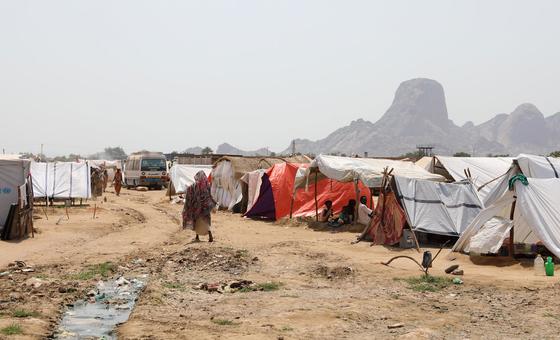
But even when people make it to Tawila, the camp’s makeshift tents offer little protection from the rainy season just beginning.  

WFP assistance

For the Tawila camp’s roughly 400,000 residents, WFP rations of nutrient-packed high-energy biscuits, sorghum, vegetable oil and salt are often their only sustenance.

They are just some of the four million Sudanese that WFP supports monthly.

This assistance has helped reduce catastrophic hunger in parts of Central and West Darfur. However, these gains are fragile: “WFP is ready with trucks full of food assistance to send into El Fasher,” says Corinne Fleischer, WFP’s Director of Supply Chain and Delivery. “We urgently need guarantees of safe passage.”  

The RSF has yet to agree a pause in fighting to allow humanitarian goods to enter the city. 

Source link

How nuclear technology can help fight seafood fraud

From mislabeled fish to hidden additives, deceptive practices are threatening livelihoods, food safety, and trust in what ends up on our plates.

Now, a new international initiative backed by the United Nations is using cutting-edge nuclear science to protect people and ensure the seafood they rely on is safe, authentic, and traceable.

Fishy business

Seafood consumption per capita has doubled since the 1960s and is projected to double again by 2050, with seafood fraud becoming a rising global concern.

While FAO estimates that the fisheries and aquaculture sector employs 62 million people in primary fish production, about 600 million livelihoods rely on fisheries and aquaculture. 

Seafood fraud ranges from substituting high-value species with cheaper alternatives to using unauthorised or undeclared additives. It can occur at any stage of the supply chain, especially as monitoring and traceability become more difficult due to supply chains growing increasingly complex.

To make sure seafood fraud does not slip through the net, national and international food control systems need robust and fit-for-purpose analytical methods

Nuclear technology

A joint project between the Food and Agriculture Organization (FAO) and the International Atomic Energy Agency (IAEA) is set to use nuclear technology to counter seafood fraud.  

Through its Joint FAO/IAEA Centre of Nuclear Techniques in Food and Agriculture, the IAEA is launching a five-year coordinated research project to help countries strengthen food control systems to detect and prevent seafood fraud.

The IAEA will use nuclear and related techniques to build scientific capacity, ensure product authenticity, and enhance resilience and transparency in seafood supply chains.

“This IAEA project provides Member States with a valuable opportunity to collaborate in combating fraud and de-risking the seafood supply chain using robust nuclear science-based tools,” said Debashish Mazumder from the Australian Nuclear Science and Technology Organization, a key partner of the IAEA on sustainable development issues.

Reeling in truth with atoms

The IAEA’s Food Safety and Control Laboratory supports countries in applying nuclear and related analytical techniques to facilitate trade in safe and authentic seafood, offering powerful tools for fraud detection.

One of the most effective methods to counter seafood fraud is stable isotope ratio analysis of light elements such as oxygen, which allows scientists to identify the geographical origin of the fish and verify whether it was wild-caught by reflecting environmental and ecological conditions in the fish’s biological tissues.

Used to authenticate seafood, nuclear technology serves as a powerful tool to combat seafood fraud, enhancing consumer protection, increasing trust in food control systems, and supporting fisherfolk to engage in sustainable aquatic resource management.  

Source link

Syria: UNICEF calls for safe access to children in Sweida as needs mount

Deadly sectarian clashes erupted in the southern governorate, also known as As-Sweida, in July and early August and children and families continue to feel the impact.

At least 22 children reportedly were killed and another 21 injured in the violence, which caused significant damage to civilian infrastructure.  More than 190,000 people, mainly women and children, were forced to flee their homes.

Essential services also were disrupted. At least five health centres were reportedly struck, with two doctors killed, while ambulances were obstructed or attacked.

‘A welcome step’

UNICEF Syria Deputy Representative Zeinab Adam described the situation as “tragic and deeply alarming.” 

“Given the ongoing needs of children and families affected, the increased efforts by the interim authorities to facilitate access to those in need have been a welcome step,” she said.

UNICEF was part of the UN’s first inter-agency convoy to Sweida which arrived at the end of July.  

Ms. Adam said the agency “delivered life-saving supplies and carried out a rapid on-the-ground assessment to ensure a faster, stronger response to the growing crisis.” said.

Food and medicine shortages

The fighting caused critical damage to vital infrastructure, water, electricity and fuel.  Furthermore, food, medicine and other essentials remain scarce due to continued insecurity and access constraints.

In response, UNICEF has deployed 14 mobile health and nutrition teams.  Teams have also provided life-saving health and nutrition supplies to more than 4,000 children and women, as well as safe drinking water and fuel for water pumping stations benefiting more than 30,000 people.

Appeal for access

To ensure an effective response, it is critical that both humanitarian actors and commercial goods have unhindered access to the most affected communities,” said Ms. Adam.

“This will enable the immediate provision of basic social services, including food, water, and other essential supplies, to those in urgent need.”

She added that “facilitating this access is not only vital for life-saving interventions but also for restoring a minimum level of stability and protection in these communities.”

Meanwhile, UNICEF remains on the ground in Sweida and will continue to advocate for children there and across Syria. 

Safety on and off the pitch: Closing down child trafficking in sport

“Sports give me a sense of belonging as a girl. When I play, it affirms my right to play sports and exposes me to wider opportunities,” she said.  

This is what sport should represent for young people worldwide. However, a new campaign supported by the International Organization for Migration (IOM) works to counter a darker side of the multi-billion dollar industry – by ending child trafficking through sports.

‘Gateway to exploitation’

Sport should be a source of joy and achievement, not a gateway to exploitation. Yet traffickers prey on the ambitions of young athletes, using false promises to lure them into abuse and deception,” said Ugochi Daniels, the IOM deputy director general for operations. 

Of the approximately 50 million people worldwide who are subjected to trafficking-related abuses, 38 per cent of them are children. And of these children victims, 11 per cent are trafficked through false promises.  

In the sports industry, this takes many forms, including joining fake sports academies or signing what appear to be professional contracts.

For many young people like Saido, sport can be a pathway out of disadvantaged backgrounds. Saido, for example, dreams of seeing more Somali and refugee women playing in international professional leagues.  

“I want to see a basketball academy full of Somali girls and other girls from different communities here in Kakuma. I want to see Somali girls playing basketball at the WNBA level,” Saido said, referencing the top women’s league in the United States.  

But these dreams and their disadvantaged backgrounds, according to the campaign, can also make them uniquely vulnerable to the false promises of traffickers.  

Do not ignore the risks

Working alongside Mission 89 – an organisation which fights young athlete exploitation – IOM is calling upon stakeholders within the $1.2 trillion sports industry to strengthen protection mechanisms.  

This includes reforming unethical recruitment strategies which can be exploited by traffickers and providing education to the entire industry about the harms and risks of trafficking.  

In addition to these tangible changes, the campaign is also calling on industry leaders to sign commitments which declare zero tolerance of the scourge.  

While we continue to celebrate the power of sport, we cannot ignore the risks faced by young athletes,” said Lerina Bright, the founder and executive director of Mission 89.  

“This campaign is about ensuring that every child who dreams through sport is safe, supported and never exploited.” 

Source link

Celebrating youth: ‘When young people take the lead, everyone gains’

But after a decade of armed conflict and amidst a severe economic depression, educational toy imports have become way too expensive for many classrooms in Yemen.

Shadia and Fatima, two young entrepreneurs in Yemen, identified this gap after participating in a training course run by the UN Development Programme (UNDP). They decided to begin a youth-led business called Dorri which would create sensory learning tools from locally sourced wood and fabric.

Alone, Dorri will not bring peace to Yemen, nor will it single handedly solve the fact that over a third of youth in Yemen are unemployed. But, according to one of the principals whose kindergarten received the toys, Dorri represents the creative potential of Yemen’s youth.

“When young people take the lead, everyone gains — children, families, schools and entire communities,” the principal said.

Youth in peacebuilding

August 12 is the International Day of Youth, a day which highlights the integral role that 1.9 billion young people worldwide play in creating sustainable futures.

This year, the day is particularly significant according to Felipe Paullier, the UN Assistant Secretary-General for Youth Affairs, because it coincides with other notable dates, including the 10th anniversary of a Security Council resolution affirming the vital role that youth play in advancing peace.

“Young people are leading change with purpose, from local campaigns to global peace efforts, building trust between cultures and creating lasting impact,” Mr. Paulier said.

Creating prosperous livelihoods

By 2050, the people who are currently under 25 will compose over 90 per cent of the global workforce, making their training and education vital to the economy and a prosperous peace.

However, in contexts plagued by conflict or in communities which face displacement, this training and education can be next to impossible to achieve.

Elijah, a Sudanese refugee who is now 27, arrived at a refugee camp in Kenya in 2015 after fleeing violence in his home country. Education proved impossible for him – while he tried to attend school for a few years, he ultimately dropped out because he could not afford the school fees.

But training was very feasible: in his informal facility – which specialises in electronic repair – he has already trained 15 young people like himself. He still hopes to do more.

“My dream is to open the biggest electronics repair facility in Kakuma that will serve the community and also empower young people without a source of livelihood to take care of themselves,” Elijah said.

An intergenerational approach

Mr. Paullier emphasised that empowering youth at a local level must entail more than just supporting initiatives like Elijah’s – rather, genuine empowerment lies in “real trust.”

“Meaningful youth participation means engaging youth as equal partners. It means intergenerational collaboration because investing in youth is not just about the future. It is about the world we live in today,” he said.

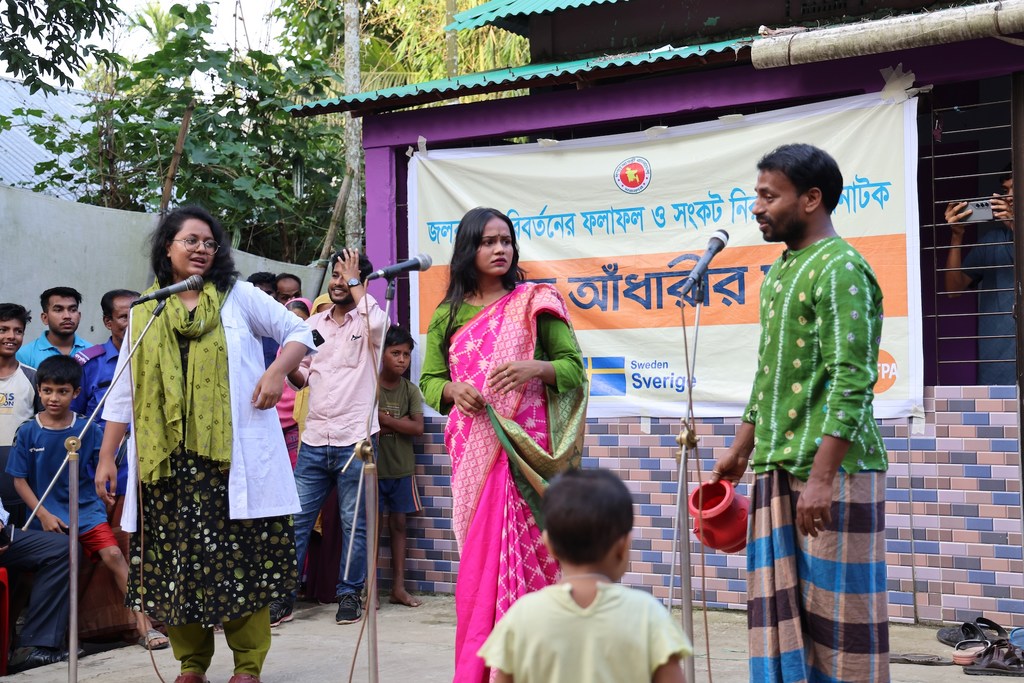
In Myanmar, this sort of intergenerational knowledge exchange has taken on a unique form – theatre. Ongoing conflict in this country has upended many livelihoods and created ripe conditions for gender-based violence.

A group of 18 young people in Mon State have formed a performance group which doubles as an educational initiative. Together, they write, direct and put on plays for neighbouring communities of all ages which discuss themes like domestic abuse.

At one performance about ongoing domestic violence, an elderly woman in the front row turned to her neighbour.

“This is my story too,” she said.

Through these performances, the young people have created a forum for an intergenerational conversation: “We’re not just performers — we are community educators, and this stage is our platform for change,” said La Min Cho, one of the performers.

Sudanese refugees in the UN-run transit centre in Renk, South Sudan.

Danger of tokenism

Despite the Security Council’s resolution, young people tend to remain excluded from policy-making decisions. Or if they are included, their participation is sometimes “tokenistic.”

Areej Hussein, the founder of a grassroots feminist organization in Sudan, has experienced the frustration of having her advocacy simply be a symbol for those in power.

“Women and girls are not just victims of war – we are peacebuilders…Enough of using women as slogans. It is time to truly listen to their leadership,” she said.

Ms Hussein has worked to change this in Sudan by mobilising women from all walks of life and empowering them to tell their stories.

And she is not alone – many young people are working around the world to change this. But for each of them, their approach to affecting real change is slightly different.

For Shadia and Fatima, it was tactile toys. Elijah inspires refugees…And for Yie Tone, the answer was theatre. “We may not have the power to change policies, but we do have the power on this stage to change our communities to a safe and equal society,” Mr. Tone said.

Source link

Sudan: UN ‘deeply alarmed’ by major attack on besieged El Fasher

Monday’s attack left 40 civilians dead and 19 injured within Abu Shouk, according to humanitarian partners. The International Organization for Migration (IOM) reported that the renewed violence forced at least 500 residents of the camp to flee to other parts of North Darfur.

Acting Humanitarian Coordinator for Sudan, Sheldon Yett, condemned “all deliberate and indiscriminate attacks on civilians” in the strongest terms.

All parties to the conflict have a clear obligation under international humanitarian law to ensure the protection of civilians,” UN Spokesperson Stéphane Dujarric stressed at Tuesday’s daily press briefing in New York.

“Displacement camps and other places of refuge for civilians must not be targeted. And the fact that we have to repeat this almost every day is tragic in itself.”

No exit

Amid the current escalation of violence in and around El Fasher – the last Government held bastion in Darfur – there are also reports that exit routes from the city have been blocked and civilians are trapped under siege, cut off from safety and aid.  

Mr. Yett emphasised that the immediate provision of safe and unhindered passage for those fleeing El Fasher and other areas of active hostilities is crucial.  

He also reiterated the Secretary-General’s repeated calls for a humanitarian pause in and around the city to allow for the much-needed delivery of food, water, medicine and other life-saving supplies, underscoring that those trapped are facing acute hunger and starvation.

Deepening catastrophe in Kordofan

To the east in the Kordofan region, violence and displacement are still raging.  

In South Kordofan State, IOM estimates 3,000 people fled the town of Kadugli between 6 and 10 August because of deepening insecurity.

Humanitarian access to the town is extremely limited, as the primary supply route is inaccessible due to active hostilities, making road access virtually nonexistent.  

This humanitarian crisis is worsening an already dire economic situation and causing further shortages of vital goods.  

UN humanitarians reiterate that all combatants have obligations under international humanitarian law to refrain from attacking civilians, take constant care to spare them and facilitate unimpeded humanitarian access to everyone in need. 

Source link