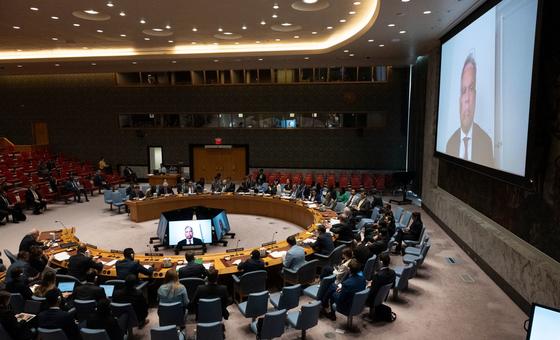
Security Council voices deep concern over deadly escalation in Syria’s Sweida region

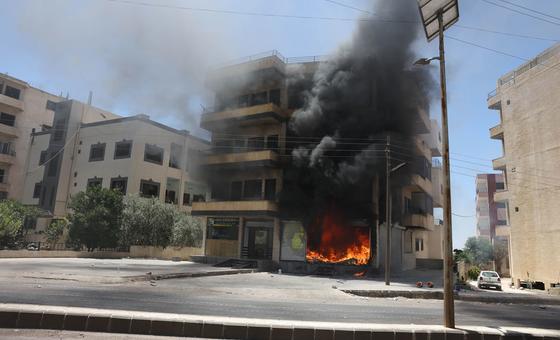
Unrest began on 12 July when mutual kidnappings escalated into armed conflict between Druze groups and Bedouin tribes, drawing in Syrian security forces.

The violence spiralled, with reports of extrajudicial executions, desecration of corpses and looting. Footage circulated widely on social media fanned sectarian tensions and disinformation.

Nearly 200,000 displaced

In a presidential statement adopted on Sunday, ambassadors said they were “deeply concerned” by the recent fighting, which has included “mass killings” and led to the internal displacement of some 192,000 people.

The Council “strongly condemns the violence perpetrated against civilians…and calls on all parties to adhere to the ceasefire arrangement and to ensure the protection of the civilian population.”

The 15-member body reminded all sides of their obligations under human rights and international humanitarian law, stressing in particular the duty to “respect and protect” all medical and humanitarian personnel.

Council members urged all parties to allow “full, safe, rapid and unhindered humanitarian access” to affected communities in the heavily-Druze Sweida area and across Syria, in line with the principles of humanity, neutrality, impartiality and independence.

They also underscored the need to ensure the humane treatment of all combatants, including those who have surrendered, are wounded, detained, or have laid down their arms.

Protection for all

The statement called on the Syrian interim authorities to protect all Syrians “regardless of ethnicity or religion” and warned that “there can be no meaningful recovery in Syria without genuine safety and protection for all Syrians.”

The Council welcomed the interim authorities’ condemnation of the violence and their commitment to investigate those responsible, but urged them to ensure “credible, swift, transparent, impartial, and comprehensive investigations… in line with international standards.”

Reaffirming resolutions including 2254 (2015), the Council reiterated its “strong commitment to the sovereignty, independence, unity, and territorial integrity of the Syrian Arab Republic” and called on all States to avoid “negative or destructive interference” that could further destabilise the country.

The statement also recalled the 1974 Disengagement Agreement and the mandate of the UN Disengagement Observer Force (UNDOF) tmonitoring and patrolling the contested Golan on the Syria-Israel border, urging all parties to abide by its terms to maintain calm.

On the threat of terrorism, the Council cited the latest report of its Analytical Support and Sanctions Monitoring Team, voicing “grave concern over the acute threat posed by foreign terrorist fighters” in Syria. It urged the country to take decisive measures against ISIL (Da’esh) and Al-Qaida, in line with relevant resolutions.

Looking ahead, the Council repeated its call for “an inclusive, Syrian-led and Syrian-owned political process” based on resolution 2254, to safeguard the rights of all Syrians and enable them to “peacefully, independently and democratically determine their futures.”

Source link

Aid blockade deepens Gaza crisis as malnutrition deaths rise, warns UNRWA

“For over 150 days, not a single truck from UNRWA has been permitted to deliver food, medicine or other essentials into Gaza,” the agency said on Friday. “This denial of access is costing lives every single day.”

Nearly 100 children dead from malnutrition

According to Gaza’s Ministry of Health, cited by the UN, at least 61,158 Palestinians have been killed and more than 151,000 injured since October, amid relentless Israeli bombardment and ground operations.

UNRWA said nearly 350 of its own staff are among the dead since Israel’s military operation in Gaza began following the 7 October 2023 Hamas-led terror attacks.

Many civilians have been killed while sheltering in schools or tents, or while queuing for food.

Food insecurity is now acute. UN data show 193 people — including 96 children — have died from malnutrition since the start of August, with July seeing the highest monthly rate of acute malnutrition recorded in children under five.

Soaring prices

Wheat flour prices have soared by up to 15,000 per cent compared to pre-war levels. “Sustained, large-scale deliveries are the only way to stabilise food supplies and prices,” UNRWA stressed.

Health services are close to collapse. More than half of essential medical supplies are already out of stock, and hospitals have been forced to ration fuel for generators. UNRWA teams have nevertheless managed over 1.5 million health consultations since March, but “without resupply, our ability to save lives is dwindling,” the agency warned.

Vast scale of displacement

Displacement is on a vast scale: 1.9 million people — around 90 per cent of Gaza’s population — have been forced from their homes, many repeatedly. Nearly 100,000 are crammed into over 60 UNRWA-run shelters.

In the northern Israeli-occupied West Bank, around 30,000 people from Nur Shams, Tulkarm and Jenin refugee camps remain unable to return home due to Israel’s “Iron Wall” military operation, ongoing since January.

The agency urged immediate, unhindered humanitarian access. “We need the world to act — to open the crossings, to stop the suffering, and to uphold the most basic principles of humanity,” it said.

The UN Security Council is due to meet in New York in emergency session on Sunday morning local time to discuss the Israeli cabinet’s endorsement of a military takeover of Gaza City which is home to around one million Palestinians.

From crisis to cultivation: Haiti’s farmers build resilience one seed at a time

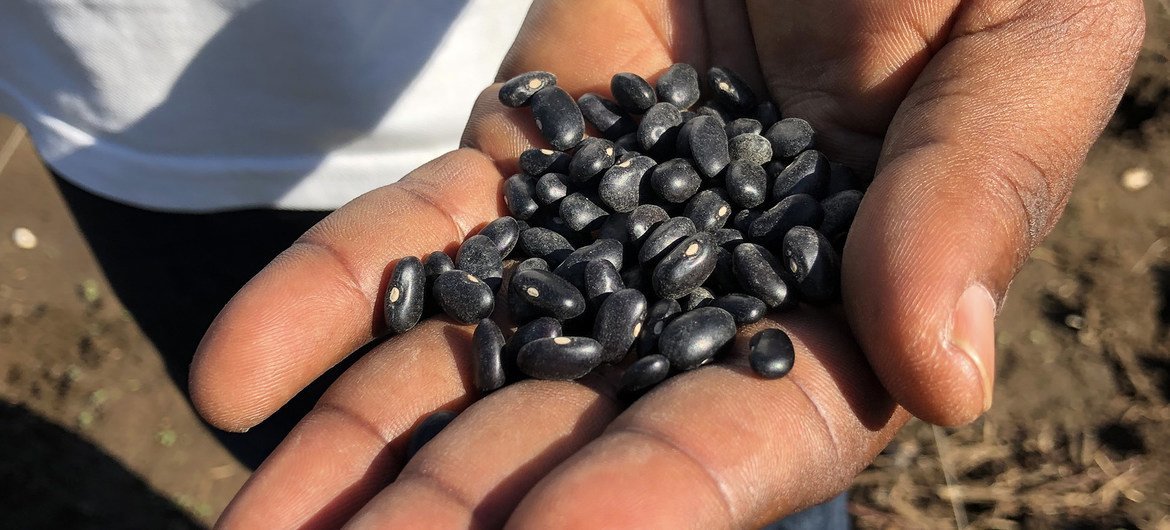
Instead of having seeds which sprout reliably, farmers contend with batches which may grow only 40 or 50 per cent of the time. This not only diminishes their yield and profit but also decreases their ability to sustain their livelihoods.  

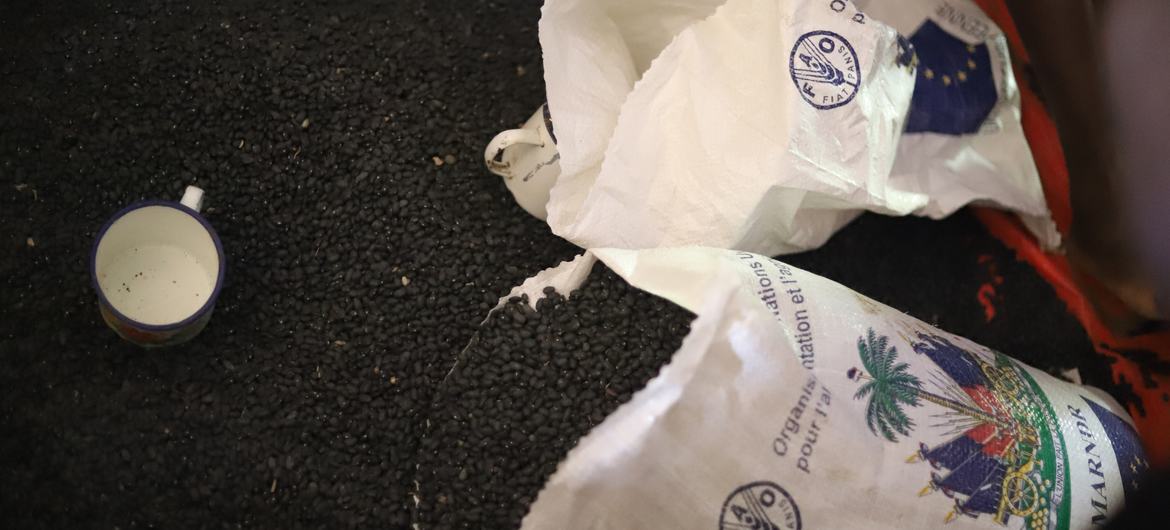
The Food and Agriculture Organization (FAO) is working with the Ministry of Agriculture in Haiti to change this by localising the seed economy and training members of organized seed banks known as Groupements de Production Artisanale de Semences (GPAS).   

“We realised that most of the seeds were of doubtful quality, that is to say they were not adapted to certain climate conditions… and as long as they are not well-adapted and are not good quality, we will have weak production,” PierreFrantz Jacques, a former farmer and one of FAO’s seed bank project managers, told UN News. 

UN Haiti/Daniel Dickinson

Seed banks in Haiti work to provide farmers with high quality seeds.

There are now over 200 GPAS located throughout Haiti, which cultivate high-quality seeds to distribute to other farmers with the goal of increasing farmers’ yields and reducing dependency on foreign seed and food imports.  

Especially today, these groups play an important role with more than half of the country facing emergency food insecurity and with agricultural production threatened by armed violence due to increased gang activity.  

“GPAS, in providing seeds of quality, contributes to the improvement of agricultural productivity and food security in communities,” Mr. Jacques said.  

A beginning amidst catastrophe

Around two-thirds of Haiti’s population relies on agriculture for their livelihoods, most of them are small farmers. However, because of recent globalizing forces, these farmers only produce 40 per cent of Haiti’s food, creating an untenable food situation through which Haiti has become dependent on exports.  

Throughout the past decades, various FAO programmes in Haiti have worked to support seed production as one approach to reducing the trade deficit. The GPAS programme in particular was revitalized in 2010 following the catastrophic 7.0 earthquake which devastated Haiti and its agricultural sector.  

FAO works to distribute high quality seeds in Haiti to stabilize crop production.

During this humanitarian crisis and while helping with the provision of emergency assistance, FAO looked beyond the immediacy of the crisis and began considering what it would mean to rebuild the agricultural sector.  

“Immediately, we need to have resources from humanitarian assistance dedicated to resilience activities. You have to prepare for later from the beginning,” said Pierre Vauthier, FAO’s Representative in Haiti.  

In 2010, this meant recognising that seed systems in Haiti were insufficient, with many farmers dependent on external sources and varieties of low-quality permeating the formal and informal market.  

From emergency to resilience

This is where GPAS came in, giving them high-quality, first-generation seeds (semences de base) with which to jumpstart their enterprises. The groups were also trained in best practices for cultivation, harvesting and financial management.  

While this training does rely on scientific research and technological advances, it also seeks to deploy local knowledge of ecosystems.  

In this vein, ultimately, it is the GPAS farmers who pick the seed varieties they want to cultivate, with many choosing local species which are already well-adapted to the environment and already a part of local agricultural traditions.

“The farmers and locals know their environment, all the particularities. They know the type of soil, the type of climate. And this knowledge is passed down from generation to generation,” Mr. Jacques said.  

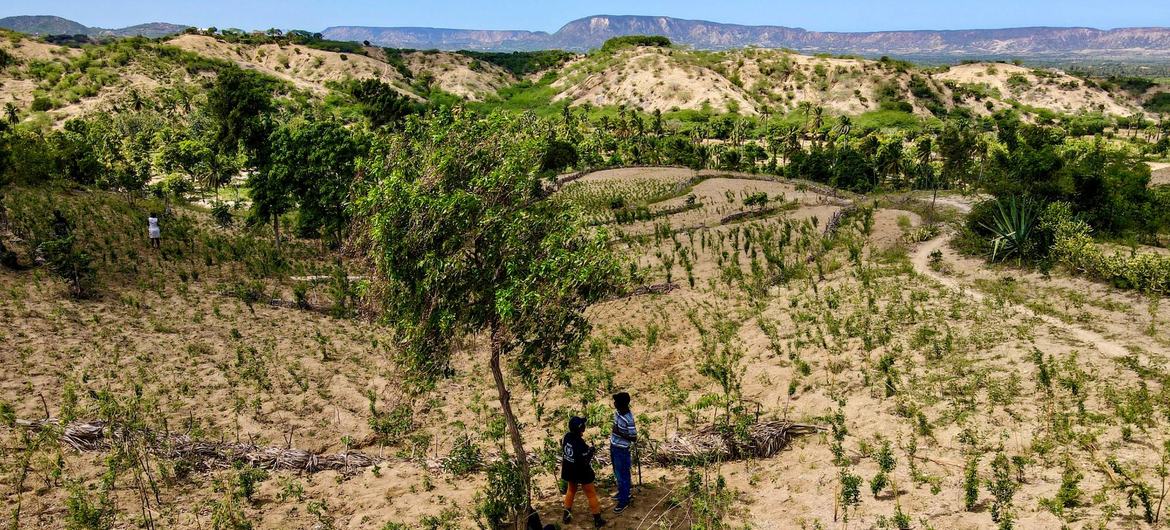
Climate shocks have plagued Haiti’s agricultural sector.

Additionally, FAO works to provide seed banks with silos and other tools to practice proper storage. This is particularly important during climate shocks, enabling farmers to better protect stocks despite extreme weather events.  

“We can consider the seeds as an adaptation tool which allows farmers to continue to cultivate crops even during extreme conditions,” Mr. Jacques said.  

Ultimately, a program like GPAS is at the heart of what FAO does, Mr. Vauthier said — yes, FAO facilitates humanitarian assistance, but their real expertise lies in what comes after, in creating self-sustaining communities.  

“Resilience can give communities back dignity. It can make your brain think in a very different way, not as assisted but as someone taking control of his own life,” Mr. Vauthier said.  

One seed matters

Haiti is facing a protracted crisis — 1.3 million people displaced, almost six million facing emergency food insecurity, impending climate shocks for which the country is ill-prepared and armed violence which is brutalising communities.  

In this context, perhaps it is hard to believe that one seed matters. But for FAO, sometimes change needs to be small, to be locally sustainable before it is exported to the entire country. These changes may not be revolutionary, Mr. Vauthier said, but they do work and they do last.  

Seed banks are much the same, according to Mr. Jacques.  

“What happens is that farmers are less dependent on other human beings. They are capable of producing their own seeds… they will contribute to reinforcing autonomy and food security,” he said.  

Source link

‘There is no military solution’ to end Israel-Palestine conflict, Security Council hears, as starvation stalks the Gaza Strip

Two top UN officials warned that the Israeli cabinet’s green light this week for a fresh offensive aimed at gaining total military control of Gaza City – home to around one million Palestinians – would only risk igniting “another horrific chapter” of displacement, death and destruction.

Miroslav Jenča, Assistant Secretary-General for Europe, Central Asia and the Americas, told ambassadors that Israeli Prime Minister Benjamin Netanyahu’s proposed plan for “defeating Hamas” and the establishment of an alternative civilian administration that is neither Hamas nor the Palestinian Authority, risked “yet another dangerous escalation” that would destabilise the entire region.

However, according to Israeli media reports, the senior political affairs official continued, the Israeli plan foresees the displacement of all civilians from Gaza City by 7 October, affecting some 800,000 people – many previously displaced.

Reports indicate that forces would then surround the city for three months.  This would reportedly then be followed by an additional two months to seize control of central Gaza’s camps and clear the entire area of Palestinian armed groups.

Calamitous plan

If these plans are implemented, they will likely trigger another calamity in Gaza, reverberating across the region and causing further forced displacement, killings, and destruction – compounding the unbearable suffering of the population,” said Mr. Jenča, calling for a full, immediate, and permanent ceasefire, the unconditional, immediate release of all hostages and compliance with international humanitarian law by Israel.

He said there was no military solution to end the conflict adding that planning for Gaza’s future “as we address the urgency of developments on the ground today,” is critical.

Mr. Jenča called for establishing political and security frameworks to ease the humanitarian crisis, while beginning recovery and reconstruction efforts that address the legitimate concerns of both Israelis and Palestinians – in line with realising a two-State solution.

United Palestine

“Critically these frameworks must facilitate a legitimate Palestinian Government that can reunify Gaza and the West Bank, including East Jerusalem, politically, economically and administratively.”

Furthermore, it must be made up of a united leadership representing all of Palestine. He called on the Palestinian Authority to “advance its stated goal of holding elections” to this end.

‘This is starvation’: Rajasingham

Senior humanitarian affairs official Ramesh Rajasingham told ambassadors that hunger-related deaths were already rising, ahead of any new mass-displacement policy for Gaza City.

“Whatever lifelines remain, are collapsing under the weight of sustained hostilities, forced displacement and insufficient levels of life-saving aid.”

He said with local authorities documenting the deaths of 98 children from severe acute malnutrition – 37 since 1 July – “this is no longer a looming hunger crisis – this is starvation.”

The head of the humanitarian affairs coordination office (OCHA) in Geneva said he was extremely concerned over the “prolonged conflict and further human toll that is likely to unfold following the Government of Israel’s decision to expand military operations in Gaza.”

“This marks a grave escalation in a conflict that has already inflicted unimaginable suffering.”

‘Grim milestone’

“A grim milestone has also been crossed in the humanitarian community,” he lamented, noting that over 500 humanitarian workers have been killed in Gaza since hostilities escalated, including at least 167 women. Smear campaigns against aid operations continue unabated.  “As we approach World Humanitarian Day, we must insist on the protection of all aid workers,” he added.  

States – all those with any influence – must look within our bruised collective conscience and summon the courage to do what is necessary to end this inhumanity and pain, he said.

Civilians must be protected, and hostages must be released unconditionally.  Arbitrarily detained Palestinians must be freed. Israel must agree to and facilitate humanitarian relief operations, both into and within the Gaza Strip, to reach the population in need.

The International Court of Justice’s (ICJ) provisional measures in the case on the application of the Genocide Convention in Gaza remain in place, the top OCHA official added, including the demand that Israel take immediate and effective measures to enable the provision of urgently needed basic services and humanitarian assistance.

SECURITY COUNCIL LIVE: Ambassadors meet in emergency session, amid starvation in the Gaza Strip

The UN Security Council is meeting in New York following the Israeli cabinet’s decision to again expand its military operation inside the Gaza Strip and take full control of the key population centre of Gaza City. UN chief António Guterres described it as a “dangerous escalation” for the two million civilians trapped in the enclave as well as the remaining Israeli hostages still held captive. Follow our Meetings Coverage Section’s live reporting of the crisis meeting and UN News app users can follow here.

Source link

Preparing for the next flood: Protecting women’s health in Bangladesh

Sunamganj is a district in the wetland ecosystem in northeast Bangladesh, which is particularly vulnerable to climate change. Floods arrive quickly and suddenly and can last for weeks. They disrupt life, displace families and cut off access to services.

For the over 670,000 women of reproductive age living in the area, increasingly extreme weather events are threatening their access to reproductive healthcare.

Preparation and planning

To help prepare for these crises, UNFPA is training reproductive-aged women to protect themselves and their children during the next flood.

Shakila Akhter, a 24-year-old mother of two, was eight months pregnant during the last flood.

“Thanks to the training I received, I knew what to carry, how to prepare and how to protect my family,” she recalled. She now uses family planning tools she didn’t know about before: “I want to choose when I’m ready for another child.” 

She also underscored the link between climate change and these severe floods: “We understand that the climate has changed over the past 20 years. In Bangladesh, the flood season has become longer, sudden floods are more frequent, heatwaves have intensified, and winters are now shorter.  

“So, we all should be prepared to manage it to survive.”

Local volunteers

This training is made possible by volunteers trained to help others prepare for climate shocks.

Shakila Begum, 26, began volunteering with just two days of training. She works with the Climate Resilience Health System and Community initiative – supported by the UNFPA and the Swedish International Development Cooperation Agency – which educates women on topics from menstruation to childbirth during floods.

Ms. Begum is now the point of contact for 75 families, helping them with issues like family planning and maternal healthcare.

“One woman had dangerously high blood pressure just before giving birth,” she recalled. “I advised her family to go to the local hospital, where she safely delivered – completely free of cost.”

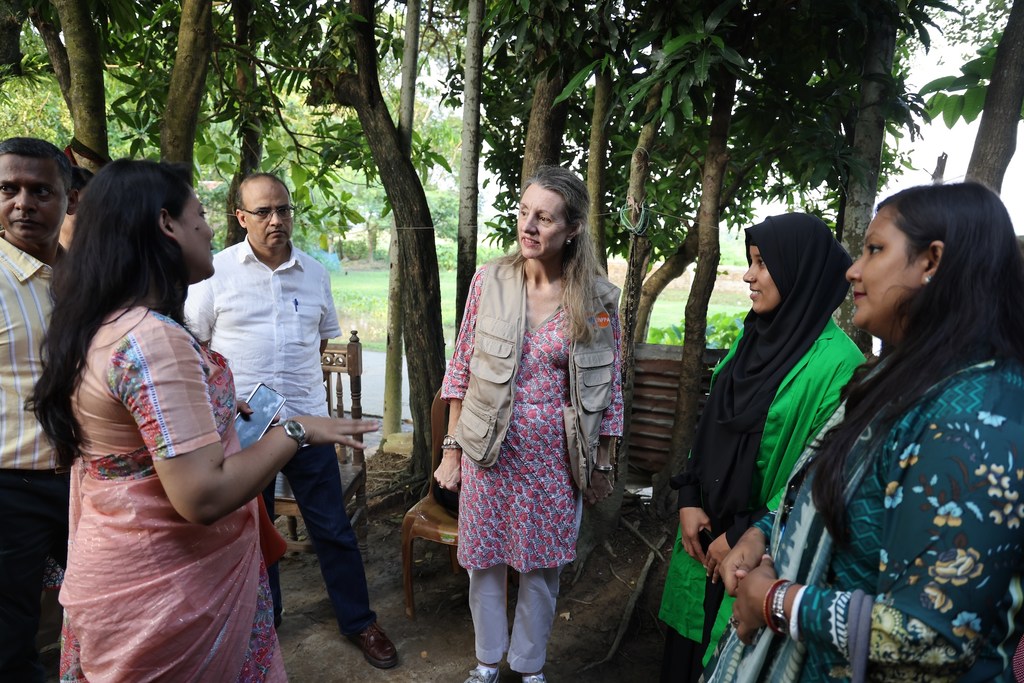
UNFPA Representative Catherine Breen Kamkong (centre) meets Shakila Begum (right, in green), a 26-year-old volunteer with the Climate Resilience Health System and Community Project in Sunamganj.

Empowerment through safe spaces

The initiative also offers safe community spaces where women can learn about sexual and reproductive health.

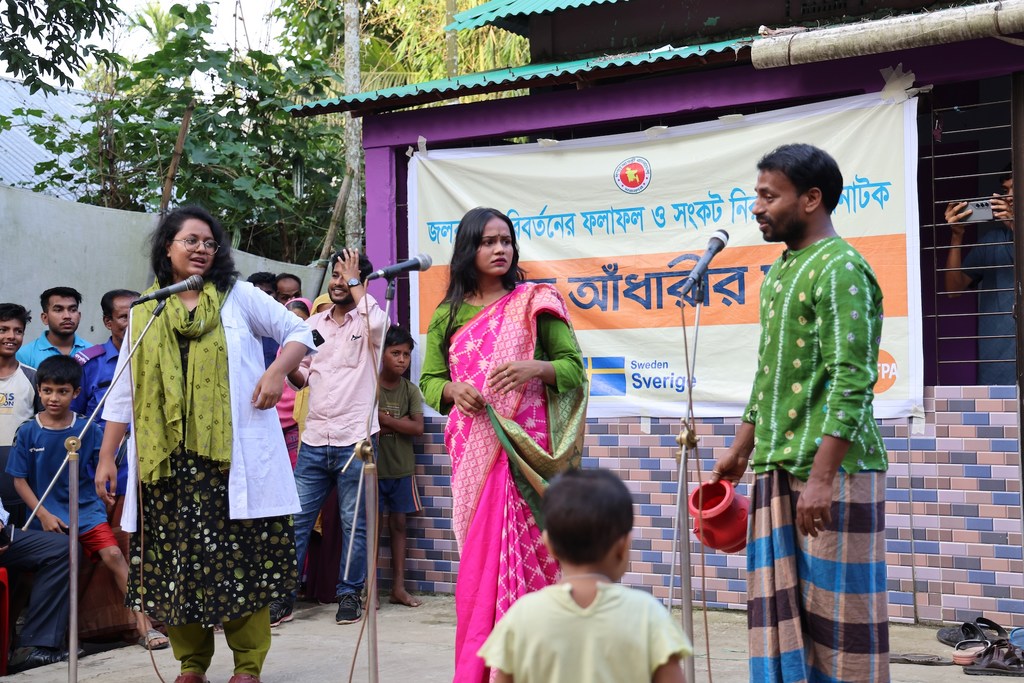
In Kurban Nagarn, an area in Sunamganj, volunteers have begun hosting “street dramas”. The volunteers act out scenes related to issues such as maternal health, disaster preparedness and child marriage prevention, with over 500 people attending each performance.

Taskira Hauque Tazin, a local student, is one of the moving theatre’s core members. She has attended many conferences in Bangladesh and abroad, where she shares her experiences and is recognised for her work.

“I feel proud to work for women’s empowerment and to support underprivileged communities. Through these plays, we raise awareness so that women don’t fall behind. We want to stop early marriage, promote girls’ education, and ensure that women get access to maternal health care,” she said. “Whether it’s in the sun, rain, or storm – we’ll keep doing this work for the people.”

Villagers gather for an afternoon street drama in Bodipur, Kurban Nagar Union, Sunamganj, as part of the Climate Resilience Health System and Community Project.

Anima Akhter, a 24-year-old mother in Kurban Nagarn, explained that the street dramas provide a safe space for difficult conversations: “We want to share our problems, especially about our bodies – but we often can’t speak.”

With the support of local volunteers, Anima delivered her youngest child safely at the hospital.  

Amina’s husband, Nurul, now accompanies her to community sessions and has become a role model in the community, receiving training from volunteers to teach his neighbours about women’s and girls’ health.  

“Since my wife underwent training, I took it very seriously and felt inspired to help our neighbours, especially concerning women’s and girls’ health,” he said. “I regularly talk about these important messages with other men at the tea stall, encouraging them to be prepared for disasters and to take the same precautions.  

“I urge them to seek help from service providers if they face any problems, especially concerning pregnant women’s deliveries and family planning methods.”  

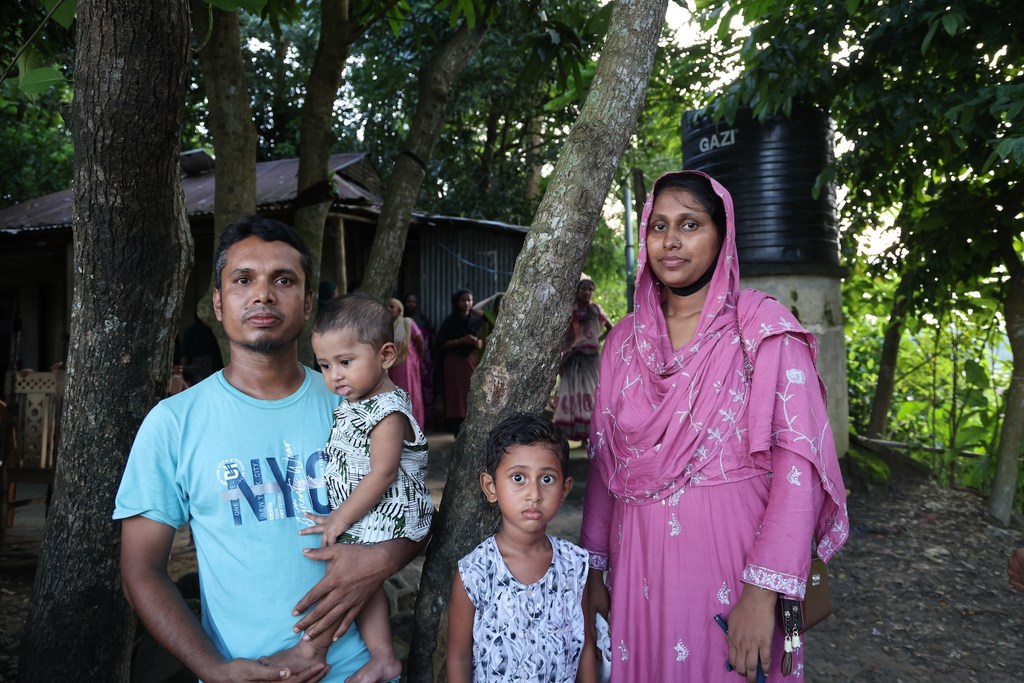
Anima Akhter, 24, with her husband Ruhul Amin, 30, a steelworker, and their two children outside their home in Bodipur village in Kurban Nagar Union.

Ongoing challenges

But challenges remain despite the best efforts of the UNFPA and other UN partners.

In flood-prone villages in Sunamganj, over half of deliveries still occur at home.

Many women and girls also still feel shame discussing topics like menstruation, and cultural norms often restrict women who attempt to generate their own income.

These vulnerabilities faced by women and girls are exacerbated by climate-related disasters, which often hit them the hardest.

Continued commitments

From 28 to 31 July, global experts convened at the Global Symposium on Climate Justice and Impacted Populations in Brasília, co-hosted by UNFPA and the Government of Brazil.  

There, leaders worked to address the disproportionate impact of climate change on women and girls. The event called for gender-inclusive climate negotiations and a renewed commitment to understanding the impact climate change has on sexual and reproductive health and rights.

Diene Keita, Acting Executive Director of UNFPA, highlighted the gendered impact of climate change at the event: “The evidence tells us that climate change is increasing the risk of maternal mortality, disrupting access to contraceptives and increasing the risk of gender-based violence.”

“Our collective efforts need to strengthen the resilience of women, girls and health systems to withstand and adapt to climate shocks,” Ms. Keita stressed. “Being prepared, responding rapidly, and building forward better must be central pillars for our work.” 

Africa’s ‘land-linked’ economies poised to drive continent’s prosperity

“We stand at a pivotal moment, one that marks a profound shift from viewing these nations as isolated and constrained by geography to recognizing them as dynamic land-linked economies at the heart of Africa’s socio-economic resurgence,” said Samuel Doe, Resident Representative of the United Nations Development Programme (UNDP) in Ethiopia.

A new UNDP position paper – Africa’s Land-Linked Economies: Pathways to Prosperity and Development – explores the new narrative for African LLDCs, “rewriting the story from one of geographic limitation to strategic advantage”.

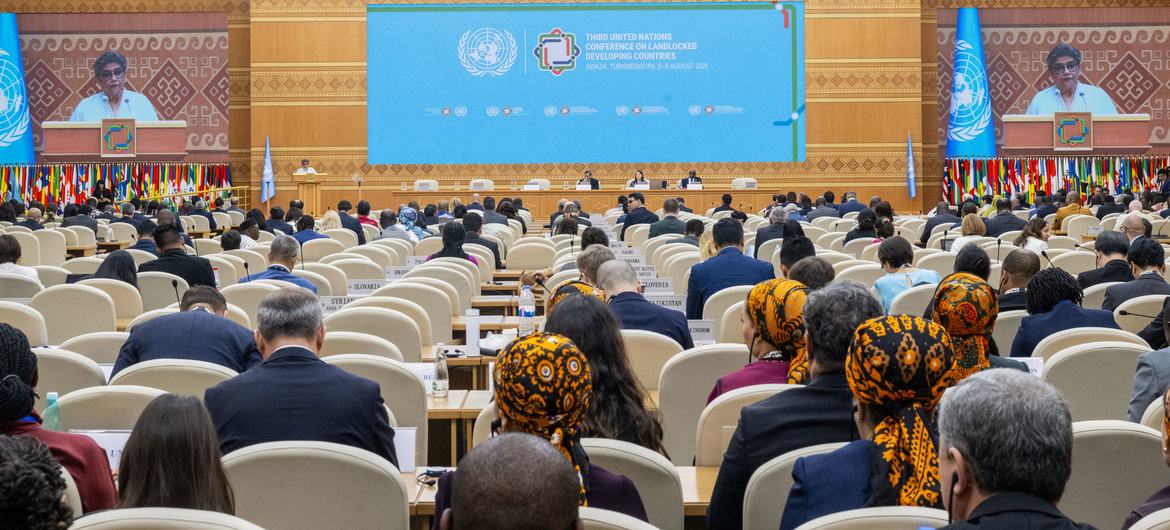
Mr. Doe, speaking on behalf of UNDP in Africa, presented the paper at a news conference on the margins of the Third UN Conference on LLDCs (LLDC3), which has been under way since Tuesday in Awaza, Turkmenistan.

“For decades, Africa’s LLDCs have been defined by their lack of direct access to the sea, often perceived as a disadvantage that limits trade, growth and development,” he said.

“Today, Africa’s LLDCs are leveraging their strategic centrality and regional connectivity to become vital hubs of economic activity, trade and innovation.”

He cited, among others, Rwanda’s 130,000-hectare Kigali Logistics Platform – a bustling regional hub, connecting Uganda, the Democratic Republic of Congo and Burundi with the coastal economies of Kenya and Tanzania.

In addition, Ethiopia facilitates crucial trade routes from South Sudan to Djibouti – including shortening freight transit by rail from 72 hours to 12 hours – and leverages its national airline, emerging as a vital global air transport connector that bridges Africa with international markets.

Meanwhile, Botswana, Malawi, Zambia and Zimbabwe anchor the pivotal North-South corridor, linking southern Africa to broader continental markets.

Globally, LLDCs account for seven per cent of the world’s population but contribute to only about 1.1 per cent of world trade.

UNDP notes that although African LLDCs’ contribution to global trade may be minimal, they supply regional and continental markets with strategic goods and services, including diamonds, copper, gold, coffee, sugar, as well as textiles and apparel.

‘Land-linked shifts the narrative’

A critical element of the shift taking place on the continent is the African Continental Free Trade Area (AfCFTA), which came into effect in January 2021 and represents the world’s largest free-trade area with a market of 1.2 billion people.

Most African LLDCs are members of the AfCFTA, which is already reducing trade barriers, unlocking vast opportunities for LLDCs to actively participate in and benefit from intra-African and global trade, according to UNDP.

“Land-linked flips the narrative: inland countries become bridges, not barriers. With AfCFTA, LLDCs can turn geography into a competitive edge – moving goods, services, and data faster and more affordably across Africa and beyond,” said Mr. Doe.

The shift also requires coordinated policy reforms, as well as leveraging innovation, inclusive governance, resilience and financing to drive sustainable and inclusive growth.

The paper also cites digital connectivity as a “transformative pathway” for African LLDCs to transcend geographic constraints and establish direct linkages with regional and global markets.

According to the 2024 International Telecommunication Union (ITU) Facts and Figures, 39 per cent of the population in LLDCs is online, with internet access in African LLDCs reaching up to 20 per cent.

The current digital landscape, though challenging, demonstrates that African LLDCs are positioned to leverage innovative connectivity solutions that bypass traditional dependencies on coastal neighbouring countries, according to the UNDP paper. These notwithstanding, LLDCs continue to rely on neighbouring coastal countries for undersea cable access.

“We are also concerned that landlocked developing countries do not have easy access to submarine cables” Cosmas Luckyson Zavazava, Director of the ITU Telecommunication Development Bureau, told reporters in Awaza.

“And for those that are doubly landlocked, it is a bigger challenge because you must have good relations with your neighbours for you to be able to communicate.”

Find all our coverage on LLDC3 here.

Source link

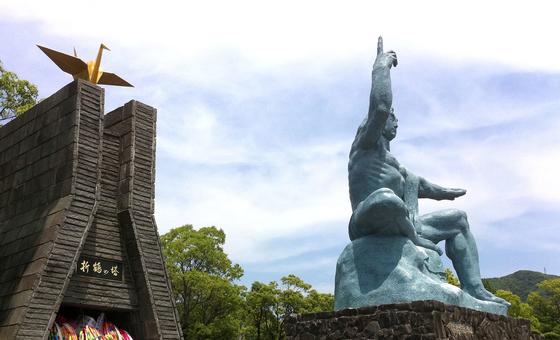
‘Nuclear weapons have no place in our world,’ UN chief tells mayors in Nagasaki

Inspired by the hibakusha, survivors of the atomic bombings at the end of World War Two who turned their suffering into a powerful appeal for peace, António Guterres renewed his call for a world free of nuclear weapons in a video message to the 11th General Conference of Mayors for Peace in Nagasaki.

United against nuclear weapons, the conference is an opportunity for mayors from around the world to discuss and adopt key priorities in support of global denuclearisation.

‘No place in our world’

“Nuclear weapons have no place in our world,” said Mr. Guterres in his video-message, as they only offer the “illusion of safety and the certainty of devastation,” he said.

Calling for the total elimination of nuclear weapons, the Secretary-General urged all participants at the conference to “keep mobilising communities, inspiring young people, and building peace from the ground up.”

“I urge all States to recommit to nuclear disarmament,” he said.

A better world

I commend Mayors for Peace for your unwavering commitment to a better world,” said Secretary-General, as the organization aims at creating real momentum for the realisation of a peaceful world without nuclear weapons.

In honour of the hibakusha, and in the memory of the victims of Hiroshima and Nagasaki, Mr. Guterres made an impassioned call for action to end the nuclear threat once and for all.

Read more about the work of the hibakusha here in previous UN News coverage, and listen to this extraordinary story of survival in our Lid is On podcast:

Source link

Indigenous Peoples Day highlights AI’s risks and opportunities

An estimated 476 million Indigenous Peoples live across 90 countries, representing 5,000 different cultures.

Without proper safeguards, AI risks harming Indigenous rights through inequitable distribution of the groundbreaking technology, environmental damage and the reinforcement of damaging colonial legacies.

The growing amount of electricity generation needed for AI data centres and other infrastructure is also intensifying climate change pressures, according to the UN.

When situated near Indigenous Peoples’ lands, AI data sites can exacerbate environmental degradation, negatively affecting the ecosystems they depend on.

Moreover, decisions on AI are often made by governments and major tech companies excluding any consultation with Indigenous Peoples. This has meant Indigenous language, knowledge and culture are regularly included in AI datasets without consent, perpetuating patterns of appropriation and misrepresenting Indigenous Peoples.

Despite challenges and risks, AI also presents new opportunities. Worldwide, Indigenous Peoples have explored the use of AI, using it as a tool for preserving intergenerational knowledge, empowering youth, and preserving culture, language and identity.

Safeguards for and innovations from Indigenous Peoples in the realm of AI are the focus of this year’s International Day of the World’s Indigenous Peoples, as well as recipients of the Equator Prize.

2025 Equator Prize  

To commemorate the day, the UN Development Programme (UNDP) has announced the ten community-based, Indigenous-led organizations that will be recipients of the 2025 Equator Prize.  

This award honours environmentally grounded solutions led by Indigenous Peoples that promote sustainable development, with winners demonstrating this year’s prize theme, “Nature for Climate Action”.

Winners will receive $10,000, be honored at a high-level online ceremony later this year and may join global events, including the UN General Assembly and the UN Climate Change Conference, COP30, taking place in Brazil later this year.

Prize recipients  

The Latin American recipients include Cooperativa de Mujeres Artesanas del Gran Chaco (COMAR) in Argentina, Associação Uasei dos Povos Indígenas de Oiapoque (Uasei) in Brazil, the Hakhu Amazon Foundation in Ecuador and the First Agrobiodiversity Zone in Peru.  

COMAR supports Indigenous women through Matriarca, a brand turning traditional crafts into sustainable products. Uasei fosters an Indigenous-led bioeconomy around native açaí, while Hakhu defends the Ecuadorian Amazon and Indigenous rights through advocacy, decolonial education and grassroots media. 

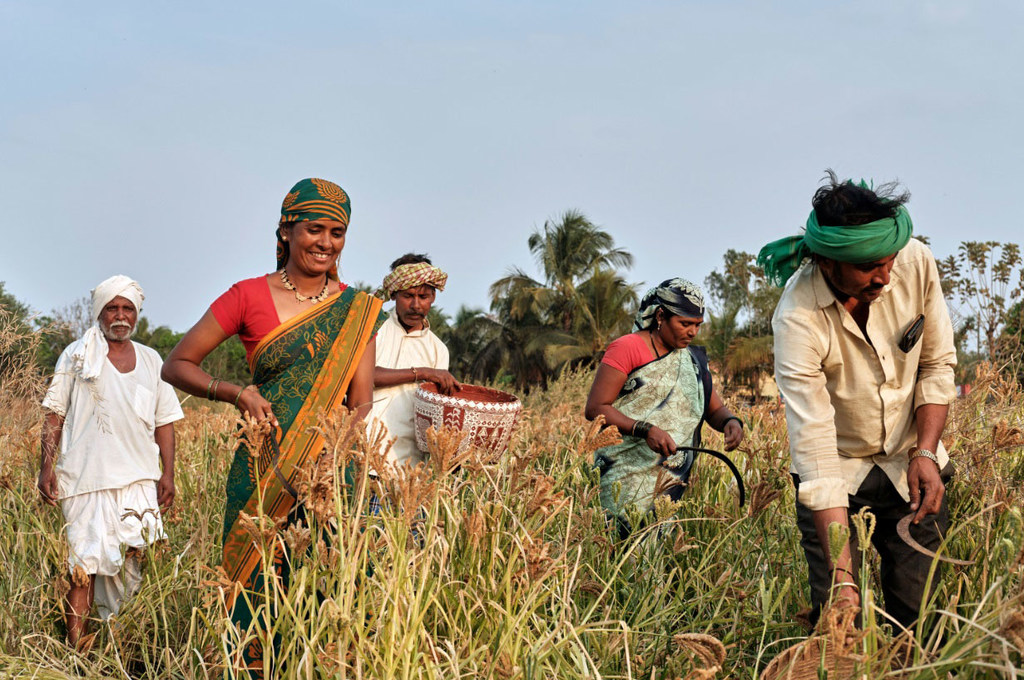
In India, Bibifathima Swa Sahaya supports village farmers through multi-cropping, seed banks and solar-powered processing – combining traditional knowledge with regenerative agriculture and renewable energy. 

© Equator Initiative/Bibifathima Swa Sahaya Sangha

The 2025 Equator Prize winners exemplify this year’s theme, “Nature for Climate Action,” with a special focus on youth- and women-led climate action.

In Indonesia, Mitra BUMMA supports community enterprises protecting 100,000 hectares of rainforest while also boosting local economies and governance. The Ranu Welum Foundation empowers Indigenous Dayak communities through forest conservation and cultural preservation.

In Papua New Guinea, Sea Women of Melanesia Inc. empowers women to lead marine conservation by combining traditional knowledge with modern science.

And in Africa, Nature and People As One in Kenyaempowers pastoralist communities to restore drylands using traditional knowledge and affordable restoration methods, and Sustainable Ocean Alliance Tanzania restores marine ecosystems through sustainable seaweed farming and empowers coastal communities.

“On this important day, the 2025 Equator Prize winners are a reminder of the importance of honoring and recognizing the vision and leadership of Indigenous Peoples and local communities,” said Marcos Neto, UN Assistant Secretary-General and Director of UNDP’s Bureau for Policy and Programme Support. 

‘The real challenge is still ahead’: UN warns on Afghan returnees

“The real challenge is still ahead of us,” Stephanie Loose, Programme Manager in Afghanistan, told journalists in Geneva on Friday.

We’re speaking about the reintegration of people who’ve lost their homes, who’ve lost their assets and also their hope.” 

Millions on the move

Afghanistan is currently facing an unprecedented returnee crisis. 

Since September 2023, some three million Afghans living in Pakistan and Iran were either deported or voluntarily repatriated, with over two million arriving so far this year.  For some, it’s not a return but a new start.

“Many in Afghanistan don’t have a place to go because they’ve never actually lived in Afghanistan,” Ms. Loose said.

“Sixty per cent of those who are returning now are below 18, so they don’t have any social ties, they don’t have any networks, and there is a real risk for them taking negative coping mechanisms.”

Concern for women and girls

Returnees are coming to a country under Taliban rule and where roughly half the population – 22.9 million people – requires humanitarian assistance amid economic, human rights and climate-related crises. 

Ms. Loose noted that Taliban edicts preventing women and girls from attending secondary school, getting a job, or going outside without a male chaperone, present a serious challenge to returnees.

“They’re being pushed back into a country where there’s no education for girls beyond 12, where they don’t actually know where to go, and where there’s actually specifically for women and girls no social and no economic development opportunities,” she said. 

“We also have women-headed households who return to the country. So, you can just imagine actually what it means to them. They cannot actually leave their houses without being accompanied by a mahram, a male guardian, even if they want to go and see a doctor.

Challenges to integration

She added that integration is likely to be further complicated by the high level of needs in Afghanistan, given the fragile political, economic and social situation, linked to more than four decades of conflict.

Afghanistan is also among the top 10 countries impacted by climate change, and droughts, floods and heatwaves have taken a toll on rural livelihoods. They also threaten people living in informal settlements in urban areas who account for up to 80 per cent of the population in these locations.

Given the scale of needs across Afghanistan, Ms. Loose stressed that rebuilding lives goes beyond emergency aid.

People need access to basic services, to water, to sanitation.  And overall, they do need livelihood opportunities…to lead their lives in dignity and to support their families,” she said.

International appeal

Reintegrating large numbers of displaced people will require huge efforts from the international community and the Afghan authorities, she said. 

It is a humanitarian crisis for individuals, but demands systemic, locally grounded approaches, and strong investment in basic services, infrastructures, housing solutions and livelihood opportunities,” she said.

Ms. Loose urged the international community not to forget about Afghanistan and its people, especially women and girls, and to ensure adequate funding is made available so that they can live in dignity. 

Source link

Israel’s military takeover of Gaza City would mark ‘a dangerous escalation’: Guterres

The announcement following an Israeli cabinet meeting “marks a dangerous escalation and risks deepening the already catastrophic consequences for millions of Palestinians, and could further endanger more lives, including of the remaining hostages,” it said.

The statement noted that Palestinians in Gaza continue to endure a humanitarian catastrophe of horrific proportions. 

More displacement, death and destruction

The UN chief warned that this further escalation will result in additional forced displacement, killings and massive destruction, compounding the unimaginable suffering of the population.

He reiterated his urgentappeal for a permanent ceasefire, unimpeded humanitarian access across Gaza, and the immediate and unconditional release of all hostages.

 “The Secretary-General once again strongly urges the Government of Israel to abide by its obligations under international law,” the statement continued.

End the occupation

Mr. Guterres recalled that in an Advisory Opinion last July, the International Court of Justice (ICJ) declared that Israel is under an obligation to cease immediately all new settlement activities, to evacuate all settlers from the Occupied Palestinian Territory, and to bring to an end its unlawful presence there as rapidly as possible.

 “There will be no sustainable solution to this conflict without an end to this unlawful occupation and the achievement of a viable two-State solution,” the statement concluded, stressing that “Gaza is and must remain an integral part of a Palestinian State.”

Security Council meeting

In the wake of the development, the Permanent Observer of the Observer State of Palestine, Riyad Mansour, held consultations with the president of the UN Security Council in New York.

“This escalation by the Israeli Government is going in total contradiction to the will of the international community, international law and common sense – and, I even dare to say, against the wish of the majority of people inside Israel as we read opinion polls,” he told journalists at UN Headquarters.

The Security Council is due to meet on Saturday at 3 PM in emergency session to discuss the crisis. 

Insufficient aid still a problem

Meanwhile, civilians continue to be killed and wounded in Gaza, where even basic tasks such as finding food and water have become impossible, the UN Office for the Coordination of Humanitarian Affairs (OCHA) said in an update.

Furthermore, aid entering the Strip continues to be far below the minimum required to meet the immense needs, OCHA added.

Scarcity and ‘exorbitant prices’ 

“Since the entry of some commercial trucks into Gaza in the past few days, partners reported a minor reduction in commodities prices as of yesterday. Most food items remain scarce in the market and sold at exorbitant prices,” OCHA said.

At the same time, airdrops in different parts of Gaza continue to reportedly kill and injure people, with one child reportedly losing their life in Khan Younis on Thursday.

While welcoming all efforts to provide desperately needed aid, OCHA reiterated that the most efficient way to bring supplies into Gaza is by road. 

It is imperative that aid is allowed to enter through all crossings and via all available corridors so that the UN and its partners can deliver it at scale in a safe and dignified manner through their community-based mechanisms, reaching the most vulnerable,” the agency said.

Severe heatwave

OCHA added that the region has been hit by a severe heatwave as people continue to struggle with access to water.

On Thursday, aid partners reported that the South Gaza Desalination Plant’s electricity line was damaged for the third time in the past seven days and the plant is operating at less than 14 per cent of its capacity. 


Source link

Landlocked but not left behind: UN summit in Turkmenistan wraps with bold new roadmap

Held under the theme Driving Progress Through Partnerships, the four-day forum known as LLDC3, brought together Heads of State, senior UN officials, development partners, and private sector leaders to tackle persistent challenges faced by LLDCs, including high trade costs, inadequate infrastructure, and vulnerability to climate change.

Anchored by the Awaza Programme of Action for 2024–2034, which was adopted by the UN General Assembly last year, the new ‘Awaza Declaration’ outlines a unified strategy across five priority areas:

  1. Structural economic transformation;
  2. Trade and regional integration;
  3. Transport and infrastructure;
  4. Climate change adaptation and disaster risk reduction; and
  5. Mobilizing finance and partnerships.

The Awaza Declaration marks a turning point. It is a blueprint for action, not just words,” said Under Secretary-General Rabab Fatima.

“With targeted investments in infrastructure, trade facilitation, and climate resilience, we can unlock the potential of LLDCs and ensure no one is left behind.”

Ms. Fatima, who also serves as the UN High Representative for the Least Developed Countries, Landlocked Developing Countries, and Small Island Developing States (UN-OHRLLS), said the conference would be remembered as a defining moment in the LLDC journey, ushering in a new era of bold partnerships and decisive action.

“It is this spirit…of solidarity, partnership, and shared purpose that will carry us forward. A future where we are not divided by geography, but connected through ideas, trade and innovation,” she said. 

Let us make the promise of ‘land-linked’ not only a phrase but a new way of life…the UN stands ready to support this decade of delivery,” she added.

A call for investment and inclusion

The Declaration calls for increased investments from multilateral development banks, stronger South-South cooperation, and broader inclusion of LLDC interests in global trade and climate agendas.

It also emphasizes the importance of monitoring implementation and ensuring that LLDCs themselves lead the process, coordinated by UN-OHRLLS.

Turkmenistan’s initiatives

As host country, Turkmenistan presented several initiatives aligned with the Conference’s goals, including the Global Atlas for Sustainable Transport Connectivity, the Global Hydrogen Energy Transition Programme, and the Caspian Environmental Initiative.

“The Awaza Declaration reflects our shared vision of partnership and progress,” said Gurbanguly Mälikgulyýewiç Berdimuhamedow, National Leader of the Turkmen People and Chairman of the People’s Council of Turkmenistan.

“Together – transit countries, development partners, and the private sector – we can overcome geographical constraints and build sustainable prosperity for our peoples.”

What’s next?

The Awaza Declaration represents a major step forward for LLDCs and a renewed symbol of global solidarity – turning a geographical disadvantage into a shared advantage.

Implementation will be tracked by the UN General Assembly through annual LLDC ministerial meetings.

Key upcoming platforms to advance LLDC priorities include:

  • The 2025 UN climate conference in Brazil (COP30);
  • The next meeting of the UN Conference on Trade and Development (UNCTAD); and
  • The 2027 Global Mountain Summit in Kyrgyzstan.

A mid-term review of the Awaza Programme of Action is scheduled for 2030.

Rabab Fatima (on screen), Under Secretary-General and High Representative for the Least Developed Countries, Landlocked Developing Countries and Small Island Developing States, holds a wrap-up press conference at the Third UN Conference on the Landlocked Developing Countries (LLDC3).

Cooperation begins with neighbours

At a wrap-up press briefing, Aksoltan Ataeva, Permanent Representative of Turkmenistan to the United Nations, said that for his country, “hosting LLDC3 is not only a significant political event, but it also reflects Turkmenistan’s foreign policy philosophy: to be a bridge, not a barrier.

UN Resident Coordinator in Turkmenistan Dmitry Shlapachenko told UN News the Conference was especially important for the region, bringing together several Central Asian heads of state.

Global partnerships matter – but real cooperation starts with neighbours.

Mr. Shlapachenko shared an example cited by the UN Secretary-General in meetings with Central Asian leaders:

“Before Portugal and Spain joined the European Union, trade between them was minimal. But once they became part of the EU, 40 per cent of all goods exported by Portugal went to Spain. This really improved life for [the people of both countries]. I think it’s very important to keep this in mind when we talk about Central Asia.”

There is still a lot to be done here, but we are moving in the right direction,” he added.

UN Resident Coordinator in Uzbekistan Sabine Machl noted that UN country teams in Central Asia regularly meet to coordinate their work. Uzbekistan, one of only two double landlocked countries in the world (alongside Liechtenstein), faces unique challenges – but also opportunities.

“As the United Nations country team in Uzbekistan, for the next five years, what we want to do is to harness the demographic dividend by investing in the people of Uzbekistan,” she said.

“That’s our one strategic priority. Because Uzbekistan has a very young population – 60 per cent of the population is under 30 years old.”

In Lesotho, a landlocked African country, water is a major opportunity. UN Resident Coordinator Amanda Khozi Mukawashi told UN News that the country wants to share its abundant water and other resources – but needs investment.

“Lesotho has got water. It’s one of its biggest natural assets; lots of water that flows from Lesotho and saves lives in neighboring countries like Namibia, Botswana, and so on,” she said.

“What they’re trying to do is to look for investment, to develop the infrastructure so that they can produce renewable energy, hydropower.”

She added that Lesotho could use its wind and solar resources not just for its own industrial development, but to export into a region facing challenges in both water and energy.

These and other ideas were discussed on the sidelines of the Conference and will continue to be advanced at future forums.

Farewell to Awaza

On Friday, Awaza – nesteled on the shores of the Caspian Sea, the world’s largest inland body of water – bid farewell to its guests with a ceremonial lowering of the UN and Turkmenistan flags, which had been raised at the start of the week.

Awaza will be remembered as a defining moment for the journey of LLDCs – not only for the great success of the Conference itself, but as the beginning of a new era of ambitious partnerships and decisive action,” said Ms. Fatima, wrapping up the forum.

The Third UN Conference on Least Developed Countries opened in Awaza, Turkmenistan on Tuesday, 5 August.

UN News was on the ground in Awaza, bringing you all the highlights and discussions. Find all our coverage here.


Source link

Sudan: You can run – but we will find you, militias warn terrified civilians

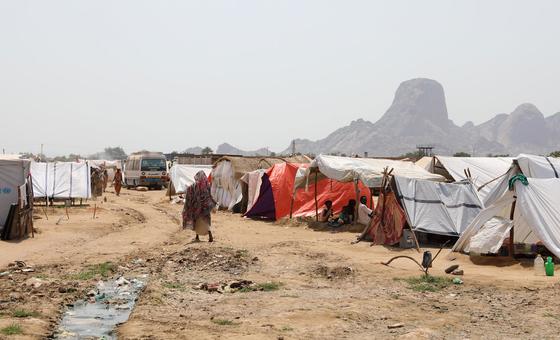
“People told me multiple times that when they were fleeing from Zamzam [displacement camp], armed people would threaten them while they were in flight, saying sure, ‘Flee, go to that place, run here, run there, we will follow you, we will find you’,” said Jocelyn Elizabeth Knight, a Protection Officer for the UN refugee agency, UNHCR.

Briefing journalists in Geneva, Ms. Knight described speaking to one traumatized child at a UNHCR shelter, whose experience mirrors that of countless other youngsters across the nation.

“A tiny boy told me, ‘You know, during the day things are okay here, but I’m afraid to go to sleep at night in case the place where we’re living is attacked again’.

UNHCR’s Jocelyn Knight speaks with UN News on the situation on the ground.

Forced into squalor

In Darfur in western Sudan, many people uprooted by violence gather in disused public buildings with few essentials to water and sanitation.  

Meanwhile, new displacement and attacks on civilians continue within Darfur and neighbouring Kordofan region, UNHCR warned, in communities “that are already devastated and have been subjected to unspeakable atrocities”.

The ongoing fighting has also severely constrained humanitarian access and disrupted aid delivery for over two years. With seasonal rains underway, many roads will be impassable for months, further complicating the delivery of aid, the UN agency noted.  

The persistent insecurity has also impeded farming, deepening deprivation in areas at risk of famine or already experiencing famine-like conditions.

Latest UNHCR data indicates that more than 873,000 Sudanese refugees have fled Darfur and crossed into Chad, which now hosts the largest number of registered Sudanese refugees since the start of the conflict. One in three people in eastern Chad is now a refugee.

Deadly disease

In addition to heavy fighting between the Sudanese Armed Forces (SAF) and their former allies-turned opponents – the Rapid Support Forces (RSF) paramilitaries – that began in April 2023, civilians now face a fast-spreading and deadly cholera outbreak.

Cholera has swept across Sudan with all the states reporting outbreaks,” said Dr. Ilham Nour, Senior Emergency Officer with the UN World Health Organization (WHO).

She noted that since last July, nearly 100,000 cases have been reported.

Lives on the line

The highly contagious disease spreads rapidly in unsanitary conditions. As of early August, 264 cases and 12 deaths have been identified at Dougui refugee settlement in eastern Chad hosting Sudanese arrivals from Darfur.

Surrounding villages have also reported suspected cases, while others have emerged in Treguine settlement, one of many UNHCR camps in eastern Chad that host Sudanese refugees.

Help to contain the disease is urgent, insisted UNHCR’s Dossou Patrice Ahouansou, Principal Situation Coordinator for Eastern Chad.

“We still have more than 230,000 refugees at the border in very difficult situation,” he said. “Without urgent action including enhancing access to medical treatment, to clean water, to sanitation, to hygiene and most important, relocation from the border, many more lives are on the line.

As part of the response and to prevent new cases, the UN agency has suspended the relocation of refugees from border points.

UNHCR is seeking $130 million in flexible funding to provide life-saving aid to an estimated 800,000 people in Darfur. In addition, the UN agency will respond to the cholera outbreak and relocate 239,000 Sudanese refugees from the Chad-Sudan border.

Unexploded weapons alert

Meanwhile, the UN Mine Action Service (UNMAS) confirmed fears that unexploded ordnance from ongoing battles are killing and maiming non-combatants who are unaware of the extent of the danger.

The sad reality of this ongoing conflict is it is not happening in rural areas, it’s mainly happening in urban areas, in the areas which are highly populated,” said Mohammad Sediq Rashid, Chief of UNMAS Sudan.

Last week, six minefields were confirmed in Khartoum and three of them contained anti-personnel landmines – the first time this has been reported – he told journalists in Geneva.

Contamination is on the roads, in homes, in schools and airstrips, medical facilities, humanitarian bases,” the UNMAS official continued.

This is a population [that] is largely unaware of the dangers that are waiting for them…this problem is only growing every day.

Source link

Israeli plan to take complete control of Gaza must stop now, says UN rights chief

“A complete military takeover of the occupied Gaza Strip must be immediately halted,” insisted Volker Türk, UN High Commissioner for Human Rights, after the Israeli security cabinet approved a plan for a full-scale Israeli military takeover in the battered enclave.

The development runs contrary to international law, Mr. Türk continued, referring to a ruling of the International Court of Justice that Israel must end its occupation and achieve a two-State solution giving Palestinians the right to self-determination.

Any further escalation of the conflict between Hamas and Israel that has devastated Gaza and killed tens of thousands “will result in more massive forced displacement, more killing, more unbearable suffering, senseless destruction and atrocity crimes”, the UN rights chief said.

Aid access call

In a short statement, Mr. Türk insisted that rather than intensifying the conflict, “the Israeli Government should put all its efforts into saving the lives of Gaza’s civilians by allowing the full, unfettered flow of humanitarian aid”.

At the same time, all hostages must be immediately and unconditionally released by Palestinian armed groups, he continued, adding that Palestinians arbitrarily detained by Israel must also also be released.

“The war in Gaza must end now. And Israelis and Palestinians must be allowed to live side by side in peace,” the High Commissioner said.

Little change in dire aid situation 

Since war erupted in Gaza after Hamas-led deadly terror attacks in Israel in October 2023, aid agencies have warned repeatedly that Israeli bombardment, mass evacuation orders and relief restrictions have created a humanitarian catastrophe.

Even UN staff who are still working in the enclave report being unable to find enough to eat, according to the UN agency for Palestinian refugees, UNRWA. Despite Israel’s 27 July announcement of daily military pauses in western Gaza “to improve humanitarian responses”, far too little aid is getting through, humanitarians insist. 

According to the UN human rights office, OHCHR, since 27 May, at least 1,373 Palestinians have been killed while seeking food; 859 in the vicinity of the non-UN aid distribution organization the Gaza Humanitarian Foundation (GHF); another 514 victims died along the routes of food convoys.

Echoing widespread concerns for the people of Gaza, the head of the UN World Health Organization (WHO), warned that other Gazans have only limited access to basic services and food, while malnutrition is widespread and hunger-related deaths are rising.

“In July, nearly 12,000 children under five years were identified as suffering from acute malnutrition, the highest monthly figure ever recorded,” said Tedros Adhanom Ghebreyesus.

In comments to journalists on Thursday, the WHO chief said that so far this year, 99 people have died from malnutrition, including 29 children under five, adding that these reported numbers are likely underestimates. 

Source link

Gaza: Acute malnutrition among children hits record high

In July alone, nearly 12,000 children under five were identified as acutely malnourished out of 136,000 screened, according to aid partners. 

Of these, more than 2,500 were found to suffer from severe acute malnutrition, the most life-threatening form, and 40 had to be hospitalized in stabilisation centres.

More children affected

The proportion of children with severe acute malnutrition is rising, OCHA said.  

In June and July, 18 per cent of all acutely malnourished children had severe acute malnutrition, compared with 12 per cent between March and May.

Moreover, humanitarian access constraints are adding to the crisis.

Last month, aid partners were only able to reach 8,700 of the 290,000 children under five who require feeding and nutrition supplements due to the severe shortage of lipid-based nutrient supplements entering Gaza.

OCHA said the development “marks a dramatic collapse in the malnutrition prevention programme”, noting that an average of 76,000 children – or a quarter of those in need – were reached each month between April and June.

Distribution of other key nutrition supplies has also declined sharply, which is affecting children, pregnant women and breastfeeding mothers.

Shelter crisis worsens

Meanwhile, no shelter materials have entered Gaza since 2 March. 

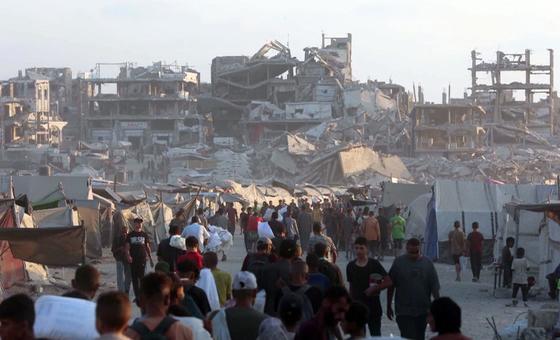
At the same time, more than one million shelter items, and 2.3 million items such as tents, tarps, and sealing-off materials, have been procured and are currently stuck in Jordan and Egypt as the Israeli authorities have not approved their entry. 

The shelter crisis continues to worsen, with most families living in severely overcrowded and unsafe conditions. Some have no shelter at all. 

In July, humanitarians assessed 44 displacement sites, discovering that 43 had families with no shelter.

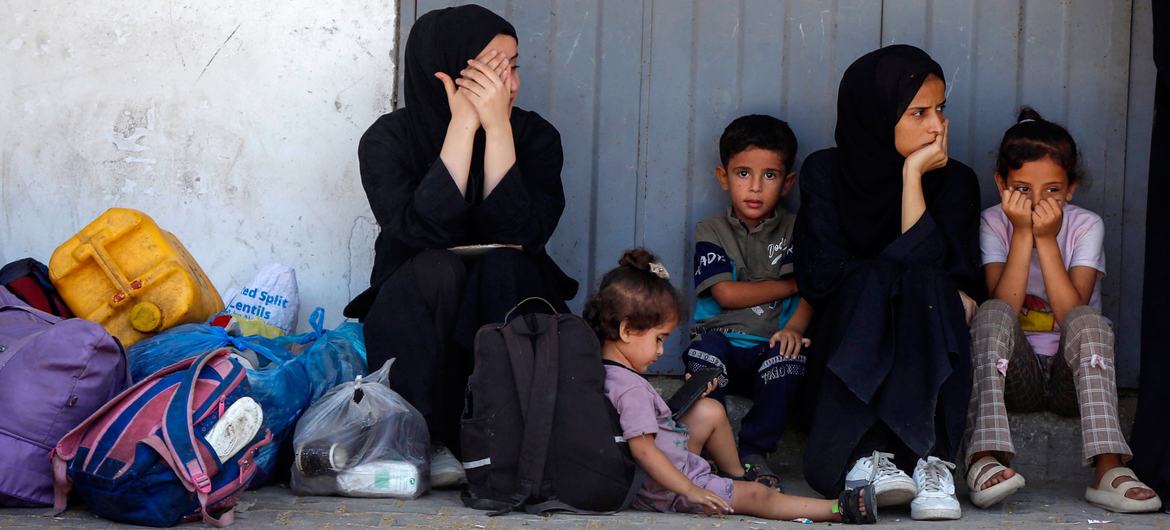
A family rests after evacuating from Deir Al-Balah in the Gaza Strip. (file)

Bombardment and displacement continue

The situation is further deteriorating due to ongoing bombardment, displacement orders and insecurity, which continue to displace families and disrupt humanitarian operations.

OCHA reported that overall, realities on the ground remain largely the same since Israel announced a “tactical pause” in military operations to allow the safe passage of aid.

The UN agency reiterated that supplies that have entered remain insufficient given the immense needs, while UN convoys continue to face challenges in delivering aid.

Aid missions taking hours

While fewer humanitarian movements have been denied outright, missions that are approved still take hours to complete, with some taking more than 18 hours.

On Wednesday, five out of 11 missions requiring coordination with the Israel authorities were facilitated. These included collecting food from the Kerem Shalom and Zikim crossings.

Another four missions were impeded but eventually fully completed, which included the collection of fuel from Kerem Shalom crossing and transfer of fuel from southern Gaza to the north. 

Medical evacuation update

One of the missions saw the medical evacuation of 15 children to Jordan, and 42 companions, with support from the World Health Organization (WHO).  However, more than 14,800 patients in Gaza still urgently need specialized medical care.

OCHA also reported on the flow of commercial goods into the Strip, noting that several trucks carrying food items have been entering over the past days. 

While the UN will continue to monitor the situation, humanitarians again stressed the need for unimpeded and predictable humanitarian access into and within Gaza, warning that “without it, time and resources are wasted, lives are lost, and the response cannot match the scale of the needs.” 

Source link

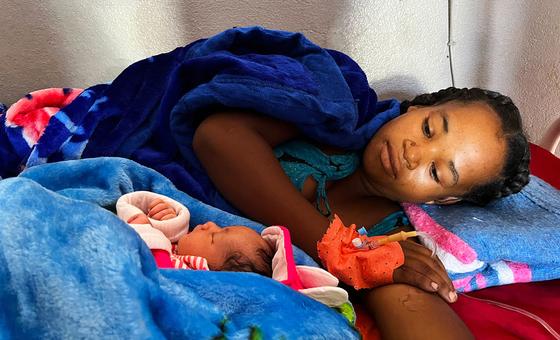
Abuse during and after childbirth persists globally, WHO warns

Over the past decade, a growing body of evidence has highlighted the widespread impact of mistreatment and the necessity of placing respectful care at the centre of all maternal and newborn health strategies.  

WHO’s Human Reproduction Programme (HRP), and partners released a new compendium on Wednesday aimed at ending mistreatment and promoting respectful maternal and newborn care, featuring the latest evidence and guidance on best practices.

From policymaking to clinical settings and community services, this compendium outlines actionable steps to uphold the rights, needs and preferences of women, newborns, parents and families.  

Broad range of mistreatment

Taking different forms, mistreatment during childbirth ranges from neglect and abuse to non-consensual medical procedures, with an earlier WHO-supported study finding that 40 per cent of women in four countries had experienced some sort of abuse or discrimination during labour or childbirth.

Some reported being slapped, shouted at, or forcibly restrained.

Across these four countries, researchers also found that more than four in 10 women had been physically or verbally abused during childbirth, with some also experiencing discrimination.  

In addition, up to 75 per cent of extremely sensitive procedures were performed without consent.  

Shut out

Too often, women are not part of decision-making and are treated with contempt or even abuse,” said WHO’s Dr. Hedieh Mehrtash.

“Respectful maternal and newborn care needs to be embedded and integrated into policy and practice,” said WHO, as the compendium provides practical resources for countries, urging health systems to proactively embed dignity, equity, and respect into every aspect of maternity and newborn care – building on WHO’s 2014 statement on preventing disrespect and abuse.

Highlighting critical areas where mistreatment is often overlooked, WHO’s compendium provides programme managers with essential background to build a foundational understanding of mistreatment and respectful care and aims to ensure respectful practices become the norm. 

Source link

UN officials warn of starvation amid ‘gender emergency’ in war-torn Sudan

Particularly hard hit is El Fasher, where hunger is growing, with the Office for the Coordination of Humanitarian Affairs (OCHA) warning of a deteriorating situation that is putting even more civilians’ lives at risk.

OCHA’s Director of Operations and Advocacy, Edem Wosornu, who is currently in the country, said the suffering is immense, with people trapped, displaced or returning to face communities in ruins. She called for unimpeded access and urgent support to reach those on the frontlines of hardship.

Briefing reporters at UN Headquarters in New York, UN Deputy Spokesperson Farhan Haq said “with increasingly alarming food shortages and spiraling prices, people in El Fasher are reported to be resorting to eating animal feed in what is an increasingly catastrophic situation.”                       

Thousands face starvation, cholera threat

El Fasher has the highest cost of basic goods nationwide at nearly $1,000 per household per month, which is far beyond the reach of most families. This includes more than $700 for food alone – more than eight times the cost of basic food items in other parts of the country, Mr. Haq said.

These steep costs, coupled with the siege and lack of aid delivery by road for over a year, have left thousands facing starvation,” he added, noting that engagement around the calls from the Secretary-General and the UN Emergency Relief Coordinator for a pause in the area is “more important than ever.

In an effort to curb public health risks in North Darfur, UN humanitarian partners and local authorities launched a sanitation campaign on 5 August targeting 11,000 people in the localities of El Fasher and Dar As Salam with a goal of preventing disease outbreaks in overcrowded displacement sites during the ongoing rainy season.

They are also scaling up efforts to respond to a cholera outbreak in the locality of Tawila, which has absorbed 330,000 displaced people fleeing conflict in Zamzam and El Fasher since April.

In Blue Nile State, cholera cases have surged to nearly 2,800 since late June, with over 40 new infections recorded yesterday alone, with 14 deaths have been reported, the UN Deputy Spokesperson said.

‘Gender emergency’

Warnings also came from gender equality agency, UN Women.

“This crisis is a gender emergency,” said Salvator Nkurunziza, the agency’s representative in Sudan, told UN News.

Displaced women and girls can be subject to the risks of exploitation and abuse, especially during the delivery of aid, where protection mechanisms are weak or absent in some locations,” he said.

According to the agency’s Unit for Combating Violence Against Women in Sudan, as of March 2025, there have been 1,138 cases of rape recorded since April 2023, including 193 children, most of whom were in conflict-affected areas, he said.

“The actual number may be higher as fear of stigma and other social and security reasons prevent accurate reporting of gender-based violence crimes,” he warned.

Women, girls ‘most affected’ by food insecurity

“Certainly, these crimes including rape and harassment can prevent women and girls from access food assistance,” he said.

Unreported gender-based violence crimes in besieged areas can be higher than shown in recent statistics, he continued, emphasising that women and girls are the most affected by food insecurity in those areas, and the situations there indicate a looming hunger crisis.

“Women are central to the survival of their households, especially in displacement settings, but their ability to access food assistance is deeply compromised,” Mr. Nkurunziza said. “Female-headed households, already three times more likely to be food insecure, are now the hungriest group in the country.”

Source link

Facing rising risks, landlocked nations launch climate alliance at UN summit

Operating within the UN Framework Convention on Climate Change (UNFCCC), the group aims to amplify their voices in global climate talks, where their distinct vulnerabilities have long been overlooked.

Disproportionate climate risks

Although LLDCs account for approximately 12 per cent of the world’s land surface, they have experienced nearly 20 per cent of the world’s droughts and landslides over the past decade – underscoring their disproportionate exposure to climate-related disasters.

Lacking access to the sea, these countries rely heavily on neighboring transit states, which further increases their vulnerability to climate-induced disruptions.

The Awaza Programme of Action is not the first global framework to address the development needs of LLDCs, but for the first time, such an action plan includes a strong focus on adaptation to climate-related disasters.

A call for resilience and preparedness

Natalia Alonso Cano, Chief of the UN Office for Disaster Risk Reduction (UNDRR) Regional Office for Europe and Central Asia, emphasized this in an interview with UN News.

LLDCs, she said, face overlapping risks: over half of their territory is classified as dryland; many are in mountainous regions; and some sit in seismically active zones.

“Landlocked countries in general, they suffer about three times the economic losses compared to the global average,” she said. “Also, the mortality rates [when disasters strike these countries] much higher than the global average. Such big difference explained by a combination of this vulnerability, but also a combination of exacerbating impacts.”

Limited capacity, growing challenges

Landlocked developing countries often struggle to respond to climate challenges due to limited financial capacity, dependence on undiversified, commodity-based economies, and weak governance. In 2024, one-third of LLDCs were either in conflict or considered unstable.

The new 10-year UN action plan aims to support LLDCs in climate adaptation, sustainable development, and disaster risk reduction.

“We know that early warning saves lives. It’s a fact,” Ms. Alonso Cano explained. “When you can communicate to the communities affected that something is going to happen and they need to prepare – to evacuate, for example – they need to do certain things. If they know what they need to do, that’s part of the early warning system. Obviously, it saves lives, and it saves livelihoods as well.”

She gave an example of drought preparedness: “If there [is] a systemic drought in an area, you work in the preparedness with the communities, they can, for example, take certain measures, reduce maybe the amount of cattle in the case of that, they can congregate towards points of water, etc. There are a number of measures to address that.”

Ms. Alonso Cano stressed the need for long-term planning: “We need to take into account what is going to happen in 10, 20, 30 years. And climate change will become more extreme – we know this for sure.”

Women and girls at the forefront

Within LLDCs, women and girls are particularly at risk, making gender a key concern at Thursday’s events at LLDC3 in Awaza. One highlight was a Women Leaders’ Forum, opened by UN Under Secretary-General Rabab Fatima, who emphasized that sustainable development cannot be achieved without the full participation of women and girls.

Ms. Fatima, the High Representative for the Least Developed Countries, Landlocked Developing Countries and Small Island Developing States, noted progress over the last 25 years: women now occupy one-third of parliamentary seats in LLDCs, compared to just 7.8 per cent in 2000.

“This is higher than the global average,” she said, adding that 11 of the world’s 54 female speakers of parliament come from LLDCs.

Persistent gender gaps

Yet challenges remain. “Progress is uneven and far too slow. One in four women in LLDCs live in extreme poverty – that is nearly 75 million women; and nearly half – about 150 million – face food insecurity.”

Employment statistics show wide gender disparities. While 80 per cent of women in LLDCs work informally, without contracts or protections, the global average is 56 percent. One in three girls in LLDCs marries early – nearly twice the global rate – and only one in three completes secondary education. In addition, just 36 per cent of women in these countries have access to the internet.

“That is why gender-responsive industrial and development policies are so important,” Ms. Fatima stressed. “These policies must be tailored to national contexts, and industrial development in rural areas, business support, formalization of employment, and strengthened partnerships must be priorities.”

Digital inclusion for women and girls

She also called for improved internet access and education for women and girls.

The International Telecommunication Union (ITU), a UN specialized agency, is addressing these challenges.

Dr. Cosmas Luckysin Zavazava, Director of the ITU Telecommunication Development Bureau, told UN News that while some regions such as the CIS have achieved gender parity in internet access, LLDCs still face major barriers.

“That’s why we’ve developed special programmes for women and girls in this region,” he said. “It’s not just about access, but also about building coding skills and introducing girls to fields like robotics. Our programmes aim to motivate young women and girls to pursue careers in STEM sectors.”

Turning point for action

As the Awaza conference nears its conclusion, participants are expected on Friday to reaffirm their political commitment to the Awaza Programme of Action, which was adopted by the UN General Assembly in 2024.

The time has come for implementation – or as High Representative Rabab Fatima put it, “Let this forum be a turning point.

Source link

Afghan women returnees face rising risks, UN warns

UN Women – which champions gender empowerment and equality – alongside the international humanitarian agency CARE International and partners, issued the call in a report published on Thursday that also highlights the key challenges and needs of women aid workers assisting the returnees.

The Gender Alert comes amid a surge in returnees to Afghanistan, where the Taliban has ruled for four years, implementing numerous decrees that restrict women’s rights amid economic crisis, climate shocks and immense humanitarian needs.

Strangers in a strange land

Since September 2023, more than 2.4 million undocumented Afghan migrants have returned, or were forced to return, from Pakistan and Iran.

Women and girls account for a third of returnees from Iran so far this year, and about half of those coming from Pakistan.   

Many arrive in a country they have never lived in, with no home, income or access to education and healthcare.

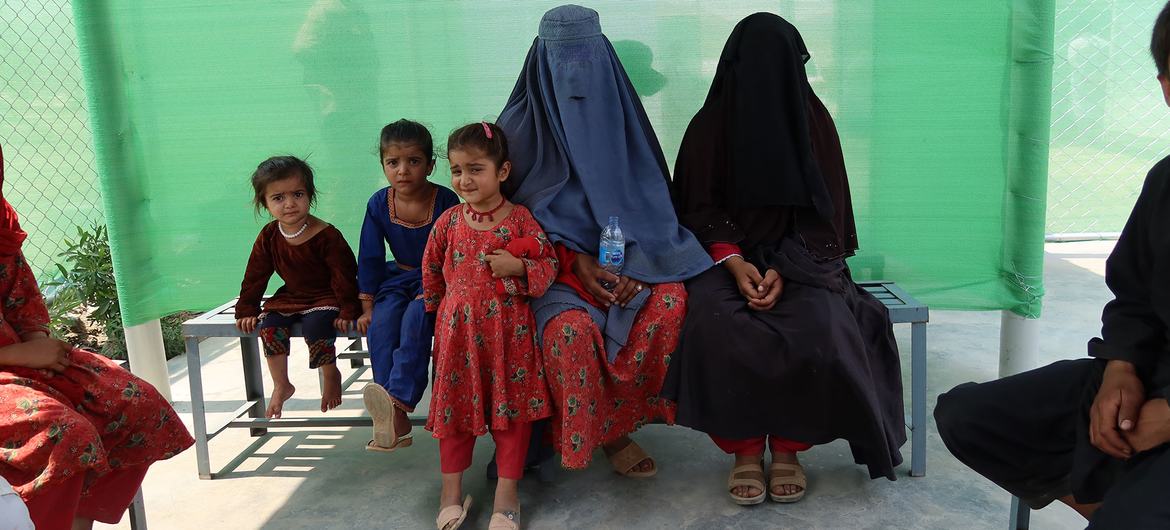
Women and children who have returned to Afghanistan, wait to be seen at a maternity clinic.

A myriad of risks

Like all women and girls in Afghanistan, the returnees face increased risks of poverty, early marriage, violence, exploitation and unprecedented restrictions on their rights, movements and freedoms.  

Vulnerable women and girls arriving with nothing into communities that are already stretched to breaking point puts them at even greater risk,” said Susan Ferguson, UN Women Special Representative in the country. 

We need a place to stay, a chance to learn and a way to earn.

“They are determined to rebuild with dignity, but we need more funding to provide the dedicated support they need and to ensure women humanitarian workers are there to reach them.” 

Housing, income and education

The report outlines urgent and long-term needs, such as safe and affordable shelter, livelihood support and girls’ education.  

As one participant in a focus group in Nangahar province put it, “We need a place to stay, a chance to learn and a way to earn.”

Currently, only 10 per cent of women-headed households live in permanent shelter, nearly four in 10 fear eviction, and all girls are banned from attending secondary school.

Impact of aid cuts

Although women humanitarian workers at border points are critical to reaching female returnees, cuts in foreign aid and movement restrictions increasingly hamper their efforts.

For example, women humanitarians are required to be accompanied by a male guardian, or mahram, when travelling.  However, “funding cuts have sharply eroded staff mahram support in the provinces of Kandahar and Nangarhar, leaving provision inconsistent, delayed, or absent altogether,” the report said.

The funding cuts have severely weakened the capacity of humanitarian organizations to respond, and women humanitarian workers at border points report that they are overwhelmed by the sheer number of arrivals and being unable to meet even their basic needs. 

‘Distressed, disoriented and without hope’

“Witnessing the volume of arrivals and the hardship faced by women, children and families – many distressed, disoriented and without hope – has left a deep impact on all of us responding to this crisis,” said Graham Davison, CARE Afghanistan Director.

He underscored the urgent need for support to provide basic services, safe spaces and protection for women and girl returnees. 

The report noted that Afghanistan is already facing one of the world’s most dire humanitarian crises, driven by decades of conflict, poverty and natural disasters.

As this latest wave of returns threatens to push already fragile communities further into crisis, the partners urged the international community to act now to protect the rights of Afghan women and girls and to invest in the women humanitarians who support them.

Arafat Jamal, the UN refugee agency (UNHCR) Representative in Afghanistan, recently spoke about the surge in returnees from Iran.

Record number of returns

Separately, the International Organization for Migration (IOM) also called for international support as Afghanistan confronts “one of the largest return movements in recent history.”

Returnee numbers are on track to increase as one million more Afghans are expected to return from Pakistan following the Government’s decision not to extend their stay.

IOM operates four reception centres at major border crossings in Afghanistan, including Islam Qala and Milak with Iran, and Torkham and Spin Boldak with Pakistan. 

The UN agency is appealing for additional funding to scale up its response to address growing needs at the borders and in areas of return.

Source link