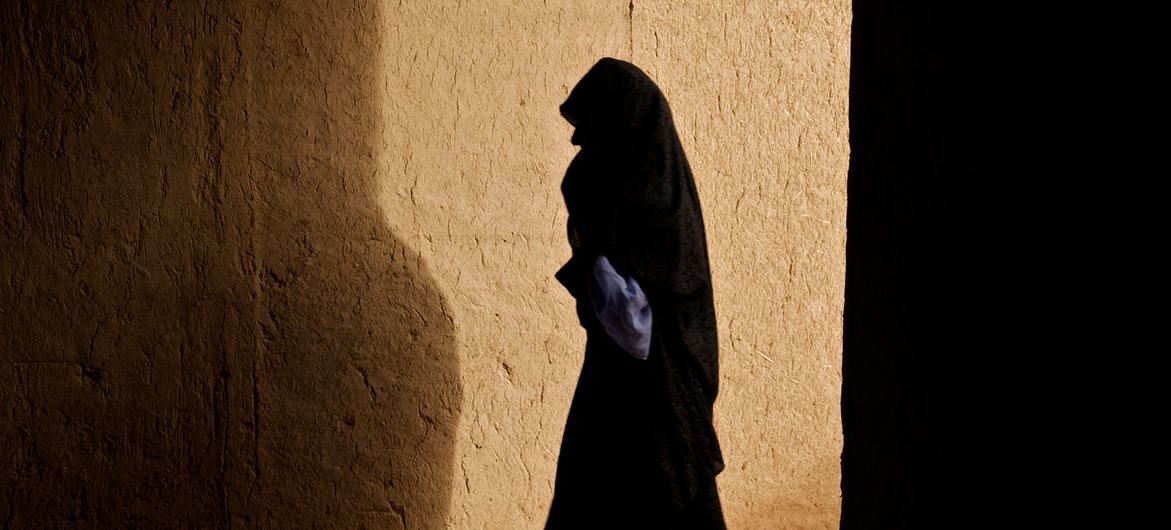
Displacement, poverty and insecurity fueling violence against women in Gaza

In the past three months, a third of Gaza’s population (714,000 people) have been forced to move once again, separating families and dismantling local support systems.

Women and girls are bearing a heavy burden, fearing for their lives on the streets – at delivery points, and in overcrowded, makeshift shelters that lack privacy and security – as many sleep in the open.

“Women have experienced immense loss, including the death or imprisonment of relatives. Looking for water, living without any privacy, and constantly worrying – it’s exhausting,” one case worker told UNFPA.  

Many young girls are also being pushed into child labour and forced marriage in efforts to cope with devastating hunger.

Suhair who works at a safe space for women and girls in Gaza’s central Deir El-Balah Governorate.

Safe spaces in big demand

In response to this crisis, on Wednesday, UNFPA reported a sharp increase in victims seeking help at their safe spaces, which provide shelter and psychological support.

However, according to the women working there – many of whom are also displaced, conditions are extremely difficult, and there are far too few facilities for the number of women and children in need, making it difficult to reach those most at risk.

For instance, displacement orders have disrupted services and caused providers to lose essential equipment and files, forcing them to restart operations from scratch.  

Even as staff receive accounts of abuse, incidents remain vastly underreported due to stigma, fear of retaliation, and the collapse of health and justice systems.

“Despite all the difficulties, I continue to support abused women and girls,” said Asmaa, who works at a UNFPA-supported safe space in Gaza and has been displaced ten times since the war began.

Severe supply and fuel shortages

Fuel shortages are crippling critical infrastructure across Gaza. The UN has warned that humanitarian operations may collapse entirely, and an estimated 80 per cent of health facilities are expected to run out of fuel in the coming days.

As UNFPA attempts to shift to remote support, fuel shortages have triggered telecommunications blackouts, cut off survivor hotlines and made remote assistance largely inaccessible.

Since the blockade was imposed on 7 March, no agency supplies have entered Gaza, leaving essential items such as menstrual hygiene kits severely depleted.

Due to these shortages, three UNFPA safe spaces have closed, while the remaining 14 are functioning at severely limited capacity.

Despite the many challenges, the reproductive health agency and its case workers continue to try their best to help women and girls. “We feel the urgent needs of women and recognise the importance of supporting them. A small effort can make a big difference in their lives,” one caseworker stressed.

© UNFPA/Women’s Affairs Centre

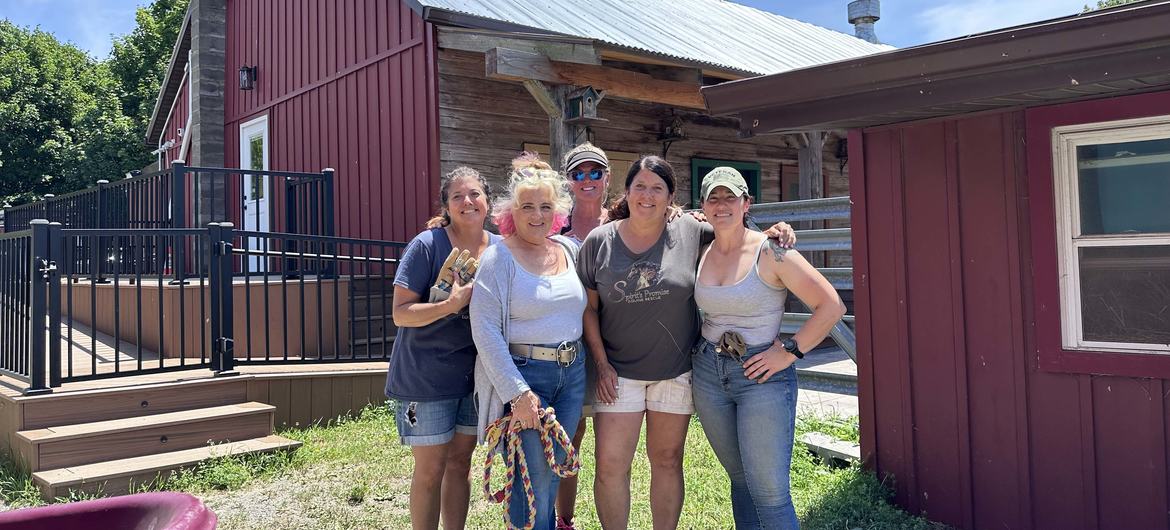
Salma, left, is a mother of four and gender-based violence case manager in Khan Younis.


Source link

SECURITY COUNCIL LIVE: ‘Aid must go where needs are greatest’ in Gaza, urges UN relief chief

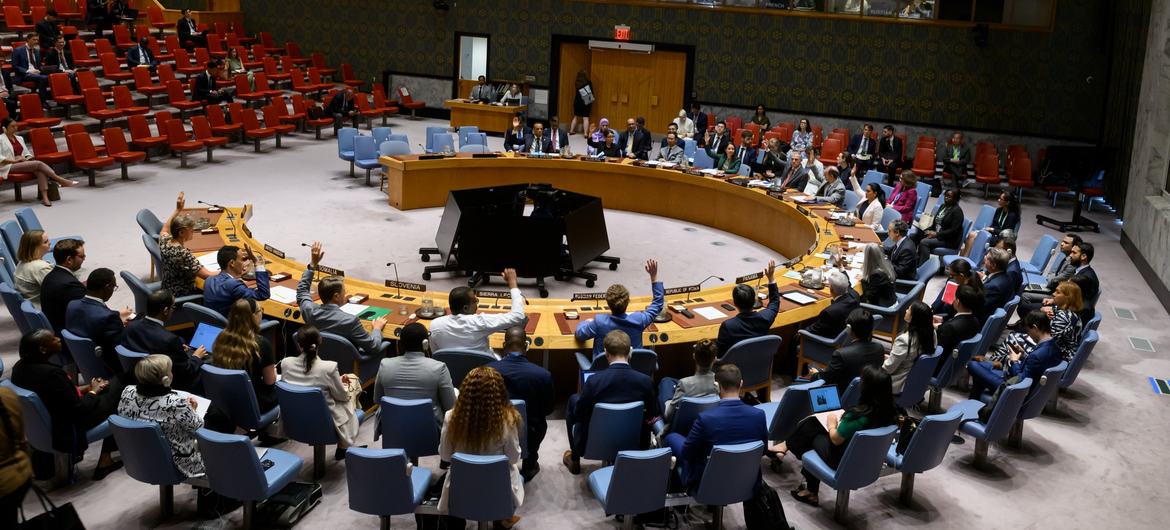
The UN Security Council is meeting on the escalating humanitarian crisis in Gaza, where fresh Israeli evacuation orders have uprooted tens of thousands amid relentless bombardment claiming hundreds of civilian lives in recent weeks – many of them children. “Food is running out. Those seeking it risk being shot. People are dying trying to feed their families,” UN relief chief Tom Fletcher has just told ambassadors. Follow our real-time updates and key moments through our live UN Meetings Coverage page. UN News App users can join here.

Source link

Sudan: UNICEF condemns weekend attacks that killed 35 children

At least 24 boys, 11 girls and two pregnant women reportedly were among the victims of the violence, which occurred over the weekend in communities around the city of Bara, including the villages of Shag Alnom and Hilat Hamid. 

UNICEF fears that with dozens more injured and many still missing, the number of child casualties could rise further.

‘A complete disregard for human life’

“These attacks are an outrage,” Executive Director Catherine Russell said in a statement issued on Tuesday.

“They represent a terrifying escalation of violence, and a complete disregard for human life, international humanitarian law, and the most basic principles of humanity.”

Former allies turned rivals – the Sudanese Armed Forces (SAF) and the paramilitary Rapid Support Forces (RSF) – have been battling for control of the country since April 2023 and fighting has intensified recently in the Kordofan region which encompasses three states.

End the violence now

“UNICEF condemns the attacks in the strongest possible terms,” said Ms. Russell.

She called on all parties to end the violence immediately and to uphold their obligations under international law, including international humanitarian law, as well as the principles of distinction, proportionality and precaution.

The UNICEF chief stressed that civilians – particularly children – must never be targeted. Furthermore, all alleged violations must be independently investigated, and those responsible held to account.

Impunity cannot be tolerated for violations of international law, especially when children’s lives are at stake,” she said.

Ms. Russell extended the agency’s deepest condolences to the families of the victims, and to anyone impacted by this heinous violence.

No child should ever experience such horrors,” she said. “Violence against children is unconscionable and must end now.” 

Source link

Gaza: More misery as new evacuation orders impact tens of thousands

Those impacted by the orders have been told to relocate to the “already overcrowded” coastal strip at Al Mawasi, according to the UN Office for the Coordination of Humanitarian Affairs (OCHA), late Tuesday.

Al Mawasi near Khan Younis lacks “the basics for survival”, the UN agency insisted. It has also seen nearly two dozen strikes on displaced Gazans sheltering in tents there between 18 March and 11 April, the UN human rights office said

As the war drags on well into its 21st month, Gaza’s most vulnerable people continue to struggle to survive.

Dialysis emergency

They include Musbah Zaqqout, 70, one of 230 patients receiving lifesaving dialysis at Al-Shifa Hospital in Gaza City. His treatment has been disrupted by persistent supply shortages that reduced sessions from three to two per week at the end of last month, the UN World Health Organization (WHO) warned on Tuesday.

“He suffered a lot when dialysis was not available,” said Mr. Zaqqout’s wife, Saadia. “He was suffocating and was frequently admitted to the hospital, to the point where he fell into a coma, lost focus and didn’t recognize anyone.”

With support from partner organization KS Relief, WHO delivered dialysis supplies and fuel for Al-Shifa Hospital, so that it could resume dialysis treatment and other lifesaving services.

“Thank God, after restarting dialysis, his condition improved,” Mrs. Zaqqout said, while the UN health agency reiterated its calls for sustained entry of food, fuel, and health aid at scale through all possible routes.

“Critical shortages of fuel and medical supplies persist across Gaza,” WHO warned. “Without urgent and sustained replenishment, health care services risk coming to a grinding halt.”

Child malnutrition tragedy

Echoing those concerns, the UN agency for Palestinians, UNRWA, warned on Wednesday that it is increasingly difficult to help Gazans. Already, one in 10 of the children brought to its clinics suffers from malnutrition. The condition was unheard of in the enclave before the war, but it more than doubled in children under five between March and June, amid the near-total Israeli siege.

“It’s becoming more and more difficult for us to continue providing services,” said UNRWA’s Louise Wateridge. “At least 188 UNRWA installations – over half of all our installations in the Gaza Strip – are located within the Israeli-militarized zone, under displacement orders, or where these overlap.”

In an update, Ms. Wateridge said that only six UNRWA health centres and 22 of the agency’s medical points remain operational today, in addition to 22 mobile medical points inside and outside shelters.

Nearly 60 per cent of essential medical supplies are now out of stock, according to the UN agency. “Children are dying before our eyes, because we do not have the medical supplies or sustained food to treat them,” it said.

Key medicines run out

As a direct result of the Israeli blockade on Gaza which began on 2 March, UNRWA said that it has “now run out of” medicines for high blood pressure, antiparasitic and antifungal medicine, medicine for eye infections and inflammation, all skin treatments and oral antibiotics for adults.

Providing clean water to the war-shattered enclave remains a massive challenge and only two UNRWA main water wells still function. Ten were operational before the war. Another 41 smaller wells are operational in UNRWA shelters.

For the past two months in north Gaza, UNRWA has been forced to stop providing water and sanitation services for around 25,000 displaced people in shelters, owing to displacement orders issued by Israeli forces.

“The restrictions on the entry of fuel continues placing life-saving services at a severe risk,” the UN agency said. “Critical water services are at risk of shutting down if sustained fuel supplies are not permitted entry.”

Source link

First Person: How many more children must die before the world acts?

Juliette Touma, the director of communications for the UN agency for Palestine refugees, UNRWA, has visited Gaza several times during and before the war and has been reflecting on the children she has met there and in other conflict zones.

“Adam has been on my mind lately, more so than usual.

I met Adam years ago in the Yemeni port city of Hudaydah, back then under siege and heavy bombardment. In the very poor hospital ward, there lay Adam, 10 years old, weighing just over 10 kilogrammes. He could not speak, he could not cry. All he could do was make a hoarse sound of breathing. A few days later, Adam died from malnutrition.

A malnourished child inside a hospital in Sana’a, Yemen.

Deadly malnutrition

A couple of years before that, my colleague Hanaa calls from Syria late at night. She was in tears and could barely say a word. Hanaa eventually told me that Ali, a 16-year-old boy had died. In yet another town under siege, caught up in a war not of his making, he had also died from malnutrition.

The following morning, my supervisor, an epidemiologist, said “for a boy of 16 to die of malnutrition, that says a lot. He’s practically a man. It means there’s no food at all in that part of Syria.”

Back in Yemen in one of the few functioning children’s hospitals in the capital Sana’a, I was walking through the children’s ward during the peak of a cholera outbreak. Boys 15 and 16 years old, struggling to stay alive.

They were so weak and emaciated, they could barely turn around in their beds.

These images and stories haunted me over the years as they have for several among us who worked in severe hunger or famine-like situations.

The author plays with students enjoying the “summer fun weeks” games in an UNRWA school in the Gaza Strip in 2023. (file)

Fatal hunger grows in Gaza

In 2022, when I had the great pleasure of going in and out of Gaza, I would visit children in UNRWA schools. Immaculately dressed, healthy looking, smiling, eager to learn, jumping up and down in the school playground to the sound of music.

Back then, Gaza was already under a blockade for more than 15 years. Food was, however, available on the markets through imports via Israel and locally farmed produce. UNRWA was also giving food aid to over one million people.

Images of Adam and Ali were quickly pushed to the back of my memory until a few weeks ago when they suddenly reappeared.

A growing number of children are being screened for malnutrition in Gaza.

Babies can survive, but will they?

Our Gaza teams started sending alarming photos of emaciated babies. The rates of malnutrition are rapidly increasing, spreading across the Gaza Strip. According to the World Health Organization (WHO), more than 50 children died of malnutrition since the siege began on 2 March.

UNRWA has meanwhile screened over 242,000 children in the agency’s clinics and medical points across the war-torn Strip, covering over half the children under age five in Gaza.  One in 10 children screened is malnourished.

Ahlam is seven months old. Her family was displaced every month since the war began, in search of non-existing safety. Shocked and her body weakened, Ahlam is severely malnourished. Like many babies in Gaza, her immune system has been damaged by trauma, constant forced displacement, lack of clean water, poor hygiene and very little food.

Ahlam can survive, but will she?

Bombs and scarce supplies

There are very little therapeutic supplies to treat children with malnutrition as basics are scarce in Gaza. The Israeli authorities have imposed a tight siege blocking the entry of food, medicines, medical and nutritional supplies and hygiene material, including soap.

While the siege is sometimes eased, UNRWA (the largest humanitarian organisation in Gaza) has not been allowed to bring in humanitarian assistance since 2 March.

Last week, Salam, another malnourished baby, died. She was a few months old. When she finally reached the UNRWA clinic, it was too late.

Meanwhile, eight children queuing for therapeutic support against malnutrition were killed when the Israeli forces hit the clinic they were in. One of my colleagues who drove past the clinic a few minutes later told me she saw mothers looking out into the abyss, weeping in silence, just like Adam did.

How many more babies must die before the world takes action?

Why should babies die of malnutrition in the 21st century, especially when it’s totally preventable?

At UNRWA, we have over 6,000 trucks of food, hygiene supplies and medicines outside Gaza waiting for the green light to go in.

The aid will mainly help little girls like Ahlam. UNRWA also has more than 1,000 health workers who can provide boys and girls with specialised nutritional services.

Amid the daily livestream of horrors we get from Gaza on our screens, one cannot help but ask how many more Ahlam’s and Salam’s have to die before taking action?

How much longer until a ceasefire is reached so that bombs stop falling on emaciated and dying children?”

Scores killed in Sudan’s Kordofan region as fighting intensifies

Amid ongoing communication disruptions in the area, confirming the exact civilian death toll remains difficult, but reports indicate that at least 300 people – including children and pregnant women – were killed in attacks on villages in Bara locality, North Kordofan State, between 10 and 13 July.

During the same period, a series of attacks – including an air strike on a school sheltering displaced families – reportedly killed more than 20 people, in the villages of Al Fula and Abu Zabad in West Kordofan State.  

OCHA is also alarmed by reports of renewed shelling in Al Obeid, the capital of North Kordofan State, “deepening fears and insecurity among civilians,” the humanitarian coordination agency reported.  

Tragic civilian toll

With thousands of people reportedly killed since the beginning of the conflict between former military allies-turned rivals over two years ago, the crisis in Sudan continues to take a devastating toll on civilians. 

These incidents are yet another tragic reminder of the relentless toll the conflict is taking on civilians across Sudan,” OCHA reported.

The office emphasises that civilians and civilian infrastructures – including schools, homes, shelters and humanitarian assets – must never be targeted, and called on all parties to the conflict to “fully respect their obligations under international humanitarian law.”

Toll from displacement

Described as “the largest as well as the fastest growing displacement crisis globally,” by the UN refugee agency (UNHCR) in February 2025, displacement continues amid the fighting.

People fleeing North Kordofan, as well as El Fasher in North Darfur State, continue to seek shelter in the rest of Sudan, including Northern State, with humanitarian partners on the ground reporting more than 3,000 displaced people arriving in the locality of Ad-Dabbah since June.

Although some have received food assistance, the steady influx of newly displaced families is putting additional strain on already stretched resources.  

With the rainy season approaching, OCHA warned that further hardship is likely, particularly as heavy rain and strong winds destroyed shelters and food supplies for about 2,700 displaced people in eastern Sudan this past Sunday. 

Source link

Seeding gender empowerment: Women farmers in Peru contend with climate change

Ácora, located in the southeast corner of Peru almost 3,800 kilometres above sea level, is one of the Peruvian regions which has been most impacted by climate change – endangering crop production and biodiversity in addition to worsening food insecurity.

“It was not like this before, the climate has changed a lot,” said Pascuala Pari, head of the Sumaq Chuyma Association in Ácora.

Around the world, women farmers like Ms. Pari, who already face a series of intersectional challenges, are working tirelessly to secure their livelihoods despite an increasingly untenable climate situation.

Women in particular shoulder the burden of food insecurity as traditional caregivers which is intensified during climate crises,” said Bochola Sara Arero, a youth representative from the World Food Forum, at a side event during the ongoing UN High Level Political Forum on Sustainable Development on Monday.

Intersecting goals

The forum in New York has been convened to discuss the Sustainable Development Goals, adopted in 2015 to promote global development for current and future generations.

[The forum] is going to be a major way to assess how we’re doing with respect to the critical issues of sustainability and achieving greater prosperity globally,” said Bob Rae, President of the Economic and Social Council (ECOSOC), at a press conference for correspondents in New York on Tuesday. 

With only 18 per cent of these internationally agreed upon goals on track to being met by 2030, the Secretary-General António Guterres has called for urgent action and sustained multilateralism to address this gap.

Mr. Guterres has also said that this forum is a unique opportunity to discuss the intersection between various goals, including the intersection between gender equality and climate change.

A bipolar climate

Last year in Ácora, dealing with a climate that oscillated between drought and torrential rains was next to impossible for the women who relied on the land.

Crops would not grow and agrobiodiversity was under threat. In a country where 17.6 million people already experience food insecurity, this dual threat had the potential to wreak havoc on livelihoods.

In response, Ms Pari and other women in Ácora formed seed banks. Not only do organizations like seed banks preserve indigenous agrobiodiversity, they also help sustain the livelihoods of women in the region.

“Our crops were in danger of extinction, but now people are harvesting again and we are changing that,” said Fanny Ninaraqui, leader of the Ayrumas Carumas Association.

Seeds that are not planted can be traded or bartered with other seed bank owners. Over 125 varieties of native crops have now been preserved across the region.

“I am happy with my little seed bank … Now I have all kinds of quinoa: black, red, white. This supports me economically because I preserve and sell my products at local markets,” Ms. Pari said.

© UNDP/MINAM/PPD/Nuria Angeles

Aymara communities in Ácora are working to recover and conserve their agrobiodiversity.

Once shut, doors open for women farmers

In addition to climate challenges, women farmers also face a lack of legal rights. Specifically, they often do not have titles to their land.

According to the Secretary-General’s Sustainable Development Report, released Monday, 58 per cent of the countries with available data lacked sufficient protection for women’s land rights.

“Women’s land rights are fundamental for women’s voice and agency, livelihoods and well-being and resilience as well as for broader development outcomes,” said Seemin Qayum, policy advisor at UN Women.

The in-depth report also noted that less than half of women had secure rights to land, with men being twice as likely to have land deeds and other protected property rights. [1]

Experts say that insufficient legal protections not only negatively impact economic outcomes for women, they also sideline women’s needs and voices in policymaking. Therefore, it is essential to institute legal protections which formally recognize women as farmers.

“When you are recognized as a farmer, a world of possibilities, a world of resources – opportunities for representation and rights – become available to you. Doors open,” said Carol Boudreaux, Senior Director of Land Programs at Landesa.

© UNDP/MINAM/PPD/Nuria Angeles

Another method implemented is the rehabiWaru warus in Thunco: an ancient farming technique with canals and raised beds to manage droughts and floods.

Beyond legal protections

While legal land rights are essential, they are not in and of themselves enough to empower rural women.

“Initiatives that aim to change discriminatory social norms and institutions are also needed,” said Clara Park, senior gender officer at the Food and Agriculture Organization (FAO).

Women in Ácora recognize that it is not just climate change which is negatively impacting their livelihoods – they are also grappling with unequal social norms.

“When you are young and a woman, someone always tries to limit your progress,” Ms. Ninaraqui said.

In Ácora, international and civil society organizations, including the UN Development Programme (UNDP), have worked to help women establish their seed banks and ensure that these women have the capacity to manage them long-term.

“I can lead, I can teach what I have learned, now I feel I have this capacity,” Ms Pari said.

Intergenerational knowledge

Women like Ms. Pari and Ms. Ninaraqui are part of the Aymara indigenous community in Ácora. For them, the seed banks are a form of innovation which allows them to build upon indigenous knowledge regarding agrobiodiversity.

“We are recovering the seeds from our grandparents’ time,” said Ms. Pari.

And as they save these seeds, Ms. Pari said they are also thinking of the future.

“Today, I would tell more women to keep going, to not be discouraged by what others think, and to take initiative like I did,” said Ms. Pari.

Source link

Ukraine: Civilians under fire in record numbers as attacks surge

According to the UN human rights office, OHCHR, at least 139 civilians have been killed and 791 injured so far in July alone.

“The devastating physical and psychological impact on civilians of repeated attacks in this and other conflicts cannot be captured by numbers alone,” said OHCHR spokesperson Liz Throssell on Tuesday.

Escalating attacks

On the night of 12 July, Russian forces reportedly launched nearly 600 Shahed-type unmanned attack and decoy drones, along with 26 missiles, killing two civilians and injuring 41.

Damage was reported across multiple regions, including Chernivtsi, Lviv, Cherkasy, Volyn and Kirovohrad – all far from active combat zones. Earlier that same week, Russian forces reportedly launched a record-breaking 728 long-range drones in a single 24-hour period.

June marked the deadliest month for civilians in over three years.

“People are having to spend hours sheltering (…) in basements, corridors and available refuges such as metro stations,” said Ms. Throssell. “In some cases, they’re unable to get to shelter at all.”

Health under pressure

The UN World Health Organization (WHO) meanwhile has verified 2,504 attacks on health facilities and personnel in Ukraine since the start of the full-scale invasion by the Russian Federation on 24 February 2022.

These strikes have hit hospitals, ambulances and first responders, including in so-called “double tap” attacks where secondary strikes follow the initial impact.

“This means more than two attacks every day…Healthcare is not a safe place for patients and healthcare workers,” said Dr. Jarno Habicht, WHO Representative in Ukraine.

Access to healthcare remains especially limited in frontline areas, where personnel and supplies are scarce.

Only 69 per cent of residents in those areas have seen a primary care doctor, compared to 74 per cent nationally. WHO mobile teams operating in 82 locations have conducted more than 7,500 consultations in 2025 so far.

The psychological toll is also wearing people down. A recent assessment found that seven out of 10 people reported anxiety, depression or severe stress over the last 12 months, while one in two said they had experienced significant stress in just the past two months.

To address this, WHO and national partners have trained more than 125,000 health workers and expanded mental health services through more than 220 community resilience centres.

Despite continued deliveries of trauma kits and medical supplies by UN and humanitarian partners, the response remains critically underfunded. As of mid-July, only 35.5 per cent of the required $129 million for 2025 has been secured, leaving more than two million people without adequate medical support.

Call for accountability

In Geneva, Ms. Throssell highlighted the UN human rights chief’s calls for an immediate end to hostilities and for efforts toward a just and lasting peace.

“The Russian Federation’s full-scale armed attack on Ukraine must urgently be halted and work on a lasting peace in line with international law must intensify,” Volker Türk said in a statement.

The High Commissioner emphasized that any sustainable solution must include accountability for serious human rights violations, the return of deported children, protection for civilians in occupied areas, humane treatment of prisoners of war, and restoration of humanitarian corridors.

Source link

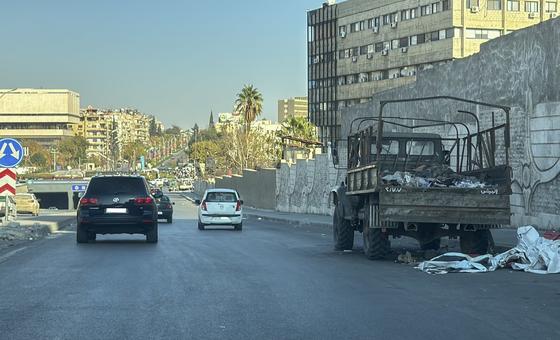
UN urges de-escalation, protection of civilians as conflict roils Syria

On Sunday, violence erupted between Sunni Bedouin tribal fighters and Druze militias in Sweida, two days after a Druze merchant was abducted on the highway to Damascus.

The casualty figures are unclear according to local reports, but the death toll is at least 30, and hundreds have been injured.  

As violent unrest continued Monday, interim government security forces were deployed to restore order, which reportedly led to clashes with local armed militia.

On the same day, Israeli forces struck tanks under the control of Syrian forces in defence of the Druze, whom it considers a loyal minority at home and in the occupied Golan area, according to news reports.

Shortly after forces of the caretaker government in Damascus arrived in Sweida on Tuesday, Syria’s defence chief announced a ceasefire.

Tensions have historically been high between minority groups in the city since Islamist rebels toppled former president Bashar al-Assad’s regime in December and a new caretaker government was installed which is gaining increasing international recognition.

Guterres expresses concern

Spokesperson for the Secretary-General, Stéphane Dujarric, addressed the situation in Syria on behalf of Secretary-General António Guterres at Tuesday’s briefing in New York.

“The Secretary-General is deeply concerned over the continued violence we have seen in the Druze-majority area in Sweida governorate,” Mr. Dujarric said, adding that he is particularly alarmed by reports of arbitrary violence against civilians.

Mr. Guterres condemned “all violence against civilians, especially acts that risk enflaming sectarian tensions,” and urged de-escalation, protection of civilians and a transparent investigation into those responsible for the killings and injuries.

Israel urged to end violations within Syria

“The Secretary-General is also concerned by Israel’s airstrikes on Syria’s territory and calls on Israel to refrain from violations of Syria’s independence, its sovereignty and its territorial integrity,” Mr. Dujarric stressed.  

Mr. Guterres urged support for “a credible, orderly and inclusive political transition in Syria in line with the key principles of Security Council Resolution 2254.” 

Mr. Dujarric also relayed reports from UN humanitarian partners in Sweida, noting that medical services are overstretched and that markets and essential services – including water, electricity and education – have been disrupted.

While UN aid operations have been suspended in impacted areas due to blocked roads, the UN is mobilising to respond when conditions allow. 

Investigators raise alarm

Also on Tuesday, the UN Human Rights Council mandated Syria Commission of Inquiry released a statement expressing concern over the situation in Sweida and stressing the urgent need for de-escalation and the protection of human rights.

The statement cited reports from local residents of killings, abductions, property burnings, looting and a rise in hate speech both online and in person.

In addition to highlighting concern over sectarian violence and Israeli airstrikes, the Commission emphasized the interim government’s responsibility to uphold human rights and ensure safe passage and humanitarian aid access.

The independent human rights investigators said they had begun an investigation into alleged human rights abuses related to the killings in Sweida in recent days.  

Global demand for meat and dairy set to rise, but climate and nutrition gaps remain

However, persistent nutritional gaps and mounting environmental pressures reveal a complex path ahead, according to a new study by the UN Food and Agriculture Organization (FAO) and the Organisation for Economic Cooperation and Development (OECD) – an influential international policy forum.

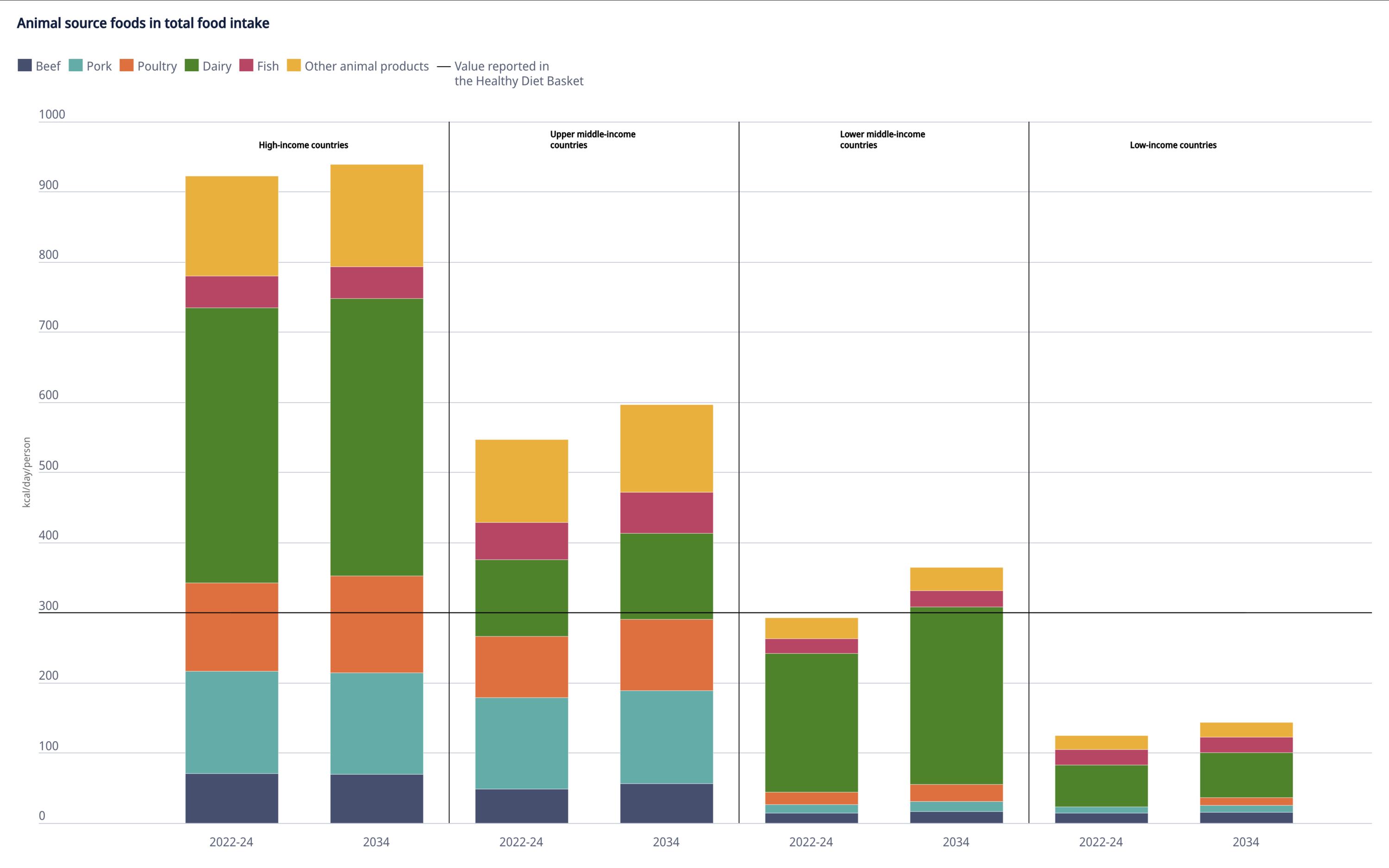
The Agricultural Outlook 2025-2034, released on Tuesday, projects a six per cent increase in global per capita consumption of animal-source foods by 2034 – beef, pork, poultry, fish, dairy and other animal products.  

The trend is most pronounced in lower middle-income countries, where intake is expected to rise by 24 per cent, far outpacing the global average.  

These projections point to better nutrition for many people in developing countries,” said Qu Dongyu, Director-General of the FAO.

Agricultural Outlook 2025‑2034

Increased incomes, better diets – but not for all

The surge in consumption in middle-income economies is attributed largely to rising disposable incomes, changing dietary preferences and urbanisation. In these countries, daily per capita intake of animal-sourced foods is projected to reach 364 kilocalories, surpassing the 300 kcal benchmark.

At the same time, consumption in low-income countries will remain low – reaching just 143 kcal per day, less than half the amount deemed necessary for a healthy diet – highlighting stark inequalities in access to nutrient-rich diets and the challenges ahead to ensure everyone is food secure.

Mr. Qu urged greater efforts to ensure people in the lowest-income countries also benefit from improved nutrition and food security.

Production expanding but emissions rising

To meet rising demand, global agricultural and fish production is projected to increase by 14 per cent over the next decade, largely driven by productivity gains in middle-income nations.

Output of meat, dairy and eggs is expected to grow by 17 per cent, while total livestock inventories are projected to expand by seven per cent.

However, these gains come at an environmental cost: direct greenhouse gas (GHG) emissions from agriculture are set to rise by six per cent by 2034, despite improvements in emissions intensity.

As production becomes more efficient, the emissions generated per unit of output will decline, but the overall footprint will still grow unless additional measures are taken.

Agricultural Outlook 2025‑2034

Other key findings

  • Cereal yields to grow 0.9 per cent annually, with harvested area expanding just 0.14 per cent per year – half the pace of the last decade
  • By 2034, 40 per cent of cereals will go directly to human consumption, 33 per cent to animal feed, and the rest to biofuels and industry
  • Biofuel demand set to rise 0.9 per cent annually, led by Brazil, India and Indonesia
  • Sub-Saharan Africa’s beef herd projected to grow 15 per cent, though productivity remains just one-tenth of North America’s
  • India and Southeast Asia will drive 39 per cent of global consumption growth by 2034; China’s share falling to 13 per cent from 32 per cent
  • High-income countries to see drop in per capita fats and sweeteners intake due to health trends and policy shifts

A win-win: More nourishment, fewer emissions

The report outlines a scenario in which nourishment improves for all, and agricultural emissions are reduced by as much as seven per cent below current levels by 2034.

Achieving this dual outcome would require major investments to improve productivity, alongside widespread adoption of existing low-emission technologies such as precision farming, improved livestock feed and prioritising nutritional production.

Future progress will depend on a blend of policy coordination, technological innovation and targeted investments – especially in countries where the gap between demand and nutritional value is stark.

We have the tools to end hunger and boost global food security,” said Mathias Cormann, Secretary-General of the OECD.

“Well-coordinated policies are needed to keep global food markets open, while fostering long-term productivity improvements and sustainability in the agriculture sector.”

Pivotal role for global trade

The Outlook also reiterates the importance of trade, given that 22 per cent of all calories eaten will have crossed international borders by 2034.

International trade will remain indispensable to the global agri-food sector,” the report stressed.

Multilateral cooperation and a rules-based agricultural trade are essential to facilitating these trade flows, balancing food deficits and surpluses across countries, stabilising prices and enhancing food security, nutrition and environmental sustainability.”

Source link

Sudan: Humanitarian needs deepen amid rising hostilities and heavy rains

Nearly 27 months have passed since fighting broke out between the Sudanese Armed Forces (SAF) and a former ally, the paramilitary Rapid Security Forces (RSF), creating an unprecedented humanitarian crisis.

The UN voiced grave alarm over escalating hostilities in El Fasher, the besieged capital of North Darfur state. 

Serious risk of renewed violence

Large numbers of RSF fighters reportedly entered the city on Friday for the first time since the siege began over a year ago.

Local sources report that recent fierce fighting, particularly in the southwest and east of El Fasher, has led to civilian casualties.

“The situation remains highly volatile and unpredictable, with a serious risk of renewed violence, as well as further displacement and disruption of humanitarian operations – which are already under severe strain,” OCHA said.

Insecurity in North Kordofan state

Meanwhile, in North Kordofan State, growing insecurity forced 3,400 people to flee their homes over the weekend, according to the UN International Organization for Migration (IOM). 

Local reports indicate that at least 18 civilians were killed, and homes were burned in several villages.

OCHA reminded all parties that attacks on civilians and civilian infrastructure are prohibited under international humanitarian law, and that civilians must be protected at all times.

Rainy season constraints

Meanwhile, heavy rains have been reported in West and Central Darfur states, which may affect road conditions in some locations and worsen the challenges humanitarians are already facing in accessing people in need.

“With the rainy season continuing through October, the risk of floods, access constraints and disease outbreaks is growing – especially during this critical lean season, a time between harvests when food stocks traditionally run low,” OCHA warned.

Families return to West Darfur

The agency said that despite the crisis, signs of small-scale returns are visible in West Darfur state, where displaced families have been returning from Chad to three localities – Sirba, Jebel Moon and Kulbus – to cultivate their farms. 

Furthermore, local authorities report about 40 people returning daily to Kulbus, with 300 arriving over the past week.

OCHA urged all parties to enable safe and unimpeded access to all people in need across Sudan, and for donors to step up their support.

Some 30 million people nationwide – more than half the population – need vital aid and protection this year. 

Source link

Yemen: Security Council extends UN mission in crucial port city amid escalating Red Sea strife

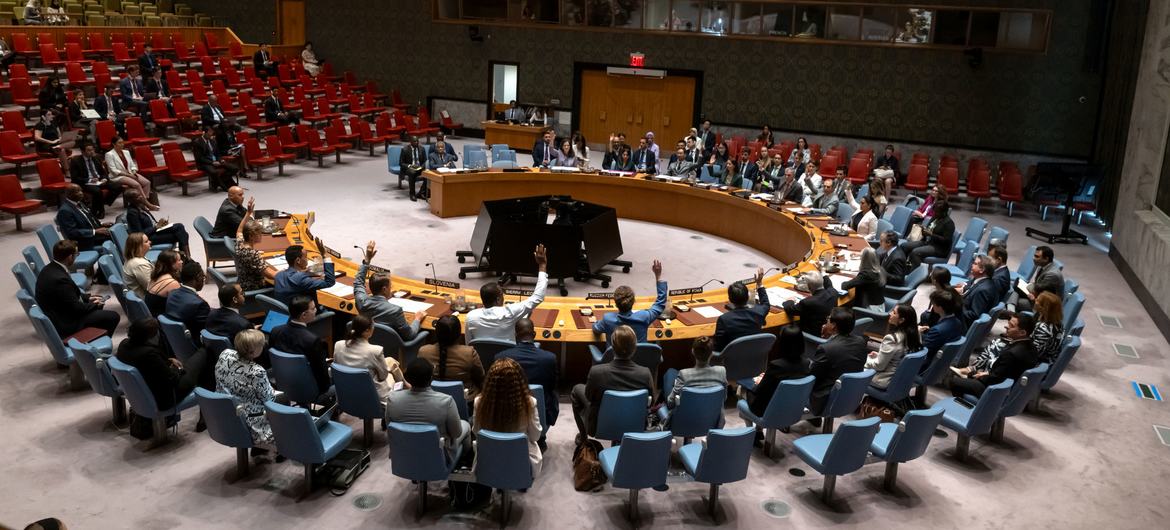
Adopted unanimously, the resolution extending the UN Mission to support the Hudaydah Agreement (UNMHA) until 28 January 2026, underscores the Mission’s critical role in maintaining fragile stability amid signs of renewed military escalation and deepening humanitarian need.

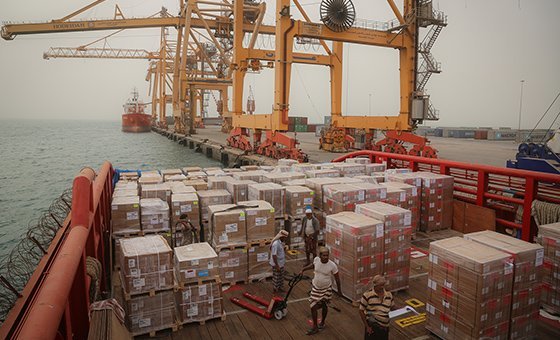
The resolution – 2786 (2025) – reaffirms the Council’s support for the 2018 Stockholm Agreement, including the ceasefire in the Houthi-controlled port city – and demilitarisation of its docks, where the majority of Yemen’s imports and vital aid shipments pass through.

The mission’s future

It also signals a growing debate over the mission’s future, requesting the Secretary-General to submit a review by November to enhance coordination and coherence of UN operations, “bearing in mind challenges” that have directly impeded UNMHA’s capacity to deliver.

The Security Council…expresses its intention to review the full range of options for UNMHA’s mandate, including assessing the future viability and sunsetting of the Mission, and make any necessary adjustments to gain efficiencies and reduce costs or otherwise, as may be required to UN operations in Hudaydah by developments on the ground, including inter alia a durable nationwide ceasefire,” the resolution noted.

UNMHA was established in 2019 to support implementation of the Stockholm Agreement between the Government of Yemen and Ansar Allah (as the Houthis are formally known), which sought to prevent major conflict over the region.

The mission monitors the ceasefire, facilitates redeployments and supports de-escalation through liaison mechanisms between the parties.

Tensions mounting

While the military situation on the ground remains tenuously stable, tensions are mounting on multiple fronts.

According to a letter from the Secretary-General to the 15-member Council in June, a growing number of ceasefire violations – averaging over 100 per day between June 2024 and May 2025 – highlight the fragile state of the region.  

Government-aligned forces fortified positions in anticipation of a possible offensive on the city, while Houthi units increased infiltration attempts and public mobilisation, including military-style youth camps in areas they control.

Security Council unanimously adopts Resolution 2786 (2025) extending until 28 January 2026 the mandate of the UN Mission to support the Hudaydah Agreement (UNMHA).

Deadly Red Sea passage

Compounding this, Houthi attacks on international shipping in the Red Sea have intensified. On 8 July, the commercial vessel Eternity C was sunk, killing several crew members and leaving others missing. This followed the sinking of the Magic Seas vessel two days earlier.

In a statement, UN Special Envoy Hans Grundberg condemned the attacks, calling them violations of international maritime law and warning they risked serious environmental and geopolitical fallout.

He called on Ansar Allah to cease attacks that risk escalating tensions in and around Yemen.

“[He urges them] to build on the cessation of hostilities with the United States in the Red Sea and to provide durable guarantees to the region and the wider international community, ensuring the safety of all those using this critical waterway,” the statement noted.

Significant operational constraints

Within Hudaydah itself, UNMHA faces significant constraints.  

The June letter by the Secretary-General details restrictions by Houthi authorities on UN patrols to the critical Red Sea ports – Hudaydah, Salif and Ras Issa.

Damage from repeated airstrikes, including by the US and Israel in response to Houthi attacks, has left key port infrastructure partially inoperable, disrupting fuel, food and medical imports.

With Hudaydah responsible for 70 per cent of Yemen’s commercial imports and 80 per cent of humanitarian deliveries, the stakes are high.

© UNICEF/Mahmoud Alfilastini

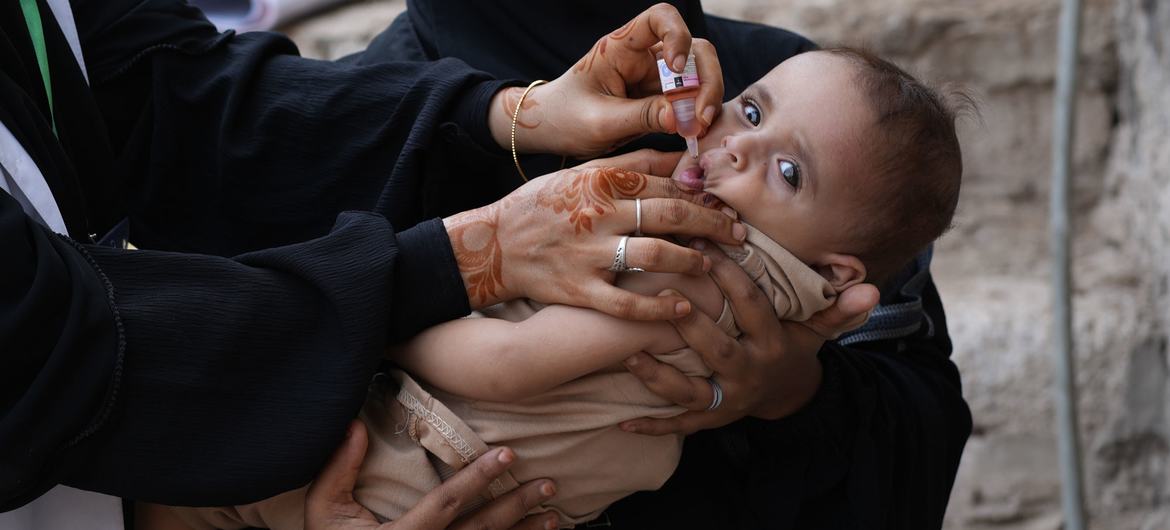
A child receives a polio vaccination in Yemen.

Polio vaccination drive

Meanwhile, a new round of polio vaccinations is underway in Government-controlled areas of southern Yemen, amid mounting concerns over the continued spread of the virus.  

From 12 to 14 July, health workers deployed across 12 governorates, aimed at curbing the outbreak of variant type 2 poliovirus.

The campaign, led by Yemen’s Ministry of Public Health with support from UN Children’s Fund (UNICEF) and World Health Organization (WHO), came as 282 cases have been reported since 2021, with environmental surveillance confirming ongoing transmission.

The campaign is essential to interrupt transmission and protect every child from the debilitating effects of polio,” said Ferima Coulibaly-Zerbo, acting WHO Representative in Yemen.

UNICEF’s Peter Hawkins echoed the urgency, warning of the “imminent threat” to unvaccinated children if immunisation gaps persist.

“But, through vaccination, we can keep our children safe,” he said.

Source link

Gaza: 875 people now confirmed dead trying to source food in recent weeks

“As of 13 July, we have recorded 875 people killed in Gaza while trying to get food; 674 of them were killed in the vicinity of GHF sites,” said Thameen Al-Kheetan, OHCHR spokesperson.

The remaining 201 victims were killed while seeking food “on the routes of aid convoys or near aid convoys” run by the UN or UN-partners still operating in the war-shattered enclave, Mr. Al-Kheetan told journalists in Geneva.

Killings linked to the controversial US and Israeli-backed aid hubs began shortly after they started operating in southern Gaza on 27 May, bypassing the UN and other established NGOs.

The latest deadly incident happened at around 9am on Monday 14 July, when reports indicated that the Israeli military shelled and fired towards Palestinians seeking food at the GHF site in As Shakoush area, northwestern Rafah.

According to OHCHR, two Palestinians were killed and at least nine others were injured. Some of the casualties were transported to the International Committee of the Red Cross (ICRC) hospital in Rafah. On Saturday medics there received more than 130 patients, the “overwhelming majority” suffering from gunshot wounds and “all responsive individuals” reporting they were attempting to access food distribution sites.

Deadly hunger

The UN agency for Palestinian refugees, UNRWA, expressed deep concerns about the continuing killing of civilians trying to access food, while deadly malnutrition spreads among children.

“Our teams on the ground – UNRWA teams and other United Nations teams – have spoken to survivors of these killings, these starving children included, who were shot at while on their way to pick up very little food,” said Juliette Touma, UNRWA Director of Communications.

Speaking via video from Amman, Ms. Touma insisted that the near-total Israeli blockade of Gaza has led to babies dying of the effects of severe acute malnutrition.

“We’ve been banned from bringing in any humanitarian assistance into Gaza for more than four months now,” she said, before pointing to a “significant increase” in child malnutrition since the Israeli blockade began on 2 March.

Ms. Touma added: “We have 6,000 trucks waiting in places like Egypt, like Jordan; it’s from Jordan to the Gaza Strip it’s a three-hour drive, right?”

In addition to food supplies, these UN trucks contain other vital if basic supplies including bars of soap. “Medicine and food are going to soon expire if we’re not able to get those supplies to people in Gaza who need it most, among them one million children who are half of the population of the Gaza Strip,” Ms. Touma continued.

West Bank: ‘Silent war is surging’

Meanwhile in the occupied West Bank including East Jerusalem, Palestinians continue to be killed in violence allegedly linked to Israeli settlers and security forces, UN agencies said.

According to OHCHR, two-year-old Laila Khatib was shot in the head by Israeli security forces on 25 January while she was inside her house in Ash-Shuhada village, in Jenin.

On 3 July, 61-year-old Walid Badir was shot and killed by Israeli security forces, reportedly while he was cycling back home from prayers, passing through the outskirts of the Nur Shams camp, the UN rights office continued, pointing to intensifying “killings, attacks and harassment of Palestinians in past weeks.

“This includes the demolition of hundreds of homes and forced mass displacement of Palestinians,” OHCHR’s Mr. Al-Kheetan noted, with some 30,000 Palestinians forcibly displaced since the launch of Israel’s operation “Iron Wall” in the north of the occupied West Bank earlier this year.

“We should recall that international law is very clear about this in terms of the obligations of the occupying power,” he said. “Bringing about a permanent demographic change inside the occupied territory may amount to a war crime and is tantamount to ethnic cleansing.”

“We continue to have a silent war that is surging, where heavy restrictions on movement continue, where poverty is increasing as people are cut off from their livelihoods and unemployment soars,” said UNRWA’s Ms. Touma.

With its current focus on the northern occupied West Bank, the Israeli military operation has impacted the refugee camps of Jenin, Tulkarem and Nur Shams.

“It is causing the largest population displacement of the Palestinians in the West Bank since 1967,” Ms. Touma continued.

Security Council renews UN’s Haiti mission amid spiralling crises

By adopting resolution 2785, the Council renewed the authorization of the UN Integrated Office in Haiti (BINUH), reaffirming support for a Haitian-led solution to the island nation’s overlapping crises.

The decision comes as armed gangs maintain their grip on most of the capital, Port-au-Prince, with over 1.3 million people displaced and more than 4,000 killed in the first half of 2025 alone, according to UN figures.

Conditions have deteriorated dramatically amid growing food insecurity and the erosion of public institutions. Of particular concern is the safety of women and girls, with a sharp rise in reports of sexual violence since the start of the year – including rape, gang rape, and sexual enslavement.

Time is running out

The Security Council also “expressed its intention to consider, without delay” the recommendations by the Secretary-General on possible future roles for the UN in sustaining security and stability in Haiti.

In February, António Guterres presented the Council with a range of options.

Each new wave of criminal attacks against the communities and institutions of Haiti is a distressing sign that time is running out,” the UN chief said in a letter.

He urged Member States to support the Multinational Security Support (MSS) mission, which the Council authorized in October 2023 to assist Haiti’s national police in tackling gang violence and restoring order. He also emphasized that international efforts to improve security must be matched by national progress toward resolving the political crisis.

Several Council members voiced willingness to engage on the Secretary-General’s proposals. The Chinese representative, for instance, said Beijing was open to working with others to chart a constructive way forward.

“With regard to how to improve the situation in Haiti, including how to respond to the Secretary-General’s recommendations, we are ready to have candid communication with all parties, explore viable solutions and seek the broadest possible consensus,” said Geng Shuang, Deputy Permanent Representative of China to the UN.

Security Council adopts resolution extending the mandate of the UN Integrated Office in Haiti (BINUH) during the meeting on the question concerning Haiti.

Mission critical

The Council’s action was welcomed by Haiti’s Ambassador, who underscored the political and security stakes ahead of a critical 2026 transition timeline.

This extension should help Haitian authorities undertake a real, genuine political dialogue, to strengthen good governance, bolster security and bring about justice and promote human rights,” said Pierre Ericq Pierre, Permanent Representative to the UN.

He also expressed his Government’s expectation that the UN mission will support implementation of the national roadmap, including constitutional reforms and elections.

Emphasizing national ownership, he added: “BINUH must work as part of a holistic plan to support Haitian authorities in confronting the grave crisis shaking the country to its core.”

The United States, which led negotiations on the resolution alongside Panama, stressed the urgency of political progress and called on international partners to increase support.

“Less than one year remains on the Transitional Presidential Council’s planned roadmap for the restoration of democratic institutions,” said Ambassador Dorothy Shea, acting representative.

Supporting the security of elections and the participation of all sectors of society is key to sustainable political progress in Haiti. Without BINUH, realizing the vision of a stronger, more resilient society would be less likely.

New mission leadership

Council members also welcomed Carlos G. Ruiz Massieu, appointed as the new Special Representative of the Secretary-General and Head of BINUH, succeeding María Isabel Salvador.

Mr. Ruiz Massieu, who currently leads the UN Verification Mission in Colombia, brings decades of diplomatic and political experience, including in peace negotiations and institution-building.

The UN Integrated Office in Haiti (BINUH) – a special political mission – was established in 2019 to advise and support Haitian authorities on political dialogue, justice, human rights and governance.

It succeeded a series of UN peacekeeping and political missions on the island, dating back to 1993, including the large-scale MINUSTAH operation, which wrapped up in 2017 after 13 years.

Source link

World News in Brief: Inter-ethnic violence in Syria, Indigenous Peoples’ rights, global information security

The violence erupted two days after a Druze merchant was abducted on the highway to Damascus.

The incident marks the latest episode of sectarian bloodshed in Syria, where fears among minority groups have surged since Islamist rebels toppled former dictator Bashar al-Assad in December and installed a new caretaker Government, which is gaining increasing international recognition.

Those targeted include the Druze sect, an offshoot of Shia Islam.  

UN voices ‘deep concern’

On Monday, UN Deputy Special Envoy for Syria, Najat Rochdi, expressed “deep concern” over these reports and urged authorities and stakeholders to “take immediate steps to protect civilians, restore calm and prevent incitement.”

She also underscored the need for inclusion, trust-building and meaningful dialogue to advance a credible and inclusive political transition in Syria.

UN human rights chief says ‘wisdom’ of Indigenous Peoples needed in climate change, digital policy upgrades

The UN human rights chief spoke at a high-level political forum on the rights of Indigenous Peoples on Monday.

Underscoring how crucial such forums are to advancing the rights of Indigenous Peoples, Volker Türk highlighted developments in Colombia, Finland and Guatemala that have given them more self-determination.

But despite these advances, violations against Indigenous Peoples’ rights continue.

Many still lack formal land recognition, while mining activity, deforestation and large-scale agricultural development often cause environmental destruction.

Indigenous Peoples also experience immense discrimination and face the brunt of climate chaos, Mr. Türk stressed.

Toll on activists

Furthermore, data from the human rights office reveals that 26 per cent of rights activists killed in 2023 and 2024 were Indigenous, largely in the Americas.

Additionally, states are using AI in ways that harm Indigenous Peoples through surveillance, data exploitation and exclusion from decision-making. Türk thus called for human rights-based approaches that uphold Indigenous data sovereignty and self-determination.

The High Commissioner also called for future policies on climate, digital technologies and other areas to “reflect the wisdom and experience of Indigenous Peoples.”

“This is not only essential to respect and fulfil the human rights of Indigenous Peoples,” he concluded. “There is growing recognition that the ideas and approaches of Indigenous Peoples hold important lessons for all of us.”

Guterres welcomes step forward in securing digital technology worldwide

The UN chief Antonio Guterres on Monday, welcomed the adoption by consensus of the UN Open Ended Working Group on Information and Communication Technologies.

It was established in 2020 with a five-year mandate to promote regular institutional dialogue and initiatives focused on keeping digital technologies safe and secure.  

The Secretary-General welcomed the Final Report of 10 July, which summed up the past five years of negotiations, said a statement issued by his Spokesperson.  

It reflects shared views on current and emerging threats, responsible government policies, international law, norms and efforts such as confidence-building and capacity development.  

Call for cooperation

It also establishes a permanent mechanism to continue discussions about responsible State behaviour in the use of information and communications technologies, which the Secretary General particularly appreciated.  

“The Secretary-General now calls upon all States to work together through the Global Mechanism to tackle digital risks and ensure these technologies are leveraged for good,” the statement said.  

The Secretary General congratulated the group on its accomplishments, saying the consensus adoption “demonstrates that even in the most challenging international security environment, collective action is still possible.” 

Source link

‘A compass towards progress’ – but key development goals remain way off track

The UN’s key Sustainable Development Goals Report released Monday by Secretary-General António Guterres, chronicles both progress and setbacks – showing that the world has made significant advances but is still drastically off-track to achieve its development goals by 2030.

Seize the day

This report is more than a snapshot of today. It’s also a compass pointing the way to progress. This report shows that the Sustainable Development Goals (SDGs) are still within reach, but only if we act – with urgency, unity, and unwavering resolve,” Mr. Guterres said.

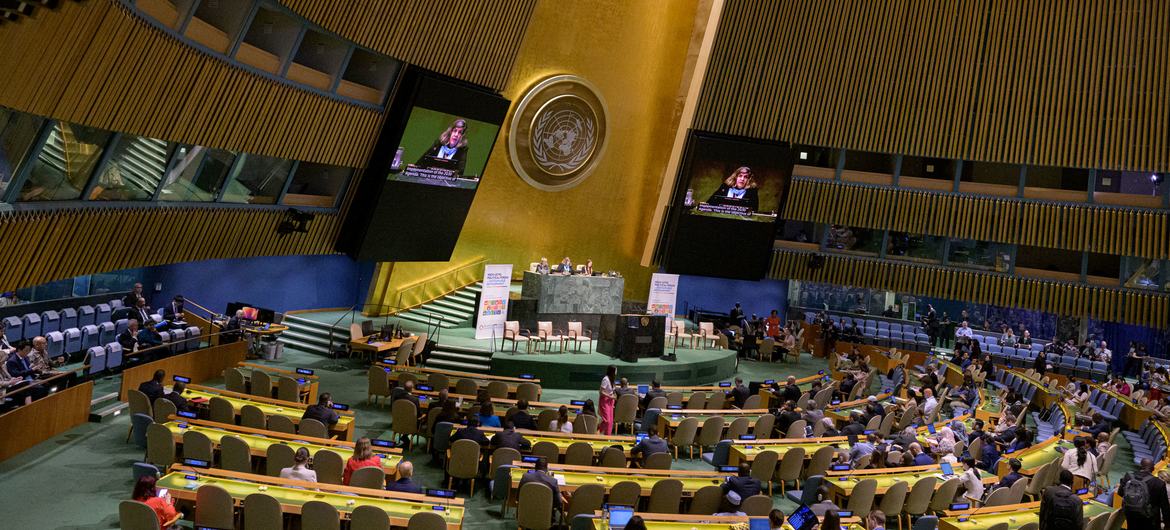
The release of the report coincides with the first day of the High-Level Political Forum on Sustainable Development which will convene over the next ten days in New York in the hopes of answering the UN chief’s call to action. 

‘A global development emergency’

In 2015, the General Assembly adopted the 2030 Agenda, which outlined 17 Sustainable Development Goals – including ending poverty and ensuring that everyone had access to healthcare and quality education.

The ambitious SDGs were to be achieved by prioritising future generations through sustainable and climate-friendly initiatives.

“The 2030 Agenda represents our collective recognition that our destinies are intertwined and that sustainable development is not a zero-sum game but a shared endeavour that benefits us all,” said Li Junhua, UN Under Secretary-General for Economic and Social Affairs.

Ten years after this commitment, the agenda is facing increasingly strong headwinds, including a $4 trillion funding shortfall for the developing world and increasing geopolitical tensions which are undermining multilateralism.

“The problem is that the Sustainable Development Goals do not include the instruments that would be necessary to make them happen,” Mr. Guterres said.

In light of these challenges, only 18 per cent of the SDGs are on track to be met by 2030. Around 17 per cent are experiencing moderate progress. But over half of the goals are moving too slowly – and 18 per cent of the goals have gone backwards.

“We are in a global development emergency, an emergency measured in the over 800 billion people still living in extreme poverty, in intensifying climate impacts and in the relentless debt service,” the Secretary-General said.

Real lives transformed – and left behind

Between 2015 and 2023, maternal death rates and death rates of children under the age of five dropped by approximately 15 per cent. During this same period of time, 54 countries eliminated at least one tropical disease, and 2.2 billion cases of malaria were averted as a result of prevention areas.

“These victories are not abstract statistics – they represent real lives transformed, families lifted from poverty and communities empowered to build better and more resilient futures,” Mr. Li said.

However, just as some have had their lives transformed, many people around the world have been left behind.

One in 10 people still live in abject poverty and one in 11 experience food insecurity. Over 1.1 billion people live in slums or informal settlements without basic services, including access to clean water and sanitation. And in 2024, one person lost their life to conflict every 12 minutes.

In short, while many lives were transformed in the past ten years, many lives were not – and some were actually worsened or lost.

“What we have learned since then is that sustainable development is not a destination but rather a journey of innovation, adaptation and commitment to human dignity,” Mr. Li said.

Data at the heart of development

Reliable data is what underpins sustainable development, according to the Secretary-General’s report. It is what enables the UN, State governments and civil society leaders to understand what progress has been made and how to target increased investments for areas which require more work.

When the 2030 Agenda was first adopted in 2015, only a third of the SDGs had sufficient data and over a third lacked internationally agreed upon methodologies. Today, 70 percent of the SDGs are well-monitored and all indicators have internationally established monitoring mechanisms.

However, the progress made in monitoring development progress is, like all parts of the development agenda, under increasing threat.

“This report tells the SDG story in numbers, but it is, above all, a call to action,” Mr. Guterres said.

© UNICEF/Anderson Flores

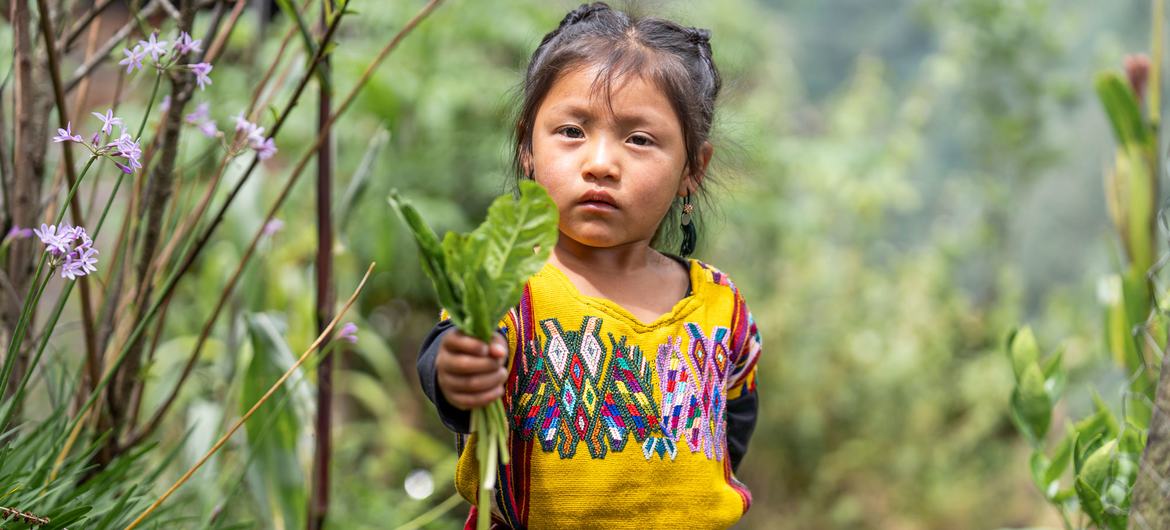
A young girl in Guatemala holds herbs from a kitchen garden.

Multilateralism is non-negotiable

The Secretary-General said that the SDGs cannot be achieved without significant reforms to the financial architecture, which must begin with an investment in multilateralism.

This year’s HLPF is a crucial moment that gives us hope and encourages us to think collectively outside the box,” said Lok Bahadur Thapa, Vice President of the Economic and Social Council (ECOSOC) at the meeting which opened the HLPF.

This forum is an acknowledgement that the work is not yet done – the goals require more investment and more commitment in the next five years in order to ensure that the world does not leave more people behind.

“This is not a moment for despair, but for determined action. We have the knowledge, tools, and partnerships to drive transformation. What we need now is urgent multilateralism – a recommitment to shared responsibility and sustained investment,” Mr. Li said.

Source link

Gaza: UNICEF mourns seven children killed queuing for water

The incident occurred in central Gaza on Sunday, according to media reports, which said that four other people also lost their lives due to the Israeli airstrike. 

The Israeli military said it had been targeting a terrorist but a “technical error” saw the munition stray off course.

Uphold protection of children

UNICEF Executive Director Catherine Russell noted that the incident came just days after several women and children were killed while lining up for nutritional supplies.

The Israeli authorities must urgently review the rules of engagement and ensure full compliance with international humanitarian law, notably the protection of civilians, including children,” she wrote in a statement posted on X.

The UN has repeatedly deplored the killing of Palestinians seeking food aid amid the dire humanitarian situation in Gaza, where food security experts have warned that the entire population, some 2.1 million people, is not getting enough to eat.

The risk of famine remains, according to UNICEF. In June, more than 5,800 children were diagnosed with malnutrition, including more than 1,000 children with severe acute malnutrition, representing an increase for the fourth consecutive month. 

Stockpiles of food available

Meanwhile, “truckloads of food and medical supplies are waiting in warehouses” just outside the enclave, UN Palestine refugee agency UNRWA said in a tweet.

It included a quote from one of its health workers who said that “in the past, I only saw such cases of malnutrition in textbooks and documentaries.  Today, I am treating them face to face in the health centre.”

UNRWA appealed for starvation of civilians to stop and for the siege to be lifted.  

Let the UN, including UNRWA, do its lifesaving work,” the tweet said.

The small quantities of aid and critical supplies that have entered Gaza so far are nowhere near enough to meet the immense needs, the UN humanitarian affairs office, OCHA, said later on Monday. 

It called for Israel to allow the urgent entry of aid at scale through all possible routes and corridors.  

Healthcare under attack

OCHA said health teams continue to suffer some of the worst impacts of the hostilities, with the Ministry of Health reporting on Sunday that another doctor had been killed over the previous 24 hours. 

Although the health system has been decimated and is on the brink of collapse, hospitals continue to respond to mass casualty incidents as much as they can.

The Israeli authorities have continued to issue displacement orders amid the ongoing hostilities and destruction, the agency added.

On Friday, a displacement order was put out for the Rimal area of Gaza city where some 70,000 people were staying at a dozen displacement sites.

Today, more than 86 per cent of Gaza’s territory is either under displacement orders or located within the Israeli-militarized zone. 

West Bank annexation ‘well underway’

Separately, UNRWA also highlighted the situation of Palestinians in the occupied West Bank against the backdrop of the war in Gaza.

Agency chief Philippe Lazzarini told an international conference in Switzerland on Monday that “annexation is well underway.”

UNRWA said “this is not just destruction: it is part of systematic forced displacement, a violation of international law, and a form of collective punishment.”

In January, Israeli forces launched operations in Tulkarm and Jenin in the West Bank, which UNRWA has previously said are the most extensive in two decades.

Humanitarians reported last week that the operations are causing massive destruction and displacement while attacks by Israeli settlers have intensified.

The high levels of violence continue, with OCHA reporting that two Palestinian men, one of whom was a US national, were killed near Ramallah on Friday during a settler attack.

Overall, more than 700 settler attacks have been recorded in the West Bank during the first half of this year. Over 200 communities have been affected, primarily in Ramallah, Nablus and Hebron governorates

WHO urges roll-out of first long-acting HIV prevention jab

Injectable lenacapavir – LEN, for short – is a highly effective, long-acting antiretroviral alternative to daily oral pills and other shorter-acting options, according to the World Health Organization (WHO).

“While an HIV vaccine remains elusive, lenacapavir is the next best thing: a long-acting antiretroviral shown in trials to prevent almost all HIV infections among those at risk,” said Tedros Adhanom Ghebreyesus, WHO Director-General.

Test kit advantage

WHO’s support for the injectable drug is significant because HIV prevention efforts are stagnating around the world.

To make it easier for people to receive the injection close to home, the UN agency also recommends the use of rapid testing kits for the disease, as opposed to “complex, costly procedures”.

According to the agency, 1.3 million people contracted HIV in 2024; people most impacted were sex workers, men who have sex with men, transgender people, people who inject drugs, people in prisons, and children and teens.

“WHO is committed to working with countries and partners to ensure this innovation reaches communities as quickly and safely as possible,” insisted Tedros, in comments during the 13th International AIDS Society Conference (IAS 2025) on HIV Science, in Kigali, Rwanda.

The recommendation for LEN is also in line with the US health authorities which approved it in June.

Call for implementation

Although access to the LEN injection remains limited outside clinical trials today, WHO urged governments, donors and partners to incorporate LEN “immediately” within national combination HIV-prevention programmes.

Other WHO-supported HIV-prevention options include daily oral tablets, injectable cabotegravir – which is injected once every two months – and the dapivirine vaginal ring, as part of a growing number of tools to end the HIV epidemic.

Funding dilemma

Amid massive funding cuts to the global effort to end HIV-AIDS – including the leading US Government programme launched in 2003, PEPFAR, focusing on combating the disease in Africa – WHO also issued new operational guidance on how to sustain priority HIV services.

“We have the tools and the knowledge to end AIDS…what we need now is bold implementation of these recommendations, grounded in equity and powered by communities,” said Dr Meg Doherty, Director of WHO’s Department of Global HIV, Hepatitis and STI Programmes and incoming Director of Science, Research, Evidence and Quality for Health.

HIV remains a major global public health issue.

By the end of 2024, an estimated 40.8 million people were living with HIV with an estimated 65 per cent in Africa. Approximately 630,000 people died from HIV-related causes globally, and an estimated 1.3 million people acquired HIV, including 120,000 children.

More positively, access to HIV drugs continues to expand, with 31.6 million people receiving treatment in 2024, up from 30.3 million a year earlier. Without anti-retroviral medication, the HIV virus attacks the body’s immune system, leading ultimately to the onset of AIDS.

Source link

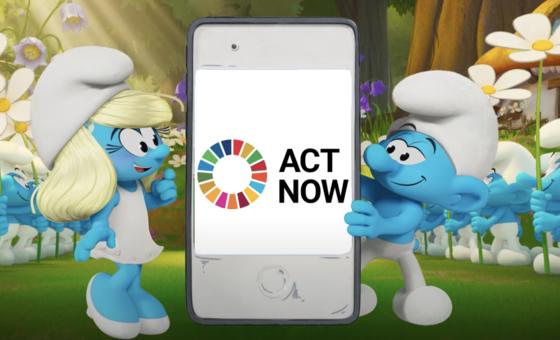
Smurf your voice: Global campaign urges everyone to speak up for a better future

Launched in June, the eight-week digital campaign draws on the enduring popularity of the beloved Smurfs to encourage young people – along with their parents and caregivers – to raise their voices on issues that matter to them.

The initiative is part of the UN’s ActNow effort for the Sustainable Development Goals (SDGs) and aims to empower individuals, especially children, to speak out and take action in their communities.

Voices for change

Featuring Rihanna, Hannah Waddingham, Billie Lourd and Amy Sedaris – who voice various characters in an upcoming Smurfs film – the campaign includes vibrant public service announcements (PSAs) and colourful social media cards.

The Smurfs know the importance of speaking up and speaking out because everyone, every child, has the right to be heard,” said Hannah Waddingham, who voices Jezebeth in the movie.

The power to create change is already inside you. You just have to act,” added Billie Lourd (Worry Smurf).

Amy Sedaris (Jaunty) summed it up simply: “It’s easy if you follow the Smurfs’ blueprint. Small actions can add up to make a big difference.

The videos, produced in multiple formats, direct viewers to a dedicated “Speak Up with the Smurfs” section on the ActNow platform, which offers child-friendly tools and resources.

Join the Smurfs and speak up for a better world! | UN ActNow and UNICEF

Smurfing it up

To smurf things up a bit – campaign invites everyone to “smurf their voice” and help smurf a brighter future, one action at a time. Whether you’re five or fifty-five, there’s always a way to smurf positive change.

In Smurf-speak, “smurf” can mean just about anything – noun, verb, or adjective – but the message here is clear: smurf your voice, smurf your rights, smurf the future.

UNICEF’s involvement centres on ensuring the message reaches children everywhere – and that they are equipped to participate meaningfully in decisions affecting their lives.

Global rollout

The campaign is being promoted across Paramount Global’s platforms – including CBS, MTV, Nickelodeon, BET, Comedy Central, streaming services like Paramount+ and Pluto TV, and the free-to-air network Net 10 in Australia.

Smurf-themed content will also light up Times Square in New York City and appear in markets across Europe, Latin America and Asia.

Content is available in over a dozen languages, including Arabic, French, Spanish, Hindi, Kiswahili, and Japanese, to ensure broad accessibility.

About the Smurfs

First introduced in 1958, the Smurfs are small blue fictional characters known for their teamwork, mischief, and unique way of speaking.

Generations of children (like this author and his little ones) have followed their adventures, and their continued appeal has made them ideal messengers for values like cooperation, kindness and now, global citizenship.

By rallying a new generation to speak up – or smurf up – the campaign hopes to inspire meaningful, lasting change for children (and adults) everywhere.

Source link

UN-backed labour standards at risk as tariff uncertainty grows

Threatened or actual tariff increases are largely focused on taxing imports into the United States and will make the products made by factories outside the country more expensive – a situation which may drive down demand.

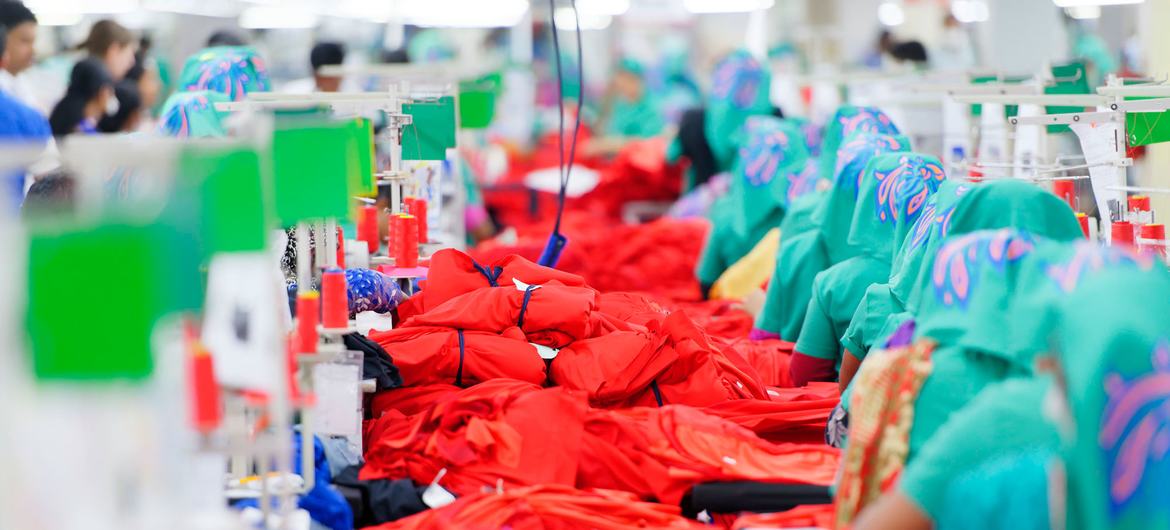
The ILO’s Better Work programme, a partnership with the International Finance Corporation (IFC), has supported garment factories, many of which export their products to the United States.

The ILO’s Sara Park explained to UN News what could happen next.

Sara Park: Better Work currently operates in the garment, textile and footwear sector in 13 countries around the world.

It was set up 24 years ago in Cambodia to monitor the working conditions in garment factories and since then has focused on improvement and capacity building of factories and our constituencies in the sector, for example occupational safety and health.

There are other elements that support the sector to promote social dialogue, safe and decent work which includes fair wages and working hours. The programme has also helped build productivity in those sectors.

UN News: How is the ILO involved?

Sara Park: The ILO is a tripartite organization, so we work with governments, employers, the unions who represent workers, usually Ministries of Labour, but also with ministries of trade or commerce because the programme focuses on exports.

© Better Work/Aron Simeneh

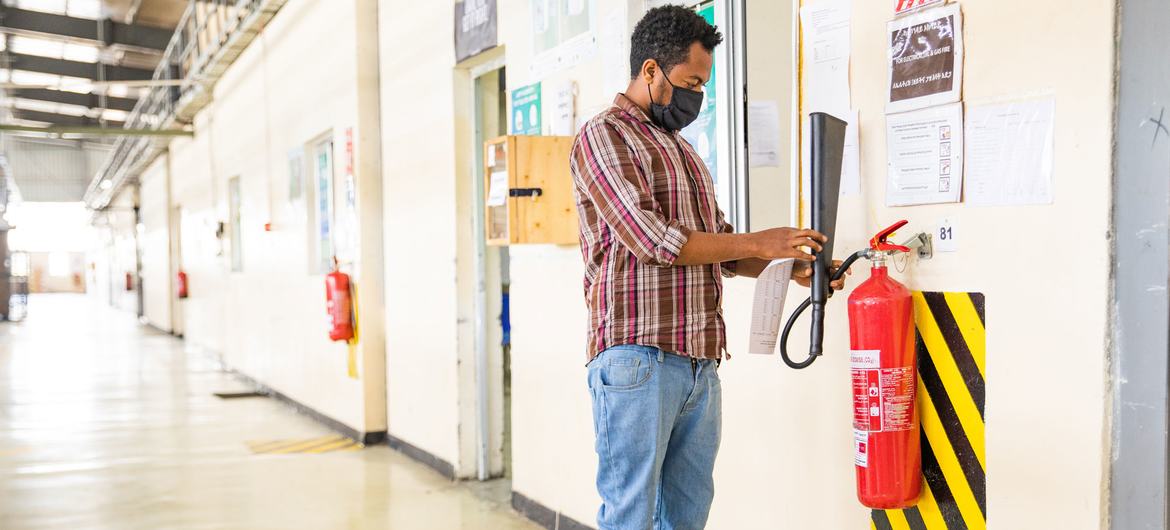
A worker at a factory in Ethiopia carries out an inspection on fire safety equipment.

But what maybe makes us different from other projects is that we have a very close collaboration with major brands from the US, UK, Europe and Japan to promote responsible business practices.

UN News: How successful has this programme been?

Sara Park: Our studies show that at the factory level we’ve made significant impact, for example by increasing wages and supporting gender-equality related issues, women’s empowerment and women getting more supervisory roles.

Over the quarter of a century of its existence, Better Work has lifted millions of people out of poverty and reduced the environmental impact of the apparel sector by creating decent work in sustainable enterprises.

It’s still hard for unions as freedom of association remains a big challenge.

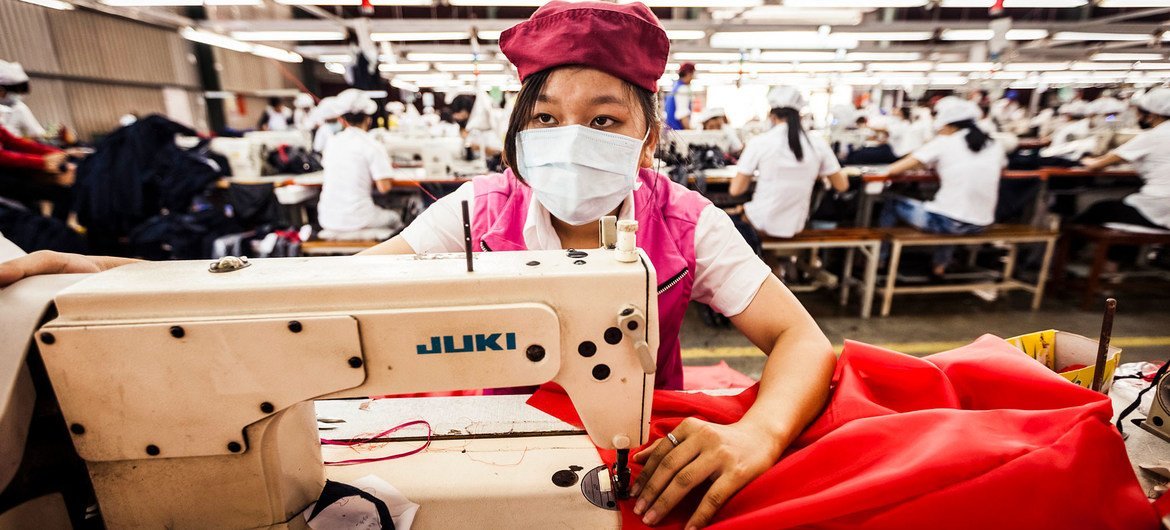
A woman works at a Better Work-affiliated factory in Viet Nam.

If you’re trying to develop a whole industry and make it competitive, it takes years if not decades; however, we have seen improvements in the factories where we work.

Better Work-enrolled factories have also reported an increase in orders from buyers.

UN News: So, this is good for business as well?

Sara Park: This is good for business, and productivity in individual factories. Governments also tell us that the programme supports confidence and thus growth of the industry as a whole in participating countries.

© Better Work/Marcel Crozet

Garment employees work on a production line of an exporting clothing plant in Jordan.

UN News: How has Better Work been affected by recent global changes in development funding?

Sara Park: As we know from recent developments, the US Government has cut funding and that has affected our programmes in Haiti and Jordan, which were almost fully funded by the US. The other countries have not been affected, as we are lucky to have very diverse funding.

UN News: Why is the ILO’s ongoing support needed once the relationship between factory and the buyer is set up?

Sara Park: The buyers, which are often well-known companies, require a sustainable way of monitoring working conditions to ensure they are in compliance with international labour standards; this is important to eliminate risk from the buyers’ perspective.

The Better Work programme supports improvements in factories, by conducting assessments, advisory and learning sessions and helps all parties to better understand compliance with the standards. It also works with governments, workers and employers to build capacity.

© Better Work/Feri Latief

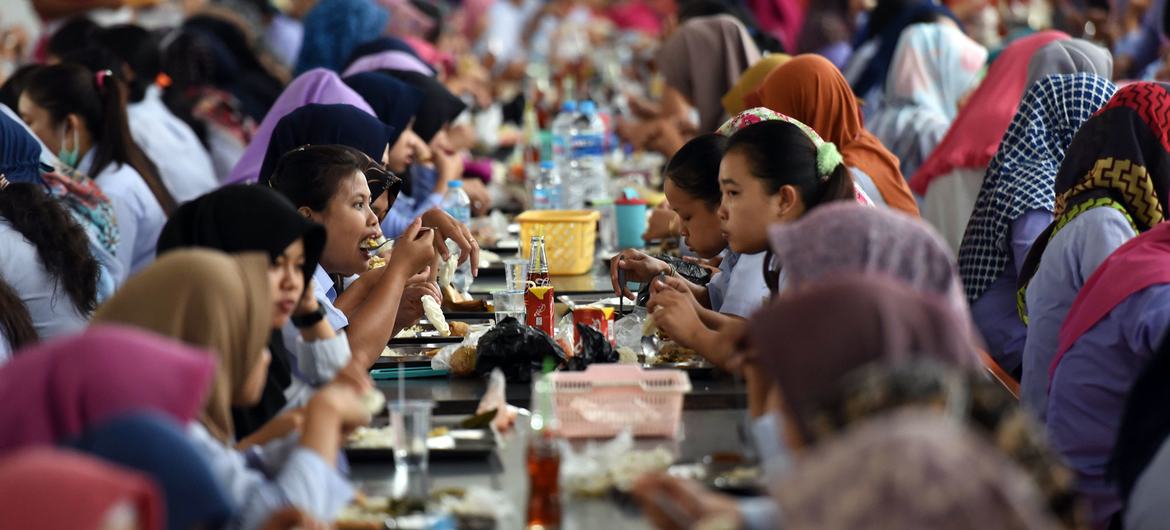
Workers take their lunch break at a garment factory in Indonesia.

UN News: Currently there is widespread uncertainty about tariffs, the taxing of imported goods particularly into the United States. How is the garment sector impacted?

Sara Park: At the moment, we don’t know what the impact will be. Governments are monitoring the situation. Employers and, of course, the unions are worried.

It is extremely challenging for factories as uncertainty means they cannot plan even for the short term, as they don’t know what orders they will have. They are also concerned about paying workers.

Better Work-enrolled factories are providing primarily jobs in the formal sector; if they close, then those jobs may move to the informal sector where workers have fewer protections.

In countries like Jordan for example, migrants make up the majority of the workforce in the garment industry, most of them come from South and Southeast Asia.

UN News: How is this uncertainty impacting investment in the global garment industry?

Sara Park: During periods of crisis or uncertainty, investment generally pauses. One concern is that factories stop investing in improving working conditions, which could affect occupational safety and health.

For example, heat stress is a serious issue. Recently, in Pakistan temperatures reached 50 degrees Celsius so action needs to be taken to protect workers. This may not happen if investment dries up.

UN News: What would you say to a garment worker who was worried about his or her job?

Sara Park: We understand this is a worry for many workers. Yet the work of the ILO is continuing to ensure that workers are protected and the ILO remains in those countries and is committed to improving conditions for all workers across different sectors.

We will continue to promote social dialogue because that’s how improvements can be made at factory, sectoral and national level.

Source link