World Entrepreneurs and Investment Forum put women at the heart of economic transformation


That was the central message of the Manama Declaration, issued at the close of the World Entrepreneurs and Investment Forum (WEIF) held this week in Bahrain.

The declaration places women at the heart of economic transformation, underscoring that empowering them within business and innovation ecosystems is essential to achieving inclusive and sustainable growth.

It also calls for strengthening women’s presence across emerging sectors, including the green, blue and orange economies which respectively promote environmental responsibility, sustainable use of ocean resources and creativity.

Organized by the UN Industrial Development Organization’s (UNIDO) Investment and Technology Promotion Office in Bahrain, the forum convened leaders, investors and entrepreneurs from around the world to shape a more resilient global economy and unlock new opportunities for women-led enterprises.

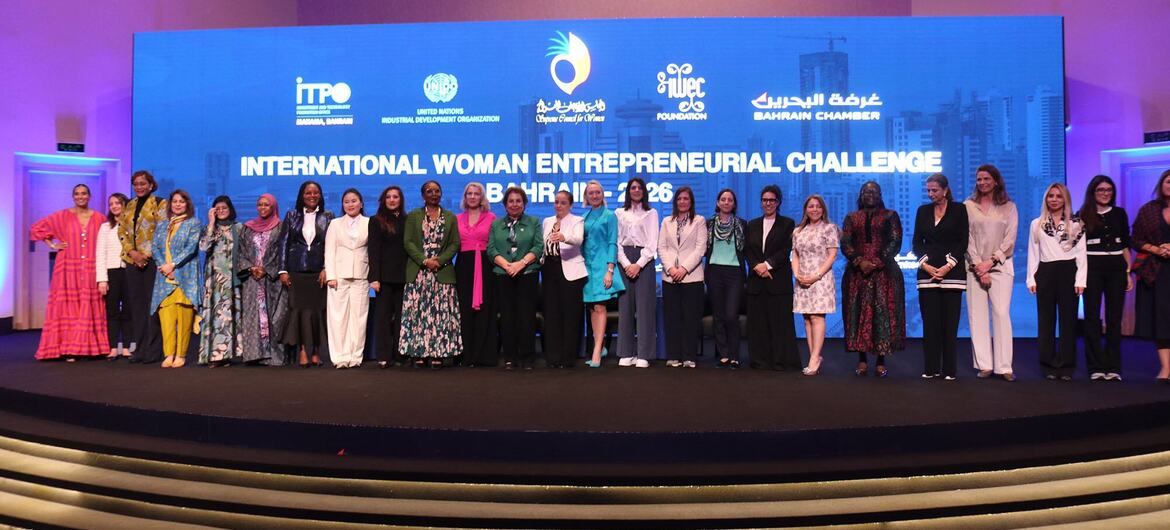
 

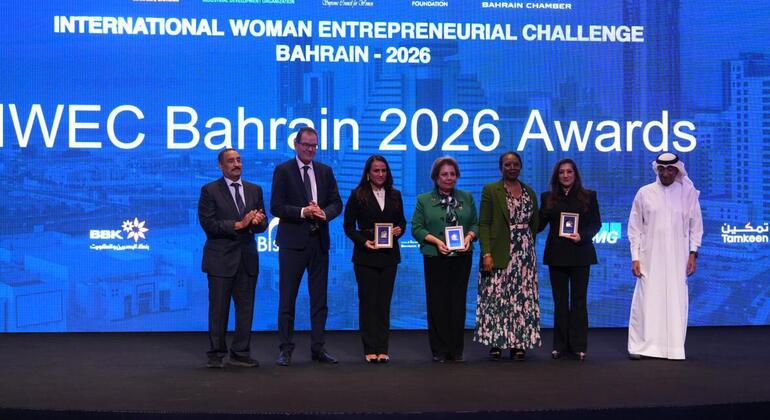
Women entrepreneurs gather on stage at the International Woman Entrepreneurial Challenge 2026 in Manama, Bahrain.

“An amazing opportunity”

For many participants, the forum delivered tangible results.

Doris Martin, CEO of DMartin Consultancy in Bahrain, attended in search of meaningful collaboration and found it.

Through business-to-business (B2B) meetings facilitated during the event, she established partnerships with companies in the United Arab Emirates and Morocco.

“This forum has been effective for me,” she told UN News. “I’ve had B2B collaboration with regional companies through Bahrain and through UNIDO.”

Tosin Arwejulo, CEO of Leadership Excel Consultancy and a Nigerian-American entrepreneur based in Bahrain, described the forum as a “powerful networking platform.”

“I’ve had the opportunity to talk to people from literally every continent,” she said. “It has been an amazing opportunity to connect with like-minded leaders.”

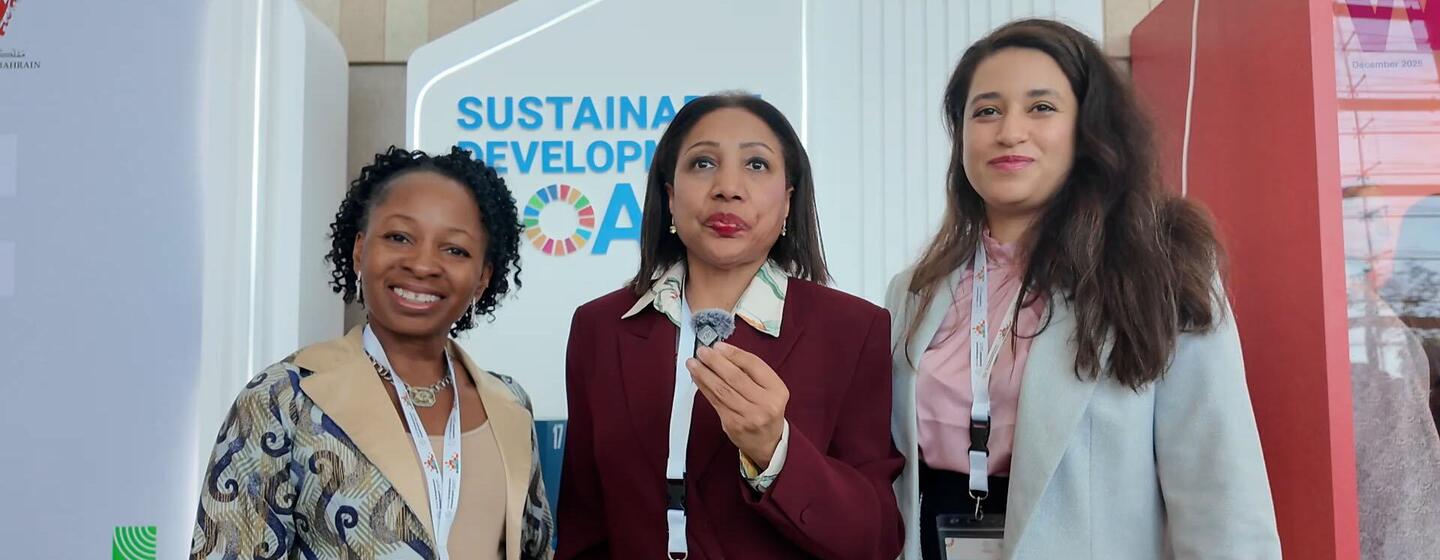
 

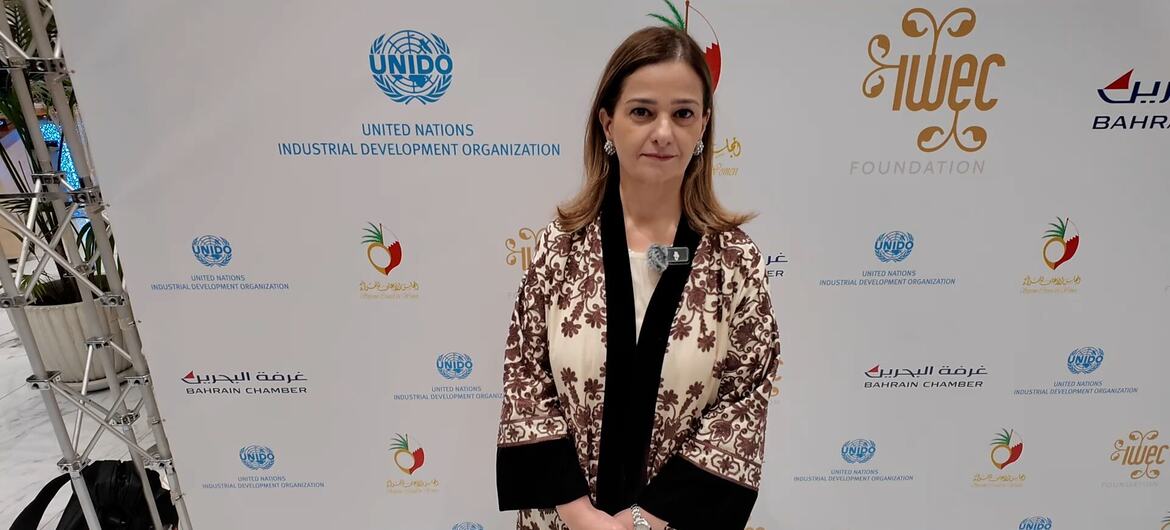
From left to right: Tosin Arwejulo, CEO of Leadership Excel Consultancy and a Nigerian-American entrepreneur based in Bahrain, and Doris Martin, CEO of DMartin Consultancy in Bahrain(In the middle).

Shared challenges, shared solutions

The forum’s impact extended beyond the Arab region.

Ayanthi Gurusinghe, President of the Ceylon Chamber of Women Entrepreneurs in Sri Lanka and representative of the South Asian Women Development Forum, attended alongside delegates from India, Nepal, Bangladesh and Pakistan.

She said participants exchanged valuable lessons, particularly around access to finance, a challenge faced by women entrepreneurs across regions.

“It was a good opportunity for networking, to come together, share views, learn and exchange experiences,” she said, expressing appreciation to UNIDO for creating a space where global connections could flourish.

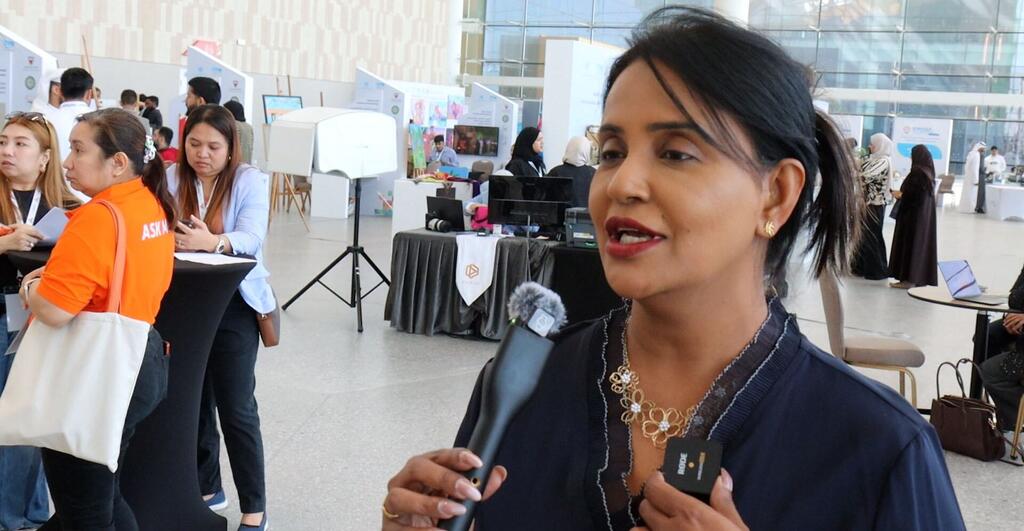
Ayanthi Gurusinghe, President of the Ceylon Chamber of Women Entrepreneurs in Sri Lanka and representative of the South Asian Women Development Forum, at WEIF 2026 in Bahrain.

Special focus on artists with disabilities

Beyond panel discussions and networking sessions, the forum also spotlighted inclusive entrepreneurship through three exhibitions including on “Determined Creative Entrepreneur.”

Among the exhibitors was Nisreen Samour of Micro Art Center in Bahrain, which specializes in training and developing artistic talent, with a special focus on artists with disabilities.

“Today, we have about nine students participating, each specializing in an artistic field that aligns with their interests and abilities,” she said.

“I personally train them, and we are currently working on developing their skills and empowering them to produce professional artwork that will help them effectively enter the art market and the job market, thus contributing to increased productivity and the center’s overall performance” she told UN News.

The centre also works with orphans, helping them develop artistic skills and showcase their work publicly — fostering independence and self-reliance through creativity.
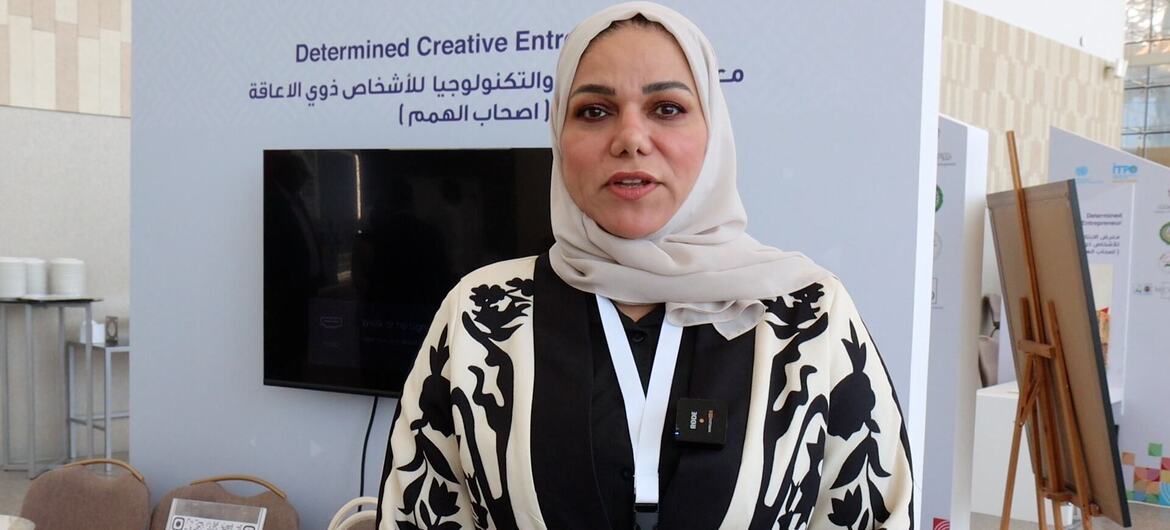
 

Nisreen Samour of Micro Art Center in Bahrain, which specializes in training and developing artistic talent, with a special focus on artists with disabilities.

The role of academia

One recurring theme was the role of higher education in preparing young women to enter the world of entrepreneurship.

In an interview with UN News, Dr. Nihal Al-Najjar, professor at the Royal University for Women in Bahrain, highlighted the need to embed entrepreneurship deeply within academic systems.

“Our academic role is to integrate entrepreneurship not just as a subject, but as a methodology,” she said, explaining that experiential learning and practical application are key. “We encourage students to think, innovate and identify gaps in society, and then work to find solutions.”

She added that universities must go beyond classroom teaching by connecting students to the wider entrepreneurial ecosystem, guiding them towards mentorship, funding opportunities and professional networks when they are ready to launch their own ventures.
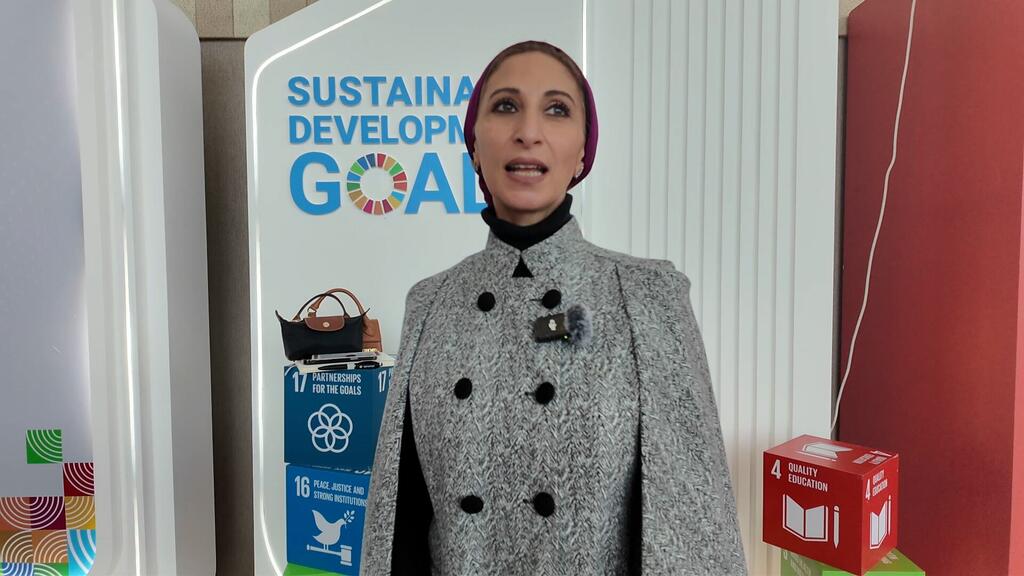
Dina Najar at WEIF2026 in Manama, Bahrain, covering Sustainable Development Goals.

A driving force for sustainable development

The World Entrepreneurs and Investment Forum (WEIF) was preceded by the annual conference of the International Women Entrepreneurial Challenge (IWEC)—a New York-based NGO that helps women-owned businesses to grow.

Speaking at the conference, UNIDO Director General Gerd Müller described women’s entrepreneurship as a driving force for sustainable development, global innovation and economic inclusion.

We must ensure that women everywhere have a level playing field and are given the opportunity to unlock their full potential,” he stated, highlighting persistent barriers to finance, technology, and higher-skilled roles for women globally.

Reaffirming UNIDO’s commitment, he added that “empowering women is essential to achieving the Sustainable Development Goals.”  The 17 SDGs, adopted by governments in 2015, provide a blueprint for a more just and equitable future for all people and the planet.

Mr. Müller praised Bahrain’s leadership in supporting entrepreneurship and women’s economic participation and outlined UNIDO’s ongoing work in crisis-affected countries, noting, “UNIDO has just started working to set up recovery programmes in Syria, Sudan, and Palestine… mostly the women there are affected, and they need our support.”
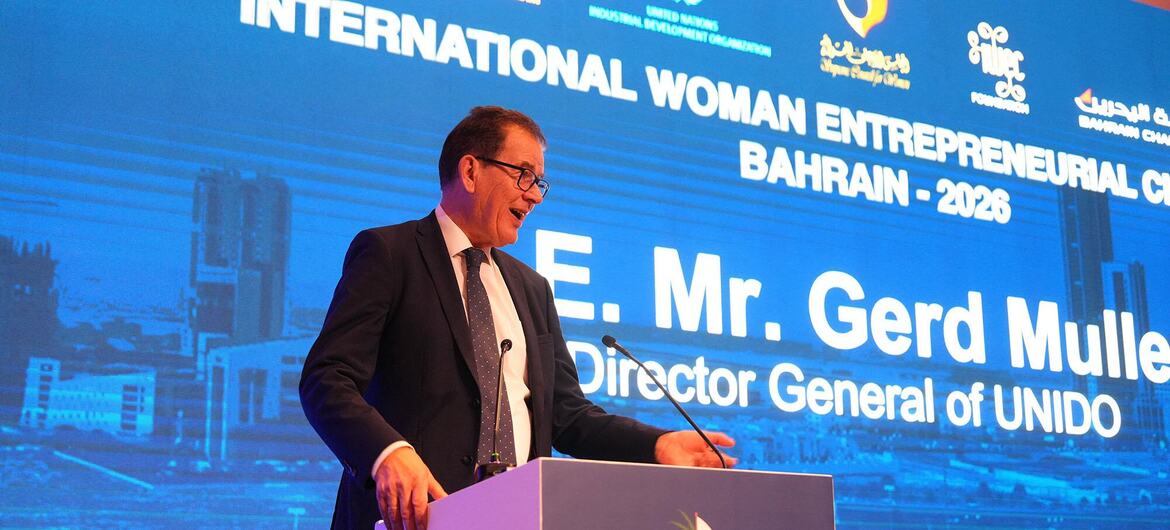
 

Gerd Müller, Director General of UNIDO, speaking at the International Woman Entrepreneurial Conference in Bahrain 2026.

Women as engines of business

In her opening remarks, IWEC Chair Ibukun Awosika highlighted women’s transformative role as engines of business, leadership, and national progress.

She emphasized that women constitute half of the world’s productive assets and, when empowered, become game changers in corporate and political leadership. Drawing on her own journey, Ms. Awosika recalled building a manufacturing group over 36 years before becoming the first and only woman chair of sub-Saharan Africa’s oldest financial institution, First Bank of Nigeria.

“What women represent to the world is 50 per cent of its assets — productive, constructive assets that are game changers when fully deployed,” she said.

Every nation that has enough wisdom to invest and to actualize the talent that is in 50 per cent of its population is a country that is set to win.”
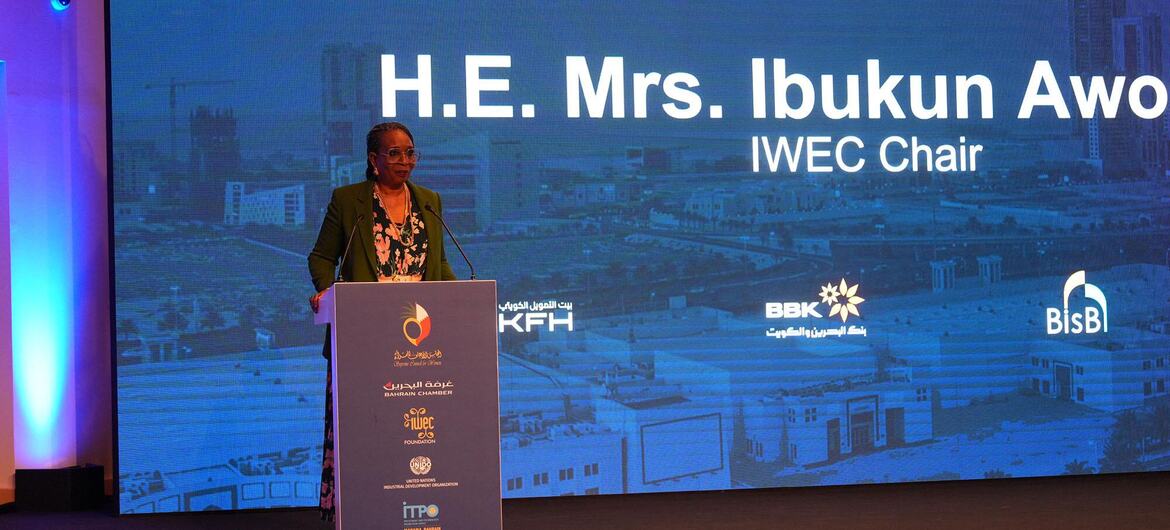
 

H.E. Mrs. Ibukun Awo, IWECC Chair, speaking at WEIF2026 in Bahrain.

Success Stories from Bahrain and Nigeria

According to its website, the International Women Entrepreneurial Challenge (IWEC) has recognized 575 distinguished awardees globally, honoured annually at its conferences and nominated by partner organizations, representing women-owned businesses from across the world.

In Bahrain, IWEC recognized a new cohort of awardees from the Middle East and Africa.

Among them was Sonia Mohamed Janahi, founder of Maya La Chocolaterie, who highlighted UNIDO’s role in advancing women’s entrepreneurship.

With UNIDO’s support, Janahi expanded her Bahraini chocolate brand into Africa, establishing a cocoa processing plant in Côte d’Ivoire, creating jobs, promoting ethical supply chains, and ensuring global recognition for African-produced chocolate.
 

Official event photo from WEIF2026 in Manama, Bahrain.

“UNIDO has played a very vital role in my progression. They have taken my project and opened opportunities for me,” she told UN News, underscoring UNIDO’s commitment to recognizing women entrepreneurs across Bahrain, the Middle East, and Africa.

“This event represents women globally and investments over $6 billion that bring women globally together. It awards women who have not just started a business but have sustained a business and scaled up a business and have had an impact on the economy and on the society.”

Also honoured was Nigerian entrepreneur Oluwakelemi, who discussed her gifting and lifestyle retail business, which employs women and supports household incomes across Nigeria while preparing to expand internationally.

“I am passionate about building scalable African businesses with global reach,” she told UN News. “Not less than 5,000 people have been able to benefit from our business, from our work.”



UN forum affirms stronger commitment to achieve sustainable development

At the end of the conference, Member States adopted a Ministerial Declaration by a vote of 154-2-2, with the United States and Israel voting against the document and Paraguay and Iran abstaining.  

“We strongly reaffirm our commitment to effectively implement the 2030 Agenda [which]… remains our overarching roadmap for achieving sustainable development and overcoming the multiple crises we face,” the declaration said.  

15 years of HLPF

The HLPF has happened on an annual basis since 2010 and is convened by the Economic and Social Council (ECOSOC) to discuss the progress, or lack thereof, on the 17 Sustainable Development Goals (SDGs), which were adopted in 2015 as part of the 2030 Agenda and aspire to create a more equitable and inclusive world.

This year, the forum focused on five of these goals: good health and wellbeing, gender equality, decent work and economic growth, life below water and partnerships.

Negotiations regarding the ministerial document were led by representatives from Czechia and St. Vincent and the Grenadines, who highlighted the significance of the proceedings.  

“This year’s deliberations have held particular significance. Ten years after the adoption of the 2030 Agenda, a range of interlinked and persistent challenges continues to jeopardise the full realisation of the SDGs,” said Jakub Kulhánek, permanent representative of Czechia and one of the two lead facilitators of the declaration.  

The clock is ticking

In the ministerial declaration, Member States said that time is running out to achieve the SDGs, which remain severely off track.  

According to the Secretary-General’s report on the Goals, which was released on the first day of the HLPF, only 18 per cent of the SDGs are on track to be achieved by 2030, with over half making progress that is too slow.  

While the ministerial declaration addressed each of the five SDGs in the spotlight at the forum, Member States particularly emphasised the role of poverty in impeding sustainable development and the worsening climate crisis that is threatening all aspects of the development agenda.  

The declaration called both of these issues some of the “greatest global challenges” that the world faces.

In keeping with SDG 16, which underlines the role that institutions like governments must play in promoting peace, Member States also affirmed that strong governance and partnership is essential to realising peace as a prerequisite for development.

“We recognise that sustainable development cannot be realised without peace and security, and peace and security will be at risk without sustainable development,” it stated.

Plan of Action

In the midst of challenges to multilateralism, Member States said that the declaration was an affirmation of the UN’s commitment to multilateralism, which is celebrating its 80th anniversary this year.

“At a time when serious doubts about the future of multilateralism persist, your steadfast commitment has been both reassuring and inspiring,” said Mr. Kulhánek.

Member States, in the declaration, affirmed a commitment to urgently working towards the SDGs in order to achieve a better world.  

“We will act with urgency to realise its vision as a plan of action for people, planet, prosperity, peace and partnership, leaving no one behind.” 

Source link

UN forum to spotlight health, gender equality, oceans, in critical bid to meet development goals

The 2025 High-Level Political Forum, or HLPF, follows two recent successful UN conferences focused on vital development issues: one in June in Nice, France, dedicated to ocean protection, and another held in Sevilla, Spain, centred on boosting financing for sustainable initiatives.

The Sevilla meeting ended with a strong call to action: to urgently address the massive $4 trillion annual shortfall in financing needed to achieve the SDGs. It also highlighted the pressing need for greater investment and deep reform of the global financial system.

Held under the auspices of the UN Economic and Social Council (ECOSOC), the forum will take place from 14 to 23 July at UN Headquarters in New York.

Here are five key things to know about this year’s forum:

1. It’s all about accelerating action

The HLPF is the United Nations’ main platform for tracking global progress on the Sustainable Development Goals. It meets each year to review countries’ efforts, share solutions, and push for faster action to meet the 2030 targets

The 2025 forum is convening under the theme:

Advancing sustainable, inclusive, science- and evidence-based solutions for the 2030 Agenda for Sustainable Development and its Sustainable Development Goals leaving no one behind.

This reflects a growing sense of urgency. With the 2030 deadline fast approaching, the forum will emphasise practical, data-driven strategies to close implementation gaps– particularly in the face of intersecting global crisis including climate change, inequality, and economic instability.

The 17 Sustainable Development Goals are all interconnected, for instance progress on SDG 2 to end hunger is closely tied to advances in health and education.

2. Five SDGs in the spotlight

Each year, the HLPF conducts in-depth reviews of selected Goals. In 2025, the focus will be on:

SDG 3: Good health and well-being

SDG 5: Gender equality

SDG 8: Decent work and economic growth

SDG 14: Life below water

SDG 17: Partnerships for the goals

These Goals span a wide range of issues – from public health and gender equity to economic resilience and marine conservation.

SDG 17, which is reviewed annually, highlights the importance of revitalising global partnerships and enhancing means of implementation – including financing, which nations committed to just last month in Sevilla.

© UNICEF/Lasse Bak Mejlvang

3. Countries will share their progress, voluntarily

A hallmark of the HLPF is the Voluntary National Reviews (VNRs) – self-assessments by Member States on their progress toward the SDGs. In 2025, dozens of countries are expected to present their VNRs, offering insights into both achievements and persistent challenges.

These reviews foster transparency, peer learning, and accountability. They also provide a platform for civil society and other stakeholders to engage directly with governments on development priorities.

VNR Labs – interactive sessions focused on national reviews – create space for dialogue, innovation, and collaboration

4. It’s not just governments

While the HLPF is a UN intergovernmental platform, it brings together a diverse range of voices, including youth groups, local authorities, indigenous peoples, NGOs, academics, the private sector, and UN system agencies.

A rich programme of side events, exhibitions, and roundtable-discussions. This inclusive approach reflects the spirit of the 2030 Agenda, which recognises sustainable development is a universal, shared endeavour.

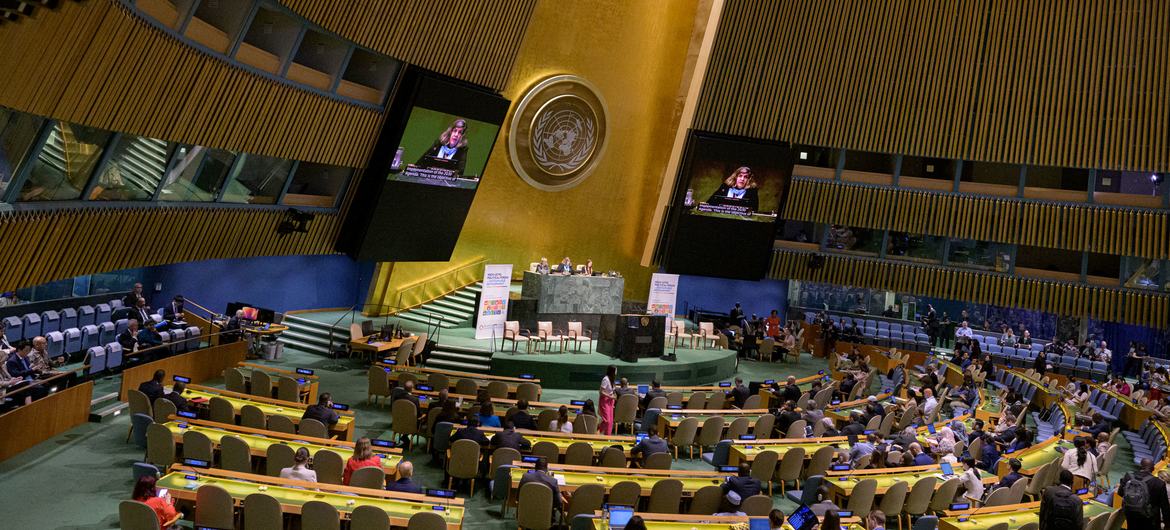
A wide view of the opening of the 2023 High-Level Political Forum on Sustainable Development convened under the auspices of the Economic and Social Council (ECOSOC), held in the General Assembly Hall.

5 – 4 – 3 – 2 – 1 The Final Countdown

With only five years left to deliver on the 2030 Agenda, the 2025 HLPF marks a critical inflection point.

It is more than a yearly check-in. This year’s session comes at a time when science, solidarity, and urgent action must converge. It will help set the tone for the next Sustainable Development Goals Summit in 2027, where world leaders will take stock of collective progress and determine the final push toward 2030.

What happens now – at this two-thirds deadline moment – will shape whether the SDGs will realise a global promise or become a missed opportunity.

Source link

Drowning in debt: New forum in Sevilla offers borrowers chance to rebalance the books

The Borrowers’ Forum is being hailed as a milestone in efforts to reform the international debt architecture, supported by the UN and emerging as a key part of the Sevilla Agreement outcome document.

“This is not just talk – this is execution,” said Egypt’s Minister of Planning and Economic Development, Dr Rania Al-Mashat. “The Borrowers’ Forum is a real plan, driven by countries, to create a shared voice and strategy in confronting debt challenges.”

Rebeca Grynspan, Secretary-General of UN Trade and Development (UNCTAD), said developing nations often face creditors as a united bloc while negotiating alone. “Voice is not just the ability to speak — it’s the power to shape outcomes. Today, 3.4 billion people live in countries that pay more in debt service than they do on health or education.”

The forum – one of 11 recommendations by the UN Secretary-General’s Expert Group on Debt – will allow countries to share experiences, receive technical and legal advice, promote responsible lending and borrowing standards, and build collective negotiating strength.

Its launch addresses long-standing calls from the Global South for more inclusive decision-making in a debt system dominated by creditor interests.

‘Silent but urgent’

Zambia’s Foreign Minister, Mulambo Haimbe, told journalists the initiative would foster “long-term partnerships, mutual respect and shared responsibility” and expressed his country’s willingness to host an early meeting.

Spain’s Finance Minister Carlos Cuerpo described the current debt crisis as “silent but urgent,” and called the Forum a “Sevilla moment” to match the Paris Club of creditors, created nearly 70 years ago.

UN Special Envoy on financing the 2030 Agenda Mahmoud Mohieldin said the forum was a direct response to a system that has kept debtor countries isolated for too long. “This is about voice, about fairness – and about preventing the next debt crisis before it begins.”

The launch comes at a time of rising debt distress across the developing world.

The agreement – known in Spanish as the Compromiso de Sevilla – adopted by consensus at the conference, includes a cluster of commitments on sovereign debt reform.

Alongside support for borrower-led initiatives, it calls for enhanced debt transparency, improved coordination among creditors, and the exploration of a multilateral legal framework for debt restructuring.

It also endorses country-led debt sustainability strategies, debt payment suspension clauses for climate-vulnerable nations, and greater support for debt-for-nature and debt-for-climate swaps – albeit with stronger safeguards and evidence of impact.

Frustration over ‘missed opportunity’ to tackle debt crisis

Civil society groups on Wednesday sharply criticised the adopted outcome in Sevilla, calling it a missed opportunity to deliver meaningful reform of a global debt system that is crippling many developing nations.

Speaking at a press briefing inside the conference, Jason Braganza of the African Forum and Network on Debt and Development (AFRODAD) said the final outcome document adopted on day one – the Sevilla Agreement – fell far short of what was needed.

This document did not start with much ambition and still managed to be watered down,” he said. “Nearly half of African countries are facing a debt crisis. Instead of investing in health, education and clean water, they’re paying creditors.”

Mr. Braganza praised the leadership of the African Group and the Alliance of Small Island States, which fought for a UN Framework Convention on sovereign debt.

‘False solutions’

Although that ambition was not fully realised, he welcomed a small breakthrough in the form of a new intergovernmental process that could lay the groundwork for future reform.

Civil society leaders also warned of the dangers of so-called “debt-for-climate swaps”, with Mr. Braganza calling them “false solutions” that fail to provide genuine fiscal space for developing nations.

Tove Ryding of the European Network on Debt and Development (Eurodad) echoed those concerns, saying: “We are told there’s no money to fight poverty or climate change — but there is. The problem is economic injustice. And the outcome of this conference reflects business as usual.”

She highlighted the progress made on a new UN Tax Convention as proof that determined countries can bring about real change, adding: “If only we had a tax dollar for every time we were told this day would never come.”

Agreement bears fruit for public health

To help close gaps in access to public services and policies, and to address healthcare cuts that could cost thousands of lives, Spain on Wednesday launched the Global Health Action Initiative aimed at revitalising the entire global health ecosystem.

The initiative, which will channel €315 million into the global health system between 2025 and 2027, is supported by leading multilateral health organisations and more than 10 countries.

Source link