A team of professional and amateur Japanese astronomers found evidence for a thin atmosphere around a small body in the outer Solar System. The object is so small that it should not have a sustainable atmosphere, raising questions about when and how the atmosphere formed. Future observations to better characterize the atmosphere will help solve these mysteries.
In the cold reaches of the outer Solar System lie thousands of small objects known as trans-Neptunian objects (TNOs) because they lie outside the orbit of Neptune. A thin atmosphere has been observed around Pluto, the most famous TNO, but studies of other TNOs have yielded negative results. Most TNOs are so cold, and their surface gravity so weak, that they are not expected to retain atmospheres.
But astronomers like to expect the unexpected, so they took advantage of a lucky “natural experiment” to look for an atmosphere around a TNO known as (612533) 2002 XV93. This object, abbreviated as 2002 XV93, has a diameter of approximately 500 km. For reference, Pluto’s diameter is 2,377 km. The orbit of 2002 XV93 is such that, as seen from Japan, it passed directly in front of a star on January 10, 2024. As the star disappears behind 2002 XV93, it might gradually fade, indicating that the light is being attenuated as it passes through a thin atmosphere; or it might suddenly wink out as it slips behind the solid surface of the TNO.
Artist’s conception of this research showing an imagined time sequence as a star passes behind a TNO with an atmosphere. Credit:NAOJ
A team of professional and amateur astronomers, led by Ko Arimatsu at NAOJ Ishigakijima Astronomical Observatory, observed the star as 2002 XV93 passed in front of it from multiple sites in Japan. The obtained data are consistent with attenuation by an atmosphere.
Calculations show that the atmosphere found around 2002 XV93 is expected to last less than 1000 years unless it is replenished. So it must have been created or replenished recently. Observations by the James Webb Space Telescope show no signs of frozen gases on the surface of 2002 XV93 that might sublimate to form an atmosphere. One possibility is that some event brought frozen or liquid gases from deep inside the TNO to the surface. Another possibility is that a comet crashed into 2002 XV93, releasing gas that formed a temporary atmosphere. Further observations are needed to distinguish between these two scenarios.
A new study has found that children born to mothers lacking a specific fatty acid in their blood during pregnancy face a significantly higher risk of developing asthma in early life, shedding fresh light on how prenatal conditions shape long-term respiratory health.
Childhood asthma—often marked by shortness of breath, persistent coughing, and frequent respiratory infections—remains one of the most widespread chronic illnesses among children globally. Increasingly, scientists are tracing its origins back to the earliest stages of life, including the prenatal period.
Researchers from the University of Copenhagen and the Copenhagen Prospective Studies on Asthma in Childhood (COPSAC), based at the Danish Pediatric Asthma Center, examined the role of a fatty acid molecule known as 12-HETE in pregnant women. Their findings suggest that the absence of this molecule is associated with a markedly higher likelihood of children developing asthmatic bronchitis within their first year.
Over a ten-year observation period, the study found that children whose mothers lacked measurable levels of 12-HETE faced a 62 percent higher incidence of asthma compared to those whose mothers had detectable levels. However, researchers caution that the findings establish correlation rather than direct causation.
The study also identified broader health implications. Infants born to mothers without measurable 12-HETE were more prone to repeated respiratory infections and showed distinct differences in airway bacterial composition. These early-life changes in the microbiome and immune response are believed to contribute to the elevated asthma risk.
According to the researchers, differences in airway biology can be detected as early as one month after birth. Lower levels of the fatty acid during fetal development may impair immune system maturation, leading to an altered lung microbiome and increased vulnerability to infections.
The findings also add nuance to the role of omega-3 supplements during pregnancy. While earlier research has suggested that omega-3 intake—commonly through fish oil—can help reduce asthma risk in children, this study indicates that the benefit may depend on the presence of 12-HETE. Among mothers with measurable levels of the fatty acid, omega-3 supplementation was linked to a 58 percent reduction in early childhood asthma. No such effect was observed in mothers lacking the molecule.
This suggests that blanket supplementation strategies may not be equally effective for all pregnant women, and future interventions could be tailored based on individual biological markers.
Despite the promising insights, researchers stress that the findings are not yet ready for clinical application. More precise benchmarks for measuring 12-HETE levels are needed before it can be used to guide treatment or prevention strategies.
The research draws on data from two major cohorts—the Danish COPSAC2010 study and the US-based VDAART cohort—tracking more than 1,600 mothers and their children. The consistency of findings across both groups strengthens the reliability of the results, even as questions around causality remain unresolved.
Taken together, the study points to the potential of 12-HETE as a biomarker that could one day enable more personalised approaches to preventing childhood asthma—an area of growing urgency given the condition’s global prevalence.
India is emerging as a leading hub for Medical Value Travel (MVT) by integrating advanced medical infrastructure with traditional wellness systems such as AYUSH. Strong policy support, digital facilitation, and initiatives like AYUSH Visa and Regional Medical Hubs are strengthening the ecosystem. Rising global healthcare costs and demand for holistic care are driving international patients to India for affordable, high-quality treatment and preventive wellness solutions.
Across the world, rising healthcare costs, long waiting times, and the growing burden of lifestyle diseases are driving patients to seek treatment abroad. This global shift has led to the emergence of a multi-billion-dollar Medical Value Travel (MVT) industry.
The global Medical Value Travel market was valued at about USD 115.6 billion in 2022. It is projected to reach around USD 286.1 billion by 2030. The market is growing at a compound annual growth rate (CAGR) of about 10.8%.
India has emerged as one of the most significant destinations in this evolving global landscape. Industry estimates place the medical tourism market at about USD 8.7 billion in 2025, with projections of USD 16.2 billion by 2030.
For centuries, India has been regarded as a sanctuary for those seeking healing, balance and recovery. Today, this ancient legacy has evolved into a dynamic Medical Value Travel ecosystem. It combines modern medical science with the timeless wisdom of traditional systems.
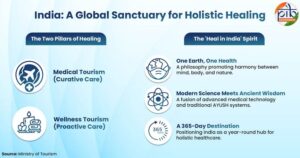
Through the flagship “Heal in India” initiative, the Government is positioning the country as a premier destination for integrated and holistic healthcare.
PIB
To understand the scope of this landscape, it is essyogaential to distinguish between its two vibrant pillars:
Medical Tourism: It focuses on curative interventions such as complex surgeries, organ transplants, and advanced diagnostic care provided by specialised hospitals and healthcare institutions.
Wellness Tourism: It centres on preventive and holistic well-being through traditional systems such as Yoga, Ayurveda, Naturopathy and other AYUSH practices. It offers therapies that promote physical, mental and spiritual health.
Together, these two pillars form the foundation of India’s Medical Value Travel ecosystem. They address both advanced clinical treatment needs and the rising global demand for preventive healthcare.
According to the Medical Tourism Index 2020–21:
India ranks 10th among the top 46 medical tourism destinations globally
12th among the world’s top 20 wellness tourism markets
5th among the top 10 wellness destinations in the Asia-Pacific region.
PIB
The 2025-26 Statistical Landscape
As per Ministry of Tourism estimates, in FY24, travel and tourism contributed 5.22 per cent to GDP, close to pre-pandemic levels. The sector also supported an estimated 8.46 crore direct and indirect jobs, accounting for about 13.3 per cent of total employment.
The latest data for 2025 highlights the sector’s momentum:
Foreign Tourist Arrivals (FTAs): In 2025, India recorded 9.15 million FTAs.
Medical Purpose Arrivals: In 2025, 507,244 foreign nationals arrived specifically for medical treatment.
Sectoral Share: 2025 data shows that medical tourism constitutes approximately 5.5% of total FTAs.
Leading Markets: According to 2025 figures, the top source countries for medical tourists include- Bangladesh (3,25,127 arrivals), followed by Iraq (30,989), Uzbekistan (13,699), Somalia (11,506), Turkmenistan (10,231), Oman (9738), and Kenya (9,357).
Patients from other countries primarily travel to India for specialised treatments such as:
Cardiac surgery
Orthopaedic procedures
Cancer treatment
Organ transplants
Neurological interventions
Cosmetic surgery
Dental care
Fertility treatment
AYUSH-based wellness therapies
India’s Competitive Edge: Quality, Expertise and Affordability
India holds a unique advantage that places it 10th globally in the Medical Tourism Index (MTI). The government identifies several pillars of this competitive advantage:
Robust Medical Resources
India’s healthcare system is supported by one of the world’s largest pools of trained medical professionals.
India has 69,364 hospitals (43,486 private hospitals, and 25,778 public hospitals) with 1.2 million registered doctors, achieving WHO recommended doctor population ratio.
Furthermore, English serves as the primary language of medical education and clinical practice in India, enabling seamless communication with international patients. Over the past decade, India has significantly expanded its medical education capacity and healthcare infrastructure. This has strengthened the availability of skilled healthcare professionals across specialised disciplines.
Advanced Technology and Accreditation
India’s healthcare system is supported by robust quality assurance mechanisms and internationally recognised accreditation standards. Hospitals and healthcare providers across the country obtain accreditation from the National Accreditation Board for Hospitals and Healthcare Providers (NABH).
NABH establishes rigorous benchmarks for patient safety and quality of care. As of 2026, NABH has accredited over 1,299 hospitals using more than 600 safety parameters. Meanwhile, the Quality Council of India oversees systematic quality improvement.
NABH accreditation is recognised globally through its affiliation with the International Society for Quality in Healthcare (ISQua). In addition, several Indian hospitals hold Joint Commission International (JCI) accreditation. It places the hospitals among healthcare institutions that meet globally accepted standards of clinical excellence.
Medical Value Travel (MVT) service providers are primarily concentrated in the Southern and Western States of India. As of 2022, the concentration of JCI-accredited hospitals by city is as follows:
City
Number of JCI Accredited Hospitals
Delhi
9
Mumbai
6
Bangalore
3
Chennai
2
Hyderabad
2
Ahmedabad
2
Kolkata
1
Nagpur
1
Cochin
1
Other notable cities with a concentration of service providers include Pune and Nashik.
Cost-Effective Medical Treatment
India’s medical tourism appeal is significantly strengthened by its cost competitiveness. High-quality medical treatment in India is often available at substantially lower cost compared to many developed countries, while maintaining comparable clinical standards.
This affordability is supported by advanced medical technology and skilled professionals.
It enables international patients to access specialised treatment without long waiting periods.
Strengthening AYUSH-led Medical Value Travel
India possesses a unique advantage in wellness tourism through its centuries-old traditional systems of medicine collectively known as AYUSH — Ayurveda, Yoga, Naturopathy, Unani, Siddha and Homeopathy.
As the birthplace of Yoga and Ayurveda, India continues to promote these systems as integral components of holistic health and preventive care.
AYUSH Visa Facilitation: To streamline access for international patients, the Government of India introduced a dedicated AYUSH Visa on 27 July 2023. It enables foreign nationals and their attendants to travel to India specifically for treatment under recognised AYUSH systems.
Quality Standards: Efforts are underway to strengthen credibility and standardisation in the sector. The Bureau of Indian Standards (BIS) has adopted ISO 22525, an international standard related to medical wellness tourism services.
Insurance Coverage: Insurance coverage for AYUSH therapies has also expanded significantly. Under the Health Insurance Regulations of the Insurance Regulatory and Development Authority of India (IRDAI), insurers are permitted to cover treatments under AYUSH. As a result, around 27 insurance companies now offer more than 140 policy products covering AYUSH treatments.
Global Engagement and Ecosystem Development: Medical Value Travel remains a key theme across major AYUSH initiatives. This includes the “Global Synergy in AYUSH: Transforming Health and Wellness through Medical Value Travel” Summit, held in Mumbai (2024) and Chennai (May 2025).
Capacity building is being strengthened through initiatives such as the AYUSH sub-council under the Health Sector Skill Council.
Global outreach is also expanding through platforms like the WHO Global Traditional Medicine Summit, the Know India Programme, and AYUSH initiatives showcased during Maha Kumbh Mela 2025.
PIB
Strategic Initiatives: Union Budget 2026-27 Highlights
The Government of India has unveiled a visionary path to cement the nation’s status as a global medical hub through the Union Budget 2026-27.
Regional Medical Hubs
A key proposal involves the establishment of five Regional Medical Hubs across the country in partnership with State Governments and the private sector. These Hubs are designed as integrated healthcare complexes that will house medical, educational, and research facilities under one umbrella.
To ensure a comprehensive healing experience, these hubs will feature:
Specialised Centres: Every hub will include AYUSH Centres and dedicated Medical Value Tourism (MVT) Facilitation Centres.
End-to-End Care: Infrastructure will be developed for advanced diagnostics, post-treatment care, and rehabilitation.
Employment Generation: These complexes are expected to create diverse job opportunities for doctors and Allied Health Professionals (AHPs).
Infrastructure for Wellness
In addition to strengthening modern healthcare infrastructure, the Government is also expanding the country’s capacity in traditional systems of medicine.
The establishment of three new All India Institutes of Ayurveda has been proposed to enhance education, research, and clinical services in Ayurveda.
Simultaneously, the WHO Global Traditional Medicine Centre in Jamnagar is being upgraded to strengthen evidence-based research and global collaboration in traditional medicine systems.
These initiatives reflect the Government’s integrated approach to developing both medical treatment services and wellness-based healing traditions as complementary pillars of India’s healthcare ecosystem.
Roadmap for Quality and Governance
To maintain India’s competitive advantage, the Ministry of Tourism has formulated a National Strategy and Roadmap for Medical and Wellness Tourism.
The roadmap focuses on three key areas of governance:
Institutional Framework: The National Medical & Wellness Tourism Promotion Board (NMWTB) serves as an umbrella organisation to coordinate between ministries, state governments, and the private sector.
Quality Assurance: The government is strengthening NABH accreditation for hospitals, wellness centres, and dental clinics. It is also encouraging the registration and rating of Medical Value Trave (MVT) facilitators to build international trust.
Skilling and Capacity Building: The Union Budget 2026-27 proposed a pilot scheme to upskill 10,000 guides in 20 iconic tourist sites through a 12-week training course. Additionally, paramedical and non-medical staff are being trained in cross-cultural sensitivities and foreign languages to better serve international patients.
By integrating these governance and quality measures, the government aims to project India as a 365-day destination for holistic healing. This integrated communication strategy, is promoted as a sub-brand of “Incredible India”. Through these initiatives, India is transitioning toward a more formalised, regulated, and trusted global hub for the “holistic health revolution”.
Government Facilitation and Digital Transformation
The government has streamlined the international patient’s journey through robust digital and policy interventions. A cornerstone of this is the liberalised visa regime, where the e-Medical Visa and e-Medical Attendant Visa facilities have been extended to nationals of 172 countries.
Additionally, new categories like the e-AYUSH Visa and e-AYUSH Attendant Visa have been introduced to support those seeking traditional Indian treatments.
Digital initiatives are further enhancing the “Heal in India” experience:
Revamped MVT Portal: The government is upgrading the one-stop Medical Value Travel Portal to provide an “end-to-end” solution. It enables patients to explore, plan, and book services, as well as make payments and access post-operative care.
Airport Facilitation: Plans include setting up MVT Concierge and Lounges at important airports. This is to greet travellers at the aerobridge and assist them through immigration, customs, and baggage claims.
Institutional Mechanism for Medical and Wellness Tourism
To ensure coordinated development of Medical Value Travel, the Government has established an institutional framework.
National Medical & Wellness Tourism Promotion Board (NMWTB): Constituted by the Ministry of Tourism in 2015, chaired by the Union Minister for Tourism. It promotes and facilitates medical and wellness tourism in India.
Multi-Stakeholder Platform: The Board brings together ministries, state governments, hospitals, wellness centres, accreditation bodies, and industry stakeholders. Together, they strengthen the Medical Value Travel ecosystem.
State-Level Coordination: States are encouraged to establish dedicated Medical and Wellness Tourism Promotion Boards or cells to support regional development and promotion.
Promoting Wellness and Cultural Integration
Wellness tourism represents an important component of India’s broader health tourism strategy. The country’s rich traditions in yoga, meditation, Ayurveda, and spiritual healing offer unique opportunities for integrating wellness with cultural tourism.
Yoga as a Global Brand for Holistic Health
Yoga is an invaluable gift of ancient Indian tradition derived from the Sanskrit root ‘yuj’ (meaning “to join” or “to unite”). It has emerged as a cornerstone of India’s global soft power. It symbolises the unity of mind, body, thought, and action, and promotes a holistic approach to well-being.
The 11th International Day of Yoga (IDY) 2025 served as the primary vehicle for integrating wellness into the national and global consciousness. Under the theme “Yoga for One Earth, One Health,” the event aligned yoga with sustainability and global well-being.
PIB
India is positioned as a favoured destination for Yoga and traditional therapies, attracting Foreign Tourist Arrivals (FTAs). They travel specifically to maintain their wellness lifestyle or seek preventive healthcare. This journey is now significantly streamlined by the government’s dedicated e-AYUSH Visa facility.
Towards a Global Healing Hub
India’s medical and wellness tourism ecosystem is evolving into a globally trusted model of integrated healthcare. It combines modern medical infrastructure with traditional systems such as AYUSH. This enables both curative and preventive care.
Strong government policy, digital facilitation, and international quality standards support this growth. Expanding global outreach is further strengthening India’s position as a comprehensive destination for Medical Value Travel.
As global demand rises, India is poised to play a key role in shaping the future of global healthcare and wellness travel.
The Ministry of Information and Broadcasting has appointed noted lyricist, writer and communications strategist Prasoon Joshi as the Chairman of Prasar Bharati, the country’s public service broadcasting body.
Joshi brings with him a wide creative and professional canvas, spanning literature, advertising, cinema and public messaging. Recognised for writing that blends cultural depth with contemporary relevance, his work across film lyrics, brand campaigns and social narratives has consistently resonated with diverse audiences.
Welcoming the appointment, Union Minister for Information and Broadcasting Ashwini Vaishnaw described Joshi as a rare creative voice whose work reflects Indian ethos while earning global recognition. He expressed confidence that Joshi’s leadership would infuse Prasar Bharati with renewed direction and creative vitality.
Prior to this role, Joshi served as Chairperson of the Central Board of Film Certification since 2017, where he navigated the balance between artistic freedom and regulatory oversight. His earlier corporate tenure includes leading McCann Worldgroup India as CEO and heading its Asia Pacific operations. He is also associated as a trustee with the Indira Gandhi National Centre for the Arts.
His appointment comes at a time when public broadcasting is undergoing rapid technological shifts and adapting to changing audience behaviour, placing renewed emphasis on digital engagement and content innovation.
About Prasar Bharati
Formed under the Prasar Bharati Act of 1990 and operational since 1997, Prasar Bharati functions as India’s autonomous public broadcaster. It operates through two key arms: All India Radio, one of the world’s largest radio networks reaching audiences across regions and languages, and Doordarshan, which delivers news, education, entertainment and cultural programming nationwide.
The organisation has also expanded its digital presence with its OTT platform, Waves, aimed at strengthening free-to-air digital broadcasting.
With an extensive terrestrial and digital network, Prasar Bharati continues to play a central role in delivering credible information, promoting cultural continuity and ensuring inclusive access to public service media across India.
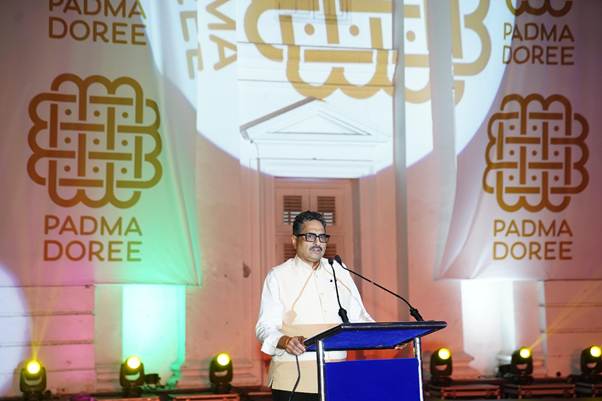
The North Eastern Handicrafts and Handlooms Development Corporation (NEHHDC), a CPSE under the Ministry of Development of North Eastern Region (MDoNER), today formally unveiled Padma Doree, a unique cross-cultural textile initiative that brings together the Eri (Ahimsa) silk traditions of Northeast India with the rich Chanderi weaving heritage of Madhya Pradesh.
The initiative was officially launched by Secretary, MDoNER, Sanjay Jaju, followed by a captivating fashion show that showcased the fusion of Eri silk—renowned for its ethical and sustainable production—with the intricate motifs and finesse of Chanderi textiles.
Speaking on the occasion Shri Sanjay Jaju said It is Hon’rable Prime Minister Narendra Modi`s vision of Ek Bharat Shresth Bharat that Padma Doree is come into being. He said that under the visionary leadership of Union Minister of Development of North Eastern Region Shri Jyotiraditya Scindia this new initiative as realised today .
He stated Padma Doree is distinct because it is coming from two different textile traditions – Chanderi from Madhya Pradesh and Eri Silk from the North East India. Shri Jaju said Padma Doree is not just bringing heritage, but also brining innovation.
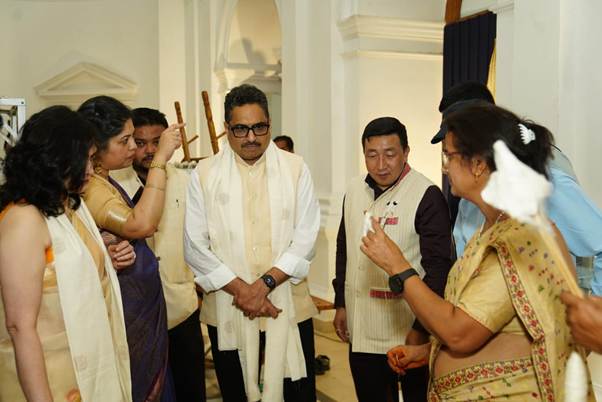
The launch event featured curated exhibition walkthroughs, offering insights into the development of the textiles and the collaborative processes behind them. Positioned within the broader discourse on Indian textiles, indigenous knowledge systems, and sustainable luxury, the initiative underscores the relevance of traditional crafts in contemporary markets.
The three-day exhibition, commencing today, has been designed as an interactive and evolving platform, allowing visitors to engage directly with artisans, understand textile processes, and experience the journey from fibre to fabric.
Artisans from Northeast India and Madhya Pradesh are actively participating in the showcase, offering live demonstrations and sharing insights into their craft traditions. The event also integrates regional culinary experiences, reflecting the cultural richness of the participating regions.
Speaking at launching programme NEHHDC Managing DirectoMara Kocho said, “Padma Doree brings together the fibre traditions of the North East and the handloom heritage of Chanderi, creating an integrated and sustainable textile ecosystem.
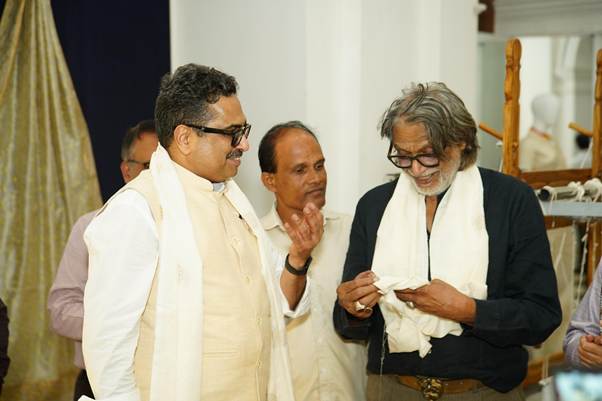
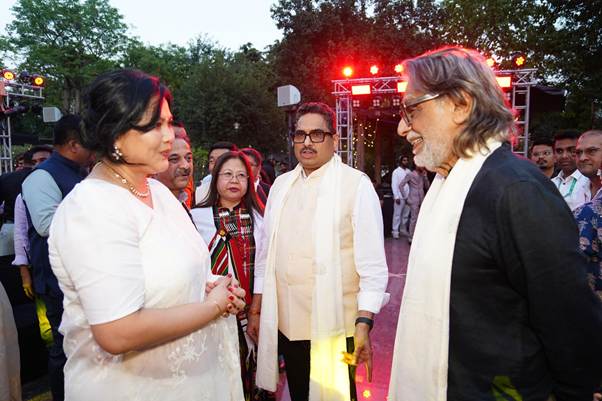
The unveiling event was graced by film Director Muzaffar Ali, Senior officials of MDoNER, officials from Madhya Pradesh Handloom along with other dignitaries, designers, and artisans associated with the initiative.
The Ministry of Information and Broadcasting has appointed noted filmmaker Ashutosh Gowariker as Festival Director for the 57th edition of the International Film Festival of India, scheduled to take place in Goa later this year.
Gowariker, known for his expansive body of work in Indian cinema, brings with him decades of association with the festival. His engagement with IFFI reflects a long-standing involvement with both Indian and global film cultures, positioning him as a seasoned choice for the role.
Reacting to the appointment, Gowariker said he was honoured to take on the responsibility. He recalled his journey with the festival, noting that he first attended IFFI in 1984 and has remained connected to it over the years, most recently serving as Jury President for International Cinema in 2024. He described the opportunity as both a privilege and a moment of pride.
He emphasised the legacy of the festival, which has been shaped by numerous contributors since its inception in 1952, and said he looks forward to working closely with the Union Ministry and the Government of Goa to build on that foundation.
Established in 1952, IFFI is among Asia’s most prominent film festivals and serves as a key platform for global cinema. Over the decades, it has evolved into a meeting point for filmmakers, industry professionals, and audiences, fostering cultural exchange through cinema.
Organised jointly by the National Film Development Corporation under the Ministry of Information and Broadcasting and the Entertainment Society of Goa, the festival has grown into a diverse showcase of cinematic expression. Its programming typically includes international competitions, country focus segments, retrospectives, masterclasses, and the Film Bazaar—an industry hub for collaboration and project development.
Set against Goa’s coastal landscape, the upcoming 57th edition, scheduled for November 2026, is expected to expand its scope further, bringing together a wide spectrum of storytelling traditions, languages, and emerging technologies in cinema.
In a significant move to bolster supply security and accelerate a circular economy, the Ministry of Mines has completed eligibility screening for its incentive programme on critical mineral recycling, clearing 58 companies to participate.
The scheme—backed by a ₹1,500 crore outlay under the National Critical Mineral Mission—was notified on October 2, 2025, alongside detailed operational guidelines. It is designed to build domestic recycling capacity for key materials recovered from lithium-ion batteries, electronic waste and industrial scrap, helping curb import dependence while supporting clean energy and advanced manufacturing.
Applications were invited between October 2, 2025 and April 1, 2026, drawing strong industry interest. Submissions were evaluated by the Project Management Agency at the Jawaharlal Nehru Aluminium Research Development and Design Centre, in line with prescribed criteria.
Following the review, the Executive Committee approved 58 entities in two tranches—20 on March 30, 2026, and 38 on April 29, 2026. Together, these firms have committed an estimated 850 KTPA of recycling capacity and investments of around ₹5,000 crore. The selected participants span battery recycling, e-waste processing and recovery from other waste streams, indicating growing momentum in India’s critical minerals ecosystem.
The programme now moves into the implementation phase, where approved projects will be assessed for financial support based on capacity creation and the start of operations.
Transaction volume surges nearly 12,000-fold in last 10 years, Value exceeds ₹314 lakh crore in FY 2025–26, reflecting deep nationwide adoption.
Over 700 banks onboarded as UPI captures nearly 49% of global real-time payments, driving high-frequency retail usage and inclusive digital growth.
The Unified Payments Interface (UPI), launched on 11 April 2016 by the National Payments Corporation of India (NPCI) under the regulatory oversight of the Reserve Bank of India (RBI), has emerged as the backbone of India’s digital payments ecosystem and a critical driver of financial inclusion.
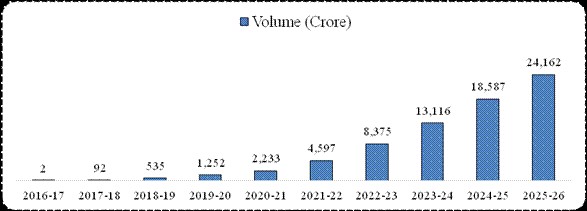
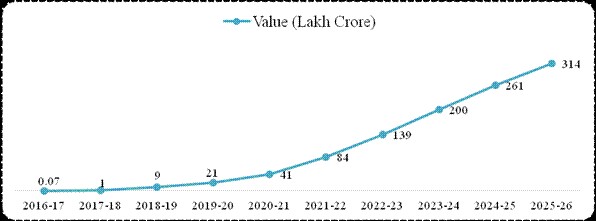
Over a decade of operations, UPI has demonstrated extraordinary scale and momentum. Annual transaction volume expanded from just 2 crore transactions in FY 2016-17 to over 24,162 crore transactions in FY 2025-26, representing an almost 12,000‑fold surge in transaction volume. Parallelly, transaction value rose sharply from ₹0.07 lakh crore in FY 2016-17 to approximately ₹314 lakh crore in FY 2025-26, translating into a more than 4,000‑fold increase in transaction value.
This simultaneous expansion in both volume and value highlights UPI’s deepening role in supporting high‑frequency retail payments. The unprecedented scale, reliability, and interoperability achieved by UPI have received global recognition, with the International Monetary Fund (IMF) acknowledging it as the world’s largest real‑time payment system by transaction volume, underscoring India’s leadership in building scalable, inclusive, and innovative digital public infrastructure.
INDIA CELEBRATES 10 YEARS OF UPI
A Decade of Transforming India’s Digital Payment Landscape
From 21 Banks & 0.01 Crore Transactions in a month in the Year 2016 to 700+ Banks & 2000+ crore Transactions in a month in the Year 2025
24,162 Crore
Annual Transactions (FY2026)
₹314 Lakh Crore
Annual Value
(FY2026)
66 Crore
Daily Average Transactions
₹0.86 Lakh Crore
Daily Average Value
(FY2026)
I. The Decade in Numbers
UPI AT A GLANCE : KEY STATISTICS (NPCI)
Annual Transaction Volume (FY2025-26)
24,161.69 Crore
Annual Transaction Value (FY2025-26)
₹314 Lakh Crore
YoY Volume Growth (2025-2026)
30.0%
YoY Value Growth (2025-2026)
20.59%
Daily Average Transactions (2025)
66 Crore
Record Monthly Volume (March 2026)
2264 Crore (peak)
Record Monthly Value (March 2026)
₹29.53 Lakh Crore
Banks Live on UPI (As on March 2026)
703 Banks
Banks at Launch (April 2016)
21 Banks
First Month Transactions (April 2016)
373
Share of UPI in India’s Digital Payments
85% (FY2025-26)
Share of Global Real-Time Volume
49% of World (2025)
Countries Accepting UPI
8 Countries
Annual Transaction Volume Growth (2016-2025)
Fig 1: UPI Annual Transaction Volume in Crore|
Annual Transaction Value Growth (2016-2025)
Fig 2: UPI Annual Transaction Value in ₹ Lakh Crore
II. Monthly Performance, 2025
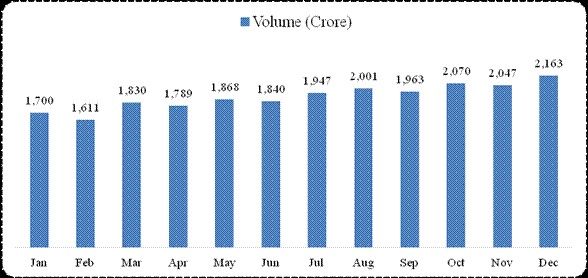
The Year 2025 marked a significant milestone in the growth trajectory of the Unified Payments Interface (UPI). Monthly transaction volumes crossed 2,000 crore transactions for the first time in August 2025, reaching 2,001 crore transactions, signalling a new scale of adoption. This momentum continued through the remainder of the year, with December 2025 recording 2,163 crore transactions, the highest monthly transaction volume in UPI’s decade‑long journey.
Over the course of the calendar year 2025, UPI processed approximately 22,000 crore transactions in total, translating into a daily average of about 60 crore transactions. This sustained high‑frequency usage reflects the deep penetration of digital payments across the country and the growing trust of citizens, merchants, and businesses in India’s digital payments ecosystem.
Fig 3: UPI Monthly Transaction Volume (2025)
III. Ecosystem Strength, Banks, Apps & Geography
Banks Live on UPI, Unprecedented Participation
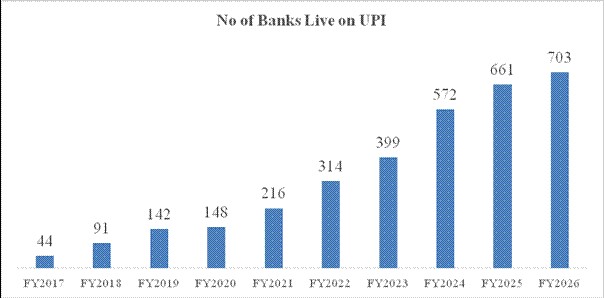
The Unified Payments Interface (UPI) has witnessed a steady and broad-based expansion in institutional participation since its launch. The number of banks live on UPI increased from 44 banks in FY 2016-17, the first year of operations, to 703 banks by FY 2025-26. This onboarding covers public sector banks, private banks, small finance banks, payment banks, and cooperative banks, enabling UPI’s deep geographic reach. Each bank functions as a Remitter PSP (processing outgoing transactions) and/or a Beneficiary PSP (receiving funds), with NPCI monitoring performance metrics for all participants.
Fig 4: Number of Banks Live on UPI (FY2017–2026)
IV. Transaction Segmentation, P2P & P2M Analysis
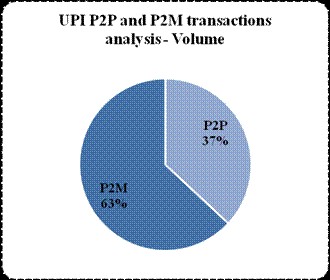
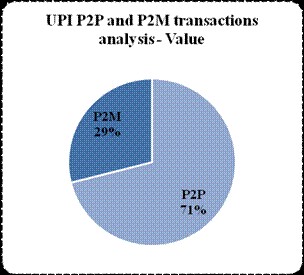
An analysis of UPI transactions highlights a clear divergence between volume and value across payment types. Person‑to‑merchant (P2M) transactions account for 63% of total transaction volume, reflecting UPI’s extensive use for high‑frequency, low‑value retail payments. In contrast, person‑to‑person (P2P) transactions dominate transaction value, contributing 71%, indicating their use for higher‑ticket transfers between individuals. This contrast underscores UPI’s dual role as a mass retail payments platform and a trusted channel for larger‑value fund transfers.
Transaction Distribution by Ticket Size, Micro-Payments Dominate
Fig 5: UPI P2P vs P2M Split, Volume & Value
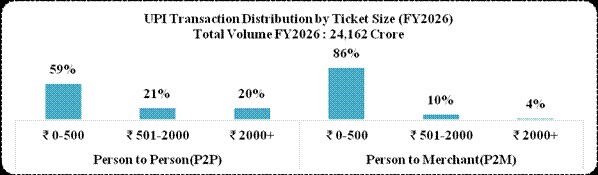
In FY2026, UPI transactions totalling 24,162 crore reflected the platform’s deep integration into everyday digital payment usage across the country. with particularly robust momentum in the merchant segment. P2M transactions were largely driven by small-ticket payments, with 86% below ₹500, highlighting UPI’s deep integration into routine retail and day-to-day commerce, even as higher-value transactions continued to expand. P2P transactions also showed widespread usage for low-value transfers (59% below ₹500), while a significant 41% of transactions above ₹500 reflects UPI’s growing versatility in facilitating both regular personal payments and higher-value fund transfers.
Fig 6: UPI transaction distribution by ticket size
V. UPI on the World Stage
What began as a domestic payments innovation has today evolved into a global benchmark in digital payments.
As of 2024, India’s Unified Payments Interface (UPI) accounts for nearly 49 % percent of the world’s real-time payment transaction volume, a milestone recognized by the International Monetary Fund (IMF) in its report in June 2025.
With over 66 crores transactions processed daily, UPI has surpassed global payment network, reinforcing India’s position as the world leader in instant, secure, and inclusive digital payments.
Country / Region
Status
UAE
Operational, accepted at major merchant points; used by Indian diaspora
Singapore
Operational, linked with Singapore’s PayNow for cross-border transfers
France
Operational, expanding Indian tourist payment acceptance
Operational, integrated with local payment infrastructure
Qatar
Operational.
VI. The Road Ahead, UPI’s Next Decade
The next decade of UPI is poised to drive even greater transformation in India’s digital payments landscape. By bringing new users and merchants to the UPI Ecosystem, Government of India remains committed to enabling the next phase of UPI-led innovation and strengthening India’s digital payments ecosystem through continued policy support, technological advancement, and greater financial inclusion.
The sperm and the egg cell’s nuclei compete for size directly after fertilization and this is necessary for the proper embryonic development. The mouse study with Kobe University participation finally gives meaning to a phenomenon biologists have known for decades.
At the beginning of a new individual’s life, an egg and a sperm fuse to form what biologists call a “zygote,” a fertilized egg. In mammals such as mice and humans, the DNA-carrying nuclei of these cells don’t fuse right away but remain separate as so-called “pronuclei” until just before the first cell division. “This fact has been known for decades, but no one really understood why this separation exists. People just treated it as a descriptive feature rather than something to be tested experimentally,” says Kobe University developmental biologist KYOGOKU Hirohisa. If anything, separate nuclei may increase the risk of errors during the first cell division. In assisted reproduction, embryos in which the maternal and paternal pronuclei are fused early have therefore attracted interest, but these embryos are known to have a lower likelihood of developing to term.
Kyogoku specializes in studying early development directly after fertilization. “The DNA an individual inherits from their mother and father differs not only in its genetic information. It is also known that the maternal genome has a lot of chemical modifications, like little tags, on the molecules around which the DNA is wrapped. The genome from the sperm, on the other hand, has virtually no such modifications. But these proper modifications are essential for embryonic development,” he explains. Thus suspecting that the fusion of pronuclei might have an influence on gene regulation, he teamed up with researchers from RIKEN and, using his special cell manipulation techniques, took a close look at what happened to these modifications when the pronuclei are fused and under other conditions.
In the journal Nature, the team now published that they found that the size of the pronuclei is essential for maintaining the regulatory modifications. Whenever the size of the nucleus was large, either through manipulation or because of the premature fusing of the maternal and paternal pronuclei, the degree of the chemical tagging became low. And when they investigated what keeps the pronuclei’s sizes small in the natural, separated state, they found that the two pronuclei engage in a race to absorb factors that regulate nucleus growth. This then yielded a clear mechanistic explanation for why the developmental potential of fused nuclei is smaller: Because the single nucleus doesn’t have to compete for these factors it ends up much larger and as a result the genome’s regulatory tags get lost. “I find it exciting that a very familiar structure — two separate nuclei in a fertilized egg — turns out to have a clear and functional role, that is, it actively creates a competitive environment inside the cell which helps maintain proper regulation and supports development,” says Kyogoku.
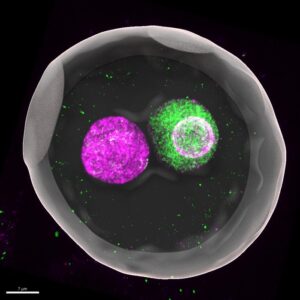
Caption In mammals such as mice and humans, the DNA-carrying nuclei of these cells don’t fuse right away but remain separate as so-called “pronuclei” until just before the first cell division. This 3D-reconstructed image shows a mouse zygote (fertilized egg), where maternal (magenta) and paternal (green) genomes are enclosed in separate pronuclei. “This fact has been known for decades, but no one really understood why this separation exists,” says Kobe University developmental biologist KYOGOKU Hirohisa. Credit: KYOGOKU Hirohisa
To test their theory, the team temporarily introduced into zygotes with prematurely fused pronuclei an additional pronucleus to re-establish competition. And indeed, this intervention successfully limited nuclear size and partially restored the regulatory marks as well as the developmental potential.
The Kobe University work opens a whole new chapter of research into the very first steps a new life takes. “Even at the beginning of life, spatial organization is not just incidental but fundamentally important,” explains Kobe University biologist Kyogoku. He continues, “This result brings us one step closer to understanding the physical and biological principles that explain why early embryos are both robust and error-prone at the same time.”
Scientists are developing a new approach that could tackle plastic pollution and the global energy challenge at once — by converting discarded plastics into clean fuel using sunlight.
A study led by PhD researcher Xiao Lu at the University of Adelaide explores how solar-powered systems can transform plastic waste into hydrogen, syngas and other industrial chemicals. The findings, published in Chem Catalysis, point to a potential pathway for building a circular and sustainable economy.
With global plastic production exceeding 460 million tonnes annually — much of it ending up in landfills and oceans — researchers say the material’s high carbon and hydrogen content makes it a valuable, yet underutilised, resource.
“Plastic is often seen purely as waste, but it also holds significant potential,” Lu said, noting that efficient conversion using sunlight could simultaneously address environmental damage and energy demand.
How the process works
The technology relies on a method known as solar-driven photoreforming. It uses photocatalysts — light-sensitive materials — to break down plastics at relatively low temperatures. This process generates hydrogen, a clean fuel that produces no emissions at the point of use, along with other commercially useful chemicals.
Compared to conventional hydrogen production methods such as water splitting, plastic-based photoreforming is considered more energy-efficient because plastics are easier to oxidise, making the process more viable for scale.
Senior researcher Xiaoguang Duan said recent experiments have delivered promising outcomes, including sustained hydrogen production, formation of acetic acid and even diesel-range hydrocarbons. Some systems have operated continuously for over 100 hours, demonstrating improving stability.
Barriers to large-scale deployment
Despite encouraging progress, the study highlights several technical hurdles that must be addressed before commercial rollout.
One of the biggest challenges is the heterogeneous nature of plastic waste. Different polymers react differently during conversion, while additives such as dyes and stabilisers can disrupt chemical processes. This makes sorting and pre-treatment critical for efficiency.
Another concern lies in the durability of photocatalysts. These materials must remain stable under harsh chemical conditions, yet many current designs degrade over time, limiting long-term use.
“There remains a gap between laboratory success and real-world application,” Duan said, stressing the need for more robust catalyst systems and scalable designs.
The road ahead
Separating the end products — typically a mix of gases and liquids — also remains energy-intensive, reducing the overall sustainability advantage. To overcome this, researchers are calling for integrated solutions combining improved catalyst design, advanced reactor engineering and system optimisation.
Emerging approaches include continuous-flow reactors, hybrid systems that combine solar with thermal or electrical inputs, and smarter monitoring tools to enhance efficiency.
The research team believes that with sustained innovation, solar-powered plastic-to-fuel technologies could become a cornerstone of future low-carbon energy systems.
“This field is advancing rapidly,” Lu said. “With the right breakthroughs, it has the potential to transform waste into a valuable energy resource while reducing environmental harm.”
India has significantly expanded its Doppler Weather Radar (DWR) network since 2014, increasing from 14 operational units to 50, marking over 250% rise. These additions, covering over 87% of the country, improve forecasting for cyclones, heavy rain, and thunderstorms under the India Meteorological Department (IMD), with 50 more planned under Mission Mausam.
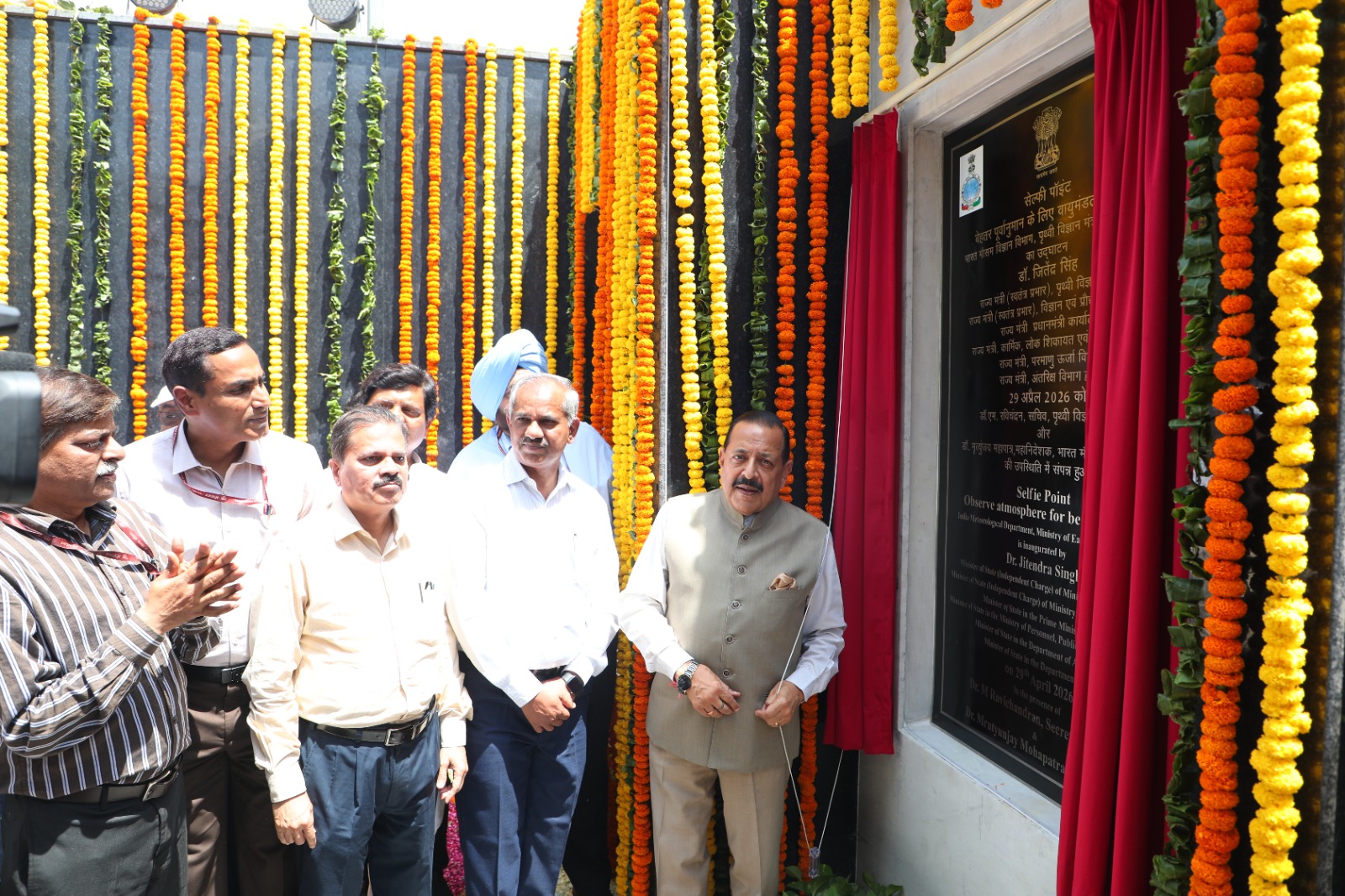
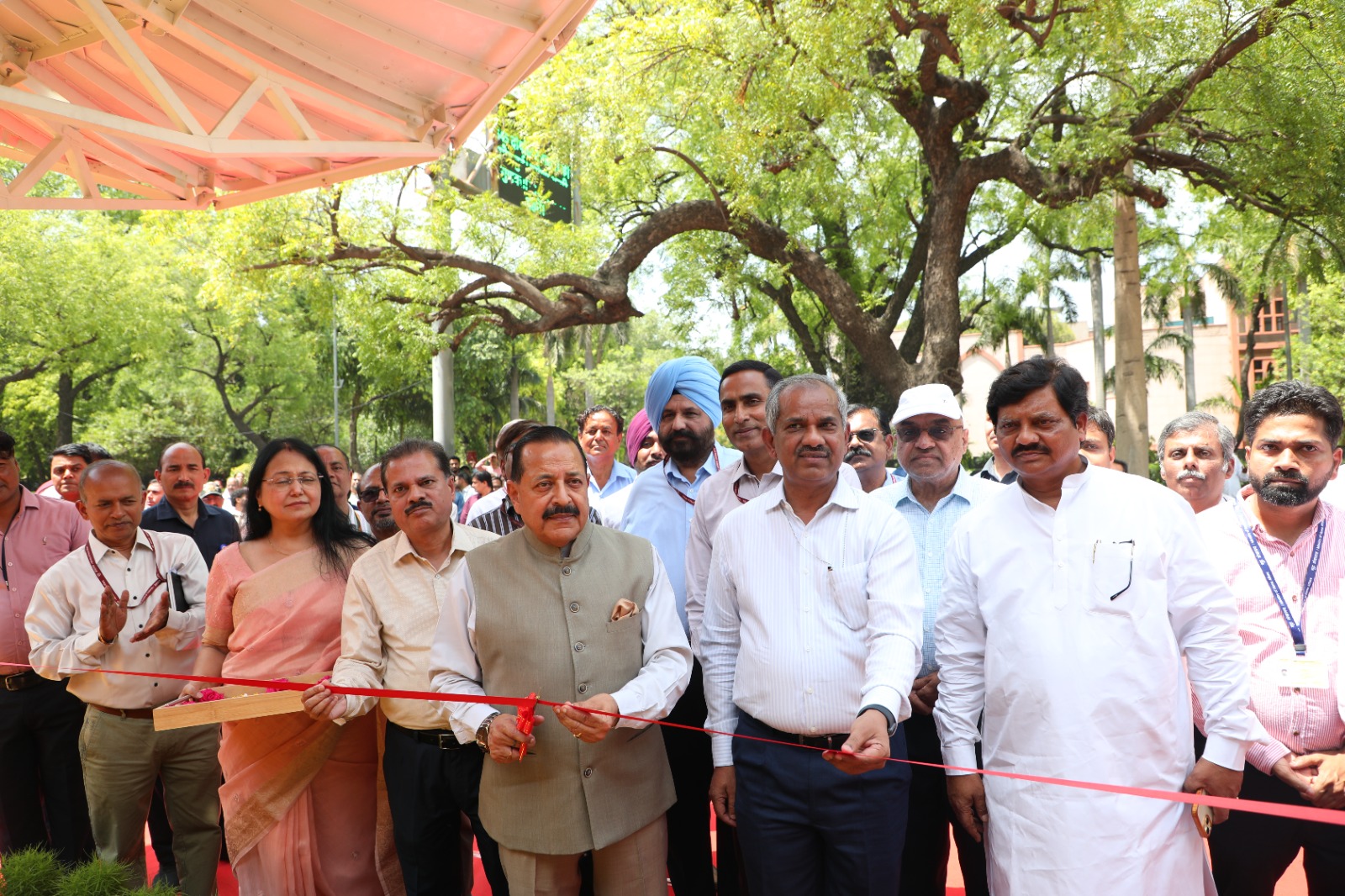
This was stated here today by Union Minister of State (Independent Charge) for Science & Technology and Earth Sciences, Dr. Jitendra Singh speaking to the media after inaugurating a Selfie Point, depicting Weather Radar, at the entrance gate of India Meteorological Department (IMD) headquarters, at Lodhi Road, here. The event was held in the presence of Secretary, Ministry of Earth Sciences, Dr. M. Ravichandran, and Director General of Meteorology, IMD, Dr. Mrutyunjay Mohapatra, along with senior officials and scientists.
The Minister said, this transformation has been made possible due to the high priority accorded to the sector by the Government under the leadership of Prime Minister Narendra Modi, leading to greater accuracy, accessibility and public trust in forecasts.
Dr Jitendra Singh said that India’s meteorological services have undergone a remarkable transformation over the last decade. From a time when weather forecasts were often met with scepticism, the system today provides highly reliable and precise predictions used by a wide spectrum of users, from farmers and homemakers to pilots and event planners. He said that people now routinely check weather updates on their mobile phones before stepping out, reflecting the growing trust and reach of IMD services.
Referring to advancements in forecasting, he highlighted the introduction of ‘Nowcast’ services, which provide highly localised and accurate forecasts for the next three hours. He said that such real-time information is crucial for disaster preparedness, urban planning and day-to-day decision-making. He added that India’s forecasting capability has reached a stage where it can provide detailed inputs on rainfall intensity, type of precipitation, possibility of hailstorms, and even the size of raindrops.
Dr. Jitendra Singh also spoke about the role of Doppler Weather Radar technology in strengthening India’s weather monitoring system. These radars use the Doppler effect to track the movement and velocity of weather systems, enabling accurate and timely forecasts. The modern radars deployed by IMD are equipped with dual-polarization technology, allowing precise identification of precipitation types such as rain, hail and drizzle, improved rainfall estimation, and better detection of severe weather events while minimizing false signals.
Dr Jitendra Singh said that the expanding radar network enables continuous monitoring of the atmosphere over large distances and supports early warnings for cyclones, thunderstorms, heavy rainfall and other extreme weather events. It also plays a critical role in aviation safety, agricultural planning and disaster risk reduction.
Highlighting the broader impact, the Minister said that India’s forecasting capabilities are also benefiting neighbouring countries, reflecting the country’s commitment to global cooperation and shared resilience.
The Minister also referred to the government’s focused initiatives such as Mission Mausam, aimed at strengthening weather and climate services, and the ongoing expansion of radar infrastructure, including installations in vulnerable regions like Jammu & Kashmir following recent extreme weather events.
The Selfie Point inaugurated today showcases a legacy weather radar system, providing visitors with a tangible connection to the evolution of meteorological technology in India. It has been set up to create greater public awareness about weather science and to encourage citizens to engage with IMD’s services through platforms such as mobile applications, SMS alerts and social media.
Dr. Jitendra Singh said that such initiatives will help bridge the gap between scientific advancements and public awareness, enabling citizens to better understand and utilise weather information in their daily lives.
Railway Minister Ashwini Vaishnaw will flag off the extended Srinagar–Katra Vande Bharat Express up to Jammu Tawi on April 30, marking a significant upgrade to rail connectivity in Jammu and Kashmir.
The move comes alongside a major capacity expansion, with the train’s rake increased from 8 to 20 coaches in response to consistently high passenger demand.
The service, which earlier terminated at Shri Mata Vaishno Devi Katra, will now run till Jammu Tawi Railway Station, directly linking the Union Territory’s largest railhead with the Kashmir Valley.
Following the ceremonial run, regular operations will begin from May 2, with two pairs of trains operating six days a week across the 266-km corridor.
The first service will depart Jammu Tawi early morning and reach Srinagar in under five hours, while a second service will offer additional morning and afternoon options from both ends, improving flexibility for travellers.
Seamless travel for pilgrims, tourists and commuters
The extension eliminates the need for passengers to change trains at Katra, a long-standing inconvenience for pilgrims heading to the Vaishno Devi shrine and tourists travelling further into the Valley. It also enables a single, uninterrupted rail journey connecting Jammu directly to Srinagar.
For pilgrims, especially those combining visits to Vaishno Devi and the Amarnath Yatra routes via Srinagar, the new service simplifies travel logistics significantly. Tourists arriving in Jammu can now access Kashmir’s key destinations entirely by rail, bypassing weather-prone mountain roads.
Boost for local mobility and business
The expanded service is expected to benefit daily commuters, including students, officials and patients travelling between Jammu and Srinagar, particularly during winter when highway closures disrupt road connectivity.
For traders and artisans, the faster and more reliable rail link is likely to ease movement of goods and reduce travel costs, strengthening economic activity across the region.
Akashwani News
Engineering backbone of the route
As part of the visit, the minister will inspect the Chenab Rail Bridge and the Anji Khad Bridge, both critical components of the Udhampur–Srinagar–Baramulla Rail Link (USBRL) project.
The Chenab bridge, standing taller than the Eiffel Tower, and the Anji bridge represent some of the most complex railway engineering efforts undertaken in the Himalayan region.
Part of a broader rail transformation
The extension is the latest milestone in a decade-long push to modernise rail infrastructure in Jammu and Kashmir. The USBRL project, spanning 272 km with extensive tunnelling and bridge construction, has enabled all-weather connectivity to the Valley.
The first Vande Bharat service on the route was flagged off by Narendra Modi in June 2025. The latest extension now brings that high-speed service to a wider population base, linking Jammu more directly with Kashmir’s economic and tourism circuits.
Scientists have developed a new smart oxide that not only stores energy but also visibly indicates how much charge it holds. The material changes colour depending on its charge level—turning blue when charged and becoming transparent as it discharges—offering a simple, real-time visual cue that the device needs recharging.
From smartphones to solar grids, modern systems depend heavily on efficient energy storage. Yet, most devices are typically designed either to store energy or display information, rarely combining both functions in a single material.
Researchers at the Centre for Nano and Soft Matter Sciences, an autonomous institute under the Department of Science and Technology, have addressed this gap by creating an oxygen-deficient bimetallic oxide made of molybdenum and tungsten (Mo₀.₁₁W₀.₈₉O₃₋ₓ). This compound enables both energy storage and visual indication of charge through its colour-changing property.
Led by Principal Researcher Ashutosh Kumar Singh, the team synthesised the material using a solvothermal process. Its unique behaviour stems from its oxygen-deficient structure. Missing oxygen atoms create extra space within the material, allowing ions to move more freely. As these ions shift during charging and discharging, they alter the material’s electronic structure—resulting in a visible colour transition that acts as a built-in charge indicator.
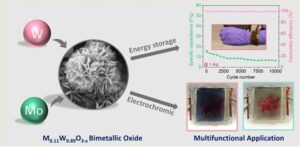
Morphology of Bimetalllic oxide and its application demonstration in energy storage and electrochromic devices
The researchers also tested the material in electrochromic applications, developing a 5×5 cm² device that demonstrated strong optical modulation of 43% at 700 nm and high colouration efficiency, indicating low power consumption. When used as a supercapacitor electrode, the material delivered a specific capacitance of 234 F g⁻¹ and an areal capacitance of 975 mF cm⁻², highlighting its strong energy storage capability.
The findings, published in Materials Chemistry A, show that the material maintains stability over 10,000 charge-discharge cycles and performs reliably under mechanical bending and varying environmental conditions. It also exhibited fast switching speeds and strong optical contrast. In practical demonstrations, devices built with the material were able to power an LCD timer and illuminate an LED, underscoring its potential for next-generation smart energy systems.
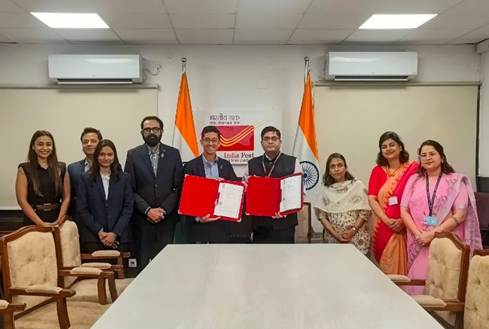
In a significant development to enhance India’s logistics and e-commerce ecosystem, the Department of Posts (DoP) under the Ministry of Communications and DTDC Express Limited have signed a Memorandum of Understanding (MoU). The MoU was formalized today in New Delhi by Sh. Neeraj Kumar Jha, General Manager of Parcel Directorate, Department of Posts, and Sh. Abhishek Chakraborty, Chief Executive Officer of DTDC Express Limited, in the presence of senior officials from both organizations.
(Officials of the Department of Posts and DTDC Express Limited exchange the Memorandum of Understanding (MoU)
at Dak Bhawan, New Delhi)
This partnership aims to leverage DoP’s vast infrastructure and network, coupled with DTDC’s logistics experience, to significantly improve parcel delivery operations across India. The MoU denotes a continued collaboration between the two parties, which began in 2025.
Key Highlights of the MoU:
Objective: To explore and expand opportunities in logistics and business operations, enabling DTDC to utilize DoP’s extensive postal network for nationwide parcel delivery, including Cash on Delivery (COD) services.
Increased Collaboration: The MoU focuses on joint logistics operations, capacity-sharing, best practices in parcel industry and synchronization of marketing strategies to optimize operational efficiency and service quality.
Regular Review Mechanisms: Both parties will conduct quarterly meetings to assess the progress of the partnership, ensure the integration of their systems and explore new opportunities to enhance the logistics network.
Benefits to DTDC:
DTDC will gain access to DoP’s unparalleled network of 1.64 lakh Post Offices spread across the country. This partnership will allow DTDC to expand its logistics operations, improve delivery speed and meet the growing demands of India’s e-commerce sector, especially in remote areas.
Benefits to the Department of Posts:
For DoP, the collaboration will enhance its parcel business, facilitating faster transmission and delivery services while expanding its network. By joining hands with DTDC, DoP aims to further strengthen its role in India’s logistics sector, contributing to the country’s vision of becoming a global logistics hub.
About the Department of Posts:
The Department of Posts, under the Ministry of Communications, operates the world’s largest postal network with over 1.64 lakh Post Offices across India. It plays a critical role in providing communication, logistics and financial services with a focus on driving e-commerce growth in India.
About DTDC Express Limited:
DTDC is one of the express parcel delivery companies in India, offering innovative logistics solutions for domestic and international e-commerce. The company is committed to delivering reliable, cost-effective and scalable logistics services, supporting businesses across various sectors.
The Government of India has opened nominations for the Pradhan Mantri Rashtriya Bal Puraskar (PMRBP), an annual national award that honours children for exceptional achievements across the country.
The awards recognise outstanding contributions in fields such as bravery, sports, social service, science and technology, environment, and arts and culture. Children aged between 5 and 18 years, as on July 31, 2026, who are Indian citizens residing in the country, are eligible to apply.
Nominations, including self-nominations and recommendations by others, must be submitted online through the National Awards Portal.
The last date for submitting applications is July 31, 2026. Further details and the application format are available on the portal.
For more details, please visit the National Awards Portal (https://awards.gov.in).
Pradhan Mantri Rashtriya Bal Puraskar nominations are now open.
📅Last date to apply: July 31, 2026
Celebrating exceptional children (5–18 years) across Bravery, Sports, Social Service, Science & Technology, Environment, and Arts & Culture
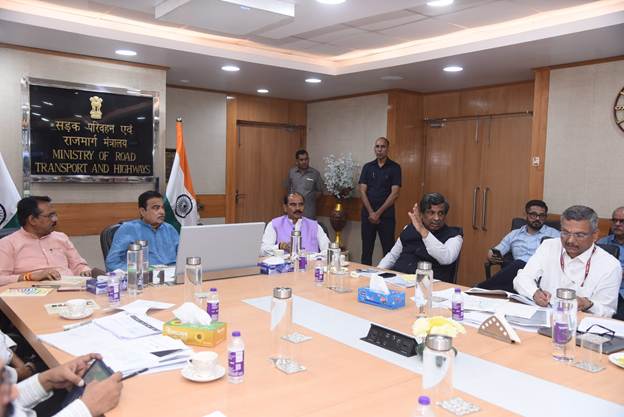
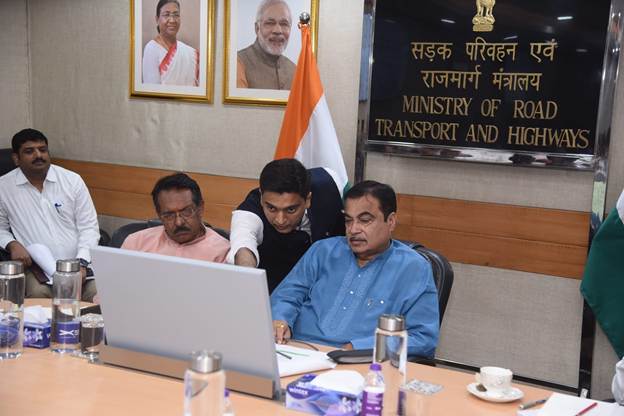
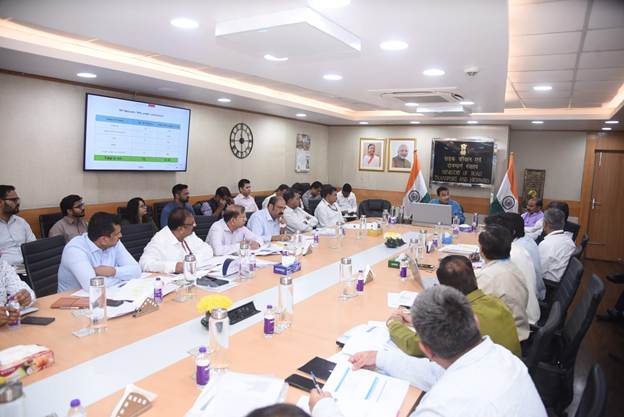
Union Minister of Road Transport and Highways Shri Nitin Gadkari reviewed the quality and maintenance progress of National Highway projects in Karnataka and Kerala, acting on feedback received through media and social media.
The review meeting was held in New Delhi with Union Ministers of State Shri Harsh Malhotra and Shri Ajay Tamta, along with officials from National Highways Authority of India, Ministry of Road Transport and Highways, and project contractors.
During the meeting, Shri Nitin Gadkari reviewed the quality and maintenance progress of 7,926 km of National Highways in Karnataka and 1,513 km across 61 National Highway projects in Kerala.
Shri Nitin Gadkari emphasised the importance of timely execution of works, adherence to strict quality standards, and adoption of advanced technologies to ensure sustainable and efficient highway infrastructure. He also stressed the need to accelerate on-ground works, strengthen quality monitoring systems, and adopt modern construction practices to enhance asset longevity, improve riding quality, and ensure seamless connectivity across key highway corridors.
The Union Minister issued strict directions to officials to ensure full preparedness ahead of the monsoon season. He highlighted the importance of preventive measures and robust response systems to maintain road safety, structural durability, and uninterrupted traffic movement across the highway network.
Shri Nitin Gadkari also instructed officials to undertake advance planning for the monsoon season, including comprehensive drainage management, slope protection measures, and establishment of quick-response mechanisms to minimise disruptions and ensure commuter safety.
Indian Railways has made the expansion of Train No. 22961/22962 Mumbai Central–Ahmedabad Vande Bharat Express from 16 to 20 coaches a permanent feature, effective from journeys starting April 28, 2026. The additional four coaches include three AC Chair Car coaches and one Executive Class coach, significantly enhancing seating capacity on one of the country’s busiest inter-city routes.
The move follows sustained high demand for the service since its launch. What was initially introduced as a temporary measure to manage peak travel has now been formalised, reflecting Indian Railways’ effort to align capacity with consistently rising passenger volumes.
So far, 162 Vande Bharat services have been operationalised across the network, cutting travel times by up to 45% on several routes. Of these, 90 services run with 8 coaches, 38 with 20 coaches, and 34 with 16 coaches. This means roughly 23.45% of the services now operate with 20-coach formations, while about 21% continue with 16 coaches, and the rest remain in the 8-coach configuration.
Covering a distance of 491 kilometres in approximately five hours and 30 minutes, the Mumbai–Ahmedabad route includes stops at Borivali, Vapi, Surat, and Vadodara. It connects two of western India’s most economically dynamic cities and caters to a wide range of passengers, including business travellers, students, daily commuters, and tourists.
Passenger uptake has been strong. Nearly 4 crore passengers travelled on Vande Bharat services in FY 2025–26, marking a year-on-year growth of around 34%. Since its introduction in 2019, the service has carried over 9.1 crore passengers across more than one lakh trips. Network occupancy has consistently exceeded 100%, underscoring sustained demand.
The growing preference for Vande Bharat trains reflects changing travel expectations, with passengers prioritising speed, comfort, and punctuality. Features such as faster acceleration, cleaner coaches, improved onboard experience, and better timekeeping have contributed to their popularity.
Wikimedia
Indian Railways has been scaling up capacity across high-demand corridors as part of a broader, data-driven strategy. The permanent upgrade of the Mumbai–Ahmedabad service fits into this wider push to meet evolving passenger needs.
In addition to this route, the 20901/20902 Gandhinagar Capital–Mumbai Central Vande Bharat Express provides another key high-speed link between Gujarat and Maharashtra, connecting Gandhinagar and the Ahmedabad region with Mumbai.
Vande Bharat trains, designed as semi-high-speed services, come equipped with modern safety and passenger-friendly features. These include the KAVACH safety system, automatic plug doors, ergonomic reclining seats, and revolving seats in Executive Class. Onboard facilities include a mini pantry, charging points at every seat, CCTV surveillance, and dedicated accessible lavatories for Divyangjan passengers.
The permanent shift to a 20-coach configuration on the Mumbai–Ahmedabad route reflects a broader transformation underway in Indian Railways, as it expands capacity to match the growing demand for faster and more comfortable travel.
Nominations and recommendations for the Padma Awards 2027, to be announced on the occasion of Republic Day, have opened from March 15, 2026, with the last date set as July 31, 2026. Submissions will be accepted only through the Rashtriya Puraskar Portal.
The Padma Awards — Padma Vibhushan, Padma Bhushan and Padma Shri — rank among the country’s highest civilian honours. Instituted in 1954, the awards are presented annually to recognise “work of distinction” across a wide spectrum of fields, including art, literature and education, sports, medicine, social work, science and engineering, public affairs, civil services, trade and industry.
The awards are open to all individuals regardless of race, profession, position or gender. However, government employees, including those working in public sector undertakings, are not eligible, with the exception of doctors and scientists.
Reinforcing its push to make the honours more inclusive, the government has reiterated its vision of transforming the awards into a “People’s Padma”. Citizens are encouraged to submit nominations, including self-nominations, with a focus on recognising unsung achievers — particularly women, individuals from weaker sections, Scheduled Castes and Scheduled Tribes, and divyang persons — who have made selfless contributions to society.
Each nomination must be submitted in the prescribed format available on the portal, accompanied by detailed supporting information, including a citation of up to 800 words outlining the nominee’s exceptional achievements and service in their respective field.
The Prime Minister, Shri Narendra Modi, has shared an article written by Union Minister, Shri Piyush Goyal.
The article elaborates that the India–New Zealand Free Trade Agreement removes tariffs on Indian exports, boosting labour-intensive sectors and strengthening MSMEs, while ensuring that sectors such as agriculture and dairy remain fully protected. It further highlights that the agreement expands opportunities for students and skilled professionals, along with support for agricultural productivity and investment commitments.
The Prime Minister’s Office posted on X;
“Union Minister Shri @PiyushGoyal elaborates how the India-New Zealand FTA removes tariffs on Indian exports, boosting labour-intensive sectors and strengthening MSMEs, while ensuring that sectors like agriculture and dairy remain fully protected.
The FTA also expands opportunities for students and skilled professionals, alongside support for agricultural productivity and investment commitments.”
Union Minister Shri @PiyushGoyal elaborates how the India-New Zealand FTA removes tariffs on Indian exports, boosting labour-intensive sectors and strengthening MSMEs, while ensuring that sectors like agriculture and dairy remain fully protected.























RU0T.JPG)