
In a bold move to secure its economic future, Japan has dispatched a research ship on a pioneering mission to the depths of the Pacific Ocean. The goal: to test the viability of mining rare earth elements from the seabed, a high-stakes effort to loosen China’s commanding hold on these vital resources.
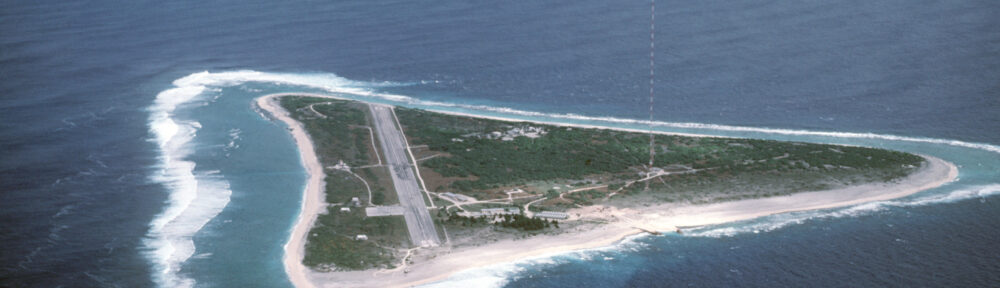
The deep-sea drilling vessel Chikyu set sail Monday from Shizuoka port, beginning a month-long expedition to waters near remote Minamitori Island, nearly 2,000 kilometers southeast of Tokyo. Its crew of 130 researchers and sailors will attempt a world-first feat: continuously lifting mineral-rich mud from a staggering six kilometers below the surface to test if the rare earths within can be practically recovered.
“For seven years, we have been preparing steadily for this. It is deeply moving to finally begin the confirmation tests,” said project leader Shoichi Ishii, speaking to Reuters as the ship departed against the iconic backdrop of Mount Fuji. “If this project succeeds, it will be of great significance in diversifying Japan’s rare earth resource procurement.”
A Mission Born of Strategic Urgency
The expedition is not merely a scientific endeavor; it is a direct response to growing geopolitical tensions. Japan’s urgency has intensified as Beijing tightens controls on exports of minerals with both civilian and military uses. Reports of broader restrictions on rare earth shipments to Japanese firms have added fuel to the fire, making resource security a top agenda item for global finance leaders.
Japan knows the cost of dependency firsthand. A 2010 diplomatic spat with China led to a sudden curtailment of rare earth exports, sending shockwaves through its high-tech manufacturing sector. Since then, Japan has halved its direct reliance on China from nearly 90% to about 60% by investing in overseas mines and boosting recycling.
Yet, the Minamitori project represents a more fundamental shift—the first serious attempt to establish a domestic source for these critical materials.
“The fundamental solution is to be able to produce rare earths inside Japan,” explained Takahide Kiuchi, an executive economist at Nomura Research Institute. He cautioned, however, that Japan remains almost completely dependent on China for certain heavy rare earths essential for technologies like electric vehicle motors.
A Long and Costly Road Ahead
Success is far from guaranteed. The Japanese government has already invested roughly 40 billion yen ($250 million) since 2018, with no production targets yet set and estimated reserves still undisclosed. If the current tests prove successful, a full-scale mining trial is tentatively scheduled for early 2027.
The economics remain a formidable hurdle. Seabed mining is notoriously expensive, though analysts note that sustained supply disruptions or sharply higher prices could eventually make the venture viable.
The venture is also being closely watched—and subtly challenged—by Beijing. During preliminary survey work last June, Chinese naval vessels operated near the research area, actions Ishii described as “intimidating.” China maintains its activities were lawful and has urged Japan not to “hype up threats.”
As the Chikyu steams toward its destination, it carries not just scientific equipment, but Japan’s hopes for a more secure and self-reliant technological future. The world will be watching to see if those hopes can be raised from the ocean floor.