Myanmar begins defence in landmark genocide case at UN World Court


Addressing judges in The Hague, Ko Ko Hlaing, speaking as Myanmar’s agent, said his country fully recognizes the importance of the 1948 Convention on the Prevention and Punishment of the Crime of Genocide but firmly denies breaching its obligations under international law.

“A finding of genocide would place an indelible stain on my country and its people,” he said, describing the proceedings as “of fundamental importance for my country’s reputation and future.”

Mr. Hlaing accused the applicant of relying on what he called rudimentary and partisan, including reports by a fact-finding mission, “which are neither reliable nor objective, and were a condemnation without trial of Myanmar.”


UN Photo/ICJ-CIJ/ Frank van Beek

Ko Ko Hlaing, Agent of Myanmar, addresses judges at the International Court of Justice (ICJ) in The Hague.

Myanmar acted against terrorists

Myanmar also rejected claims that its military’s so-called “clearance operations” in northern Rakhine state in 2016 and 2017 were genocidal in intent, maintaining they were counter-terrorism operations launched in response to attacks by the armed groups.

“Obviously, Myanmar was not obliged to remain idle and allow terrorists to have free rein of northern Rakhine state,” Mr. Hlaing told the Court, while acknowledging that civilians were killed and large numbers of people fled to Bangladesh as a result of the clashes.

He further disputed allegations that Myanmar denies the existence or rights of the Muslim population in northern Rakhine state, arguing that questions of citizenship, terminology and identity “have nothing to do with genocide.”

Myanmar said it has complied with all procedural orders of the Court, including provisional measures issued in January 2020, and has submitted regular reports on steps taken.

It also reiterated its stated commitment to the repatriation of displaced people from Bangladesh, citing bilateral agreements and delays caused by the COVID-19 pandemic and natural disasters.

The case before the ICJ

The case stems from an application filed by Gambia in November 2019, accusing Myanmar of violating the Genocide Convention through acts allegedly committed during military operations in Rakhine state.

Those operations escalated in 2017, forcing more than 700,000 Rohingya to flee to Bangladesh amid widespread killings, sexual violence and village burnings, according to UN investigations. Nearly one million Rohingya remain refugees in Bangladesh.

The hearings, which will continue through late January, mark the first time the Court is examining the merits of the case. The Court’s final judgment, which could take months after the hearings conclude, will be legally binding.

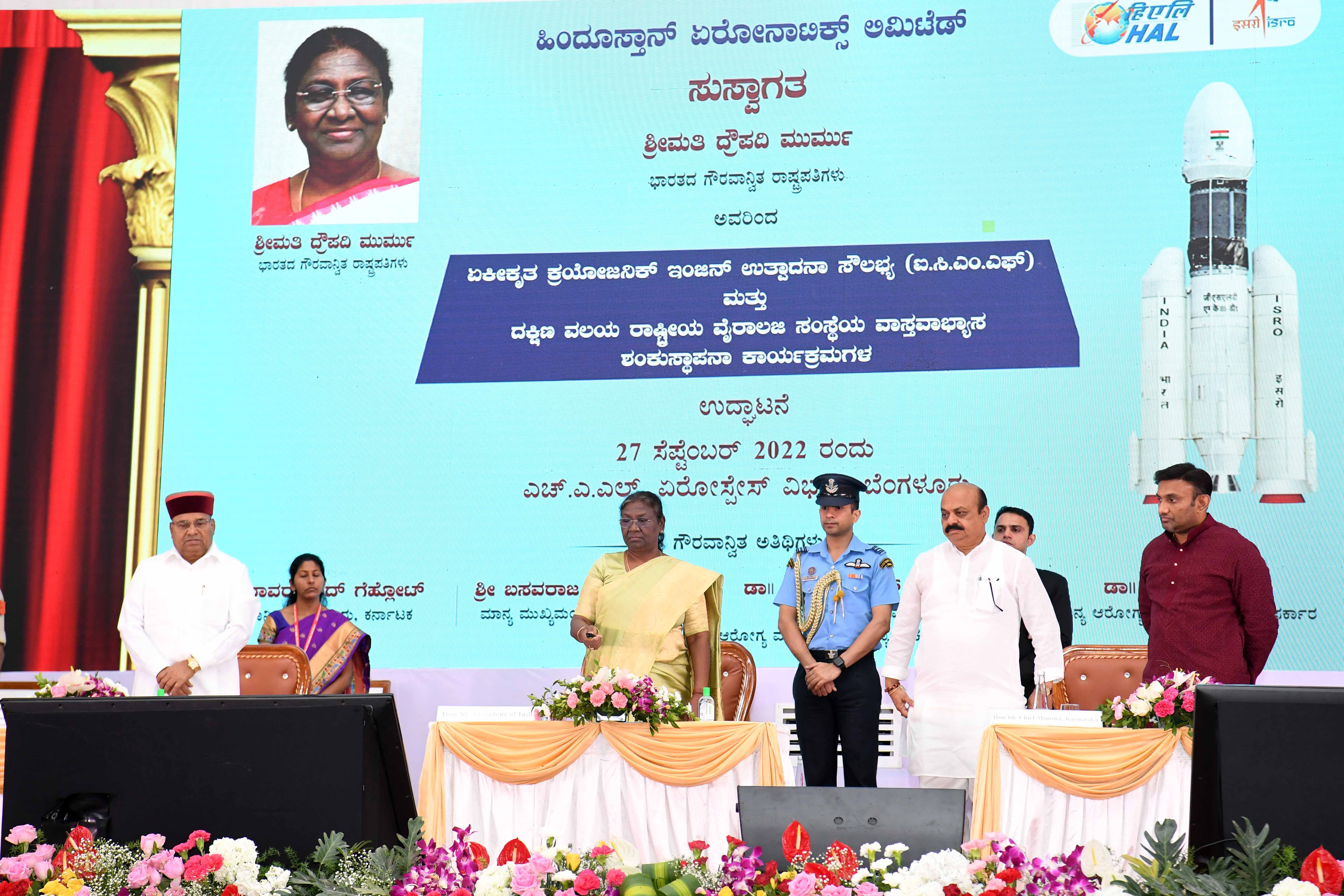
 

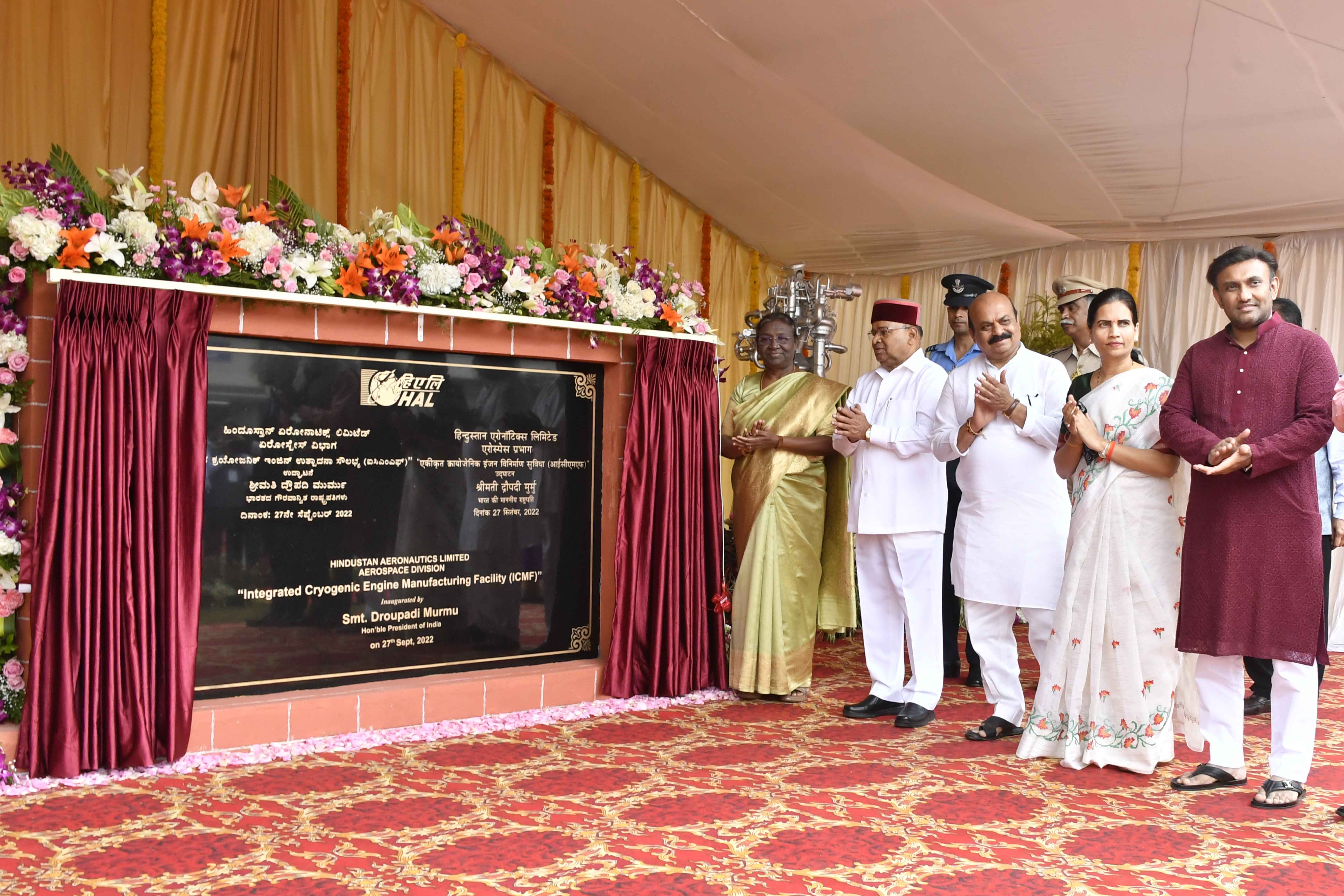
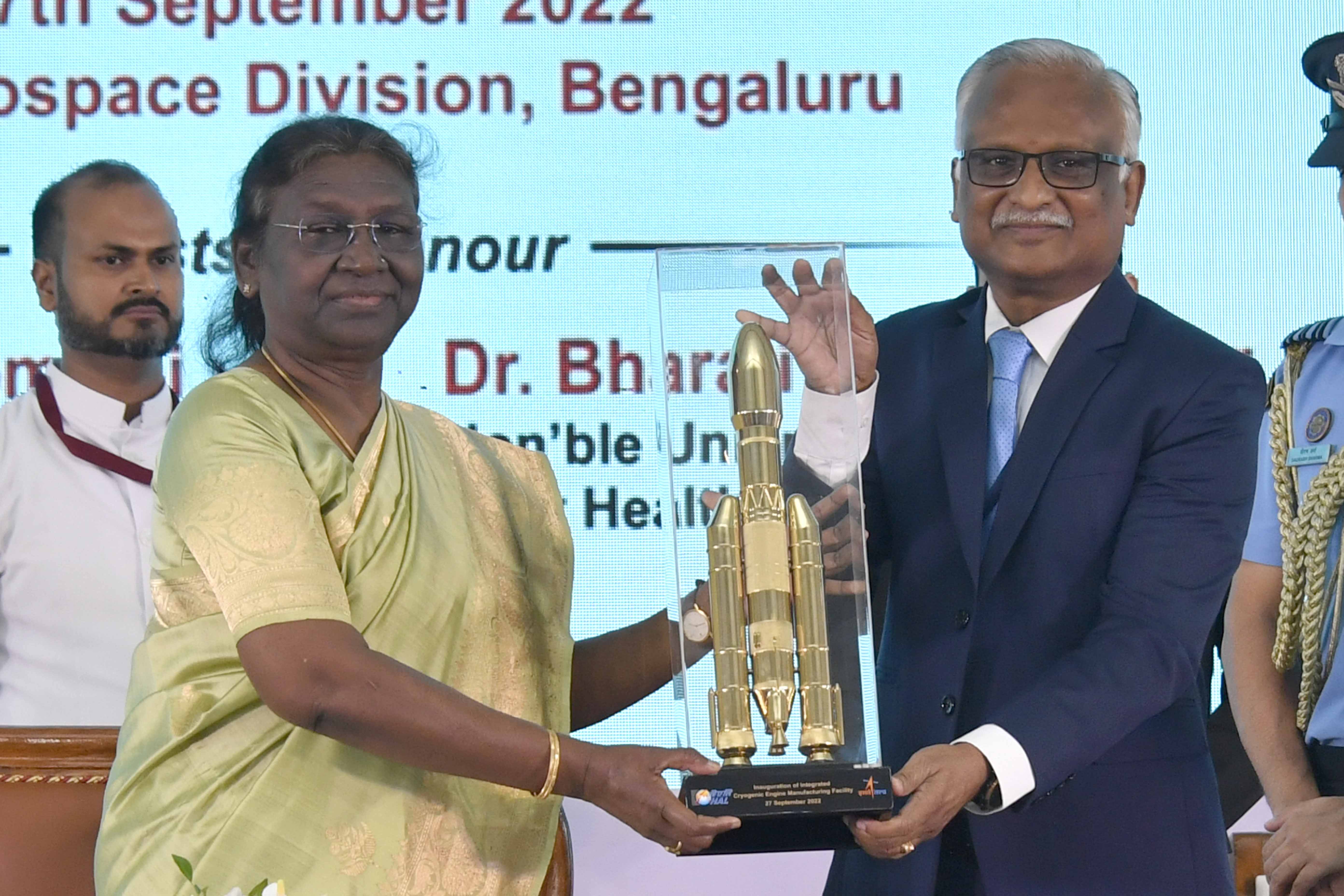
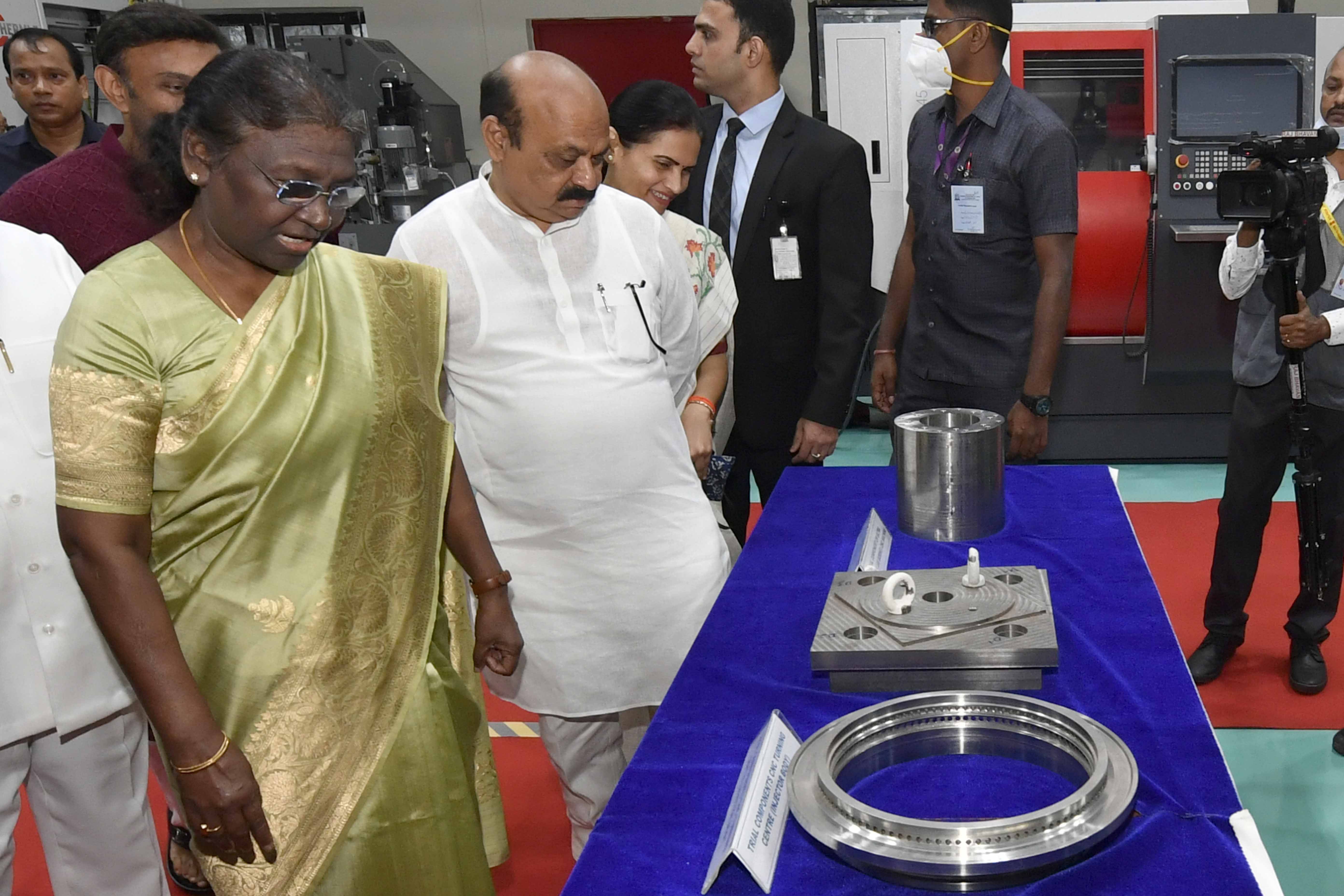
President of India Inaugurates Integrated Cryogenic Engine Manufacturing Facility of Hindustan Aeronautics Limited; Also Lays The Foundation Stone for The Zonal Institute of Virology

The President of India, Smt Droupadi Murmu, inaugurated the Integrated Cryogenic Engine Manufacturing Facility of Hindustan Aeronautics Limited (HAL) in Bengaluru today (September 27, 2022). She also laid the foundation stone for the Zonal Institute of Virology (South Zone) virtually on the occasion.

Addressing the gathering, the President said that inauguration of the Integrated Cryogenic Engine Manufacturing Facility is indeed a historic moment not only for HAL and ISRO, but also for the whole country to have a state-of-the-art facility to manufacture Cryogenic and Semi-cryogenic Engines. She said that HAL has contributed immensely to India’s self reliance in defence. It can be said that HAL has been the force behind the forces. HAL has time and again demonstrated its capabilities in research, development and manufacturing of various Aircraft Platforms.

The President said that ISRO has been the pride of the nation. When this institution started operations in the 1960s, India was still a young Republic, facing challenges of severe poverty and illiteracy. But there was immense potential. The rapid pace, with which ISRO has grown, caught the attention of even the most advanced and technologically developed countries. Sincere efforts and dedication of ISRO have made India emerge as the sixth country in the world to have Cryogenic Engine Manufacturing Capabilities.

The President said that HAL and ISRO together contribute to strategic defence and development. Both the organizations have played a major role in the development of various equipment and programmes which have reinforced the security and development of our country. HAL with its high end facility of manufacturing defence related equipment has proved to be an invaluable asset for our country.

The President said that the glorious past of HAL and ISRO gives us an assurance that these organisations will continue to play a significant and positive role in the future as India enters the Amrit Kaal. By 2047, when we will celebrate the 100 years of Independence, the world around us will have changed drastically. Just as we were in no position 25 years ago to imagine the contemporary world, we cannot visualise today how Artificial Intelligence and automation are going to transform life. We have completed 75 years as an independent country. We are looking ahead at the next 25 years as the period to re-imagine India and make it a developed country. It is our joint responsibility to ensure that the India of 2047 will be a much more prosperous and strong nation.

Speaking about the Covid pandemic, the President said that the resilience and extraordinary effort of our doctors and scientists helped us deal with the crisis. She noted that the Indian Council of Medical Research has provided exemplary support for effective COVID management and is expanding its research infrastructure. National Institute of Virology, Pune under Indian Council of Medical Research, is also taking all possible steps to increase R&D in the field of virology. She was happy to note that the National Institute of Virology has been designated as one of the collaborating laboratories of the World Health Organization. She said that the expansion of National Institute of Virology through Zonal Campuses across the country catering to the demands in the different geographical regions is praiseworthy.

India Signs 7 MoUs, Malaysia PM Razak Meets PM, President

Malaysian Prime Minister Mohd. Najib Bin Tun Abdul Razak called on President of India Pranab Mukherjee at Rashtrapati Bhavan today, April 1, 2017, as part of his state visit, reciprocating PM Narendra Modi visit to Malaysia in November 2015.

Welcoming PM Razak, the President said relations between India and Malaysia are centuries old and is best ever so far. The two countries have taken their strategic partnership forward, particularly after the state visits at a time when India and Malaysia are celebrating the 60th anniversary of India-Malaysia diplomatic relations.

Malaysia would like to achieve a target of US $15 billion bilateral trade by 2020 with India and as part of it, both countries signed seven MoUs in New Delhi. “Infra has been an area of fruitful partnership between us but we can do much more,” said PM Modi. “We are also converging efforts aimed at food security that are linked to well being of our farmers.”

Malaysian PM also referred to defence and strategic ties saying, “Defence and strategic partnership will be very important for us to fight global terrorism,militancy,extremism,that includes fight against IS.”

Both leaders focused on issues, including terrorism, bilateral as well as commercial agreements.