UN urges renewed solidarity eight years after forced exodus of Rohingya

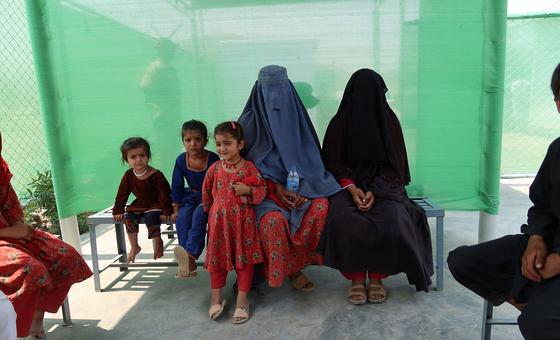
More than 700,000 of them fled to neighbouring Bangladesh after armed attacks by a militant group against Myanmar security forces sparked a brutal military crackdown that began on 25 August 2017.

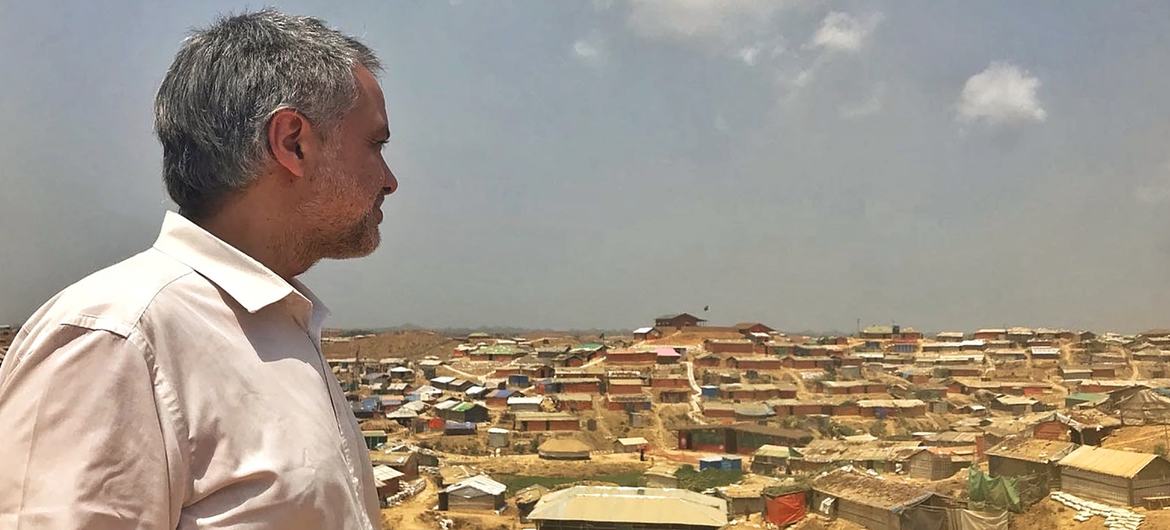
They joined thousands of others who had escaped earlier waves of violence and discrimination now living in refugee camps just across the border in the Cox’s Bazar district.

Violence and funding cuts

In a statement to mark the anniversary, UN Spokesman Stéphane Dujarric noted that the Rohingya people both in and outside Myanmar are facing a further deterioration of their already dire circumstances.

“In Rakhine State, Rohingya and other civilians are caught in the crossfire between the Myanmar military and the Arakan Army and subjected to forced recruitment, human rights violations and other abuse,” he said.

The ongoing violence has forced more Rohingya to flee, including to Bangladesh which is already hosting more than one million refugees from Myanmar. 

A military coup forced Myanmar’s democratically elected Government from power in 2021, fuelling armed insurgencies throughout Myanmar following a brutal military crackdown on protests.

Mr. Dujarric said reports of pushbacks, removals and deportations across the region raise serious concerns over potential violations of the principle of non-refoulement and shrinking asylum space.

This is happening amid funding cuts which are severely curtailing education, food assistance, healthcare, livelihood opportunities and protection services.

Protect all civilians

The Spokesman said UN Secretary-General António Guterres has repeated his call for the protection of all civilians in accordance with applicable obligations under international law. 

The Secretary-General also recalled his visit to Cox’s Bazar, Bangladesh, where he witnessed the resilience of Rohingya communities.

He stressed the urgent need for strengthened international solidarity and increased support, in parallel to efforts toward a comprehensive political solution that meaningfully includes the Rohingya and addresses their displacement and the root causes of the protracted crisis.

Hopes for upcoming conference

“The Secretary-General is hopeful that the 30 September High–level Conference on Rohingya and other minorities in New York, as mandated by the United Nations General Assembly, will draw renewed international attention to the urgency of finding durable solutions,” said Mr. Dujarric.

He added that the Special Envoy of the Secretary-General on Myanmar continues to engage all stakeholders towards ending the brutal civil conflict and supporting a viable Myanmar-led political process.

This should also lead to the voluntary, safe, dignified, and sustainable return of the Rohingya to Myanmar. 

Source link

Driven by hunger in Gaza, amputees are part of the collateral damage

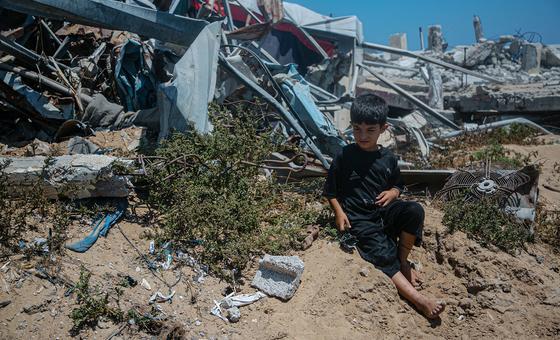
“I was going to buy falafel,” says Mohammed Hassan. “On the way home, I looked up and saw a rocket heading towards me. I tried to run, but it was too fast. I found myself pinned to the wall, and my foot had been blown off.”

Brought to Al-Shifa Hospital in Gaza City, the young boy looks down at his heavily bandaged left leg, and the stump where his foot used to be.

In another area of the hospital, a small child, Maryam Abu Alba, is crying in pain. “The neighbour’s house was bombed, and their home was hit,” says her grandmother. “One of her legs had to be amputated, and metal plates had to be inserted into the other one, which was fractured. She is in severe pain.”

Earlier this year, the UN humanitarian aid coordination agency OCHA estimated that 4,500 new amputees require prosthetics, in addition to the 2,000 existing cases requiring maintenance and follow-up care, while about 24,000 injured people required rehabilitation.

Health facilities are overwhelmed with many patients undergoing multiple surgeries without adequate medical supplies, including anaesthesia.

Palestinian child Mohammad Hassan sitting on a hospital bed in Gaza after his left leg was amputated by a strike.

Desperately seeking food

In May, as supply routes for UN humanitarian convoys were interrupted, the number of distribution points of aid dropped from 400 dotted across the Gaza strip to a handful of hubs operated by the Gaza Humanitarian Foundation.

Given the shortage of humanitarian aid and diminished capacity, thousands of Palestinians have been killed or injured since May while seeking food.  Among the wounded are children and parents who, despite losing limbs, continue to search for food and water.

This comes as a UN-backed food security report has just concluded that famine is confirmed in Gaza governorate, where half a million people are trapped in conditions of starvation, malnutrition and death.

Ibrahim Abdel Nabi was one of the many Palestinians who headed to the hubs in the hope of finding desperately needed provisions for their families.

In his tent at a displacement site in the coastal Al-Mawasi area of Khan Younis, Mr. Nabi, surrounded by his wife and children, explains how the journey ended in disaster and life-changing injuries.

“When I arrived at the Al-Alam area, west of Rafah, I was hit by an explosive bullet in my leg. I was bleeding for about an hour and a half, and no one came to help me. They were all trying to find food for their children.”

Eventually, a group of people came to his rescue and took him to the nearby Red Cross hospital.

“I stayed there for about a month and a half, undergoing about 12 operations. I became malnourished and lost a lot of blood. Infection spread, and more of my leg had to be amputated.”

Ibrahim Abdel Nabi, a Palestinian displaced in Gaza, sitting on a chair while his wife helps him wear the handmade prosthetic limb.

‘I made my prosthetic leg’

As Mr. Nabi was trying to recover, he was aware that his family were still in need of food. Despite the pain, he decided to make a simple prosthesis from materials he could find to allow him to get back on his feet and make fresh attempts to find food and water.

“The prosthesis injures my leg,” he said. “It causes inflammation and increases the pain. We don’t have medical care or supplies, but I will use it no matter how much it hurts.”

As he speaks, Mr. Nabi’s wife begins to cry. “God willing, we will live through this experience,” she says.

Mr. Nabi gets up on crutches and heads to a nearby tent, where his wife helps him to put on the crude prosthesis.

“Don’t strain yourself,” she repeats, over and over. “Take your time. Walk slowly.”

Source link

DR Congo: The doctor who couldn’t leave Goma

Gunfire tore through the dark. Night after night, the 44-year-old physician from Guinea clung to the hope that the besieged city would hold somehow. Then, one morning in late January, the call came: he and the remaining international staff had to be evacuated immediately.

“We took the last flight out,” he recalled.

Hours later, Goma was in the hands of M23. The Tutsi-led rebel group, backed by neighbouring Rwanda, had just landed its boldest military victory in the region yet.

For most, that would have been the end of the story: a narrow escape, a mission cut short. But, as the aircraft lifted from the runway, he knew he would return. The only question was: how soon?

Dr Thierno Baldé, 45, led the WHO response in Goma after the city fell to M23 rebels in early 2025. (file)

A reluctant interlude

Back in Dakar, where he heads the World Health Organization (WHO) emergency hub for West and Central Africa, Dr. Balde grew restless. Reports of civilian massacres kept trickling out of North Kivu, each new detail cutting deeper. The colleagues he had left behind haunted him. With every grim report, his conviction deepened: his place was at their side.

Two weeks later, on the day he turned 45, he was tapped to lead the agency’s response in eastern DRC. He kept the assignment from his parents in Conakry, his hometown, to spare them the dread.

“I only told them once I was already there,” he admitted, almost sheepishly. His wife and two children had long since grown used to watching him vanish into the world’s most dangerous crises.

Return to ruins

It took him five days to reach Goma. By then, the airport had been shut and the roads pocked with checkpoints.

The city he found was hollowed out. Power lines were down, hospitals crammed with the wounded and talk of the streets being littered with bodies. Fear had settled like ash after a blaze on every face. “In 15 days, everything had changed.”

His team was broken. Some 20 Congolese staffers, gaunt from exhaustion, had been trying to hold the city’s fragile health system together. He gave half of them time off to recover, despite knowing every pair of hands was desperately needed. It was the least he could do.

And yet, amid the wreckage, there was one stroke of good fortune. Unlike most other UN agencies, the WHO warehouses had not been looted. They became lifelines, providing fuel to power hospitals, surgical kits for the wounded and cell phones to coordinate emergency evacuations.

Still, the numbers were crushing, with as many as 3,000 dead, according to initial reports. The bodies needed to be dealt with swiftly before disease spread.

“We had to bury everyone intensely, in a very specific timeframe,” he said, noting that WHO ended up paying local gravediggers to collect the corpses.

Bodies are being buried with the assistance of WHO personnel in the aftermath of the fall of Goma to M23 rebels in early February 2025. (file)

The spectre of cholera

On the day of his return, another illness announced itself: cholera. The first cases had just been confirmed in a MONUSCO camp, where hundreds of disarmed Congolese soldiers and their families had sought shelter after losing the city to the M23 militia. The UN peacekeeping mission’s bases, designed for Blue Helmets, were not built to accommodate a large number of civilians. Sanitation conditions were dire, and the disease spread fast.

That night, Dr. Balde could not sleep.

The next morning, he walked into the camp and saw patients stretched out on the floor. There were 20 or 30 people, with only one doctor, he remembered. Two were already dead.

For days, his team scrambled to hold back the tide, with chlorine for disinfection, protective gear, makeshift triage and staff recruited and trained on the spot. Vaccines were rushed in from Kinshasa.

Rumours rippled through the city

Still, rumours rippled through the city.

“People began saying ‘cholera is exploding in Goma and WHO is overwhelmed.’” He, who had come for humanitarian relief, now found himself with an epidemic on his hands.

“We had to completely re-orient ourselves,” he said. The ghost of another Haiti, where the UN played a role in a cholera outbreak in 2010, hovered over his every decision.

As if on cue, another disease was spreading. Mpox, once confined to the sprawling camps of displaced people on Goma’s outskirts, now spilled into the city itself. Those camps, home to hundreds of thousands uprooted by earlier waves of violence in the region, were emptied in the chaos of Goma’s fall.

“The patients ended up in the community,” he explained.

Dr Thierno Baldé (center left) and colleagues visit a WHO-supported health centre providing care to the population around Goma. (file)

Sitting across from rebels

Then came the men with guns. One afternoon, they barged into the WHO compound without warning. Were they under M23 orders, fighters acting on their own or mere criminals? It hardly mattered. The staff talked them down, persuading them to leave, but the incident made one thing clear. Without some understanding with the de facto authorities, the agency’s work could be compromised overnight.

So, Dr. Balde sought them out.

“We mustered the courage and went to meet them,” he said. At the North Kivu governor’s offices, now run by the rebels, he laid down his WHO “Incident Manager” card.

“I told them Ebola can affect everyone, cholera can affect everyone. We are here to contain them.”

A channel was opened. Fragile, but enough.

The cost of altruism

There’s a stiff price to pay for helping others. In Goma, the days blurred together. Hours were spent in fevered meetings and evenings spent alone in a hotel where heavily armed men dined at nearby tables.

During Ramadan, with the city under curfew, he broke the fast each night with the same simple meal, the city outside trembling with uncertainty.

When he returned to Dakar two month later, his blood tests were a mess.

“It was a real personal sacrifice,” he said, “and I’m not even talking about mental health. As a humanitarian, you have to take care of yourself, too.”

A veteran, still marked

Dr. Balde is no stranger to disaster zones. Trained in Guinea and Quebec, an associate professor at the University of Montreal, he cut his teeth with the Canadian Red Cross in Haiti after the earthquake, then in Guinea during the Ebola outbreak. Since joining WHO in 2017, he has faced emergency after emergency, including COVID-19.

I did everything I could to go back, but I paid a price.

And yet, he admitted, Goma left a mark that few other crises had.

“I did everything I could to go back, but I paid a price.”

In the Senegalese capital, his family bears that price, too. His children know their father disappears into places where the world is breaking apart. His wife has learned to live with the absence.

Still, when he speaks of those feverish weeks in eastern DRC, one sentence returns again and again, insistent and unshaken: “I had to be there.”

Source link

International Day for Remembrance of Slave Trade: ‘Time to abolish exploitation once and for all’

“It is time to abolish human exploitation once and for all and to recognise the equal and unconditional dignity of each and every individual,” Ms. Azoulay said.

The Day is intended to inscribe the tragedy of the slave trade in the memory of all peoples.

Details from Ark of Return, the permanent memorial at UN Headquarters to acknowledge the tragedy and consider the legacy of slavery and the transatlantic slave trade.

‘The fight is not over’

Echoing the goals of UNESCO’s intercultural project The Routes of Enslaved Peoples, it should offer an opportunity for collective consideration of the historic causes, the methods and the consequences of this tragedy and for an analysis of the interactions to which it has given rise between Africa, Europe, the Americas and the Caribbean, said the UN agency, which leads the annual commemoration.

UN Deputy Secretary-General Amina Mohammed said that while the Day honours the victims of the transatlantic slave trade, “the fight is not over.”

“Modern slavery persists,” she stated. “Let’s confront injustice, past and present and uphold the dignity and rights of every person.”

For its part, the UN works towards these goals, including through its Outreach Programme on the Transatlantic Slave Trade and Slavery, established in 2007.

Uprising led to abolition

On the night of 22 to 23 August 1791, in then Saint Domingue, now Haiti, saw the beginning of the uprising that would play a crucial role in the abolition of the transatlantic slave trade.

Against this background, the International Day is commemorated around the world. It was first celebrated in a number of countries, including in 1998 in Haiti and in 1999 on Gorée Island in Senegal, where millions of enslaved people had been forced onto ships to cross the ocean.

“Today, let us remember the victims and freedom fighters of the past so that they may inspire future generations to build just societies,” UNESCO’s Ms. Azoulay said.

Source link

Yemen: How acts of compassion light the way for healing

Her journey into humanitarian work began after years of serving in hospitals in Aden, where she witnessed firsthand the struggles vulnerable communities face in accessing healthcare services.

“In Aden, I worked at a private hospital,” she recalled. “I found that many people couldn’t afford treatment. That reality pushed me to find a way to help those left behind.”

She decided to relocate to Ma’rib, a city sheltering hundreds of thousands of people displaced by the conflict and a key transit hub for migrants making the perilous journey from the Horn of Africa through Yemen, with a clear goal in mind: to serve those who could not afford medical treatment.

‘Migrants who reach us are traumatised’

Dr. Nouf said she found her calling at the centre, which provides primary healthcare services to vulnerable groups, especially those on the move.

“Migrants who reach us are traumatised,” she explained. “Whether it’s hunger, fear of death or the unknown, it results in physical, psychological or neurological shocks.”

Dr. Nouf conducts an initial examination to assess her patient’s health condition.

Many arrive with serious, sometimes permanent, injuries. Women in particular often carry visible and invisible scars from abuse suffered along irregular migration routes into the country.

“There are times when I emotionally struggle with what I see and hear,” she said. “But, helping these people and watching them recover fuels my passion and determination to continue.”

Listening to their stories filled with pain, fear and resilience, Dr. Nouf does everything she can to help, assessing each case, providing emergency support and when needed, referring patients to specialised services. From treatment for contagious diseases to care for physical and psychological traumas, MRP also offers protection services for survivors and victims who experienced violence, exploitation and abuse.”

From young migrant to aid worker

Dr. Nouf is not alone in this mission of delivering lifesaving assistance to migrants and Yemenis in need. She works together with a dedicated team of colleagues from diverse backgrounds who tirelessly attend to numerous patients each day, among them Khalid, a 22-year-old Ethiopian whose own migration journey to Ma’rib is a testament to resilience and compassion.

Khalid arrived in Yemen in 2021, heartbroken after his school in Ethiopia refused to let him return due to illness-related absence. Frustrated, he left Ethiopia with smugglers, enduring a grueling 10-day trek through the desert and surviving on shared biscuits. Upon reaching Aden, he found no comfort or assistance, so he continued his journey to Ma’rib where some of his relatives live.

Once in Ma’rib, Khalid was welcomed by his community, who brought him clothes and hosted him. A month later, he began working as a cleaner at a local hospital, a job he held for three years.

‘I’ve been through the same experience’

At the hospital, Khalid encountered other migrants seeking treatment and advocated for their care. He spoke with administrators, urging them to treat these vulnerable individuals for free. His reputation grew, and soon, anyone in need turned to Khalid for help.

“I help other migrants because I’ve been through the same experience,” he said. “I know how support can make the suffering less.”

Eventually, Khalid received the opportunity to work in the MRP, where he can help migrants access services and provide translation support.

“People arrive here suffering from poor nutrition, amoebiasis and malaria. Some bear physical injuries caused during torture for ransom at the hands of traffickers,” he said. “I am thankful to the donors who keep this facility running. It saves lives every day through vital healthcare services.”

Health and aid workers targeted in conflicts around the world, UN agency says

Attacks against health facilities doubled between 2023 and 2024, and more than 900 health workers were killed last year, the agency reported.

Humanitarian aid workers were also killed in record numbers in 2024. Yet, 2025 is outpacing even these dark statistics at a time when funding for humanitarian work is shrinking and support services established over decades are struggling to operate.

The Special Surgery Building at Al-Shifa Medical Complex in central Gaza City has been reduced to rubble.

Assault on Gaza’s health system

The nearly two-year-long war has devastated Gaza’s health system, leaving thousands without access to essential services. Now, as famine takes hold, miscarriages, premature births and low birth weight cases have surged, while newborn deaths are increasing, the UN agency warned.

PULL QUOTE: Life must continue even when bombs are going off.

“Because the delivery room was under direct fire, I delivered babies in hospital hallways,” said Ayda, a senior midwife in northern Gaza. “For lights, we used mobile phones. Despite the lack of supplies and water, our hands continued to work. Life must continue even when bombs are going off.”

Since October 2023, the World Health Organization (WHO) has documented over 720 attacks on healthcare in Gaza, with at least 1,580 health workers killed and as yet unknown numbers arrested and detained by Israel. Among them was Ayda, who just days after sharing her story, was killed in an airstrike along with 37 members of her family.

Dr. Khalid Badreldin completed his studies at the Ibrahim Malik Hospital in Khartoum, which now lays in ruins.

Delivering amid devastation in Sudan

In a field of rubble that used to be part of the Ibrahim Malik Hospital in Khartoum, Dr. Khalid Badreldin, a reproductive health analyst with UNFPA in Sudan, recalled performing his first surgery and delivering his first baby there.

“Now, I find it like this,” he said, lamenting the now shuttered hospital that was once a major provider of emergency treatment and maternal and neonatal services. The hospital has joined more than 80 per cent of health facilities in Sudan’s conflict zones that are no longer operational.

Meanwhile, midwives in Khartoum, the capital, are taking “huge risks to reach women in their homes”, explained Hawaa Ismael, who works at the UNFPA-supported Kararai Health Centre.

“It was exhausting, working day and night, but it’s our duty, and I’m proud of what we’ve done.”

On the other side of the country, staff at the El Fasher Maternity Hospital have come under attack, with one midwife killed when her home was shelled on Thursday and another kidnapped.

Haiti’s spiralling crisis

Clinics and hospitals have been deliberately targeted in the crisis that has gripped Haiti over the past 18 months, further weakening a health system already hobbled after years of conflict, looting and financial collapse.

In Haiti, people carrying their belongings flee in near darkness.

The State University Hospital, the country’s largest, was attacked at its reopening ceremony in December 2024, following a 10-month closure, with several people killed, according to reports. In the same month, armed gangs set fire to the Bernard Mevs Hospital in Port-au-Prince, the capital, and in April, attacks forced Mirebalais University Hospital to close.

Organized gangs are waging a brutal campaign to seize control of the capital, with sexual violence rampant. An estimated 1.2 million women and girls are in urgent need of protection against gender-based violence, but due to ongoing insecurity, three out of UNFPA’s four safe spaces in Port-au-Prince were recently forced to close and relocate. As access to emergency services remains extremely limited, just one quarter of rape survivors receive care within the critical 72-hour period.

© UNOCHA/Viktoriia Andriievska

Ukraine’s largest pediatric health centre, Okhmatdyt Children’s Hospital in Kyiv, was hit on 8 July 2024 in one of the worst missile attacks on the country.

Heavy toll in Ukraine

Since January 2025, the World Health Organization (WHO) has recorded over 300 attacks by Russia on healthcare facilities, services and personnel in Ukraine, where women and girls are often compelled to find safer places to shelter and give birth.

I was afraid to give birth, but life goes on. We want to live too.

“Every day brings stress,” said Anastasiia from Sloviansk, on the frontline Donetsk region. “Even if there’s no immediate strike, the fighting nearby is loud and constant. I was afraid to give birth, but life goes on. We want to live too.”

Her region lacks a neonatal intensive care unit and while doctors can perform a Caesarian section, they could not provide full care if complications arose. As her due date approached, Anastasiia travelled some 20km to reach the Kharkiv Regional Perinatal Centre despite the city being regularly subjected to bombings, drone strikes and artillery shelling.

The response workers who help women like Anastasiia often face risks.

“When we arrive at the sites of attacks or in cases of violence, we don’t have time to slow down,” explained Roman, who works with a UNFPA mobile psychosocial support team in Dnipro. “It’s like our own reactions are on hold. Only later, when we look back and discuss it, do we realise how difficult it actually was.”

Under fire in DR Congo

In the restive eastern Democratic Republic of the Congo (DRC), most facilities providing maternal healthcare have been bombed or looted.

Midwife Loti Kubuya Mielor assists a newly arrived displaced woman who gave birth in a shelter in Goma, DR Congo.

Indeed, just one third of hospitals in the region and one in five health centres are able to function. UNFPA’s mobile health teams are often the only option women have.

Displaced since February 2023, Francine Toyata recalled her recent travel through “darkness and chaos” with her mother to reach a UNFPA-supported mobile health clinic to give birth in the Rutshuru territory of North Kivu province.

“It is for women like Francine that we do this work,” said Nelly, her midwife.

As the conflict escalates, bombs have started hitting camps for internally displaced people, and mobile health clinics and listening centres have also been looted and destroyed.

“We were not safe,” Nelly added. “We need more support to meet these urgent needs.”

Source link

World News in Brief: Gaza humanitarian update, more killings in Sudan, ending impunity in Myanmar

Multiple strikes overnight into Friday were reported in the Jabalya Al Balad and An Nazla neighbourhoods, the UN Office for the Coordination of Humanitarian Affairs (OCHA) said in its latest update.

As a result, around 900 people reportedly fled towards the Sheikh Radwan neighbourhood and western Gaza City.

Safe passage, more aid

The UN and partners again reminded parties to the conflict of their obligation to protect civilians, in line with international law, including humanitarian workers and people who cannot or choose not to move. 

“Those fleeing must be allowed to do so safely. They must also be allowed to return if they wish to do so, as the situation allows,” OCHA said.

The agency underscored the need to ensure that people have access to aid and basic services, whether they leave or stay.

Supplies also must be allowed to enter the Gaza Strip through all available crossings and corridors, and humanitarians must have safe, predictable and sustained access to deliver aid at scale.

Hospitals under strain

Meanwhile, as strikes continue to intensify across the enclave, casualties are flooding hospital emergency departments.  

Humanitarians warned that the expansion of military operations would further cripple the collapsing healthcare system. 

Nearly half of all hospitals and field hospitals are located in Gaza City, accounting for some 40 per cent of bed capacity in the entire enclave.  Additionally, many medical facilities in the south are operating several times over their bedspace capacity.

Humanitarians stressed that access to healthcare must be immediately restored to avert more preventable deaths. 

Sudan: UN rights office horrified by recent killings in El Fasher 

Recent brutal attacks by the paramilitary Rapid Support Forces (RSF) in Sudan have left at least 89 people dead in North Darfur state, the UN human rights office, OHCHR, said on Friday

The RSF have been battling the Sudanese Armed Forces (SAF) for control of the country for more than two years.

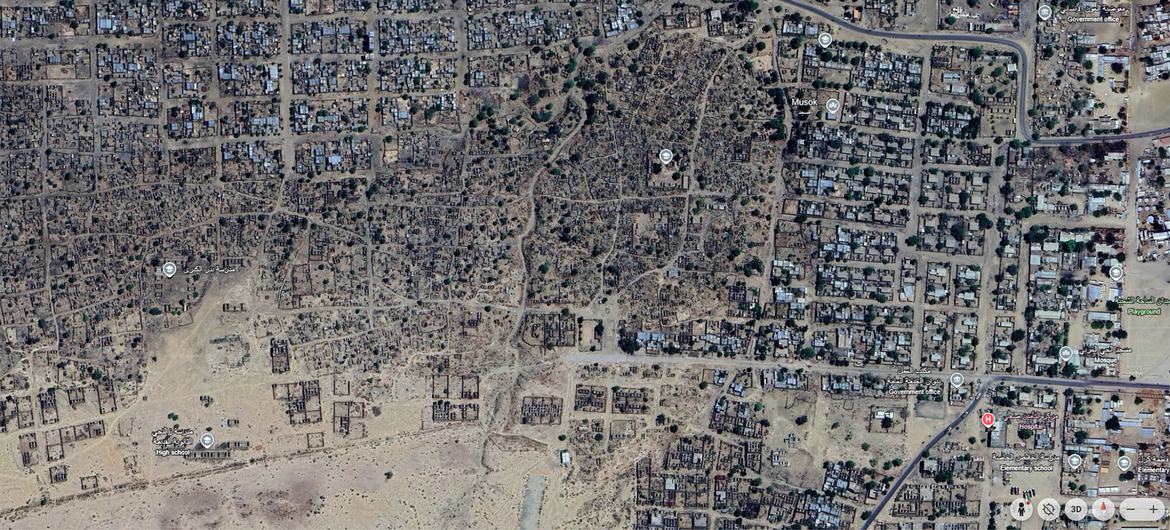
OHCHR said RSF attacks on the besieged North Darfur capital El Fasher and the adjoining Abu Shouk camp for displaced people resulted in the killing of at least 89 civilians, though the actual number could be higher.

The attacks took place over a 10-day period ending on 20 August.

Apparent summary executions 

At least 32 civilians were killed in attacks between 16 and 20 August, while at least 57 were killed in previous attacks on 11 August.

OHCHR was particularly horrified that 16 of the most recent killings appear to have been summary executions, Spokesman Jeremy Laurence told journalists in Geneva.

“Most of the victims were killed in Abu Shouk camp and belonged to the African Zaghawa tribe, according to information gathered by our Office,” he said.

“In another case in the El Fasher area, a victim was asked which tribe he belonged to. He was killed after responding that he was from the African Berti tribe.” 

Meanwhile, the humanitarian situation in El Fasher has reached a critical stage after more than a year of siege, and there is growing risk of famine in the city and other areas of North Darfur.

OHCHR was appalled by two separate attacks on UN humanitarian convoys in North Darfur this month and in June, saying such attacks only worsen the human rights situation for civilians.

© UNICEF/Ilvy Njiokiktjien

Ending impunity for violence critical for Rohingya in Myanmar

The UN human rights office has also called for ending impunity in the violence against the Rohingya people in Myanmar and ensuring their rights to security, citizenship and equality.

It said the Rohingya – a mostly Muslim minority community in predominantly Buddhist Myanmar – continue to suffer, eight years after a deadly crackdown by the military.

More than 700,000 fled to Bangladesh in the wake of the assault which began on 25 August 2017, joining others who had escaped earlier waves of attacks. 

Break the cycle

OHCHR said that ending impunity and ensuring the Rohingya’s rights to security, citizenship and equality, are essential for breaking the cycle of violence.

The Rohingya mainly live in Myanmar’s Rakhine state, and the office noted that the human rights and humanitarian situation there have sharply deteriorated since November 2023, further deepening the already life-threatening conditions they face.

OHCHR urged the international community to step up support for the Rohingya by increasing humanitarian funding to secure access to basic needs, essential services, and to ensure accountability. 

Source link

DR Congo: Rising insecurity in the east impedes diplomatic progress, Security Council hears

Despite diplomatic progress in recent months, with the United States brokering a peace agreement between the DRC and Rwanda, and Qatar facilitating a Declaration of Principles between the Congolese Government and M23 rebels, tensions remain high in the eastern DRC – where multiple armed groups operate.  

The Security Council has also sought to promote peace in the restive region, notably through its adoption of resolution 2773 in February 2025 calling upon all parties to refrain from violence against civilians. Still, casualties continue to rise in the east of the country.

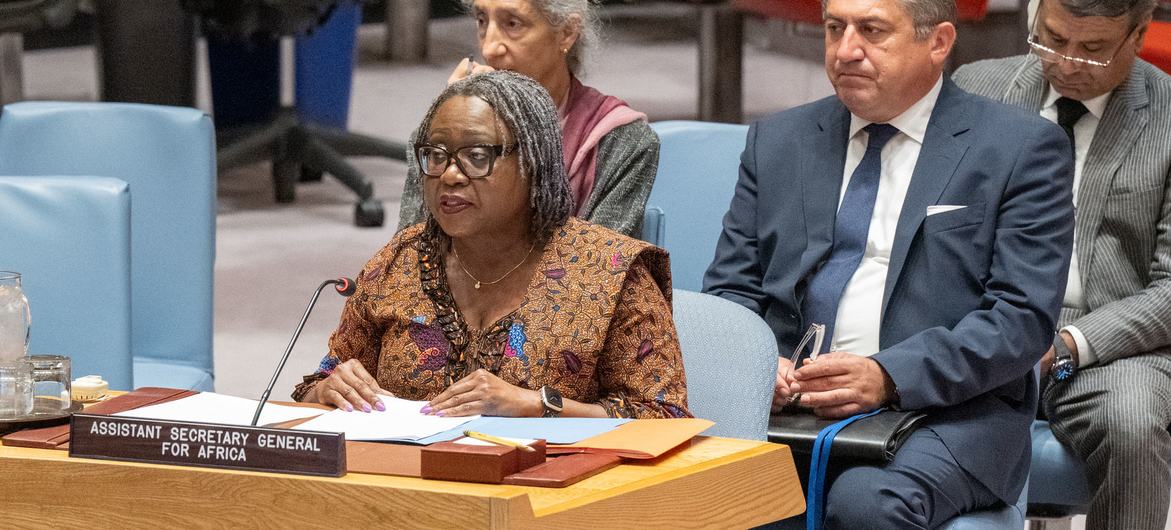
“In North Kivu, the situation has escalated significantly since April,” Martha Ama Akyaa Pobee, Assistant Secretary-General for Africa in the Departments of Political and Peacebuilding Affairs and Peace Operations told ambassadors.  

The DRC is currently facing one of the most acute humanitarian emergencies in the world, with food insecurity on the rise and 5.9 million Congolese currently internally displaced.  

Significant escalation

Regrettably, the evolution of the security situation on the ground has not matched the progress achieved on the diplomatic front,” said Ms Pobee.  

Recent attacks carried out by the M23 and Congo River Alliance (AFC) armed groups, as well as assaults by the Allied Democratic Forces – a militia associated with the terrorist group ISIL – have dramatically increased civilian casualties.

Meanwhile, humanitarian workers continue to risk their lives to provide limited assistance to populations in need.  

Amid general indifference, conflict-related sexual violence persists, as does the forced recruitment of children. 

‘Critical juncture’

We cannot and must not accept the extreme suffering and recurrent horrors that are commonplace in eastern DRC,” said Ms Pobee.  

To protect civilians, restore law and order, and address the profound humanitarian needs of the population, the parties must cease hostilities.  

“At this critical juncture for the DRC and the region, it is crucial that this Council place its full weight behind current peace efforts, alongside exerting its influence to ensure respect for and compliance with resolution 2773”, she told the Security Council.  

While the situation on the ground remains dire, genuine engagement by the parties, together with concerted support from the international community, will help lay the groundwork for a durable peace, the top official underlined. 

Source link

Momentum builds towards marine biodiversity treaty, as experts convene in New York

Formally titled the Agreement under the United Nations Convention on the Law of the Sea on the Conservation and Sustainable Use of Marine Biological Diversity of Areas beyond National Jurisdiction, it was adopted in June 2023 after years of negotiation, and is open for signature until 20 September.

With only eight ratifications left before it can enter into force, momentum is accelerating toward the treaty’s implementation phase, which could begin as early as 2026.

Urgent, ‘decisive and concerted action’

By covering marine genetic resources, environmental impact assessments, area-based management tools, and the transfer of marine technology, the treaty is central to protecting the ocean.

The need for decisive and concerted action has never been more urgent,” UN Legal Counsel Elinor Hammarskjöld told delegates at the opening of the session.

From rules of participation and financing to digital access and institutional hosting, negotiators face complex trade-offs.

But the sense of urgency, and the crowded rooms at UN Headquarters, suggested that the international community is edging closer to turning text into reality.

Recalling the 2025 UN Ocean Conference held in Nice in June, co-hosted by France and Costa Rica, Ms. Hammarskjöld said that it reaffirmed the essential role of multilateralism in addressing the pressures putting marine ecosystems at risk.  

Further, the 39 treaty actions by States from all regions undertaken during the Ocean Conference demonstrated the international community’s strong commitment to conserve and sustainably use the ocean and its resources.

Now, “with the real probability of the first Conference of the Parties to the Agreement convening in 2026, we are at a critical juncture”, she stated.

That urgency was echoed by the Commission’s Co-Chair Janine Coye-Felson, who said that “if the momentum bolstered by the third United Nations Oceans Conference, held in Nice in June this year, sustains, it can be reasonably expected that the Agreement may enter into force in the latter part of 2025, or early 2026”.

Indigenous Peoples as rights-holders

During the session’s early debates, small island developing States (SIDS) pressed for flexibility, including virtual participation and guaranteed representation in the COP Bureau.

The representative of the Federated States of Micronesia, speaking for the Pacific small island developing States, also supported the allocation of one seat to small island developing States.  

Further, he called for recognition of “the distinct status of Indigenous Peoples under international law as rights-holders, rather than as mere stakeholders”. 

Financing and equity

Developing States, represented by groups including the G77 and China, the African Group, CARICOM and Pacific SIDS, stressed that participation funding shall not be optional but an obligation under the treaty, and called for a voluntary trust fund to cover the full expenses of delegates from least developed countries, landlocked states – and SIDS – while opposing restrictions on states in arrears.

‘Clearing house’

As entry into force approaches, delegates turned to operational issues. A proposed Clearing-House Mechanism will serve as the treaty’s central hub for information exchange.

“There is perhaps no more urgent piece of work that is in front of us than this one,” underscored Commission Co-Chair Adam McCarthy at one of the meetings.

Given the current rate of ratification, “we might need a form of Clearing-House Mechanism in operation sometime in early 2026”, he pointed out, encouraging delegates to work towards having the informal expert group “up and running” to start its work by September.

With 139 signatures and 52 ratifications already secured, the treaty is within reach of the 60 needed for entry into force.

The gathering will continue at UN Headquarters until 29 August.

Source link

UN agencies warn of rising heat stress risks for workers worldwide

The new joint report, Climate change and workplace heat stress, underscores the mounting risks as climate change fuels longer, more extreme, and more frequent heatwaves.

Stressing that workers in agriculture, construction, and fisheries are already suffering the impacts of dangerous temperatures, the report points out that vulnerable groups in developing countries – including children, older adults, and low-income communities – face increasing dangers.

Heat stress is already harming the health and livelihoods of billions of workers, especially in the most vulnerable communities,” said Dr. Jeremy Farrar, WHO Assistant Director-General for Health Promotion, Disease Prevention and Care.

This new guidance offers practical, evidence-based solutions to protect lives, reduce inequality, and build more resilient workforces in a warming world”, he added.

Drawing on five decades of research, the report highlights how rising temperatures are hitting both health and productivity.

WMO confirmed that 2024 was the hottest year on record, at 1.55 degrees Celsius above pre-industrial temperatures, and with daytime highs above 40 °C becoming commonplace – and in some areas, even exceeding 50 °C. 

Occupational heat stress has become a global societal challenge, which is no longer confined to countries located close to the equator – as highlighted by the recent heatwave in Europe,” said Ko Barrett, WMO Deputy Secretary-General. “Protection of workers from extreme heat is not just a health imperative but an economic necessity.”

Alarming findings

The report details how extreme heat is reshaping the world of work. It finds that worker productivity drops by 2 to 3 per cent for every degree above 20°C.

The health consequences are wide-ranging, including heatstroke, dehydration, kidney dysfunction, and neurological disorders. Overall, nearly half of the world’s population is now experiencing negative effects from high temperatures.

Path forward

Calling for urgent occupational heat action plans tailored to industries and regions, WHO and WMO guidance includes several recommendations:

  • Develop targeted occupational heat-health policies based on local weather and workforce vulnerabilities.
  • Prioritize protections for middle-aged and older workers, those with chronic health conditions, and individuals with lower physical fitness.
  • Train health professionals, employers, and workers to recognize and treat heat stress, which is often misdiagnosed.
  • Involve workers, unions, and local authorities in shaping heat-health strategies.
  • Promote affordable, sustainable, and scalable solutions, alongside innovation and new technologies.
  • Strengthen research and monitoring to ensure measures remain effective.

The guidance builds on International Labour Organization (ILO) findings that more than 2.4 billion workers are exposed to excessive heat globally, resulting in over 22.85 million occupational injuries each year.

‘Critical milestone’

“This report represents a critical milestone in our collective response to the growing threat of extreme heat in the world of work,” said Joaquim Pintado Nunes, ILO Chief of Occupational Safety and Health and the Working Environment.

“Aligned with the ILO’s mandate to promote safe and healthy working environments as a fundamental right, it offers robust, evidence-based guidance to help governments, employers and workers confront the escalating risks of climate change.”

A call to action

Both UN agencies stress that addressing heat stress is central to safeguarding lives, livelihoods, and economies. The guidance supports the UN Sustainable Development Goals (SDGs), urging decisive action to protect vulnerable workers, reduce poverty, and promote sustainable growth.

Urgent and coordinated action is no longer optional – it is essential, the report says.

Guterres in Japan: ‘Humanity is strongest when we stand as one’

It brings together more than 160 countries and organizations – a testament to Japan’s enduring commitment to global dialogue and cooperation, said Secretary-General António Guterres.  

Japan has helped shape some of the most important multilateral achievements of our time,” he added, commending Japan for choosing peace and international cooperation following defeat at the end of the Second World War.  

A tireless advocate for nuclear disarmament, a generous contributor to peace, and a steadfast champion of human security, Japan has help lead ever since it joined the United Nations nearly 70 years ago.

Commitment to cooperation

The moral of the United Nations’ story is simple: humanity is strongest when we stand as one,” Mr. Guterres said.  

“Although many may not realise it, the United Nations touches our lives every single day,” he said, noting that the UN provides food assistance to more than 150 million people, supplies vaccines to 45 per cent of the world’s children, and supports elections in some 50 countries.  

From landmines to biodiversity, women’s rights to refugees, freedom of the press to access to clean water, the UN sustains a vast global system of conventions and treaties – while its Charter is the pillar of international law.  

‘Reform is crucial’

But today, as the multilateral project of nations working together under a common purpose is challenged, it must adapt.

From the composition of the Security Council to unjust and unfair international financial systems, reform is crucial.  

Since leaders adopted the Pact for the Future in 2024, a blueprint to make multilateralism more effective, Mr. Guterres has also launched the UN80 initiative to help ensure that the 80th anniversary of the UN is not only a moment of reflection, but a catalyst for renewal.  

“These are times of peril. But they are also times of profound opportunity -and obligation,” said the Secretary General.

Source link

Libya: Security Council urged to back popular ‘yearning’ for national elections

Hannah Tetteh, who also heads the UN Mission in Libya (UNSMIL), briefed ambassadors in the wake of municipal council elections last week and outlined a proposed roadmap to general elections, which should have been held way back in 2021.

The Libyan people look to this esteemed Council for help, to ensure a solution to the crisis and support a political process that will result in elections and unified institutions not a succession of transitional governments,” she said.

Voting and disruptions

Nearly 15 years after the fall of former President Muammar Gaddafi, Libya remains split between two rival administrations:  the internationally recognised Government of National Unity, located in the western capital of Tripoli, and the rival Government of National Stability based in Benghazi in the east.

This past Saturday, 26 municipalities successfully held elections despite significant challenges.  Ms. Tetteh commended the electoral management body HNEC and urged all candidates to accept the results.

She regretted that not all municipalities that were expected to take part were able to do so, with the government in the east giving instructions to suspend electoral processes in 16 municipalities. Additionally, voting materials were withdrawn from centres across the region and the south.

Efforts to disrupt the vote also occurred in some municipalities in the west, where HNEC offices in three cities were set on fire or attacked, although the vote went ahead in two of them. 

‘A clear signal’

“By the end of polling day, voter turnout was 71 per cent. This is a clear signal that the Libyan people are yearning to elect their representatives. In some areas, this was the first time any elections have happened since 2014,” she said.

However, the suspension of elections in the east and south “is an equally clear sign that not all are committed to supporting Libya’s democratic development and there is an urgent need for a reset in the political process,” she added.

In February, UNSMIL established an Advisory Committee to provide recommendations for resolving outstanding issues that have prevented national elections from taking place.

A report was presented in May, and the Mission has been holding nationwide consultations on the outcomes. It has also conducted an online survey for people to share their opinions on the recommendations, with more than 22,500 responses. 

The message we clearly received was the desire to stop the cycles of repeated transitional periods; preserve and strengthen the unity of the country and its institutions; as well as to renew their legitimacy through presidential and legislative elections; and end what was frequently referenced as foreign interference,” Ms. Tetteh told the Council.

Roadmap to elections

Based on the Advisory Committee’s recommendations, the feedback from the population, and lessons learned from the failure to hold the 2021 elections, “we are convinced that the political process should focus on guaranteeing general elections and the unification of institutions through a sequenced approach,” she said.

Ms. Tetteh proposed a roadmap built around three core pillars: implementation of “a technically sound and politically viable electoral framework” towards holding the elections; unifying institutions through a new unified government, and a structured dialogue to address critical issues in order to create a conducive environment for the polls.

She estimated it would take 12 to 18 months to complete the roadmap, which will end in general elections and several “sequential steps”, including enhancing HNEC capacity as well as amending the legal and constitutional frameworks for holding full elections – legislative and presidential. 

“Following these two prior steps – which could be concluded over the next two months at most if there were the political will to do so – there should be agreement on a new unified government, capable of creating a conducive environment for credible elections while managing key governance functions effectively,” she said.

Security concerns

Ms. Tetteh reported on developments on other fronts, including the volatile security situation, with increasing militarisation of all sides.

She noted that the situation in Tripoli remains of great concern, following clashes in May.  While a fragile truce is holding, violations have occurred, though no escalations.

UNSMIL also documented 20 deaths in custody since March 2024, including political activist Abdel Munim Al-Maremi who died last month in Tripoli shortly after a release order had reportedly been issued. 

“These cases are the latest examples of a widespread and persistent pattern of grave violations perpetrated across the country with impunity, including against migrants and refugees, in some cases fueled by disinformation and hate speech,” she said.

Ms. Tetteh was also alarmed by the forced return of migrants to conflict zones, including Sudan. She noted that Sudanese refugees in Kufra exceeds the number of residents, urging donors to step up support. 

Source link

Famine in Gaza: ‘a failure of humanity itself,’ says UN chief

UN Secretary-General António Guterres said the results of the Integrated Food Security Phase Classification (IPC) analysis were no mystery: “It is a man-made disaster, a moral indictment – and a failure of humanity itself.

“Famine is not about food; it is the deliberate collapse of the systems needed for human survival.”

Famine conditions are projected to spread from Gaza Governorate to Deir Al Balah and Khan Younis Governorates in the coming weeks, the IPC estimates.

UN agencies have collectively and consistently highlighted the extreme urgency of delivering immediate and full-scale humanitarian aid given the escalating hunger-related deaths, rapidly worsening levels of acute malnutrition and plummeting levels of food consumption in Gaza – with hundreds of thousands going days without anything to eat.

Israel’s obligations

“As the occupying power, Israel has unequivocal obligations under international law – including the duty of ensuring food and medical supplies of the population,” said the UN chief, reacting to the famine declaration from the IPC, which is endorsed by dozens of governments, UN agencies and NGOs as the key evidence-based measure of food insecurity and malnutrition.

See our UN News explainer here.

Mr. Guterres said Israel’s denial of its duties could not be allowed to continue: “No more excuses. The time for action is not tomorrow – it is now.”

Silence the guns, release the hostages

UN agencies operating in Gaza joined the UN chief in calling for an immediate ceasefire to finally allow unimpeded, large-scale humanitarian response and the immediate release of all hostages taken by Hamas and other militants during the 7 October 2023 terror attacks.

Agencies also expressed grave concern over the threat of the intensified military offensive on Gaza City and any further escalation in the conflict, as it would have further devastating consequences for civilians where famine conditions already exist.

“Many people – especially sick and malnourished children, older people and people with disabilities – may be unable to evacuate,” they said in a joint statement.

Famine set to expand

By the end of September, more than 640,000 people will face ‘catastrophic’ levels of food insecurity – classified as IPC Phase 5 – across the Gaza Strip.

An additional 1.14 million people in the enclave will be in phase 4 with a further 396,000 people facing phase 3 ‘crisis’ conditions.

Conditions in North Gaza are estimated to be as severe – or worse – than in Gaza City. However, limited data prevented an IPC classification, highlighting the urgent need for access.

Classifying famine means that the most extreme category is triggered when three critical thresholds – extreme food deprivation, acute malnutrition and starvation-related deaths – have been breached. The latest analysis now affirms on the basis of reasonable evidence that these criteria have been met, UN agencies said.

Briefing journalists on Friday at UN headquarters in Geneva, the UN Emergency Relief Coordinator Tom Fletcher said it was a famine that could have been prevented “if we had been allowed.”

A young severely malnourished girl is helped into her clothes.

Famine in a fertile land

“Yet food stacks up at borders because of systematic obstruction by Israel. It is a famine within a few hundred metres of food, in a fertile land.

It is a famine that we repeatedly warned of – but that the international media has not been allowed in to cover, to bear witness,” he added.

“It is a famine in 2025. A 21st century famine watched over by drones and the most advanced military technology in history. It is a famine openly promoted by some Israeli leaders as a weapon of war.”

On a wider scale, Mr. Fletcher said it was “the world’s famine. It is a famine that asks ‘but what did you do?’ A famine that will and must haunt us all.”

Malnutrition among children in Gaza is accelerating “at a catastrophic pace”, said UN agencies, who note that in July alone, more than 12,000 children were identified as acutely malnourished – the highest monthly figure ever recorded and a six-fold increase since the start of the year.

First Middle East famine

Since the last IPC Analysis in May, the number of children expected to be at severe risk of death from malnutrition by the end of June 2026 has tripled from 14,100 to 43,400.

The new assessment reports the most severe deterioration since the IPC began analysing acute food insecurity and acute malnutrition in Gaza Strip, and it marks the first time a famine has been officially confirmed in the Middle East region.

Since July, food and aid supplies entering Gaza increased slightly but remained vastly insufficient, inconsistent and inaccessible compared to the need.

Meanwhile, approximately 98 percent of cropland in the territory is damaged or inaccessible – decimating the agriculture sector and local food production – and nine of ten people have been serially displaced from homes. 

Survivors’ voices ‘integral’ to preventing terrorism

This year marks the eighth commemoration of the International Day of Remembrance of and Tribute to the Victims of Terrorism. It serves to honour victims and survivors, elevate their voices, raise awareness, and highlight global solidarity.

“This International Day is not only one of remembrance; it’s a reaffirmation of our collective commitment to uphold the rights, dignity and voices of victims everywhere,” said Vladimir Voronkov, head of the UN Office of Counter-Terrorism (UNOCT) during remarks to the high level commemoration.

Remember and pay tribute

“We pay tribute to those whose lives were stolen by terrorism, and we stand in solidarity with those who continue to live with the pain, loss, and trauma,” he added.

The event featured testimonies from survivors and relatives of those killed: “Support should not be a privilege; it’s a right. And international solidarity must be matched by action,” he said.

United by hope

“I could no longer keep hiding my pain, I chose to transform it into purpose,” said Khalifah Mwarangi, whose father was killed in a terrorist attack in Kenya in November 2014.

This past April, UNOCT launched the Victims of Terrorism Associations Network (VoTAN), a global initiative that reflects a powerful truth: victims of terrorism should not be seen as passive subjects of compassion and support.

Survivors’ voices “are integral to shaping policy and driving change to prevent similar attacks,” said Mr. Voronkov.

“While terror tries to break us apart, coming together as victims build strength”, said Nanda Daniel, a survivor of the 2004 attack on Australia’s embassy in Jakarta, Indonesia. 

Source link

Syria: Political transition on ‘a knife-edge’ amid military skirmishes

Geir Pedersen told ambassadors that in Sweida governate, where sectarian violence in July also spurred conflict in the capital Damascus, the 19 July ceasefire has come under strain, but the conflict has not resumed so far.

However, “we are still seeing dangerous hostilities and skirmishes on the margins of Sweida, and violence could resume at any moment,” he said.

In northeast Syria, efforts to implement the 10 March agreement between the interim security forces and the mostly-Kurdish Syrian Democratic Forces (SDF) continue. Just this month, there have been spikes in violence between the two militaries in the Aleppo governorate.

While attempts to convene the two sides outside of the country have been unsuccessful, Mr. Pedersen welcomed reports of contacts between officials.

Despite these security incidents, Mr. Pedersen stressed that the situation has been relatively calm this month, applauding the efforts of those who have worked to tamp down hostilities.

However, in terms of the political situation, “the country remains deeply fragile and the transition remains on a knife-edge.

Political transition?

After 13 years of civil war, Mr. Pedersen underscored the need for an inclusive, Syrian-led political transition that enables the Syrian people determine their own future peacefully, independently and democratically.

Syrians need to feel that this transition is not a series of ad hoc arrangements and isolated institutions, but a clear and comprehensive path, based on inclusion and transparency, to implement the principles of resolution 2254,” he said.

To encourage the voluntary, safe return of refugees and internally displaced persons, Mr. Pedersen stressed the need for coordinated support to repair Syria’s depleted infrastructure.

The best way to secure such support is through a genuine political transition that lays the path for long-term stability and sustainable governance. Indeed, without credible reforms, stronger institutions, and a firm commitment to the rule of law, international support risks being squandered or misdirected,” he stressed.

Humanitarian situation still dire

Amid the precarious military and political situation, 16 million Syrians across the country need humanitarian aid, according to Emergency Relief Coordinator Tom Fletcher.

Additionally, over 185,000 people have been displaced across Sweida, Dar’a, Rural Damascus and beyond.

The overall situation is dire. We need to sustain urgent delivery of food, health, shelter, clean water, fuel, restoration of water and electricity infrastructure, education. In some areas, those arriving now outnumber the existing population. Services are overwhelmed,” said Mr. Fletcher.

Teams from the UN humanitarian aid coordination office (OCHA) have visited Sweida and other towns, delivering aid and assessing needs.

OCHA has also provided emergency food packages, flour and essential household items to tens of thousands of people.

However, insecurity and road closures have disrupted the supply of aid from the UN, NGO partners and the Syrian Arab Red Crescent.

“We need better humanitarian and commercial access. And most of all, we need safety,” Mr. Fletcher stressed, particularly referring to attacks on aid convoys, health facilities, medics and ambulances.

Drastic cuts

Nevertheless, “despite funding and security challenges, the UN and partners are delivering as much lifesaving support as we can with the resources we have,” reaching 3.5 million people on average each month, a noticeable increase from last year.

But with the 2025 humanitarian appeal in the country only 14 per cent funded, ongoing aid cuts in many Western capitals are projected to lead to reduced staffing of at least 40 per cent across the humanitarian community inside Syria.

The UN relief chief emphasised that without more funding, “we won’t be able to sustain these vital efforts, let alone expand them to more people who need them.”

Furthermore, while he urged humanitarian support, he also stressed that long-term development investment is needed in Syria “to reduce and ultimately end reliance on humanitarian aid.”

Source link

Monsoon floods kill more than 700 in Pakistan, with heavy rains set to continue

The National Disaster Management Authority has also reported 978 injuries and the destruction or damage of more than 2,400 houses, while over 1,000 livestock have been lost as of Thursday, 21 August.

Severe weather is forecast to continue into early September, raising the risk of further flooding, landslides and crop losses, according to the UN Office for the Coordination of Humanitarian Affairs (OCHA).

Khyber Pakhtunkhwa hit hardest

The northwestern province of Khyber Pakhtunkhwa has borne the brunt of the disaster. 

Authorities declared a state of emergency in nine districts, including Buner, Shangla and Mansehra, after torrential rains between 15 and 19 August left 368 people dead, 182 injured and damaged more than 1,300 homes. Nearly 100 schools were also destroyed.

The international charity CARE said its teams found widespread devastation in Buner, where families reported homes and livelihoods swept away within minutes by torrents of floodwater carrying boulders and debris.

Children most affected

The toll on children has been particularly severe, with displacement, loss of schooling and limited access to safe water putting their health and well-being at grave risk. 

According to the UN Children’s Fund (UNJCEF), at least 21 children were among those killed in Khyber Pakhtunkhwa since 15 August.

Many schools have been destroyed or are now being used as temporary shelters, further restricting access to education and safe spaces.

Urban flooding in Karachi

In Sindh province, heavy rains on 19 August triggered urban flooding in Karachi – Pakistan’s largest city – where at least six people were killed in wall collapses and electrocutions. Rainfall reached up to 145 millimetres (about 5.75 inches) in parts of the city, inundating roads and leaving many neighbourhoods without power for hours.

The province of Punjab also suffered extensive flooding along the Indus and Chenab rivers, which has displaced more than 2,300 families and damaged cash crops across thousands of acres.

Scaling up support

Federal and provincial authorities are leading the response, having mobilized over 2,000 personnel for rescue and evacuation. In coordination with the UN and partners, they have dispatched key relief items, including food, tents and medical supplies to affected areas.

OCHA said it has deployed field coordinators to the hardest-hit districts and activated emergency mechanisms, including the release of funds from its regional humanitarian envelope for Pakistan – prioritising life-saving assistance in health, water, food security and shelter.

For its part, UNICEF has dispatched essential medicines and hygiene kits to affected districts. Each kit includes soap, water containers and other hygiene supplies to help prevent disease outbreaks.

Worrying trend

Pakistan has endured devastating monsoon seasons in recent years. In 2022, unprecedented floods killed more than 1,700 people, displaced millions, and caused an estimated $40 billion in economic losses.

Erratic and intensified rainfall patterns, amplified by climate change, are compounding the country’s vulnerability, threatening lives, livelihoods and long-term recovery across southern Asia. 

Source link

UN rights chief decries ‘relentless intensification’ of US sanctions against International Criminal Court staff

His call comes a day after four more Court personnel – two judges and two deputy prosecutors – were slapped with sanctions in connection with efforts to investigate alleged war crimes committed by the US and Israel.

This follows sanctions imposed earlier on four other judges and the ICC Prosecutor. Measures imposed could include blocking financial access to property or assets in the US, as well as travel bans.

‘Assault on the rule of law’

The relentless intensification of US reprisals against international institutions and their personnel must stop,” said Mr. Türk. 

“Sanctioning judges and prosecutors at national, regional or international levels, for fulfilling their mandate in accordance with international law standards, is an assault on the rule of law and corrodes justice.”

The sanctions stem from an executive order signed by US President Donald Trump in February in response to the UN-backed Court issuing arrest warrants for Israeli Prime Minister Benjamin Netanyahu and former defense minister Yoav Gallant for alleged war crimes and crimes against humanity in Gaza.

The ICC is also probing war crimes allegedly committed in Afghanistan by all sides during years of conflict, including the US, following the allied invasion of the country in October 2001.

Neither the US nor Israel are party to the Rome Statute, the treaty that established the ICC.

It’s time countries step up

Mr. Türk called for the withdrawal of the sanctions against the ICC personnel and those targeting the Special Rapporteur on the human rights situation in the Occupied Palestinian Territory.

The independent expert, Francesca Albanese, receives her mandate from the UN Human Rights Council in Geneva. For more details, read our story here.

“In the meantime, I call on States to take immediate steps to protect all of them, including by taking measures to encourage corporations operating within their jurisdiction not to implement the sanctions against these individuals,” Mr. Türk said.

States need to step up to defend the institutions they have created to uphold and defend human rights and the rule of law. Those working to document, investigate and prosecute serious violations of international law should not have to work in fear.”

About the International Criminal Court

The ICC investigates and tries individuals charged with genocide, war crimes, crimes against humanity and the crime of aggression. Read our explainer here.

Some of the cases include situations in Sudan, the Democratic Republic of the Congo and Libya. 

In March 2023, the Court issued an arrest warrant for Russian President Vladimir Putin in connection with alleged war crimes concerning the deportation and “illegal transfer” of children from occupied Ukraine.

The ICC was established in 2002 and is based in The Hague, in the Netherlands.  

Source link

Gazans face a future of pain and prosthetics

At the Al-Shifa Hospital in Gaza City, a small child, Maryam Abu Alba, is crying in pain. “The neighbour’s house was bombed, and their home was hit,” says her grandmother.

“One of her legs had to be amputated, and metal plates had to be inserted into the other one, which was fractured. She is in severe pain.”

Nowhere to run

At the same hospital, young Mohammad Hassan looks down at his heavily bandaged left leg, and the stump where his foot used to be. “I was going to buy falafel,” he says. “On the way home, I looked up and saw a rocket heading towards me. I tried to run, but it was too fast. I found myself pinned to the wall, and my foot had been blown off. Then someone picked me up and took me to this hospital.”

Gaza now has the highest number of child amputees per capita of anywhere in the world.

Palestinian child Mohammad Hassan sitting on a hospital bed in Gaza after his left leg was amputated by a strike.

Shot in search of food

In May, GHF took over aid delivery in Gaza, bypassing established routes and dramatically scaling back the number of distribution points to a handful of fortified hubs, a policy that has been criticised by the UN and NGO partners.

We were told the Gaza Humanitarian Foundation had opened its doors to distribute aid. When I arrived…I was hit by an explosive bullet

On Monday, the UN human rights office described attempts to access these sites as “a deadly pursuit”. Thousands of Palestinians have been killed or injured since May while seeking food. 

When GHF began operations, Ibrahim Abdel Nabi was one of the many Palestinians who headed to the hubs in the hope of finding desperately needed provisions for their families.

In his tent at a displacement site in the coastal Al-Mawasi area of Khan Younis, Mr. Nabi, surrounded by his wife and children, explains how the journey ended in disaster and life-changing injuries.

“We were told that the Gaza Humanitarian Foundation had opened its doors to distribute aid. When I arrived at the Al-Alam area, west of Rafah, I was hit by an explosive bullet in my leg. I was bleeding for about an hour and a half, and no one came to help me. They were all trying to find food for their children.”

Eventually, a group of people came to his rescue and took him to the nearby Red Cross hospital.

“I stayed there for about a month and a half, undergoing about 12 operations. I became malnourished and lost a lot of blood. Infection spread, and more of my leg had to be amputated.”

Ibrahim Abdel Nabi, a Palestinian displaced in Gaza, sitting on a chair while his wife helps him wear the handmade prosthetic limb.

‘I made my prosthetic leg’

As Mr. Nabi was trying to recover, he was aware that his family were still in need of food. Despite the pain, he decided to make a simple prosthesis from materials he could find to allow him to get back on his feet and make fresh attempts to find food and water.

“The prosthesis injures my leg,” he said. “It causes inflammation and increases the pain. We don’t have medical care or supplies, but I will use it no matter how much it hurts.”

As he speaks, Mr. Nabi’s wife begins to cry. “God willing, we will live through this experience,” she says.

Mr. Nabi gets up on crutches and heads to a nearby tent, where his wife helps him to put on the crude prosthesis.

“Don’t strain yourself,” she repeats, over and over. “Take your time. Walk slowly.”

Source link

World News in Brief: Sudan hospitals under fire, world remembers victims of terrorism, DR Congo

A grenade attack inside Zalingei Hospital in Darfur State, led Médecins Sans Frontières (MSF) to suspend all of its activities there yesterday.  

MSF had previously led a cholera emergency response at the medical facility, providing life-saving treatment for 160 patients in the past two weeks alone.  

“The rules of war are clear that the wounded and sick, medical personnel and hospitals be protected at all times,” said UN Spokesperson Stéphane Dujarric, at the regular briefing on Wednesday.  

Do not give up on Sudan

In concert with the Sudanese Ministry of Health and humanitarian partners, the UN continues working to expand access to cholera vaccines across the country, including more than two million reached during a recent campaign across Khartoum, Al Jazirah and Sennar States.

With famine having been confirmed in parts of Sudan, the UN and its partners are also working to deliver food assistance wherever they can — but ongoing conflict has threatened their ability to access some locations.  

For the first time since the conflict began in April 2023, the World Food Programme (WFP) reached rural areas of North Darfur State on 14 August and provided over 50,000 displaced people with food.  

On 19 August, Luca Renda, the Sudan representative of the UN Development Programme (UNDP) in Sudan, lauded the work of humanitarians who continue to provide lifesaving assistance despite extreme risk to their own safety.  

“Sudanese humanitarians continue to deliver. They cross frontlines. They navigate insecurity and bureaucracy. They risk everything to reach people in need. They have not given up and neither must we.”

International Day honours victims of terrorism

Thursday, 21 August, marks the eighth commemoration of the International Day of Remembrance of and Tribute to the Victims of Terrorism.  

Although the violent scourge is condemned worldwide, victims and survivors of terrorism often feel their voices are not heard and struggle to have their needs supported and rights upheld, especially when few Member States have the resources to help them recover.

This year’s theme is United by Hope: Collective Action for Victims of Terrorism, highlighting the power of solidarity among victims to turn pain into purpose and drive meaningful change.

In observance of the day, the UN Office of Counterterrorism will host a virtual event and a panel discussion featuring five survivors of terrorism from different regions.

“On this solemn day, we honour the victims and survivors of terrorism everywhere – saluting their courage, acknowledging their pain, and reaffirming our enduring commitment to peace, justice, and human rights, Secretary-General António Guterres, said in a video message.

Mr. Guterres welcomed the launch of the UN-supported Victims of Terrorism Associations Network, which works to empower victims and amplify their voices.

“Victims of terrorism are showing the way: supporting one another, speaking out, and championing the rights of all those affected,” he continued, urging governments, civil society and the international community to “match their courage.”

DR Congo: Deadly violence continues in the east 

Violence continues in eastern Democratic Republic of the Congo (DRC) in the form of deadly attacks by the Allied Democratic Forces militia across North Kivu between 9 and 16 August.  

“Yesterday, gunfire was reported near the UN Mission’s base in Bayoo and also close to the base of Uganda People’s Defence Forces (UPDF) in Bule, in Ituri Province,” said UN Spokesperson Stéphane Dujarric during Wednesday’s briefing in New York.  

The UN mission, MONUSCO, activated security protocols and deployed patrols to secure the area and nearby sites hosting internally displaced people.

Peacekeeping efforts

Meanwhile, MONUSCO’s Commander led a delegation to Komanda in Ituri Province, to meet community representatives and honour victims of a massacre perpetrated by the ADF in July, which killed hundreds of civilians.  

From 15 to 18 August, at the request of local communities, UN peacekeepers also deployed a Mobile Operating Base in Soleniama, Ituri, to support demobilisation efforts, with the help of religious leaders. 

Source link

Amid massive destruction of Gaza City, UN chief renews ceasefire call

“It is vital to reach immediately a ceasefire in Gaza,” the Secretary-General told reporters on the sidelines of the Ninth Tokyo International Conference on African Development (TICAD9), “and the unconditional release of all hostages and to avoid the massive death and destruction that a military operation against Gaza City would inevitably cause.

Around one million people still live in the city – Gaza’s largest – in the north of the war-torn enclave. The Israeli army has reportedly described it as a stronghold of Hamas, the terror group whose deadly attacks in Israel and hostage-taking sparked the war on 7 October 2023.

The UN chief also condemned the Israeli Government’s decision to approve a long-shelved settlement expansion project in the occupied West Bank.

The decision by the Israeli authorities to expand illegal settlement construction, which would divide the West Bank, must be reversed. All settlement construction is a violation of international law,” he insisted.

The settlement is believed to have permission for well over 3,000 houses, schools and a clinic, cutting off East Jerusalem from the occupied West Bank, which Israel captured during the 1967 Six-Day war after defeating Egypt, Jordan and Syria.

Urban destruction

Meanwhile in Gaza City, whole urban areas are being “totally destroyed”, the UN understands, with further destruction now underway in the south and southeast, as military manoeuvres continue.

Recent attacks have been particularly devastating in the Az Zaytoun neighbourhood of the city, the UN human rights office (OHCHRreported on Wednesday.

Highlighting more than 50 attacks on residential buildings and entire blocks in Gaza City since 8 August, OHCHR warned that its “systematic destruction” had begun.

Acute malnutrition soaring

Meanwhile, UN aid teams highlighted the catastrophic impact of the accelerating Israeli military operation, with acute malnourishment soaring among children in Gaza City to 28.5 per cent, or more than one in four youngsters.

“Children continue to die from man-made starvation,” UNRWA said in a statement, noting that it has screened more than 95,000 children aged six months to five years for malnutrition across the Gaza Strip since March 2025, after the ceasefire collapsed.

While the ceasefire still held in early March and relief supplies were allowed into Gaza in far greater quantities than today, malnutrition rates were six times lower in Gaza City, at 4.5 per cent, according to the UN agency for Palestinians, UNRWA. 

Across Gaza, acute malnutrition rose to nearly 16 per cent in mid-August, more than three times higher than the 5.2 per cent level recorded by the UN agency in March, it said.

Vital services in danger

Today, services provided by UNRWA in Gaza City are at “severe risk”, the agency warned, pointing to the tens of thousands of people who still live in its shelters and the “many more” who remain in surrounding areas.

There is particular concern for UNRWA’s Gaza Field Office compound – its largest logistics hub in northern Gaza – as the UN agency’s operations in the south have been “crippled” by displacement orders and bombardment.

As an indication of UNRWA’s key role in aid and relief provision across Gaza, it noted that last month alone, it provided more than 100,000 medical consultations and screened 3,500 children for malnutrition in Gaza City.

UNRWA also delivered drinking water to 220,000 people, domestic water to 250,000 and cleared hundreds of tons of waste.

Education and protection specialists from the UN agency reached thousands more in temporary learning spaces or by offering counselling, recreational activities and risk awareness training about the dangers of lethal unexploded weapons.

“While our colleagues, like the rest of the UN, are determined to stay and deliver, all of these services are now at risk as the military operations intensify,” UNRWA said.

Source link