Indigenous Peoples Day highlights AI’s risks and opportunities

An estimated 476 million Indigenous Peoples live across 90 countries, representing 5,000 different cultures.

Without proper safeguards, AI risks harming Indigenous rights through inequitable distribution of the groundbreaking technology, environmental damage and the reinforcement of damaging colonial legacies.

The growing amount of electricity generation needed for AI data centres and other infrastructure is also intensifying climate change pressures, according to the UN.

When situated near Indigenous Peoples’ lands, AI data sites can exacerbate environmental degradation, negatively affecting the ecosystems they depend on.

Moreover, decisions on AI are often made by governments and major tech companies excluding any consultation with Indigenous Peoples. This has meant Indigenous language, knowledge and culture are regularly included in AI datasets without consent, perpetuating patterns of appropriation and misrepresenting Indigenous Peoples.

Despite challenges and risks, AI also presents new opportunities. Worldwide, Indigenous Peoples have explored the use of AI, using it as a tool for preserving intergenerational knowledge, empowering youth, and preserving culture, language and identity.

Safeguards for and innovations from Indigenous Peoples in the realm of AI are the focus of this year’s International Day of the World’s Indigenous Peoples, as well as recipients of the Equator Prize.

2025 Equator Prize  

To commemorate the day, the UN Development Programme (UNDP) has announced the ten community-based, Indigenous-led organizations that will be recipients of the 2025 Equator Prize.  

This award honours environmentally grounded solutions led by Indigenous Peoples that promote sustainable development, with winners demonstrating this year’s prize theme, “Nature for Climate Action”.

Winners will receive $10,000, be honored at a high-level online ceremony later this year and may join global events, including the UN General Assembly and the UN Climate Change Conference, COP30, taking place in Brazil later this year.

Prize recipients  

The Latin American recipients include Cooperativa de Mujeres Artesanas del Gran Chaco (COMAR) in Argentina, Associação Uasei dos Povos Indígenas de Oiapoque (Uasei) in Brazil, the Hakhu Amazon Foundation in Ecuador and the First Agrobiodiversity Zone in Peru.  

COMAR supports Indigenous women through Matriarca, a brand turning traditional crafts into sustainable products. Uasei fosters an Indigenous-led bioeconomy around native açaí, while Hakhu defends the Ecuadorian Amazon and Indigenous rights through advocacy, decolonial education and grassroots media. 

In India, Bibifathima Swa Sahaya supports village farmers through multi-cropping, seed banks and solar-powered processing – combining traditional knowledge with regenerative agriculture and renewable energy. 

© Equator Initiative/Bibifathima Swa Sahaya Sangha

The 2025 Equator Prize winners exemplify this year’s theme, “Nature for Climate Action,” with a special focus on youth- and women-led climate action.

In Indonesia, Mitra BUMMA supports community enterprises protecting 100,000 hectares of rainforest while also boosting local economies and governance. The Ranu Welum Foundation empowers Indigenous Dayak communities through forest conservation and cultural preservation.

In Papua New Guinea, Sea Women of Melanesia Inc. empowers women to lead marine conservation by combining traditional knowledge with modern science.

And in Africa, Nature and People As One in Kenyaempowers pastoralist communities to restore drylands using traditional knowledge and affordable restoration methods, and Sustainable Ocean Alliance Tanzania restores marine ecosystems through sustainable seaweed farming and empowers coastal communities.

“On this important day, the 2025 Equator Prize winners are a reminder of the importance of honoring and recognizing the vision and leadership of Indigenous Peoples and local communities,” said Marcos Neto, UN Assistant Secretary-General and Director of UNDP’s Bureau for Policy and Programme Support. 

‘The real challenge is still ahead’: UN warns on Afghan returnees

“The real challenge is still ahead of us,” Stephanie Loose, Programme Manager in Afghanistan, told journalists in Geneva on Friday.

We’re speaking about the reintegration of people who’ve lost their homes, who’ve lost their assets and also their hope.” 

Millions on the move

Afghanistan is currently facing an unprecedented returnee crisis. 

Since September 2023, some three million Afghans living in Pakistan and Iran were either deported or voluntarily repatriated, with over two million arriving so far this year.  For some, it’s not a return but a new start.

“Many in Afghanistan don’t have a place to go because they’ve never actually lived in Afghanistan,” Ms. Loose said.

“Sixty per cent of those who are returning now are below 18, so they don’t have any social ties, they don’t have any networks, and there is a real risk for them taking negative coping mechanisms.”

Concern for women and girls

Returnees are coming to a country under Taliban rule and where roughly half the population – 22.9 million people – requires humanitarian assistance amid economic, human rights and climate-related crises. 

Ms. Loose noted that Taliban edicts preventing women and girls from attending secondary school, getting a job, or going outside without a male chaperone, present a serious challenge to returnees.

“They’re being pushed back into a country where there’s no education for girls beyond 12, where they don’t actually know where to go, and where there’s actually specifically for women and girls no social and no economic development opportunities,” she said. 

“We also have women-headed households who return to the country. So, you can just imagine actually what it means to them. They cannot actually leave their houses without being accompanied by a mahram, a male guardian, even if they want to go and see a doctor.

Challenges to integration

She added that integration is likely to be further complicated by the high level of needs in Afghanistan, given the fragile political, economic and social situation, linked to more than four decades of conflict.

Afghanistan is also among the top 10 countries impacted by climate change, and droughts, floods and heatwaves have taken a toll on rural livelihoods. They also threaten people living in informal settlements in urban areas who account for up to 80 per cent of the population in these locations.

Given the scale of needs across Afghanistan, Ms. Loose stressed that rebuilding lives goes beyond emergency aid.

People need access to basic services, to water, to sanitation.  And overall, they do need livelihood opportunities…to lead their lives in dignity and to support their families,” she said.

International appeal

Reintegrating large numbers of displaced people will require huge efforts from the international community and the Afghan authorities, she said. 

It is a humanitarian crisis for individuals, but demands systemic, locally grounded approaches, and strong investment in basic services, infrastructures, housing solutions and livelihood opportunities,” she said.

Ms. Loose urged the international community not to forget about Afghanistan and its people, especially women and girls, and to ensure adequate funding is made available so that they can live in dignity. 

Source link

Israel’s military takeover of Gaza City would mark ‘a dangerous escalation’: Guterres

The announcement following an Israeli cabinet meeting “marks a dangerous escalation and risks deepening the already catastrophic consequences for millions of Palestinians, and could further endanger more lives, including of the remaining hostages,” it said.

The statement noted that Palestinians in Gaza continue to endure a humanitarian catastrophe of horrific proportions. 

More displacement, death and destruction

The UN chief warned that this further escalation will result in additional forced displacement, killings and massive destruction, compounding the unimaginable suffering of the population.

He reiterated his urgentappeal for a permanent ceasefire, unimpeded humanitarian access across Gaza, and the immediate and unconditional release of all hostages.

 “The Secretary-General once again strongly urges the Government of Israel to abide by its obligations under international law,” the statement continued.

End the occupation

Mr. Guterres recalled that in an Advisory Opinion last July, the International Court of Justice (ICJ) declared that Israel is under an obligation to cease immediately all new settlement activities, to evacuate all settlers from the Occupied Palestinian Territory, and to bring to an end its unlawful presence there as rapidly as possible.

 “There will be no sustainable solution to this conflict without an end to this unlawful occupation and the achievement of a viable two-State solution,” the statement concluded, stressing that “Gaza is and must remain an integral part of a Palestinian State.”

Security Council meeting

In the wake of the development, the Permanent Observer of the Observer State of Palestine, Riyad Mansour, held consultations with the president of the UN Security Council in New York.

“This escalation by the Israeli Government is going in total contradiction to the will of the international community, international law and common sense – and, I even dare to say, against the wish of the majority of people inside Israel as we read opinion polls,” he told journalists at UN Headquarters.

The Security Council is due to meet on Saturday at 3 PM in emergency session to discuss the crisis. 

Insufficient aid still a problem

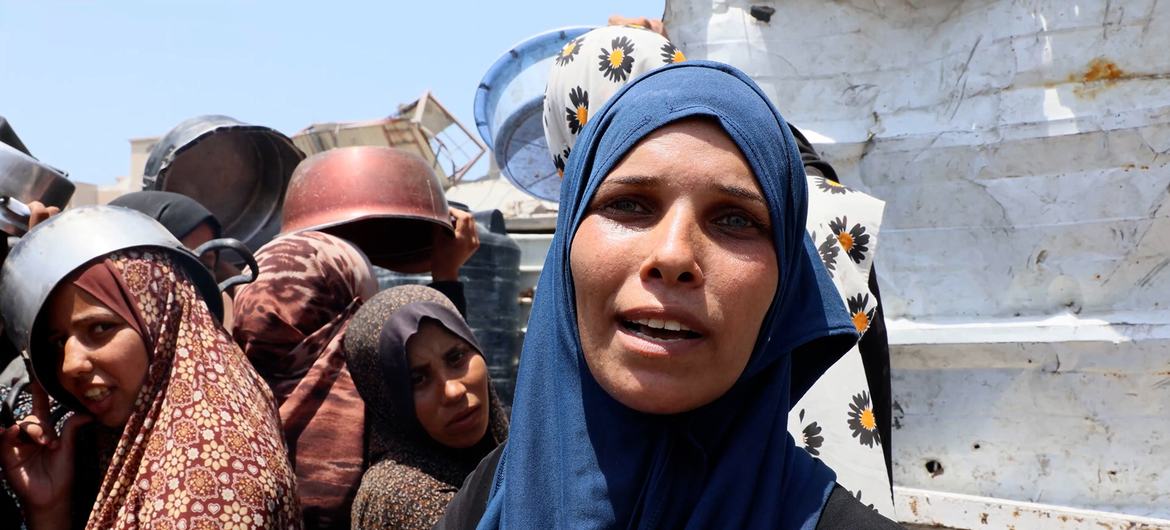
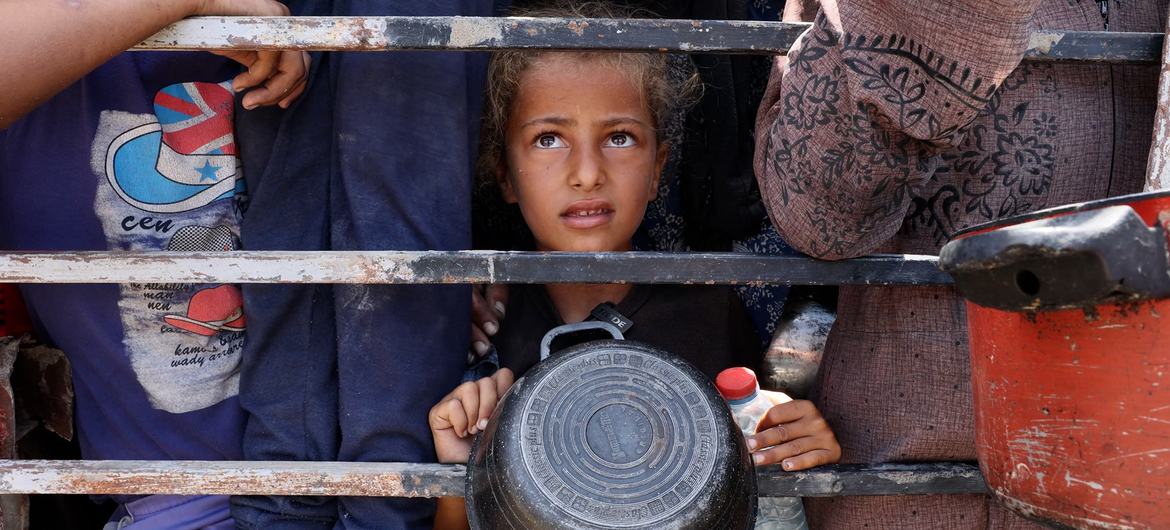
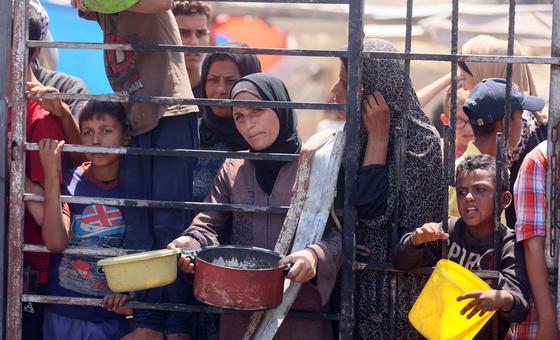
Meanwhile, civilians continue to be killed and wounded in Gaza, where even basic tasks such as finding food and water have become impossible, the UN Office for the Coordination of Humanitarian Affairs (OCHA) said in an update.

Furthermore, aid entering the Strip continues to be far below the minimum required to meet the immense needs, OCHA added.

Scarcity and ‘exorbitant prices’ 

“Since the entry of some commercial trucks into Gaza in the past few days, partners reported a minor reduction in commodities prices as of yesterday. Most food items remain scarce in the market and sold at exorbitant prices,” OCHA said.

At the same time, airdrops in different parts of Gaza continue to reportedly kill and injure people, with one child reportedly losing their life in Khan Younis on Thursday.

While welcoming all efforts to provide desperately needed aid, OCHA reiterated that the most efficient way to bring supplies into Gaza is by road. 

It is imperative that aid is allowed to enter through all crossings and via all available corridors so that the UN and its partners can deliver it at scale in a safe and dignified manner through their community-based mechanisms, reaching the most vulnerable,” the agency said.

Severe heatwave

OCHA added that the region has been hit by a severe heatwave as people continue to struggle with access to water.

On Thursday, aid partners reported that the South Gaza Desalination Plant’s electricity line was damaged for the third time in the past seven days and the plant is operating at less than 14 per cent of its capacity. 


Source link

Landlocked but not left behind: UN summit in Turkmenistan wraps with bold new roadmap

Held under the theme Driving Progress Through Partnerships, the four-day forum known as LLDC3, brought together Heads of State, senior UN officials, development partners, and private sector leaders to tackle persistent challenges faced by LLDCs, including high trade costs, inadequate infrastructure, and vulnerability to climate change.

Anchored by the Awaza Programme of Action for 2024–2034, which was adopted by the UN General Assembly last year, the new ‘Awaza Declaration’ outlines a unified strategy across five priority areas:

  1. Structural economic transformation;
  2. Trade and regional integration;
  3. Transport and infrastructure;
  4. Climate change adaptation and disaster risk reduction; and
  5. Mobilizing finance and partnerships.

The Awaza Declaration marks a turning point. It is a blueprint for action, not just words,” said Under Secretary-General Rabab Fatima.

“With targeted investments in infrastructure, trade facilitation, and climate resilience, we can unlock the potential of LLDCs and ensure no one is left behind.”

Ms. Fatima, who also serves as the UN High Representative for the Least Developed Countries, Landlocked Developing Countries, and Small Island Developing States (UN-OHRLLS), said the conference would be remembered as a defining moment in the LLDC journey, ushering in a new era of bold partnerships and decisive action.

“It is this spirit…of solidarity, partnership, and shared purpose that will carry us forward. A future where we are not divided by geography, but connected through ideas, trade and innovation,” she said. 

Let us make the promise of ‘land-linked’ not only a phrase but a new way of life…the UN stands ready to support this decade of delivery,” she added.

A call for investment and inclusion

The Declaration calls for increased investments from multilateral development banks, stronger South-South cooperation, and broader inclusion of LLDC interests in global trade and climate agendas.

It also emphasizes the importance of monitoring implementation and ensuring that LLDCs themselves lead the process, coordinated by UN-OHRLLS.

Turkmenistan’s initiatives

As host country, Turkmenistan presented several initiatives aligned with the Conference’s goals, including the Global Atlas for Sustainable Transport Connectivity, the Global Hydrogen Energy Transition Programme, and the Caspian Environmental Initiative.

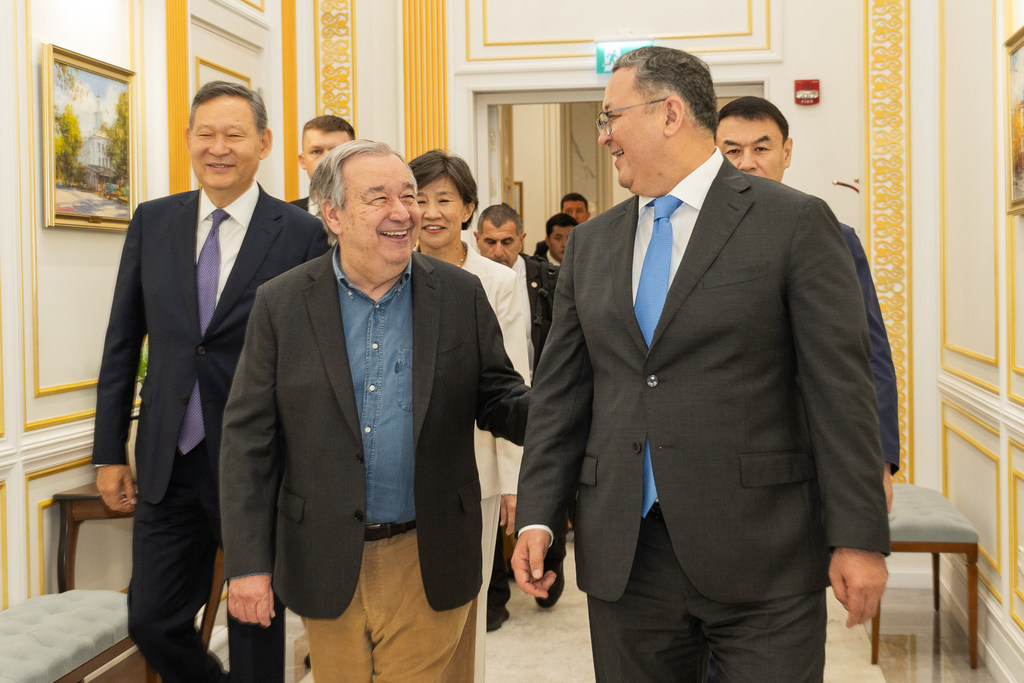
“The Awaza Declaration reflects our shared vision of partnership and progress,” said Gurbanguly Mälikgulyýewiç Berdimuhamedow, National Leader of the Turkmen People and Chairman of the People’s Council of Turkmenistan.

“Together – transit countries, development partners, and the private sector – we can overcome geographical constraints and build sustainable prosperity for our peoples.”

What’s next?

The Awaza Declaration represents a major step forward for LLDCs and a renewed symbol of global solidarity – turning a geographical disadvantage into a shared advantage.

Implementation will be tracked by the UN General Assembly through annual LLDC ministerial meetings.

Key upcoming platforms to advance LLDC priorities include:

  • The 2025 UN climate conference in Brazil (COP30);
  • The next meeting of the UN Conference on Trade and Development (UNCTAD); and
  • The 2027 Global Mountain Summit in Kyrgyzstan.

A mid-term review of the Awaza Programme of Action is scheduled for 2030.

Rabab Fatima (on screen), Under Secretary-General and High Representative for the Least Developed Countries, Landlocked Developing Countries and Small Island Developing States, holds a wrap-up press conference at the Third UN Conference on the Landlocked Developing Countries (LLDC3).

Cooperation begins with neighbours

At a wrap-up press briefing, Aksoltan Ataeva, Permanent Representative of Turkmenistan to the United Nations, said that for his country, “hosting LLDC3 is not only a significant political event, but it also reflects Turkmenistan’s foreign policy philosophy: to be a bridge, not a barrier.

UN Resident Coordinator in Turkmenistan Dmitry Shlapachenko told UN News the Conference was especially important for the region, bringing together several Central Asian heads of state.

Global partnerships matter – but real cooperation starts with neighbours.

Mr. Shlapachenko shared an example cited by the UN Secretary-General in meetings with Central Asian leaders:

“Before Portugal and Spain joined the European Union, trade between them was minimal. But once they became part of the EU, 40 per cent of all goods exported by Portugal went to Spain. This really improved life for [the people of both countries]. I think it’s very important to keep this in mind when we talk about Central Asia.”

There is still a lot to be done here, but we are moving in the right direction,” he added.

UN Resident Coordinator in Uzbekistan Sabine Machl noted that UN country teams in Central Asia regularly meet to coordinate their work. Uzbekistan, one of only two double landlocked countries in the world (alongside Liechtenstein), faces unique challenges – but also opportunities.

“As the United Nations country team in Uzbekistan, for the next five years, what we want to do is to harness the demographic dividend by investing in the people of Uzbekistan,” she said.

“That’s our one strategic priority. Because Uzbekistan has a very young population – 60 per cent of the population is under 30 years old.”

In Lesotho, a landlocked African country, water is a major opportunity. UN Resident Coordinator Amanda Khozi Mukawashi told UN News that the country wants to share its abundant water and other resources – but needs investment.

“Lesotho has got water. It’s one of its biggest natural assets; lots of water that flows from Lesotho and saves lives in neighboring countries like Namibia, Botswana, and so on,” she said.

“What they’re trying to do is to look for investment, to develop the infrastructure so that they can produce renewable energy, hydropower.”

She added that Lesotho could use its wind and solar resources not just for its own industrial development, but to export into a region facing challenges in both water and energy.

These and other ideas were discussed on the sidelines of the Conference and will continue to be advanced at future forums.

Farewell to Awaza

On Friday, Awaza – nesteled on the shores of the Caspian Sea, the world’s largest inland body of water – bid farewell to its guests with a ceremonial lowering of the UN and Turkmenistan flags, which had been raised at the start of the week.

Awaza will be remembered as a defining moment for the journey of LLDCs – not only for the great success of the Conference itself, but as the beginning of a new era of ambitious partnerships and decisive action,” said Ms. Fatima, wrapping up the forum.

The Third UN Conference on Least Developed Countries opened in Awaza, Turkmenistan on Tuesday, 5 August.

UN News was on the ground in Awaza, bringing you all the highlights and discussions. Find all our coverage here.

Source link

Sudan: You can run – but we will find you, militias warn terrified civilians

“People told me multiple times that when they were fleeing from Zamzam [displacement camp], armed people would threaten them while they were in flight, saying sure, ‘Flee, go to that place, run here, run there, we will follow you, we will find you’,” said Jocelyn Elizabeth Knight, a Protection Officer for the UN refugee agency, UNHCR.

Briefing journalists in Geneva, Ms. Knight described speaking to one traumatized child at a UNHCR shelter, whose experience mirrors that of countless other youngsters across the nation.

“A tiny boy told me, ‘You know, during the day things are okay here, but I’m afraid to go to sleep at night in case the place where we’re living is attacked again’.

UNHCR’s Jocelyn Knight speaks with UN News on the situation on the ground.

Forced into squalor

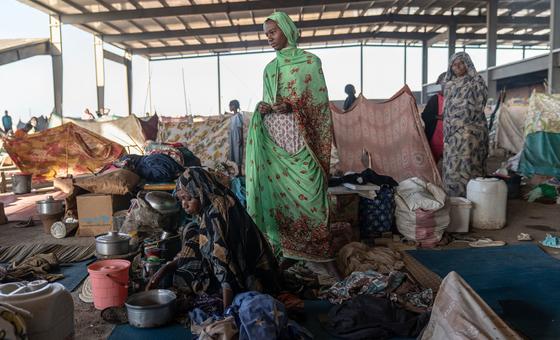
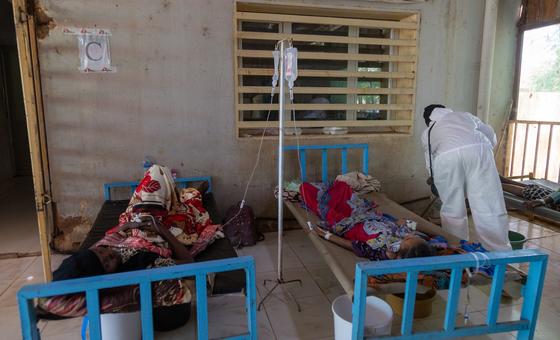
In Darfur in western Sudan, many people uprooted by violence gather in disused public buildings with few essentials to water and sanitation.  

Meanwhile, new displacement and attacks on civilians continue within Darfur and neighbouring Kordofan region, UNHCR warned, in communities “that are already devastated and have been subjected to unspeakable atrocities”.

The ongoing fighting has also severely constrained humanitarian access and disrupted aid delivery for over two years. With seasonal rains underway, many roads will be impassable for months, further complicating the delivery of aid, the UN agency noted.  

The persistent insecurity has also impeded farming, deepening deprivation in areas at risk of famine or already experiencing famine-like conditions.

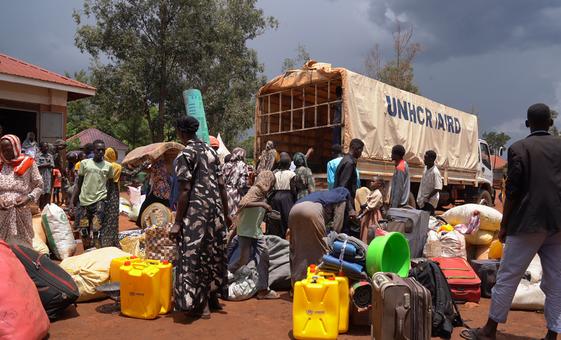
Latest UNHCR data indicates that more than 873,000 Sudanese refugees have fled Darfur and crossed into Chad, which now hosts the largest number of registered Sudanese refugees since the start of the conflict. One in three people in eastern Chad is now a refugee.

Deadly disease

In addition to heavy fighting between the Sudanese Armed Forces (SAF) and their former allies-turned opponents – the Rapid Support Forces (RSF) paramilitaries – that began in April 2023, civilians now face a fast-spreading and deadly cholera outbreak.

Cholera has swept across Sudan with all the states reporting outbreaks,” said Dr. Ilham Nour, Senior Emergency Officer with the UN World Health Organization (WHO).

She noted that since last July, nearly 100,000 cases have been reported.

Lives on the line

The highly contagious disease spreads rapidly in unsanitary conditions. As of early August, 264 cases and 12 deaths have been identified at Dougui refugee settlement in eastern Chad hosting Sudanese arrivals from Darfur.

Surrounding villages have also reported suspected cases, while others have emerged in Treguine settlement, one of many UNHCR camps in eastern Chad that host Sudanese refugees.

Help to contain the disease is urgent, insisted UNHCR’s Dossou Patrice Ahouansou, Principal Situation Coordinator for Eastern Chad.

“We still have more than 230,000 refugees at the border in very difficult situation,” he said. “Without urgent action including enhancing access to medical treatment, to clean water, to sanitation, to hygiene and most important, relocation from the border, many more lives are on the line.

As part of the response and to prevent new cases, the UN agency has suspended the relocation of refugees from border points.

UNHCR is seeking $130 million in flexible funding to provide life-saving aid to an estimated 800,000 people in Darfur. In addition, the UN agency will respond to the cholera outbreak and relocate 239,000 Sudanese refugees from the Chad-Sudan border.

Unexploded weapons alert

Meanwhile, the UN Mine Action Service (UNMAS) confirmed fears that unexploded ordnance from ongoing battles are killing and maiming non-combatants who are unaware of the extent of the danger.

The sad reality of this ongoing conflict is it is not happening in rural areas, it’s mainly happening in urban areas, in the areas which are highly populated,” said Mohammad Sediq Rashid, Chief of UNMAS Sudan.

Last week, six minefields were confirmed in Khartoum and three of them contained anti-personnel landmines – the first time this has been reported – he told journalists in Geneva.

Contamination is on the roads, in homes, in schools and airstrips, medical facilities, humanitarian bases,” the UNMAS official continued.

This is a population [that] is largely unaware of the dangers that are waiting for them…this problem is only growing every day.

Source link

Israeli plan to take complete control of Gaza must stop now, says UN rights chief

“A complete military takeover of the occupied Gaza Strip must be immediately halted,” insisted Volker Türk, UN High Commissioner for Human Rights, after the Israeli security cabinet approved a plan for a full-scale Israeli military takeover in the battered enclave.

The development runs contrary to international law, Mr. Türk continued, referring to a ruling of the International Court of Justice that Israel must end its occupation and achieve a two-State solution giving Palestinians the right to self-determination.

Any further escalation of the conflict between Hamas and Israel that has devastated Gaza and killed tens of thousands “will result in more massive forced displacement, more killing, more unbearable suffering, senseless destruction and atrocity crimes”, the UN rights chief said.

Aid access call

In a short statement, Mr. Türk insisted that rather than intensifying the conflict, “the Israeli Government should put all its efforts into saving the lives of Gaza’s civilians by allowing the full, unfettered flow of humanitarian aid”.

At the same time, all hostages must be immediately and unconditionally released by Palestinian armed groups, he continued, adding that Palestinians arbitrarily detained by Israel must also also be released.

“The war in Gaza must end now. And Israelis and Palestinians must be allowed to live side by side in peace,” the High Commissioner said.

Little change in dire aid situation 

Since war erupted in Gaza after Hamas-led deadly terror attacks in Israel in October 2023, aid agencies have warned repeatedly that Israeli bombardment, mass evacuation orders and relief restrictions have created a humanitarian catastrophe.

Even UN staff who are still working in the enclave report being unable to find enough to eat, according to the UN agency for Palestinian refugees, UNRWA. Despite Israel’s 27 July announcement of daily military pauses in western Gaza “to improve humanitarian responses”, far too little aid is getting through, humanitarians insist. 

According to the UN human rights office, OHCHR, since 27 May, at least 1,373 Palestinians have been killed while seeking food; 859 in the vicinity of the non-UN aid distribution organization the Gaza Humanitarian Foundation (GHF); another 514 victims died along the routes of food convoys.

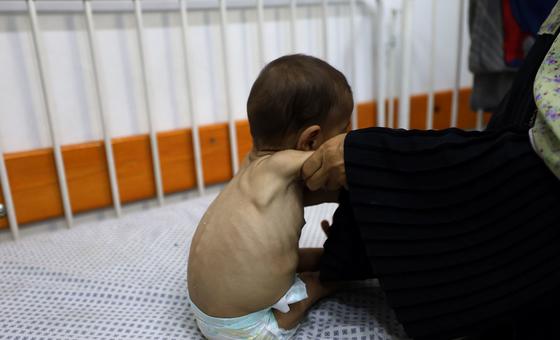
Echoing widespread concerns for the people of Gaza, the head of the UN World Health Organization (WHO), warned that other Gazans have only limited access to basic services and food, while malnutrition is widespread and hunger-related deaths are rising.

“In July, nearly 12,000 children under five years were identified as suffering from acute malnutrition, the highest monthly figure ever recorded,” said Tedros Adhanom Ghebreyesus.

In comments to journalists on Thursday, the WHO chief said that so far this year, 99 people have died from malnutrition, including 29 children under five, adding that these reported numbers are likely underestimates. 

Source link

Gaza: Acute malnutrition among children hits record high

In July alone, nearly 12,000 children under five were identified as acutely malnourished out of 136,000 screened, according to aid partners. 

Of these, more than 2,500 were found to suffer from severe acute malnutrition, the most life-threatening form, and 40 had to be hospitalized in stabilisation centres.

More children affected

The proportion of children with severe acute malnutrition is rising, OCHA said.  

In June and July, 18 per cent of all acutely malnourished children had severe acute malnutrition, compared with 12 per cent between March and May.

Moreover, humanitarian access constraints are adding to the crisis.

Last month, aid partners were only able to reach 8,700 of the 290,000 children under five who require feeding and nutrition supplements due to the severe shortage of lipid-based nutrient supplements entering Gaza.

OCHA said the development “marks a dramatic collapse in the malnutrition prevention programme”, noting that an average of 76,000 children – or a quarter of those in need – were reached each month between April and June.

Distribution of other key nutrition supplies has also declined sharply, which is affecting children, pregnant women and breastfeeding mothers.

Shelter crisis worsens

Meanwhile, no shelter materials have entered Gaza since 2 March. 

At the same time, more than one million shelter items, and 2.3 million items such as tents, tarps, and sealing-off materials, have been procured and are currently stuck in Jordan and Egypt as the Israeli authorities have not approved their entry. 

The shelter crisis continues to worsen, with most families living in severely overcrowded and unsafe conditions. Some have no shelter at all. 

In July, humanitarians assessed 44 displacement sites, discovering that 43 had families with no shelter.

A family rests after evacuating from Deir Al-Balah in the Gaza Strip. (file)

Bombardment and displacement continue

The situation is further deteriorating due to ongoing bombardment, displacement orders and insecurity, which continue to displace families and disrupt humanitarian operations.

OCHA reported that overall, realities on the ground remain largely the same since Israel announced a “tactical pause” in military operations to allow the safe passage of aid.

The UN agency reiterated that supplies that have entered remain insufficient given the immense needs, while UN convoys continue to face challenges in delivering aid.

Aid missions taking hours

While fewer humanitarian movements have been denied outright, missions that are approved still take hours to complete, with some taking more than 18 hours.

On Wednesday, five out of 11 missions requiring coordination with the Israel authorities were facilitated. These included collecting food from the Kerem Shalom and Zikim crossings.

Another four missions were impeded but eventually fully completed, which included the collection of fuel from Kerem Shalom crossing and transfer of fuel from southern Gaza to the north. 

Medical evacuation update

One of the missions saw the medical evacuation of 15 children to Jordan, and 42 companions, with support from the World Health Organization (WHO).  However, more than 14,800 patients in Gaza still urgently need specialized medical care.

OCHA also reported on the flow of commercial goods into the Strip, noting that several trucks carrying food items have been entering over the past days. 

While the UN will continue to monitor the situation, humanitarians again stressed the need for unimpeded and predictable humanitarian access into and within Gaza, warning that “without it, time and resources are wasted, lives are lost, and the response cannot match the scale of the needs.” 

Source link

Abuse during and after childbirth persists globally, WHO warns

Over the past decade, a growing body of evidence has highlighted the widespread impact of mistreatment and the necessity of placing respectful care at the centre of all maternal and newborn health strategies.  

WHO’s Human Reproduction Programme (HRP), and partners released a new compendium on Wednesday aimed at ending mistreatment and promoting respectful maternal and newborn care, featuring the latest evidence and guidance on best practices.

From policymaking to clinical settings and community services, this compendium outlines actionable steps to uphold the rights, needs and preferences of women, newborns, parents and families.  

Broad range of mistreatment

Taking different forms, mistreatment during childbirth ranges from neglect and abuse to non-consensual medical procedures, with an earlier WHO-supported study finding that 40 per cent of women in four countries had experienced some sort of abuse or discrimination during labour or childbirth.

Some reported being slapped, shouted at, or forcibly restrained.

Across these four countries, researchers also found that more than four in 10 women had been physically or verbally abused during childbirth, with some also experiencing discrimination.  

In addition, up to 75 per cent of extremely sensitive procedures were performed without consent.  

Shut out

Too often, women are not part of decision-making and are treated with contempt or even abuse,” said WHO’s Dr. Hedieh Mehrtash.

“Respectful maternal and newborn care needs to be embedded and integrated into policy and practice,” said WHO, as the compendium provides practical resources for countries, urging health systems to proactively embed dignity, equity, and respect into every aspect of maternity and newborn care – building on WHO’s 2014 statement on preventing disrespect and abuse.

Highlighting critical areas where mistreatment is often overlooked, WHO’s compendium provides programme managers with essential background to build a foundational understanding of mistreatment and respectful care and aims to ensure respectful practices become the norm. 

Source link

UN officials warn of starvation amid ‘gender emergency’ in war-torn Sudan

Particularly hard hit is El Fasher, where hunger is growing, with the Office for the Coordination of Humanitarian Affairs (OCHA) warning of a deteriorating situation that is putting even more civilians’ lives at risk.

OCHA’s Director of Operations and Advocacy, Edem Wosornu, who is currently in the country, said the suffering is immense, with people trapped, displaced or returning to face communities in ruins. She called for unimpeded access and urgent support to reach those on the frontlines of hardship.

Briefing reporters at UN Headquarters in New York, UN Deputy Spokesperson Farhan Haq said “with increasingly alarming food shortages and spiraling prices, people in El Fasher are reported to be resorting to eating animal feed in what is an increasingly catastrophic situation.”                       

Thousands face starvation, cholera threat

El Fasher has the highest cost of basic goods nationwide at nearly $1,000 per household per month, which is far beyond the reach of most families. This includes more than $700 for food alone – more than eight times the cost of basic food items in other parts of the country, Mr. Haq said.

These steep costs, coupled with the siege and lack of aid delivery by road for over a year, have left thousands facing starvation,” he added, noting that engagement around the calls from the Secretary-General and the UN Emergency Relief Coordinator for a pause in the area is “more important than ever.

In an effort to curb public health risks in North Darfur, UN humanitarian partners and local authorities launched a sanitation campaign on 5 August targeting 11,000 people in the localities of El Fasher and Dar As Salam with a goal of preventing disease outbreaks in overcrowded displacement sites during the ongoing rainy season.

They are also scaling up efforts to respond to a cholera outbreak in the locality of Tawila, which has absorbed 330,000 displaced people fleeing conflict in Zamzam and El Fasher since April.

In Blue Nile State, cholera cases have surged to nearly 2,800 since late June, with over 40 new infections recorded yesterday alone, with 14 deaths have been reported, the UN Deputy Spokesperson said.

‘Gender emergency’

Warnings also came from gender equality agency, UN Women.

“This crisis is a gender emergency,” said Salvator Nkurunziza, the agency’s representative in Sudan, told UN News.

Displaced women and girls can be subject to the risks of exploitation and abuse, especially during the delivery of aid, where protection mechanisms are weak or absent in some locations,” he said.

According to the agency’s Unit for Combating Violence Against Women in Sudan, as of March 2025, there have been 1,138 cases of rape recorded since April 2023, including 193 children, most of whom were in conflict-affected areas, he said.

“The actual number may be higher as fear of stigma and other social and security reasons prevent accurate reporting of gender-based violence crimes,” he warned.

Women, girls ‘most affected’ by food insecurity

“Certainly, these crimes including rape and harassment can prevent women and girls from access food assistance,” he said.

Unreported gender-based violence crimes in besieged areas can be higher than shown in recent statistics, he continued, emphasising that women and girls are the most affected by food insecurity in those areas, and the situations there indicate a looming hunger crisis.

“Women are central to the survival of their households, especially in displacement settings, but their ability to access food assistance is deeply compromised,” Mr. Nkurunziza said. “Female-headed households, already three times more likely to be food insecure, are now the hungriest group in the country.”

Source link

Afghan women returnees face rising risks, UN warns

UN Women – which champions gender empowerment and equality – alongside the international humanitarian agency CARE International and partners, issued the call in a report published on Thursday that also highlights the key challenges and needs of women aid workers assisting the returnees.

The Gender Alert comes amid a surge in returnees to Afghanistan, where the Taliban has ruled for four years, implementing numerous decrees that restrict women’s rights amid economic crisis, climate shocks and immense humanitarian needs.

Strangers in a strange land

Since September 2023, more than 2.4 million undocumented Afghan migrants have returned, or were forced to return, from Pakistan and Iran.

Women and girls account for a third of returnees from Iran so far this year, and about half of those coming from Pakistan.   

Many arrive in a country they have never lived in, with no home, income or access to education and healthcare.

Women and children who have returned to Afghanistan, wait to be seen at a maternity clinic.

A myriad of risks

Like all women and girls in Afghanistan, the returnees face increased risks of poverty, early marriage, violence, exploitation and unprecedented restrictions on their rights, movements and freedoms.  

Vulnerable women and girls arriving with nothing into communities that are already stretched to breaking point puts them at even greater risk,” said Susan Ferguson, UN Women Special Representative in the country. 

We need a place to stay, a chance to learn and a way to earn.

“They are determined to rebuild with dignity, but we need more funding to provide the dedicated support they need and to ensure women humanitarian workers are there to reach them.” 

Housing, income and education

The report outlines urgent and long-term needs, such as safe and affordable shelter, livelihood support and girls’ education.  

As one participant in a focus group in Nangahar province put it, “We need a place to stay, a chance to learn and a way to earn.”

Currently, only 10 per cent of women-headed households live in permanent shelter, nearly four in 10 fear eviction, and all girls are banned from attending secondary school.

Impact of aid cuts

Although women humanitarian workers at border points are critical to reaching female returnees, cuts in foreign aid and movement restrictions increasingly hamper their efforts.

For example, women humanitarians are required to be accompanied by a male guardian, or mahram, when travelling.  However, “funding cuts have sharply eroded staff mahram support in the provinces of Kandahar and Nangarhar, leaving provision inconsistent, delayed, or absent altogether,” the report said.

The funding cuts have severely weakened the capacity of humanitarian organizations to respond, and women humanitarian workers at border points report that they are overwhelmed by the sheer number of arrivals and being unable to meet even their basic needs. 

‘Distressed, disoriented and without hope’

“Witnessing the volume of arrivals and the hardship faced by women, children and families – many distressed, disoriented and without hope – has left a deep impact on all of us responding to this crisis,” said Graham Davison, CARE Afghanistan Director.

He underscored the urgent need for support to provide basic services, safe spaces and protection for women and girl returnees. 

The report noted that Afghanistan is already facing one of the world’s most dire humanitarian crises, driven by decades of conflict, poverty and natural disasters.

As this latest wave of returns threatens to push already fragile communities further into crisis, the partners urged the international community to act now to protect the rights of Afghan women and girls and to invest in the women humanitarians who support them.

Arafat Jamal, the UN refugee agency (UNHCR) Representative in Afghanistan, recently spoke about the surge in returnees from Iran.

Record number of returns

Separately, the International Organization for Migration (IOM) also called for international support as Afghanistan confronts “one of the largest return movements in recent history.”

Returnee numbers are on track to increase as one million more Afghans are expected to return from Pakistan following the Government’s decision not to extend their stay.

IOM operates four reception centres at major border crossings in Afghanistan, including Islam Qala and Milak with Iran, and Torkham and Spin Boldak with Pakistan. 

The UN agency is appealing for additional funding to scale up its response to address growing needs at the borders and in areas of return.

Source link

Erasure or empowerment? In Africa’s Sahel, women confront a stark choice

Risks to women and girls across this vast region are severe and systemic, as political instability, environmental collapse and a declining international presence take their toll.

From abductions and child marriage to exclusion from schools and public life, their lives and opportunities are being steadily stripped away, Sima Bahous, Executive Director of UN Women, told ambassadors in the Security Council on Thursday.

In the Sahel, where the world’s gravest concerns converge, women and girls bear the brunt,” she said.

She added that crises due to increasing terrorism, poverty, hunger, a crumbling aid system and shrinking civic space are “converging – violently and disproportionately – on their bodies and their futures.

UN Women Executive Director Bahous briefs the Security Council.

Life is being erased

In countries like Burkina Faso, Mali, Niger and Chad, life for women under extremist control “is one of erasure from public space,” Ms. Bahous said.

Their movement, visibility and even clothing are heavily restricted. Schools have been burned or shut down, leaving more than one million girls without access to education.

Abduction is not a by-product of terrorism in the Sahel – it is a tactic,” Ms. Bahous said, noting that in Burkina Faso alone, the number of women and girls abducted has more than doubled over the past 18 months.

In Mali, 90 percent of women are affected by female genital mutilation. Rates of child marriage in parts of the region are among the highest in the world. Maternal mortality – driven by early pregnancy and poverty – is among the world’s worst.

Dwindling resilience and attention

“The distances women and girls travel for water or firewood are growing longer, while their safety is shrinking,” Ms. Bahous said.

Two-thirds of women surveyed report feeling unsafe during these journeys. Climate change only deepens the hardship, with extreme heat and drought increasing both mortality and food insecurity across the region.

Yet despite mounting needs, international support is waning.

Only eight per cent of this year’s humanitarian appeal for the region had been met by May.  

Development assistance has fallen nearly 20 per cent over the past two years. As a result, women’s protection and empowerment programmes have been suspended, while government ministries focused on gender equality are being defunded, merged or closed.

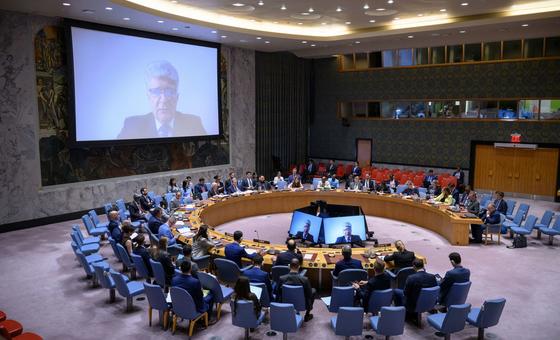
SRSG Simão briefs the Security Council (via video).

Political space closing

At the same time, democratic and civic space is narrowing.

In Niger, only 14 percent of participants in recent institutional reforms were women. In Mali, just two out of 36 members drafting the new national charter were women.

Leonardo Santos Simão, head of the UN Office for West Africa and the Sahel (UNOWAS), also warned that a deteriorating security environment – marked by waves of jihadist attacks and political turbulence – is undermining progress and fuelling displacement.

He added that shrinking space for media, civil society and women’s organizations is threatening hard-won gains and that a broader crisis is undermining governance and peacebuilding efforts.  

“The region’s economy remains highly vulnerable to external shocks. Although macroeconomic indicators show improvement, rising debt levels continue to constrain governments’ capacity to provide essential services,” he said.

Fragile gains

Still, progress is possible – and in some instances, visible.

In Chad, women now hold 34 percent of parliamentary seats. In conflict-prone border zones in Mali and Niger, women’s participation in local peacebuilding rose from five percent to 25 percent, helping resolve over 100 disputes related to scarce natural resources.

Across the region, joint UN programming has increased adolescent girls’ return to school by 23 percent, while doubling women’s participation in local governance across 34 conflict-affected communities. In addition, a UN-World Bank initiative has reached over three million adolescent girls with health care, safe spaces and life-skills training.

Stand with Sahel’s women

Yet, these gains remain fragile.

We cannot abandon the Sahel – whatever the politics, whatever the funding landscapes, whatever the geopolitical headwinds,” Ms. Bahous said in conclusion.

Let us stand with the women of the Sahel – not out of charity, but in recognition of their power to shape a better future.

Source link

Extreme heat is breaking records worldwide: UN weather agency

Extreme temperatures caused approximately 489,000 heat-related deaths annually between 2000 and 2019, with 36 per cent occurring in Europe and 45 per cent in Asia.

The health impacts of heat are especially severe in cities due to the so-called ‘urban heat island effect’ – the over-heating of dense city areas compared with their rural surroundings – which is magnifying problems as urbanisation continues.  

Amid rising 21st-century temperatures, the WMO underscored that July 2025 was the third-warmest July ever recorded, behind those in 2023 and 2024.  

European heat streak

In this record-breaking July, heatwaves especially impacted Sweden and Finland, which experienced unusually long spells of temperatures above 30 degrees Celsius (86 degrees Fahrenheit).

Southeast Europe also faced heatwaves and wildfire activity, with Türkiye recording an extreme new national high of 50.5 degrees Celsius (122.9 degrees Fahrenheit).

Asia, North Africa, United States

In Asia, temperatures soared above average the most across the Himalayas, China and Japan in July, with extreme heat continuing into August.

In the week leading up to 5 August, temperatures surpassed 42 degrees Celsius (107 degrees Fahrenheit) across West Asia, southern Central Asia, the southwestern US, much of North Africa and southern Pakistan – with some areas exceeding 45 degrees Celsius (114 degrees Fahrenheit).

Parts of southwestern Iran and eastern Iraq saw particularly severe temperatures above 50 degrees Celsius (122 degrees Fahrenheit), disrupting electricity and water supplies, education and labor.

For the week of 4 August, Morocco issued heat warnings for temperatures up to 47 degrees Celsius (116 degrees Fahrenheit).

Korea also issued widespread heat warnings, as station temperature records were broken across parts of China.

In Japan, a new national temperature record of 41.8 degrees Celsius (107.2 degrees Fahrenheit) was set on 5 August, breaking the previous record of 41.2 degrees Celsius set a week prior.

Looking ahead

Looking to next week, the World Meteorological Centre in Beijing forecasts that heatwaves will persist across the same regions as well as the Iberian Peninsula and northern Mexico.

These regions are expected to see maximum temperatures between 38 and 40 degrees Celsius (100.4 to 104 degrees Fahrenheit), with parts of Saudi Arabia, Iraq, Iran, North Africa and the southwestern U.S. likely to exceed 45 degrees Celsius (113 degrees Fahrenheit).

Canadian wildfires

As Canada experiences one of its worst wildfire seasons on record, with 6.6 million hectares burned, smoke has polluted skies and caused poor air quality across several provinces and northern states of the US in late July and early August.

Twice this summer, smoke from Canadian fires crossed the Atlantic, affecting skies over Western Europe from 5–7 August and over Central and Southern Europe in late June.

Elsewhere, Cyprus, Greece and Türkiye have battled wildfires that forced evacuations and caused fatalities. In the US, a wildfire in Arizona’s Grand Canyon National Park disrupted tourism at the iconic site.

‘No longer an excuse’

Extreme heat is sometimes called the silent killer, but with today’s science, data and technologies, silence is no longer an excuse. Every single death from extreme heat is preventable,” said WMO Deputy Secretary-General Ko Barrett.  

The WMO is working to strengthen heat early warning systems under the Early Warnings for All initiative. In collaboration with global and local partners, it is also helping countries develop heat-health action plans and ensure at-risk populations receive timely alerts.

WMO is also one of ten UN agencies supporting the Secretary-General’s Call to Action on Extreme Heat, which aims to boost global cooperation to reduce heat impacts through economic and social policy. A key focus is limiting global warming to 1.5 degrees Celsius above pre-industrial levels, in line with the 2015 Paris Agreement.

According to estimates from WMO and the World Health Organization (WHO), scaling up heat-health warning systems in 57 countries alone could save nearly 100,000 lives annually.

Our Network is connecting science, policy, and action so that no community is left behind in the race to adapt to climate change that will continue to worsen extreme heat for years to come,” said Joy Shumake-Guillemot, lead of the WHO-WMO Climate and Health Joint Programme and co-lead of the Global Heat-Health Information Network (GHHIN).

“This is not just a climate issue, it’s a public health emergency,” she concluded. 

Gaza: Hospitals ‘at near-total collapse’, staff overwhelmed by the injured

Meanwhile, UN agencies confirmed the deaths of three Palestinians from Guillain-Barré Syndrome (GBS), a rare auto-immune disease that can cause sudden muscle weakness and even paralysis.

Before war erupted in Gaza in October 2023, only a handful of cases surfaced every year.

Mass casualties now the norm

“Hospitals are overwhelmed by mass casualty incidents, with an average of eight incidents per day,” said the UN aid coordination agency, OCHA, citing health partners.

In an update on the dire health crisis in Gaza, OCHA noted that specialised rehabilitation facilities were also overstretched handling complex trauma injuries and cases of Guillain-Barré.

To date, three deaths out of around 64 cases of GBS have been confirmed by the health authorities in Gaza. Two of the deceased were children.

According to the UN World Health Organization (WHO), 30 per cent of GBS patients require intensive care but there is no available stock of the primary medication needed to treat it, intravenous immunoglobulin.

Aid-drops are inadequate: WFP

In a related development, the UN World Food Programme (WFP) echoed repeated calls for aid to flood into Gaza, as opposed to the very limited amounts being allowed by the Israeli authorities.

We can’t airdrop our way out of an unfolding famine. Not in Gaza,” insisted Cindy McCain, WFP Executive Director in a social media post late Wednesday.

The UN agency chief underscored that “500,000 people are starving today” and the only way to help them is to get food to them at scale and by land.

“We can’t afford to wait; Gaza is out of food and out of time,” Ms. McCain said.

WHO stocks destroyed

The destruction of WHO’s main medical warehouse in an attack on Deir Al-Balah late last month continues to impact lifesaving care.

In particular, the critical shortage of antibiotics has hampered treatment of meningitis, whose numbers are now in the hundreds – “the highest number recorded since the beginning of the escalation”, the OCHA update noted.

Isolation measures have been implemented, including the separation of the external department at Al Khair Hospital from the Nasser Medical Complex and the establishment of isolation tents at Al Aqsa Hospital to safely manage suspected cases.

Explosive weapons such as bombs and grenades have accounted for 83 per cent of medical consultations, said OCHA.

It cited partner NGO Médecins Sans Frontières (MSF) whose data covered more than 200,000 medical consultations in six MSF-supported health facilities in Gaza in 2024.

It cited partner NGO Médecins Sans Frontières (MSF) whose data covered more than 200,000 medical consultations in six MSF-supported health facilities in Gaza in 2024.

What is Guillain-Barré Syndrome?

Guillain-Barré Syndrome (GBS) is a neurological and autoimmune disease that affects the nervous system and causes progressive muscle paralysis. It is not contagious and is often triggered by a prior infection – viral or bacterial – that  disrupts the immune system.

In most cases, patients can recover fully within a few weeks. But WHO stressed that even in the best healthcare settings, three to five per cent of patients die from complications of the disease, such as respiratory muscle paralysis, sepsis, pulmonary embolism, or cardiac arrest.

There have been several outbreaks of infectious diseases in Gaza since war erupted following Hamas-led terror attacks in Israel, including polio, cholera, hepatitis A and scabies.

Source link

Landlocked nations ‘invisible to much of the world’: UN trade and development chief

At a major UN conference underway this week in Awaza, Turkmenistan, calls are growing to tackle the high trade costs, investment gaps and growing digital divide that continue to hold these countries back.

Despite progress in some areas, landlocked developing nations – from Bolivia to Bhutan and Burkina Faso – account for just 1.2 per cent of global exports, even though they represent over seven per cent of the world’s countries. Their populations face some of the highest levels of poverty, food insecurity and economic vulnerability anywhere.

These countries are invisible to much of the world,” not able to draw the attention needed to their unique challenges, said Rebeca Grynspan Secretary-General of the UN trade and development body, UNCTAD, speaking to UN News on the margins of the third UN Conference on Landlocked Developing Countries (LLDC3).

Without international attention and coordinated action, they will remain stuck in structural limbo, she emphasised.

High costs, low returns

One of the most persistent challenges they face is geography itself.

Without direct access to seaports, they must rely on neighbouring transit countries to move goods – often through outdated or inefficient infrastructure.

This translates into trade costs that are, on average, 1.4 times higher than those of coastal countries, according to UNCTAD. In some cases, export procedures can stretch into weeks or months due to border delays, fragmented regulations and limited digital systems.

Ms. Grynspan highlighted that in customs procedures, digital tools can cut waiting times at borders from three days to three hours. To that end, regional agreements and digital initiatives have emerged as lifelines.

UNCTAD head Rebeca Grynspan speaking to UN News.

One standout example is the Framework Agreement on Facilitation of Cross-Border Paperless Trade, championed by the UN Economic and Social Commission for Asia and the Pacific (ESCAP). Now in force among several Asia-Pacific countries, it helps reduce paperwork, automate customs and harmonise standards, making processes faster, cheaper and more transparent.

Paperless trade also has the potential to reduce corruption and ease language-related challenges.

ESCAP estimates that implementing cross-border paperless trade measures could reduce trade costs by up to 30 per cent for countries in the region without direct sea access and increase export potential for the whole of Asia and the Pacific by nearly $260 billion.

Infrastructure and integration

Even when goods reach border crossings, weak domestic transport networks further slow trade down. Roads and railways are often underdeveloped, underfunded or vulnerable to climate shocks.

Regional infrastructure – like the African North Corridor – is crucial,” Ms. Grynspan said, citing examples where wait times at borders have dropped by more than 150 per cent due to corridor investment and coordination.

But infrastructure alone is not enough – it must be paired with digital systems and strong regional partnerships.

“For landlocked countries, regional integration is very important because when you integrate regionally, you are in a better position because goods pass through you…[making you] part of global value chains with value added.”

In landlocked countries like Bhutan (pictured), roads are a vital lifeline. But limited and costly transport infrastructure restricts mobility, inflates trade costs, and hinders access to markets, education, and healthcare.

Escaping the commodity trap

Another structural challenge is heavy dependence on commodities. Over 80 per cent of landlocked developing countries rely on raw materials like minerals, oil or agricultural goods, making them highly exposed to global price swings and long-term decline in terms of trade.

You educate your people, but then they have nowhere to work because commodities do not give you the quality jobs that you need for the future,” said Ms. Grynspan.

The path forward lies in economic diversification, especially toward value-added manufacturing, digital services and knowledge-based sectors – industries that are less constrained by geography.

The investment conundrum

Yet to realise that potential, these countries need investment and they are not getting enough.

Despite more than 135 legal and policy reforms aimed at attracting foreign capital, foreign direct investment has declined by an average of 2 per cent over the past decade.

ESCAP’s analysis confirms this gap: landlocked countries in Asia are receiving far less infrastructure investment per person compared with coastal countries, even though their transport requirements are proportionally higher.

Governments are trying to make their countries more attractive [but] investment is not coming in,” Ms. Grynspan said.

High risk factors, lack of guarantees, and a reliance on short-term financing are deterring investors.

Multilateral development banks need to help us,” she added. “We need long-term, affordable financing and lowered cost of capital.” 

Source link

World News in Brief: Funding schools in Afghanistan, Seaweed farming in Latin America, drought in Somalia

The agency plans to procure over 1,200 metric tons of fortified biscuits, which will provide 200,000 primary school-aged girls and boys with sustenance for around three months.  

“For many children, the daily snack they receive in the first break of the day is often their only nutritious meal, giving them the energy to stay healthy, focused, and ready to learn,” said Mutinta Chimuka, Deputy Country Director for WFP in Afghanistan.  

Food security  

“WFP in Afghanistan launched its school feeding programme more than two decades ago to link food security and better nutrition with education,” said Ms. Chimuka.

School feeding activities have played a crucial role in improving attendance, retention and learning outcomes.

Primary schools participating in the programme saw enrollment increase by nearly 11 percent in 2024 compared to 2023, while attendance also improved, reaching an average of 87 per cent in the classroom, two percentage points above WFP’s target.

Seaweed farming, a potential key driver of sustainable development in Latin America

In the last decade, seaweed farming grew by 66 percent in Latin America and the Caribbean, a new report from the Food and Agriculture Organization (FAO) has found.

The practice of cultivating and harvesting seaweed or algae in the marine environment offers a relatively low-carbon method to produce highly nutritious food while supporting rural livelihoods, according to international experts gathered at a regional workshop in Chile.  

Seaweed farming is vital to sustainable coastal development in Latin America, experts argue, highlighting its nutritional value and the need for clearer, coordinated regulation.

Untapped potential

Expanding seaweed cultivation holds significant untapped potential for sustainable development in Latin America and the Caribbean.

However, while countries like Brazil, Chile and Venezuela lead production, most initiatives across the region remain small-scale.  

Yet, with a 66 per cent increase over the past decade, experts see major opportunities for growth. Supporting emerging producers, diversifying species and investing in research and technology – including AI and biotechnology – could  deliver both economic and environmental benefits.  

Strengthening community participation, particularly among women and youth, will also be essential. With coordinated action and inclusive policies, seaweed farming could become a key driver of resilient coastal development.

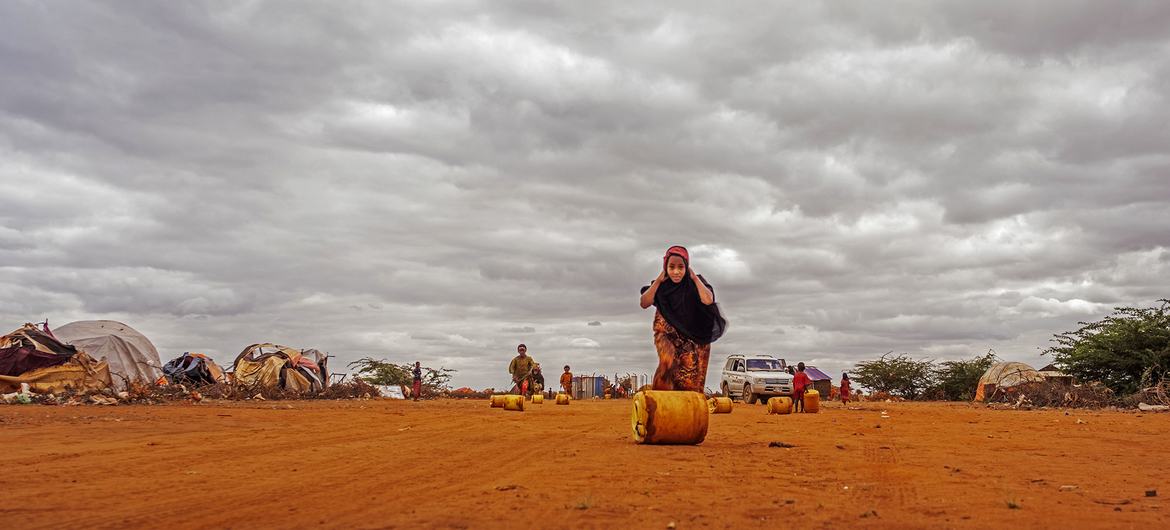
Hundreds of thousands impacted by severe drought in Somalia

Hundreds of thousands of people have been impacted by severe drought in Somalia’s central and northern regions, according to the UN’s humanitarian coordination office, OCHA.  

With food insecurity escalating, dwindling access to water and pasture and major disruption to livelihoods, a joint assessment by UN agencies and partners is currently underway in Puntland and Somaliland to determine key needs.

Wells run dry

An analysis from the Food and Agriculture Organization (FAO) noted that more than 880,000 Somalis are currently living in severely drought-affected areas across 16 districts, humanitarians on the ground reported that water wells have dried up and that more than 160 boreholes are no longer functioning.

Although the UN-managed Somalia Humanitarian Fund is preparing to allocate resources for urgent life-saving assistance, only 17 per cent of the plan has been funded to date. 

Source link

Syria: Ceasefire under strain as violence and aid access issues persist in Sweida

The 19 July truce followed weeks of sectarian clashes, Israeli airstrikes and grave human rights violations in the southern governorate, also known as As-Sweida.

As a result, more than 190,000 people have been displaced there and in neighbouring Dar’a and Rural Damascus governorates.

The fighting also caused severe damage to infrastructure and to livelihoods.  Electricity networks, water production assets including wells, and key public facilities were impacted.

Volatility, surveillance and demonstrations

Between 1 and 5 August, the security situation in Sweida and surrounding areas remained volatile, with clashes reported in three places, according to the OCHA flash update.

“Additionally, aerial surveillance activity attributed to the Israeli Defence Forces (IDF) has been observed over multiple locations in Dar’a and As-Sweida, contributing to regional tension,” the agency said.

During the same period, public demonstrations occurred across multiple locations in Sweida, reiterating calls for improved humanitarian access and protection.

Parallel demonstrations also took place in Dar’a and Damascus governorates which emphasised the importance of national unity. 

Aid efforts continue

Humanitarian access remains constrained, OCHA said, as the UN and partners continue to support response efforts.  

The main highway between Sweida and the capital, Damascus, has been inaccessible since 12 July due to security concerns. 

Furthermore, the southern corridor via Busra Esh-Sham in eastern Dar’a was temporarily closed for 24 hours but reopened on Monday, affecting aid delivery.

“Humanitarian actors scaled up response efforts, including fuel and food deliveries to As-Sweida and Dar’a, commercial convoy facilitation, and shelter support for displaced populations,” OCHA said.

Inter-agency mission

Since the escalation of hostilities, humanitarians have provided bread assistance to nearly 1.5 million people.

OCHA also led an inter-agency mission to Dar’a to assess shelter conditions and to discuss medium-term housing options for displaced people.

Meanwhile, restoration of essential services is ongoing in Sweida, with partial electricity restored through emergency repairs.  

However widespread telecommunication and internet outages persist across the governorate, and maintenance of water and power networks continues in rural areas. 

Source link

Just 1.5 per cent of Gaza’s agricultural land remains accessible and undamaged

A new report from the Food and Agriculture Organization (FAO) and the UN Satellite Centre (UNOSAT) reveals that just 8.6 percent of cropland in Gaza is still accessible, while only 1.5 per cent of cropland is both accessible and undamaged, as of 28 July.

More than 86 per cent of cropland is damaged, while 12.4 per cent is undamaged but out of reach, as fighting between Israeli forces and militants from Hamas and other armed groups continues.

Ongoing starvation

This report comes as Israel’s offensive inside Gaza continues to restrict aid distribution – and starvation-related deaths rise.  

The local Ministry of Health reported five new malnutrition-related deaths in the past 24 hours on Wednesday, bringing the total to almost 200 starvation-related deaths, half of whom are children.

Healthcare collapse

According to the UN aid coordination office (OCHA), hospitals are overstretched with many patients reduced to lying on the floor or in the streets.

This mass suffering is due to the lack of beds, medical supplies and equipment. Yet, emergency medical teams were again denied entry into Gaza on Tuesday.  

The World Health Organization (WHO) also reported that more than 100 health professionals, such as surgeons and other specialized medical staff, have been barred from entering the enclave since March.

Meanwhile, the limited availability of fuel continues to restrict lifesaving operations. The UN has collected around 300,000 litres from the Kerem Shalom crossing in the past two days, but this is far less than what is needed.

Due to the lack of fuel, UN health partners report that more than 100 premature babies are in imminent danger.

Renewed displacement orders

Additionally, the Israeli military on Wednesday renewed two displacement orders spanning five neighbourhoods in Gaza and Khan Younis governorates.  

Shelter materials have not been allowed to enter Gaza since 2 March when Israel withdrew from the ceasefire deal, and the few materials available on the local market are extremely expensive and limited in quantity, making them inaccessible to most families.  

Entry of commercial goods

On Tuesday, Israeli authorities reportedly allowed the entry of a limited number of trucks carrying commercial goods, including rice, sugar and vegetable oil – but the UN is still seeking more clarity on the situation.

Sugar remains one of the most expensive items on the market, with a two-ounce bag costing some $170. Eggs, poultry and meat have completely disappeared from marketplaces, forcing families to rely on pulses and bread to survive.  

At Wednesday’s daily briefing in New York, UN Deputy Spokesperson Farhan Haq stressed that “the worsening market situation underscores the urgent need for the entry of humanitarian aid and commercial goods at scale – and consistently.” 

Source link

Ceasefire in doubt as Rwanda-backed rebels kill hundreds in eastern DR Congo

The UN human rights office (OHCHR) said it had received first-hand accounts indicating that at least 319 civilians were killed by M23 fighters, aided by members of the Rwanda Defence Force, between 9 and 21 July in North Kivu province.

Most of the victims, including at least 48 women and 19 children, were local farmers camping in their fields during the planting season.

Stop attacks immediately

Volker Türk, UN High Commissioner for Human Rights, condemned the “surge of deadly violence”.

“I am appalled by the attacks on civilians by the M23 and other armed groups in eastern DRC amid continued fighting, despite the ceasefire that was recently signed in Doha,” he said in a news release on Wednesday.

All attacks against civilians must stop immediately and all those responsible must be held to account.

The latest massacre marks one of the highest civilian death tolls documented since the M23 – a group largely composed of Congolese Tutsi fighters established over 15 years ago – re-emerged as a major military threat in 2022.

Peace agreement faltering

The spike in violence comes just weeks after two high-level peace initiatives appeared to offer a path forward.

On 27 June, Rwanda and the DRC signed a bilateral peace agreement in Washington, followed by the so-called Doha Declaration between the DRC Government and M23 rebel leaders on 19 July, which committed both sides to a ceasefire and further negotiations.

However, humanitarian NGOs say little has changed on the ground.

“I urge the signatories and facilitators of both the Doha and Washington agreements to ensure that they rapidly translate into safety, security and real progress for civilians,” Mr. Türk said.

Attacks from all sides

Meanwhile, other armed groups continue to terrorise civilians across eastern Congo. In July alone, the UN documented deadly attacks by the Allied Democratic Forces (ADF), Coopérative pour le développement du Congo (CODECO) and Raia Mutomboki/Wazalendo militias in Ituri, South Kivu and North Kivu.

On 27 July, ADF fighters attacked a Christian congregation in Ituri’s Komanda village, killing at least 40 worshippers – including 13 children – and torching homes, shops and vehicles. Earlier in the month the same group killed at least 70 civilians in a single attack on Pikamaibo village.

Women and girls are also enduring systematic sexual violence as a weapon of war. On 27 July, eight women were raped by Raia Mutomboki/Wazalendo fighters in South Kivu’s Busolo village.

Worsening humanitarian crisis

The growing insecurity is fuelling what humanitarians describe as one of the world’s most acute humanitarian crises.

According to UN figures, over 7.8 million people are now internally displaced (IDPs) in eastern DRC – the highest figure on record – while 28 million people are facing food insecurity, including nearly four million at emergency levels.

Adding to the strain, more than 30,000 refugees from South Sudan have fled into Ituri province since April, escaping a wave of killings and active hostilities across Central Equatoria State.

The World Food Programme (WFP) has warned that funding shortfalls may soon force it to suspend lifesaving assistance to hundreds of thousands.

Health services are also collapsing under pressure. In the first half of 2025, 33 attacks were recorded on health workers and facilities – a 276 per cent increase from the previous six months, according to the UN reproductive health agency, UNFPA.

Source link

‘Landlocked to landlinked’: UN summit seeks to turn geography into opportunity

And increasingly, climate change is compounding the problem – damaging roads, disrupting supply chains, and threatening already fragile infrastructure with floods, droughts, and extreme weather.

But as global discussions intensify, a UN conference underway in Turkmenistan is aiming to flip the script – to help transform LLDCs from landlocked to landlinked through smarter more climate resilient infrastructure, streamlined logistics, and stronger regional ties.

As day two of the Third UN Conference on the Landlocked Developing Countries (LLDC3) got underway on Wednesday, the atmosphere at the Awaza Congress Center shifted.

With presidents and heads of government having departed after Tuesday’s opening ceremony, security measures relaxed, making it easier for delegates to move around the venue.

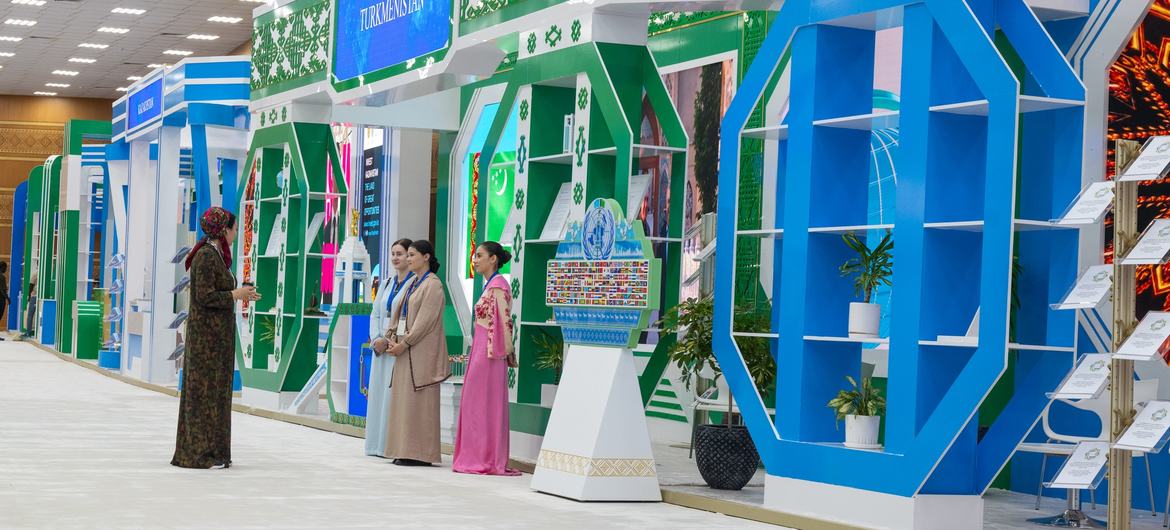
But the pace of the conference didn’t slow. Meeting rooms stayed packed, exhibition stands buzzed with activity, and participants navigated long white-carpeted corridors to attend back-to-back events. A large team of multilingual youth volunteers helped guide attendees through the sprawling complex, keeping the energy high and logistics smooth.

Trade troubles and the ‘geography gap’

The day’s discussions focused on overcoming the disadvantages of geography. The main thematic roundtable was devoted to trade, which is a pressing issue for the world’s 32 LLDCs, which lack direct access to seaports. As a result, they must rely on longer, more complex routes to reach international markets, driving up costs and reducing competitiveness.

And geography isn’t the only hurdle. Many LLDCs struggle with outdated infrastructure and limited use of digital tools that could speed up sluggish transport times. 

These roadblocks don’t just delay trade – they hold back economic growth and widen the gap between LLDCs and other developing nations.

On Tuesday, UN Secretary-General António Guterres told reporters in Awaza that “landlocked developing countries need smart logistics, streamlined systems, and stronger partnerships with transit countries,” adding: “We must cut red tape, digitize border operations, and modernize transport networks to reduce delays and costs.”

The numbers tell the story

The impact of geography shows clearly in the numbers.

Landlocked developing countries make up more than seven per cent of the world’s population, yet in 2024 they accounted for just 1.2 per cent of global merchandise trade. It’s a stark reminder of how physical barriers can translate into economic ones.

The Awaza Programme of Action for 2024–2034, adopted by the UN General Assembly last year, aims to change that reality. But turning ambition into results will take bold, coordinated efforts across borders and sectors.

One phrase echoing through the corridors of the Awaza Congress Center is “from landlocked to landlinked” – a rallying call for transforming geographic disadvantage into opportunity.

Mindset matters

Umberto de Pretto, Secretary General of the International Road Transport Union (IRU), told UN News: “There is proof that if you put the right policies in place … you can be landlinked … I think the biggest impediment for landlocked countries is mindset.”

The IRU, founded in 1947, supports sustainable mobility and logistics worldwide and represents over 3.5 million transport operators in more than 100 countries.

As Mr. de Pretto points out, only 11 of the world’s 32 landlocked developing countries have joined the UN-backed TIR system, which allows goods to move from origin to destination in sealed compartments under a mutually recognized customs procedure.

“The biggest user of the system that we run, the UN Convention called TIR, is Uzbekistan, one of the only two double landlocked countries. So, there is evidence that if you put in place the right policies, your country will be landlinked, not landlocked,” he explained.

Digital tools for smoother transit

New technologies offer additional ways to simplify cargo movement.

“How do you go from paper to moving information digitally across to government authorities? We need things like ‘single window’, where you have a single intake point for electronic information so the government can analyze that information and make decisions earlier,” Ian Saunders, Secretary General of the World Customs Organization, explained.

He shared examples of successful initiatives, such as cargo tracking in East and West Africa and the use of electronic TIR carnets – sometimes called a ‘merchandise passport’ – by private companies in Central Asia. These unique documents guarantee the payment of duties and taxes suspended while goods are in transit.

Climate risks and smarter infrastructure

Another example came from Dmitry Maryasin, Deputy Executive Secretary of the UN Economic Commission for Europe (UNECE).

Speaking with UN News, he noted the 2023 adoption of a roadmap for the digitalization of the Trans-Caspian Corridor. Using UN tools and harmonized regulations, the corridor leverages both land and sea transport – including rail and shipping across the Caspian Sea – to move goods between Asia and Europe.

Climate change is also making cargo transport more difficult. “We’re seeing recurrent road flooding, vulnerability to landslides, mudflows, avalanches, and droughts – all of this is now a reality in Central Asia,” Mr. Maryasin said.

In response, UNECE has developed a transport infrastructure stress-testing tool that factors in climate risks. An online platform based on satellite data has also been launched, allowing users to overlay trade routes and climate hazards on a map to support smarter investment decisions.

“Countries are already using it,” Mr. Maryasin said. Efforts are under way to integrate this platform with a similar one developed by the UN’s ESCAP office, covering South and Southeast Asia.

A Day for LLDCs

Wednesday also marked the first observance of the International Day for the Dissemination of Information on the Special Needs of Landlocked Developing Countries. While each LLDC faces unique development challenges, they also share common priorities. And with nearly 600 million people living in these countries, finding shared solutions is essential.

The message from Awaza is clear: isolation is not destiny. With the right mindset, effective policies, and meaningful partnerships, landlocked countries can become landlinked – and thrive.

LLDC3 continues tomorrow, Thursday 7 August, with roundtables and events on a range of topics, as well as a Women’s Forum. Find all our coverage here.

Source link

Hiroshima, 80 years on: ‘Real change’ needed to end existential nuclear threat

While the city has been rebuilt, nuclear conflict remains a global threat, UN High Representative for Disarmament Affairs Izumi Nakamitsu said in remarks at the Hiroshima Peace Memorial.

It was the only structure left standing near the hypocentre of the bomb, which marked the first use of an atomic weapon in war.

Survivors, family members and representatives from international organizations and 120 countries were among the approximately 55,000 people who attended the ceremony, according to the Japanese Prime Minister’s Office.

Remembering the dead, honouring the survivors

“On this 80th anniversary, we remember those who perished. We stand with the families who carry their memory,” said Ms. Nakatmisu, delivering a message on behalf of UN Secretary-General António Guterres.

She paid tribute to the hibakusha – the term for those who survived Hiroshima and the atomic bombing of Nagasaki three days later – “whose voices have become a moral force for peace.”

“While their numbers grow smaller each year, their testimony — and their eternal message of peace — will never leave us,” she said.

UN Photo/Yoshito Matsushige

Injured civilians, having escaped the raging inferno, gathered on a pavement west of Miyuki-bashi in Hiroshima, Japan, at about 11 a.m. on 6 August 1945.

Rebuilding hope, sharing the vision

In a single moment on 6 August 1945, Hiroshima was reduced to ruins, tens of thousands were killed, “and humanity crossed a threshold from which there could be no return.”

In the aftermath, many believed the city would never recover and that nothing would grow, she said, but the population proved otherwise.

“You, the people of Hiroshima, didn’t just rebuild a city,” she said.  “You rebuilt hope. You nurtured a vision of a world without nuclear weapons. And you shared that vision with the world.”

Listen to our podcast with Japanese American author Kathleen Burkinshaw whose novel about a young hibakusha ‘The Last Cherry Blossom’ was inspired by her mother’s experience.

Duty to protect

Ms. Nakamitsu noted that 2025 also marks 80 years since the UN was founded.  In May, saplings grown from the seeds of a persimmon tree that survived the bombing were planted at Headquarters in New York. 

“They are more than symbols of survival,” she said.  “They are living testaments to the strength of the human spirit — and of our shared duty to protect future generations from the horrors of nuclear annihilation.”

Furthermore, the UN anniversary is a reminder of why it was created in the first place – to prevent war, to uphold human dignity, and to ensure the tragedies of the past are never repeated.

“Yet, today the risk of nuclear conflict is growing,” she warned. “Trust is eroding. Geopolitical divisions are widening. And the very weapons that brought such devastation to Hiroshima and Nagasaki are once again being treated as tools of coercion.”

At the ceremony, Hiroshima’s Mayor Kazumi Matsui warned against the growing acceptance of nuclear weapons, according to media reports.  He cited the conflicts in Ukraine and the Middle East as examples.

Yet, signs of hope have emerged, according to the UN disarmament chief.  

UN Secretary-General António Guterres met with hibakusha from Hiroshima and Nagasaki during a visit to Japan in 2022.

Abolish nuclear weapons

Last October, the Japanese anti-nuclear group Nihon Hidankyo – which represents the survivors of the bombings – was awarded the 2024 Nobel Peace Prize.  This came just weeks after countries meeting at the UN adopted the Pact for the Future, re-committing to a world free of nuclear weapons.

Ms. Nakamitsu insisted that “commitments must lead to real change by strengthening the global disarmament regime — in particular, the Treaty on Non-Proliferation of Nuclear Weapons, complemented by the momentum created by the Treaty on the Prohibition of Nuclear Weapons.” 

She urged countries to draw strength from both the resilience of Hiroshima and the wisdom of the hibakusha. 

“Let’s work to eradicate the threat of nuclear weapons by eradicating the weapons themselves,” she said.

“And let’s keep our pledge to the hibakusha, and ensure that their testimony and message of peace is carried forward. Remembering the past is about protecting and building peace today — and in the future.” 

Izumi Nakamitsu, UN High Representative for Disarmament Affairs (in white), during the tree planting ceremony at Headquarters to commemorate the 80th Anniversary of the founding of the United Nations and the atomic bombings in Hiroshima and Nagasaki.

Source link