About Arun Kumar N

Arun has been associated with India International Times since 2018 and he has been a key reporter in covering science and space related stories. He can be reached at arunKnn@indiainternationaltimes.com.

UN honours service and sacrifice of its peacekeepers

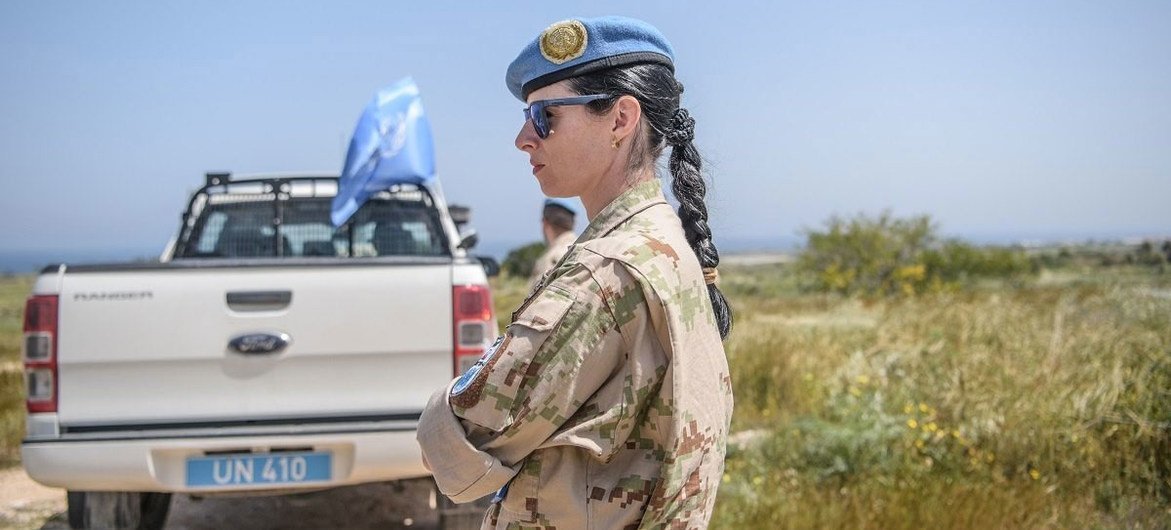
The first UN peacekeeping operation was established in 1948 and today more than 68,000 civilian, military, and police personnel are posted at 11 missions in Africa, Asia, Europe and the Middle East.

The Day pays tribute to their unwavering service and sacrifice while honouring the more than 4,400 blue helmets who have died in the line of duty over the past 77 years – 57 in 2024 alone.

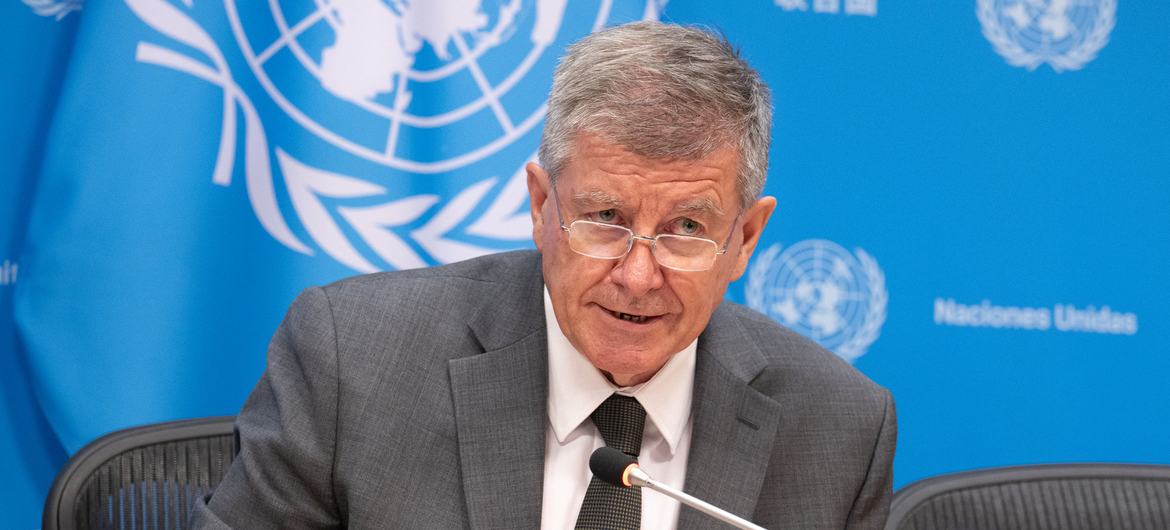
This year’s theme focuses on the future of peacekeeping and UN Secretary-General António Guterres noted that “peacekeepers face increasingly complex situations in an increasingly complex world.”

Deadly misinformation

He highlighted growing polarization and division across the globe, threats such as terrorism and deadly misinformation targeting peacekeepers, as well as challenges that transcend borders ranging from climate change to transnational crime.

“Now more than ever, the world needs the United Nations – and the United Nations needs peacekeeping that is fully equipped for today’s realities and tomorrow’s challenges,” he said.

The Secretary-General stressed that “it is essential that peacekeepers have what they need to do their jobs” and “this is the shared responsibility of the United Nations and Member States.”

The commemoration at UN Headquarters in New York includes a wreath-laying ceremony as well as the presentation of awards to two outstanding women peacekeepers whose work helps to advance gender equality in the field. 

Listen to our interview with Squadron Leader Sharon Mwinsote Syme of Ghana, the 2024 UN Military Gender Advocate of the Year.

‘A very rewarding job’

Meanwhile, peacekeepers have been sharing what it means to serve under the UN flag.

“It’s a very rewarding job because you really do have a lot of contact with the civilian population and their concerns, their culture, their needs,” said Lieutenant Colonel Agustín García from Spain, deployed at the UN Interim Force in Lebanon (UNIFIL).

The mission was established in 1978 to confirm Israel’s withdrawal from Lebanon and its mandate was most recently defined in a 2006 Security Council resolution which called for a full cessation of hostilities between Hezbollah and Israel following their 34-day war on Lebanese territory that year.

Despite conflict between the sides last year, UNIFIL remains on the ground, supporting the Lebanese Armed Forces (LAF) in its efforts to restore government authority in the south and providing vital assistance to local communities including security, humanitarian aid and reconstruction of schools and hospitals.

More to follow on this story.

Source link

Pandemics to pollution: WHO Assembly delivers landmark health decisions

In addition, the Assembly endorsed a wide range of measures to promote health equity, reduce air pollution, and strengthen protections for vulnerable populations.

The words ‘historic’ and ‘landmark’ are overused, but they are perfectly apt to describe this year’s World Health Assembly,” WHO Director-General Tedros Adhanom Ghebreyesus said at the Assembly’s closing, ending nine days of intense debate and decisions.

The centrepiece of the Assembly’s outcomes was the WHO Pandemic Agreement, adopted on 20 May after more than three years of negotiations.

The agreement, seen as a once-in-a-generation opportunity to improve global preparedness and response to future pandemics, aims to strengthen international coordination, enhance equity in access to medical tools and ensure that no country is left behind in future health crises.

A key next step will be consultations on access to pathogen and benefit-sharing, which seeks to guarantee equitable sharing of medical countermeasures derived from pathogens.

Boost for WHO budget

Another major outcome was the approval of a 20 per cent increase in assessed contributions – the core, mandatory funding from Member States that underpins WHO’s work.

By 2030-2031, these contributions will cover 50 per cent of the agency’s core budget, a crucial step toward financial sustainability.

Health leaders also pledged at least $210 million to WHO’s ongoing Investment Round, adding to the $1.7 billion already raised and expanding the agency’s donor base.

A healthier world

The Assembly also delivered a sweeping slate of resolutions addressing a wide range of health challenges.

For the first time, nations adopted global resolutions on lung and kidney health, aligning with the growing recognition of noncommunicable diseases as a global priority.

Countries also set an ambitious new target to halve the health impacts of air pollution by 2040 and in an innovative move, adopted a resolution on social connection, acknowledging mounting evidence linking social isolation to poor health outcomes.

They also endorsed measures to combat the digital marketing of formula milk and baby foods, and addressed rare diseases, a lead-free future and the eradication of Guinea worm disease.

Delegates meeting in a committee at the 78th World Health Assembly.

History is made

In conclusion, Director-General Tedros urged countries to continue the momentum beyond the Assembly, highlighting the spirit of cooperation and commitment to health for all.

You, the nations of the world, made history,” he said.

“Yes, there is conflict in our world, but you have shown that there is also cooperation. Yes, there is inequity, but you have shown a commitment to equity. Yes, there is disease, but you have shown a commitment to health – health for all.”

‘We are women like you’: UN honours peacekeepers for work in gender empowerment

There, alongside civilian gender units, Ms. Syme met a group of local community members – both men and women. Partway through, she realised something was different.

“The women were not talking,” she told UN News. “They were very quiet.”

Then she remembered that local cultural norms dictated women do not speak in public.

“We are women like you. We want to be able to help, but we don’t know how we can help you,” she told them in a separate meeting. “Can you please tell us what your problem is so we can see how we can help?”

It is for this sort of work founded in community trust building and a relentless belief in the importance of gender perspectives and empowerment in peacekeeping, that the UN will honour two exceptional women peacekeepers on Thursday as part of International Peacekeepers’ Day.

Ms. Syme is this year’s winner of the UN Military Gender Advocate of 2024 Award.

“[Ms. Syme’s] dedication has not only improved the effectiveness of UNISFA’s operations but also ensured that the mission is more reflective of and responsive to the communities it serves,” said Under-Secretary-General for Peace Operations Jean-Pierre Lacroix.

The other honouree is Chief Superintendent Zainab Mbalu Gbla of Sierra Leone who has been named Woman Police Officer of the year for her work with UNISFA.

“Chief Superintendent Gbla embodies the work of the United Nations to improve lives and shape futures,” said Mr. Lacroix.

Gender and peacekeeping

The UN Woman Police Officer of the Year Award was established in 2011 and the UN Military Gender Advocate of the Year Award was first presented five years later.

Both awards recognize peacekeepers whose work has substantially advanced the integration of gender perspectives and empowerment into peacekeeping.

In 2000, the Security Council passed a resolution which affirmed the essential role women play in peacebuilding, peacekeeping and humanitarian responses. Since then, the United Nations has worked to fully integrate gender perspectives into peacekeeping.

According to Ms. Syme, applying gender perspectives should be a “daily task” for all peacekeepers.

“We need to understand the gender dynamics within our area of operation, otherwise, we might not be able to have the right intervention, we might not be able to carry out the right activities,” she said.

Intergenerational legacy

Ms. Gbla experienced the impact of peacekeeping herself as a civilian in Sierra Leone in the wake of a war that ravaged her country.

“I saw people coming from different parts of the world just to bring peace to my country… That’s why I told myself that one day I’d love to be a peacekeeper – to help other people, to return the favour,” Ms. Gbla told UN News.

As a UNISFA gender officer, not only did she create a school programme and female mentorship network where none had existed before, she also worked diligently to ensure that learning was fun, incorporating performing arts and visual aids.

“[The women of Abyei] are ready to work, they are ready to do things for themselves if peace allows them. The children are ready to go to school, if peace allows them,” she said.

A health campaign in Abyei

Ms. Syme’s meeting with the women of Sector North was the beginning of an enormously successful health campaign in the region which discussed harmful practices such as child marriage and female genital mutilation, the two issues which the community women had identified.

The campaign engaged both men and women, and Ms. Syme said that she was deeply impressed and moved by the response of the male leaders who, through the campaign, realized the harm that practices of child marriage and female genital mutilation had caused.

“[The leaders] promised that they are going to revise these cultural practices so that going forward, they will not do it again,” Ms. Syme said.

This campaign happened in June 2024 and has driven Ms. Syme’s work since then, work which includes training over 1,500 UNISFA officials in gender-responsive peacekeeping.

“It has motivated me,” Ms. Syme said. “It has motivated me a lot.”

The future of peacekeeping through gender

Both Ms. Syme and Ms. Gbla will receive their awards on International Peacekeeping Day. This year, Member States and UN officials will be asked to consider the future of peacekeeping.

For both Ms. Syme and Ms. Gbla, the future of peacekeeping and security cannot be disentangled from gender perspectives and empowerment.

“If you don’t know the gender dynamics of the area, if you don’t know who is in charge, if you don’t know what will benefit who…you may think you are providing security, but you are not really providing security,” Ms. Syme said.

Ms. Gbla, in discussing her award, paid homage to all the women who wear a UN uniform, underlining their tireless work in the pursuit of peace.

“Each of us [women] faces unique challenges in our respective missions, yet our collective goal remains the same – to foster peace and protect the vulnerable.”

Source link

Sudan war exacerbates risk of cholera and malaria: UNICEF

In a report released Wednesday, UNICEF highlighted the growing threat of cholera in the war-torn country, with more than 7,700 cases and 185 associated deaths reported in Khartoum State alone since January 2025. Alarmingly, over 1,000 cases have affected children under the age of five.

Since the onset of conflict in April 2023, three million people have been forced to flee their homes, displaced internally and across the region.

Returning to homes without water

While improved access to parts of Khartoum State has enabled more than 34,000 people to return since January, many are coming back to homes that have been severely damaged and lack access to basic water and sanitation services.

Recent attacks on power infrastructure in Khartoum State have compounded the crisis, disrupting water supplies and forcing families to collect water from unsafe, contaminated sources.

This significantly increases the risk of cholera, particularly in densely populated areas such as displacement camps.

UNICEF has implemented a multi-pronged approach to the crisis, including distributing household water treatment chemicals, delivering over 1.6 million oral cholera vaccines, supplying cholera treatment kits, and more.

“Each day, more children are exposed to this double threat of cholera and malnutrition, but both are preventable and treatable, if we can reach children in time,” said Sheldon Yett, UNICEF Representative for Sudan.

Malaria and new prevention efforts

Also on Wednesday, UNICEF launched a partnership with the Sudanese government’s health ministry and The Global Fund to Fight AIDS, Tuberculosis and Malaria to distribute nearly 15.6 million insecticide-treated bed nets to prevent the spread of malaria among vulnerable families across Sudan, along with 500,000 additional nets for antenatal and immunization facilities.

The campaign aims to protect 28 million Sudanese across 14 states.

As with cholera, ongoing conflict and displacement have created conditions conducive to the spread of malaria. Overcrowded and unsanitary living conditions, coupled with the approaching rainy season, present a serious health risk to millions, particularly those returning to damaged communities.

In addition, the initiative aims to bolster the availability of anti-malarial medications, rapid diagnostic tests, and investments in strengthening the healthcare system.

Critical medical supplies reach West Darfur

In a more positive development, the World Health Organization (WHOannounced Tuesday that El Geneina Hospital in West Darfur has received eight tonnes of medical supplies for nutrition, non-communicable diseases and mental health.

The delivery, supported by the World Bank Africa, the Share Project, and the European Union, is expected to sustain the hospital’s operations for six months, providing vital support to one of the regions hardest hit by the multiple escalating crises.

Yemen: UN warns against Houthi-Israel escalation, calls for dialogue

On Wednesday, Israel launched airstrikes on Yemen’s main airport in the capital, Sana’a, destroying the last operational Yemenia Airways plane, according to media reports.

The attack came a day after the Houthis, also known as Ansar Allah, fired missiles at Israel.  

Fragile situation worsening

In Yemen, the rebels have been fighting with Government troops, backed by a Saudi-led coalition, for over a decade. But since the start of the war in Gaza they have been targeting Israel as well as commercial ships in the Red Sea, as an act of solidarity with Palestinians.

The ongoing military confrontation between the Houthis and Israel is exacerbating an already very fragile situation in Yemen and the broader region,”  said UN Spokesperson Stéphane Dujarric.

“Attacks on civilian infrastructure, including Sana’a airport in Yemen and Ben Gurion Airport in Israel, are unacceptable.”

He said the strike on Sana’a airport and the destruction of the civilian aircraft “deprives many Yemenis of a critical means to leave the country for medical, educational, family or religious regions, especially at a time when thousands of pilgrims are preparing for the Hajj.”

De-escalation and dialogue

The Spokesman called on all stakeholders, including the Houthis, to de-escalate and exercise restraint, uphold their obligations under international law, and protect civilian infrastructure.                                     

He also urged the warring parties to return to the intra-Yemeni dialogue, with the support of the region, as the only viable path toward lasting peace and security.

In related developments, the UN Special Envoy for Yemen concluded a visit to Oman’s capital Muscat on Wednesday, his office said in a statement.

Hans Grundberg met senior Omani officials, members of Ansar Allah leadership and representatives of the diplomatic community, including senior Iranian officials. 

Discussions focused on the cessation of hostilities between the United States and Ansar Allah and the need to translate this into sustainable progress that benefits all Yemenis and includes guarantees for the region and international community,” the statement said.

The ceasefire agreement was brokered by Oman and came into effect on 6 May following the resumption of deadly US airstrikes on Houthi-controlled areas in Yemen.

Free detained personnel

Mr. Grundberg further addressed regional dynamics and the shared responsibility of all to support de-escalation and a UN-led political process for a durable and comprehensive resolution to the conflict in Yemen. 

As the Houthis continue to arbitrarily detain scores of personnel from the UN, non-governmental organizations, civil society and diplomatic missions, the Special Envoy called for their immediate and unconditional release in all his engagements.

He stressed that their prolonged detention is not only unjustifiable but undermines the UN’s and international community’s ability to provide humanitarian support to millions of Yemenis,” the statement said. 

UN awards 2025 Mandela Prize to Brenda Reynolds and Kennedy Odede

Secretary-General António Guterres will present the award to Brenda Reynolds and Kennedy Odede on 18 July, Nelson Mandela International Day.

Established in 2014, the prize is awarded every five years to two individuals whose work reflects the late South African President’s legacy of leadership, humility, service, and unity across borders.

“This year’s Mandela prize winners embody the spirit of unity and possibility – reminding us how we all have the power to shape stronger communities and a better world,” said Mr. Guterres.

Brenda Reynolds

A Status Treaty member of the Fishing Lake Saulteaux First Nation in Saskatchewan, Canada, Brenda Reynolds has spent decades advancing Indigenous rights, mental health, and trauma-informed care.

Linda Dickinson Photography

Brenda Reynolds, 2025 Mandela Prize winner.

In 1988, she supported 17 teenage girls in the first residential school sexual abuse case in Saskatchewan. Later, she became a special adviser to the Truth and Reconciliation Commission (TRC), helping shape survivor support and trauma responses.

She is most recognised for her key role in Canada’s court-ordered Indian Residential Schools Settlement Agreement and her subsequent development of the Indian Residential School Resolution Health Support Program—a national initiative offering culturally grounded mental health care for survivors and families.

In 2023, she was invited by the UN High Commissioner for Human Rights and the European Union to share her expertise on trauma and cultural genocide.

Kennedy Odede

Living in Kenya’s Kibera Slum for 23 years, Kennedy Odede went from living on the street at 10 years old to global recognition when he was named one of TIME magazine’s 2024 100 Most Influential People.

His journey began with a small act: saving his meagre factory earnings to buy a soccer ball and bring his community together. That spark grew into Shining Hope for Communities (SHOFCO), a grassroots movement he now leads as CEO. SHOFCO operates in 68 locations across Kenya, empowering local groups and delivering vital services to over 2.4 million people every year.

Mr. Odede is also a New York Times bestselling co-author and holds roles with USAID, the World Economic Forum, the Obama Foundation, and the Clinton Global Initiative.

Kennedy Odede, 2025 Mandela Prize winner

Source link

Gaza: Top UN envoy calls on Israel to end devastating strikes, starvation of civilians

Sigrid Kaag, interim UN Special Coordinator for the Middle East Peace Process, said that the man-made crisis unfolding in Gaza has plunged civilians into “an abyss.”

“Since the collapse of the ceasefire in March, civilians have constantly come under fire, confined to ever-shrinking spaces, and deprived of lifesaving relief,” she said.

Israel must halt its devastating strikes on civilian life and infrastructure.

Risk of famine

With families cut off from aid for weeks on end, and only a fraction of the needed relief now entering the enclave, starvation looms.

The entire population of Gaza is facing the risk of famine,” Ms. Kaag warned, adding that the limited aid permitted into the enclave is “comparable to a lifeboat after the ship has sunk.”

“Ms. Kaag emphasized that humanitarian aid must not depend on political negotiations, noting that the UN aid operation is prepared to deliver assistance immediately, in accordance with international law.

“Aid cannot be negotiable,” she said.

Full aid access imperative

Ms. Kaag called on Israel to halt its devastating strikes and allow full access for humanitarian aid and commercial goods.

At the same time, she stressed that Israel has the right to live in peace and security.

“This was undeniably shaken by the horrific terror attacks and taking of hostages on 7 October by Hamas and other Palestinian armed groups,” she said, reiterating the call on Hamas and other armed groups to stop rocket attacks against Israel and release all hostages unconditionally.

Sigrid Kaag, UN Special Coordinator for the Middle East Peace Process Ad Interim, briefs the Security Council on the situation in the Middle East.

Two-State solution

Ms. Kaag emphasised that durable security “cannot be achieved solely through force”, it must be built on mutual recognition, justice, and rights for all.

“A better path exists that resolves this conflict, de-escalates regional tensions and achieves a shared vision for peace,” she said.

The upcoming high-level international conference in June, co-chaired by France and Saudi Arabia, presents a critical opportunity to relaunch a path toward ending the occupation and realising the two-State solution based on international law, UN resolutions and previous agreements.

It must not be another rhetorical exercise,” she said.

“We need to pivot ourselves from declarations to decisions. We need to implement rather than adopt new texts.”

‘See you in heaven’

In her briefing, Ms. Kaag described the deep despair of civilians in Gaza, where families now bid farewell not with a “goodbye, see you tomorrow”, but with the words “see you in heaven.”

“Death is their companion. It’s not life, it’s not hope,” she continued, stressing that Gazans deserve more than survival – they deserve a future.

Urging bold political action, she called for adherence to international law, and support for a reformed Palestinian Government that can govern both Gaza and the West Bank.

Statehood is a right, not a reward,” Ms. Kaag said.

“Let us not be remembered as the generation that let the two-State solution disappear. Let us be the generation that chose courage over caution, justice over inertia and peace over politics. Let us be part of a generation that can make this happen.”

Special Coordinator a.i. Kaag’s briefing to the Security Council.

US ‘fully stands’ with Israel

Speaking for the United States, John Kelley, Political Coordinator at the US Mission to the UN, said that his country has been working tirelessly to free the hostages and bring the war to an end – “one that Hamas brutally started”.

“Hamas continues to reject proposals from the US, Qatar and Egypt that would release the 58 remaining hostages, who have now been cruelly held for 600 days, and bring calm to Gaza,” he said.

“Every day Hamas demonstrates its lack of regard for the Palestinians it claims to represent, all while it violently suppresses protests against its barbaric rule and diverts aid meant for civilians.”

He underscored that the US “fully stands” behind Israel and its right to defend itself, stating that to move forward, “Hamas must be defeated.”

“As Secretary [Marco] Rubio has said – if an ember survives, it will spark again into a fire. There can no peaceful and prosperous Gaza as long as Hamas governs it by force,” Mr. Kelley said.

The horrors must end: Algeria

Algerian Ambassador Amar Bendjama described the deadly impact of the ongoing war in Gaza on children, citing the specific case of the nine children of a Gazan doctor, all killed in an airstrike, while her sole remaining child and husband remain in a critical condition.

“They were not members of a centre for command and control of Hamas,” he said, adding, “the Israeli army killed them, they killed them deliberately.”

He noted that today, no one in Gaza is spared – and three decades after the optimism surrounding the Oslo peace accords between Israel and Palestinian leadership, “the dream of a Palestinian state is vanishing under the boots of the Israeli occupation and the silence of the international community.”

Stating that the “time for indecision” was over, he called for action – “not words of condemnation”.

“These horrors must end,” he said.

Gaza needs a ceasefire, not more bloodshed: United Kingdom

James Kariuki, Deputy Permanent Representative of the UK, said his country has “always supported” Israel’s right to defend itself but cautioned that it “strongly opposes” Israel’s escalating military action in Gaza, “which is wholly disproportionate.”

“An immediate ceasefire, not more bloodshed is the way to secure the release of the hostages and stop the end cycle of violence,” he said.

The level of human suffering in Gaza is intolerable, he continued, stating that the United Nations had warned of the risks of the Israeli Government’s aid delivery plan.

“In Rafah yesterday, we saw this warning become a reality. The Gaza Humanitarian Foundation lost control of its distribution centre, with multiple casualties reported and great distress for those desperately seeking aid,” he said.

“In contrast, the UN has a clear plan to deliver lifesaving aid at scale. It contains robust mitigations against aid diversion. Brave humanitarians stand ready to do their jobs,” he added. “Let aid in and enable the UN to operate now.”

A wide view of the UN Security Council meeting on the situation in the Middle East.

Images of hungry, desperate people ‘gut-wrenching’: Palestine

Riyad Mansour, Permanent Observer of the State of Palestine, said the images of hungry and desperate people trying to get aid supplies in are “gut-wrenching” and “heart breaking.”

“These are people, human beings, deprived of water, food, medicine for so long and hanging to life by a thread,” he said, adding that this is “outraging the Palestinian people – all of them, including me.”

“It is outrageous to see this situation, and still you are not acting,” he said, pointing to Security Council members: “how much more do you want?”

He added that the UN plan for aid, with its proven capacity on the ground remains the only viable plan to deliver relief supplies and it has all necessary safeguards – “if that is the true concern.”

“But the true concern is how to get rid of the Palestinians by killing them, starving them, and destroying Gaza so they have no choice but to leave if they want to live,” Mr. Mansour said.

Israel is facilitating aid into Gaza: Ambassador

Israeli Ambassador Danny Danon said that while the UN “spreads panic and makes declarations detached from reality, the State of Israel is steadily facilitating the entry of aid into Gaza.”

This, he said, is being done via two methods.

“First, under the old framework, via trucks and, second, under the new distribution mechanism developed in coordination with the US and key international partners,” he continued, noting that both mechanisms are “working simultaneously” and will continue to do so for the immediate future.

“We are not only allowing aid in, but we are ensuring that it reaches the people who need it most,” he added.

Aid is already being distributed in Gaza, Ambassador Danon said, despite efforts by Hamas to obstruct people from reaching it by setting up checkpoints and roadblocks.

“Because Hamas knows if it loses control over the aid, it loses control over the people of Gaza,” he said.

Source link

‘My husband died in my arms’: Russian drone attacks on Ukrainians amount to crimes against humanity, UN investigators report

“Russian armed forces have committed the crimes against humanity of murder and the war crimes of attacking civilians, through a months-long pattern of drone attacks targeting civilians on the right bank of the Dnipro River in Kherson Province,” the Independent International Commission of Inquiry on Ukraine said.

Attacks have been carried out since July 2024 in Kherson city and 16 localities stretching over more than 100 kilometres in river front areas under Ukrainian Government control. 

They are ongoing and nearly 150 civilians have been killed and hundreds more injured to date, according to official sources.

Attacks ‘planned and organised’

“The recurrence of these attacks for over 10 months, against multiple civilian targets and in a wide geographic area, demonstrates that they are widespread and systematic and have been planned and organised, requiring the mobilisation and allocation of necessary resources,” the report said.

The Commission examined over 300 publicly available videos of attacks and over 600 text posts on Telegram channels and, where possible, identified victims. 

Over 90 residents from affected areas were interviewed, including victims, witnesses, local authorities and medical personnel. 

Civilians were targeted “in various circumstances, mainly when they were outdoors, both on foot or while using any type of vehicles” the report said. Most victims were men, but women and children also were affected.

‘My husband died in my arms’

A woman from Poniativka village recounted that in September 2024, she was walking home with her husband and suddenly heard a drone. It was already above their heads and immediately dropped an explosive, giving them no time to seek shelter. Both were injured. 

My husband died in my arms, bleeding to death, because the ambulance did not arrive on time. I tried to stop the bleeding with a T-shirt, but it was not enough,” she said.

Videos posted on Telegram

Russian forces mostly used civilian drones that are widely commercially available, which were then modified.

The weaponized versions of these drones allow their operators, via an embedded camera, to remotely track, aim, and drop explosives on targets. They can return to their point of origin to be reused,” the report said.

“Occasionally, perpetrators employed suicide drones that are also equipped with cameras but that explode upon impact on their targets.”

Hundreds of the video feeds have been regularly disseminated on Russian Telegram channels, some of which have thousands of subscribers. 

“The video footage that they posted displays the attacks and the resulting death, injury, damage, or destruction, and is styled like video games, often accompanied by background music and threatening text,” the report said.

Ambulances targeted

Furthermore, ambulances also have been targeted and struck by drones to prevent them from reaching victims, and some have died because they could not get to a medical facility in time. 

“A 45-year-old man from Stanislav village recounted that in November 2024, a drone dropped an explosive near him as he was riding a moped, badly injuring his leg. An ambulance arrived, and while he was receiving first aid, a drone dropped two explosives on the ambulance,” the report said.

The Commission stressed that the use of drones to target civilians and civilian objects is a violation of the fundamental principle of international humanitarian law as such attacks may only be directed at military objects.

“The Commission therefore concludes that Russian armed forces perpetrated the war crime of intentionally directing attacks against civilians in Kherson Province,” it said, while “posting videos of civilians being killed and injured amounts to the war crime of outrages upon personal dignity.”

‘Drones were attacking everything’

The drone attacks have spread terror among residents of the affected areas. Many wait for cloudy days to go out, or seek cover under trees, where possible. 

“Drones were attacking everything; minibuses, cars, pedestrians…every time you went out of the house, you had to check the sky and look out for a buzzing sound and, in any case, run,” a man from Antonivka settlement told the Commission.

Moreover, fear is further induced by frequent messages posted on Telegram, such as “Get out of the city before the leaves fall, you who are destined to die.”

“The recurrent drone attacks, the widely disseminated videos showing them, and numerous posts explicitly exhorting the population to leave suggest a coordinated state policy, on the part of the Russian authorities, to force the population of Kherson Province to leave the area,” investigators said.

They concluded Russian forces may have committed the crime against humanity of forcible transfer of population.

Mandate from Human Rights Council

The commission is mandated by the UN Human Rights Council to investigate all alleged violations and abuses of human rights, violations of international humanitarian law and related crimes in the context of the aggression against Ukraine by Russia.

The three Commissioners serve in their individual capacity and are independent from any government or organization, including the UN.


Source link

UN aid teams plead for access amid reports Gazans shot collecting food

Unverified footage from Rafah where the privately-run but Israeli military-supported Gaza Humanitarian Foundation is based showed scenes of panic with crowds of people rushing in different directions, while others carried away boxes of supplies.

The UN human rights office, OHCHR, said that it had received information that at least 47 people had been hurt on Tuesday trying to collect aid.

Those numbers could increase as information on the incident is still being gathered, said Ajith Sunghay, Head of OHCHR in the Occupied Palestinian Territory, speaking to journalists in Geneva on Wednesday.

From January to March 2024, our office has documented 26 incidents where the Israel Defense Forces fired shots while people were collecting humanitarian aid, causing casualties at Al Kuwaiti roundabout and Al Naburasi roundabout,” Mr. Sunghay told UN News.

Renewed appeal for aid access

Meanwhile, UN aid teams have continued to appeal to Israel for access to Gaza to deliver and distribute thousands of tonnes of food, medicine and other basic items waiting just outside Gaza.

Jens Laerke from the UN agency OCHA insisted that the its staff have “everything needed to get aid to civilians safely: the people, the networks and the trust” of Gazans.

Right now, nearly 180,000 pallets of food and other life-saving aid stand ready to enter Gaza, the hungriest place on earth,” he told UN News.

“The supplies have already been paid for by the world’s donors. It is cleared for customs, approved and ready to move. We can get the aid in – immediately, at scale and for as long as necessary.”

50,000 kids killed or injured

In a related development, UNICEF announced that the war in Gaza has killed or injured more than 50,000 children in less than 600 days.

UNICEF spokesperson Tess Ingram said that since the ceasefire ended on 18 March, approximately 1,300 children have been killed and 3,700 injured alone.

That number is enough children to fill more than 1,600 classrooms, Ms. Ingram told UN News: “Every one of these children is in life. A child with a family, with hopes for the future,” she said. “And yet we continue to count their deaths and live stream their suffering to the world. This must end immediately. 

She added: “The children of Gaza desperately need protection from these ongoing bombardments, as well as food, water, medicine and other basic supplies that they need to survive. The blockade must end. Aid must flow freely and at scale, and more than anything else, we need a ceasefire we need collective action to stop these atrocities and to protect children.”

The UNICEF official’s comments follow an attack on a home last weekend that reportedly killed nine out of 10 siblings of one family, the Al-Najars; all the victims were 12 years old or younger.

Climate change: World Likely to Breach 1.5°C limit in next five years

According to the Global Annual to Decadal Climate Update, the planet is predicted to experience temperatures between 1.2°C and 1.9°C above pre-industrial levels (1850–1900) over the next five years.

Breaching critical thresholds

In 2024, the WMO estimated that the average global temperature was between 1.34°C and 1.41°C higher than pre-industrial levels (1850-1900). The WMO now projects the 20-year average warming for 2015–2034 to reach around 1.44°C above pre-industrial levels.

The report finds a staggering 86 per cent chance that global average temperatures will exceed 1.5°C above pre-industrial levels in at least one of the next five years, and a one per cent chance of one of those years exceeding 2°C of warming.

There is a 70 per cent chance that the five-year average itself will exceed this 1.5 degree threshold.

The WMO stressed that the 1.5°C Paris Agreement target refers to long-term averages over 20 years, meaning its threshold has not been breached quite yet.

However, these near-term spikes are warning signs of an accelerating climate crisis.

The forecast also highlights regional precipitation impacts, including wetter-than-average conditions expected in the African Sahel, northern Europe, and South Asia. Conversely, the Amazon region could see continued drought.

Arctic Warming Accelerates

The situation is even more catastrophic in the Arctic than in the rest of the world. The average Arctic temperature over the next five winters (November to March) is expected to be 2.4°C warmer than the 1991–2020 average, more than three and a half times the increase in the global average temperature.

Sea ice is expected to keep shrinking, particularly in the Barents, Bering, and Okhotsk Seas, contributing to rising sea levels and disrupted weather patterns worldwide.

As the world enters this critical window, the UN agency urged climate action to prevent even more dangerous warming in the decades ahead and keep long-term warming below the 1.5°C limit.

Source link

UN aims to transform urgency into action at Nice Ocean Conference

The third United Nations Ocean Conference (UNOC 3) from 9-13 June will bring together Heads of State, scientists, civil society and business leaders around a single goal: to halt the silent collapse of the planet’s largest – and arguably most vital – ecosystem.

The ocean is suffocating due to rising temperatures, rampant acidification, erosion of biodiversity, plastic invasion, predatory fishing.

‘A state of emergency’

Our planet’s life support system is in a state of emergency,” said Li Junhua, head of the UN Department of Economic and Social Affairs (DESA) and the Secretary-General of the upcoming summit. 

He insisted that there is still time to change course.

The future of the ocean is not predetermined.  It will be shaped by the decisions and actions that we are making now,” Mr. Li said on Tuesday during a press briefing at UN Headquarters in New York. 

In the eyes of the senior official, UNOC 3 “will not be just another routine gathering.” 

“We hope that it proves to be the pivotal opportunity to accelerate action and mobilize all stakeholders across the sectors and borders.”

World-class conference

More than 50 world leaders are expected on the Côte d’Azur, alongside 1,500 delegates from nearly 200 countries. 

The programme includes 10 plenary meetings, 10 thematic roundtables, a blue zone reserved for official delegations, and a series of parallel forums during five days of negotiations.

For France, which is co-hosting the conference alongside Costa Rica, the challenge is clear: to make Nice a historic milestone. 

“This is an emergency,” declared Jérôme Bonnafont, Permanent Representative of France to the UN, during the press conference.

“An ecological emergency: we are witnessing the deterioration of the quality of the oceans as an environment, as a reservoir of biodiversity, as a carbon sink.”

France hopes to make the conference a turning point and the goal “is to produce a Nice agreement that is pro-oceans, as the Paris Agreement 10 years ago now was for the climate.” 

This agreement will take the form of a Nice Action Plan for the Ocean, a “concise action-oriented declaration,” according to Mr. Li, accompanied by renewed voluntary commitments.

Three milestones

Three events will prepare the ground for UNOC 3.

The One Ocean Science Congress, from 4-6 June, will bring together several thousand researchers. The Summit on Ocean Rise and Coastal Resilience to be held the following day will explore responses to rising sea levels. Finally, the Blue Economy Finance Forum, on 7-8 June in Monaco, will mobilize investors and policymakers.

For Costa Rican Ambassador Maritza Chan Valverde, there is no more time for procrastination.

We’re expecting concrete commitments with clear timelines, budgets and accountability mechanisms. What is different this time around, zero rhetoric, maximum results,” she said.

‘Transform ambition into action’

The conference’s theme Accelerating Action and Mobilizing All Stakeholders to Conserve and Sustainably Use the Ocean will address several topics, ranging from sustainable fishing to marine pollution and the interactions between climate and biodiversity.

This is our moment to transform ambition into action,” Mr. Li concluded, calling for governments, businesses, scientists, and civil society to come together in a common spirit. 

He also praised the “visionary leadership” of France and Costa Rica, without whom this large-scale mobilization would not have been possible.

A slogan promoted by Costa Rica seems to sum up the spirit of the summit: “Five days. One ocean. One unique opportunity.” 

Source link

Exponential rise in synthetic drug production and trafficking in the Golden Triangle

According to the UN Office on Drugs and Crime (UNODC), the production and trafficking of methamphetamine – an illegal synthetic stimulant – have risen sharply since 2021, particularly in Myanmar’s Shan State.

UNODC emphasised that both the scale of production and the flow of trafficking in Shan State have “significantly” increased over the past few years.

Record seizures

A record 236 tons of methamphetamine (commonly known as meth) was seized in East and Southeast Asia in 2024, a 24 per cent increase from 2023.

However, “the 236 tons represent only the amount seized” and it’s likely that much more is reaching the streets and illicit market, said Benedikt Hofmann from UNODC, describing the amount as “unprecedented.”

Seizures in Southeast Asia represent 85 per cent of the total, with Thailand alone seizing one billion meth tablets.

Conducive conditions

While Thailand remains the main transit and destination point, the drug is mostly produced in Myanmar’s Shan State.

Amid the ongoing civil war involving multiple armed groups, Myanmar’s military regime is experiencing instability and governance challenges that are fuelling the illicit production of synthetic and other drugs.

Although certain areas of Myanmar have been spared from the ongoing conflict and remain stable, “the ongoing crisis in Myanmar is further increasing the need for proceeds from the drug trade,” said Mr. Hofmann.

“This combination of conflict and stability has created favourable conditions for the expansion of drug production impacting countries across the region and beyond,” he said.

Expanding trafficking routes

One of the fastest-growing meth trafficking routes in East and Southeast Asia stretches from Myanmar’s Shan State to Cambodia.

Cambodian authorities notably reported seizing nearly 10 tons of methamphetamine in 2024, representing “by far the largest methamphetamine seizure in history,” said UNODC.

“The trafficking route connecting Cambodia with Myanmar, primarily through Lao People’s Democratic Republic, has been rapidly expanding,” said Inshik Sim, an analyst with UNODC.

As transnational drug trafficking groups continue to exploit new routes to avoid law enforcement, the trafficking corridors connecting Malaysia, Indonesia, and the Philippines are becoming another “increasingly significant corridor,” Mr. Sim added.

Source link

Sanctions relief for Syria offers ‘powerful message of hope,’ says UN migration agency

After more than a decade of conflict and severe economic stagnation, lifting the punitive measures will encourage long-term recovery and peacebuilding in Syria, Amy Pope, IOM Director-General, said in a statement.

“The lifting of sanctions sends a powerful message of hope to millions of displaced Syrians, both within the country and across the region,” she said.

$800 billion lost

UN estimates suggest that the Syrian economy lost over $800 billion during the 14-year civil war. 

According to a UN Development Programme (UNDP) report, if the current annual growth rate continues, Syria’s economy will not return to its pre-conflict gross domestic product (GDP) levels until 2080.

The sanctions relief from the US, UK and EU – covering around $15 billion in restricted assets and trade measures – could unlock important investment opportunities for rebuilding key infrastructure, IOM said.

Most of these sanctions were originally imposed during the Assad era and have long been blamed for Syria’s hindering economic recovery.

Alongside the sanctions relief, Saudi Arabia and Qatar pledged to pay $15.5 million of Syria’s arrears to the World Bank. Together with Türkiye, they also offered to fund public salaries and support energy infrastructure.

These changes reflect “momentum from re-engagement and reconstruction,” IOM added.

A country torn apart

The Syrian conflict, which began March 2011 after pro-democracy protests against Bashar Al-Assad, lasted almost 14 years. During this time, tens of thousands of Syrians were killed and countless more disappeared. The fighting and insecurity also displaced more than 10 million civilians – within the country or as refugees outside its borders.

Poverty rates tripled, affecting 90 per cent of the population, with 66 per cent living in extreme poverty.

Since the end of the war in December 2024 with the overthrow of the Assad regime, half a million Syrian refugees have returned. A further 1.5 million internally displaced persons (IPDs) have also returned to their places of origin.

They returned home amidst great hope for the future of Syria, but also severe economic projections.

“Hope must be matched with concrete support,” Director General Pope said. “Syrians need not just the ability to return but the means to rebuild their lives in safety and dignity.”

Moving from relief to resilience

The UN estimates that over 16.5 million Syrians – roughly 70 per cent of the population – continue to require humanitarian assistance.

But funding shortfalls have complicated aid efforts. Already in the last week of May, only 10 per cent of the estimated $2 billion needed between January and June to assist eight million Syrians has been received.

Ms. Pope noted that it is important for the Syrian people and economy to begin moving towards longer-term solutions outside of humanitarian aid.

“While humanitarian assistance remains critical, IOM urges donors and development partners to expand their focus to medium- and long-term recovery. A transition from relief to resilience is not only necessary – it is urgent,” she said. 

Source link

New judge elected to the International Court of Justice

Mahmoud Daifallah Hmoud was appointed following a parallel and independent voting process in the General Assembly and Security Council, conducted by secret ballot.

He will fill the vacancy left by former ICJ President Nawaf Salam of Lebanon, who resigned in January to become the country’s Prime Minister.

He will hold office for the remainder of Judge Salam’s term, which was set to end on 5 February 2027.

Absolute majority

Mr. Hmoud was the sole person vying for the slot and he was nominated by Egypt, Jordan, Romania, Slovakia and Sweden.

Candidates must secure an absolute majority in both the General Assembly and the Security Council, or 97 and eight votes respectively.

All 15 Council members voted in his favour while in the General Assembly, which comprises all 193 UN Member States, he received the support of 178 out of 181 countries who took part in the vote.  Three countries abstained.

Mr. Hmoud has been Jordan’s Ambassador to the UN in New York since September 2021 and his other postings include Legal Adviser and Director of the Legal Department in the Ministry of Foreign Affairs.

He is also a former chairman and member of the International Law Commission, a UN expert body that promotes the development and codification of international law.

The towers and gables of the Peace Palace, home of the International Court of Justice (ICJ) in The Hague.

The ‘world court’

The ICJ, informally known as the “world court”, settles legal disputes between UN Member States and gives advisory opinions on legal questions that have been referred to it by UN organs and agencies.

It has been in the spotlight following an advisory opinion, issued last July, which said that Israel’s occupation of the Gaza Strip and the West Bank, including East Jerusalem, “is unlawful.”

Last month, hearings began into Israel’s continuing restriction on the work of UN and other international agencies operating in Gaza and the occupied Palestinian territories (OPT).

The Court is composed of 15 judges who serve nine-year terms. Five seats come up for election every three years and there is no bar on consecutive terms.

Judges are chosen on the basis of their qualifications, not their nationality; however, no two judges can be from the same country.

The ICJ was established in June 1945 and is based at the Peace Palace in The Hague, a city in the Netherlands.

It is one of the six main organs of the UN – alongside the General Assembly, the Security Council, the Economic and Social Council (ECOSOC), the Trusteeship Council, and the Secretariat – and is the only one not based in New York.

Find out more about the ICJ and its role in global peace and security here

Source link

Sudan conflict triggers regional health crisis, warns WHO

“The ongoing conflict and displacement, in addition to fragile health infrastructure and limited access to affected populations, pose a risk of mass disease transmission,” the UN health agency said in a report issued Tuesday, urging immediate support to sustain surveillance, bolster outbreak response and preserve lifesaving health services.

Since civil war erupted in April 2023, 14.5 million people have been displaced – 10.5 million internally and four million to neighbouring countries such as Egypt, South Sudan, Chad, Ethiopia, Libya and the Central African Republic – making this the world’s largest displacement crisis.

Inside Sudan, conflict has devastated infrastructure and triggered the breakdown of essential services and infrastructure, fuelling the spread of cholera, measles and other communicable diseases.

At Tuesday’s press briefing in New York, UN Spokesperson Stéphane Dujarric reported that with fighting and shelling intensify across the country “the cholera outbreak in Khartoum state is worsening at an alarming rate,” with cases rising by 80 per cent over the past two weeks.

Mr. Dujarric called for “increased, flexible and timely funding to scale-up the humanitarian response, as well as unimpeded access via all necessary routes, so that aid workers can reach people in need wherever they may be.”

Disease and displacement

The impact extends well beyond Sudan’s borders. As of 7 May, Egypt has received 1.5 million Sudanese refugees during the two years of fighting. 

The country has expanded healthcare coverage, but Sudanese face higher costs under the Universal Health Insurance system. WHO Egypt is working with national authorities to strengthen health services and reach the most vulnerable.

However, as Sudanese refugees arrive at overcrowded refugee camps across the region, the situation is far grimmer.

Chad. Rapid Influx of Sudanese refugees leaves thousands in desperate need

In Chad, where over 726,000 have arrived in four crisis-affected eastern provinces already overwhelmed with other refugees, health needs are urgent.

Refugees face outbreaks of malaria, measles, hepatitis E and severe acute malnutrition. There have been 657,135 cases of malaria alone and 314 deaths across the country this year.

South Sudan has received over 1.5 million people, including 352,000 Sudanese. But conflict and attacks on health facilities in the host country have severely hindered response efforts and exacerbated disease.

Hunger and cholera are especially concerning, with 7.7 million people facing severe food insecurity, and more than 54,800 cholera cases and 1,000 deaths since late September.

Ongoing WHO support

Despite the growing funding crisis and severe operational challenges, WHO and its partners continue providing support.

These include support for 136 nutrition stabilisation centres, delivery of medical supplies and consultations, cholera treatment sites, and efforts to rebuild damaged health infrastructure.

The agency has called for sustained support to prevent the worsening of what is already one of the gravest humanitarian and public health emergencies in the world today.

Real cost of disasters is 10 times higher than previously thought, says UN

That’s according to a report released Tuesday by the UN’s disaster risk reduction agency, UNDRR.

While current estimates suggest the global economic impact of natural emergencies – such as earthquakes, landslides and floods – amounts to around $200 billion annually, this figure represents “only a fraction of the real costs,” said Jenty Kirsch-Wood, head of global risk analysis for UNDRR.

The true cost is closer to $2.3 trillion, she added, warning that the world has been “chronically underestimating and undermeasuring the impact of disasters” on sustainable development progress.

Catastrophic floods

A person born in 1990 has a 63 per cent chance of experiencing a once-in-a-century catastrophic flood in their lifetime. For a child born in 2025, that probability rises to 86 per cent.

“Those events are affecting us all,” said Ms. Kirsch-Wood.

The cost of extreme weather is not measured solely in destroyed infrastructure, but also in lost years of health, education and opportunity.

Unsustainable humanitarian response

Healthcare, education, and employment are increasingly disrupted by emergencies, leading to higher national debt and slower recovery – particularly in already vulnerable countries.

This has contributed to “an unsustainable and unsupportable humanitarian response,” Ms Kirsch-Wood added, as nations grapple with increasingly frequent and severe climate shocks.

UNDRR using data from EM-DAR, CRED/UCLouvain, 2025, Brussels, Belgium.

Losses have doubled

According to UNDRR, financial losses from disasters have doubled in the past two decades.

The agency’s new report outlines how the international community can collaborate to make sustainable investments that build resilience to future disasters and ease pressure on public finances.

Most of the damage caused by climate-related events is preventable, Ms. Kirsch-Wood stressed.

The challenge ahead, she said, is to “better align our financing systems” and “use public and private investment to make sure that we’re optimally reducing the burden on governments.”

Nearly 240 million people were internally displaced by disasters between 2014 and 2023.

China and the Philippines each reported over 40 million displaced persons, while India, Bangladesh and Pakistan saw numbers ranging from 10 to 30 million.

The steep costs associated with climate events – and the debt they generate – disproportionately affect developing countries and vulnerable populations.

UNDRR using CRED and UCLouvain, 2025.

Vulnerable hardest-hit

In 2023, North America recorded $69.57 billion in direct disaster-related losses – more than any other region – but this amounted to just 0.23 per cent of its Gross Domestic Product (GDP).

By contrast, Micronesia incurred only $4.3 billion in losses, but this represented a staggering 46.1 per cent of its GDP.

The UNDRR report “shows the eye-watering losses inflicted by disasters today, which hit vulnerable people the hardest… and it demonstrates that, on our current trajectory, costs will continue to mount as the climate crisis worsens,” said UN Secretary-General António Guterres.

“But it also illustrates that, by boosting and sustaining investment in disaster risk reduction and prevention, we can slow that trend and reap economic benefits – saving lives and livelihoods while driving growth and prosperity to help reach our Sustainable Development Goals.”

Private sector role

Proven tools – such as flood protection infrastructure and early warning systems – can help the worst-affected nations curb the rising costs of climate-related disasters.

Increased investment in risk reduction and resilience can reverse current trends, said the head of UNDRR, Special Representative Kamal Kishore, citing the example of protection from overflowing rivers. 

“When riverbank communities have access to scientific tools for land use planning, resources for building flood protection systems, and early warning systems, they not only reduce damages and losses from floods, but also create conditions for prosperity and sustainable growth in their communities,” he said.

The private sector, UNDRR emphasised, must also step up to “fill the protection gap that leaves many countries in a worsening spiral of repeated disasters.”

UN rights chief calls for end to daily killings in Ukraine after deadly weekend attacks

The majority of those killed and injured were in major cities such as Kyiv, Kharkiv, and Mykolaiv, or in populated areas in other regions.

Meanwhile, large numbers of long-range drones launched into Russia by Ukrainian armed forces injured at least 11 civilians over the weekend, according to Russian authorities.

Silence the guns

High Commissioner Volker Türk underscored the urgency for an end to hostilities.

“It is time to put an end to Russia’s invasion of Ukraine, to commit to – and implement – a comprehensive ceasefire that stops the daily killing and destruction, and to start genuine peace negotiations, built on respect for international law,” he said.

He highlighted that – even amid ongoing hostilities – people deprived of their liberty must be protected. Summary executions, torture and all forms of inhumane and degrading treatment of prisoners are always prohibited, in any circumstances, and must stop immediately.

In addition, civilian detainees should be released as soon as the lawful reason for their detention ceases to exist and their protection against refoulement must be ensured, he said.

Relief, but also loss

High Commissioner Türk welcomed the recent exchange of prisoners of war and civilian detainees.

Nearly 900 prisoners of war and 120 civilians from each side were exchanged. Most of the civilians appeared to have been detainees, but details on individuals included in the exchange are not yet available, according to his office, OHCHR.

“Many families can now breathe a sigh of relief because their loved ones have finally returned home,” Mr. Türk said.

“But at the same time, other families have lost relatives and their homes, as their communities across Ukraine came under attack.”

Impact on children

In a separate statement, the UN Children’s Fund (UNICEF) expressed deep concern for the impact of the latest attacks on Ukraine’s children.

Munir Mammadzade, UNICEF Representative in Ukraine, said that in the past three days, at least three children were reportedly killed in Zhytomyr, and at least 13 children were injured in several regions across the country.

“Ukraine’s children have suffered for far too long. How many more futures must be stolen? The senseless violence and loss of young lives must stop,” Mr. Mammadzade said.

According to UNICEF, more than 220 children were killed or injured between January and April 2025 – a 40 per cent increase compared to the same period last year.

“Attacks on civilian areas must end, and children must always be protected,” Mr. Mammadzade emphasised. “Above all, children need an end to this war.”

Source link

UN warns of ‘catastrophic’ human rights crisis in Myanmar as violence and economic collapse deepen

Published ahead of the Human Rights Council’s upcoming session, the report highlighted the worsening situation since the military coup in 2021, which derailed Myanmar’s democratic transition and ignited widespread armed resistance.

In the years since, military forces have targeted civilian populations with airstrikes, artillery bombardments and other forms of violence, while anti-military armed groups have gained ground, particularly in Rakhine state.

The country has endured an increasingly catastrophic human rights crisis marked by unabated violence and atrocities that have affected every single aspect of life,” said UN High Commissioner for Human Rights Volker Türk.

Grim toll

The report documents a grim toll: military operations killed more civilians in 2024 than in any previous year since the coup.

In Rakhine, the Arakan Army seized control of most of the state, displacing tens of thousands, while Rohingya civilians were caught between warring factions, facing killings, torture, arbitrary arrests and widespread destruction of villages.

Some Rohingya armed groups have also been drawn into the conflict, according to reports.

Economic crisis deepening

The escalating violence has had a cascading effect on Myanmar’s economy, worsening already dire humanitarian conditions.

Myanmar’s economy has lost an estimated $93.9 billion since the coup, with the gross domestic product (GDP) not expected to recover to pre-pandemic levels before 2028.

Inflation has surged, the kyat has lost 40 per cent of its value, and over half the population now lives below the poverty line, facing food insecurity and soaring prices.

The March earthquakes further exacerbated the crisis, leaving thousands more displaced, homeless and without basic services.

Military control of revenue

Meanwhile, the military continues to control key revenue sources, including the central bank and state-owned enterprises, particularly in the extractive sector.

While targeted international sanctions slowed some revenue streams, the junta has maintained its financial lifelines through forced currency conversion, import restrictions, and a crackdown on informal money transfers.

Myanmar has also become the world’s largest producer of opium and synthetic drugs, with transnational criminal networks thriving under military rule.

Multifaceted approach needed

The report urged a multifaceted response to the crisis, including urgent humanitarian support, cross-border aid for displaced populations and increased political engagement with Myanmar’s democratic forces and emerging governance structures.

It also emphasised the need for accountability through international justice mechanisms, including a referral of the situation to the International Criminal Court (ICC).

The report also identified key “constituents for change” in the country’s future – women, youth, ethnic minorities, civil society and pro-democracy actors – and highlighted the work of communities who have established local institutions and forms of governance, often with increased participation from women.

Buildings lie in ruins in Mandalay region, central Myanmar, following the devastating 7.7 magnitude earthquake that struck in March.

Hopes for a peaceful future

The report underscored the importance of planning for the day-after, ensuring human rights are central to a future Myanmar – from rebuilding systems to restoring fundamental freedoms.

There are strong, resourceful and principled individuals and groups rallying and creating the conditions for an inclusive and democratic future,” High Commissioner Türk said. “They are a shining example of hope for a peaceful future.

The report will be formally presented to the UN Human Rights Council in Geneva on 1 July.

Gaza: UN agencies calls for aid ‘surge’ as Israeli distribution plan begins

After nearly three months of complete blockade by Israel, a “vastly insufficient” amount of aid was finally allowed into the war-ravaged enclave in the last week, insisted Jens Laerke, spokesperson for the UN aid coordination office, OCHA.

“We have not stopped operating,” he said, referring to staff still inside Gaza, who are tasked with liaising with the Israeli authorities to retrieve supplies allowed into Gaza from Israel, via the Kerem Shalom crossing.

Mr. Laerke insisted that the UN is not participating in the Israeli aid plan known as the Gaza Humanitarian Fund: “It is a distraction from what is actually needed, which is a reopening of all the crossings into Gaza, a secure environment within Gaza and faster facilitation of permissions and final approvals of all the emergency supplies that we have just outside the border; [aid] needs to get in.”

The veteran humanitarian stressed the ongoing dangers and obstacles that have prevented aid teams from picking up and dispatching lifesaving supplies via the UN’s existing delivery network in Gaza.

“We are not always able to collect what is being dropped off on the other side because of the insecure routes that are being assigned to us by the Israeli authorities to use,” he told journalists in Geneva.

‘Cherry-picking’ warning

All types of aid must be allowed through and not “cherry-picked”, Mr. Laerke stressed: “The bottom line again is that we are talking about a vastly insufficient amount of aid that eventually enters Gaza at the moment. That’s why we need [the] opening of more crossings, we need all types of aid – not that aid that is cherry-picked by the Israeli side that we are allowed to get in.”

In an update, the UN World Food Programme (WFP) said that as of Monday, 294 trucks have reached Kerem Shalom from Port Ashdod. On Tuesday, media reports indicated that protesters attempted to block lorries loaded with aid from leaving the Israeli port.

“While desperately needed aid is finally trickling into Gaza, the pace is far too slow to meet the overwhelming needs,” WFP said. “Gaza families are at a breaking point, amid intensified fighting, waves of evacuation orders and population displacement.”

Crossing the line

The UN agency noted that it has “more than 130,000 metric tonnes of food in the pipeline as well as a functioning delivery network ready to provide assistance. An immediate surge in daily aid trucks and unrestricted access to safely collect and distribute food inside Gaza are critical before it is too late.”
The UN agency for Palestinian refugees, UNRWA, meanwhile, explained that “no supplies whatsoever” prepared by the agency have reached Gaza since the Israeli siege began on 2 March.

This is despite UNRWA having readied more than 3,000 trucks carrying food and medicines in Jordan and Egypt which will perish soon.

“We have clinics, we have pharmacies that the agency runs and there we normally would distribute medicines against chronic diseases…but also basic medicines, things like paracetamol and then childhood diseases and these are the medicines that we’re running out of,” said Juliette Touma, UNRWA Director of Communications.

Evidence call to Israel

The development comes as UNRWA Commissioner-General Philippe Lazzarini urged the Israeli Government to provide proof to back up its unsubstantiated allegations that the UN agency’s staff were involved in the Hamas-led terror attacks in Israel that sparked the war in October 2023.

Investigations carried out internally by the UN last year found sufficient evidence that nine active UNRWA staff had been involved.

A separate independent probe commissioned by the UN Secretary-General found that the agency’s rules, mechanisms and procedures were the most “elaborate” within the UN, reflecting the complex and sensitive demands associated with working in the Occupied Palestinian Territories.

“It’s been over 20 months of these claims coming our way, harming the agency’s reputation of course, but more importantly, putting the lives of our staff, especially those working in the Occupied Palestinian Territory, at risk,” said Ms. Touma.

Despite numerous requests by UNRWA to the Israeli Government for evidence to substantiate “numerous accusations”, no evidence has been shared to back up the claims against the agency and its personnel, Ms. Touma continued.

Source link

Top marks for Lebanon schools project helping marginalised kids

According to UNICEF, there are an estimated 300,000 children with disabilities in Lebanon today, although data is limited. To help them access learning opportunities, the UN agency and Lebanese authorities launched a pilot project in 2018 to create inclusive schools in 30 public institutions across all governorates.

Today, that number has grown to 117 inclusive schools nationwide.

Equal right to learning

All children need access to inclusive schools and inclusive environments, Amal El Jabali, an Education Officer with UNICEF Lebanon, told UN News.

“It is not about society including them – it is about society adapting its ways to ensure they are part of the community and have an equal right to be there.”

Under the programme, children with disabilities can receive therapy and gain access to assistive devices at participating schools, creating a more level playing field.

Follow their dreams

At Al Fadila Inclusive Public School in Tripoli, 10-year-old Lama studies alongside her classmates, supported by teachers, paraprofessionals and special educators. She is determined that her dwarfism will not hold her back.

She dreams of becoming a chef and believes that anything is possible, said Ms. El Jabali, adding that with the right support, children like Lama can be empowered to follow their dreams and reach their full potential.

After all, every child has a right to education, UNICEF insists.