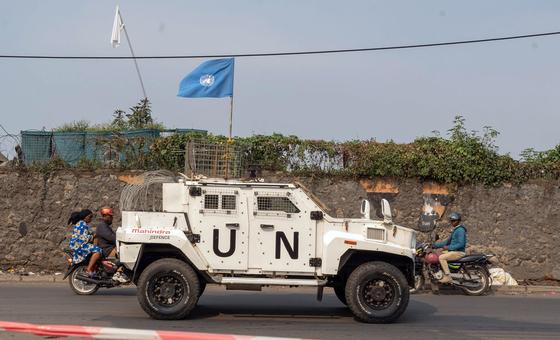
DR Congo: UN deplores deadly attacks in the east of the country

The attacks, which took place between 9 and 16 August in the localities of Beni and Lubero territories, claimed the lives of at least 52 civilians, including eight women and two children, but peacekeepers on the ground say the death toll may very well rise.  

“These attacks targeting civilians, which add to the atrocities committed during the night of 26 to 27 July in Komanda (Ituri territory, Ituri), are intolerable and constitute serious violations of international humanitarian law and human rights,” said Binto Keita, Head of the UN Mission in the DRC, known as MONUSCO.  

Appeal to armed groups

The violent attacks were accompanied by abductions, looting, and the burning of homes, vehicles, and motorcycles, as well as the destruction of property belonging to the population already facing dire humanitarian conditions.  

MONUSCO issued a statement calling for foreign armed groups, such as the ADF, to lay down their arms unconditionally and return to their countries of origin.  

The Mission also urged “the Congolese authorities to conduct thorough investigations to identify those responsible for the massacre of civilians and bring them to justice.”  

Stronger military presence

In response to this new wave of violence, the peacekeeping mission reinforced its military presence and support to Congolese authorities.

For instance, on 13 and 14 August during incidents in Mayi-Moya in North Kivu, MONUSCO provided physical protection to 206 civilians, including 93 children and 70 women, who had sought refuge at the mission’s military base.  

“MONUSCO remains fully committed to supporting Congolese authorities and local communities in preventing further violence, protecting civilians, reducing tensions and contributing to the stabilisation of areas affected by armed conflict,” it said.   

Source link

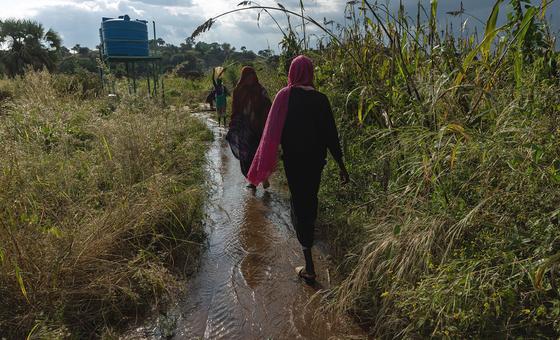
Sudan: UN sounds the alarm as health and food crises worsen across the country

As conflict between rival militaries rages on, millions of people keep on being displaced.

While the UN and its partners continue to provide assistance to newly displaced families in North Darfur, “nearly 60 per cent of displaced families still lack adequate shelter support,” said Deputy Spokesman for the Secretary-General, Farhan Haq, at a daily press briefing on Monday.

In Abu Shouk camp in El Fasher, the North Darfur capital, displaced families are facing acute shortages of food and medicine, with local sources reporting four hunger-related deaths last week, as food insecurity continues to worsen across the entire country.

In North Darfur state notably, low cereal supply, poor harvests and a prolonged food deficit have severely affected food availability.

Health crisis

Meanwhile, cholera cases continue to rise in Tawila. More than 1,500 suspected and confirmed serious infections have been reported since June, with over 500 people currently receiving treatment.

While local authorities have introduced emergency measures, including market closures and a ban on public gatherings, humanitarian organizations urgently require $120 million to scale up life-saving support in Tawila over the next three months.

“This funding is essential to contain the outbreak and sustain critical services,” according to OCHA.

Meanwhile, in Port Sudan, the main entry point for humanitarian personnel and supplies, a sharp increase in heatstroke cases linked to extreme temperature and prolonged power outages is raising concerns, as one death was recorded over the past two days.

Food crisis

In El Fasher, food prices continue to rise to alarming levels.  The Integrated Food Security Phase Classification (IPC) has  already identified famine conditions in multiple areas of North Darfur and the eastern Nuba Mountains, with more locations at risk.

In May, the average cost of the local food basket in El Fasher was more than six times the national average, as the city recorded the highest prices for nearly all essential items among assessed localities.

An IPC alert earlier this month noted that Sudan’s food security and nutrition situation is set to further deteriorate over the lean season from July to October, notably in areas of active conflict with limited access and experiencing high levels of displacement. 

Source link

‘Still reeling’: Myanmar quakes worsen humanitarian crisis in fractured country

The 28 March quake measuring 7.7 on the Richter scale, struck central regions with deadly force, killing some 3,800 people and injuring over 5,000, according to UN estimates.

The disaster devastated infrastructure and homes across Mandalay, Sagaing and Magway, displacing tens of thousands more in a country already grappling with over 3.2 million internally displaced persons (IDPs) since the 2021 military coup.

Communities are still reeling from the earthquakes – the strongest the country has experienced in a century,” said Jorge Moreira da Silva, Executive Director of the UN Office for Project Services (UNOPS), speaking to journalists at the UN Headquarters in New York via video from Beijing after a three-day visit to Myanmar.

The devastation caused by the quakes compounded the existing challenges of conflict, displacement and severe humanitarian needs.

Needs outpace resources

UNOPS, which maintains the largest UN presence in Myanmar with nearly 500 staff, mobilized $25 million within weeks of the disaster and has reached half a million people with lifesaving support.

“My colleagues worked swiftly with partners to deliver emergency shelters, clean water, and deploy infrastructure specialists for rapid assessments,” Mr. da Silva said.

However, he warned that far greater international support is needed to meet the scale of needs.

The World Bank estimates total damages at nearly $11 billion, with full reconstruction expected to cost two to three times more. Over 2.5 million tonnes of debris must also be cleared to enable recovery.

Mr. da Silva emphasized that reconstruction must be people-centred, inclusive, and linked to peacebuilding efforts.

“We echo calls from across the UN for an end to violence,” he said. “Recovery and reconstruction should support Myanmar’s journey to peace and reconciliation. Protection of civilians must be a priority.

Women and girls face disproportionate risks

The humanitarian fallout has hit women and girls particularly hard – many of whom were among those killed or injured – and now face growing protection risks.

According to the UN reproductive health agency, UNFPA, more than 4.6 million women of reproductive age – including over 220,000 currently pregnant – are at heightened risk.

Damage to health facilities, worsened by monsoon flooding and insecurity, has disrupted access to emergency obstetric care and menstrual hygiene. Gender-based violence meanwhile, is rising sharply in overcrowded, poorly lit shelters.

UNOPS Executive Director Jorge Moreira da Silva meets with a woman and her newborn child at a health clinic.

Health system under pressure

The risk of waterborne diseases such as cholera and vector-borne illnesses like dengue and malaria is also rising.

According to the World Health Organization (WHO) while no major outbreaks had been reported as of 31 May, cases of acute watery diarrhoea and skin infections are ticking up.

Monsoon rains have worsened conditions in temporary shelters, where overcrowding and poor sanitation raise serious health concerns. Mental health remains fragile, with 67 per cent of respondents in a recent survey reporting emotional distress linked to the quake and ongoing conflict.

WHO and its partners have delivered more than 300,000 vaccine doses – including tetanus and rabies – but access remains limited, and health services underfunded.

Protracted crisis

More than 3.25 million people remain displaced within Myanmar since the military coup of February 2021, with at least another 176,000 seeking refuge in neighbouring countries, according to refugee agency, UNHCR.

This excludes the hundreds of thousands of Rohingya refugees from earlier waves of violence.

Myanmar also remains one of the world’s deadliest countries for landmines and explosive remnants of war.

In the first nine months of 2024 alone, 889 casualties were reported – raising fears the toll could surpass the record 1,052 deaths and injuries documented in 2023.