Deep dive into the International Seabed Authority: Why it matters now

At a time when the international community seeks to regulate the rich tapestry of the planet’s ocean floors while countries and corporations speed towards deep-sea mining opportunities, here’s what you need to know about ISA and why it matters now:

What does it do?

ISA manages the mineral resources of the seabed beyond national jurisdiction, which covers 54 per cent of the world’s oceans, for “the shared benefit of all humankind”.

Created by the UN Convention on the Law of the Sea in 1994, ISA is aims to ensure that all economic activities in the deep seabed, including mining, are regulated and responsibly managed.

Mandated to ensure the effective protection of the marine environment from harmful effects that may arise from deep-seabed-related activities, its work also contributes to the 2030 Agenda for Sustainable Development.

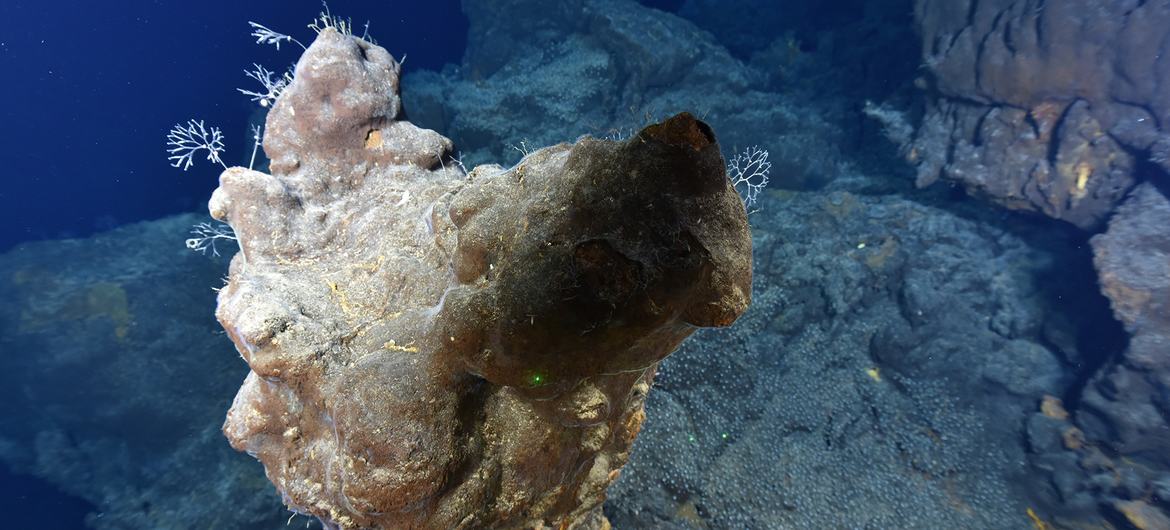
Seabeds contain rich fauna and an array of rare earth minerals.

Why it matters now?

As the world’s only international body that focuses on the deep-sea area beyond national borders, ISA aims to address pressing concerns, from plastic waste littering oceans to the race to secure rare earth minerals to quench the world’s insatiable thirst for lithium batteries and a range of tech items.

What kind of rare earth minerals are on the ocean floor? Copper, cobalt, gold, lanthanum, neodymium, nickel, silver, yttrium and zinc to name a few.

Right now, countries can pursue deep-sea mining within their own territorial waters or “exclusive economic zones”. But, under international law, the deep seabed belongs to no single country or corporation, ISA Secretary-General Leticia Carvalho wrote in a recent op-ed.

“It is our common heritage,” she said.
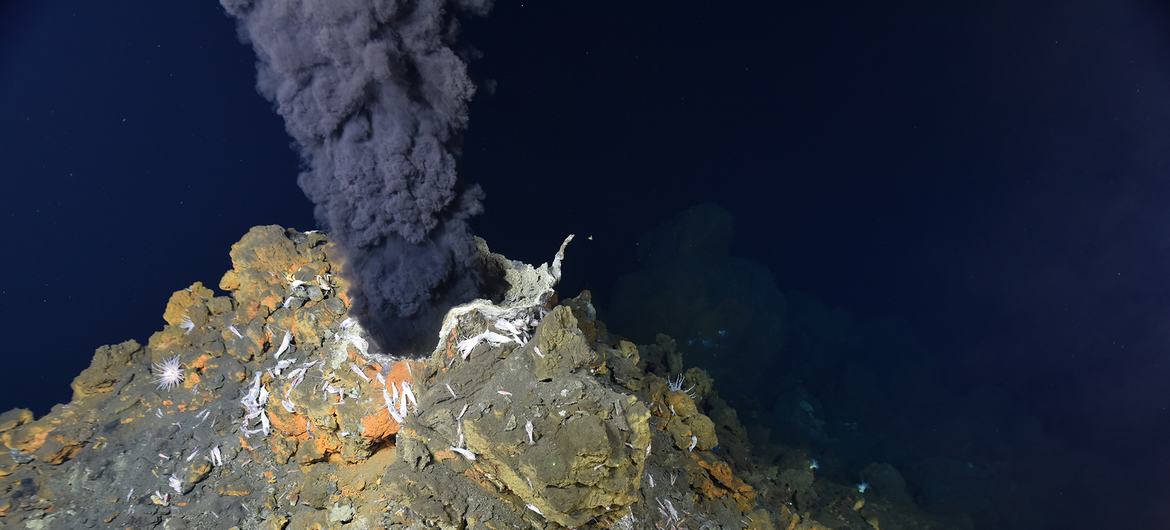
An active volcano on the ocean floor.

What’s the draft mining code?

Right now, nations are looking for ever more sources of rare earth minerals to meet demand for renewable energy technologies and such items as mobile phones and computers. The deep-sea contains a plethora of supplies. That’s where the draft mining code comes in.

During its 30th session, ISA members are working on a draft code that would protect the marine environment and build a foundation for ensuring that any activities in the deep-sea area are conducted responsibly and in line with environmental sustainability principles as well as benefitting all of humanity.

A food container seen resting at 4,947m on the slopes of an underwater canyon near the North Marianas Islands in the Pacific Ocean.

Tackling the ‘missing plastics paradox’

Plastic pollution is another part of the problem. To address this and other pressing issues, ISA members adopted a global research agenda in July 2020, serving as an action plan for marine scientific research with six strategic priorities that include advancing knowledge of deep-sea ecosystems, promoting data sharing and providing insights into the scientific landscape of plastics in the deep-sea.

This latter growing global challenge has potential consequences for the sustainable use of oceans. In 2019, the plastics industry produced over 450 million tonnes of plastic, a figure expected to rise in the coming decades and is likely to increase pressure on marine environments and species. Yet, a portion of plastics entering the oceans remains unaccounted for, a phenomenon known as the “missing plastics paradox”.

Some researchers suggest that the deep sea may act as a sink for plastic debris, where their prolonged persistence could pose risks to these environments.

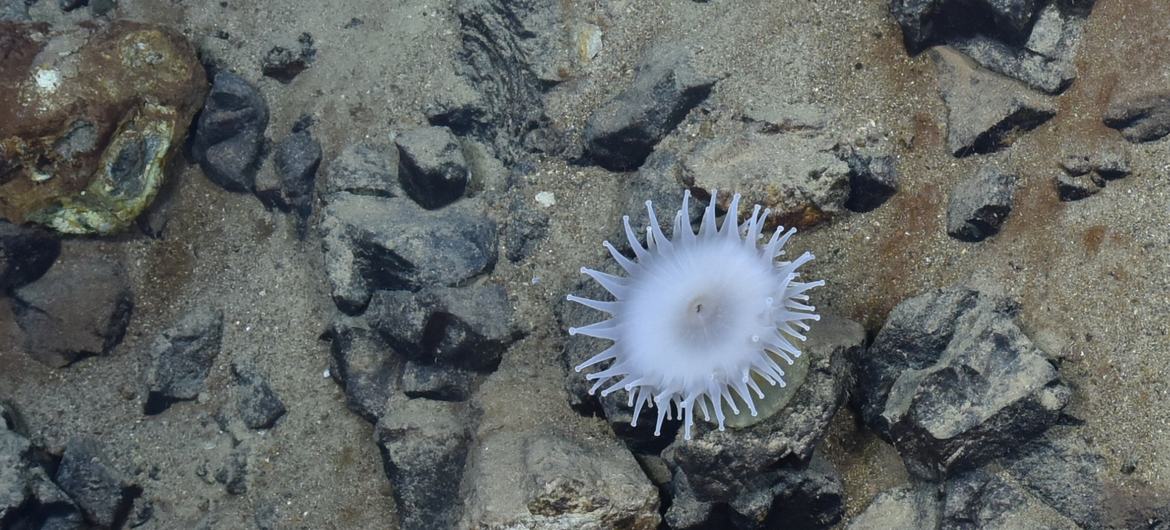
Acorn worms were one of the many types of fauna observed in the deep-sea around the North Marianas Islands in the Pacific Ocean.

The world’s new deep-sea biobank

ISA has also just begun filling its new biobank, launched in June on the margins of the UN Ocean Conference in Nice, France. The Deep-Sea Biobank Initiative (DBI) aims to enhance access to deep-sea biological samples and genetic data collected from the international seabed area.

Designed to promote deep-sea research and inclusive scientific collaboration, particularly for developing States, the initiative will establish a global repository of biological samples and develop standard operating procedures to enhance data quality, sharing and use by stakeholders.

“The DBI is ISA’s response to a growing need to advance research, share data, build capacity and facilitate access to deep-sea knowledge, particularly for developing States,” said the authority’s chief Carvalho. “We aim to create standardised and equitable pathways for scientific collaboration, empowering countries and institutions to explore, understand and protect the ocean’s most remote ecosystems.”
The International Seabed Authority has emerged as a central institution of global ocean architecture, charting a course towards responsible and sustainable use.

‘DeepData’ diving

The wealth of data and information ISA has collected has been critical to shaping environmental management plans. Every data byte collected through deep-sea exploration adds critical new information about life in the ocean and assists with decision making.

In launching the DeepData database in 2019, ISA made publicly available for the first time the biggest and most complete global repository of environmental data and information on the deep-sea area.

Exactly how much data has been collected? As of May 2023, DeepData contained over 10 terabytes, roughly equivalent to 6.9 million Instagram uploads. Widely used around the world, it had about 2.4 million hits from visitors in 2022 alone and more than 160 citations in scientific publications.

Learn more about ISA here.

  • The International Seabed Authority (ISA) has 170 members
  • ISA is an autonomous intergovernmental organization established by the UN
  • Members meet annually to address pressing issues
  • The 30th session concludes with the ISA assembly meeting from 21 to 25 July in Kingston, Jamaica
UN80 Initiative: What it is – and why it matters to the world

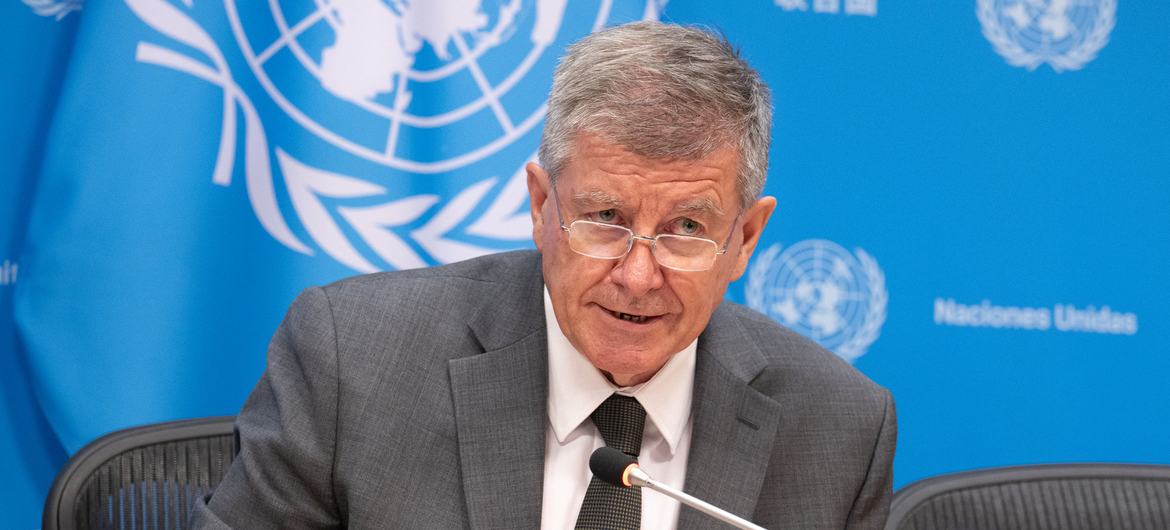
“This is a good time to take a look at ourselves and see how fit for purpose we are in a set of circumstances which, let’s be honest, are quite challenging for multilateralism and for the UN,” says Guy Ryder, Under-Secretary-General for Policy and chair of the UN80 Task Force.

Known as the UN80 Initiative, this process seeks not only to improve efficiency, but also to reassert the value of multilateralism at a time when trust is low and needs are high. It aims to reinforce the UN’s capacity to respond to today’s global challenges – ranging from conflict, displacement, and inequality to climate shocks and rapid technological change – while also responding to external pressures such as shrinking budgets and growing political divisions in the multilateral space.

“We will come out of this with a stronger, fit-for-purpose UN, ready for the challenges the future will undoubtedly bring us,” explains Mr. Ryder.

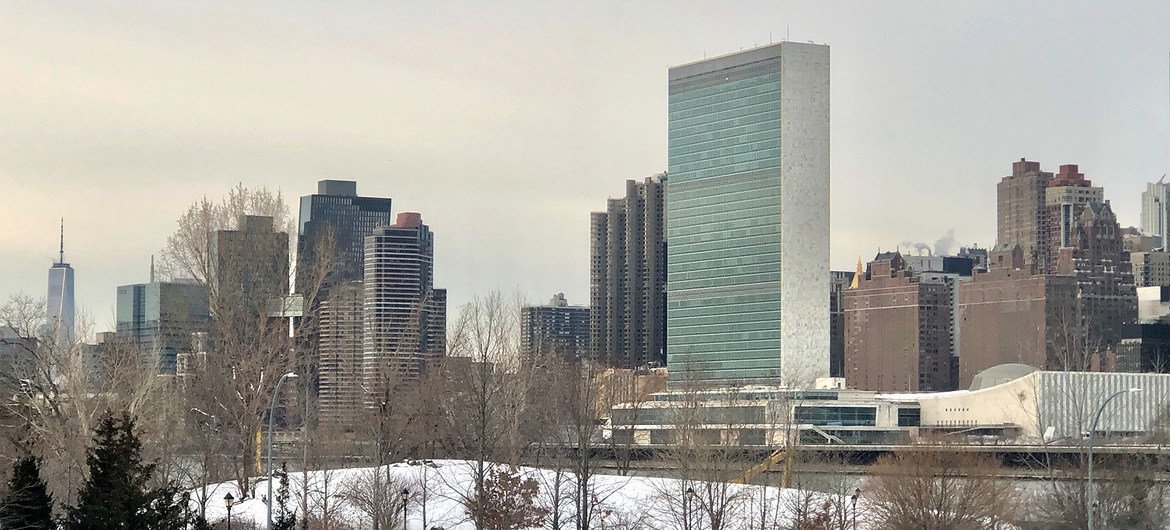
View of the UNHQ building from Roosevelt Island, New York

Three tracks of reform

At the heart of UN80 are three major workstreams. The first is focused on improving internal efficiency and effectiveness, cutting red tape, and optimizing the UN’s global footprint by relocating some functions to lower-cost duty stations. Mr. Ryder notes that burdensome administrative procedures and duplications are being targeted.

“We want to see what we can do better. We want to look at those areas where we think we can improve efficiencies and strip out unnecessary bureaucratic processes,” he outlines.

The second workstream is a mandate implementation review, which involves examining nearly 4,000 mandate documents underpinning the UN Secretariat’s work. A mandate refers to a task or responsibility assigned to the organisation by the Member States, usually through resolutions adopted by UN organs such as the General Assembly or the Security Council.

These mandates guide what the UN does – from peacekeeping operations and humanitarian aid to human rights and environmental action.  Over the decades, at least 40,000 mandates have accumulated, sometimes overlapping or becoming outdated, which is why reviewing them is a key part of the UN80 initiative .

“Let’s take a look at them,” Mr. Ryder says. “Let’s see where there may be duplication, where we can prioritise and de-prioritise, and find redundancies.”

But reviewing this mountain of mandates is not new. “We’ve tried this exercise before. We had a look at these bulky mandates back in 2006. It didn’t work very well.” Mr. Ryder reflects.

This time, however, the process is favoured by one key factor. “This time, we’ve got the data and analytical capacities. We’re applying artificial intelligence techniques to provide much more and better organised information to Member States – a more compelling case that could drive, I think, a productive process.”

He emphasises that the responsibility for deciding what to retain, revise, or discontinue rests squarely with the Member States.

“These mandates belong to Member States. They created them, and only they can evaluate them. We can look at the evidence, we can put that to Member States, but eventually they are the decision-makers on mandates and on very much else that the UN80 initiative brings.”

The third stream explores whether structural changes and programme realignment are needed across the UN System. “Eventually, we might want to look at the architecture of the United Nations system, which has become quite elaborate and complicated,” Mr. Ryder adds. Proposals are also likely to emerge from the mandate implementation review.

Guy Ryder, Under Secretary-General for Policy and Chair of the UN80 taskforce

A task force and a system-wide lens

To tackle reform across such a complex system, the Secretary-General established seven thematic clusters under the UN80 Task Force; each coordinated by senior UN leaders from across the system. These cover peace and security, humanitarian action, development (Secretariat and UN system), human rights, training and research, and specialised agencies.

“It’s important to say that at a moment when the system is under pressure, the system is responding as a system,” the UN80 Taskforce chair notes. “This is not just New York, not just the Secretariat. It is system-wide.”

Each cluster is expected to produce proposals to improve coordination, reduce fragmentation, and realign functions where needed. Several clusters have already submitted initial ideas. A broader set of proposals will follow in July.

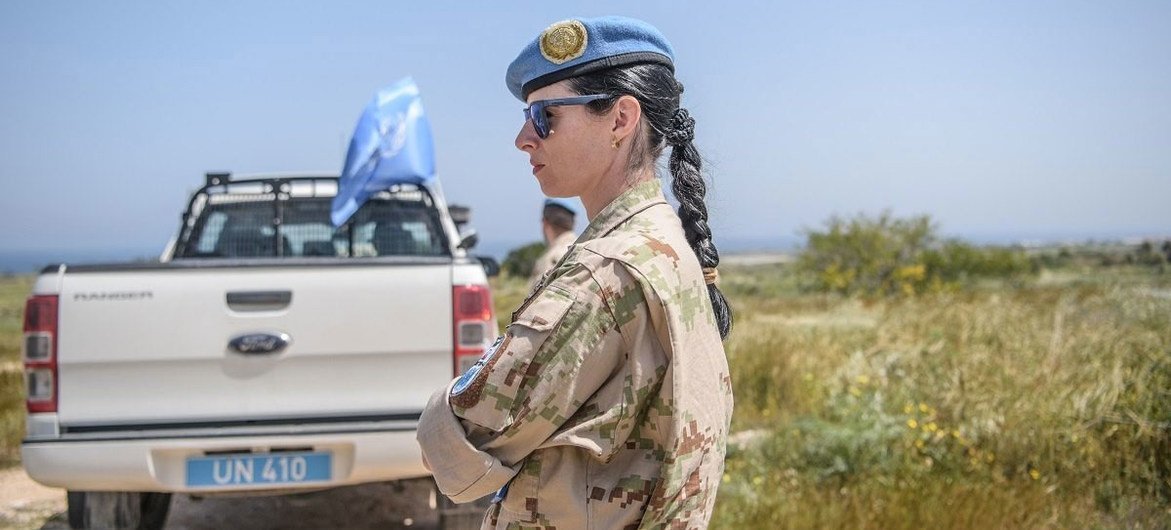
UNFICYP/Katarina Zahorska

The United Nations works to prevent conflict, support peace processes, and protect civilians—upholding its core mandate to maintain international peace and security.

Reform, not retrenchment

Attention around the UN80 Initiative has largely focused on proposed budget cuts and staff reductions, raising concerns that it is mainly a cost-saving exercise. Mr. Ryder underscores that this view misses the bigger picture.

“Yes, we do face financial challenges. No need to avert our eyes from that. But this is not a cost-cutting, downsizing exercise. We want to make the UN stronger,” he says.

Still, the financial pressures across the system are undeniable. A revised programme budget for 2026, due in September, is expected to include significant reductions in funding and posts for Secretariat entities — a consequence of persistent cash flow constraints linked to delayed and incomplete contributions from Member States.

“The UN80 Initiative wants to improve the impact and effect of multilateralism and the UN,” Mr. Ryder explained. “Now, that does not mean – we wish it were otherwise – that we do not have to take a look at our budget and our resources in different parts of the system.”

“Organisations have faced some wrenching decisions, and this is happening every day. That’s the reality of our circumstances,” he adds.

Mr. Ryder contends that financial sustainability and mission impact are not mutually exclusive – but must be pursued in tandem. “We have to reconcile the two objectives of making ourselves financially sustainable in the difficult circumstances we find ourselves in, but also be attentive, as always, to the impact that we have in delivering on our responsibilities under the Charter,” he said.

Children in Haiti eat a meal provided as part of WFP’s school feeding programme.

Why UN80 matters to people everywhere

Rather than mere bureaucratic reform, UN80 is ultimately about people, those who rely on the UN’s support during crisis, conflict, or development challenges.

“If the UN is able to transform itself, to make improvements, sometimes through difficult decisions, that can mean those life-saving interventions reach the people we serve more effectively,” Ryder says.

The UN remains the essential, one-of-a-kind meeting ground to advance peace, sustainable development and human rights for all.

“This is the United Nations taking seriously its responsibilities to the people we serve”, Mr. Ryder says.

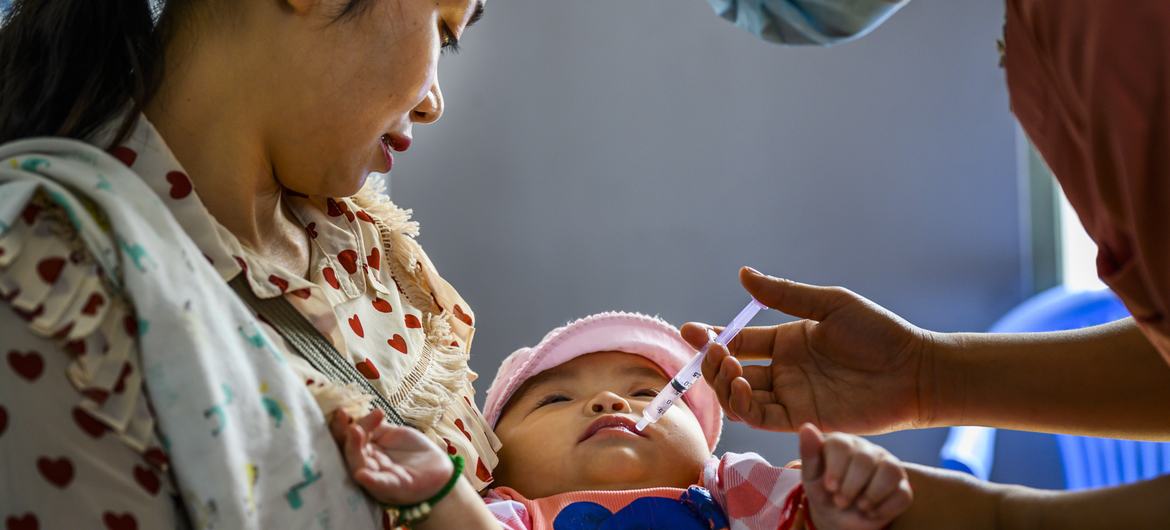
Right now, the UN assists over 130 million displaced people, provides food to more than 120 million, supplies vaccines to nearly half the world’s children, and supports peacekeeping, human rights, elections, and climate action across the globe. The UN’s development work has helped build peaceful, stable societies.

UNICEF-supported vaccination in remote Shan State village, Myanmar

What happens next

The UN80 Task Force will present its proposals to the Secretary-General, who has already indicated the first areas where outcomes are expected. A working group on efficiencies in the UN Secretariat, led by Under-Secretary-General Catherine Pollard, is expected to deliver initial proposals by the end of June. A report on the mandate implementation review will follow at the end of July.

This work under the first two workstreams will help inform broader thinking around structural changes and programme realignment across the UN system. Proposals under the third workstream will be put forward to Member States in the coming months and into next year.

Although the work is just beginning, Mr. Ryder believes the UN has the right tools – and a clear sense of ambition and urgency.

“We’re progressing well. There’s a lot of homework being done now,” he said. “As the weeks go by, this will be shifting more and more to the Member States’ space, and that’s when we’ll see results.”

Eventually, Member States will need to decide how to act on the findings. “They’re going to have to decide what they want to do. Will they wish to set up an intergovernmental process? The Secretary-General has mentioned this as a possibility already.”

UN Secretary-General António Guterres briefs the media about the UN80 Initiative.

Defining success

So, what does success look like?

“A UN system which is able to deliver more effectively, to strengthen and consolidate trust in multilateral action,” Mr. Ryder says. “A system which can convey to public opinion and political decision-makers that this is an organisation worth investing in. That this should be your preferred option when it comes to meeting the challenges of the future.”

For the UN80 Task Force chair, it comes down to credibility, capability, and public trust – and ensuring the UN remains not just relevant, but essential.

“We should all care about this,” he says. “If we take the view that multilateralism is the best instrument we have for meeting global challenges, then we need to make sure we renovate, refresh, and make that machinery as effective and as fit for purpose as it can possibly be.”

Source link