World News in Brief: Pakistan floods, countries lag on climate reporting, concern over attack on peacekeepers in south Lebanon, cuts hit human rights investigations

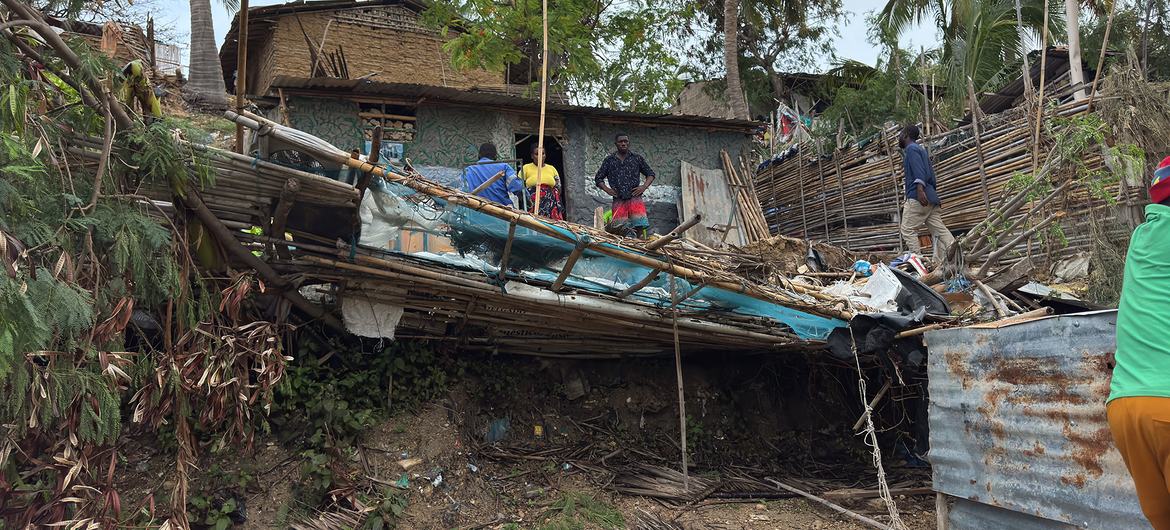
In a statement released by his Spokesperson, the UN chief noted that the disaster driven by severe monsoon conditions had been exacerbated by climate change, impacting around 1.5 million people.

Hundreds of thousands of people need humanitarian aid while more than 3,000 homes, over 400 schools and some 40 health facilities have suffered some level of damage.

Solidarity with the people

“The Secretary-General commends Pakistani authorities for relocating more than one million people in Punjab. He expresses his solidarity with the Government and people of Pakistan, extends his heartfelt condolences to the families of those who have lost their lives, and wishes a swift recovery to those who have been injured.”

The UN and other humanitarian organizations are working closely with the Pakistani authorities to assess the full impact of the floods on communities, identify further needs and also address any gaps in the response.

The UN’s Emergency Relief Coordinator, Tom Fletcher, has released $600,000 from the Regional Humanitarian Pooled Fund for relief and recovery efforts, and discussions are underway with the Government on a specific response plan.

Dozens of countries lag on climate reporting, warns UN climate chief

UN Climate Change Executive Secretary Simon Stiell has warned that 37 countries have yet to submit one or more mandatory reports under the Paris Agreement’s transparency framework, stressing that “no country can be left behind.”

Speaking at the Global Transparency Forum in Songdo, Republic of Korea, the UNFCCC chief said the Enhanced Transparency Framework (ETF) is not just technical bookkeeping but “a vital enabling tool” for stronger climate action.

It helps governments attract investment, design more ambitious policies and accelerate progress on clean energy and resilience, he added.

‘Smart investment’

To date, more than 100 nations have submitted their first Biennial Transparency Reports (BTRs), which Mr Stiell called a “smart investment” bringing economic and social benefits.

Over 10,000 experts from 140 developing countries have received training on the ETF, with 1,200 certified reviewers and 1,400 officials now using its tools.

The first global synthesis of BTRs will be published ahead of November’s COP30 climate change conference in Brazil, offering an early snapshot of progress on mitigation, adaptation and support. Mr Stiell said the findings would guide the next Global Stocktake.

“What is measured can be acted upon. What is reported helps build trust. And what is shared becomes a force for change,” he stressed.

Lebanon: UN voices serious concern over Israeli attack on peacekeepers

The UN has expressed serious concern over an Israeli attack on peacekeepers clearing roadblocks in southern Lebanon on Tuesday.

Briefing reporters in New York on Wednesday, UN Spokesperson Stéphane Dujarric said Israeli military drones had dropped grenades in the vicinity of peacekeepers serving with the UN mission, UNIFIL, “who were carrying out mandated tasks in support of implementation of Security Council resolution 1701.”

That’s the resolution which authorises peacekeepers to monitor the cessation of hostilities agreement between Israel and Hezbollah of 2006 and support the Lebanese armed forces as Israel withdrew from southern Lebanon. UNIFIL patrols the Blue Line of separation.

In a statement on social media, UNIFIL described the drone attack as one of the most serious on its personnel since the cessation of hostilities agreement between the two sides last November. The mission stressed that Israeli forces had been informed in advance of the road clearance work.

Drones crossed into Israel

“One grenade impacted within 20 metres and three within approximately 100 metres of UN personnel and vehicles,” said the UN Spokesperson.

“The drones were then observed returning south of the Blue Line. Thankfully, none of our colleagues were injured.”

The Secretary-General stresses that any acts which endanger peacekeepers’ lives are “completely unacceptable”, Mr. Dujarric continued.

UN chief António Guterres is also demanding that the parties uphold their responsibilities “to ensure the safety and security of the peacekeepers and inviolability of UN premises.”

Funding cuts hampering the work of the Human Rights Council, says President

The Human Rights Council is set to meet on Monday in Geneva – an opportunity for UN Member States to discuss action to address conflicts around the world, as well as other issues of global importance, from climate change to disability rights.

Important as this work is, it’s feared that cost-cutting measures that are already affecting UN agencies and bodies like the Council could limit its reach, President Jürg Lauber told journalists on Wednesday.

This includes independent rights investigators known as Special Rapporteurs, he said: “When the Council decides to have an investigative mechanism or a special rapporteur or an issue, they need resources,” he said.

Research, travel impacted

“They need they get support from the Secretariat to do research, to write reports. They need to travel to a country to see the situation. There’s also less money available, which means they don’t get necessarily all the research and assistance they need to do their work,” he continued.

Mr. Lauber said it was “very clear” that dwindling financial resources were impacting meetings during Council sessions and the basic implementations of investigative mandates.

He added that the funding cuts could also prevent people or groups in countries of concern from sharing their testimonies with investigators.

And he noted that reduced funding could also limit how much technical support and advice the Council is able to give to governments seeking to promote and protect human rights.

Source link

Guterres hails Papua New Guinea as an example of diversity, dialogue and climate action

António Guterres is the first serving UN Secretary-General to visit the country, which is celebrating 50 years of independence.

He praised its tremendous diversity, with over 800 languages spoken and countless traditions.

Commitment to peace, dignity and progress

“And yet, you have a shared commitment to speak with one voice – to having ‘one talk’ – for peace, for dignity and for progress,” he said.

“You are champions of multilateralism and international solutions. And that spirit is urgently needed in our world today.”

He said that “Papua New Guinea offers a number of powerful lessons to the world”, with the first being forging consensus through dialogue.

The country has spent the past half century working to build “a single nation out of many traditions, many islands, many tongues”, which has not been easy.

Last Saturday, 30 August, marked 24 years since the signing of the Bougainville Peace Agreement. The accord between the Government and separatists ended a decade of conflict and established the autonomous Bougainville region.

Mr. Guterres said that while the conflict left deep scars, Papua New Guinea and Bougainville have stayed the course of peace for more than two decades.

“You have shown the world the path of healing through dialogue, perseverance and mutual respect,” he said, adding that people in Bougainville will go to the polls on Thursday in the fifth autonomous election since the agreement.

Leadership in climate action

Another lesson from Papua New Guinea has been bold climate action.

This was the Secretary-General’s first visit to the Pacific region since the International Court of Justice (ICJ), the UN’s highest judicial body, issued a landmark advisory opinion affirming that addressing the climate crisis is a legal obligation under international law.

As Pacific countries played a central role, the advisory opinion “is a testament to the leadership of Papua New Guinea, Melanesia and the wider Pacific region, particularly your young people, who make up 60 per cent of your population”, he said.

A crucial voice

“Your voice will be integral again during the annual UN climate conference in Belem, Brazil,” he said, warning that efforts to limit global temperature rise to 1.5 degrees Celsius are in jeopardy.

He urged countries to submit new national climate plans that align with this goal, cover all emissions across their economies and accelerate the transition from fossil fuels.

Mr. Guterres also called for action on climate finance, including stepping up contributions to the loss and damage fund, while richer countries must honour their promise to double adaptation finance and deliver $300 billion each year over the next decade.

Furthermore, as many developing countries are “drowning in unsustainable debt”, reform of the current international financial architecture is needed to make it fairer and more representative. The same applies to the UN Security Council and other international institutions.

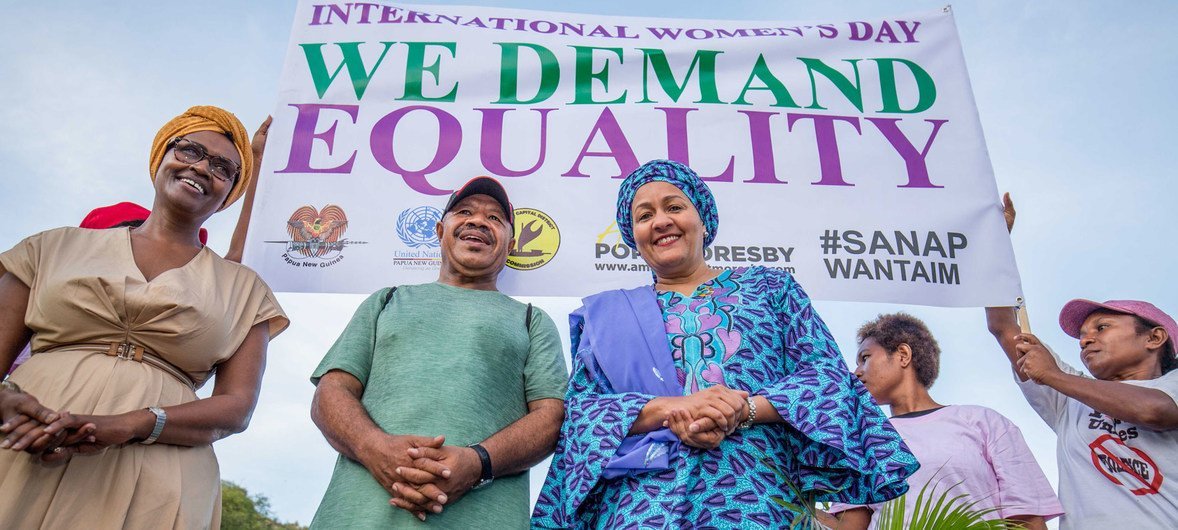
The UN Deputy Secretary-General, Amina Mohammed (centre right) joined a march in support of International Women’s Day in Port Moresby, Papua New Guinea, in March 2020.

Representation of women

The UN chief noted that Papua New Guinea once hosted peacekeepers, but today is a champion of peacebuilding and sustainable development.

He stressed, however, that “no story of peace or progress is complete without fully including half of the population”, highlighting another area where the country can set an example.

He recalled that UN Deputy Secretary-General Amina Mohammed was there five years ago for the national launch of the Spotlight Initiative — part of the world’s largest effort to end all forms of violence against women and girls, a challenge that exists in all societies.

In March, parliament devoted an entire day to testimonies on gender-based violence, marking a vital step.

“Ensuring greater voice and representation of women is not only a matter of justice — it is a matter of national strength,” he said.

“Families thrive. Communities grow stronger. And institutions become more responsive when we uphold the rights of all.”  

Latin America and Caribbean: Millions more children could face poverty due to climate change

Even worse, the number could triple if countries do not meet their commitments to reduce greenhouse gas (GHG) emissions and to ensure that climate financing prioritises social and climate resilience services for children.

The finding comes in a report by the UN Economic Commission for Latin America and the Caribbean (ECLAC) and the UN Children’s Fund (UNICEF), published on Thursday in Panama.

Bearing the brunt

The report examines the potential effects of extreme weather events on increasing poverty levels among children and youth, along with national efforts to reduce GHG emissions as well as strategies to adapt and reduce losses and damage caused by climate change.

The 5.9 million figure represents the most optimistic scenario. However, if governments are slow in implementing actions to address mitigation and adaptation, as well as loss and damage, the number could reach 17.9 million.

Roberto Benes, UNICEF Regional Director for Latin America and the Caribbean, said that children and adolescents bear the greatest burden of climate change. 

Their developing bodies are more vulnerable to cyclones, heatwaves and other extreme phenomena which at the same time disrupt their families’ livelihoods and their education.

“If children and young people don’t have the resources to meet their basic needs and develop their potential, and if adequate social protection systems are not in place, the region’s inequalities will only be perpetuated,” he said.

Protect children and youth

Yet despite their vulnerability, climate finance does not prioritise the resilient services for health, nutrition, education, water and sanitation that children and young people need, to ensure their optimal cognitive and physical development. 

In Latin America and the Caribbean, only 3.4 per cent of all multilateral climate finance is dedicated to children, according to the report.  This is happening at a time of funding cuts and reduced development aid amid unprecedented needs.  

The report recommends that regional governments take action, including by strengthening the climate resilience of social services and critical infrastructure to better protect children and youth, with a particular focus on the first 1,000 days of life.

Authorities are urged to increase child-sensitive climate policy financing, with actions that specifically target the needs of children at different ages.

They also must promote greater climate awareness, education, empowerment and participation of children and youth. Additionally, environmental and climate education should be included in school curricula and educational programmes.

The report further recommends that countries promote adaptive social protection and emergency response policies that account for the specific needs of children and adolescents. 

Source link

Putting water management at the centre of the climate change fight

Currently underway in Stockholm from 24 to 28 August, the 35th World Water Week meeting highlights the crucial link between water and global warming, under the theme, Water For Climate Action.

At the core of sustainable development and basic human survival, safe drinking water is critical for socio-economic development, energy and food production – and healthy ecosystems.

Meanwhile, reliable water supply is also at the heart of adaptation efforts in an increasingly warming world.

Landlocked countries

Improved access to water is creating new opportunities for people in some of the world’s most remote communities, particularly in landlocked developing countries (LLDCs). 

On Wednesday, UN-Water – which coordinates the UN’s work on water and sanitation – will bring together LLDCs that have demonstrated substantial progress towards ensuring the availability and sustainable management of water and sanitation for all, in line with the UN Sustainable Development Goals (SGDs).

This session will provide an opportunity for other LLDCs to draw lessons from the progress made by Bhutan, Rwanda, and Saudi Arabia in ensuring safe drinking water and effective water management.

Innovative financing

The lack of safely managed water, sanitation and hygiene services, severely impacts human well-being, dignity and opportunities – especially for women and girls.

Indeed, contaminated water, inadequate sanitation, and poor hygiene practices are still undermining efforts to end extreme poverty and control disease outbreaks in the world’s poorest countries.

On Thursday, UN-Water and partners will galvanise donors and other key collaborators to address financing gaps in water and sanitation provision.

Discussions will focus on different models and building alliances to unlock innovative funding mechanisms for safer universal access.

Facing rising risks, landlocked nations launch climate alliance at UN summit

Operating within the UN Framework Convention on Climate Change (UNFCCC), the group aims to amplify their voices in global climate talks, where their distinct vulnerabilities have long been overlooked.

Disproportionate climate risks

Although LLDCs account for approximately 12 per cent of the world’s land surface, they have experienced nearly 20 per cent of the world’s droughts and landslides over the past decade – underscoring their disproportionate exposure to climate-related disasters.

Lacking access to the sea, these countries rely heavily on neighboring transit states, which further increases their vulnerability to climate-induced disruptions.

The Awaza Programme of Action is not the first global framework to address the development needs of LLDCs, but for the first time, such an action plan includes a strong focus on adaptation to climate-related disasters.

A call for resilience and preparedness

Natalia Alonso Cano, Chief of the UN Office for Disaster Risk Reduction (UNDRR) Regional Office for Europe and Central Asia, emphasized this in an interview with UN News.

LLDCs, she said, face overlapping risks: over half of their territory is classified as dryland; many are in mountainous regions; and some sit in seismically active zones.

“Landlocked countries in general, they suffer about three times the economic losses compared to the global average,” she said. “Also, the mortality rates [when disasters strike these countries] much higher than the global average. Such big difference explained by a combination of this vulnerability, but also a combination of exacerbating impacts.”

Limited capacity, growing challenges

Landlocked developing countries often struggle to respond to climate challenges due to limited financial capacity, dependence on undiversified, commodity-based economies, and weak governance. In 2024, one-third of LLDCs were either in conflict or considered unstable.

The new 10-year UN action plan aims to support LLDCs in climate adaptation, sustainable development, and disaster risk reduction.

“We know that early warning saves lives. It’s a fact,” Ms. Alonso Cano explained. “When you can communicate to the communities affected that something is going to happen and they need to prepare – to evacuate, for example – they need to do certain things. If they know what they need to do, that’s part of the early warning system. Obviously, it saves lives, and it saves livelihoods as well.”

She gave an example of drought preparedness: “If there [is] a systemic drought in an area, you work in the preparedness with the communities, they can, for example, take certain measures, reduce maybe the amount of cattle in the case of that, they can congregate towards points of water, etc. There are a number of measures to address that.”

Ms. Alonso Cano stressed the need for long-term planning: “We need to take into account what is going to happen in 10, 20, 30 years. And climate change will become more extreme – we know this for sure.”

Women and girls at the forefront

Within LLDCs, women and girls are particularly at risk, making gender a key concern at Thursday’s events at LLDC3 in Awaza. One highlight was a Women Leaders’ Forum, opened by UN Under Secretary-General Rabab Fatima, who emphasized that sustainable development cannot be achieved without the full participation of women and girls.

Ms. Fatima, the High Representative for the Least Developed Countries, Landlocked Developing Countries and Small Island Developing States, noted progress over the last 25 years: women now occupy one-third of parliamentary seats in LLDCs, compared to just 7.8 per cent in 2000.

“This is higher than the global average,” she said, adding that 11 of the world’s 54 female speakers of parliament come from LLDCs.

Persistent gender gaps

Yet challenges remain. “Progress is uneven and far too slow. One in four women in LLDCs live in extreme poverty – that is nearly 75 million women; and nearly half – about 150 million – face food insecurity.”

Employment statistics show wide gender disparities. While 80 per cent of women in LLDCs work informally, without contracts or protections, the global average is 56 percent. One in three girls in LLDCs marries early – nearly twice the global rate – and only one in three completes secondary education. In addition, just 36 per cent of women in these countries have access to the internet.

“That is why gender-responsive industrial and development policies are so important,” Ms. Fatima stressed. “These policies must be tailored to national contexts, and industrial development in rural areas, business support, formalization of employment, and strengthened partnerships must be priorities.”

Digital inclusion for women and girls

She also called for improved internet access and education for women and girls.

The International Telecommunication Union (ITU), a UN specialized agency, is addressing these challenges.

Dr. Cosmas Luckysin Zavazava, Director of the ITU Telecommunication Development Bureau, told UN News that while some regions such as the CIS have achieved gender parity in internet access, LLDCs still face major barriers.

“That’s why we’ve developed special programmes for women and girls in this region,” he said. “It’s not just about access, but also about building coding skills and introducing girls to fields like robotics. Our programmes aim to motivate young women and girls to pursue careers in STEM sectors.”

Turning point for action

As the Awaza conference nears its conclusion, participants are expected on Friday to reaffirm their political commitment to the Awaza Programme of Action, which was adopted by the UN General Assembly in 2024.

The time has come for implementation – or as High Representative Rabab Fatima put it, “Let this forum be a turning point.

Source link

World News in Brief: Hunger in the English- and Dutch-speaking Caribbean, climate and displacement crisis in Somalia, World Breastfeeding Week

Across the region, nations face food-related challenges notably due to geographical remoteness, lack of local available resources and exposure to climate change. 

“The Caribbean is particularly vulnerable to natural hazards and supply chain disruptions, which can cause increases in food prices,” said, Brian Bogart. head of WFP for the region.

“It’s deeply concerning that many people are struggling to afford the food they need,” he said. 

Supply chain challenges

Rising food prices are a major concern for the region, with food inflation consistently outpacing overall inflation rates, with local production efforts challenged by increasing operational costs. 

In 2025, 30 per cent of Caribbean people reported eating less than usual, a trend notably triggered by increased food costs and global geopolitical factors.

As the region significantly relies on imported agricultural inputs, “strengthening and diversifying supply chains and trade routes across the region is essential,” said Mr. Bogart. 

He added that in a region particularly impacted by climate disasters, “these efforts will help make food more accessible and affordable while supporting faster recovery in times of crisis.” 

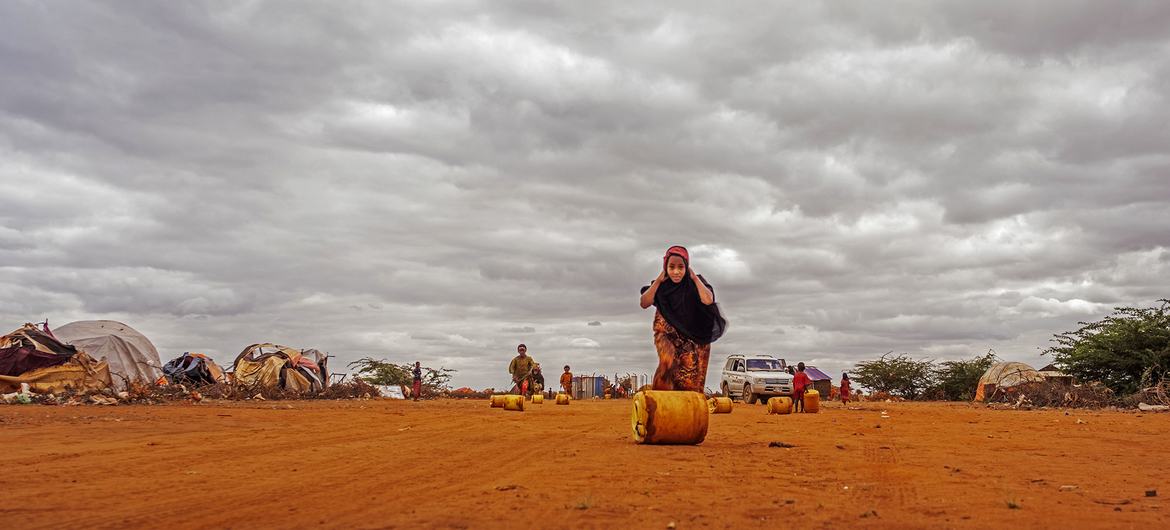
A girl moves a container full of water at a site for displaced people in Dolow, Somalia. (file)

UN migration agency highlights deepening climate and displacement crisis in Somalia

Climate shocks and mass displacement caused by conflict have uprooted some 3.6 million people in Somalia, according to the International Organization for Migration (IOM). 

Almost half the population has been impacted by the climate crisis, the UN agency added.

IOM Deputy Director General Ugochi Daniels concluded a four-day visit to Somalia this week where she expressed solidarity for communities who continue to endure relentless droughts, floods and conflict.

Ms. Daniels also noted that communities are finding solutions to withstand the worst impacts of the climate crisis, but they need international support from the Green Climate Fund urgently.

IOM is active across Somalia in displacement sites and in rural and other fragile areas. Its work includes promoting land restoration and so-called “environmental peacebuilding”, which aims to reduce tensions over shared resources.

Another IOM initiative encourages Somalis to invest in their own development by providing additional funding.

Last year, communities contributed more than half a million dollars toward projects such as solar energy, clean water access and small-scale farming – investments all matched by more than $2 million from IOM. 

World Breastfeeding Week: Invest in health systems and policies to benefit mums and babies

This Friday (1 August) marks the start of World Breastfeeding Week and this year’s theme calls for investing in health systems as well as policies, laws and programmes that prioritize women, babies and breastfeeding.

The World Health Organization (WHO) said investing in breastfeeding support is one of the most powerful tools policy-makers have to improve public health, strengthen economies, and secure the well-being of future generations.

The UN agency explained that breastfeeding protects child health and improves survival, especially in the first months of life.  For infants, breastmilk is more than food: it also provides protection against many common illnesses like diarrhoea, pneumonia and infections.

Mothers also benefit as breastfeeding reduces the risk of postpartum haemorrhage, as well as breast and ovarian cancers, heart disease, and type 2 diabetes.

WHO urges governments to allocate dedicated funding for breastfeeding support, including for when new mums come home, along with maternity protections like paid leave after giving birth. 

Source link

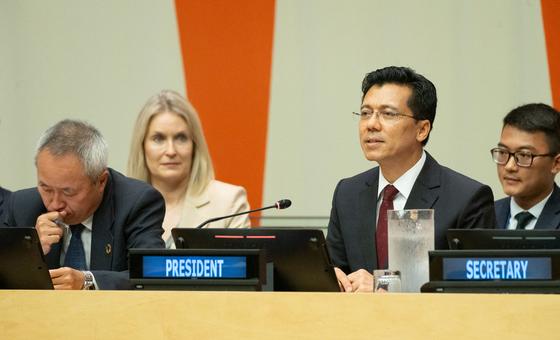
‘Delivering better’: New ECOSOC president emphasises climate action, food security

Mr. Thapa said that the motto of his presidency will be “Delivering Better,” which requires strengthening partnerships and multilateralism to achieve more effective implementation of initiatives, including the 2030 Agenda adopted 15 years ago.  

“Delivering better is not an option — it is an imperative. It is our pathway to restoring trust in multilateralism, bridging divides, empowering the most vulnerable and translating commitments into action,” he said.  

Four vice-presidents were also elected for the coming year: Amar Bendjama (Algeria), Héctor Gómez Hernández (Spain), Wellington Darío Bencosme Castaños (Dominican Republic) and Paruyr Hovhannisyan (Armenia).

80 years of ECOSOC 

The UN Economic and Social Council (ECOSOC) is one of the six principal organs of the United Nations, responsible for promoting international economic and social cooperation and development.

It has 54 member States, elected by the General Assembly for three-year terms on a rotating basis, with seats distributed by region.

ECOSOC coordinates the work of UN specialized agencies, commissions and bodies on issues ranging from sustainable development and human rights. It also serves as a central platform for fostering debate, forging consensus, and promoting action on global economic and social issues.

For Mr. Thapa, this body is central to shaping the world’s development agenda and ensuring that no one is left behind.  

“ECOSOC is our place. It needs dedication, participation and active engagement of all UN membership and stakeholders,” he said.  

Five ways to deliver better

While “delivering better” will be the motto of Mr. Thapa’s presidency, he outlined five specific areas upon which he and the Council will focus in the coming year.

With over 735 million people worldwide experiencing hunger, his first priority area is transforming agriculture to strengthen rural resilience and end hunger.  

Digital entrepreneurship and youth engagement are tied to this — and are his second priority area. He noted the “youth bulge” in many developing countries which he said will be a powerful demographic asset if it can be taken advantage of.  

Like ECOSOC presidents before him, his third priority area deals with climate action and resilience. This time, however, he would like ECOSOC to focus specifically on glacier lakes and floods.  

His final two priority areas are reforming the international financial architecture so that it is more inclusive and commemorating the 80th anniversary of ECOSOC.  

Mr. Thapa noted that he and ECOSOC’s membership will be working to achieve these challenges in the midst of multiple, interlinking crises including accelerating climate change, rising geopolitical tensions and decreasing trust in the multilateral system.  

“These challenges are systemic and interconnected. They demand integrated, inclusive and forward-looking responses,” Mr. Thapa said.  

Fix, repair, mend

Before Mr. Thapa’s remarks, Bob Rae, the outgoing president of ECOSOC and Canada’s Ambassador to the UN, reflected on his tenure. He acknowledged that the world is currently in a time of great hardship and genuine anguish.  

But he said that it must be the job of ECOSOC — and UN Member States more broadly — to not only give voice to this anguish and hardship but to actually find solutions for it as well.  

“We hear a lot in the UN discourse about how things are broken, how things have fallen apart, how things are unhinged … But our job is to fix, it’s to repair, it’s to mend, it’s to allow things to heal, it’s to make change happen,” Mr. Rae said.  

Both Mr. Thapa and Mr. Rae affirmed that multilateralism can work and that ECOSOC should play a unique role in rewriting the narrative surrounding international cooperation.  

“We must reaffirm our collective belief in the power of multilateralism — not as an abstract ideal, but as a pragmatic tool for delivering better outcomes for all,” Mr. Thapa said.  

Source link

Pollution, melting microbes, undamming rivers, risks for elders: 4 key climate issues

From ancient microbes awakening in melting glaciers to toxic pollutants unleashed by floods, the dangers are no longer distant or theoretical. They are here, and they are growing.

The Frontiers Report 2025, released by the UN Environment Programme (UNEP), highlights four critical areas where environmental degradation intersects with human vulnerability: legacy pollution, melting glacier microbes, undamming rivers and climate risks for an ageing population that is growing.

The report paints a vivid picture of how climate change is not only altering ecosystems but also exposing communities – especially the most vulnerable – to new and intensifying dangers. Some issues may be local or relatively small-scale issues today, but have the potential to become issues of regional or global concern if not addressed early, the report warned.

UNEP Executive Director Inger Andersen said action must be taken “to protect people, nature and economies from threats that will only grow with each passing year”.

Here’s what’s at stake and why it matters to all of us:

UN Nepal/Narendra Shrestha

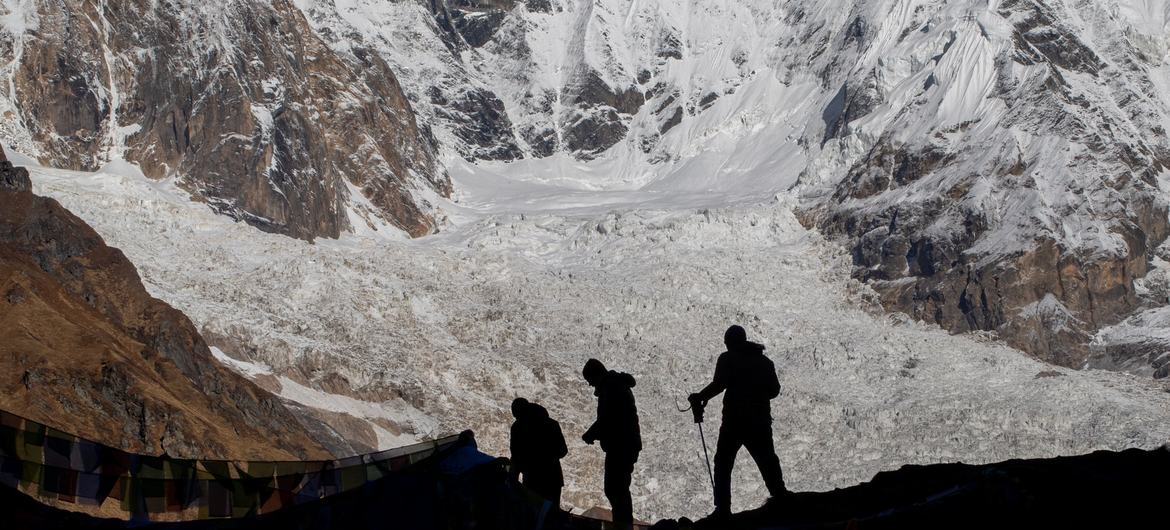
UN Secretary-General António Guterres visits the Annapurna base camp in Nepal in 2023. (file)

Melting glacier microbes

Climate scientists are saying many glaciers will not survive this century unless action is taking to slow the melting rate caused by climate change. That means those living downstream will face a tide of floods alongside threats posed by reactivated microbes in a warming cryosphere or frozen parts of the Earth.

Frozen in ice sheets, glaciers and permafrost are bacteria, fungi and viruses. While most are dead, some are dormant and some are active. As global temperatures hit record highs, these microorganisms will become more active in many ecosystems. Even if the melting can be slowed down by mitigating greenhouse gas emissions, efforts must assess and prepare for possible threats from potential pathogens.

Also crucial is documenting and preserving cryospheric microorganisms, which can shed light on the history of climate and evolution, help in finding therapies for diseases and develop innovative biotechnologies.

© UNICEF/Felipe Chic Jiménez

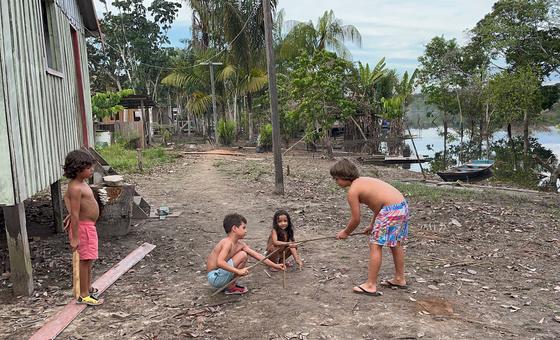
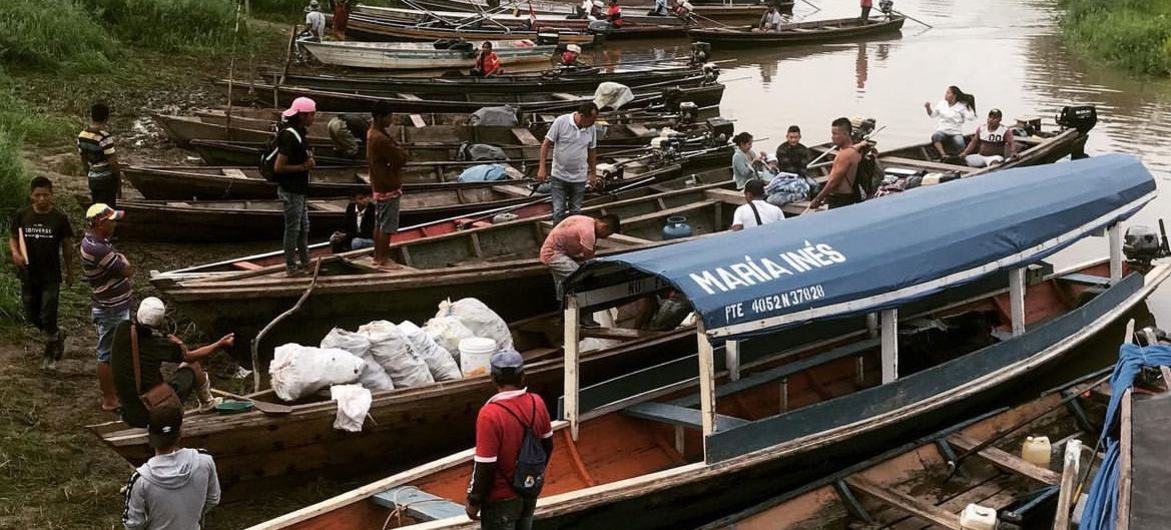
Indigenous communities in the Amazonía region in southern Colombia. (file)

Dismantling dams

In the Colombian Amazon, river water levels have dropped by up to 80 per cent, restricting access to drinking water and food supplies, leading to shuttering 130 schools, increasing children’s risk of recruitment, use and exploitation by non-State armed groups and resulting in increased respiratory infections, diarrhoeal diseases, malaria and acute malnutrition among youngsters under age five.

Part of what is making the problem worse in Colombia and other hot spots around the world are the plethora of dams operating at a time when climate change is triggering droughts around the world. Drought is keeping more than 420,000 children out of school in Brazil, Colombia and Peru alone, according to a report by the UN Children’s Fund (UNICEF).

As such, there is a growing need to remove dams and other barriers to rehabilitate river ecosystems, a process increasingly initiated by local communities, Indigenous Peoples, women and youth. Rivers and streams can recover remarkably once barriers are gone, but other stressors, from pollution to climate change, need to be addressed in parallel. Understanding the restoration outcomes of barrier removal is necessary not only to guide future removals, but also to inform decisions about existing and future barriers.

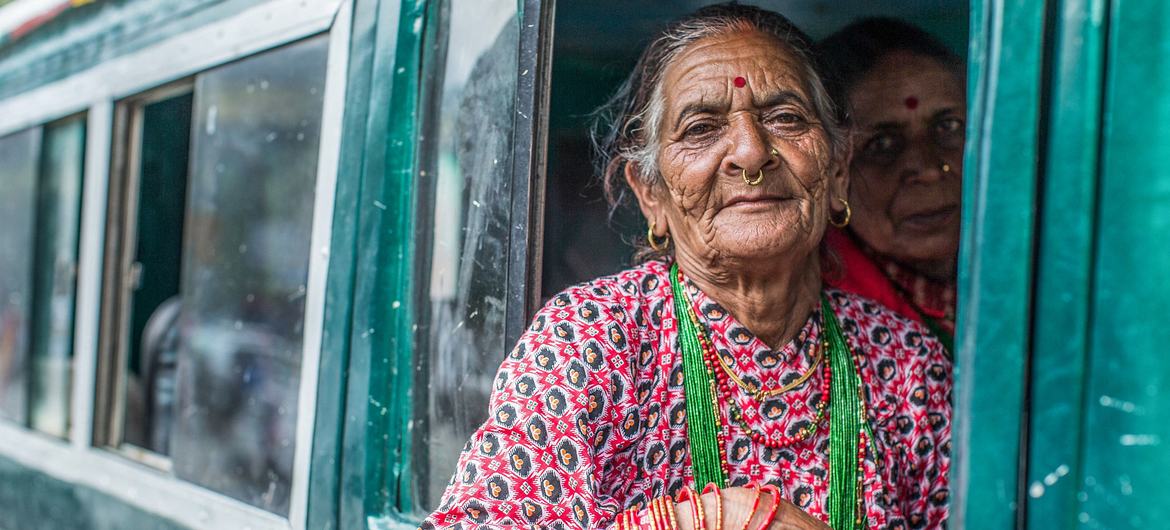
Elderly people suffer disproportionately from climate change consequences.

Climate risks for the elderly

Older people face increased risks during extreme weather and suffer more from ongoing environmental degradation. As the World Meteorological Organization (WMO) predicts ever more hot weather, the elderly are suffering disproportionately, as seen in rising numbers of deaths and illnesses amid recent heat waves around the world.

At the same time, the world’s ageing population is growing: the global share of people over 65 years old will rise from 10 per cent in 2024 to 16 per cent by 2050. Most of them will live in cities, where they will be exposed to extreme heat and air pollution and experience more frequent disasters.

Older people are already more at risk, so effective adaptation strategies will need to evolve to protect these older populations.

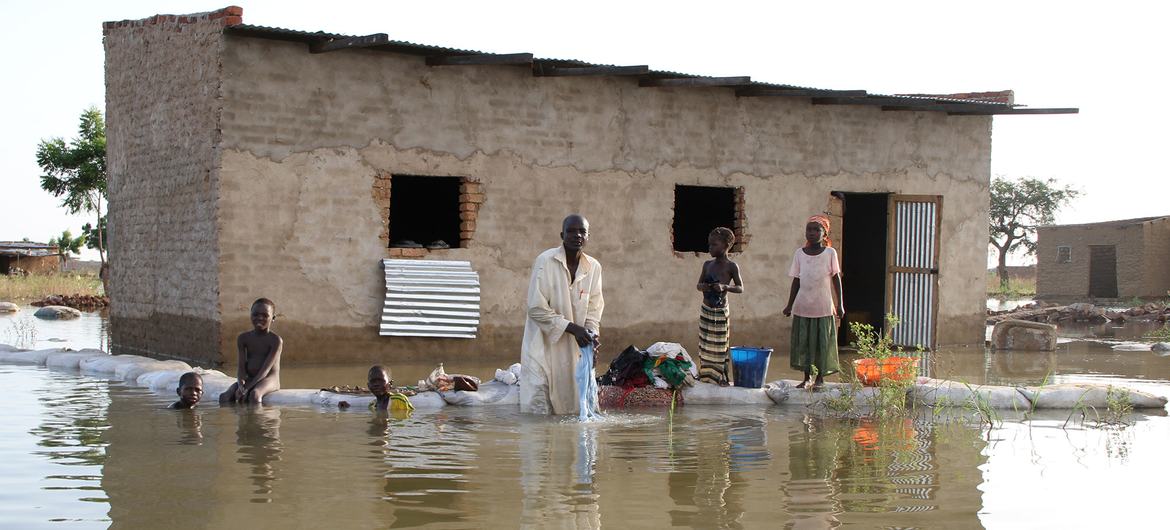
A family outside their flood damaged home in N’Djamena, Chad. (file)

Legacy pollutants

Flooding has crippled communities in all regions of the world as the number of extreme weather events climb. Among the hidden dangers are legacy pollutants that have been secreted into the ground over time and released as extreme rainfall and floods wash away sediments and debris.

The Pakistan floods of 2010, flooding in the Niger Delta in 2012 and Hurricane Harvey off the coast of Texas in 2017 are all examples when floodwaters stirred up sediments, releasing heavy metals and persistent organic pollutants.

Evaluating sediments to understand hazards, rethinking flood protection to lean on nature-based solutions and investments in natural remediation of contaminated sediments are all options to deal with this problem.

Read the full Frontiers Report here.

In hard-hitting human rights address, Guterres calls for urgent action on Gaza, authoritarianism and climate justice

Recalling his own experience living under dictatorship in Portugal, Mr. Guterres told participants at the Global Assembly of the international rights charity Amnesty International on Friday that the fight for human rights is “more important than ever”.

He called on States to uphold international law and defend human rights “consistently and universally, even or especially when inconvenient”, urging collective action to restore global trust, dignity and justice.

‘A moral crisis’

Mr. Guterres painted a stark picture of a world in turmoil, citing multiple ongoing crises, foremost among them, the war in Gaza.

While reiterating his condemnation of the 7 October 2023 terror attacks by Hamas and other Palestinian armed groups in Israel, the Secretary-General said that “nothing can justify the explosion of death and destruction since”.

The scale and scope is beyond anything we have seen in recent times,” he said.

I cannot explain the level of indifference and inaction we see by too many in the international community. The lack of compassion. The lack of truth. The lack of humanity.

Key takeaways from the address

  • Gaza – “A moral crisis that challenges the global conscience”
  • Ukraine – Call for a “just and lasting peace” based on the UN Charter, international law and resolutions
  • Authoritarianism – A “global contagion”, with political repression, attacks on minorities and shrinking civic space
  • Climate justice – Bold action needed to cut emissions; clean energy transition must uphold human rights
  • Digital threats – Concern over algorithmic spread of hate and falsehoods; manipulation via social media
  • Call to action – “Human rights are the solution, foundation of peace and engine of progress”

UN staff ‘neither dead nor alive’

He described UN staff in Gaza as working in “unimaginable conditions”, many of them so depleted they “say they feel neither dead nor alive”.

Since late May, he noted, more than 1,000 Palestinians have been killed trying to access food – not in combat, but “in desperation – while the entire population starves”.

This is not just a humanitarian crisis. It is a moral crisis that challenges the global conscience.

Ready to scale up aid

Mr. Guterres said the UN stands ready to dramatically scale up humanitarian operations “as we successfully did during the previous pause in fighting”, but called for an “immediate and permanent ceasefire”, the unconditional release of all hostages and full humanitarian access.

“At the same time, we need urgent, concrete and irreversible steps towards a two-State solution,” he stressed.

He also spoke about other conflicts, including Sudan as well as Russia’s invasion of Ukraine, where he called for a “just and lasting peace” based on the UN Charter, international law and relevant UN resolutions.

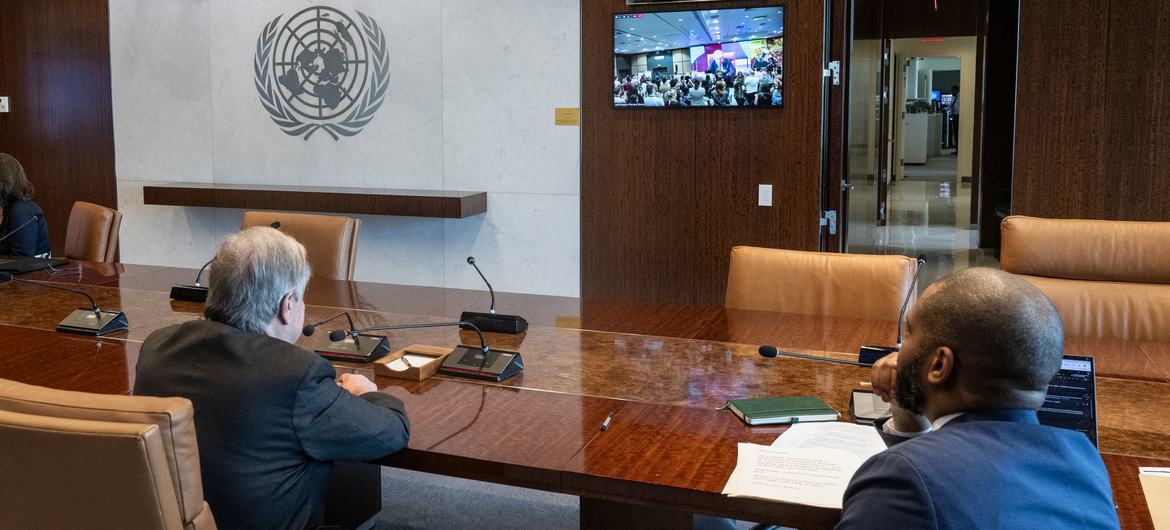
Secretary-General Guterres (left) addresses Amnesty International’s Global Assembly via video link.

Rising authoritarianism

The Secretary-General warned that authoritarian tactics are on the rise globally.

We are witnessing a surge in repressive tactics aiming at corroding respect for human rights,” he said. “And these are contaminating some democracies.

Political opposition movements are being crushed, accountability mechanisms dismantled, journalists and activists silenced, civic space strangled and minorities scapegoated.

Rights of women and girls in particular are being rolled back, most starkly, he said, in Afghanistan.

“This is not a series of isolated events. It is a global contagion.”

Weaponization of technology

He decried the growing weaponization of digital platforms, saying algorithms are “boosting the worst of humanity, rewarding falsehoods, fuelling racism and misogyny and deepening division”.

He called on governments to uphold the Global Digital Compact adopted by countries at the UN General Assembly last September and to take stronger action to combat online hate and disinformation.

© ICJ-CIJ/Frank van Beek

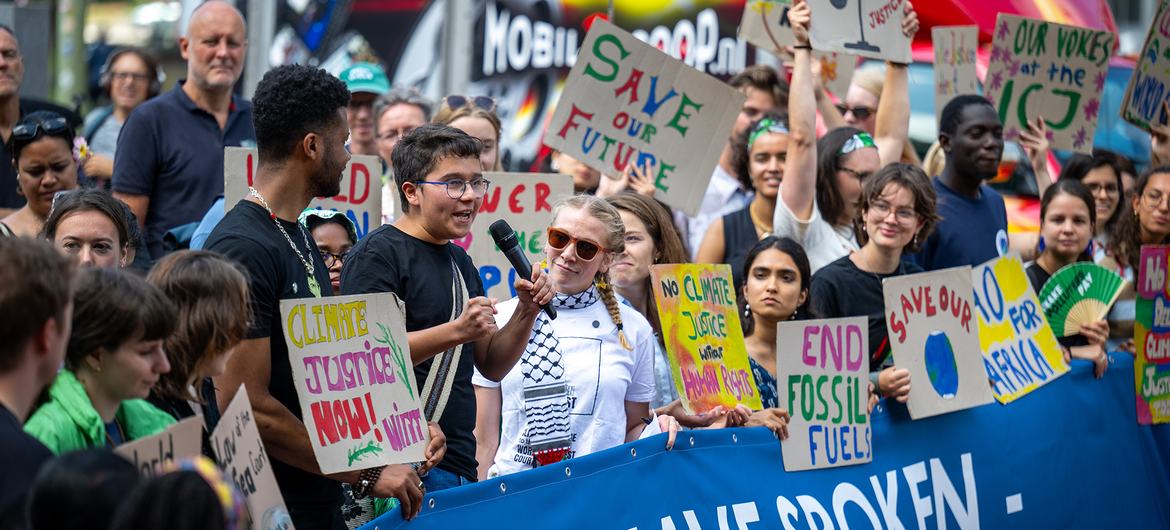
Activists outside the International Court of Justice (ICJ) in The Hague as the Court delivers its advisory opinion on the obligations of States in respect of climate change.

Climate justice is human rights

Turning to climate, Mr. Guterres described the environmental emergency as a “human rights catastrophe”, with the poorest and most vulnerable communities suffering most.

He welcomed the International Court of Justice (ICJ)’s advisory opinion this week, affirming that climate change is a human rights issue and that States have obligations under international law to protect the global climate system.

But, he cautioned against a transition to clean energy that sacrifices human rights.

“We cannot accept a clean energy future built on dirty practices…We cannot accept enormous violations of human rights, many of them against children, in the name of climate progress.”

He called for urgent emissions cuts, a just transition away from fossil fuels and real financing for developing countries to adapt, build resilience and recover from loss and damage.

A legacy of activism

The Secretary-General concluded by praising Amnesty International’s decades of activism, calling its work “indispensable” to the global human rights movement.

When you stand for human rights, you stand with what is right,” he told delegates.

“Your courage continues to change lives. Your persistence is shifting the course of history. Let’s keep going. Let’s meet this moment with the urgency it demands. And let’s never, ever give up.

Founded in 1961, Amnesty International is a global human rights movement that campaigns to end abuses and promote justice. The organization has long worked in collaboration with the United Nations, participating actively in the development of international human rights law and mechanisms.

Today’s speech by Mr. Guterres is first-ever address by a UN Secretary-General to Amnesty International’s Global Assembly, the charity’s highest decision-making body. The UN chief spoke via a video link to the event in Prague.

Source link

World Court says countries are legally obligated to curb emissions, protect climate

The UN’s principal judicial body ruled that States have an obligation to protect the environment from greenhouse gas (GHG) emissions and act with due diligence and cooperation to fulfill this obligation.  

This includes the obligation under the Paris Agreement on climate change to limit global warming to 1.5°C above pre-industrial levels.  

The court further ruled that if States breach these obligations, they incur legal responsibility and may be required to cease the wrongful conduct, offer guarantees of non-repetition and make full reparation depending on the circumstances. 

‘A victory for our planet’

UN Secretary-General António Guterres issued a video message welcoming the historic decision, which came a day after he delivered a special address to Member States on the unstoppable global shift to renewable energy. 

“This is a victory for our planet, for climate justice and for the power of young people to make a difference,” he said.

Reasoning of the Court

The court used Member States’ commitments to both environmental and human rights treaties to justify this decision.  

Firstly, Member States are parties to a variety of environmental treaties, including ozone layer treaties, the Biodiversity Convention, the Kyoto Protocol, the Paris Agreement and many more, which oblige them to protect the environment for people worldwide and in future generations.  

But, also because “a clean, healthy and sustainable environment is a precondition for the enjoyment of many human rights,” since Member States are parties to numerous human rights treaties, including the UN’s Universal Declaration of Human Rights, they are required to guarantee the enjoyment of such rights by addressing climate change.  

Case background

In September 2021, the Pacific Island State of Vanuatu announced that it would seek an advisory opinion from the court on climate change. This initiative was inspired by the youth group Pacific Island Students Fighting Climate Change, which underscored the need to act to address climate change, particularly in small island States.

After the country lobbied other UN Member States to support this initiative in the General Assembly, on 29 March 2023, it adopted a resolution requesting an advisory opinion from the ICJ on two questions: (1) What are the obligations of States under international law to ensure the protection of the environment? and (2) What are the legal consequences for States under these obligations when they cause harm to the environment?

The UN Charter allows the General Assembly or the Security Council to request the ICJ to provide an advisory opinion. Even though advisory opinions are not binding, they carry significant legal and moral authority and help clarify and develop international law by defining States’ legal obligations.

This is the largest case ever seen by the ICJ, evident by the number of written statements (91) and States that participated in oral proceedings (97).

The ‘world court’

The ICJ, informally known as the “world court”, settles legal disputes between UN Member States and gives advisory opinions on legal questions that have been referred to it by UN organs and agencies.

It is one of the six main organs of the UN alongside the General Assembly, the Security Council, the Economic and Social Council (ECOSOC), the Trusteeship Council and the Secretariat and is the only one not based in New York. 

UN’s Guterres declares fossil fuel era fading; presses nations for new climate plans before COP30 summit

In a special address at UN Headquarters in New York, Mr. Guterres cited surging clean energy investment and plunging solar and wind costs that now outcompete fossil fuels.

The energy transition is unstoppable, but the transition is not yet fast enough or fair enough,” he said.

The speech, A Moment of Opportunity: Supercharging the Clean Energy Age – a follow‑up to last year’s Moment of Truth – was delivered alongside a new UN technical report drawing on global energy and finance bodies.

“Just follow the money,” Mr. Guterres said, noting that $2 trillion flowed into clean energy last year, $800 billion more than fossil fuels and up almost 70 per cent in a decade.

Key points from the address

  • Point of no return – The world has irreversibly shifted towards renewables, with fossil fuels entering their decline
  • Clean energy surge – $2 trillion invested in clean energy last year, $800 billion more than fossil fuels
  • Cost revolution – Solar now 41 per cent cheaper and offshore wind 53 per cent cheaper than fossil fuel alternatives.
  • Global challenge – Calls on G20 nations to align new national climate plans with the 1.5°C target of the Paris Agreement
  • Energy security – Renewables ensure “real energy sovereignty”
  • Six opportunity areas – Climate plan ambition, modern grids, sustainable demand, just transition, trade reform, and finance for emerging markets.

A shift in possibility

He noted new data from the International Renewable Energy Agency (IRENA) showing solar, once four times costlier, is now 41 per cent cheaper than fossil fuels.

Similarly, offshore wind is 53 per cent cheaper, with more than 90 per cent of new renewables worldwide beating the cheapest new fossil alternative.

This is not just a shift in power. It is a shift in possibility,” he said.

Renewables nearly match fossil fuels in global installed power capacity, and “almost all the new power capacity built” last year came from renewables, he said, noting that every continent added more clean power than fossil fuels.

Clean energy is unstoppable

Mr. Guterres underscored that a clean energy future “is no longer a promise, it is a fact”. No government, no industry and no special interest can stop it.

Of course, the fossil fuel lobby will try, and we know the lengths to which they will go. But, I have never been more confident that they will fail because we have passed the point of no return.

He urged countries to lock ambition into the next round of national climate plans, or NDCs, due within months. Mr. Guterres called on the G20 countries, which are responsible for 80 per cent of emissions, to submit new plans aligned with the 1.5°C limit and present them at a high‑level event in September.

Targets, he added, must “double energy efficiency and triple renewables capacity by 2030” while accelerating “the transition away from fossil fuels”.

Real energy sovereignty

The Secretary-General also highlighted the geopolitical risks of fossil fuel dependence.

“The greatest threat to energy security today is fossil fuels,” he said, citing price shocks after Russia’s invasion of Ukraine.

There are no price spikes for sunlight, no embargoes on wind. Renewables mean real energy security, real energy sovereignty and real freedom from fossil-fuel volatility.

Six opportunity areas

Mr. Guterres mapped six “opportunity areas” to speed the transition: ambitious NDCs, modern grids and storage, meeting soaring demand sustainably, a just transition for workers and communities, trade reforms to broaden clean‑tech supply chains, and mobilising finance to emerging markets.

Financing, however, is the choke point. Africa, home to 60 per cent of the world’s best solar resources, received just 2 per cent of global clean energy investment last year, he said.

Only one in five clean energy dollars over the past decade went to emerging and developing economies outside China. Flows must rise more than five-fold by 2030 to keep the 1.5-degree limit alive and deliver universal access.

Mr. Guterres urged reform of global finance, stronger multilateral development banks and debt relief, including debt‑for‑climate swaps.

The fossil fuel age is flailing and failing. We are in the dawn of a new energy era,” he said in closing.

That world is within reach, but it won’t happen on its own. Not fast enough. Not fair enough. It is up to us. This is our moment of opportunity.

Source link

Food lifeline fading for millions in South Sudan hit by conflict and climate shocks

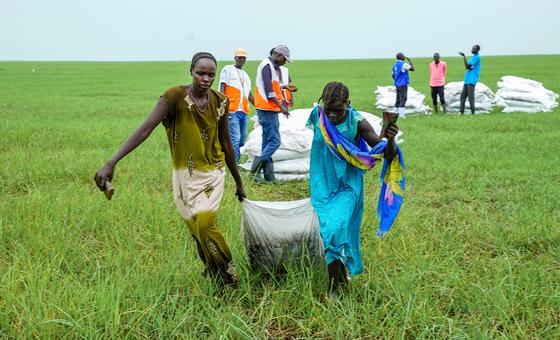
Earlier this month, the UN agency began airdropping emergency food assistance in Upper Nile state after surging conflict forced families from their homes and pushed communities to the brink of famine.

Nationwide, the picture is just as alarming, with half the country’s population – more than 7.7 million people – officially classified as food insecure by UN partner the IPC platform. This includes more than 83,000 face “catastrophic” levels of food insecurity.

“The scale of suffering here does not make headlines but millions of mothers, fathers, and children are spending each day fighting hunger to survive,” said WFP Deputy Executive Director Carl Skau, following a visit to South Sudan last week. 

The worst-hit areas include Upper Nile state, where fighting has displaced thousands and relief access is restricted. Two counties are at risk of tipping into famine: Nasir and Ulang.

South Sudan, the world’s youngest country, gained independence in 2011. This gave way to a brutal and devastating civil war which ended in 2018 thanks to a peace agreement between political rivals which has largely held.

However, recent political tensions and increased violent attacks – especially in Upper Nile state – threaten to unravel the peace agreement and return the nation to conflict.

The humanitarian emergency crisis has been exacerbated by the war in neighbouring Sudan. 

Since April 2023, nearly 1.2 million people have crossed the border into South Sudan, many of them hungry, traumatised, and without support. WFP says that 2.3 million children across the country are now at risk of malnutrition.

Crucial, yet fragile gains

Despite these challenges, the UN agency has delivered emergency food aid to more than two million people this year. In Uror County, Jonglei state, where access has been consistent, all known pockets of catastrophic hunger have been eliminated. Additionally, 10 counties where conflict has eased have seen improved harvests and better food security, as people were able to return to their land.

To reach those in the hardest-hit and most remote areas, WFP has carried out airdrops delivering 430 metric tons of food to 40,000 people in Greater Upper Nile. River convoys have resumed as the most efficient way to transport aid in a country with limited infrastructure. These included a 16 July shipment of 1,380 metric tons of food and relief supplies. WFP’s humanitarian air service also continues flights to seven Upper Nile destinations.

At the same time, a cholera outbreak in Upper Nile has placed additional pressure on the humanitarian response. Since March, WFP’s logistics cluster has airlifted 109 metric tons of cholera-related supplies to affected areas in Upper Nile and Unity states.

However, the UN agency says it can currently support only 2.5 million people – and often with just half-rations. Without an urgent injection of $274 million, deeper cuts to aid will begin as soon as September.

“WFP has the tools and capacity to deliver,” said Mr. Skau. “But without funding – and without peace – our hands are tied.” 

Source link

Seeding gender empowerment: Women farmers in Peru contend with climate change

Ácora, located in the southeast corner of Peru almost 3,800 kilometres above sea level, is one of the Peruvian regions which has been most impacted by climate change – endangering crop production and biodiversity in addition to worsening food insecurity.

“It was not like this before, the climate has changed a lot,” said Pascuala Pari, head of the Sumaq Chuyma Association in Ácora.

Around the world, women farmers like Ms. Pari, who already face a series of intersectional challenges, are working tirelessly to secure their livelihoods despite an increasingly untenable climate situation.

Women in particular shoulder the burden of food insecurity as traditional caregivers which is intensified during climate crises,” said Bochola Sara Arero, a youth representative from the World Food Forum, at a side event during the ongoing UN High Level Political Forum on Sustainable Development on Monday.

Intersecting goals

The forum in New York has been convened to discuss the Sustainable Development Goals, adopted in 2015 to promote global development for current and future generations.

[The forum] is going to be a major way to assess how we’re doing with respect to the critical issues of sustainability and achieving greater prosperity globally,” said Bob Rae, President of the Economic and Social Council (ECOSOC), at a press conference for correspondents in New York on Tuesday. 

With only 18 per cent of these internationally agreed upon goals on track to being met by 2030, the Secretary-General António Guterres has called for urgent action and sustained multilateralism to address this gap.

Mr. Guterres has also said that this forum is a unique opportunity to discuss the intersection between various goals, including the intersection between gender equality and climate change.

A bipolar climate

Last year in Ácora, dealing with a climate that oscillated between drought and torrential rains was next to impossible for the women who relied on the land.

Crops would not grow and agrobiodiversity was under threat. In a country where 17.6 million people already experience food insecurity, this dual threat had the potential to wreak havoc on livelihoods.

In response, Ms Pari and other women in Ácora formed seed banks. Not only do organizations like seed banks preserve indigenous agrobiodiversity, they also help sustain the livelihoods of women in the region.

“Our crops were in danger of extinction, but now people are harvesting again and we are changing that,” said Fanny Ninaraqui, leader of the Ayrumas Carumas Association.

Seeds that are not planted can be traded or bartered with other seed bank owners. Over 125 varieties of native crops have now been preserved across the region.

“I am happy with my little seed bank … Now I have all kinds of quinoa: black, red, white. This supports me economically because I preserve and sell my products at local markets,” Ms. Pari said.

© UNDP/MINAM/PPD/Nuria Angeles

Aymara communities in Ácora are working to recover and conserve their agrobiodiversity.

Once shut, doors open for women farmers

In addition to climate challenges, women farmers also face a lack of legal rights. Specifically, they often do not have titles to their land.

According to the Secretary-General’s Sustainable Development Report, released Monday, 58 per cent of the countries with available data lacked sufficient protection for women’s land rights.

“Women’s land rights are fundamental for women’s voice and agency, livelihoods and well-being and resilience as well as for broader development outcomes,” said Seemin Qayum, policy advisor at UN Women.

The in-depth report also noted that less than half of women had secure rights to land, with men being twice as likely to have land deeds and other protected property rights. [1]

Experts say that insufficient legal protections not only negatively impact economic outcomes for women, they also sideline women’s needs and voices in policymaking. Therefore, it is essential to institute legal protections which formally recognize women as farmers.

“When you are recognized as a farmer, a world of possibilities, a world of resources – opportunities for representation and rights – become available to you. Doors open,” said Carol Boudreaux, Senior Director of Land Programs at Landesa.

© UNDP/MINAM/PPD/Nuria Angeles

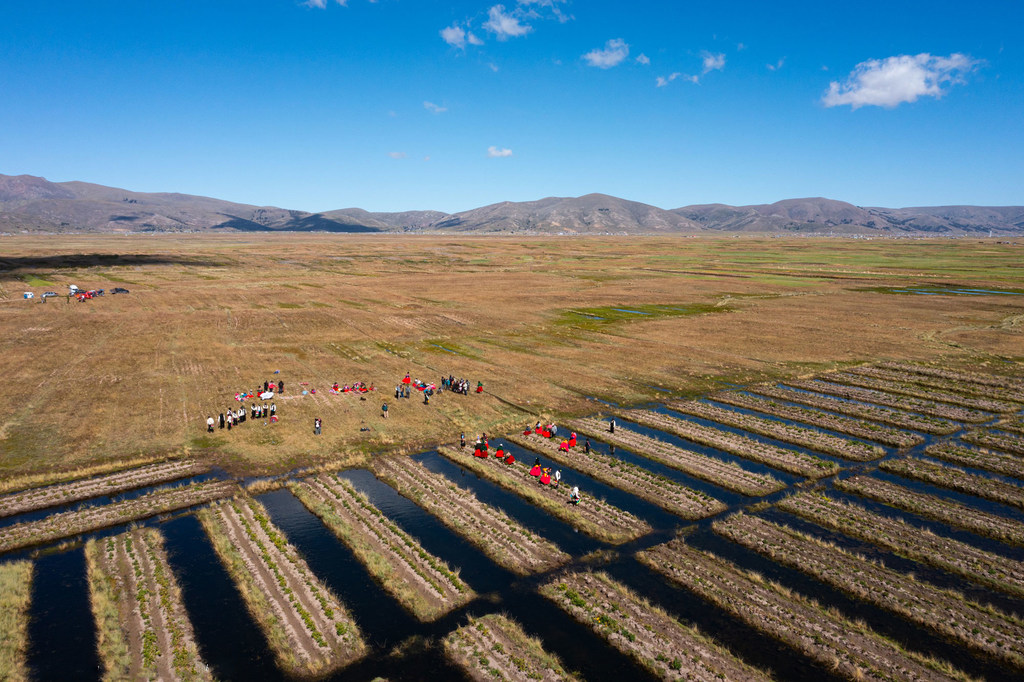
Another method implemented is the rehabiWaru warus in Thunco: an ancient farming technique with canals and raised beds to manage droughts and floods.

Beyond legal protections

While legal land rights are essential, they are not in and of themselves enough to empower rural women.

“Initiatives that aim to change discriminatory social norms and institutions are also needed,” said Clara Park, senior gender officer at the Food and Agriculture Organization (FAO).

Women in Ácora recognize that it is not just climate change which is negatively impacting their livelihoods – they are also grappling with unequal social norms.

“When you are young and a woman, someone always tries to limit your progress,” Ms. Ninaraqui said.

In Ácora, international and civil society organizations, including the UN Development Programme (UNDP), have worked to help women establish their seed banks and ensure that these women have the capacity to manage them long-term.

“I can lead, I can teach what I have learned, now I feel I have this capacity,” Ms Pari said.

Intergenerational knowledge

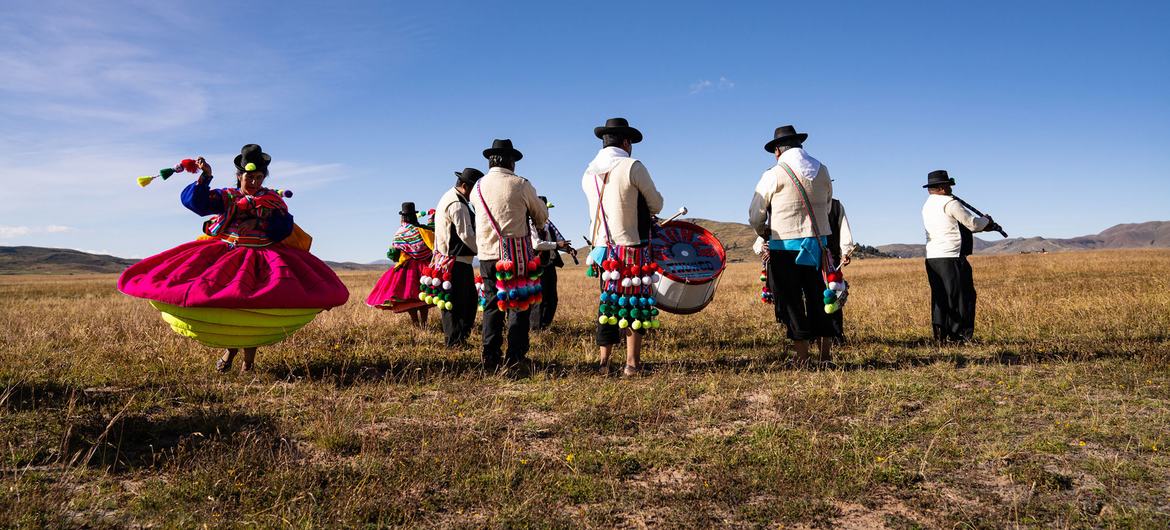
Women like Ms. Pari and Ms. Ninaraqui are part of the Aymara indigenous community in Ácora. For them, the seed banks are a form of innovation which allows them to build upon indigenous knowledge regarding agrobiodiversity.

“We are recovering the seeds from our grandparents’ time,” said Ms. Pari.

And as they save these seeds, Ms. Pari said they are also thinking of the future.

“Today, I would tell more women to keep going, to not be discouraged by what others think, and to take initiative like I did,” said Ms. Pari.

Source link

Global demand for meat and dairy set to rise, but climate and nutrition gaps remain

However, persistent nutritional gaps and mounting environmental pressures reveal a complex path ahead, according to a new study by the UN Food and Agriculture Organization (FAO) and the Organisation for Economic Cooperation and Development (OECD) – an influential international policy forum.

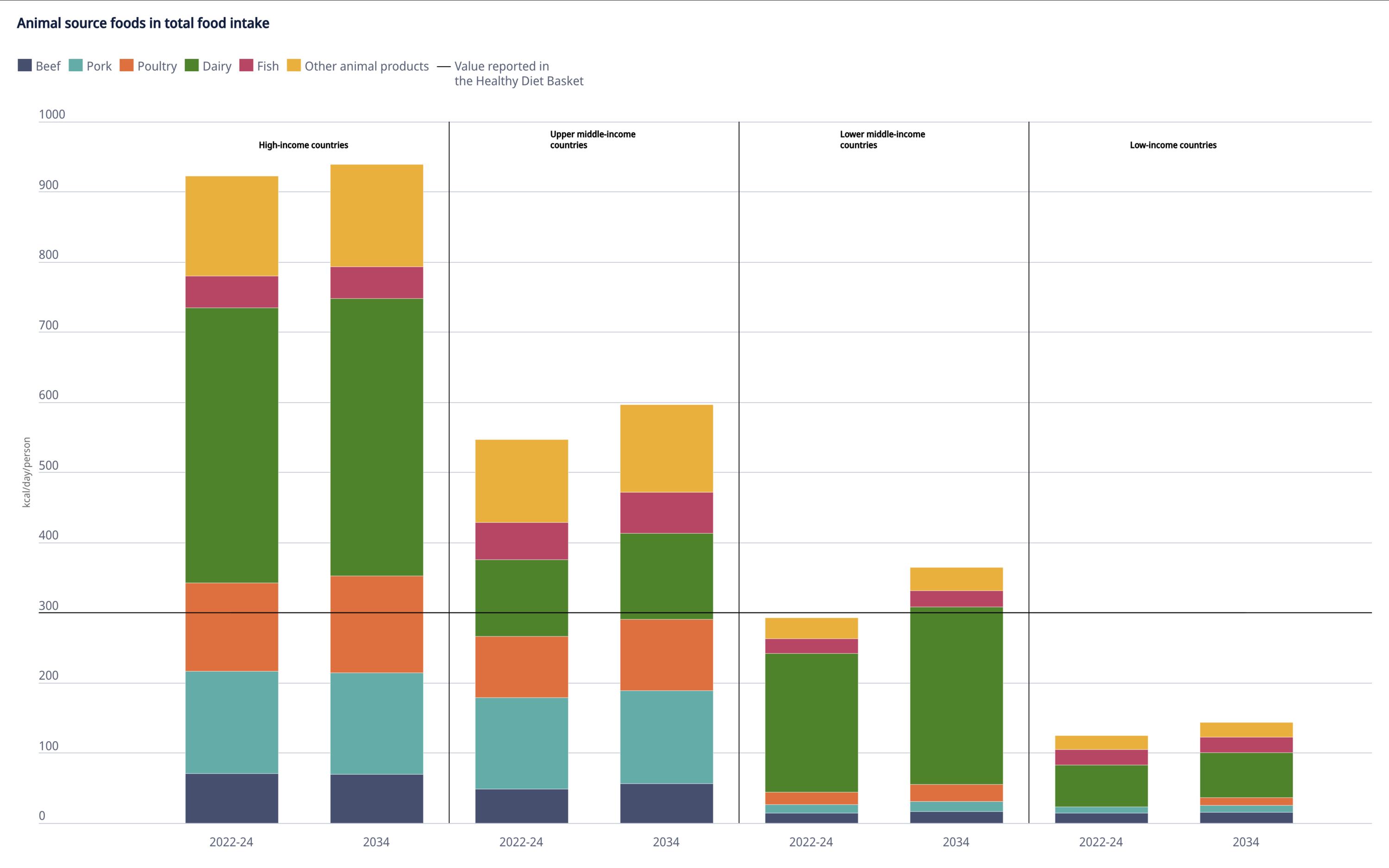
The Agricultural Outlook 2025-2034, released on Tuesday, projects a six per cent increase in global per capita consumption of animal-source foods by 2034 – beef, pork, poultry, fish, dairy and other animal products.  

The trend is most pronounced in lower middle-income countries, where intake is expected to rise by 24 per cent, far outpacing the global average.  

These projections point to better nutrition for many people in developing countries,” said Qu Dongyu, Director-General of the FAO.

Agricultural Outlook 2025‑2034

Increased incomes, better diets – but not for all

The surge in consumption in middle-income economies is attributed largely to rising disposable incomes, changing dietary preferences and urbanisation. In these countries, daily per capita intake of animal-sourced foods is projected to reach 364 kilocalories, surpassing the 300 kcal benchmark.

At the same time, consumption in low-income countries will remain low – reaching just 143 kcal per day, less than half the amount deemed necessary for a healthy diet – highlighting stark inequalities in access to nutrient-rich diets and the challenges ahead to ensure everyone is food secure.

Mr. Qu urged greater efforts to ensure people in the lowest-income countries also benefit from improved nutrition and food security.

Production expanding but emissions rising

To meet rising demand, global agricultural and fish production is projected to increase by 14 per cent over the next decade, largely driven by productivity gains in middle-income nations.

Output of meat, dairy and eggs is expected to grow by 17 per cent, while total livestock inventories are projected to expand by seven per cent.

However, these gains come at an environmental cost: direct greenhouse gas (GHG) emissions from agriculture are set to rise by six per cent by 2034, despite improvements in emissions intensity.

As production becomes more efficient, the emissions generated per unit of output will decline, but the overall footprint will still grow unless additional measures are taken.

Agricultural Outlook 2025‑2034

Other key findings

  • Cereal yields to grow 0.9 per cent annually, with harvested area expanding just 0.14 per cent per year – half the pace of the last decade
  • By 2034, 40 per cent of cereals will go directly to human consumption, 33 per cent to animal feed, and the rest to biofuels and industry
  • Biofuel demand set to rise 0.9 per cent annually, led by Brazil, India and Indonesia
  • Sub-Saharan Africa’s beef herd projected to grow 15 per cent, though productivity remains just one-tenth of North America’s
  • India and Southeast Asia will drive 39 per cent of global consumption growth by 2034; China’s share falling to 13 per cent from 32 per cent
  • High-income countries to see drop in per capita fats and sweeteners intake due to health trends and policy shifts

A win-win: More nourishment, fewer emissions

The report outlines a scenario in which nourishment improves for all, and agricultural emissions are reduced by as much as seven per cent below current levels by 2034.

Achieving this dual outcome would require major investments to improve productivity, alongside widespread adoption of existing low-emission technologies such as precision farming, improved livestock feed and prioritising nutritional production.

Future progress will depend on a blend of policy coordination, technological innovation and targeted investments – especially in countries where the gap between demand and nutritional value is stark.

We have the tools to end hunger and boost global food security,” said Mathias Cormann, Secretary-General of the OECD.

“Well-coordinated policies are needed to keep global food markets open, while fostering long-term productivity improvements and sustainability in the agriculture sector.”

Pivotal role for global trade

The Outlook also reiterates the importance of trade, given that 22 per cent of all calories eaten will have crossed international borders by 2034.

International trade will remain indispensable to the global agri-food sector,” the report stressed.

Multilateral cooperation and a rules-based agricultural trade are essential to facilitating these trade flows, balancing food deficits and surpluses across countries, stabilising prices and enhancing food security, nutrition and environmental sustainability.”

Source link

Human rights can be a ‘strong lever for progress’ in climate change, says UN rights chief

Speaking at the Human Rights Council in Geneva, High Commissioner Volker Türk asked Member States whether enough was being done to protect people from the escalating impacts of climate change  

“Are we taking the steps needed to protect people from climate chaos, safeguard their futures and manage natural resources in ways that respect human rights and the environment?” asked delegates at the ongoing session of the Human Rights Council in Geneva.  

His answer was simple – we are not doing nearly enough.  

Mr. Türk emphasised that while climate change presents dire risks human rights – especially for the most vulnerable – it also can be a strong lever for progress.  

Central to this is a “just transition” away from environmentally destructive activities.  

“What we need now is a roadmap that shows us how to rethink our societies, economies and politics in ways that are equitable and sustainable,” he said.  

The right to decent work 

One of the main avenues through which the Council – UN’s highest intergovernmental body on human rights – examined the connection between human rights and climate change was the right to decent work.

“Because of climate change, the very human right of decent work is fundamentally challenged today,” said Moustapha Kamal Gueye, a senior official at the International Labor Organization (ILO).

He warned that 80 million full-time jobs will no longer exist in 2030 if the world continues its current climate trajectory. More than 70 per cent of the global workforce – 2.4 billion workers – will be exposed to excessive heat at some point on the job.  

These alarming statistics underscored the urgent need for robust social protection systems, including social security, for workers as the climate crisis continues to intensify, Mr. Gueye said. Less than 9 per cent of workers in the 20 most climate-impacted countries have any form of social protection.  

“From a climate resilience perspective, nations are far from achieving the human right to social protection,” Mr. Gueye said. “Investments in social protection need to be scaled up, and this must move from shock-responses to institutionalised and rights-based approaches.”

On a more hopeful note, he added, a shift towards low-carbon economies can potentially generate over 100 million new jobs by 2030. However, he cautioned that, that these jobs may not emerge where others are lost, reinforcing the need for strong safety nets and planning.  

‘Defossilize’ the economy and knowledge

Elisa Morgera, the UN special rapporteur on human rights and climate change, also presented her latest report, which calls for “defossilization” of economies. Phasing out fossil fuels, she said, is the most effective way to reduce climate impacts while protecting human rights.

Of course, this is not a simple task, as Ms. Morgera noted that fossil fuels have invaded all parts of our lives and economies.  

“Fossil fuels are everywhere: in our food systems, in our ocean and in our bodies, including in our brains – in many cases without us knowing or choosing for them to be in our lives,” Ms. Morgera said.  

Ms. Morgera – who is mandated and appointed by the Human Rights Council, and is not a UN staff member – also stressed the need to “defossilize knowledge,” noting how fossil fuel interests have distorted public understanding and attacked climate defenders.

While geopolitical divisions may slow progress, she insisted that action can begin now at every level. “We can nourish hope and share concrete learning that can inspire a course correction, within the current decade, toward a safe climate for all.” 
A people-centred approach

Mr. Türk concluded his remarks reinforcing that a just transition must ensure no one is left behind.

“If we don’t safeguard people’s lives, their health, their jobs and their future opportunities, the transition will replicate and exacerbate the injustices and inequalities in our world,” he said.  

Mr. Gueye echoed that message: “The global climate agenda is a human story and it is about human rights. The ambition that nations and the global community seek cannot be confined to numerical targets and indicators – it must fundamentally be about people.” 

From Himalayan melt to drowning shores, children lead the climate fight

For young people living on the frontlines, climate change disrupts education, health and safety, casting a pall of uncertainty over the future.

As countries race to meet climate goals, the UN Children’s Fund (UNICEF) is stepping in to ensure that children’s voices are not just heard, but central to shaping solutions.

UN News spoke with the heads of UNICEF in Nepal and the Maldives to explore how the agency is empowering youth, embedding climate resilience in schools and driving child-inclusive climate action.

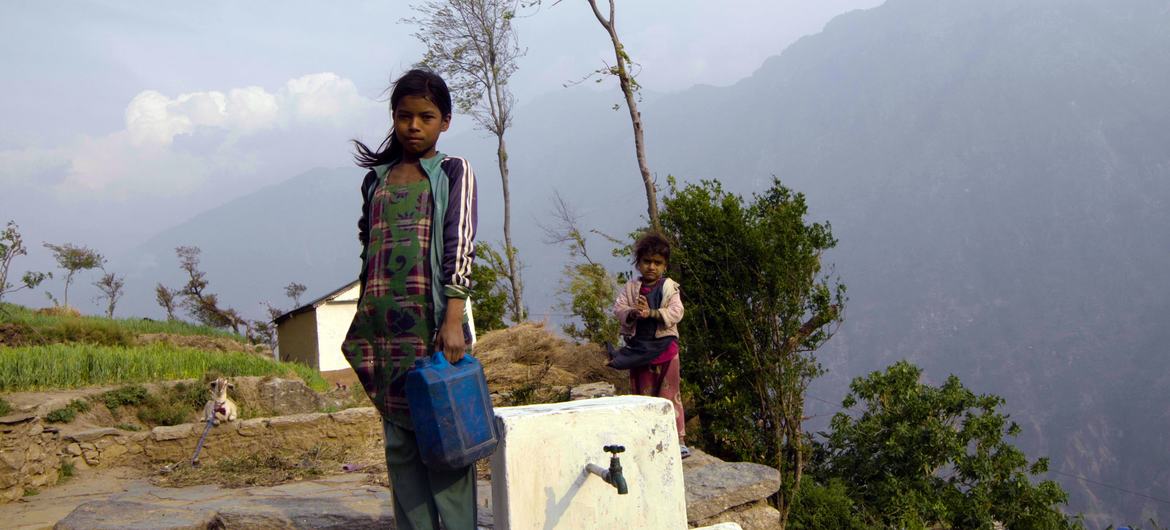
A young girl stands next to a tap with a small jerry can in a mountain village in Nepal. Many houses lack piped water, so children often fetch water on their way home from school.

A daily reality

In a remote village in western Nepal, 11-year-old Sabu and her friends face danger daily on their way to school. Intensifying and unpredictable rains trigger landslides that wash away roads, and floods that submerge homes and farmland.

Children live with anxiety and uncertainty. When it rains and there are floods, they have to trek, bridges are overrun, roads are muddy – and this is what they have to walk through day after day.”

It becomes a huge burden for children to carry,” says Alice Akunga, UNICEF Representative in Nepal.

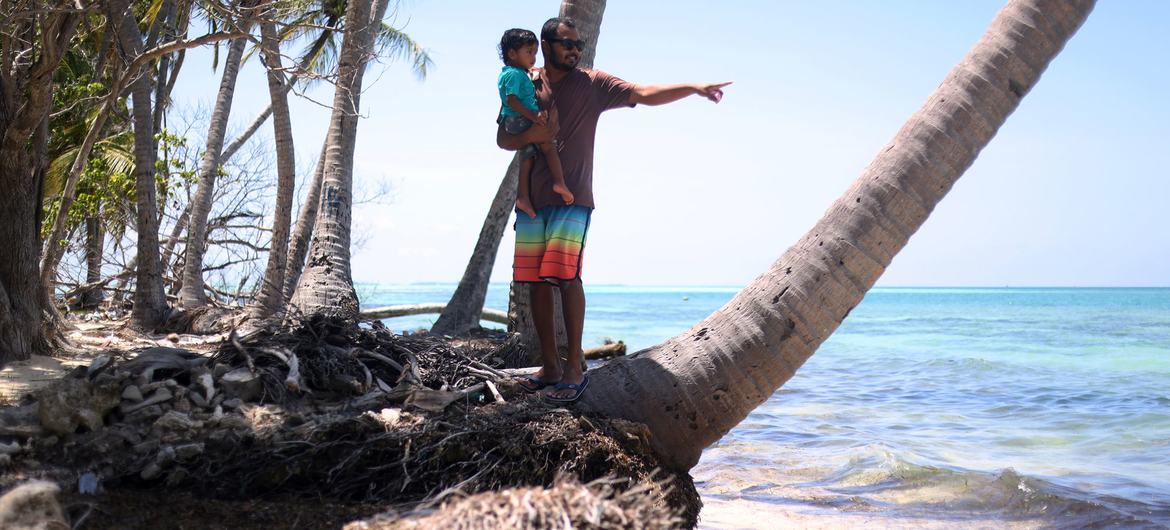
Thousands of kilometers away, in the low-lying Maldives, the threat takes a different but equally devastating form. Sea surges erode coastlines, flood homes and wash away infrastructure.

Erosion is a daily reality for children here…young people see their trees falling, homes at risk and they grow up with the constant fear of losing their islands,” explains Edward Addai, UNICEF Representative in the Maldives.

Climate change is not something far-off – it is part of their lives.

A father and his daughter on a stretch of severely eroded beach in Dhiffushi island, in the Maldives.

Kids at the heart of climate action

UNICEF’s work in both countries is guided by a simple principle: children must be at the heart of climate solutions. This means not only shielding them from impacts but also empowering them to be agents of change.

In Nepal, with the support of UN agencies, the government has integrated climate change education into the national curriculum. Classes go beyond theory, with teacher training, green school initiatives and practical actions like rainwater harvesting and waste management.

“We are supporting updating school safety frameworks…making them more resilient and absorb climate shocks such as heavy rains or floods,” Ms. Akunga said.

At the recently concluded Sagarmatha Sambaad – the Everest climate talks – UNICEF supported a national youth-led dialogue that brought together over 100 children and young people from across Nepal to engage with policymakers and submit a Children and Youth Declaration to the Prime Minister.

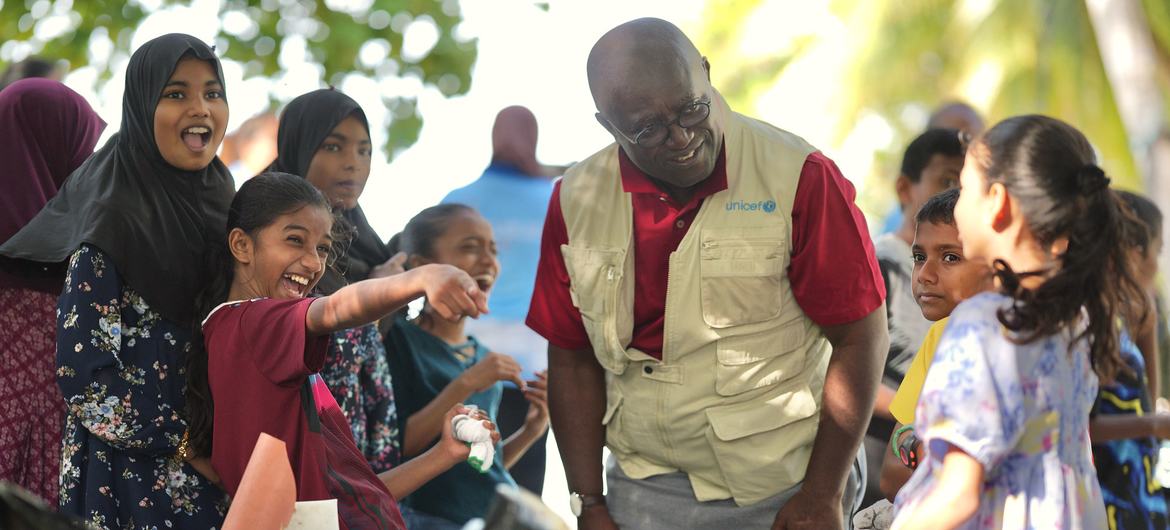
UNICEF Representative to Maldives Edward Addai speaks with a group of girls participating in a plastic clean up drive.

Youth leadership beyond classrooms

In the Maldives, the agency’s approach emphasises community engagement alongside education.

UNICEF has helped establish environmental clubs in schools, providing safe spaces for children to learn, discuss and act on climate issues. It is also working with the health system to introduce solar energy to hospitals, supplanting fossil fuels.

“These clubs are critical for nurturing leadership and connecting school activities to community projects,” Mr. Addai added.

Young people are also at the centre of the Government’s climate plans, engaging in direct dialogue with policymakers and strengthening intergenerational accountability. One such initiative is the Youth Track to COP, a platform co-led by UNICEF and government partners to prepare young people to meaningfully engage in national and global climate discussions.

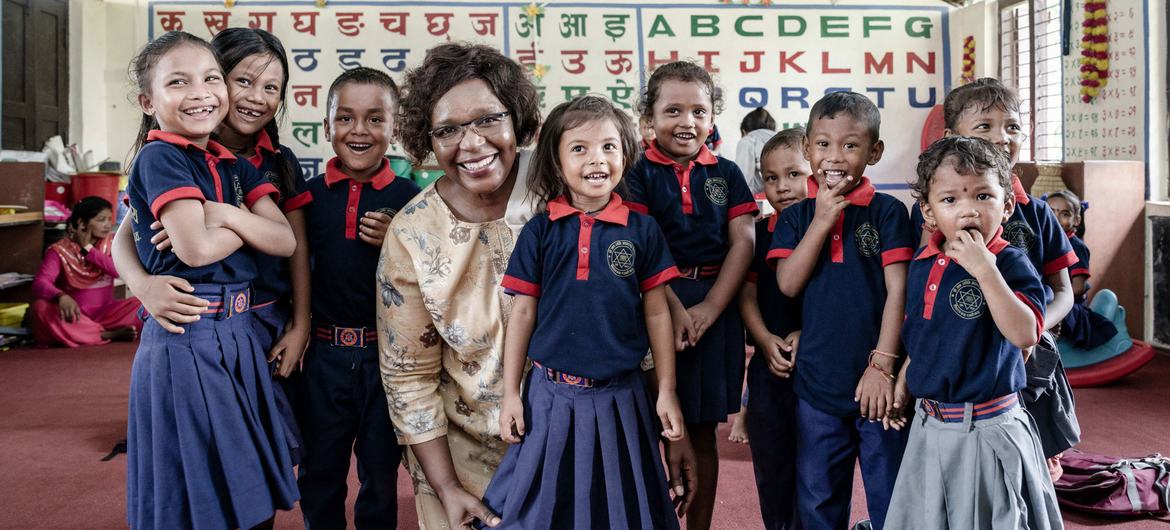
Alice Akunga, UNICEF Representative to Nepal, with a group of young children in a classroom.

Safeguarding the next generation

UNICEF is also supporting efforts to integrate child-sensitive policies into the countries’ Nationally Determined Contributions (NDCs) – the climate pledges under the Paris Agreement.

Nepal’s pledges include commitments to green schools and climate-resilient educational infrastructure. Children were actively involved in the consultations for Nepal’s latest NDC, sharing firsthand stories of how climate impacts their daily lives.

The Maldives’ emphasises youth engagement, clean water access and strengthened health systems in climate-vulnerable areas. Young people are also shaping policy through national mock COPs and direct participation in global climate forums.

This ensures that resilience efforts will extend beyond infrastructure to cover children’s health, education and mental wellbeing.

© UNICEF/Laxmi Prasad Ngakhusi

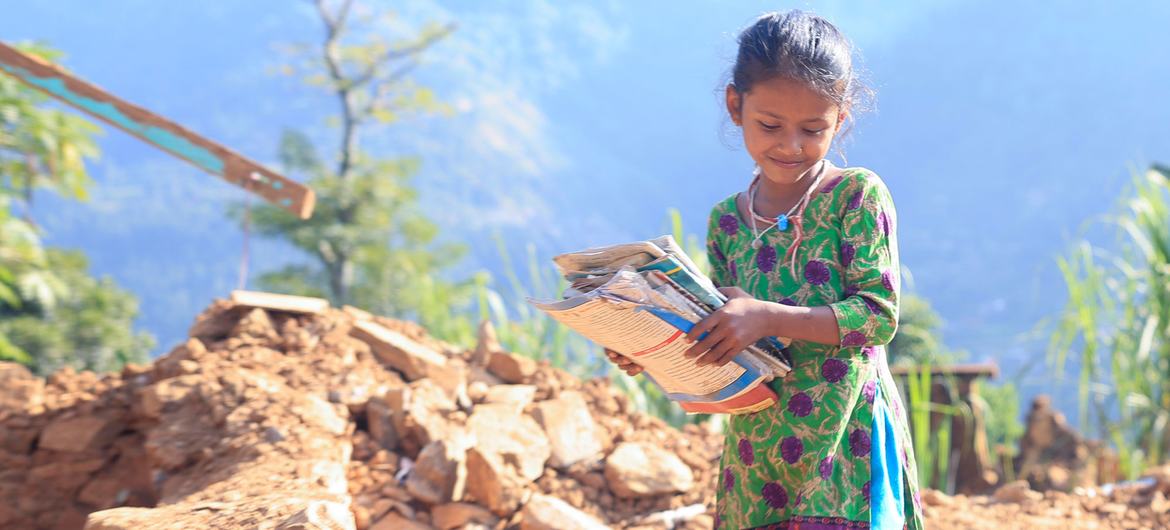
An eight-year-old girl retrieves her textbooks from the rubble of her home, destroyed in an earthquake in western Nepal.

Getting it right, for everyone

The UNICEF officials emphasised what a truly child-inclusive climate plan requires.

It recognises how climate change impacts every aspect of a child’s life – from their lungs to their learning to their access to clean water,” Ms. Akunga said.

“It ensures children can keep receiving health services, continue learning and adapt without anxiety or uncertainty. It’s about securing their survival, growth, and development no matter what climate shocks come.”

Mr. Edward added: “If we get it right for children, we get it right for society.”

“Children are the future caretakers of their land and communities. A climate plan that ignores children’s realities will fail everyone. But when children are healthy, educated, and included, society thrives,”

Children leading the way

Ms. Akunga recalled meeting Sabu, the 11-year-old girl, on a field visit.

“I met this child. I went to her village and met her parents…she has taken it upon herself and mobilised other young girls to learn about medicinal plants – how to nurture them and protect them from extreme weather conditions.”

She spoke of how Sabu is transferring knowledge from elders to peers – bridging generations – and impressing her community with her passion.

Despite the daunting challenges, children like Sabu are stepping up. They are organizing themselves, advocating for change and proposing solutions.

“Their voices matter…children are not just affected by climate change — they are essential partners in responding to it,” Ms. Akunga affirmed.

Mr. Addai echoed this sentiment: “By listening to children and including them in decisions, we build a world where the next generation can live safely and thrive.

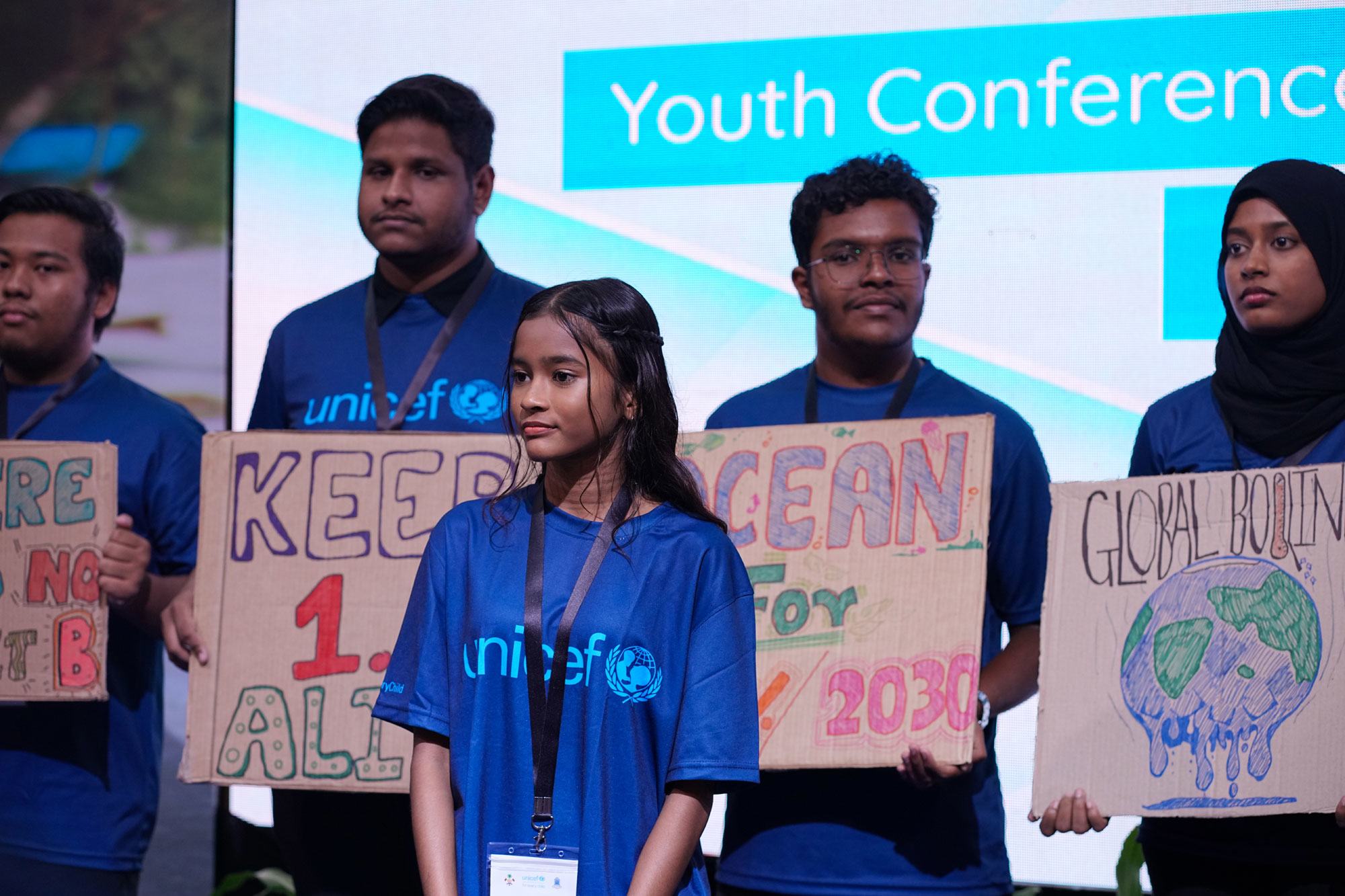
A group of young Maldivians at a national conference as the country prepares for the COP28 climate summit.

Climate emergency is a health crisis ‘that is already killing us,’ says WHO

Europe is warming faster than any other WHO region, and the impact on people’s health is growing more severe. From rising death rates to increasing climate-related anxiety, nearly every health indicator linked to climate has worsened in recent years. 

In response, WHO/Europe on Wednesday launched a new initiative – the Pan-European Commission on Climate and Health (PECCH) – to tackle the growing threat climate change poses to public health. 

Chaired by former Icelandic Prime Minister Katrín Jakibsdótirr, the commission brings together 11 leading experts from across the region tasked with delivering recommendations for actionable solutions.

Deadly heat

With nearly half of humanity already living in areas highly susceptible to climate change, a third of the world’s heat-related deaths occur in the European Region.

In the years 2022 and 2023 combined, more than 100,000 people across 35 countries in the European Region died due to heat.

“The climate crisis is not only an environmental emergency, it is a growing public health challenge,” said Katrín Jakobsdóttir.

“We must recognise that the interplay among rising temperatures, air pollution and changing ecosystems resulting from human-induced climate change is already affecting the health and well-being of communities around the European Region and the world,” she said.

The commission is being tasked with providing recommendations to reduce emissions, invest in adaptation strategies that protect health, reduce inequality and build resilience.

Escalating threat

The climate crisis disproportionately affects the health of the most vulnerable.

From the spread of infectious diseases to heat-related illness and food insecurity, “climate change poses a serious and escalating threat to human health,” said Andrew Haines, chief advisor to the WHO/Europe climate-health initiative. 

Drifting architects: Plankton, climate, and the race to understand our changing ocean

On a sun-drenched morning off the coast of Villefranche-sur-Mer, the Sagitta III cuts through the cobalt waters of the Mediterranean, past the quiet marinas and pine-fringed terraces of France’s Côte d’Azur. The 40-foot scientific vessel – named after a fearsome zooplankton with hook-lined jaws – rumbles toward a lonely yellow buoy bobbing offshore.

In the distance, the resort town shimmers, a mirage of pastel villas and church towers clinging to the cliffs. But aboard the Sagitta III, the romance ends at the rail. Lionel Guidi, a local scientist at the Villefranche Oceanography Lab — known, with fitting Frenchness, by its acronym LOV — peers into the sea with a practiced intensity.

He is here to fish plankton.

“There’s life!” cries marine technician Anthéa Bourhis

Around him, a veteran crew moves with precision, under the iron fist of Captain Jean-Yves Carval. “Plankton is fragile,” cautions the rugged seaman, who’s spent nearly 50 years navigating freighters, trawlers – and now, scientific boats. “If you go too fast, you make compote.”

The craft slows as it reaches the buoy, a sampling site where Guidi and his LOV colleagues have gathered marine data every day for decades. Below deck, the boat’s bearded chief mechanic, Christophe Kieger, readies a large winch. Its 12,000-foot cable unfurls, sending a fine-meshed net – each pore no wider than a grain of salt – drifting toward the deep. Slowly, it sinks to 250 feet.

Minutes later, the net resurfaced, heavy with a brownish, gelatinous goo.

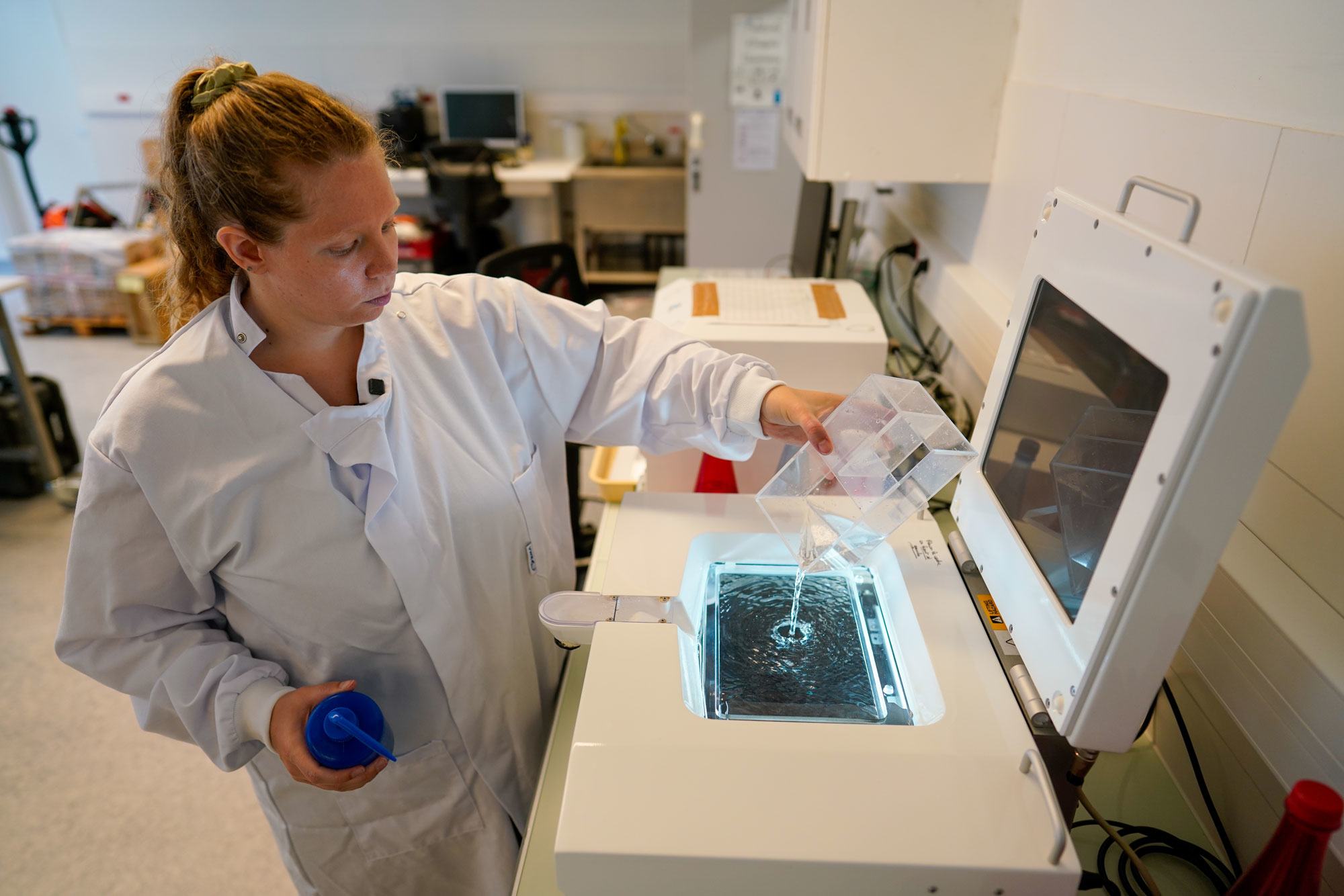
“There’s life!” cries Anthéa Bourhis, a 28-year-old technician from Brittany, as she carefully transfers the contents into a plastic bucket.

Indeed, that catch holds more than seawater and slime. It is the raw material of the planet’s past – and perhaps its future.

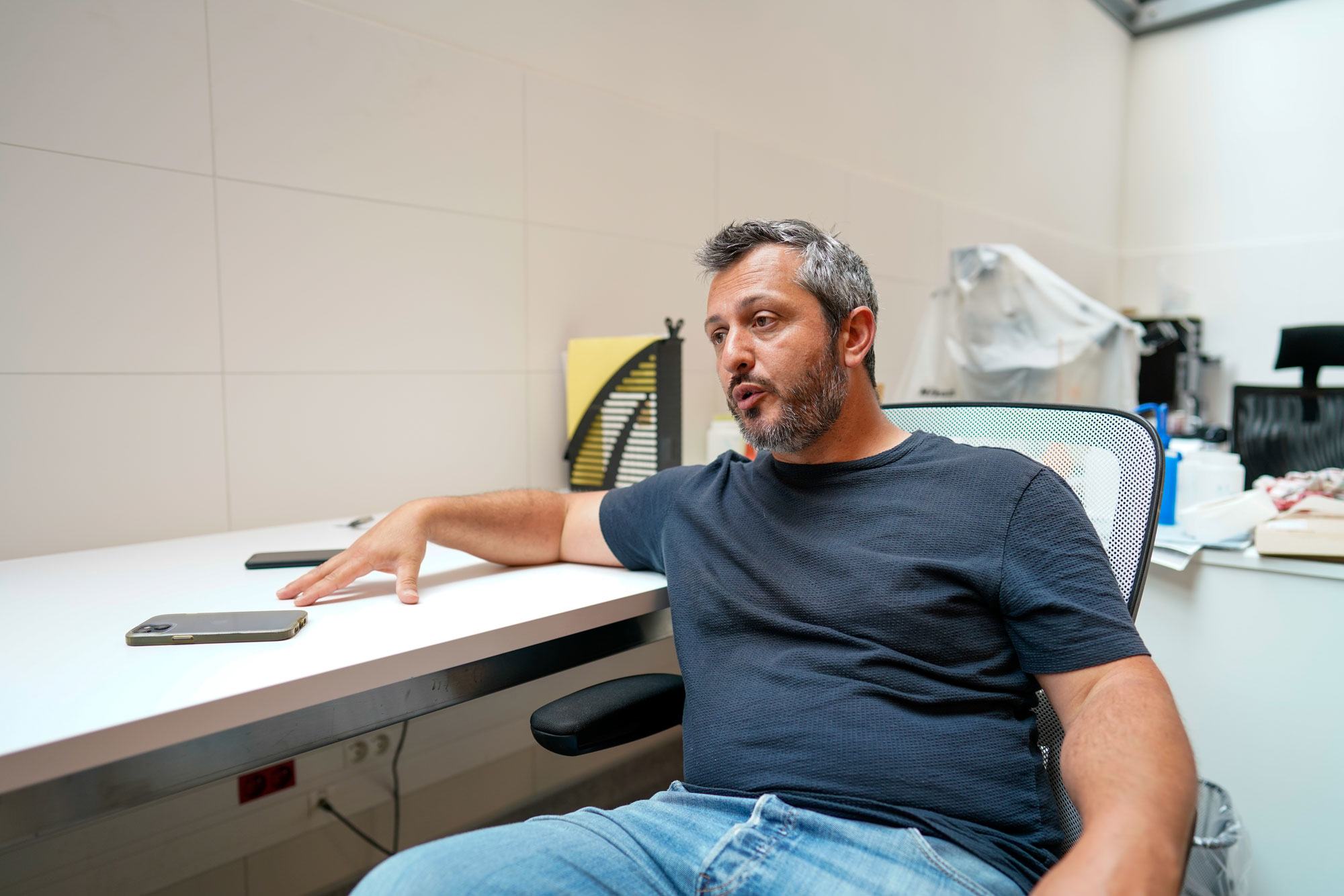
Lionel Guidi, 44, a plankton-research scientist at the Villefranche Oceanography Lab, known as LOV (part of IMEV-Institut de la Mer de Villefranche, Sorbonne University-CNRS).

A worrisome trend

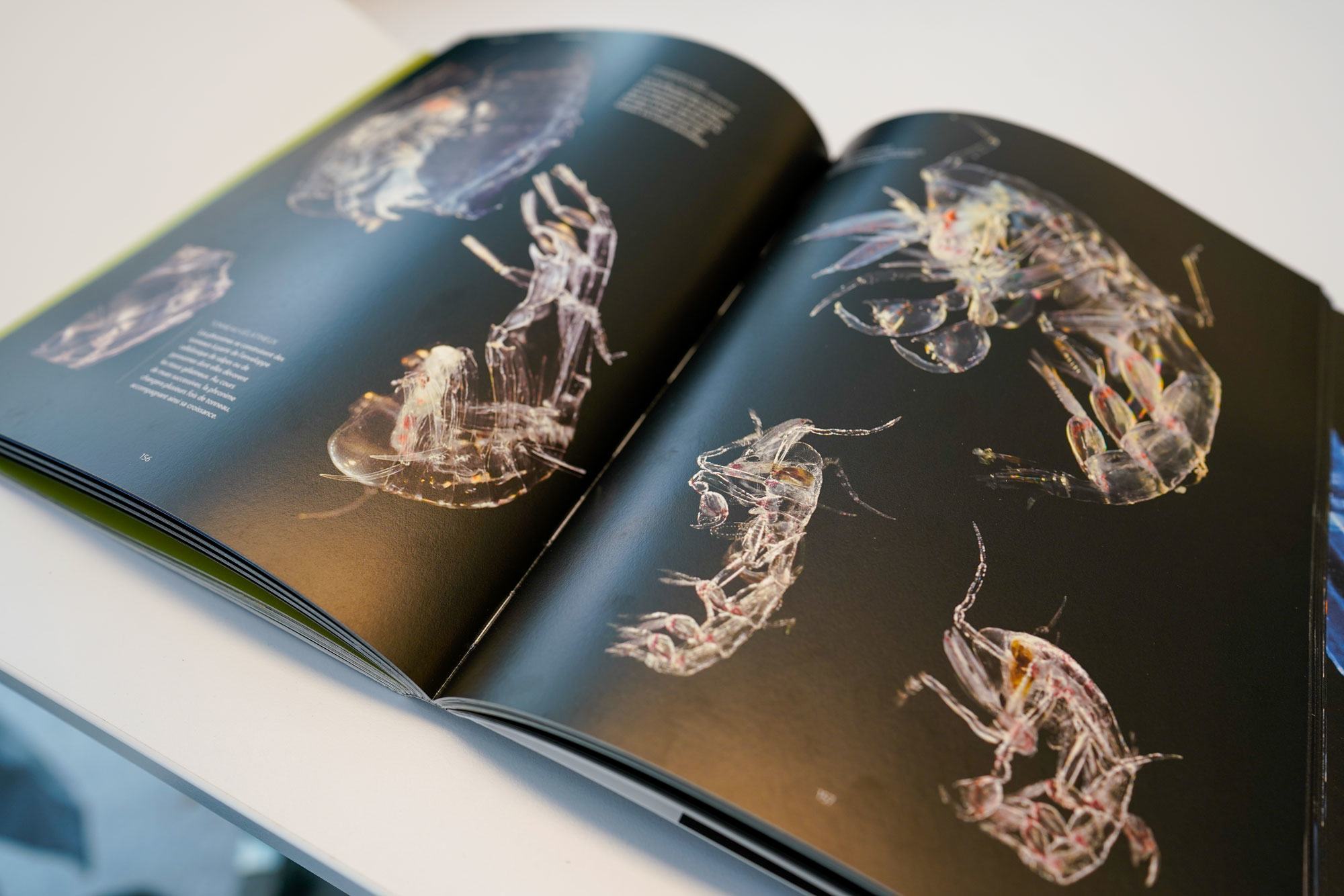
Plankton form the beating heart of the ocean’s engine. These tiny organisms absorb carbon dioxide, release oxygen, and underpin the entire marine food web. Without them, life as we know it would not exist.

But what is plankton?

It’s not a single creature, but a vast cast of marine nomads, all bound by one trait: they can’t swim against the current. They drift with tides and eddies, riding invisible flows that govern their lives. Some are no bigger than a speck of dust; others, like jellyfish, can stretch more than a meter wide.

There are two main kinds. Those that harness sunlight: phytoplankton — microscopic marine plants that photosynthesize like greenery on land and, over geological time, have produced more than half the oxygen we breathe. And those that feed: zooplankton — tiny animals that graze on their plant-like cousins, hunt each other, and themselves become prey, sustaining fish, whales, and seabirds alike.

At the Villefranche Oceanography Lab, scientists have been tracking these creatures for decades. Their daily sampling, performed just a few miles offshore, has yielded one of the longest continuous records of plankton in the world.

And that record is now showing signs of stress.

“At our observation site, surface temperatures have risen by about 1.5 degrees Celsius over the last 50 years,” Lionel Guidi tells UN News. “We’ve seen a general drop in phytoplankton primary production.”

The consequences could potentially be far-reaching. Phytoplankton form the foundation of the marine ecosystem, and a decline in their numbers might trigger a cascading effect, disrupting zooplankton, fish stocks, and ocean biodiversity as a whole. It could also weaken their ability to absorb carbon dioxide, drawing it from the atmosphere and carrying it into the deep – what scientists call ‘the biological pump’, one of Earth’s most vital natural climate regulators.

Phronima, a deep-sea zooplankton, inspired the design of the creature in the 1979 film, “Alien.”

Tiny aliens

Back at the LOV, with the Sagitta III now resting in its berth, Lionel Guidi gestures toward the day’s sample. “Everything starts with plankton,” says the scientist, who, before landing in Villefranche, conducted marine research in Texas and Hawaii.

Meanwhile, Anthéa Bourhis, the young technician, has donned a white lab coat and is bent over the morning’s catch. She fixes the sample in formaldehyde, a step that will store the zooplankton but also kill them. “If they move, it messes with the scan,” she explains.

Once morbidly still, the small animals are fed into a scanner. Slowly, shapes blossom on Bourhis’s screen, as improbably graceful copepods – translucent and shrimp-like, with feathery antennae – float into view.

“You look through the microscope and there’s a whole world,” says plankton specialist Lionel Guidi

“We’ve got some good-looking ones,” she says, grinning.

She begins transferring the digital images into an AI-operated database capable of sorting zooplankton by group, family, and species. 

“They have appendages everywhere,” adds Lionel Guidi. “Arms pointing in all directions.”

One of these deep-sea creatures, called Phronima, even inspired the monster in Ridley Scott’s 1979 film Alien. “You look through the microscope,” Guidi says, “and there’s a whole world.”

Anthéa Bourhis, 28, a lab technician at the Villefranche Oceanography Lab, known as LOV, pours the morning’s catch into a scanning machine to produce a digital image of the zooplankton.

From science to policy

A world that is changing – and not fast enough to be understood by satellites or snapshots. That’s why LOV’s long-term series matters: it captures trends that span years and even decades, helping scientists distinguish natural cycles from climate-driven shifts.

“When we explain that if there’s no more plankton, there’s no more life in the ocean. And if there’s no more life in the ocean, life on land won’t last much longer either, then suddenly people become a lot more interested in why protecting plankton matters,” said Jean-Olivier Irisson, another plankton specialist at the LOV.

Next week, just 15 minutes down the coast, the city of Nice is hosting the third UN Ocean Conference (UNOC3) – a five-day summit bringing together scientists, diplomats, activists, and business leaders to chart the course for marine conservation.

Among the gathering’s priorities: advancing the ‘30 by 30’ pledge to protect 30 per cent of the ocean by 2030 and bringing the landmark High Seas Treaty, or ‘BBNJ accord’ to safeguard life in international waters, closer to ratification.

Guidi underscored the urgency of these UN-led efforts, saying: “All of this must be thought through with people who are capable of making laws, but based on scientific reasoning.”

He doesn’t claim to write policy himself. But he knows where science fits. “We convey scientific results; we have proof of a phenomenon. These are not opinions, they’re facts.”

And so, in Villefranche, Lionel Guidi, Anthéa Bourhis and Captain Carval continue their work – hauling life from the sea, capturing it in pixels, counting its limbs, and sharing its data with scientists across the globe. In doing so, they chart not just a threatened ocean, but the unseen threads that bind life itself.

Source link

World News in Brief: Aid for Syria, children under attack in Mozambique, rights-based climate action

Despite limited resources, the UN and partners are reaching some 2.5 million people each month across the country. In May alone, more than one million people received assistance, according to the Office for the Coordination of Humanitarian Affairs (OCHA).

Cross-border aid has significantly increased this year. Since January, 1,185 humanitarian trucks have crossed from Türkiye into Syria – six times the number recorded during the same period last year. The uptick reflects growing needs and intensified delivery efforts.

Syria’s health system, however, remains under severe strain. Fewer than 60 per cent of hospitals and less than half of primary health centres are fully functional. Essential medicines are in short supply, treatment costs are beyond the reach of many families and overcrowded shelters continue to heighten the risk of disease outbreaks.

Meanwhile, explosive remnants of war and unexploded ordnance pose a deadly and ongoing threat to civilians. Since 8 December, 2024, more than 1,000 casualties have been reported – over 400 of them fatal and nearly 600 resulting in injuries – children accounting for over a third of the victims.

“The humanitarian community is calling for urgent support to expand risk education, professional clearance operations and assistance for survivors,” UN Spokesperson Stéphane Dujarric told journalists at the regular news briefing in New York.

Funding shortfalls are compounding the crisis. The Syria Humanitarian Response Plan requires $2 billion by the end of June to support 8 million of the most vulnerable people. To date, it has received just $236 million – less than 12 per cent of the total needed.

Northern Mozambique has been mired in what has been described as a “triple crisis” – violence and insecurity, climate shocks, and post-electoral unrest. (file photo)

Children targeted by armed groups in northern Mozambique

Children also continue to bear the brunt of a worsening crisis in Mozambique, where over 1.3 million people have been displaced by violence, extreme weather shocks and post-electoral unrest.

These crises have also left 5.2 million in urgent need of humanitarian assistance.

The situation is particularly dire in the northern Cabo Delgado province, which has witnessed a spike in reports of abduction, forced recruitment and use of children by non-state armed groups.

According to the UN Children’s Fund (UNICEF), at least three girls aged 12, 14 and 17 were killed in an attack last month, and eight other children abducted – highlighting the grave risks facing children in the conflict.

The agency expressed deep concern over such gross violations of children’s rights, stressing that “every child has the right to live in safety, free from violence and fear.”

UNICEF is working with partner agencies to assist impacted children and their families, support the safe return and reintegration of children abducted by non-state armed groups, and provide access to vital services such as health, protection, and education.

UN rights chief calls for bold climate action grounded in human rights

The UN’s top rights official warned on Tuesday that humanity’s survival is inseparable from the health of the planet.

Speaking at Oxford University, Volker Türk highlighted the need for a new kind of politics to tackle the climate crisis and rising global inequality, urging strong leadership to push for urgent, just and rights-based solutions.

“Not only have we created a false separation from nature, we are deluded enough to believe we can make nature bend to our will,” Mr. Türk said, criticizing the continued exploitation of fragile ecosystems.

The High Commissioner linked environmental degradation with systemic injustice, stating that the world’s richest one per cent are responsible for more carbon emissions than the poorest two-thirds. He stressed that those least responsible for the climate crisis are often the ones suffering its worst impacts.

He also expressed concern over the lack of adequate climate finance and called for reforms to international financial systems, noting growing support for a proposed fossil fuel non-proliferation treaty that would aim to end the expansion of new oil, coal and gas projects.

“Our rights call for all people, now and in the future, to live in safety, security and opportunity, on a healthy planet,” he said.

Mr. Türk concluded by urging governments, institutions and individuals to join a global movement for change, grounded in human rights, to address the climate emergency and build a more sustainable and equitable future.

Source link

‘We are the present’: Tajik climate activist urges leaders to include youth voices in dialogue

At the end of April, Fariza Dzhobirova attended a Model United Nations Conference on Glaciers’ Preservation in Tajikistan’s capital, Dushanbe, where she represented Switzerland.

For Ms. Dzhobirova, it was a rehearsal of sorts for the actual High-level Conference on Glaciers’ Preservation which began on Thursday in Dushanbe. There, she will serve as a panel member representing her own country.

“The [Model UN] conference gave me a platform to raise my voice, collaborate with like-minded peers from across the region and develop policy recommendations that we hope will influence real-world decisions,” she said.

The High-level Conference on Glaciers’ Preservation, hosted by the Government of Tajikistan and supported by variety of United Nations agencies, will work to underline the extreme urgency of melting glaciers, elevating it as a global climate and development challenge. 

Will glaciers survive the 21st century? 

Glaciers, alongside ice sheets, account for over 70 per cent of the world’s freshwater resources and are integral to many local economies, providing water, sustaining agriculture and generating energy. 

However, due to the increasing temperature of the planet, glaciers are melting at unprecedented rates – scientists predict that if the current rate of melting continues, many glaciers will not survive the 21st century.

In Tajikistan alone, 30 per cent of glaciers have disappeared over the last century, disrupting local and national water supplies and agricultural patterns. And Slovenia and Venezuela have lost all their glaciers.

Just yesterday, one day before the conference was set to begin, a partial glacier collapse in Switzerland buried most of a small village, according to news reports.

“The death of a glacier is more than just the loss of ice,” said World Meteorological Organization (WMO) Secretary-General Celeste Saulo.

Youth voices are the present and the future

Before the conference, Parviz Boboev from the UN ountry team in Tajikistan sat down with Ms. Dzhobirova to discuss what motivates her climate activism. 

Fariza Dzhobirova, a young climate activist from Tajikistan, represents Switzerland at a Model United Nations conference on glacier preservation.

Parviz Boboev: What inspired you to get involved in the climate movement?

Fariza Dzhobirova: Growing up in Tajikistan, where more than 90% of our freshwater comes from glaciers, I’ve seen how climate change is already impacting people’s lives. Rivers are shrinking, water is becoming less accessible, and natural disasters like landslides and floods are affecting more and more communities.

I’ve met a family who lost their home because of mudflow. I saw a teenage girl from that family of the same age as me that had totally different problems because of this climate-related disaster. I was thinking about my classes. She was thinking about how to survive.

My message is that young people are not just the future — we are the present, and we are ready to contribute today

And I know there are many examples similar to this – farmers whose land can no longer be irrigated and children whose futures are at risk. Seeing this pain and injustice made it impossible for me to stay silent or uninvolved.

Participating in the upcoming Glaciers’ Preservation conference means a lot to me. It’s about raising the voices of people who are often left out of global discussions. For me, it’s a chance to speak on behalf of my generation and my country, and to show that young people are ready to be part of the solution.

Parviz Boboev: What message do you hope to share at the conference about the impact of climate change on your community and generation?

Fariza Dzhobirova: Being invited to speak is a great responsibility for me. It’s a chance to represent not only Tajikistan, but the voice of a generation.

My message is that young people are not just the future — we are the present, and we are ready to contribute today. Climate change is not only about the environment — it’s about how we live, how we work, how we learn. It affects our opportunities, our mental health, our ability to plan for the future. And yet, many young people are still excluded from decision-making processes.

At the conference, I want to encourage leaders and policymakers to truly listen not just to the facts and data, but to the experiences and hopes of young people. When you give youth a platform, you don’t just invest in their potential — you strengthen the resilience and sustainability of entire communities.

Parviz Boboev: Youth voices are becoming increasingly important in global climate conversations. How do you see the role of young people in shaping solutions?

Fariza Dzhobirova: I truly believe that young people have a unique role to play in shaping more just, inclusive and forward-looking climate solutions. We bring fresh ideas, the courage to question outdated systems and a strong sense of responsibility for the future.

In countries like Tajikistan, where glaciers are directly connected to people’s livelihoods, youth are already stepping up. What we need now is more trust and investment in young people. We don’t expect to solve everything alone, but we do hope to be included — in dialogue, in decision-making, and in designing real solutions.

Protecting glaciers and water resources is not just a technical challenge; it’s a human one. By working together — across generations and borders — we can make our region stronger, more resilient, and more united in the face of climate change.

Source link