‘A wave of truth’: COP30 targets disinformation threat to climate action

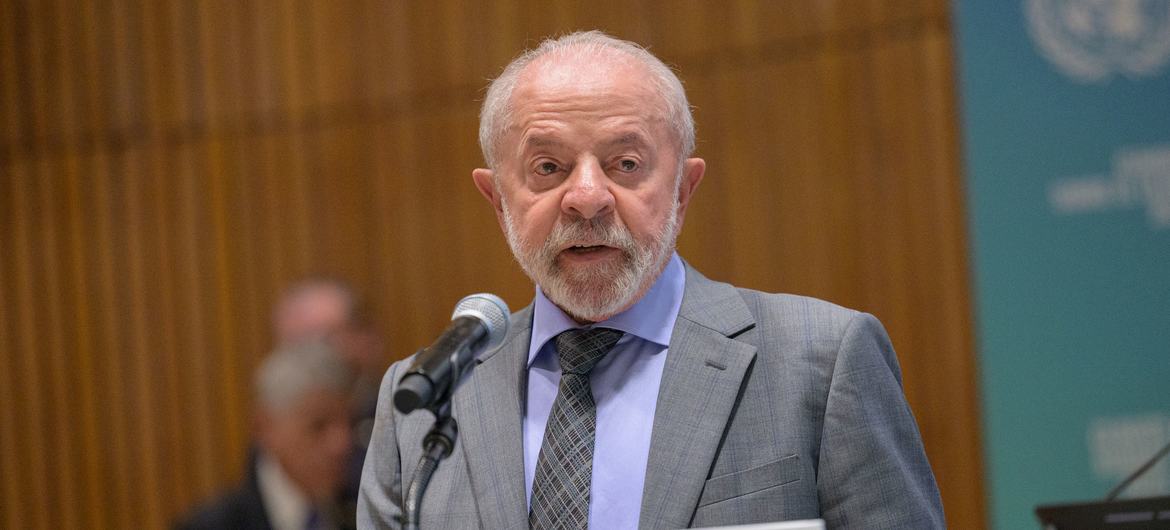
Brazil’s President Luiz Inácio Lula da Silva set the tone at the opening session, declaring that the battle for truth has become just as critical as the fight to cut emissions. COP30 must mark “a new defeat for climate denialists,” he said. 

On Wednesday, 12 nations – including Brazil, Canada, France, Germany and Spain – signed onto the first-ever Declaration on Information Integrity on Climate Change, pledging to fight back against the flood of false content and protect those on the frontlines of truth: environmental journalists, scientists and researchers.

The declaration, unveiled under the Global Initiative for Information Integrity on Climate Change, calls for concrete steps to dismantle networks of climate lies and shield evidence-based voices from harassment and attacks.

João Brant, Brazil’s Secretary for Digital Policies, said the goal is simple but urgent: to “create a wave of truth.”

The initiative, launched this past November, is a partnership between Brazil, the UN Department of Global Communications and UNESCO

“Disinformation, the harassment of expert voices, polarizing echo chambers, and the demise of independent journalism are eroding trust in what is real. At the same time, powerful interests are weaponizing climate change to stall and sabotage action,” said Charlotte Scaddan, Senior Adviser on Information Integrity at the United Nations.

She warned that climate disinformation goes far beyond denial. “It undermines climate action by attacking researchers and journalists, questioning scientific consensus, and creating false narratives around solutions,” she said. “We’re seeing sophisticated ‘information laundering’ – false claims cycled through multiple platforms to appear credible.”

The UN’s new Global Initiative for Information Integrity on Climate Change aims to turn the tide. Built on three pillars – research funding, evidence gathering, and integration into COP processes – the initiative has already secured a breakthrough: information integrity is now part of the COP Action Agenda for the first time. “We cannot achieve climate action and a liveable future without information integrity,” Ms. Scaddan stressed.

“The coming months will determine whether we can preserve the information environment essential for democratic decision-making and global cooperation.”

Disinformation: a direct threat to COP30 

Frederico Assis, COP30’s Special Envoy for Information Integrity, warned that the stakes could not be higher. “Disinformation, driven by obscurantist worldviews, fuels political extremism and puts lives at risk,” he told UN News, adding that there is a real danger of interference in climate negotiations.

“There is broad recognition that disinformation can affect and compromise every part of the COP process – process diplomatic negotiations, the action agenda, or mobilization and summits. All our efforts will be at risk if we fail to tackle disinformation properly, which stems from denialism,” Mr. Assis said.

He flagged the role of algorithms amplifying “conspiratorial and manipulative” content, often using “sophisticated tactics to spread false messages.” His mandate: keep the issue in the public eye and mobilize political, religious and social leaders, civil society and the media to push back. 

Cracking the code behind climate lies 

For the first time, information integrity has made it onto the official COP agenda – a milestone UNESCO’s Guilherme Canela says is long overdue.

Speaking to UN News, Mr. Canela stressed that the global initiative aims to expose the machinery driving climate disinformation.

“We still know very little about what’s behind this. For example, who funds these posts, and why do they spread faster than other types of content? How does that happen? If we don’t understand these mechanisms, it’s very difficult to design effective strategies to combat this phenomenon. The core of this global initiative is precisely to finance, especially in the Global South, investigative journalism and research projects to uncover what’s really happening,” he said.

The Global Fund for Information Integrity on Climate Change, created under the initiative, has already attracted 447 proposals from nearly 100 countries. Backed by an initial $1 million from Brazil, the fund is supporting its first round of projects – almost two-thirds from developing nations.

Mr. Canela called it “very rewarding” to see the issue “embraced so strongly at COP30.” 

Disinformation’s shape-shifting tactics 

Maria Clara Moraes, a UN Verified Champion and co-founder of the Marias Verdes platform, knows the battle well. With over half a million TikTok followers, she says the fight against climate disinformation is “completely possible, but also extremely challenging.”

She warns that these campaigns are highly organized and “backed by powerful forces, particularly the fossil fuel industry.” Their narratives, she says, “change their disguise” over time.

“There are several types of disinformation. One of the most powerful is saying that it’s too late – that nothing can be done, or that these events like COP30 don’t make a difference. That’s also disinformation. Saying, ‘This isn’t working, it’s too slow, too complex, too frustrating.’ But yes – it’s important. We must constantly reaffirm the value of multilateralism and the importance of spaces like this one,” she said. 

A generation that refuses to give up 

Despite the challenges, Ms. Moraes told us that she sees hope in younger generations. By producing content rooted in science and sustainability, she says awareness of the climate emergency is growing fast.

According to her, young people are “a great source of hope and optimism.” She urges everyone to play their part in creating “micro-revolutions” through everyday choices that support climate action and drive systemic change. 

UN News is reporting from Belém, bringing you front-row coverage of everything unfolding at COP30.
From Haiti to Ethiopia: voices of climate displacement at COP30

At COP30 in Belém, Brazil, the UN International Organization for Migration (IOM) is pressing negotiators to make climate mobility a core part of adaptation plans.

“People and communities who choose to stay must be safe, and those who decide to move must have the option to do so with dignity,” Ugochi Daniels, IOM’s Deputy Director General said on Thursday.

Across 80 countries, IOM runs projects that put local communities in charge of solutions. Ms. Daniels hopes COP30 will be “a turning point to place human mobility as a key area of climate action,” especially in national adaptation plans and financing for loss and damage.

‘Ten seconds that changed my life forever’

For Robert Montinard from Haiti, this debate is personal. The 2010 earthquake lasted just 10 seconds, but shattered lives for generations. Seeking safety, he fled to Brazil as a refugee. Today, he leads the Mawon Association, helping others rebuild far from home.

At COP30, Robert insists on one thing: refugee voices must be heard.

“We want to be part of the solution. We want migrants and refugees to be heard. Those affected by the consequences of climate change – refugees, Indigenous Peoples, Black communities, women – have the solutions,” he said.

This week, Robert handed a proposal to Brazil’s First Lady, Rosângela Janja da Silva, and Environment Minister Marina Silva. It calls for municipal climate councils, action against environmental racism, and community brigades to respond to disasters.

He calls Haiti’s plight “climate injustice.” The same hurricanes that strike Florida, he said, leave destruction behind in his homeland – but while the US rebuilds swiftly, buildings ruined in Haiti’s 2010 quake still lie in rubble.

A crisis feeding conflict in Ethiopia

From another corner of the Global South, Makebib Tadesse sees the same pattern in Ethiopia, where climate pressures are intensifying conflicts over land and resources.

He described a “continuous cycle of violence and displacement” as food and water grow scarce. In northern Ethiopia, where he was born, the impact of climate change now rivals – or even surpasses – the devastation of the civil war from 1974 to 1991.

“Climate change is pushing people out of Ethiopia in ways we’ve never,” he said.

Both Robert and Makebib are part of the UN refugee agency (UNHCR) delegation at COP30, alongside Venezuelan Indigenous leader Gardenia Warao.

‘Brazil’s openness to refugees should be celebrated’

Giving voice to their message is Alfonso Herrera, Mexican actor and Latin America Goodwill Ambassador for UNHCR, formally known as the Office of the UN High Commissioner for Refugees.

“The voices of refugees have been silenced — and they must be heard,” he told UN News.

Mr. Herrera has traveled across the region – from Mexico to Venezuela, Honduras and El Salvador -witnessing the human cost of climate displacement and the UN’s efforts to restore hope through education and legal support.

He believes Brazil’s openness to welcome refugees deserves recognition, especially “when so many other countries take the completely opposite attitude.”

As COP30 debates how to adapt to a changing planet, displaced people remind the world that climate action is not just about saving ecosystems – it’s about protecting lives, preserving dignity, and ensuring no one is left behind by the rising tide.

UN News is reporting from Belém, bringing you front-row coverage of everything unfolding at COP30.

Protecting lives in a warming world: Health takes centre stage at COP30

As climate negotiations continue in the Amazonian city of Belém, Brazil, governments, UN agencies and partners have adopted the Belém Health Action Plan, placing an emphasis on addressing healthcare inequalities.

For updates on all the action and UN News coverage so far, head to our dedicated page here.

A planet heading to ‘intensive care’

The adoption took place on COP’s designated Health Day – a recognition that the climate crisis is also a health crisis.

“If our planet were a patient, it would be admitted to intensive care,” World Health Organization (WHO) Director-General Tedros Adhanom Ghebreyesus warned on the eve of the conference.

Extreme heat, floods, droughts and storms are not only environmental threats –they are driving disease outbreaks, food and water insecurity, and the disruption of essential health services.

A UNFPA mobile health clinic midwife assesses a pregnant woman at a displacement camp in Marib, Yemen.

Blueprint for resilience

Developed by the WHO, UN University (UNU) and other UN partners in collaboration with the Brazilian Government, the Action Plan sets out practical steps to integrate health into climate strategies

  • Strengthening health systems to withstand climate shocks
  • Mobilising finance and technology for adaptation and
  • Ensuring communities have a voice, promoting their participation in governance.

Brazil’s Health Minister Alexandre Padilha described the launch as “a crucial moment to demonstrate the strength of the health sector in global climate action”

© UNFCCC/Diego Herculano

Civil society demonstration at COP30

Solutions hub

Thursday’s high-level sessions in the main conference rooms are dominated by speeches and discussions about climate and health – but throughout COP30, the WHO-led Health Pavilion has been the hub for solutions and dialogue.

The topics covered at the pavilion range from AI to waste management, jobs, education and human rights – all from the perspective of health.

Friday in the pavilion will be dedicated to the Alliance for Transformative Action on Climate and Health, a WHO-led initiative to accelerate the transition to climate-resilient and low carbon health systems. 

Food Waste Breakthrough

Also today, the UN Environment Programme (UNEP) and its partners launched an initiative to cut food waste in half by 2030 and cut up to seven per cent of methane emissions as part of efforts to slow climate change.

UNEP notes that the world wastes more than one billion tonnes of food every year, contributing up to 10 per cent of global greenhouse gas emissions and accounting for up to 14 per cent of methane emissions, which is a short-lived climate pollutant that is 84 times more potent at warming the atmosphere than carbon dioxide over 20 years.

Funded by the Global Environment Facility, the UN Environment Programme will launch a $3 million, four-year global project to implement the targets of the Food Waste Breakthrough.  

Indigenous protesters block COP30 entrance, demand action from Brazilian Government

The Munduruku, who live primarily in the Amazon states of Amazonas, Mato Grosso and Pará, are demanding an end to projects and extractive activities that threaten Indigenous territories, particularly in the Tapajós and Xingu River basins.

‘Legitimate’ protests and government response

COP30 Executive Director Ana Toni described the demonstrations as “legitimate” and confirmed that the government is listening. Protesters were directed to meet with the Minister of Indigenous Peoples, Sônia Guajajara, and the Minister of the Environment and Climate Change, Marina Silva.

Ms. Toni highlighted that COP30 has more than 900 Indigenous participants, a significant increase from the 300 registered at last year’s conference in Baku, Azerbaijan.

“Brazil has a strong democracy that allows for different forms of protest, both inside and outside the conference,” she said, adding that hosting COP30 in the Amazon was meant to ensure Indigenous voices are heard.

© UNFCCC/Diego Herculano

Security officers guard the UN Climate Conference venue as the Munduruku Indigenous People protest.

Indigenous youth voices underline urgency

For Indigenous youth participants, the protest reflects both the urgency of their demands and the value of being present at the international conference.

Amanda Pankará, from the Pankará people in Pernambuco, told UN News that COP30 provides a space where Indigenous issues can gain greater visibility.

“We would have much more to contribute if more Indigenous people were participating in these discussions. These demands are valid. We are claiming the right to land, the right to life… Being here today, representing those who haven’t had the opportunity to be here, reinforces our presence and responsibility. We are the ones who create this protective barrier, so we want to be heard.”

Commitment to climate action

During a meeting held on Thursday, many Indigenous leaders described COP30 as the most inclusive climate conference they had attended.

Chilean Indigenous youth Emiliano Medina – from the Mapuche people – who participated in the meeting, said Indigenous representatives reaffirmed their commitment to combating the climate crisis.

He emphasized that protests like Friday’s are a way to present demands and highlight where policies fall short. “Similar demonstrations have been taking place around the world in communities affected by climate change,” he said.

Indigenous Peoples block an entrance to the UN Climate Conference in Belém, Brazil.

‘COP in the Amazon is meant to hear these voices’

Ana Toni stressed that holding COP30 in the Amazon enables broad participation by Indigenous peoples, something that would have been more limited if the event were held in Rio de Janeiro, São Paulo, or Brasília. She assured that the voices of demonstrators are being heard and noted that further demonstrations are expected throughout COP30.

“The purpose of holding a conference in the Amazon is precisely to listen to these demands,” she concluded.

UN News is reporting from Belém, bringing you front-row coverage of everything unfolding at COP30.
COP30: Climate crisis is a health crisis, WHO warns as philanthropies pledge $300m for solutions

The special report on health and climate change, published by the UN World Health Organization (WHO) and the Brazilian Government, warns that one in 12 hospitals could face climate-related shutdowns. It calls for urgent action to protect health systems in a rapidly warming world.

This follows Thursday’s launch of the Belém Health Action Plan, a flagship COP30 initiative putting health at the centre of climate policy.

What the WHO says

“The climate crisis is a health crisis – not in the distant future, but here and now,” said WHO Director-General Dr Tedros Adhanom Ghebreyesus.

“This special report provides evidence on the impact of climate change on individuals and health systems, and real-world examples of what countries can do – and are doing – to protect health and strengthen health systems.”

Why it matters

Global temperatures are already above 1.5°C. The report finds that 3.3 to 3.6 billion people live in areas highly vulnerable to climate impacts, while hospitals face a 41 per cent higher risk of damage from extreme weather compared to 1990.

Without rapid decarbonisation, the number of health facilities at risk could double by mid-century. The health sector itself contributes around 5 per cent of global greenhouse gas emissions, underscoring the need for a swift transition to low-carbon, climate-resilient systems.

Key gaps in health adaptation

The report highlights stark gaps in health adaptation planning:

  • Only 54 per cent of national health adaptation plans assess risks to health facilities.
  • Fewer than 30 per cent consider income disparities.
  • Just 20 per cent take gender into account.
  • Less than 1 per cent include people with disabilities.

Progress has been made – the number of countries with multi-hazard early warning systems doubled between 2015 and 2023 – but coverage remains uneven, especially in least developed countries and small island states.

What’s being done

Adding momentum, a coalition of more than 35 philanthropies today pledged $300 million to accelerate solutions at the intersection of climate and health.

The Climate and Health Funders Coalition – which includes Bloomberg Philanthropies, the Gates Foundation, IKEA Foundation, The Rockefeller Foundation, and Wellcome – will back innovations, policies and research on extreme heat, air pollution and climate-sensitive diseases, as well as strengthen health systems and data integration. Find out more here.

The coalition’s inaugural funding effort supports the Belém Health Action Plan and aims to deliver “no-regret” interventions that save lives now. With the past decade the hottest on record and temperatures set to remain near historic highs, experts warn that failure to act risks catastrophic consequences for human health.

‘Adaptation is urgent’: COP30 health envoy calls for action

UN News spoke with Ethel Maciel, COP30’s special envoy for health and one of the architects of the Belém Health Action Plan. She stressed that climate change is no longer a distant threat – it is reshaping health systems now.

“Then, how do we prepare our health units, our hospitals, our structures for these extreme events that will happen with increasing frequency? And how can we provide training and capacity-building for health professionals so that they can face these extreme events that will be caused by what we are already experiencing in these climate changes,” she said.

“One example here in Brazil, was last year’s flooding in Rio Grande do Sul, [which triggered] the largest dengue epidemic in history, driven by these climate changes. So, it is not something for us to think about in the future; it’s happening now. So, thinking about how to adapt our system is urgent.”

Ms. Maciel outlined three pillars of the plan:

  • Monitoring to integrate climate and health data, enabling forecasts of heat-related health demand and better reporting of climate-linked cases.
  • Resilient systems and training so health professionals can identify and treat impacts such as dehydration or cardiac stress.
  • Research and innovation to develop heat-resistant medicines and vaccines, cut pollution in health supply chains, and expand renewable energy use.

She warned that implementation is critical in the Amazon, where deforestation could unleash unknown pathogens. “We have … pathogens that we do not yet even fully [understand],” she said, urging leaders to ensure the plan “does not become just another paper and another very beautiful declaration, but that does not happen in practice.”

UN News is reporting from Belém, bringing you front-row coverage of everything unfolding at COP30.
COP30 enters its final stretch: urgency, ambition, and voices from the streets

UN climate chief Simon Stiell set the tone on Monday:

“There is a deep awareness of what’s at stake, and the need to show climate cooperation standing firm in a fractured world.”

His warning was blunt: “There is no time to lose with delays and obstruction.”

For the next two days, ministers will lay out their positions in what is often the most charged phase of the summit. Mr. Stiell urged delegations to tackle the hardest issues now – not in a last-minute scramble.

“There is no time to waste with tactical delays or stonewalling,” he said, and added: “The time for performative diplomacy has now passed.”

© UNFCCC/Diego Herculano

Simon Stiell, Executive Secretary of UN Climate Change, speaks during the Opening Plenary of the High-Level Segment.

The President of the UN General Assembly echoed that urgency, reminding negotiators that despite “headwinds” and the many “ebbs and flows” of climate talks, they “do not have the luxury of wallowing when people are counting on them.”

Annalena Baerbock struck a note of optimism, pointing to unstoppable momentum in renewables and innovation: “The money exists but needs to be redirected.”

She highlighted a stark figure: developing countries paid $1.4 trillion last year in external debt service – funds that could transform climate action if channeled into clean energy and resilience.

Speaking to reporters, Ms. Baerbock recalled that on Sunday she had taken a 30-minute boat ride from Belém to visit Combu Island

There, on the edge of the Amazon rainforest, she met with local Indigenous communities “who are showing how sustainable development, economic growth, and protection of the forest can go hand-in-hand.”

This, she said, “underlines again that climate action is not a ‘nice to have’. It’s not a charity. Climate action is in all of our security and economic interests.”

The 30th edition of the annual UN climate summit opened last Monday on 10 November and is set to wrap up this coming Friday.

From words to action: Brazil calls for a new era

Brazil’s Vice-President Geraldo Alckmin declared that COP30 must mark a turning point. “The world must stop debating goals and start fulfilling them,” he declared, adding that this means moving from negotiation to implementation.  

Mr. Alckmin spotlighted the Belém Commitment, an initiative to quadruple the use of sustainable fuels by 2035, already backed by 25 nations. He called for creativity in areas like bioeconomy and decarbonization, reaffirming Brazil’s pledge to “clean energy, innovation, and inclusion.”

Brazilian officials confirmed two major decision packages are now on the table: one tied to frameworks and topics mandated by previous COPs​, and the other covering additional issues under negotiation, such as a gender action plan​. 

A draft of the first package is expected midweek, but COP30 President André Corrêa do Lago warned the schedule will be tight, with night sessions likely.

Beyond the official halls: People’s Summit delivers its verdict

While ministers debated inside, the streets of Belém pulsed with energy. The People’s Summit, held from 12–16 November, drew more than 25,000 participants – the largest ever – and culminated in a climate justice march of 70,000 people, the biggest demonstration of its kind.

On Sunday, civil society handed over a package of proposals to Mr.do Lago, along with COP30 CEO Ana Toni and key ministers including Marina Silva and Sônia Guajajara.

Maureen Santos, from the Summit’s political committee, told us:

“I think this COP is serving as an example of democracy not only for the United Nations, but also for the world. And this is what multilateralism is: when parties truly engage beyond States, and you see greater visibility for those suffering the impacts of the crisis, who also bring forward the alternatives to confront it.”

Social movements are pressing hard on climate finance, warning of potential “ecological debts,” and demanding a broader vision of just transition – one that includes jobs, food sovereignty, and territorial rights, not just renewable energy.

Agência Brasil/Tânia Rêgo

The president of COP30, Ambassador André Corrêa do Lago, gives a speech during the closing of the People’s Summit.

Solidarity in action: 300,000 meals served

The People’s Summit wasn’t just about speeches. It was about solidarity. Groups like the Landless Workers Movement (MTST) organized a vast “solidarity kitchen,” drawing on experience from last year’s flood response in Rio Grande do Sul.  

Over 300,000 free meals were served, featuring Amazonian staples like jambu, açaí, and pirarucu.

Rudi Rafael, who helped lead the operation, described the scale:

“We had 21 pots of 500 liters each, with a production line preparing meal boxes in just 26 seconds.”

For many, the kitchen symbolized hope, especially for those defending indigenous lands, traditions and cultures. It is a reminder that climate justice is as much about dignity and community as it is about policy.

UN News is reporting from Belém, bringing you front-row coverage of everything unfolding at COP30.
‘The world is watching’: Guterres and Lula urge unity as COP30 talks near deadline

Amid reports of deadlocks on fossil fuels, climate finance and other key issues, both leaders urged negotiators to act decisively on phasing out fossil fuels and boosting adaptation finance, insisting that fairness and ambition must guide the final hours of COP30.

Guterres: 1.5°C is the ‘non-negotiable red line’

Speaking to reporters on Thursday, Mr. Guterres urged countries to “follow the science and put people before profit,” calling for tripling adaptation finance and credible emissions cuts. “Ministers and negotiators must show leadership, boldness and good faith,” he said, stressing that 1.5°C remains “the only non-negotiable red line.”

He warned that an agreement must balance concerns over adaptation resources with the need to curb soaring emissions. For millions, he said, adaptation means “the difference between replanting or going hungry, between remaining on ancestral land or losing it forever.”

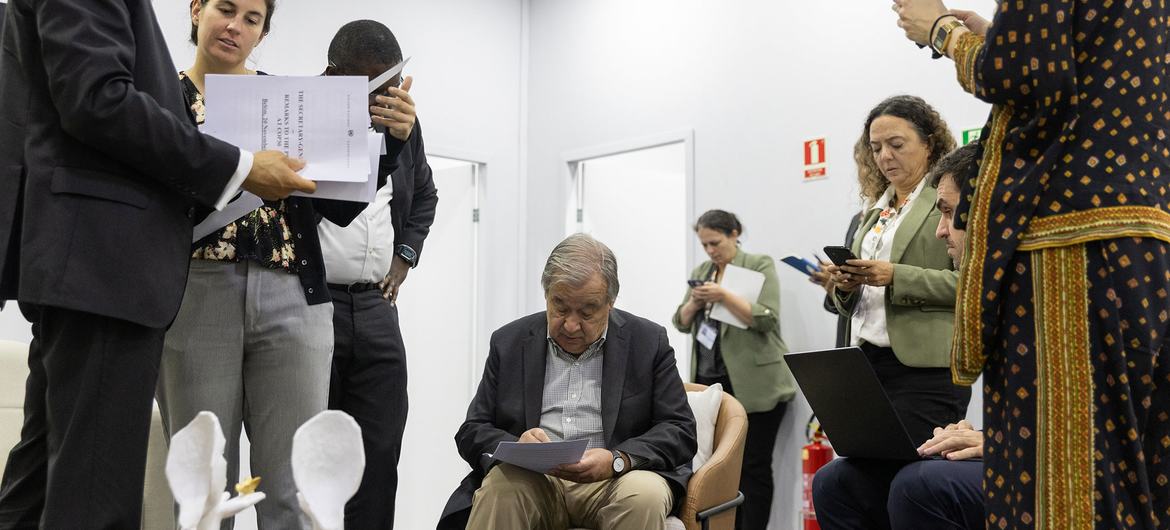
The UN Secretary-General António Guterres (centre) reviews documents with his colleagues at the UN Climate Conference in Brazil.

On fossil fuels, the UN chief called for a “just, orderly and equitable” transition, as agreed at COP28. “There can be no solution if there is not, at the same time, a just transition from fossil fuels to renewable energy,” he said, urging an end to “market distortions that favour fossil fuels” and disinformation “designed to sabotage the transition.”

A few hours after the Secretary-General’s press briefing, a fire broke out in a pavilion at the COP30 venue in Belém, forcing evacuations and briefly disrupting tense negotiations. Brazilian and UN security teams assisted in clearing the area. The blaze was quickly brought under control, and no injuries were reported. The cause of the fire was not immediately known. More here.

Lula: ‘We must start thinking about how to live without fossil fuels’

At a press conference Wednesday night, President Lula said any roadmap for the energy transition “must be taken seriously.” Brazil introduced the idea of a roadmap, he explained, “because we need to show society that we are serious. We do not want to impose anything on anyone, nor set deadlines. Each country must decide what it can do within its own timeframe and capacities.”

He added: “If fossil fuels generate [a majority of greenhouse] emissions, we must start thinking about how to live without them – and how to build that path. And I say this very comfortably, as the leader of a country that has oil, that extracts five million barrels a day.”

President Lula highlighted Brazil’s use of ethanol and biodiesel and called for oil companies, mining firms and the “super-rich” to contribute their share. He urged multilateral banks to stop charging “exorbitant interest rates” to African nations and the poorest countries in Latin America, converting part of those debts into investments.

The President praised public engagement at COP30, noting the 15 November ‘Peoples March’ was “exceptionally beautiful and orderly,” and celebrated record participation of 3,500 Indigenous people and “full participation” of women.

UN News is reporting from Belém, bringing you front-row coverage of everything unfolding at COP30.

What’s at stake in the COP30 negotiations?

In practical terms, the debates at COP30 revolve around three big questions:

1. How can countries ramp up climate action?

With the planet heating at record speed and climate disasters intensifying, cutting emissions and adapting to impacts dominate the agenda. Delegates are looking at key tools:

Nationally Determined Contributions (NDCs): National climate plans updated every five years. At COP30, countries are weighing new ways to boost ambition and speed up implementation.

Phasing out fossil fuels: COP28 agreed to “transition away from fossil fuels.” Now, negotiators are debating whether to set a clearer, context-based roadmap for that shift.

National Adaptation Plans (NAPs): 72 countries have submitted plans, but most lack funding. One proposal: triple adaptation finance by 2025.

Global Goal on Adaptation: Talks focus on roughly 100 indicators to track progress on adaptation worldwide.

Forest Finance Roadmap: Already backed by 36 governments representing 45 per cent of global forest cover and 65 per cent of GDP. It aims to close a $66.8 billion annual gap for tropical forest protection and restoration.

2. How can money and technology reach those who need it most?

Political promises alone won’t solve the climate crisis – they need real resources. COP30 negotiators are exploring ways to unlock finance and technology:

Article 9.1 of the Paris Agreement: Developed countries must support developing nations financially. Delegates are considering an action plan and accountability tools.

Baku-to-Belém Roadmap to $1.3 trillion: A proposal to mobilize $1.3 trillion annually for developing countries, with five action areas and debt-free instruments under discussion.

Loss and Damage Fund: Created at COP27 and launched at COP28 to help countries hit hardest by climate impacts. The Fund arrives at COP30 underfunded, sparking calls for more contributions.

Green Climate Fund: The world’s largest climate fund, but its latest replenishment cycle showed signs of decline.

Global Environment Facility: Provides grants to developing countries, but current funding is seen as inadequate.

Technology Implementation Programme: Aims to improve access to climate technologies, but negotiations remain divided over financial and trade barriers.

Trade-restrictive unilateral measures: Climate-related trade policies that may disadvantage developing countries. One idea: create a platform to assess their impact.

3. How can climate action be fair and inclusive?

Even with funding, big transitions risk deepening inequalities unless they protect vulnerable communities. Negotiators are working on frameworks to ensure fairness:

Just Transition Work Programme: Promotes social justice, decent work, and sustainable development. Countries expect a practical framework aligned with workers’ and communities’ realities.

Gender Action Plan: Guides the integration of gender perspectives into climate action. The first plan was adopted in 2017; an updated version is due at COP30.

Why what happens in Belém matters

The choices made in Belém will shape how the Paris Agreement moves from words to action, and whether global climate goals remain within reach. Behind closed doors, the mood is clear: time is short, and compromise cannot wait. These decisions will shape not only the pace of emissions cuts but also whether justice is delivered for indigenous peoples, as well as Africa and developing nations, who bear the brunt of climate impacts despite contributing least to the crisis.

UN News is reporting from Belém, bringing you front-row coverage of everything unfolding at COP30.

From waste pickers to courtrooms: Women demand a gender focus at COP30

Women’s voices are rising with clarity and urgency, pressing negotiators to ensure the conference leaves a lasting mark on the link between gender and climate policy.  

At the heart of talks is the Belém Gender Action Plan – a proposed blueprint that acknowledges climate change hits women hardest and sets out measures for financing, training, and leadership roles.

“Climate justice only exists when gender equality does too,” says Ana Carolina Querino, Acting Representative of UN Women in Brazil, echoing a sentiment heard across the halls and venues since the summit opened last Monday, 10 November.

If adopted, the plan would run from 2026 to 2034, embedding gender-responsive approaches into just transitions, adaptation and mitigation strategies, and mechanisms for loss and damage.

UN News/Felipe de Carvalho

Nanci Darcolete is an autonomous waste picker from São Paulo and advocacy advisor for Movimento de Pimpadores.

Waste pickers on the frontline of emissions cuts

On the streets of São Paulo, Nanci Darcolete has been a waste picker since 1999.  

Today, she leads Pimp My Carroça, an organisation fighting for the rights of workers who turn discarded materials into resources – preventing mountains of waste from being dumped or burned.

Waste pickers, she says, played a historic role at COP30 by showing how their work slashes emissions and eases pressure on natural resources.  

“We now see how important it is for waste pickers to also work on composting organic waste,” she explains. “That’s going to save municipalities money, provide income for waste pickers, and capture tons and tons of gases [and] delivering major mitigation by removing heavy pollutants from the environment.”

Women leading the recycling chain

In Brazil, women make up most waste pickers and head most cooperatives. Yet they still face racism and gender-based violence on the streets, often while juggling care for homes and families.

For Nanci, climate change is making their work harder. Rising heat and flooding hit low-income neighbourhoods hardest, adding strain to already tough conditions. She wants COP30’s adaptation agenda to recognise waste pickers as “agents of transformation,” with better urban logistics, hydration points, and paid contracts.

Litigation as a weapon for climate justice

Across the Atlantic, 24-year-old Portuguese lawyer Mariana Gomes is using the law as what she calls “the most important tool” to fight the climate crisis. She founded Último Recurso, the group behind Portugal’s first climate litigation case – now leading more than 170 lawsuits.

Mariana believes litigation can turn promises into binding action, especially after the International Court of Justice’s (ICJ) recent opinion requiring states to act to keep global warming under 1.5°C.  

“I believe that in the future we’ll see many lawsuits against States, especially those who must raise ambition, adopt climate laws, and align their targets with the Paris Agreement. Because now, more than ever, we are carrying on our backs the weight of the International Court of Justice,” she tells us.

UN News/Felipe de Carvalho

Portuguese lawyer Mariana Gomes is a social entrepreneur and climate activist.

The right to a clean, healthy environment

Mariana argues citizens can demand their governments guarantee the right to a clean, healthy environment and a stable climate. In Portugal, she is pushing for Municipal Climate Action Plans to help local authorities prepare for droughts, wildfires, floods, and other disasters.

For her, adaptation and mitigation must recognise that climate disasters hit women hardest, increasing risks of gender-based violence, displacement, and care burdens. Litigation, she says, can do more than cut emissions or stop extractive projects, it can unlock funding and compensation for affected communities, protecting women’s rights along the way.

UN News is reporting from Belém, bringing you front-row coverage of everything unfolding at COP30. 
Belém COP30 delivers climate finance boost and a pledge to plan fossil fuel transition

  • Climate disinformation: Commitment to promote information integrity and counter false narratives.

The final decision emphasises solidarity and investment, setting ambitious financial targets while leaving energy transition for later discussion. The burning of fossil fuels emits greenhouse gases that are by far the largest contributors to global warming, making this omission a point of concern for many nations, including negotiators from South America and the EU, as well as civil society groups.

Expectations were high that COP30’s final decision would include explicit reference to phasing out fossil fuels. More than 80 countries backed Brazil’s proposal for a formal ‘roadmap.’

A draft text had included it – until the final hours of talks. The adopted outcome refers only to the ‘UAE Consensus’, the COP28 decision calling for “transitioning away from fossil fuels.”

Before the final plenary, Brazilian scientist Carlos Nobre issued a stark warning: fossil fuel use must fall to zero by 2040 – 2045 at the latest to avoid catastrophic temperature rises of up to 2.5°C by mid-century. That trajectory, he said, would spell the near-total loss of coral reefs, the collapse of the Amazon rainforest and an accelerated melt of the Greenland ice sheet.

A closer look

After two weeks of intense negotiations, the adopted text calls for mobilizing at least $1.3 trillion per year by 2035 for climate action, alongside tripling adaptation finance and operationalizing the loss and damage fund agreed at COP28.  

It also launches two major initiatives – the Global Implementation Accelerator and the Belém Mission to 1.5°C – to help countries deliver on their nationally determined contributions (NDCs), or national climate action plans, and adaptation plans.

For the first time, the decision acknowledges the need to tackle climate disinformation, pledging to promote information integrity and counter narratives that undermine science-based action.  

Last week, Brazil’s President, Luiz Inácio Lula da Silva, opened the summit declaring it would be known as “the COP of truth,” and this landmark decision marks a significant step toward safeguarding public trust in climate policy – even as the absence of fossil fuel transition language underscores the complexity of energy negotiations.

Two new roadmaps

In the closing meeting, COP30 President André Corrêa do Lago acknowledged what was left out of the deal:  

“We know some of you had greater ambitions for some of the issues at hand,” he said, adding, “I know the youth civil society will demand us to do more to fight climate change. I want to reaffirm that I will try not to disappoint you during my presidency.”  

Reflecting on President Lula’s call at the opening of COP30 for ambition, Mr. do Lago announced plans to create two roadmaps: one to halt and reverse deforestation; and another to transition away from fossil fuels in a just, orderly and equitable manner, mobilizing resources for these purposes in a “just and planned manner.”

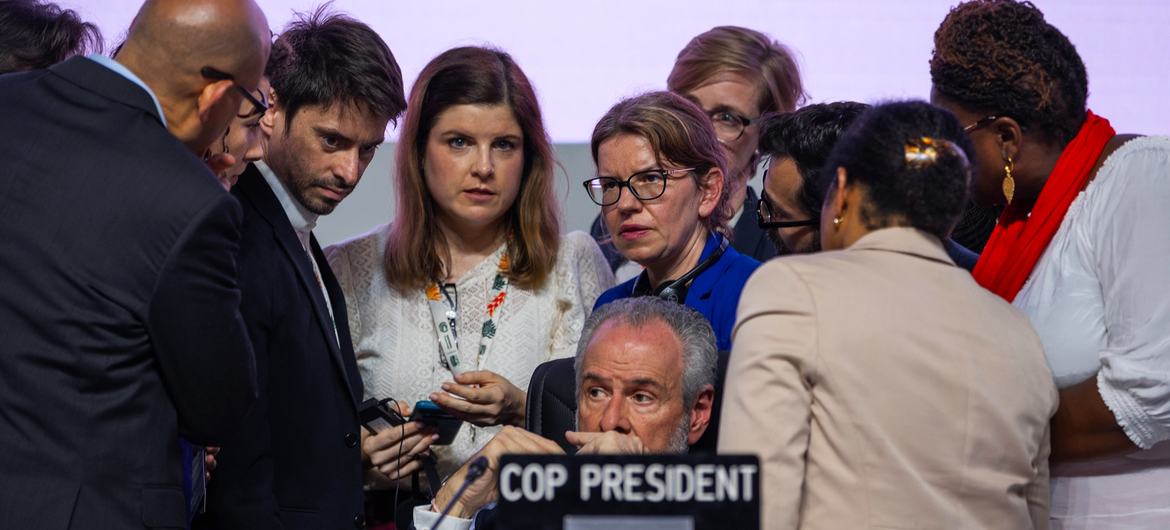
COP30 President André Corrêa do Lago (centre) confers with his team at the closing of the UN Climate Conference.

The road to consensus

The road to consensus at the latest Conference of the Parties to the UN Framework Convention on Climate Change (UNFCCC), as the annual COPs are formally known, was anything but smooth.  

Late last week, Indigenous groups staged blockades demanding stronger protections for the Amazon, and late Thursday afternoon, a fire at the conference venue disrupted talks during a critical phase. 

Negotiators worked through the night on Friday – to bridge gaps on finance and ambition, with Brazil’s presidency steering discussions toward a politically workable outcome focused on support and implementation of agreements from past COPs.

‘Multilateralism is alive’

From the G20 Summit in Johannesburg, UN Secretary-General António Guterres sent a clear message to COP30: At the gateway of the Amazon, Parties reached an agreement that shows nations can still unite to confront challenges no country can solve alone.  

The UN chief said that COP30 delivered progress, such as the launch of the Global Implementation Accelerator to close ambition gaps and reaffirmed the UAE Consensus, including a just, orderly and equitable transition away from fossil fuels.

“But COPs are consensus-based – and in a period of geopolitical divides, consensus is ever harder to reach. I cannot pretend that COP30 has delivered everything that is needed.” Overshoot of 1.5°C is a stark warning: deep, rapid emission cuts and massive climate finance are essential. “COP30 is over, but the work is not,” he said.  

Mr. Guterres vowed to keep pushing for higher ambition and solidarity, urging all who marched, negotiated and mobilized: “Do not give up. History – and the United Nations – are on your side.

Holding the line at 1.5 in ‘turbulent geopolitical waters’

UN climate chief Simon Stiell pointed to a series of major gains as COP30 closed in Belém: new strategies to accelerate Paris Agreement implementation, a push to triple adaptation finance, and commitments toward a just energy transition.

And despite what he called “turbulent geopolitical waters” – marked by polarization and climate denial – 194 nations stood together, “keeping humanity in the fight for a livable planet, determined to hold the line at 1.5°C.”

At the heart of this momentum is COP30’s flagship outcome: the Mutirão text, a sweeping deal that bundles four contentious negotiation tracks – from mitigation to finance and trade barriers – into a single, consensus-based agreement. Seventeen additional decisions were adopted alongside it.

The final document declares that the global shift toward low-emissions and climate-resilient development is “irreversible and the trend of the future.” It reaffirms that the Paris Agreement is working – and must “go further and faster” – strengthening the role of multilateral climate cooperation.

The text also recognizes the economic and social benefits of climate action, from growth and job creation to improved energy access, security and public health. Mr. Stiell pointed to a decisive trend: investments in renewable energy now outpace fossil fuels two to one – “a political and market signal that cannot be ignored,” he said.

A robust action agenda beyond negotiations

The Brazilian Presidency underscored that COP30’s success extends beyond negotiated agreements, highlighting a wave of voluntary commitments under the Action Agenda.

Among them:

  • Tropical Forests Forever Fund: Raised $5.5 billion and now includes 53 participating countries; at least 20 per cent of resources go directly to Indigenous Peoples and local communities.
  • Belém Health Action Plan: The first global initiative targeting climate-related health threats, launched with $300 million from 35 philanthropic organizations.
  • UNEZA Alliance: Public utility companies pledged $66 billion annually for renewable energy and $82 billion for transmission and storage.
  • Cities, regions and companies: A coalition spanning 25,000 buildings reported cutting over 850,000 tons of CO₂ in 2024.

Climate justice at the forefront

Countries also agreed to develop a just transition mechanism, enhancing cooperation, technical support and capacity-building.

High stakes and high flavour: Indigenous chef brings Amazonian soul to COP30

Indigenous chef and activist Tainá Marajoara will serve dishes rooted in ancestral Amazonian traditions, showcasing the biodiversity and spirituality of Brazil’s Indigenous Peoples.

Between rounds of negotiations, delegates will be treated to flavours such as maniçoba, açaí and pirarucu – all prepared with more than 10 tonnes of agroecological ingredients sourced through fair and sustainable food systems.

A taste of ancestral wisdom

“Our kitchen will feature canhapira, an Indigenous Marajoara dish that remains part of local cuisine today,” Ms. Marajoara explained. 


The dish comes from the Marajoara people, an Indigenous group native to Marajó Island, a vast river island where the Amazon meets the Atlantic.

“There will be plenty of açaí. We managed to secure its inclusion despite earlier controversy.

“We’ll also serve maniçoba, a dish made from cassava leaves cooked for seven days with pork, as well as tucupi, jambu, tacacá, and the Amazon’s iconic fish, pirarucu. We plan to buy at least two tonnes of it alone.”

Tainá is the founder of Ponto de Cultura Alimentar Iacitatá, the cultural and culinary collective selected to oversee the COP30 kitchen, which will serve everyone attending – from presidents to porters. 

© Courtesy of Tainá Marajoara

The indigenous activist and chef Tainá Marajoara, from Brazil, at the Food and Agriculture Museum and Network in Rome.

Peace meal

More than just a meal, the ancestral cook sees this culinary effort as a statement. “We want to show that it is possible to live in peace. We need to live in peace,” she said.

“Throughout COP30, we are building a space of ancestral diplomacy, making it clear that recognising the link between Indigenous and local communities and food sovereignty is urgent.

“As long as ancestral lands are violated and violence spreads across forests, rivers, and fields, our people and our culture are being killed.”

Speaking from Rome, where she was attending the World Food Forum at the UN Food and Agriculture Organization (FAO) headquarters, Ms. Marajoara stressed the COP30 kitchen will embody the values of sustainability, justice, and respect for life.

UN News/Felipe de Carvalho

Tucupi is a yellow broth extracted from wild cassava, traditional in Amazonian cuisine.

Rooted in climate justice

For the Chef, Indigenous food systems represent much more than sustenance, they are a living form of environmental stewardship and spiritual connection.

“This knowledge has been invisible for too long,” she said. “Leading the COP30 kitchen is an act of cultural and ancestral diplomacy.”

She hopes the initiative will become a model for future international events. “This will be the first COP to feature a community-based, family-farming kitchen. It proves that it can be done, and it shouldn’t stop here. Let COP30 become a historic milestone, one that inspires similar initiatives across the world.”

Food and conservation

Ms. Marajoara emphasised that food sovereignty and environmental conservation are inseparable.

“The world is in collapse,” she warned. “There is no more time for endless negotiations. Protecting Indigenous and local community territories is a concrete, effective way to safeguard the planet’s climate.”

New national climate plans unveiled at high-level summit ahead of COP30 conference

The game-changing summit was convened by Secretary-General António Guterres alongside President Luiz Inácio Lula Da Silva of Brazil, host of the COP30 conference which kicks off in November in the Amazonian city of Belém.

At the outset, leading climate scientists Johan Rockström and Katharine Hayhoe provided a stark assessment of global efforts so far to honour the Paris Agreement, the landmark 2015 treaty that seeks to limit global temperature rise to 1.5 degrees Celsius above pre-industrial levels.

‘A deep concern’

Ten years on, greenhouse gas emissions that cause global warming continue to rise, and annual global temperature change exceeded 1.5 degrees for the first time last year.

“This is a deep concern,” said Professor Rockström, chief scientist at Conservation International. “An even deeper concern is that warming appears to be accelerating, outpacing emissions.”

Yet it is still possible to meet the1.5-degree goal and the two experts highlighted solutions, including transitioning from fossil fuels to clean energy sources and transforming food systems to eliminate waste. 

We cannot prevent this catastrophe alone. But together, we can. By setting stronger targets, moving on faster timelines, and making deeper commitments,” said Professor Hayhoe, a winner of the 2019 UN Champions of the Earth Prize.

Secretary-General António Guterres addresses the Climate Summit 2025, a high-Level special event on Climate Action.

More action needed: Guterres

Under the Paris Agreement, governments are required to submit climate plans called Nationally Determined Contributions (NDCs) laying out bold action for the next decade.

The treaty has made a difference, the Secretary-General said, as projected global temperature rise dropped from four degrees to less than three over the past 10 years, if current plans are fully implemented.

“Now, we need new plans for 2035 that go much further, and much faster,” he said. “Delivering dramatic emissions cuts aligned with 1.5 degrees; covering all emissions and sectors; and accelerating a just energy transition globally.”

He stressed that COP30 “must conclude with a credible global response plan to get us on track” and outlined five crucial areas for action: accelerating the transition to clean energy, drastically cutting methane gas emissions, forest conservation, cutting emissions from heavy industry, and ensuring climate justice for developing nations.

President Luiz Inácio Lula da Silva of Brazil addresses the Climate Summit 2025, a high-Level special event on Climate Action.

Do your ‘homework’, urges Lula

With just a few weeks until COP30, President Lula wondered “whether the world will arrive in Belém with its homework done.”

He said that “the energy transition opens the door to a productive and technological transformation comparable to the Industrial Revolution” and NDCs “are the road map that will guide each country through this change.”

For its part, Brazil has committed to reducing all greenhouse gas emissions between 59 per cent and 67 per cent, covering all sectors of the economy, he said, and continues efforts to end deforestation by 2030.

Commitment from China and Europe

At the meeting, President Xi Jinping of China announced that by 2035, the country will reduce economy-wide net greenhouse gas emissions by seven to 10 per cent from peak levels.  

The country will also increase the share of non-fossil fuels in total energy consumption to over 30 per cent, expand wind and solar power capacity sixfold compared to 2020 levels, and make “new energy vehicles” the mainstream in new vehicle sales, he said in a video message.

Meanwhile, “the clean transition is moving on” in the European Union, where emissions are down nearly 40 per cent since 1990, said European Commission President Ursula von der Leyen. 

European countries are also “doubling down on global partnerships” and will remain the world’s largest providers of climate finance, she said, while also mobilizing up to 300 billion Euros to support the clean energy transition worldwide.

Vulnerable nations ‘between hope and hardship’

For Belize, the 1.5-degree goal “is not an aspiration” but “a threshold between hope and hardship, between flourishing communities and forced displacement, between shared prosperity and irreversible loss,” said Prime Minister Johnny Briceño.

Its new NDC covers concrete actions, such as expanding renewable electricity generation to cover 80 per cent of domestic needs by 2035, restoring some 25,000 hectares of degraded forest, and planting a million trees over the next three years. 

“But let me be clear, ambition can only succeed if matched by support for small climate vulnerable nations like Belize. 

“This means scaled up, predictable finance; accessible technology and genuine partnerships,” he said, noting that “success depends on all of us acting with unprecedented urgency, solidarity and climate justice.” 


Climate Summit 2025: The path to COP30

The summit, which takes place on 24 September at UN Headquarters, is designed as a launchpad for COP30 but, unlike the sprawling negotiations of a UN climate conference, this is a targeted high-level event where Heads of State, Government leaders, businesses, and civil society are expected to present concrete pledges and new national climate plans. 

‘Bold action for the next decade’ 

According to the organisers, the summit has a clear mandate: parties to the Paris Agreement – the landmark 2015 pledge to climate change treaty – must bring forward new or updated NDCs (Nationally Determined Contributions, or pledges to take measures to address the climate crisis) that reflect “bold action for the next decade.”  

UN chief António Guterres has made it plain: existing pledges are nowhere near sufficient, and only a fraction of member states have up-to-date NDCs for 2025. Current national plans, according to the UNFCCC, would only cut global emissions by 2.6 per cent by 2030 compared to 2019 levels, a tiny fraction of the 43 per cent reduction that scientists say is needed to keep global temperatures to no more than 1.5 degrees Celsius above pre-industrial levels. 

The summit therefore serves as both a pressure point and an opportunity. Leaders are expected not just to restate commitments, but to announce new NDCs, show how they will be implemented, and highlight how they align with the accelerating clean energy transition. 

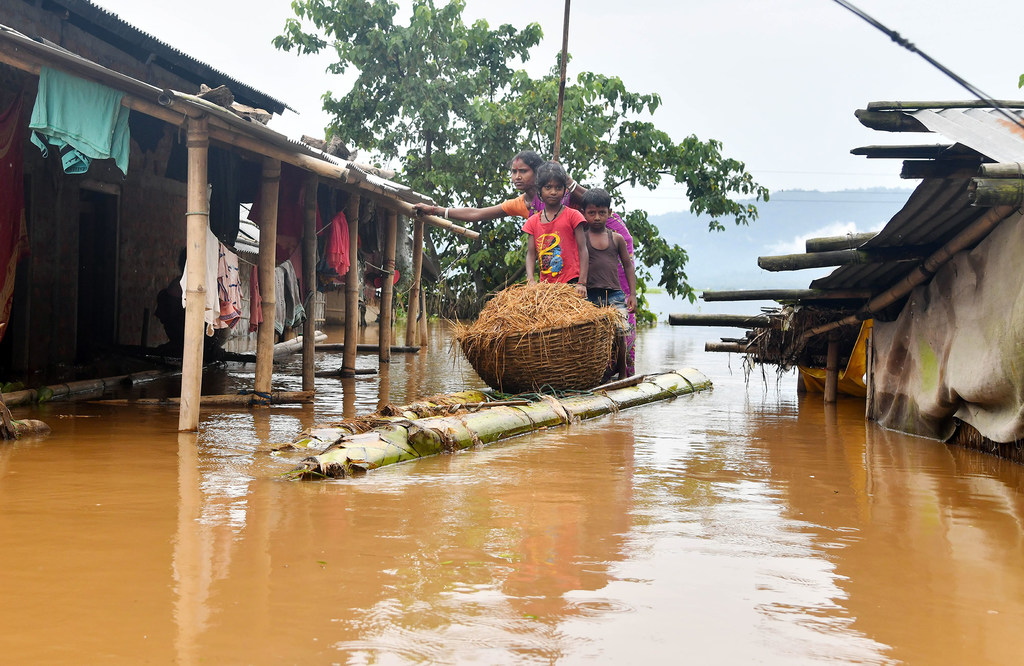
Floodwaters in Morigaon, India (file 2020)

Why Now? 

The urgency of the summit is sharpened by both scientific and political realities. The UN World Meteorological Organization reported that 2024 was the hottest year on record, with average global temperatures 1.6 degrees Celsius above pre-industrial levels. Meanwhile, the international political landscape has grown more fractured. 

The United States, which withdrew from the Paris Agreement in early 2025, remains one of the largest historical emitters. Its retreat from climate finance and clean-energy commitments has left developing nations questioning whether the promised flows of support will materialise. 

At the same time, real momentum exists. Clean energy investment topped $2 trillion in 2024, outpacing fossil fuels for the first time, and initiatives such as the proposed Fossil Fuel Non-Proliferation Treaty are gaining traction. The summit will test whether these positive trends can be harnessed and scaled. 

Marcelo Camargo/Agência Brasil

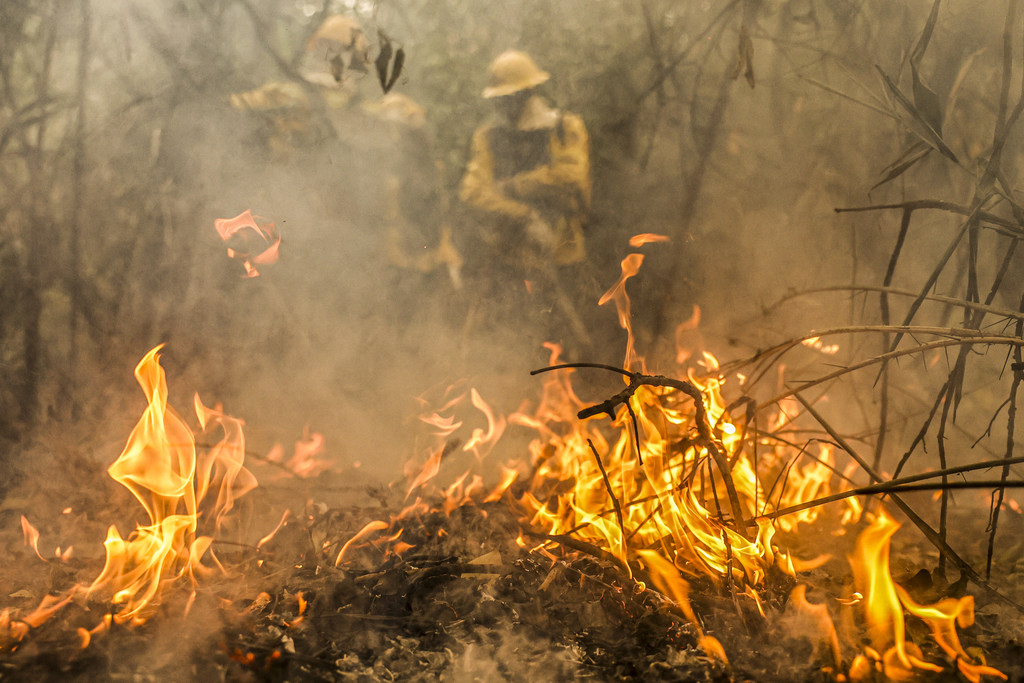
Firefighters in the Pantanal, Brazil (file 2024)

Reading between the lines 

The Climate Summit is not a negotiating session, but its outcomes will set the tone for COP30 in Belém. Brazil has promised to centre that conference on climate justice, forest protection, and renewable energy. Yet success in Belém will depend heavily on what happens in New York this week. 

Observers will watch closely for three signals. First, will major emitters bring plans that close the emissions gap?  Second, is climate finance scaled up beyond symbolic pledges, especially for the Loss and Damage Fund (which has attracted just under $789 million in pledges so far, far short of what is needed)?  And finally, will leaders acknowledge that expanding coal, oil, and gas is incompatible with Paris targets?   

Without progress on these fronts, COP30 risks becoming another forum of unmet expectations. 

High stakes 

For the UN Chief, the summit is about more than process. It is about rebuilding trust in multilateralism at a time when global divides are widening and demonstrating that climate action can unlock economic and social benefits. “The opportunities of climate action have never been clearer,” the UN has stressed, pointing to job creation, health improvements, and energy security linked to clean energy expansion. 

Still, for communities in Pakistan and India displaced by destructive floods, or for farmers in the Horn of Africa facing drought, the summit is less about opportunity than survival. The gap between climate impacts and the political response has never felt wider. 

From words to action 

The UN Climate Summit of September 2025 is not a substitute for COP30, but it may prove just as decisive. It is the arena where leaders can reset ambition, inject credibility, and build momentum toward Brazil. 

If it can deliver bold new pledges, credible finance, and a clear direction on fossil fuels, it could help salvage the promise of Paris. 

UN’s Guterres declares fossil fuel era fading; presses nations for new climate plans before COP30 summit

In a special address at UN Headquarters in New York, Mr. Guterres cited surging clean energy investment and plunging solar and wind costs that now outcompete fossil fuels.

The energy transition is unstoppable, but the transition is not yet fast enough or fair enough,” he said.

The speech, A Moment of Opportunity: Supercharging the Clean Energy Age – a follow‑up to last year’s Moment of Truth – was delivered alongside a new UN technical report drawing on global energy and finance bodies.

“Just follow the money,” Mr. Guterres said, noting that $2 trillion flowed into clean energy last year, $800 billion more than fossil fuels and up almost 70 per cent in a decade.

Key points from the address

  • Point of no return – The world has irreversibly shifted towards renewables, with fossil fuels entering their decline
  • Clean energy surge – $2 trillion invested in clean energy last year, $800 billion more than fossil fuels
  • Cost revolution – Solar now 41 per cent cheaper and offshore wind 53 per cent cheaper than fossil fuel alternatives.
  • Global challenge – Calls on G20 nations to align new national climate plans with the 1.5°C target of the Paris Agreement
  • Energy security – Renewables ensure “real energy sovereignty”
  • Six opportunity areas – Climate plan ambition, modern grids, sustainable demand, just transition, trade reform, and finance for emerging markets.

A shift in possibility

He noted new data from the International Renewable Energy Agency (IRENA) showing solar, once four times costlier, is now 41 per cent cheaper than fossil fuels.

Similarly, offshore wind is 53 per cent cheaper, with more than 90 per cent of new renewables worldwide beating the cheapest new fossil alternative.

This is not just a shift in power. It is a shift in possibility,” he said.

Renewables nearly match fossil fuels in global installed power capacity, and “almost all the new power capacity built” last year came from renewables, he said, noting that every continent added more clean power than fossil fuels.

Clean energy is unstoppable

Mr. Guterres underscored that a clean energy future “is no longer a promise, it is a fact”. No government, no industry and no special interest can stop it.

Of course, the fossil fuel lobby will try, and we know the lengths to which they will go. But, I have never been more confident that they will fail because we have passed the point of no return.

He urged countries to lock ambition into the next round of national climate plans, or NDCs, due within months. Mr. Guterres called on the G20 countries, which are responsible for 80 per cent of emissions, to submit new plans aligned with the 1.5°C limit and present them at a high‑level event in September.

Targets, he added, must “double energy efficiency and triple renewables capacity by 2030” while accelerating “the transition away from fossil fuels”.

Real energy sovereignty

The Secretary-General also highlighted the geopolitical risks of fossil fuel dependence.

“The greatest threat to energy security today is fossil fuels,” he said, citing price shocks after Russia’s invasion of Ukraine.

There are no price spikes for sunlight, no embargoes on wind. Renewables mean real energy security, real energy sovereignty and real freedom from fossil-fuel volatility.

Six opportunity areas

Mr. Guterres mapped six “opportunity areas” to speed the transition: ambitious NDCs, modern grids and storage, meeting soaring demand sustainably, a just transition for workers and communities, trade reforms to broaden clean‑tech supply chains, and mobilising finance to emerging markets.

Financing, however, is the choke point. Africa, home to 60 per cent of the world’s best solar resources, received just 2 per cent of global clean energy investment last year, he said.

Only one in five clean energy dollars over the past decade went to emerging and developing economies outside China. Flows must rise more than five-fold by 2030 to keep the 1.5-degree limit alive and deliver universal access.

Mr. Guterres urged reform of global finance, stronger multilateral development banks and debt relief, including debt‑for‑climate swaps.

The fossil fuel age is flailing and failing. We are in the dawn of a new energy era,” he said in closing.

That world is within reach, but it won’t happen on its own. Not fast enough. Not fair enough. It is up to us. This is our moment of opportunity.

Source link