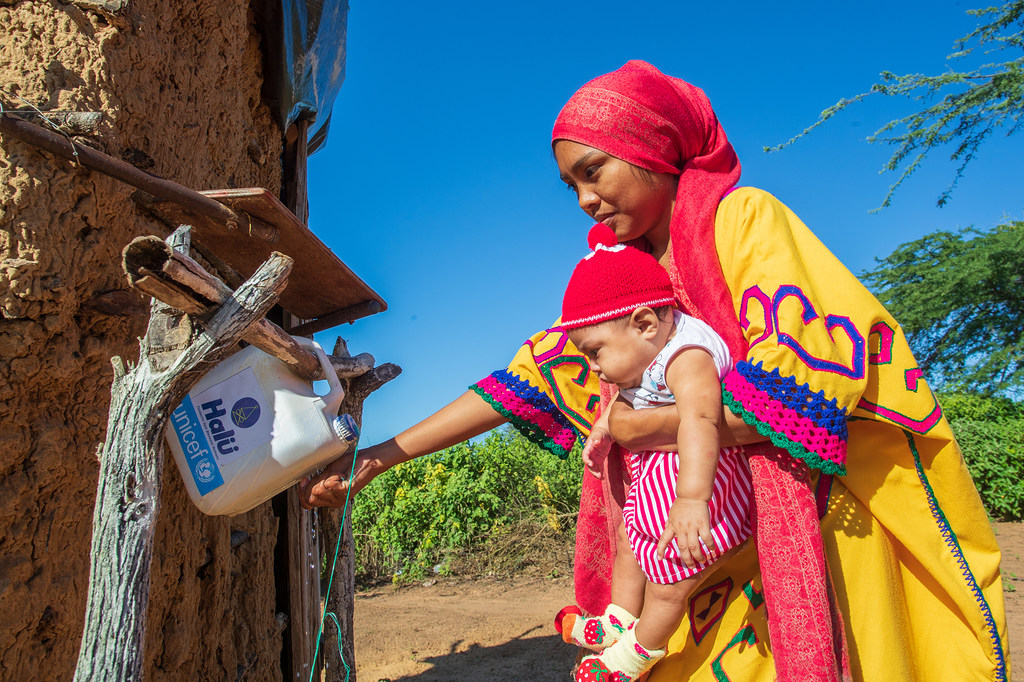
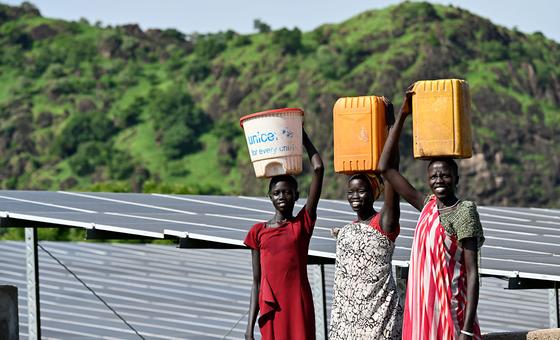
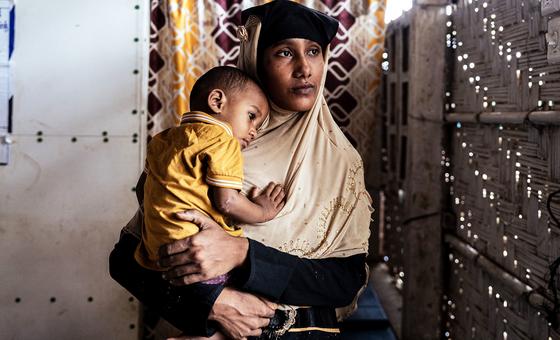
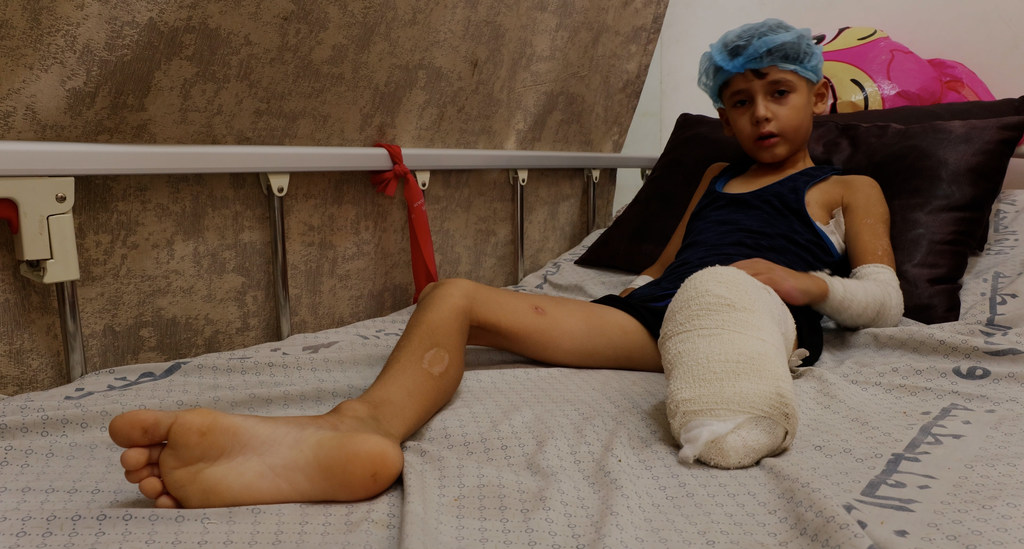
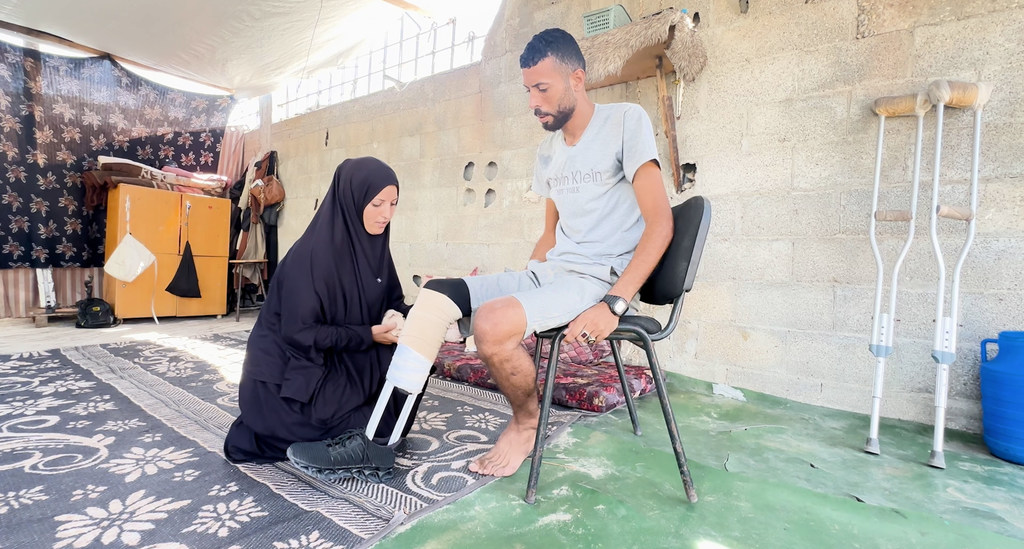
Brutal cuts mean brutal choices warns UN relief chief, launching ‘survival appeal’

“We have been forced into a triage of human survival,” said Mr. Fletcher. “The math is cruel, and the consequences are heartbreaking. Too many people will not get the support they need, but we will save as many lives as we can with the resources we are given.”

New priorities

The appeal aims to reprioritise individual country plans in pursuit of two main goals: first, to reach people and places facing the most urgent humanitarian needs, and second, to prioritise life-saving support based on existing planning for the 2025 humanitarian response.  

This is intended to ensure that limited resources are directed where they can do the most good, as quickly as possible.

Rather than limiting lifesaving aid to a predetermined matrix, humanitarian partners are focused on addressing the most urgent needs in ways that respect the dignity of affected people, allowing them to choose what they need most, OCHA said.

The appeal prioritises but does not replace the Global Humanitarian Overview 2025 (GHO), launched last December, which covers 180 million vulnerable people across 70 countries. The GHO calls for $44 billion, but at the halfway point of the year, less than 13 per cent of that amount has been received.

A call for global solidarity

“Brutal funding cuts leave us with brutal choices,” said Fletcher. “All we ask is one per cent of what you chose to spend last year on war. But this isn’t just an appeal for money – it’s a call for global responsibility, for human solidarity, for a commitment to end the suffering.” 

Source link

Without urgent funding, global hunger hotspots are set to grow, UN warns

But hunger has followed them. Over 57 per cent of the population in the world’s youngest country to the south is already facing high levels of acute food insecurity.

Sudan and South Sudan are among five global hunger hotspots of “highest concern”, trapped in a worsening cycle of conflict, climate shocks and economic decline.

Continued fighting in Sudan, anticipated flooding impacting its southern neighbour and deteriorating economic conditions in both countries are set to intensify hunger in the coming months.

A new report released on Monday by the World Food Programme (WFP) and the Food and Agriculture Organization (FAO) also identified Palestine, Mali and Haiti as the other top-priority hunger hotspots, with a further seven countries likely to see worsening food security over the next five months.

The report, which analyses existing data to project the nature of food insecurity, emphasised that without immediate humanitarian assistance, people living in these hotspots will face severe food conditions and high risks of starvation and death.  

“This report makes it very clear: hunger today is not a distant threat  – it is a daily emergency for millions. We must act now and act together to save lives and safeguard livelihoods,” said FAO Director General QU Dongyu.  

Conflict-driven hunger

The report identified that the main driver of hunger is conflict which is often compounded by climate and economic shocks.  

“There’s an on-going famine in Sudan and also a risk of famine in the case of Gaza. And all of those are driven by conflict and lack of access for humanitarians,” said Jean-Martin Baucer, FAO food security analysis director.

In Gaza, the entire population of 2.1 million people is projected to experience crisis levels of food insecurity in the next months as a result of protracted military operations, with almost 500,000 projected to face catastrophic levels of food insecurity.  

Sawsan was an artist in Gaza before the conflict began. Since then, she and her four children have been displaced, losing everything that they owned. They do not have enough to eat: Sawsan described to WFP that she now reduced to crushing macaroni to make bread for her children.  

The report also noted that climate shocks and conflict often cause protracted economic declines, diminishing the purchasing power and self-sustaining capacity of households and communities.

Window closing fast 

In recent months, humanitarian food operations have faced significant food shortages and have been geographically impeded by security crises which make the delivery of aid simply dangerous.  

WFP and FAO are calling for the international community to drastically step up funding for food and nutrition related humanitarian aid in the coming months and advocate for an end to the fighting.  

“Urgent, sustained investment in food assistance and recovery support is crucial as the window to avert yet more devastating hunger is closing fast,” said WFP executive director Cindy McCain.

‘Red alert’

In May, the food aid sector estimated that it would need $12.2 billion, but only nine per cent of this was funded.  

The report also underlined the importance of moving towards longer-term humanitarian strategies which equip communities with self-sustaining capabilities and are less expensive.

“This report is a red alert. We know where hunger is rising and we know who is at risk. We have the tools and experience to respond but without funding and access, we cannot save lives,” said Ms. McCain.   

Middle East crisis: Live updates for 16 June

After a weekend of massive strikes and counter-strikes between Tel Aviv and Tehran, the UN’s human rights chief, Volker Türk on Monday condemned the violence and echoed wider calls for a negotiated end to the attacks. Meanwhile in Gaza, aid workers report that mobile communications networks continue to be cut in the shattered enclave. We’ll be covering these developments and more across the UN system and beyond today, thanks for joining us. UN News app users can follow our live coverage here.

Source link

Shaping a better world at Expo 2025 in Japan

The UN is taking part alongside more than 150 countries and organizations at the global gathering, which carries the forward-looking theme: Designing Future Society for Our Lives.

The UN Pavilion is divided into four areas; a timeline in the first area explains the history of the UN and its agencies, whilst the second – the so-called orb room – outlines the organization’s diverse range of work through a series of everyday objects displayed on the walls.

An immersive video in the third area offers a glimpse into what a future world could look like if development takes place in a sustainable way, while the fourth is a rotating exhibition which highlights specific agencies.

Here’s what some visitors to the UN Pavilion thought about their experience.

Kaneko Sayaka (left) and her sister hold up displays promoting the SDGs.

Kaneko Sayaka: I liked the video as I felt I was in a forest surrounded by trees and animals. It showed me that protecting the environment is very important.

Mikako Takeuchi: I was sucked into the immersive experience of the video presentation. It was really engaging and, although it explained the problems the world faces, it also presented the solutions and provided hope.

Phil Malone (left) and his companion visit the UN Pavilion.

Phil Malone: The message of the immersive video about sustainability and people’s rights and responsibilities towards the environment was clear and easily understandable by both young and older audiences.

It is difficult to explain the Sustainable Development Goals (SDGs) in a short video, although I think a Japanese audience is generally knowledgeable about the goals. The SDGs are highlighted by institutions across Japan, and I have only ever seen this level of promotion in certain African countries where I have worked for an agriculture-focused development organization.

The SDGs are frequently promoted by the private sector in Japan, in this case in Tokyo. the capital city.

Tomoyuki Kadokura: I learnt a lot about the SDGs from the interactive quiz while I was queuing to get into the pavilion. In Japan, we concentrate more on the goals which focus on the environment and sustainable consumption, so I was keen to learn more about the other goals, for example poverty and human rights, which do not get a lot of attention here.

I was also surprised by the number of UN agencies that are working on the SDGs.

Agaka Sato (left) and Takato Ishida explore the orb room in the UN Pavilion.

Takato Ishida: At school we learn about the SDGs, so many Japanese people are interested in the goals, but I didn’t realize that progress towards them was so slow in many parts of the world.

I enjoyed the special projects section which highlighted the role that UN volunteers are playing across the world in supporting sustainable development.

Agaka Sato: I did not know there were so many different UN agencies and learnt a lot about them through the interactive display of objects in the orb room.

The touch screen which explains the role of these agencies is linked to the objects lining the wall of the room. I think it is fun for young children to make the link between objects like telephones, guns and health kits and the work of the UN.

Masako Yukita: The UN Pavilion made me consider what changes people need to make to contribute to the SDGs and world peace. When I get home, I will think about what more I can do as an individual. 

Source link

Societies grappling with a ‘silent but growing’ prison crisis

A decade ago, the UN General Assembly adopted the Nelson Mandela Rules — a set of 122 guidelines setting minimum standards for the treatment of prisoners, inspired by one of the world’s most influential former political prisoners – the South African civil rights icon, Nelson Mandela.

These rules aim to ensure safety, security and respect for human dignity, offering clear benchmarks for prison staff.

Despite this, prison systems worldwide continue to face deep-rooted challenges. The General Assembly  convened on Friday to discuss how to better protect societies from crime by focusing on rehabilitation and preparing inmates for life after prison.

Overcrowded cells

“Prison cells are overflowing,” said Ghada Waly, Executive Director of the UN Office on Drugs and Crime (UNODC), noting that 11.5 million people are currently imprisoned globally.

Overcrowding deprives people of their most basic rights, including access to healthcare, clean water and sanitation,” she warned. Yet prison services remain underfunded, under-prioritised and undervalued.

These systemic failures not only endanger inmates and staff but also weaken efforts to reintegrate former prisoners — posing risks for the wider community, added General Assembly President Philémon Yang.

Women behind bars

The number of women in prison has increased by 57 per cent over the past 20 years — nearly triple the rate of men.

Most systems are not equipped to meet their specific needs. “This is not safe. And this is not humane,” said Ms Waly.

Women in detention are especially vulnerable, facing greater risks of sexual violence, limited access to reproductive healthcare and separation from their children.

Time for bold reform

We need a bold vision — one that goes beyond bricks and bars to focus on people and their potential,” said Ms Waly, urging governments to reimagine how prisons are managed.

Handled responsibly, prisons can support public safety, justice and the rule of law. But today’s prison environments often remain dangerous and counterproductive.

UN officials stressed that rehabilitation must be at the heart of reforms, including support systems that reduce the likelihood of reoffending and help former prisoners reintegrate into society.

“The true measure of justice is not how we punish,” Mr Yang concluded, “but how we protect, rehabilitate, and build a better future for everyone, everywhere.” 

Source link

Security Council meets in emergency session over Iran-Israel conflict, amid strikes and counterstrikes

The Council cleared its original schedule to address the rapidly evolving crisis, also hearing from the head of the UN-backed international nuclear watchdog, who warned of the grave risks to regional stability and nuclear safety.

Overnight from Thursday into Friday, Israeli military strikes targeted nuclear facilities across Iran, including the Natanz enrichment site. Media reports indicate that Hossein Salami, the head of the Islamic Revolutionary Guard Corps (IRGC), as well as several prominent nuclear scientists, were among those killed.

The strikes also caused significant damage, including reportedly dozens of civilian casualties. Airspace in the region has been largely closed and security forces are on high alert.

Additional Israeli strikes were reported late Friday local time as well as ballistic missile launches by Iran which have reportedly struck parts of Israel, including Tel Aviv.

Avoid conflagration at all costs: DiCarlo

Rosemary DiCarlo, UN Under-Secretary-General for political affairs told ambassadors that the repercussions of the attacks were already reverberating.

“I reaffirm the Secretary-General’s condemnation of any military escalation in the Middle East,” she said, urging both Israel and Iran to exercise maximum restraint and “avoid at all costs a descent into deeper and wider regional conflict”.

She also noted that the military escalation came just as “some significant diplomatic developments” were unfolding, including the planned resumption of United States-Iranian talks in Oman at the weekend. Latest reports indicate that Iran will no longer attend.

Ms. DiCarlo urged parties to stay the diplomatic course.

A peaceful resolution through negotiations remains the best means to ensure the peaceful nature of Iran’s nuclear programme,” she said.

“We must at all costs avoid a growing conflagration which would have enormous global consequences.”

Nuclear watchdog head urges protection of atomic sites

Also briefing the Council, Rafael Grossi, Director General of the International Atomic Energy Agency (IAEA), said his agency was in constant contact with the Iranian Nuclear Regulatory Authority to assess the status of affected facilities and determine broader impacts on nuclear safety and security.

Rafael Grossi (on screen), IAEA Director General briefs the Security Council.

He stressed that nuclear sites must never be targeted – under any circumstances.

Such attacks have serious implications for nuclear security, nuclear safety and safeguards, as well as regional and international peace and security,” Mr. Grossi said.

He stands ready to travel to the region at the earliest opportunity, he added, to assess the situation and support safety, security and non-proliferation efforts in Iran.

“It is clear that the only sustainable path forward for Iran, for Israel, the entire region and the international community is one grounded in dialogue and diplomacy to ensure peace, stability and cooperation.”

Mr. Grossi concluded by offering the IAEA as a neutral platform where “facts prevail over rhetoric” and where technical engagement replace escalation.

“I reaffirm my personal and the agency’s readiness to facilitate dialogue and support efforts that promote transparency, security and the peaceful resolution of nuclear issues in Iran.”

Broadcast of the Security Council meeting.

More to follow on this developing story…

DR Congo crisis: Aid teams appeal for support to help displaced communities left with nothing

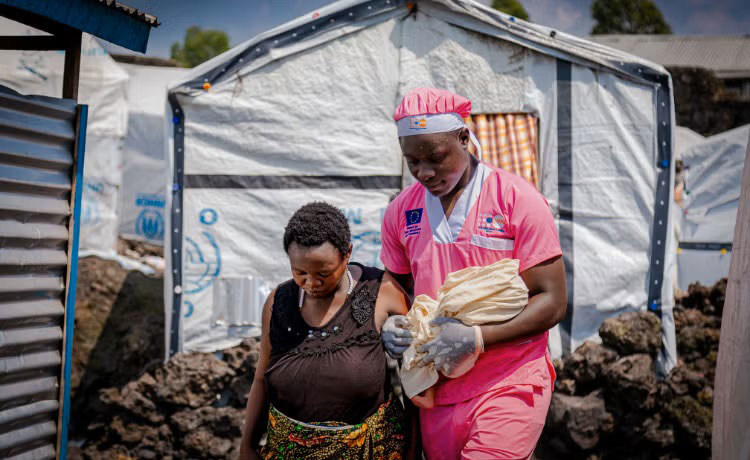
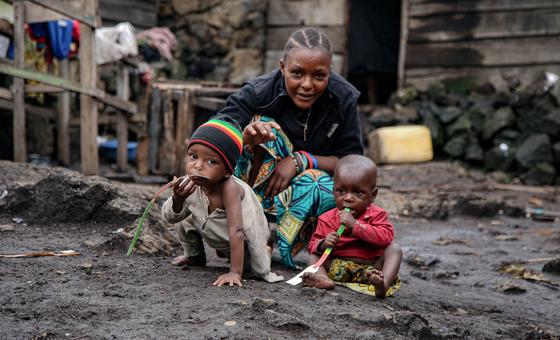
Since the beginning of the year, Rwanda-backed M23 fighters have swept across eastern DRC, taking key cities including Goma and Bukavu. The violence has displaced more than one million people in Ituri, North Kivu and South Kivu provinces.

Speaking from the village of Sake in North Kivu, UNDP Resident Representative Damien Mama described meeting a woman whose house had been destroyed after she fled the advancing fighters in January.

Cut off from livelihoods

“You know, with five children, you can imagine what this represents,” Mr. Mama said. “She was telling me that [her family] were given food and temporary shelter; but what she needs is to go back to her farm to continue farming, to continue her activities, and also have her home rebuilt.”

All those newly displaced by the M23 rebel advance are in addition to the five million people already living in displacement camps in eastern DRC.

Health workers have repeatedly warned that the crowded and unsanitary conditions provide ideal conditions for the spread of diseases including mpox, cholera and measles.

Given the scale of need it is urgent that small businesses get the help they need to get up and running again “providing income-generating activities for the women and the youth creating jobs”, the UNDP official insisted.

“The economy has suffered a lot,” he explained. “The banks have closed, businesses have been destroyed, and many are now operating under 30 per cent of their capacity, which is a major blow to their businesses.”

Support for women and girls

At the same time, the UN agency remains committed to helping the many women and girls impacted by alarming levels of sexual violence.

This echoes an alert issued last month by the UN Children’s Fund (UNICEF), that during the most intense phase of this year’s conflict, a child was raped every half an hour.

In the next five months, UNDP intends to support the creation of 1,000 jobs and restore basic infrastructure, benefiting about 15,000 people.

To do this, the UN agency will need $25 million.

“We have so far secured $14 million thanks to [South] Korea, Canada, UK as well as Sweden; and our call will be to encourage other countries and donors to provide us with [the] $11 million gap.”

Source link

World News in Brief: Rights abuses in Haiti, Sudan war sees exodus to Chad, food trade optimism

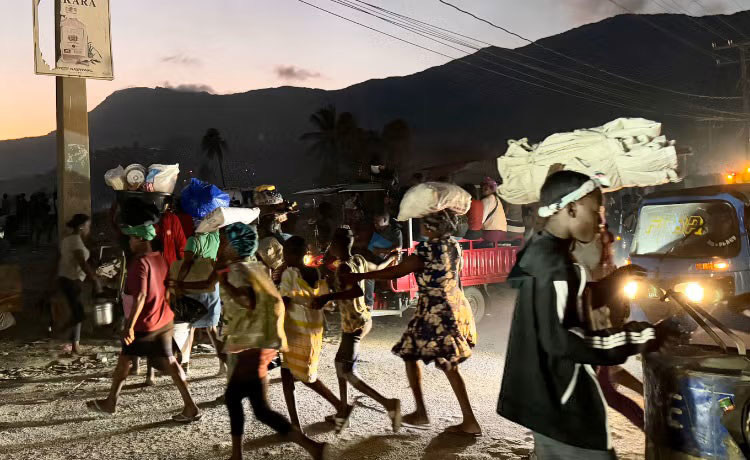
Between 1 January and 30 May, at least 2,680 people – including 54 children – were killed, 957 injured, 316 kidnapped for ransom, and many more subjected to sexual violence and child gang recruitment.

“Alarming as they are, numbers cannot express the horrors Haitians are being forced to endure daily,” said Mr. Türk.

Conflicts on all sides

In recent months, gangs have attacked Mirebalais in the centre of the country, looting police stations, destroying property and freeing over 500 inmates from the local prison.

Meanwhile, so-called self-defence groups have targeted individuals they suspect of gang affiliation. On 20 May, at least 25 people were killed and 10 injured by a group accusing them of supporting gangs.

Law enforcement has ramped up operations against them. Since January, police have killed at least 1,448 people, including 65 during extrajudicial executions.

Mr. Türk called on the international community to take decisive action to end the violence, including renewed support for the Security Council-backed Multinational Security Support (MSS) mission and full enforcement of the council’s arms embargo.

He also reiterated his call for States to not forcibly return anyone to Haiti.  

“The coming months will be crucial and will test the international community’s ability to take stronger, more coordinated action – action that will help determine the future stability of Haiti and the wider region,” Mr. Türk added.

Outlook for food trade ‘relatively optimistic’, FAO says

The Food and Agriculture Organization (FAO) released their annual Food Outlook report Thursday which provides a “relatively optimistic” look at international food markets.  

According to the report, production is expected to increase across almost all categories, with grain production expected to reach record levels. And while prices do remain higher this year than last, between April and May there was an overall decrease of almost one per cent. 

The report noted, however, that global trends — including rising geopolitical tensions, climate shocks and trade uncertainties — may still negatively impact production.  

“While agricultural production trends appear solid, drivers that could negatively impact global food security are increasing,” said FAO Chief Economist Máximo Torero.

Fowl, fish fraud and fertilizer flows

The report noted that outbreaks of avian influenza have become more persistent and constitute “one of the most significant biological threats to the global poultry sector.” Nevertheless, poultry exports have largely remained largely resilient so far.  

The issue of fish fraud – the misrepresentation of the location or manner of the catch – was also discussed, with FAO warning that risks are growing.  

Additionally, the report examined fertilizer flows, noting Russia’s growing exports and the decrease in fertilizer prices since the COVID pandemic.  

Overall, the report noted, the cost of imports worldwide has increased by 3.6 percent or nearly $2.1 trillion.  

Eastern Chad ‘reaching a breaking point’ as Sudan war refugees continue to arrive  

Aid teams in eastern Chad warn on Friday that host communities are reaching breaking point because of climate shocks and the pressure of hosting war refugees from neighbouring Sudan.

In an alert, the UN’s top aid official in Chad, François Batalingaya, warned that a humanitarian catastrophe is unfolding almost unnoticed by the world’s media.

“Right now, nearly 300,000 people are stranded at the border, waiting to be relocated inland,” he noted.  

“Tens of thousands, mostly women and children, are sleeping in the open without shelter, clean water and health care. These are survivors of war. They arrive traumatized, hungry, and with nothing. They recount stories of mass killings, sexual violence and entire communities destroyed.” 

Major exodus

Since the outbreak of war in Sudan in April 2023, more than 850,000 Sudanese refugees have crossed into Chad. They’ve joined the 400,000 existing Sudanese refugees who have arrived over the last 15 years.

The UN aid official explained that even before the latest Sudanese arrivals, nearly one million people in eastern Chad were in urgent need of help.  

Today, “they are sharing what little they have – food, water, and space – with those fleeing the war,” Mr. Batalingaya said.

In an appeal for international assistance, he warned that clinics are overwhelmed, malnutrition is rising and basic services are buckling.  

Humanitarians must be able to deliver aid in Gaza, UN agencies insist

The humanitarian network is currently at a standstill because the internet shut down earlier this week after the last fibre cable route serving central and southern areas was cut during heavy fighting.

As the outage continues, partners are unable to communicate or coordinate response activities, and people in need remain isolated and without the information they need to access life-saving support and emergency services,” UN aid coordination office OCHA said in an update.

Connectivity a life or death issue

Restoring connectivity is urgent. OCHA said the Israeli military recently posted a warning on social media where areas marked in red on a map are considered dangerous combat zones, calling on people to stay away from them.

Although these areas apparently cover most of the Gaza Strip’s territory, most people have no way to access the announcement.

Meanwhile, partners working on telecommunications continue efforts to coordinate urgent repairs of the fibre optic cable routes in Gaza, including those that were previously damaged. 

However, since April, Israeli authorities have denied more than 20 requests to carry out this work.  

“It is critical that repair of the lines is enabled immediately,” OCHA said.

Humanitarian missions denied

The agency further reported that the Israeli authorities continue to deny many humanitarian movements aimed at providing support to Gaza’s population, which numbers over two million.

On Thursday, they rejected eight out of 18 UN attempts to coordinate such movements, including efforts to retrieve wheat flour and fuel supplies. 

Four other missions were unable to be accomplished, either because of impediments or because they had to be cancelled for security or logistical reasons. 

The remaining six missions, which included the movement of staff, were successful.

‘Recipe for chaos’

Conditions continue to deteriorate in Gaza after 20 months of war followed by a total blockade of aid and commercial goods which began on 2 March.

People are crammed in shelters, or living in tents, and lack basic essentials.  For example, the accumulation of solid waste is severely impacting health and environmental conditions, the UN Palestine refugee agency UNRWA said on Friday.

Israel temporarily lifted the ban in mid-May, and the UN was able to bring in small amounts of key aid items such as flour and medicines – though far from enough to prevent starvation from impacting the population.

Since late May, the UN and partners have been sidelined as a new aid distribution model began operations.

The Gaza Humanitarian Foundation, which is backed by Israel and the United States, uses private military contractors, according to media reports.  More than 200 people have been killed, and thousands more injured by gunfire near its hubs.

The mechanism is “a recipe for chaos,” UNRWA tweeted on Friday, echoing the words of its chief Philippe Lazzarini.

It is weaponising aid and resulting in fear, discrimination, and growing desperation,” the agency said.

“It is time to lift the siege and let the UN, including UNRWA, do the work. Aid must be delivered safely and at scale.”

‘Hunger must never be met by bullets’

The UN Humanitarian Affairs Coordinator Tom Fletcher underscored the need to act now in a statement issued late on Thursday.

“Hunger must never be met with bullets,” he said. “Humanitarians must be allowed to do their work. Lifesaving aid must reach people in need, in line with humanitarian principles.” 

Mr. Fletcher said attacks against civilians in Gaza “are unacceptable”, which includes the killing and injury of hungry people seeking food and those delivering aid.

He said UN humanitarian convoys have been intercepted by armed Palestinian gangs, endangering staff and drivers.

“Civilians in desperate need of the food we’re able to bring in, have not been spared; some have been shot by Israeli forces, and others crushed by trucks or stabbed while trying to retrieve food,” he added.

UN Relief Chief Tom Fletcher talks to a child at an UNRWA shelter during a visit to Gaza in February.

Let humanitarians work

He also mentioned incidents “concentrated around militarized distribution centres, where starving people tell us that Israeli forces opened fire on them.” 

Hospitals report that they have received 245 fatalities and over 2,150 injuries from these areas over the past two weeks,” he said.

Furthermore, the Gaza Humanitarian Foundation said on Thursday that Palestinians involved in their distribution were killed, injured, and captured by Hamas.

“Without immediate and massively scaled-up access to the basic means of survival, we risk a descent into famine, further chaos, and the loss of more lives,” the UN relief chief warned.

“We stand ready, as we have repeatedly emphasized, to deliver life-saving aid at scale,” he said.  “Let us do our work.”

UN ocean summit in Nice closes with wave of commitments

“We close this historic week not just with hope, but with concrete commitment, clear direction, and undeniable momentum,” Li Junhua, the UN’s Under-Secretary-General for Economic and Social Affairs and Secretary-General of the summit, told reporters.

Co-hosted by France and Costa Rica, the five-day event brought 15,000 participants, including more than 60 Heads of State and Government, to France’s Mediterranean coast.

With over 450 side events and nearly 100,000 visitors, the gathering, dubbed UNOC3, built on the momentum of previous ocean summits in New York (2017) and Lisbon (2022). It culminated in a shared call to expand marine protection, curb pollution, regulate the high seas, and unlock financing for vulnerable coastal and island nations.

Li Junhua, the UN’s Under-Secretary-General for Economic and Social Affairs and Secretary-General of UNOC3, at the closing press conference, in Nice.

Ambitious pledges

The conference’s outcome, known as the Nice Ocean Action Plan, is a two-part framework that comprises a political declaration and over 800 voluntary commitments by governments, scientists, UN agencies, and civil society since the previous conference.

“These range from advocacy by youth to deep-sea ecosystem literacy, capacity building in science and innovation, and pledges to ratify intergovernmental treaties,” Mr. Li said.

The pledges unveiled this week reflected the breadth of the ocean crisis. The European Commission announced an investment of €1 billion to support ocean conservation, science, and sustainable fishing, while French Polynesia pledged to create the world’s largest marine protected area, encompassing its entire exclusive economic zone – about five million square kilometers.

Germany launched a €100-million programme to remove underwater munitions from the Baltic and North Seas. In addition, New Zealand committed $52 million to strengthen ocean governance in the Pacific, and Spain announced five new marine protected areas.

A 37-country coalition led by Panama and Canada launched the High Ambition Coalition for a Quiet Ocean to tackle underwater noise pollution. Meanwhile, Indonesia and the World Bank introduced a ‘Coral Bond’ to help finance reef conservation in the country.

“The waves of change have formed,” Mr. Li said. “It is now our collective responsibility to propel them forward – for our people, our planet, and future generations.”

Olivier Poivre d’Arvor (right), France’s special envoy for the conference, at UNOC3;s closing press conference, in Nice.

A diplomatic stage

The summit opened Monday with stark warnings. “We are not treating the ocean as what it is – the ultimate global commons,” said UN Secretary-General António Guterres, alongside the presidents of France and Costa Rica, Emmanuel Macron and Rodrigo Chaves Robles, who called for a renewed multilateralism anchored in science.

On Friday, France’s special envoy for the conference, Olivier Poivre d’Arvor, recalled the stakes: “We wanted in Nice… to take a chance on transformative change. I believe we have moved forward, but we can no longer go backwards.”

One of the conference’s main objectives was to accelerate progress on the High Seas Treaty – known as the BBNJ agreement – adopted in 2023 to safeguard marine life in international waters. Sixty ratifications are needed for it to enter into force. Over the past week, 19 countries ratified the accord, bringing the total number as for Friday, to 50.

“This is a significant victory,” said Mr. Poivre d’Arvor. “It’s very difficult to work on the ocean right now when the United States is so little involved.”

The French envoy was alluding to the absence of a senior US delegation, as well as President Donald Trump’s recent executive order advancing deep-sea mining. “The abyss is not for sale,” he said, echoing remarks made earlier in the week by President Macron.

Still, Mr. Poivre d’Arvor emphasized the broad agreement achieved at the summit. “One country may be missing,” he said. “But 92 per cent of the ‘co-owners’ were present today in Nice.”

His counterpart, Arnoldo André-Tinoco, the Foreign Minister of Costa Rica, urged other nations to accelerate financing for ocean protection. “Each commitment must be held accountable,” he said at the conference’s closing meeting.

Momentum – and a test

For Peter Thomson, the UN’s Special Envoy for the Ocean, Nice marked a turning point. “It’s not so much what happens at the conference, it is what happens afterwards,” he told UN News, recalling the early days of ocean advocacy when Sustainable Development Goal 14 (SDG14), on life below water, was first established.

“From the desert we were in back in 2015… to where we are now, where you see this incredible engagement.”

Looking ahead, attention is already turning to the Fourth UN Ocean Conference, slated to be co-hosted by Chile and South Korea in 2028.

“We’re going to again see a big surge upwards from here,” Mr. Thomson predicted. He expressed hope that major global agreements — including the BBNJ treaty, the WTO Fisheries Subsidies Agreement, and the future Global Plastics Treaty – will all be ratified and implemented by then.

The 2028 summit will also mark a moment of reckoning, as SDG 14 approaches its 2030 target.

“What do we do when SDG 14 matures in 2030?” Mr. Thomson asked. “Obviously, it’s got to be raised ambition. It’s got to be stronger.” He emphasized that while SDG14 had aimed to protect 10 per cent of the ocean by 2020 – a target the world failed to meet – the new benchmark is 30 per cent by 2030.

Wearing a shell necklace gifted by the Marshall Islands, the Fiji native praised small island nations and atoll collectives for setting ambitious marine protections.

“If small countries can make big measures like that, why can’t the big countries follow suit?” he said.

He also saluted the 2,000 scientists who gathered for the One Ocean Science Congress ahead of the summit. “What a great way to run things,” he said.

A show of unity

Despite the celebratory tone, tensions lingered. Small Island Developing States pushed for stronger language on loss and damage – harms inflicted by climate change that go beyond what people can adapt to. “You cannot have an ocean declaration without SIDS,” one delegate warned earlier this week.

Others, including President Chaves, of Costa Rica, called for a moratorium on deep-sea mining in international waters until science can assess the risks – a step not included in the final declaration.

Still, the political declaration adopted in Nice, titled Our ocean, our future: united for urgent action, reaffirms the goal of protecting 30 percent of the ocean and land by 2030, while supporting global frameworks like the Kunming-Montreal Biodiversity Agreement and the International Maritime Organization’s climate goals.

“The real test,” Mr. Li said, “is not what we said here in Nice – but what we do next.”

As the sun dipped behind the Promenade des Anglais and the conference’s final plenary adjourned, the sea – ancient, vital, and imperiled – bore silent witness to a fragile but shared promise.

Israel-Iran crisis: UN chief urges calm after overnight strikes

Any military escalation in the Middle East should be censured, the UN chief said in a short statement issued by his spokesperson’s office.

“He is particularly concerned by Israeli attacks on nuclear installations in Iran while talks between Iran and the United States on the status of Iran’s nuclear programme are underway,” said Farhan Haq, Deputy Spokesperson for the Secretary-General.

In an update on Friday, the head of the UN-backed atomic watchdog announced that the Iranian authorities had confirmed that the Natanz enrichment site had been “impacted” without affecting existing radiation levels.

The Iranian nuclear safety authorities also reported that the Esfahan and Fordow sites had not been impacted.

“This development is deeply concerning,” said Rafael Grossi, head of the International Atomic Energy Agency (IAEA). “I have repeatedly stated that nuclear facilities must never be attacked, regardless of the context or circumstances, as it could harm both people and the environment. Such attacks have serious implications for nuclear safety, security and safeguards, as well as regional and international peace and security.”

According to reports, the Israeli military attacks targeted Iran’s nuclear programme at various sites across the country late Thursday.

Iranian media reported the death of Hossein Salami, chief of the country’s Revolutionary Guards, along with nuclear scientists.

The development comes as the United States was scheduled to begin a fresh round of negotiations with Tehran on Saturday in Oman. Israeli schools closed on Friday in anticipation of a riposte by Iran, with reports that some 100 drones were launched towards Israel in the early hours. 

Source link

UN General Assembly adopts Gaza ceasefire resolution by overwhelming majority

The move followed the Security Council’s failure to pass a similar resolution last week due to a lone veto by permanent member the United States.

The resolution was backed by 149 Member States, with 12 voting against and 19 abstaining. Among those opposing the resolution were the United States and Israel, who were joined among others by Argentina, Hungary and Paraguay.

India, Georgia, Ecuador, Romania and Ethiopia were among the countries abstaining.

End starvation as weapon of war

Brought forward by over 20 countries, it strongly condemns the use of starvation as a weapon of war, demands a full lifting of the Israeli blockade on humanitarian aid, and insists on the protection of civilians under international law.

Although General Assembly resolutions are not legally binding, they carry significant political and moral weight.

On 4 June, the Security Council failed to adopt its draft resolution after a veto by the United States, a permanent member.

Meanwhile, famine conditions continue to threaten lives across Gaza, and reports persist of civilians being killed or injured while trying to access food at distribution points operated independently of the UN but supported by Israel and the US.

Assembly steps into as Security Council stalls

Opening the special session, General Assembly President Philémon Yang said that “the horrors in Gaza must end” after 20 months of war. He criticised the Security Council’s ongoing paralysis and inability to fulfil its core responsibility to uphold peace and security.

He called the situation on the ground “unacceptable”, highlighting the deprivation of food, water and medicine for civilians, the continued captivity of hostages, and the need for urgent international action.

Mr. Yang noted that next week’s high-level meeting in New York on implementing a two-State solution, chaired by France and Saudi Arabia, saying it would offer a chance for renewed commitment towards peace in the Occupied Palestinian Territory.

Key elements of the resolution:

  • Ceasefire: Calls for an immediate, unconditional and permanent ceasefire by all parties.
  • Hostages: Demands the immediate and unconditional release of all hostages held by Hamas and other armed groups.
  • Implementation: Urges the full and immediate implementation of Security Council resolution 2735 (2024), including the ceasefire, hostage and prisoner exchanges, return of displaced persons, and withdrawal of Israeli troops from Gaza.
  • International law: Reaffirms that all parties must uphold international humanitarian and human rights law, with particular attention to civilian protection and accountability for violations.
  • Starvation as a weapon: Strongly condemns the use of starvation and the denial of aid as tactics of war.
  • Humanitarian access: Demands the full, safe and unimpeded delivery of aid – including food, medicine, water, shelter and fuel – throughout Gaza.
  • Detention practices: Calls for the humane treatment and release of those arbitrarily detained, and the return of remains.
  • ICJ advisory opinion: Recalls the request for an urgent advisory opinion from the International Court of Justice on Israel’s obligations in the Occupied Palestinian Territory.
  • End of blockade: Demands Israel immediately lift the blockade on Gaza and open all border crossings for aid deliveries.
  • Accountability: Urges Member States to take necessary steps to ensure Israel complies with its international legal obligations.
  • UN and humanitarian personnel: Calls for full respect for the work and immunity of UN staff and humanitarian workers.
  • Protection of aid workers: Urges both humanitarian and UN bodies to ensure the safety of their personnel.
  • Medical neutrality: Underscores the duty to protect medical workers, health facilities, and transport routes.

You can catch up with the full meeting by going to our live coverage of the emergency session and today’s developments in Gaza, here.

Source link

World News in Brief: ‘Indifference and impunity’ in Sudan, ICC judges speak out against sanctions, respiratory diseases overlooked in Europe

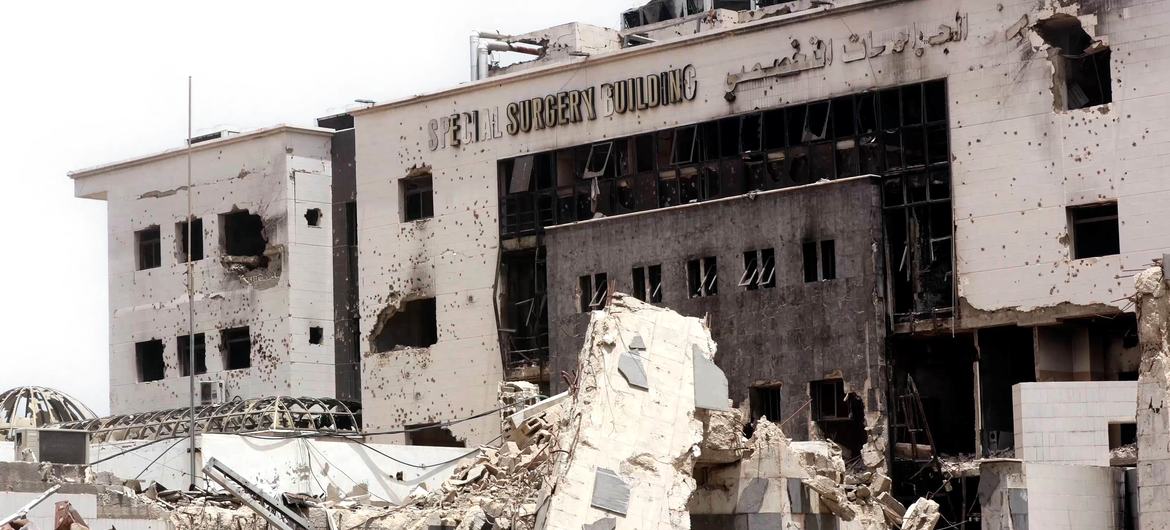
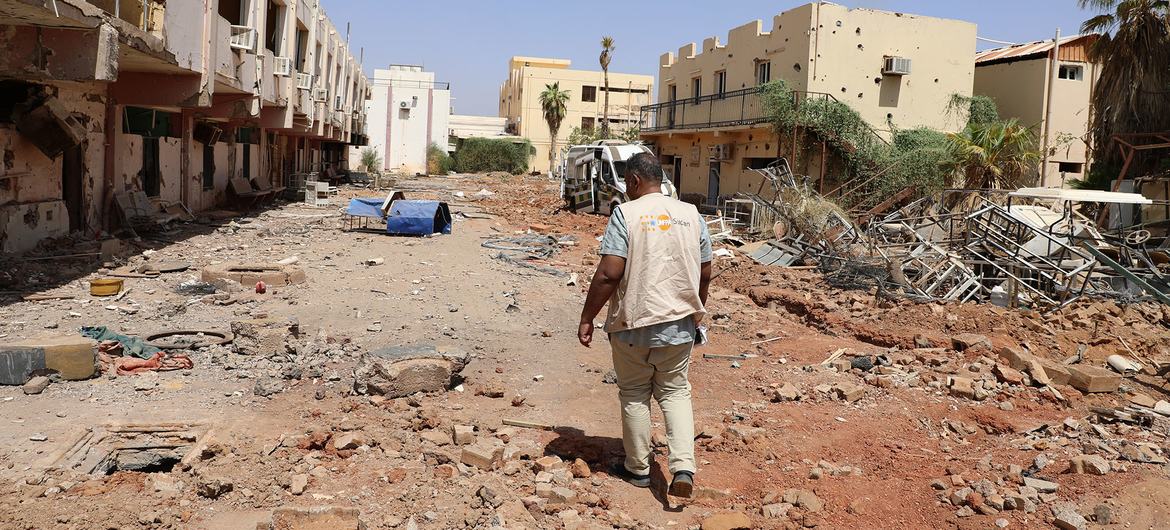
Tom Fletcher noted that over 30 million people require humanitarian assistance. Moreover, with famine declared in multiple places and over 14.6 million people displaced, Sudan represents the largest humanitarian crisis in the world.

“Again and again, the international community has said that we will protect the people of Sudan. The people of Sudan should ask us if, when and how we will start to deliver on that promise,” the relief chief said.

When will the international community fully fund aid efforts in Sudan?

When will accountability for the violence in Sudan happen?

He called on the international community to stop acting with ‘indifference and impunity’ towards Sudan,

Health system ‘smashed to pieces’

Since the conflict in Sudan broke out in April 2022, civilian infrastructure across the country has been damaged or destroyed, including health facilities and water and sanitation systems. 

The health system in particular has been “smashed to pieces,” according to Mr. Fletcher, leading to increasingly dire measles and cholera outbreaks.

The cholera outbreak, which began in July 2024 and is now confirmed in 13 of Sudan’s 18 states, has infected more than 74,000 people in total and killed 1,826.

“I have seen first-hand the devastation caused by the cholera outbreak in Khartoum, where the health system has been devastated by conflict and is struggling to cope with the tremendous demand on health facilities,” Dr. Shible Sahbni, WHO representative in Sudan.

The World Health Organization (WHO), in partnership with the Sudanese Ministry of Health, is launching a 10-day cholera vaccination campaign in Khartoum State.

The campaign will aim to reach 2.6 million people in an effort to contain the cholera outbreak in the state.

“The vaccines will help stop cholera in its tracks as we strengthen other response interventions,” said Dr. Sahbni.


ICC judges express support for colleagues sanctioned by US

Judges at the International Criminal Court (ICC) expressed solidarity with their colleagues who have recently been sanctioned by the United States Government, describing the move as “coercive measures aimed at undermining the independence of the judiciary.”

“The Judges stand united and will continue to exercise their functions independently, impartially and conscientiously, fulfilling the demands of the rule of law,” they said in a statement on Thursday.

The US announced sanctions on 6 June against four judges from Benin, Peru, Slovenia and Uganda. The justices are currently overseeing a 2020 case which alleges war crimes in Afghanistan committed by the US and Afghan armies and the 2024 ICC arrest warrants issued for sitting Israeli Prime Minister Benjamin Netanyahu and former Defence Minister Yoav Gallant.

The International Court of Justice

The UN Human Rights Chief Volter Türk previously said that he was “deeply disturbed” by these sanctions, arguing that they corroded international governance and justice.

No improper influence

The ICC is an independent judicial body established under the Rome Statute, adopted in 1998. Although not part of the United Nations, the ICC works closely with it under a cooperative framework.

In the statement, the Judges said that they decide, and will continue to decide, cases based on facts and without regard to threats, restrictions or improper influence issued “from any quarter or for any reason.”

“The Judges reaffirm that they are equal in the performance of their functions and that they will always uphold the principle of equality before the law.”

Over 80 Million Europeans suffering from overlooked chronic respiratory diseases

Chronic respiratory diseases such as asthma are vastly underestimated, underdiagnosed and poorly managed in Europe – affecting 80 million people and costing $21 billion a year, the UN World Health Organization (WHO) said on Thursday.

A new report by WHO Europe and the European Respiratory Society highlights how smoking and air pollution are driving the growing crisis.

“We take 22,000 breaths a day, yet respiratory health remains one of the most neglected areas in global health,” said Professor Silke Ryan, President of the European Respiratory Society.

6th leading cause of death

Data analysis shows that chronic respiratory illnesses are the sixth leading cause of death in Europe. They are often misdiagnosed owing to weak diagnostic systems, limited training and inadequate health data.

Although effective treatments are available, asthma-related deaths remain high among young people, while chronic obstructive pulmonary disease is responsible for eight in 10 respiratory disease deaths.

As preparations begin for the 2025 UN High-Level Meeting on non-communicable diseases, WHO Europe urged governments to prioritize chronic respiratory disease, set measurable targets and tackle root causes like tobacco and air pollution.

Source link

UN chief ‘deeply saddened’ as Air India crash claims lives of over 200 on board

The plane – a Boeing 787-8 Dreamliner – crashed into a medical college about a mile from the city’s main airport reportedly killing five students and injuring around 50 who have been hospitalised.

The full extent of deaths and injuries on the ground has yet to be established but one British-Indian passenger on the plane miraculously survived the crash, reportedly telling journalists that there had been a loud noise around 30 seconds after take-off.

Heartfelt condolences

In a statement issued by his Spokesperson, Secretary-General António Guterres extended his heartfelt condolences to the families of the victims and to the people and Government of India, and to other countries who have lost citizens during the disaster.

He wished a swift and full recovery to all those injured as a result of the tragedy.

According to news reports, there were 169 Indian nationals, 53 Britons, seven from Portugal and one Canadian on the flight.

Officials at the crash site reported that the jet had continued to skid after crash landing, dragging along the ground before bursting into flames. Hundreds of police and emergency workers remain at the scene, combing through the wreckage for survivors. 

President of the UN General Assembly Philémon Yang said in a social media post that his thoughts were with all the victims and those impacted by the disaster, adding, “may they find strength and solace during this difficult time.”

Source link

Yemen at breaking point as UN envoy urges action to end suffering

Speaking via videoconference, UN Special Envoy for Yemen Hans Grundberg said the country remains trapped in a prolonged political, humanitarian and development crisis.

Yemen is so much more than the containment of a threat,” he said. “The cost of inaction is high.”

Mr. Grundberg stressed the urgent need for progress towards a sustainable political solution, calling on all parties to show the will to move beyond the current deadlock.

Meanwhile, over 17 million people, nearly half of Yemen’s population, are estimated to be suffering acute malnutrition.

Without sustained humanitarian support, six million more could face emergency levels of food insecurity, said Joyce Msuya, Assistant Secretary-General of UN humanitarian wing (OCHA), speaking on behalf of Humanitarian Affairs chief Tom Fletcher.

Economic hardships

Yemeni citizens continue to shoulder the impact of an economy in freefall,” said Mr. Grundberg, calling for more international support to alleviate the humanitarian and economic hardships they face.

Despite operating under extremely difficult conditions, humanitarian efforts in Yemen continue, but the UN’s response remains constrained and far from meeting the scale of need, according to OCHA.

Still, there are signs of progress. “There is real scope to make progress on the economy,” said Special Envoy Hans Grundberg, pointing to the reopening last May of a key road between Aden and Sana’a, closed for nearly seven years, which has restored a faster and more direct route for civilians and commercial traffic.

“With trust and the right tools, there remains hope,” said Deputy Emergency Relief Coordinator Joyce Msuya.

Fragile frontlines

Marking one year since the arbitrary detention by Houthi rebels – or Ansar Allah – of dozens of aid workers, civil society representatives and diplomatic personnel, Mr Grundberg urged Security Council members to use their “powerful voices” to exert maximum pressure on the group for the unconditional release of the detainees.

While attacks on shipping in the Red Sea and counter measures by Western forces have largely abated since a cessation of hostilities agreement between the United States and the Houthi leadership, the group has launched several recent attacks targeting Israel, in solidarity with the Palestinian cause in Gaza.

With multiple frontlines still fragile and the risk of renewed fighting ever-present, the UN continues to work on a roadmap to help Yemen move beyond its divisions, secure a comprehensive ceasefire, implement critical economic measures and advance an inclusive political process.

Atomic watchdog says Iran not complying with nuclear safeguards

The development follows serious warnings from the head of the International Atomic Energy Agency (IAEA) earlier this week that inspectors have been unable to determine whether Iran’s nuclear programme was “exclusively peaceful” – as per the terms of the 2015 nuclear deal from which the United States subsequently withdrew.

A fresh round of negotiations between Washington and Tehran is slated to begin on Saturday in Oman, according to news reports, amid heightened geopolitical tensions linked to rumours of an impending Israeli attack on Iran.

Following Thursday’s resolution vote by the IAEA’s board of governors – which passed by a vote of 19 for, three against and 11 abstentions – Iran’s atomic energy body reportedly announced plans to open a new uranium enrichment plant and increase production of enriched fissile material.

Growing concerns

The draft for Thursday’s resolution highlights serious and growing concerns since at least 2019 that Iran had failed to cooperate fully with the UN agency’s inspectors.

Tehran has “repeatedly” been unable to explain and demonstrate that its nuclear material was not being diverted for further enrichment for military use, the draft text maintains.

Iran has also failed to provide the UN agency with “technically credible explanations for the presence of [man-made] uranium particles” at undeclared locations in Varamin, Marivan and Turquzabad, it continues.

“Unfortunately, Iran has repeatedly either not answered, or not provided technically credible answers to, the agency’s questions,” IAEA chief Grossi said on Monday. “It has also sought to sanitize the locations, which has impeded Agency verification activities.”

According to Mr. Grossi, Tehran has stockpiled 400 kilogrammes of highly enriched uranium.

Given the potential proliferation implications, the agency cannot ignore [this],” he told the UN agency’s governing board on Monday.

Source link

‘No Ocean Declaration without small islands’: Delegates push for inclusion as UN summit nears end

With the conference, known as UNOC3, set to close Friday, the stakes couldn’t be higher.

Li Junhua, the UN’s Under-Secretary-General for Economic and Social Affairs, told UN News on Thursday that the past four days have been marked by a rare sense of solidarity around Sustainable Development Goal 14 (SDG 14) – protection life below water.

“This is the true testament to the impact of this Conference on the future of our ocean,” he added.

Draft outcome signals sense of urgency

Under way since Monday on France’s sun-drenched Côte d’Azur, UNOC3 is set to conclude with the adoption of a consensus-backed package aimed at securing the future of the world’s oceans.

Delegates are preparing to endorse a political declaration alongside a sweeping set of voluntary commitments from participating nations – collectively known as the Nice Ocean Action Plan.

The declaration itself, titled ‘Our Ocean, Our Future: United for Urgent Action,’ has undergone four rounds of intense intergovernmental negotiations at UN Headquarters in New York since January, alongside informal consultations with key delegations and civil society groups.

At the heart of the conference’s mission – mobilizing action to safeguard and sustainably manage marine ecosystems – the declaration, in draft form, signals a marked shift in tone, underscoring an unprecedented sense of urgency.

It calls for immediate and transformative measures to protect oceans, reflecting growing concerns over climate change, biodiversity loss, and the depletion of marine resources.

© Coral Reef Image Bank/Tom Vierus

The people of Galoa Village and their ancestors have depended on the reef system for hundreds of years for sustenance and income.

In addition, the draft declaration outlines measures to protect marine ecosystems and foster sustainable ocean-based economies. It also emphasizes accelerating action, highlighting that SDG 14 remains one of the least funded UN goals. 

To drive global ocean initiatives forward, the draft declaration calls for significant, accessible financing and the fulfillment of existing commitments under international agreements.

The draft highlights the ocean’s deep ties to climate and biodiversity, urging nations to fully implement the Convention on Biological Diversity. It also reaffirms commitment to an international, legally binding agreement on plastic pollution, emphasizing a comprehensive approach that addresses plastics across their entire life cycle.

Final negotiations are under way, and tomorrow we’ll report on whether nations have reached a consensus to tackle the global ocean emergency, turning decades of pledges into meaningful marine protection.

H.E. Safiya Sawney, Special Envoy and Ambassador for Climate, Government of Grenada.

Small island voices are vital to ocean policy

Among all the stakeholders, small island nations have a key role in shaping the Declaration. As communities most vulnerable to rising seas and marine degradation, their firsthand experience and leadership are essential to crafting effective, inclusive ocean policy.

Safiya Sawney, Special Envoy and Ambassador for Climate of Grenada, told UN News that she is pleased to see the reference in the draft outcome to the Antigua and Barbuda Agenda for Small Island Developing States, or ABAS, which was adopted during the fourth International Conference on Small Island Developing States on May 2024.

Ms. Sawney said that including the Antigua and Barbuda Agenda in the UNOC3 political declaration signals growing unity among island nations. She emphasized that, despite numerous challenges, small islands are committed to implementing every obligation under ABAS, demonstrating their determination to turn commitments into action.

“A big part of our heritage, of our culture, of our economy is derived from the ocean,” she said, “So for us, you cannot have an ocean declaration without SIDS.”

‘No compromise with nature’

As for the negotiation process on the draft declaration, Ms. Sawney said that Grenada and other delegations in the Alliance of Small Island States (AOSIS) affirmed that they were leveraging strength and experience from past climate talks and bringing that to the ocean space.

“Part of healthy multilateralism is knowing that you have to compromise,” she admitted, but also adding that “the one thing that we cannot compromise with, however, is nature”.

To ensure that “we’re able to all be successful together in supporting this ocean agenda”, she suggested that “there are some countries that need to do more than others”. She added that small island developing States are asking those countries to show their leadership, not just through offsets or financing, but through “real action”.

Ocean Coordination Mechanism Secretariat

Representatives from 14 Caribbean countries sign the Declaration Of Actioning Blue: The Caribbean 30×30 Vision and Roadmap For Our Ocean at a high-level launch event at the 3rd United Nations Ocean Conference (UNOC3) in Nice, France.

Caribbean governments acting together

Calling themselves “large ocean nations” at UNOC3, small island developing States are aggregating their weight to not only participate in but shape the global ocean agenda, said Ms. Sawney. Among these efforts, Caribbean governments have been keen to demonstrate political unity and regional ambition throughout the run of the conference.

On the opening day of UNOC3, the Actioning Blue: Caribbean 30×30 Vision for the Ocean was officially launched. It reflects an urgent call by political leaders of the Caribbean to advance collective regional advocacy aligned with the Kunming-Montreal Global Biodiversity Framework, as well as SDG14.

“Coming into UNOC3, we endorsed 12 Caribbean governments, including independent states and territories, and we’ve had one additional signature and expression of interest from three different governments,” explained Ms. Sawney.

Changing the tide of over-reliance

Recalling the 2008 Caribbean Challenge Initiative that advanced the protection of roughly 49,000 km of marine protected areas in the region, Ms. Sawney said part of what the newly launched Vision does is remind the international community that “we will continue to work, we’ll continue to show up, and we really like their help”.

Describing the Caribbean as “capacity-constrained”, she however pointed to the region’s over-reliance on external help, experts, and capacity.

“We’re trying to change the tide,” she continued, by stressing the importance of letting donors know that the region is very invested in building its own capacity and owning its own implementation.

Seeing UNOC3 as an important opportunity to get across this message, Ms. Sawney stated that Caribbean Islands are not just looking forward to the end of the Conference, but what happens afterwards.

“The real work begins after all of this is over,” she concluded with hope.

Source link

Famine stalks two counties in South Sudan as fragile peace is threatened

The warning comes amidst increased violence and a worsening food security condition which has 11 out of 13 counties in the state facing emergency levels of hunger and 32,000 of these inhabitants facing catastrophic level hunger conditions, almost three times previous estimates.

We are seeing the devastating impact conflict has on food security in South Sudan,” said Mary-Ellen McGroarty, Country Director for the World Food Programme (WFP) in South Sudan.

“Conflict doesn’t just destroy homes and livelihoods, it tears communities apart, cuts off access to markets, and sends food prices spiralling upward,” Ms. McGroarty said.

Country-wide hunger

In total, 7.7 million people across South Sudan will face acute food insecurity, accounting for over half of the entire population. Additionally, 2.3 million children in South Sudan face malnutrition, a rise from 2.1 million at the beginning of the year. 

FAO expects these numbers to increase as the country prepares to enter the lean and wet season which will further diminish food supplies and potentially worsen displacement.

The agency did note that counties in which violence has been largely absent have seen improvements in food insecurity as a result of increased crop production and humanitarian efforts. However, hunger continues.

Despite such ongoing challenges, Meshack Malo, the country representative of FAO in South Sudan, said that these results are proof of the “dividends of peace.”

Descent into conflict

South Sudan, the world’s youngest country, gained independence in 2011 and immediately fell into a brutal and devastating civil war which ultimately ended in 2018 thanks to a peace agreement between political rivals which has largely held.

However, recent political tensions and increased violent attacks, especially in the Upper Nile State, threaten to unravel the peace agreement and plunge the nation back into conflict.

South Sudan cannot afford to sink into conflict at this point in time. It will plunge already vulnerable communities into severe food insecurity, leading to widespread hunger,” said Meshack Malo, Country Representative of FAO in South Sudan.

Humanitarian difficulties

FAO said that humanitarian access must be improved in order to address the worsening hunger situation.

The FAO report also emphasized that peace and capacity building is the only sustainable solution for food insecurity in South Sudan.

“Long-term peace is essential, but right now, it is critical our teams are able to access and safely distribute food to families caught in conflict in Upper Nile, to bring them back from the brink and prevent famine,” said Ms. McGroarty.

Global push to end plastic pollution gains ground in Nice

Away from the cameras and fanfare of the Third UN Ocean Conference under way in the coastal French city, they voiced a shared determination to finalize this year a global treaty that could, for the first time, regulate plastics across their entire life cycle.

“There is renewed commitment to conclude the treaty in August,” Jyoti Mathur-Filipp, who attended the meeting and is leading the treaty negotiations, told UN News. “This is too urgent an issue to be left for the future.”

Hosted by Inger Andersen, the head of the UN Environment Programme (UNEP), the informal gathering marked a quiet but significant diplomatic moment – a sign that after two years of deliberations, political momentum may finally be catching up with scientific alarm.

With one round of talks remaining – scheduled from August 5 to 14 in Geneva – negotiators are now under pressure to deliver the first legally binding treaty aimed at tackling plastic pollution across production, consumption, and waste.

A crisis accelerating in plain sight

Plastic waste has infiltrated nearly every ecosystem on Earth, and increasingly in the form of microplastics – the human body. Without urgent action, the amount of plastic entering the ocean each year could reach 37 million metric tons by 2040, according to UN estimates.

“We are choking with plastic,” Ms. Mathur-Filipp said. “If we do not do something to tackle plastic pollution, we will not have a single ecosystem left, whether it’s terrestrial or marine.”

The economic toll is no less staggering. Between 2016 and 2040, the projected cost of plastic-related damage could reach $281 trillion. “It is costing the economy a lot,” said the Indian native. “In tourism, in beach clean-up, in lack of fish for fishing folk, coastal damage, wetlands damage.”

Jyoti Mathur-Filipp, Executive Secretary of the Intergovernmental Negotiating Committee (INC) on Plastic Pollution.

The final stretch in Geneva

The treaty process was launched in 2022, at the request of the UN Environment Assembly, the world’s highest decision-making body on environmental issues. Since then, the Intergovernmental Negotiating Committee (INC) has convened five times in less than two years – an unusually rapid timeline by UN standards.

“We have had five sessions very rapidly from December of 2022 to December of 2024,” said Ms. Mathur-Filipp, who serves as the INC’s Executive Secretary. She hopes the upcoming session this August in Geneva will mark the treaty’s conclusion.

A key breakthrough came six months ago at the last round of talks in Busan, South Korea, where delegates produced a 22-page “Chair’s text,” outlining the draft treaty’s basic structure.

“It has 32 or 33 articles in it, with names of articles, so countries can now start seeing what this treaty will look like,” she explained. “They have started speaking with article numbers for negotiation… and this is why my hope is that there would be a conclusion.”

A treaty with teeth – and flexibility

While the draft treaty is still under negotiation, it includes measures that would target the entire life cycle of plastic – from upstream production to downstream waste. It reflects both mandatory and voluntary provisions, in line with the original UN mandate.

The current draft also includes the institutional architecture of a typical multilateral treaty: the ratification process, governance rules, and proposed implementation bodies.

“It has an objective. It has a preamble,” said Ms. Mathur-Filipp. “It looks like a treaty.”

If all goes according to plan, the final text will be submitted to a diplomatic conference – later this year or in early 2026 – where governments can formally adopt it and begin the ratification process.

Unequal burdens, global stakes

Although plastic pollution is a global issue, some countries – especially small island developing states – bear a disproportionate burden.

“It is a fact that small island developing states are not the ones that are using plastic as much as what’s flowing onto their shores and therefore, they become responsible for beach clean-up, which is not their doing,” Mathur-Filipp said. “They are unfairly impacted.”

An estimated 18 to 20 per cent of global plastic waste ends up in the ocean.

One diplomat’s mission

Before leading the INC, Ms. Mathur-Filipp worked at the UN Convention on Biological Diversity, where she helped shape the landmark Kunming-Montreal Global Biodiversity Framework, the 2022 agreement to protect 30 per cent of the planet’s land and ocean by 2030. The challenge of managing a fast-moving, high-stakes negotiation is familiar terrain.

“I wasn’t tired enough there, so now I’m doing this,” she said.

As the Mediterranean UNOC3 host city plays its part in building momentum, all eyes will, in the weeks ahead, turn to Geneva. The outcome in August could determine whether the world takes a decisive step toward curbing the plastic crisis – or allows it to deepen, unchecked.

Decades of memories and loss – searching for the missing in Syria

The Independent Institution on Missing Persons in the Syrian Arab Republic (IIMP) is the first entity of its kind established by the UN General Assembly in June 2023. It is dedicated to determining the fate and whereabouts of all missing persons in Syria and supporting survivors and families of the missing.

Here are five key things you need to know about the IIMP.

Dictatorship and disappearances

The IIMP was created to address the issue of missing persons in Syria, a country that has experienced significant turmoil and conflict over the past decades. 

Cages in which prisoners were apparently held are pictured at the infamous Sednaya prison in Damascus.

Fifty years of dictatorship and 14 years of civil war all but came to an end in Syria following the fall of the brutal Assad regime in December 2024. This allowed the IIMP to begin its work properly, most notably by gaining access to infamous detention centres where people were tortured, murdered or disappeared.

A message on the walls of Sednaya prison reads: ‘Syria is free; we couldn’t celebrate our victory with you, but we will not forget your pain.’

People went missing in Syria due to many reasons such as abductions, enforced disappearances, arbitrary deprivation of liberty, displacement, migration or military operations. It is not clear exactly how many missing persons there are, but it is thought to be in the tens of thousands.

Uncovering the truth

The institution’s primary role is to determine the fate and whereabouts of all missing people. This includes collecting and analysing information, conducting investigations, and working closely with families and survivors to provide them with the answers they seek. 

Much of Syria has been left in ruins following 14 years of civil war.

Uncovering the circumstances of disappearances will involve a massive effort, from checking prison arrival registers where detainee’s names were recorded and their exit to parts unknown.

Evidence of torture and mass graves will have to be carefully chronicled.  Due process will have to uncover the elaborate former State network of secret police, prison and judicial officials who carried out orders and enabled the disappearance of thousands.

Supporting survivors and families of the missing

IIMP supports survivors and the families of the missing to cope with the uncertainty and trauma of having a missing loved one.

This includes offering psychological support, legal assistance, and facilitating communication between families and relevant authorities.

The institution looks for everyone who is missing in Syria regardless of their nationality, group, ethnicity, political affiliation, or the reasons and circumstances surrounding their disappearance.  

‘Titanic mission’

The head of IIMP, Karla Quintana, has described the task the body faces as “titanic,” not least because it is still not clear how many Syrians are missing.

Karla Quintana (right in white jacket), the head of IIMP, meets women whose loved ones are missing.

Investigating the circumstances surrounding the disappearance of individuals can be costly, so securing the resources to do so is a “major challenge” according to Ms. Quintana. If resources are limited it will hinder the progress of investigations.

Searching for, processing, and analysing information is time-consuming – especially in Syria, where conflict has made many areas inaccessible, records may be incomplete or destroyed, and some regions remain unstable and dangerous to work in.

Working with Syrians

IIMP says searching for missing persons in Syria must be “locally owned and internationally supported.” The body operates through a collaborative approach partnering with local and international organizations, government agencies, and civil society groups.

It also engages with communities to raise awareness about the issue of missing persons and to encourage the sharing of information that could aid investigations.

Expectations of this unprecedented UN mechanism are high as it could play a pivotal role in contributing to peace and justice in Syria.