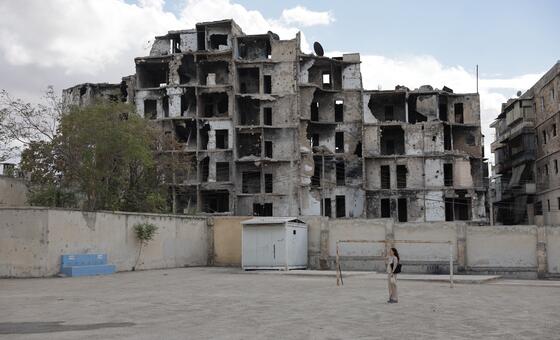
It comes after Israeli authorities “stormed and demolished” buildings in the compound last week, UNRWA Commissioner-General Philippe Lazzarini said.
“Allowing this unprecedented destruction is the latest attack on the UN in the ongoing attempt to dismantle the status of Palestine Refugees in the Occupied Palestinian Territory and erase their history,” Mr. Lazzarini said.
In a short statement, the senior UN official added that there were “no limits to the defiance of the United Nations” and international law in the Occupied Palestinian Territory.
Last Tuesday’s move by Israeli authorities to send bulldozers into the Sheikh Jarrah compound where they tore down UNRWA structures prompted swift condemnation from senior UN officials including Secretary-General António Guterres and UN High Commissioner for Human Rights, Volker Türk.
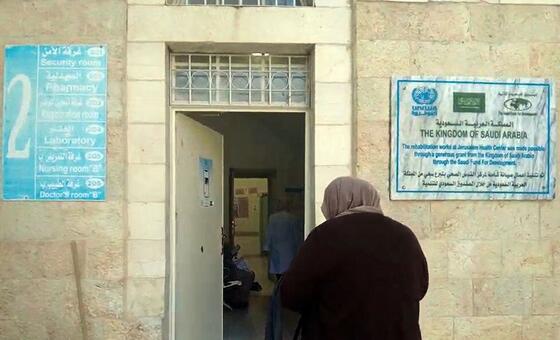
Ahead of that dramatic development, on 14 January, Israeli forces entered an UNRWA health centre in East Jerusalem and ordered it to close. The agency reported that its workers were “terrified” and that the deteriorating situation was a direct result of legislation passed by the Israeli parliament in December, stepping up existing anti-UNRWA laws adopted in 2024.
UNRWA premises have also been targeted by arsonists amid a “large-scale disinformation campaign” against it by Israel, the agency’s Commissioner-General has previously maintained.
This was despite a ruling last October by the UN’s top court, the International Court of Justice, which restated that Israel was obliged “to facilitate UNRWA’s operations, not hinder or prevent them. The court also stressed that Israel has no jurisdiction over East Jerusalem,” Mr. Lazzarini noted.
The rapid spread of artificial intelligence is creating new dangers for children online, prompting the United Nations and child protection groups to call for stronger safeguards and global action.
Experts warn that digital technologies are increasingly being used to target minors through harassment, exploitation and manipulation, with the risks intensifying as AI tools become more sophisticated.
Cosmas Zavazava, Director of the Telecommunication Development Bureau at the International Telecommunication Union (ITU), said children today face a wide range of online threats.
These include grooming by predators, cyberbullying, exposure to harmful content and the growing misuse of technologies such as deepfakes.
“We saw that during the COVID-19 pandemic many children, particularly girls and young women, were abused online and, in many cases, that translated into physical harm,” he said.
AI Tools Creating New Forms Of Abuse
Child protection organisations say artificial intelligence is making it easier for offenders to target and manipulate children.
Predators can use AI systems to analyse a child’s online activity, emotional state and personal interests, allowing them to tailor grooming strategies more effectively.
Another growing concern involves the creation of explicit fake images using AI technology. These manipulated images can be used for blackmail or sexual extortion.
A report released in 2025 by the Childlight Global Child Safety Institute highlighted the scale of the problem. It found that technology-facilitated child abuse cases in the United States rose dramatically, increasing from around 4,700 incidents in 2023 to more than 67,000 in 2024.
Governments Begin Introducing Restrictions
As awareness of these risks grows, some governments are introducing stricter regulations to protect young users online.
Australia became the first country to prohibit children under the age of 16 from having social media accounts at the end of 2025. Authorities said the decision was based on evidence that online platforms expose children to harmful material and harassment.
A government study cited in the decision found that nearly two-thirds of children aged between 10 and 15 had encountered violent, hateful or distressing content online. More than half reported experiencing cyberbullying, most of it on social media platforms.
Several other countries, including the United Kingdom, France, Canada and Malaysia, are considering similar measures or drafting new legislation to limit children’s exposure to online risks.
Young adults check social media in North Macedonia /UN
Lack Of AI Awareness A Major Concern
In January 2026, several UN agencies released a joint statement warning that societies remain poorly prepared to address the impact of artificial intelligence on children.
The statement emphasised widespread “AI illiteracy” among children, parents, teachers and caregivers, as well as limited understanding among policymakers about how AI systems function.
The document also noted that many governments lack the technical expertise needed to regulate emerging technologies effectively, including frameworks for data protection and assessments of how digital tools affect children’s rights.
Pressure On Technology Companies
UN officials say technology companies also bear significant responsibility for protecting young users.
Many of the AI tools currently being developed, along with the systems that power them, were not originally designed with children’s safety in mind.
Zavazava said the UN is urging the private sector to work more closely with international organisations and governments to reduce risks.
“We are really concerned and we would like the private sector to be involved, to engage and to be part of the story we are writing together,” he said.
He added that responsible use of AI does not necessarily conflict with business interests.
“With responsible deployment of AI, you can still make a profit, you can still do business and gain market share,” he said.
Protecting Children’s Rights In The Digital Age
The UN says protecting children online is fundamentally a human rights issue.
The Convention on the Rights of the Child, one of the most widely ratified human rights treaties in the world, was updated in 2021 to address challenges emerging from the digital environment.
However, UN agencies believe additional guidance is needed to help governments respond to rapidly evolving technologies.
New child online protection guidelines have therefore been developed to support different groups involved in safeguarding children.
The recommendations provide guidance for parents, teachers, regulators and the technology industry on how to create safer digital environments.
“Children are getting online at a younger age, and they should be protected,” Zavazava said.
UN officials stress that while technology can be a powerful tool for learning and communication, ensuring children’s safety will require coordinated action from governments, companies, educators and families alike.
President Droupadi Murmu on Saturday outlined the government’s flagship welfare, financial inclusion and social empowerment programmes, positioning them as central to India’s development strategy as the country prepares to mark Republic Day 2026.
In her address to the nation, Murmu said targeted schemes aimed at women, farmers, tribal communities, the poor and youth were reshaping economic participation and strengthening the social foundation of the republic.
The President highlighted the impact of the Beti Bachao Beti Padhao campaign in improving access to education for girls, calling it a key driver of women’s empowerment. She said national efforts in health, education, safety and economic inclusion were expanding women’s participation across sectors.
Murmu also pointed to the scale of financial inclusion under the Pradhan Mantri Jan Dhan Yojana, under which more than 57 crore bank accounts have been opened so far, with women accounting for nearly 56% of the total. She said access to formal banking had strengthened women’s economic independence and participation in development.
The President noted that more than 10 crore women associated with self-help groups were redefining grassroots development, contributing to livelihoods, entrepreneurship and local governance.
Referring to women’s representation in governance, Murmu said nearly 46% of elected representatives in Panchayati Raj institutions are women. She said the Nari Shakti Vandan Adhiniyam would take women’s political empowerment to a new level and reinforce the concept of women-led development.
She added that higher participation of women in electoral processes was strengthening democratic institutions and aligning with the constitutional vision of inclusive governance.
Tribal Welfare, Health And Education Initiatives
The President underscored a renewed focus on tribal welfare through programmes aimed at leadership development, healthcare and education. She referred to initiatives such as the Adi Karmayogi campaign, which seeks to nurture leadership potential within tribal communities.
Murmu said healthcare interventions under the National Sickle Cell Anaemia Elimination Mission had resulted in more than six crore screenings so far, addressing a major public health concern among tribal populations.
In education, she cited the role of Eklavya Model Residential Schools, where nearly 1.4 lakh students are currently enrolled, with many performing well in competitive examinations.
She also referred to targeted development programmes such as the Dharti Aaba Janajatiya Gram Utkarsh Abhiyan and the PM-JANMAN Yojana, aimed at empowering tribal and particularly vulnerable tribal group (PVTG) communities.
Farmers, Food Security And Poverty Alleviation
Murmu described farmers as the backbone of India’s economy and cited the PM Kisan Samman Nidhi as a key initiative supporting agricultural households. She said priority was being given to fair pricing, affordable credit, insurance coverage, irrigation and access to modern farming practices.
On food security, the President highlighted the PM Garib Kalyan Anna Yojana, calling it the world’s largest scheme of its kind. The programme currently supports nearly 81 crore beneficiaries, ensuring food access for vulnerable populations.
She also referred to the construction of more than four crore pucca houses equipped with basic amenities, describing housing as a foundation for dignity and upward mobility among poor families.
Youth, Start-Ups And Skill Development
Highlighting India’s demographic strength, Murmu said government initiatives were increasingly focused on youth aspirations. She cited MY Bharat, also known as Mera Yuva Bharat, as a technology-driven platform connecting young citizens with opportunities in leadership, skill development and nation-building.
The President said the growth of India’s start-up ecosystem, largely driven by young entrepreneurs, was injecting innovation and global competitiveness into the economy.
Murmu said structural reforms such as the Goods and Services Tax had created a unified national market, while recent steps to streamline the GST framework would further strengthen economic integration. She also referred to the four labour codes, describing them as measures aimed at improving worker welfare while supporting enterprise growth.
She added that governance reforms focused on simplification, digital delivery and trust-based administration were narrowing the gap between citizens and the state.
Concluding her remarks, the President said these programmes collectively reflected an inclusive approach to development, combining welfare, empowerment and economic reform. She said public participation and effective implementation would be critical as India moves towards its goal of becoming a developed nation by 2047.
As India celebrates the adoption of its Constitution tomorrow, here are some inspiring quotes from notable experts and leaders in fields like politics, law, science, and philosophy. here are some notable quotes that touch on themes of democracy, duty, freedom, and national unity.
“Constitution is not a mere lawyers document, it is a vehicle of Life, and its spirit is always the spirit of Age.” – B.R. Ambedkar (Architect of the Indian Constitution).
“Every citizen of India must remember that he is an Indian and he has every right in this country but with certain duties.” – Sardar Vallabhbhai Patel (India’s first Deputy Prime Minister).
“Democracy means nothing if people are not able to work the democracy for the common good.” – Jawaharlal Nehru (India’s first Prime Minister).
“In a democracy, the well-being, individuality and happiness of every citizen is important for the overall prosperity, peace, and happiness of the nation.” – A.P.J. Abdul Kalam (Former President of India).
“Freedom of mind is the real freedom. A person whose mind is not free, though he may not be in chains, is a slave, not a free man.” – B.R. Ambedkar.
“We are Indians, firstly and lastly.” – B.R. Ambedkar.
“Let a new India arise out of peasants’ cottages, grasping the plough, out of huts, cobbler, and sweeper.” – Swami Vivekananda.
“You must be the change you wish to see in the world.” – Mahatma Gandhi .
“The preservation of freedom is not the task of soldiers alone. The whole nation has to be strong.” – Lal Bahadur Shastri.
“Long years ago, we made a tryst with destiny, and now the time comes when we shall redeem our pledge, not wholly or in full measure, but very substantially. At the stroke of the midnight hour, when the world sleeps, India will awake to life and freedom.” – Jawaharlal Nehru.
“So long as you do not achieve social liberty, whatever freedom is provided by the law is of no avail to you.” – B.R. Ambedkar.
“Where the mind is without fear and the head is held high; where knowledge is free.” – Rabindranath Tagore.
WHO Rejects US Criticism, Defends Pandemic Response And Calls For Continued Cooperation
The World Health Organization has strongly rejected criticism from the United States administration, defending its handling of the COVID-19 pandemic and reaffirming its commitment to global cooperation on public health.
In a statement released on Saturday, the UN health agency responded to accusations from the US government that it had compromised its independence and pursued policies hostile to American interests. The organization said such claims were unfounded and reiterated that it has consistently worked with member states in good faith.
The agency also expressed hope that the United States would remain engaged in global health efforts despite recent tensions.
WHO Rejects Allegations Of Bias
Responding to accusations that it had “trashed and tarnished” the United States, the WHO said the opposite was true.
According to the statement, the organization has always sought to maintain constructive engagement with the US government while respecting its sovereignty.
It also rejected claims that the agency had followed a politicized agenda influenced by countries hostile to US interests.
“The World Health Organization has always been and remains impartial,” the statement said, adding that the organization exists to serve all countries equally and without political bias.
Defence Of COVID-19 Pandemic Response
A large portion of the statement focused on defending the WHO’s actions during the COVID-19 pandemic.
The US administration had accused the organization of obstructing the timely sharing of information and concealing failures in its response to the outbreak.
The WHO said those allegations were incorrect, arguing that it shared available information rapidly and transparently throughout the crisis while providing guidance based on the best scientific evidence at the time.
The agency clarified that while it recommended protective measures such as mask use, vaccination and physical distancing, it did not mandate lockdowns or vaccine requirements.
Early Warnings Issued In Initial Stages
According to the WHO, it began monitoring the emerging outbreak immediately after receiving reports of a cluster of pneumonia cases of unknown cause in Wuhan, China, on 31 December 2019.
The organization said it quickly contacted Chinese authorities for additional information and activated its emergency incident management system.
By the time the first death linked to the virus was reported on 11 January 2020, the WHO said it had already alerted the international community through formal channels, public statements and social media.
It also convened global health experts and issued guidance to help governments prepare their healthcare systems and protect their populations.
When the WHO Director-General declared COVID-19 a Public Health Emergency of International Concern on 30 January 2020, fewer than 100 cases had been recorded outside China and no deaths had been reported beyond the country.
During the early months of the crisis, the Director-General repeatedly warned countries that urgent action was needed to contain the virus, cautioning that the “window of opportunity is closing.”
Steps Taken To Strengthen Pandemic Preparedness
The WHO noted that several independent reviews have examined the global response to the pandemic, including assessments of the organization’s own performance.
Following these evaluations, the agency said it has introduced reforms to strengthen its ability to respond to future health emergencies.
These efforts include initiatives to improve international coordination, strengthen surveillance systems and support countries in building stronger public health infrastructure.
According to the WHO, the global systems it developed before, during and after the pandemic have helped improve preparedness worldwide.
Agency Leaves Door Open For US Engagement
Despite the current dispute, the WHO emphasised that it remains committed to working with all countries, including the United States.
The organization highlighted the recent adoption of the WHO Pandemic Agreement, which it described as a major international legal framework aimed at preventing and responding to future global health emergencies.
The agency also acknowledged the significant role the United States has historically played in advancing global public health.
As a founding member of the WHO, the US has contributed to several major achievements, including the eradication of smallpox and progress in combating diseases such as polio, HIV, tuberculosis, malaria and Ebola.
“WHO remains steadfastly committed to working with all countries in pursuit of its core mission,” the statement concluded, reaffirming its goal of ensuring the highest attainable standard of health as a fundamental right for people worldwide.
Climate change is increasingly threatening agriculture in Kenya, where farming remains the backbone of the economy and the primary source of income for millions of families. With up to 75 percent of the population relying on agriculture for their livelihoods, unpredictable weather patterns and declining soil productivity are putting growing pressure on rural communities.
Against this backdrop, Kenyan entrepreneur Maryanne Gichanga is using technology to help smallholder farmers adapt to a changing climate and improve crop productivity.
Speaking ahead of the International Day of Clean Energy, observed annually on January 26, she described how innovations such as solar-powered sensors and artificial intelligence-driven satellite data are helping farmers better understand their soil conditions, crop health and local weather patterns.
Personal Experience Inspires Innovation
Gichanga’s interest in agricultural innovation is rooted in her own childhood experiences.
She grew up in a farming family and witnessed firsthand how climate change began affecting harvests and livelihoods.
“I grew up in a farming set-up. My parents are farmers. I witnessed a lot of harvests, but when climate change started happening, we could not understand what was happening,” she said.
When crop yields declined, the impact was felt across the entire household. Farming was the family’s main source of income, and poor harvests meant fewer opportunities, including difficulties paying for education.
Those experiences motivated her to search for solutions that could help farming families cope with climate uncertainty.
“I always wanted to offer solutions to my parents and other people from farming families,” she explained. “That is what inspired me to start my company and work with people who are like-minded to build technology that supports smallholder farmers.”
Technology Helping Farmers Make Better Decisions
Through her work, Gichanga provides farmers with access to data that was previously unavailable to many small-scale agricultural communities.
Solar-powered sensors placed in farmland monitor soil moisture and other environmental conditions. These devices are combined with satellite imagery and artificial intelligence tools that analyse crop growth and changing weather patterns.
The information helps farmers make better decisions about irrigation, planting schedules and soil management, improving both productivity and resilience to climate shocks.
Her work has been supported by Greenovations Africa, a programme backed by the United Nations that supports women entrepreneurs working on climate and sustainability solutions.
The initiative provides training, mentorship and seed funding to help early-stage businesses expand their impact.
Breaking Barriers In A Male-Dominated Field
Despite the success of her work, Gichanga says building a technology-focused agricultural company has not been easy.
Agriculture and technology sectors across many parts of Africa remain largely male dominated, and women often face skepticism about their leadership and technical expertise.
“In Africa, communities are quite patriarchal,” she said. “Trying to get into this male-dominated field is hard because people would rather work with a man.”
She noted that some people initially doubted that women could lead technological innovations in agriculture.
Over time, however, demonstrations of the technology and visible results helped build trust with farmers and communities.
Persistence, collaboration and a clear sense of purpose, she said, were essential in overcoming those obstacles.
“You cannot give up. Collaborate with the people you meet and eventually it will work out,” she added.
Transforming Lives Through Agricultural Innovation
For Gichanga, the most rewarding part of her work is seeing how improved farming practices directly change people’s lives.
Access to better data can increase crop yields, strengthen farmers’ bargaining power and help families achieve greater financial stability.
“When you empower farmers, their lives change,” she said.
She recalled moments when farmers who once struggled to buy seeds were eventually able to sell their harvest at better prices and regain control over their livelihoods.
Such progress, she said, reinforces the importance of continuing to develop solutions that strengthen rural economies.
Encouraging The Next Generation Of Women Innovators
Gichanga also hopes her journey will encourage more women and young people to pursue innovation in agriculture and climate action.
Her advice to aspiring entrepreneurs is simple: start, even if the path ahead seems uncertain.
“You will learn along the way, and there are many people who will support you financially or offer advice and training,” she said.
“There is no perfect time to start. You will never feel fully prepared. Just do it and don’t be scared.”
As climate change continues to reshape agricultural systems across Africa, innovators like Gichanga are demonstrating how technology and determination can help farmers adapt and build more resilient futures.
Despite progress in expanding access to education worldwide, stark disparities remain between wealthy and poorer nations, leaving millions of children and young people without schooling. United Nations education experts say empowering youth to participate directly in shaping education policies could play a crucial role in addressing these gaps.
Ahead of the International Day of Education, observed each year on January 24, UN officials and youth advocates highlighted the importance of involving young people in designing education systems that reflect their needs and experiences.
The theme of this year’s observance, “The Power of Youth in Co-Creating Education,” underscores the growing call for young voices to be included in decisions that shape the future of learning.
Large Global Education Gap Persists
According to UN education experts, around 272 million children and young people worldwide remain out of school.
The divide between rich and poor countries remains particularly severe. In the poorest nations, about 36 percent of school-age children and youth are not enrolled in education, compared with only 3 percent in the world’s richest countries.
These inequalities are even more pronounced among vulnerable groups, including children with disabilities, ethnic and linguistic minorities, refugees, migrants and LGBTQ youth.
Marco Pasqualini, an education specialist with UNESCO in Paris, said young people should be central participants in efforts to improve education systems.
“When it comes to education, young people have a particular stake because they are the primary beneficiaries of education,” he said. “Educational reforms and priorities have a direct impact on them.”
From Consultation To Co-Creation
Pasqualini emphasised that meaningful youth engagement goes beyond simply asking young people for feedback.
Instead, the concept of “co-creating education” involves actively including them in decision-making processes related to education policy and reform.
Jacques Kwibuka, a UN youth leader from Rwanda, said traditional policy-making often excluded young voices.
“In the past, those designing education policies assumed they already understood the challenges young people face because they had once been young themselves,” he said.
Co-creation, he explained, allows young people to contribute ideas and solutions directly while policies are being developed.
“It’s not just about consulting young people,” Kwibuka said. “It’s about giving them the space and freedom to contribute to the programmes and policies being designed.”
Mindset Barriers On Both Sides
Experts say one of the biggest obstacles to youth participation lies in entrenched attitudes.
According to Kwibuka, many institutions still underestimate the value of young people’s perspectives. While organisations may invite youth to share opinions, they often stop short of allowing them to influence decisions in meaningful ways.
At the same time, young people themselves sometimes hesitate to speak up, particularly in rural or disadvantaged communities.
“Many young people undermine themselves because of low self-esteem or because they think opportunities are meant only for highly educated individuals,” he said.
Encouraging greater confidence and creating accessible platforms for participation are therefore essential steps toward improving youth engagement.
Platforms Needed To Amplify Youth Voices
Pasqualini noted that a lack of platforms where young people can participate in global discussions about education remains a major challenge.
To address this gap, UNESCO launched the SDG4 Youth and Student Network, a global initiative linked to Sustainable Development Goal 4, which aims to ensure inclusive and equitable quality education for all by 2030.
The network currently includes around 110 young leaders and students from 80 countries, selected from more than 5,000 applicants.
Through the initiative, youth representatives are given opportunities to engage directly with policymakers and international organisations on education reform.
Technology Helping Youth Engagement
Advocates say new technologies are also helping young people become more informed and involved in shaping education systems.
Kwibuka pointed to growing youth-led initiatives in Rwanda, where young people are using digital platforms to collaborate on education projects and share ideas.
“With platforms supported by organisations like UNICEF, we are empowering each other and strengthening our collective voice,” he said.
He believes these developments could lead to stronger youth participation in shaping not only education policies but also broader social and development systems.
Education Still A Global Priority
Despite political tensions and global challenges, Pasqualini said there remains strong international commitment to improving education systems.
UNESCO continues to lead global efforts aimed at expanding access to quality education and supporting reforms that make learning more inclusive.
“Despite the world being in turmoil and multilateralism sometimes being questioned, there is still a strong interest in education,” he said.
For UN officials and youth advocates alike, the message is clear: meaningful involvement of young people will be essential to building education systems capable of meeting the challenges of the future.
The United Nations High Commissioner for Human Rights has raised serious concerns over the treatment of migrants and refugees in the United States, warning that aggressive immigration enforcement operations are leading to widespread fear, family separations and potential violations of fundamental rights.
In a statement released on Friday, UN human rights chief Volker Türk said individuals suspected of being undocumented migrants are increasingly being targeted in large-scale federal enforcement actions carried out in everyday locations.
Raids Reported In Hospitals, Schools And Homes
According to the UN rights office, surveillance, arrests and detentions have been reported in a wide range of public and private settings, including hospitals, schools, courthouses, markets, places of worship and private homes.
Türk said some of the operations have involved the use of force, leaving many communities feeling intimidated and vulnerable.
“I am astounded by the now-routine abuse and denigration of migrants and refugees,” he said.
The climate of fear created by such enforcement actions is affecting families and children in particular. In some cases, children have reportedly missed school or medical appointments because parents fear they may be detained during routine activities.
Concerns Over Arbitrary Arrests
The UN rights chief warned that several migration policies currently being implemented could result in arbitrary or unlawful arrests and detentions.
He also raised concerns that immigration enforcement decisions may be made without sufficient individual assessments of each person’s situation.
In the United States, immigration enforcement is primarily handled by Immigration and Customs Enforcement (ICE), a federal agency responsible for identifying, arresting and deporting individuals believed to be in violation of immigration laws.
Türk acknowledged that governments have the right to regulate migration and enforce national laws. However, he stressed that such powers must be exercised in accordance with legal standards and due process.
“Failure to respect due process risks eroding public trust, weakening institutional legitimacy and violating individuals’ rights,” he said.
Deadly Incident Raises Alarm
Türk also criticised the increasing use of large-scale enforcement operations, warning that force used in such actions may sometimes be unnecessary or disproportionate.
He referred to an incident on January 7, 2026, when a woman was fatally shot during a federal enforcement operation in Minneapolis, Minnesota.
Under international law, the UN official noted, lethal force should only be used as a last resort when there is an imminent threat to life.
Families Separated By Detention Practices
The High Commissioner highlighted the human impact of current immigration practices, particularly on families.
He cited cases in which parents were detained or transferred between detention facilities without relatives being informed of their whereabouts. In some instances, families reportedly struggled to maintain contact or obtain legal representation.
“I call on the administration to end practices that are tearing apart families,” Türk said.
He also urged US authorities to conduct independent and transparent investigations into deaths reported in immigration detention facilities.
At least 30 deaths were recorded in Immigration and Customs Enforcement custody last year, with six additional deaths reported so far this year.
Warning Over Anti-Migrant Rhetoric
Beyond enforcement actions, Türk expressed concern about what he described as increasingly hostile language directed at migrants and refugees in political discourse.
He warned that such rhetoric risks fueling xenophobia and violence against immigrant communities.
“I call on leaders at all levels in the US to halt the use of scapegoating tactics that seek to distract and divide,” he said.
According to the UN official, portraying migrants collectively as criminals or threats based solely on nationality or immigration status undermines fundamental human rights principles.
Migrants’ Contributions Highlighted
Despite his criticism, Türk also acknowledged the efforts of public officials, civil society organisations and community groups across the United States who are working to protect the rights and dignity of migrants.
He emphasised that the country’s history has been profoundly shaped by migration and the contributions of people from around the world.
“Demonising migrants and refugees collectively as criminals, threats or burdens on society is inhuman and wrong,” he said, adding that such narratives run counter to the values on which the nation was built.
Governments around the world are increasingly cutting off internet access during protests, elections and political crises, raising serious concerns about freedom of expression and democratic participation, according to the United Nations.
In a statement issued this week, UNESCO said internet shutdowns have reached alarming levels in recent years, warning that the trend threatens fundamental rights and the flow of reliable information.
Record Number Of Shutdowns
According to data cited by UNESCO from digital rights monitoring group Access Now, 2024 recorded the highest number of internet shutdowns since global tracking began in 2016.
The agency said the pattern has continued into 2026, with several countries already imposing widespread digital restrictions amid political unrest or electoral processes.
UNESCO stressed that access to information is closely tied to freedom of expression and other fundamental rights.
“Access to information is an integral part of the universal right to freedom of expression,” the agency said.
Reliable internet connectivity, it noted, also supports education, freedom of association and assembly, and participation in cultural, social and political life.
The UN body called on governments to prioritise policies that expand access to digital communication rather than restrict it.
Shutdowns Increase Risk Of Misinformation
UNESCO also warned that cutting off internet access can unintentionally fuel the spread of misinformation.
When journalists, news organisations and public authorities lose access to digital platforms, the availability of verified information declines sharply. In such environments, rumours and unverified content can spread rapidly.
Without reliable online communication channels, citizens may also struggle to obtain timely updates during emergencies or political events.
Protests And Elections Often Trigger Restrictions
Recent months have seen several high-profile cases of governments restricting internet access during periods of political tension.
In January 2026, authorities in Iran imposed a near-total nationwide internet blackout during renewed protests. Connectivity monitoring services reported internet traffic dropping to extremely low levels, disrupting businesses and limiting communication between citizens, journalists and civil society organisations.
Afghanistan also experienced a nationwide internet shutdown between September and October 2025 after the Taliban authorities ordered telecommunications networks to suspend services. The disruption affected humanitarian operations, media reporting and access to online education, particularly for women and girls.
In Nepal, authorities temporarily blocked access to 26 social media and messaging platforms in September 2025 during a period of political unrest.
Sri Lanka has also faced scrutiny after adopting legislation in 2024 that grants authorities broad powers to regulate and restrict online content.
Election-Related Restrictions In Africa
Internet disruptions linked to elections have also been reported across several African countries.
In Cameroon, connectivity was significantly disrupted during the presidential election held in October 2025. Around the same time, Tanzania imposed internet restrictions and partial shutdowns during its national polls.
Digital rights groups have criticised such measures, warning that limiting online communication during elections undermines transparency and restricts public debate.
Human Rights Concerns
Concerns about internet shutdowns have been raised previously by the UN human rights office.
A 2022 report from the Office of the High Commissioner for Human Rights examined the global impact of such restrictions and concluded that shutdowns often violate international human rights standards.
The report found that blocking internet access can have far-reaching consequences beyond the intended targets.
In emergencies, for example, hospitals may struggle to contact doctors or coordinate care. Small businesses can lose access to customers and markets, while voters may be deprived of crucial information about candidates and election processes.
The report also highlighted the risks faced by protesters who may be unable to communicate or seek help during violent crackdowns.
Call For Responsible Digital Governance
Because internet shutdowns typically affect entire populations rather than specific individuals, the UN says they rarely meet international standards requiring measures to be lawful, necessary and proportionate.
Experts warn that such restrictions can widen digital inequalities, slow economic growth and undermine democratic institutions.
UNESCO is therefore urging governments to ensure that digital governance policies protect connectivity and uphold human rights.
As internet access becomes increasingly essential for daily life, the agency said safeguarding open and reliable digital networks will be critical for protecting democratic participation and social progress worldwide.
The United Nations Deputy Secretary-General has warned that the foundations of the international rules-based order are under increasing strain, urging countries to recommit to the principles of the UN Charter and strengthen global cooperation.
Speaking recently, Amina Mohammed described the UN’s founding document as a guiding framework for international relations and called on governments to defend multilateralism grounded in international law, solidarity and human dignity.
“The UN Charter is our moral compass,” she said, stressing that the world must renew its commitment to the values that underpin global cooperation.
Charter Principles Under Pressure
Mohammed pointed to UN resolutions affirming Ukraine’s sovereignty and territorial integrity, as well as longstanding support for a two-State solution between Israelis and Palestinians, as examples of the Charter’s principles being applied in practice.
However, she warned that the norms and legal foundations underlying such decisions are increasingly being challenged.
According to the Deputy Secretary-General, the erosion of these rules risks undermining the global system designed to prevent conflict and protect the sovereignty of nations.
Warning Over Erosion Of International Law
Mohammed cautioned that nostalgia for an era when powerful nations could bend rules to their advantage is threatening international cooperation.
She recalled remarks by UN Secretary-General António Guterres, who recently emphasised that the UN Charter cannot be treated as an “à la carte menu,” meaning countries cannot selectively follow international law only when it suits them.
The Deputy Secretary-General noted that smaller nations are often among the strongest defenders of the rules-based order because they understand how crucial international law is to protecting vulnerable states.
“If the rules do not protect the vulnerable, they protect no one,” she said.
Warning about the consequences of ignoring international norms, Mohammed said: “You either stand up for a rules-based order, or you pay the price of ignoring it. Yesterday the price was Venezuela, tomorrow it may be Greenland.”
Sustainable Development At Risk
Beyond geopolitical tensions, Mohammed warned that global progress on sustainable development is also under threat.
Rising geopolitical rivalry and economic disputes are jeopardising achievements made over decades, including reductions in poverty, improvements in maternal and child health and expanded access to education for girls.
Trade conflicts are restricting markets that once helped lift millions out of poverty, she said, while women’s rights in many parts of the world are facing renewed challenges.
She also highlighted a stark imbalance in global spending priorities. Military expenditure reached a record $2.7 trillion last year, while funding for development initiatives faces an estimated annual shortfall of $4.2 trillion.
Growing Inequality Highlighted
Mohammed also criticised the widening gap between the world’s richest and poorest populations.
She noted that while global wealth continues to grow, the benefits remain highly concentrated. The wealth of billionaires increased by roughly $2 trillion last year, while the poorest half of humanity controls only a tiny fraction of global wealth.
The Deputy Secretary-General pointed to recent international discussions on financing development as a pathway to address these inequalities. A UN conference held in Spain last year explored ways to create fiscal space for development, tackle the global debt crisis and reform international financial systems.
Call For UN Reform
Mohammed concluded by emphasising the need to modernise the United Nations itself to better respond to current global challenges.
The UN80 Initiative, a system-wide reform effort, aims to strengthen the organisation’s ability to deliver results despite limited resources and growing demands from member states.
She urged governments to support reforms that would allow the UN to operate more effectively and remain central to international cooperation.
“We need to reset the UN to preserve multilateralism,” Mohammed said, calling on countries to help build a stronger organisation capable of fulfilling the promise of the UN Charter in today’s complex global environment.
They urged swift implementation of recent agreements to prevent renewed fighting, protect civilians and preserve fragile gains made during the country’s transition.
A country still on edge
One year into Syria’s post-Assad transition, nearly three million refugees and internally displaced people have returned home, a sign of cautious progress.
But UN officials cautioned that the country remains extremely fragile after more than a decade of war.
The ISIL/Da’esh terrorist group continues to pose a persistent threat, sectarian and ethnic tensions remain unresolved, and the presence of foreign fighters and unsecured detention facilities raises serious security concerns.
At the same time, humanitarian needs remain acute, with only about a quarter of the funding required for winter assistance secured, leaving millions without adequate support amid extreme cold.
Regional dynamics are adding further strain. UN officials warned that continued incursions by Israel in southern Syria undermine the country’s sovereignty and territorial integrity, and risk further destabilizing an already volatile environment.
Against this fragile backdrop, the situation in northern and northeastern Syria has deteriorated sharply in recent weeks.
Talks stall, fighting resumes
Repeated attempts at dialogue and mediation between the Syrian government and the Syrian Democratic Forces (SDF) have failed to prevent renewed violence, Khaled Khiari, UN Assistant Secretary-General for Political Affairs, told ambassadors.
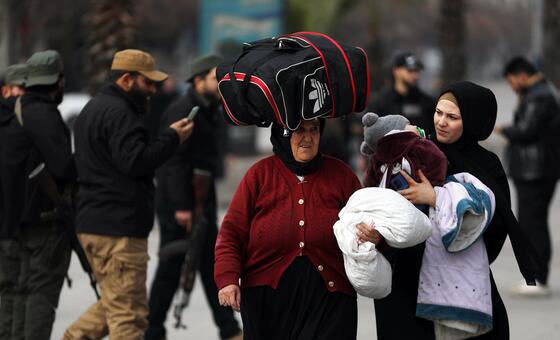
A further round of talks earlier this month did not advance implementation of a March 2025 agreement aimed at integrating the SDF into state institutions, UN officials said. Shortly afterward, clashes erupted in SDF-controlled neighbourhoods of Aleppo, forcing tens of thousands of civilians to flee.
“Following several days of intense fighting…tens of thousands fled, most of whom have started to return, dozens were killed, hundreds were wounded, and persons are still missing,” he said.
Although a ceasefire and “full integration agreement” was announced on 18 January with mediation by the United States and other partners, implementation quickly faltered.
Fighting resumed after talks broke down the following day, and clashes were still being reported in parts of Al-Hasakeh governorate and around Ayn al-Arab, also known as Kobane.
ASG Khiari briefs the Security Council.
“We strongly appeal for both sides to immediately adhere to a ceasefire…and engage in fleshing out and implementing the details of this latest understanding swiftly and in a spirit of compromise,” Mr. Khiari said, warning of an “alarming humanitarian and protection crisis” if the violence continues.
He said recent government decrees recognizing the linguistic, cultural and citizenship rights of Syrian Kurds were “encouraging initiatives” but stressed that they must be followed by inclusive political processes to build trust and national cohesion.
Fragile gains, deep needs
The political tensions are unfolding against a backdrop of immense humanitarian strain.
Edem Wosornu, Director of Crisis Response at the UN Office for the Coordination of Humanitarian Affairs (OCHA), said recent fighting had once again exposed how vulnerable Syria remains after 14 years of war.
Clashes this month forced tens of thousands from their homes in Aleppo and triggered new displacement across Ar-Raqqa, Deir ez-Zor and Al-Hasakeh governorates.
As of 18 January, more than 13,000 people had fled Ar-Raqqa alone, many seeking refuge in overcrowded collective centres.
“The fighting has cut people off from clean water, some hospitals have been forced to close, and many children cannot attend school,” Ms. Wosornu said, adding that damaged roads, unexploded ordnance and winter storms were hampering aid deliveries.
OCHA Director Wosornu briefs the Security Council.
Displaced families are facing “bitter winter conditions,” she said, with urgent needs for shelter, food and heating. Heavy snow and extreme cold have affected nearly 160,000 people living in camps, damaging shelters and contributing to the deaths of two infants.
Despite access challenges, UN agencies and partners continue to deliver aid, including food, shelter, medical supplies and protection services. Emergency funding has been released to support displaced families, and reception centres have been established in Al-Hasakeh and Qamishli.
“Syria can make further progress,” Ms. Wosornu said, but this hinges on sustained humanitarian funding, increased investment in recovery and development, and active diplomacy to prevent further violence and protect civilians.
UN teams blocked from accessing Al Hol amid unrest
UN teams attempting to assess conditions at Al Hol camp in Syria’s northeast were unable to enter the site this week following its takeover by Syrian authorities, amid reports of looting and fires that left the situation tense and volatile.
Staff from UNHCR and UNICEF reached the camp on Tuesday and again on Wednesday but were prevented from accessing it due to security concerns. The teams nevertheless held constructive discussions with Syrian government representatives on site.
The Syrian authorities have indicated their willingness to provide security and other support to UNHCR and humanitarian partners to allow life-saving operations to continue.
The UN also stressed the need for any transfer of detention facilities holding suspected ISIL members from SDF control to the Syrian government to be carried out in an orderly manner and in line with international standards.
Al Hol camp, located in Hasakeh governorate, has for years housed tens of thousands of people — many of them women and children — including family members of suspected ISIL fighters, and has long been plagued by insecurity, humanitarian needs and limited access for aid agencies.
Escalating conflict in Ukraine, a worsening hunger crisis in Nigeria and severe drought conditions in Kenya are intensifying humanitarian challenges across several regions, according to recent updates from United Nations agencies.
Officials warn that civilians are facing growing threats from armed conflict, climate shocks and food insecurity, with millions in urgent need of assistance.
Civilians Killed In Ukraine Attacks
Recent Russian strikes in Ukraine have continued to cause civilian casualties and damage to homes and infrastructure.
According to the UN children’s agency UNICEF, attacks in the Odesa region on Wednesday killed a 17-year-old boy. The agency condemned the violence and urged an immediate halt to strikes targeting civilian areas and critical infrastructure.
UNICEF said such attacks place children at particular risk and disrupt essential services on which families depend.
Meanwhile, the UN Office for the Coordination of Humanitarian Affairs (OCHA) reported that attacks on the southeastern city of Kryvyi Rih resumed on Thursday after earlier strikes the previous day.
Humanitarian teams have been working to assist residents affected by the bombardment.
“Teams delivered shelter materials to cover damaged homes and provided protection services to the affected residents,” OCHA said, noting that harsh winter conditions are worsening the humanitarian situation.
UN High Commissioner for Human Rights Volker Türk earlier condemned ongoing attacks on Ukraine’s energy infrastructure, which have disrupted electricity, heating and water supplies.
“Civilians are bearing the brunt of these attacks,” Türk said. “They can only be described as cruel. They must stop.”
Food Aid Shortfall Threatens Millions In Nigeria
In West Africa, the World Food Programme (WFP) has warned that more than one million people in northeast Nigeria could soon lose access to emergency food and nutrition assistance unless additional funding is secured within weeks.
Nigeria is already facing one of its most severe hunger crises in recent years. Aid agencies estimate that nearly 35 million people could face acute or severe food insecurity during the upcoming lean season.
Among those most at risk are approximately 15,000 residents in Borno State who could fall into catastrophic levels of hunger, just one step away from famine.
The crisis has been worsened by renewed violence in northern Nigeria, where armed conflict has destroyed crops, displaced families and disrupted local food systems.
“Now is not the time to stop food assistance,” said David Stevenson, WFP’s country director in Nigeria.
He warned that cutting aid would have “catastrophic humanitarian, security and economic consequences” for communities already struggling to survive.
The WFP is seeking $129 million to maintain its operations in northeastern Nigeria over the next six months.
Severe Drought Worsens Food Crisis In Kenya
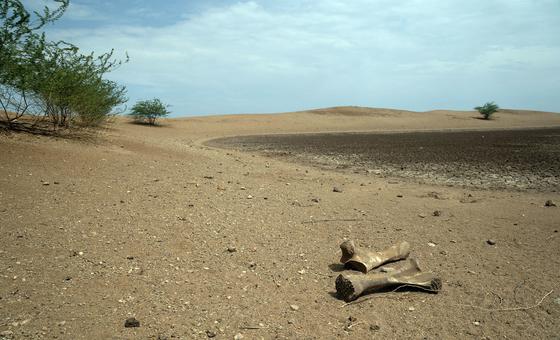
Meanwhile, prolonged drought conditions in Kenya are increasing food insecurity for millions of people.
According to the World Health Organization (WHO), more than two million people are currently affected following the October to December 2025 rainy season, which was among the driest on record.
The lack of rainfall has led to rising malnutrition levels, increased risks of disease outbreaks and disruptions to basic health services.
Ten counties in Kenya are currently experiencing drought conditions, including one classified at an “alarm” stage. An additional 13 counties in the country’s arid and semi-arid regions are also showing signs of drought stress.
The crisis is not limited to Kenya. Similar weather patterns are affecting neighbouring Somalia, Tanzania and Uganda, placing millions more people at risk.
To support response efforts, the WHO has supplied emergency medical kits, including cholera treatment supplies and pneumonia kits, while pre-positioning essential equipment in counties considered most vulnerable.
However, the agency warned that urgent action is needed to ensure communities and livestock have access to sufficient food and safe drinking water.
Without rapid intervention, humanitarian officials caution that the situation could deteriorate further, placing additional strain on already fragile health and food systems across the region.
The United Nations has called for sweeping reforms in global financial systems, warning that current investment patterns are accelerating environmental destruction instead of supporting efforts to protect the planet.
A new report, State of Finance for Nature 2026, highlights a stark imbalance in global spending, showing that for every dollar invested in protecting nature, about thirty dollars are directed toward activities that damage ecosystems.
UN officials say reversing this trend will require governments and financial institutions to redirect investments toward sustainable projects that support both environmental protection and economic growth.
Investments Driving Environmental Damage
The report identifies several sectors responsible for a significant share of environmentally harmful investments.
Industries such as utilities, industrial manufacturing, energy production and basic materials are among those linked to major ecological pressures.
In addition, certain sectors benefit from large government subsidies that encourage environmentally damaging practices. These include fossil fuels, agriculture, water management, transport and construction.
According to the report’s authors, these financial incentives often accelerate deforestation, pollution and the degradation of natural habitats.
“If you follow the money, you see the size of the challenge ahead of us,” said Inger Andersen, Executive Director of the United Nations Environment Programme (UNEP).
She warned that investments that harm the environment are growing far more rapidly than funding for nature-based solutions.
“We can either invest in nature’s destruction or power its recovery – there is no middle ground,” Andersen said.
Nature-Based Solutions Offer Economic Benefits
Despite the current imbalance, the report argues that viable solutions already exist to reverse environmental damage while supporting economic development.
Researchers describe the possibility of a “big nature turnaround,” where investments in sustainable infrastructure and environmental restoration could create economic opportunities while protecting ecosystems.
Examples highlighted in the report include expanding green spaces in cities to reduce extreme heat and improve living conditions for urban populations.
Urban greening projects, such as parks and tree planting initiatives, can help counter the “heat island” effect that causes cities to become significantly hotter than surrounding rural areas.
Integrating Nature Into Infrastructure
Another strategy involves incorporating nature into infrastructure projects.
Road networks, energy facilities and other large-scale infrastructure developments can be designed to minimise environmental impact and preserve biodiversity.
The report also points to the development of new building materials capable of capturing more carbon than they emit during production. Such innovations could help reduce emissions in the construction sector, which remains one of the largest contributors to global greenhouse gas output.
Phasing Out Harmful Subsidies
To achieve meaningful progress, the report calls for governments to gradually eliminate subsidies that support environmentally destructive industries.
At the same time, policymakers are encouraged to increase funding for projects that restore ecosystems, protect biodiversity and reduce pollution.
Redirecting financial flows toward “nature-positive” investments, the report argues, could significantly reduce environmental damage while helping economies transition toward more sustainable models of growth.
UN officials say aligning financial systems with environmental goals will be essential if the world hopes to address climate change, biodiversity loss and other major ecological crises.
The report concludes that transforming the way global markets allocate resources could become one of the most powerful tools available to protect the planet while ensuring long-term prosperity for people and communities worldwide.
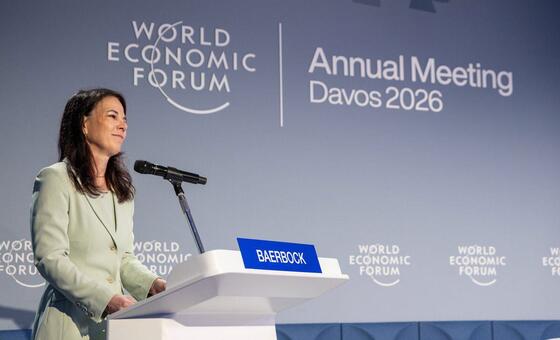
Speaking at the session Who Brokers Trust Now? at the World Economic Forum, Annalena Baerbock warned that multilateral institutions – long seen as the brokers of global trust – are under unprecedented strain as conflicts multiply and respect for international law erodes.
“Who brokers trust?” she asked. “In ordinary times, there would be a simple answer: multilateral institutions like the United Nations.” But, she added, these are “not ordinary times”.
Ms. Baerbock said the world is facing more conflicts than at any point in recent history. Since the start of 2026, she said, divisions have deepened further, leaving some Member States hesitant to act when circumstances demand principled conviction.
“Voices that were once outspoken in their support for all the three pillars of the United Nations Charter – peace and security, sustainable development, and human rights – fall more and more silent in the face of their erosion,” she said.
“The UN is not only under pressure but under outright attack.”
Facts and truths not up for negotiation
Ms. Baerbock stressed that trust cannot exist without truth and shared facts – foundations she said are increasingly undermined by deliberate disinformation.
“Without facts, you can’t have truth. Without truth, you can’t have trust,” she said, quoting Nobel Peace Prize laureate Maria Ressa.
She cautioned that falsehoods are rarely accidental, but are often deployed to “weaponize mis- and disinformation”, while diplomatic silence in the face of obvious falsehoods only deepens mistrust.
“We do not negotiate truths and facts,” Ms. Baerbock said. “We use them to negotiate, to broker trust.”
She highlighted the risks posed by artificial intelligence, noting that while AI offers enormous benefits, it is also being used to blur the line between truth and lies. Deepfakes, she said, are “systematically attacking women”, citing figures showing that the overwhelming majority of such content is pornographic and targets women.
UN Charter – ‘world’s life insurance’
Ms. Baerbock also highlighted that trust is impossible without common rules, arguing that respect for international law is not naïve idealism but a matter of enlightened self-interest.
“Trust is built on rules,” she said, likening the global system to competitive sports or markets where predictability and fairness are essential. “Why would you put your money into a business if the competition rules are totally unpredictable?”
Recalling the founding of the United Nations 80 years ago, she said leaders at the time chose cooperation after witnessing the catastrophic consequences of a lawless international order.
The UN Charter, she added, remains “the world’s common life insurance”, just as a rules-based economic order underpins global business and investment.
A call for broad alliance
The General Assembly President concluded by calling for a broad alliance – spanning governments, businesses and regions – to stand up for the international order and defend shared principles, even when it is politically or economically costly.
“Trust is brokered by those who hold up the common rules and principles, even when it is hard,” she said. “By those who act when action is required…and by those who speak the truth, when silence or distortion would be easier.”
The challenge now, Ms. Baerbock emphasised, is whether today’s leaders can act with the same courage and conviction as those who built the post-war international system.
“The founders of the United Nations understood that because they had seen what the alternative would mean, in a world where might makes right, there can be only one outcome: chaos and war.”
For decades, scientists, policymakers and the media warned of a “global water crisis,” implying temporary shock – followed by recovery.
What is now emerging in many regions, however, is a persistent shortage whereby water systems can no longer realistically return to their historical baselines.
“For much of the world, ‘normal’ is gone,” said Kaveh Madani, Director of the UN University Institute for Water, Environment and Health.
“This is not to kill hope but to encourage action and an honest admission of failure today to protect and enable tomorrow,” he told a press briefing in New York on Tuesday.
Unequal burdens
Mr. Madani emphasised that the findings do not suggest worldwide failure – but there are enough bankrupt or near-bankrupt systems, interconnected through trade, migration and geopolitical dependencies, that the global risk landscape has been fundamentally altered.
The burdens fall disproportionately on smallholder farmers, Indigenous Peoples, low-income urban residents and women and youth, while the benefits of overuse often accrued to more powerful actors.
From crisis to recovery?
The report introduces water bankruptcy as a condition defined by both insolvency and irreversibility.
Insolvency refers to withdrawing and polluting water beyond renewable inflows and safe depletion limits.
Irreversibility refers to the damage to key parts of water-related natural capital, such as wetlands and lakes, that makes restoration of the system to its initial conditions infeasible.
But all is not lost: comparing water action to finance, Mr. Madani said that bankruptcy is not the end of action.
“It is the start of a structured recovery plan: you stop the bleeding, protect essential services, restructure unsustainable claims, and invest in rebuilding,” he noted.
Costly tab
The world is rapidly depleting its natural “water savings accounts”, according to the study: more than half the world’s large lakes have declined since the early 1990’s, while around 35 per cent of natural wetlands have been lost since 1970, Mr. Madani said.
The human toll is already significant. Nearly three-quarters of the world’s population live in countries classified as water-insecure or critically water-insecure.
Around four billion people experience severe water scarcity for at least one month each year, while drought impacts cost an estimated $307 billion annually.
“If we continue to manage these failures as temporary ‘crises’ with short-term fixes, we will only deepen the ecological damage and fuel social conflict,” Mr. Madani warned.
Course corrections
The report calls for a transition from crisis response to bankruptcy management, grounded in honesty about the irreversibly of losses, protection of remaining water resources – and policies that match hydrological reality rather than past norms.
OHCHR said the sharp increase in capital punishment last year was driven by executions for drug-related violations, for crimes people committed as children and for offences not meeting the ‘most serious crimes’.
“The death penalty is not an effective crime-control tool, and it can lead to the execution of innocent people,” said Volker Türk, UN Commissioner for Human Rights.
“In practice, the death penalty is also often applied arbitrarily and discriminatorily, in violation of fundamental principles of equality before the law.”
Geography of death
OHCHR’s monitoring reveals that no one region claimed the monopoly over capital punishment.
In Iran, at least 1,500 individuals were reportedly executed in 2025, with at least 47 per cent relating to drug offences.
In Israel, a series of legislative proposals is seeking to expand the use of the death penalty by introducing mandatory capital punishment provisions that would apply exclusively to Palestinians.
In Saudi Arabia, the reported number of executions exceeded the previous record of 2024, mounting to at least 356 people, where 78 per cent of cases were for drug-related offences. In Afghanistan, public executions continued, in breach of international law.
In the Americas, the United States saw the highest number of executions in 16 years – some 47 inmates who had been on death row.
Further south, at least 24 people were executed in Somalia and 17 in Singapore.
‘Encouraging steps’
However, OHCHR noted that several countries took ‘encouraging steps’ last year to limit capital punishment.
Vietnam reduced the number of offences punishable by death. Pakistan also removed two non-lethal capital offences but still retained 29.
Zimbabwe abolished on 31 December 2024 the death penalty for ordinary crimes, while Kenya initiated a legislative review of capital punishment.
Malaysia’s resentencing process reduced the number of people at risk of execution by more than 1,000 and in Kyrgyzstan, the Constitutional Court reaffirmed the prohibition of the death penalty.
So far, 170 countries have abolished or introduced a moratorium on the death penalty either in law or in practice.
Secretary-General António Guterres is following the continuing violence “with great concern,” Deputy UN Spokesperson Farhan Haq said on Tuesday in New York.
The Secretary-General called for full respect for international law and the protection of civilians while also stressing the importance of securing detention facilities.
He urged the parties to continue dialogue, move forward in good faith, and work together to secure the implementation of all agreements.
Fearing for families
The UN human rights office, OHCHR, was “concerned about reports of renewed fighting between the Syrian Army and the SDF, despite the 18 January ceasefire agreement,” Spokesperson Ravina Shamdasani said earlier in Geneva.
Rolando Gómez of the UN Information Service (UNIS) there described the overall situation as “worrying, in particular the damage to critical infrastructure.”
He expressed concern for families unable to leave conflict areas and those who have been newly displaced.
A fragile transition
Syria remains on a fragile path to political transition following the fall of the Assad regime in December 2024 and nearly 14 years of civil war.
The transitional government has been taking back territory in the northeast under Kurdish control and fighting has occurred in Aleppo, Raqqa, Deir-ez-Zor and Al Hassakeh governorates.
Speaking in New York, Syria’s UN ambassador Ibrahim Olabi told journalists that the government and the SDF had reached “a common understanding” on several issues regarding the future of Al Hassakeh governorate.
The SDF will be granted “a four-day period for internal consultations to develop a detailed plan for the practical mechanisms for integrating the area,” he said during a media stakeout at UN Headquarters.
Syrian troops will not enter Al Hassakeh and Qamishli cities and will remain on their outskirts until a plan is finalised.
ISIL detention camps
Northeast Syria is home to several prisons holding thousands of ISIL fighters. The terrorist group, also known as Daesh, once controlled large swaths of the country and neighbouring Iraq in its attempt to establish an Islamist caliphate, committing mass executions, rape, forced recruitment and other atrocities along the way.
Tens of thousands of civilians with suspected ties to the militants, mainly women and children, are housed in separate detention camps such as notorious Al-Hol camp – home to over 30,000 people.
Ceasefire and clashes
The ceasefire announced on Sunday followed weeks of deadly fighting. The truce calls for the authorities to take over SDF-controlled areas and for its forces to be integrated into the national army, among other points.
Clashes resumed a day later during which roughly 120 ISIL fighters escaped from the prison in Al-Shaddadi city, according to media reports, though most have been captured.
Ms. Shamdasani recalled that OHCHR has long stated that any integration of security forces into Syrian State institutions, particularly SDF forces, “must take place within a proper human rights-based vetting process to ensure that any individuals involved in human rights violations or abuses are not integrated.”
Humanitarian support
Meanwhile, humanitarians have been providing assistance in the four affected governorates, incluidng trauma care, water and hygiene support, and psychosocial support, the UN aid coordination office OCHAreported on Monday.
Public services have been suspended in Deir-ez-Zor city and key transport routes temporarily closed, leaving civilians cut off from education and healthcare.
Furthermore, damage to critical infrastructure in Raqqa city has curtailed access between neighbourhoods and disrupted the main water supply.
OCHA noted that people continue to flee Raqqa and Tabqa cities, as well as Thawra town, and are heading towards Al Hassakeh and Qamishli governorates.
Hundreds of families remain unable to leave Tabqa and are sheltering in public facilities.
Assessments are underway to determine people’s needs as humanitarians continue to call for sustained, safe access to the population.
A Chilean police officer stationed at the border collaborated on the scheme, enabling the crime.
Were it not for border guards, public officials and other entities who look the other way in exchange for money or sexual favours – or are themselves being extorted – human trafficking could not occur on a large scale, according to a new report from the UN Office on Drugs and Crime (UNODC) published on Monday.
It analyses more than 120 cases involving almost 80 countries – based on consultations with policymakers, prosecutors, investigators and independent experts from more than 30 countries – to expose the ‘hidden links’ between human trafficking and corruption.
Cloak of corruption
Human trafficking can include sexual exploitation, forced labour, forced begging, organ removal and even illegal adoption, among other forms of exploitation.
The report demonstrates how corruption permeates and facilitates every stage of human trafficking.
During recruitment and transport, corrupt officials provide documentation, overlook irregularities and collude with fraudulent recruitment agencies and organised criminal groups.
At border crossings, bribes and papers obtained through corruption allow persons to be moved across jurisdictions.
Asking for help can appear difficult or impossible once a person is exploited. Corruption shields operations in industries such as agriculture, construction, fisheries and domestic work, and helps keep victims of trafficking in situations of forced labour, sexual exploitation and forced criminality.
Finally, corruption obstructs anti-trafficking efforts, from police investigations and prosecutions to judicial decisions and assistance to victims.
Breaking the cycle
UNODC supports countries in breaking the cycle of corruption and human trafficking, including by ensuring national legislation applies stronger penalties when public officials are involved in trafficking and establishing safe reporting mechanisms for victims.
Other UN agencies are also supporting the effort. Backed by the International Organization for Migration (IOM), Moldova announced last week that it is strengthening its ability to identify and stop cross-border crimes, including human trafficking, through the new headquarters of its Passenger Information Unit (PIU).
The PIU is equipped with advanced UN software that improves passenger data collection, analysis and rapid response. Moldova is the seventh country to adopt this system, following in the footsteps of Norway, Luxembourg, Botswana, Georgia, the Philippines and Mongolia.
The head of aid coordination office, OCHA, in the country, Paola Emerson, told reporters in Geneva that more than half a million people have been impacted by the floods, triggered by heavy rains in the first weeks of the new year.
“The numbers keep rising as extensive flooding continues and dams keep releasing water to avoid bursting,” she said.
Mozambique’s Gaza province is most affected along with Maputo and Sofala provinces.
‘Melting’ houses
Speaking from Xai-Xai, Gaza’s capital city, Ms. Emerson stressed that 90 per cent of the country’s people live in adobe houses, which are earth-based structures “that basically melt after a few days’ rains”.
Health facilities, roads and critical infrastructure are also heavily impacted. Ms. Emerson said that some 5,000 kilometres of roads have been damaged across nine provinces, including the main road linking the capital Maputo to the rest of the country, which is currently inaccessible, resulting in major supply chain disruptions.
Meanwhile, dams continue to release water even as heavy rains subside.
“From just one dam, up to 10,000 cubic metres-worth of water were being discharged. That is approximately 25 times the amount of water that could be held in the press briefing room you are in today, every second,” Ms. Emerson told journalists, seated in a room with capacity for more than 100 people.
“You cannot imagine the strength of this water and the impact it has on people and the infrastructure.”
National emergency
The Government of Mozambique has declared a national emergency and has established an emergency operations centre in Gaza province. Xai-Xai, which is near the Limpopo River, has been inundated, prompting evacuations. Ms. Emerson said that authorities have issued alerts for downtown Xai-Xai, “including warnings of crocodile risks in flooded areas”.
“River levels are rising and are reaching urban areas or heavily populated areas,” she said. “The crocodiles that are in the Limpopo River…are able to get into urban or populated areas that are now submerged underwater.”
Also speaking from Xai-Xai, the UN Children’s Fund (UNICEF)’s Chief of Communication in Mozambique, Guy Taylor, warned that flooding is “turning unsafe water, disease outbreaks and malnutrition into a deadly threat for children”.
Lethal combination
The combination of waterborne diseases and malnutrition “can often prove lethal,” he said, stressing that even before the floods, four out of every 10 children in Mozambique experienced chronic malnutrition.
“This renewed disruption to food supplies, to health services and to care practices threatens to push the most vulnerable children into a dangerous spiral,” he insisted.
Mr. Taylor added that Mozambique is now entering into its annual cyclone season, creating the risk of a double crisis. “We can prevent disease, deaths and irreversible losses to children, but we need to act fast,” he said.
The UNICEF spokesperson described Mozambique as “a country of children and young people”, with an average age of 17.
“When floods and cyclones strike, as they have repeatedly and with increasing frequency over recent years, it’s the youngest and children who are hit hardest,” he concluded.
Responding to the dramatic development, head of the UN agency for Palestine refugees Philippe Lazzarini described it as an “unprecedented attack” against the UN, whose premises are protected under international law.
The move represents “a new level of open and deliberate defiance of international law, including of the privileges and immunities of the United Nations, by the State of Israel”, the UNRWA Commissioner-General said on X.
The same thing could happen to any other organization or diplomatic mission “anywhere around the world”, Mr. Lazzarini warned. “This must be a wake-up call,” he stressed.
Human rights chief’s ‘outrage’
Echoing those concerns, UN High Commissioner for Human Rights Volker Türk expressed his “outrage” at the incident, which marks a sharp escalation of tensions between the Israeli authorities and UNRWA.
“It compounds what we’ve been seeing for a while; attacking aid groups and UN actors who are trying to help,” said Ravina Shamdasani, spokesperson for the High Commissioner.
On 14 January, Israeli forces entered an UNRWA health centre in East Jerusalem and ordered it to close. At the time of the incident, the agency said its workers were “terrified”. In the coming weeks, water and power supplies to UNRWA facilities are scheduled to be cut, including to buildings used for health care and education.
“This is a direct result of legislation passed by the Israeli parliament in December, which stepped up existing anti-UNRWA laws adopted in 2024,” Mr. Lazzarini said.
Previously, UNRWA premises have been targeted by arsonists amid a “large-scale disinformation campaign” against it by Israel, the agency’s Commissioner-General maintained.
This was despite a ruling last October by the UN’s top court, the International Court of Justice, which restated that Israel was obliged “to facilitate UNRWA’s operations, not hinder or prevent them. The court also stressed that Israel has no jurisdiction over East Jerusalem,” Mr. Lazzarini noted.
“What happens today to UNRWA will happen tomorrow to any other international organisation or diplomatic mission, whether in the Occupied Palestinian Territory or anywhere around the world,” he continued. “International law has come under increasing attack for too long and is risking irrelevancy in the absence of response by Member States.”