World News in Brief: Casualties in Ukraine, Burkina Faso aid helicopter blast, Uganda urged to release opposition leaders

The monthly total also marked a three-year high, topping June’s figure, with HRMMU verifying civilian deaths and injuries in 18 of Ukraine’s 24 regions.  

“For the second month in a row, the number of civilian casualties in Ukraine hits a new three-year high,” said Danielle Bell, Head of HRMMU.

“Only the first three months after the Russian Federation launched its full-scale invasion of Ukraine saw more killed and injured than in this past month,” she added.  

Rising toll 

Numbers for the first seven months of 2025 were 48 per cent higher than in the same period last year.

Long-range weapons, including missiles and suicide drones, accounted for nearly 40 per cent of casualties. On 31 July, Kyiv saw its deadliest attack since the start of the full-scale invasion, with 31 people killed, including five children, when a missile struck a residential building.

Short-range drones alone caused 24 per cent of casualties, reflecting a sharp rise since mid-2024, as documented in a bulletin published by HRMMU in June 2025.  

The steepest monthly increase came from aerial bombs, which killed 67 and injured 209 in July, compared with 114 casualties in June. Strikes hit a penal colony in Zaporizhzhia and an apartment building in Donetsk, killing at least 21 people in total.

“Whether you are in a hospital or a prison, at home or at work, close to or far away from the frontline, if you are in Ukraine today, you are at risk of getting killed or injured by the war,” Ms. Bell said. 

Burkina Faso: Blast hits near UN aid helicopter in Solle

A UN chartered helicopter delivering food aid to the town of Solle in northwest Burkina Faso was caught in an explosion shortly after landing on Tuesday, injuring two people.

The aircraft, chartered by the World Food Programme (WFP), had just unloaded humanitarian supplies when the blast occurred nearby. One crew member and a Government partner were hurt and are now receiving medical treatment.

The helicopter sustained only minor damage and was moved to safety, WFP said. Flights to Solle have been temporarily halted while authorities investigate the incident.

Critical operation

In conflict-affected areas of Burkina Faso, WFP’s humanitarian air operations are critical for delivering life-saving assistance to hard-to-reach communities most in need.  

WFP aims to assist 315,000 of the most vulnerable people during the lean season from June to August, when families have exhausted their food stocks.

In a statement, WFP reaffirmed the agency’s “unwavering commitment to support populations in need and to reach the most remote communities with humanitarian assistance.”

Rights office urges Uganda to release opposition leaders on bail

The UN human rights office (OHCHR) on Wednesday expressed serious concern at repeated denials of bail in Uganda for opposition leader Kizza Besigye and his associate Obeid Lutale.

Both individuals have been denied bail three times since they were abducted in neighbouring Kenya and returned to Uganda last November. 

In dismissing their latest request, the High Court found them ineligible for mandatory bail merely because they had been detained in civil prison for less than the 180 days required to qualify for release, a duration that did not account for their prior deprivation of liberty following their abduction and forced return.

“We urge the authorities to reconsider the decision and grant them bail, and to ensure that any legal proceedings against them are fully in line with international human rights law,” said OHCHR spokesperson Liz Throssell.

Human rights concerns  

The UN human rights office in Uganda closed its operations there in 2023 after the Government decided to end cooperation with OHCHR.  

At the time, High Commission Volker Türk expressed concern about the run-up to the 2026 elections, amid an increasingly hostile environment impacting human rights defenders, civil society actors and journalists.

Other UN human rights mechanisms also condemned laws criminalizing same sex relations and the call for the use of the death penalty for convicted offenders. 

Source link

The world has the tools to end Haiti’s crisis – it’s time to use them

“I often feel that I cannot even find words any longer to describe the situation. Is it alarming, is it acute, is it urgent? It is all of that and even more.”

The phrase she ultimately settled on was “strikingly horrific.”

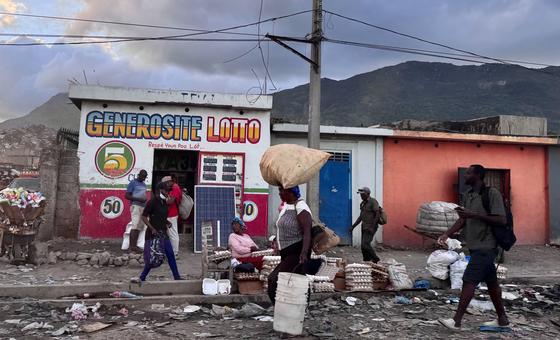
Haiti is currently facing a protracted and worsening humanitarian crisis – with gang violence expanding beyond the capital of Port-au-Prince, civilians are increasingly bearing the brunt of this terror. Additionally, Haiti is one of five countries worldwide experiencing famine-like conditions.

Woeful crisis response

Amidst this horror, Haiti’s humanitarian plan is only nine per cent funded, making it the least funded humanitarian response plan in the world according to Ms. Richardson.

But despite these challenging and protracted circumstances, Ms. Richardson was also keen to emphasise that political will and funding could ensure that the current crisis does not have to be Haiti’s future.  

Haiti’s destiny does not need to be misery and despair,” she said. “As much as Haiti has spiralled down in a negative [way], Haiti can quickly spiral up again.”

Beyond the figures

Over 1.3 million people have been displaced in Haiti as a result of violence – the  largest number in Haiti’s history – and almost half of the country is suffering from emergency food insecurity.   

These numbers have become so big that it can be hard to conceive of the actual human impact behind them.

“All of that is just figures. Beyond every figure, there is a mother, a child, a father, a young person,” she said.

Sometimes these numbers also obscure certain livelihoods. For example, the number of 1.3 million displaced obscures those left behind, perhaps because they physically could not flee as violence encroached on their neighborhood.  

Ms. Richardson said that she has heard many stories like this.

“These could be people in a wheelchair or an elderly relative that they simply have to leave behind. They cannot move with them.”  

Ask yourself, what more can you do?

Ms. Richardson said that there is much about Haiti’s current situation that she finds frustrating – most specifically the fact that the international community has identified the solutions to mitigate, if not completely stop, the crisis.

“We have tools, but the response from the international community is not on par with the gravity on the ground,” she said.  

For example, the Multinational Security Support mission (MSS) has half of the personnel and very little of the equipment it needs to fulfil its mandate.

Additionally, while sanctions on political leaders with gang ties are slowly taking hold, they are insufficient. Similarly, the international community is not doing enough to stop the flow of guns.  

“These tools need to be given the proper support and investment in order to carry out their full mandate. There has to be a way of stopping arms coming into Haiti,” Ms. Richardson said.

Calling on States to ask themselves what more they can do to end the humanitarian crisis, Ms. Richardson said that the world must multitask.  

‘A divided heart’

Ms. Richardson will be taking a new post in Libya as of 1 September , and as she prepares to leave behind her years of work in Haiti, she told journalists that she has a divided heart.

On the one hand, this is a humanitarian crisis of “striking” proportions that the world seems to have forgotten. But. if the international community was able to embrace the solutions before them, the crisis could end. 

Haiti can turn the page

We cannot do what we do if we are not optimistic. Of course, we think that there are solutions. Of course, we think that the future is brighter than the present.”

Ms. Richardson said that this optimism comes in part from Haiti’s “honourable and brilliant” past and from the resistance she has seen on the ground.  

“Every condition is there to turn the page…Haitians are extremely ready for this, for the country to have a more positive echo in the international community.” 

Source link

World News in Brief: Sudan’s agony continues, Colombian presidential candidate dies, the world celebrates the steelpan

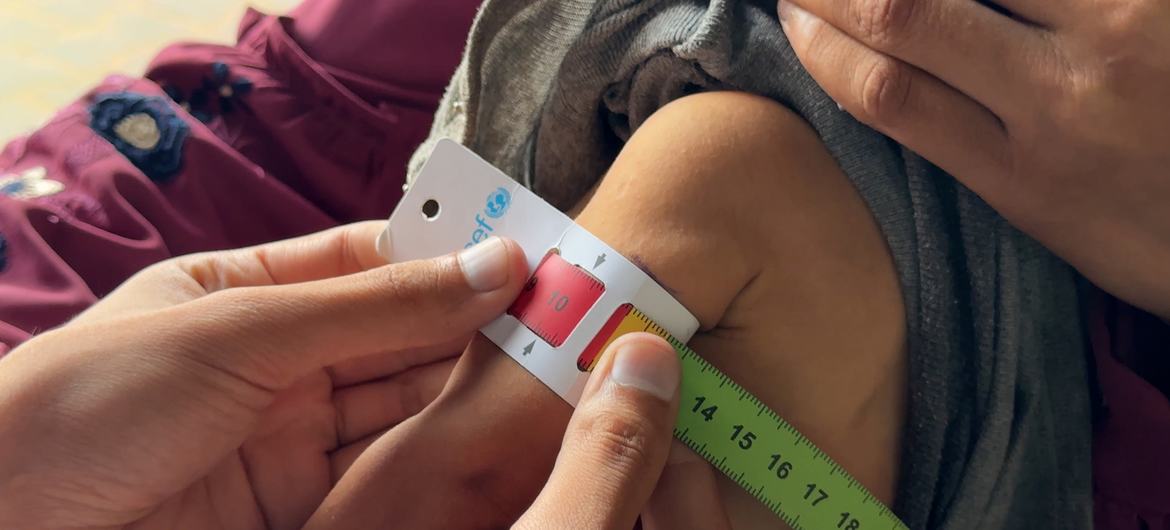
The Director of Operations and Advocacy at the UN aid coordination office (OCHA), Edem Wosornu, warned on Monday that over 60 people reportedly died from malnutrition during a single week in the besieged government-controlled city of El Fasher in North Darfur State. Most of the deaths are those in vulnerable groups, such as women and children. 

Famine was first detected in the Zamzam displacement camp in North Darfur about a year ago, likely expanding to other areas since.    

OCHA is also concerned about ongoing violence in the Kordofan region, including reports of attacks on villages in North Kordofan just last week. Eighteen civilians were reportedly killed and dozens more were wounded.

“It is tragic that we need to underscore on a regular basis that civilians must never be targeted, and all parties must uphold their obligations under international humanitarian law,” said UN Spokesperson Stéphane Dujarric at Monday’s daily briefing in New York.  

Cholera outbreak and response

The UN and humanitarian partners continue to scale up the response to cholera in Sudan, where 100,000 cases have been recorded nationwide since July 2024.  

Since 21 June, there have been 5,300 suspected and confirmed cases and 84 deaths due to the waterborne disease in North Darfur State. Most of these have been in the Tawila locality, where around 330,000 civilians displaced from the Zamzam Camp and El Fasher are sheltering in dire conditions.

UN partners are on the ground responding with cholera treatment centres, but overcrowding, poor sanitation, limited access and the ongoing rainy season are accelerating the spread of disease and restricting aid delivery.  

Nonetheless, on 10 August, a new vaccination campaign supported by the World Health Organization (WHO) began in Khartoum State, targeting 1.1 million people.

Guterres deeply saddened by death of Colombian presidential candidate

Secretary-General António Guterres released a statement on Monday expressing his deep sadness over the death of Colombian presidential candidate and former senator, Miguel Uribe, sending condolences to his family and the Colombian people.

Mr. Uribe’s death followed two months in intensive care after he was shot multiple times during what was reportedly a targeted attack at a campaign rally in the capital of Bogotá on 7 June.  

UN High Commissioner for Human Rights, Volker Türk, also released a statement expressing his shock and sadness over the death of the presidential candidate.

The top UN officials both noted the active investigations are ongoing into the shooting. A teenager who is believed to have carried out the attack has been arrested but the motive is still unclear, according to news reports.  

Mr. Türk stressed that this death “is a stark reminder of the importance that Colombia’s upcoming elections be conducted with respect for the lives of all, free from violence and in a climate that allows for safe and inclusive participation.”  

The UN rights chief said his office in Colombia will continue to assist Colombian authorities and civil society in their human rights work ahead of the upcoming election.

In the same vein, the Secretary-General urged Colombia’s authorities to take all necessary measures to ensure a peaceful election and security for all candidates taking part.

Let’s hear it for the Caribbean’s own steelpan

11 August marks World Steelpan Day, celebrating the exuberant musical instrument that originated in Trinidad and Tobago and is now enjoyed worldwide.

The steelpan, otherwise known as a steel drum, has roots in the early 20th-century carnival percussion groups of the Caribbean islands and is played with rubber-tipped sticks.

The UN recognises the joyous steelpan for its rich cultural and historical significance as well as its role in promoting sustainable development and diversity.

In honour of the day, the UN General Assembly is encouraging activities that raise awareness of the cultural significance of the beloved instrument and its connection to the Sustainable Development Goals (SDGs).

This celebration highlights how music and culture can foster inclusive and sustainable communities worldwide. 

Source link

‘Nuclear weapons have no place in our world,’ UN chief tells mayors in Nagasaki

Inspired by the hibakusha, survivors of the atomic bombings at the end of World War Two who turned their suffering into a powerful appeal for peace, António Guterres renewed his call for a world free of nuclear weapons in a video message to the 11th General Conference of Mayors for Peace in Nagasaki.

United against nuclear weapons, the conference is an opportunity for mayors from around the world to discuss and adopt key priorities in support of global denuclearisation.

‘No place in our world’

“Nuclear weapons have no place in our world,” said Mr. Guterres in his video-message, as they only offer the “illusion of safety and the certainty of devastation,” he said.

Calling for the total elimination of nuclear weapons, the Secretary-General urged all participants at the conference to “keep mobilising communities, inspiring young people, and building peace from the ground up.”

“I urge all States to recommit to nuclear disarmament,” he said.

A better world

I commend Mayors for Peace for your unwavering commitment to a better world,” said Secretary-General, as the organization aims at creating real momentum for the realisation of a peaceful world without nuclear weapons.

In honour of the hibakusha, and in the memory of the victims of Hiroshima and Nagasaki, Mr. Guterres made an impassioned call for action to end the nuclear threat once and for all.

Read more about the work of the hibakusha here in previous UN News coverage, and listen to this extraordinary story of survival in our Lid is On podcast:

Source link

Landlocked nations ‘invisible to much of the world’: UN trade and development chief

At a major UN conference underway this week in Awaza, Turkmenistan, calls are growing to tackle the high trade costs, investment gaps and growing digital divide that continue to hold these countries back.

Despite progress in some areas, landlocked developing nations – from Bolivia to Bhutan and Burkina Faso – account for just 1.2 per cent of global exports, even though they represent over seven per cent of the world’s countries. Their populations face some of the highest levels of poverty, food insecurity and economic vulnerability anywhere.

These countries are invisible to much of the world,” not able to draw the attention needed to their unique challenges, said Rebeca Grynspan Secretary-General of the UN trade and development body, UNCTAD, speaking to UN News on the margins of the third UN Conference on Landlocked Developing Countries (LLDC3).

Without international attention and coordinated action, they will remain stuck in structural limbo, she emphasised.

High costs, low returns

One of the most persistent challenges they face is geography itself.

Without direct access to seaports, they must rely on neighbouring transit countries to move goods – often through outdated or inefficient infrastructure.

This translates into trade costs that are, on average, 1.4 times higher than those of coastal countries, according to UNCTAD. In some cases, export procedures can stretch into weeks or months due to border delays, fragmented regulations and limited digital systems.

Ms. Grynspan highlighted that in customs procedures, digital tools can cut waiting times at borders from three days to three hours. To that end, regional agreements and digital initiatives have emerged as lifelines.

UNCTAD head Rebeca Grynspan speaking to UN News.

One standout example is the Framework Agreement on Facilitation of Cross-Border Paperless Trade, championed by the UN Economic and Social Commission for Asia and the Pacific (ESCAP). Now in force among several Asia-Pacific countries, it helps reduce paperwork, automate customs and harmonise standards, making processes faster, cheaper and more transparent.

Paperless trade also has the potential to reduce corruption and ease language-related challenges.

ESCAP estimates that implementing cross-border paperless trade measures could reduce trade costs by up to 30 per cent for countries in the region without direct sea access and increase export potential for the whole of Asia and the Pacific by nearly $260 billion.

Infrastructure and integration

Even when goods reach border crossings, weak domestic transport networks further slow trade down. Roads and railways are often underdeveloped, underfunded or vulnerable to climate shocks.

Regional infrastructure – like the African North Corridor – is crucial,” Ms. Grynspan said, citing examples where wait times at borders have dropped by more than 150 per cent due to corridor investment and coordination.

But infrastructure alone is not enough – it must be paired with digital systems and strong regional partnerships.

“For landlocked countries, regional integration is very important because when you integrate regionally, you are in a better position because goods pass through you…[making you] part of global value chains with value added.”

In landlocked countries like Bhutan (pictured), roads are a vital lifeline. But limited and costly transport infrastructure restricts mobility, inflates trade costs, and hinders access to markets, education, and healthcare.

Escaping the commodity trap

Another structural challenge is heavy dependence on commodities. Over 80 per cent of landlocked developing countries rely on raw materials like minerals, oil or agricultural goods, making them highly exposed to global price swings and long-term decline in terms of trade.

You educate your people, but then they have nowhere to work because commodities do not give you the quality jobs that you need for the future,” said Ms. Grynspan.

The path forward lies in economic diversification, especially toward value-added manufacturing, digital services and knowledge-based sectors – industries that are less constrained by geography.

The investment conundrum

Yet to realise that potential, these countries need investment and they are not getting enough.

Despite more than 135 legal and policy reforms aimed at attracting foreign capital, foreign direct investment has declined by an average of 2 per cent over the past decade.

ESCAP’s analysis confirms this gap: landlocked countries in Asia are receiving far less infrastructure investment per person compared with coastal countries, even though their transport requirements are proportionally higher.

Governments are trying to make their countries more attractive [but] investment is not coming in,” Ms. Grynspan said.

High risk factors, lack of guarantees, and a reliance on short-term financing are deterring investors.

Multilateral development banks need to help us,” she added. “We need long-term, affordable financing and lowered cost of capital.” 

Source link

World News in Brief: Funding schools in Afghanistan, Seaweed farming in Latin America, drought in Somalia

The agency plans to procure over 1,200 metric tons of fortified biscuits, which will provide 200,000 primary school-aged girls and boys with sustenance for around three months.  

“For many children, the daily snack they receive in the first break of the day is often their only nutritious meal, giving them the energy to stay healthy, focused, and ready to learn,” said Mutinta Chimuka, Deputy Country Director for WFP in Afghanistan.  

Food security  

“WFP in Afghanistan launched its school feeding programme more than two decades ago to link food security and better nutrition with education,” said Ms. Chimuka.

School feeding activities have played a crucial role in improving attendance, retention and learning outcomes.

Primary schools participating in the programme saw enrollment increase by nearly 11 percent in 2024 compared to 2023, while attendance also improved, reaching an average of 87 per cent in the classroom, two percentage points above WFP’s target.

Seaweed farming, a potential key driver of sustainable development in Latin America

In the last decade, seaweed farming grew by 66 percent in Latin America and the Caribbean, a new report from the Food and Agriculture Organization (FAO) has found.

The practice of cultivating and harvesting seaweed or algae in the marine environment offers a relatively low-carbon method to produce highly nutritious food while supporting rural livelihoods, according to international experts gathered at a regional workshop in Chile.  

Seaweed farming is vital to sustainable coastal development in Latin America, experts argue, highlighting its nutritional value and the need for clearer, coordinated regulation.

Untapped potential

Expanding seaweed cultivation holds significant untapped potential for sustainable development in Latin America and the Caribbean.

However, while countries like Brazil, Chile and Venezuela lead production, most initiatives across the region remain small-scale.  

Yet, with a 66 per cent increase over the past decade, experts see major opportunities for growth. Supporting emerging producers, diversifying species and investing in research and technology – including AI and biotechnology – could  deliver both economic and environmental benefits.  

Strengthening community participation, particularly among women and youth, will also be essential. With coordinated action and inclusive policies, seaweed farming could become a key driver of resilient coastal development.

Hundreds of thousands impacted by severe drought in Somalia

Hundreds of thousands of people have been impacted by severe drought in Somalia’s central and northern regions, according to the UN’s humanitarian coordination office, OCHA.  

With food insecurity escalating, dwindling access to water and pasture and major disruption to livelihoods, a joint assessment by UN agencies and partners is currently underway in Puntland and Somaliland to determine key needs.

Wells run dry

An analysis from the Food and Agriculture Organization (FAO) noted that more than 880,000 Somalis are currently living in severely drought-affected areas across 16 districts, humanitarians on the ground reported that water wells have dried up and that more than 160 boreholes are no longer functioning.

Although the UN-managed Somalia Humanitarian Fund is preparing to allocate resources for urgent life-saving assistance, only 17 per cent of the plan has been funded to date. 

Source link

The world is demanding action over plastic pollution: UN environment chief

The world wants and indeed needs a plastic conventional treaty because the crisis is getting out of hand – and people are frankly outraged,” said Inger Andersen, UNEP Executive Director of the UN Environment Programme (UNEP), the UN agency leading the talks.

“We know that plastic is in our nature, in our oceans, and yes, even in our bodies…What is sure is that no one wants to live with the plastic pollution.”

Out of control

Unless an international accord is inked, plastic production and waste is projected to triple by 2060, causing significant damage – including to our health – according to UNEP.

Switzerland’s top environment official Katrin Schneeberger echoed the call for a legally binding treaty, insisting that plastic waste “is choking our lakes, harming wildlife and threatening human health. This is more than just an environmental issue, it is a global challenge that demands urgent and collective action.”

Speaking to journalists on the sidelines of the treaty negotiations, Ms. Schneeberger underscored that there was “no call for a production cap” by producing countries.

Spirit of compromise?

Reaching a shared understanding that measures are needed on both the production and consumption sides can help unlock the negotiations,” she said in her capacity as Director of the Swiss Federal Office for the Environment.

Supporters of a deal have compared it to the Paris Climate Accord in terms of its significance. They have also pointed to the pressure allegedly being brought to bear against a deal by petrostates, whose crude oil and natural gas provide the building blocks of plastics.

“We will not recycle our way out of the plastic pollution crisis: we need a systemic transformation to achieve the transition to a circular economy,” UNEP Executive Director Inger Andersen has insisted in previous comments on the need for global regulations on plastics.

Virtuous circle

With 10 days of talks scheduled on the treaty at the UN in Geneva, supporters of an accord hope that the deal will cover the full life cycle of plastics, from design to production and disposal.

The treaty should “promote plastic circularity and prevent leakage of plastics in the environment”, according to the text now guiding negotiations led by the Intergovernmental Negotiating Committee (INC).

At 22 pages, the INC document contains 32 draft articles which will be discussed line by line. The text is designed to shape the future instrument and serves as a starting point for negotiations by countries meeting in Geneva.

“Some [countries] will have to deal with reduction, others will have to deal with mechanical recycling and others will deal with alternatives,” Ms. Andersen said. “Let’s see how we can get to this through the negotiations. I think there’s a lot of good faith in the working group right now.”

The UNEP-led talks follow a decision in 2022 by Member States to meet and develop an international legally binding instrument to end the plastic pollution crisis, including in the marine environment, within two years.

The scale of the problem is massive, with straws, cups and stirrers, carrier bags and cosmetics containing microbeads just a few of the single-use products ending up in our oceans and landfill sites.

In comments to journalists, Ms. Andersen recalled touring Pakistan after deadly flooding killed more than 1,000 people in 2022 and seeing that debris and plastic were “a big part of the problem and so this is why we’re here, to find a solution while not leaving anyone behind and while ensuring that the economic wheels would keep turning”.

Disabling effect

Campaigners gathering on the sidelines of the negotiations expressed their hopes for as ambitious a treaty as possible.

They included Shellan Saling, from California, who’s the interim chair of the Youth Plastic Action Network (YPAN). “Plastic affects everything from climate change to health to fertility to even birth defects; it affects physical disabilities, as well as invisible disabilities,” she told UN News on Monday.

Any treaty inked in Geneva will have to be sufficiently robust to accommodate the needs of all countries of the world whose approach differs regarding plastic design, production, waste and recycling. It will also have to stand the test of time, Ms. Andersen said.

UN News interview with YPAN interim chair Shellan Saling

Source link

World News in Brief: Child deaths in Pakistan, Ukrainian rail station attack, new UN-India development partnership

The children picked up the unexploded ordnance in a nearby field, mistaking it for a toy, and brought it back to their village where it later detonated, UNICEF said.

The ordnance is likely one of the many unexploded shells left over from the military clashes between Pakistan and India in May, according to news reports.

Extending condolences to those affected, the agency stressed that “no child should fall victim to landmines or unexploded ordnance.”

The organization denounced the presence of explosive remnants of war, as they continue to pose deadly risks to children and communities in conflict zones – and former conflict areas – worldwide. 

Ordnance risk education

Since January, UNICEF has collaborated with the Government to educate 9,500 children on the risks posed by leftover munitions in the Khyber Pakhtunkhwa province.

The agency called on Pakistan to increase support for lifesaving explosive ordnance risk education.  

Five dead in attack on Ukrainian rail station

Amid a wave of record civilian casualties, an overnight strike early Tuesday on a railway station in the city of Lozova, in Ukraine’s frontline Kharkiv region, killed five civilians and workers, injuring several others.

According to a social media post from the UN humanitarian aid agency (OCHA) in Ukraine, the railway station was heavily damaged, and surrounding homes were also affected.

According to news reports, the attack triggered fires across the city and disrupted rail traffic in Lozova, a strategically important transport hub.

Emergency assistance is ongoing, with aid workers on site providing emergency repair materials and psychological support.

UN-India partnership launches SDG projects across Global South

At Tuesday’s daily press briefing in New York, UN Deputy Spokesperson Farhan Haq highlighted the launch of a new UN-India partnership to facilitate cooperation across the Global South and advance the Sustainable Development Goals (SDGs).

The UN-India Global Capacity-Building Initiative, will showcase successful innovations to countries across the Global South, tailored to national priorities.

The Gates Foundation and the Indian Technical and Economic Cooperation (ITEC) programme are also supporting the projects, which will be implemented with national partners in the Caribbean, Laos, Nepal, South Sudan and Zambia.

The projects aim to enhance digital health, food security, census preparedness and vocational skills training.  

India and UN join forces for South-South Cooperation to accelerate the SDGs.

Source link

World News in Brief: Uganda’s refugee funding crisis, academic freedom tested in Serbia, rural resilience in Afghanistan

Uganda has a progressive refugee policy which enables refugees to work and access public services. This coupled with its geographic proximity to crises has made it the continent’s largest refugee-hosting country.

“Emergency funding runs out in September. More children will die of malnutrition, more girls will fall victim to sexual violence, and families will be left without shelter or protection unless the world steps up,” said Dominique Hyde, UNHCR’s director for external relations.

UNHCR estimates that it costs $16 per refugee per month to provide essential services, but at this point, the agency will only be able to deliver $5 worth of aid each month.  

Funding missing

Most refugees are entering Uganda from war-torn Sudan, South Sudan and the Democratic Republic of the Congo – all countries which have been ravaged by protracted armed conflicts and acute food insecurity.  

These refugees are seeking shelter and life-saving aid, and many of them are children.  

In a recent visit to some of the refugee camps, Ms. Hyde met one 16-year-old girl who fled violence in South Sudan after losing her parents. She is now caring for her four younger siblings alone.  

“She dreams of going back to school, but survival is all she can think about,” Ms. Hyde said.  

Children like her depend on the aid which UNHCR and the Uganda government provide. But with only 25 per cent of the funding required, the aid is quickly disappearing.

“Uganda has opened its doors, its schools, and its health centers. This model can succeed, but it can’t do it alone,” Ms. Hyde said.  

A test of democratic resilience in Serbia as crackdown on protests continues

Independent human rights experts warned Monday that Serbia’s intensifying crackdown on protests and protestors — especially students, professors and civil society — violates international human rights and undermines democracy.  

The protests, which began in late 2024 in response to an infrastructural collapse which killed 16 people, have become a nationwide call for accountability, transparency and justice.

“What we are witnessing in Serbia is a systematic attempt to silence critical voices and dismantle the independence of academic institutions. This is not just a student protest — it is a test of human rights accountability and democratic resilience,” the experts said.  

Independent experts are appointed by the Human Rights Council in Geneva to monitor and report on special human rights matters. They are independent of the UN system and any government.  

Renewed commitment  

Since the end of June, the experts said that they have observed increasingly violent repression of protests, including unlawful arrests, prolonged detention and smear and surveillance campaigns against individuals. Some protesters have reportedly been seriously injured.  

Educational institutions in particular have come under pressure with some universities slashing faculty salaries and some high school teachers have been threatened with disciplinary action for supporting the protesters.  

“Instead of listening to young people’s voices, the Government has chosen to punish them. This approach not only violates international human rights standards, but also, by its very nature, undermines the very foundation of a democratic society,” the experts said.

The experts called on the Serbian government to renew its commitment to human rights and justice, stressing that academic freedom and access to justice are pillars of democracy.

New programme in Afghanistan seeks to rebuild farmer resilience

The Food and Agriculture Organization (FAO), in concert with the United Kingdom, is launching a new agricultural resiliency programme in Afghanistan in the hopes of improving production and nutrition throughout the country.  

Resilient Agriculture Livelihoods (ReAL) hopes to reach over 150,000 people in all eight regions of the country by the end of next May. It will specifically target small-scale farmers, landless labourers, livestock keepers and women and girls.  

“Afghanistan’s farmers are extraordinarily resilient, but repeated climate and economic shocks are eroding this strength. This project lays down important pathways to help farmers rebuild that resilience,” said Richard Trenchard, the FAO representative in Afghanistan.

Agricultural cornerstone

The ReAL program will work to expand market access for farmers in addition to managing climate risks in a way that will promote sustainable land use and enable communities to not rely on humanitarian assistance long-term.  

Between 2022 and 2024, FAO reached over 30.3 million people in Afghanistan with emergency food relief and long-term resilience projects, work which helped to decrease the food insecurity crisis by half.  

“In a country where agriculture sustains most lives, this is a short-term investment with long-term impact,” said Mr. Trenchard. 

Source link

World News in Brief: Hunger in the English- and Dutch-speaking Caribbean, climate and displacement crisis in Somalia, World Breastfeeding Week

Across the region, nations face food-related challenges notably due to geographical remoteness, lack of local available resources and exposure to climate change. 

“The Caribbean is particularly vulnerable to natural hazards and supply chain disruptions, which can cause increases in food prices,” said, Brian Bogart. head of WFP for the region.

“It’s deeply concerning that many people are struggling to afford the food they need,” he said. 

Supply chain challenges

Rising food prices are a major concern for the region, with food inflation consistently outpacing overall inflation rates, with local production efforts challenged by increasing operational costs. 

In 2025, 30 per cent of Caribbean people reported eating less than usual, a trend notably triggered by increased food costs and global geopolitical factors.

As the region significantly relies on imported agricultural inputs, “strengthening and diversifying supply chains and trade routes across the region is essential,” said Mr. Bogart. 

He added that in a region particularly impacted by climate disasters, “these efforts will help make food more accessible and affordable while supporting faster recovery in times of crisis.” 

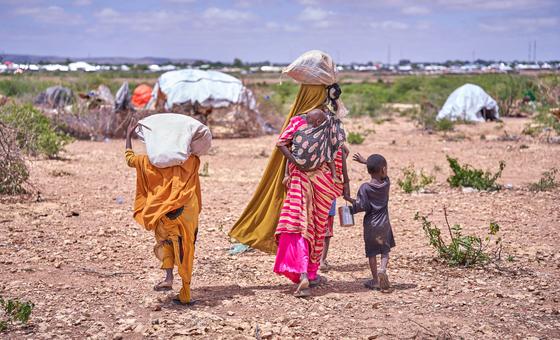
A girl moves a container full of water at a site for displaced people in Dolow, Somalia. (file)

UN migration agency highlights deepening climate and displacement crisis in Somalia

Climate shocks and mass displacement caused by conflict have uprooted some 3.6 million people in Somalia, according to the International Organization for Migration (IOM). 

Almost half the population has been impacted by the climate crisis, the UN agency added.

IOM Deputy Director General Ugochi Daniels concluded a four-day visit to Somalia this week where she expressed solidarity for communities who continue to endure relentless droughts, floods and conflict.

Ms. Daniels also noted that communities are finding solutions to withstand the worst impacts of the climate crisis, but they need international support from the Green Climate Fund urgently.

IOM is active across Somalia in displacement sites and in rural and other fragile areas. Its work includes promoting land restoration and so-called “environmental peacebuilding”, which aims to reduce tensions over shared resources.

Another IOM initiative encourages Somalis to invest in their own development by providing additional funding.

Last year, communities contributed more than half a million dollars toward projects such as solar energy, clean water access and small-scale farming – investments all matched by more than $2 million from IOM. 

World Breastfeeding Week: Invest in health systems and policies to benefit mums and babies

This Friday (1 August) marks the start of World Breastfeeding Week and this year’s theme calls for investing in health systems as well as policies, laws and programmes that prioritize women, babies and breastfeeding.

The World Health Organization (WHO) said investing in breastfeeding support is one of the most powerful tools policy-makers have to improve public health, strengthen economies, and secure the well-being of future generations.

The UN agency explained that breastfeeding protects child health and improves survival, especially in the first months of life.  For infants, breastmilk is more than food: it also provides protection against many common illnesses like diarrhoea, pneumonia and infections.

Mothers also benefit as breastfeeding reduces the risk of postpartum haemorrhage, as well as breast and ovarian cancers, heart disease, and type 2 diabetes.

WHO urges governments to allocate dedicated funding for breastfeeding support, including for when new mums come home, along with maternity protections like paid leave after giving birth. 

Source link

World News in Brief: First UN mission to Syria’s Sweida, fresh displacement in Haiti, new lightning record

The team went to Sweida City, as well as two districts – Shahba and Salkhad – where they met with local community representatives and partners, in addition to visiting displacement sites and reception centres. 

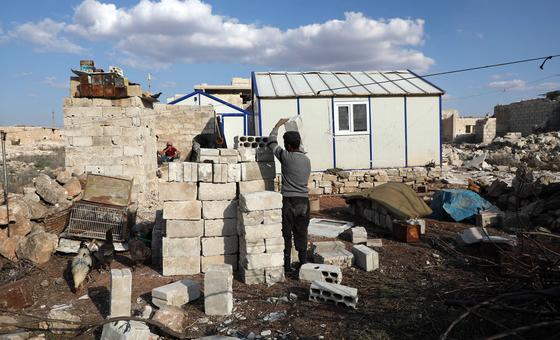
Members also conducted assessments in the three districts of the governorate, where hundreds of people have been killed, and some 175,000 people displaced, in recent sectarian violence amid Syria’s ongoing political transition since the fall of the Assad regime last December.

A senior UN official told the Security Council earlier this week that a fragile ceasefire is “largely holding”.

More aid delivered

OCHA said a fifth humanitarian aid convoy organized by the Syrian Arab Red Crescent also arrived in Sweida on Thursday. It was the largest so far, with 40 trucks.

The convoy, which included UN assistance, delivered medical supplies, flour, fuel, canned goods, hygiene kits and shelter materials, among other assistance. 

On Wednesday, the Syrian Arab Red Crescent also delivered four tankers carrying more than 120,000 litres of fuel.

Haiti: Armed groups expand activities

Armed groups in Haiti are expanding their presence and activities in the Artibonite region which has sparked waves of displacement, according to OCHA. 

Last Monday, violence linked to armed groups flared in the town of Liancourt, where a vehicle and several homes were set on fire. This followed a week of violent clashes.

As of 19 July, nearly 15,000 people have been displaced across four communes in Artibonite. They are staying with host families, many of whom were already finding it hard to meet basic needs.

OCHA said response efforts are underway, led by local humanitarian partners. They have distributed hygiene kits to more than 500 displaced households and host communities, as well as hundreds of hot meals.

2017 lightning flash in US Great Plains sets new world record

A lightning flash in a notorious storm hotspot in the United States nearly a decade ago has been certified as the longest on record, the World Meteorological Organization (WMO) announced on Thursday.

The megaflash – an incredible 829 kilometres long (515 miles) – occurred during a major storm in the Great Plains in October 2017 and was some 61 kilometres greater than the previous record, also set in the same region.

It extended from eastern Texas to near Kansas City, equivalent to the distance between Paris and Venice in Europe: a journey that would take roughly eight to nine hours by car, or at least 90 minutes by plane.

Value of early warning systems 

The flash was not identified in the original 2017 analysis of the storm but was discovered through re-examination. 

WMO’s Committee on Weather and Climate Extremes recognized the new record with the help of the latest satellite technologies and the findings were published in the Bulletin of the American Meteorological Society.

“Lightning is a source of wonder but also a major hazard that claims many lives around the world every year and is therefore one of the priorities for the international Early Warnings for All initiative,” said WMO Secretary-General Celeste Saulo.

Launched in 2022, the initiative aims to ensure that everyone on the planet is protected from hazardous weather, water, or climate events through early warning systems by the end of 2027. 

Source link

World News in Brief: Violence in Somalia, cholera in Haiti, tax support for sustainable development

Clashes intensified in the town of Mahas in the Hiraan region, Hirshabelle state, on 26 July forcing the entire population – over 28,000 people – to flee their homes. 

Another 38,000 people were displaced in the Gedo region, Jubaland state, between 23 and 26 July, some of whom crossed into Kenya. 

Security concerns have forced seven health facilities in the Hiraan region to suspend operations, leaving thousands of people without essential healthcare and emergency services. Humanitarian access also has been restricted, particularly in areas that were already hard to reach.  

OCHA noted that only a limited number of aid partners are able to operate in these locations given the insecurity as well as financial constraints. Meanwhile, affected communities urgently need shelter, food, clean water, healthcare and protection. 

The situation is unfolding as aid agencies grapple with severe funding cuts. A $1.4 billion humanitarian plan for Somalia this year is around 16 per cent funded, with $229 million received to date.

Cholera haunts displaced families in Haiti

Cholera continues to impact the fragile public health system in Haiti, particularly in sites hosting displaced people where there is limited access to safe water and sanitation.

The Caribbean country is confronting multiple political, security and socio-economic crises, including rampant gang activity mainly in the capital, Port-au-Prince.  

The UN World Health Organization (WHO) said that between 13 and 19 July, 34 new suspected cholera cases were reported across six of the nation’s 10 departments. Most were linked to displacement sites. 

Five active transmission hotspots have been identified, including in Port-au-Prince and in the northern regions. 

Since December 2024, over 2,800 suspected cholera cases have been recorded across Haiti, with 91 laboratory-confirmed cases and 36 fatalities. 

Despite funding shortfalls, UN humanitarian partners continue to carry out key cholera prevention and response activities. 

Families in Artibonite department received water purification tablets and oral rehydration salt, for example, while partners in central Haiti have installed handwashing stations and scaled up community outreach. 

Experts to help countries create tax policies that advance sustainable development

Secretary-General António Guterres has appointed 25 experts to a UN committee to help countries design tax policies that advance their social, environmental and economic development objectives. 

The UN Committee of Experts on International Cooperation in Tax Matters supports governments in navigating complex policy trade-offs.  Its work provides countries with practical options and tools based on real-world experiences from tax systems across the globe. 

The 25 experts, who will serve for the 2025-2029 term, have diverse expertise in tax policy design and administration, as well as international tax cooperation. 

They represent various geographical regions and tax systems, and the majority are women, reflecting the UN’s commitment to strengthening inclusivity in tax leadership. 

Source link

World News in Brief: Remembering Dr. David Nabarro, deadly shipwreck off Libya, verdict in peacekeeper’s killing

The British physician and champion for global public health died this past weekend at the age of 75. 

He was the World Health Organization’s (WHO) special envoy dealing with the COVID-19 crisis.

Legacy of service

“The Secretary-General pays tribute to Dr. Nabarro’s extraordinary legacy of service and reaffirms his commitment to advancing the principles he championed: solidarity, science and health for all,” UN Deputy Spokesperson Farhan Haq said on Tuesday in New York.

Dr. Nabarro was remembered as “a tireless advocate for global health, a leader who brought clarity, compassion and conviction to some of the world’s most complex health emergencies, from AIDS and malaria to avian influenza and the COVID-19 pandemic.”

He also served as the Special Representative of former Secretary-General Ban Ki-moon on food security and nutrition and headed the UN High-Level Task Force on the Global Food Security Crisis. 

Also paying tribute was WHO chief Tedros Adhanom Ghebreyesus. He called Dr. Nabarro a “great champion of global health” whose work impacted so many lives across the world.

Libya: Migration agency offers support in the wake of deadly shipwreck

At least 18 migrants died following a shipwreck off the coast of Tobruk, Libya, this past weekend, the International Organization for Migration (IOM) reported on Tuesday.

Fifty people are still missing, and 10 survivors are accounted for so far.

“This latest tragedy is a stark reminder of the deadly risks people are forced to take in search of safety and opportunity,” IOM said in a statement.

The UN agency noted that “Libya remains a major transit point for migrants and refugees, many of whom face exploitation, abuse and life-threatening journeys.”

Meanwhile, IOM teams on the ground are coordinating with local partners to provide support where possible.

“We reiterate our call for enhanced regional cooperation to expand access to safe, regular and dignified migration pathways,” the statement concluded.

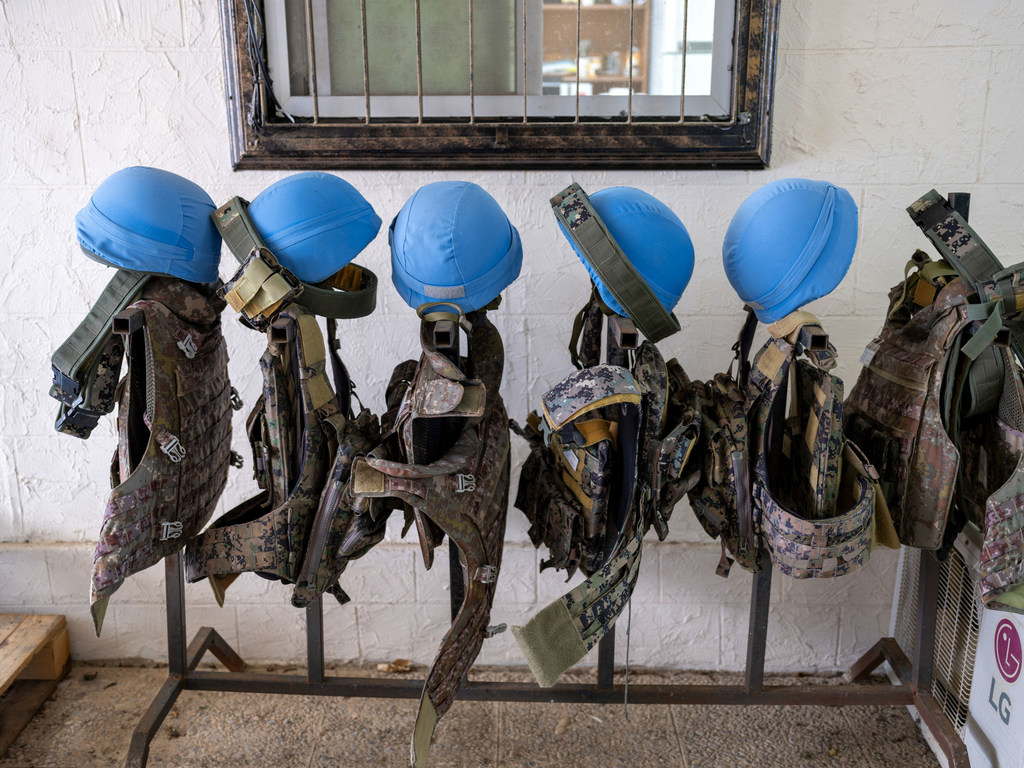
Blue helmets and bulletproof vests belonging to peacekeepers serving with United Nations Interim Force In Lebanon (UNIFIL).

Lebanon: Verdict handed down in trial into 2022 killing of Irish peacekeeper 

The UN Interim Force in Lebanon (UNIFIL) has welcomed the conclusion of the trial into the killing of Irish peacekeeper Private Seán Rooney nearly three years ago.

Lebanon’s Permanent Military Court on Monday found six of the individuals charged with the killing guilty while another was acquitted, according to a statement from the mission.

“UNIFIL welcomes the conclusion of the trial process and the Government of Lebanon’s commitment to bring the perpetrators to justice,” it said.

Private Rooney, 24, was shot and killed on 14 December 2022 in an incident in Al-Aqbieh, just outside UNIFIL’s area of operations in south Lebanon. Three other “Blue Helmets” were injured.

Since the attack, UNIFIL has extended its full support to both Lebanese and Irish authorities with their respective judicial proceedings, the statement said.

The mission once again offered deepest condolences to Private Rooney’s family, friends and colleagues as well as the Government of Ireland. 

Source link

UN peacekeeping can work in a fractured world if there is political will

Under-Secretary-General Jean-Pierre Lacroix and Assistant Secretary-General Marta Pobee briefed the Council on priorities for adapting UN peace operations to foster political solutions.

They emphasised the urgent need for the Council and the broader UN membership to overcome divisions and strengthen support for peace operations as unique platforms for advancing diplomacy in conflict zones.

Peacekeeping missions often operate in highly volatile environments, where political processes are stalled, trust among conflict parties is low and humanitarian conditions dire,” Mr. Lacroix said.

Progress is incremental, fragile and uneven. A breakthrough in one moment may be followed by setbacks the next. Yet, even modest gains can be critical in preventing a relapse into widespread violence and saving lives.

He pointed to missions that have made measurable contributions to peace processes, such as MINUSCA in the Central African Republic (CAR), which helped broker the 2019 Political Agreement and launched disarmament efforts, or MONUSCO in the Democratic Republic of the Congo (DRC), which contributed to reduced violence during the 2023 elections.

Security Council unity crucial

Mr. Lacroix stressed that political coherence and unity among Security Council members are essential for missions to realise their potential.

Without “strong, united political support”, he warned, peace operations are limited to managing conflicts and protecting civilians rather than supporting durable peace agreements.

The Council’s role, he added, must extend beyond mandate authorisation to sustained political engagement. He cited the unanimous adoption of resolution 2773 in February 2025 on the DRC as an example of Council unity reinforcing diplomatic efforts on the ground.

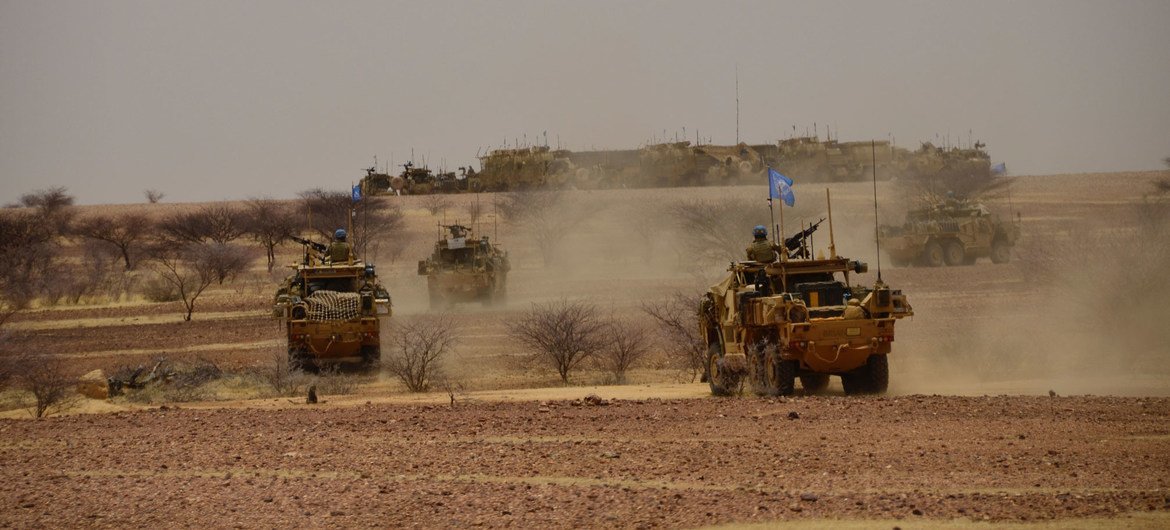
UN peacekeeping missions, such as the one in Mali (MINUSMA, 2013-23), have had to adapt to complex challenges, including harsh environment and myriad armed groups.

Field leadership and flexibility

Mr. Lacroix also highlighted the importance of dynamic mission leadership, calling on senior officials to serve as “steadfast ambassadors for peace” who maintain trust with host governments and conflict actors while adapting to shifting political contexts.

He underscored the importance of regional partnerships, particularly with the African Union (AU). Resolution 2719 (2023), which allows assessed contributions for AU-led operations, was described as a “historic milestone” in UN-AU collaboration.

“Leveraging the investments of troop- and police-contributing countries more purposefully is critical,” he added, noting the example of Pakistan’s dual role as a major troop contributor and elected Security Council member.

Lessons from the cold war

Ms. Pobee’s briefing reinforced these themes while offering historical perspective.

She recalled how during the cold war, despite global tensions, UN special political missions facilitated peaceful dispute resolution, such as diplomatic efforts in Equatorial Guinea in 1969, Bahrain in 1970 and the border dispute between Iraq and Iran in 1974.

She identified several key elements behind those successes: clearly focused, timebound mandates; the pro-active use of the Secretary-General’s good offices; discreet diplomacy and crucially, consent from host governments and conflict parties.

This foundation of trust, she noted, is increasingly absent today, representing a “trust deficit” that complicates peace efforts.

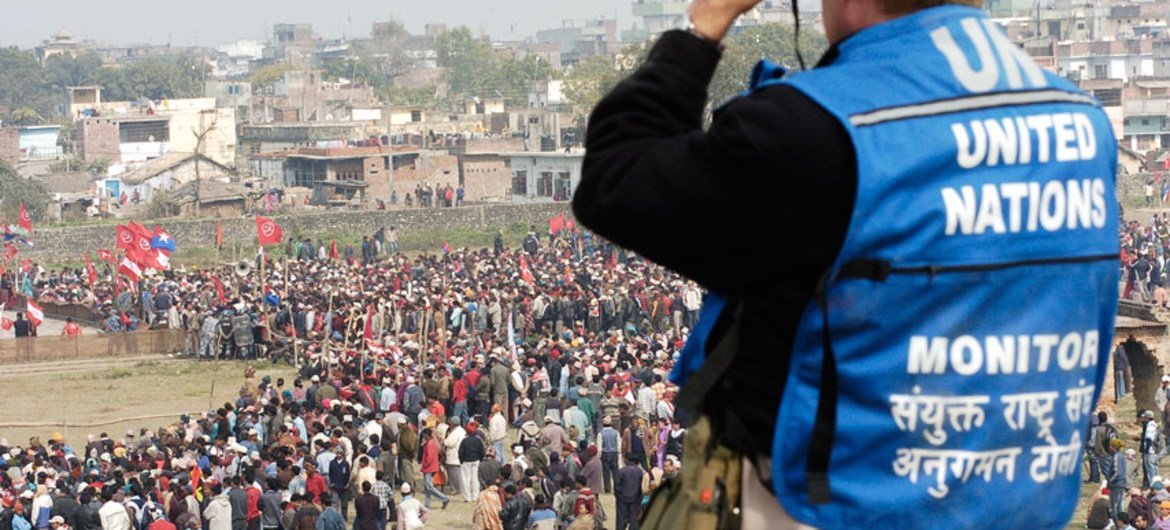
UN special political missions in post‑conflict settings, such as the mission in Nepal (UNMIN, 2007-11) help maintain stability, dialogue and support democratic processes.

A unique tool

Both briefers acknowledged the difficult global context, with deepening Security Council divisions, eroding norms and increasingly complex conflicts involving non-State actors, organized crime and climate-driven risks.

Nonetheless, peace operations, with their combination of civilian and uniformed capabilities, remain indispensable for stabilising fragile settings and enabling political dialogue, they maintained. The longstanding mission in Cyprus was cited as an example of how sustained UN presence can prevent escalation, even amid persistent deadlock.

Mr. Lacroix also urged Member States to pay assessed contributions on time, warning that insufficient resources undermine missions’ ability to fulfil their mandates.

Ms. Pobee added that the UN has repeatedly navigated polarised eras before.

We have been there…but, one clear lesson is that amid acute geopolitical tensions, peace operations have helped Member States mount tailored responses to challenges to international peace and security,” she said.

Source link

World News in Brief: Cambodia-Thailand ceasefire, bloody weekend in Ukraine, stop hepatitis deaths

The deal was announced on Monday by Malaysia’s Prime Minister Anwar Ibrahim, current chair of the Southeast Asian bloc ASEAN, and was due to take effect at midnight local time.

The clashes, which began on 24 July, reportedly displaced more than 130,000 people in Thailand and over 4,000 in Cambodia, UN aid partners said last week.

Nearly 40 people were killed and some 200 injured, according to media reports, which cited Thai and Cambodian sources

The UN Security Council met behind closed doors on Friday afternoon to discuss the crisis, which goes back decades.

‘A positive step’

The Secretary-General hailed the ceasefire “as a positive step towards ending current hostilities and easing tensions,” UN Deputy Spokesperson Farhan Haq said in a statement.

The UN chief urged both countries “to respect the agreement fully and to create an environment conducive to addressing long-standing issues and achieving lasting peace.

He commended Malaysia, the current ASEAN Chair, as well as the United States and China, for their dedicated efforts towards the peaceful resolution of the situation.

Media reports said Prime Minister Ibrahim of Malaysia mediated talks between the sides at his official residence near the country’s capital, Kuala Lumpur.

The statement concluded by underlining that the UN stands ready to support efforts aimed at promoting peace and stability in the region.

Ukraine: 20 dead and 120 injured in weekend attacks

Since Friday, at least 20 people were killed and a further 120 injured in Ukraine as attacks continued to devastate the country, the UN Office for the Coordination of Humanitarian Affairs (OCHA) said on Monday.

The most severe attacks occurred in the Sumy region where a civilian bus was hit, killing three women over the age of 65 and injuring 19 more. Sumy also experienced electricity outages as a result of the attacks. 

These attacks come in the midst of a three-year high for civilian casualties, with 6,574 killed in the first half of 2025 and 5,000 long-range munitions launched by Russia in July alone. 

Civilian structures damaged

Residential buildings, shops and schools were hit across the border region this weekend, damaging structures which civilians rely upon for their livelihoods. A hospital in Kharkiv was also struck on Friday, the World Health Organization (WHO) said. 

To support families and people impacted by the attacks, aid workers delivered assistance in the form of shelter materials and psychosocial support. They also helped with repairs to some structures. 

“Aid workers continue to coordinate with local organizations to support the most vulnerable people in the Sumy region,” UN Deputy Spokesperson Farhan Haq told journalists at Headquarters in New York.

In Chile, new hepatitis treatments mean around 98 per cent of patients recover completely.

UN health agency calls for urgent action on hepatitis

The World Health Organization (WHO) is urging governments and partners to step up efforts to eliminate viral hepatitis as a public health threat and reduce liver cancer deaths.

The UN agency issued the appeal on Monday, World Hepatitis Day.

“Every 30 seconds, someone dies from a hepatitis-related severe liver disease or liver cancer. Yet we have the tools to stop hepatitis”, said WHO Director-General Tedros Adhanom Ghebreyesus.

Viral hepatitis – types A, B, C, D and E – are the main causes of acute liver infections, but only hepatitis B, C and D can lead to chronic disease, significantly increasing the risk of cirrhosis, liver failure and liver cancer.

However, most people with hepatitis are unaware that they are infected. Types B, C, and D affect over 300 million people globally and cause more than 1.3 million deaths each year, mainly from liver cirrhosis and cancer.

Break down the barriers

World Hepatitis Day is observed annually on 28 July. This year’s theme, Let’s Break It Down, calls for urgent action to dismantle the financial, social and systemic barriers that stand in the way of hepatitis elimination and liver cancer prevention.

Last month, the International Agency for Research on Cancer (IARC) – a specialized branch of WHO – classified hepatitis D as a human carcinogen, along with types B and C. 

Hepatitis D, which only develops in people already infected with hepatitis B, increases the risk of liver cancer two to six times compared with hepatitis B alone. 

WHO said the disease’s reclassification “marks a critical step in global efforts to raise awareness, improve screening, and expand access to new treatments for hepatitis D.”

Oral treatment can cure hepatitis C in two to three months and effectively suppress hepatitis B with lifelong therapy, the agency said.

Although treatment options for hepatitis D continue to evolve, reducing the incidence of cirrhosis and liver cancer will only occur with significant expansion and deepening of vaccination, testing, and treatment programmes. 

Source link

World News in Brief: Thailand-Cambodia border hostilities, humanitarian efforts in Syria and attacks across Ukraine

The dispute dates to 1953 when France first mapped the border, but tensions resurfaced in May after the death of a Cambodian soldier in a border skirmish.

Secretary-General António Guterres is “following with concern” reports of the clashes, his Deputy Spokesperson Farhan Haq told journalists in New York.

“The Secretary-General urges both sides to exercise maximum restraint and address any issues through dialogue and in a spirit of good neighbourliness, with a view to finding a lasting solution to the dispute,” he said.

Inter-agency humanitarian assistance in Syria

The Office for the Coordination of Humanitarian Affairs (OCHA) led an inter-agency visit to Rural Damascus governorate in Syria on Thursday to assess needs and provide assistance to more than 500 families displaced by recent violence in nearby Sweida governorate.

The UN agencies visited the Sayyeda Zeinab community and plan to visit the neighbouring Dar’a Governorate in the coming days, where humanitarians are supporting tens of thousands of people displaced by violence.

In Rural Damascus and Dar’a, OCHA and its partners are expanding protection services for displaced people. This includes psychosocial first aid and case management support for children.

Also on Thursday, the World Food Programme (WFP) distributed urgent food assistance to displaced families. The agency additionally continues to provide assistance across the country, including to Syrians returning home after a decade of conflict.

Limited access to Sweida

On Wednesday, a second convoy from the Syrian Arab Red Crescent (SARC) arrived in Sweida, with UN agencies providing support.

The convoy included food, wheat flour, fuel, medicines and health supplies. Medical supplies were delivered to the Sweida national hospital, and wheat flour was dispatched to bakeries.

Across Sweida, Rural Damascus and Dar’a governorates, the UN has distributed over 1,600 dignity kits to displaced women and girls. UN partners are also providing recreational activities, awareness sessions on gender-based violence and support for women and children.

But despite efforts in neighbouring governorates and increasing support in Sweida, full and direct access to the conflict-ridden governorate itself is limited due to security constraints.

Nonetheless, the UN is continuing dialogue with Syrian authorities to facilitate direct access to Sweida.

Nationwide attacks in Ukraine

OCHA further reported that at least five civilians were killed, and 46 others injured, in attacks across several regions of Ukraine over the past two days.

Kharkiv in the northeast was one of the more affected regions, where a glide bomb strike injured at least 16 people on Thursday, and fighting killed three and injured five others on Wednesday.

Additionally, overnight attacks in central Ukraine injured seven people in Cherkasy and four in Odesa City, damaging homes, health centres, schools, shopping areas and a market.

Civilians in the southern Kherson region, the eastern Donetsk region and the southeast Zaporizhzhia region were also affected.

Evacuations and humanitarian response

Following the overnight attacks in Cherkasy and Odesa, aid workers assisted first responders by providing first aid, meals, shelter materials, hygiene kits, emotional support and legal assistance to affected families.

Amid the hostilities, nearly 600 people were evacuated from the Donetsk region, and, in the past day, another 24 were evacuated from the northeastern region of Sumy.

Source link

World Court says countries are legally obligated to curb emissions, protect climate

The UN’s principal judicial body ruled that States have an obligation to protect the environment from greenhouse gas (GHG) emissions and act with due diligence and cooperation to fulfill this obligation.  

This includes the obligation under the Paris Agreement on climate change to limit global warming to 1.5°C above pre-industrial levels.  

The court further ruled that if States breach these obligations, they incur legal responsibility and may be required to cease the wrongful conduct, offer guarantees of non-repetition and make full reparation depending on the circumstances. 

‘A victory for our planet’

UN Secretary-General António Guterres issued a video message welcoming the historic decision, which came a day after he delivered a special address to Member States on the unstoppable global shift to renewable energy. 

“This is a victory for our planet, for climate justice and for the power of young people to make a difference,” he said.

Reasoning of the Court

The court used Member States’ commitments to both environmental and human rights treaties to justify this decision.  

Firstly, Member States are parties to a variety of environmental treaties, including ozone layer treaties, the Biodiversity Convention, the Kyoto Protocol, the Paris Agreement and many more, which oblige them to protect the environment for people worldwide and in future generations.  

But, also because “a clean, healthy and sustainable environment is a precondition for the enjoyment of many human rights,” since Member States are parties to numerous human rights treaties, including the UN’s Universal Declaration of Human Rights, they are required to guarantee the enjoyment of such rights by addressing climate change.  

Case background

In September 2021, the Pacific Island State of Vanuatu announced that it would seek an advisory opinion from the court on climate change. This initiative was inspired by the youth group Pacific Island Students Fighting Climate Change, which underscored the need to act to address climate change, particularly in small island States.

After the country lobbied other UN Member States to support this initiative in the General Assembly, on 29 March 2023, it adopted a resolution requesting an advisory opinion from the ICJ on two questions: (1) What are the obligations of States under international law to ensure the protection of the environment? and (2) What are the legal consequences for States under these obligations when they cause harm to the environment?

The UN Charter allows the General Assembly or the Security Council to request the ICJ to provide an advisory opinion. Even though advisory opinions are not binding, they carry significant legal and moral authority and help clarify and develop international law by defining States’ legal obligations.

This is the largest case ever seen by the ICJ, evident by the number of written statements (91) and States that participated in oral proceedings (97).

The ‘world court’

The ICJ, informally known as the “world court”, settles legal disputes between UN Member States and gives advisory opinions on legal questions that have been referred to it by UN organs and agencies.

It is one of the six main organs of the UN alongside the General Assembly, the Security Council, the Economic and Social Council (ECOSOC), the Trusteeship Council and the Secretariat and is the only one not based in New York. 

World News in Brief: Houthi-Israel tensions, Sudan cholera cases rise, deadly attacks in Ukraine

These strikes occurred while the UN Mission to support the Hudaydah Agreement – established in 2018 to support the ceasefire between the Government of Yemen and the Houthis – was patrolling at locations to the northern parts of the Port. 

The Secretary-General also expressed deep concern about the continuing missile and drone strikes conducted by the Houthis against Israel. 

Risk of further escalation

Concerned about the risk of further escalation, the UN recalled that international law, together with international humanitarian law, must be respected by all parties at all times, including the obligations to respect and protect civilian infrastructure. 

“The Secretary-General remains profoundly concerned about the risk of further escalation in the region,” said Mr. Dujarric. 

As the UN Chief reiterated his call for “all involved to cease all military actions and exercise maximum restraint,” he also renewed his call for the immediate and unconditional release of all UN and other personnel arbitrarily detained by the Houthi authorities. 

Sudan: Crisis worsens as cholera and floods drive needs higher  

The humanitarian crisis in Sudan continues to deepen as cholera spreads, flooding displaces communities, and thousands of people return to areas with little to no support, according to the UN Office for the Coordination of Humanitarian Affairs (OCHA).

In the locality of Tawiola, in North Darfur State, over 1,300 confirmed cases of cholera in just one week were reported on Sunday by an association of Sudanese doctors. 

While local and international partners have set up cholera treatment centres, the current capacity is far from sufficient to cope with the rising caseload.  

As Tawila hosts several hundred thousand displaced people, partners on the ground have been struggling to keep pace with the growing needs, notably as such needs are set to increase as the upcoming rainy season sets in. 

Vulnerable returnees 

Across Sudan, people returning to their communities face serious challenges, including the lack of essential services and the threat posed by explosive remnants of war. 

In White Nile State, some residents have begun returning after being displaced for a year. Yet, an assessment by OCHA and its partners last week found that health, water, sanitation and hygiene support is urgently needed, even more so ahead of the rainy season.

Similarly, in eastern Sudan, OCHA warns that many families returning to Kassala State are struggling to cope with the impact of heavy rains and flooding, as heavy rains destroyed more than 280 homes in the village of Tirik earlier in July. 

Additionally, as insecurity continues to impede the work of humanitarians, challenges faced by returnee families often lead them to return to displacement sites, undermining the sustainability of return efforts. 

In this context, OCHA called for increased international support to meet soaring needs across Sudan. 

Ukraine: At least 20 civilians reportedly killed in recent attacks  

In Ukraine, attacks over the weekend and into Monday reportedly killed over 20 civilians and injured more than 100 others, including several children, according to authorities.

The strikes affected the capital Kyiv, as well as western and front-line regions, damaging homes, schools, and a health facility.

In Kyiv, a kindergarten, metro stations, shops and residential buildings were hit. 

The Ivano-Frakivsk region in western Ukraine which hosts many displaced people and had previously been less affected by hostilities, suffered the largest attack since the full-scale Russian invasion in February 2022.  

Frontline regions  

Meanwhile, in areas near the frontlines in the Donetsk, Dnipro and Kherson regions, hostilities caused civilian casualties and further damage to schools, a health facility, and apartment buildings. Odesa, Kharkiv, Sumy and other regions also reported that homes and shops were destroyed.  

With support from UN agencies, and coordinating with local authorities and first respondents, humanitarian organizations on the ground continue to provide shelter materials, non-food items, legal aid, psychosocial support and assistance for children across the country.  

Source link

World News in Brief: Violence in Haiti, rising insecurity in DR Congo, expert panel on nuclear war

Displaced Haitians are dispersed among the 250 active displacement sites across the country, most of which are informal. Just over a fifth of these sites are managed by humanitarian organizations, meaning that many are living in precarious conditions.  

In June alone, more than 200 alerts were reported across displacement sites, over 80 per cent of which were related to essential needs such as lack of water, food, shelter or healthcare.

OCHA noted that nearly 1.3 million people are now internally displaced in Haiti, the highest number ever recorded in the country due to violence.

Constrained UN response

The UN and partners have supported more than 113,000 displaced Haitians this year, providing essential services such as water, shelter, sanitation and healthcare.

The humanitarian response is severely constrained by limited funding and persistent insecurity, hampering humanitarian access to the most affected areas and delaying the delivery of aid. 

Despite the challenges, the agency continues to work closely with Haitian authorities and humanitarian partners to coordinate relief efforts and mobilise additional resources to support displaced communities. 

DR Congo: Ongoing violence in the east drives displacement, impedes aid delivery

Ongoing violence in North and South Kivu provinces in the eastern Democratic Republic of the Congo (DRC) continues to claim the lives of civilians and to trigger new displacement. 

In North Kivu, UN partners on the ground in Rutshuru and Lubero territories reported that fighting between M23 and other armed groups was ongoing until Tuesday, resulting in eight civilian deaths and 42,500 displaced people as of earlier this week. 

Since early July, heavy clashes between M23 and other armed groups in South Kivu have also persisted, as local partners said the fighting has displaced at least 37,000 people from their homes. 

Aid access restrictions 

The surge in violence is making it harder for humanitarians to deliver assistance to vulnerable communities. 

While partners and teams on the ground are doing their best to maintain services for those affected, access restrictions and severe funding shortages pose significant obstacles. 

A humanitarian convoy coordinated by OCHA along the road between the provincial capital Bukavu and the city of Uvira, primarily planned for this Friday, has been postponed due to a lack of security guarantees on that route. 

Many UN partners on the ground are forced to scale back their operations, disrupting essential services for those in need. 

OCHA called on the international community to take urgent action to address these severe funding gaps and avert a humanitarian tragedy. 

New panel to examine the effects of a nuclear war

The UN Secretary-General has appointed an independent scientific panel of 21 experts to examine the physical and societal consequences of a nuclear war on a local, regional and planetary scale in the days, weeks and decades following such an event.

The creation of the panel, mandated by a General Assembly resolution, comes at a time when nuclear guardrails are being eroded and “the risk of nuclear war is higher than at any point since the depths of the Cold War,” UN deputy spokesperson Farhan Haq said on Friday during the daily media briefing from Headquarters in New York. 

The panelists will seek input from a wide range of stakeholders – including international and regional organizations, the International Committee of the Red Cross (ICRC), civil society and affected communities. 

Members will hold their first meeting in September and will submit a final report to the General Assembly in 2027. 

Source link

World News in Brief: violence spurs displacement in Syria, Israeli forces cross the Blue Line in Lebanon, mall fire kills dozens in Iraq

As of Thursday, nearly 2,000 families have been displaced from violence-affected areas in Sweida governate and are currently sheltering in a dozen collective sites. Many are unable to return home due to damage, looting or destruction of their homes.

The health systems in Sweida and neighbouring Dar’a governorate remain under critical strain, operating without power and facing severe supply shortages. Reports also suggest that at least two doctors were killed in the recent clashes, and some armed groups have occupied health facilities, putting patients and staff at risk.

Mobilisation amid constrained access

The UN and its partners are mobilising humanitarian assistance as security allows and working with authorities to facilitate access.

The World Health Organization (WHO) has dispatched 35 trauma and emergency surgery kits for 1,750 interventions, but many remain undelivered because of constrained access.  

“We urge all parties to protect people caught up in the violence, including by allowing them to move freely to seek safety and medical assistance,” said Associate Spokesperson for the Secretary-General Stephanie Tremblay at Thursday’s daily press briefing in New York.

She also stressed that security forces must respect applicable international law, norms and standards throughout their operations.

Lebanon: UN peacekeepers observe unauthorised Israeli activities  

Ms. Tremblay also reported that peacekeepers at the UN Interim Force in Lebanon (UNIFIL) continue to observe Israeli military activities in its area of operations.

On 16 July, Israeli soldiers crossed north of the Blue Line to conduct military exercises.  

UNIFIL peacekeepers have also heard several explosions, including one on 17 July near the Mission Headquarters in Naqoura.  

The “blue helmets” have additionally discovered unauthorized weapons and ammunition caches at one site, rocket launchers, rocket-propelled grenades, mortar rounds and ammunition boxes.  

Commitment to Lebanon

In response to recent observations the UN Special Coordinator for Lebanon, Jeanine Hennis-Plasschaert, and UNIFIL Head of Mission and Force Commander, Major General Diodato Abagnara, met with the Lebanese Army’s South Litani Sector Commander Brigadier General Nicolas Tabet in Tyre on 17 July.  

“Ms. Hennis-Plasschaert and General Abagnara underlined our commitment to supporting the implementation of Security Council resolution 1701, including strengthening State authority and helping restore stability in southern Lebanon,” Ms. Tremblay said.

As part of UNIFIL’s support, peacekeepers trained with Lebanese Armed Forces personnel in Tyre on 16 July, enhancing the operational competency of the Lebanese Army personnel.

Fire in Iraqi shopping mall

The United Nations has expressed condolences to the families of the victims of a tragic fire in the eastern Iraqi city of Kut on Wednesday.

According to news reports, the fire tore through the shopping centre – which opened only a week ago – leaving at least 61 people dead.  

“We express our strong solidarity with the people of Wasit Governorate in this profound loss,” Ms. Tremblay said.  

She also emphasised that the UN and its partners are ready to provide humanitarian assistance to help mitigate the tragedy’s impact.

Source link