AIDS still killing one person every minute as funding cuts stall progress

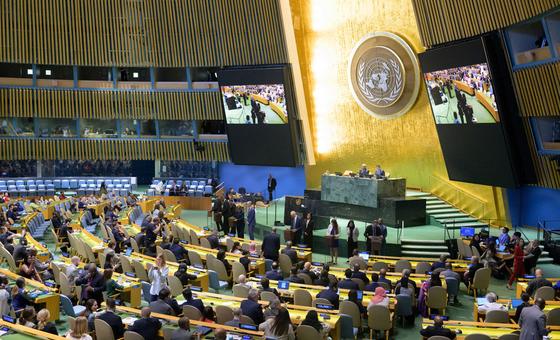
More than 30 million people are receiving lifesaving treatment worldwide however, making the UN’s AIDS response a “clear example of a multilateral success,” said Amina Mohammed, UN Under Secretary-General on Thursday, as the General Assembly reviewed progress being made to end AIDS and prevent HIV infections.

‘Series of threats’

Global commitment is fading. Funding is falling. And HIV services and systems to deliver them are being disrupted,” she said, highlighting the “series of threats” that could undo all the progress achieved in the fight against HIV in past decades.

As funding dwindles, clinics are closing and treatment supplies are diminishing, putting already vulnerable populations such as adolescent girls and young women, at greater risk of contracting the disease.

As funding from PEPFAR – the US programme leading global efforts to combat HIV in Africa – faces the risk of permanent cuts, the UN global programme on HIV/AIDS (UNAIDS) warns of devastating consequences.

Without continued support, an estimated four million additional AIDS-related deaths and more than six million new infections could occur by 2029.

‘Keep up the fight’

We cannot let short-term cuts destroy long-term progress,” said Ms. Mohammed. “We need to keep fighting.”

The funding crisis must be urgently addressed. With half of sub-Saharan African countries spending more on debt servicing than on healthcare, Ms. Mohammed stressed the need for debt relief, tax reform, and increased international support.

Low and middle-income countries need sustainable HIV financing and stronger national leadership in the fight against AIDS,” she said.

She also called for an end to attacks on human rights, warning that punitive laws, vigilante violence, and hate speech against marginalised groups worsen stigma and drive people away from lifesaving services. “Protecting health means protecting human rights,” she said.

Many community-led organizations are now being defunded and dismantled, just when their work is needed most. Ms. Mohammed urged the UN and its partners to support these groups and their vital contributions.

“The end of AIDS is not a mystery,” she said, adding that while eliminating the disease by 2030 is still achievable, “success is not guaranteed.”

World News in Brief: Women’s health in Sudan, childhood wasting, Belarus trade unions, Guatemala child rights violation


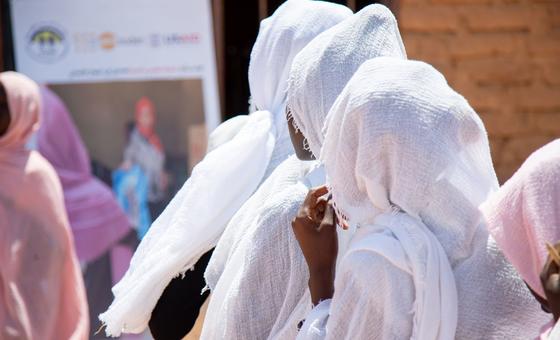
As hostilities rage in Sudan, access constraints and devastating funding cuts are isolating rape survivors and pregnant women from essential health services, the UN sexual and reproductive health agency UNFPA said on Thursday. 

Source link

Number of aid workers killed in Gaza conflict, highest in UN history: Guterres

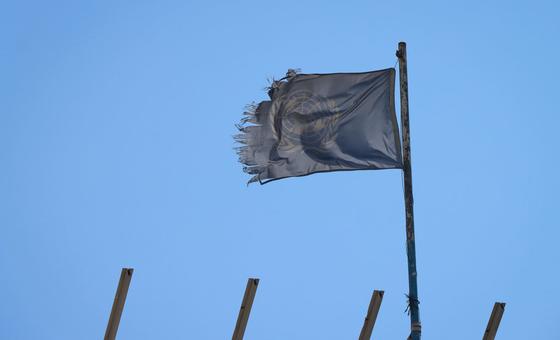
Ahead of a memorial service at Headquarters in New York, Secretary-General António Guterres told journalists that the men and women being honoured “were not just names on a list” but “extraordinary individuals – each one a story of courage, compassion, and service.”

“They were driven by the pursuit of peace. By the urgency to ease human suffering. And by the conviction that every person, everywhere, deserves dignity and protection,” he said, speaking in front of the Security Council chamber.

He acknowledged that the past year has been especially devastating for UN humanitarian workers. 

“More than one in every 50 UNRWA staff in Gaza has been killed in this atrocious conflict. This is the highest staff death toll in United Nations history,” he said.

Some were killed delivering life-saving aid; others alongside their families; others while shielding the vulnerable.”

‘No room for impunity’

The Secretary-General said the sacrifice of all 168 fallen colleagues is a tragedy but also a reminder of the responsibility carried by every staff member every day.

It is important for the world to see this, he added, “because as we mourn those lost, we must also recognize the living.”

Mr. Guterres saluted staff members still serving in crisis zones across the globe for their courage and resilience.

“And to the world, I say: We will not grow numb to suffering. We will not accept the killing of UN personnel,” he stressed.

“We will not accept the killing of humanitarians, journalists, medical workers, or civilians as the new normal anywhere and under any circumstances. There must be no room for impunity.”

Remembering lives lost

Since 2011, the UN has held an annual service at Headquarters to honour personnel who have lost their lives in the line of duty during the previous year.

Those who paid the ultimate price in 2024 worked with UNRWA, the UN Secretariat, the UN refugee agency UNHCR, the UN Office for Project Services (UNOPS), and the World Food Programme (WFP).

They came from 31 countries and were teachers, engineers, doctors, administrators, humanitarians, peacekeepers, and more. Above all, they were sons and daughters, husbands and wives, fathers and mothers, and brothers and sisters.

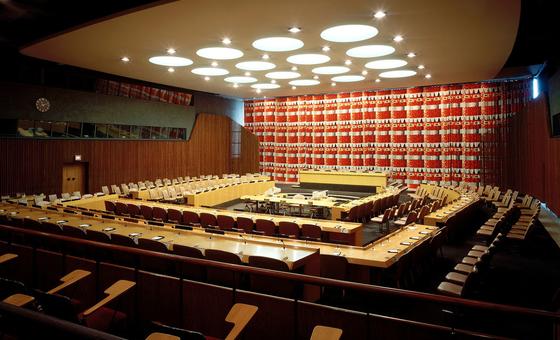
Shortly after the press briefing, the Secretary-General joined some of their relatives, UN staff members and senior officials for the memorial service in the Trusteeship Council. Many others across the world followed the event online.

‘They were the best of us’

The Secretary-General noted that working for the UN “is far more than just a job” – it’s a calling. 

“All our fallen colleagues answered the call to serve humanity,” he said. “They did so in their own ways – without fanfare – and with determination.  They represented humanity in action.” 

He remarked that “at a time when some may question international cooperation or the very notion of multilateralism, we would all do well to remember these lives taken far too soon.”

“Let us take inspiration from how they lived,” he said. “And let us vow that the memory and mission of our fallen colleagues will endure. They were the best of us. Let them live on through our work.”

Legacy lives on

The president of the UN Staff Union in New York, Narda Cupidore, echoed this message.  She said they embodied the mission of the whole UN “and they paid the ultimate price.” 

“Let this honouring be more than a moment of silence,” she said. “Let it be a call for action. A call to protect those who serve. A call to ensure that anyone who serves under the blue flag does so with the full protection, support and respect.”

Ms. Cupidore said the legacy of the fallen colleagues “lives on in our work, in our advocacy and in our unshakeable belief that the world is worth striving for.” 

Source link

From summits to street art to schools: Here’s how we’re marking World Environment Day

Around the world, civil society groups and UN teams are hosting webinars, forums, summits and other diverse celebrations. It’s a collective effort that’s drawing together different wings of the UN from Educational, Scientific and Cultural Organization (UNESCO) to UN Peacekeeping.

Worldwide events

On Tuesday, Qatar launched a national biodiversity database, concluding a three-year UNEP-led project.

In the Indian capital New Delhi, UNEP hosted the Tide Turners Plastic Challenge National Youth Summit on Tuesday to empower young people to take action to end plastic pollution.

As host, Jeju held a commemoration ceremony and the Future Generation Forum on Thursday.

Mexico launched its 2025–2030 National Beach and Coastal Clean-Up and Conservation Campaign in Puerto Progreso, Yucatán, with volunteer brigades and a formal ceremony.

In Geneva, UNEP and the Orchestre des Nations are presenting a one-hour concert, Our Home, blending music, images and spoken word to highlight ecological emergencies.

Brussels is screening the documentary Ocean with legendary environmental campaigner and broadcaster Sir David Attenborough, in honour of World Environment Day, World Oceans Day and the UN Ocean Conference.

In the United States, Street Art for Mankind unveiled a 245-foot mural for World Environment Day as part of the UN Decade on Ecosystem Restoration, calling for better protection for vulnerable communities.

UNESCO initiative

In a statement released Thursday, UNESCO reported that over 80,000 schools across 87 countries are following the recommendations in the Green school quality standard released in May 2024.

The initiative promotes green learning environments through governance, facilities and operations, teaching, and community engagement. This includes setting up “green governance committees” and training teachers in sustainable management practices.

Peacekeeping and the environment

In a video released Wednesday, UN Under-Secretary-General for Operational Support Atul Khare and Environment Section Chief Joanna Harvey outlined how UN Peacekeeping is reducing its environmental footprint.

Efforts over the past decade include bringing renewable energy to missions, requiring newer, more efficient generators, supporting local energy providers, and investing in sustainable infrastructure.

“We want to leave behind a legacy… [of] projects that are created by us which are finally beneficial to the local communities,” said Mr. Khare. 

UN chief urges world leaders to keep two-State solution ‘alive’

It is absolutely essential to keep alive the two-State solution perspective with all the terrible things we are witnessing in Gaza and the West Bank,” Mr. Guterres told reporters at UN Headquarters in New York.

He was responding to a question about his message to leaders gathering at a high-level international conference later this month on a comprehensive and lasting peace in the region.

“And for those that doubt about the two-State solution, I ask: What is the alternative? Is it a one-state solution in which either the Palestinians are expelled or forced to live in their land without rights?

Mandated by the UN General Assembly, the high-level event is aimed at charting an “action-oriented” path toward a comprehensive and lasting peace based on the two-State formula.

The meeting will include thematic roundtables on key issues such as security, humanitarian reconstruction, and the economic viability of a Palestinian state.

Disappointed over failed resolution

Mr. Guterres also expressed deep disappointment following the Security Council’s failure on Wednesday to adopt a resolution demanding an immediate and permanent ceasefire in Gaza, and the release of all hostages.

The text, endorsed by all ten elected members of the Council, received support from the other four permanent members, but was vetoed by the United States.

“We are always disappointed when ceasefires do not materialise, releases of hostages [do not happen] and humanitarian aid is not distributed or is distributed in a way that puts at risk the lives of so many Palestinians,” he said, responding to another correspondent.

The Secretary-General reiterated that only a permanent ceasefire, the unconditional release of all hostages, and unimpeded humanitarian access would allow the UN to deliver meaningful relief to civilians in Gaza.

He emphasised that during previous temporary ceasefires, the UN was able to mobilise large-scale assistance.

Source link

UN chief urges world leaders to keep two-State solution ‘alive’

It is absolutely essential to keep alive the two-State solution perspective with all the terrible things we are witnessing in Gaza and the West Bank,” Mr. Guterres told reporters at UN Headquarters in New York.

He was responding to a question about his message to leaders gathering at a high-level international conference later this month on a comprehensive and lasting peace in the region.

“And for those that doubt about the two-State solution, I ask: What is the alternative? Is it a one-state solution in which either the Palestinians are expelled or forced to live in their land without rights?

Mandated by the UN General Assembly, the high-level event is aimed at charting an “action-oriented” path toward a comprehensive and lasting peace based on the two-State formula.

The meeting will include thematic roundtables on key issues such as security, humanitarian reconstruction, and the economic viability of a Palestinian state.

Disappointed over failed resolution

Mr. Guterres also expressed deep disappointment following the Security Council’s failure on Wednesday to adopt a resolution demanding an immediate and permanent ceasefire in Gaza, and the release of all hostages.

The text, endorsed by all ten elected members of the Council, received support from the other four permanent members, but was vetoed by the United States.

“We are always disappointed when ceasefires do not materialise, releases of hostages [do not happen] and humanitarian aid is not distributed or is distributed in a way that puts at risk the lives of so many Palestinians,” he said, responding to another correspondent.

The Secretary-General reiterated that only a permanent ceasefire, the unconditional release of all hostages, and unimpeded humanitarian access would allow the UN to deliver meaningful relief to civilians in Gaza.

He emphasised that during previous temporary ceasefires, the UN was able to mobilise large-scale assistance.

Source link

In Gaza, daily food intake has fallen well below ‘survival’ level

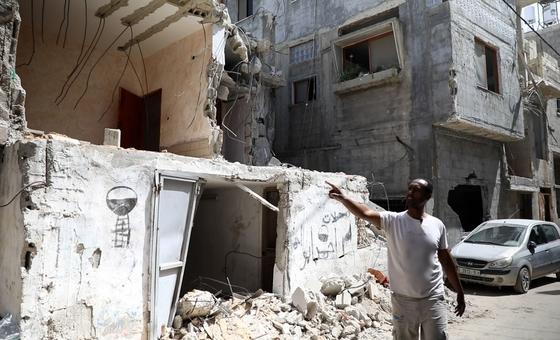
Latest data simulations from the Food and Agriculture Organization (FAO) point to the average Gazan eating just 1,400 calories per day – “or 67 per cent of what a human body needs to survive” (2,300 calories) as of May.

Between October 2023 and the end of December 2024, average intake was 1,510 calories per day, or 72 per cent of the minimum recommended amount.

“The findings reveal systemic and escalating violations of both international human rights law and international humanitarian law, particularly concerning the right to adequate food, the prohibition of starvation as a method of warfare, and the protection of civilians in armed conflict,” FAO insisted.

Even based on its most optimistic food availability scenario, the UN agency estimated that energy intake was just 1,470 calories per person per day on 11 May, during the complete aid blockade imposed by Israel, beginning 2 March.

This has critical implications for hunger and undernutrition, especially for families without cash and/or able-bodied men, as well as children, pregnant and lactating women, person with disabilities and the elderly,” FAO explained.

The agency noted that its analysis is in line with dire warnings of acute hunger across Gaza issued by UN-backed food security experts last month, based on the lack of available wheat flour, pulses, rice, dairy products, and vegetable oil.

Without an improvement in the amount of aid being allowed into Gaza for distribution by established agencies, FAO warned that the already dire humanitarian situation could deteriorate even further.

This is despite repeated calls to Israel from the United Nations including from the Secretary-General to allow more aid in at scale, in line with “binding orders” issued by the International Court of Justice to fully cooperate with the UN and ensure that aid reaches the people of Gaza without delay.

Unknown numbers of dead

Gaza’s population today is approximately 2.1 million, down from 2.23 million in October 2023 before the war began following Hamas-led terror attacks in Israel.

Citing the Palestinian authorities, FAO said that as of 30 April, 52,400 Palestinians had been reported killed, while another 11,000 were feared missing, presumably under the rubble.

While more than 60,000 children have been born in the Gaza Strip during the conflict, “an unknown number of Palestinians have died of natural causes or indirectly from the conflict, due to hunger, untreated diseases or injuries since October 2023”, FAO said.

The UN agency also referred to a June 2024 article by the authoritative medical journal The Lancet suggesting that up to 186,000 people would likely die from indirect causes because of the conflict, at a “conservative” rate of four indirect deaths for every direct death.

According to FAO’s simulation, 2,297 tonnes – equivalent to 120 trucks – per day are required to deliver food baskets providing 2,100 calories per person per day to the entire population of the Gaza Strip. On Wednesday, UN teams requested access for 130 truckloads of aid via Kerem Shalom, but only 50 carrying flour were approved to enter from Israel.

Source link

The world’s oceans are dying. Can a UN summit in Nice turn the tide?

From June 9 to 13, the coastal city of Nice will host the Third United Nations Ocean Conference (UNOC3), a high-level summit co-chaired by France and Costa Rica. Its mission: to confront a deepening ocean emergency that scientists warn is nearing a point of no return.

“The ocean is facing an unprecedented crisis due to climate change, plastic pollution, ecosystem loss, and the overuse of marine resources,” Li Junhua, a senior UN official serving as Secretary-General of the event, told UN News.

“We hope the conference will inspire unprecedented ambition, innovative partnerships, and maybe a healthy competition,” he said, highlighting the need for international cooperation to avoid irreversible damage.

The pressure is on. UNOC3 is bringing together world leaders, scientists, activists, and business executives to tackle the growing crisis in the world’s oceans. The goal: to spark a wave of voluntary pledges, forge new partnerships, and — if organizers succeed — inject a much-needed dose of accountability into the fight against marine degradation.

The week-long talks will culminate in the adoption of a political declaration and the unveiling of the Nice Ocean Action Plan — an effort to match the scale of the crisis and accelerate action to conserve and sustainably use the ocean.

Warming seas, bleaching reefs

The crisis isn’t a distant threat: it’s happening now. In April, global sea surface temperatures hit their second-highest levels ever for that monthaccording to the European Union’s Copernicus Climate Change Service. Meanwhile, the most extensive coral bleaching event in recorded history is underway — sweeping across the Caribbean, the Indian Ocean, and parts of the Pacific. More than a single event, it’s a planetary unraveling.

Coral reefs, which sustain a quarter of all marine species and underpin billions in tourism and fisheries, are vanishing before our eyes. Their collapse could unleash cascading effects on biodiversity, food security, and climate resilience.

And the damage runs deeper still. The ocean continues to absorb more than 90 per cent of excess heat from greenhouse gas emissions — a worldwide service that may be nearing its limits. “Challenges like plastic pollution, overfishing, biodiversity loss, ocean acidification, and warming are all linked to climate change,” Mr. Li warned.

Turning versus tipping points

Still, there have been notable breakthroughs. In 2022, the World Trade Organization struck a far-reaching deal to phase out harmful subsidies that fuel overfishing, offering a rare glimmer of multilateral resolve. The following year, after decades of deadlock, nations adopted the High Seas Treaty, known by the shorthand BBNJ, to safeguard marine life in international waters. That long-awaited agreement is now poised to enter into force at the Nice summit.

But policy alone cannot reverse an ecosystem in free fall. “The global response is insufficient,” Li Junhua cautioned.

Progress, in other words, depends not only on political will but on the resources to match it.

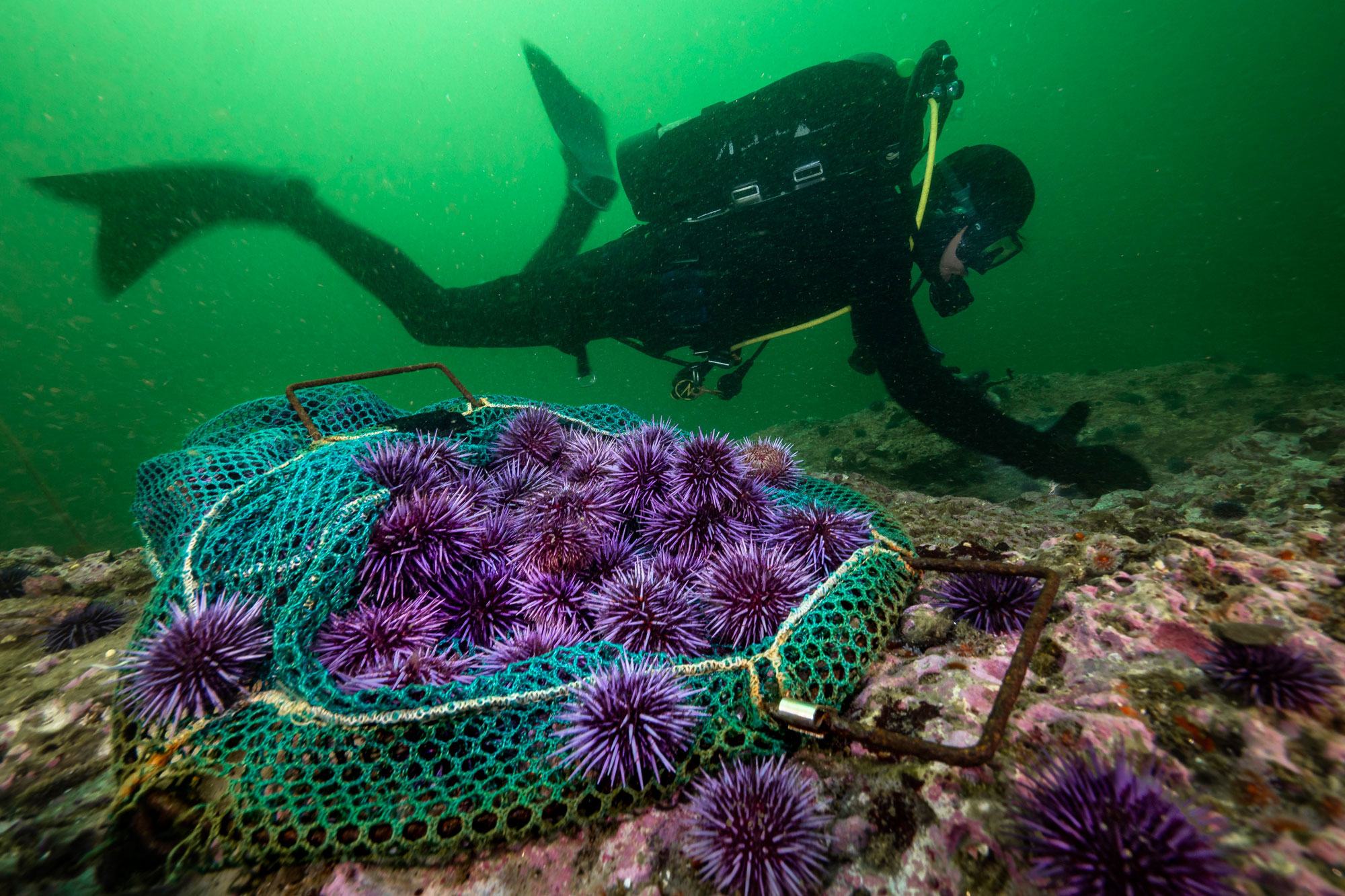
An estimated 60 per cent of the world’s marine ecosystems have been degraded or are being used unsustainably.

A lifeline starved of funds

Despite its vital role in regulating life on Earth — producing half of our oxygen and buffering against climate extremes — the ocean remains chronically underfunded.  Sustainable Development Goal 14 , on ‘Life Below Water’, receives the least resources of the 17 global UN goals Member States agreed to meet by 2030.

The estimated cost to protect and restore marine ecosystems over the next five years is $175 billion annually. “But less than $10 billion was allocated between 2015 and 2019,” Mr. Li noted, signaling the need to move ocean funding from trickle to torrent.

That ambition is at the heart of what the Conference aims to deliver.

The Nice Ocean Action Plan

The theme of UNOC3, Accelerating action and mobilizing all actors to conserve and sustainably use the ocean, reflects a shift from declarations to delivery.

Over five days, participants will grapple with the big questions: how to stem illegal fishing, reduce plastic pollution, and scale sustainable blue economies. Hundreds of new pledges are expected to build on the more than 2,000 voluntary commitments made since the first ocean summit in 2017.

The Nice Ocean Action Plan is set to align with the Kunming-Montreal Global Biodiversity Framework, a 2022 agreement calling for the protection of at least 30 per cent of marine and terrestrial ecosystems by 2030.

Alongside new pledges, the plan will include a formal declaration, which Mr. Li described as a “concise” and “action-oriented” political document.

“The draft political declaration, led by Australia and Cabo Verde, focuses on ocean conservation and sustainable ocean-based economies and includes concrete measures for accelerating action,” the UN official teased.

The rapid loss of biodiversity threatens the livelihood of 3 billion people, including coastal communities.

Crisis by the numbers — and what Nice hopes to deliver

  • Up to 12 million metric tons of plastic enter the ocean every year — the equivalent of a garbage truck every minute.

    At Nice, delegates hope to advance a global agreement to tackle plastic pollution at its source.

  • Over 60 per cent of marine ecosystems are degraded or unsustainably used.

    The summit aims to bolster efforts toward protecting 30 per cent of the ocean by 2030 and to launch a roadmap for decarbonizing maritime transport.

  • Global fish stocks within safe biological limits have plunged from 90 per cent in the 1970s to just 62 per cent in 2021.

    Nice hopes to pave the way for a new international agreement on sustainable fisheries.

  • More than 3 billion people depend on marine biodiversity for their livelihoods.

    In response, the summit seeks to boost financing for blue economies and elevate community-led solutions.

In small developing island states, the ocean is not just an economic engine, it’s a lifeline.

From Paris to Nice

The timing of the summit is intentional. A decade after the landmark Paris Agreement set targets for limiting global warming, UNOC3 is pushing to place the ocean at the center of climate action — not as an afterthought, but as a frontline battlefield.

“UNOC 3 addresses the interconnected crisis facing our oceans,” noted Mr. Li.

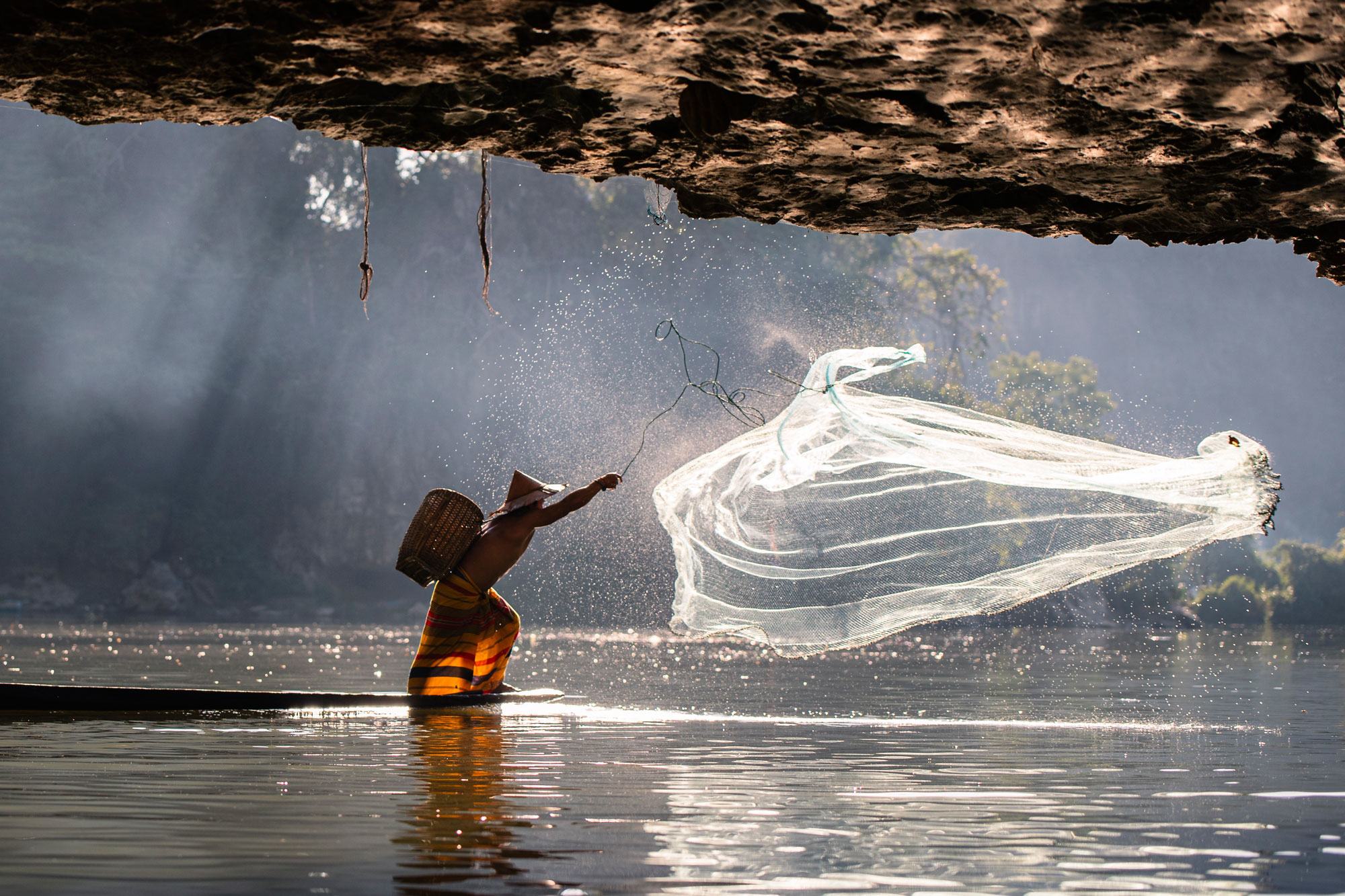
The summit also aims to be inclusive, highlighting voices often sidelined in global forums, such as women, Indigenous people, fisherfolk, and coastal communities. “These groups are the first to suffer the impacts of climate change and ocean degradation,” Mr. Li emphasized. “But they are also leaders and problem solvers, so they must be empowered.”

A pivotal moment

Nice isn’t just a scenic backdrop — it’s part of the story. The Mediterranean is warming 20 per cent faster than the global average, making it a so-called climate “hot spot.” For many, the location only sharpens the stakes.

Whether the conference generates real momentum or simply more declarations will depend on what countries, companies, and communities bring to the table.

As delegates descend on the sun-drenched coast of Nice, the sea laps gently at the shores. But the question rising with the tide is anything but gentle: can the world still turn this around?


Source link

US vetoes Security Council resolution demanding permanent ceasefire in Gaza

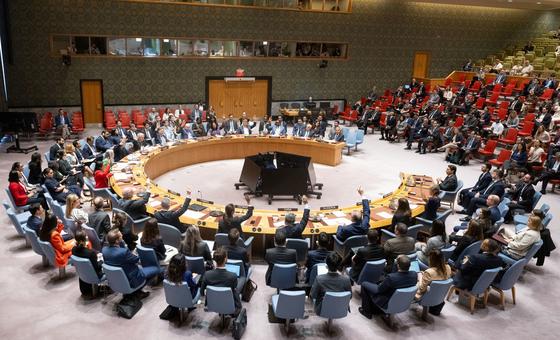
The text, co-sponsored by Algeria, Denmark, Greece, Guyana, Pakistan, Panama, the Republic of Korea, Sierra Leone, Slovenia, and Somalia – collectively known as the E-10 – received 14 votes in favour, with the US casting the lone vote against.

As one of the council’s five permanent members, the US holds veto power – a negative vote that automatically blocks any resolution from going forward.

Had it been adopted, the draft would have demanded “an immediate, unconditional and permanent ceasefire in Gaza” to be respected by all parties.

Release all hostages

The text reaffirmed the Council’s earlier call for the “immediate, dignified and unconditional release of all hostages held by Hamas and other groups.”

The draft also expressed grave concern over the “catastrophic humanitarian situation” in Gaza – following more than the months of almost total Israeli aid blockade – including the risk of famine, highlighted by recent international food security assessments.

It reaffirmed the obligation of all parties to comply with international law, including international humanitarian and human rights law.

Resume flow of aid

In addition to a ceasefire, the draft resolution demanded the “immediate and unconditional lifting of all restrictions” on the entry and distribution of humanitarian aid in Gaza, calling for safe and unhindered access for UN and humanitarian partners across the enclave.

It also urged the restoration of essential services, in accordance with humanitarian principles and prior Security Council resolutions.

The text voiced support for ongoing mediation efforts led by Egypt, Qatar, and the United States to revive the phased ceasefire framework outlined in resolution 2735 (2024), which envisions a permanent cessation of hostilities, the release of all hostages, the exchange of Palestinian prisoners, the return of all remains, full Israeli military withdrawal from Gaza, and the start of a long-term reconstruction plan.

Draft resolution unacceptable: United States

Speaking ahead of the vote, acting US Representative Dorothy Shea described the draft resolution as “unacceptable”.  

“US opposition to this resolution should come as no surprise – it is unacceptable for what it does say, it is unacceptable for what it does not say, and it is unacceptable for the manner in which it has been advanced,” she said.

“The United States has been clear,” she continued, “we would not support any measure that fails to condemn Hamas and does not call for Hamas to disarm and leave Gaza.”

She added that Hamas has rejected numerous ceasefire proposals, including one over the weekend that would have provided a pathway to end the conflict and release the remaining hostages.

“We cannot allow the Security Council to award Hamas’ intransigence,” Ms. Shea said, stressing, “Hamas and other terrorists must have no future in Gaza. As Secretary [Marco] Rubio has said: ‘If an ember survives, it will spark again into a fire’.” 

‘The world is watching’

The failure of the resolution comes as the humanitarian crisis in Gaza deepens, with UN agencies warning of the total collapse of health services, growing displacement, and a rising death toll around the new privatized US-Israel led aid distribution system which bypasses established agencies.

“The world is watching, day after day, horrifying scenes of Palestinians being shot, wounded or killed in Gaza while simply trying to eat,” said UN relief chief Tom Fletcher earlier on Wednesday.

Source link

SECURITY COUNCIL LIVE: US vetoes new resolution calling for immediate Gaza ceasefire, unconditional release of hostages


The United States has vetoed a new draft resolution on Gaza, standing as the lone vote against the text which called for an immediate, unconditional and permanent ceasefire, the unconditional release of hostages held by Hamas and others and the immediate lifting of all aid restrictions. Follow live coverage from our Meetings Coverage Section and UN News app users can follow here.

Source link

World Environment Day: UN sounds alarm on plastic pollution crisis

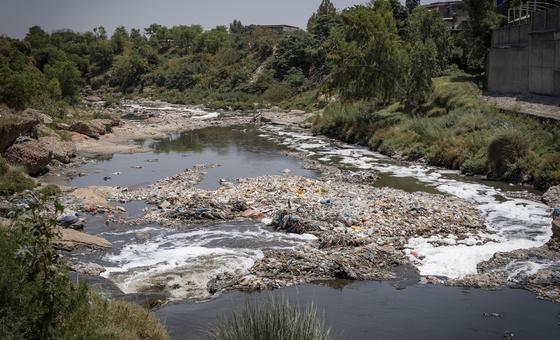
Between 19 and 23 million tonnes of plastic waste leak into aquatic ecosystems annually, and without urgent action, this figure is expected to rise by 50 per cent by 2040.

Plastic pollution is contaminating every corner of the planet, threatening ecosystems, wildlife, and human health. Microplastics are found in food, water and air, with the average person estimated to ingest over 50,000 plastic particles each year, and far more when inhalation is included.

If the climate crisis goes unaddressed, with plastic pollution as a major driver, air pollution levels exceeding safe thresholds could rise by 50 per cent within a decade. Meanwhile, plastic pollution in marine and freshwater environments may triple by 2040.

Global action day

To rally momentum, the UN Environment Programme (UNEP) is leading the 52nd annual World Environment Day on 5 June, the world’s largest platform for environmental outreach.

This year’s commemoration is hosted by Jeju, Republic of Korea, under the theme #BeatPlasticPollution. Since launching in 2018, the UNEP-led campaign has advocated for a just and inclusive transition away from plastic dependency.

The day brings together governments, businesses, communities, and individuals in a shared mission to protect and restore the planet, while advancing progress towards the Sustainable Development Goals (SDGs), especially those linked to climate action and sustainable consumption.

Towards a treaty

A major focus of the day is the ongoing push for a global treaty to end plastic pollution. Countries are currently negotiating an international, legally binding agreement, with the next round of talks scheduled for August.

UN Secretary-General António Guterres called for an “ambitious, credible and just agreement” that addresses the full lifecycle of plastics, reflects community needs, aligns with the SDGs and is implemented quickly and fully.

UNEP Executive Director Inger Andersen echoed the call, urging nations to unite around innovative solutions and alternatives to plastic use.

World Environment Day serves as a catalyst for action, driving attention toward the UN Environment Assembly later this year – where hopes are high that nations will finalise concrete steps to curb plastic pollution and address the broader climate emergency. 

Source link

‘Our worst held fears are being confirmed’: Dozens of bodies discovered in Libya mass graves

“Our worst held fears are being confirmed: dozens of bodies have been discovered at these sites, along with the discovery of suspected instruments of torture and abuse, and potential evidence of extrajudicial killings,” Türk said.

The sites where bodies were discovered are run by the Stabilization Support Apparatus (SSA), an armed group tasked with increasing Government security in the capital, Tripoli.  They have long been suspected by the UN Support Mission in Libya (UNSMIL) – and independent rights experts – to be sites of torture and enforced disappearance.

Mr. Türk called for these sites to be sealed for forensic investigations to support accountability.

Libya has endured turmoil since the fall of the Muammar Gaddafi regime 15 years ago and the emergence of rival administrations in 2014: the UN-recognized Government of National Unity (GNU) in Tripoli and the Government of National Stability (GNS) based in Benghazi. 

The UN has supported many ultimately unsuccessful attempts to reunite the country and transition to democratic governance.

Over 80 bodies discovered

In May, the leader of the SSA – Abdul Ghani al-Kikli – was killed, triggering clashes between armed groups and state security forces. Protests also emerged, calling for an end to violence in Tripoli. Multiple civilians were killed and infrastructure – including hospitals – damaged. 

In the wake of this violence, 10 badly charred bodies were discovered at the SSA headquarters in the Abu Salim neighbourhood. 67 more bodies were discovered at hospitals in Abu Salim and Al Khadra hospitals, all in refrigerators and in various states of decay. 

The UN human rights office OHCHR also said that a burial site was discovered at the Tripoli Zoo, which is run by the SSA. 

The identities of the bodies are not known at this stage. 

Human rights abuses, at all levels

These were not the first mass graves discovered in Libya. In February, two mass graves were discovered in Jakharrah and Al-Kufra with 10 and 93 bodies respectively. Many of these bodies were migrants who are uniquely vulnerable to human trafficking, forced disappearance and killings.

The International Organization for Migration (IOM) recorded over 1,000 migrant deaths and disappearances in Libya in 2024 alone.

Mr. Türk expressed concern not only about the bodies discovered recently in Tripoli and the human rights abuses they confirm, but also about the force with which protests were met near the end of last month.

“We have received reports that these protests were themselves met with unnecessary force, raising serious concerns with respect to the guarantee of the fundamental rights of freedom of expression and assembly,” he said.

The High Commissioner for Human Rights also noted that images and videos of the bodies are circulating on social media, prompting him to call for preserving the dignity and privacy of victims.

Seal the sites, preserve the evidence

The Government of National Unity, the internationally-recognized administration based in Tripoli, announced the creation of two committees to investigate human rights abuses committed by State security forces, both in relation to the bodies and the protests.

While Türk noted this, he expressed concern that forensic authorities have not been allowed into the sites to examine and preserve related evidence.

He called on Libyan authorities to seal the recently discovered sites and promote immediate accountability efforts.

“Those responsible for these atrocious acts must be brought to justice without delay, in accordance with international standards,” he said.

Mr. Türk also urged all stakeholders to commit once more to transition attempts in order to move Libya towards an inclusive democracy once and for all, ending the “recurring cycle of transitional agreements.”

“The people of Libya have clearly expressed their demand for truth and justice, and their yearning for a peaceful and safe way of life with human rights and freedoms at the front and centre,” the High Commissioner added.  

Source link

Gaza: UN relief chief welcomes growing support for aid teams to resume vital work

We value the support of more and more Member States who are joining our call: Let us work,” Mr. Fletcher said, his comments coinciding with the announcement that the US and Israeli-backed aid hub in southern Gaza operating independently of the UN had been suspended on Wednesday.

“The world is watching, day after day, horrifying scenes of Palestinians being shot, wounded or killed in Gaza while simply trying to eat,” Mr. Fletcher said.

New Security Council resolution

The development comes ahead of a Security Council meeting on Gaza on Wednesday seeking agreement on a draft resolution calling for an immediate ceasefire and the release of all remaining hostages taken during Hamas-led terror attacks in Israel on 7 October 2023.

The resolution push is the result of lobbying by the body’s 10 non-permanent Members. It remains to be seen if it will garner the support of the US and the four other countries that hold just five permanent seats on the 15-Member body: China, France, the UK and Russia. Any one of them could veto it.

Meanwhile in Gaza, local authorities on Wednesday claimed that at least 12 people including children had been killed in an Israeli strike on a school-turned-shelter in the southern city of Khan Younis.

In his appeal, Mr. Fletcher noted that medical teams had confirmed treating “hundreds of trauma cases” in recent days after footage showed chaotic scenes of Palestinians rushing to take food from the US and Israeli-run aid hubs in southern Gaza.

Yesterday alone, dozens were declared dead at hospitals after Israeli forces said they had opened fire,” Mr. Fletcher continued.

He insisted: “Open the crossings – all of them. Let in lifesaving aid at scale, from all directions. Lift the restrictions on what and how much aid we can bring in. Ensure our convoys aren’t held up by delays and denials.”

Haiti: WFP concerned over humanitarian situation as hurricane season begins

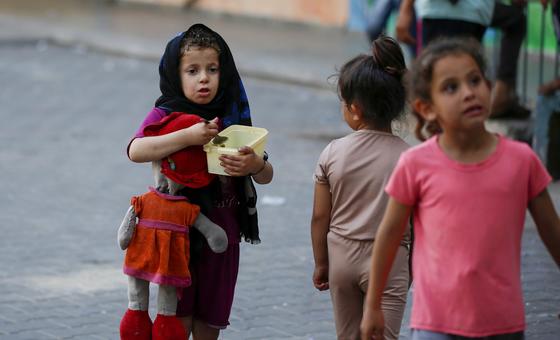
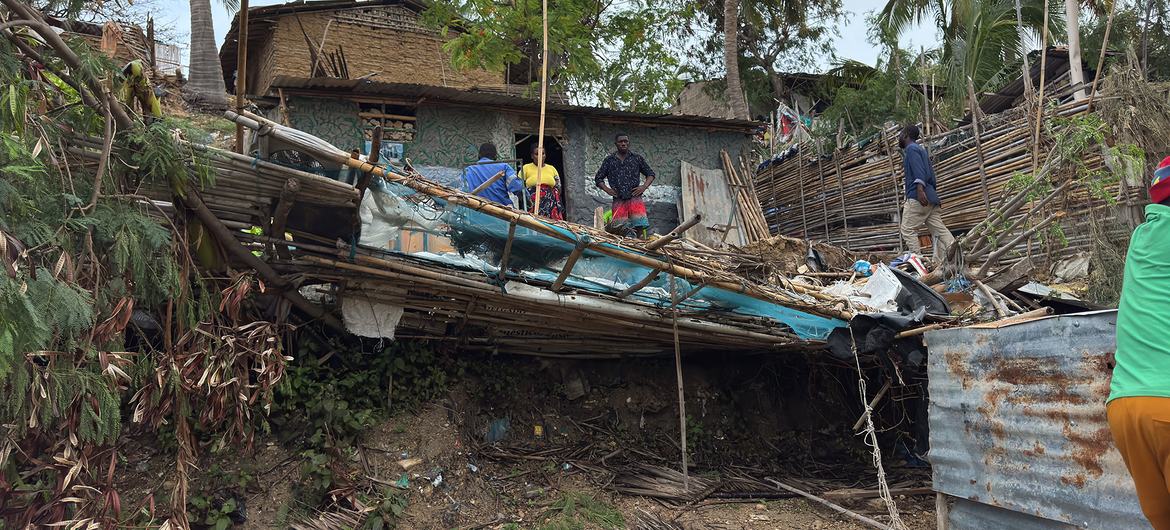
With roughly half the population, 5.7 million people, facing some sort of emergency level of hunger, Haiti is one of five countries in the world with catastrophic levels of hunger.  

“Despite all the violence, displacement and collapse”, WFP remains in Haiti, Lola Castro, Regional Director in Latin America and the Caribbean, said during a briefing on Tuesday, having recently returned from the country. 

More than one million people in Haiti are displaced due to ongoing gang violence and insecurity.

As the hostilities are disrupting the food systems and supply chains in the capital Port-au-Prince, WFP is facing a “quite dramatic” situation, Ms. Castro said. 

Displaced population 

Displaced populations, notably in and around Port-au-Prince, are faced with a “very problematic” situation, she said, as hostilities have recently uprooted around 14,000 people from the commune of Kenscoff.  

“Kenscoff is a commune where people used to come and sell their food,” she said, and the same people are now relying on food assistance after their houses were burned and their livelihoods “destroyed.” 

Gender-based violence  

With 6,000 cases of gender-based violence having been reported this year, the situation of women and girls in Port-au-Prince is dramatic, according to Ms. Castro.  

The city is probably “one of the most dangerous places in the world” for women and girls. “We need to provide them support to assure that they become less vulnerable and are not exposed to all this violence,” she said.  

Dwindling aid stocks  

The 2025 Humanitarian Response Plan for Haiti calls for just over $908 million but is only eight per cent funded. Ms. Castro said WFP alone needs $46.4 million over the next six months to sustain its emergency response and address the root causes of hunger and malnutrition. 

The hurricane season began on 1 June and runs through the end of November. She warned that at this moment when half of all Haitians are already going hungry, a single storm could push millions into a humanitarian catastrophe. 

While in past years, WFP had humanitarian stocks ready in the country and could assist between a quarter to half a million people in the immediate aftermath of a disaster, “this year, we start the hurricane season with an empty warehouse,” she said.  

Unless resources are made available, the agency will have no capacity to respond—there are no contingency supplies, no logistical buffer, and no lifeline for the most vulnerable. 

“We cannot forget the people of Haiti,” Ms. Castro said, calling on the humanitarian community to provide urgent support.  

Source link

World News in Brief: Aid for Syria, children under attack in Mozambique, rights-based climate action

Despite limited resources, the UN and partners are reaching some 2.5 million people each month across the country. In May alone, more than one million people received assistance, according to the Office for the Coordination of Humanitarian Affairs (OCHA).

Cross-border aid has significantly increased this year. Since January, 1,185 humanitarian trucks have crossed from Türkiye into Syria – six times the number recorded during the same period last year. The uptick reflects growing needs and intensified delivery efforts.

Syria’s health system, however, remains under severe strain. Fewer than 60 per cent of hospitals and less than half of primary health centres are fully functional. Essential medicines are in short supply, treatment costs are beyond the reach of many families and overcrowded shelters continue to heighten the risk of disease outbreaks.

Meanwhile, explosive remnants of war and unexploded ordnance pose a deadly and ongoing threat to civilians. Since 8 December, 2024, more than 1,000 casualties have been reported – over 400 of them fatal and nearly 600 resulting in injuries – children accounting for over a third of the victims.

“The humanitarian community is calling for urgent support to expand risk education, professional clearance operations and assistance for survivors,” UN Spokesperson Stéphane Dujarric told journalists at the regular news briefing in New York.

Funding shortfalls are compounding the crisis. The Syria Humanitarian Response Plan requires $2 billion by the end of June to support 8 million of the most vulnerable people. To date, it has received just $236 million – less than 12 per cent of the total needed.

Northern Mozambique has been mired in what has been described as a “triple crisis” – violence and insecurity, climate shocks, and post-electoral unrest. (file photo)

Children targeted by armed groups in northern Mozambique

Children also continue to bear the brunt of a worsening crisis in Mozambique, where over 1.3 million people have been displaced by violence, extreme weather shocks and post-electoral unrest.

These crises have also left 5.2 million in urgent need of humanitarian assistance.

The situation is particularly dire in the northern Cabo Delgado province, which has witnessed a spike in reports of abduction, forced recruitment and use of children by non-state armed groups.

According to the UN Children’s Fund (UNICEF), at least three girls aged 12, 14 and 17 were killed in an attack last month, and eight other children abducted – highlighting the grave risks facing children in the conflict.

The agency expressed deep concern over such gross violations of children’s rights, stressing that “every child has the right to live in safety, free from violence and fear.”

UNICEF is working with partner agencies to assist impacted children and their families, support the safe return and reintegration of children abducted by non-state armed groups, and provide access to vital services such as health, protection, and education.

UN rights chief calls for bold climate action grounded in human rights

The UN’s top rights official warned on Tuesday that humanity’s survival is inseparable from the health of the planet.

Speaking at Oxford University, Volker Türk highlighted the need for a new kind of politics to tackle the climate crisis and rising global inequality, urging strong leadership to push for urgent, just and rights-based solutions.

“Not only have we created a false separation from nature, we are deluded enough to believe we can make nature bend to our will,” Mr. Türk said, criticizing the continued exploitation of fragile ecosystems.

The High Commissioner linked environmental degradation with systemic injustice, stating that the world’s richest one per cent are responsible for more carbon emissions than the poorest two-thirds. He stressed that those least responsible for the climate crisis are often the ones suffering its worst impacts.

He also expressed concern over the lack of adequate climate finance and called for reforms to international financial systems, noting growing support for a proposed fossil fuel non-proliferation treaty that would aim to end the expansion of new oil, coal and gas projects.

“Our rights call for all people, now and in the future, to live in safety, security and opportunity, on a healthy planet,” he said.

Mr. Türk concluded by urging governments, institutions and individuals to join a global movement for change, grounded in human rights, to address the climate emergency and build a more sustainable and equitable future.

Source link

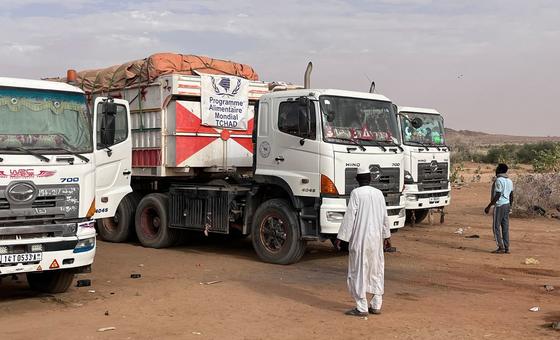
Five humanitarians killed in ‘horrendous’ attack on aid convoy in Sudan

The World Food Programme (WFP) and the United Nations Children’s Fund (UNICEF) condemned the attack on the joint humanitarian convoy and reminded the international community that under humanitarian law, aid must be able to move securely.  

“Aid convoys must be protected and parties have the obligation to allow and facilitate rapid and unimpeded passage of humanitarian relief for civilians in need,” the two agencies said in a joint press release.

UN Spokesperson Stéphane Dujarric reiterated this sentiment, saying that the United Nations condemns this “horrendous attack in the strongest possible terms.”  

‘Devastating’ attack  

According to WFP and UNICEF, the aid convoy had travelled over 1,800 kilometres from Port Sudan, which has itself endured ongoing drone strikes.  

The 15 trucks were carrying vital nutritional supplies to North Darfur, a region in which hundreds of thousands of internally displaced people are at high risk of malnutrition and starvation. 

The agencies noted that all parties on the ground had been notified about the convoy and its movements. 

“They were 80 kilometres from El Fasher, parked on the side of the road, waiting for clearance, and they were attacked,” said Mr. Dujarric. 

This would have been the first convoy to reach El Fasher in over a year. In April, the city and the nearby Zamzam displacement camp were attacked, displacing hundreds of thousands, many of whom had already been displaced.  

The attack on the convoy comes amidst a two-year conflict which has ravaged Sudan, displacing over nine million people. Famine has been declared in multiple places, including in El Fasher, and many more regions remain at risk.   

Broader attacks on aid 

The attack on the convoy comes amidst other attacks on humanitarian operations and civilians and civilian infrastructure in Sudan.  

Last week, the WFP premises in El Fasher were bombed and damaged and an international hospital in Al Obeid also experienced a deadly drone strike. 

Civilian infrastructure around the country continues to be targeted, including electricity infrastructure in Khartoum. The damage of this infrastructure in the capital has worsened an already spreading cholera outbreak in the city.   

WFP and UNICEF reiterated that attacks on humanitarian activities and personnel are unacceptable and must stop immediately.  

“Attacks on humanitarian staff, aid, operations as well as civilians and civilian infrastructure in Sudan have continued for far too long with impunity,” they said.  

Source link

As displacement surges in South Sudan, regional humanitarian crisis deepens

Violence between armed groups in Upper Nile state and other flashpoints has crippled essential services, triggered food insecurity and worsened disease outbreaks, including cholera – forcing some to be displaced repeatedly.

Roughly 65,000 have been internally displaced in Upper Nile state alone. 

Access to aid in conflict hotspots is limited, with fighting and movement restrictions cutting off assistance.

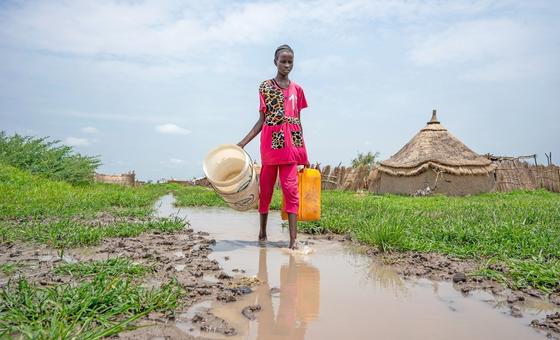
Lifesaving supplies, including medicine and healthcare to curb rising cholera cases, have halted, while rains threaten to worsen the crisis, flooding roads and driving up transport costs.

South Sudan has also absorbed over a million people fleeing conflict in Sudan.

Regional crisis

Another 103,000 South Sudanese have sought refuge in neighbouring countries, pushing the total number of South Sudanese refugees to 2.3 million.

“This emergency could not have come at a worse time,” said Mamadou Dian Balde, UNHCR’s Regional Director for the East, Horn of Africa and Great Lakes region.

“Many of the refugees are seeking safety in countries which have challenges of their own or are already dealing with emergencies amidst ongoing brutal funding cuts, straining our ability to provide even basic life-saving assistance.”

Despite the conflict in Sudan, 41,000 South Sudanese have sought refuge there – 26,000 in White Nile state, where over 410,000 South Sudanese already live, many repeatedly displaced due to ongoing violence in their host country.

The surge in arrivals in Sudan has created an urgent need for additional space, while essential services are overwhelmed due to cholera outbreaks and ongoing security challenges.

In the Democratic Republic of the Congo (DRC), 23,000 have arrived amid the country’s own insecurity.

Some 21,000 South Sudanese have sought refuge in Ethiopia. Previously living in makeshift shelters along riverbanks near the border, new arrivals are now receiving UNHCR aid further from the border; however, infrastructure and services in the area remain severely overstretched, worsened by a cholera outbreak.

Uganda, which hosts one million South Sudanese refugees, has taken in 18,000 since March – a 135 per cent year-on-year increase. Nearly 70 per cent are children; many forced to take longer and more hazardous routes to safety.

Call for support

UNHCR is providing refugees with critical relief items, documentation and specialised support to survivors of gender-based violence. 

But to provide necessary support for the next six months – including shelter, water, health and nutrition screening, as well as cash assistance – the agency requires $36 million. 

Calling for an immediate end to hostilities, UNHCR urged all parties to spare civilians further suffering. 

Unrest in Warrap state

In related developments, the UN Mission in South Sudan (UNMISS) voiced deep concern over escalating intercommunal violence in Tonj East county, Warrap state, urging the Government to intervene and deploy security services to address the situation. 

The violence has been driven by attempts to recover stolen cattle and revenge for the previous loss of lives, resulting in more than 80 casualties, although the numbers are yet to be verified. 

UNMISS is intensively engaging with state and local authorities to calm the situation, in addition to increasing patrols, however peacekeepers are experiencing significant challenges reaching some of the impacted areas due to a proliferation of checkpoints manned by armed youth.

Source link

Sudan: Rise in people fleeing to Chad as violence surges

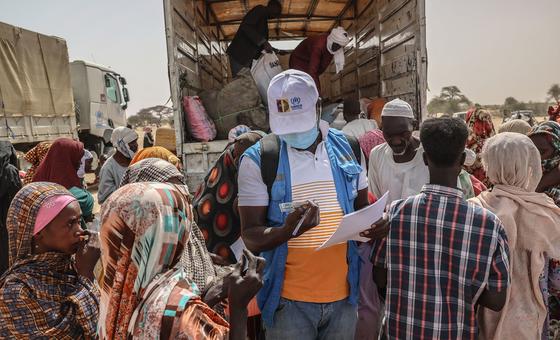
Overall, some 1.2 million Sudanese have found shelter in eastern Chad, mostly after fleeing intensifying violence in their country. 

More than 844,000 crossed the border after war broke out in Sudan in April 2023. Prior to this, Chad was hosting roughly 409,000 Sudanese refugees who had fled earlier conflict in Darfur.

‘A crisis of humanity’

The situation is “a crisis of humanity”, said UNHCR’s Principal Situation Coordinator in Chad, Dossou Patrice Ahouansou.

The latest wave of displacement began in April following attacks by armed groups in North Darfur. Violence has surged since war erupted in Sudan in April 2023 between the Sudanese Armed Forces (SAF) and the paramilitary Rapid Support Forces (RSF).

Camps for people uprooted by the most recent violence have been attacked including Zamzam and Abu Shouk, along with the town of El Fasher, killing more than 300 civilians. 

Last Thursday, the UN World Food Programme’s facility in El Fasher was repeatedly shelled, according to a report from UN aid coordination office OCHA.

A day later, Eldaman International Hospital in Al Obeid was struck by a drone attack, killing at least six health workers and injuring more than 15 others.

Both attacks were reportedly carried out by the RSF.

Exodus and arrival

In just over a month, 68,556 refugees have crossed into Chad’s Wadi Fira and Ennedi Est provinces, at an average of 1,400 new arrivals per day.

More than seven in 10 “report serious human rights violations — physical and sexual violence, arbitrary detention, forced recruitment”, said Mr. Ahouansou.

Based on interviews with 6,810 newly arrived refugees, he said that six out of 10 reported being separated from their family members.

Horrendous testimonies

Mr. Ahouansou spoke of seven-year-old Hawa, whose family home in Zamzam was bombed. After her mother was killed, she fled to the Zamzam camp for internally displaced people. 

“There again had been bombing” and this time it killed Hawa’s father and two brothers, he said. 

With only her 18-year-old sister remaining, Hawa escaped to Chad. She was severely injured and had to have a leg amputated.

“It’s difficult to hear, but this is the reality,” said Mr. Ahouansou, emphasizing that there were thousands facing similar situations.

The UNHCR official also recounted chilling testimonies of forced labour along the perilous journeys, where many reportedly die because of the heat and lack of water.

“When armed groups see you leaving, they decide to let the donkey or the horse go. And you, as a human being, as a man… they will use you as a horse and ask you now to draw all your family members,” he said.

Funding shortfalls

Despite efforts by humanitarian actors and local authorities, the emergency response remains severely underfunded.

Just 14 per cent of shelter needs have been met and refugees receive only five litres of water per person per day — far below the 15–20 litre international standard. Around 239,000 refugees remain stranded at the border.

“The lives and futures of millions of innocent civilians hang in the balance,” said UNHCR spokesperson Eujin Byun, who stressed that this was also a “crisis of women and children” as they make up to nine out of 10 refugees crossing the border.

“Without a significant increase in funding, life-saving assistance cannot be delivered at the scale and at the speed that is required,” Mr. Ahouansou said. 

Source link

Five countries elected to serve on UN Security Council

They will serve through the end of 2027 on the UN body responsible for maintaining international peace and security.

They will join the five non-permanent members elected last year – Denmark, Greece, Pakistan, Panama, and Somalia – who will serve through 2026.

The Security Council has 15 members: five permanent members – China, France, Russia, the United Kingdom, and the United States – who hold veto power, and ten non-permanent members elected by the General Assembly for staggered two-year terms.

Elections are held annually by secret ballot, with seats allocated by regional group. Candidates must secure a two-thirds majority in the 193-member General Assembly to be elected.

More to follow…

Source link