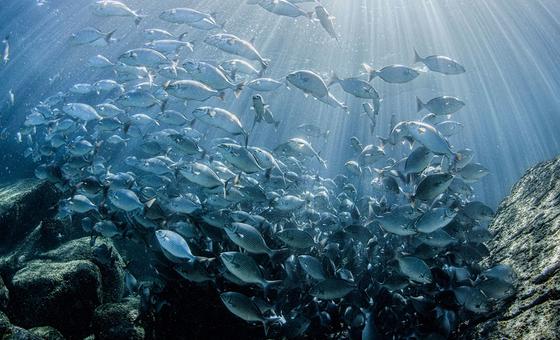
Greed is driving oceans toward collapse

Mr. Guterres’ stark assessment came during a press conference on the second day of the weeklong UN Ocean summit, known as UNOC3, where hundreds of government leaders, scientists and civil society representatives are gathered on France’s Côte D’Azur. Their mission: to confront the escalating emergency facing the world’s oceans.

Greed is a ‘clear enemy’

“We are in Nice on a mission – save the ocean, to save our future,” the Secretary-General said, and warned that a tipping point is fast-approaching “beyond which recovery may become impossible.”

The “clear enemy” that is pushing our oceans towards the brink is greed.

According to the UN chief, greed sows doubt, denies science, distorts truth, rewards corruption and destroys life for profit. “We cannot let greed dictate the fate of our planet,” he insisted.

Calling for all stakeholders to assume their responsibility and to play a vital role to push back against these profit-hungry forces, the Secretary-General said: “That is why we are here this week: to stand in solidarity against those forces and reclaim what belongs to us all.”

He cited four priorities for governments, business leaders, fishers, scientists, saying “everyone has a responsibility and a vital role to play”:

  • Transform ocean harvesting – It’s not just about fishing, it’s about how we fish. We must meet the globally agreed “30 by 30” goal to conserve 30 per cent of oceans by 2030.
     
  • Tackle plastic pollution: Phase out single-use plastics and improve recycling; and finalize a global treaty to end plastic pollution this year.
     
  • Fight climate change at sea: Countries must submit bold climate plans ahead of COP30 in Brazil. Plans must align with the 1.5°C target and cover all emissions.
     
  • Enforce the High Seas Treaty: Ratify and implement the new treaty, known by the shorthand, BBNJ treaty, to protect marine biodiversity, and urge all nations to join and bring the agreement into force.

Calling for a grand global coalition of governments, business leaders, fishers, scientists, the Secretary-General urged everyone to step forward with decisive commitments and tangible funding.

“The ocean has given us so much. It is time we returned the favour.”

More to follow.


Source link

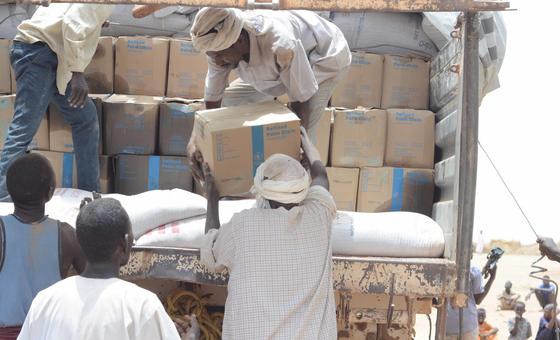
Sudan emergency: We need more help to prevent famine, says WFP

“Over the past six months, WFP scaled up assistance and we are now reaching nearly one million Sudanese in Khartoum with food and nutrition support,” said Laurent Bukera, WFP Country Director in Sudan. “This momentum must continue; several areas in the south are at risk of famine.”

In an update from Port Sudan, Mr. Bukera reported that a mission to Khartoum had found many neighbourhoods abandoned, heavily damaged and akin to a “ghost city”.

Pressure on overstretched resources will only intensify, he insisted.

Fragile frontline communities

And as conflict still rages between the Sudanese Armed Forces and the paramilitary Rapid Support Forces, sparked by a breakdown in transition to civilian rule in 2023, the veteran aid worker also explained that communities on the frontlines were at “breaking point” and unable to support displaced families any longer.

Despite many generous contributions to the UN agency’s work in Sudan, it faces a $500 million shortfall to support emergency food and cash assistance for the coming six months.

The international community must act now by stepping up funding to stop famine in the hardest hit area, and to invest in Sudan’s recovery,” Mr. Bukera insisted.” We must also demand respect for the safety and the protection of the Sudanese people and aid workers.”

No food, water

More than two years of fighting have smashed infrastructure and left communities without basic services, such as clean water.

This – and weeks of heavy rains – have contributed to a deadly cholera outbreak and reports of corpses rotting in the Nile in Omdurman, one of the capital’s three cities.

In an update last week, the UN aid coordination office, OCHA, said that war-related displacement and the spread of cholera have continued to add to needs across Sudan.

“We are deeply concerned and meeting the basic needs, especially food, will be critical and is urgent,” said WFP’s Mr. Bukera. “Urgent action is needed to restore basic services and accelerate recovery through coordinated efforts with local authorities, national NGOs, UN agencies and humanitarian partners.”

This vital work has been prevented by a lack of international support, forcing WFP to reduce the amount and range of relief it can distribute.

“Funding shortfalls are already disrupting some of the assistance we are providing in Khartoum, Blue Nile, Al Jazeera and Sennar states,” the WFP senior official continued. “Our rations and the oil and the pulses in the food basket had to be removed due to lack of resources.”

Rations cuts

In Khartoum, lifesaving nutritional supplements for young children and pregnant and nursing mothers are already “out of reach” because of a lack of resources, he said.

Despite the many challenges, the UN agency now reaches four million people a month across Sudan. This is nearly four times more than at the start of 2024 as access has expanded, including in previously unreachable areas like Khartoum.

Communities are also supported in the longer-term via cash assistance to support local markets and support for bakeries and small businesses planning to reopen.

We have rapidly scaled up our operation to meet increasing needs,” Mr. Bukera said. “We are aiming to reach seven people on a monthly basis, prioritizing those facing famine or other areas at extreme risk”, such as Darfur, Kordofan and Al Jazeera.

Source link

Social and economic barriers, not choice, driving global fertility crisis: UNFPA

The UN Population Fund (UNFPA) unveiled its flagship State of World Population report on Tuesday, warning that a rising number of people are being denied the freedom to start families due to skyrocketing living costs, persistent gender inequality, and deepening uncertainty about the future.

Titled The real fertility crisis: The pursuit of reproductive agency in a changing world, the report argues that what’s really under threat is people’s ability to choose freely when – and whether – to have children.

The report draws on a recent UNFPA/YouGov survey covering 14 countries that together represent 37 per cent of the global population.

Money worries

Economic barriers were the top factor, with 39 per cent of respondents citing financial limitations as the main reason for having fewer children than they would like.

Fear for the future – from climate change to war – and job insecurity followed, cited by 19 per cent and 21 per cent of respondents, respectively.

Thirteen per cent of women and eight per cent of men pointed to the unequal division of domestic labour as a factor in having fewer children than desired.

The survey also revealed that one in three adults have experienced an unintended pregnancy, one in four felt unable to have a child at their preferred time and one in five reported being pressured to have children they did not want.


Solutions to the fertility crisis

The report warns against simplistic and coercive responses to falling birth rates, such as baby bonuses or fertility targets, which are often ineffective and risk violating human rights.

Instead, UNFPA urges governments to expand choices by removing barriers to parenthood identified by their populations.

Recommended actions include making parenthood more affordable through investments in housing, decent work, paid parental leave and access to comprehensive reproductive health services.

Immigration factor

The agency also encourages governments to view immigration as a key strategy to address labour shortages and maintain economic productivity amid declining fertility.

Regarding gender inequality, the report calls for addressing stigma against involved fathers, workplace norms that push mothers out of the workforce, restrictions on reproductive rights, and widening gender gaps in attitudes among younger generations that are contributing to rising singlehood.

Lack of cooperation from Iran hampers nuclear checks, says atomic energy watchdog

Rafael Grossi, Director-General of the International Atomic Energy Agency (IAEA), said on Monday that Iran’s growing stockpile of highly enriched uranium and unresolved questions about its programme remain serious issues.

Unless and until Iran assists the agency in resolving the outstanding safeguards issues, the Agency will not be in a position to provide assurance that Iran’s nuclear programme is exclusively peaceful,” he said.

He was addressing IAEA’s Board of Governors, which comprises 35 countries – including France, Russia, the UK and the US.

Lack of credibility

Mr. Grossi further noted that Iran had failed to provide technically credible explanations for the presence of man-made uranium particles at three undeclared sites – Varamin,  Marivan and Turquzabad – despite years of consultations.

Based on its assessments, IAEA can conclude that these three locations were part of a structured nuclear programme that operated until the early 2000s and involved undeclared nuclear material, he said.

“The agency also concludes that Iran did not declare nuclear material and nuclear-related activities at these three undeclared locations in Iran…as a consequence of this, the Agency is not in a position to determine whether the related nuclear material is still outside of safeguards.”

The situation is exacerbated by the country’s decision to stop implementing some provisions of its Safeguards Agreement, a legal requirement under international law, he added, urging Tehran to urgently restore transparency and comply with international obligations.

Highly enriched uranium

Mr. Grossi also expressed alarm at the rapid accumulation of over 400 kilogrammes of highly enriched uranium, which has serious implications.

Given the potential proliferation implications, the agency cannot ignore [this],” he said.

While commending Egypt’s recent diplomatic efforts to mediate between Iran and the United States, Mr. Grossi stressed that only a diplomatic solution, backed by IAEA verification, could restore trust.

He said the agency stands ready to verify any future agreement between the two sides.

“The effect of a stabilised situation in Iran with regards to its nuclear programme will be immediate and bring the Middle East one big step closer to peace and prosperity,” he said.

‘Clear violations’ in DPR Korea

Turning to the Democratic People’s Republic of Korea (DPRK), Mr. Grossi said the IAEA continues to monitor nuclear activity remotely, despite being denied direct access to the country.

North Korea’s five-megawatt electrical reactor at Yongbyon “likely continues” to be operating in its seventh cycle, while reprocessing of irradiated fuel has likely resumed at the Radiochemical Laboratory.

He noted ongoing construction at a new building with similarities to the Kangson enrichment site and said the light water reactor at Yongbyon remains active.

“The continuation and further development of the DPRK’s nuclear programme are clear violations of relevant UN Security Council resolutions and are deeply regrettable,” he said, adding that IAEA stands ready to play its role in verifying the DPRK’s nuclear programme.

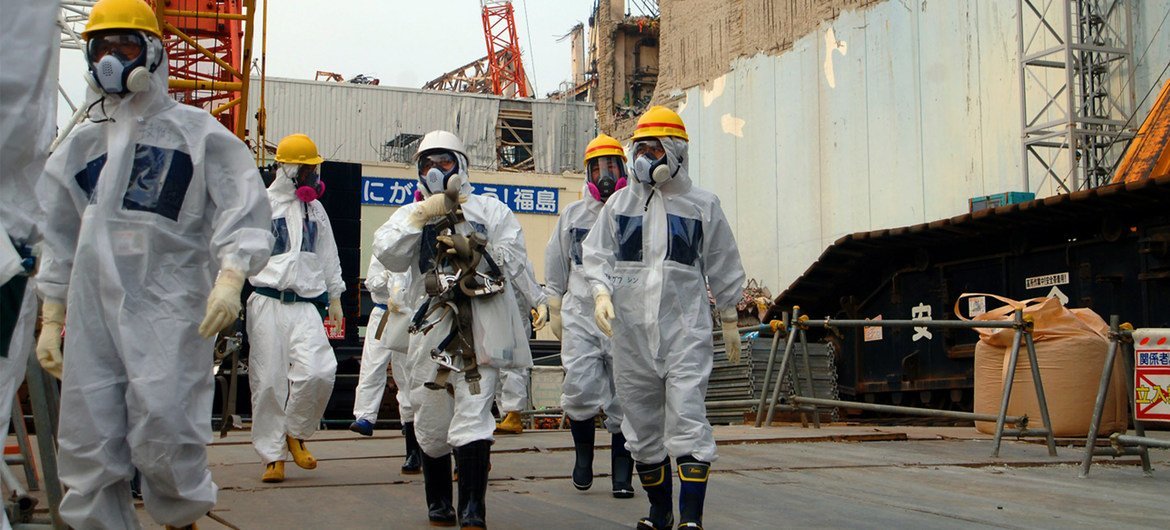
IAEA experts depart Unit 4 of Fukushima Daiichi Nuclear Power Station. (April 2013 photo).

Monitoring discharge in Japan

Mr. Grossi said the IAEA continues to monitor the controlled release of ALPS-treated water from the Fukushima Daiichi Nuclear Power Station in Japan, which suffered major damage in a 9.1 magnitude earthquake and tsunami in March 2011.

In April this year, IAEA and international experts collected and analysed diluted samples ahead of discharge.

“The IAEA has maintained its independent monitoring and analysis efforts, confirming that tritium concentrations in the discharged batches remain far below operational limits and align with the international safety standards,” Mr. Grossi said.

‘Precarious situation’ in Ukraine

Director-General Grossi also highlighted the precarious situation at Ukraine’s Zaporizhzhya Nuclear Power Plant, where all six reactors remain in cold shutdown amid continued military activity.

A full damage assessment is also underway at Chernobyl, which was the site of a drone strike and ensuing fire in February that resulted in “significant damage” to a confinement arch that is critical to maintaining long-term safety at the site.

The power plant suffered a massive nuclear accident in 1986 and has since been encased in a protective structure to contain radioactive material and prevent its release.

“As the military conflict moves further into its fourth year, Ukraine needs support, and the IAEA is providing it,” Mr. Grossi said, reaffirming the Agency’s commitment to supporting Ukraine’s nuclear infrastructure during wartime and throughout the eventual post-war reconstruction.

Source link

Gaza: Search for food puts lives on the line

Since the end of May, aid distribution in Gaza has been carried out by a mechanism backed by Israel and the United States bypassing UN agencies and their established partners, which has been plagued by deadly incidents and chaos.

On Monday, UN partner the International Committee of the Red Cross (ICRC) reported that 29 casualties arrived at its field hospital in west Rafah that morning, eight of whom had died. 

Almost all had explosive trauma wounds, with two others suffering gunshot wounds. 

Forced to choose

“The UN reiterates that civilians must always be protected,” said Deputy Spokesperson Farhan Haq, speaking from Headquarters in New York.

No person, anywhere, should be forced to choose between risking one’s life and feeding one’s family.”  

Fuelling aid efforts

Meanwhile, fuel stocks in Gaza are dangerously low, putting further strain on critical services and humanitarian operations. 

Mr. Haq said that some 260,000 litres of fuel were looted in northern Gaza over the weekend.

Prior to this, the UN had repeatedly tried to reach these stocks to retrieve them, but the Israeli authorities denied these attempts – with 14 denials since 15 May. 

“Our attempts to reach fuel supplies in Rafah, in the south of Gaza, also continue to be denied,” he added.

“The UN warns that unless a solution is found in the coming days, the entire aid operation could come to a standstill.”

© UNRWA/Louise Wateridge

Palestinians who have taken refuge in a UNRWA school in Deir al-Balah camp in central Gaza are struggling to survive as they lack access to basic humanitarian needs in the central Gaza city of Deir al-Balah.

‘Desperate, starving people’

Mr. Haq also updated on efforts to bring desperately needed humanitarian assistance into the Gaza Strip, where the entire population, more than two million people, faces famine conditions.

On Monday, the UN led a mission to deliver supplies that entered the enclave via the Kerem Shalom border crossing to Gaza City, which was still ongoing. 

Since Israel allowed limited amounts of aid to enter on 19 May, the UN and partners have only been able to collect about 4,600 metric tonnes of wheat flour from Kerem Shalom.

“Most of it was taken by desperate, starving people before the supplies reached their destinations. In some cases, the supplies were looted by armed gangs,” he said.

Resume aid flow now

Mr. Haq emphasized that as the occupying power, Israel bears responsibility when it comes to public order and safety in Gaza. 

“That should include letting in far more essential supplies, through multiple crossings and routes, to meet humanitarian needs and help reduce looting,” he said.

UN partners working on food security estimate that between 8,000 and 10,000 metric tonnes of wheat flour is required to reach all families across Gaza with at least a single bag.

He stressed that “the sustained and unrestricted flow of aid into Gaza must resume as soon as possible.” 

Dangerous routes, driver shortages and delays

He said no missions to collect supplies from Kerem Shalom took place at the weekend as Israel informed that the crossing would remain closed on Friday and Saturday.

Humanitarians also continue to face major impediments that affect their ability to conduct these operations, including unacceptably dangerous routes, a severe shortage of vetted drivers, and delays.

West Bank update

Mr. Haq also touched on the situation in the occupied West Bank.

He said operations by the Israeli forces in the north have continued over the past week, destroying roads and disrupting Palestinians’ access to essential services. 

The UN and partners continue to respond, including by providing water, sanitation and hygiene assistance to tens of thousands of displaced Palestinians.  

No green without blue: Young ocean explorers set sail for a sustainable future

In the old town of Nice, the 98-meter-long, three-masted barque arrived last week at Port Lympia, where UNOC3 is now under way. Built in 1914 and owned by Norway since 1921, the Statsraad Lehmkuhl – named for former Norwegian minister Kristofer Lehmkuhl – was refitted last year with state-of-the-art ocean science instruments, transforming it into a floating university.

Now, more than a century after its construction, the vessel has become a cutting-edge research platform, bringing together scientists, students, and explorers to unravel the ocean’s secrets.

This transformation is central to the ship’s second One Ocean Expedition, launched on April 11 from Bergen, Norway, with a mission to bridge ocean science, education, and sustainability. The expedition aims to raise awareness and share knowledge about the ocean’s crucial role in a sustainable future for all. It is expected to return to Bergen a year from now.

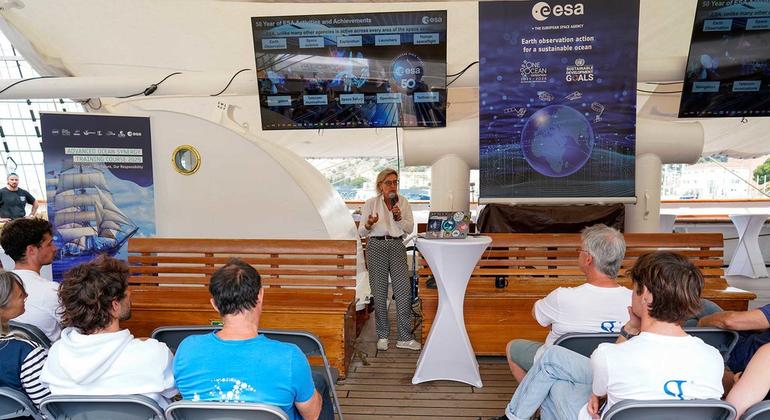
As part of the UN Decade of Ocean Science for Sustainable Development, a global initiative aimed at reversing the decline in ocean health, this expedition partnered with the ESA Advanced Training Course on ocean synergy remote sensing. Together, they assembled young talent from 28 countries to cross-reference ocean observations from space and sea, bridging the gap between satellite data and in-situ research.

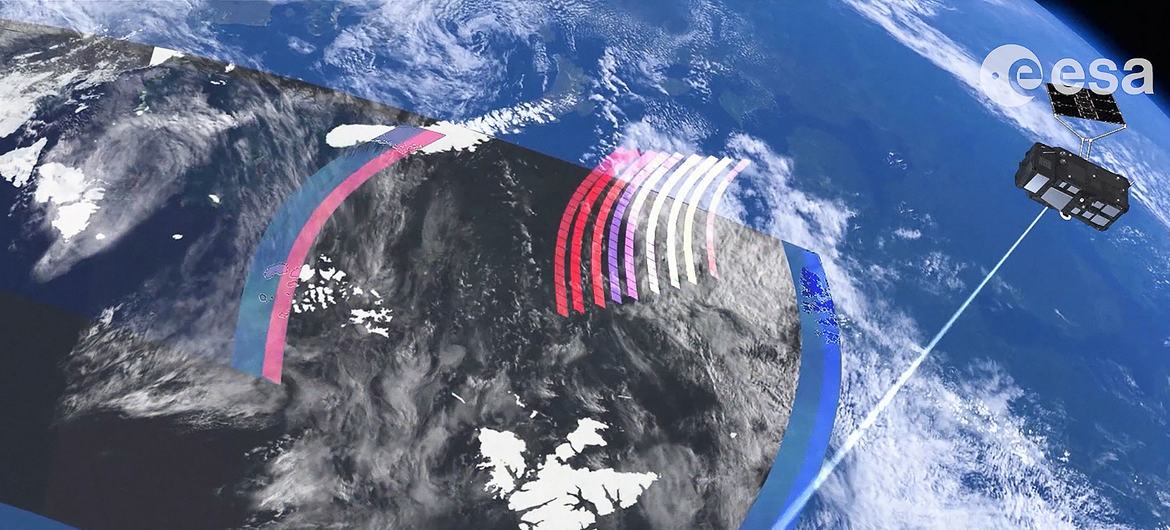
Demonstration of ESA satellite remote sensing.

Space-ocean synergy

“Marrying … the science, oceanographic and sailing traditions is the best way to get inside the ocean from the surface,” said Craig Donlon, the ESA ocean scientist who led the expedition. He also told UN News that real-time satellite data is used to guide on-board research and point students towards areas that need more and better measurement.

Each day, the ESA transmits space-collected data to the ship, delivering it approximately three and a half hours after processing. “Then we come to the captain, and we upset him by saying, we’ve just discovered this new thing, can please we move here?” laughs Mr. Donlon.

Student’s hard work bearing fruit

Mr. Donlon said that cutting-edge oceanographic instruments, including an acoustic Doppler current profiler (ADCP) to measure water movement, hydrophone arrays to capture underwater soundscapes, and Conductivity, Temperature, Depth (CTD) sensors to analyze seawater properties, work together to decode the ocean’s hidden dynamics.

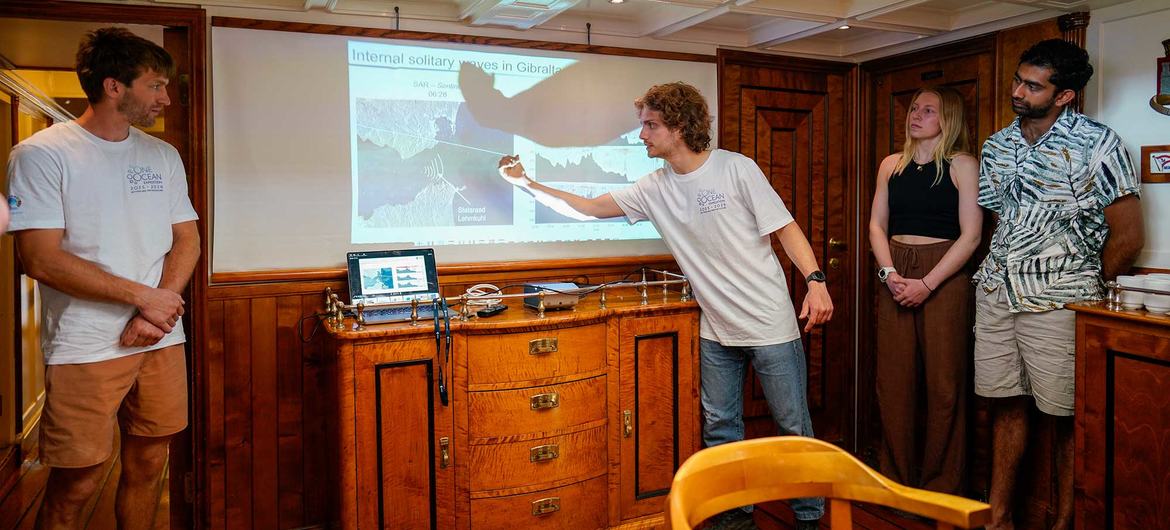
Leveraging these, the students can cross-pollinate between their findings in physics, biology, and air-sea interaction, working individually or in groups on projects including internal solitary waves, drifter trajectories and ocean biodiversity studies.

“It’s quite tough, because they have to work eight hours a day on deck, and the remaining time they have to eat and sleep, but they also find ways to work together,” Mr. Dolon explained. “They made a huge number of measurements […] it’s an amazing journey that they’ve made. We have nearly 15 terabytes of in-situ observations taken aboard this scientific vessel.”

He also spoke highly of the value of these works as evidence-based tools that can ensure the data sets sensibly underpin policies and promote ratification.

“It’s our one Ocean, and we must learn to live in harmony with its majesty because it’s beautiful but fragile. It’s not a global dumping ground. Our future ocean ambassadors, the students aboard this ship, will lead this endeavor,” he insisted.

Pablo Álvarez, an ESA training astronaut, talks to UN News.

An astronaut’s blue ambition

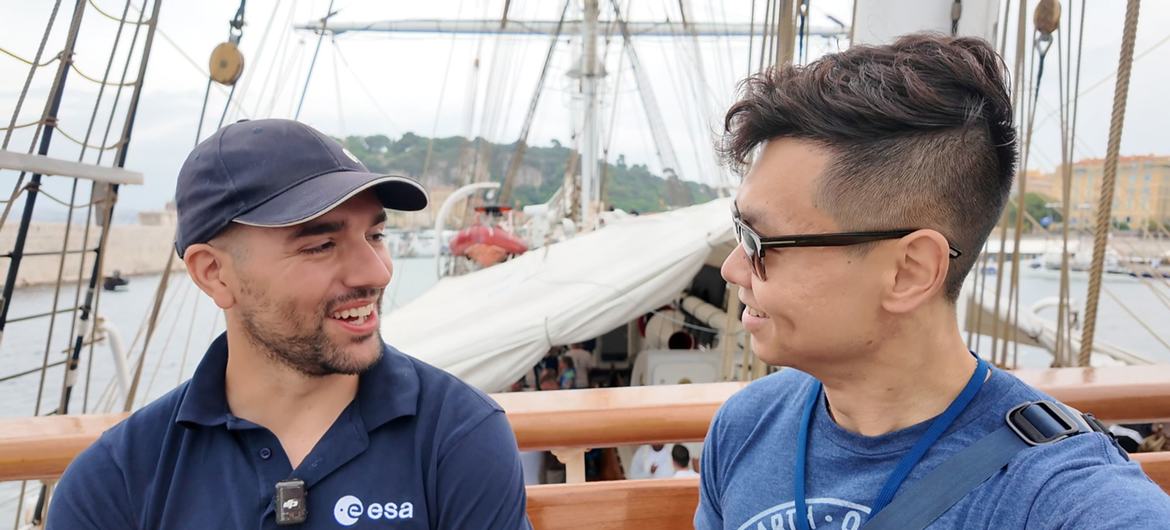
Among these young explorers is Pablo Álvarez, an ESA training astronaut set to join the International Space Station before 2030. Before launching into orbit, he’s honing his skills and deepening his knowledge aboard this tall ship – trading the vastness of space for the mysteries of the sea.

He specializes in remote sensing of the ocean’s surface. By analyzing satellite imagery, such as patterns formed by sunlight reflecting off waves, known as ‘sun glitter’, he uncovers insights into surface roughness, wind behavior, and ocean dynamics. These key data points aid both marine scientists and astronauts studying Earth from afar, offering valuable clues that may help predict the ocean’s movement.

“In both fields [Ocean Science and Earth System Science] you’re moving the human knowledge a bit farther with everything you do,” added Mr. Álvarez, “I think it’s in our DNA to explore and to learn more about our environment, and the universe where we are living.” 

Lena Schaffeld (second from the right) is among students presenting their studies on board.

Women improve scientific study

Among the students aboard, Lena Schaffeld, from Germany, found the expedition particularly inspiring. She felt empowered knowing that female students outnumbered their male peers – a rare and meaningful shift in a field often dominated by men.

“I think we need a lot of women in science, especially ocean science. So, it’s quite nice to be one of them,” Ms. Schaffeld said proudly.

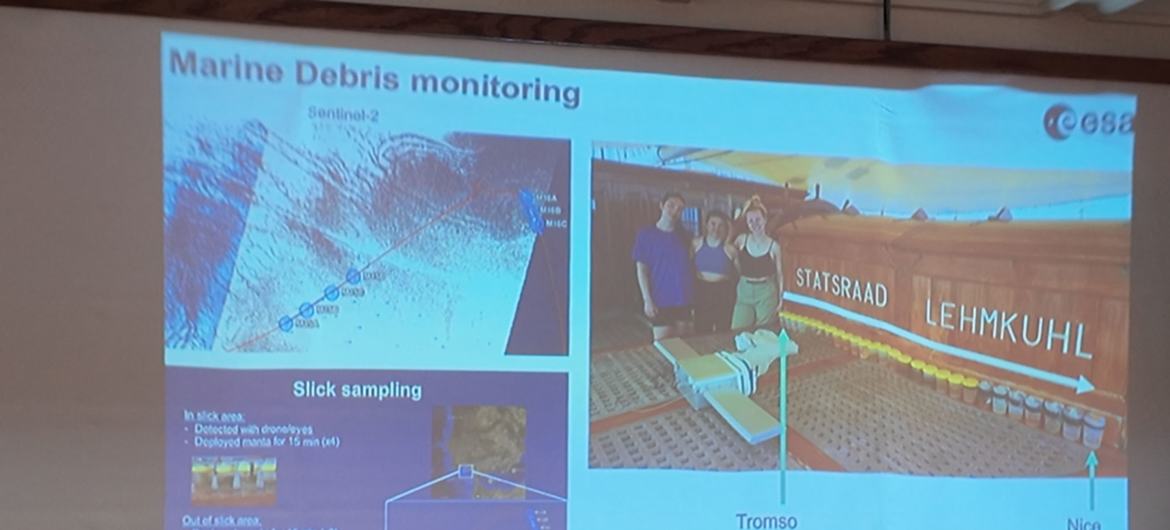
Focused on the increasing abundance and distribution of microplastic pollution in the ocean, Ms. Schaffeld went on to tell UN News that the journey has benefitted her studies as well. “We’ve been passing different seas. We’ve come from the Norwegian Sea and the Arctic Sea, towards the open Atlantic Ocean, and now into the Mediterranean,” she said.

The marine debris monitoring project is conducted by Lena Schaffeld with other two students.

Collecting data along the way, she said she has found more visible plastics in samples taken from the Mediterranean.

“Microplastics are pieces of plastic that are smaller than 5 millimeters, and most of them are invisible,” explained Ms. Schaffeld, who stressed that her work is just beginning and it’s too soon to draw any conclusions.

“Only after [the filtration process] and when I look under the microscope, which is going to happen at the end of this voyage, will we know how much plastic there actually is.”

Looking forward to further studying these samples, she said she will also try to explore ways to use satellite data to detect microplastics in the water, and to lay out a bigger picture about how plastic moves with the currents.

“The water is always moving and plastic on the surface moves along with these currents. So, we’re also going to be applying some numerical modeling to predict or even backtrack [to] where that plastic came from. It’s going to interesting,” she noted with hope.

‘A sustainable ocean is a necessity’

Many students on board the Statsraad Lehmkuhl expressed their gratitude to take part in the training course and to be able to share their stories and experiences as part of UNOC3.

“Bringing the ocean to the people is a job that we’ve tasked our students with,” stressed Mr. Donlon. “They’ve engaged with Peter Thomson, the United Nations Special Envoy (for the ocean). He gave us a mandate to run this course, and we’ve followed that mandate.”

In Mr. Donlon’s eyes, “the UNOC3 is the place where we come together. We discuss the most relevant topics, and we bring a ministerial element to that, to ratify evidence-based decisions”.

He said that he is convinced that the science-based decisions and discussions taking place at the Conference “will make lives and societies stronger”, while at the same time help to protect the environment for future generations. “A sustainable ocean is not a luxury; it is an absolute necessity. There can be no green unless we have a blue thriving ocean,” he reiterated.

Source link

Central Africa at a crossroads amid rising tensions and instability

With violence worsening in both the Lake Chad Basin and the Great Lakes, the Security Council met on Monday to examine the threats confronting the wider region.

Central Africa remains rich in potential, but the challenges are still significant,” said Abdou Abarry, Head of the UN Regional Office for Central Africa (UNOCA).

Some progress

While countries such as Chad and Gabon have made progress in terms of political development, newly elected authorities must capitalise on this momentum to implement key democratic reforms, said Mr Abarry.

In Chad and Gabon, recent elections and reforms have promoted greater participation of women in the democratic process.

Today, women represent 34 per cent of Chad’s National Assembly, while Gabon’s new electoral code mandates that women must account for at least 30 per cent of electoral lists provided to voters.

Political challenges

In recent months, online disinformation and hate speech have been on the rise in Cameroon, said Mr Abarry. UNOCA reported that 65 per cent of political content shared on social media between January and April this year was either false or previously manipulated.

At the same time, Cameroon has seen a surge in intercommunal violence in the southern and central regions of the country. This trend underscores the importance of UNOCA’s work in supporting development strategies aimed at preventing conflict related to electoral processes.

Insecurity hotbeds

Two major centres of insecurity persist, with violence escalating in both the Lake Chad Basin and the Great Lakes region.

Around Lake Chad, groups affiliated with Boko Haram extremists and other armed insurgencies have demonstrated “their resilience and their ability to adapt and respond to the coordinated operations of the defence and security forces” of the region, said Mr Abarry.

Notably, on the night of 24 March, drones carrying explosives killed at least 19 Cameroonian soldiers in southern Nigeria.

Meanwhile, growing tensions between the Democratic Republic of the Congo (DRC) and Rwanda have led to large-scale displacement in eastern DRC, where the humanitarian crisis is further compounded by conflict in neighbouring Sudan.

As budget cuts exacerbate ongoing humanitarian crises in the region, there is growing concern that “the inaction of the international community could lead to a worsening of the humanitarian situation,” the head of UNOCA told ambassadors. 

Source link

Guterres calls for an end to ocean ‘plunder’ as UN summit opens in France

“The ocean is the ultimate shared resource,” he told delegates gathered at the port of Nice. “But we are failing it.”

Oceans, he warned, are absorbing 90 per cent of the excess heat from greenhouse gas emissions and buckling under the strain: overfishing, rising temperatures, plastic pollution, acidification. Coral reefs are dying. Fish stocks are collapsing. Rising seas, he said, could soon “submerge deltas, destroy crops, and swallow coastlines — threatening many islands’ survival.”

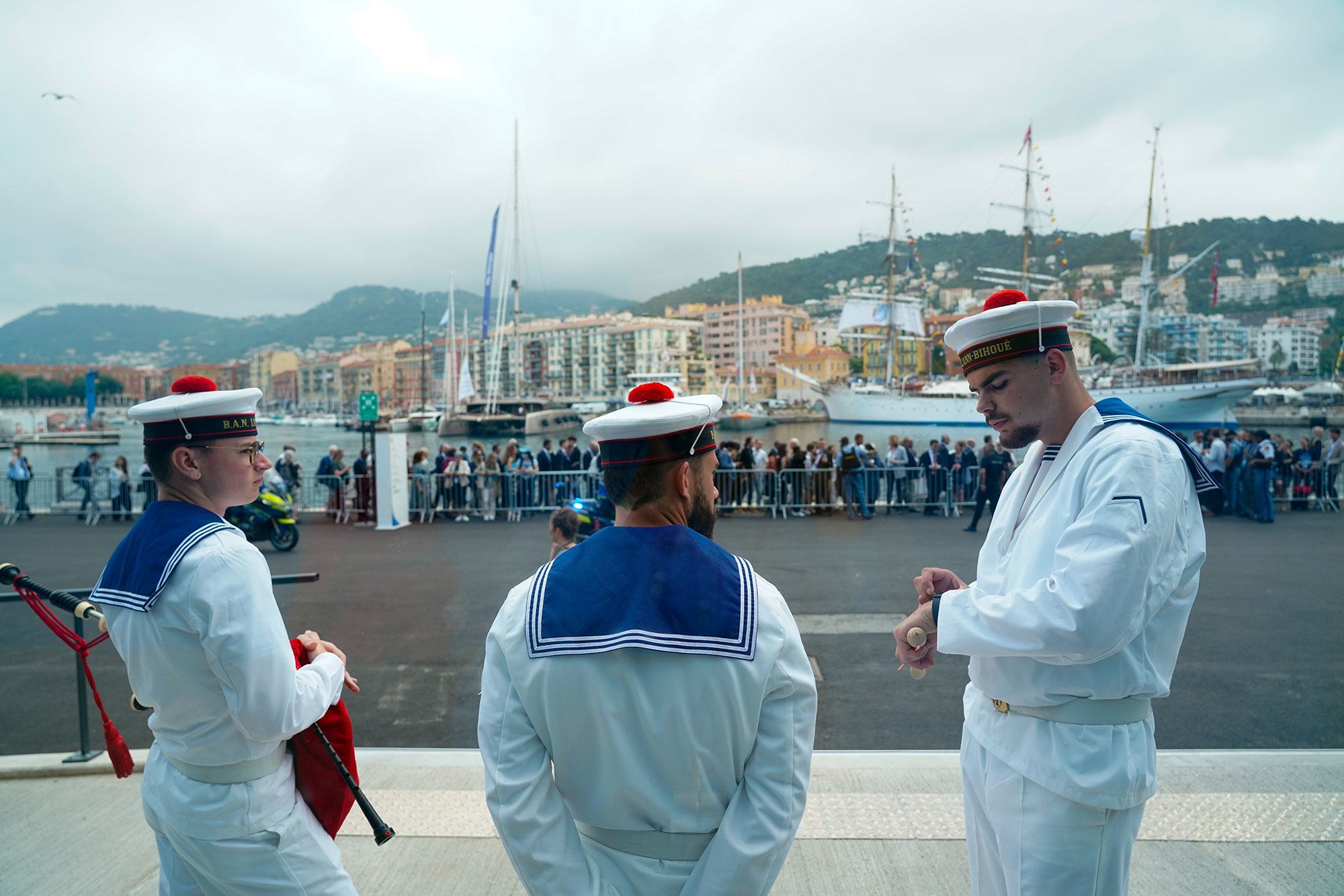
Port Lympia, Nice’s historic marina, now transformed into a secured diplomatic zone known as the Blue Zone for UNOC3.

Call for stewardship

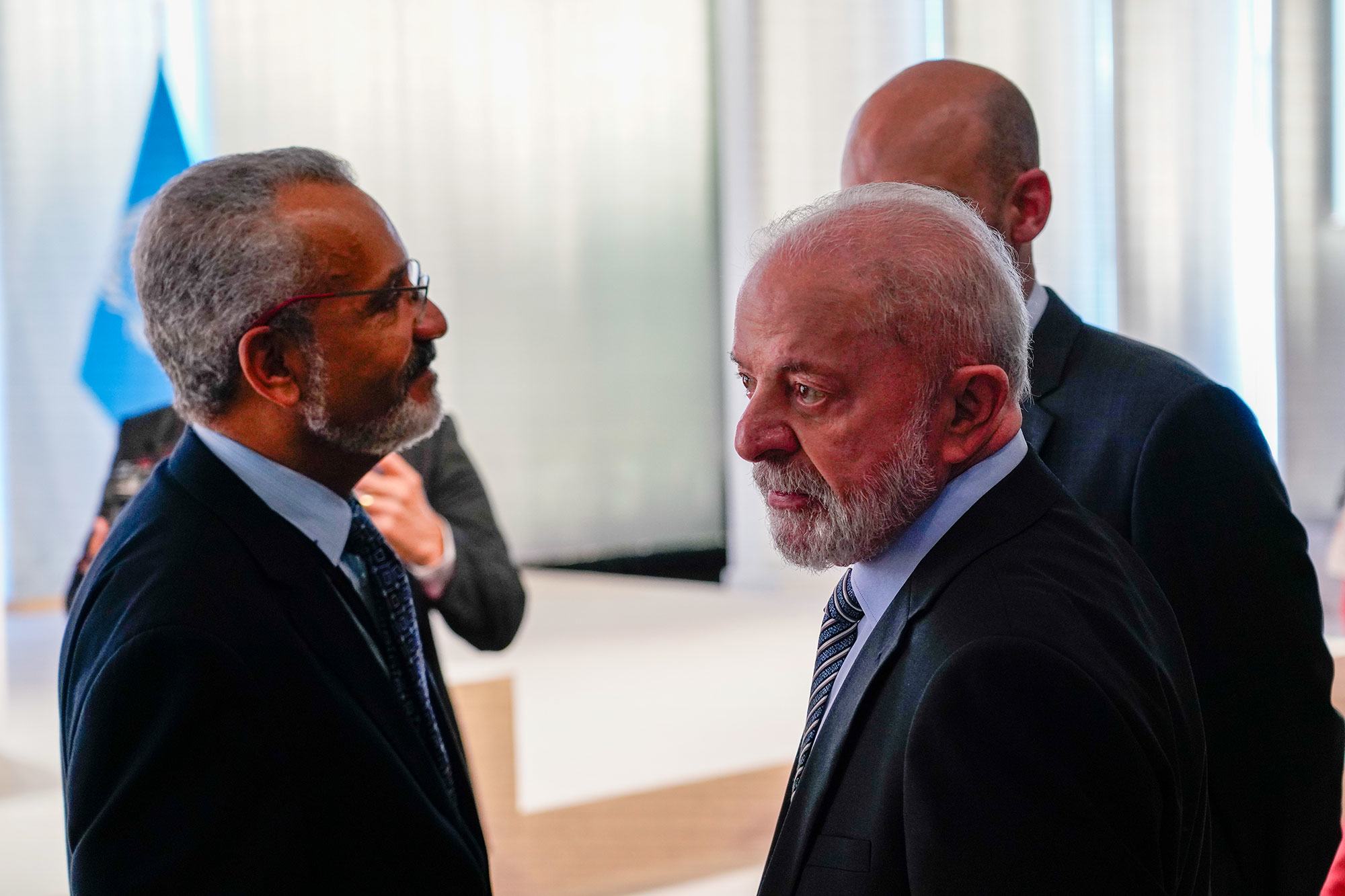
More than 50 Heads of State and Government took part in the opening ceremony, including Brazilian President Luiz Inácio Lula da Silva and European Commission President Ursula von der Leyen — a show of political force underscoring the summit’s weight.

In total, over 120 countries are participating in the five-day gathering, signaling a growing recognition that ocean health is inseparable from climate stability, food security, and global equity.

French President Emmanuel Macron, whose country is co-hosting the summit alongside Costa Rica, followed with a forceful appeal for science, law, and multilateral resolve.

Brazilian President Luiz Inácio Lula da Silva, at the opening ceremony of UNOC3

“The abyss is not for sale, any more than Greenland is for sale, any more than Antarctica or the high seas are for sale,” he declared. “If the Earth is warming, the ocean is boiling.”

He insisted the fate of the seas could not be left to markets or opinion. “The first response is therefore multilateralism,” Mr. Macron said. “The climate, like biodiversity, is not a matter of opinion; it is a matter of scientifically established facts.”

Costa Rican President Rodrigo Chaves Robles took the podium next, thanking Mr. Guterres for elevating the ocean on the global agenda, then shifting to a stark warning.

“The ocean is speaking to us — with bleached coral reefs, with storms, with wounded mangroves,” he said. “There’s no time left for rhetoric. Now is the time to act.”

Condemning decades of treating the ocean as an “infinite pantry and global waste dump,” Mr. Chaves urged a shift from exploitation to stewardship.

“Costa Rica is a small country, but this change has started,” he said. “We are now declaring peace with the ocean.”

Most notably, the Costa Rican leader called for a moratorium on deep-sea mining in international waters until science can adequately assess the risks — a position already backed by 33 countries, he noted.

A treaty within reach

One of the summit’s core objectives is to help bring into force the landmark High Seas Treaty — known as the BBNJ accord — adopted in 2023 to safeguard life in international waters. Sixty ratifications are required for the treaty to become binding international law. Emmanuel Macron announced that this milestone is now within reach.

“In addition to the 50 or so ratifications already submitted here in the last few hours, 15 countries have formally committed to joining them,” he said. “This means that the political agreement has been reached, which allows us to say that this [Treaty] will be properly implemented.”

Whether the legal threshold is crossed this week or shortly after, the French President added, “it’s a win.”

The plenary hall of the third UN Ocean Conference (UNOC3) in Nice.

High-stakes negotiations in the ‘Blue Zone’

The tone set by the opening speeches made clear that Nice will be the stage for high-stakes negotiations — on finalizing a global treaty on plastic pollution, scaling up ocean finance, and navigating the controversy surrounding seabed mining.

Hundreds of new pledges are expected to be announced, building on more than 2,000 voluntary commitments made since the first UN Ocean Conference in 2017. The week-long talks will culminate in the adoption of a political declaration and the unveiling of the Nice Ocean Action Plan, a blueprint aligned with the landmark Kunming-Montreal Global Biodiversity Framework, a 2022 agreement to protect 30 per cent of marine and terrestrial ecosystems by 2030.

“The deep sea cannot become the Wild West,” António Guterres warned, urging that decisions be “grounded in science, guided by precaution, and in line with the rights and obligations enshrined in the UN Convention on the Law of the Sea.”

The summit is being held in a purpose-built venue overlooking Port Lympia, Nice’s historic marina, now transformed into the secured diplomatic ‘Blue Zone.’ On Sunday, a symbolic ceremony led by Li Junhua, head of the UN Department of Economic and Social Affairs and Secretary-General of the conference, saw the French and UN flags raised above the harbor.

“This ceremony marks not only the formal transfer of this historic port into the hands of the United Nations, but also the beginning of a week of shared commitment, responsibility, and hope,” said Mr. Li.

Ludovic Burns Tuki marked the start of the summit by blowing a pu, a traditional conch shell

Culture, science, and collective memory

Before the negotiations began in earnest, Monday’s opening turned to ritual and reflection. Polynesian climate activist Ludovic Burns Tuki marked the start of the summit by blowing a pu, a traditional conch shell.

“It’s a way to call everyone,” he told UN News after the ceremony. “I blow with the support of our ancestors.” In Polynesian navigation, the conch is sounded upon arrival at a new island to signal peaceful intent. Mr. Tuki, born in Tahiti to parents from the Tuamotu and Easter Islands, sees the ocean as both boundary and bond.

“We are not only countries,” he said. “We need to think like a collective system, because this is one ocean, one people, a future for all.”

The cultural segment also included a blessing by Tahitian historian Hinano Murphy, a martial arts performance by French taekwondo master Olivier Sicard, a scientific reflection by deep-sea explorer Antje Boetius, and a poetic testimony by Mauritanian filmmaker Abderrahmane Sissako, accompanied by kora musician Wassa Kouyaté.

What was lost can return

The goals of the conference are clear — but ambitious: to advance the ‘30 by 30’ pledge, promote sustainable fisheries, decarbonize maritime transport, and unlock new streams of “blue finance,” including ocean bonds and debt-for-nature swaps to support vulnerable coastal states.

In addition to plenary sessions, Monday will feature two high-level action panels: one on conserving and restoring marine ecosystems — including deep-sea habitats — and another on strengthening scientific cooperation, technology exchange, and education to bridge the gap between science and policy.

In his opening statement, António Guterres stressed that Sustainable Development Goal 14 , on ‘Life Below Water’, remains the least funded of the 17 UN’s global goals.

“This must change,” he said. “We need bold models to unlock private capital.”

“What was lost in a generation,” he concluded, “can return in a generation. The ocean of our ancestors — teeming with life and diversity — can be more than legend. It can be our legacy.”

Source link

Drifting architects: Plankton, climate, and the race to understand our changing ocean

On a sun-drenched morning off the coast of Villefranche-sur-Mer, the Sagitta III cuts through the cobalt waters of the Mediterranean, past the quiet marinas and pine-fringed terraces of France’s Côte d’Azur. The 40-foot scientific vessel – named after a fearsome zooplankton with hook-lined jaws – rumbles toward a lonely yellow buoy bobbing offshore.

In the distance, the resort town shimmers, a mirage of pastel villas and church towers clinging to the cliffs. But aboard the Sagitta III, the romance ends at the rail. Lionel Guidi, a local scientist at the Villefranche Oceanography Lab — known, with fitting Frenchness, by its acronym LOV — peers into the sea with a practiced intensity.

He is here to fish plankton.

“There’s life!” cries marine technician Anthéa Bourhis

Around him, a veteran crew moves with precision, under the iron fist of Captain Jean-Yves Carval. “Plankton is fragile,” cautions the rugged seaman, who’s spent nearly 50 years navigating freighters, trawlers – and now, scientific boats. “If you go too fast, you make compote.”

The craft slows as it reaches the buoy, a sampling site where Guidi and his LOV colleagues have gathered marine data every day for decades. Below deck, the boat’s bearded chief mechanic, Christophe Kieger, readies a large winch. Its 12,000-foot cable unfurls, sending a fine-meshed net – each pore no wider than a grain of salt – drifting toward the deep. Slowly, it sinks to 250 feet.

Minutes later, the net resurfaced, heavy with a brownish, gelatinous goo.

“There’s life!” cries Anthéa Bourhis, a 28-year-old technician from Brittany, as she carefully transfers the contents into a plastic bucket.

Indeed, that catch holds more than seawater and slime. It is the raw material of the planet’s past – and perhaps its future.

Lionel Guidi, 44, a plankton-research scientist at the Villefranche Oceanography Lab, known as LOV (part of IMEV-Institut de la Mer de Villefranche, Sorbonne University-CNRS).

A worrisome trend

Plankton form the beating heart of the ocean’s engine. These tiny organisms absorb carbon dioxide, release oxygen, and underpin the entire marine food web. Without them, life as we know it would not exist.

But what is plankton?

It’s not a single creature, but a vast cast of marine nomads, all bound by one trait: they can’t swim against the current. They drift with tides and eddies, riding invisible flows that govern their lives. Some are no bigger than a speck of dust; others, like jellyfish, can stretch more than a meter wide.

There are two main kinds. Those that harness sunlight: phytoplankton — microscopic marine plants that photosynthesize like greenery on land and, over geological time, have produced more than half the oxygen we breathe. And those that feed: zooplankton — tiny animals that graze on their plant-like cousins, hunt each other, and themselves become prey, sustaining fish, whales, and seabirds alike.

At the Villefranche Oceanography Lab, scientists have been tracking these creatures for decades. Their daily sampling, performed just a few miles offshore, has yielded one of the longest continuous records of plankton in the world.

And that record is now showing signs of stress.

“At our observation site, surface temperatures have risen by about 1.5 degrees Celsius over the last 50 years,” Lionel Guidi tells UN News. “We’ve seen a general drop in phytoplankton primary production.”

The consequences could potentially be far-reaching. Phytoplankton form the foundation of the marine ecosystem, and a decline in their numbers might trigger a cascading effect, disrupting zooplankton, fish stocks, and ocean biodiversity as a whole. It could also weaken their ability to absorb carbon dioxide, drawing it from the atmosphere and carrying it into the deep – what scientists call ‘the biological pump’, one of Earth’s most vital natural climate regulators.

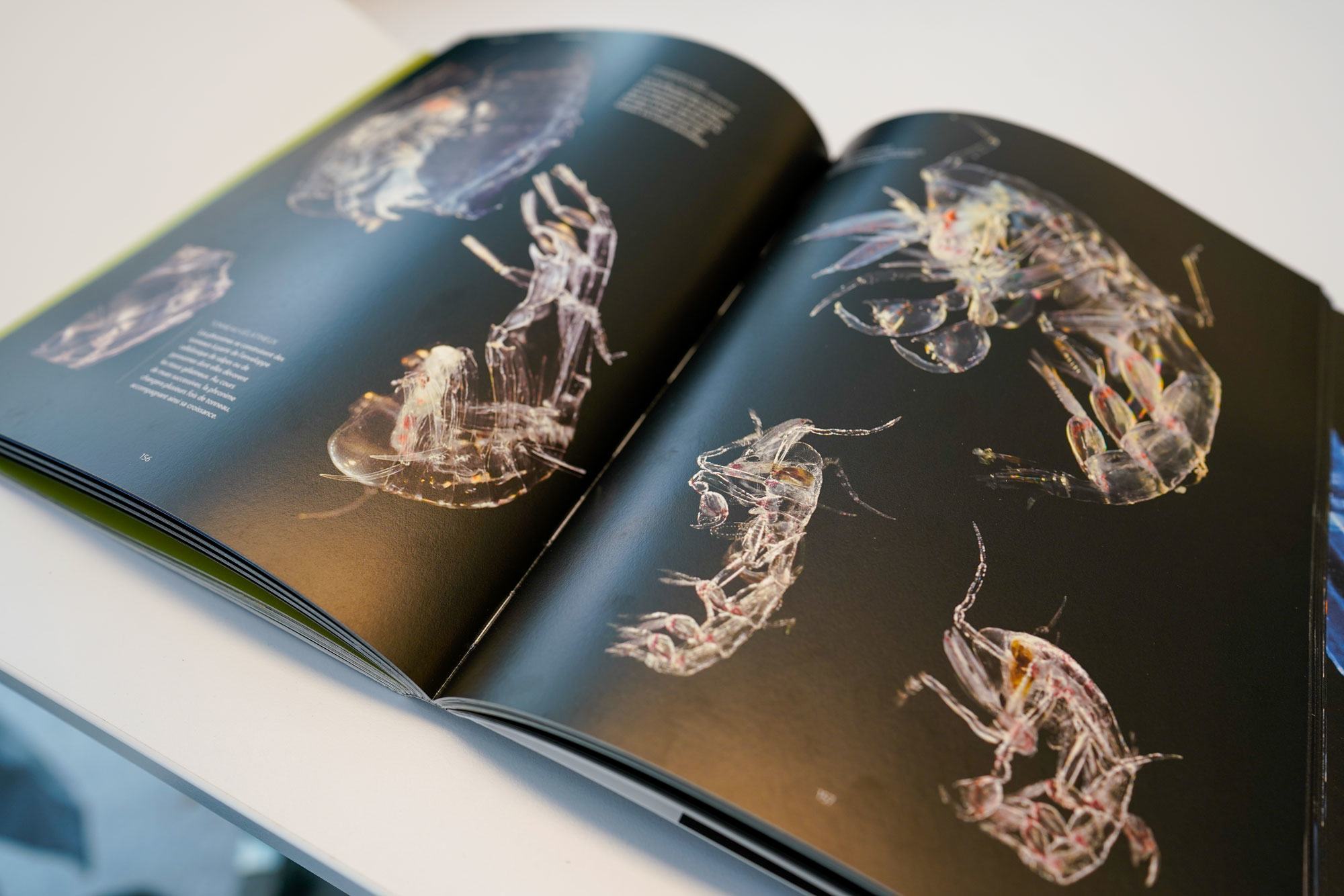
Phronima, a deep-sea zooplankton, inspired the design of the creature in the 1979 film, “Alien.”

Tiny aliens

Back at the LOV, with the Sagitta III now resting in its berth, Lionel Guidi gestures toward the day’s sample. “Everything starts with plankton,” says the scientist, who, before landing in Villefranche, conducted marine research in Texas and Hawaii.

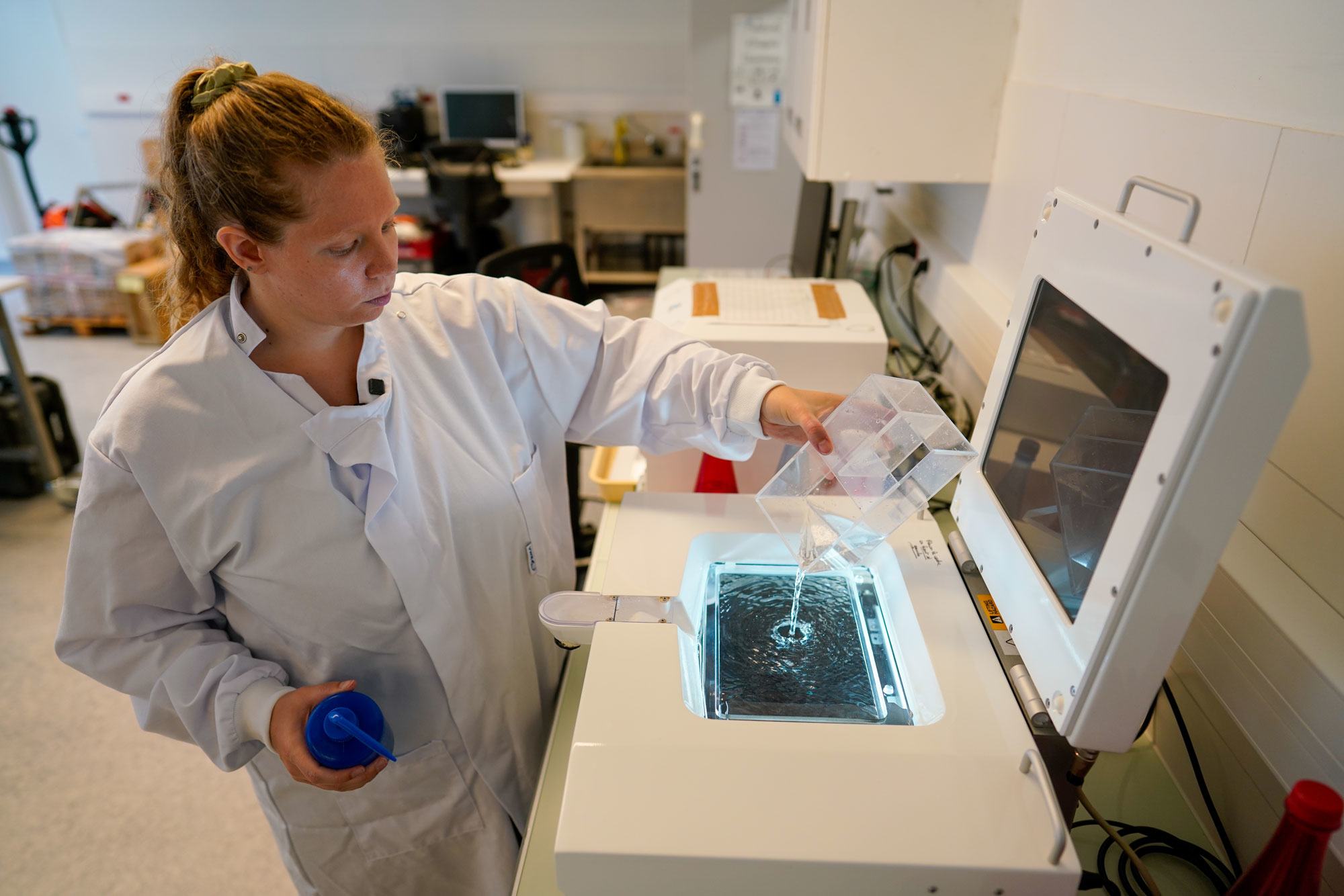
Meanwhile, Anthéa Bourhis, the young technician, has donned a white lab coat and is bent over the morning’s catch. She fixes the sample in formaldehyde, a step that will store the zooplankton but also kill them. “If they move, it messes with the scan,” she explains.

Once morbidly still, the small animals are fed into a scanner. Slowly, shapes blossom on Bourhis’s screen, as improbably graceful copepods – translucent and shrimp-like, with feathery antennae – float into view.

“You look through the microscope and there’s a whole world,” says plankton specialist Lionel Guidi

“We’ve got some good-looking ones,” she says, grinning.

She begins transferring the digital images into an AI-operated database capable of sorting zooplankton by group, family, and species. 

“They have appendages everywhere,” adds Lionel Guidi. “Arms pointing in all directions.”

One of these deep-sea creatures, called Phronima, even inspired the monster in Ridley Scott’s 1979 film Alien. “You look through the microscope,” Guidi says, “and there’s a whole world.”

Anthéa Bourhis, 28, a lab technician at the Villefranche Oceanography Lab, known as LOV, pours the morning’s catch into a scanning machine to produce a digital image of the zooplankton.

From science to policy

A world that is changing – and not fast enough to be understood by satellites or snapshots. That’s why LOV’s long-term series matters: it captures trends that span years and even decades, helping scientists distinguish natural cycles from climate-driven shifts.

“When we explain that if there’s no more plankton, there’s no more life in the ocean. And if there’s no more life in the ocean, life on land won’t last much longer either, then suddenly people become a lot more interested in why protecting plankton matters,” said Jean-Olivier Irisson, another plankton specialist at the LOV.

Next week, just 15 minutes down the coast, the city of Nice is hosting the third UN Ocean Conference (UNOC3) – a five-day summit bringing together scientists, diplomats, activists, and business leaders to chart the course for marine conservation.

Among the gathering’s priorities: advancing the ‘30 by 30’ pledge to protect 30 per cent of the ocean by 2030 and bringing the landmark High Seas Treaty, or ‘BBNJ accord’ to safeguard life in international waters, closer to ratification.

Guidi underscored the urgency of these UN-led efforts, saying: “All of this must be thought through with people who are capable of making laws, but based on scientific reasoning.”

He doesn’t claim to write policy himself. But he knows where science fits. “We convey scientific results; we have proof of a phenomenon. These are not opinions, they’re facts.”

And so, in Villefranche, Lionel Guidi, Anthéa Bourhis and Captain Carval continue their work – hauling life from the sea, capturing it in pixels, counting its limbs, and sharing its data with scientists across the globe. In doing so, they chart not just a threatened ocean, but the unseen threads that bind life itself.

Source link

Gaza: Women and girls struggle to manage their periods amid crisis

Globally, 1.8 billion people menstruate, yet for many, especially in crises zones, it’s far more than an inconvenience.

In war-torn Gaza, around 700,000 women and girls of menstruating age, including thousands experiencing their first period, face this challenge under relentless bombardment and in cramped, unsanitary conditions with little privacy.

A human rights issue

The United Nations’ sexual and reproductive health agency, UNFPAwarns that the lack of access to menstrual products, clean water, and soap makes it nearly impossible for women and girls to manage their periods with dignity.

Since March, Israel’s aid blockade has depleted hygiene supplies in Gaza, including sanitary pads. The authorities temporarily lifted the ban last month and UN agencies were able to bring in limited amounts of items such as flour and medicine.

Since the end of May, aid is now being distributed through a system backed by the United States and Israel, bypassing the UN and other humanitarian agencies, but it falls far short of what is needed.

Nearly 90 per cent of the territory’s water and sanitation infrastructure has been damaged or destroyed, and fuel for water pumping is no longer available.

Women stand in a damaged displacement settlement in Khan Younis, Gaza.

“I sat in silence crying”

Speaking to UNFPA, a young girl recalled getting her period while sheltering in a crowded displacement camp.

“I only had one pad, so I wrapped it in toilet paper to make it last. I couldn’t wash, and the pain was horrible. I sat in silence crying until the end of the day.”

As nine in 10 households face extreme water shortages, the lack of clean water, soap, and privacy has turned menstruation into a source of anxiety, isolation, and shame. “Sometimes I need pads and soap more than I need food,” said Aisha*, a displaced girl.

Desperate measures, dangerous consequences

With less than a quarter of the over 10 million sanitary pads needed each month available, women and girls are forced to improvise. Many use torn clothes, sponges, or old rags, often without proper cleaning.

“I tore my only shirt into pieces so my daughters could use them instead of pads,” shared a father of four displaced from Jabalia.

These makeshift solutions are not only painful and undignified, but they can also cause infections and long-term reproductive health issues. With the health system on the brink of collapse, thousands of women may go untreated.

The psychological burden is equally severe. “Every time my period comes, I wish I weren’t a girl,” said one of the girls.

Stripping away dignity

Speaking from a health care perspective, but also as a woman, a doctor in Gaza described treating women coping with menstruation, pregnancy, and childbirth under horrifying conditions.

“These should be natural experiences, not sources of distress and pain. I see strength in women’s eyes, but I also see deep pain and the stripping away of dignity,” she said.

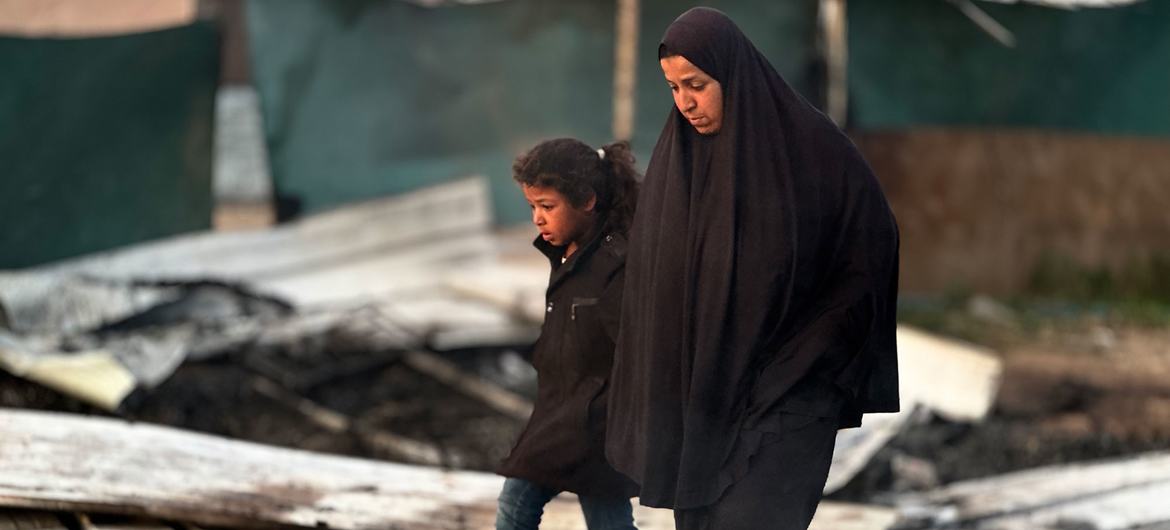
A woman and child walk through the rubble of Gaza.

In emergencies, women and girls are among the most vulnerable. According to UN agencies, they face heightened risks due to displacement and the breakdown of normal protection structures and support. They also face increased care-related tasks such as providing food and water.

“Food keeps us alive, but pads, soap, and privacy let us live with dignity,” said Maysa*, a displaced woman in Khan Younis. “When we receive hygiene kits, it feels like someone finally sees us.”

How UNFPA is responding

As a frontline responder, UNFPA is working to ensure menstrual health is integrated across humanitarian efforts in Gaza. Since October 2023, the agency has provided more than 300,000 women and girls with two-month supplies of disposable menstrual pads and distributed postpartum kits to over 12,000 new mothers.

Yet, three months into a total aid blockade, stocks were nearly exhausted. With border crossings closed, hygiene kits are no longer reaching those in need. The recent entry of some aid distributed by the Gaza Humanitarian Foundation included food, flour, medicine and nutrition support according to media reports.

The UN continues to call for urgent support for women and girls caught in some of the world’s most neglected crises.

*Names have been changed for protection.

Stigmatised for being deaf: Zénabou’s Story

“I always had the painful experience of seeing the other children go to school with their rucksacks,” says 14-year-old Zénabou. “It was tormenting because even though I was burning with a desire to find out what happened in the schools where these children went every morning, I realised very early on that it was a system that wasn’t made for me because I was different.”

For many children with disabilities, the doors to education have remained firmly shut, leaving them with few opportunities and little hope for the future. Yet, in the Central African Republic (CAR) today, children like Zénabou are finally receiving the adapted support and educational opportunities that they deserve thanks to a new inclusive education pilot initiative.

The programme is providing essential resources like learning materials, mobility aids, and specialized classes to learn Braille and sign language; creating a network of community support for families; and integrating children with disabilities into local schools.

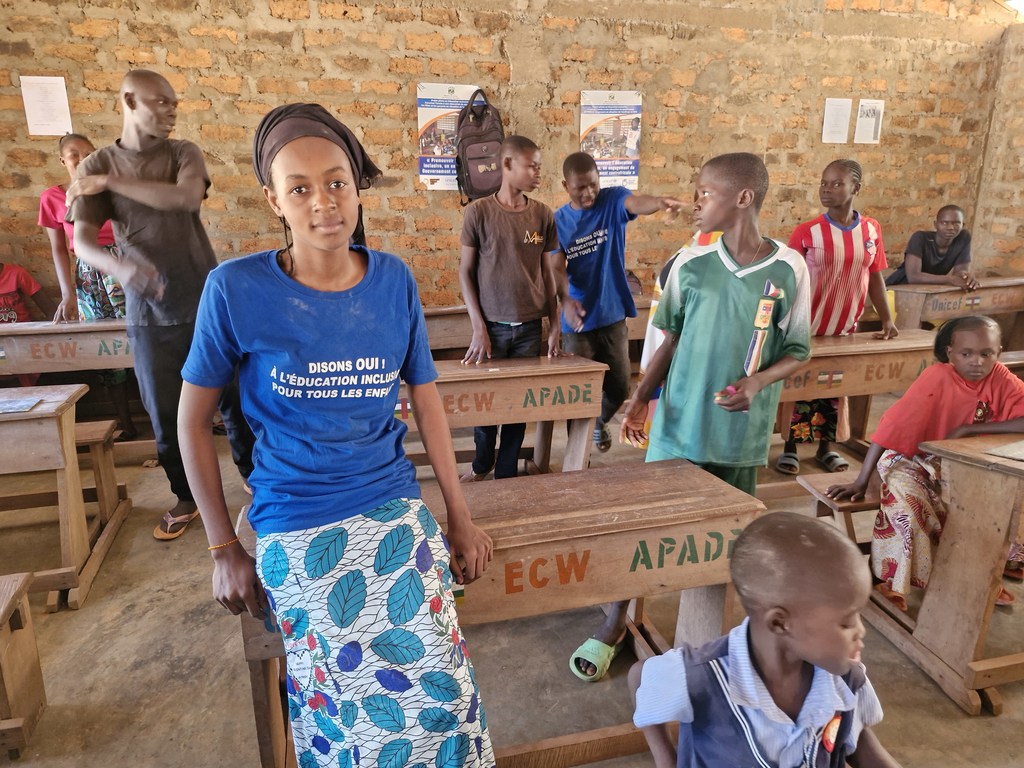
Zénabou, a deaf teenager in the Central African Republic, in her classroom.

A Door Opens

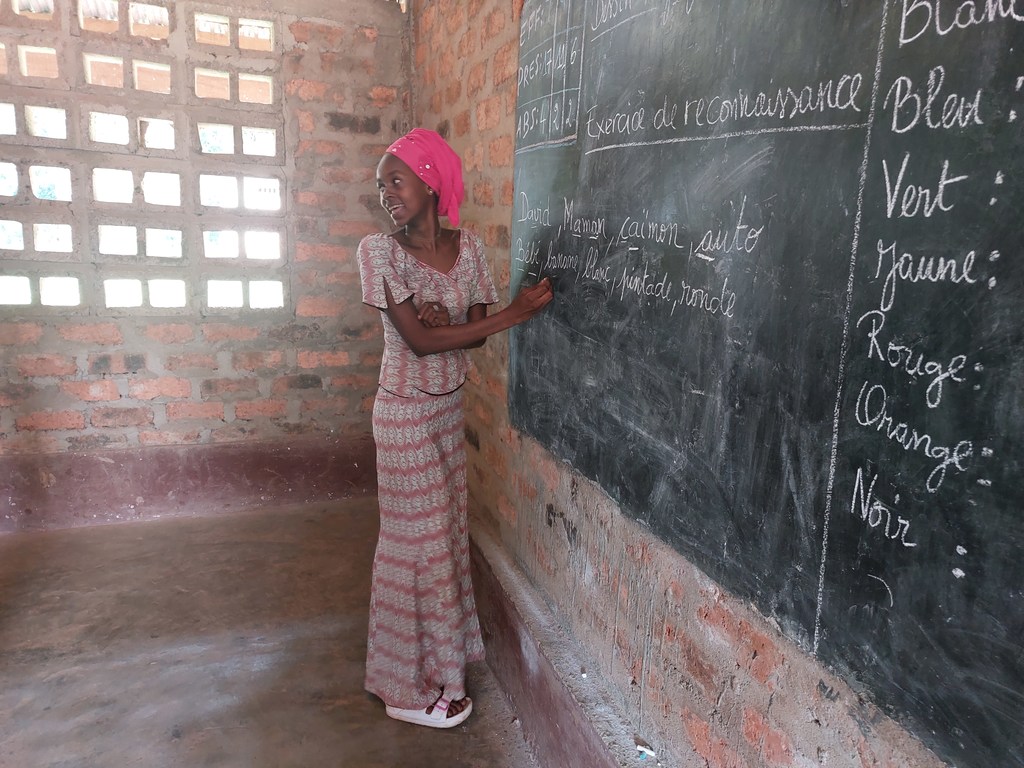
Zénabou sits at the desk in her classroom, workbook in front of her, and surrounded by classmates. She smiles as she watches her teacher write something on the blackboard. It might look like an ordinary scene to someone passing by but to the fourteen-year-old and other children with disabilities like her, this is an extraordinary moment.

Before she enrolled in classes, Zénabou would stay at home most of the day, helping her mom with household chores. Her hours were filled with washing dishes, cleaning clothes and fetching water for her family.

“Going to school was something I’d never hoped for,” she signs. “The day I went to school for the first time, I suddenly realised that I wasn’t the only one in this situation. Seeing more than 30 deaf people in the same place was astonishing!”

Through a multi-year investment, specialised classes for deaf and visually impaired children are held in Bambari, CAR, within ordinary primary schools. There, children like Zénabou who have often never even stepped foot in school are taught to read, write and count, and learn Braille or sign language. These crucial skills unlock a world of learning for them.

Before attending school, Zénabou could barely communicate with those around her. Her parents saw few opportunities for her future. Illiterate themselves, they wanted more for their daughter, but considering her disability, they had no hope. But everything changed when she was given the access, resources and support to learn.

Zénabou in her classroom

“My daughter Zénabou is now able to assert herself as a person, despite the communication barriers caused by the fact that she is deaf,” says Zénabou’s Father. “I’m now optimistic about Zénabou’s future and I know she’s going to succeed!”

Education Crisis in CAR

The Central African Republic is one of the toughest places in the world to be a child. Conflict, displacement and instability are undermining efforts for peaceful development, putting children and adolescents at serious risk. Years of violence have contributed to the breakdown of what were already limited services. Access to healthcare, livelihood opportunities and education is very limited or non-existent in large parts of the country.

The country’s education system is grappling with significant challenges, particularly for children with disabilities. Prolonged conflicts have devastated the educational infrastructure, leaving a million children and adolescents out of school. This crisis disproportionately affects children with disabilities, who face compounded barriers to education due to stigma surrounding disabilities and limited access to specialized support.

Addressing these challenges requires concerted efforts to rebuild educational infrastructure, promote inclusive teaching practices, and combat societal stigma to ensure that all children have access to an inclusive, quality education.​

Zénabou with her sister, Aziza

Inclusive education in the Central African Republic

  • Working with organizations that represent persons with disabilities is key to ensuring their participation in decision-making, as outlined in the Convention on the Rights of Persons with Disabilities. It has also been recognized to be necessary for social change, to promote autonomy and to ensure the empowerment of persons with disabilities.
  • This groundbreaking initiative is funded by Education Cannot Wait (ECW), the global fund for education in emergencies and protracted crises in the United Nations
  • It is supported by the UN children’s agency UNICEF, partners like Humanity and Inclusion and national organizations, including the Centre d’Alphabétisation et de Formation en Braille pour les Aveugles en Centrafrique’ and the  Association Nationale des Déficients Auditifs de Centrafrique.

Source link

US decision to sanction ICC judges ‘deeply corrosive’ to justice: UN rights chief

Mr. Türk was responding to an announcement by Marco Rubio, the US Secretary of State, on Thursday, of measures targeting the judges, who are overseeing a 2020 case of alleged war crime committed in Afghanistan by US and Afghan military forces, and the 2024 ICC arrest warrants issued against Israeli Prime Minister Benjamin Netanyahu and Yoav Gallant, the former Defence Minister.

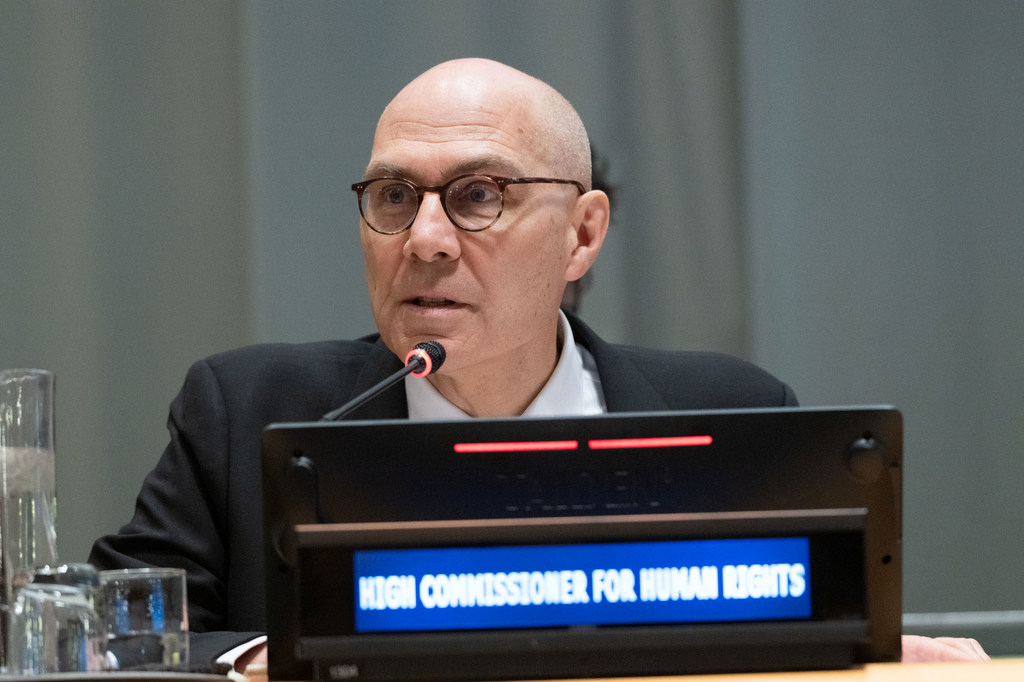
“I am profoundly disturbed by the decision of the Government of the United States of America to sanction judges of the International Criminal Court – specifically four women judges, from Benin, Peru, Slovenia and Uganda – who had been part of rulings in the situations in Afghanistan or in the State of Palestine,” said Türk, who called for the prompt reconsideration and withdrawal of the measures.

Volker Türk, UN High Commissioner for Human Rights, briefs a General Assembly informal meeting on missing persons.

The sanctions, the statement continues, attack the judges for performing their judicial functions, an act which, he said, runs “directly counter to respect for the rule of law and the equal protection of the law – values for which the U.S. has long stood.”

The statement by Mr. Türk follows the ICC’s strongly worded press release on Thursday, describing the sanctions as “a clear attempt to undermine the independence of an international judicial institution which operates under the mandate from 125 States Parties from all corners of the globe.”

The ICC reinforced its position on Friday with a release from the Assembly of State Parties –the management oversight and legislative body of the court – rejecting the US sanctions which, it declared, “risk undermining global efforts to ensure accountability for the gravest crimes of concern to the international community and erode the shared commitment to the rule of law, the fight against impunity, and the preservation of a rules-based international order.”

Source link

Green gold beneath the waves: How seaweed – and one man’s obsession – could save the world

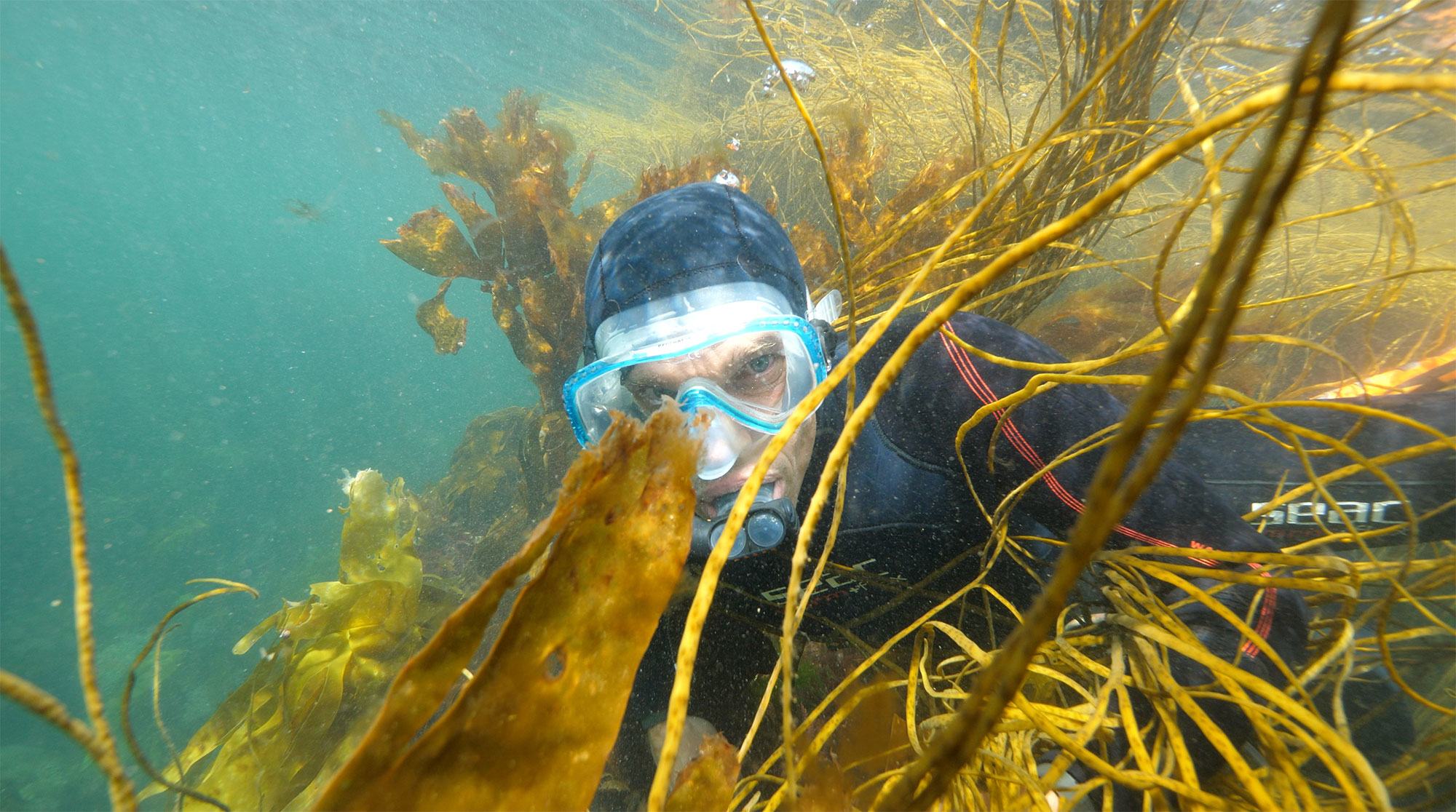
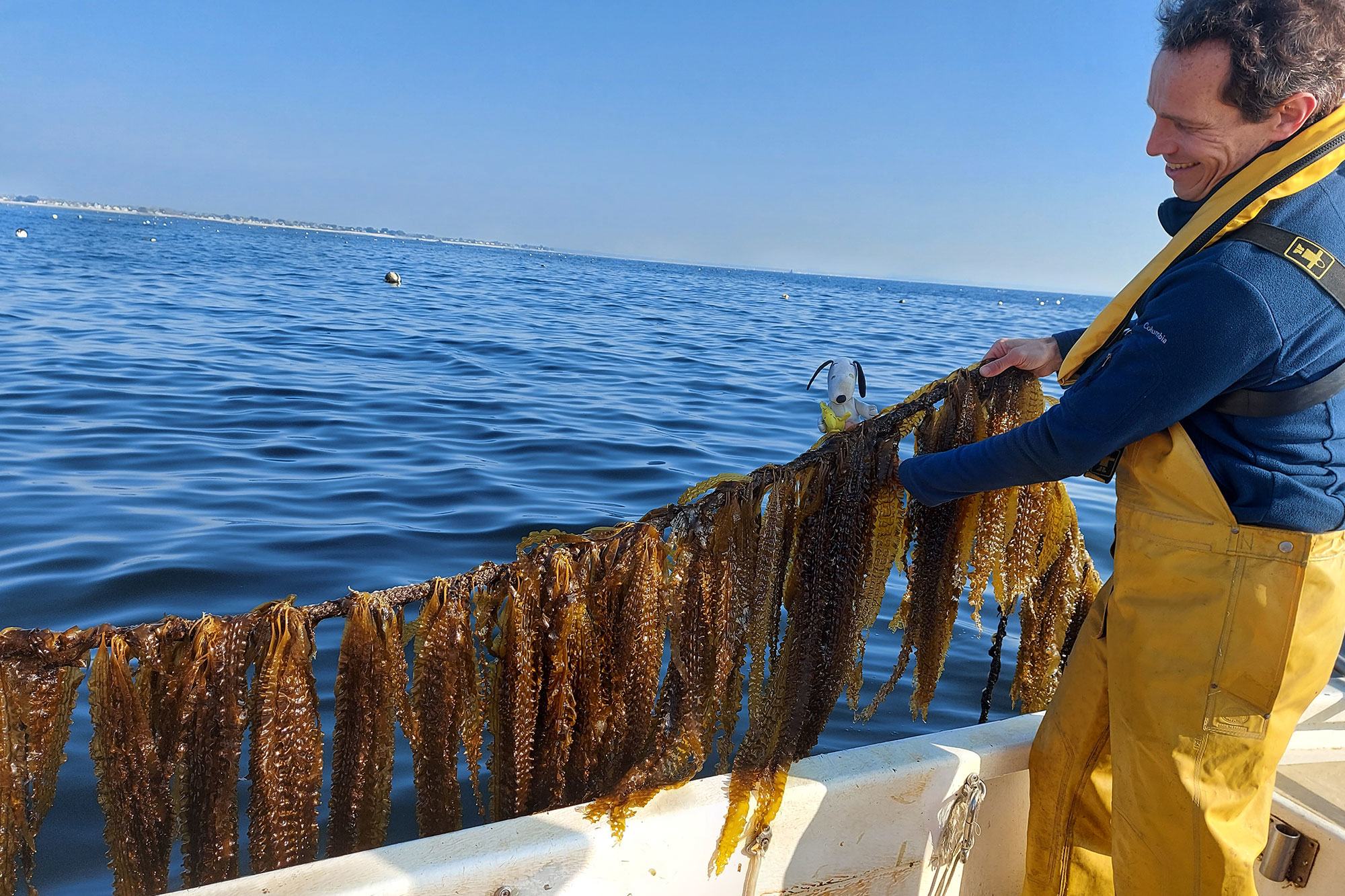
Lesconil, a salt-bitten fishing port tucked into the coast of Brittany, in northern France, stirs slowly under the pale Atlantic dawn. Tide pools shimmer, breathing with the sea — undisturbed but for the cries of seabirds and a lone figure in yellow waders, knee-deep in a forest of seaweed. The man, Vincent Doumeizel, gently lifts a strand of Saccharina latissima from the brine, waving it above the waterline like a revolutionary banner.

“It’s not slimy,” he says of the olive-brown frond glistening in his fingers. “It’s magnificent.”

For Doumeizel, seaweed is more than a marine curiosity. This diverse family of green, red, and brown algae is a cornerstone of his life’s work – a vehicle for feeding the planet, restoring oceans, fighting climate change, and even replacing plastic.

It is, as he likes to say, “not just a superfood, but a super solution.”

A senior adviser to the UN Global Compact, a platform advocating for sustainable corporate practices, the 49-year-old Frenchman has become one of the faces of the so-called “seaweed revolution.”

In 2020, he co-authored The Seaweed Manifesto, a collaborative document involving the Food and Agriculture Organization (FAO), the World Bank and other partners. Its premise is bold: harness the humblest of marine organisms to tackle some of the planet’s most complex problems.

Algae, the manifesto argues, can help solve a quartet of crises – climate, environmental, food, and social. Doumeizel’s personal conviction borders on the messianic. “Undoubtedly,” he wrote in a 2023 book outlining his vision, seaweed is “the world’s greatest untapped resource.”

© Courtesy of Vincent Doumeizel

Vincent Doumeizel sometimes speaks of “sea forests” rather than “seaweed” – a linguistic sleight of hand designed to counter the Western bias that sees seaweed as stinky pollution waste.

Algae against apocalypse

Long before trees shaded Pangaea and dinosaurs thundered across its land, seaweed was already swaying in the sunlit shallows of ancient oceans – a silent architect of Earth’s transformation. Born more than a billion years ago, marine algae were among the first complex organisms to harness sunlight through photosynthesis, oxygenating the atmosphere and shaping the conditions for multicellular life.

But Doumeizel is neither a marine biologist nor an agronomist. His background is in food policy.

“I came across world hunger during an early deployment to Africa,” he told UN News. “It left a strong mark.”

Seaweed first sparked Doumeizel’s interest on a subsequent trip to the Japanese island of Okinawa, whose residents have exceptionally long lifespans. He noticed that people there ate a lot of seaweed.

“It was delicious,” he recalled. “And visibly healthy.”

From the northeast Atlantic “sea spaghetti” (Himanthalia elongata), to the Indo-Pacific “green caviar” (Caulerpa lentillifera), and the ubiquitous “sea lettuce” (Ulva lactuca), algae are rich in vitamins, omega-3 fatty acids, fibers, and even proteins.

Humble and often overlooked, these marine vegetables may be one of our most underappreciated sources of nutrition. Despite covering more than 70 per cent of the planet, the ocean contributes only a sliver to the global food supply in terms of calories – a gap that seaweed could help close.

And while agriculture contributes to roughly a quarter of global greenhouse gas emissions, in part due to deforestation for pastures and crops, seaweed cultivation does not require any land, fertilizers or freshwater.

Recent research even suggests that feeding red seaweed to cows could reduce their methane emissions by up to 90 per cent – a potential game-changer in the fight against climate change.

The implications go far beyond the barnyard. The ocean has generated more than half the oxygen we breathe, and it absorbs about a third of all man-made emissions. Seaweed plays a part in this process, capturing more carbon per acre than land vegetation. Some species, like “giant kelp” (Macrocystis pyrifera), can grow at an astonishing rate of two feet per day, making them powerful carbon sinks.

Seaweed can also be extracted and transformed into bioplastics, biofuels, textiles, and even pharmaceuticals.

“We can change the paradigm by encouraging seaweed cultivation,” Doumeizel said.

© Courtesy of Vincent Doumeizel

Algolesko, off the coast of Lesconil, in Brittany, is one of the largest seaweed farms in continental Europe, with 150 hectares of organic Laminaria culture.

A growing, yet under-regulated industry

When we met Doumeizel in Nice ahead UNOC3, the shorthand by which the third UN Ocean Conference is known, he was coming from the launch, two days earlier, of his comic book. The Seaweed Revolution is a 128-page dive into the life of an algae enthusiast also named Vincent “involved with the UN Ocean Forum.”

In real life, Doumeizel is as passionate and buoyant as on his TED Talk videos or keynote addresses.

“I could eat those,” he says, holding up a pair of sunglasses — sleek, black, and entirely made from plankton. Perched on a sunlit ledge above the Mediterranean, Doumeizel becomes part showman, part prophet, as he unpacks a series of seaweed-born wonders: a biodegradable garbage bag that looks indistinguishable from plastic, a soft green T-shirt spun from algae fibers, and, with a grin, an edible copy of his own book, The Seaweed Revolution. “All of this,” he says, gesturing to the strange little tableau at his feet, “could be made of seaweed.”

While the world’s salty waters are home to 12,000 different known species of seaweed, so far humans are only able to actively cultivate less than a couple dozen of them – a practice known as kelp farming.

Algolesko, in Brittany, is one of the largest seaweed farms in continental Europe. The morning when Doumeizel could be seen lifting a brown algae from the Atlantic Ocean, he was doing so from the farm’s 150 hectares of organic culture.

As co-head of the Global Seaweed Coalition, which is roughly 2,000-members strong and hosted by the UN Global Compact, Doumeizel travels around the world for speaking engagements, from Patagonia to Tunisia, Madagascar, and Australia. Each stop is also an opportunity to explore local seaweed production.

According to a concept paper written by the UN ahead of Nice’s Ocean Conference, the seaweed industry is on the rise. Production of marine algae more than tripled since 2000, up to 39 million tonnes a year, the overwhelming majority of which comes from aquaculture. It has become a $17 billion market, and current investments in bio stimulants, bioplastics, animal and pet foods, fabrics, and methane reducing additives could add another $12 billion annually by 2030.

Yet the path forward is not simple. “There is generally a lack of legislation and guidance,” notes the UN document. “There are currently no Codex Alimentarius standards establishing any food safety criteria for seaweed or other algae.”

Doumeizel agrees. The global seaweed industry, he said, is still fragmented and largely dominated by Asia, where the production of nori, the kind of seaweed used in sushi, was already a hugely profitable business. But, he added, so much more could be done with the resource.

© Courtesy of Vincent Doumeizel

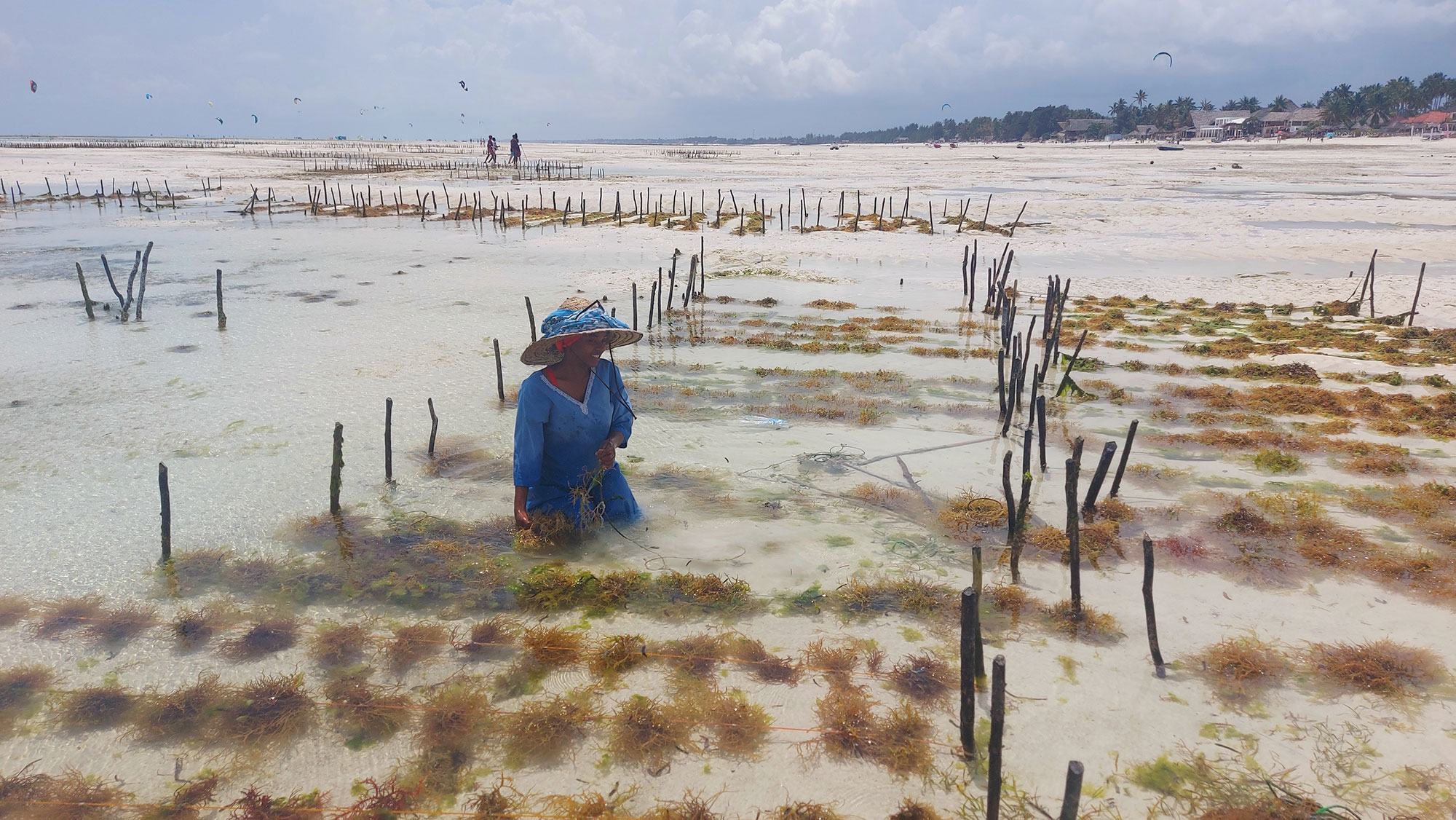
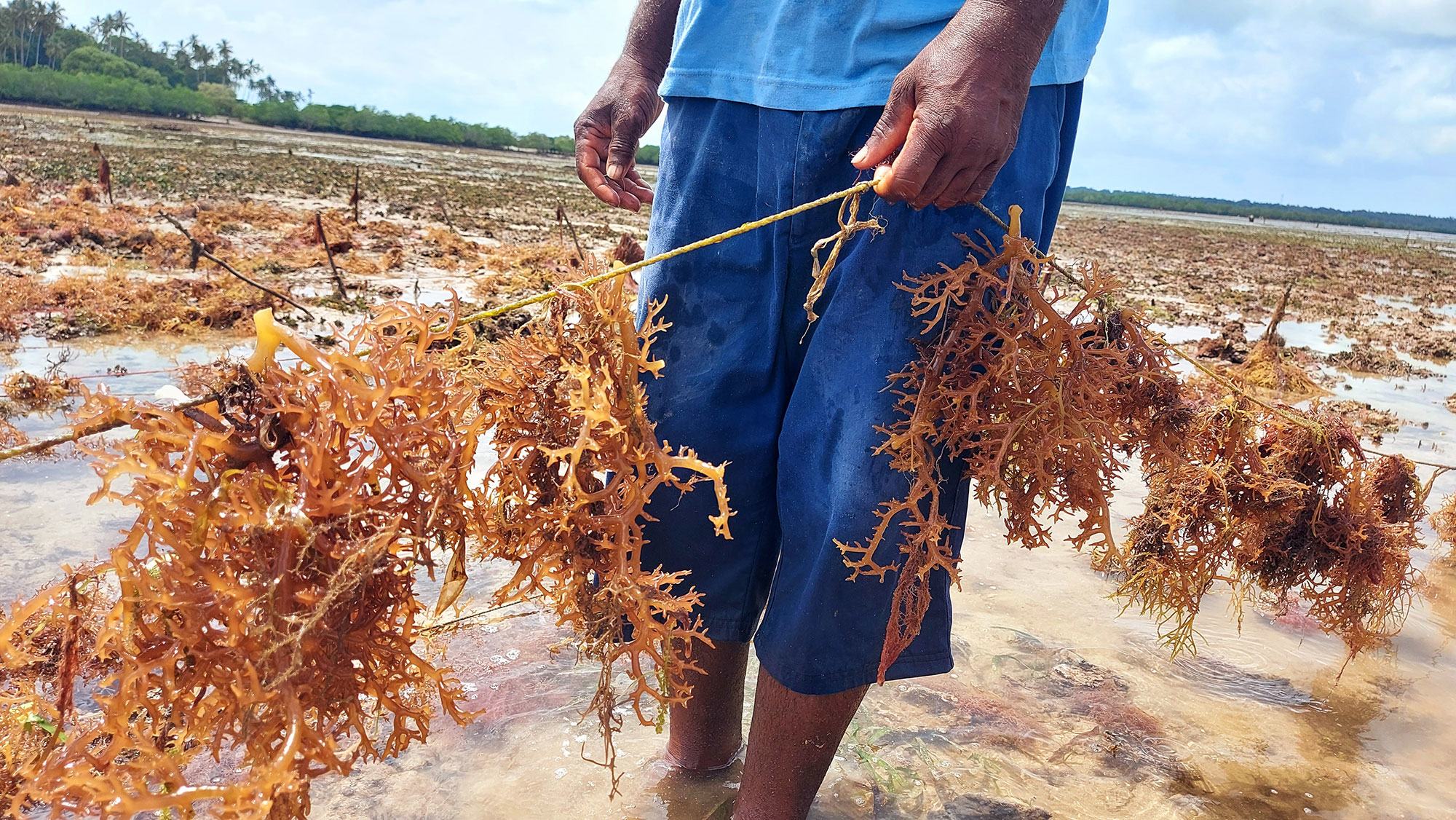
On the island of Zanzibar, the seaweed boom began with a surge in demand for food texturizers made of algae. Widows and single women quickly stepped up.

Reducing gender inequality

Beyond its environmental promise and nutritional punch, seaweed is quietly driving a feminist transformation. According to the concept paper, about 40 per cent of seaweed start-ups worldwide are led by women.

“In Tanzania, a largely patriarchal society, the seaweed trade has changed lives,” said Doumeizel. The boom began with a surge in demand for food texturizers made of algae. Widows and single women quickly stepped up. On the island of Zanzibar, seaweed is now the third-largest resource, and women retain nearly 80 per cent of the profits.

“They built schools. They sent their daughters to those schools. They fought for a place in the markets to sell their harvests,” Doumeizel said. “They even bought motorcycles.”

The ripple effects have reached the highest levels of power: the current President of Tanzania is a woman from Zanzibar.

But climate change is pushing the industry into deeper waters – quite literally. As sea temperatures rise, the algae can no longer be cultivated close to shore. “Now, women have to venture farther out,” Doumeizel explained. “But most don’t know how to swim or steer a boat.”

To help preserve both livelihoods, the Global Seaweed Coalition is funding a new initiative to teach women maritime skills – swimming, boating, navigation. “We have to make sure this revolution leaves no one behind,” the Frenchman said.

The threat of climate change

If seaweed offers a promising solution to climate change, it is also one of its quietest victims. As atmospheric carbon dioxide climbs, the ocean grows warmer and more acidic – conditions that are already eroding marine ecosystems and triggering the widespread loss of seaweed habitats.

In places like California, Norway, and Tasmania, more than 80 per cent of kelp expanses have vanished in recent years, driven not only by climate change, but also pollution, and overfishing.

In interviews, Doumeizel sometimes speaks of “sea forests” rather than “seaweed” – a linguistic sleight of hand designed to counter the Western bias that sees seaweed as stinky pollution waste rather than threatened organisms.

“Preserving them is just as necessary to life on Earth as saving the forests of the Amazon,” he wrote in his book.

At UNOC3, which opens on Monday, Doumeizel will unveil a new initiative: the creation of a UN Seaweed Task Force. Designed to consolidate global efforts around regulation, research, and development, the task force would bring together six UN agencies – the Food and Agriculture Organization (FAO), the Global Compact, the UN Environment Programme (UNEP), the UN trade and development body (UNCTAD), the United Nations Educational, Scientific and Cultural Organization (UNESCO), and the UN Industrial Development Organization (UNIDO).

Its aim is ambitious: to give seaweed the institutional muscle it has long lacked. By centralizing expertise and setting global standards, the task force could help scale up the industry responsibly – and sustainably.

The proposal already has the backing of several countries, including Madagascar, Indonesia, South Korea, and France. Together, they plan to introduce a draft resolution at the UN General Assembly this fall, with a vote expected in 2026.

© Courtesy of Vincent Doumeizel

On the island of Zanzibar, seaweed is now the third-largest resource.

From bloom to boom

Sometimes, the revolution doesn’t arrive in neat rows of aquafarms. It comes in 6,000-mile-wide blobs.

In the spring of 2025, a vast bloom of sargassum – a free-floating brown algae known for its sprawling mats – blanketed the Atlantic, clogging beaches from the Gulf of Mexico to the shores of West Africa. Florida’s shore became inundated with the plant, whose pungent smell was deterring tourists. Coastal communities scrambled to manage the deluge.

Yet, Vincent Doumeizel saw not just crisis but opportunity. “These massive blooms are caused by pollution and climate change,” he noted. “But if we manage and understand them properly, they could become a sustainable resource, turned into fertilizers, bricks, even textiles.”

The vision is part redemption, part alchemy. Turning oceanic overgrowth into solutions may seem far-fetched. But then again, so does the idea that seaweed could replace beef – or plastic.

Roughly 12,000 years ago in the Middle East, Homo sapiens ceased to be hunter-gatherers. “We became farmers cultivating plants to feed our animals and our families,” Doumeizel wrote in his book. “Meanwhile, at sea, we are still Stone Age hunter-gatherers.”

But what if we could farm the ocean – not to exploit it, but to heal it? It’s not just a rhetorical question. It’s an invitation. And perhaps, a final warning.


Source link

Fight against ‘vicious’ tuberculosis epidemic drastically underfunded: UN deputy chief

The High-Level Meeting has been described by the World Health Organization (WHO) as an unprecedented step forward by governments and all partners engaged in the fight against TB.

It comes one year on from a Ministerial Conference on Ending TB held in Moscow last November, which resulted in high-level commitments from ministers and other leaders from 120 countries to accelerate progress to end the disease.

Ms. Mohammed described TB as a “vicious epidemic,” which infects some 10.4 million people across the world, and is fuelled by poverty, inequality, migration and conflict.

The disease, she added, exists in a “vicious cycle that will require an all-systems approach that accounts for the social drivers that perpetuate its spread.”

Better health and social welfare systems, and more investment, are needed to stop this global health crisis, and better tools are needed to overcome anti-microbial resistance: some 60,000 drug-resistant cases of TB are reported every year.

The Deputy Secretary-General called for an approach to ending TB that takes a system-wide approach, promoting the broader health and well-being of entire communities and breaking out of “disease-specific silos and single goals.”

Whilst TB affects all countries and continents, more than half of all new cases occur in just five countries: in some countries – including Mozambique, the Philippines and South Africa – there are 500 cases per 100,000 people, whilst in high-income countries there are fewer than 10 per 100,000. Ms. Mohammed said that much more progress is needed if the UN is to follow through on its promise to leave no one behind.

However, progress, she added, is possible if efforts to end the epidemic are based on the best data and science, informed decisions, empowered communities, and strategic and well-financed action.

Ms. Mohammed said that WHO will lead cross-UN efforts to support governments, working together with civil society and all partners to drive a faster response to TB.

Just one week ago, on 18 September, the WHO released its latest Global Tuberculosis Report, which showed that countries are not doing enough to end TB, and that funding is the most urgent stumbling block.

The meeting concluded with the adoption of an ambitious Political Declaration on TB, endorsed by Heads of State, which is intended to strengthen action and investments for ending of TB, and save millions of lives.


In the eye of the Caribbean storm: one year on from Irma and Maria

Primrose Thomas.  UNDP/Michael Atwood 

In September 2017, Primrose Thomas was at her home on Barbuda, when disaster struck: two Category 5 hurricanes, Irma and Maria, swept over the islands of the eastern Caribbean, wreaking chaos and destruction.

 “The first time I came back, I didn’t know where to go. I couldn’t recognize anywhere. I had to ask for directions to my own house.”

Thousands of people in the region found themselves in the same situation as Primrose, and the UN played a major role in helping affected communities get back on their feet.  

Click here for more first-hand accounts of the hurricane. UNDP November 2017

In this two-part report – one year on from the hurricanes – we look at the ways in which the Organisation provides aid to those in need and, in a world increasingly affected by the effects of climate change, is finding ways to make the region better able to withstand such events in the years to come.

Part 1: “A paradise turned into Hell”

This is how the UN Secretary-General, António Guterres, described Barbuda in the aftermath of the storms:  “I have never seen anywhere else in the world a forest completely decimated without one single leaf on any tree…In every community, most of the buildings are destroyed or heavily damaged.”

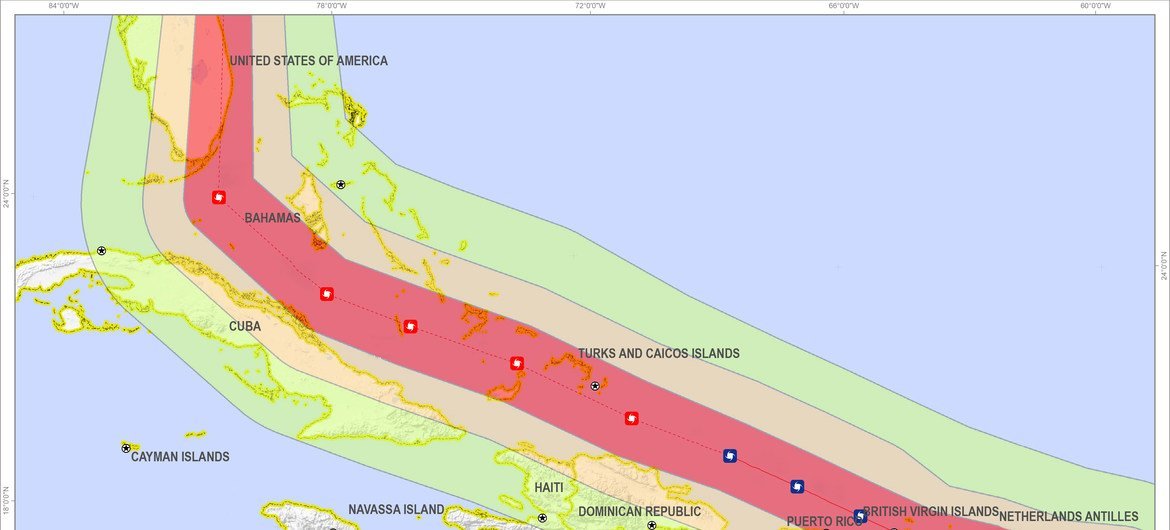
Irma and Maria were “Category 5” hurricanes, described by the US Government’s National Hurricane Center Website, as winds reaching 157 miles per hour or higher, during which “catastrophic damage will occur”. Irma reached record-breaking sustained speeds of over 183 mph, longer than any other Atlantic hurricane on record.

The most severely affected nations were the two-island State of Antigua and Barbuda, and Dominica; but many other Caribbean islands suffered damage, including Anguilla, the British Virgin Islands, The Bahamas, and Turks and Caicos Islands.

Two category 5 hurricanes swept east to west across the Caribbean in September 2017. The most intense wind speeds were found in the red-highlighted zone.

Haiti and St. Kitts and Nevis; St. Maarten as well as Cuba; the Dominican Republic and Puerto Rico, were also impacted.

On 6 September 2017, Antigua and Barbuda was battered by Irma, the first of the two mammoth Atlantic hurricanes tearing westward along Hurricane Alley, the name for the body of warm water that stretches from the west coast of northern Africa to the east coast of Central America and the Gulf Coast of the United States.

For the first time in its history, the entire population of Barbuda, some 1,600 people, was evacuated to the larger island of Antigua. Ninety per cent of homes and buildings in Barbuda were affected, 40 per cent of the roads were damaged, and the entire energy distribution network was destroyed.

Dominica also saw 90 per cent of buildings destroyed by the storms, affecting over 70,000 people.
 

Hurricanes: Dominica Rebuilds (One year on from Irma and Maria)

 
In the aftermath of Irma and Maria, a UN-wide Crisis Management Unit sent waste management and debris removal experts into the affected areas, opening up roads, collecting garbage, and restoring the water and power networks. Emergency work programmes created temporary jobs and training for affected women and men, quickly injecting cash into communities.

Small businesses were given grants to help them to recover: On the Turks and Caicos Islands, the large majority of MSMEs (Medium, Small and Micro Enterprises) were severely impacted by the hurricanes, and the UN supported a wide range of businesses, from pest controllers and farmers, to taxi drivers and people renting out holiday homes.

Like 70 per cent of the inhabitants of South Caicos, Henry Handfield relies on fishing for a living. One of the 40 MSME owners selected for a hurricane relief grant, he says that the $550 received made an impact: “(My boat) was flipped upside down and one portion of it was broken off. The top of the engine was smashed up, the roof was destroyed…all I had was the hull of this boat.” Handfield recalls. “The help I got from UNDP (the UN Development Programme) was very helpful. I was able to take that and put with some other monies to remodel this boat.”

Many families in Dominica were given cash handouts to help them through the period after the hurricanes.  UNDPLAC

Financial support also came in the form of an innovative direct cash transfer scheme, which puts money directly in the hands of affected families. Run by the Government of Dominica, the programme is supported by UNICEF and the World Food Programme and funded by the Swedish International Development Cooperation Agency. Between December and February 2017, it provided 8,000 of the most vulnerable families affected by Maria with monthly payments ranging between $90 and $239, depending on the number of children in the household.

Yvonne Hill Williams lives in Roseau, Dominica. A shopkeeper and foster carer who also looks after her five grandchildren, Yvonne lost all of her merchandise when the nearby river overflowed during Hurricane Maria. She found that the cash initiative came in handy during a difficult time: “We bought clothes, shoes, and a little shopping and groceries. You feel that you can buy certain things in town. It’s a good feeling…I appreciate it very much.”

In Dominica, the priority for women farmers was to be able to get back on their feet as soon as possible. UN Women facilitated this by providing seeds, labour and equipment to bring their farms back into production as soon as possible.

Eileen Lloyd, of the Bellevue Chopin Farmers Group in Dominica, is one of the beneficiaries. She described the support provided by UN Women as a blessing: “After Maria, it was very difficult to get seeds, and then we were promised some seeds and tools from UN Women and we appreciate them handing them over to us,” she said.

The organisation also worked closely with the UN Population Fund to provide displaced Barbudan women and girls with sanitary items not easily found in relief packages. They distributed “dignity kits”, containing basic health and hygiene products such as soap and sanitary towels.

Women in Dominica were given additional support, including access to cash-for-work programmes, following the devastation caused by the 2017 hurricane season.  UNDP/Zaimis Olmos 

One year on, the most vulnerable people affected – those with no income or insurance, single people and those with disabilities – risk getting lost in the system. The International Organization for Migration (IOM), has focused on helping the most at-risk communities.

IOM has helped hundreds in Dominica by reconstructing their homes. Wyzell Philogene, a single mother, spent almost a month sharing a space at a friend’s house, along with around 15 others. Her roof was ripped off, and she lost nearly all her belongings. Wyzelle qualified for IOM humanitarian assistance and, a week later, a brand-new roof was erected at no cost to her. She is now able to focus on making a living, through a landscaping job made available through the National Employment Programme, and she is making sure that she is prepared for the next hurricane season.

Wyzell is not alone in thinking about how to survive in the future: the UN’s longer-term planning and development teams have been working closely with emergency humanitarian workers from the very beginning of the crisis.

In part 2 of this special report, we will look more closely at the efforts underway to make the region more resilient, in the face of climate change and the likelihood of more frequent, and more extreme, natural disasters.

‘Jerusalem is not for sale’ Palestinian President Abbas tells world leaders at UN Assembly

President Abbas underscored his commitment to peace and the two-state solution, as well as the path of negotiation to achieve them, reiterating that peace in the Middle East cannot be realized without an independent Palestinian state, with East Jerusalem as its capital.

“We have always fully and positively engaged with the various initiatives of the international community aimed at achieving a peaceful solution between us and the Israelis, including the Arab Peace Initiative,” he told world leaders gathered for the Assembly’s annual debate, noting that he also engaged with United States President Donald Trump and his administration from the start of his tenure.

However, the US administration’s decision to close office of the Palestine Liberation Organization (PLO) in Washington D.C., the proclamation of Jerusalem as the capital of Israel, and transferring of the US embassy from Tel Aviv to Jerusalem, not only violate UN resolutions, they have also undermined the two-state solution, added President Abbas.

Those decisions, have also caused the US administration to lose its eligibility as the mediator in the Middle East peace process, he said.

“The path to peace is enshrined in your [the UN] resolutions, including resolution 67/19 of 29 November 2012, which was adopted by an overwhelming majority and refers to the State of Palestine on the basis of the 1967 borders,” he stressed.

Mr. Abbas also highlighted what he called “racist” laws enacted recently in Israel, which not only discriminate against the Palestinian-Arab citizens, but, will also lead to the “inevitable” nullification of the two-state solution.

Palestinian people and the territory of the state of Palestine are in urgent need of international protection, he said, and while he welcomed economic and humanitarian support in the West Bank and the Gaza Strip but added that such support cannot be a substitute to a political solution to bring an end to the Israeli occupation.

President Abbas also highlighted the importance of the work of the UN Relief and Works Agency for Palestine Refugees in the Near East (UNRWA) and urged all countries as well as the General Assembly to support the agency.

Full statement available here.


Both radio and sports can help people achieve their potential, says UN on World Radio Day


In an era of dramatic advances in communications, radio retains its power to entertain, educate, inform and inspire, United Nations Secretary-General António Guterres said, marking World Radio Day with a call to celebrate both radio and sports as ways of helping people achieve their potential.

Source link

UN hails new era of cooperation over Syria’s chemical weapons stockpile – but concerns persist

However, serious concerns remain over potential undeclared stockpiles and more than a decade of incomplete or inconsistent disclosures by Syria, raising doubts about full compliance.

Briefing ambassadors in the Security Council on Wednesday, Izumi Nakamitsu, UN High Representative for Disarmament Affairs, said that recent missions by the international chemical weapons watchdog (OPCW) had made “meaningful progress” toward verifying the full extent of Syria’s suspected arsenal – a process long hindered by lack of access under the previous regime.

Transparent cooperation

Two OPCW deployments took place in March and April, with inspectors visiting a dozen sites in and around Damascus, including key facilities of the Scientific Studies and Research Centre (SSRC) – long believed to be central to Syria’s weapons programme.

During the April visit, samples were collected for laboratory analysis and experts met with newly appointed Syrian officials, including the new Director-General of the SSRC.

“For both deployments, the interim Syrian authorities extended all necessary support for the OPCW team’s activities,” Ms. Nakamitsu said, noting that this included full access to sites and personnel, security escorts and issuance of visas.

“The commitment of the new authorities in Syria to fully and transparently cooperate with the OPCW Technical Secretariat is commendable.”

Challenges remain

Nevertheless, challenges remain.

Of the 26 issues originally flagged by the OPCW regarding Syria’s 2013 chemical weapons declaration, 19 are still unresolved – including potentially undeclared chemical agents and munitions, which remain matters of “serious concern,” according to the watchdog.
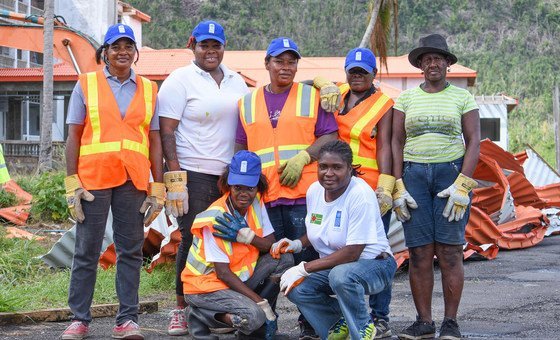
Resolution 2118, adopted unanimously by the Security Council following a deadly sarin gas attack in Ghouta, requires Syria to fully declare and destroy all chemical weapons under international supervision.
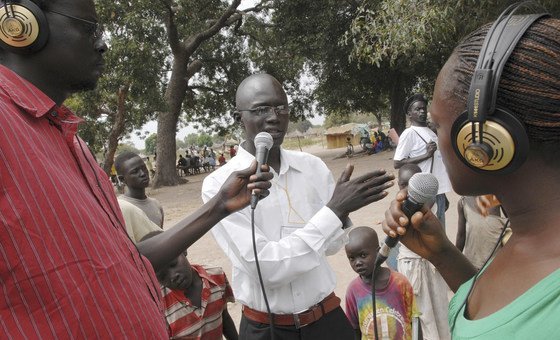
The Ghouta chemical attack occurred on 21 August 2013, when rockets filled with a nerve agent struck the eastern suburb of Damascus, reportedly killing more than 1,000 people, including hundreds of children. A UN investigation confirmed that sarin gas was used in the attack.

Despite joining the Chemical Weapons Convention that year, the Assad regime – which was toppled last December – made 20 amendments to its initial declaration without satisfying OPCW verification standards.

Difficult road ahead

Ms. Nakamitsu urged Security Council members to unite over the Syria dossier, emphasising that long-term disarmament and non-proliferation there would require additional international support and resources.

“The work ahead will not be easy,” she said, noting the need for training and equipment support to prevent the reemergence of chemical weapons and to enable the national authorities to investigate chemical weapons issues effectively.

The United Nations stands ready to support and will continue to do our part to uphold the norm against the use of chemical weapons – anywhere, at any time.

Source link