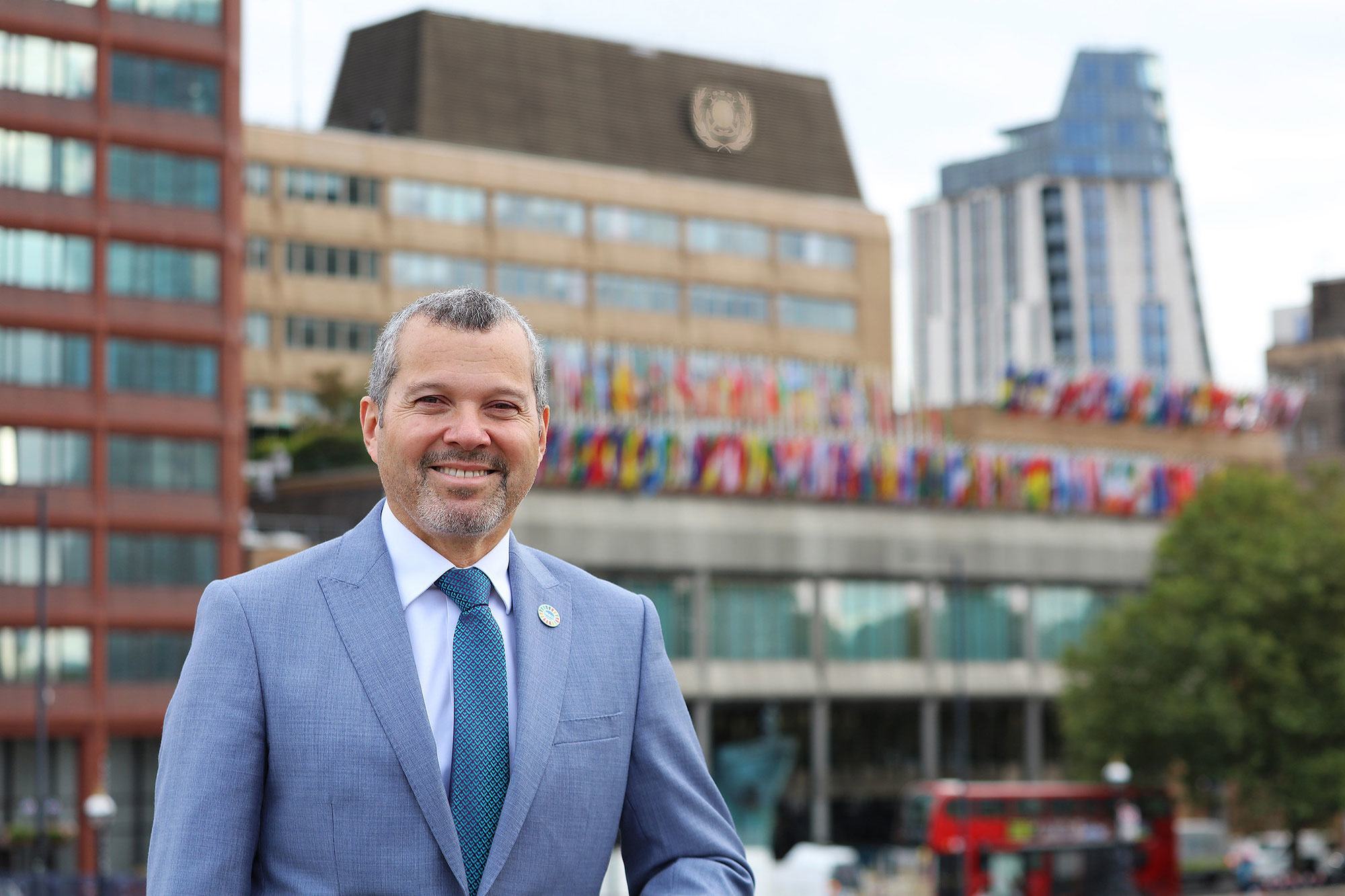
Atomic watchdog says Iran not complying with nuclear safeguards

The development follows serious warnings from the head of the International Atomic Energy Agency (IAEA) earlier this week that inspectors have been unable to determine whether Iran’s nuclear programme was “exclusively peaceful” – as per the terms of the 2015 nuclear deal from which the United States subsequently withdrew.

A fresh round of negotiations between Washington and Tehran is slated to begin on Saturday in Oman, according to news reports, amid heightened geopolitical tensions linked to rumours of an impending Israeli attack on Iran.

Following Thursday’s resolution vote by the IAEA’s board of governors – which passed by a vote of 19 for, three against and 11 abstentions – Iran’s atomic energy body reportedly announced plans to open a new uranium enrichment plant and increase production of enriched fissile material.

Growing concerns

The draft for Thursday’s resolution highlights serious and growing concerns since at least 2019 that Iran had failed to cooperate fully with the UN agency’s inspectors.

Tehran has “repeatedly” been unable to explain and demonstrate that its nuclear material was not being diverted for further enrichment for military use, the draft text maintains.

Iran has also failed to provide the UN agency with “technically credible explanations for the presence of [man-made] uranium particles” at undeclared locations in Varamin, Marivan and Turquzabad, it continues.

“Unfortunately, Iran has repeatedly either not answered, or not provided technically credible answers to, the agency’s questions,” IAEA chief Grossi said on Monday. “It has also sought to sanitize the locations, which has impeded Agency verification activities.”

According to Mr. Grossi, Tehran has stockpiled 400 kilogrammes of highly enriched uranium.

Given the potential proliferation implications, the agency cannot ignore [this],” he told the UN agency’s governing board on Monday.

Source link

‘No Ocean Declaration without small islands’: Delegates push for inclusion as UN summit nears end

With the conference, known as UNOC3, set to close Friday, the stakes couldn’t be higher.

Li Junhua, the UN’s Under-Secretary-General for Economic and Social Affairs, told UN News on Thursday that the past four days have been marked by a rare sense of solidarity around Sustainable Development Goal 14 (SDG 14) – protection life below water.

“This is the true testament to the impact of this Conference on the future of our ocean,” he added.

Draft outcome signals sense of urgency

Under way since Monday on France’s sun-drenched Côte d’Azur, UNOC3 is set to conclude with the adoption of a consensus-backed package aimed at securing the future of the world’s oceans.

Delegates are preparing to endorse a political declaration alongside a sweeping set of voluntary commitments from participating nations – collectively known as the Nice Ocean Action Plan.

The declaration itself, titled ‘Our Ocean, Our Future: United for Urgent Action,’ has undergone four rounds of intense intergovernmental negotiations at UN Headquarters in New York since January, alongside informal consultations with key delegations and civil society groups.

At the heart of the conference’s mission – mobilizing action to safeguard and sustainably manage marine ecosystems – the declaration, in draft form, signals a marked shift in tone, underscoring an unprecedented sense of urgency.

It calls for immediate and transformative measures to protect oceans, reflecting growing concerns over climate change, biodiversity loss, and the depletion of marine resources.

© Coral Reef Image Bank/Tom Vierus

The people of Galoa Village and their ancestors have depended on the reef system for hundreds of years for sustenance and income.

In addition, the draft declaration outlines measures to protect marine ecosystems and foster sustainable ocean-based economies. It also emphasizes accelerating action, highlighting that SDG 14 remains one of the least funded UN goals. 

To drive global ocean initiatives forward, the draft declaration calls for significant, accessible financing and the fulfillment of existing commitments under international agreements.

The draft highlights the ocean’s deep ties to climate and biodiversity, urging nations to fully implement the Convention on Biological Diversity. It also reaffirms commitment to an international, legally binding agreement on plastic pollution, emphasizing a comprehensive approach that addresses plastics across their entire life cycle.

Final negotiations are under way, and tomorrow we’ll report on whether nations have reached a consensus to tackle the global ocean emergency, turning decades of pledges into meaningful marine protection.

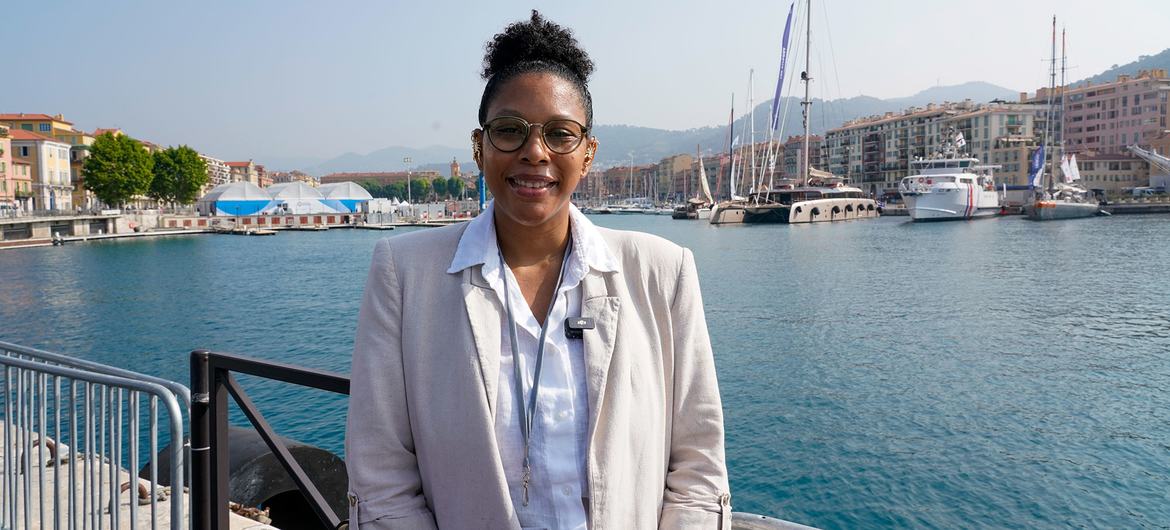
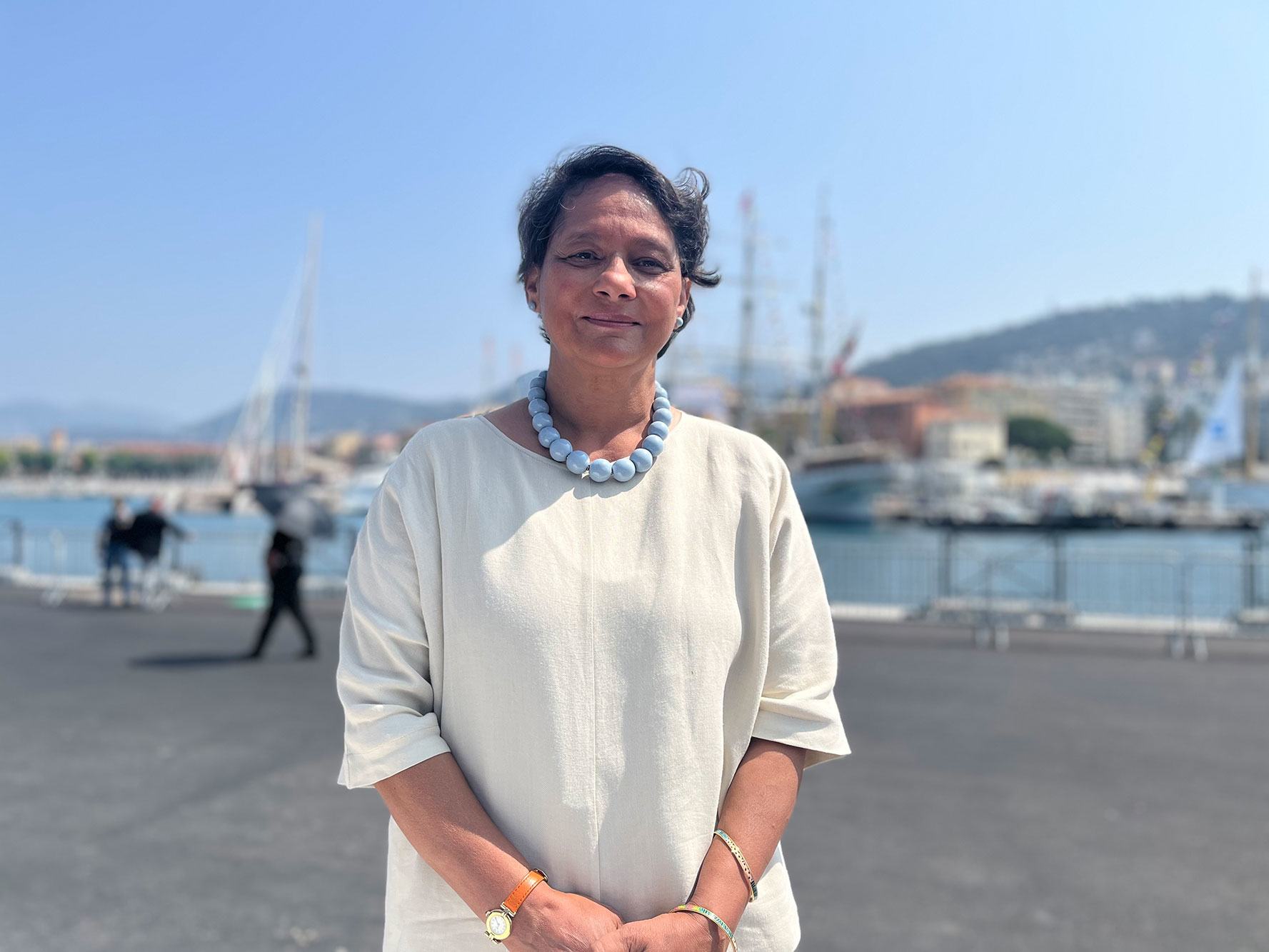
H.E. Safiya Sawney, Special Envoy and Ambassador for Climate, Government of Grenada.

Small island voices are vital to ocean policy

Among all the stakeholders, small island nations have a key role in shaping the Declaration. As communities most vulnerable to rising seas and marine degradation, their firsthand experience and leadership are essential to crafting effective, inclusive ocean policy.

Safiya Sawney, Special Envoy and Ambassador for Climate of Grenada, told UN News that she is pleased to see the reference in the draft outcome to the Antigua and Barbuda Agenda for Small Island Developing States, or ABAS, which was adopted during the fourth International Conference on Small Island Developing States on May 2024.

Ms. Sawney said that including the Antigua and Barbuda Agenda in the UNOC3 political declaration signals growing unity among island nations. She emphasized that, despite numerous challenges, small islands are committed to implementing every obligation under ABAS, demonstrating their determination to turn commitments into action.

“A big part of our heritage, of our culture, of our economy is derived from the ocean,” she said, “So for us, you cannot have an ocean declaration without SIDS.”

‘No compromise with nature’

As for the negotiation process on the draft declaration, Ms. Sawney said that Grenada and other delegations in the Alliance of Small Island States (AOSIS) affirmed that they were leveraging strength and experience from past climate talks and bringing that to the ocean space.

“Part of healthy multilateralism is knowing that you have to compromise,” she admitted, but also adding that “the one thing that we cannot compromise with, however, is nature”.

To ensure that “we’re able to all be successful together in supporting this ocean agenda”, she suggested that “there are some countries that need to do more than others”. She added that small island developing States are asking those countries to show their leadership, not just through offsets or financing, but through “real action”.

Ocean Coordination Mechanism Secretariat

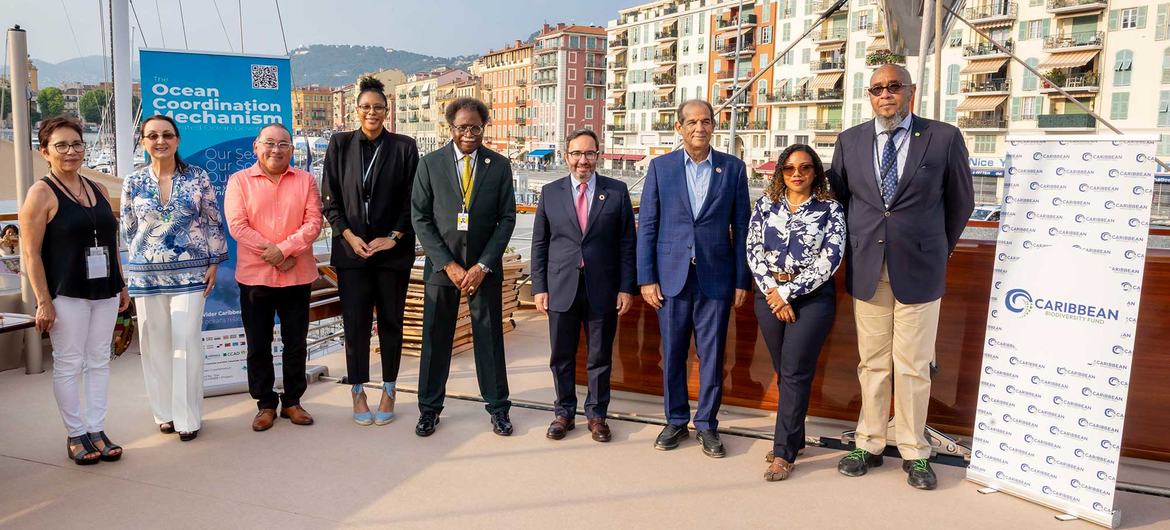
Representatives from 14 Caribbean countries sign the Declaration Of Actioning Blue: The Caribbean 30×30 Vision and Roadmap For Our Ocean at a high-level launch event at the 3rd United Nations Ocean Conference (UNOC3) in Nice, France.

Caribbean governments acting together

Calling themselves “large ocean nations” at UNOC3, small island developing States are aggregating their weight to not only participate in but shape the global ocean agenda, said Ms. Sawney. Among these efforts, Caribbean governments have been keen to demonstrate political unity and regional ambition throughout the run of the conference.

On the opening day of UNOC3, the Actioning Blue: Caribbean 30×30 Vision for the Ocean was officially launched. It reflects an urgent call by political leaders of the Caribbean to advance collective regional advocacy aligned with the Kunming-Montreal Global Biodiversity Framework, as well as SDG14.

“Coming into UNOC3, we endorsed 12 Caribbean governments, including independent states and territories, and we’ve had one additional signature and expression of interest from three different governments,” explained Ms. Sawney.

Changing the tide of over-reliance

Recalling the 2008 Caribbean Challenge Initiative that advanced the protection of roughly 49,000 km of marine protected areas in the region, Ms. Sawney said part of what the newly launched Vision does is remind the international community that “we will continue to work, we’ll continue to show up, and we really like their help”.

Describing the Caribbean as “capacity-constrained”, she however pointed to the region’s over-reliance on external help, experts, and capacity.

“We’re trying to change the tide,” she continued, by stressing the importance of letting donors know that the region is very invested in building its own capacity and owning its own implementation.

Seeing UNOC3 as an important opportunity to get across this message, Ms. Sawney stated that Caribbean Islands are not just looking forward to the end of the Conference, but what happens afterwards.

“The real work begins after all of this is over,” she concluded with hope.

Source link

Famine stalks two counties in South Sudan as fragile peace is threatened

The warning comes amidst increased violence and a worsening food security condition which has 11 out of 13 counties in the state facing emergency levels of hunger and 32,000 of these inhabitants facing catastrophic level hunger conditions, almost three times previous estimates.

We are seeing the devastating impact conflict has on food security in South Sudan,” said Mary-Ellen McGroarty, Country Director for the World Food Programme (WFP) in South Sudan.

“Conflict doesn’t just destroy homes and livelihoods, it tears communities apart, cuts off access to markets, and sends food prices spiralling upward,” Ms. McGroarty said.

Country-wide hunger

In total, 7.7 million people across South Sudan will face acute food insecurity, accounting for over half of the entire population. Additionally, 2.3 million children in South Sudan face malnutrition, a rise from 2.1 million at the beginning of the year. 

FAO expects these numbers to increase as the country prepares to enter the lean and wet season which will further diminish food supplies and potentially worsen displacement.

The agency did note that counties in which violence has been largely absent have seen improvements in food insecurity as a result of increased crop production and humanitarian efforts. However, hunger continues.

Despite such ongoing challenges, Meshack Malo, the country representative of FAO in South Sudan, said that these results are proof of the “dividends of peace.”

Descent into conflict

South Sudan, the world’s youngest country, gained independence in 2011 and immediately fell into a brutal and devastating civil war which ultimately ended in 2018 thanks to a peace agreement between political rivals which has largely held.

However, recent political tensions and increased violent attacks, especially in the Upper Nile State, threaten to unravel the peace agreement and plunge the nation back into conflict.

South Sudan cannot afford to sink into conflict at this point in time. It will plunge already vulnerable communities into severe food insecurity, leading to widespread hunger,” said Meshack Malo, Country Representative of FAO in South Sudan.

Humanitarian difficulties

FAO said that humanitarian access must be improved in order to address the worsening hunger situation.

The FAO report also emphasized that peace and capacity building is the only sustainable solution for food insecurity in South Sudan.

“Long-term peace is essential, but right now, it is critical our teams are able to access and safely distribute food to families caught in conflict in Upper Nile, to bring them back from the brink and prevent famine,” said Ms. McGroarty.

Global push to end plastic pollution gains ground in Nice

Away from the cameras and fanfare of the Third UN Ocean Conference under way in the coastal French city, they voiced a shared determination to finalize this year a global treaty that could, for the first time, regulate plastics across their entire life cycle.

“There is renewed commitment to conclude the treaty in August,” Jyoti Mathur-Filipp, who attended the meeting and is leading the treaty negotiations, told UN News. “This is too urgent an issue to be left for the future.”

Hosted by Inger Andersen, the head of the UN Environment Programme (UNEP), the informal gathering marked a quiet but significant diplomatic moment – a sign that after two years of deliberations, political momentum may finally be catching up with scientific alarm.

With one round of talks remaining – scheduled from August 5 to 14 in Geneva – negotiators are now under pressure to deliver the first legally binding treaty aimed at tackling plastic pollution across production, consumption, and waste.

A crisis accelerating in plain sight

Plastic waste has infiltrated nearly every ecosystem on Earth, and increasingly in the form of microplastics – the human body. Without urgent action, the amount of plastic entering the ocean each year could reach 37 million metric tons by 2040, according to UN estimates.

“We are choking with plastic,” Ms. Mathur-Filipp said. “If we do not do something to tackle plastic pollution, we will not have a single ecosystem left, whether it’s terrestrial or marine.”

The economic toll is no less staggering. Between 2016 and 2040, the projected cost of plastic-related damage could reach $281 trillion. “It is costing the economy a lot,” said the Indian native. “In tourism, in beach clean-up, in lack of fish for fishing folk, coastal damage, wetlands damage.”

Jyoti Mathur-Filipp, Executive Secretary of the Intergovernmental Negotiating Committee (INC) on Plastic Pollution.

The final stretch in Geneva

The treaty process was launched in 2022, at the request of the UN Environment Assembly, the world’s highest decision-making body on environmental issues. Since then, the Intergovernmental Negotiating Committee (INC) has convened five times in less than two years – an unusually rapid timeline by UN standards.

“We have had five sessions very rapidly from December of 2022 to December of 2024,” said Ms. Mathur-Filipp, who serves as the INC’s Executive Secretary. She hopes the upcoming session this August in Geneva will mark the treaty’s conclusion.

A key breakthrough came six months ago at the last round of talks in Busan, South Korea, where delegates produced a 22-page “Chair’s text,” outlining the draft treaty’s basic structure.

“It has 32 or 33 articles in it, with names of articles, so countries can now start seeing what this treaty will look like,” she explained. “They have started speaking with article numbers for negotiation… and this is why my hope is that there would be a conclusion.”

A treaty with teeth – and flexibility

While the draft treaty is still under negotiation, it includes measures that would target the entire life cycle of plastic – from upstream production to downstream waste. It reflects both mandatory and voluntary provisions, in line with the original UN mandate.

The current draft also includes the institutional architecture of a typical multilateral treaty: the ratification process, governance rules, and proposed implementation bodies.

“It has an objective. It has a preamble,” said Ms. Mathur-Filipp. “It looks like a treaty.”

If all goes according to plan, the final text will be submitted to a diplomatic conference – later this year or in early 2026 – where governments can formally adopt it and begin the ratification process.

Unequal burdens, global stakes

Although plastic pollution is a global issue, some countries – especially small island developing states – bear a disproportionate burden.

“It is a fact that small island developing states are not the ones that are using plastic as much as what’s flowing onto their shores and therefore, they become responsible for beach clean-up, which is not their doing,” Mathur-Filipp said. “They are unfairly impacted.”

An estimated 18 to 20 per cent of global plastic waste ends up in the ocean.

One diplomat’s mission

Before leading the INC, Ms. Mathur-Filipp worked at the UN Convention on Biological Diversity, where she helped shape the landmark Kunming-Montreal Global Biodiversity Framework, the 2022 agreement to protect 30 per cent of the planet’s land and ocean by 2030. The challenge of managing a fast-moving, high-stakes negotiation is familiar terrain.

“I wasn’t tired enough there, so now I’m doing this,” she said.

As the Mediterranean UNOC3 host city plays its part in building momentum, all eyes will, in the weeks ahead, turn to Geneva. The outcome in August could determine whether the world takes a decisive step toward curbing the plastic crisis – or allows it to deepen, unchecked.

Decades of memories and loss – searching for the missing in Syria

The Independent Institution on Missing Persons in the Syrian Arab Republic (IIMP) is the first entity of its kind established by the UN General Assembly in June 2023. It is dedicated to determining the fate and whereabouts of all missing persons in Syria and supporting survivors and families of the missing.

Here are five key things you need to know about the IIMP.

Dictatorship and disappearances

The IIMP was created to address the issue of missing persons in Syria, a country that has experienced significant turmoil and conflict over the past decades. 

Cages in which prisoners were apparently held are pictured at the infamous Sednaya prison in Damascus.

Fifty years of dictatorship and 14 years of civil war all but came to an end in Syria following the fall of the brutal Assad regime in December 2024. This allowed the IIMP to begin its work properly, most notably by gaining access to infamous detention centres where people were tortured, murdered or disappeared.

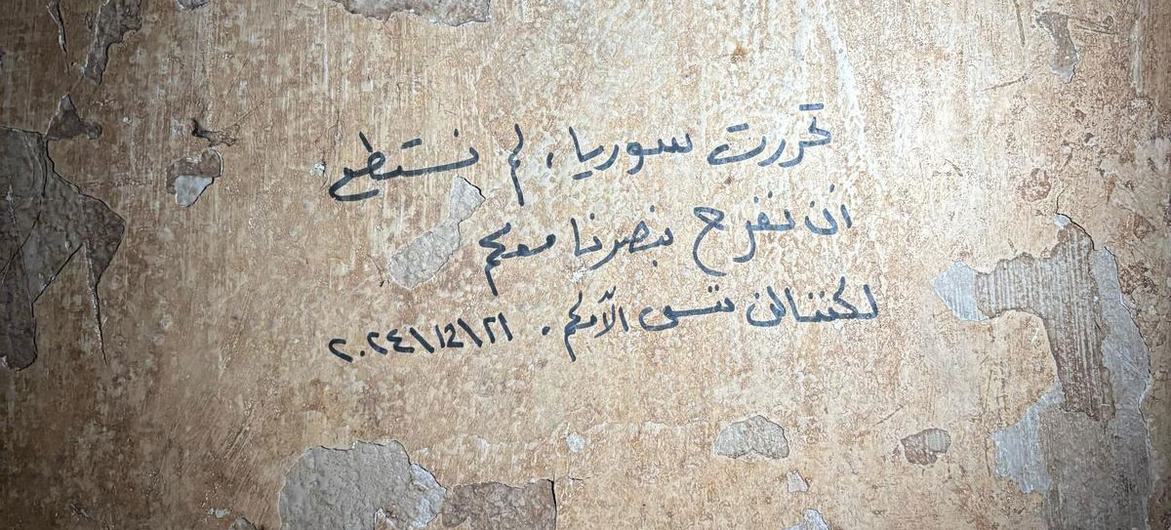
A message on the walls of Sednaya prison reads: ‘Syria is free; we couldn’t celebrate our victory with you, but we will not forget your pain.’

People went missing in Syria due to many reasons such as abductions, enforced disappearances, arbitrary deprivation of liberty, displacement, migration or military operations. It is not clear exactly how many missing persons there are, but it is thought to be in the tens of thousands.

Uncovering the truth

The institution’s primary role is to determine the fate and whereabouts of all missing people. This includes collecting and analysing information, conducting investigations, and working closely with families and survivors to provide them with the answers they seek. 

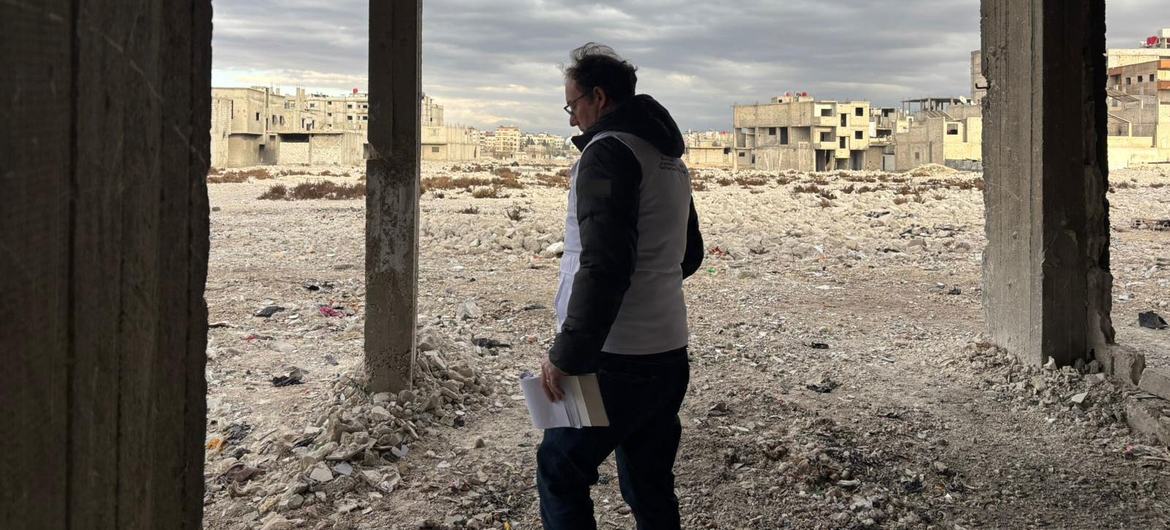
Much of Syria has been left in ruins following 14 years of civil war.

Uncovering the circumstances of disappearances will involve a massive effort, from checking prison arrival registers where detainee’s names were recorded and their exit to parts unknown.

Evidence of torture and mass graves will have to be carefully chronicled.  Due process will have to uncover the elaborate former State network of secret police, prison and judicial officials who carried out orders and enabled the disappearance of thousands.

Supporting survivors and families of the missing

IIMP supports survivors and the families of the missing to cope with the uncertainty and trauma of having a missing loved one.

This includes offering psychological support, legal assistance, and facilitating communication between families and relevant authorities.

The institution looks for everyone who is missing in Syria regardless of their nationality, group, ethnicity, political affiliation, or the reasons and circumstances surrounding their disappearance.  

‘Titanic mission’

The head of IIMP, Karla Quintana, has described the task the body faces as “titanic,” not least because it is still not clear how many Syrians are missing.

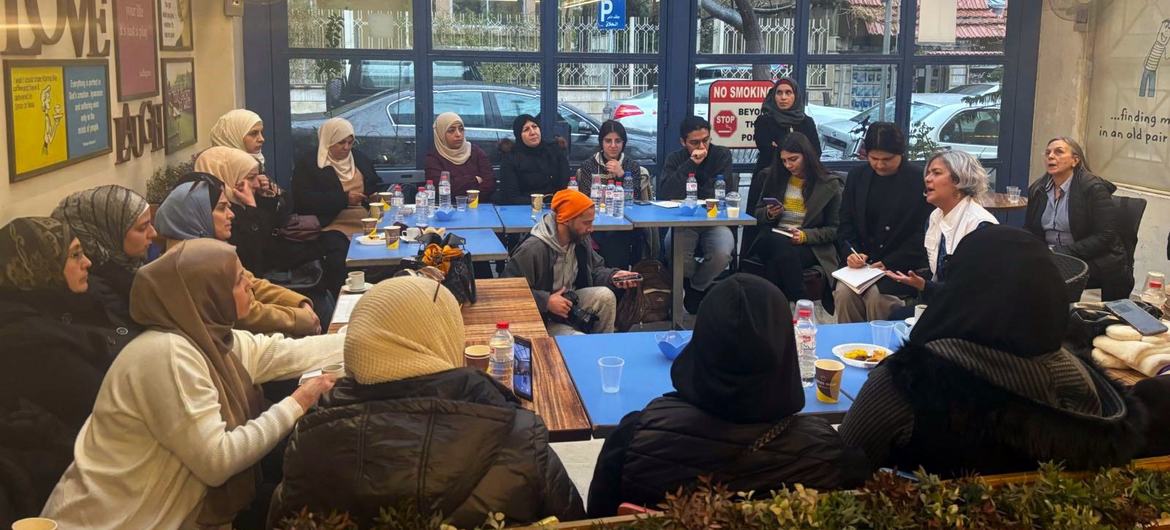
Karla Quintana (right in white jacket), the head of IIMP, meets women whose loved ones are missing.

Investigating the circumstances surrounding the disappearance of individuals can be costly, so securing the resources to do so is a “major challenge” according to Ms. Quintana. If resources are limited it will hinder the progress of investigations.

Searching for, processing, and analysing information is time-consuming – especially in Syria, where conflict has made many areas inaccessible, records may be incomplete or destroyed, and some regions remain unstable and dangerous to work in.

Working with Syrians

IIMP says searching for missing persons in Syria must be “locally owned and internationally supported.” The body operates through a collaborative approach partnering with local and international organizations, government agencies, and civil society groups.

It also engages with communities to raise awareness about the issue of missing persons and to encourage the sharing of information that could aid investigations.

Expectations of this unprecedented UN mechanism are high as it could play a pivotal role in contributing to peace and justice in Syria.

GAZA LIVE: UN General Assembly to vote on resolution demanding immediate, unconditional and permanent ceasefire

The General Assembly meets at 3pm in New York on Thursday in emergency session following the Security Council’s failure to adopt a resolution on 4 June calling for an immediate and permanent ceasefire in Gaza, which was vetoed by permanent member the United States. As starvation looms across the Strip, mass casualties continue to be reported of desperate civilians trying to access food at Israel and US-backed distribution sites. App users can follow our live coverage here.

Displacement doubles while funding shrinks, warns UNHCR

In December last year, the overthrow of the Assad regime by opposition forces reignited hope that most Syrians could see home again soon. As of May, 500,000 refugees and 1.2 million internally displaced people (IDPs) returned to their areas of origin.

But that’s not the only reason Syria is no longer the largest displacement crisis in the world.

Sudan sets a grim record

More than two years of civil war in Sudan has seen it pass Syria with 14.3 million people displaced since April 2022, 11.6 million of whom are internally displaced – that’s one-third of the entire Sudanese population, representing the largest internal displacement crisis ever recorded.

The UN refugee agency’s (UNHCR) latest report released Wednesday highlights the sheer scale of the problem, noting “untenably high” displacements – but it also contains “rays of hope,” despite the immediate impact of aid cuts in capitals around the world this year.

We are living at a time of intense volatility in international relations, with modern warfare creating a fragile, harrowing landscape marked by acute human suffering,” said High Commissioner for Refugees Filippo Grandi.

A place to live in peace

By the end of 2024, 123.2 million people worldwide were displaced, representing a decade-high number, largely driven by protracted conflicts in Sudan, Myanmar and Ukraine.

73.5 million people worldwide have fled within their own countries, and of the 42.7 million refugees living beyond their borders, 73 per cent are hosted in low and middle-income countries, with 67 per cent are hosted in neighbouring countries.

Sadeqa and her son are refugees who have faced repeated displacement. They fled from Myanmar after Sadeqa’s husband was killed in 2024. In Bangladesh, they lived in a refugee camp for Rohingya Muslims, but the camp was overcrowded, leading them to flee again via boat.

She got on the boat not knowing where it was going. Ultimately, the vessel was rescued after weeks at sea, and now, she and her son live in Indonesia.

We are searching for a place where we can live in peace,” Sadeqa said.

There are countless stories like hers. However, at the same time, Mr. Grandi said that there were “rays of hope” in the report. This year, 188,800 refugees were permanently resettled into host countries in 2024, the highest number in 40 years.

Moreover, 9.8 million people returned home in 2024, including 1.6 million refugees and 8.2 million internally displaced people mostly in Afghanistan and Syria.

‘Long-lasting solutions’

While 8.2 million IDPs returning home represents the second-largest single year tally on record, the report noted continuing challenges for returnees.

For example, many of the Afghan and Haitian refugees who returned home in the past year were deported from their host countries.

The report emphasized that returns must be voluntary and that the dignity and safety of the returner must be upheld once they reach their area of origin. This requires long-term peace-building and broader sustainable development progress.

The search for peace must be at the heart of all efforts to find long-lasting solutions for refugees and others forced to flee their homes,” Mr Grandi said.

‘Brutal’ funding cuts

In the last decade, the number of people who have been forcibly displaced worldwide has doubled but funding levels for UNHCR remain largely unchanged.

The report explained that this lack of increased funding endangers already vulnerable displaced communities and further destabilizes regional peace.

“The situation is untenable, leaving refugees and others fleeing danger even more vulnerable,” UNHCR said. 

Source link

Gang violence displaces a record 1.3 million Haitians

This represents a 24 per cent increase from December 2024 according to the UN agency, which also noted that this increase has produced the largest number of people displaced by violence on record there.

Behind these numbers are so many individual people whose suffering is immeasurable; children, mothers, the elderly, many of them forced to flee their homes multiple times, often with nothing, and now living in conditions that are neither safe nor sustainable,” said Amy Pope, IOM Director General.

Existential challenges

These figures were released just ahead of a meeting on Wednesday at UN Headquarters in New York organized by the Economic and Social Council (ECOSOC) and the Peacebuilding Commission (PBC) examining how peace and stability can return to the island nation, following years of chaos and crisis.

The meeting discussed ways of consolidating peace at the local level and reducing the violence, particularly through the involvement of women and youth in local initiatives.

At a press conference prior to the meeting, ECOSOC President Bob Rae stated that the current situation in Haiti was “truly existential.” 

“It’s important that we have a meaningful discussion about what we can do together to address these problems,” he said, emphasizing that it’s “not just about increasing firepower.” 

Joining the briefing via videoconference, the Special Representative of the Secretary-General for Haiti, María Isabel Salvador, also stressed that this is a “multifaceted crisis” which must be addressed with similarly multifaceted and dynamic solutions.

“We believe that the international community’s response must match the scale, urgency, and complexity of the challenge. That’s why strong international security support must be accompanied by peacebuilding measures, humanitarian action and political support that could ultimately allow Haiti to make progress on the path to sustainable development.”

According to her, one way to reduce violence in Haiti is by empowering communities themselves, especially women and children, to lead bold new initiatives.

Violence spreads

Haiti has been experiencing a resurgence of violence since mid-February. According to the IOM, while Port-au-Prince remains the epicentre of the crisis with 85 per cent controlled by gangs, violence extending beyond the capital has intensified in the past few months.

Recent attacks in the Centre and Artibonite departments have forced tens of thousands of other residents to flee, many now living in precarious conditions and temporary shelters.

“Although about a quarter of all internally displaced people still live in the capital, a growing number of people are fleeing to other parts of the country in search of safety,” IOM said.

In the Artibonite department in western Haiti, over 92,000 people have been displaced – largely because of violence in Petite Rivière.

In the Centre department, the situation is even more “alarming” with a total of 147,000 displaced. This number has doubled from 68,000 in the past few months as a result of fighting in towns like Mirebalais and Saut-d’Eau.

As more and more people are forced to flee, the number of spontaneous displacement sites is also increasing. Since December, these sites have increased from 142 to 246.

Around 83 per cent of refugees are staying with host families, putting a strain on already overstretched households, particularly in rural communities.

Pay attention and act

Armed violence continues to severely disrupt access to basic services, according to UN aid coordination office, OCHA, creating a “a deepening humanitarian crisis.”

“We must act urgently. The strength of the Haitian people is impressive, but resilience cannot be their only refuge. This crisis cannot become the new normal,” added Ms. Pope.

The President of the General Assembly, Philémon Yang, spoke at the ECOSOC meeting about the importance of adjusting “not just our attention but our action” and coordinating efforts across the UN to maximize impact.

We must do our utmost to ensure that Haiti is not abandoned to a future of fear and despair but instead is embraced by a global commitment to peace, opportunity and dignity,” he said.

Source link

Rising hunger in Gaza highlights urgent need for ‘unfettered’ aid supplies

Only around 6,000 tonnes of wheat flour have entered the war-torn enclave since Israel began to allow limited supplies back in last month.  

However, 10,000 tonnes are urgently needed in the face of rising malnutrition, according to the UN aid coordination office OCHA.

The only way to address the situation on the ground is by re-opening additional crossings,” said OCHA’s Olga Cherevko, speaking to UN News from Khan Younis.

Beyond food aid

She also stressed the need to allow “unlimited and unfettered supply of aid to enter,” which includes items that go beyond food such as shelter materials, fuel, cooking gas, “and other necessary elements to sustain life in Gaza.”

Ms. Cherevko urged the Israeli authorities to make the task of delivering aid easier by “providing a safe and enabling environment,” reducing waiting times for humanitarian missions and ensuring access to people in need. 

People in Gaza are suffering from harsh living conditions. Since March, Israeli restrictions on border crossings have tightened, making it even more difficult for Gaza’s population – more than two million people – to access food. 

Senior UN officials, including Secretary-General António Guterres and Humanitarian Affairs chief Tom Fletcher, have described the aid that has entered as merely  “a trickle” or a  “a drop in the ocean”.

Difficult decisions

Although markets are crowded with people, they lack two essential elements: liquidity and goods.

Most residents thus face three bitter choices: either seek food aid from the newly established US and Israel-backed distribution mechanism, which has already claimed dozens of lives in recent days; watch their children starve; or pay dearly for what’s left of the goods and looted humanitarian aid in markets.

“Prices are unnatural, much higher than in Europe,” civil servant Akram Yousef recently told our UN News correspondent in Gaza.

“The situation is very difficult, and we have been like this for two years. In addition to displacement, homelessness, bombing, destruction, and devastation, traders are raising prices, and citizens are unable to bear this burden. What can we do?”

More than 20 months of conflict have made living conditions in the Gaza Strip unbearable, and the cost of living is now among the highest in the world. 

Ahmed Al-Bahri, who was displaced from Beit Lahia with his family, said a loaf of bread now sells for seven shekels, or roughly $2.

There is no flour, no milk, no diapers for children, or anything to eat,” he said. “We live in a state of constant hunger. Where can I get seven shekels to buy a loaf of bread for my child? What is this child’s sin?”

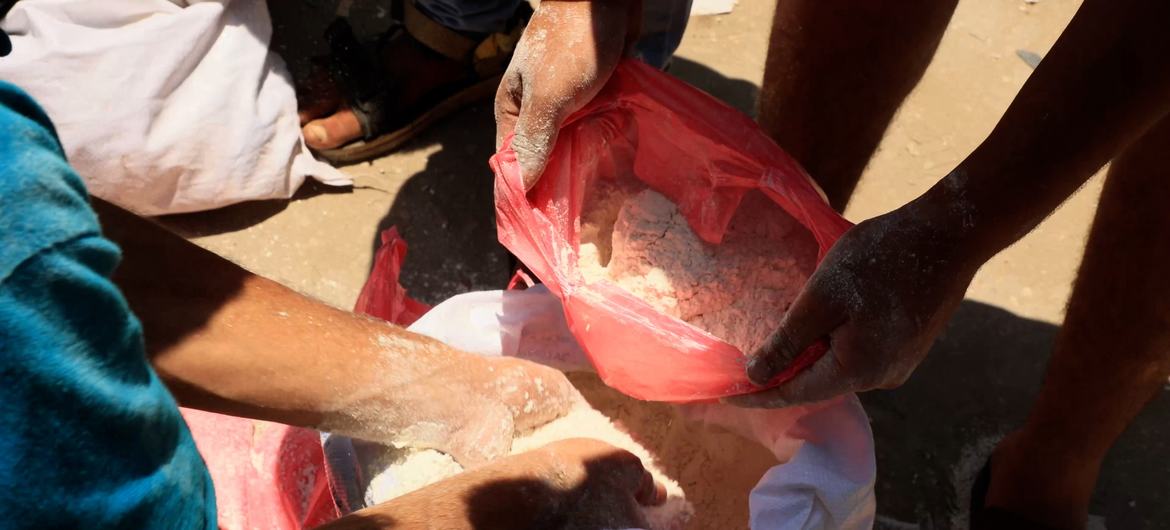
A flour seller in Gaza.

Exorbitant fees 

The cessation of Palestinian banks’ operations since the start of the war in October 2023 has exacerbated the suffering. 

People are forced to use phone apps to withdraw money from their bank accounts and to access their pensions through local merchants who charge exorbitant commissions.

Mr. Youssef, the civil servant, said the commission for withdrawing his salary was 20 per cent, but over time it has increased to nearly 50 per cent.

‘We have become envious of the dead’

Several residents told UN News that the price of one kilogramme of flour is now 100 shekels, equivalent to roughly $29.

“If a salary is 2,000 shekels, it becomes 1,000 shekels after commission,” another man, Ashraf Al-Deiri, explained.

“The daily expenses of an average or small family are no less than 500 shekels (roughly $143). So, we are experiencing great suffering and need someone to have mercy on us and stand by us.”

A young man called Raed Tafesh expressed shock over the high prices, especially since most of his peers are unemployed and lack any source of income. 

We don’t earn a single shekel. We are not employed, and we don’t have jobs. We are dying slowly. We have become envious of the dead,” he said.

The tragic conditions are reflected in the eyes of mothers and fathers who see their children starving, such as Nimir Ghazal.  She said her salary is not even enough to buy fruits, vegetables or any healthy food for her children.

“Sometimes I cry when my hungry children ask for a piece of bread. A kilo of flour costs 100 shekels, and lentils cost 50. One kilo is not enough for my family, but I buy it and share it among them,” she said.

UN efforts continue

On Monday, UN teams were able to collect some supplies, mainly flour, from the Kerem Shalom border crossing.  The aid was bound for Gaza City when hungry and desperate people snatched it directly from the trucks.

There have also been previous instances of looting and attacks on truck drivers which the UN categorically rejects. 

OCHA has emphasized that Israel, as the occupying power, bears responsibility for maintaining public order and safety in Gaza. This should include allowing more essential supplies to enter through multiple crossings and roads to meet humanitarian needs and help curb looting. 

Source link

Ongoing Russian strikes continue alarming civilian casualty trend

The toll includes 1,389 casualties in April (221 killed, 1,168 injured) – the highest monthly total so far this year – followed by 1,019 in May (183 killed, 836 injured).

Casualties were reported across 17 out of 24 regions and the city of Kyiv, including areas far from the frontline.

The vast majority of attacks (97 per cent) led to civilian casualties occurred in areas under Ukrainian Government control.

“This year has been devastating for civilians across Ukraine, with significantly more deaths and injuries than during the same period in 2024,” said Danielle Bell, Head of the HRMMU – the monitoring mission set up by the UN rights office, OHCHR, at the invitation of the Ukrainian Government.

“The intensification of long-range attacks with missiles and loitering munitions and frequent attacks with short-range drones along the frontline are a deadly combination for civilians.”   

Weapons and impact

Long-range missile and drone attacks caused the largest proportion of civilian casualties – some 28 per cent of casualties during May.

On the other hand, short-range drones remained the leading cause in frontline areas.

Russian armed forces carried out at least five attacks on port infrastructure in the Odesa region on the Black Sea, resulting in civilian casualties and damage to facilities.

One such attack on 23 May killed three men and injured 12 more, including port workers, according to the report.

Continuing trends in June

The mission noted that long-range attacks have intensified this month. Since 6 June, Russian forces have launched over 1,500 long-range weapons, according to Ukrainian authorities.

The HRMMU is in the process of verifying reports that these attacks (or subsequent falling debris) have killed at least 19 civilians and injured 205 others nationwide in just a five-day span. If confirmed, June could match or surpass April and May in total casualties.

At this pace and scale, further loss of civilian life is not just possible – it is inevitable,” said Ms. Bell.

Source link

Climate emergency is a health crisis ‘that is already killing us,’ says WHO

Europe is warming faster than any other WHO region, and the impact on people’s health is growing more severe. From rising death rates to increasing climate-related anxiety, nearly every health indicator linked to climate has worsened in recent years. 

In response, WHO/Europe on Wednesday launched a new initiative – the Pan-European Commission on Climate and Health (PECCH) – to tackle the growing threat climate change poses to public health. 

Chaired by former Icelandic Prime Minister Katrín Jakibsdótirr, the commission brings together 11 leading experts from across the region tasked with delivering recommendations for actionable solutions.

Deadly heat

With nearly half of humanity already living in areas highly susceptible to climate change, a third of the world’s heat-related deaths occur in the European Region.

In the years 2022 and 2023 combined, more than 100,000 people across 35 countries in the European Region died due to heat.

“The climate crisis is not only an environmental emergency, it is a growing public health challenge,” said Katrín Jakobsdóttir.

“We must recognise that the interplay among rising temperatures, air pollution and changing ecosystems resulting from human-induced climate change is already affecting the health and well-being of communities around the European Region and the world,” she said.

The commission is being tasked with providing recommendations to reduce emissions, invest in adaptation strategies that protect health, reduce inequality and build resilience.

Escalating threat

The climate crisis disproportionately affects the health of the most vulnerable.

From the spread of infectious diseases to heat-related illness and food insecurity, “climate change poses a serious and escalating threat to human health,” said Andrew Haines, chief advisor to the WHO/Europe climate-health initiative. 

‘Plenty of fish in the sea’? Not anymore, say UN experts in Nice

As yachts bobbed gently and delegates streamed by in a rising tide of lanyards and iPads at Port Lympia, Nice’s historic harbor, that statistic sent a ripple through the summit’s third day – a stark reminder that the world’s oceans are under growing pressure from overfishing, climate change, and unsustainable management.

Presented dockside at a press conference by Manuel Barange, Assistant Director-General of the UN Food and Agriculture Organization (FAO), the report offered a detailed global snapshot of how human activity is steadily draining the ocean – and how sound management can bring it back.

“To use a banking comparison,” Mr. Barange told UN News in an interview ahead of the report’s launch, “we are extracting more than the interest the bank gives us. We are depleting the populations.”

The “Review of the State of World Marine Fishery Resources 2025,” which draws on data from 2,570 marine fish stocks – the widest scope used by FAO yet – paints a complex picture: while over a third of stocks are being overexploited, 77 per cent of fish consumed globally still come from sustainable sources thanks to stronger yields from well-managed fisheries.

“Management works,” Mr. Barange said. “We know how to rebuild populations.”

Assistant Director-General Manuel Barange, of the Food and Agriculture Organization (FAO), unveiled the agency’s report on the world’s fish stocks.

A global patchwork

Regional disparities remain stark. In the Pacific coast of the United States and Canada, over 90 per cent of stocks are sustainably fished. In Australia and New Zealand, the figure exceeds 85 per cent. The Antarctic – governed by strict international regulations – reports 100 per cent sustainability.

But along northwest Africa’s coast, from Morocco to the Gulf of Guinea, over half of all stocks are overfished, with little sign of recovery. The Mediterranean               Seas fare even worse: 65 per cent of stocks there are unsustainable. Yet there is a positive sign – the number of boats going out to fish in that region has declined by nearly a third over the past decade, offering hope that policy shifts are beginning to take effect.

For Mr. Barange, the lesson is clear: where management systems exist – and are backed by resources – stocks recover.

But science-based management is expensive. “Some regions can’t afford the infrastructure needed for control and monitoring, the science needed, the institutions needed,” he said.

“We need to build up capacity for the regions that are not doing so well. Not to blame them, but to understand the reasons why they are not doing so well and support them in rebuilding their populations.”

From collapse to comeback

Perhaps the clearest example of recovery may be tuna. Once on the brink, the saltwater fish has made a remarkable comeback. Today, 87 per cent of major tuna stocks are sustainably fished, and 99 per cent of the global market comes from those stocks.

“This is a very significant turnaround,” Mr. Barange said. “Because we have taken management seriously, we have set up monitoring systems, we set up management systems, compliance systems.”

The full findings in the FAO’s new report are likely to shape policy discussions far beyond Nice. The agency has worked closely with 25 regional fisheries-management organizations to promote accountability and reform, and Mr. Barange believes the model is replicable – if the political will holds.

Fish, livelihoods, and the blue economy

Countries were reported to have finalized negotiations over the political declaration expected to be adopted on Friday at the close of UNOC3, as the conference in known. The statement will form part of the Nice Ocean Action Plan and is intended to align with the Kunming-Montreal Global Biodiversity Framework – the 2022 agreement to protect 30 per cent of the planet’s land and ocean by 2030.

As the heat climbed once again over the stone quays of Nice – a city perched in one of Europe’s most climate-vulnerable regions – sustainable fisheries took center stage inside the conference halls. Action panels focused on supporting small-scale fishers and advancing inclusive ocean economies, with delegates exploring how to align conservation goals with social equity – especially in regions where millions depend on fishing for survival.

‘We’re not apart from the ocean – we’re a part of it’ – FAO’s Manuel Barange

“There are 600 million people worldwide who depend on fisheries and aquaculture for their livelihoods,” Mr. Barange said. “In some countries, aquatic animals are the main source of protein. We’re not apart from the ocean – we’re a part of it.”

As the conference moves into its final stretch, FAO’s warning shines like a beacon: one-third of the world’s fish stocks remain under too much pressure. But the data also offer something that can be elusive in the climate and biodiversity space – evidence that recovery is possible.

Three days in, the FAO report underscores a central message voiced by UN Secretary-General António Guterres, on Monday, as he opened the summit: recovery is still within reach.

“What was lost in a generation,” he said, “can return in a generation.”

The world pledged to end child labour by 2025: So why are 138 million kids still working?

There are 10,000 children in Madagascar who, like Tenasoa, work in the largely unregulated mica industry. The silicate is used in paints, car parts, and cosmetics – to add a “shimmer” effect. 

Alongside parents and grandparents, these children toil in dangerous conditions, inhaling harmful dust particles and entering structurally unsound tunnels. Many of them have dropped out of school – if they ever went at all. 

If we don’t work, we don’t eat,” Soja, Tenasoa’s grandfather, said. “It’s very simple. Men, women and children must all work to survive.”

In 2015, the United Nations set a goal to end child labour worldwide by 2025 but progress has been slow and halting, according to the Child Labour Report released on Wednesday by the International Labour Organization (ILO) and the UN Children’s Fund (UNICEF).

The report estimates that 138 million children – a 12 million decrease from 2020 – are still engaged in child labour, leading both ILO and UNICEF to call for the rapid acceleration of progress.

The findings of our report offer hope and show that progress is possible … But we must not be blindsided by the fact that we still have a long way to go,” ILO Director-General Gilbert F. Houngbo said.

Hazardous work

Since 2000, the number of children in child labour has been reduced by over 100 million, a promising decrease which proves that the world has a “blueprint” to end child labour. Much work remains, however.

“Far too many children continue to toil in mines, factories or fields, often doing hazardous work to survive,” said Catherine Russell, Executive Director of UNICEF.

Child labour does not refer to all work done by children. Rather, it is work which deprives children of their childhood and is often dangerous to their health and development.

It is important to understand that [child labour] is not household chores, it is not children helping their parents around the house…We are talking about work that is oftentimes hazardous,” Benajamin Smith, an ILO child labour expert told UN News.

Of the 138 million children in child labour, 54 million work in hazardous conditions, including mines.

Honorine, aged 13, is one of these children. She works from 10am to 5pm every day in a gravel quarry in Benin. Paid by the number of buckets of gravel she collects, she is saving her wages, hoping to train to be a hairdresser one day.

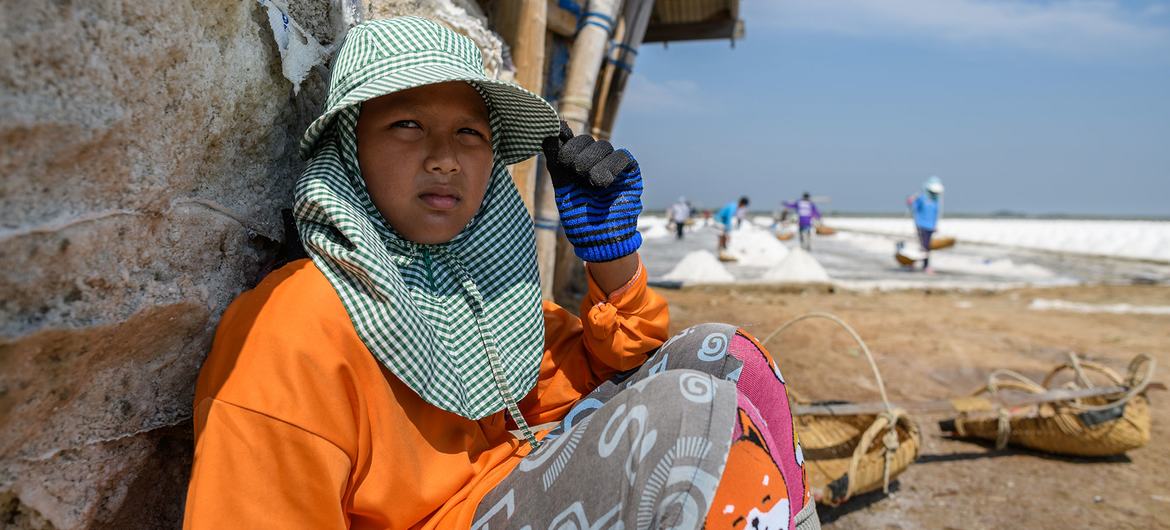
A young boy in Thailand takes a break while working in intense heat as a labourer.

Behind the statistics

The report notes that child labour is intergenerational. Children in child labour systems often struggle to access education, something which in turn compromises their future opportunities and creates a cycle of poverty and deprivation.

Federico Blanco, ILO expert and lead author of the Child Labour Report, noted that it is important to think of child labour as not just statistical.

“Behind every number, let’s remind ourselves that there is a child whose right to education, protection and decent future is being denied,” Mr Blanco said.

Nur, a 13-year-old Rohingya refugee in Bangladesh, was pulled out of school by his parents in order to help support his family financially. A case worker at a nearby UNICEF-funded centre identified Nur and convinced his family to put him back into school.

“I once dreamt of becoming a teacher. I thought I would never be able to become one. But now I feel that I can learn and become a teacher like I always wanted to,” Nur said.

‘A holistic approach’

In the report, UNICEF and ILO called for integrated policy solutions which work across governmental sectors, addressing the problem from an educational, economic and social perspective.

The report also highlighted that ending child labour cannot be accomplished without also thinking about the conditions that drive families to send their children to work – namely, poverty.

Upholding parents’ rights – including the right to collectively bargain, the right to safe work – is also key for ending child labour.

“The ILO looks at [child labour] in quite a holistic way because it is just as important [for] tackling child labour to make sure that the adults have good working conditions because poverty is really at the heart of child labour,” Mr Smith said.

Taking a country-driven approach is especially important due to regional disparities in child labour – the report noted that while all regions saw decreased numbers, Sub-Saharan Africa accounts for two-thirds of child labour worldwide.

Childhood dreams – underfunded and unfulfilled

Attempts to end child labour face significant headwinds as a result of funding shortages.

“Global funding cuts threaten to roll back hard-earned gains. We must recommit to ensuring that children are in classrooms and playgrounds, not at work,” Ms. Russell said.

Adwara, aged 10, dreams of being in class. He attended school for a few years and tried to balance work and school but with eight siblings, helping support his family was non-negotiable. Eventually, his teacher told him not to return – he was missing too much school.

Now, he works in a gold mine in Ethiopia, earning approximately $35 per day: “I’d like to go to school,” he said. “I’d like to become someone.”

Source link

At least eight drown in Red Sea as smugglers force migrants overboard

At least eight people are feared dead and 22 others are missing after smugglers stopped a boat carrying around 150 passengers likely bound for Yemen on 5 June.

“These young people were forced into impossible choices by smugglers who show no regard for human life,” said Celestine Frantz, the UN migration agency’s Regional Director for the East, Horn and Southern Africa. “We are doing everything we can to support the survivors and prevent further loss along this deadly route.”

Rescue mission

Search and rescue operations supported by the International Organization for Migration, IOM, have recovered five bodies from the sea near Moulhoulé in northern Djibouti. The confirmed death toll stands at eight but this is expected to rise as search efforts continue.

IOM said that in the days following the incident, many of those rescued were found in the desert by the UN agency’s mobile patrols. They are now receiving urgent medical care at a local hospital and psychosocial support at the IOM-run Migrant Response Center in Obock, Djibouti.

Thousands of migrants from the Horn of Africa risk their lives every year to reach the Gulf States via Yemen where they hope to find work.

So far this year, 272 people have been confirmed dead on the Eastern Mediterranean migrant route which includes the Djibouti to Yemen leg. This includes both land and sea routes, according to IOM data.

“This latest tragedy is part of a series of fatal maritime incidents off the coast of Djibouti, underscoring the urgent need for stronger protection mechanisms for migrants along the migration route between the Horn of Africa and Yemen,” IOM said.
Warning that this latest deadly incident is part of a growing crisis, the UN agency has called for increased international support to strengthen search and rescue operations and expand access to safe migration pathways.

Libya focus

In a related development, IOM reported on Tuesday that the bodies of 10 migrants had washed ashore near Marsa Matrouh in Egypt.

The dead are believed to have set sail from the Libyan coast which is often used by people smugglers to traffic migrants across the Mediterranean Sea to Europe.

More than 32,000 people are known to have drowned in the Mediterranean Sea since 2014 “with an unknown number still missing”, IOM’s Missing Migrants Project said.

Source link

World News in Brief: Global growth slows, deadly Ukraine attacks, Haiti hurricane hunger risk, legal migration for refugees

Growth is projected to weaken to 2.3 per cent, or nearly half a percentage point lower than expected at the start of the year, according to the Global Economic Prospects report.

“The global outlook is predicated on tariff rates close to those of late May prevailing,” it said.

“Accordingly, pauses to previously announced tariff hikes between the United States and its trading partners are assumed to persist.”

Although a global recession is not expected, average global growth is on track to be the slowest of any decade since the 1960s.

Poor countries suffer

Growth forecasts are being slashed in nearly 70 per cent of all economies, with the poorest countries most affected.

In most developing countries, nearly 60 per cent, growth should average 3.8 per cent in 2025 before reaching an average 3.9 per cent in the following two years – more than a percentage lower than the average in the 2010s.

The slowdown will impact efforts by developing countries in areas such as job creation, poverty reduction and closing income gaps with richer economies.

“The world economy today is once more running into turbulence. Without a swift course correction, the harm to living standards could be deep,” said Indermit Gill, Senior Vice President and Chief Economist.

The report calls for rebuilding trade relations as “economic cooperation is better than any of the alternatives – for all parties,” he said.

Countries are also urged to improve business climates and to promote employment by ensuring workers are equipped with necessary skills.

At least three dead in new Russian drone assault on Ukrainian cities 

A massive new wave of Russian drone attacks has killed at least three civilians and left Kyiv, Odesa and Zaporizhzhia engulfed in clouds of thick smoke, aid teams said on Tuesday. 

The attack was reportedly one of the largest since Russia’s full-scale invasion more than three years ago.

In an online update, the UN aid coordinating office, OCHA, said that a maternity ward in Odesa had come under fire, causing injuries and widespread damage to homes. 

Another terrible night

The UN Children’s Fund, UNICEF, underscored the impact of the violence on civilians, citing 16-year-old Sonya from Kyiv in an online post. “It was a terrible night,” she said. “The sounds were so frightening – a buzzing sound that was getting closer and explosions every five minutes.”

Russia has intensified its airstrikes on Ukraine in recent days. 

According to Moscow, it stepped up its bombing campaign in retaliation for Ukraine’s suprise drone attacks deep inside Russian territory last week codenamed operation spiderweb.

Amid the ongoing conflict, UN humanitarian teams and partners continue to work to help civilians in cities across Ukraine.

They provide first aid, protection services, food, construction materials and other support including counselling and legal advice.

Haiti: Hurricane season is here, but there are no food supplies

The World Food Programme (WFP) has reported that for the first time ever, it has no prepositioned food supplies in Haiti for the hurricane season, which lasts from June to November. 

WFP also said staffers do not have the financial resources to respond quickly to an emergency weather event in the country. 

Other UN agencies have prepositioned water and sanitation kits for 100,000 and health supplies for 20,000 people. However, these are not sufficient, especially in the absence of food, to meet needs during an emergency. 

“The current lack of contingency stocks and operational funds leaves Haiti’s most at-risk communities dangerously unprotected at a time of heightened vulnerability,” Deputy Spokesperson Farhan Haq said in a briefing Tuesday. 

Famine-like conditions

Food insecurity and malnutrition are already rampant, with over half the population facing acute hunger. Haiti is one of five countries worldwide which is experiencing famine-like conditions. 

Continuing armed violence by gangs in the capital and in other regions has displaced over one million people, compounding the hunger crisis and limiting access to other basic services such as clean water and health care. 

UN agencies in the country estimate that they will need $908 million to continue providing life-saving resources in Haiti, but currently, they have only received $78 million in emergency support. 

Refugees find hope through legal migration

Nearly one million refugees from eight countries with high asylum recognition rates were granted entry permits to 38 destination countries between 2019 and 2023, according to a new report from UN refugee agency, UNHCR, and the Organisation for Economic Co-operation and Development (OECD), Safe Pathways for Refugees

These permits were issued through existing systems for work, study, or family reunification.

“Refugees are using the same legal channels that millions rely on every day,” said Ruven Menikdiwela, UNHCR’s Assistant High Commissioner for Protection. 

“We don’t need new systems – just safer access to the ones already in place.”

In 2023 alone, nearly 255,000 permits were issued, marking a 14 per cent increase from 2022 and the highest number recorded since tracking began in 2010. 

Countries such as Germany, Canada, the United States, the United Kingdom and Sweden have played a leading role. 

UNHCR is urging States to remove obstacles for refugees and integrate them into regular migration systems. It also calls for stronger partnerships to expand access to legal pathways amid growing displacement and strained asylum systems. 

Source link

Myanmar on the ‘path to self-destruction’ if violence does not end

Since then, “there has been no end to the violence, even though thousands have been killed and thousands more injured,” said UN Special Envoy to Myanmar, Julie Bishop, on Tuesday, briefing the General Assembly.

“I have stressed consistently that without a ceasefire, a de-escalation of violence and a focus on the needs of the people, there can be no inclusive lasting peace,” she said.

Call for ceasefire

Having spoken with survivors among the rubble of homes, hospitals and schools, Ms. Bishop said they “wanted the fighting to end so they could live in peace,” as armed clashes continue to obstruct the aid and reconstruction effort.

Although some parties to the conflict have announced ceasefires, “they have largely not been observed,” she said.

Reiterating her call for an end to hostilities she said civilian protection “must be the priority and inclusive and sustainable peace a shared goal.”

Without and end to the violence she said Myanmar would continue on “the path to self-destruction.”

Contested elections

Ms. Bishop warned that unless there is an end to the violence and an inclusive and transparent electoral process, all that could result from any election – which the junta is planning to contest – would be “greater resistance and instability.”

“It is inconceivable how an election could be inclusive,” she said, with so many political leaders still being held by the regime.

Ms Bishop also reiterated the UN’s call for the release of all arbitrary prisoners, including democratically elected leaders Win Myint and Aung San Suu Kyi.

Rohingya’s plight

With up to 80 per cent living in poverty, the situation of the mostly Muslim Rohingya minority in both Myanmar and Bangladesh remains dire.

Caught in the crossfire between the Myanmar military and the Arakan Army, Rohingya civilians in their historic homeland of Rakhine State are being subjected to forced recruitment and other abuse.

As aid dwindles, Rohingyas living in Bangladesh’s Cox’s Bazar face real consequences, including cuts to food rations and education.  

“A viable future for Myanmar must ensure safety, accountability, and opportunity for all its communities, including Rohingya, and must address the root causes of conflict, discrimination and disenfranchisement in all its forms,” said Ms. Bishop. 

Source link

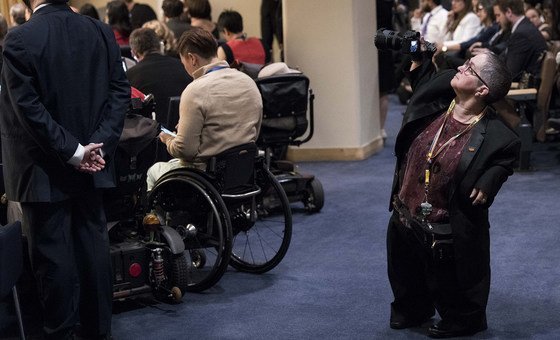
Global action needed as progress stalls on disability-inclusive development goals

“The message is stark: persons with disabilities face higher poverty, greater unemployment, deeper food and health insecurity and more limited access to education, jobs, and digital technologies,” said Amina Mohammed.

But action is underway.

The 18th Session of the Conference of States Parties to the Convention on the Rights of Persons with Disabilities (COSP18) will focus on enhancing public awareness of the rights and contributions of persons with disabilities for social development.

Progressive roots

Chair of the Committee on the Rights of Persons with Disabilities, Kim Mi-Yeon, underscored the importance of the Convention on the Rights of Persons with Disabilities, now 20 years old, even amid growing global challenges.

The CRPD is the most progressive human rights treaty of the 21st century…It marked a decisive shift – from medical and charity models to a rights-based approach – and affirms the duty to dismantle structural and gender-based discrimination,” said Mr. Kim.  

Even with the ongoing UN liquidity crisis, he highlighted the momentum across the world for bolstering rights, including the International Forum on Disability Employment in Korea.  

Gaining momentum

The social development agenda aims to continue building momentum for disability rights and social development ahead of two major upcoming events: the Second World Summit for Social Development in November and the Fourth International Conference on Financing for Development later this month, FFD4, taking place in the Spanish city of Sevilla.

This week’s agenda

From Tuesday to Thursday, the conference will feature speeches by UN and civil society leaders, a public debate on the rights and contributions of persons with disabilities and three roundtables.

The roundtables will explore financing for disability-inclusive development, harnessing artificial intelligence for inclusion and advancing the rights of Indigenous persons with disabilities

Government officials, civil society representatives, UN agencies, and experts will share strategies and best practices throughout the event. 

Source link

UN committed to supporting ‘free, fair and transparent election with the participation of all Iraqis’

“Iraq is a nation of profound history, strength, potential, and pride. By working together, Iraqis can continue to make meaningful strides towards stability, prosperity and human rights for all,” said Special Representative Mohamed Al Hassan, who also heads the UN Assistance Mission for Iraq (UNAMI).

He provided updates on political, human rights and other developments over the past six months, and the Mission’s ongoing support to the authorities as it prepares to leave at the end of the year.

UNAMI was established in 2003 and works to advance inclusive political dialogue as well as reconciliation at the national and community levels, among other mandated tasks.

Parliamentary elections ahead

At the outset, Mr. Hassan commended the Iraqi Government for providing humanitarian aid to people in Gaza, Lebanon, Yemen and Syria, and for supporting the new peace initiative between Türkiye and the Kurdistan Workers’ Party, a militant group known as KPP.

He said Iraq is well on the way to fresh parliamentary elections set for 11 November, and the Independent High Electoral Commission (IHEC) is making notable progress towards polling day, with UNAMI’s technical support.

Although voter registration should conclude in the coming days, and nearly three-quarters of all voters have completed biometric registration, challenges and logistical concerns remain.

Supporting the vote

“But IHEC is committed to doing its best towards a free, fair and transparent election with the participation of all Iraqis without fear and intimidation,” he said.

UNAMI will spare no effort in providing the most professional technical support towards this end, including efforts to promote the widest participation of women, youth and minorities.”

Mr. Al Hassan also reported on the aftermath of the successful parliamentary elections held in the Kurdistan region in northern Iraq last October. With formation of a regional government still outstanding, he called for a spirit of compromise to break the impasse.

Returnees from Syria

Turning to other matters, he said more than 800 Iraqis recently returned from the Al-Hol camp in northeastern Syria.  For years, thousands of people from Syria, Iraq and other countries have been held at the notorious complex for their alleged ties to Daesh extremists.

He said the development is an indication of the Iraqi Government’s commitment to accelerating returns of its citizens, with UN support.

It is nevertheless essential that adequate resources are invested in supporting a dignified reintegration of returning families, and in ensuring a fair judicial process for the detainees who are being repatriated,” he added.

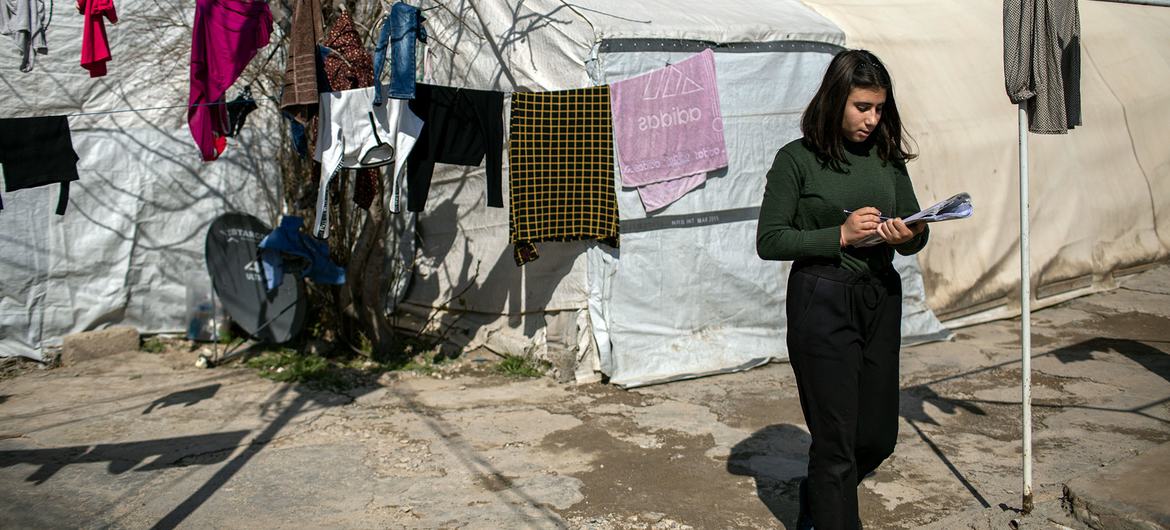
© UNICEF/Diego Ibarra Sánchez

A 14-year-old Yazidi girl prepares for an exam in the Shekhan camp for internally displaced persons.

Concern for Yazidi community

Meanwhile, the situation of people displaced within Iraq continues to demand urgent attention. They include members of the Yazidi minority community who are living in camps and informal settlements in harsh conditions.

More than a decade has passed since Dae’sh fighters attacked the Yazidi’s ancestral homeland around Sinjar, in northern Iraq, committing atrocities such as executions, forced conversions and abducting thousands of women and girls into sexual slavery.

Mr. Al Hassan said the Iraqi Government’s recent recognition of Yazidi land rights was “a significant milestone,” with over 1,300 ownership letters and nearly 100 title deeds distributed this year.  Yet he stressed the need for a national plan that provides durable solutions.

End the injustice

“The return process cannot just be physical relocation, it needs to be a meaningful process that rebuilds lives, livelihoods, and hope for the future,” he said.

Speaking in Arabic, he said the Yazidis “have been greatly harmed in a manner that cannot be described.” He called on all concerned in Iraq and neighbouring countries “to take all the necessary measures” to protect them.

“We think it is important to put an end to this injustice that has been imposed on the Yazidi Iraqi people, and to guarantee their return to their homes and to their areas in dignity and in pride.”

Uphold human rights

Moving on, he said that “commitment to human rights is at the heart of Iraq’s stability and development.”  He pointed to measures including progress towards a draft law on minority rights and the adoption of a national strategy to counter hate speech.

“Among the human rights files that must be dealt with urgently is that of those who have been disappeared and those who are in jail without any legal and just and transparent trials,” he said.

Planned withdrawal

Regarding UNAMI, he said that “the Mission continues to pursue a structured transition according to schedule and in close cooperation with the Government of Iraq Transition Team.”

Its offices in Mosul and Kirkuk have closed and staffing levels are being gradually reduced, with the goal of balancing the drawdown as mandated tasks continue.  This is taking place “in a context of serious financial constraints impacting the United Nations as a whole,” he added.

Before concluding his remarks, Mr. Al Hassan underlined his “complete trust and confidence in Iraq and Iraqis and the ability of this great country, which is among the founding members of the United Nations to regain its status among the nations.”

He said the UN “will spare no effort in our cooperation and our assistance because we believe in this country and its potential, and its capacities and the capabilities of its people.”  

Source link

Israeli attacks on Gaza schools could be crimes against humanity: UN probe

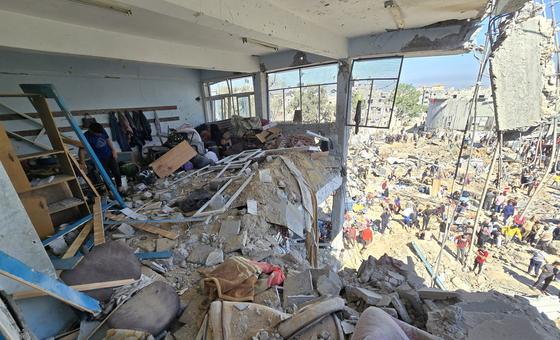
The UN Human Rights Council-mandated Independent International Commission of Inquiry (COI) report found that Israeli forces have used airstrikes, shelling, burning, and controlled demolitions to damage or destroy more than 90 per cent of schools and university buildings across Gaza.

This destruction in the wake of the 7 October 2023 Hamas-led terror attacks on Israel has made education impossible for over 658,000 children, many of whom have been out of school for nearly two years.

“We are seeing more and more indications that Israel is carrying out a concerted campaign to obliterate Palestinian life in Gaza,” said Navi Pillay, Chair of the Commission.

“Israel’s targeting of the educational, cultural and religious life of the Palestinian people will harm the present generations and generations to come, hindering their right to self-determination.”

Classroom-turned military base

The COI documented cases where Israeli forces seized and used educational institutions as military bases, including the conversion of part of Al-Azhar University’s Al-Mughraqa campus into a synagogue for troops.

The report also noted one instance where Hamas militants used a school for military purposes. Such conduct is a breach of international humanitarian law, which mandates the distinction between civilian objects and military targets.

Targeting of religious sites

More than half of Gaza’s religious and cultural sites have been damaged or destroyed, including places serving as refuges for civilians – killing hundreds, including women and children.

The Commission stated that Israeli forces knew or should have known the cultural significance of these sites and failed to prevent harm.

In the occupied West Bank, including East Jerusalem, Israeli authorities appropriated, developed and profited from cultural heritage sites representing Palestinian, Jewish and other cultures, while displaced Palestinian residents.

They have also blocked or severely restricted Palestinians from accessing the sites.

“Attacks on cultural and religious sites have deeply impacted intangible culture, such as religious and cultural practices, memories and history,” said Ms. Pillay.

“The targeting and destruction of heritage sites, the limiting of access to those sites in the West Bank and the erasure of their heterogenic history erode Palestinians’ historical ties to the land and weaken their collective identity.”

Recommendations

The Commission called on Israel to immediately cease attacks on cultural, religious, and educational institutions and to end the seizure and military use of such facilities. It urged Israel to end its occupation and settlement activities, especially near religious and cultural sites, and to comply fully with International Court of Justice (ICJ) orders.

Investigators also urged Palestinian authorities to protect and preserve cultural heritage sites, including those of diverse origins, calling on de facto authorities in Gaza to stop using civilian objects for military purposes.

Humanitarian crisis spiralling

UN agencies continue to warn of a worsening humanitarian crisis in Gaza.

The UN Children’s Fund (UNICEF) highlighted the case of a five-year-old malnourished child whose recovery depends on adequate food and sustained care.

Aid at scale must be allowed into Gaza for children’s health and survival,” the agency urged.

‘Another day of death traps’

Philippe Lazzarini, head of the UN agency assisting Palestine refugees, expressed deep concern over delays and obstacles in aid delivery, urging Israel to allow the UN safe and unhindered access to bring in supplies and distribute it safely.

“This is the only way to avert mass starvation including among one million children,” he said.

Mr. Lazzarini warned that casualties and injuries continue to be reported daily at US-backed distribution points managed by Israeli and private security forces – creating in effect, daily death traps.

He described the system as humiliating, forcing thousands of hungry and desperate people to walk tens of miles, while excluding the most vulnerable and those living too far from aid centres.

Source link

The battle to quiet the sea: Can the shipping industry turn down the volume?

As global trade surges, so does the underwater noise generated by commercial shipping. From the Arctic to the Great Barrier Reef, scientists have documented how this constant mechanical hum can disorient whales, disrupt migration routes, and drown out the acoustic cues that many marine species rely on to survive.

As the issue intensifies, the United Nations agency responsible for regulating international shipping is now focused on reducing underwater noise.

Arsenio Dominguez, Secretary-General of the International Maritime Organization (IMO).

Arsenio Dominguez, Secretary-General of the UN International Maritime Organization (IMO), has recognized underwater-radiated noise as a critical but emerging concern. “We know the negative impact that shipping has at the bottom of the ocean, even though we’re also the main users,” he told UN News in Nice during the third UN Ocean Conference (UNOC3), in Nice. “That’s why we’re taking this very seriously.”

New guidelines

More than 80 per cent of global goods are transported by sea. Propellers, hull vibrations, and engines generate low-frequency sounds that travel vast distances underwater. Unlike oil spills or visible trash, noise pollution leaves no trace – but its impact is no less acute.

To address the issue, the IMO has issued new guidelines for the reduction of ship noise and launched a comprehensive Underwater Radiated Noise (URN) Action Plan.

A three-year “experience building phase,” during which countries are invited to share lessons and help develop best practices about the new guidelines, is currently underway.

“We now have an action plan to develop mandatory mechanisms learning from this,” Mr. Dominguez.

These voluntary guidelines – first adopted in 2014 and updated in 2023 – offer a range of technical recommendations for shipbuilders and operators, including hull design, propeller optimization, and operational measures like speed reduction.

According to the IMO, these changes can significantly reduce noise, especially in “Particularly Sensitive Sea Areas” such as the Galápagos Islands, in Ecuador, and the Tubbataha Reefs, in the Philippines, where marine ecosystems and Indigenous communities are particularly vulnerable.

New technologies and pilot initiatives

Scientists have documented how the constant mechanical hum of ships can disorient whales, disrupt migration routes, and drown out the acoustic cues that many marine species rely on to survive.

The issue of shipborne noise pollution is also gaining traction at UNOC3, as part of its broader discussions on ocean health, marine biodiversity, and the regulation of industrial impacts on the sea. The UN maritime agency is using the gathering to raise the profile of its recently updated guidelines.

Mr. Dominguez pointed to the importance of new technologies in reducing underwater noise: “By enhancing the biofouling and the cleaning of the hulls of the vessels and introducing new technologies, including propellers, we can actually start reducing the negative effects of underwater radiated noise on board the ships.”

He added: “Another measure that is effective is speed optimization. By reducing the speeds of the ship, we also reduce underwater radiated noise.”

Together with the UN Development Programme (UNDP) and the Global Environment Facility (GEF), the IMO has launched an initiative called the GloNoise Partnership, which aims at reducing the acoustic footprint of shipping across in a few pilot countries, including Argentina, Chile, Costa Rica, India, South Africa, and Trinidad and Tobago.

The IMO is on board

“We need to do everything within our power to protect [the ocean],” Mr. Dominguez said. “It’s not just the food that we sometimes have on our plates, but it’s the goods that are transported by sea. And without them, I don’t think the civilizations would actually be able to continue.”

The stakes, he warned, go beyond biodiversity.

“This will have a positive impact in relation to the marine conservations in the ocean… Once we gather all this information, we will be able to enhance the quality of shipping when it comes to its efficiency and reduction of underwater radiating noise.”

As scientists continue to sound the alarm, Mr. Dominguez said the IMO must move faster: “The big message that I will have from everyone participating in [UNOC3] is let’s focus on tangible results. We’ve made the statements in the past. We have made commitments. It’s time to start acting on those commitments and see what has been done and what else needs to be done.”

“We are not against this,” he concluded. “We are on board.”