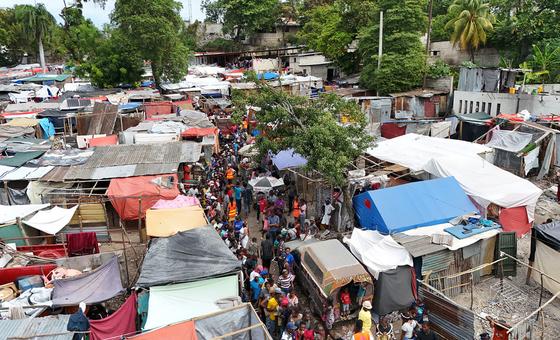
The cancellation of most US funding in January means many services to the most vulnerable people have been cut or put on hold.
Multiple political, security and socio-economic crises have led to 5.7 million people suffering from a lack of food and have forced 1.3 million people to flee their homes.
With a dramatic reduction in funding Haiti faces a crucial “turning point.”
UN News spoke to OCHA’s country director, Modibo Traore, about the current situation.
UN News: What is the current state of humanitarian funding in Haiti?
Humanitarian funding in Haiti is going through a critical phase, marked by a growing gap between the needs and available resources. As of 1 July, only around 8 per cent of the $908 million required had been mobilized.
This partial coverage only allows a fraction of the 3.6 million people targeted to be reached.

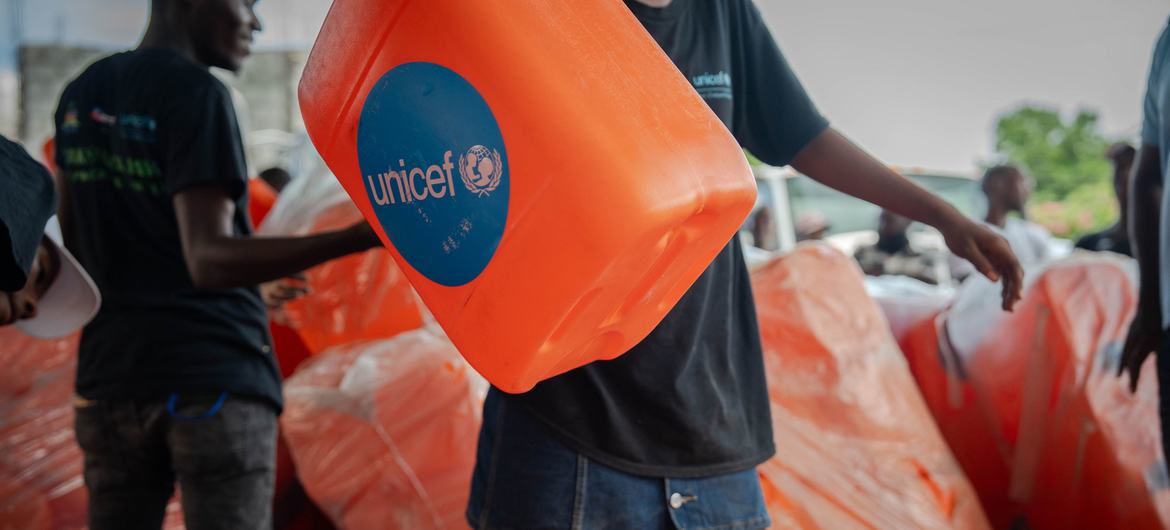
UN aid agencies continue to support Haitian people with humanitarian aid.
The sectors most affected are food security, access to drinking water, primary healthcare, education and protection.
This contraction in international support is part of a global context of multiple competing crises – Ukraine, Gaza, Sudan – but also reflects a loss of political interest in the Haitian issue.
UN News: What conditions in Haiti have led to such significant funding needs?
The growing humanitarian needs observed in Haiti are the result of an accumulation of structural and cyclical factors. On the socioeconomic front, multidimensional poverty affects a large part of the population.
Haiti’s exposure to natural hazards is an aggravating factor.
The country has experienced several major hurricanes that struck the southern region less than a week after an earthquake that severely affected the area, not to mention repeated droughts that have had a major impact on agriculture and livestock farming.
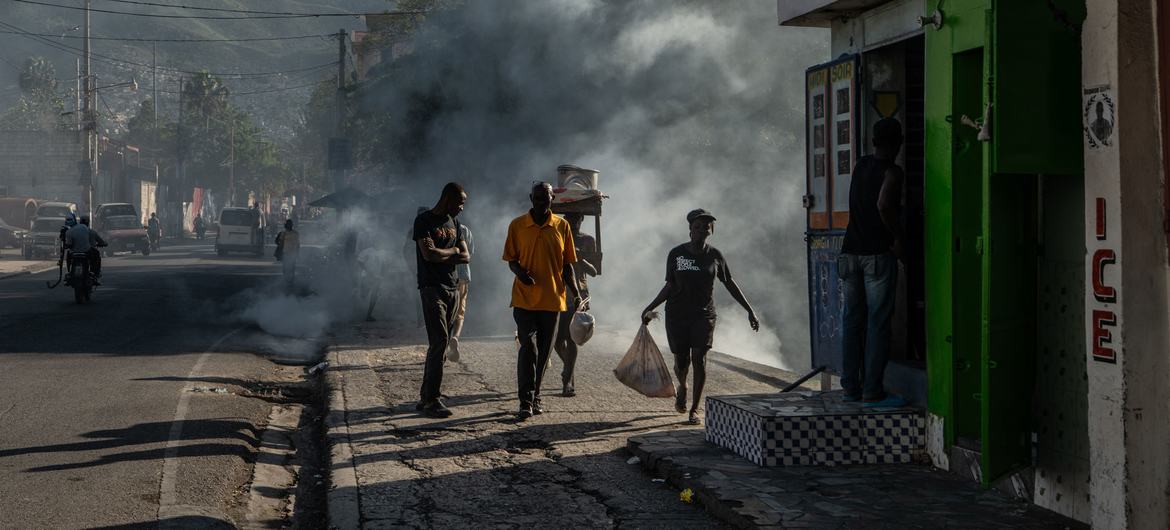
The downtown area of Port-au-Prince remains extremely dangerous due to gang activity.
Since 2019, a new dimension has emerged; chronic insecurity caused by the proliferation of armed groups, particularly in the capital, Port-au-Prince, and now in the Centre and Artibonite departments.
In 2024, the multidimensional crisis that has been shaking Haiti for years has become catastrophic.
The level of violence and insecurity remains high, with devastating consequences for the population, including massive displacement of people who were already in vulnerable situations.
UN News: How has the growing control of armed groups affected donor confidence?
The rise of armed groups in Haiti and their increasing control of strategic locations, particularly major roads and ports of entry to the capital, is a major obstacle to the safe and efficient delivery of humanitarian aid.
This dynamic has an impact on the risk perception of international donors, who now assess Haiti as a high-threat environment for intervention. Access to beneficiaries has become irregular in many areas.
The deterioration of the security situation represents a major challenge for mobilizing and maintaining financial commitments.
Donors have expressed concerns about operational risks, particularly regarding securing supply chains, preventing exploitation and ensuring accountability.
The operational cost of aid has also increased.
UN News: What is the impact of the new approach taken by the US administration?
On 20 January, 2025, President Donald Trump signed Executive Order 14169, which imposed an immediate suspension of all new foreign funding by US federal agencies, including humanitarian programs run by USAID and multilateral partners.
In the case of Haiti, the effects were felt through the sudden halt of approximately 80 per cent of US-funded programmes. NGO partner staff were laid off, payments were suspended, and supply chains were disrupted.
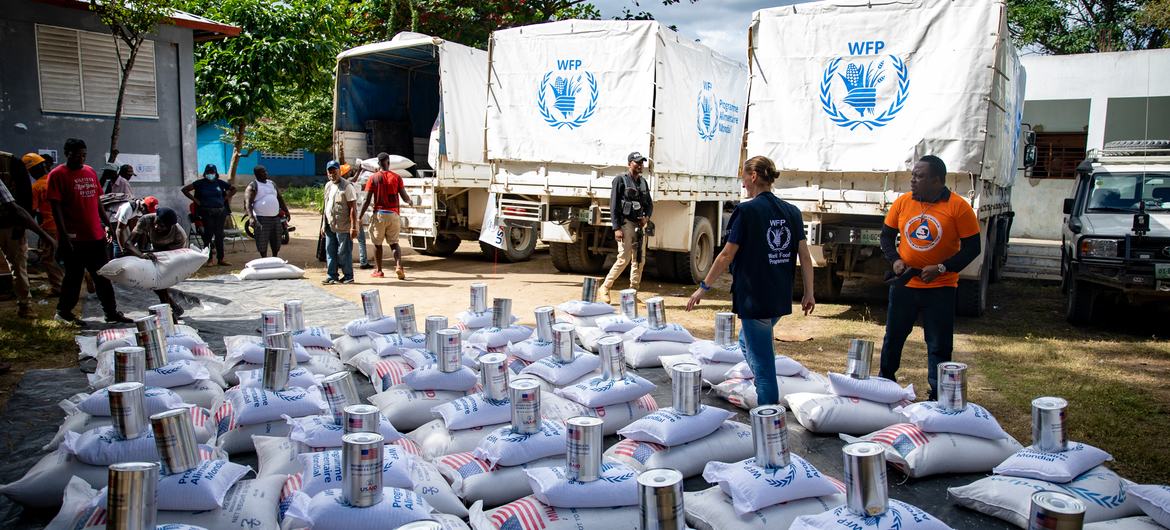
US food aid is prepared for delivery following floods in Haiti in 2022.
Beyond the structural effects, this suspension created profound uncertainty in the Haitian humanitarian system. This situation not only weakened the continuity of essential services but also affected trust between beneficiary communities and humanitarian actors.
UN News: To what extent is the current situation unprecedented?
The year 2025 marks a turning point in humanitarian aid in Haiti. This crisis is not the result of a single or isolated event, but rather a series of deteriorating situations in the context of gradually waning international attention.
The interruption of US programmes has acted as a catalyst for the crisis. USAID’s technical partners, many of whom managed community health programmes in vulnerable neighbourhoods, have ceased operations, depriving hundreds of thousands of people of vital services.
US-co-funded health centres have closed, leaving pregnant women and children without assistance.
The current crisis demonstrates the country’s growing isolation.
While previous crises had prompted rapid international solidarity, the humanitarian response to the situation in 2025 has been slow and partial.
UN News: What difficult decisions have had to be made regarding cutting aid?
The interruption of funding has forced humanitarian organizations to make ethically complex and often painful trade-offs.
In the area of protection, for example, safe spaces for women and girls have been drastically reduced.
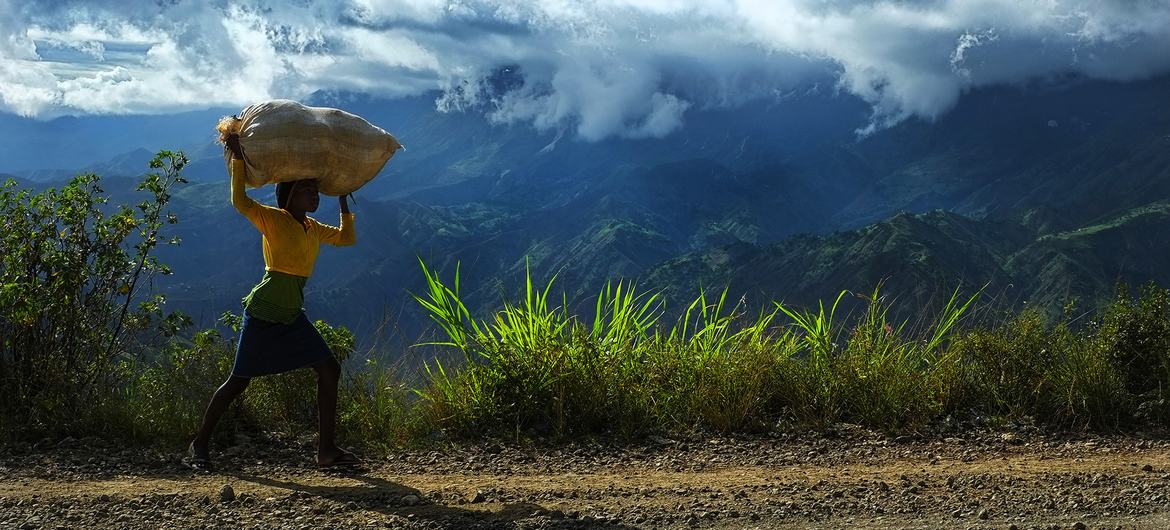
The long-term development of Haiti is at risk as funding decreases.
Cash transfer programmes, widely used in urban areas since 2021, have also been suspended. These programmes enabled vulnerable households to maintain a minimum level of food security. Their suspension has led to a resurgence of coping mechanisms such as child labour, less food and children being taken out of school.
Resilience-building activities have also been affected. Programmes combining food security, urban agriculture, and access to water—often co-financed by USAID and UN funds—have been frozen.
This compromises not only the immediate response but also the development of medium-term solutions.
UN News: How are Haitians being affected?
Children are among the hardest hit. UNICEF and its partners have treated more than 4,600 children suffering from severe acute malnutrition, representing only 3.6 per cent of the 129,000 children expected to need treatment this year.
The proportion of institutional maternal deaths has also increased from 250 to 350 per 100,000 live births between February 2022 and April 2025.
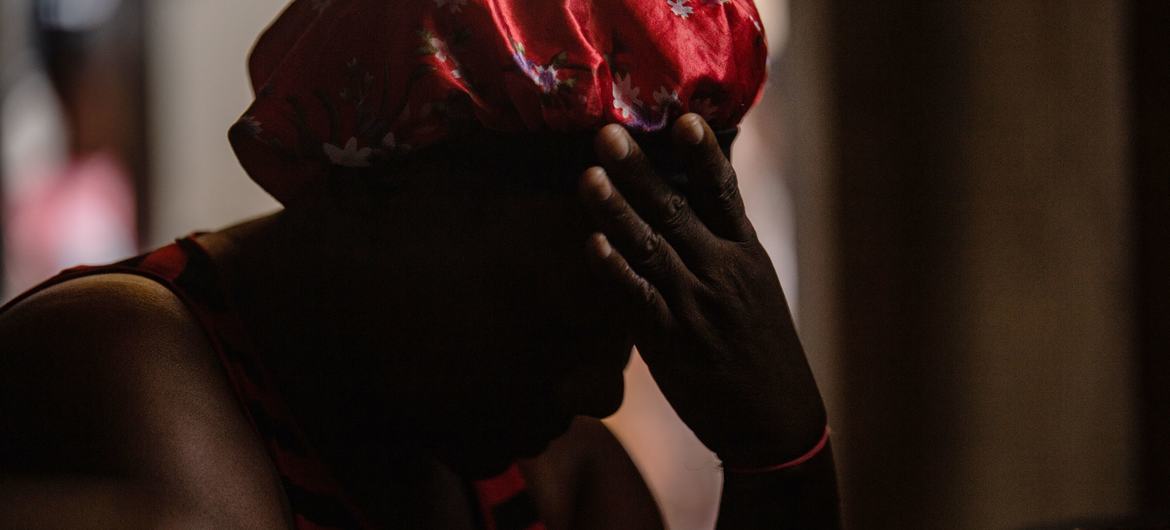
A survivor of rape rests at a site for internally displaced people in Port-au-Prince.
In terms of security, the effects are equally worrying. Gender-based sexual violence (GBV) has increased in neighbourhoods controlled by armed groups.
In short, the withdrawal of US funding has led to a multidimensional regression in the rights of women and girls in Haiti, with consequences that are likely to last for several years.
UN News: How have people in Haiti reacted?
Beneficiaries expressed a sense of despair at the sudden suspension of the services.
In working-class neighbourhoods of Port-au-Prince as well as in remote rural areas, the cessation of food distributions, community healthcare, and cash transfers was experienced as a breach of the moral contract between communities and humanitarian institutions.
Humanitarian partners communicate transparently about the reduction of support, so communities are, to some extent, aware of the financial constraints.