
UN warns of deepening health crisis in Gaza amid mass casualty incidents

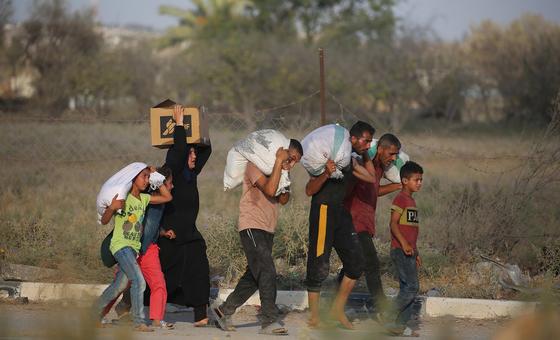
Across the Gaza Strip, as people desperately search for food, mass casualty incidents are reported almost daily, UN Spokesperson Stéphane Dujarric, told reporters at his regular briefing in New York.

Hospitals, already under immense strain, are struggling to cope and lack of essential supplies – including fuel and medicines – is placing even greater pressure on overstretched teams.

The war has also had a devastating impact on health workers. According to Gazan health authorities, more than 1,500 medical staff have been killed in Gaza since October 2023.

Medical supplies arrive – but much more is needed

The World Health Organization (WHO) reported that 11 trucks carrying medical aid, including surgical supplies, assistive devices, orthopaedic instruments and other essential medical items, had entered the Strip on Tuesday.

These supplies are set to be distributed to various health facilities across Gaza.

“The health needs remain immense. Much more medical supplies are needed. We urgently call for the unimpeded entry of fuel, food, and health aid at scale into Gaza through all possible routes,” Tedros Adhanom Ghebreyesus, WHO General-Director, said in a post on social media.

Mr. Dujarric echoed that message, calling for the opening of all crossings and corridors “to ensure the consistent, frequent and large-scale distribution of aid to people in need, wherever they are.”

Disease risk rising

Against the backdrop of access challenges, the spectre of deadly disease outbreaks is also rising.

In northern Gaza, 10 water wells have stopped functioning due to lack of fuel, and another 25 are operating only partially and could soon shut down.

“Shorter pumping hours, reduced water production and limited solid waste collection provide fertile ground for diseases to spread – especially among vulnerable people including children, older people and pregnant women,” Mr. Dujarric said.

No hygiene items have entered Gaza since early March 2025, he noted, added that the ongoing shortage of cleaning and sanitation supplies is severely affecting health and impeding an effective medical response.
Source link

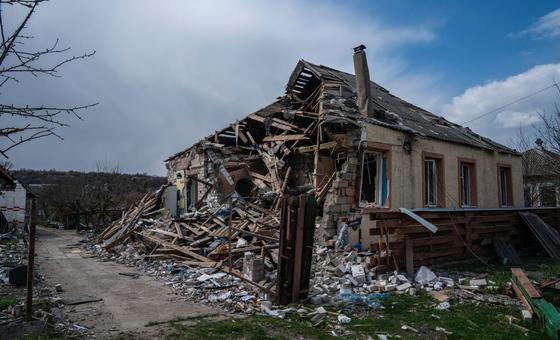
Ongoing Russian strikes continue alarming civilian casualty trend

The toll includes 1,389 casualties in April (221 killed, 1,168 injured) – the highest monthly total so far this year – followed by 1,019 in May (183 killed, 836 injured).

Casualties were reported across 17 out of 24 regions and the city of Kyiv, including areas far from the frontline.

The vast majority of attacks (97 per cent) led to civilian casualties occurred in areas under Ukrainian Government control.

“This year has been devastating for civilians across Ukraine, with significantly more deaths and injuries than during the same period in 2024,” said Danielle Bell, Head of the HRMMU – the monitoring mission set up by the UN rights office, OHCHR, at the invitation of the Ukrainian Government.

“The intensification of long-range attacks with missiles and loitering munitions and frequent attacks with short-range drones along the frontline are a deadly combination for civilians.”   

Weapons and impact

Long-range missile and drone attacks caused the largest proportion of civilian casualties – some 28 per cent of casualties during May.

On the other hand, short-range drones remained the leading cause in frontline areas.

Russian armed forces carried out at least five attacks on port infrastructure in the Odesa region on the Black Sea, resulting in civilian casualties and damage to facilities.

One such attack on 23 May killed three men and injured 12 more, including port workers, according to the report.

Continuing trends in June

The mission noted that long-range attacks have intensified this month. Since 6 June, Russian forces have launched over 1,500 long-range weapons, according to Ukrainian authorities.

The HRMMU is in the process of verifying reports that these attacks (or subsequent falling debris) have killed at least 19 civilians and injured 205 others nationwide in just a five-day span. If confirmed, June could match or surpass April and May in total casualties.

At this pace and scale, further loss of civilian life is not just possible – it is inevitable,” said Ms. Bell.

Source link