UN life-saving aid allowed to trickle into Gaza as needs mount

He stressed that the assistance must be delivered swiftly and directly to those most in need.

He told journalists in New York that UN humanitarians were sending flour, medicines, nutrition supplies and other basic items through the Palestinian side of the Kerem Shalom crossing – a day after they managed to bring in baby formula and other nutrition supplies.  

The first trucks of vital baby food are now inside Gaza after 11 weeks of total blockade, and it is urgent that we get that assistance distributed. We need much, much more to cross,” he said, speaking from New York.

Complex aid operation

 In the face of mounting international objections over the total blockade imposed on 2 March – and  condemnation over the risk of widespread famine – Israel started to allow a handful of aid trucks to enter Gaza on Monday, while simultaneously intensifying its military offensive. 

The aid blockade has pushed the entire population, more than two million people, to the brink of famine, amid ongoing bombardment and recurrent displacement orders.

The UN humanitarian affairs office OCHA said Israel cleared nine aid trucks to cross the Kerem Shalom border on Monday, but only five were allowed in.

Mr. Dujarric said Israel requires supplies to be offloaded on the Palestinian side of Kerem Shalom. Items are then reloaded separately once the authorities secure humanitarian teams’ access from inside Gaza.

Only then are we able to bring any supplies closer to where people in need are sheltering,” he said.

On Tuesday, one of the UN teams waited for several hours before being given the green light.

“So, just to make it clear, while more supplies have come into the Gaza Strip, we have not been able to secure the arrival of those supplies into our warehouses and delivery points,” he said.

UN humanitarianshave received permissionfrom Israel for “around 100” more aid trucks to cross into the Strip, but they said the scale of relief efforts allowed remains entirely insufficient.

Ready and waiting

“Not enough. Five trucks, nowhere near. Not enough,” said Louise Wateridge, a spokesperson for the UN Palestine refugee agency UNRWA, in reference to Monday’s trickle of aid.  

She was speaking to journalists in Geneva from a warehouse full of ready-to-be-delivered supplies in Amman, Jordan, with enough food to feed 200,000 Palestinian civilians for an entire month. 

Everything around me is aid that is supposed to be in the Gaza Strip right now,” she explained, as warehouses and distribution centres lay empty in Gaza. 

Look at what the UN could do,” she continued. “We’ve done it: the ceasefire, the bombs stopped, the supplies went in. We reached every area of the Gaza Strip. We reached people who needed it most. We reached children. We reached the elderly. The supplies went everywhere.

Scarcity fuels looting

As aid is scarce, desperation is on the rise in Gaza, with “several predictable effects,” according to OCHA Spokesperson Jens Laerke.

 “One is that the insufficient supplies are at greater risk of being looted,” he told journalists in Geneva.

He said looted products end up being sold at exorbitant prices on the black market, and opening access for large quantities of aid would automatically ease the situation. 

A displaced family travels on a donkey-pulled cart carrying their belongings.

Deadly attacks and displacement

Meanwhile, hundreds have been killed in attacks in recent days, according to the Gaza health authorities. 

They also report that the Indonesian Hospital was attacked on Monday, damaging electrical generators and forcing the facility to suspend services. 

Fifty-five people were there as of that day, including patients and medical staff, with critical shortages of water and food.

Furthermore, an Israeli airstrike reportedly hit a school in An Nuseirat area on Monday, killing seven people and injuring others. Two UNRWA staff members were among those killed. Their deaths push the total number of agency personnel killed during the war to over 300.

In other developments: Israel issued another displacement order on Tuesday, affecting 26 neighbourhoods in northern Gaza. Overall, some 80 per cent of the Gaza Strip is now either subject to displacement orders or located in Israeli-militarized zones.

UN partners estimate that more than 41,000 people were displaced following the evacuation order on Tuesday. They further estimate that since 15 May, more than 57,000 people were displaced in southern Gaza and more than 81,000 were displaced in the north due to intensified hostilities and recurrent displacement orders.

Israeli military operations in Gaza were triggered after the Hamas-led attack of 7 October 2023. Militants killed some 1,200 people in Israel and took 250 hostages to Gaza. Fifty-eight hostages are still being held captive; 23 are believed to still be alive.  

‘Keep the lights on’ for women and girls caught up in crisis

The UN’s reproductive health agency, UNFPA, has been working to assess the impact of recent steep funding cuts, warning that from the Democratic Republic of Congo to Haiti, Sudan and beyond, a lack of funding for reproductive care or treatment to tackle gender-based violence, is causing untold suffering.

Millions of them are already experiencing the horrors of war, climate change and natural disasters.

Facing a dark future

As support becomes increasingly scarce, women and girls are being overlooked in their hour of greatest need, the agency argues in a new campaign to shed light on their plight – Don’t Let the Lights Go Out.

UNFPA’s humanitarian response p​lans were already under 30 per cent funded in 2024, before this year’s severe cuts began taking effect.

The funding situation on the ground is predicted to get worse, which means a shortage of midwives; a lack of medicines and equipment to handle childbirth complications; shuttered safe spaces; less healthcare overall and cuts to counselling or legal services for survivors of gender-based violence.

The United States has announced cuts of approximately $330 million to UNFPA worldwide, which according to the agency will significantly undermine efforts to prevent maternal deaths.

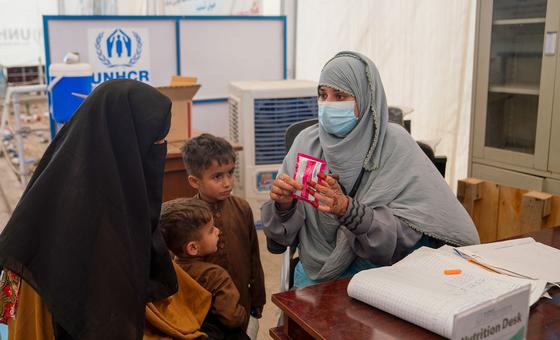
The agency recently warned on the devastating impacts that the massive cuts will have in Afghanistan, one of the world’s worst humanitarian crises.

Sounding the alarm

The need for health and protection services is highest in crisis zones: 70 per cent of women there are subjected to gender-based violence – double the rate in non-crisis settings.

Furthermore, around 60 per cent of preventable maternal deaths occur in crisis-hit countries.

Through the Don’t Let the Lights Go Out campaign, the UN aims to shine a light on the needs of women and girls in crisis, raise funds to support them, and to reaffirm that women’s health, safety and rights must remain non-negotiable priorities in any humanitarian response.

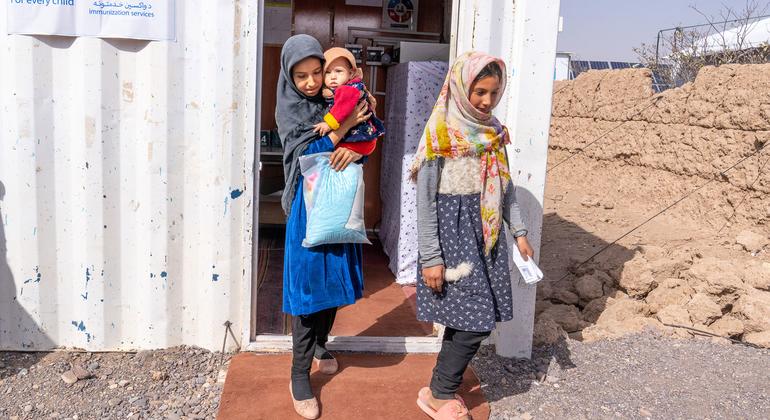
© UNICEF/Azizullah Karimi

Gaza’s most vulnerable

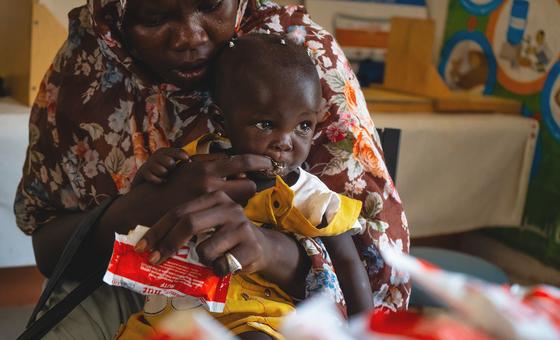
In Gaza, with food and essential medicines critically low, pregnant women, breastfeeding mothers and children in general are being severely impacted.

Reports show that one in every five people is now facing starvation. For an estimated 55,000 pregnant women, each missed meal increases the risk of miscarriages, stillbirths and undernourished newborns.

According to a doctor at Al-Awda Hospital who spoke to the UN agency, there’s been “a significant increase in cases of low birthweight babies, directly linked to maternal malnutrition and anaemia during pregnancy.”

Health system on its knees

Relentless attacks on hospitals, health facilities and medical staff have left the healthcare system in ruins.

Amid these dire conditions, almost 11,000 pregnant women are already reported to be at risk of famine, and nearly 17,000 pregnant and breastfeeding women will need urgent treatment for acute malnutrition over the coming months. For many, the fallout is devastating.

In 2025, UNFPA is seeking $99 million to address the ongoing and emerging needs in Palestine, but as of April, just $12.5 million has been received.

Source link

90 days to economic collapse: UN and experts sound alarm over security at sea

Addressing a high-level debate of the Security Council, António Guterres said that oceans and seas are “sending a clear SOS,” as maritime spaces face escalating pressure from both traditional threats and new dangers – including piracy, armed robbery, trafficking, terrorism, cyberattacks and territorial disputes.

“From time immemorial, maritime routes have bound the world together,” he said.

“But maritime spaces are increasingly under strain…and without maritime security, there can be no global security.

Spike in piracy, attacks

The Secretary-General pointed to a sharp spike in piracy and armed robbery at sea in early 2025, citing International Maritime Organization (IMO) figures showing a 47.5 per cent increase in reported incidents compared to the same period last year.

The rise was most pronounced in Asia, especially in the busy Straits of Malacca and Singapore.

He also highlighted continued attacks on shipping in the Red Sea and Gulf of Aden by Houthi forces, disruptions in the Black Sea, and growing criminal networks trafficking drugs and people across the Gulf of Guinea, the Mediterranean and the Atlantic.

The debate was a signature event of the Greek presidency of the Council. Prime Minister Kyriakos Mitsotakis held the gavel, and several ministers were in the chamber.

A 90-day countdown to collapse

Melina Travlos, President of the Union of Greek Shipowners, delivered a stark warning to Council members: if the global shipping system grinds to a halt, the world economy will collapse in just 90 days.

She described shipping as “the silent guardian of global welfare,” noting that 90 per cent of international trade and more than 12 billion tonnes of goods depend on maritime transport each year.

Shipping unites the world, not occasionally, but consistently,” she said, calling for greater protection of seafarers and maritime infrastructure amid increasing and more complex threats.

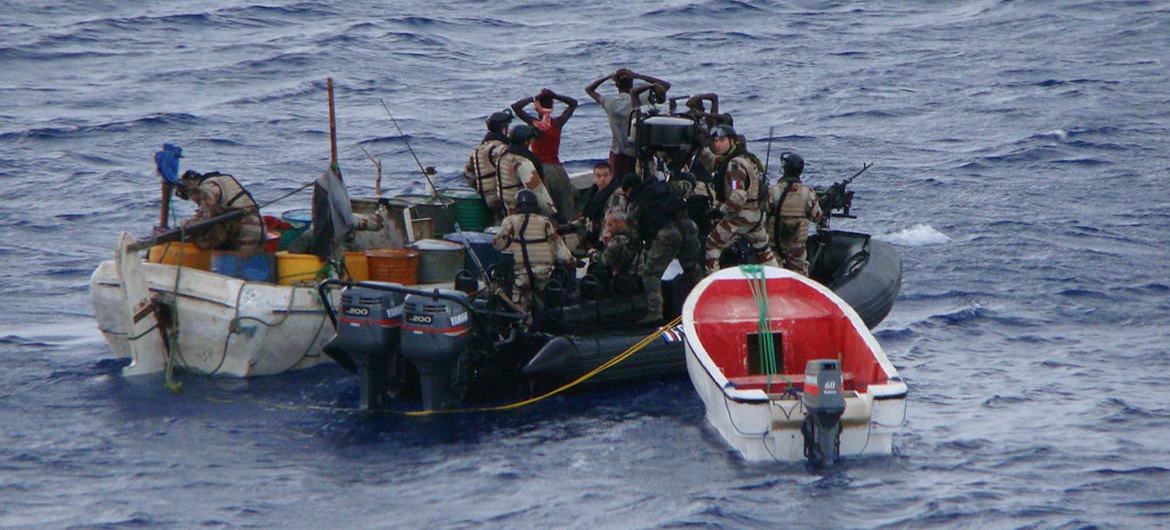
Security forces board a boat suspected of piracy in the Gulf of Guinea. (file)

One ship, six days, billions lost

Christian Bueger, a professor of international relations at the University of Copenhagen, reminded ambassadors that in 2021, a single ship – the Ever Given – blocked the Suez Canal for six days, costing the global economy billions.

Never before in history have we been as dependent on the sea as we are today,” he said, citing a 300 per cent rise in maritime trade since the 1990s.

Mr. Bueger urged Member States to adopt a more systematic, evidence-based approach to maritime security, urging a global response that is as interconnected as the threats it faces.

Uphold law of the sea

In his remarks, Secretary-General Guterres laid out a three-pronged strategy to strengthen maritime security – highlighting that decisive, coordinated global action is needed regardless of individual flashpoints or shipping disruptions.

These include upholding international law, tackling the root causes of maritime insecurity, and strengthening global partnerships.

He called on all nations to uphold international law, especially the UN Convention on the Law of the Sea (UNCLOS), the international treaty that sets the legal framework for all maritime activities and regulates the use of ocean and its resources.

This framework is only as strong as States’ commitment to full and effective implementation,” he said.

“All States must live up to their obligations.”

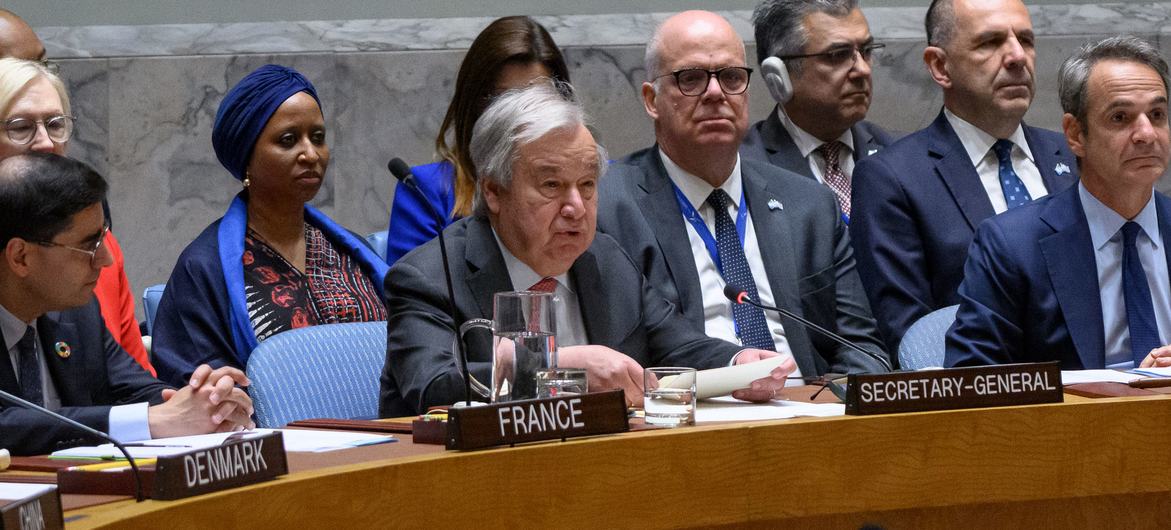
Secretary-General António Guterres (centre) addresses the UN Security Council meeting on strengthening maritime security through international cooperation for global stability under maintenance of international peace and security.

Prioritise investment

On root causes, he urged investment in coastal communities, judicial reform and building maritime capacity in developing countries — from surveillance to port security.

Alongside this, weak governance, rising poverty and lack of opportunities must be addressed.

The UN chief stressed that lasting solutions would require cooperation from governments, regional bodies, the private sector and civil society – including women and girls, who are disproportionately affected by maritime crime.

Collectively, we must do more to reduce the likelihood that desperate people will turn to crime and other activities that threaten maritime security and degrade our ocean environment,” he said.

“The United Nations system stands ready to support Member States to ensure peaceful, secure, and prosperous maritime spaces for generations to come.”

Source link

AI threatens one in four jobs – but transformation, not replacement, is the real risk

One in four jobs worldwide is potentially exposed to what’s known as generative artificial intelligence – or Generative AI – according to a new joint study from the UN labour agency (ILO) and Poland’s National Research Institute. The study finds that transforming job descriptions, not widespread job loss, is the more likely result.

Generative AI (GenAI) refers to systems that can create content such as text, images, code or data summaries in response to user prompts. As such tools become more widely used, they are expected to reshape the tasks employees perform each day.

The new ILO-NASK index draws from nearly 30,000 real-world job descriptions using worker surveys, expert reviews and AI models to identify occupations most susceptible to AI driven change.

Few jobs consist of tasks that are fully automatable with current AI technology,” the authors write. “Transformation of jobs is the most likely impact of GenAI.”

GAVI Alliance/Evelyn Hockstein

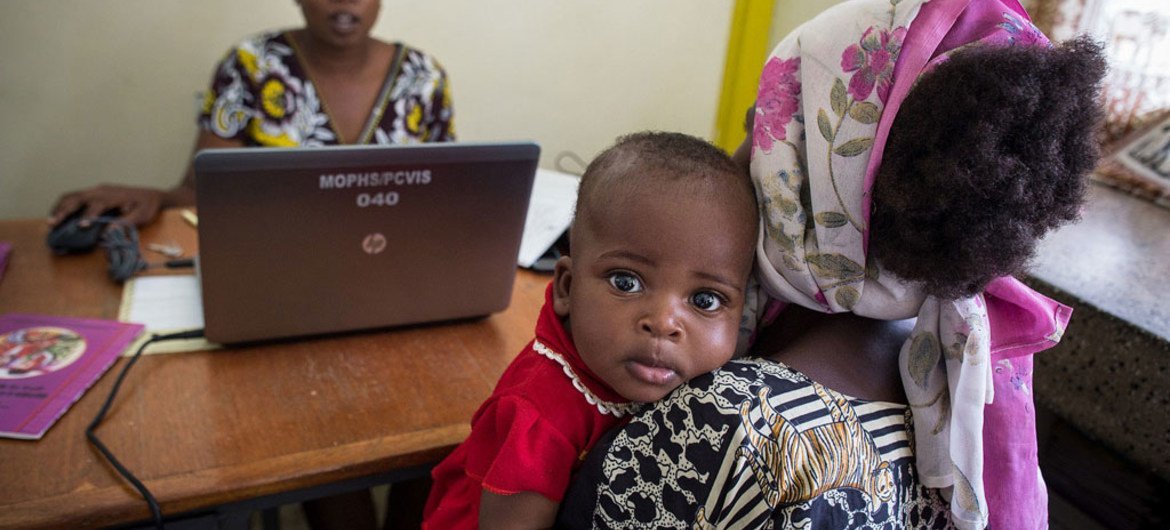
A baby has his general health recorded by a data clerk.

Women face disproportionate exposure

The study finds that in high-income countries, jobs considered at the highest risk of AI-driven task automation account for 9.6 per cent of female employment – nearly three times the share for men.

Worldwide, 4.7 per cent of women’s jobs fall into the highest-risk category, compared with 2.4 per cent for men.

This disparity is due largely to the overrepresentation of women in clerical and administrative roles, which are among the most exposed occupational groups.

These jobs often involve tasks such as data entry and document formatting and scheduling, functions that AI technologies can already perform efficiently.

While these roles are unlikely to disappear entirely, the report warns that partial automation could reduce job quality, leading to fewer responsibilities, stagnating wages and growing insecurity.

Without targeted training or role redesign, some workers – particularly women – may face limited opportunities to adapt.

A global, unequal picture

The report also identifies stark differences across regions. In high-income countries, 34 per cent of jobs are in occupations exposed to GenAI, compared to just 11 per cent in low-income countries.

Middle-income regions such as Latin America and parts of Asia fall somewhere in between.

Europe and Central Asia show the highest gender disparities, driven by high female employment in clerical roles and widespread digital adoption.

Regions such as sub-Saharan Africa, South Asia and the Arab States currently show lower overall exposure but could still experience significant disruption if AI technologies spread without safeguards.

The study cautions that lower exposure does not equal lower risk. In regions where digital access is limited or labour protections are weak, even small-scale automation could destabilise vulnerable sectors.

Turning insight into action

To ensure that the transition to generative AI supports rather than displaces workers, ILO urges governments, employers and workers’ organisations to act decisively.

Central to the recommended response is the need to strengthen access to digital skills and training, particularly for women and those working in clerical or administrative roles.

The agency also highlights the importance of integrating AI planning into broader labour market and education policies.

Preparing workforces for transformation will require not only technical training, but also supportive infrastructure, modernised curricula, and alignment between employers’ needs and national policies.

Inclusivity’s a must

At the heart of this transition, authors stress, must be inclusive social dialogue. Workers should have a say in how GenAI is introduced and used in the workplace, and their experiences must inform decisions about implementation.

Without this engagement, the risks of unequal outcomes, including widening gender gaps and declining job quality, will be much greater.

Finally, the report emphasises that regions with limited digital access must not be left behind. Expanding infrastructure and ensuring equitable access to technology are critical steps in enabling all countries to shape the future of work on their own terms.

Source link

Afghanistan’s returnees at a crossroads between collapse and recovery

Since September 2023, some three million Afghans have returned – many having been forcibly deported from neighbouring Pakistan and Iran. Often, they arrive exhausted, disoriented, and stripped of their belongings.

They return to a homeland that is dramatically unprepared to receive them,” warned Arafat Jamal, the UNHCR Representative in Afghanistan.

UN agencies have stepped in as stabilising forces, providing crucial support at a time of immense pressure. At border crossings for example, returnees receive cash grants to help them build shelters or launch small businesses.

Infrastructure boost

In communities absorbing large numbers of returnees, the UN has bolstered local infrastructure by constructing clinics, schools, housing, and livelihood projects.

These efforts, said Mr. Jamal, have functioned both as essential “shock absorbers” and as “engines for regeneration” in areas under strain.

“By nurturing such an ecosystem of hope, we have fuelled economic success,” he explained.

Yet as international funding declines, the scale of support is being drastically reduced. Cash assistance per family has plummeted from $2,000 to just $150 – barely enough to cover basic needs.

This can help someone to survive, but not to thrive,” Mr. Jamal said. “Whereas once we provided restorative assistance, we now hand out pure survival money.”

Big dividend through coordination

He stressed that a coordinated response could transform the return of Afghans into an opportunity for stability, economic growth, and regional harmony. However, he also issued a stark warning: “If we do not come together, the demographic shock of disorganised return may instead tip us towards chaos.”

The UN refugee agency reaffirmed its commitment to remain on the ground and continue saving lives “in war and peace”. But with greater support, Mr. Jamal emphasised, they could do far more.

“We can help to repair and rebuild the fabric of torn communities,” he concluded.

Source link

Organized crime groups increasingly embedded in gold supply chain

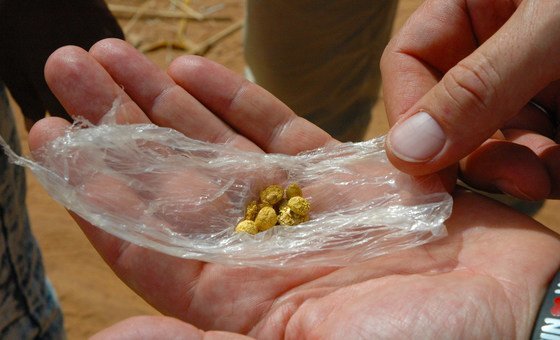
Criminal networks are increasingly seeking to gain control over extraction sites, trade routes, and refining infrastructure.

According to a new report from the UN Office on Drugs and Crime (UNODC), these groups have become deeply embedded in gold supply chains, drawn by the sector’s high profitability and rising gold prices.

‘Serious global threat’

Organized crime has become so involved in the gold supply that it now constitutes a “serious global threat”, with illegal networks constantly adapting in order to enable and hide their operations.

Exploiting advances in transportation, finance, and communications, many of these groups have a foothold in regular businesses, enabling them to both launder proceeds and move illegal gold with relative ease.

Apart from heightened violence, corruption and environmental degradation, crime gangs also expose vulnerable populations to exploitation, the UN highlights, increasing the risk of sexual exploitation, forced labour, and displacement.

Bypassing regulations

While legal mining operations are regulated to minimise environmental harm, illegal mining bypasses these safeguards entirely.

By clearing forests to access mineral deposits, illicit operations directly contribute to environmental destruction, degrading fragile ecosystems and accelerating biodiversity loss – particularly when such activities occur within protected areas.

One of the most severe environmental impacts of illegal gold mining is the use of hazardous or banned chemicals by criminal organisations.

Opportunities

Although the majority of gold mining sites are located in sub-Saharan Africa, Latin America, the Caribbean, and Southeast Asia, most gold refineries are concentrated in Europe, Asia, and North America. As a result, the precious metal often crosses multiple borders before it even reaches a refining centre.

This transnational movement creates opportunities for both criminal exploitation and law enforcement intervention.

Criminal groups frequently introduce illegally sourced gold into the supply chain by exploiting weak oversight, inconsistent documentation, and regulatory loopholes along trade routes.

However, the geographical concentration of refineries offers a strategic point for disruption, the UNODC report noted.

Focusing regulatory efforts on these key hubs could significantly reduce the flow of illicit gold into the global market, the report concluded.

Source link

Nations adopt historic pledge to guard against future pandemics

The effects of the devastating COVID-19 pandemic are still being felt. Around seven million people died, health systems were overwhelmed, and the global economy was practically driven to a standstill.

The global turmoil prompted a stunned international community to pursue an agreement aimed at preventing such a catastrophic event from happening again – and ensuring the world is far better prepared in the future.

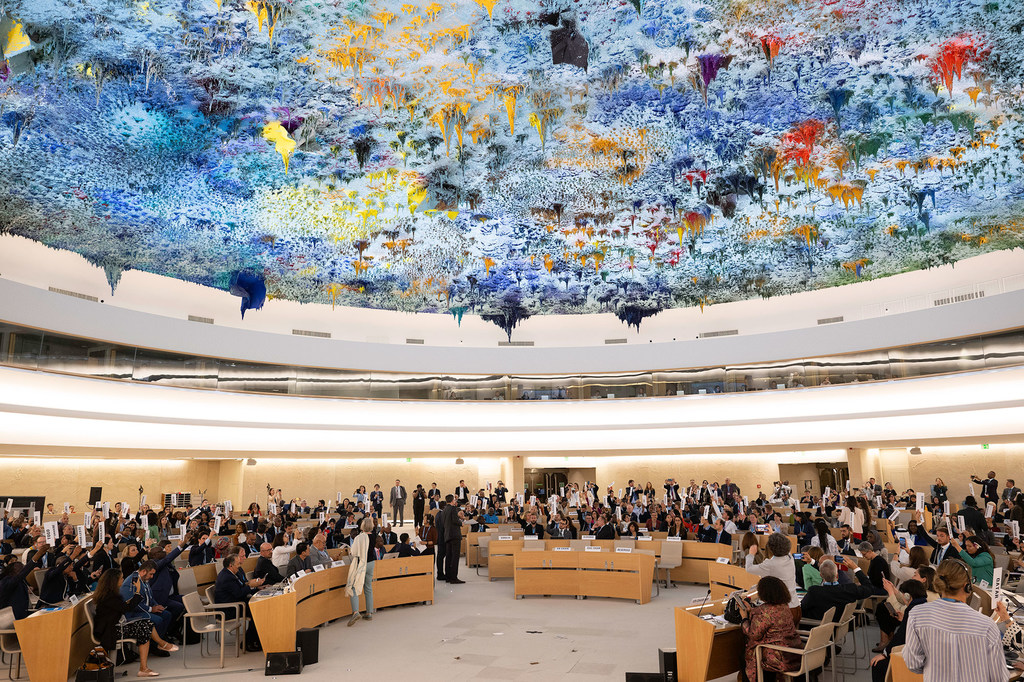
The landmark decision was made at the World Health Assembly, the annual meeting of the World Health Organization (WHO).

Although the formal adoption was on Tuesday, the WHO’s Member States overwhelmingly approved the agrement on Monday (124 votes in favour, 0 objections, 11 abstentions).

This meant that, rather than a nail-biting vote with last-minute surprises (ahead of the conference, Tedros Adhanom Ghebreyesus, WHO Director-General, only felt able to express “cautious optimism”), the adoption by consensus had a celebratory feel.

The agreement is a victory for public health, science and multilateral action,” declared Tedros. “It will ensure we, collectively, can better protect the world from future pandemic threats.

“It is also a recognition by the international community that our citizens, societies and economies must not be left vulnerable to again suffer losses like those endured during COVID-19.”  

WHO Member States approved the first-ever Pandemic Agreement on 19 May 2025

‘Once-in-a-lifetime opportunity’

The pandemic laid bare gross inequities between and within countries, when it came to diagnostics, treatments, and vaccines, and a core aim of the agreement is to plug gaps and treat any future pandemics in a fairer and more efficient way.

“Now that the Agreement has been brought to life, we must all act with the same urgency to implement its critical elements, including systems to ensure equitable access to life-saving pandemic-related health products,” announced Dr. Teodoro Herbosa, Secretary of the Philippines Department of Health, and President of this year’s World Health Assembly, who presided over the Agreement’s adoption.

“As COVID was a once-in-a-lifetime emergency, the WHO Pandemic Agreement offers a once-in-a-lifetime opportunity to build on lessons learned from that crisis and ensure people worldwide are better protected if a future pandemic emerges.”

The issue of national sovereignty has been raised several times during the process of negotiating the accord, a reflection of false online claims that WHO is somehow attempting to wrest control away from individual countries.

The accord is at pains to point out that this is not the case, stating that nothing contained within it gives WHO any authority to change or interfere with national laws, or force nations to take measures such as banning travellers, impose vaccinations or implement lockdowns.

WHO Member States approved the first-ever Pandemic Agreement on 19 May 2025


Next steps

The adoption has been hailed as a groundbreaking step, but this is just the beginning of the process.

The next step is putting the agreement into practice, by launching a launching a process to draft and negotiate a Pathogen Access and Benefit Sharing system (PABS) through an Intergovernmental Working Group.

The result of this process will be considered at next year’s World Health Assembly.

Once the Assembly adopts the PABS annex, the agreement will then be open for signature and consideration of ratification, including by national legislative bodies. After 60 ratifications, it will enter into force.

Other provisions include a new financial mechanism for pandemic prevention, preparedness and response, and the creation of a Global Supply Chain and Logistics Network to “enhance, facilitate, and work to remove barriers and ensure equitable, timely, rapid, safe, and affordable access to pandemic-related health products for countries in need during public health emergencies of international concern, including pandemic emergencies, and for prevention of such emergencies.”

Source link

Drone strikes on civilian infrastructure in Port Sudan must end: UN expert

“These ongoing attacks on critical infrastructure are putting lives at risk, worsening the humanitarian crisis, and violating basic human rights,” said Radhouane Nouicer, the designated expert on the human rights situation in Sudan, appointed by UN rights office OHCHR.

Targeted sites include the city’s main electricity substation and fuel and gas storage facilities, leading to widespread power cuts and restricted access to food, water and healthcare. Some strikes have hit densely populated areas, displacing residents.

“It is devastating to see the continued destruction of infrastructure and social services in Sudan,” Mr Nouicer added.

Once a lifeline, now a target

Since civil war erupted in April 2023, Port Sudan has served as a vital entry point for humanitarian aid. The conflict has killed over 18,000 people, displaced 13 million, and left 30.4 million in need of assistance.

That lifeline has come under threat. A drone strike on the Port Sudan airport forced the UN to temporarily suspend aid flights and the movement of humanitarian personnel.

Guterres calls for coordinated action

At the League of Arab States Summit in Iraq over the weekend, UN Secretary-General António Guterres called for renewed international engagement to end the violence in Sudan.

“Multilateral efforts are urgently needed to stop the appalling violence, famine and mass displacement,” he said.

The UN chief also met with the African Union and Arab League leadership to discuss ways to ensure unhindered humanitarian access and work towards a “durable, comprehensive ceasefire.”

Escalating attacks

Port Sudan is not alone. Similar strikes have been reported in North River Nile and White Nile states, where power stations have allegedly been targeted by the Rapid Support Forces (RSF) militia, which has been battling Government troops during a brutal civil war for control of Sudan.

Mr Nouicer called these attacks a “major escalation” with “alarming implications” for civilian protection.

He urged all parties to stop targeting civilian sites, in line with international law.

“Civilian infrastructure is protected under international law and must never be a target,” he said.

Source link

World News in Brief: Terror-crime link alarm, child detention in Australia, judiciary in Maldives, Protection of Civilians Week

In recent years, criminal and terrorist groups have seized “every” opportunity afforded by growing instability to “entrench, expand, and escalate,” said Ghada Waly, in her opening remarks to the Commission on Crime Prevention and Criminal Justice, in Vienna.

Challenges such as human and drug trafficking, smuggling of cultural and commercial goods, and environmental crimes are on the agenda during the four-day conference which focuses on “evolving and emerging” forms of organised crime.

Emerging threats

The world faces a “fundamental challenge to security, prosperity, and the rule of law,” the Executive Director said, with the link between criminal and terrorist groups becoming a growing concern.

While new technology serves as an enabler for criminal networks, justice systems around the world are being “starved” of the resources and conditions they need to provide equal access to justice.

She said, with criminal threats evolving, it was “certainly not the time to scale back global investment in crime prevention and criminal justice, both politically and financially,” emphasising the importance of multilateral cooperation.

Australia justice system in spotlight over child offenders’ reform

To Australia, where top independent rights experts have expressed concern at proposed legal reforms that could increase penalties for children.

In most Australian states, criminal responsibility begins at 10, allowing youngsters to be incarcerated for a wide range of crimes, if convicted.

Already, disproportionately large numbers of Aboriginal and Torres Strait Islander children continue to be jailed in Australia, according to rights experts Jill Edwards and Albert Barume.

The Special Rapporteurs – who are appointed by and report to the Human Rights Council – have insisted that “many new or proposed” laws across the country are incompatible with rights of the child.

Queensland crackdown

These include the so-called “Adult crime, Adult time” legal reform in the state of Queensland.

If adopted later this week, it could result in children serving longer jail time for dozens of criminal offences.

“The first goal should always be keeping children out of prison,” the rights experts said. They emphasised the excessive impact of the Queensland bill on indigenous children and the risk of creating “a future under-class of Australians”.

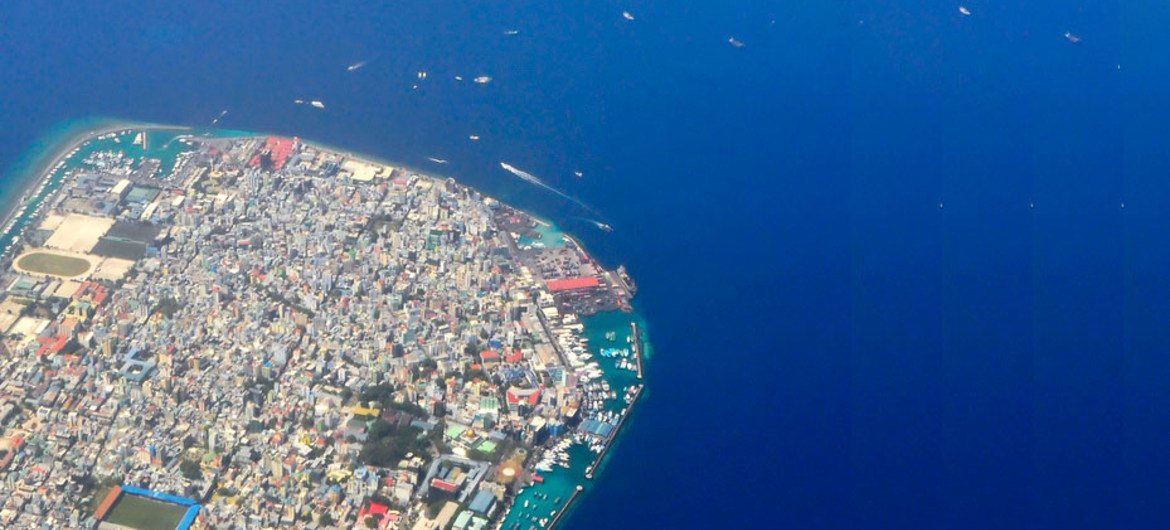
Aerial view of Malé, the capital of the Maldives.

Maldives’ dismissal of Supreme Court judges raises concern, UN rights office warns

The UN human rights office warned Monday that the dismissal by the Maldives authorities of two Supreme Court justices could jeopardise the independence of the judiciary.

The South Asian island nation launched probes into both judges in February 2025.

At the same time, the Maldives’ parliament adopted a bill to reduce the size of the Supreme Court bench from seven to five judges.

A third Supreme Court justice also resigned, while a fourth judge – the Chief Justice – has since retired.

The investigation against the judges raises questions about how it was conducted, the UN human rights office, OHCHR, said in a statement.

Judicial independence

“We remind the authorities of their commitment to maintain and protect an independent judiciary, in line with the Maldives’ Constitution and international human rights obligations,” said OHCHR spokesperson Jeremy Laurence.

“Checks and balances between the different branches of the State, including a strong and independent judiciary, play a vital role in ensuring fidelity to the rule of law by all branches of Government and the effective protection of human rights,” Mr. Laurence added.

Previously, independent rights expert Margaret Satterthwaite expressed concern about reports that lawyers for the Maldives Supreme Court justices who were under investigation “were not given the opportunity to speak at the disciplinary proceedings and that these were not public”.

Ms. Satterthwaite reports to the Human Rights Council on the independence of judges and lawyers; she is not a UN staff member.

Protection of Civilians week will work to address ‘culture of impunity’

Over 50,000 civilians have been killed in Gaza since October 2023. In Sudan, the figure is around 18,000 in the past two years – and in Ukraine, the total is 12,000, since Russia’s full-scale invasion.

During Protection of Civilians Week, from 19 to 23 May, these preventable deaths and displacements will be the focus as the United Nations, its Member States and civil society affiliates gather to discuss ways of preventing future armed conflicts.

The eighth annual PoC Week – which is coordinated by the Office for the Coordination of Humanitarian Affairs (OCHA), Switzerland, the Centre for Civilians in Conflict, and the International Committee of the Red Cross – will focus on the theme of “Tools to Further the Protection of Civilians.”

International guarantees, national violations

International humanitarian and human rights law establishes clear guidelines which protect civilians during armed conflicts.

However, OCHA noted that increasingly there is a “culture of impunity” surrounding the enforcement of these laws, with disregard for them spreading and the application of them increasingly politicised.

“Despite clear protections under international humanitarian and human rights law, civilians continue to suffer the brunt of conflict,” OCHA said, outlining the week ahead.

This is particularly concerning given that civilian deaths have been increasing. In the past decade, the world has experienced a surge in armed conflicts, disrupting what had previously been a 20-year decline.

Between 2022 and 2023, there was a 72 per cent increase in the number of civilian deaths according to UN estimates.

Throughout the week, individual member state missions are also hosting a variety of informal consultations. The calendar for the week is here.

Source link

UN relief chief welcomes limited Gaza aid resumption – but it’s a ‘drop in the ocean’

Tom Fletcher said in a statement on Monday that nine UN trucks were cleared to enter the southern Kerem Shalom crossing earlier in the day.

“But it is a drop in the ocean of what is urgently needed…We have been reassured that our work will be facilitated through existing, proven mechanisms. I am grateful for that reassurance, and Israel’s agreement to humanitarian notification measures that reduce the immense security threats of the operation.”

Alarm over Israeli bombardment: UN chief

The UN Secretary-General on Monday expressed his alarm over the intensifying air strikes and ground operations in Gaza “which have resulted in the killing of hundreds of Palestinian civilians in recent days, including many women and children, and, of course, large-scale evacuation orders.”

António Guterres reiterated his call for the rapid, safe, and unimpeded delivery of humanitarian assistance at scale directly to civilians, in order to avert famine, alleviate widespread suffering, and prevent further loss of life.

Briefing reporters on Monday, UN Spokesperson Stéphane Dujarric said Mr. Guterres “welcomes the ongoing efforts by the mediators to reach a deal in Gaza. He has repeatedly warned that the continued violence and the destruction will only compound civilian suffering and heighten the risk of a broader regional conflict.”

He added that the Secretary-General “firmly rejects any forced displacement of the Palestinian population.”

Minimise risk of aid theft

Relief chief Fletcher said in his statement that he was determined to ensure UN aid reaches those in greatest need and make sure that any risk of theft by Hamas or other militants battling Israeli forces in the Strip amid a new offensive, would be minimised.

He said the UN aid coordination office, OCHA, had realistic expectations: “Given ongoing bombardment and acute hunger levels, the risks of looting and insecurity are significant.”

UN aid workers are committed to doing their jobs, “even against these odds,” he said, thanking humanitarian colleagues for their courage and determination.

Practical plan

“The limited quantities of aid now being allowed into Gaza are of course no substitute for unimpeded access to civilians in such dire need,” Mr. Fletcher continued.

The UN has a clear, principled and practical plan to save lives at scale, as I set out last week.”

He called on Israeli authorities to:

  • Open at least two crossings into Gaza, in the north and south
  • Simplify and expedite procedures together with removing quotas limiting aid
  • Lift access impediments and cease military operations when and where aid is being delivered
  • Allow UN teams to cover the whole range of needs – food, water, hygiene, shelter, health, fuel and gas for cooking

Ready to respond

Mr. Fletcher said to reduce looting, there must be a regular flow of aid, and humanitarians must be permitted to use multiple routes.

“We are ready and determined to scale up our life-saving operation Gaza and respond to the needs of people, wherever they are,” he stressed – calling again for the protection of civilians, a resumption of the ceasefire and the immediate and unconditional release of all hostages.

He concluded saying the operation would be tough – “but the humanitarian community will take any opening we have.”

Source link

UN faces deepening financial crisis, urges members to pay up

With a growing shortfall in contributions – $2.4 billion in unpaid regular budget dues and $2.7 billion in peacekeeping – the UN has been forced to cut spending, freeze hiring, and scale back some services.

Officials warned that this risks eroding the UN’s credibility and its capacity to fulfil mandates entrusted to it by Member States.

Switzerland, speaking also on behalf of Liechtenstein, said the issue goes beyond accounting. “Each delay in payment, each hiring freeze, each cancelled service chips away at trust in our ability to deliver,” the delegate said.

Retain unspent funds as ‘protective buffer’

One proposed solution is to allow the UN to temporarily keep unspent funds at year’s end, instead of returning them to Member States as credits. Currently, this return is mandatory – even if the funds arrive late in the year, giving the UN little time to spend them.

The suggested change would act as a buffer to keep operations running, particularly in January when payments tend to lag.

Delegates also backed limited use of “special commitments” — emergency funding tools — early in the year to bridge gaps caused by delayed contributions.

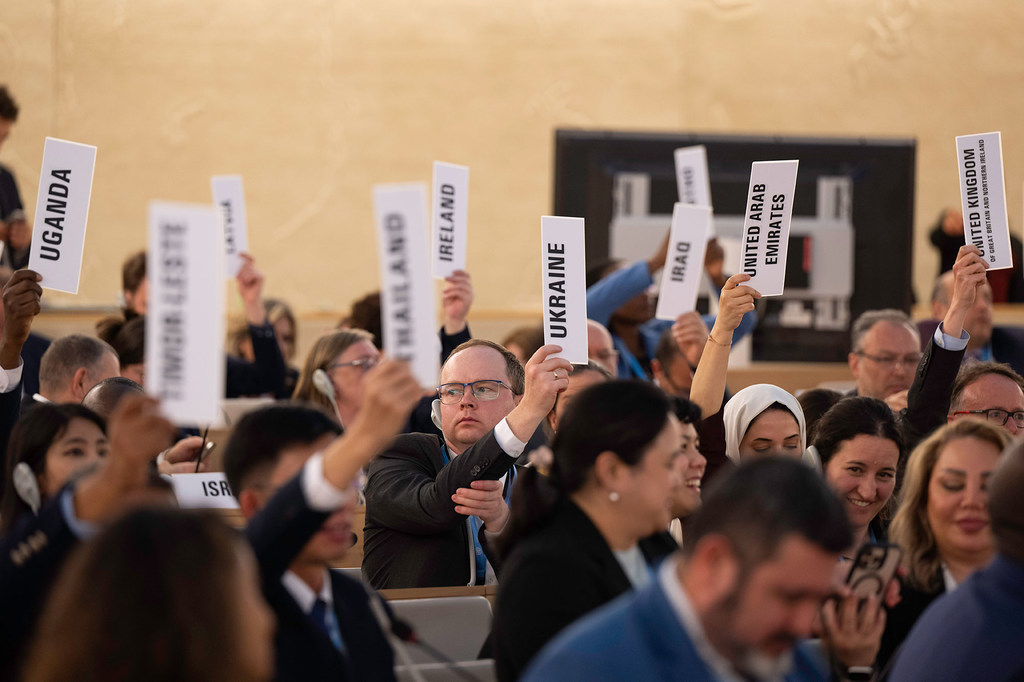
While these fixes may help, several speakers, including those from Kazakhstan, Norway, and the United Kingdom, emphasized that the root cause is the continued late or non-payment of dues.

Norway noted such temporary measures won’t solve the underlying problem and urged Member States to support bold financial reforms.

‘Real operational risks’

The European Union stressed that the crisis is not abstract. “These are real operational risks,” its delegate said, adding that the burden cannot fall solely on countries that pay on time.

Singapore, speaking for the Southeast Asian group of nations, ASEAN, echoed concern that the UN’s liquidity problems have become routine.

He cited the UN Economic and Social Commission for Asia and the Pacific’s (ESCAP) need to shut its offices for three months and suspend travel and hiring.

Particularly troubling to many was the fact that one country – unnamed in the meeting but widely known to be the United States – is responsible for over half of all unpaid dues, reportedly withholding funds for political reasons.

Russia called for more transparency in how the UN manages cash-saving measures, cautioning against actions taken without Member State input.

Paying dues

Catherine Pollard, the UN’s top management official, noted that since 9 May, a handful of countries have paid in full across several budget categories, while the number of nations who have paid in full for the regular budget stands at 106 for the year.

Still, with only 61 countries having met all their obligations in full, the message from Member States was clear: without broad, timely financial support, the UN’s ability to serve the world – especially in times of crisis – is at serious risk.

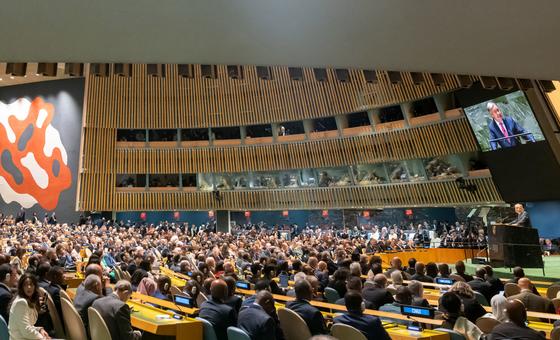
For full coverage of all meetings at the General Assembly, Security Council and elsewhere at UN Headquarters please visit our Meetings Coverage Section here. You can find the full report on this meeting, here.  

Source link

Home-bound Syrians find few of the basics needed to survive

Hopes rose last week in Damascus when fuel prices dropped instantly following Donald Trump’s move to end punitive sanctions.

But after more than 13 years of civil war that ended with the fall of the Assad regime last December, ordinary Syrians face an exhausting list of other problems.

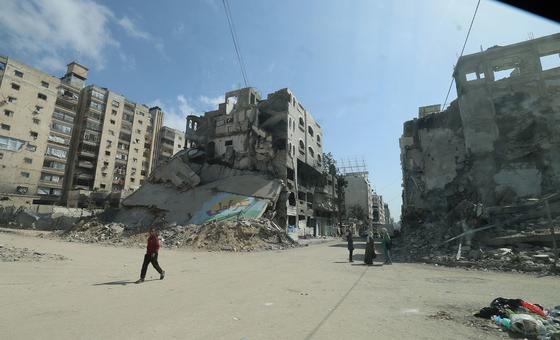
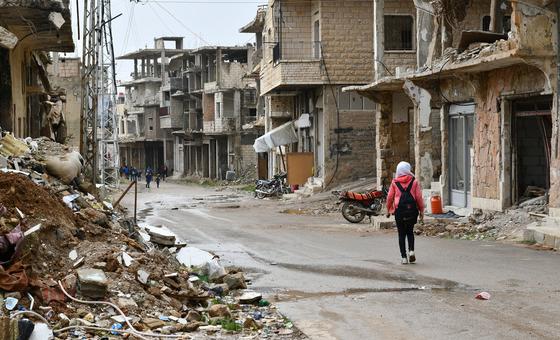
These include an absence of housing – caused by bomb damage on a scale with Gaza – unreliable access to electricity, clean water, healthcare and work.

Refugee agency call

Since last December, half a million Syrians have returned home, many for the first time since the war began, according to the UN refugee agency, UNHCR.  

“We must ensure that people who return can stay and thrive: that is also why the lifting of sanctions is crucial, as reconstruction is urgently needed,” said High Commissioner Filippo Grandi, in an online message.

Today, transitional authorities govern Syria under President Ahmad al-Sharaa.  

‘Destroyed at all levels’

But the once-prosperous country remains scarred – “the infrastructure in Syria is almost completely destroyed at all levels,” said Hail Khalaf, Officer-in-Charge for Syria at the UN International Organization for Migration (IOM).

Mr. Khalaf, who spoke to UN News from the capital Damascus where electricity only comes on for four hours a day, confirmed that the protracted war had impacted Syrian society in its entirety – not least education.

“The impact of the removal of US sanctions on Syria was observed very quickly on the daily lives of Syrians,” he said. “There was an instant drop in fuel prices in Syria the moment the removal of sanctions was announced.”

“We hope that the American government will expedite the removal of the Caesar Act,” he stressed, referring to the sanctions package against the former Syrian Government signed into law by the first Trump administration in 2019.

Dilapidated economy 

Those returning to Syria and looking for a job in the agricultural sector in particular are confronted with an industry in shambles, IOM said in a report.

Farmers make up the great majority of those who were internally displaced by the fighting to camps. Most – 88 per cent – say they cannot work the soil again, as most farms are either operating at half-capacity or unable to function at all, according to IOM’s Displacement Tracking Matrix.

“The country is exhausted, and the economy is also exhausted,” explained Mr. Khalaf.

Today, more than 90 per cent of Syria’s population lives below the poverty line as of December 2024, according to UNHCR data.

The war uprooted around 7.4 million people inside Syria and at least six million are refugees, mainly in neighboring countries including Türkiye, Lebanon and Jordan, the UN agency noted.

Working at a loss

The national currency – the Syrian lira – has been exponentially devalued by the conflict.

Before the war, one US dollar was equivalent to 50 Syrian lira. Today it is worth about 9,000 Syrian lira – leaving livelihoods in disarray.  

“Most Syrians do not earn enough,” Mr. Khalaf explained. “In the public sector, most employees earn approximately $35 to $40 a month, which is not even enough for transportation between work and home.”

Missing paper trail

Gaps in civil documentation also complicate people’s ability to claim housing and land rights.

Damaged public infrastructure has also fuelled outbreaks of waterborne diseases, vaccine-preventable illnesses and malnutrition, aid teams have warned.

“Syrians are resilient and innovative, but they need significant help to rebuild their communities and their lives,” insisted IOM Director General Amy Pope.  

In a bid to help, UN agencies including IOM are working with the Syrian Government to “find a formula for action” and “sustainable solutions” for all returnees so that they can rebuild their lives again.

Source link

International Criminal Court: Deputies take over amid Prosecutor misconduct probe

In a statement on Monday, the prosecutors’ office confirmed that deputies Nazhat Shameem Khan and Mame Mandiaye Niang are taking the lead, ensuring continuity across all cases and operations.

The transition follows Prosecutor Khan’s announcement on 16 May that he would temporarily step aside while the UN Office of Internal Oversight Services (OIOS) conducts an external inquiry into the allegations.

The investigation into widely reported allegations of sexual misconduct is being conducted by the OIOS at the request of the ICC’s governing body. Mr. Khan has denied the allegations.

Although the ICC’s Independent Oversight Mechanism typically handles such matters, the OIOS was brought in given the circumstances of the allegations and perceptions of possible and future conflicts of interest.

Duty of care

The prosecutors’ office said it would fully cooperate with the investigation, while underscoring the need to protect the privacy and rights of everyone involved – emphasising the importance of safeguarding the integrity of the OIOS investigation.

The Office is acutely aware of the duty of care it owes to all staff members and personnel, especially affected individuals,” the statement underscored.

Impartial and fair process

The Presidency of the Assembly of States Parties to the ICC – which elects the 18 judges – said on Sunday that the OIOS investigation was being carried out to ensure a full independent, impartial and fair process.

“The findings of the investigation will be handled in a transparent manner in accordance with the Rome Statute and the legal framework of the Court,” it noted.

Upholding ICC’s mandate

In assuming leadership, the Deputy Prosecutors underlined the importance of ensuring continuity of the office’s activities across all areas of work, and particularly in its mission to investigate and prosecute the most serious crimes – genocide, war crimes, crimes against humanity and the crime of aggression – with independence and impartiality.

Court in the spotlight

The Prosecutor’s leave of absence comes at a sensitive moment for the ICC, which is conducting investigations and prosecutions across multiple conflict zones, including Afghanistan, the Democratic Republic of the Congo, Libya, Sudan (Darfur) and Ukraine.

Last November, the ICC issued arrest warrants for senior Israeli officials, prompting the United States to announce punitive sanctions against the Court.

These include measures against senior personnel – including Prosecutor Khan – with threats of arrest should they travel to the US.

Relationship with the United Nations

The International Criminal Court (ICC) is an independent judicial body established under the Rome Statute, adopted in 1998 and in force since 2002. Although not part of the United Nations, the ICC works closely with it under a cooperative framework.

The UN Security Council can refer situations to the ICC, enabling the Court to investigate and prosecute most serious crimes. Notable referrals include the situations in Darfur, Sudan (2005) and Libya (2011).

In return, the ICC reports to the Security Council when needed involving referrals.

Source link

Gaza: Israel ‘approaches UN’ to resume limited aid deliveries, says aid agency

“We have been approached by Israeli authorities to resume limited aid delivery, and we are in discussions with them now on how this would take place given the conditions on the ground,” OCHA said in a statement.

It is now 11 weeks since the Israeli authorities closed off all food, fuel and medicines to Gaza.

The decision has been widely condemned by the international community – including the UN Secretary-General – who on Sunday insisted that Israel’s “siege and starvation” of Gazans “makes a mockery of international law”.

According to news reports the Israel Government has taken the decision to resume “basic” levels of aid delivery to ensure against starvation, on the recommendation of the Israeli Defense Forces and in support of a renewed Gaza offensive.

“The situation for Palestinians in Gaza is beyond description, beyond atrocious and beyond inhumane,” António Guterres wrote online. “The blockade against humanitarian aid must end immediately.”

The aid blockade has created life-threatening hunger across Gaza – something that humanitarians have pointed out did not exist before the war started on 7 October 2023, sparked by Hamas-led terror attacks on Israel.

Basic principles

“I emphasize that the United Nations will not participate in any operation that does not adhere to international law and humanitarian principles of humanity, impartiality, independence and neutrality,” Mr. Guterres insisted, before underlining his “full support” for UNRWA, the largest aid agency in Gaza.

In an update on Monday, UNRWA reported that more than nine in 10 homes in Gaza have been damaged or destroyed. On Sunday the agency’s Commissioner-General, Philippe Lazzarini announced that more than 300 staff have been killed in the Gaza war. “The vast majority of staff were killed by the Israeli army with their children and loved ones: whole families wiped out,” he noted.

“Several were killed in the line of duty while serving their communities. Those killed were mostly UN health workers and teachers, supporting their communities.”

Ahead of unconfirmed reports on Monday that 20 aid trucks were expected to enter Gaza on Monday, UN agencies OCHA and the World Health Organization (WHO) warned that hungry and sick Gazans continue to live in terror because of ongoing bombardment.

In a new call to lift the blockade, both agencies rejected allegations of aid diversion to Hamas and highlighted the humanitarian nature of the goods being denied entry into Gaza, everything from children’s shoes to eggs, pasta, baby formula and tents.

How much war can you wage with this? asked OCHA spokesperson Jens Laerke.

Briefing Member States in Geneva, WHO Director-General Tedros Adhanom Ghebreyesus warned on Monday that the risk of famine “is increasing” as aid continues to be withheld deliberately by Israel.

Health system destroyed

The enclave’s health system is “already on its knees”, he insisted.

“Two million people are starving, while 116 000 tonnes of food is blocked at the border just minutes away,” he told the World Health Assembly.

In response to a resurgence of polio in Gaza, WHO negotiated a humanitarian pause for a vaccination campaign that reached more than 560,000 children, Tedros continued.

“We stopped polio, but the people of Gaza continue to face multiple other threats,” he said. “People are dying from preventable diseases as medicines wait at the border, while attacks on hospitals deny people care, and deter them from seeking it.”

At the same time, the WHO chief called out “increasing hostilities, evacuation orders, [the] shrinking humanitarian space and the aid blockade [that] are driving an influx of casualties”.

Tedros’s comments come as UN aid teams who remain committed to helping all Gazans confirmed intensifying bombing across the devastated Strip. “It has increased, of course,” said one worker, who wished to remain anonymous. They added that in the last 72 hours around 63,000 people have been uprooted.

Source link

In Baghdad, Guterres affirms UN will never forget staff killed in Canal Hotel attack

António Guterres was speaking during a wreath-laying ceremony at a memorial in Baghdad to honour the victims of the 19 August 2003 Canal Hotel bombing – the worst terrorist attack in UN history.

Twenty-two people were killed, including the then UN Special Representative for Iraq, Sergio Vieira de Mello.  More than 100 others were injured, and several survivors attended the ceremony.

Families still mourning

Mr. Guterres told the audience that “22 years is a long time, but we will never forget the colleagues who were killed that day in the bombing at the Canal Hotel.”

These staff members “were sons, daughters, mothers, fathers and friends who are, to this day, mourned by those they knew and loved,” he said.

“We will always remember their leader, Sergio Vieira de Mello, who was also killed in the attack. We will stand with the survivors whose lives were changed forever,” he added.

“And we will remember the courageous colleagues and others who rushed to help on that terrible day, and in the days and weeks after — showing us the very best of the humanitarian spirit.”

A tribute and reminder

Mr. Guterres said the memorial stands as a tribute to their lives and their contributions to the people of Iraq.  It also serves as a reminder of how far the country has come since 2003.

He noted that the women and men of the United Nations have worked tirelessly together with the brave and resilient people of Iraq to support their quest for stability, development and peace.

He stressed that above all, the memorial is “a clear reminder of the vital work that our organization does around the world — and the dangers our people face in carrying out that work.”

Remembering humanitarians worldwide

Five years after the attack the UN General Assembly adopted a resolution designating 19 August as World Humanitarian Day.

This date “has been forever transformed from a day of unimaginable horror and tragedy here in Iraq into a global day of solemn remembrance for all humanitarians — inside and outside the organization,” Mr. Guterres said.

“Their bravery, dedication, and belief that a better future is possible will always inspire us. And like those whose lives were lost on 19 August 2003, their sacrifices and contributions to our world — and to our vital cause of peace — will never be forgotten.”

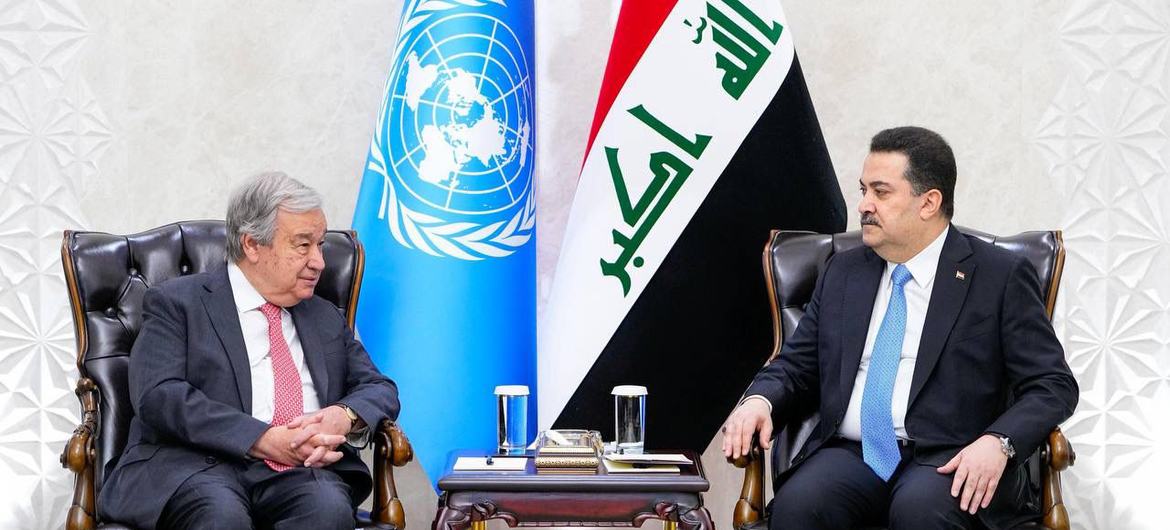
The UN Secretary-General meets with H.E. Mr. Mohammed Shia’ Al Sudani, Prime Minister of the Republic of Iraq.

Meeting with Iraqi Prime Minister

The Secretary-General was in Baghdad to attend the League of Arab States Summit. He also met with senior Iraqi officials, including Prime Minister Mohammed Shia Al-Sudani.

During talks on Sunday, they discussed developments in Iraq and the region, as well as the remaining period of the UN Assistance Mission for Iraq (UNAMI).

The Secretary-General reaffirmed that the UN remains fully committed to continuing to support the Government and people of Iraq following the mission’s departure.

UNAMI has been in the country since 2003 and is working to conclude its mandate by the end of the year.

Source link

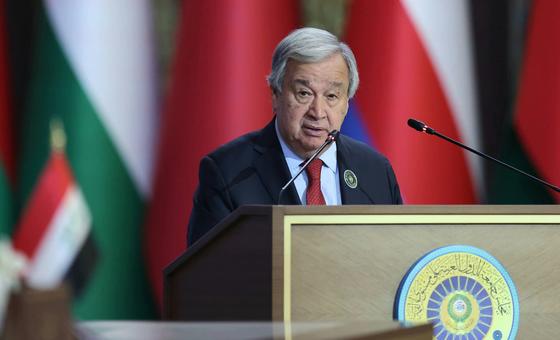
At Arab League Summit, Guterres reiterates call for Gaza ceasefire

António Guterres told leaders meeting in the Iraqi capital that “the region and the world face trials and tests on all fronts,” starting with the situation in Gaza.

He reiterated that neither the atrocious 7 October 2023 terror attacks by Hamas nor the collective punishment of the Palestinian people can be justified.

Permanent ceasefire now

“We need a permanent ceasefire, now. The unconditional release of all hostages, now. And the free flow of humanitarian aid ending the blockade, now,” he said.

The Secretary-General expressed alarm over reports that Israel plans to expand ground operations in Gaza and stressed that the UN “will not participate in any so-called aid operation that does not adhere to international law and the humanitarian principles of humanity, impartiality, independence and neutrality.”

He again called for full support for UN Palestine refugee agency UNRWA, including funding.  

Two-State solution at risk

The UN chief rejected the repeated displacement of the Gaza population, as well as any suggestion of forced displacement outside Gaza, and urged leaders to remain focused on the terrible situation in the occupied West Bank.

“Let’s be clear,” he said. “Annexation is illegal.  Settlements are illegal. Only a two-State solution can deliver sustainable peace.”

He said the high-level conference in June, co-chaired by France and Saudi Arabia, is an important opportunity.

“The world, the region – and, most of all, the people of Palestine and Israel – cannot afford to watch the two-State solution disappear before our eyes,” he said.

Respect Lebanese sovereignty

The Secretary-General addressed the situation in Lebanon.  He emphasized that the country’s sovereignty and territorial integrity must be respected, and the Government must have full control over the entire territory.

He was encouraged by continued progress on reforms as well as efforts to deploy the Lebanese Armed Forces to the south, with support from the UN Mission in the country, UNIFIL.

Mr. Guterres touched on Syria, saying sovereignty, independence, unity and territorial integrity are critical.  He urged strong support for an inclusive Syrian-led and Syrian-owned political process that safeguards the rights and participation of all the country’s people and ensures their protection.

Regarding Yemen, he noted that attacks by Houthi rebels in the Red Sea have caused significant damage to regional and local economies. He welcomed the cessation of hostilities between the Houthis and the United States, announced by Oman on 6 May.

The Secretary-General also called for the release of UN staff and other personnel in Yemen who have been arbitrarily arrested.

Engagement on Sudan

In Sudan, renewed and coordinated multilateral engagement is crucial to help stem appalling violence, famine, and mass displacement, he said, and thanked the Arab League and African Union (AU) for the excellent coordination meeting convened the previous day.  He also commended the Arab League’s efforts to strengthen multilateral coordination.

The Secretary-General turned next to Somalia, saying unity and inclusive dialogue are imperative. Furthermore, assistance from Somalia’s partners will be essential in the fight against Al-Shabaab militants and to strengthen peace and security.

For this reason, Mr. Guterres said he has put forward a recommendation to the UN Security Council to enable predictable and sustainable financing for the AU Support and Stabilization Mission in the country.

Meanwhile in Libya, the UN is also actively engaging in efforts to end the confrontation between armed groups, to preserve the independence of key oversight institutions, to address obstacles preventing national elections, and set the course for long-term stability and prosperity in line with the people’s needs and aspirations.

Lessons from Baghdad

The Secretary-General concluded his remarks by commending the progress Iraq has made over since the restoration of sovereignty in 2004, such as strengthening institutions, resolving outstanding disputes through dialogue, and promoting sustainable development as well as human rights.

He said the UN Assistance Mission in Iraq (UNAMI) has accompanied the country on this path and is working to ensure the successful delivery of its residual mandate and an orderly drawdown by the end of the year.

“Despite the enormous challenges, let us draw lessons and hope from here in Baghdad. Working in unity and solidarity, we can help resolve conflicts and build a future of peace and prosperity,” he said.

Gaza situation ‘beyond inhumane’

Speaking later to reporters, Mr. Guterres said the situation for Palestinians in Gaza “is beyond description, beyond atrocious and beyond inhumane.”

Since 2 March, Israel has banned the entry of cargo into the Strip, including aid and other life-saving supplies. UN agencies continue to warn that the entire population, 2.1 million people, is at risk of famine and one if five faces starvation.

“A policy of siege and starvation makes a mockery of international law,” he said, calling for the blockade to end immediately.

Source link

UN humanitarian chief demands resumption of aid in Gaza

No aid has entered the enclave since Israel implemented a ban on 2 March and the entire population, more than two million people, is at risk of famine.

“As we demonstrated during the ceasefire this year – and every time we’ve been granted access – the United Nations and our humanitarian partners have the expertise, resolve and moral clarity to deliver aid at the scale necessary to save lives across Gaza,” said Mr. Fletcher.

Ready to move

Those proposing an alternative modality for aid distribution should not waste time, he added, as a plan already exists.

The document is “rooted in the non-negotiable principles of humanity, impartiality, neutrality and independence.” Furthermore, it is backed by a coalition of donors, as well as most of the international community, and ready to be activated if humanitarians are allowed to do their jobs.

“We have the people. We have the distribution networks. We have the trust of the communities on the ground. And we have the aid itself – 160,000 pallets of it – ready to move. Now,” he said.

‘Let us work’

Mr. Fletcher reiterated that the humanitarian community has done this before and can do it again.

“We know how to get our aid supplies registered, scanned, inspected, loaded, offloaded, inspected again, loaded again, transported, stored, protected from looting, tracked, trucked, monitored and delivered – without diversion, without delay, and with dignity. We know how to reach civilians in desperate need and stave off famine.”

He concluded the statement by saying “Enough. We demand rapid, safe, and unimpeded aid delivery for civilians in need. Let us work.”

Civilians killed in drone strike in eastern Ukraine: UN rights monitors

At least nine people were killed and seven injured when a Russian drone struck a minibus near the town of Bilopillia in the Sumy region, according to local authorities.

HRMMU monitors are in the process of gathering additional information on the circumstances of the attack and its victims.

Preliminary reports suggest that the minibus was carrying civilian evacuees from an area close to the frontline, the majority of whom were women.

‘A stark reminder’

“With nine civilians reported killed, this would be the deadliest attack in weeks,” said Danielle Bell, Head of HRMMU.

“This is a stark reminder that civilians continue to be killed and injured on a daily basis across Ukraine.”

If confirmed, the strike would represent the deadliest attack since 24 April, when at least 11 civilians were killed and 81 injured in the capital, Kyiv.

HRMMU said that while the number of civilian casualties in May has been somewhat lower than in April, it continues to document daily civilian casualties, particularly along the frontline.

Source link

Pandemic heroes stepped up in 2020 – now they’re asking world leaders to do the same

A defining moment for global health is about to unfold in Geneva.

The World Health Assembly is meeting next week to negotiate the Pandemic Preparedness Treaty, a document born from the catastrophic failures and fragile victories of the COVID-19 pandemic.

The text of the treaty promises shared information, equitable access to vaccines and therapeutics, and stronger healthcare systems – all of which resonates deeply with the people who lived through the worst.

In 2020, at the height of the global pandemic, UN News spoke with many of the unsung heroes who faced impossible challenges with courage and resolve, including doctors, community workers, a journalist, a youth volunteer and an Indigenous leader.

They were exhausted, scared, hopeful and determined. Today, five years later, they carry scars and wisdom from that fight.

We went back to them – and their reflections remind us of what is at stake.

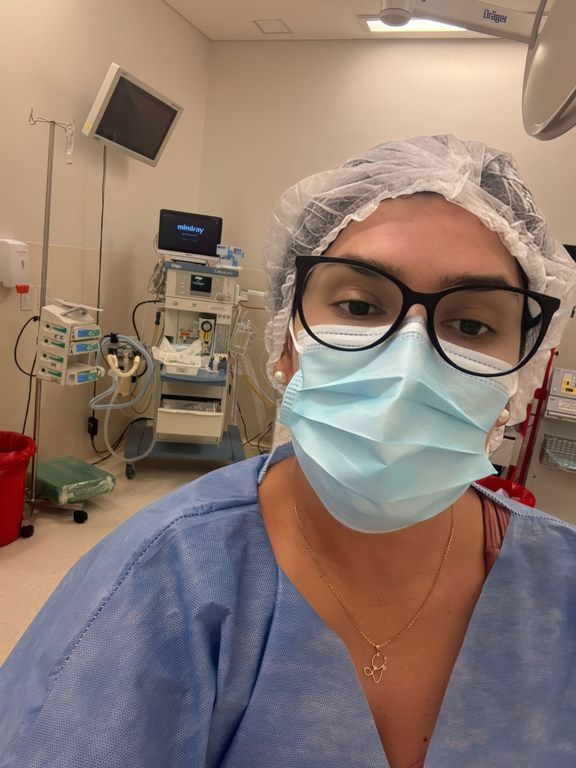
Margarita Castrillón, Paediatrician, Buenos Aires, Argentina

As a paediatrician on the frontlines, Dr Castrillon says future pandemic plans must start with empathy, solidarity, and real support for health workers.

“We were heroes without capes and without fair pay.”

In 2020, Dr Margarita Castrillón, a Colombian paediatrician living in Buenos Aires, found herself taking on far more than her usual clinic work.

As COVID-19 swept Argentina, she volunteered to also serve in emergency medical transport, riding in ambulances to transfer patients, many suspected of having the virus, to hospitals across the city.

After one of those long, exhausting shifts, she noticed a handwritten sign taped to the elevator in her apartment building.

It said “I’m Victoria from the 7th floor. If you need any groceries or help, ring my doorbell,” she recalls. “That gesture filled my soul after such a hard day at work. It marked me. I thought: the good people outnumber the bad. Empathy was winning.”

Dr Castrillón was working across multiple roles – clinic, ambulance, teaching at the university – all while raising her young daughter. “It was brutal. I look back and I want to cry. I’m not sure I’d be as brave if it happened again. Every day I left home terrified.”

The memory of Buenos Aires’ summer heat under full protective suits stays with her. “We were heroes without capes and without fair pay. We worked 24 hours, covering for sick colleagues, unable to eat or speak together.”

But the experience gave her one unexpected gift. “I taught my daughter to read, write and do maths at home. It made me a better mum. I valued family and true friendship more than ever.”

Her medical routine also changed permanently. “I now wear a mask with every patient. It protects both of us. And hand sanitiser stations in hospitals are permanent now.”

On the upcoming global pact, she is firm: “We need collaboration and love for people at the government level. We lived through hell. Some colleagues still suffer panic attacks. Recognition and fair pay are essential to keep health systems strong.”

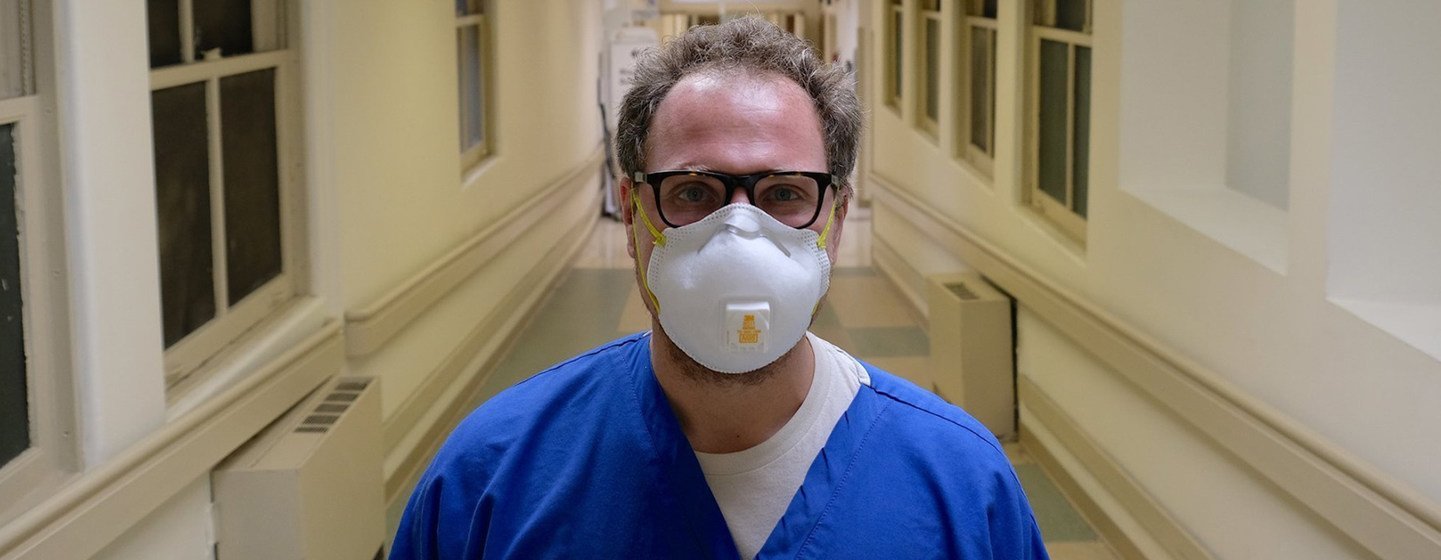
Evgeny Pinelis, Intensive Care doctor, Brooklyn, New York

In an overwhelmed New York ICU, Dr Pinelis worked beyond limits and now warns the world may still be unprepared for what comes next.

When we first spoke to Dr Evgeny Pinelis in the spring of 2020, he was deep in New York City’s overwhelming first COVID wave.

“Our first severe patient came on 7 March. By the end of the month, we had over forty ICU beds full,” he recalled. ICU nurses were pushed beyond safe limits, caring for up to five critical patients at a time.

“I do hope there won’t be a next time, because I’m not confident we’re truly ready.”

Protective equipment ran so scarce that he bought supplies with his own money, while volunteers scrambled to donate gear, some uncertified, but “better than nothing.”

Throughout the crisis, Dr Pinelis shared dispatches on social media, chronicling the chaos with honesty and caution. “I woke up one morning to thousands of new followers,” he said.

Five years later, his reflection is sobering. “I can only speak about this from the perspective of a regular intensive care doctor. And if I had to sum it up, I’d say I realised I’m ready, if necessary, to work far beyond the norm and do everything possible when faced with a poorly understood disease that we didn’t quite know how to treat.”

The public’s reaction, he says, was a mixed bag. “On the one hand, there were volunteers, support, and solidarity.

“But on the other, there were conspiracy theories, complaints about things as trivial as closed theatres, and at times even hostility toward medical professionals and scientists.”

In the earliest days of the pandemic, positivity seemed to win out. “But within a month or so, the negativity began to dominate,” he says. “We were lucky that the disease turned out not to be highly lethal.”

As for preparedness today, Dr Pinelis remains cautious: “Being less prepared than we were in New York is hard to imagine – so yes, we can and should be better prepared. But it seems the lessons learned weren’t quite the ones we hoped for. And I do hope there won’t be a next time, because I’m not confident we’re truly ready.”

Chen Jingyu, lung transplant surgeon, Wuxi, China

© Wuxi People’s Hospital

Dr Chen performed emergency lung transplants on critically ill COVID patients and now advocates for global cooperation and fair access to care.

In 2020, Dr Chen Jingyu, vice president of Wuxi People’s Hospital and one of China’s leading lung transplant surgeons, performed two of the world’s first lung transplants on critically ill COVID-19 patients.

His team worked under extraordinary conditions, moving their operating theatre into an infectious disease hospital and taking extreme precautions to avoid infection.

“We didn’t know if there was any virus in their airways during the process of cutting off the diseased lung. So, we did the surgery with very strict precautions,” Dr Chen said at the time. “We had a very scientific discussion about how we could save lives, protect our health care workers, and achieve zero infection.”

“The Pandemic Treaty is a turning point in global health.”

Today, Dr Chen says the Pandemic Treaty represents a critical milestone. “The Pandemic Treaty is a turning point in global health governance,” he says. “First, in terms of prevention and early response, the treaty will help build a global coordinated prevention system, strengthen pathogen monitoring and information sharing, and implement the One Global Village, One Health approach.”

“Second, the treaty provides legal guarantees for equitable access to medical resources, avoids national monopolies, and improves global standardisation of care capabilities to patients in severe conditions.”

Dr Chen believes the lessons of the pandemic must be used to build a fairer system. “Access to and training of high-end medical technologies will enhance the ability of developing countries to respond to severe diseases such as respiratory failure and reduce mortality,” he says.

“Only through international cooperation and scientific consensus can we truly have the courage and confidence to fight against pandemics.”

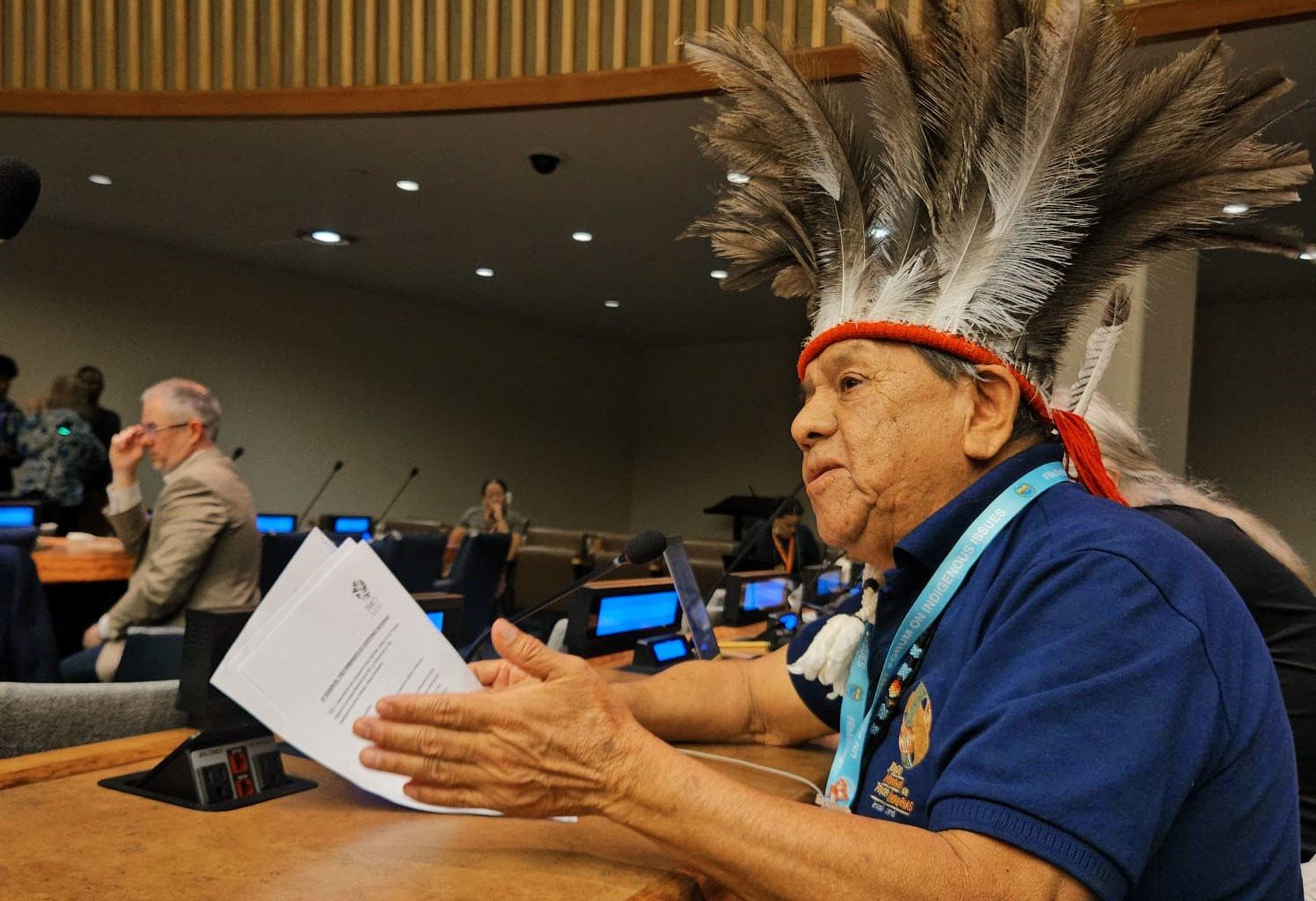
Marcos Terena, Indigenous leader, Brazil

Marcos Terena lost family to COVID and calls for a global pact rooted in dignity, life, and respect for the Earth.

The pandemic devastated Brazil’s Indigenous communities, including Terena’s own Xané people. “I still can remember that morning, in our Indigenous community, when we heard that a cousin of ours had passed away suddenly.

“He started coughing and ended up dying. That scared all of us in our community,” he recalls.

“About two hours after his death, we learned that his wife, who had gone to the hospital to retrieve his body, had also died, from the same symptoms. We started panicking and looking for help, as this was a disease that even our leaders did not know how to handle, how to cure. They did not know much about this disease which was brought to us by the wind.”

The loss became personal when his brother, the creator of the Indigenous Olympic Games, also died of COVID-19. “It brought us emotion, tears. He went to hospital and never came back.”

“The UN must make a pact for life”

Looking back, Mr Terena believes the World Health Organization played a crucial role. “When the WHO became the focal point and the mediator for the pandemic response, this gave the United Nations a very responsible role to play among governments across the globe,” he says.

Today, his message remains urgent and clear. “We are not talking about money or currencies. We are talking about well-being. We the Indigenous people fight for the Earth. The Earth is our Mother, and our source of life; it gives us our cosmovision, our food security and our dignity as peoples.”

As world leaders meet again, he leaves them with a final plea: “The UN should make a pact for life, a pact for dignity and a pact where life is crucial to all.”

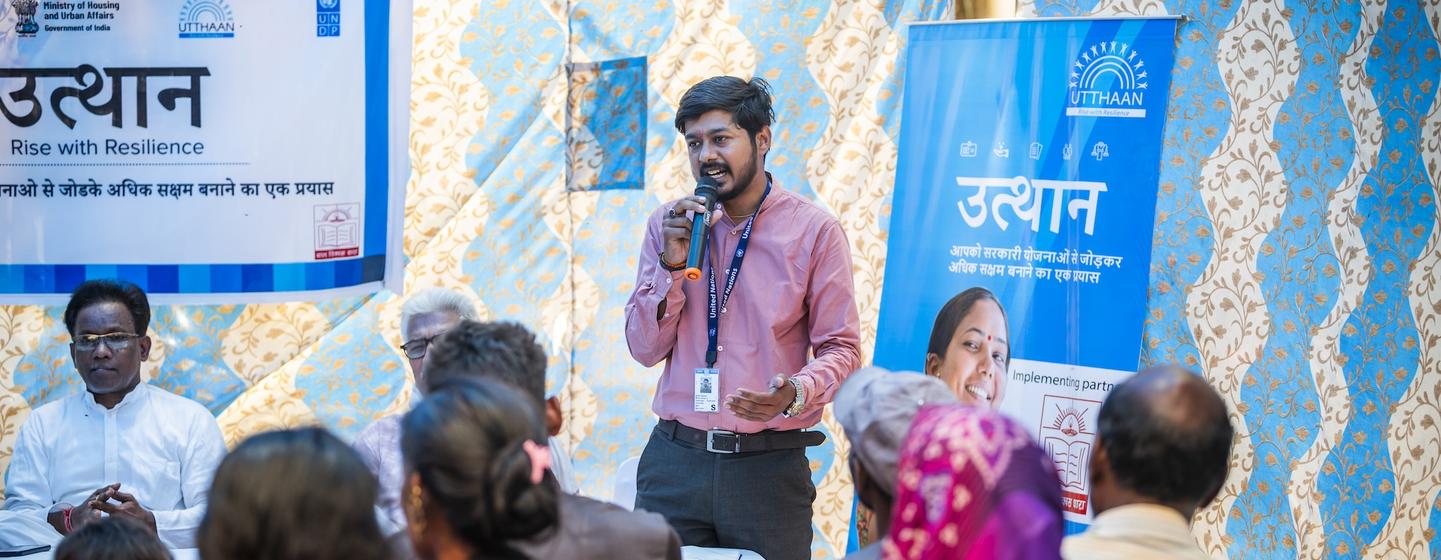
Nikhil Gupta, United Nations youth volunteer, Varanasi, India

© UNDPIndia/Srishti Bhardwaj

UNV’s Nikhil Gupta created grassroots health and education tools during lockdowns, turning remote villages into hubs of volunteer-powered resilience.

As COVID-19 overwhelmed Varanasi, India’s spiritual heart, Nikhil Gupta – a United Nations Volunteer from Uttar Pradesh – stepped in to serve the most isolated communities.

“The pandemic changed everything,” he says. “In Varanasi, COVID-19 infected over 80,000 people, and thousands of families in remote villages were left without access to healthcare, education, or even accurate information. But the crisis revealed not just gaps but grit.”

Mr Gupta and his team launched creative grassroots solutions. “Guided by the UN principle of ‘Leave no one behind,’ we created an animated volunteer guide named Ganga – a friendly character with a warm voice and simple wisdom. Ganga became a beacon of hope, educating villagers about hygiene, safety, and vaccination through videos watched on shared mobile screens under neem trees.”

“When the world paused, we stepped forward. When fear spread, we spread hope.”

They also opened Vidya ki Jhopdi – The Hut of Education. “It was a community classroom built from scrap but powered by purpose. There I met Raju, an 11-year-old from a nearby slum who had lost access to school. He would sit on a worn-out mat every afternoon, eyes wide with wonder, scribbling letters in chalk. Today, he reads and writes fluently, and dreams of becoming a teacher.”

The human moments left the deepest impression. “There was Amma Shanti Devi, a 90-year-old widow in a remote village. Left alone after the lockdown, she hadn’t stepped out in months. Through our volunteers, she received regular wellness check-ins, medicine deliveries, and simply someone to talk to.”

Looking ahead to the Pandemic Treaty, Mr Gupta says is shouldn’t be only technical or top-down. “It should echo the voices of people like Amma and Raju. It must include local wisdom, volunteer networks, and ensure grassroots equity. My message to world leaders? ‘Laws can guide, but love must lead. Invest in hearts that serve, not just in speed.’”

He adds: “Support young changemakers. Recognise the power of community-driven action. Make health systems inclusive. And build a world where, when the next storm hits, the light doesn’t dim. Because in every village, there’s a Nikhil. And in every Nikhil, a youth waiting to be led.”

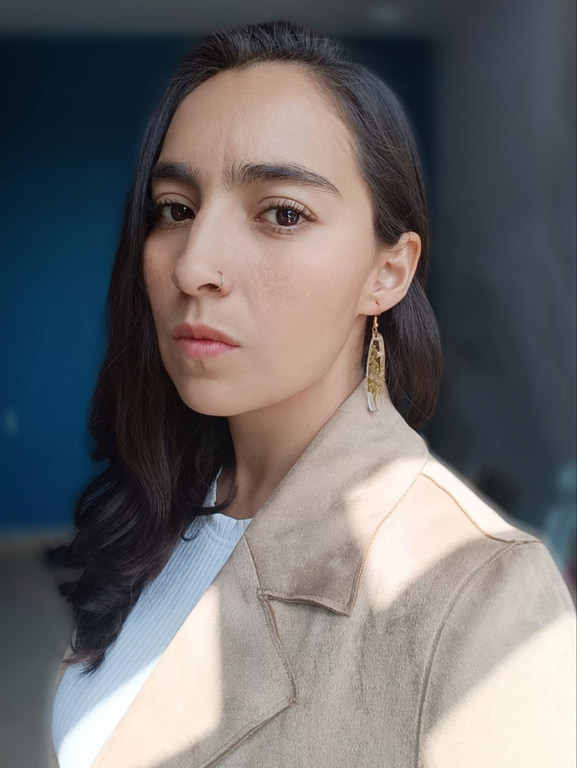
Alejandra Crail, Journalist, Mexico City

Alejandra Crail exposed rising child abuse during lockdown and says future pandemic plans must protect mental and emotional health, too.

“Health is more than vaccines. It’s also mental health, emotional health.”

When the pandemic hit Mexico, Alejandra Crail was not just reporting the crisis, she was sounding an alarm. Her investigation, To Kill a Son, revealed that every two days in Mexico, a child under 15 is killed – often at home, and often by someone in their own family.

“Let me remember something,” she says. “At the beginning of the Coronavirus, I started to talk to different experts on childhood rights and domestic violence…We were worried because we were about to lose our eyes in schools, sports, and community centres. Children were more vulnerable than ever during the COVID era.”

For many, home wasn’t a safe haven. “Their houses were the most dangerous places for them, and their nearest family members are usually their attackers.”

Now, five years later, the violence hasn’t eased. “The number of domestic violence cases has increased after the pandemic,” Ms Crail says.

She shares one case she can’t forget. Joselina Zavala, a grandmother who reported the sexual abuse of her disabled grandson. “She went to the police…despite the testimony of the child and the proof, his father was absolved.

“When people go to the authorities to achieve some kind of justice… the authorities usually don’t investigate enough, and the crimes are unsolved.”

The pandemic also reshaped her personal convictions. “Health is the most important thing to make sure that we have,” she says. “When we live in a country like Mexico, where we don’t have a good public health system, a pandemic or any other illness can be very, very hard to survive.”

She adds, “Work isn’t the most important thing in the world. Family – your loved ones – are the real treasure. We need to spend more time with them, because we don’t know how much time we can share.”

Looking ahead to the World Health Assembly and the Pandemic Treaty, she warns that global responses must go beyond access to vaccines and medicine. “Health is more than vaccines. It’s also mental health, emotional health,” she says.

Her final message to world leaders is as personal as it is political: “We need to open paths that benefit all countries that make up the world. These issues must be on the table because in a pandemic, they can be the difference between a family surviving adversity, or not.”


Source link

‘On thin ice’: UN chief sounds alarm over rapid Himalayan glacier melt

António Guterres issued the warning in a video message to the inaugural Sagarmatha Sambaad, or “Everest Dialogue,” convened by the Government of Nepal in Kathmandu.

Record temperatures have meant record glacier melt,” he said.

“Nepal today is on thin ice – losing close to one-third of its ice in just over thirty years. And your glaciers have melted 65 per cent faster in the last decade than in the one before.”

Named after Mount Everest (Sagarmatha in Nepali), the international platform convened ministers, parliamentarians, climate experts, and civil society to focus on climate change, mountain ecosystems, and sustainability.

Secretary-General’s video message.

Two billion futures at stake

Glaciers in the region have served for centuries as vital freshwater reservoirs. Their accelerated melt now threatens not only local communities but vast populations downstream who rely on Himalayan-fed rivers.

Reduced water flow in river systems such as the Ganges, Brahmaputra and Indus threatens not only water but also food production for nearly two billion people across South Asia.

Combined with saltwater intrusion, this could trigger collapsing deltas and mass displacement, the UN chief warned.

“We would see low-lying countries and communities erased forever,” he said.

Children raise their voices

Ahead of the summit, Nepal’s children and youth stepped into the spotlight with their own call to action.

In a declaration submitted to the dialogue, over 100 children and young people demanded urgent and inclusive climate action that recognizes them as rights-holders and climate actors – not just passive victims.

Among their key demands: ensuring child participation in climate decisions, supporting youth-led programmes, and promoting their innovations and climate action.

The climate crisis is a child rights crisis – disproportionately impacting their health, nutrition, education and well-being,” said Alice Akunga, head of the UN Children’s Fund (UNICEF) in Nepal, which supported the deliberations.

“Listening to the voices of the ‘future of humanity’ is critical to designing and implementing meaningful and lasting solutions to address the adverse effects of climate change on children and youth.”

Glaciers in the high Himalayas, like those in Nepal’s Langtang region (pictured), feed major South Asian river systems sustaining tens of millions of lives and livelihoods downstream

Stop the madness

In his message, Mr. Guterres reiterated his call on the world to “stop the madness” of fossil fuel-driven global warming, a warning he made during his previous visit to the Everest region in 2023.

At the time, he stood amid glacial basins in the Himalayas, warning that the “rooftops of the world” were rapidly vanishing.

“And that is why you are gathered together focused on Sambaad – dialogue,” the UN chief said on Friday, applauding Nepal’s climate leadership, including reforestation programmes, early warning systems and its goal to achieve net-zero emissions by 2045.

Act now

The world must act without delay to limit global temperature rise to 1.5°C, he continued – the target set by the Paris Agreement on climate change – with the biggest emitters leading the way.

This includes investing in renewable energy, fulfilling the $1.3 trillion climate finance goal agreed at COP29, doubling adaptation finance to at least $40 billion this year as pledged by developed countries, and providing robust, sustained support to the Loss and Damage Fund.

Achieving these goals demands bold collaboration,” Mr. Guterres concluded. “The United Nations is your ally in this essential task.”