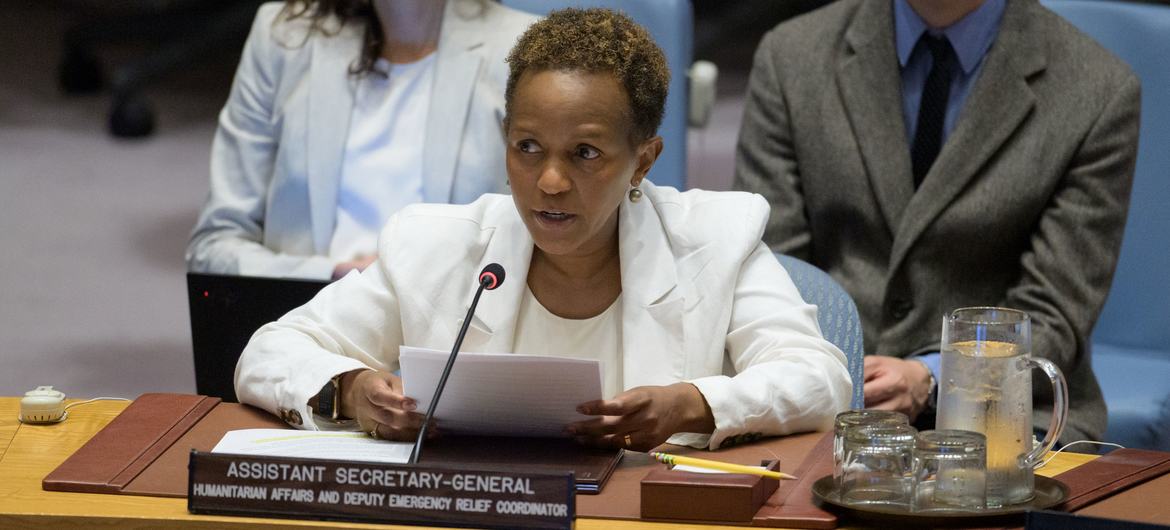
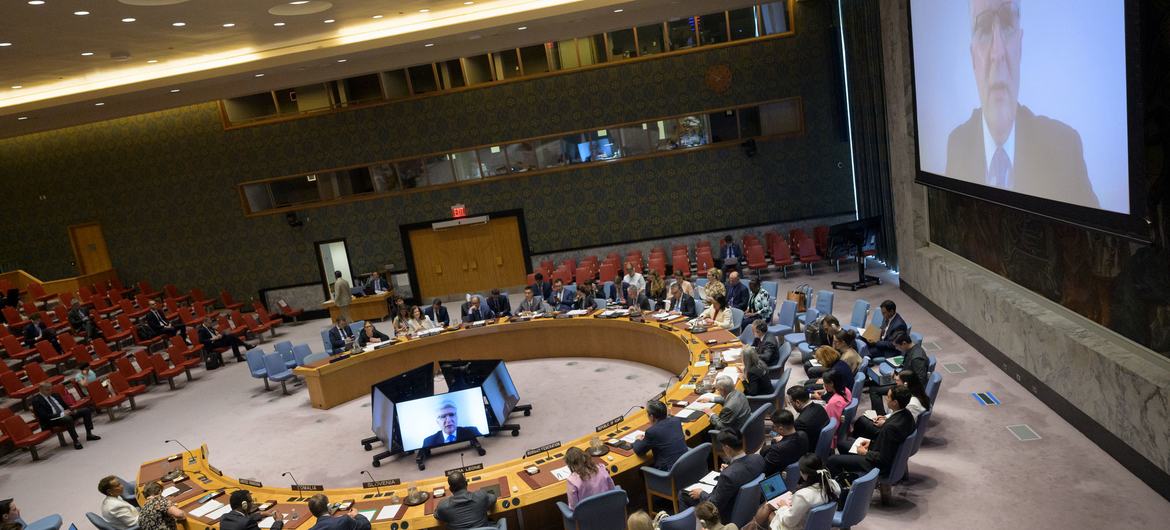
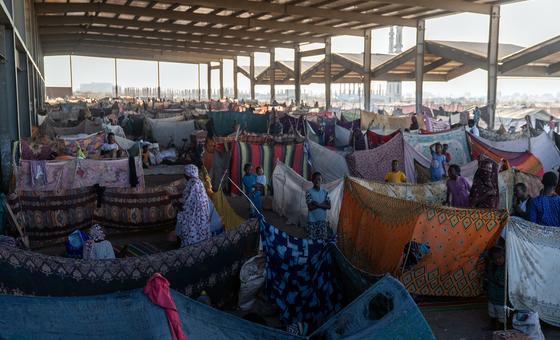
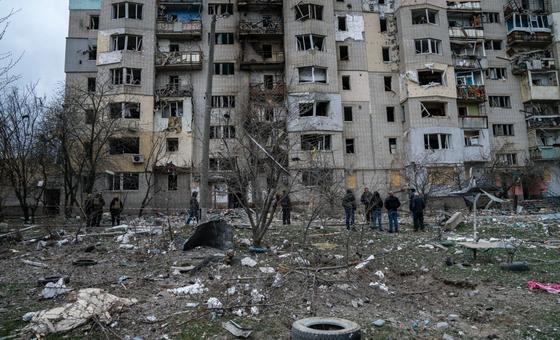
World News in Brief: Violence in Somalia, cholera in Haiti, tax support for sustainable development

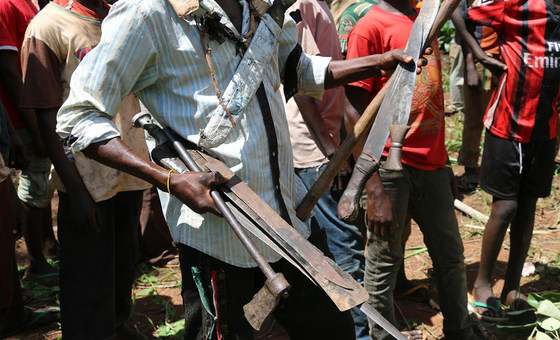
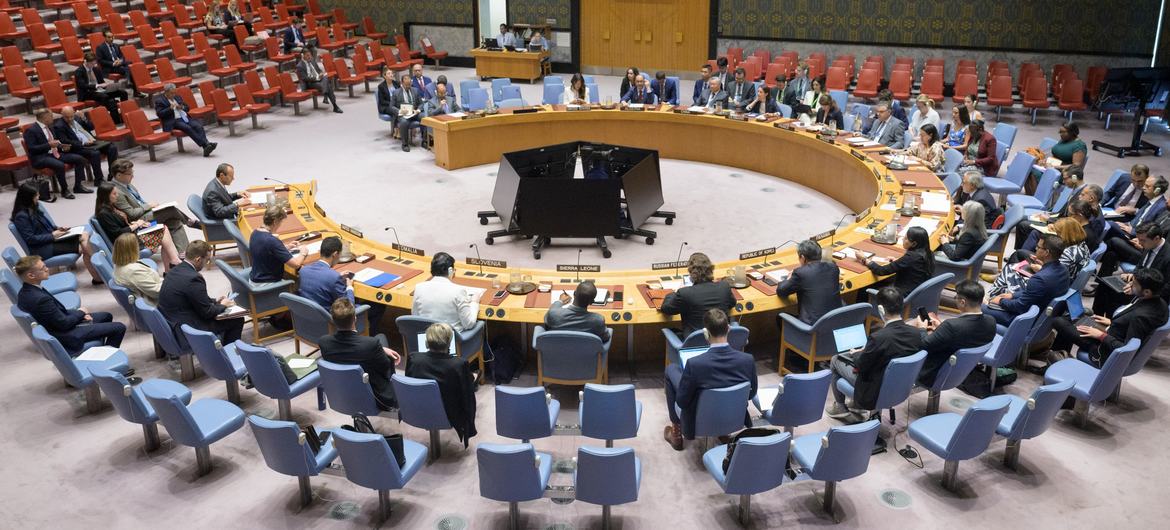
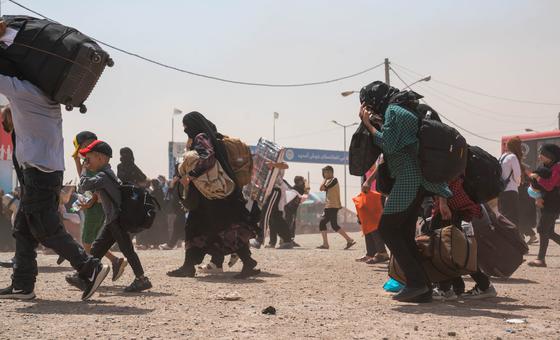
Clashes intensified in the town of Mahas in the Hiraan region, Hirshabelle state, on 26 July forcing the entire population – over 28,000 people – to flee their homes. 

Another 38,000 people were displaced in the Gedo region, Jubaland state, between 23 and 26 July, some of whom crossed into Kenya. 

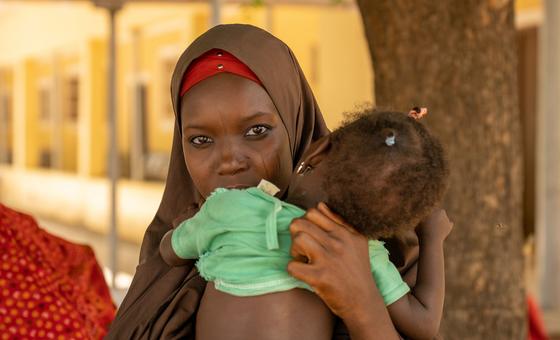
Security concerns have forced seven health facilities in the Hiraan region to suspend operations, leaving thousands of people without essential healthcare and emergency services. Humanitarian access also has been restricted, particularly in areas that were already hard to reach.  

OCHA noted that only a limited number of aid partners are able to operate in these locations given the insecurity as well as financial constraints. Meanwhile, affected communities urgently need shelter, food, clean water, healthcare and protection. 

The situation is unfolding as aid agencies grapple with severe funding cuts. A $1.4 billion humanitarian plan for Somalia this year is around 16 per cent funded, with $229 million received to date.

Cholera haunts displaced families in Haiti

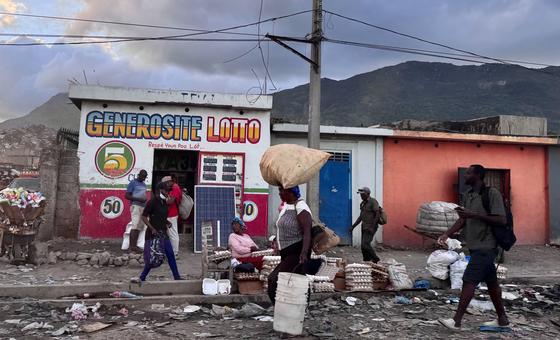
Cholera continues to impact the fragile public health system in Haiti, particularly in sites hosting displaced people where there is limited access to safe water and sanitation.

The Caribbean country is confronting multiple political, security and socio-economic crises, including rampant gang activity mainly in the capital, Port-au-Prince.  

The UN World Health Organization (WHO) said that between 13 and 19 July, 34 new suspected cholera cases were reported across six of the nation’s 10 departments. Most were linked to displacement sites. 

Five active transmission hotspots have been identified, including in Port-au-Prince and in the northern regions. 

Since December 2024, over 2,800 suspected cholera cases have been recorded across Haiti, with 91 laboratory-confirmed cases and 36 fatalities. 

Despite funding shortfalls, UN humanitarian partners continue to carry out key cholera prevention and response activities. 

Families in Artibonite department received water purification tablets and oral rehydration salt, for example, while partners in central Haiti have installed handwashing stations and scaled up community outreach. 

Experts to help countries create tax policies that advance sustainable development

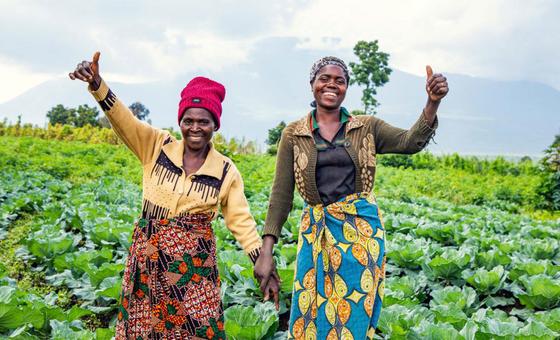
Secretary-General António Guterres has appointed 25 experts to a UN committee to help countries design tax policies that advance their social, environmental and economic development objectives. 

The UN Committee of Experts on International Cooperation in Tax Matters supports governments in navigating complex policy trade-offs.  Its work provides countries with practical options and tools based on real-world experiences from tax systems across the globe. 

The 25 experts, who will serve for the 2025-2029 term, have diverse expertise in tax policy design and administration, as well as international tax cooperation. 

They represent various geographical regions and tax systems, and the majority are women, reflecting the UN’s commitment to strengthening inclusivity in tax leadership. 

Source link

Sudan gripped by deadly crisis as hunger, disease and heat intensify

In El Fasher, the capital of North Darfur that has been under siege for 15 months, the catastrophic humanitarian situation is worsening. Food shortages and soaring prices have forced community-run kitchens to shut down. Widespread hunger and malnutrition have reportedly caused several deaths and driven some residents to eat animal feed.

In the Tawila locality of North Darfur, humanitarian organizations have had to strengthen their responses to rising cholera cases. They have expanded the capacities of treatment centres, but needs remain dire. With medical supplies running low, clean water supplies and the construction of latrines are urgent necessities.

In East Darfur state, the Lagawa displacement site, hosting over 7,000 people, is facing severe food shortages and repeated armed attacks. Doctors are warning that the ongoing conflict continues to block the delivery of aid, so vulnerable families are left without access to food or healthcare.

Extreme heat and torrential rains

Meanwhile, floods and storms are displacing families and destroying homes across the country.  

In the Rahad locality of North Kordofan state, heavy rains on Monday displaced around 550 people and damaged or destroyed more than 170 homes.

Torrential rains in the eastern state of Kasssala have devastated the Gharb Almatar displacement site, affecting more than 6,000 people. Many tents were flooded, exposing children to cold, hunger and unsanitary conditions. Displaced families urgently need cash assistance, shelter and protection.

In the coastal city of Port Sudan, extreme heat continues to endanger lives, with three reported deaths and 50 cases of sunstroke this week amid soaring temperatures and widespread power outages.  

As temperatures reach 47 degrees Celsius (116.6 degrees Fahrenheit), overwhelmed hospitals are prompting health workers to call for urgent support, including cooling equipment, medical supplies and personnel.

Call for increased funding

With these crises compounding, international support is desperately needed. The 2025 response plan, which seeks $4.2 billion to assist 21 million of the most vulnerable people across Sudan, is only 23 per cent funded to date.

OCHA once again calls on international donors to scale up funding for the response. 

Source link

Gaza children starving despite Israeli ‘tactical pauses’, UN says

Speaking at the regular news briefing in New York, UN Deputy Spokesperson Farhan Haq said that even four days into the announced pauses, “we are still seeing casualties among those seeking aid and more deaths due to hunger and malnutrition.”

He added that parents are “struggling to save their starving children” and warned that the current conditions for aid delivery are “far from sufficient”.

The UN Office for the Coordination of Humanitarian Affairs (OCHA) said that while it is using every available window to deliver supplies during the unilateral pauses, the scale of need vastly outpaces what is getting through.

“A permanent ceasefire is needed more than ever,” Mr. Haq said, emphasising that “unilateral tactical pauses alone do not allow for the continuous flow of supplies required to meet immense needs levels in Gaza.”

Access a major hurdle

Access remains one of the biggest hurdles.

Entry through the Kerem Shalom/Karem Abu Salem crossing requires multiple layers of approval from Israeli authorities, including safe passage, cessation of bombardment and the literal opening of locked gates.

“Yesterday, three facilitated missions allowed our staff to collect cargo containing food from the Kerem Shalom and Zikim crossings and allowed for fuel to be transferred within Gaza,” Mr. Haq said.

“However, the others faced impediments, particularly delays in receiving the green light to move by the Israeli authorities, and one had to be cancelled.”

Extreme hunger haunts children

The situation was echoed by Ricardo Pires, UNICEF’s communication manager, who returned from Gaza this week.

“It’s absolutely apocalyptic,” he told UN News. “Children are being injured and killed while trying to get food and aid while suffering from malnutrition and hunger.”

Mr. Pires said that two out of the three criteria for a famine declaration have been met, according to the latest alert by food security experts.

UNICEF and other agencies are also grappling with the collapse of basic infrastructure.

Perfect storm of suffering for children

“We’re at the brink of a man-made drought,” Mr. Pires said, with only 40 per cent of water production functioning and children turning to contaminated sources, risking deadly disease.

“Children are dehydrated. They are reverting to contaminated water, which will make them sick, with deadly diseases or diarrhoea outbreaks and in some cases, even meningitis,” he added.

“It is a complete perfect storm of suffering for children.”

UN News interview with UNICEF Communication Manager Ricardo Pires.

Source link

Haitians in ‘despair’ following abrupt suspension of US humanitarian support

The cancellation of most US funding in January means many services to the most vulnerable people have been cut or put on hold.

Multiple political, security and socio-economic crises have led to 5.7 million people suffering from a lack of food and have forced 1.3 million people to flee their homes.

With a dramatic reduction in funding Haiti faces a crucial “turning point.”

UN News spoke to OCHA’s country director, Modibo Traore, about the current situation.

UN News: What is the current state of humanitarian funding in Haiti?

Humanitarian funding in Haiti is going through a critical phase, marked by a growing gap between the needs and available resources. As of 1 July, only around 8 per cent of the $908 million required had been mobilized.

This partial coverage only allows a fraction of the 3.6 million people targeted to be reached.

© UNICEF/Maxime Le Lijour

UN aid agencies continue to support Haitian people with humanitarian aid.

The sectors most affected are food security, access to drinking water, primary healthcare, education and protection.

This contraction in international support is part of a global context of multiple competing crises – Ukraine, Gaza, Sudan – but also reflects a loss of political interest in the Haitian issue.

UN News: What conditions in Haiti have led to such significant funding needs?

The growing humanitarian needs observed in Haiti are the result of an accumulation of structural and cyclical factors. On the socioeconomic front, multidimensional poverty affects a large part of the population.

Haiti’s exposure to natural hazards is an aggravating factor.

The country has experienced several major hurricanes that struck the southern region less than a week after an earthquake that severely affected the area, not to mention repeated droughts that have had a major impact on agriculture and livestock farming.

The downtown area of Port-au-Prince remains extremely dangerous due to gang activity.

Since 2019, a new dimension has emerged; chronic insecurity caused by the proliferation of armed groups, particularly in the capital, Port-au-Prince, and now in the Centre and Artibonite departments.

In 2024, the multidimensional crisis that has been shaking Haiti for years has become catastrophic.

The level of violence and insecurity remains high, with devastating consequences for the population, including massive displacement of people who were already in vulnerable situations.

UN News: How has the growing control of armed groups affected donor confidence?

The rise of armed groups in Haiti and their increasing control of strategic locations, particularly major roads and ports of entry to the capital, is a major obstacle to the safe and efficient delivery of humanitarian aid.

This dynamic has an impact on the risk perception of international donors, who now assess Haiti as a high-threat environment for intervention. Access to beneficiaries has become irregular in many areas.

The deterioration of the security situation represents a major challenge for mobilizing and maintaining financial commitments.

Donors have expressed concerns about operational risks, particularly regarding securing supply chains, preventing exploitation and ensuring accountability.

The operational cost of aid has also increased.

UN News: What is the impact of the new approach taken by the US administration?

On 20 January, 2025, President Donald Trump signed Executive Order 14169, which imposed an immediate suspension of all new foreign funding by US federal agencies, including humanitarian programs run by USAID and multilateral partners.

In the case of Haiti, the effects were felt through the sudden halt of approximately 80 per cent of US-funded programmes. NGO partner staff were laid off, payments were suspended, and supply chains were disrupted.

US food aid is prepared for delivery following floods in Haiti in 2022.

Beyond the structural effects, this suspension created profound uncertainty in the Haitian humanitarian system. This situation not only weakened the continuity of essential services but also affected trust between beneficiary communities and humanitarian actors.

UN News: To what extent is the current situation unprecedented?

The year 2025 marks a turning point in humanitarian aid in Haiti. This crisis is not the result of a single or isolated event, but rather a series of deteriorating situations in the context of gradually waning international attention.

The interruption of US programmes has acted as a catalyst for the crisis. USAID’s technical partners, many of whom managed community health programmes in vulnerable neighbourhoods, have ceased operations, depriving hundreds of thousands of people of vital services.

US-co-funded health centres have closed, leaving pregnant women and children without assistance.

The current crisis demonstrates the country’s growing isolation.

While previous crises had prompted rapid international solidarity, the humanitarian response to the situation in 2025 has been slow and partial.

UN News: What difficult decisions have had to be made regarding cutting aid?

The interruption of funding has forced humanitarian organizations to make ethically complex and often painful trade-offs.

In the area of protection, for example, safe spaces for women and girls have been drastically reduced.

The long-term development of Haiti is at risk as funding decreases.

Cash transfer programmes, widely used in urban areas since 2021, have also been suspended. These programmes enabled vulnerable households to maintain a minimum level of food security. Their suspension has led to a resurgence of coping mechanisms such as child labour, less food and children being taken out of school.

Resilience-building activities have also been affected. Programmes combining food security, urban agriculture, and access to water—often co-financed by USAID and UN funds—have been frozen.

This compromises not only the immediate response but also the development of medium-term solutions.

UN News: How are Haitians being affected?

Children are among the hardest hit. UNICEF and its partners have treated more than 4,600 children suffering from severe acute malnutrition, representing only 3.6 per cent of the 129,000 children expected to need treatment this year.

The proportion of institutional maternal deaths has also increased from 250 to 350 per 100,000 live births between February 2022 and April 2025.

© PAHO/WHO/David Lorens Mentor

A survivor of rape rests at a site for internally displaced people in Port-au-Prince.

In terms of security, the effects are equally worrying. Gender-based sexual violence (GBV) has increased in neighbourhoods controlled by armed groups.

In short, the withdrawal of US funding has led to a multidimensional regression in the rights of women and girls in Haiti, with consequences that are likely to last for several years.

UN News: How have people in Haiti reacted?

Beneficiaries expressed a sense of despair at the sudden suspension of the services.

In working-class neighbourhoods of Port-au-Prince as well as in remote rural areas, the cessation of food distributions, community healthcare, and cash transfers was experienced as a breach of the moral contract between communities and humanitarian institutions.

Humanitarian partners communicate transparently about the reduction of support, so communities are, to some extent, aware of the financial constraints.

Source link

Tsunami alert highlights worth of global early warning system

While the UN-backed International Atomic Energy Agency (IAEA) reported 
that there had been no damage to Japan’s nuclear facilities after an 8.8 magnitude quake was recorded off Russia’s Kamchatka Peninsula, coastal communities have been taking no chances and evacuating to higher ground or moving further inland.

Alerts were sent out within a few minutes of the Russia quake, the UN Office for Disaster Risk Reduction (UNDRR) confirmed. Although the authorities have now downgraded the threat across Japan as waves of 1.3 metres (4ft 2in) have been recorded, the advice is for people to stay in shelters until the danger diminishes from continuing sea surges.

“It is very complex; we are observing the tsunami data in real time, so we need people to stay at the shelter until the tsunami is completed,” said tsunami engineer Professor Fumihiko Imamura from Tohoku University.

Deadly legacy

In the Asian island nation, memories are still raw from the 11 March 2011 Tohoku earthquake and tsunami which killed more than 18,000 people.

Just last year, the 7.6 magnitude Noto quake left approximately 500 dead and damaged 150,000 homes.

The disaster also caused a major accident at the Fukushima Daiichi Nuclear Power Plant, forcing tens of thousands of people from their homes. 

Today’s developments come amid reports that the latest earthquake was among the 10 most powerful ever recorded, hence why the authorities are monitoring its impact so closely.

So far, alerts have been triggered off the west coast of the United States, in South America from Chile to Mexico and from Papua New Guinea to Vanuatu in the Pacific. 

A 8.8 magnitude earthquake is a very large earthquake,” explained Kamal Kishore, Special Representative of the UN Secretary-General for Disaster Risk Reduction. 

“As you go from magnitude eight to nine, or seven to eight, at every step the strength of the earthquake increases exponentially. So, an earthquake which is magnitude eight as opposed to seven would be 30 times bigger.” 

Faster than a jet liner

Speaking to UN News, Mr. Kishore highlighted the huge distances tsunamis can cover, picking up enormous energy they then dump on coastal communities. 

Their progress can be as fast as a passenger jet and can be tracked by deep sea pressure change sensors, or tsunameters, that are connected to surface buoys which relay information in real time to satellites. This data is then modelled by national weather centres, influencing whether alerts are issued.

“It’s a real threat because the tsunamis travel really fast from one coast to the other,” continued Mr. Kishore. “The Indian Ocean tsunami of 2004 was one of the most devastating in our memory, which travelled from all the way from the coast of Indonesia to the Sri Lankan shores within a little over an hour.”

Lessons learned

In addition to the coordination role of UNDRR in the global early warning system, other UN entities also closely involved include the World Meteorological Organization (WMO) and the Intergovernmental Oceanographic Commission of the UN agency for Education, Science and Culture (UNESCO-IOC).  

The IOC’s role is critical in making sure that countries that use tsunami-tracking instrumentation follow the same standard. 

These efforts are in line with the UN Secretary-General’s Early Warnings for All initiative to ensure that everyone on Earth is protected from hazardous weather, water or climate events through lifesaving early warning systems.

Today, one in three people – and mainly in least developed countries and Small Island Developing States – lacks access to adequate multi-hazard early warning systems.

“Tsunami prevention really highlights how important it is to have multilateral action” such as sharing data to run the algorithms behind wave modelling systems, insisted the UN’s Mr. Kishore. 

“There are countries which are separated by thousands of kilometres of ocean, but they are affected by the same hazard,” he continued. 

“If you do not share information on observing these hazards, not just in the location where they have occurred, but on what is happening in the intermediate locations in the ocean…we will not be able to warn our citizens.”  

Source link

LIVE COVERAGE: Day 3 of high-level conference on two-State solution for Israel and Palestine

UN Secretary-General António Guterres on Monday warned that the Israeli-Palestinian conflict is “at a breaking point” and headed toward a one-State reality marked by perpetual occupation and inequality, unless the international community takes urgent, irreversible steps to implement the two-State solution.

Source link

Lured by hope, trapped by lies: Healing after being trafficked

Eight years ago, Maria left Caracas, Venezuela, driven by dwindling opportunities and the hope of completing her veterinary studies. At just 21, she accepted an offer from an acquaintance who promised work in Trinidad and Tobago, cleaning homes, waiting tables. It seemed like a lifeline, a way to support herself and her family back home.

She didn’t know then that she was stepping into a well-laid trap.

“I believed in the promise of a better future,” Maria recalled, “but found myself trapped in a nightmare I couldn’t escape.”

Forced into labour and sexual exploitation, she lived in fear, rarely seeing sunlight, with her freedom stripped away.

Maria has found stability and strength, determined to turn her story into one of resilience and healing.

Held captive for months

After eight months in captivity, Maria managed to escape. It wasn’t the end of her struggles, but the start of a slow, determined journey toward healing. 

Now 29, she lives in Trinidad and Tobago with her partner and their two young children, aged one and five. Though her days are now filled with school runs and shared meals, the trauma still lingers. She smiles when she speaks of them, but her voice carries the weight of everything she has survived.

“It hasn’t been easy,” she said, her voice shaking. “But, I am building a new life, step by step.”

Back in Venezuela, her family knows nothing of what she endured. Shame and fear have kept her silent. It’s been seven years since she last saw her parents and siblings. Although she misses them deeply, the weight of what happened still feels too heavy to put into words.

Maria draws strength from her two young children, now aged one and five, as she rebuilds her life.

Combatting human trafficking

Like many survivors of human trafficking, Maria has had to rebuild more than just her physical safety. The emotional wounds run deep, and the stigma surrounding trafficking makes recovery even harder.

The International Organization for Migration (IOM) has been by her side, offering psychosocial support, helping her find safe housing and providing the tools to rebuild her life. 

“We work tirelessly to combat human trafficking,” says Desery Jordan-Whiskey, reporting project assistant in Trinidad and Tobago. “Our commitment is to provide critical assistance to survivors while advocating for stronger policies to prevent exploitation and ensure justice.”

SDG 8

SDG 8: ENSURE DECENT WORK

  • Take immediate measures to eradicate forced labour, modern slavery and human trafficking
  • Protect labour rights, and promote safe, secure environments for all workers
  • Sustain per capita economic growth and at least seven per cent gross domestic product growth per annum in least developed countries
  • Achieve higher levels of economic productivity through diversification, technology and innovation
  • Improve global resource efficiency in consumption and production
  • Decouple economic growth with environmental degradation


Global unemployment is expected to fall below pre-pandemic levels, although not in low-income countries

Maria is one of many women across the region who have been lured by false promises and found themselves in situations of exploitation.

She knows there’s a long road ahead, but she refuses to be defined by her past.

“I want other women to know they are not alone. There is life after this, there is strength.”

Her story sheds light on the wider human trafficking crisis, where women and girls are disproportionately affected. According to the 2024 UNODC Global Report on Trafficking in Persons, 52 per cent of victims in Central America and the Caribbean are girls under the age of 18, and 62 per cent are trafficked for sexual exploitation.

Behind every statistic is a human being, a daughter, a sister, a mother, trying to survive and recover.

But, numbers cannot capture the courage it takes to begin again.

“I am living proof that you can rebuild your life,” Maria says, her voice steady now. “It takes time, but it’s possible.”

*The name has been changed to protect their identity

Source link

Deputy UN chief urges bold action to transform food systems at global summit in Addis Ababa

Delivering closing remarks at the UN Food Systems Summit +4 Stocktaking Moment (UNFSS+4) in Addis Ababa, co-hosted by Ethiopia and Italy, Ms. Mohammed praised the growing momentum behind food systems transformation.

But she also warned that with just five years left to 2030, “hunger and malnutrition persist. Climate shocks, conflict, debt, and inequality are widening the cracks in our systems.”

“Too often food systems are seen as part of our challenges,” she said. “When in fact, they can be one of the greatest solutions to deliver for people, planet, peace and prosperity.”

A global process for transformation

The UN Food Systems Summit process was launched in 2021 “in the midst of a global pandemic” to catalyse national and global action to make food systems more inclusive, resilient and sustainable.  

The 2025 stocktake brought together over 3,000 participants from governments, civil society, Indigenous Peoples, youth, and the private sector to assess progress and renew commitments.

To date, more than 130 countries have developed National Pathways for food systems transformation, supported by UN agencies and development partners.

Moving the UNFSS process forward

In her address, Ms. Mohammed highlighted several areas of progress and called for urgent, coordinated action:

  • Food systems as climate solutions: 
    “Food and agriculture are now part of the climate plans of 168 countries,” she said, noting their potential to reduce emissions and build resilience.
  • School meals as a strategic investment: 
    Over 170 countries are implementing school meal programmes. These are not just meals – they are investments in children, our farmers, and the future.
  • Cities driving innovation: 
    Urban centres are leading efforts to reduce food waste and strengthen local supply chains. Cities are showing what innovation looks like on the ground.
  • Inclusion is essential: 
    Ms. Mohammed called for inclusion of youth, Indigenous Peoples, women, and marginalized communities. “These are powerful commitments to transform food systems for people and the planet that you have helped inspire.”
  • Financing must match ambition: 
    She urged donors and development banks to align investments with national pathways.  

“As we conclude this Stocktake, we must acknowledge that we met in the face of challenges that test our moral values and threaten the future sustainability of our planet, underscoring the urgency of our work together.”

A food market in the Amhara region of Ethiopia.

Global hunger declines, but regional disparities persist

The Summit, which has been running in the Ethiopian capital since 27 July, saw the launch of the State of Food Security and Nutrition in the World 2025 (SOFI) report, which revealed a modest decline in global hunger – but a troubling rise in food insecurity in Africa and Western Asia  

Jointly produced by FAO, IFAD, UNICEF, WFP and WHO, the report highlights how persistent food price inflation has undermined access to healthy diets, especially for low-income populations. Vulnerable groups – including women, children, and rural communities – remain disproportionately affected.

The report calls for:

  • Coherent fiscal and monetary policies to stabilize markets
  • Open and resilient trade systems
  • Targeted social protection for at-risk populations
  • Sustained investment in resilient agrifood systems

While noting an encouraging decrease in the global hunger rate, the report underscored that progress is uneven. SOFI 2025 serves as a critical reminder that the international community must intensify efforts to ensure that everyone has access to sufficient, safe, and nutritious food.  

Hope for those who need it most

At a key side event on Tuesday, Ms. Mohammed appealed for long-term, inclusive solutions to food insecurity in crisis-affected regions. She highlighted the staggering toll of acute malnutrition, noting that over 37 million children under five will face acute malnutrition this year – nearly 10 million of them suffering from severe wasting, the deadliest form of undernutrition.

“Communities are trapped in relentless cycles of hardship,” she said. “But courage is on display at all moments.”

Ms. Mohammed urged governments and partners to move beyond short-term interventions and embrace transformative, locally driven solutions. She praised countries embedding resilience into national strategies and combining traditional knowledge with science to rebuild food systems.

“These governments are not waiting for permission – they are leading,” she said.

She outlined three priorities for action: Catalytic finance that builds local capacity; Coordinated responses that bridge humanitarian and development divides; and Community-centred approaches, especially for women and youth.

“Food systems transformation is especially critical in complex settings,” she said. “It drives food security, resilience, stability, and inclusive growth.”

She wrapped up the event with a call to strengthen multilateralism and unlock opportunity “for and with those who need it most.”

UN Deputy Secretary-General Amina Mohammed (left) serves food to children at a UN Food Systems Summit event in Addis Ababa, Ethiopia.

Looking ahead

Ms. Mohammed closed the Summit with a call to action:

“Our movement has shown what is possible when we work together in deliberate ways across sectors, stakeholders, and countries with a shared purpose.”

She called on governments and people everywhere to build on what has been accomplished and continue to work together for peace and to realize the vision of the 2030 Agenda.

“Let’s continue to lead the way – together.”

Source link

World News in Brief: Remembering Dr. David Nabarro, deadly shipwreck off Libya, verdict in peacekeeper’s killing

The British physician and champion for global public health died this past weekend at the age of 75. 

He was the World Health Organization’s (WHO) special envoy dealing with the COVID-19 crisis.

Legacy of service

“The Secretary-General pays tribute to Dr. Nabarro’s extraordinary legacy of service and reaffirms his commitment to advancing the principles he championed: solidarity, science and health for all,” UN Deputy Spokesperson Farhan Haq said on Tuesday in New York.

Dr. Nabarro was remembered as “a tireless advocate for global health, a leader who brought clarity, compassion and conviction to some of the world’s most complex health emergencies, from AIDS and malaria to avian influenza and the COVID-19 pandemic.”

He also served as the Special Representative of former Secretary-General Ban Ki-moon on food security and nutrition and headed the UN High-Level Task Force on the Global Food Security Crisis. 

Also paying tribute was WHO chief Tedros Adhanom Ghebreyesus. He called Dr. Nabarro a “great champion of global health” whose work impacted so many lives across the world.

Libya: Migration agency offers support in the wake of deadly shipwreck

At least 18 migrants died following a shipwreck off the coast of Tobruk, Libya, this past weekend, the International Organization for Migration (IOM) reported on Tuesday.

Fifty people are still missing, and 10 survivors are accounted for so far.

“This latest tragedy is a stark reminder of the deadly risks people are forced to take in search of safety and opportunity,” IOM said in a statement.

The UN agency noted that “Libya remains a major transit point for migrants and refugees, many of whom face exploitation, abuse and life-threatening journeys.”

Meanwhile, IOM teams on the ground are coordinating with local partners to provide support where possible.

“We reiterate our call for enhanced regional cooperation to expand access to safe, regular and dignified migration pathways,” the statement concluded.

Blue helmets and bulletproof vests belonging to peacekeepers serving with United Nations Interim Force In Lebanon (UNIFIL).

Lebanon: Verdict handed down in trial into 2022 killing of Irish peacekeeper 

The UN Interim Force in Lebanon (UNIFIL) has welcomed the conclusion of the trial into the killing of Irish peacekeeper Private Seán Rooney nearly three years ago.

Lebanon’s Permanent Military Court on Monday found six of the individuals charged with the killing guilty while another was acquitted, according to a statement from the mission.

“UNIFIL welcomes the conclusion of the trial process and the Government of Lebanon’s commitment to bring the perpetrators to justice,” it said.

Private Rooney, 24, was shot and killed on 14 December 2022 in an incident in Al-Aqbieh, just outside UNIFIL’s area of operations in south Lebanon. Three other “Blue Helmets” were injured.

Since the attack, UNIFIL has extended its full support to both Lebanese and Irish authorities with their respective judicial proceedings, the statement said.

The mission once again offered deepest condolences to Private Rooney’s family, friends and colleagues as well as the Government of Ireland. 

Source link

UN peacekeeping can work in a fractured world if there is political will

Under-Secretary-General Jean-Pierre Lacroix and Assistant Secretary-General Marta Pobee briefed the Council on priorities for adapting UN peace operations to foster political solutions.

They emphasised the urgent need for the Council and the broader UN membership to overcome divisions and strengthen support for peace operations as unique platforms for advancing diplomacy in conflict zones.

Peacekeeping missions often operate in highly volatile environments, where political processes are stalled, trust among conflict parties is low and humanitarian conditions dire,” Mr. Lacroix said.

Progress is incremental, fragile and uneven. A breakthrough in one moment may be followed by setbacks the next. Yet, even modest gains can be critical in preventing a relapse into widespread violence and saving lives.

He pointed to missions that have made measurable contributions to peace processes, such as MINUSCA in the Central African Republic (CAR), which helped broker the 2019 Political Agreement and launched disarmament efforts, or MONUSCO in the Democratic Republic of the Congo (DRC), which contributed to reduced violence during the 2023 elections.

Security Council unity crucial

Mr. Lacroix stressed that political coherence and unity among Security Council members are essential for missions to realise their potential.

Without “strong, united political support”, he warned, peace operations are limited to managing conflicts and protecting civilians rather than supporting durable peace agreements.

The Council’s role, he added, must extend beyond mandate authorisation to sustained political engagement. He cited the unanimous adoption of resolution 2773 in February 2025 on the DRC as an example of Council unity reinforcing diplomatic efforts on the ground.

UN peacekeeping missions, such as the one in Mali (MINUSMA, 2013-23), have had to adapt to complex challenges, including harsh environment and myriad armed groups.

Field leadership and flexibility

Mr. Lacroix also highlighted the importance of dynamic mission leadership, calling on senior officials to serve as “steadfast ambassadors for peace” who maintain trust with host governments and conflict actors while adapting to shifting political contexts.

He underscored the importance of regional partnerships, particularly with the African Union (AU). Resolution 2719 (2023), which allows assessed contributions for AU-led operations, was described as a “historic milestone” in UN-AU collaboration.

“Leveraging the investments of troop- and police-contributing countries more purposefully is critical,” he added, noting the example of Pakistan’s dual role as a major troop contributor and elected Security Council member.

Lessons from the cold war

Ms. Pobee’s briefing reinforced these themes while offering historical perspective.

She recalled how during the cold war, despite global tensions, UN special political missions facilitated peaceful dispute resolution, such as diplomatic efforts in Equatorial Guinea in 1969, Bahrain in 1970 and the border dispute between Iraq and Iran in 1974.

She identified several key elements behind those successes: clearly focused, timebound mandates; the pro-active use of the Secretary-General’s good offices; discreet diplomacy and crucially, consent from host governments and conflict parties.

This foundation of trust, she noted, is increasingly absent today, representing a “trust deficit” that complicates peace efforts.

UN special political missions in post‑conflict settings, such as the mission in Nepal (UNMIN, 2007-11) help maintain stability, dialogue and support democratic processes.

A unique tool

Both briefers acknowledged the difficult global context, with deepening Security Council divisions, eroding norms and increasingly complex conflicts involving non-State actors, organized crime and climate-driven risks.

Nonetheless, peace operations, with their combination of civilian and uniformed capabilities, remain indispensable for stabilising fragile settings and enabling political dialogue, they maintained. The longstanding mission in Cyprus was cited as an example of how sustained UN presence can prevent escalation, even amid persistent deadlock.

Mr. Lacroix also urged Member States to pay assessed contributions on time, warning that insufficient resources undermine missions’ ability to fulfil their mandates.

Ms. Pobee added that the UN has repeatedly navigated polarised eras before.

We have been there…but, one clear lesson is that amid acute geopolitical tensions, peace operations have helped Member States mount tailored responses to challenges to international peace and security,” she said.

Source link

Russian attack on Ukrainian prison kills 16: UN rights monitors

Meanwhile, another attack on Tuesday reportedly killed five civilians and injured three in the Kharkiv region, located in eastern Ukraine.

According to authorities, Russian armed forces dropped several powerful glide bombs on Bilenkivska Penal Colony No. 99 on 28 July. The prison is located about 25 kilometres from the frontline in the Zaporizhzhia region.

All those killed were prisoners, according to HRMMU. The mission plans to visit the site as soon as possible to gather additional information.

Russia has denied responsibility for the attack.

Violation of international law

“Prisoners are civilians, and they must be protected under international humanitarian law,” said Danielle Bell, head of HRMMU.

International humanitarian law stipulates that attacks must only be directed at military objectives, not at civilians or civilian objects. Since a prison is a civilian object, it should not be attacked unless it is being used for military purposes.

Deadly civilian attacks

Also on Monday, Russian forces reportedly struck near a hospital in Kamianske in the Dnipropetrovsk region. The attack damaged the hospital and its maternity ward, killing three and injuring 22, according to authorities.

At least two of the dead were reportedly patients, including a woman who was seven months pregnant.

Source link

‘By women, for women’: 15 years of the UN agency championing gender equality

This is just one way that the de facto authorities have restricted women and girls’ fundamental rights. Today, Afghanistan has the second largest gender gap in the world after Yemen. 

“Sometimes I wonder how to remain hopeful in these dark circumstances,” said Fariba, whose name was changed to protect her.

Afghanistan is not the only country where gender equality is losing ground. Worldwide, one in four countries is experiencing a backlash against women’s rights.

These are the challenges that UN Women confronts on its 15th anniversary, making its mandate and work more urgent than ever. 

“This is not the moment to pull back. It is the moment to step forward,” said Sima Bahous, the agency’s Executive Director.

Progress in peril

Established in July 2010, UN Women is currently working in 80 countries to empower women and girls to achieve their full potential.

Despite previous hard-won gains in accessible education for girls and advocacy for legal rights, funding for gender equality is drying up and progress is moving at a snail’s pace.

One in 10 women and girls lives in abject poverty, something the world will not eliminate for another 137 years at the current rate.  

The number of women living near and in conflict zones has doubled in the past decade, putting them at greater risk of gender-based violence, food insecurity and malnutrition.  

Additionally, 103 countries have never had a female Head of State, and gender parity in top governmental leadership will not be achieved for another 130 years.

While a digital revolution and increasingly high-powered artificial intelligence is sweeping the world, the gender digital divide is widening, making it hard for women and girls to access the tools around which the future will be built.  

However, despite such bleak circumstances, or perhaps because of them, UN Women continues to be a “powerhouse for gender equality and women’s empowerment”.

War and peace

Over 600 million women and girls live within 50 kilometres of a conflict, making them key stakeholders in any peace building process. More than that, evidence suggests that peace processes with women signatories are more durable.  

Despite this, between 2020 and 2023, 80 per cent of peace talks did not include women.  

However, in some countries, there are promising shifts towards great gender inclusion and parity in peace-related activities.  

For example, in Ukraine, demining, a profession which has historically excluded women due to normative perceptions of danger, is attracting more women.  

“What seems ‘not a woman’s job’ may turn out to be your mission,” said Tetiana Rubanka, the head of a demining team there.  

This is especially important in Ukraine, where the UN Mine Action Service (UNMAS) estimates that at least 20 per cent of land is contaminated with unexploded ordnance.

A collective voice

Despite clear proof that quotas in government work to ensure gender parity, women remain excluded from many policy making conversations.  

Because of this reality, UN Women works to support collective action by and for women whose voices are heeded more when they speak together.  

In the Pacific, women make up the majority of vendors at markets, but the markets themselves are managed and run by municipal councils, which tend to be predominantly made up of men. In the past, this meant that women’s concerns, including poor ventilation, security concerns and refrigeration infrastructure, went unaddressed.

With the support of a UN Women project launched in 2014, over 50,000 women vendors have formed associations that enable them to bargain collectively and achieve lasting changes.  

“We are not ordinary women who have nothing. We are women who are important. We just never thought of it that way in the past,” said Joy Janet Ramo, the head of a vendors’ association in the Solomon Islands.


SDG 5

SDG 5: EMPOWER ALL WOMEN AND GIRLS


  • End all forms of discrimination and violence against women and girls
  • Eliminate such harmful practices as early and forced marriages and female genital mutilation
  • Adapt and strengthen legislation to promote gender equality and empower women and girls
  • Ensure women’s full and effective participation and equal opportunities for leadership in political, economic and public life
  • Ensure universal access to sexual and reproductive health care


Globally, almost half of all married women currently lack decision-making power over their sexual and reproductive health and rights.


Finding hope

In Afghanistan, there are over 80 edicts that curtail women and girls’ fundamental rights, or 80 ways in which their potential is being restricted and 80 reasons to lose hope.  

“The colours of the rainbow have dimmed in my life, and I no longer see any colours to paint,” said Anita, a woman who used to be an artist and a teacher.

But still, they refuse to lose hope, instead forming local grassroots organizations that work to promote women’s leadership and prepare them for a time when they can again enjoy fundamental rights.  

Currently, there is a $420 billion annual gap in financing for gender equality globally, making the work of UN Women increasingly untenable. But, after 15 years, the agency insists that it is “doubling down” on the commitment to gender equality.

“My fellow women: never lose hope in the ups and downs of life, in the lows and highs,” Anita said. 

Source link

LIVE COVERAGE: Day 2 of high-level conference on two-State solution for Israel and Palestine

Welcome to our continuing live coverage of the high-level international conference at UN Headquarters, aimed at advancing practical steps toward achieving a two-State solution to the Israel-Palestine conflict. Mandated by the General Assembly, the three-day meeting features plenaries, working groups and interventions from senior UN officials and Member States. UN News app users can follow here.

Source link

World News in Brief: Cambodia-Thailand ceasefire, bloody weekend in Ukraine, stop hepatitis deaths

The deal was announced on Monday by Malaysia’s Prime Minister Anwar Ibrahim, current chair of the Southeast Asian bloc ASEAN, and was due to take effect at midnight local time.

The clashes, which began on 24 July, reportedly displaced more than 130,000 people in Thailand and over 4,000 in Cambodia, UN aid partners said last week.

Nearly 40 people were killed and some 200 injured, according to media reports, which cited Thai and Cambodian sources

The UN Security Council met behind closed doors on Friday afternoon to discuss the crisis, which goes back decades.

‘A positive step’

The Secretary-General hailed the ceasefire “as a positive step towards ending current hostilities and easing tensions,” UN Deputy Spokesperson Farhan Haq said in a statement.

The UN chief urged both countries “to respect the agreement fully and to create an environment conducive to addressing long-standing issues and achieving lasting peace.

He commended Malaysia, the current ASEAN Chair, as well as the United States and China, for their dedicated efforts towards the peaceful resolution of the situation.

Media reports said Prime Minister Ibrahim of Malaysia mediated talks between the sides at his official residence near the country’s capital, Kuala Lumpur.

The statement concluded by underlining that the UN stands ready to support efforts aimed at promoting peace and stability in the region.

Ukraine: 20 dead and 120 injured in weekend attacks

Since Friday, at least 20 people were killed and a further 120 injured in Ukraine as attacks continued to devastate the country, the UN Office for the Coordination of Humanitarian Affairs (OCHA) said on Monday.

The most severe attacks occurred in the Sumy region where a civilian bus was hit, killing three women over the age of 65 and injuring 19 more. Sumy also experienced electricity outages as a result of the attacks. 

These attacks come in the midst of a three-year high for civilian casualties, with 6,574 killed in the first half of 2025 and 5,000 long-range munitions launched by Russia in July alone. 

Civilian structures damaged

Residential buildings, shops and schools were hit across the border region this weekend, damaging structures which civilians rely upon for their livelihoods. A hospital in Kharkiv was also struck on Friday, the World Health Organization (WHO) said. 

To support families and people impacted by the attacks, aid workers delivered assistance in the form of shelter materials and psychosocial support. They also helped with repairs to some structures. 

“Aid workers continue to coordinate with local organizations to support the most vulnerable people in the Sumy region,” UN Deputy Spokesperson Farhan Haq told journalists at Headquarters in New York.

In Chile, new hepatitis treatments mean around 98 per cent of patients recover completely.

UN health agency calls for urgent action on hepatitis

The World Health Organization (WHO) is urging governments and partners to step up efforts to eliminate viral hepatitis as a public health threat and reduce liver cancer deaths.

The UN agency issued the appeal on Monday, World Hepatitis Day.

“Every 30 seconds, someone dies from a hepatitis-related severe liver disease or liver cancer. Yet we have the tools to stop hepatitis”, said WHO Director-General Tedros Adhanom Ghebreyesus.

Viral hepatitis – types A, B, C, D and E – are the main causes of acute liver infections, but only hepatitis B, C and D can lead to chronic disease, significantly increasing the risk of cirrhosis, liver failure and liver cancer.

However, most people with hepatitis are unaware that they are infected. Types B, C, and D affect over 300 million people globally and cause more than 1.3 million deaths each year, mainly from liver cirrhosis and cancer.

Break down the barriers

World Hepatitis Day is observed annually on 28 July. This year’s theme, Let’s Break It Down, calls for urgent action to dismantle the financial, social and systemic barriers that stand in the way of hepatitis elimination and liver cancer prevention.

Last month, the International Agency for Research on Cancer (IARC) – a specialized branch of WHO – classified hepatitis D as a human carcinogen, along with types B and C. 

Hepatitis D, which only develops in people already infected with hepatitis B, increases the risk of liver cancer two to six times compared with hepatitis B alone. 

WHO said the disease’s reclassification “marks a critical step in global efforts to raise awareness, improve screening, and expand access to new treatments for hepatitis D.”

Oral treatment can cure hepatitis C in two to three months and effectively suppress hepatitis B with lifelong therapy, the agency said.

Although treatment options for hepatitis D continue to evolve, reducing the incidence of cirrhosis and liver cancer will only occur with significant expansion and deepening of vaccination, testing, and treatment programmes. 

Source link

Sudan: UN sounds the alarm as health and food crises worsen across the country

As conflict between rival militaries rages on, millions of people keep on being displaced.

While the UN and its partners continue to provide assistance to newly displaced families in North Darfur, “nearly 60 per cent of displaced families still lack adequate shelter support,” said Deputy Spokesman for the Secretary-General, Farhan Haq, at a daily press briefing on Monday.

In Abu Shouk camp in El Fasher, the North Darfur capital, displaced families are facing acute shortages of food and medicine, with local sources reporting four hunger-related deaths last week, as food insecurity continues to worsen across the entire country.

In North Darfur state notably, low cereal supply, poor harvests and a prolonged food deficit have severely affected food availability.

Health crisis

Meanwhile, cholera cases continue to rise in Tawila. More than 1,500 suspected and confirmed serious infections have been reported since June, with over 500 people currently receiving treatment.

While local authorities have introduced emergency measures, including market closures and a ban on public gatherings, humanitarian organizations urgently require $120 million to scale up life-saving support in Tawila over the next three months.

“This funding is essential to contain the outbreak and sustain critical services,” according to OCHA.

Meanwhile, in Port Sudan, the main entry point for humanitarian personnel and supplies, a sharp increase in heatstroke cases linked to extreme temperature and prolonged power outages is raising concerns, as one death was recorded over the past two days.

Food crisis

In El Fasher, food prices continue to rise to alarming levels.  The Integrated Food Security Phase Classification (IPC) has  already identified famine conditions in multiple areas of North Darfur and the eastern Nuba Mountains, with more locations at risk.

In May, the average cost of the local food basket in El Fasher was more than six times the national average, as the city recorded the highest prices for nearly all essential items among assessed localities.

An IPC alert earlier this month noted that Sudan’s food security and nutrition situation is set to further deteriorate over the lean season from July to October, notably in areas of active conflict with limited access and experiencing high levels of displacement. 

Source link

In Gaza, mounting evidence of famine and widespread starvation

According to the Integrated Food Security Phase Classification (IPC) platform, two out of three famine thresholds for food consumption have been breached across most of Gaza, with acute malnutrition levels in Gaza City confirming aid agencies’ repeated warnings.

“Mounting evidence shows that widespread starvation, malnutrition, and disease are driving a rise in hunger-related deaths,” the IPC assessment maintained.

“It’s clearly a disaster unfolding in front of our eyes, in front of our television screens,” said Ross Smith, UN World Food Programme (WFP) Director of Emergencies. “This is not a warning, this is a call to action. This is unlike anything we have seen in this century,” he told journalists in Geneva.

No food – for days

The context to the alert is stark: one in three people is now going without food for days at a time, the IPC said. Hospitals are also overwhelmed and have treated more than 20,000 children for acute malnutrition since April. At least 16 children under five have died from hunger-related causes since mid-July.

The alert follows a May 2025 IPC analysis that projected catastrophic levels of food insecurity for the entire population by September. According to the platform’s experts, at least half a million people are expected to be in IPC Phase 5 – catastrophe – which is marked by starvation, destitution, and death.

The crisis is driven by nearly two years of conflict sparked by Hamas-led terror attacks in Israel in October 2023 that left some 1,250 dead and around 450 people taken hostage Heavy fighting has killed more than 59,500 people according to the enclave’s health authorities and destroyed 70 per cent of Gaza’s infrastructure. Echoing aid agencies’ longstanding concerns for non-combatants, the IPC assessment confirmed that displacement is rampant, with safe areas reduced to less than 12 per cent of the entire territory.

Ceasefire now

Gaza has a population of some 2.1 million people and 90 per cent have been displaced, many of them multiple times over. More than 762,500 displacements have been recorded since the end of the ceasefire on 18 March.

Meanwhile, humanitarian access remains severely restricted, with aid convoys frequently obstructed or looted. On Sunday, Israel announced that it would begin daily humanitarian pauses in Gaza. More than 100 trucks of aid reportedly entered on Sunday, but the UN continues to uphold the need to flood Gaza with food, fuel and medicine.

In line with international calls for an end to the war, the IPC platform also calls for an unconditional and immediate ceasefire, unimpeded humanitarian access and the restoration of essential services. Widespread death is imminent without urgent intervention, the report warns.

The food security experts also appealed for the protection of civilians, humanitarian personnel and critical infrastructure including health, water, sanitation, roads and telecommunications networks.

Key Points

Famine is confirmed if all three core thresholds are breached: plummeting food consumption, acute malnutrition and starvation-related deaths. It is extremely difficult to gather robust data on acute malnutrition and related deaths because health systems are “collapsing”, UN agencies WFP and the UN Children’s Fund explained in a joint alert.

Children at risk: More than 20,000 treated for acute malnutrition; 16 deaths reported.

Infrastructure collapse: 70 per cent of Gaza’s infrastructure destroyed.

Displacement crisis: Safe zones now cover less than 12 per cent of the Strip.

For more details on the IPC and its work tracking hunger and famine conditions follow this link:

https://news.un.org/en/story/2024/03/1147661


Source link

Syria: Fragile ceasefire in Sweida ‘largely holding’ amid volatility

Declared on July 19, the ceasefire followed a harrowing wave of sectarian clashes, Israeli airstrikes and grave human rights violations.

UN Special Envoy for Syria Geir Pedersen told ambassadors in the Security Council on Monday that the recent escalation had “rocked” the country’s already precarious transition and highlighted the need for “major course corrections” on security and political fronts.

Syrians are reeling after appalling violence in Sweida – violence that should not have happened and which also saw unacceptable foreign intervention,” Mr. Pedersen said.

Escalation and fallout

The unrest began on July 12 when mutual kidnappings escalated into armed conflict between Druze groups and Bedouin tribes, drawing in Syrian security forces.

The violence spiralled, with reports of extrajudicial executions, desecration of corpses and looting. Footage circulated widely on social media fanned sectarian tensions and disinformation.

Though fighting has largely subsided, Mr. Pedersen warned the situation “remains tense and volatile.” Civilians suffered the most, with hundreds killed and widespread accounts of abuses by both state and non-state actors.

“I condemn the appalling violations against civilians and combatants in Sweida. I also condemn Israel’s intervention,” he said, referring to airstrikes around Sweida and Damascus that reportedly caused civilian and security force casualties.

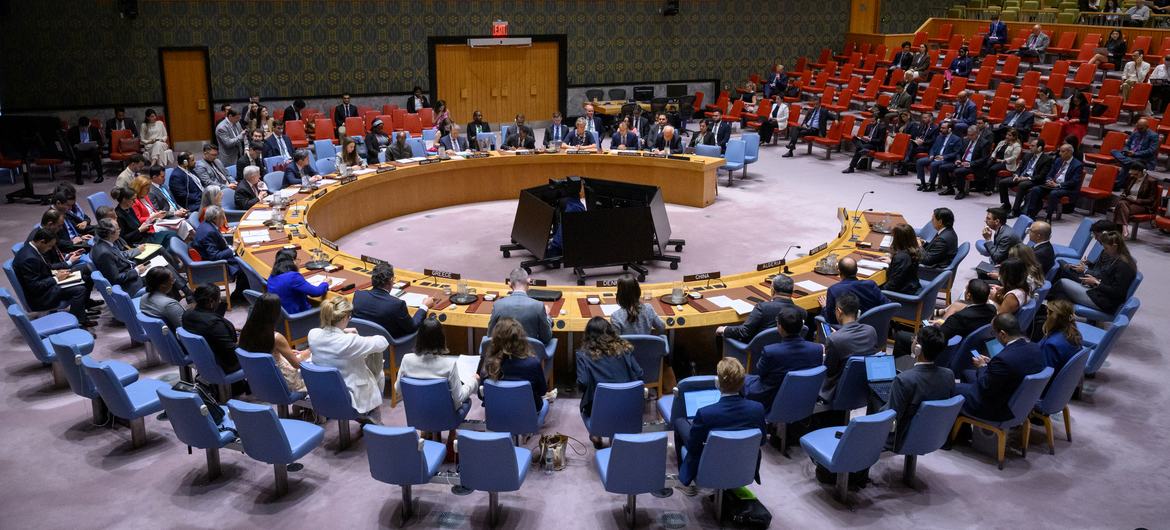
A wide view of the Security Council meeting on the situation in Syria. On screen is Geir Pedersen, Special Envoy of the Secretary-General for Syria.

Humanitarian crisis worsens

Humanitarian needs are escalating sharply. Edem Wosornu, Director of Operations at the UN Office for the Coordination of Humanitarian Affairs (OCHA), described Sweida as “teetering on the edge of collapse.

“The recent violence in Sweida has displaced an estimated 175,000 people…a third of the population in the governorate, where two-thirds of people were already in need of assistance,” she told ambassadors.

Hospitals are overwhelmed and face severe shortages of electricity, supplies and personnel. The World Health Organization (WHO) confirmed five attacks on healthcare in Sweida, including the killing of two doctors, obstruction and targeting of ambulances

Vital infrastructure, including water systems are critically damaged, and food, fuel and medicine remain scarce. Aid access remains limited due to insecurity.

While three UN-supported aid convoys reached Sweida with food, fuel and health supplies, Ms. Wosornu stressed the need for “sustained humanitarian access” and protection for aid workers and infrastructure.

Droughts and wildfires deepen suffering

The violence coincided with devastating wildfires in Lattakia that displaced over 1,100 people and destroyed farmland.

The fires were worsened by “the worst drought-like conditions Syria has seen in 36 years,” Ms. Wosornu said, with water reservoirs falling to historic lows.

UN agencies are responding with clean water, health services and food assistance.

Edem Wosornu, Director of the Operations at OCHA, briefs UN Security Council members on the situation Syria.

Comprehensive political reforms

Special Envoy Pedersen emphasised that sustainable peace in Syria hinges on inclusive political reform, security sector transformation and transitional justice.

“The state has a clear duty to act professionally and with discipline, even when under attack. It must take control of its forces and ensure visible accountability,” he said.

A new People’s Assembly is expected in September, a key step in the transitional framework. Mr. Pedersen warned that unless the process is inclusive, transparent and representative, it risks deepening public mistrust.

Transition simply cannot fail

The Syrian political transition simply cannot fail,” he said.

Ms. Wosornu echoed the call for international solidarity, urgent funding and a halt to hostilities. Only 12 per cent of the revised $3.2 billion humanitarian appeal has been met.

“Our assistance is falling far short of meeting the level of needs,” she said, “If Syria is to recover, such violence must stop.

Broadcast of the Security Council meeting on the situation in Syria.

UN condemns deadly attack on worshippers in DR Congo

Elements of the ADF, an Islamic State-affiliated insurgent group that originated in neighbouring Uganda, carried out the attack in Komanda town, Irumu territory, Ituri province.

At least 49 civilians were killed, including nine children. Several other people were injured and abducted, and shops and homes were set on fire. 

Most of the victims were reportedly worshippers killed with bladed weapons during a night vigil at a church.

The incident comes after ADF attacks earlier in the month killed 82 civilians in Ituri and North Kivu provinces, which MONUSCO condemned on 23 July. 

The group has committed grave human rights violations against civilians since its founding in 1995 and has been under UN sanctions since June 2014.

‘Deep outrage’ over attacks

MONUSCO expressed “deep outrage at these heinous acts of violence, which constitute serious violations of international humanitarian law and infringements on human rights.” 

The peacekeeping mission also extended condolences to the bereaved families, urged Congolese authorities to investigate these killings, and reiterated the UN Secretary-General’s call for all foreign armed groups to lay down their weapons unconditionally and return to their countries of origin.

“These targeted attacks against defenceless civilians, particularly in places of worship, are not only appalling but also in violation of all human rights standards and international humanitarian law,” said Vivian van de Perre, Deputy Special Representative of the UN Secretary-General for Protection and Operations and Acting Head of MONUSCO. 

She added that the Mission “will continue to work tirelessly alongside the Congolese authorities to protect the population in line with its mandate.”

Response on the ground

MONUSCO is supporting local authorities in their response by organising burials and providing medical care to the wounded. 

The peacekeeping mission is also intensifying security efforts in and around the city of Komanda. 

The Mission is committed to working with Congolese authorities and communities “to help prevent future attacks, protect civilians, reduce tensions, and contribute to the stabilization of areas affected by armed violence.” 

Source link

Guterres: ‘Breaking point’ reached in Israel-Palestine conflict, urgent action needed on two-State solution

Speaking Monday morning at the high-level conference on the peaceful settlement of the question of Palestine and the implementation of the two-State solution, the UN chief painted a stark picture of a conflict that continues to “take lives, destroy futures, and destabilise the region and our world.”

“We know that the Israeli-Palestinian conflict has endured for generations – defying hopes, defying diplomacy, defying countless resolutions, defying international law,” Mr. Guterres said. “But we also know its persistence is not inevitable. It can be resolved. That demands political will and courageous leadership. And it demands truth.”

The truth is: we are at a breaking point. The two-State solution is farther than ever before.

The Secretary-General denounced the 7 October Hamas attacks on Israel and hostage-taking as acts of terror he has “repeatedly condemned.” At the same time, he said “nothing can justify the obliteration of Gaza that has unfolded before the eyes of the world.”

He also spoke out against the starvation of civilians, the killing of tens of thousands, mass displacement, settler violence and the “creeping annexation” of the occupied West Bank – a move he called “illegal”.

Stop undermining two-State solution

Unilateral actions that would forever undermine the two-State solution are unacceptable and they must stop,” he said. “These are not isolated events. They are part of a systemic reality that is dismantling the building blocks of peace in the Middle East.”

The three-day conference is mandated by the General Assembly through resolutions ES-10/24 and 79/81, is co-organized by France and Saudi Arabia. It includes plenary sessions and thematic roundtables on issues such as security arrangements, humanitarian needs, reconstruction, and the economic viability of a future Palestinian state.

A group photograph of senior UN officials and ministers attending the high-level international conference.

Move beyond ‘well-meaning rhetoric’

In his speech, Mr. Guterres urged Member States not to let the event become “another exercise in well-meaning rhetoric.”

“It can and must serve as a decisive turning point – one that catalyses irreversible progress towards ending the occupation and realising our shared aspiration for a viable two-State solution,” he said.

Reiterating the long-standing UN position, the Secretary-General said the two-State solution remains the only viable path to peace – with Israel and Palestine living side-by-side within secure, recognised borders, based on the pre-1967 lines, with Jerusalem as the capital of both States.

It is the sine qua non [Latin for indispensable or absolutely essential] for peace across the wider Middle East,” he concluded.

More to follow…

Jean-Noël Barrot, Minister for Europe and Foreign Affairs of France; Faisal bin Farhan Al Saud, Minister of Foreign Affairs of Saudi Arabia; and Mohammad Mustafa, Prime Minister of the State of Palestine also spoke at the meeting.

The meeting continues with wrap-up sessions of the thematic roundtables. 

A plenary meeting in the General Assembly Hall will take place at 3 PM New York time.

You can follow the live coverage of the conference here.

LIVE COVERAGE: High-level conference on two-State solution for Israel and Palestine

A world in which a sovereign State of Palestine and Israel co-exist peacefully seems a distant prospect, particularly in light of the 7 October 2023 attacks by Hamas on Israel, and the subsequent Israeli bombardment of Gaza. A high-level UN conference opening on 28 July will, nevertheless, serve as the latest UN-backed attempt to find a way to end the conflict.