Sudan: UN sounds the alarm as health and food crises worsen across the country

As conflict between rival militaries rages on, millions of people keep on being displaced.

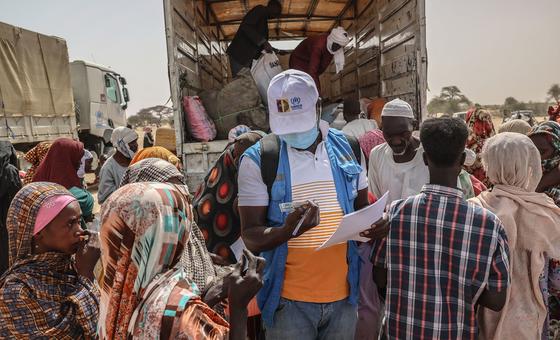
While the UN and its partners continue to provide assistance to newly displaced families in North Darfur, “nearly 60 per cent of displaced families still lack adequate shelter support,” said Deputy Spokesman for the Secretary-General, Farhan Haq, at a daily press briefing on Monday.

In Abu Shouk camp in El Fasher, the North Darfur capital, displaced families are facing acute shortages of food and medicine, with local sources reporting four hunger-related deaths last week, as food insecurity continues to worsen across the entire country.

In North Darfur state notably, low cereal supply, poor harvests and a prolonged food deficit have severely affected food availability.

Health crisis

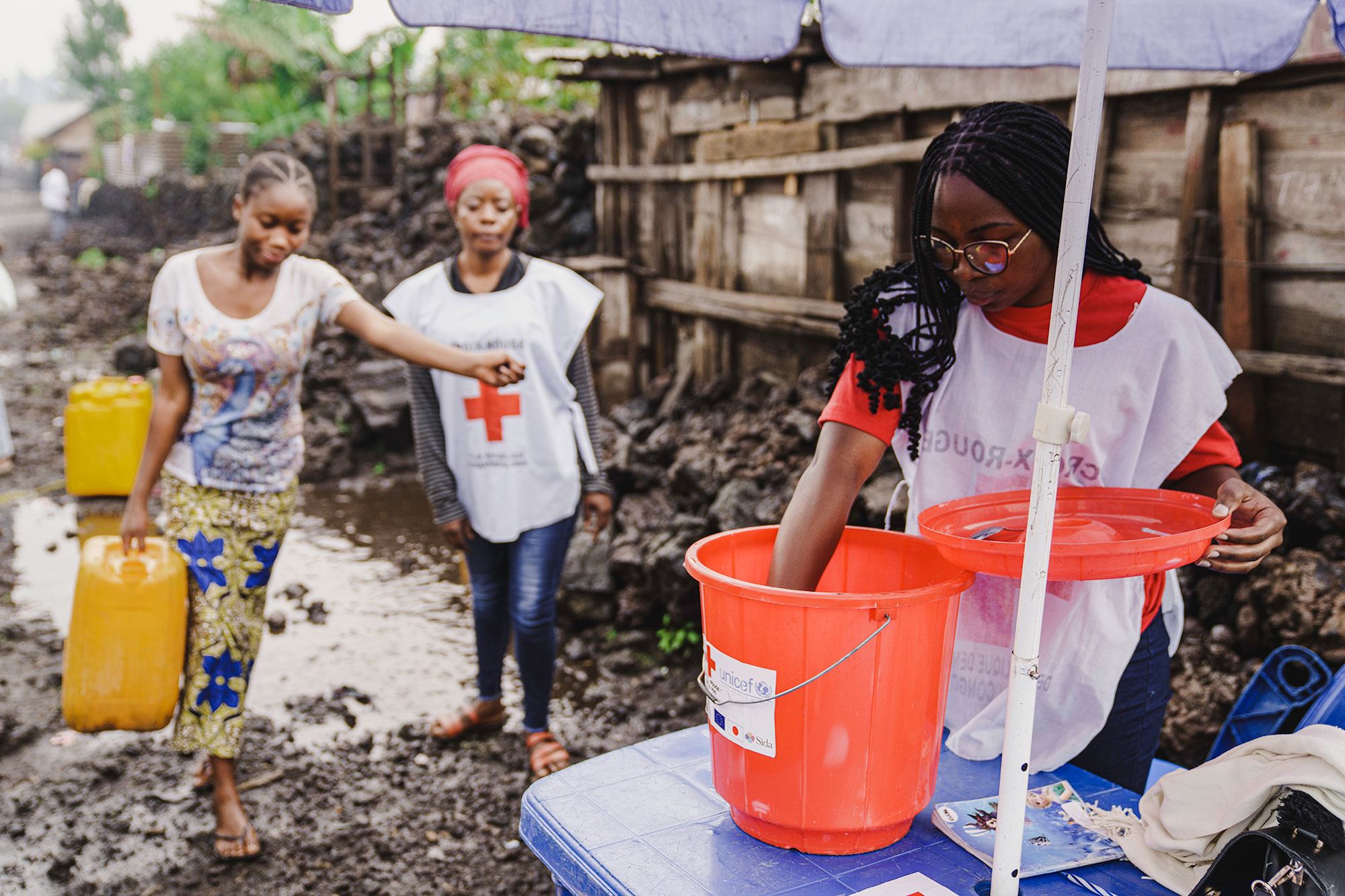
Meanwhile, cholera cases continue to rise in Tawila. More than 1,500 suspected and confirmed serious infections have been reported since June, with over 500 people currently receiving treatment.

While local authorities have introduced emergency measures, including market closures and a ban on public gatherings, humanitarian organizations urgently require $120 million to scale up life-saving support in Tawila over the next three months.

“This funding is essential to contain the outbreak and sustain critical services,” according to OCHA.

Meanwhile, in Port Sudan, the main entry point for humanitarian personnel and supplies, a sharp increase in heatstroke cases linked to extreme temperature and prolonged power outages is raising concerns, as one death was recorded over the past two days.

Food crisis

In El Fasher, food prices continue to rise to alarming levels.  The Integrated Food Security Phase Classification (IPC) has  already identified famine conditions in multiple areas of North Darfur and the eastern Nuba Mountains, with more locations at risk.

In May, the average cost of the local food basket in El Fasher was more than six times the national average, as the city recorded the highest prices for nearly all essential items among assessed localities.

An IPC alert earlier this month noted that Sudan’s food security and nutrition situation is set to further deteriorate over the lean season from July to October, notably in areas of active conflict with limited access and experiencing high levels of displacement. 

Source link

Amid starvation in Gaza, Sudan, Guterres slams hunger ‘as a weapon of war’

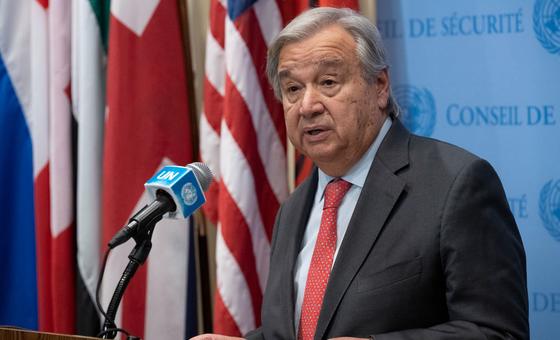
The development comes as UN Secretary-General António Guterres cautioned that conflict-driven hunger is spreading “from Gaza to Sudan and beyond”.

“Hunger fuels instability and undermines peace. We must never accept hunger as a weapon of war,” he said in a video message to the UN Food Systems Summit Stocktake in Addis Ababa. 

Meanwhile, citing reports Monday that “more children died today of hunger”, the UN agency for Palestinian refugees, UNRWA, said that it hoped to receive permission to bring in thousands of trucks loaded with food, medicine and hygiene supplies that Israel has blocked from entering Gaza for months.

“They are currently in Jordan and Egypt waiting for the green light,” the UN agency explained, adding that “at least 500/600 trucks” are needed every day to prevent more people from starving. More than 100 people have now starved to death in Gaza, UNRWA said, while local health authority reports indicate more than 40 deaths from malnutrition this month alone.

“Opening all the crossings and flooding Gaza with assistance is the only way to avert further deepening of starvation among the people of Gaza,” the UN agency maintained.

Humanitarian pauses

Its comments follow a major policy shift over the weekend when the Israeli army announced the establishment of a daily humanitarian pause from 10am to 8pm local time, in areas where its troops are not active. Child malnutrition has been on the rise in Gaza, particularly since 2 March when Israel imposed a near-total blockade, UNWRA has said.

According to a map supplied by the Israeli authorities, the humanitarian pause applies to a thin strip of Gaza encompassing Al-Mawasi in the southwest, Deir Al-Balah in the centre and Gaza City in the north. 

On Sunday, a convoy of more than 100 trucks carrying aid supplies reportedly entered the Strip via the Kerem Shalom border crossing in the south.

Aid desperatedly needed

While welcoming that development, the UN aid coordination office, OCHA, highlighted the staggering scale of needs on the ground in Gaza. 

One in three people “hasn’t eaten for days”, insisted Tom Fletcher, UN Emergency Relief Chief and head of OCHA. “People are being shot just trying to get food to feed their families. Children are wasting away. This is what we face on the ground right now.”

In his statement, Mr. Fletcher acknowledged “progress” on the aid front, but stressed that “vast amounts of aid are needed to stave off famine and a catastrophic health crisis”. He said that UN agencies and the humanitarian community remain mobilized “to save as many lives as we can”. 

In addition to Israel’s temporary boost for increased aid in Gaza, customs restrictions on food, medicine and fuel from Egypt have reportedly been lifted. Secure routes for UN humanitarian convoys have also been designated.

“We need sustained action, and fast, including quicker clearances for convoys going to the crossing and dispatching into Gaza,” Mr. Fletcher said, underscoring the need for “multiple trips per day to the crossings so we and our partners can pick up the cargo; safe routes that avoid crowded areas; and no more attacks on people gathering for food”. 

Meeting on two-State solution

Meanwhile in New York, France and Saudi Arabia on Monday launched a new diplomatic initiative to push for a two-State solution between Israel and the Palestinian people. 

The three-day conference begins as President Emmanuel Macron announced that France will formally recognize Palestine in September, the first of the G7 nations to do so.

A UN General Assembly resolution from 1947 established the partition of Palestine – then under British mandate – into two independent states, one Jewish and the other Arab. The State of Israel was declared in 1948. 

Global collaboration grows to address crises in Gaza, Sudan, Afghanistan

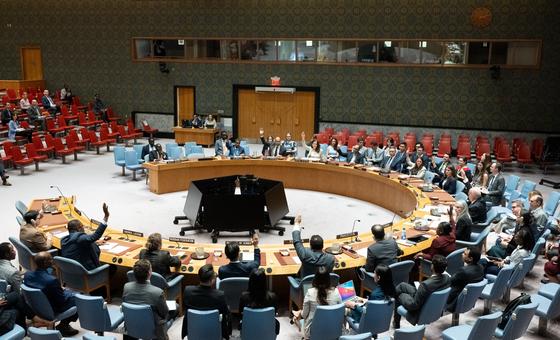
Briefing the Security Council on Thursday, Khaled Khiari, Assistant Secretary-General for the Middle East, said the OIC remains an “indispensable” partner in efforts to promote peace, uphold international law and deliver durable political solutions in a range of crisis contexts.

Headquartered in Jeddah, Saudi Arabia, the OIC has 57 member states and five observers, representing significant political, economic cultural and religious constituency.

Its voice carries considerable weight in some of the world’s conflict-affected situations,” Mr. Khiari said.

The UN values this partnership, not only as a matter of institutional cooperation, but as an essential component of our efforts to promote durable peace, inclusive governance and respect for international and human rights law.

He emphasized that the cooperation aligns with Chapter VIII of the UN Charter, which encourages partnerships with regional organizations in maintaining peace and security, and with the Pact for the Future – adopted by Member States last September to revitalize multilateralism and tackle global challenges through collective action.

Helping resolve crises

Mr. Khiari outlined joint UN-OIC work in Gaza, including the recent endorsement by the bloc and the League of Arab States of a recovery and reconstruction plan, as well as collaboration on the question of Jerusalem through an annual conference held in Dakar, Senegal.

In Sudan, where over two years of war have brought devastating humanitarian consequences, he welcomed the OIC’s backing for international mediation, including support for the UN Secretary-General’s Personal Envoy, Ramtane Lamamra.

Turning to Afghanistan, Mr. Khiari praised the OIC’s role in the UN-led “Doha Process,” noting its continued engagement with the Taliban de facto authorities and advocacy for the rights of Afghan women and girls – an area where the OIC’s moral and religious standing carries particular influence.

On Myanmar, the OIC remains an essential voice in global efforts to ensure a safe, dignified and voluntary return of the Rohingya to Rakhine state. He noted sustained coordination between the UN Secretary-General’s Special Envoy and the OIC in pushing for accountability and citizenship rights.

A wideview of the Security Council as ASG Khaled Khiari briefs members about cooperation between the UN and the Organisation of Islamic Cooperation.

Cooperation on global issues

Assistant Secretary-General Khiari also highlighted the growing collaboration between the two organizations on elections, including training on observation and women’s political participation. A new staff exchange programme is also helping to strengthen institutional ties.

He acknowledged the OIC’s leadership in countering Islamophobia and all forms of religious intolerance, an area where the UN has stepped up efforts, including through the appointment of a Special Envoy.

Counter-terrorism cooperation has also advanced, following a March 2024 memorandum of understanding. Joint initiatives include technical support, parliamentary engagement, and rights-based prevention strategies.

“As we move forward with the implementation of the Pact for the Future,” Mr. Khiari concluded, “the UN-OIC partnership will remain critical to defusing tensions, advancing sustainable peace, and reinforcing multilateral norms and principles.

Source link

Sudan: UN scales up response plan as humanitarian needs spiral in Tawila

Over 380,000 people are currently displaced there, and the plan aims at increasing assistance for communities over the next three months.

It focuses on food, healthcare, water, sanitation, shelter and protection, and requires $120 million for implementation, according to the UN Office for Humanitarian Coordination (OCHA). 

Spread of diseases

The health situation in North Darfur has also been deteriorating, with humanitarian partners on the ground warning that cholera, measles, malaria and trauma cases are surging in El Fasher and other displacement camps in the region.

As insecurity has forced the over 32 health facilities in the region to close, the lack of rapid diagnostic tests and the widespread Internet outage in the El Fasher area are also severely hindering disease surveillance.

Critical shortages of surgical supplies, essential medicines and vaccines are “pushing the health system to the brink, leaving thousands without access to the care that they need to stay alive,” UN Spokesperson Stéphane Dujarric said during his daily press briefing from New York.

Deadly civilian toll

Displacement continues to take a deadly toll on civilians seeking safety, with markets in South Darfur reeling from sharp price increases due to flooding and seasonal rivers cutting off supply routes from Chad and Northern State.  

Meanwhile, the UN remains “deeply concerned over escalating violence in the Kordofan region,” Mr. Dujarric said, after five civilians were reportedly killed and several others injured in drone strikes on fuel markets in Al Fula and Abu Zabad towns in West Kordofan state.

The UN called for an immediate cessation of hostilities, the protection of civilians and humanitarian personnel, unimpeded access across conflict lines and borders, and increased international support to address the spiraling humanitarian needs across Sudan.

Source link

Food lifeline fading for millions in South Sudan hit by conflict and climate shocks

Earlier this month, the UN agency began airdropping emergency food assistance in Upper Nile state after surging conflict forced families from their homes and pushed communities to the brink of famine.

Nationwide, the picture is just as alarming, with half the country’s population – more than 7.7 million people – officially classified as food insecure by UN partner the IPC platform. This includes more than 83,000 face “catastrophic” levels of food insecurity.

“The scale of suffering here does not make headlines but millions of mothers, fathers, and children are spending each day fighting hunger to survive,” said WFP Deputy Executive Director Carl Skau, following a visit to South Sudan last week. 

The worst-hit areas include Upper Nile state, where fighting has displaced thousands and relief access is restricted. Two counties are at risk of tipping into famine: Nasir and Ulang.

South Sudan, the world’s youngest country, gained independence in 2011. This gave way to a brutal and devastating civil war which ended in 2018 thanks to a peace agreement between political rivals which has largely held.

However, recent political tensions and increased violent attacks – especially in Upper Nile state – threaten to unravel the peace agreement and return the nation to conflict.

The humanitarian emergency crisis has been exacerbated by the war in neighbouring Sudan. 

Since April 2023, nearly 1.2 million people have crossed the border into South Sudan, many of them hungry, traumatised, and without support. WFP says that 2.3 million children across the country are now at risk of malnutrition.

Crucial, yet fragile gains

Despite these challenges, the UN agency has delivered emergency food aid to more than two million people this year. In Uror County, Jonglei state, where access has been consistent, all known pockets of catastrophic hunger have been eliminated. Additionally, 10 counties where conflict has eased have seen improved harvests and better food security, as people were able to return to their land.

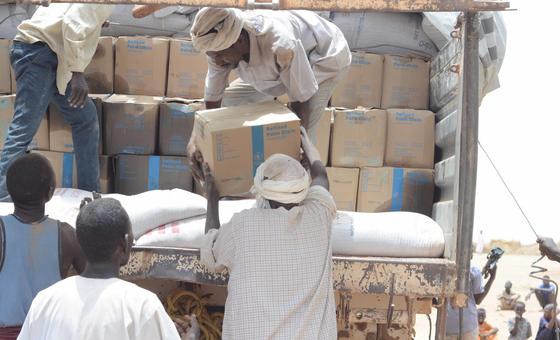
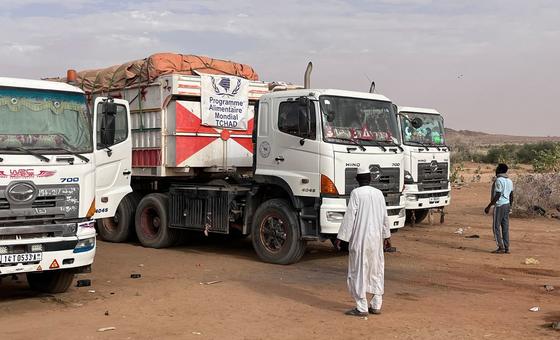
To reach those in the hardest-hit and most remote areas, WFP has carried out airdrops delivering 430 metric tons of food to 40,000 people in Greater Upper Nile. River convoys have resumed as the most efficient way to transport aid in a country with limited infrastructure. These included a 16 July shipment of 1,380 metric tons of food and relief supplies. WFP’s humanitarian air service also continues flights to seven Upper Nile destinations.

At the same time, a cholera outbreak in Upper Nile has placed additional pressure on the humanitarian response. Since March, WFP’s logistics cluster has airlifted 109 metric tons of cholera-related supplies to affected areas in Upper Nile and Unity states.

However, the UN agency says it can currently support only 2.5 million people – and often with just half-rations. Without an urgent injection of $274 million, deeper cuts to aid will begin as soon as September.

“WFP has the tools and capacity to deliver,” said Mr. Skau. “But without funding – and without peace – our hands are tied.” 

Source link

World News in Brief: Houthi-Israel tensions, Sudan cholera cases rise, deadly attacks in Ukraine

These strikes occurred while the UN Mission to support the Hudaydah Agreement – established in 2018 to support the ceasefire between the Government of Yemen and the Houthis – was patrolling at locations to the northern parts of the Port. 

The Secretary-General also expressed deep concern about the continuing missile and drone strikes conducted by the Houthis against Israel. 

Risk of further escalation

Concerned about the risk of further escalation, the UN recalled that international law, together with international humanitarian law, must be respected by all parties at all times, including the obligations to respect and protect civilian infrastructure. 

“The Secretary-General remains profoundly concerned about the risk of further escalation in the region,” said Mr. Dujarric. 

As the UN Chief reiterated his call for “all involved to cease all military actions and exercise maximum restraint,” he also renewed his call for the immediate and unconditional release of all UN and other personnel arbitrarily detained by the Houthi authorities. 

Sudan: Crisis worsens as cholera and floods drive needs higher  

The humanitarian crisis in Sudan continues to deepen as cholera spreads, flooding displaces communities, and thousands of people return to areas with little to no support, according to the UN Office for the Coordination of Humanitarian Affairs (OCHA).

In the locality of Tawiola, in North Darfur State, over 1,300 confirmed cases of cholera in just one week were reported on Sunday by an association of Sudanese doctors. 

While local and international partners have set up cholera treatment centres, the current capacity is far from sufficient to cope with the rising caseload.  

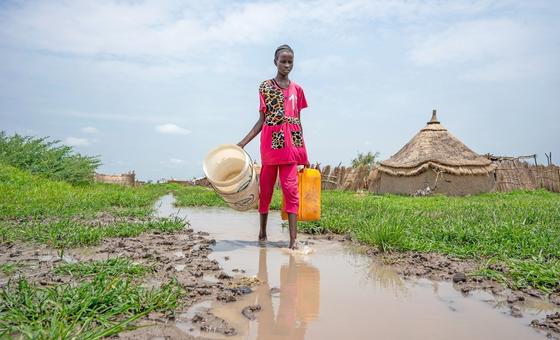
As Tawila hosts several hundred thousand displaced people, partners on the ground have been struggling to keep pace with the growing needs, notably as such needs are set to increase as the upcoming rainy season sets in. 

Vulnerable returnees 

Across Sudan, people returning to their communities face serious challenges, including the lack of essential services and the threat posed by explosive remnants of war. 

In White Nile State, some residents have begun returning after being displaced for a year. Yet, an assessment by OCHA and its partners last week found that health, water, sanitation and hygiene support is urgently needed, even more so ahead of the rainy season.

Similarly, in eastern Sudan, OCHA warns that many families returning to Kassala State are struggling to cope with the impact of heavy rains and flooding, as heavy rains destroyed more than 280 homes in the village of Tirik earlier in July. 

Additionally, as insecurity continues to impede the work of humanitarians, challenges faced by returnee families often lead them to return to displacement sites, undermining the sustainability of return efforts. 

In this context, OCHA called for increased international support to meet soaring needs across Sudan. 

Ukraine: At least 20 civilians reportedly killed in recent attacks  

In Ukraine, attacks over the weekend and into Monday reportedly killed over 20 civilians and injured more than 100 others, including several children, according to authorities.

The strikes affected the capital Kyiv, as well as western and front-line regions, damaging homes, schools, and a health facility.

In Kyiv, a kindergarten, metro stations, shops and residential buildings were hit. 

The Ivano-Frakivsk region in western Ukraine which hosts many displaced people and had previously been less affected by hostilities, suffered the largest attack since the full-scale Russian invasion in February 2022.  

Frontline regions  

Meanwhile, in areas near the frontlines in the Donetsk, Dnipro and Kherson regions, hostilities caused civilian casualties and further damage to schools, a health facility, and apartment buildings. Odesa, Kharkiv, Sumy and other regions also reported that homes and shops were destroyed.  

With support from UN agencies, and coordinating with local authorities and first respondents, humanitarian organizations on the ground continue to provide shelter materials, non-food items, legal aid, psychosocial support and assistance for children across the country.  

Source link

Aid cuts leave refugee agency unable to shelter six in 10 fleeing war in Sudan

Globally, $1.4 billion of the agency’s programmes are being shuttered or put on hold, UNHCR said in a new report.

“We can’t stop water, you can’t stop sanitation, but we’re having to take decisions when it comes, for example, to shelter,” said UNHCR Director of External Relations, Dominique Hyde.

“We’re have people arriving on a daily basis from Sudan, from the Darfur regions…arriving in Chad, not able to be given any shelter.”

In an urgent appeal for flexible funding from donors, Ms. Hyde noted that up to 11.6 million refugees and others risk losing access this year to direct humanitarian assistance from UNHCR. The figure represents about one-third of those reached by the organization last year.

On the Sudan-Chad border, the UN agency is now unable to provide “even basic shelter” to more than six in 10 refugees fleeing the conflict. Thousands more vulnerable people have been left stranded in remote border locations in South Sudan, too. “If we just had a bit more support, we could get them to settlements,” she insisted.

Because of the funding cuts, basic activities have already been hit hard. These include refugee registration, child protection, legal counselling and prevention of and responses to gender-based violence.

Every aid sector hit

In South Sudan, 75 per cent of safe spaces for women and girls supported by UNHCR have closed, leaving up to 80,000 refugee women and girls without access to medical care, psychosocial support, legal aid, material support or income-generating activities. This includes survivors of sexual violence, UNHCR noted.

“Behind these numbers are real lives hanging in the balance,” Ms. Hyde said.

“Families are seeing the support they relied on vanish, forced to choose between feeding their children, buying medicines or paying rent, while hope for a better future slips out of sight. Every sector and operation has been hit and critical support is being suspended to keep life-saving aid going.”

Libya influx

Many of those impacted by the war in Sudan have taken the decision to move from Chad and Egypt to Libya, into the hands of people smugglers who dangerously overload boats with desperate people seeking to cross the Mediterranean Sea to Europe.

“What we’re observing now is that in terms of arrivals in Europe of…Sudanese refugees, [it] has increased since the beginning of the year by about 170 per cent compared to the first six months of 2024,” said UNHCR spokesperson Olga Sarrado.

Support slashed from Niger to Ukraine

In camps hosting Myanmar’s Rohingya refugees in Bangladesh, education for some 230,000 children could now be suspended. Meanwhile in Lebanon “UNHCR’s entire health programme is at risk of being shuttered by the end of the year”, Ms. Hyde continued.

In Niger and other emergency settings, cuts in financial aid for shelter have left families in overcrowded structures or at risk of homelessness. In Ukraine, financial aid has also been slashed, “leaving uprooted families unable to afford rent, food or medical treatment”, Ms. Hyde noted.

Assistance to returning Afghans has also become another victim of the global aid cuts. Around 1.9 million Afghan nationals have returned home or been forced back since the start of the year, “but financial aid for returnees is barely enough to afford food, let alone rent, undermining efforts to ensure stable reintegration”, UNHCR said.

Legal aid halted

Overall, several UNHCR operations hit by severe funding gaps have now had to curtail investments in strengthening asylum systems and promoting regularization efforts.

In Colombia, Ecuador, Costa Rica and Mexico, any prolonged lack of legal status means prolonged insecurity for people on the move, the UN agency said. This results in deepening poverty “as refugees are excluded from formal employment and greater exposure to exploitation and abuse,” Ms. Hyde explained.

Approximately one in three of the agency’s 550 offices around the world has been impacted by the cuts, Ms. Hyde told journalists in Geneva:

“We’re not in a position to do so much contingency planning; what we’re able to do is make decisions on priorities – and at this point the priorities as I mentioned are dramatic.”

For 2025 UNHCR needs $10.6 billion. Only 23 per cent of this amount has been provided.

“Against this backdrop, our teams are focusing efforts on saving lives and protecting those forced to flee,” Ms. Hyde said. “Should additional funding become available, UNHCR has the systems, partnerships and expertise to rapidly resume and scale up assistance.”

Source link

UN rights chief condemns the killing of scores of civilians in Sudan

Since 10 July, the UN human rights office, OHCHR, has verified that the Rapid Support Forces

 (RSF) have killed at least 60 civilians in North Kordofan’s Bara locality, while civil society groups have reported that up to 300 were killed.

The Sudanese Armed Forces (SAF) also hit two villages in West Kordofan from 10 to 14 July, killing at least 23 civilians and causing more than 30 injuries.

Most recently, on Thursday, an SAF airstrike in Bara killed at least 11 civilians who were all members of a single family.

According to the High Commissioner’s statement, these deaths come amid worrying reports that the RSF is mobilising for an offensive on the capital of North Kordofan state, El Obeid.  

Continued concern for El Fasher  

At another major hotspot in the Sudan conflict, the besieged city of El Fasher in North Darfur state, the RSF has conducted multiple attacks recently. They include a ground attack on 11 and 12 July, which reportedly resulted in civilian casualties.  

The High Commissioner subsequently “expressed continued concern for the safety of civilians in El Fasher.”

“Callous disregard for civilians’ lives and safety”

The statement stressed that the High Commissioner “deplored the killing of dozens of civilians by both parties.”

“It is distressing that more than two years since the conflict began parties to the conflict in Sudan continue to demonstrate callous disregard for civilians’ lives and safety,” he said.  

“An escalation of hostilities in North Darfur and Kordofan will only further aggravate the already severe risks to civilians and the dire humanitarian situation in a conflict that has already wrought untold suffering on the Sudanese people,”  

Mr. Türk urged those with influence to prevent further escalation and ensure parties uphold their obligations under international law, including the protection of civilians.  

The High Commissioner renewed his calls for the warring parties to ensure safe and unimpeded access to humanitarian aid and to prevent violations of international law.  

“All alleged violations must be fully and independently investigated and those responsible brought to justice,” he concluded. 

Source link

Sudan: UNICEF condemns weekend attacks that killed 35 children

At least 24 boys, 11 girls and two pregnant women reportedly were among the victims of the violence, which occurred over the weekend in communities around the city of Bara, including the villages of Shag Alnom and Hilat Hamid. 

UNICEF fears that with dozens more injured and many still missing, the number of child casualties could rise further.

‘A complete disregard for human life’

“These attacks are an outrage,” Executive Director Catherine Russell said in a statement issued on Tuesday.

“They represent a terrifying escalation of violence, and a complete disregard for human life, international humanitarian law, and the most basic principles of humanity.”

Former allies turned rivals – the Sudanese Armed Forces (SAF) and the paramilitary Rapid Support Forces (RSF) – have been battling for control of the country since April 2023 and fighting has intensified recently in the Kordofan region which encompasses three states.

End the violence now

“UNICEF condemns the attacks in the strongest possible terms,” said Ms. Russell.

She called on all parties to end the violence immediately and to uphold their obligations under international law, including international humanitarian law, as well as the principles of distinction, proportionality and precaution.

The UNICEF chief stressed that civilians – particularly children – must never be targeted. Furthermore, all alleged violations must be independently investigated, and those responsible held to account.

Impunity cannot be tolerated for violations of international law, especially when children’s lives are at stake,” she said.

Ms. Russell extended the agency’s deepest condolences to the families of the victims, and to anyone impacted by this heinous violence.

No child should ever experience such horrors,” she said. “Violence against children is unconscionable and must end now.” 

Source link

Sudan: Humanitarian needs deepen amid rising hostilities and heavy rains

Nearly 27 months have passed since fighting broke out between the Sudanese Armed Forces (SAF) and a former ally, the paramilitary Rapid Security Forces (RSF), creating an unprecedented humanitarian crisis.

The UN voiced grave alarm over escalating hostilities in El Fasher, the besieged capital of North Darfur state. 

Serious risk of renewed violence

Large numbers of RSF fighters reportedly entered the city on Friday for the first time since the siege began over a year ago.

Local sources report that recent fierce fighting, particularly in the southwest and east of El Fasher, has led to civilian casualties.

“The situation remains highly volatile and unpredictable, with a serious risk of renewed violence, as well as further displacement and disruption of humanitarian operations – which are already under severe strain,” OCHA said.

Insecurity in North Kordofan state

Meanwhile, in North Kordofan State, growing insecurity forced 3,400 people to flee their homes over the weekend, according to the UN International Organization for Migration (IOM). 

Local reports indicate that at least 18 civilians were killed, and homes were burned in several villages.

OCHA reminded all parties that attacks on civilians and civilian infrastructure are prohibited under international humanitarian law, and that civilians must be protected at all times.

Rainy season constraints

Meanwhile, heavy rains have been reported in West and Central Darfur states, which may affect road conditions in some locations and worsen the challenges humanitarians are already facing in accessing people in need.

“With the rainy season continuing through October, the risk of floods, access constraints and disease outbreaks is growing – especially during this critical lean season, a time between harvests when food stocks traditionally run low,” OCHA warned.

Families return to West Darfur

The agency said that despite the crisis, signs of small-scale returns are visible in West Darfur state, where displaced families have been returning from Chad to three localities – Sirba, Jebel Moon and Kulbus – to cultivate their farms. 

Furthermore, local authorities report about 40 people returning daily to Kulbus, with 300 arriving over the past week.

OCHA urged all parties to enable safe and unimpeded access to all people in need across Sudan, and for donors to step up their support.

Some 30 million people nationwide – more than half the population – need vital aid and protection this year. 

Source link

UN warns of worsening humanitarian crisis in Sudan as displacement, hunger and disease escalate

The situation is particularly dire in El Fasher, the capital of North Darfur province, which has witnessed some of the worst episodes of the ongoing conflict between rival militaries.

Those remaining in El Fasher are facing “extreme shortages” of food and clean water, with markets repeatedly disrupted, UN Spokesperson Stéphane Dujarric told journalists at the regular news briefing in New York.

Across the city, nearly 40 per cent of children under five are suffering from acute malnutrition, including 11 per cent with severe acute malnutrition.

Most of the surrounding water infrastructure has also been destroyed or rendered non-functional due to minimal maintenance and fuel shortages, Mr. Dujarric added.  

El Fasher displacement

Since April 2023, an estimated 780,000 people have been displaced from El Fasher town and the nearby Zamzam displacement camps, including nearly 500,000 in April and May of this year.

Famine conditions have been confirmed in the area since last August.

About three-quarters of Zamzam camp’s residents fled to various locations across Tawila, where the UN and its partners have scaled up critical humanitarian assistance.

Cholera outbreak continues

Mr. Dujarric further warned that the breakdown of water and sanitation services, combined with low vaccination coverage, has sharply increased the risk of disease outbreaks, including cholera.

So far this year, Sudan has reported more than 32,000 suspected cholera cases.

According to the UN Office for Coordination of Humanitarian Affairs (OCHA) cholera cases continue to rise across Darfur, with over 300 suspected cases and more than two dozen deaths reported in South Darfur state last week alone.

“Conflict and collapsing infrastructure continue to drive the spread of the disease and impede response efforts,” Mr. Dujarric stressed.

Unprecedented and complex crisis

Since war erupted between the former allies-turned-rivals, the Sudanese Armed Forces (SAF) and Rapid Support Forces (RSF) in April 2023, tens of thousands of civilians have been killed and more than 12 million forced to flee their homes – including approximately four million as refugees in neighbouring countries.

The crisis is unfolding against a backdrop of extreme vulnerability, as the country remains highly susceptible to the impacts of climate change and disasters.

From severe droughts to deadly floods, the compounded effects of conflict and environmental instability are pushing communities to the brink, leaving them struggling to survive. Famine has already been declared in some parts of the country, putting millions of lives at risk.

Lack of resources hamstring response

Despite growing needs, the $4.2 billion humanitarian response plan for 2025, which aims to assist around 21 million of the most vulnerable people, remains only 21 per cent funded, having received $896 million so far.

Tom Fletcher, UN Under-Secretary-General for Humanitarian Affairs, underscored the gravity of the situation in El Fasher.

Civilians in the area remain cut off from aid and face the risk of starvation, he said in a post on social media.

Appealing for an urgent humanitarian pause, he warned that “every day without access costs lives.” 

Source link

‘A spirit of oneness’: Cooperatives cultivating peace in South Sudan

“Cooperatives are a system that enables the South Sudanese to improve their livelihoods, but at the same time also contributes to the economy… this is the only way for South Sudan to move out of poverty,” said Louis Bagare project manager of cooperatives at the Food and Agriculture Organization (FAO) in South Sudan.

He was speaking ahead of the International Day of Cooperatives, which is celebrated every 5 July, and which highlights how cooperatives enable people to provide for their basic needs in contexts where individuals working alone is insufficient.

A path to peace

In South Sudan, the potential of cooperatives extends beyond economic empowerment.

A farmer in South Sudan tills her land.

 “Cooperatives are one of the avenues that can bring peace and stability to South Sudan,” said Mr. Bagare.

For over a decade, South Sudan has faced many intersecting challenges. Following its independence in 2011, a civil war broke out, concluding in 2018 with a peace agreement. But this peace is more fragile than ever.

Looting and intercommunal violence, mainly perpetrated by young people, continues to be an ever-present concern for many communities which already face catastrophic food insecurity and continual climate shocks.

In this context, cooperatives provide a ray of hope.

“Cooperatives really changed the mindset of our people and brought stability to the country,” said Deng William Achiek, director for rural producers in South Sudan’s Ministry of Agriculture and Food Security.

But what is it about cooperatives that may usher in a lasting peace?

A voluntary and democratic group

Cooperatives are voluntary economic organizations in which members share in the risk, work and income.

“A cooperative is a democratic, social association of people who, as individuals, cannot improve their status of living and social status … But once they come together in a cooperative, then, they can raise the standard of their living,” said Oneil Yosia Damia, the Director-General for Cooperative Development in South Sudan.

A cooperative of women farmers in South Sudan has been trained in seed production by FAO.

FAO’s Louis Bagare believes that this sort of democratic approach to governance at a local level will trickle up to the national level and encourage more widespread buy-in to a democratic form of governance across South Sudan.

Income, not guns

In addition to providing a model of democratic governance, cooperatives also enable economic growth and development, providing communities — especially young people — a viable and sustainable alternative to looting.

“When, especially the youth, are engaged in productive activities that generate income, they will not have the interest to pick a gun to go and fight or to rob and loot,” Mr. Bagare said. 

In South Sudan, the communities which form cooperatives often do not have enough individual resources to maintain a sustainable livelihood, a reality which pushes youth towards violent looting for survival.

“When [community members] work together, when they bring ideas together, when they bring resources together, it is much easier for them to overcome their livelihood challenges,” Mr. Bagare said.

Mr. Bagare also explained that banks are more willing to invest in groups and organizations like FAO are more likely to provide support to cooperatives. But ultimately, the goal is that this will not be long-term.

“The focus is on building their capacity so that they can be able to create lives,” Mr. Bagare said.

A historic structure in the world’s youngest country

In South Sudan, there are cooperatives of every shape and size. Overwhelmingly, these cooperatives are agricultural but some also produce soap, bread and textiles. The history of South Sudan is populated with examples of this type of work.

“Cooperatives are not something which has come from nowhere. It has been part of the culture of South Sudan,” Mr. Bagare said.

Mr. Daima referred to the “golden era” of cooperatives which existed before the civil war in 2011. He said that his office within the Ministry of Agriculture and Food Security is working diligently to get back to that time.

“I want our cooperatives to be as busy as bees. This is the spirit of oneness, of unity,” Mr. Daima said.

Mr. Bagare hopes for a future in South Sudan where cooperatives become a part of every economic sector — not just agriculture.

“If we are able to work together, we can become better people tomorrow. But the moment that we continue to only fight with each other, we will continue to destroy ourselves.”


Source link

Sudan: UN warns of soaring displacement and looming floods

At Tuesday’s regular briefing at the UN Headquarters, in New York, Spokesperson Stéphane Dujarric relayed warnings from the UN Office for the Coordination of Humanitarian affairs (OCHA), citing urgent concerns across the country.

“Across Sudan, we continue to be deeply concerned about the humanitarian impact of the ongoing fighting, which is escalating displacement and driving needs even higher,” Mr. Dujarric said.

Conflict driving displacement

Clashes between rival militaries – Sudanese Armed Forces (SAF) and the Rapid Support Forces (RSF) – continue to uproot civilians, particularly in Darfur and Kordofan states. Fighting in El Fasher alone has displaced more than 400,000 people since April, according to OCHA.

In June, nearly 8,000 displaced people from North Darfur arrived in Ad-Dabba, putting pressure on overstretched resources and limited access to healthcare, shelter, clean water and food.

In North Kordofan, over 16,000 people were forced to flee their homes in Bara between 26 and 29 June alone, while another 16,000 to flee Babanusa in West Kordofan on 27 June, according to the UN International Organization for Migration (IOM).

Flood warnings

Separately, OCHA warned of increased flood risks as Sudan enters its rainy season, which runs through October. Forecasts point to above-average rainfall, heightening the threat of both riverine and flash floods – especially in areas already facing limited infrastructure and access.

“Any flooding could disrupt road access, hamper aid delivery, and heighten the threat of disease outbreaks during the ongoing lean season,” Mr. Dujarric said, noting that an ongoing cholera outbreak could worsen with the floods.

Nearly 500,000 people were affected by floods last year. With the likelihood of a repeat or worse this season, Mr. Dujarric said humanitarian agencies are ready to respond “where access and resources allow,” but warned that critical funding gaps are hampering preparedness.

UN relief visits Sudan

Mr. Dujarric also highlighted the importance of recent discussions between Under-Secretary-General for Humanitarian Affairs Tom Fletcher and senior SAF and RSF officials.

Mr. Fletcher appealed for a humanitarian pause to allow lifesaving aid to reach people in El Fasher, which has been besieged by the RSF and cut off from assistance since last April.

“Our humanitarian colleagues underscore that we will continue our engagements with the aim of facilitating the swift and safe delivery of aid to all those who need it,” Mr. Dujarric said.  

Source link

Sudan: ‘Fighting shows no signs of abating,’ senior UN official tells Security Council

On Friday, the UN Security Council heard sobering briefings from Martha Ama Akyaa Pobee, UN Assistant Secretary-General for Africa, and Shayna Lewis, Sudan Specialist and Senior Advisor with Preventing and Ending Mass Atrocities (PAEMA), a US-based organization.

Ms. Pobee stressed that front lines continue to shift as the RSF and SAF press on with their military objectives, warning, “the warring parties appear unrelenting in their resolve to pursue military objectives.”

She noted the growing use of advanced weaponry, including long-range drones, which have expanded the violence into previously stable areas.

Martha Ama Akyaa Pobee, Assistant Secretary-General for Africa in the UN Department of Political and Peacebuilding Affairs and Peace Operations, briefs the Security Council meeting on the situation in Sudan.

Ms. Pobee further warned of the conflict spilling further into the region, citing recent reports of violent clashes in the tri-border area between Sudan, Libya and Egypt, involving the SAF, RSF and forces affiliated with the Libyan National Army.

Human rights violations

Ms. Pobee also referenced UN human rights reports documenting a tripling of arbitrary civilian killings between February and April this year.

“Entrenched impunity is fuelling these and other gross human rights violations and abuses. All parties to the conflict must be held accountable,” she stressed.

Ms. Lewis’s briefing focused on the worsening humanitarian situation, highlighting the over 15 million children now in need of assistance due to ongoing attacks on civilians.

Shayna Lewis, Senior Advisor and Sudan Specialist at Preventing and Ending Mass Atrocities (PAEMA), addresses the Security Council meeting on the situation in Sudan.

Returning from a recent visit to Sudan, she shared accounts of severely injured children in hospitals and stressed that up to 80 per cent of health facilities in conflict areas are no longer functioning.

She also cited examples of indiscriminate attacks on hospitals by both the SAF and RSF, including a suspected SAF drone strike on 21 June that hit a hospital in West Kordofan, killing over 40 people and destroying critical lifesaving equipment.

Both Ms. Lewis and Ms. Pobee raised alarm over the warring parties’ widespread use of sexual and gender-based violence against women and girls across Sudan.

Government of Hope

Despite the ongoing violence and human rights abuses, Ms. Pobee underscored the significance of the new “Government of Hope.”

On 31 May, a new interim Prime Minister was inaugurated, announcing reform plans and immediately appointing a cabinet of professional technocrats.

Ms. Pobee also acknowledged the efforts of the Personal Envoy of the UN Secretary-General for Sudan, Ramtane Lamamra, who has been engaging with the Prime Minister, civilian groups and the warring parties.

Through this crucial communication, the Personal Envoy is helping these stakeholders work toward an inclusive political resolution.

“I urge this Council – once again – to unite in lending full support to Personal Envoy Lamamra’s efforts, and to use its influence with the parties and their external backers to press for a genuine commitment to dialogue and de-escalation,” Ms. Pobee said.

Ambassadors also heard a briefing from the Chair of the Sudan Sanctions Committee, established by the Council pursuant to Resolution 1591 (2005), on the work of the Committee. Following the open briefing, the Council held closed consultations during which Personal Envoy Lamamra also briefed members.

Source link

For too long, ‘unbound horrors’ have unfolded in Sudan

Since civil war erupted in April 2023 between the generals of the national army and their former allies-turned rivals, the Rapid Support Forces (RSF) militia, vast areas of the country have been left in ruins.

The conflict has fuelled the world’s largest displacement crisis, with more than 12 million people forcibly displaced, the majority of them women and children.

The recent escalation poses a grave risk of further deterioration in what is already a “brutal and deadly conflict”, raising serious concerns for civilian protection, said Volker Türk, the UN High Commissioner for Human Rights (OHCHR), in a statement.

Displacement camps under siege

Following a year-long siege, the RSF launched a renewed assault on the displacement camps around El Fasher on Monday, after months of intensified mobilisation, including the recruitment of children across Darfur.

The operation echoed the RSF’s ground offensive on Zamzam camp in April, which resulted in hundreds of civilian deaths, widespread sexual violence, and a deepening humanitarian emergency.

Between 10 and 13 April alone, the RSF reportedly killed more than 100 civilians in areas around El Fasher.

Trapped civilians

In South Kordofan state, fighting between the parties vying for control of the strategic town of Al Debibat has trapped thousands of civilians.

Meanwhile, in North Kordofan state, the RSF have reportedly surrounded the city of El Obeid, which is currently held by the SAF and allied groups.

The RSF commander has announced that the group may attack the city in the coming days.

“We know where further escalation will lead,” said Mr Türk.

For too long, “the world has witnessed the unbound horrors unfolding in Sudan”, he said, “civilians must be protected at all costs.”

Duty to protect

The UN rights chief urged “the parties to ensure civilians can safely leave El Fasher, Al Debibat, and El Obeid,” as well as other locations where people may be trapped.

Mr. Türk called on all parties to refrain from “attacking civilian objects,” and to ultimately lay down their weapons and put an end to hostilities.

OHCHR also called on “all States to exert their influence to press for a durable political solution,” and to ensure that parties to the conflict respect international humanitarian law, calling for an end to the flow of arms into the country.

Source link

World News in Brief: Global investment plunges, hurricane season in Haiti, rising cholera and hunger in South Sudan

Their latest data shows that the outlook for international investment this year “is negative”, a sharp course correction from January, when “modest” growth seemed possible.

The reasons for this range from trade tensions and tariffs whose main effect has been a “dramatic increase in investor uncertainty”, said UNCTAD Secretary-General Rebeca Grynspan.

She said that investment in renewable energy, water and sanitation fell by some 30 per cent and that agriculture saw a 19 per cent drop in investor confidence.

Only the health sector saw an increase of nearly 20 per cent, Ms. Grynspan said, although that only accounts for “less than $15 billion globally”.

‘Very real consequences’

“Behind those numbers are very real consequences. Jobs not created,” she said. “Infrastructure not built, sustainable development delayed. What we see here is not just a downturn. It is a pattern.”

Ms. Grynspan also cited “growing geopolitical tensions” in addition to rising trade barriers around the world as reasons for the fall in global investment for development.

In critical sectors as hi-tech industries and rare earth minerals, governments are also tightening screening measures on proposed foreign investment, the UN agency noted.

Supplies to limit hurricane impact in Haiti critically low

The Humanitarian Country Team in Haiti warned Wednesday that funding and pre-positioned contingency supplies are critically low ahead of what is forecast to be an above-average hurricane season.

Haiti is highly vulnerable to extreme weather, with 96 per cent of the population at risk. Forecasts project 12 to 19 tropical storms and up to five major hurricanes this year.

The alert comes as the fragile island nation grapples with a worsening humanitarian crisis. Armed gangs control much of the country, the collapse of essential services and growing displacement have left 5.7 million people food insecure, 1.3 million displaced and 230,000 living in makeshift shelters ill-equipped to withstand severe weather.

Limited preparations  

Humanitarian actors have pre-positioned limited stocks of essential items, but they are at a record low for a hurricane season posing such high risk.  

For the first time, Haiti will begin the hurricane season without pre-positioned food supplies or the financial resources necessary to initiate a rapid response.  

Meanwhile, UN Humanitarian Office (OCHA) is coordinating missions with UN agencies and partners to assess how to safely resume aid operations in high-need areas, following their suspension on 26 May due to insecurity.

“I am deeply concerned for communities, families, and vulnerable groups who have already been affected by violence and are living in precarious conditions,” said Ulrika Richardson, Humanitarian Coordinator in Haiti, calling for immediate support.

As of mid-June, the $908 million Humanitarian Response Plan for Haiti is just 8 per cent funded.

Worsening cholera and hunger in South Sudan

OCHA raised the alarm on Thursday over rising malnutrition and cholera cases in war-torn South Sudan.

An estimated 2.3 million children under five urgently need treatment for acute malnutrition, a 10 per cent increase since last July.

This crisis is unfolding amid the world’s most severe cholera outbreak this year, with almost 74,000 cases and at least 1,362 deaths reported as of 16 June.  

The start of the rainy season and waning immunity risk a significant surge in infections.

UN response

The 2025 Humanitarian Needs and Response Plan for South Sudan is only 20 per cent funded.

Despite limited resources and many challenges, the UN and partners have scaled up efforts, delivering vaccines and life-saving aid to contain the disease and protect the most vulnerable.

“This dire situation is a stark reminder that we need funding urgently to expand food assistance, to expand nutrition and expand health services to those who need it the most,” said UN Spokesperson Stéphane Dujarric at the daily briefing in New York. 

Source link

World News in Brief: Rights abuses in Haiti, Sudan war sees exodus to Chad, food trade optimism

Between 1 January and 30 May, at least 2,680 people – including 54 children – were killed, 957 injured, 316 kidnapped for ransom, and many more subjected to sexual violence and child gang recruitment.

“Alarming as they are, numbers cannot express the horrors Haitians are being forced to endure daily,” said Mr. Türk.

Conflicts on all sides

In recent months, gangs have attacked Mirebalais in the centre of the country, looting police stations, destroying property and freeing over 500 inmates from the local prison.

Meanwhile, so-called self-defence groups have targeted individuals they suspect of gang affiliation. On 20 May, at least 25 people were killed and 10 injured by a group accusing them of supporting gangs.

Law enforcement has ramped up operations against them. Since January, police have killed at least 1,448 people, including 65 during extrajudicial executions.

Mr. Türk called on the international community to take decisive action to end the violence, including renewed support for the Security Council-backed Multinational Security Support (MSS) mission and full enforcement of the council’s arms embargo.

He also reiterated his call for States to not forcibly return anyone to Haiti.  

“The coming months will be crucial and will test the international community’s ability to take stronger, more coordinated action – action that will help determine the future stability of Haiti and the wider region,” Mr. Türk added.

Outlook for food trade ‘relatively optimistic’, FAO says

The Food and Agriculture Organization (FAO) released their annual Food Outlook report Thursday which provides a “relatively optimistic” look at international food markets.  

According to the report, production is expected to increase across almost all categories, with grain production expected to reach record levels. And while prices do remain higher this year than last, between April and May there was an overall decrease of almost one per cent. 

The report noted, however, that global trends — including rising geopolitical tensions, climate shocks and trade uncertainties — may still negatively impact production.  

“While agricultural production trends appear solid, drivers that could negatively impact global food security are increasing,” said FAO Chief Economist Máximo Torero.

Fowl, fish fraud and fertilizer flows

The report noted that outbreaks of avian influenza have become more persistent and constitute “one of the most significant biological threats to the global poultry sector.” Nevertheless, poultry exports have largely remained largely resilient so far.  

The issue of fish fraud – the misrepresentation of the location or manner of the catch – was also discussed, with FAO warning that risks are growing.  

Additionally, the report examined fertilizer flows, noting Russia’s growing exports and the decrease in fertilizer prices since the COVID pandemic.  

Overall, the report noted, the cost of imports worldwide has increased by 3.6 percent or nearly $2.1 trillion.  

Eastern Chad ‘reaching a breaking point’ as Sudan war refugees continue to arrive  

Aid teams in eastern Chad warn on Friday that host communities are reaching breaking point because of climate shocks and the pressure of hosting war refugees from neighbouring Sudan.

In an alert, the UN’s top aid official in Chad, François Batalingaya, warned that a humanitarian catastrophe is unfolding almost unnoticed by the world’s media.

“Right now, nearly 300,000 people are stranded at the border, waiting to be relocated inland,” he noted.  

“Tens of thousands, mostly women and children, are sleeping in the open without shelter, clean water and health care. These are survivors of war. They arrive traumatized, hungry, and with nothing. They recount stories of mass killings, sexual violence and entire communities destroyed.” 

Major exodus

Since the outbreak of war in Sudan in April 2023, more than 850,000 Sudanese refugees have crossed into Chad. They’ve joined the 400,000 existing Sudanese refugees who have arrived over the last 15 years.

The UN aid official explained that even before the latest Sudanese arrivals, nearly one million people in eastern Chad were in urgent need of help.  

Today, “they are sharing what little they have – food, water, and space – with those fleeing the war,” Mr. Batalingaya said.

In an appeal for international assistance, he warned that clinics are overwhelmed, malnutrition is rising and basic services are buckling.  

World News in Brief: ‘Indifference and impunity’ in Sudan, ICC judges speak out against sanctions, respiratory diseases overlooked in Europe

Tom Fletcher noted that over 30 million people require humanitarian assistance. Moreover, with famine declared in multiple places and over 14.6 million people displaced, Sudan represents the largest humanitarian crisis in the world.

“Again and again, the international community has said that we will protect the people of Sudan. The people of Sudan should ask us if, when and how we will start to deliver on that promise,” the relief chief said.

When will the international community fully fund aid efforts in Sudan?

When will accountability for the violence in Sudan happen?

He called on the international community to stop acting with ‘indifference and impunity’ towards Sudan,

Health system ‘smashed to pieces’

Since the conflict in Sudan broke out in April 2022, civilian infrastructure across the country has been damaged or destroyed, including health facilities and water and sanitation systems. 

The health system in particular has been “smashed to pieces,” according to Mr. Fletcher, leading to increasingly dire measles and cholera outbreaks.

The cholera outbreak, which began in July 2024 and is now confirmed in 13 of Sudan’s 18 states, has infected more than 74,000 people in total and killed 1,826.

“I have seen first-hand the devastation caused by the cholera outbreak in Khartoum, where the health system has been devastated by conflict and is struggling to cope with the tremendous demand on health facilities,” Dr. Shible Sahbni, WHO representative in Sudan.

The World Health Organization (WHO), in partnership with the Sudanese Ministry of Health, is launching a 10-day cholera vaccination campaign in Khartoum State.

The campaign will aim to reach 2.6 million people in an effort to contain the cholera outbreak in the state.

“The vaccines will help stop cholera in its tracks as we strengthen other response interventions,” said Dr. Sahbni.


ICC judges express support for colleagues sanctioned by US

Judges at the International Criminal Court (ICC) expressed solidarity with their colleagues who have recently been sanctioned by the United States Government, describing the move as “coercive measures aimed at undermining the independence of the judiciary.”

“The Judges stand united and will continue to exercise their functions independently, impartially and conscientiously, fulfilling the demands of the rule of law,” they said in a statement on Thursday.

The US announced sanctions on 6 June against four judges from Benin, Peru, Slovenia and Uganda. The justices are currently overseeing a 2020 case which alleges war crimes in Afghanistan committed by the US and Afghan armies and the 2024 ICC arrest warrants issued for sitting Israeli Prime Minister Benjamin Netanyahu and former Defence Minister Yoav Gallant.

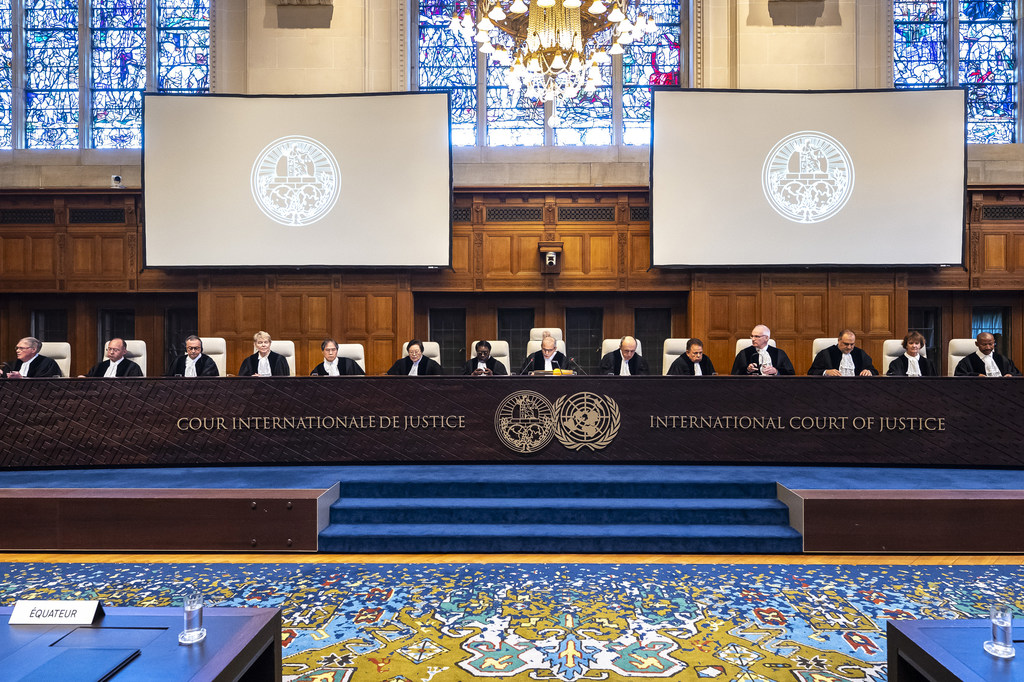
The International Court of Justice

The UN Human Rights Chief Volter Türk previously said that he was “deeply disturbed” by these sanctions, arguing that they corroded international governance and justice.

No improper influence

The ICC is an independent judicial body established under the Rome Statute, adopted in 1998. Although not part of the United Nations, the ICC works closely with it under a cooperative framework.

In the statement, the Judges said that they decide, and will continue to decide, cases based on facts and without regard to threats, restrictions or improper influence issued “from any quarter or for any reason.”

“The Judges reaffirm that they are equal in the performance of their functions and that they will always uphold the principle of equality before the law.”

Over 80 Million Europeans suffering from overlooked chronic respiratory diseases

Chronic respiratory diseases such as asthma are vastly underestimated, underdiagnosed and poorly managed in Europe – affecting 80 million people and costing $21 billion a year, the UN World Health Organization (WHO) said on Thursday.

A new report by WHO Europe and the European Respiratory Society highlights how smoking and air pollution are driving the growing crisis.

“We take 22,000 breaths a day, yet respiratory health remains one of the most neglected areas in global health,” said Professor Silke Ryan, President of the European Respiratory Society.

6th leading cause of death

Data analysis shows that chronic respiratory illnesses are the sixth leading cause of death in Europe. They are often misdiagnosed owing to weak diagnostic systems, limited training and inadequate health data.

Although effective treatments are available, asthma-related deaths remain high among young people, while chronic obstructive pulmonary disease is responsible for eight in 10 respiratory disease deaths.

As preparations begin for the 2025 UN High-Level Meeting on non-communicable diseases, WHO Europe urged governments to prioritize chronic respiratory disease, set measurable targets and tackle root causes like tobacco and air pollution.

Source link

Famine stalks two counties in South Sudan as fragile peace is threatened

The warning comes amidst increased violence and a worsening food security condition which has 11 out of 13 counties in the state facing emergency levels of hunger and 32,000 of these inhabitants facing catastrophic level hunger conditions, almost three times previous estimates.

We are seeing the devastating impact conflict has on food security in South Sudan,” said Mary-Ellen McGroarty, Country Director for the World Food Programme (WFP) in South Sudan.

“Conflict doesn’t just destroy homes and livelihoods, it tears communities apart, cuts off access to markets, and sends food prices spiralling upward,” Ms. McGroarty said.

Country-wide hunger

In total, 7.7 million people across South Sudan will face acute food insecurity, accounting for over half of the entire population. Additionally, 2.3 million children in South Sudan face malnutrition, a rise from 2.1 million at the beginning of the year. 

FAO expects these numbers to increase as the country prepares to enter the lean and wet season which will further diminish food supplies and potentially worsen displacement.

The agency did note that counties in which violence has been largely absent have seen improvements in food insecurity as a result of increased crop production and humanitarian efforts. However, hunger continues.

Despite such ongoing challenges, Meshack Malo, the country representative of FAO in South Sudan, said that these results are proof of the “dividends of peace.”

Descent into conflict

South Sudan, the world’s youngest country, gained independence in 2011 and immediately fell into a brutal and devastating civil war which ultimately ended in 2018 thanks to a peace agreement between political rivals which has largely held.

However, recent political tensions and increased violent attacks, especially in the Upper Nile State, threaten to unravel the peace agreement and plunge the nation back into conflict.

South Sudan cannot afford to sink into conflict at this point in time. It will plunge already vulnerable communities into severe food insecurity, leading to widespread hunger,” said Meshack Malo, Country Representative of FAO in South Sudan.

Humanitarian difficulties

FAO said that humanitarian access must be improved in order to address the worsening hunger situation.

The FAO report also emphasized that peace and capacity building is the only sustainable solution for food insecurity in South Sudan.

“Long-term peace is essential, but right now, it is critical our teams are able to access and safely distribute food to families caught in conflict in Upper Nile, to bring them back from the brink and prevent famine,” said Ms. McGroarty.

Sudan emergency: We need more help to prevent famine, says WFP

“Over the past six months, WFP scaled up assistance and we are now reaching nearly one million Sudanese in Khartoum with food and nutrition support,” said Laurent Bukera, WFP Country Director in Sudan. “This momentum must continue; several areas in the south are at risk of famine.”

In an update from Port Sudan, Mr. Bukera reported that a mission to Khartoum had found many neighbourhoods abandoned, heavily damaged and akin to a “ghost city”.

Pressure on overstretched resources will only intensify, he insisted.

Fragile frontline communities

And as conflict still rages between the Sudanese Armed Forces and the paramilitary Rapid Support Forces, sparked by a breakdown in transition to civilian rule in 2023, the veteran aid worker also explained that communities on the frontlines were at “breaking point” and unable to support displaced families any longer.

Despite many generous contributions to the UN agency’s work in Sudan, it faces a $500 million shortfall to support emergency food and cash assistance for the coming six months.

The international community must act now by stepping up funding to stop famine in the hardest hit area, and to invest in Sudan’s recovery,” Mr. Bukera insisted.” We must also demand respect for the safety and the protection of the Sudanese people and aid workers.”

No food, water

More than two years of fighting have smashed infrastructure and left communities without basic services, such as clean water.

This – and weeks of heavy rains – have contributed to a deadly cholera outbreak and reports of corpses rotting in the Nile in Omdurman, one of the capital’s three cities.

In an update last week, the UN aid coordination office, OCHA, said that war-related displacement and the spread of cholera have continued to add to needs across Sudan.

“We are deeply concerned and meeting the basic needs, especially food, will be critical and is urgent,” said WFP’s Mr. Bukera. “Urgent action is needed to restore basic services and accelerate recovery through coordinated efforts with local authorities, national NGOs, UN agencies and humanitarian partners.”

This vital work has been prevented by a lack of international support, forcing WFP to reduce the amount and range of relief it can distribute.

“Funding shortfalls are already disrupting some of the assistance we are providing in Khartoum, Blue Nile, Al Jazeera and Sennar states,” the WFP senior official continued. “Our rations and the oil and the pulses in the food basket had to be removed due to lack of resources.”

Rations cuts

In Khartoum, lifesaving nutritional supplements for young children and pregnant and nursing mothers are already “out of reach” because of a lack of resources, he said.

Despite the many challenges, the UN agency now reaches four million people a month across Sudan. This is nearly four times more than at the start of 2024 as access has expanded, including in previously unreachable areas like Khartoum.

Communities are also supported in the longer-term via cash assistance to support local markets and support for bakeries and small businesses planning to reopen.

We have rapidly scaled up our operation to meet increasing needs,” Mr. Bukera said. “We are aiming to reach seven people on a monthly basis, prioritizing those facing famine or other areas at extreme risk”, such as Darfur, Kordofan and Al Jazeera.

Source link