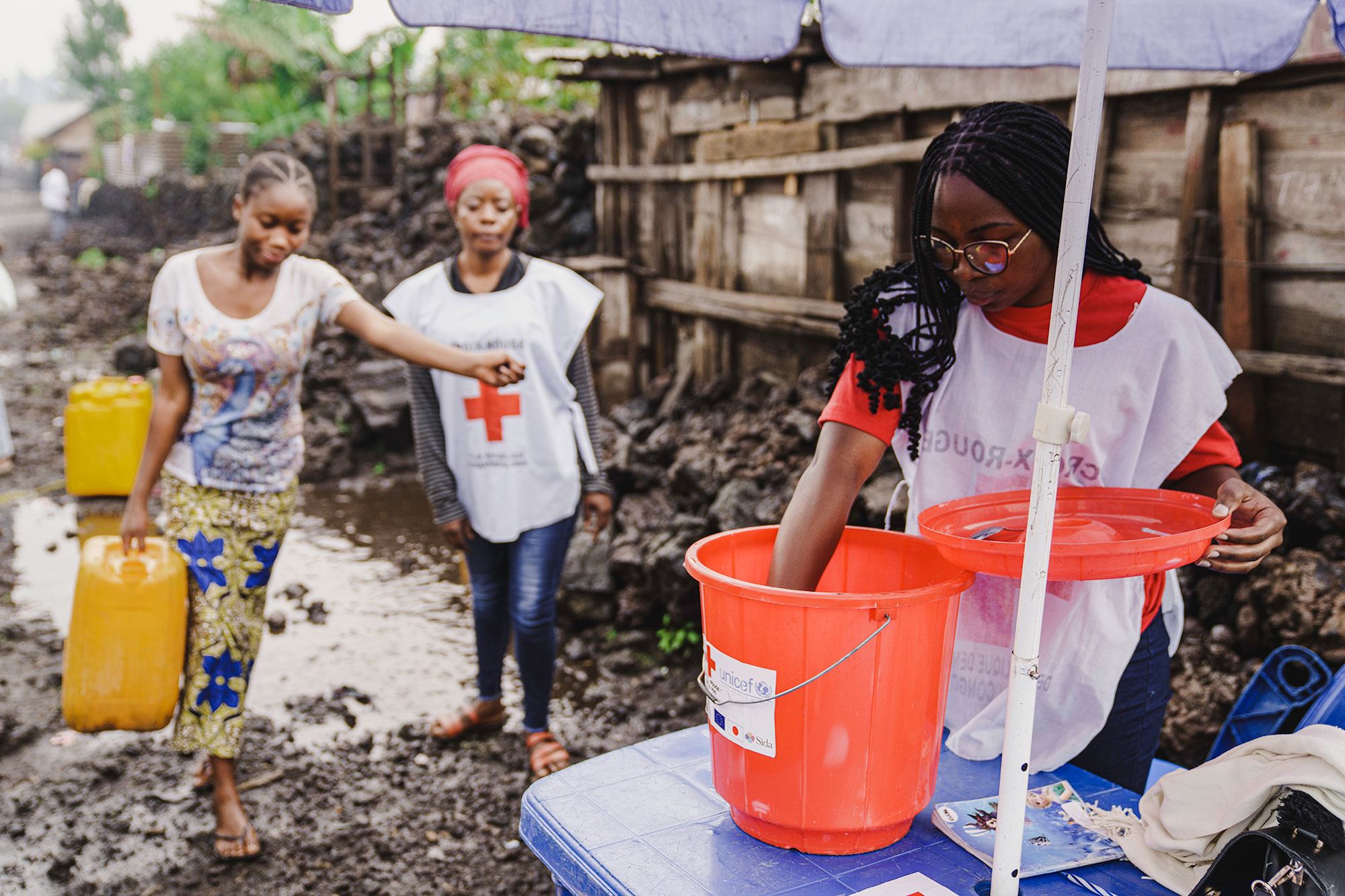
That’s the main message in this year’s Adaptation Gap Report from the UN Environment Programme (UNEP).
By 2035, developing nations will need well over $310 billion per year in dedicated funding to adapt to a planet increasingly altered by polluting fossil-fuel emissions, the report states.
“Climate adaptation” refers to the ways countries respond to actual or expected climate change and its effects, to moderate the harm caused.
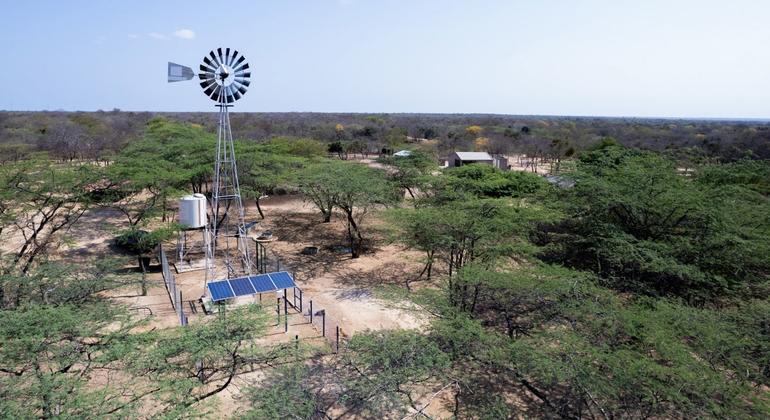
Examples include flood defences such as seawalls, improved drainage systems, or elevating roads and buildings. In 2023, vulnerable countries received around $26 billion.

‘Adaptation is a lifeline’
UN Secretary-General António Guterres, who warned on Tuesday that humanity’s failure to limit man-made global warming to 1.5ºC above pre-industrial levels will lead to “devastating consequences,” said on Wednesday that the adaptation gap leaves the world’s most vulnerable people exposed to rising seas, deadly storms, and searing heat.
“Adaptation is not a cost – it is a lifeline,” declared the UN chief. “Closing the adaptation gap is how we protect lives, deliver climate justice, and build a safer, more sustainable world. Let us not waste another moment.”
Although far more needs to be done, the report notes that visible progress is being made to close the gap.
For example, most countries have at least one national adaptation plan in place, and climate funding for new adaptation projects rose in 2024 (although the current financial landscape means future funding is in jeopardy).

Baku to Belém, to $1.3 trillion
The latest adaptation data will help negotiations focused on tackling the climate crisis at the annual UN Climate Conference.
This year’s event, COP30, is being held next month in Belém, Brazil, where ramping up financing for developing nations will be high on the agenda.
At last year’s UN Climate Conference in Baku, Azerbaijan (COP29), a new goal – the Baku to Belém Roadmap – was launched: $1.3 trillion for climate finance – from public and private sources – by 2035.
This is not just for adaptation, it also covers the transition to economies that don’t rely on fossil fuels for energy.
The authors of the Adaptation Gap report agree that the roadmap could, if implemented, make a huge difference, but the devil is in the detail.
They argue that funding should come from grants rather than loans, which would make it even harder for vulnerable countries to invest in adaptation.
Speaking at the launch of the report on Wednesday, Inger Andersen, Executive Director of UNEP, called for a global push to increase adaptation finance – from both public and private sources – without adding to the debt burdens of vulnerable nations.
Investment now, she said, will avoid the cost of adaptation escalating.

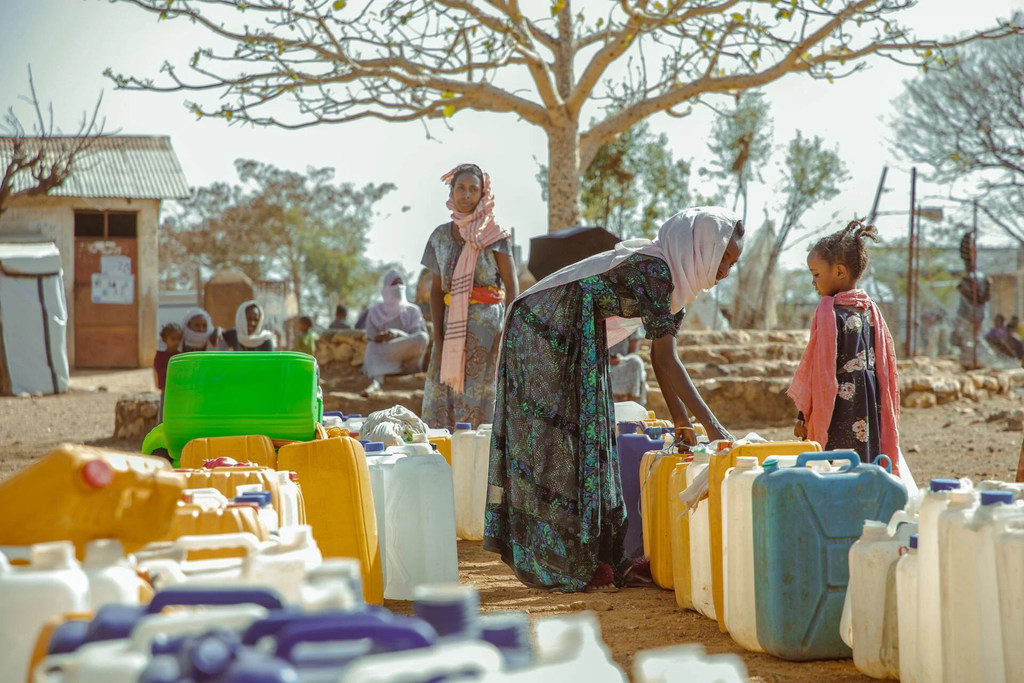
Climate inaction is claiming millions of lives every year.
Climate inaction costing ‘millions of lives’: WHO
Underscoring the urgency of adapting to the changing climate, the World Health Organization (WHO) announced on Wednesday that climate inaction costs millions of lives each year.
The findings are contained within the latest Lancet Countdown on Health and Climate Change on Wednesday, which shows continued over-reliance on fossil fuels, coupled with a failure to adapt to a heating world, are already having a devastating toll on human health in all countries, rich and poor.
The rate of heat-related deaths, for example, has gone up by 23 per cent since the 1990s, to an average 546 000 deaths per year. Droughts and heatwaves added 124 million people to the numbers facing moderate or severe food insecurity in 2023, and heat exposure caused productivity losses equivalent to US$ 1.09 trillion to be lost.
Despite the human and economic costs, governments spent $956 billion on net fossil fuel subsidies in 2023, more than triple the annual amount pledged to support climate-vulnerable countries: fifteen countries spent more subsidising fossil fuels than on their entire national health budgets.
‘We have the solutions at hand’
“We already have the solutions at hand to avoid a climate catastrophe,” said Dr Marina Romanello, Executive Director of the Lancet Countdown at University College London. “Communities and local governments around the world are proving that progress is possible. From clean energy growth to city adaptation, action is underway and delivering real health benefits – but we must keep up the momentum.”
Dr. Romanello described the rapid phase out of fossil fuels in favour of clean renewable energy and efficient energy use as the most powerful lever to slow climate change and cut deaths, estimating that a shift to healthier, climate-friendly diets and more sustainable agricultural systems would massively cut pollution, greenhouse gases and deforestation, potentially saving over ten million lives a year.