Killing of journalists in Gaza hospital attack ‘should shock the world’: UN rights office

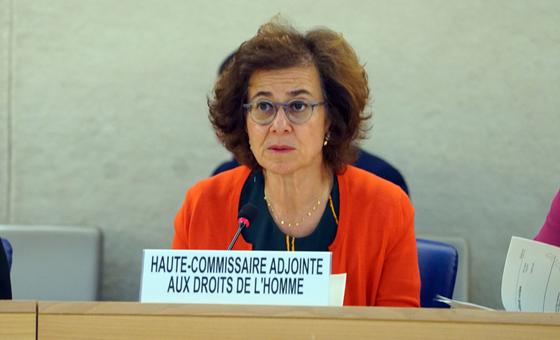
OHCHR Spokesperson Thameen Al-Kheetan said condemnation of the two strikes by Israeli forces on the Nasser Hospital in Khan Younis now needs to be channelled into a demand for accountability and justice for all those killed.

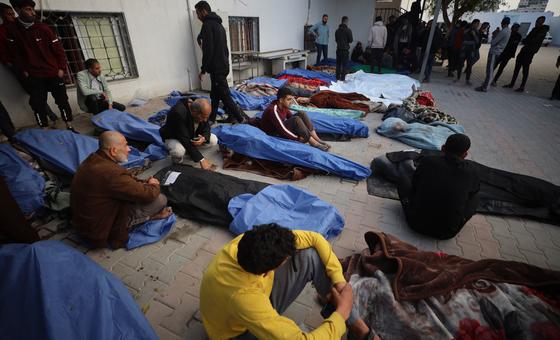
At least 20 died, including four health workers and five journalists, later named as Ahed Abu Aziz, Hussam al-Masri, Mariam Dagga, Mohammed Salama and Moaz Abu Taha. They worked for outlets including Middle East Eye, the Associated Press, Al Jazeera and Reuters.

Two strikes

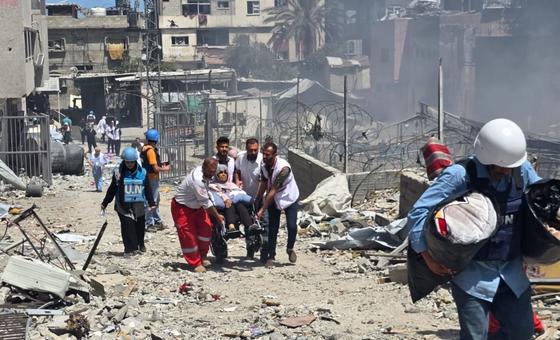
Video taken at the scene shows a second strike apparently targeting rescuers who had arrived at the scene of the initial attack on southern Gaza’s largest medical facility on Monday.

“We know that one of the five journalists appears to have been killed in the first air strike while three others including the women journalist appear to have been killed in the second air strike. This is a shock and this is unacceptable,” said Mr. Al-Kheetan.

“At least 247 Palestinian journalists have been killed in Gaza since the 7th of October 2023,” he continued.

“These journalists are the eyes and the ears of the whole world and they must be protected…This raises many, many questions about the targeting of journalists and all of these incidents must absolutely be investigated and those responsible must be held accountable.

He added that OHCHR was continuing to corroborate the factual details of Monday’s strikes, adding that targeting journalists as well as hospitals is forbidden under international law.

The head of UN cultural agency, UNESCO – which advocates for press freedom and journalists’ safety – also condemned the killings, reiterating her call to respect UN Security Council resolution 2222, unanimously adopted in 2015 on the protection of journalists, media professionals and associated personnel as civilians in situations of conflict.

Audrey Azoulay said UNESCO is providing emergency assistance to journalists in the Gaza Strip, including psychosocial assistance, access to working equipment, and capacity-building

Investigations must ‘yield results’

Israeli Prime Minister Benjamin Netanyahu responded to the killings expressing regret, describing the incident as a “tragic mishap”. He said the Israeli military would carry out “a thorough investigation.”

The OHCHR spokesperson told journalists in Geneva that Israeli authorities had carried out investigations in the past, as the occupying power.

“But these investigations need to yield results. There needs to be justice. We haven’t seen results or accountability measures yet,” he said.

More to follow…

Source link

UN rights chief decries ‘relentless intensification’ of US sanctions against International Criminal Court staff

His call comes a day after four more Court personnel – two judges and two deputy prosecutors – were slapped with sanctions in connection with efforts to investigate alleged war crimes committed by the US and Israel.

This follows sanctions imposed earlier on four other judges and the ICC Prosecutor. Measures imposed could include blocking financial access to property or assets in the US, as well as travel bans.

‘Assault on the rule of law’

The relentless intensification of US reprisals against international institutions and their personnel must stop,” said Mr. Türk. 

“Sanctioning judges and prosecutors at national, regional or international levels, for fulfilling their mandate in accordance with international law standards, is an assault on the rule of law and corrodes justice.”

The sanctions stem from an executive order signed by US President Donald Trump in February in response to the UN-backed Court issuing arrest warrants for Israeli Prime Minister Benjamin Netanyahu and former defense minister Yoav Gallant for alleged war crimes and crimes against humanity in Gaza.

The ICC is also probing war crimes allegedly committed in Afghanistan by all sides during years of conflict, including the US, following the allied invasion of the country in October 2001.

Neither the US nor Israel are party to the Rome Statute, the treaty that established the ICC.

It’s time countries step up

Mr. Türk called for the withdrawal of the sanctions against the ICC personnel and those targeting the Special Rapporteur on the human rights situation in the Occupied Palestinian Territory.

The independent expert, Francesca Albanese, receives her mandate from the UN Human Rights Council in Geneva. For more details, read our story here.

“In the meantime, I call on States to take immediate steps to protect all of them, including by taking measures to encourage corporations operating within their jurisdiction not to implement the sanctions against these individuals,” Mr. Türk said.

States need to step up to defend the institutions they have created to uphold and defend human rights and the rule of law. Those working to document, investigate and prosecute serious violations of international law should not have to work in fear.”

About the International Criminal Court

The ICC investigates and tries individuals charged with genocide, war crimes, crimes against humanity and the crime of aggression. Read our explainer here.

Some of the cases include situations in Sudan, the Democratic Republic of the Congo and Libya. 

In March 2023, the Court issued an arrest warrant for Russian President Vladimir Putin in connection with alleged war crimes concerning the deportation and “illegal transfer” of children from occupied Ukraine.

The ICC was established in 2002 and is based in The Hague, in the Netherlands.  

Source link

Amid ongoing Israeli attacks, ‘the systematic destruction of Gaza City is already underway’: UN rights office

Recent attacks have been particularly devastating in the Az Zaytoun neighbourhood, where airstrikes, artillery shelling and gunfire are continuous and intense, causing a high number of civilian casualties and the large-scale destruction of residential buildings and public facilities, the UN human rights office, OHCHR, in the Occupied Palestinian Territory said in a statement.

Since 8 August, the office has recorded 54 attacks on residential buildings and entire blocks in Gaza City, killing 87 Palestinians, including at least 25 children and entire families.

It also recorded attacks on shelters for internally displaced people, including tents and schools, killing at least 14.

These casualty figures “indicate that the systematic destruction of Gaza City is already underway,” the statement said.

However, OHCHR stressed that these devastating figures are only a portion of the actual toll due to underreporting in such dire circumstances.

Impact of attacks

As a result of recent attacks, hundreds of families have been forced to flee, with nowhere safe to go amid dire humanitarian conditions across the Gaza Strip.

However, those who remain trapped are completely cut off from food, water and medical supplies.

OHCHR emphasised that “Israel’s reported decision to take full control of Gaza City and to forcibly displace its population will lead to mass killings of civilians and destruction of infrastructure vital to the survival of the population.”

The office is seeing the Israeli military repeat means of warfare that caused mass killings, serious injuries, forced displacement, arbitrary detention, starvation and extensive destruction in previous operations in North Gaza and Rafah.

To reportedly prepare for the offensive, the Israeli military has repeatedly called on Palestinians to move to Al Mawasi, west of Khan Younis.

However, Israel has repeatedly struck tents of the displaced in Al Mawasi, where people are struggling to survive with barely any access to food, water and other necessities.

Violations of international law

Under international law, Israel must not destroy civilian property unless it is rendered necessary by military operations. Yet, the widespread destruction of residential buildings in Gaza City is not seen as an imperative military necessity.

Additionally, by forcing the entire population of Gaza City and those remaining in North Gaza into displacement – with no shelter, food or medical provisions and no indication for allowing them to return to their homes in the future – OHCHR is concerned that these are grave breaches of the Fourth Geneva Convention.

Thus, the office is urging States party to the Geneva Conventions to follow their obligation “to exert maximum pressure on Israel to immediately halt this offensive, which risks triggering an unprecedented, life-threatening humanitarian crisis and permanently extinguishing the Palestinian presence in Gaza’s largest urban area.”

Worst-case famine

Meanwhile, the World Food Programme (WFP) welcomed Japan’s life-saving contribution of 500 million yen ($3.3 million) to provide emergency food and nutrition assistance to Palestinians as they face severe food insecurity.

Adding to the assistance, on 4 August, limited commercial truck entries resumed, containing mainly dry food items and a small amount of fresh produce, according to the UN aid coordination office, OCHA.

However, the risk of spoilage and infestation of food supplies has drastically increased due to being stranded for months, heat and impending expiration dates.

Furthermore, cooking gas has not entered Gaza for over five months, and firewood has become increasingly unaffordable, forcing many to use waste and scrap wood as alternative cooking sources, exacerbating health and environmental risks.

Due to such limited aid, WFP underscored that the latest Integrated Food Security Phase Classification report finds that the worst-case scenario of famine is currently occurring in the Gaza Strip.

“I meet families who have lost everything and don’t know where their next meal will come from.” said Antoine Renard, WFP Representative and Country Director in Palestine.

But thanks to this support from Japan, he continued, “WFP can continue procuring life-saving food assistance, but we urgently need a ceasefire and sustained access to reach those most at risk and prevent a full-scale famine.” 

Syria: Violence in Alawite areas may be war crimes, say rights investigators

Many of the victims were Alawite, a minority community in Syria, which the former ruling Assad family belonged to.  

Some community members are believed to have been killed in March by forces or individuals loyal to the country’s new leadership, the National Transitional Authority, which is headed by interim President Ahmed Al-Sharaa.

In response to the “arrest operation” launched on 6 March, fighters loyal to toppled President Bashar al-Assad responded by capturing, killing and injuring hundreds of interim government forces, the commissioners said.

Looting was also widespread, while homes were set alight, leaving tens of thousands of civilians displaced, the commissioners continued.

In total, approximately 1,400 people were reported killed in the ensuing massacres, predominantly civilians.

“The vast majority were adult men, but victims included approximately 100 women, the elderly and the disabled, as well as children,” the UN Commission of Inquiry on Syria said.

Still a target

It also warned that the Alawite community which formed former Mr. al-Assad’s power base is still being targeted today. Alawites make up about 10 per cent of the majority Sunni country. 

According to the commissioners’ latest report, the victims killed in March were murdered and tortured, while the bodies of the dead were also mutilated.

They added that some acts were filmed and published on social media, along with footage of civilians being abused and humiliated.

Chair of the UN panel, Paulo Pinheiro, condemned the scale and brutality of the violence which reportedly involved Alawite men being identified and singled out before being led away to be shot and killed in multiple majority Alawite villages and neighbourhoods.    

Bodies were left in the streets for days, with families prevented from conducting burials in accordance with religious rites, while others were buried in mass graves without proper documentation,” the commissioners’ report stated.

Meanwhile, hospitals became overwhelmed “as corpses piled up”.

Eye-witnesses

The Commission’s latest report is based on extensive investigations, including more than 200 interviews with victims and witnesses, including in Latakia and Tartus.  

The investigators also visited three mass grave sites and met senior Syrian government officials.

Today, Alawite communities still live in fear and face ongoing abductions of women, arbitrary arrests, enforced disappearances and looting and occupation of their property, investigators noted.  

Protection must be a priority

They should be protected by the new authorities in charge of Syria, commissioners insisted.  

The affected communities need to see urgent action to increase their protection. Beyond referral of suspected perpetrators to criminal justice, individuals suspected of involvement in violations during the March events should be immediately removed from active duties pending investigation,” said Commissioner Lynn Welchman.

Additionally, screening processes need to be expanded so that known or suspected perpetrators of grave violations in the past are not recruited into the ranks of the interim government security forces, she maintained.

After 14 years of civil war which ended last December when opposition forces including Hayat Tahrir al-Sham (HTS) – led by interim Prsident al-Sharaa – the  swept into Damascus, forcing out Mr. al-Assad, lasting damage has been done to Syria’s unity.

“The extreme violence that occurred has deepened existing rifts between communities, contributing to a climate of fear and insecurity amongst many Syrians throughout the country,” the Commissioners said.

“We call on the interim authorities to continue to pursue accountability for all perpetrators, regardless of affiliation or rank,” Mr. Pinheiro continued. “While dozens of alleged perpetrators of violations have reportedly since been arrested, the scale of the violence documented in our report warrants expanding such efforts.”  

Israeli plan to take complete control of Gaza must stop now, says UN rights chief

“A complete military takeover of the occupied Gaza Strip must be immediately halted,” insisted Volker Türk, UN High Commissioner for Human Rights, after the Israeli security cabinet approved a plan for a full-scale Israeli military takeover in the battered enclave.

The development runs contrary to international law, Mr. Türk continued, referring to a ruling of the International Court of Justice that Israel must end its occupation and achieve a two-State solution giving Palestinians the right to self-determination.

Any further escalation of the conflict between Hamas and Israel that has devastated Gaza and killed tens of thousands “will result in more massive forced displacement, more killing, more unbearable suffering, senseless destruction and atrocity crimes”, the UN rights chief said.

Aid access call

In a short statement, Mr. Türk insisted that rather than intensifying the conflict, “the Israeli Government should put all its efforts into saving the lives of Gaza’s civilians by allowing the full, unfettered flow of humanitarian aid”.

At the same time, all hostages must be immediately and unconditionally released by Palestinian armed groups, he continued, adding that Palestinians arbitrarily detained by Israel must also also be released.

“The war in Gaza must end now. And Israelis and Palestinians must be allowed to live side by side in peace,” the High Commissioner said.

Little change in dire aid situation 

Since war erupted in Gaza after Hamas-led deadly terror attacks in Israel in October 2023, aid agencies have warned repeatedly that Israeli bombardment, mass evacuation orders and relief restrictions have created a humanitarian catastrophe.

Even UN staff who are still working in the enclave report being unable to find enough to eat, according to the UN agency for Palestinian refugees, UNRWA. Despite Israel’s 27 July announcement of daily military pauses in western Gaza “to improve humanitarian responses”, far too little aid is getting through, humanitarians insist. 

According to the UN human rights office, OHCHR, since 27 May, at least 1,373 Palestinians have been killed while seeking food; 859 in the vicinity of the non-UN aid distribution organization the Gaza Humanitarian Foundation (GHF); another 514 victims died along the routes of food convoys.

Echoing widespread concerns for the people of Gaza, the head of the UN World Health Organization (WHO), warned that other Gazans have only limited access to basic services and food, while malnutrition is widespread and hunger-related deaths are rising.

“In July, nearly 12,000 children under five years were identified as suffering from acute malnutrition, the highest monthly figure ever recorded,” said Tedros Adhanom Ghebreyesus.

In comments to journalists on Thursday, the WHO chief said that so far this year, 99 people have died from malnutrition, including 29 children under five, adding that these reported numbers are likely underestimates. 

Source link

Russian attack on Ukrainian prison kills 16: UN rights monitors

Meanwhile, another attack on Tuesday reportedly killed five civilians and injured three in the Kharkiv region, located in eastern Ukraine.

According to authorities, Russian armed forces dropped several powerful glide bombs on Bilenkivska Penal Colony No. 99 on 28 July. The prison is located about 25 kilometres from the frontline in the Zaporizhzhia region.

All those killed were prisoners, according to HRMMU. The mission plans to visit the site as soon as possible to gather additional information.

Russia has denied responsibility for the attack.

Violation of international law

“Prisoners are civilians, and they must be protected under international humanitarian law,” said Danielle Bell, head of HRMMU.

International humanitarian law stipulates that attacks must only be directed at military objectives, not at civilians or civilian objects. Since a prison is a civilian object, it should not be attacked unless it is being used for military purposes.

Deadly civilian attacks

Also on Monday, Russian forces reportedly struck near a hospital in Kamianske in the Dnipropetrovsk region. The attack damaged the hospital and its maternity ward, killing three and injuring 22, according to authorities.

At least two of the dead were reportedly patients, including a woman who was seven months pregnant.

Source link

In hard-hitting human rights address, Guterres calls for urgent action on Gaza, authoritarianism and climate justice

Recalling his own experience living under dictatorship in Portugal, Mr. Guterres told participants at the Global Assembly of the international rights charity Amnesty International on Friday that the fight for human rights is “more important than ever”.

He called on States to uphold international law and defend human rights “consistently and universally, even or especially when inconvenient”, urging collective action to restore global trust, dignity and justice.

‘A moral crisis’

Mr. Guterres painted a stark picture of a world in turmoil, citing multiple ongoing crises, foremost among them, the war in Gaza.

While reiterating his condemnation of the 7 October 2023 terror attacks by Hamas and other Palestinian armed groups in Israel, the Secretary-General said that “nothing can justify the explosion of death and destruction since”.

The scale and scope is beyond anything we have seen in recent times,” he said.

I cannot explain the level of indifference and inaction we see by too many in the international community. The lack of compassion. The lack of truth. The lack of humanity.

Key takeaways from the address

  • Gaza – “A moral crisis that challenges the global conscience”
  • Ukraine – Call for a “just and lasting peace” based on the UN Charter, international law and resolutions
  • Authoritarianism – A “global contagion”, with political repression, attacks on minorities and shrinking civic space
  • Climate justice – Bold action needed to cut emissions; clean energy transition must uphold human rights
  • Digital threats – Concern over algorithmic spread of hate and falsehoods; manipulation via social media
  • Call to action – “Human rights are the solution, foundation of peace and engine of progress”

UN staff ‘neither dead nor alive’

He described UN staff in Gaza as working in “unimaginable conditions”, many of them so depleted they “say they feel neither dead nor alive”.

Since late May, he noted, more than 1,000 Palestinians have been killed trying to access food – not in combat, but “in desperation – while the entire population starves”.

This is not just a humanitarian crisis. It is a moral crisis that challenges the global conscience.

Ready to scale up aid

Mr. Guterres said the UN stands ready to dramatically scale up humanitarian operations “as we successfully did during the previous pause in fighting”, but called for an “immediate and permanent ceasefire”, the unconditional release of all hostages and full humanitarian access.

“At the same time, we need urgent, concrete and irreversible steps towards a two-State solution,” he stressed.

He also spoke about other conflicts, including Sudan as well as Russia’s invasion of Ukraine, where he called for a “just and lasting peace” based on the UN Charter, international law and relevant UN resolutions.

Secretary-General Guterres (left) addresses Amnesty International’s Global Assembly via video link.

Rising authoritarianism

The Secretary-General warned that authoritarian tactics are on the rise globally.

We are witnessing a surge in repressive tactics aiming at corroding respect for human rights,” he said. “And these are contaminating some democracies.

Political opposition movements are being crushed, accountability mechanisms dismantled, journalists and activists silenced, civic space strangled and minorities scapegoated.

Rights of women and girls in particular are being rolled back, most starkly, he said, in Afghanistan.

“This is not a series of isolated events. It is a global contagion.”

Weaponization of technology

He decried the growing weaponization of digital platforms, saying algorithms are “boosting the worst of humanity, rewarding falsehoods, fuelling racism and misogyny and deepening division”.

He called on governments to uphold the Global Digital Compact adopted by countries at the UN General Assembly last September and to take stronger action to combat online hate and disinformation.

© ICJ-CIJ/Frank van Beek

Activists outside the International Court of Justice (ICJ) in The Hague as the Court delivers its advisory opinion on the obligations of States in respect of climate change.

Climate justice is human rights

Turning to climate, Mr. Guterres described the environmental emergency as a “human rights catastrophe”, with the poorest and most vulnerable communities suffering most.

He welcomed the International Court of Justice (ICJ)’s advisory opinion this week, affirming that climate change is a human rights issue and that States have obligations under international law to protect the global climate system.

But, he cautioned against a transition to clean energy that sacrifices human rights.

“We cannot accept a clean energy future built on dirty practices…We cannot accept enormous violations of human rights, many of them against children, in the name of climate progress.”

He called for urgent emissions cuts, a just transition away from fossil fuels and real financing for developing countries to adapt, build resilience and recover from loss and damage.

A legacy of activism

The Secretary-General concluded by praising Amnesty International’s decades of activism, calling its work “indispensable” to the global human rights movement.

When you stand for human rights, you stand with what is right,” he told delegates.

“Your courage continues to change lives. Your persistence is shifting the course of history. Let’s keep going. Let’s meet this moment with the urgency it demands. And let’s never, ever give up.

Founded in 1961, Amnesty International is a global human rights movement that campaigns to end abuses and promote justice. The organization has long worked in collaboration with the United Nations, participating actively in the development of international human rights law and mechanisms.

Today’s speech by Mr. Guterres is first-ever address by a UN Secretary-General to Amnesty International’s Global Assembly, the charity’s highest decision-making body. The UN chief spoke via a video link to the event in Prague.

Source link

UN rights chief condemns the killing of scores of civilians in Sudan

Since 10 July, the UN human rights office, OHCHR, has verified that the Rapid Support Forces

 (RSF) have killed at least 60 civilians in North Kordofan’s Bara locality, while civil society groups have reported that up to 300 were killed.

The Sudanese Armed Forces (SAF) also hit two villages in West Kordofan from 10 to 14 July, killing at least 23 civilians and causing more than 30 injuries.

Most recently, on Thursday, an SAF airstrike in Bara killed at least 11 civilians who were all members of a single family.

According to the High Commissioner’s statement, these deaths come amid worrying reports that the RSF is mobilising for an offensive on the capital of North Kordofan state, El Obeid.  

Continued concern for El Fasher  

At another major hotspot in the Sudan conflict, the besieged city of El Fasher in North Darfur state, the RSF has conducted multiple attacks recently. They include a ground attack on 11 and 12 July, which reportedly resulted in civilian casualties.  

The High Commissioner subsequently “expressed continued concern for the safety of civilians in El Fasher.”

“Callous disregard for civilians’ lives and safety”

The statement stressed that the High Commissioner “deplored the killing of dozens of civilians by both parties.”

“It is distressing that more than two years since the conflict began parties to the conflict in Sudan continue to demonstrate callous disregard for civilians’ lives and safety,” he said.  

“An escalation of hostilities in North Darfur and Kordofan will only further aggravate the already severe risks to civilians and the dire humanitarian situation in a conflict that has already wrought untold suffering on the Sudanese people,”  

Mr. Türk urged those with influence to prevent further escalation and ensure parties uphold their obligations under international law, including the protection of civilians.  

The High Commissioner renewed his calls for the warring parties to ensure safe and unimpeded access to humanitarian aid and to prevent violations of international law.  

“All alleged violations must be fully and independently investigated and those responsible brought to justice,” he concluded. 

Source link

We need to value women in sport, UN rights chief says

The playing field is still far from level,” Mr. Türk said.  

In the past few years, topflight women’s sporting competitions have achieved increased global prominence with around a billion people watching the FIFA Women’s World Cup in 2023. This visibility and attention have prompted important conversations about stereotypes and power dynamics in women’s sports.

He noted that certain groups face barriers and discrimination in the women’s sporting world — LGBTIQ+ women, women wearing headscarves, women with disabilities and women from marginalized ethnic and racial groups.  

We need to build up a world of sport in which women and girls, in all their diversity, are equally valuable, visible and paid.”

A ‘stark’ pay gap

While professional male footballers earn, on average, $1.8 million annually at the top clubs, women athletes at top clubs have an average income of $24,000. And the average woman athlete, not at top clubs, earns even less than that, rounding out to approximately $10,900 per year.  

“Without a stable income, women are forced to take other jobs, leaving them with less time and energy to focus on training and improving,” Mr. Türk said.  

The wage gap is made even more unsustainable by a lack of sufficient protections in the workplace – minimal, if any, maternity leave – and few places to​​ turn to for redress when harassment occurs.  

Women are also very underrepresented in leadership of professional clubs and federations. Of the 31 federations, women chaired only three.

Despite such sobering statistics, some federations have begun to institute changes, enshrining maternity and adoption leave and establishing pay equity agreements.  

Driving social change

Mr. Türk called on Member States to institute comprehensive anti-discrimination systems which promote pay equality and ensure that violence and harassment in sports is brought to justice.  

He also said that the media can and should be a “force for good” in portraying women’s success stories in sports and by ensuring that their coverage is accurate and ethical.  

Sports can drive social change … and inspire and promote fairness, respect and equal opportunities for all. Today let’s champion a sporting world where women and girls can thrive.” 

Source link

World News in Brief: Inter-ethnic violence in Syria, Indigenous Peoples’ rights, global information security

The violence erupted two days after a Druze merchant was abducted on the highway to Damascus.

The incident marks the latest episode of sectarian bloodshed in Syria, where fears among minority groups have surged since Islamist rebels toppled former dictator Bashar al-Assad in December and installed a new caretaker Government, which is gaining increasing international recognition.

Those targeted include the Druze sect, an offshoot of Shia Islam.  

UN voices ‘deep concern’

On Monday, UN Deputy Special Envoy for Syria, Najat Rochdi, expressed “deep concern” over these reports and urged authorities and stakeholders to “take immediate steps to protect civilians, restore calm and prevent incitement.”

She also underscored the need for inclusion, trust-building and meaningful dialogue to advance a credible and inclusive political transition in Syria.

UN human rights chief says ‘wisdom’ of Indigenous Peoples needed in climate change, digital policy upgrades

The UN human rights chief spoke at a high-level political forum on the rights of Indigenous Peoples on Monday.

Underscoring how crucial such forums are to advancing the rights of Indigenous Peoples, Volker Türk highlighted developments in Colombia, Finland and Guatemala that have given them more self-determination.

But despite these advances, violations against Indigenous Peoples’ rights continue.

Many still lack formal land recognition, while mining activity, deforestation and large-scale agricultural development often cause environmental destruction.

Indigenous Peoples also experience immense discrimination and face the brunt of climate chaos, Mr. Türk stressed.

Toll on activists

Furthermore, data from the human rights office reveals that 26 per cent of rights activists killed in 2023 and 2024 were Indigenous, largely in the Americas.

Additionally, states are using AI in ways that harm Indigenous Peoples through surveillance, data exploitation and exclusion from decision-making. Türk thus called for human rights-based approaches that uphold Indigenous data sovereignty and self-determination.

The High Commissioner also called for future policies on climate, digital technologies and other areas to “reflect the wisdom and experience of Indigenous Peoples.”

“This is not only essential to respect and fulfil the human rights of Indigenous Peoples,” he concluded. “There is growing recognition that the ideas and approaches of Indigenous Peoples hold important lessons for all of us.”

Guterres welcomes step forward in securing digital technology worldwide

The UN chief Antonio Guterres on Monday, welcomed the adoption by consensus of the UN Open Ended Working Group on Information and Communication Technologies.

It was established in 2020 with a five-year mandate to promote regular institutional dialogue and initiatives focused on keeping digital technologies safe and secure.  

The Secretary-General welcomed the Final Report of 10 July, which summed up the past five years of negotiations, said a statement issued by his Spokesperson.  

It reflects shared views on current and emerging threats, responsible government policies, international law, norms and efforts such as confidence-building and capacity development.  

Call for cooperation

It also establishes a permanent mechanism to continue discussions about responsible State behaviour in the use of information and communications technologies, which the Secretary General particularly appreciated.  

“The Secretary-General now calls upon all States to work together through the Global Mechanism to tackle digital risks and ensure these technologies are leveraged for good,” the statement said.  

The Secretary General congratulated the group on its accomplishments, saying the consensus adoption “demonstrates that even in the most challenging international security environment, collective action is still possible.” 
Source link

‘An unending horror story’: Gangs and human rights abuses expand in Haiti

Left vulnerable, communities then formed self-defence groups and Haitian security forces reinforced their operations and made small gains only to be rebuffed again by gangs.

And at all stages of this cycle, human rights violations are being committed against civilians, according to a report released on Friday by the UN office in Haiti (BINUH) and the UN human rights office (OHCHR).

“Caught in the middle of this unending horror story are the Haitian people, who are at the mercy of horrific violence by gangs and exposed to human rights violations from the security forces and abuses by the so-called ‘self-defence’ groups,” said Volker Türk, High Commissioner for Human Rights.

The report also warned about “early signs of criminal governance” in the Centre Department where gangs are beginning to consolidate their gains and act as a de facto governing authority.

Four years of horror

Since 2021 and the assassination of President Jovenel Moïse, gang violence has dominated the capital Port-au-Prince which is now 85 per cent controlled by gangs, says the UN.

Over 1.3 million Haitians have been displaced because of this violence, representing the largest displacement due to political upheaval in Haitian history.

Food insecurity among displaced Haitians is rampant, with Haiti one of five countries worldwide which is experiencing famine-like conditions.

As of March 2025, the violence has also expanded into previously untouched areas of the country, specifically the Artibonite and Centre Departments where 92,000 and 147,000 people have been displaced respectively.

The report also noted that recently, gangs have begun to expand beyond central Haiti towards the border of the Dominican Republic, with the apparent goal of controlling key roads through which much of the illegal weapons trafficking is happening.

“The expansion of gang territorial control poses a major risk of spreading violence and increasing transnational trafficking in arms and people,” said Ravina Shamdasani, a UNHCR spokesperson at a briefing in Geneva.

Human rights endangered

Between October 2024 and June 2025, 4,864 people in Haiti have been killed by gang violence. At least hundreds more have been injured, kidnapped, raped and trafficked.

“Human rights abuses outside Port-au-Prince are intensifying in areas of the country where the presence of the State is extremely limited,” said Ulrika Richardson, interim Head of BINUH and UN Resident Coordinator.

While many of these human rights violations – including the denial of the right to life and physical integrity, sexual violence and forced displacement — are being perpetrated by organized gangs, there are also documented human rights abuses at the hands of Haitian authorities.

Specifically, between October 2024 and June 2025, there were 19 extrajudicial executions by security forces in the Artibonite and Centre Departments – 17 of them in Artibonite.

Self-defence groups, which are increasingly prevalent as a result of inadequate State security, have also committed human rights violations, often in the form of lynchings of suspected gang members.

“The human rights violations and abuses that we have documented are further evidence of why Haiti and the international community urgently need to step up to end the violence,” Mr. Türk said.

At this point, there have been no documented human rights abuses committed by the Multinational Security Support (MSS) mission authorized by the United Nations and funded and staffed largely by Kenya.

No accountability

The Haitian National Police and MSS have launched multiple operations to regain territory lost to the gangs. While some have been briefly successful, the operations have been unable to maintain a lasting presence or protect local communities, according to the report.

In fact, the report suggests that in the Centre, the situation is trending in the opposite direction with gangs consolidating territorial gains outside the capital and beginning to institute forms of criminal governance.

As a result of this persistent insecurity, judicial operations are virtually at a standstill in the Centre and Artibonite Departments.

“The international community must strengthen its support to the authorities, who bear the primary responsibility for protecting the Haitian population,” said Ms. Richardson.

Source link

Human rights must anchor the digital age, says UN’s Türk

Digital technologies have the potential to drive progress and strengthen rights, including connecting people, improving access to health and education, and much more.

But the pace of their evolution also poses serious risks, warned Volker Türk, UN High Commissioner for Human Rights – from restrictions on free expression and privacy violations to discrimination and growing threats to our shared sense of truth and reality.

It is precisely in the face of massive change, that we need more human rights, not less,” he said on Monday, addressing a high-level event on the twentieth anniversary of the World Summit on the Information Society (WSIS) in Geneva.

Prioritising rights

In this time of sweeping change, human rights must be prioritised and used as the blueprint for action.

States’ legal obligations and companies’ duties to respect human rights offer guidance to tackle disinformation and protect our data from illicit use,” Mr. Türk stressed.

Such guidance also helps counter algorithmic bias, digital hate speech, and fosters trust and inclusive digital decision-making.

Role of WSIS

Founded in 2001, the inaugural WSIS was held in two phases in December 2003 (Geneva) and November 2005 (Tunis).

Since then, the forum has brought together diverse stakeholders to collaborate on digital governance and promote a digital landscape that is people-centred, inclusive and development-oriented.

“[The WSIS] helped create a space for States, technology companies, civil society, and others to harness the power of information and communication technologies for development,” said Mr. Türk.

Looking forward

The High Commissioner stressed that the coming months will see critical decisions on regulating the digital sphere, including new UN mechanisms on AI and data governance.

We have a window of opportunity to make a difference,” he concluded.

“We must join forces – States, technology companies, international organizations, civil society, and others – to work towards an inclusive and open digital environment for everyone, everywhere.”

Source link

UN rights office urges restraint in Kenya as fresh protests turn deadly

Office spokesperson Ravina Shamdasani cited Kenyan police reports of at least 11 deaths, 52 injured police officers, and 567 arrests. The Kenya National Commission on Human Rights reported slightly different figures: at least 10 fatalities, 29 injuries, 37 arrests, and two abductions.

Protests erupted in 16 counties, with police reportedly using live ammunition, rubber bullets, tear gas and water cannons.

Ms. Shamdasani also noted reports of looting and destruction of public and private property in several locations.

Crisis escalation

This week’s violence follows the deaths of 15 protesters and hundreds of injuries during demonstrations on 25 June in Nairobi and elsewhere.

Those protests were initially triggered by the anniversary of last year’s anti-tax demonstrations, which left at least 60 deaths and dozens allegedly abducted by the police.

The protests on Monday marked the 35th anniversary of the 1990 Saba Saba protests, which paved the way to multi-party democracy in Kenya.

Call for accountability

Ms. Shamdasani said that UN High Commissioner for Human Rights Volker Türk, “repeats his call for all reported killings and other alleged violations and abuses of international human rights law, including with respect to use of force, to be promptly, thoroughly, independently and transparently investigated.

She noted that Kenyan police announcement of an investigation into the 25 June incidents and added that the UN human rights office stands ready to support national authorities in their efforts, including on the investigations.

She stressed that under international law, law enforcement may only use lethal force when strictly necessary to protect life from an imminent threat.

High Commissioner Türk also renewed his call for calm, restraint, and full respect for the rights to freedom of expression, association, and peaceful assembly.

It is essential that legitimate grievances at the root of these protests are addressed,” Ms. Shamdasani said.

Source link

UN Human Rights Council hears grim updates on Ukraine, Gaza and global racism

Escalating conflict in Ukraine

In an oral update, Ilze Brands Kehris, UN Assistant Secretary-General for Human Rights, reported a sharp escalation in hostilities in Ukraine.

Civilian casualties have surged, with April to June seeing nearly 50 per cent more deaths and injuries compared to the same period in 2024.

“More than 90 per cent of these casualties occurred in territory controlled by Ukraine,” she said, attributing the spike in part to intensified Russian drone and missile attacks.

Attacks using airburst warheads and repeated strikes on hospitals have instilled “terror and anxiety” among urban populations, she added. A June 16-17 nighttime attack in Kyiv killed more civilians than any other assault in the past year.

While ceasefire negotiations have produced some humanitarian gains – such as the exchange of prisoners of war and the return of deceased soldiers – Ms. Kehris underscored harrowing conditions in detention.

Over 117 former Ukrainian POWs interviewed by the UN rights office, OHCHR, reported torture, including sexual violence, in Russian captivity. Though less widespread, similar abuses have also been documented in unofficial Ukrainian detention facilities, prompting calls for transparent investigations.

The report also noted ongoing human rights violations in territories occupied by Russia, including restrictions on civic space and the exercise of freedom of expression.

“Peace is more imperative than ever,” Ms. Kehris said, reiterating calls for an immediate cessation of hostilities in line with international law.

Structural racism and intersectionality

Ashwini K.P., Special Rapporteur on contemporary forms of racism, delivered a thematic report focused on intersectionality as a tool for racial justice.

Drawing from experiences of Black feminists and expanded by studies focusing on Dalit, Indigenous, Muslim and Roma community members, the concept of intersectionality was presented as essential to dismantling systemic discrimination.

“Women of African descent, caste-oppressed communities, Roma, Arab and Muslim women, and other marginalized groups are disproportionately impacted due to overlapping forms of discrimination,” Ms. Ashwini said.

Her report detailed how states can integrate an intersectional approach, emphasising data disaggregation, participatory policymaking, legal recognition of multiple discrimination and historical accountability.

Ms. Ashwini highlighted the importance of reparatory justice for communities affected by colonialism and slavery and called on states – particularly those historically complicit – to implement bold reforms.

People search through the rubble of a destroyed building in the central Gaza Strip.

Deepening crisis in Gaza

Francesca Albanese, Special Rapporteur on the situation of human rights in the Palestinian territories occupied since 1967, also reported to the Council, with grim update on Gaza.

She described conditions as “apocalyptic” and reported over 200,000 people killed or injured since 7 October 2023, when Hamas and other Palestinian armed groups attacked Israeli communities – killing at least 1,200 people and taking more than 250 as hostages.

“In Gaza, Palestinians continue to endure suffering beyond imagination,” Ms. Albanese said, describing the Israeli-backed Gaza Humanitarian Foundation as a “death trap – engineered to kill or force the flight of a starved, bombarded, emaciated population marked for elimination.”

She also accused Israel of using the conflict as an opportunity to test new weapons and technology against the population of the enclave “without restraint”.

“The forever-occupation has provided an optimal testing ground for arms manufacturers and big tech with little oversight and zero accountability – while investors, and private and public institutions have profited handsomely,” she said.

“We must reverse the tide,” Ms. Albanese urged, calling on Member States to impose a full arms embargo on Israel, suspend all trade agreements and investment relation and enforce accountability, “ensuring that corporate entities face legal consequences for their involvement in serious violations of international law.”

Independent rights experts

Special Rapporteurs are independent human rights experts appointed and mandated by the Human Rights Council – the UN’s highest intergovernmental forum on human rights.

Forming a part of its Special Procedures, Special Rapporteurs and other independent experts are mandated to monitor and assess the rights situation in certain thematic or country situations.

They work in their individual capacity, are not UN staff and do not receive a salary. 

Source link

Adhering to bans on mines only in peace time will not work: UN rights chief

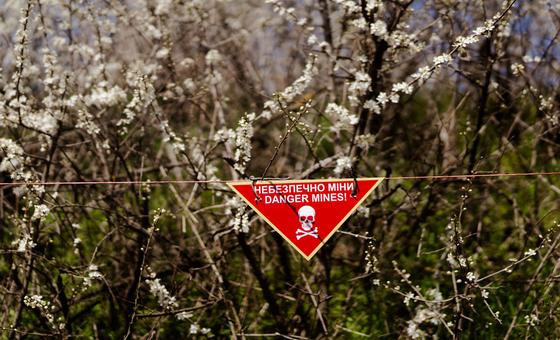
Estonia, Finland, Latvia, Lithuania, Poland and Ukraine have taken or are considering steps to withdraw from the Convention on the Prohibition of the Use, Stockpiling, Production and Transfer of Anti-Personnel Mines and on their Destruction – known also as the Ottawa Convention, after the Canadian city where the process was launched.

“These weapons risk causing persistent and long-term, serious harm to civilians, including children,” Volker Türk, UN High Commissioner for Human Rights, said in a statement. “Like other international humanitarian law treaties, the Ottawa Convention was principally designed to govern the conduct of parties to armed conflicts.”

“Adhering to them in times of peace only to withdraw from them in times of war or for newly invoked national security considerations seriously undermines the framework of international humanitarian law.”

A threat to civilians

Anti-personnel mines are one of the two main types of mines and target people – as opposed to anti-vehicle mines. However, because both of these mines are triggered automatically, they result in huge numbers of civilian deaths, especially children.

Their deadly risks linger long after hostilities end, contaminating farmland, playgrounds, and homes, and posing a constant threat to unsuspecting civilians.

Agreed in 1997, the Ottawa Convention prohibits signatories from using, stockpiling, producing or transferring anti-personnel mines due to the threat that these weapons pose to civilians, especially children.  

In the two-and-a-half decades since it was passed, the Ottawa Convention has 166 States parties, has led to the a marked reduction in the use of anti-personnel mines.  

Trends reversing

However, in recent years, these positive trends have begun to reverse with the number of civilians killed and injured by mines increasing by 22 per cent in 2024 – 85 per cent of the casualties were civilians and half of them were children.  

Despite progress, some 100 million people across 60 countries still live under the threat of landmines.

In Ukraine, for instance, the UN Mine Action Service (UNMAS) estimates that more than 20 per cent of the country’s land is contaminated – amounting to 139,000 square kilometres.

Similarly, landmines remain still a significant threat in Cambodia, decades after the end of the conflict and years of de-mining efforts.

Uphold international law

Mr. Türk urged all parties to the Ottawa Convention to uphold their international legal obligations regarding anti-personnel mines and on non-signatories to join the Convention.  

“With so many civilians suffering from the use of anti-personnel mines, I call on all States to refrain from leaving any international humanitarian law treaty, and to immediately suspend any withdrawal process that may be underway.”  

Source link

Report reveals significant rise in civilian casualties and rights violations in Ukraine

It covers the period from 1 December 2024 to 31 May 2025, during which 986 civilians were killed and 4,807 injured – a 37 per cent increase compared to the same period the previous year.

The war in Ukraine – now in its fourth year – is becoming increasingly deadly for civilians,” said Danielle Bell, Head of the UN Human Rights Monitoring Mission in Ukraine (HRMMU).

“We continue to document patterns of violence that are inconsistent with obligations under international humanitarian law.”

Concern over use of short-range drones

Most casualties occurred in areas under Ukrainian Government control, primarily due to Russian attacks using long-range explosive weapons in populated areas and short-range drones near frontline locations.

Nearly half of all casualties were caused by missiles, loitering munitions and air-dropped bombs in densely populated areas. At least three attacks involved the use of missiles with fragmentation warheads which detonated above ground and scattered fragments across large open areas, killing and injuring many civilians at once.

The use of short-range drones is driving the rise in civilian casualties, the report said. OHCHR verified that 207 civilians were killed and 1,365 injured in these attacks.

Among the deadliest incidents was a Russian drone strike on a civilian bus transporting employees of a mining company to work in the Dnipropetrovsk region. Eight women and two men were killed, and 57 people were injured.

“The high number of civilian casualties from the use of short-range drones, which allow operators to see their targets in real time, raises grave concerns,” Ms. Bell said.

Our findings strongly suggest a failure to distinguish between civilian and military targets, and to take all feasible precautions to verify the military nature of those targets – or worse, an intentional decision not to.

During the same period, Russian forces struck at least five hospitals directly. Some of the attacks used multiple loitering munitions, suggesting potential deliberate targeting of the hospitals in violation of international humanitarian law.

Prisoners of war

Serious violations against prisoners of war (POWs) also remain a major concern, according to the report. OHCHR documented credible allegations that at least 35 Ukrainian POWs and one Russian POW were executed during the reporting period.

Staff interviewed 117 recently released Ukrainian POWs and two detained medical personnel, nearly all of whom described being tortured and ill-treated in captivity. This included severe beatings, electric shocks, sexual violence, dog attacks, and deliberate humiliation, often carried out by personnel wearing balaclavas to conceal their identities.

Ms. Bell said the continued brutalization of Ukrainian prisoners of war is not only inhumane, but a serious violation of international law.

These are not isolated incidents – they point to well-documented patterns of widespread and systematic torture that demand urgent and unambiguous accountability, and measures toward prevention,” she said.

Meanwhile, more than half of the Russian POWs and third-country nationals held by Ukraine also reported abuse – including torture, ill-treatment, threats, and internment in unofficial facilities – which mostly occurred in transit places before arrival at official places of internment.

Rights concerns in Russian-occupied areas

The report highlights ongoing human rights concerns with Ukrainian civilians unlawfully detained by Russian authorities, predominantly in occupied territory. People who have been released described torture, ill-treatment, and dire conditions of detention.

Ukrainians in occupied territory faced increased coercion to adopt Russian citizenship. OHCHR documented over 16,000 homes listed by Russian occupation authorities as potentially “abandoned” and therefore at risk of being confiscated.

Displaced residents faced severe legal and logistical obstacles, as well as security risks, to reclaim their property.

Ukrainian children recruited

Another issue covered in the report is the recruitment and use of Ukrainian children “for sabotage activities of increasing gravity against Ukrainian military objectives.”

The children reportedly were recruited by unidentified actors, likely affiliated with Russia, according to Ukrainian law enforcement authorities. Some of these youngsters were killed or injured, while others are facing prosecution after being enticed via social media to commit arson or plant explosives.

“Using children to commit acts of sabotage or violence exploits their vulnerability and endangers their lives,” Ms. Bell said. “It compounds their suffering by exposing them to violence, coercion, and harsh legal consequences.

OHCHR also voiced concern over the situation of older people, mainly women, as well as persons with disabilities, who remain at disproportionate risk, particularly in frontline areas.

Many are unable to evacuate due to poverty and limited housing options, while those who can often face long stays in shelters that lack appropriate facilities, or they are placed in institutional settings due to the absence of suitable alternatives.

Source link

Human rights can be a ‘strong lever for progress’ in climate change, says UN rights chief

Speaking at the Human Rights Council in Geneva, High Commissioner Volker Türk asked Member States whether enough was being done to protect people from the escalating impacts of climate change  

“Are we taking the steps needed to protect people from climate chaos, safeguard their futures and manage natural resources in ways that respect human rights and the environment?” asked delegates at the ongoing session of the Human Rights Council in Geneva.  

His answer was simple – we are not doing nearly enough.  

Mr. Türk emphasised that while climate change presents dire risks human rights – especially for the most vulnerable – it also can be a strong lever for progress.  

Central to this is a “just transition” away from environmentally destructive activities.  

“What we need now is a roadmap that shows us how to rethink our societies, economies and politics in ways that are equitable and sustainable,” he said.  

The right to decent work 

One of the main avenues through which the Council – UN’s highest intergovernmental body on human rights – examined the connection between human rights and climate change was the right to decent work.

“Because of climate change, the very human right of decent work is fundamentally challenged today,” said Moustapha Kamal Gueye, a senior official at the International Labor Organization (ILO).

He warned that 80 million full-time jobs will no longer exist in 2030 if the world continues its current climate trajectory. More than 70 per cent of the global workforce – 2.4 billion workers – will be exposed to excessive heat at some point on the job.  

These alarming statistics underscored the urgent need for robust social protection systems, including social security, for workers as the climate crisis continues to intensify, Mr. Gueye said. Less than 9 per cent of workers in the 20 most climate-impacted countries have any form of social protection.  

“From a climate resilience perspective, nations are far from achieving the human right to social protection,” Mr. Gueye said. “Investments in social protection need to be scaled up, and this must move from shock-responses to institutionalised and rights-based approaches.”

On a more hopeful note, he added, a shift towards low-carbon economies can potentially generate over 100 million new jobs by 2030. However, he cautioned that, that these jobs may not emerge where others are lost, reinforcing the need for strong safety nets and planning.  

‘Defossilize’ the economy and knowledge

Elisa Morgera, the UN special rapporteur on human rights and climate change, also presented her latest report, which calls for “defossilization” of economies. Phasing out fossil fuels, she said, is the most effective way to reduce climate impacts while protecting human rights.

Of course, this is not a simple task, as Ms. Morgera noted that fossil fuels have invaded all parts of our lives and economies.  

“Fossil fuels are everywhere: in our food systems, in our ocean and in our bodies, including in our brains – in many cases without us knowing or choosing for them to be in our lives,” Ms. Morgera said.  

Ms. Morgera – who is mandated and appointed by the Human Rights Council, and is not a UN staff member – also stressed the need to “defossilize knowledge,” noting how fossil fuel interests have distorted public understanding and attacked climate defenders.

While geopolitical divisions may slow progress, she insisted that action can begin now at every level. “We can nourish hope and share concrete learning that can inspire a course correction, within the current decade, toward a safe climate for all.” 

A people-centred approach

Mr. Türk concluded his remarks reinforcing that a just transition must ensure no one is left behind.

“If we don’t safeguard people’s lives, their health, their jobs and their future opportunities, the transition will replicate and exacerbate the injustices and inequalities in our world,” he said.  

Mr. Gueye echoed that message: “The global climate agenda is a human story and it is about human rights. The ambition that nations and the global community seek cannot be confined to numerical targets and indicators – it must fundamentally be about people.” 

Myanmar human rights crisis deepens as aid collapses, attacks intensify

In a stark briefing to the Human Rights Council in Geneva, UN High Commissioner for Human Rights Volker Türk described a country gripped by war, repression and deepening suffering.

Since the military coup in February 2021, nearly 6,800 civilians have been killed and over 22,000 remain arbitrarily detained, he said. Humanitarian needs have soared, with nearly 22 million people in need of assistance and more than 3.5 million displaced by conflict.

“The report I am presenting today is about the people of Myanmar and their aspirations for a better future,” Mr. Türk said.

Despite massive challenges, people from across society are striving to build a peaceful, sustainable, democratic and diverse Myanmar, grounded in human rights.

A crisis worsened

However, conditions on the ground have only worsened.

Following a 28 March earthquake that killed nearly 4,000 people and left six million in urgent need, the military intensified attacks instead of facilitating relief, Mr. Türk said.

The UN human rights office, OHCHR, documented more than 600 military strikes since the quake – 94 per cent of them occurring during supposed ceasefires – with schools, religious sites and other protected locations frequently targeted.

Situation in Rakhine

The situation in Rakhine state remains particularly dire, with civilians – the minority Muslim Rohingya in particular – caught between the Myanmar military and the Arakan Army, an ethnic armed group. In addition, the military’s ongoing obstruction of humanitarian access has worsened an already acute crisis.

Throughout the country, economic collapse and the breakdown of public institutions have compounded the suffering.

Nearly four in five people now live below or just above the poverty line and an estimated 1.3 million have fled the country – many undertaking perilous journeys by land and sea. So far in 2025, nearly one in five people attempting sea crossings in the region have been reported dead or missing.

End violence, ensure accountability

The High Commissioner’s report outlined four key pathways to lay the groundwork for a transition toward a peaceful and democratic Myanmar: justice and accountability, democratic governance; economic reform to serve the people, and sustained international engagement.

Mr. Türk stressed that accountability must begin with the release of all political prisoners and prosecution of those responsible for grave human rights violations.

“It is imperative for the military to immediately end the violence, allow unhindered humanitarian access and release all arbitrarily detained people,” he said.

Amid the turmoil, planning for a future with human rights front and centre offers people a sense of hope. We owe it to the people of Myanmar to make that hope a reality.

Millions have lost their homes and livelihoods due to the earthquakes that struck Myanmar in late March.

Independent expert’s alarm

Tom Andrews, the UN Special Rapporteur on the situation in Myanmar, echoed the High Commissioner’s warnings, raising alarm over a collapse in international humanitarian support and the military’s repression.

“The junta has chosen to use aid as a weapon,” he told the Council.

“I have spoken with humanitarian workers physically blocked at checkpoints and received reports of earthquake survivors evicted from shelters with no place to go.”

Mr. Andrews, who has been appointed and mandated by the Human Rights Council and is not a UN staff member – also warned that drastic cuts in international funding have already had severe consequences.

As of 27 June, the $1.14 billion comprehensive humanitarian response plan for the country is only 12 percent funded and the $275 million addendum for the earthquake response is about 37 per cent.

At a time when the people of Myanmar need an enhanced level of support from the international community, they are getting the opposite, Mr. Andrews said, warning that the cost in human lives and human suffering will soon very likely get “significantly worse.”

This dangerous trend begs the question – do human rights matter?” he asked.

Because if human rights matter, if saving the lives of children in Myanmar matters, why are so many governments reluctant to invest even a modest amount of resources to save lives?

Source link

UN rights office sounds the alarm over forced displacement in the West Bank

Israeli authorities have stepped up measures to transfer large numbers of people from long-standing Palestinian towns and communities, according to OHCHR’s office in the Occupied Palestinian Territory.

On 18 June, the High Planning Council in the Israeli Civil Administration issued a directive to reject all building and planning permits submitted by Palestinians in Masafer Yatta, South Hebron Hills, in the area referred by the Israeli authorities as Firing Zone 918.

The decision was based on the grounds that the Israeli army needs the area for “military training,” the rights office said.

Demolitions on the rise

In recent months, Israel has dramatically ramped up home demolitions, as well as the arbitrary arrest and ill-treatment of Palestinians and human rights defenders. This is happening alongside intensifying movement restrictions in and around Masafer Yatta, to force Palestinians out, the office noted.

At the same time, Israeli settlers from nearby outposts have carried out daily attacks and harassment of Palestinians, including older people, women and children, to force them to leave.

“The recent directive by the Israeli Civil Administration effectively paves the way for the Israeli army to demolish existing structures in the area and expel the approximately 1,200 Palestinians, who have been living there for decades,” OHCHR said.

“This would amount to forcible transfer, which is a war crime. It could also amount to a crime against humanity if committed as part of a widespread or systematic attack directed against any civilian population, with knowledge of the attack.”

Some 6,463 Palestinians have been forcibly displaced following the demolition of their homes by Israel between 7 October 2023 and 31 May 2025, according to the UN humanitarian affairs office, OCHA,

This figure does not include the approximately 40,000 Palestinians displaced from three refugee camps in Jenin and Tulkarem as a result of intensive Israeli operations in the northern West Bank since January.

During the same period, over 2,200 Palestinians were forcibly displaced by settler attacks and access restrictions.

More communities at risk

OHCHR added that countless other Palestinian communities face the same fate of forced displacement. It said that on 10 June, the Jerusalem municipality reportedly issued demolition notices for the entire village of An Nu’man, home to 150 people. 

The village, which is located near Bethlehem, was cut off from the rest of the West Bank by the construction of the separation wall and incorporated into Israel’s unilaterally declared boundaries of the Jerusalem municipality. Most Palestinians were not provided with Jerusalem identification cards, effectively rendering them unable to access services in either East Jerusalem or the rest of the West Bank. 

“These demolition notices appear to be another step by Israel to compound the coercive environment and forcibly transfer Palestinians from the village and consolidate the annexation of this land,” the office said.

Evictions in East Jerusalem

Meanwhile, Palestinians in occupied East Jerusalem also face the ongoing threat of forced eviction from their homes and lands. 

OHCHR said that on 16 and 22 June, the Israeli Supreme Court endorsed the eviction of five Palestinian families, 37 people, from their homes in the Batn El Hawa neighbourhood of Silwan based on discriminatory laws that permit Jewish individuals to reclaim property lost in the 1948 war, while denying Palestinians the same rights. 

Additionally, the Israel Land Authority issued eviction notices on 11 June for residencies in Umm Tuba.  The 150 Palestinians affected were informed that the land was registered to the Jewish National Fund under the “settlement of land title”. 

“These evictions form part of a concerted campaign by the Israeli State and settler organisations, which target Palestinian neighbourhoods to seize Palestinian homes and expand Jewish settlements,” OHCHR said.

The office stressed that these acts violate international law, which prohibits the confiscation of private property in occupied territory, as highlighted by the advisory opinion of the International Court of Justice (ICJ) last July. 

Source link

UN rights mission condemns civilian toll in deadly missile strikes on Ukraine

At least 24 people were reported killed and over 300 injured – including 32 children – when ballistic missiles struck Ukraine’s Dnipro and Odesa regions on Monday and Tuesday, the UN Human Rights Monitoring Mission in Ukraine (HRMMU) said on Wednesday.

The attacks destroyed homes, schools, hospitals, and other civilian infrastructure, and left hundreds wounded.

“The attacks struck during the day when civilians were at work, on trains, or at school,” said Danielle Bell, head of HRMMU.

“The timing alone made the high number of civilian casualties entirely foreseeable.”

On 23 June, two ballistic missiles launched by Russian forces hit Lyceum No. 1, a middle school in Bilhorod-Dnistrovskyi, Odesa region. Although the school year had ended, staff and students were present for administrative work. The strike killed three educators and injured 14 others, including two boys.

The school, which served over 700 students, sustained critical damage.

No military objective

HRMMU, which visited the attacks sites, reported no evidence of military presence at the school, and people confirmed that no military presence had been stationed there.

“The school in Bilhorod-Dnistrovskyi was not a military objective,” Ms. Bell said.

“Yet it was hit by two ballistic missiles, killing educators and injuring children.”

The following day, 24 June, missiles struck an industrial area of Dnipro city at around 11 AM local time. The blast shattered windows in nearby schools, hospitals and residential buildings.

HRMMU confirmed that two dormitories were hit, injuring numerous residents. A nearby passenger train was also impacted – windows blown out by the shockwave – injuring more than 20 travellers, according to a UN monitor onboard.

A troubling trend

These strikes followed a series of other attacks in June that have resulted in significant civilian harm, including in Kyiv city on 17 and 23 June, according to the human rights mission.

Civilian casualties in the first five months of 2025 were nearly 50 percent higher than during the same period last year, with increases typically seen during the summer months.

“Ballistic missiles, when used in densely populated areas, cause predictable and widespread harm to civilians, as demonstrated by these recent attacks,” Ms. Bell said.

“The rising civilian casualties reflect the severity of that risk.”

Source link