World News In Brief: Iran sanctions, Yemen floods appeal, new SDG advocates

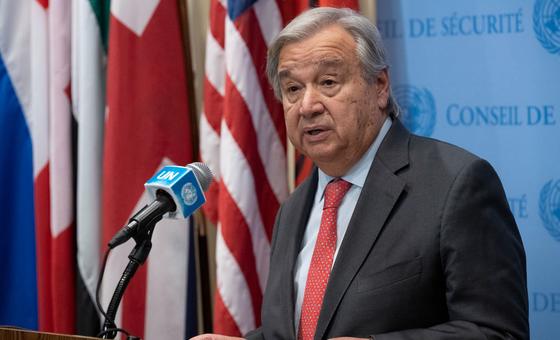
“I can tell you that the Secretary-General is aware that today, the Security Council received this joint letter from the three countries,” UN Spokesperson Stéphane Dujarric told journalists.

The three European nations were signatories to the 2015 Joint Comprehensive Plan of Action (JCPOA), an agreement that granted Iran sanctions relief in exchange for strict limits on uranium enrichment, stockpile levels and centrifuge use, alongside robust monitoring and verification by the International Atomic Energy Agency (IAEA).

Snapback clause

The agreement includes a so-called “snapback mechanism” that allows for the reinstatement of sanctions within 30 days if Iran is found to be non-compliant. 

“The Secretary-General urges the JCPOA participants and the Security Council to continue negotiations to find a diplomatic solution that ensures the peaceful nature of the Iranian nuclear programme and brings about economic benefits to the people of Iran,” Mr. Dujarric said.

He said the coming weeks offer “a window of opportunity” to deescalate tensions and pursue a peaceful resolution.

The Secretary-General also underscored the urgency of avoiding a renewed military conflict, and prioritising dialogue. 

In Yemen, IOM appeals for support amid deadly flooding

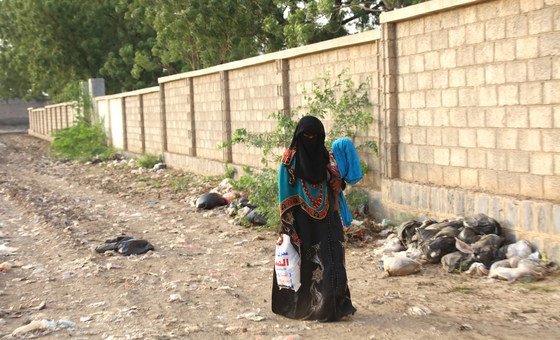
The UN migration agency, IOM, appealed on Thursday for international support for war-ravaged Yemen, after violent storms devastated communities, destroying homes and sweeping away livelihoods.

Latest assessments by the International Organization for Migration across 73 displacement sites indicate that well over 46,000 people have been affected.

Yemen has been in crisis since Houthi rebels took up arms against the internationally-recognised Government, seizing control of the capital Sanna’a in 2014.

An uneasy truce largely holds but clashes continue internally, together with Houthi attacks on Red Sea shipping and exchanges of airstrikes with Israel rooted in the Gaza conflict.

‘Another devastating blow’

“The floods in Yemen are another devastating blow for families who have already lost so much,” said Abdusattor Esoev, IOM’s Chief of Mission in Yemen.

The governorates of Ibb, Sana’a, Ma’rib, Al Hodeidah, and Ta’iz are among the worst hit, with floods damaging homes, farmland, and public infrastructure.

The latest crisis in Yemen mirrors last year’s devastating floods, which caused widespread damage and loss of life.

This year’s storms have been even more intense and demonstrate how climate change is deepening vulnerabilities across the country and pushing communities further into crisis, IOM said.

UN chief welcomes two new sustainability advocates

The UN chief welcomed two new Sustainable Development Goals (SDGs) advocates on Thursday: Masai Ujiri, Co-Founder of Giants of Africa and former Vice-Chairman and President of the Toronto Raptors; and Muniba Mazari – an award-winning advocate for disability rights, inclusion, and gender equality.

“The SDG Advocates play a vital role in inspiring global action and ambition to achieve the Sustainable Development Goals,” said Secretary-General António Guterres.

Through his non-profit Giants of Africa, Mr Ujiri uses basketball as a transformative tool to create opportunities for youth across Africa and beyond.

“Sport doesn’t just unite people – it breaks down barriers, builds hope and transforms entire communities,” he said.

Pakistan’s ‘Iron Lady’

Ms Mazari, known as the “Iron Lady of Pakistan” has inspired millions through her personal story and her commitment to championing marginalised communities after a spinal cord injury left her using a wheelchair.

“Inclusion is not a privilege; it is a right. I am proud to be an SDG Advocate and to elevate the voices of those who are often unheard,” she said.

Mr Ujiri and Ms Mazari join a global cohort of leaders committed to accelerating progress and inspiring action across all 17 SDGs.

Source link

World News in Brief: More deaths in Ukraine, lengthy detentions in Egypt, AI governance, US postal tariffs

Since Friday, 11 civilians have been killed and more than 90 wounded, according to the authorities. Schools and energy infrastructure also were damaged.

The Donetsk region in eastern Ukraine was the most affected, with the town of Kostiantynivka particularly hard hit. 

Six other regions – Sumy, Kharkiv, Kherson, Mykolaiv, Dnipro and Zaporizhzhia – were also impacted, with homes, schools, ambulances and power infrastructure in front-line areas sustaining damage.

In response, aid organizations have distributed repair materials, hot meals and drinks, in addition to providing psychological support.

Families on the run

Meanwhile, humanitarians continue to support people fleeing hostilities in the Donetsk and Dnipro regions.

OCHA said over 2,000 people, many of them children, were evacuated from Donetsk between Friday and Monday. 

“With growing pressure on the transit site in the town of Pavlohrad, authorities and aid organizations opened new facilities in the village of Voloske, Dnipro region, and the town of Lozova, Kharkiv region,” the agency said.

Evacuees receive medical and psychosocial support, hot meals, water and hygiene supplies, and can register for cash assistance before moving on to safer areas. 

At the same time, humanitarians are also supporting arrivals in other parts of Ukraine.

Egypt urged to end ‘rotation’ detention practice targeting Government critics

The UN human rights office, OHCHR, called on Tuesday for Egypt to end a practice known as “rotation” which allows Government critics to be held arbitrarily and for prolonged periods even after serving their sentences or completing maximum pre-trial detention.

Human rights defenders, activists, lawyers, journalists, peaceful protesters and political opponents are among those who have been targeted.

The latest case concerns poet Galal El-Behairy, who was arbitrarily detained after completing a prison term on 31 July 2021 for writing songs and poetry critical of the Government. 

He has since faced similar charges in two different cases under the counter-terrorism law and the penal code. The latest charges were brought on 19 August 2025, extending his detention for at least 15 more days.

Suppressing critical voices

Rotation “has become a tool by which the Egyptian Government represses those perceived to be critical of its policies,” OHCHR Spokesman Thameen Al-Kheetan told journalists in Geneva.

“Most of those targeted by ‘rotation’ should not have been detained or jailed in the first place, as the charges brought against them are often related to the exercise of their legitimate rights to freedom of expression and peaceful assembly,” he said.

OHCHR urged the Egyptian authorities to immediately end the practice and release all those who have been subjected to it. 

UN announces two new mechanisms to promote cooperation on AI governance

The UN Secretary-General welcomed the General Assembly’s decision on Tuesday to establish two new mechanisms to promote international cooperation on the governance of artificial intelligence (AI).

The establishment of the UN Independent International Scientific Panel on AI and the Global Dialogue on AI Governance marks a significant step forward in global efforts to harness the benefits of the technology while addressing its risks.  

The development underlines commitment by Member States to build on the Global Digital Compact adopted as part of the Pact for the Future last September, UN Spokesperson Stéphane Dujarric told journalists in New York.

Fostering inclusion, informing decision-making

He said the Global Dialogue will provide an inclusive platform within the UN for States and stakeholders to discuss the critical issues concerning AI facing humanity today.

The Scientific Panel will serve as a crucial bridge between cutting-edge AI research and policymaking, he added.

“By providing rigorous, independent scientific assessments, it will help the international community to anticipate emerging challenges and make informed decisions about how we govern this transformative technology,” he explained.

The Secretary-General will soon launch an open call for nominations for the Scientific Panel, which will present its annual reports at the Global Dialogue on AI Governance to take place in July 2026 in Geneva and 2027 in New York.

In the interim, all stakeholders are urged “to support this historic initiative and contribute to building a future where artificial intelligence serves the common good of all humanity.”

This post office was officially opened on 4 September 1981 in Karagwe District, Kagera Region in Tanzania

UN postal agency striving to keep packages moving ahead of US duty-free deadline

The UN postal agency says it is taking all possible measures to keep packages flowing to the United States after dozens of countries suspended service. 

“Maintaining the trust of the billions of people served by the postal network is our top priority,” said Universal Postal Union (UPU) Director General Masahiko Metoki. 

Starting on 29 August, the US announced that it will suspend duty-free “de minimis” measures for low-value packages.  

That means packages worth less than $800 will no longer be exempt from customs duties and may require new processing requirements. There is no impact on letters. 

A big change

The UPU noted that while each country has the sovereign right to adopt its own customs policies, the change “will entail considerable operational changes for postal operators around the world” – given the short notice. 

Postal services in at least 25 countries have suspended their outbound postal services to the US, citing uncertainties related to transit, according to the UPU. 

The UN agency says it is working to help countries adjust to new customs duty collection and remittance process and is in contact with the US Government to develop practical solutions.   

Source link

World News in Brief: Gaza humanitarian update, more killings in Sudan, ending impunity in Myanmar

Multiple strikes overnight into Friday were reported in the Jabalya Al Balad and An Nazla neighbourhoods, the UN Office for the Coordination of Humanitarian Affairs (OCHA) said in its latest update.

As a result, around 900 people reportedly fled towards the Sheikh Radwan neighbourhood and western Gaza City.

Safe passage, more aid

The UN and partners again reminded parties to the conflict of their obligation to protect civilians, in line with international law, including humanitarian workers and people who cannot or choose not to move. 

“Those fleeing must be allowed to do so safely. They must also be allowed to return if they wish to do so, as the situation allows,” OCHA said.

The agency underscored the need to ensure that people have access to aid and basic services, whether they leave or stay.

Supplies also must be allowed to enter the Gaza Strip through all available crossings and corridors, and humanitarians must have safe, predictable and sustained access to deliver aid at scale.

Hospitals under strain

Meanwhile, as strikes continue to intensify across the enclave, casualties are flooding hospital emergency departments.  

Humanitarians warned that the expansion of military operations would further cripple the collapsing healthcare system. 

Nearly half of all hospitals and field hospitals are located in Gaza City, accounting for some 40 per cent of bed capacity in the entire enclave.  Additionally, many medical facilities in the south are operating several times over their bedspace capacity.

Humanitarians stressed that access to healthcare must be immediately restored to avert more preventable deaths. 

Sudan: UN rights office horrified by recent killings in El Fasher 

Recent brutal attacks by the paramilitary Rapid Support Forces (RSF) in Sudan have left at least 89 people dead in North Darfur state, the UN human rights office, OHCHR, said on Friday

The RSF have been battling the Sudanese Armed Forces (SAF) for control of the country for more than two years.

OHCHR said RSF attacks on the besieged North Darfur capital El Fasher and the adjoining Abu Shouk camp for displaced people resulted in the killing of at least 89 civilians, though the actual number could be higher.

The attacks took place over a 10-day period ending on 20 August.

Apparent summary executions 

At least 32 civilians were killed in attacks between 16 and 20 August, while at least 57 were killed in previous attacks on 11 August.

OHCHR was particularly horrified that 16 of the most recent killings appear to have been summary executions, Spokesman Jeremy Laurence told journalists in Geneva.

“Most of the victims were killed in Abu Shouk camp and belonged to the African Zaghawa tribe, according to information gathered by our Office,” he said.

“In another case in the El Fasher area, a victim was asked which tribe he belonged to. He was killed after responding that he was from the African Berti tribe.” 

Meanwhile, the humanitarian situation in El Fasher has reached a critical stage after more than a year of siege, and there is growing risk of famine in the city and other areas of North Darfur.

OHCHR was appalled by two separate attacks on UN humanitarian convoys in North Darfur this month and in June, saying such attacks only worsen the human rights situation for civilians.

© UNICEF/Ilvy Njiokiktjien

Ending impunity for violence critical for Rohingya in Myanmar

The UN human rights office has also called for ending impunity in the violence against the Rohingya people in Myanmar and ensuring their rights to security, citizenship and equality.

It said the Rohingya – a mostly Muslim minority community in predominantly Buddhist Myanmar – continue to suffer, eight years after a deadly crackdown by the military.

More than 700,000 fled to Bangladesh in the wake of the assault which began on 25 August 2017, joining others who had escaped earlier waves of attacks. 

Break the cycle

OHCHR said that ending impunity and ensuring the Rohingya’s rights to security, citizenship and equality, are essential for breaking the cycle of violence.

The Rohingya mainly live in Myanmar’s Rakhine state, and the office noted that the human rights and humanitarian situation there have sharply deteriorated since November 2023, further deepening the already life-threatening conditions they face.

OHCHR urged the international community to step up support for the Rohingya by increasing humanitarian funding to secure access to basic needs, essential services, and to ensure accountability. 

Source link

World News in Brief: Sudan hospitals under fire, world remembers victims of terrorism, DR Congo

A grenade attack inside Zalingei Hospital in Darfur State, led Médecins Sans Frontières (MSF) to suspend all of its activities there yesterday.  

MSF had previously led a cholera emergency response at the medical facility, providing life-saving treatment for 160 patients in the past two weeks alone.  

“The rules of war are clear that the wounded and sick, medical personnel and hospitals be protected at all times,” said UN Spokesperson Stéphane Dujarric, at the regular briefing on Wednesday.  

Do not give up on Sudan

In concert with the Sudanese Ministry of Health and humanitarian partners, the UN continues working to expand access to cholera vaccines across the country, including more than two million reached during a recent campaign across Khartoum, Al Jazirah and Sennar States.

With famine having been confirmed in parts of Sudan, the UN and its partners are also working to deliver food assistance wherever they can — but ongoing conflict has threatened their ability to access some locations.  

For the first time since the conflict began in April 2023, the World Food Programme (WFP) reached rural areas of North Darfur State on 14 August and provided over 50,000 displaced people with food.  

On 19 August, Luca Renda, the Sudan representative of the UN Development Programme (UNDP) in Sudan, lauded the work of humanitarians who continue to provide lifesaving assistance despite extreme risk to their own safety.  

“Sudanese humanitarians continue to deliver. They cross frontlines. They navigate insecurity and bureaucracy. They risk everything to reach people in need. They have not given up and neither must we.”

International Day honours victims of terrorism

Thursday, 21 August, marks the eighth commemoration of the International Day of Remembrance of and Tribute to the Victims of Terrorism.  

Although the violent scourge is condemned worldwide, victims and survivors of terrorism often feel their voices are not heard and struggle to have their needs supported and rights upheld, especially when few Member States have the resources to help them recover.

This year’s theme is United by Hope: Collective Action for Victims of Terrorism, highlighting the power of solidarity among victims to turn pain into purpose and drive meaningful change.

In observance of the day, the UN Office of Counterterrorism will host a virtual event and a panel discussion featuring five survivors of terrorism from different regions.

“On this solemn day, we honour the victims and survivors of terrorism everywhere – saluting their courage, acknowledging their pain, and reaffirming our enduring commitment to peace, justice, and human rights, Secretary-General António Guterres, said in a video message.

Mr. Guterres welcomed the launch of the UN-supported Victims of Terrorism Associations Network, which works to empower victims and amplify their voices.

“Victims of terrorism are showing the way: supporting one another, speaking out, and championing the rights of all those affected,” he continued, urging governments, civil society and the international community to “match their courage.”

DR Congo: Deadly violence continues in the east 

Violence continues in eastern Democratic Republic of the Congo (DRC) in the form of deadly attacks by the Allied Democratic Forces militia across North Kivu between 9 and 16 August.  

“Yesterday, gunfire was reported near the UN Mission’s base in Bayoo and also close to the base of Uganda People’s Defence Forces (UPDF) in Bule, in Ituri Province,” said UN Spokesperson Stéphane Dujarric during Wednesday’s briefing in New York.  

The UN mission, MONUSCO, activated security protocols and deployed patrols to secure the area and nearby sites hosting internally displaced people.

Peacekeeping efforts

Meanwhile, MONUSCO’s Commander led a delegation to Komanda in Ituri Province, to meet community representatives and honour victims of a massacre perpetrated by the ADF in July, which killed hundreds of civilians.  

From 15 to 18 August, at the request of local communities, UN peacekeepers also deployed a Mobile Operating Base in Soleniama, Ituri, to support demobilisation efforts, with the help of religious leaders. 

Source link

World News in Brief: Gaza aid crisis latest, deadly floods in India and Pakistan, funding cuts exacerbate Somalia drought

In an alert from the World Food Programme (WFP), the agency said that half a million people “are on the brink of famine”, a claim backed up by multiple humanitarian agencies. The latest worrying data is showing widespread acute malnutrition.

A ceasefire is the only way to scale up aid deliveries, the UN agency insisted. It explained that although teams are doing everything they can to deliver food assistance, only 47 per cent of the daily target amount is getting in.

No meals, no bread

Unless the fighting stops, organized aid distributions and WFP-supported hot meals and bakeries can’t restart, the agency stated.

The UN relief agency for Palestine refugees, UNRWA, reported on Monday that instead of being able to prepare for the start of a new school year, children in Gaza are instead searching for water and queuing for food while their classrooms have “turned into crowded refuges”.

Three years of schooling has now been lost, the agency stressed in a tweet.

UN chief expresses ‘deep sorrow’ over deadly flash floods in India and Pakistan

UN Secretary-General António Guterres on Monday expressed his deep sorrow at the tragic loss of life due to flash floods in India and Pakistan in recent days, with many still missing and forecasts showing the possibility of further flooding and landslides ahead.

Indian rescue services responded to a deadly flood on Friday which reportedly killed at least 60 after it crashed through a village in the Himalayas while in remote villages of northwestern Pakistan, torrents of water killed more than 300, according to news reports.

Hundreds were also injured, Pakistani authorities reported. Buner district was the worst hit, with more than 200 deaths reported there, said the provincial disaster management authorities.

Standing in solidarity

“The Secretary-General offers his sincere condolences to the victims’ families and stands in solidarity with those affected by this disaster,” said the statement issued by his Spokesperson.

UN country teams in India and Pakistan have also been placed are at the disposal of authorities although no request for assistance has been made so far.

Impacts of Somalia drought made worse by funding cuts: OCHA

In Somalia, severe drought and funding cuts are undermining lifesaving assistance there, the UN aid coordination office, OCHAsaid on Monday.

Because of the reduction in the amount of support for aid work, food assistance has declined, health centres are closing and malnutrition is high, the UN agency warned.

OCHA said that 4.6 million people now face high levels of food insecurity while two million more are at risk from funding cuts.

Funding cuts mean ‘lives lost’

Without scaled-up support, “lives will be lost and progress reversed” across the east African nation, where cash shortfalls have left one million people without food assistance every month.

The global trend seeing less humanitarian assistance has curtailed vital support for healthcare across Somalia. So far this year, it has impacted at least 150 medical facilities and left hundreds of thousands of Somalis without the medical care they need.

OCHA noted that because of the cuts, the number of people being targeted for assistance in Somalia has had to be reduced by a staggering 72 per cent.

Source link

World News in Brief: Cholera strikes Sudan and beyond, humanitarian needs grown for returning Afghans, rising insecurity in DR Congo

So far this year, cholera has killed more than 4,300 people across 31 countries. These figures are underestimates and there is particular concern for those impacted by war in Sudan, Chad, the Democratic Republic of the Congo, South Sudan and Yemen.  

In Sudan, the disease has already claimed over 1,000 lives since 1 January. It has reached every state in the country, one year after the outbreak started, according to WHO.

Cases rise in war-torn Darfur

With the sub-Saharan rainy season now underway, the UN agency is worried about a spike in the waterborne disease, linked to the huge numbers of people fleeing ongoing violence.

“While cases have plateaued or decreased in some areas, including Khartoum, they are rising in the Darfur region and neighboring Chad. In Tawila, North Darfur,” said WHO’s Kathryn Alberti.

Refugees have quadrupled the population from close to 200,000 to over 800,000, causing immense strain on water and sanitation systems, she added.

“People have as little as three litres of water daily and this is for cooking, washing, cleaning and drinking.”  

To respond to the problem, WHO and partners have set up task forces, deployed rapid response teams for surveillance and stockpiled essential cholera supplies in Darfur – although “large parts” of Darfur and Kordofan remain unreachable.

Humanitarian needs keep growing in Afghanistan

Four years after the de-facto Taliban regime took over Afghanistan, more than half of the population needs vital aid, according to the UN humanitarian office (OCHA).

Women and girls are particularly vulnerable due to the increasingly restrictive policies that Taliban authorities have imposed, excluding them from education, the workforce and public life.

“Humanitarian aid is a lifeline for women and girls who are otherwise unable to access essential services and assistance,” said UN Spokesperson Stéphane Dujarric, at Friday’s daily briefing in New York.  

1.7 million returnees 

OCHA also warned that the return of 1.7 million Afghan citizens from Iran and Pakistan this year has further increased humanitarian needs, as most have limited community ties and are struggling to find shelter and ways of making a living.

To support the response of the under-resourced host communities, the UN Central Emergency Response Fund (CERF) recently released $10 million, and additional funding is in the pipeline from the Afghanistan Humanitarian Fund.

But more resources are urgently needed. This year’s Humanitarian Needs and Response Plan in Afghanistan is just 25 per cent funded, with $624 million received of the $2.4 billion that are needed, and another influx of refugees is expected ahead of Pakistan’s 1 September deadline for Afghan Proof of Registration cardholders to exit.

Insecurity also rising in DR Congo’s restive east

In the war-torn eastern parts Democratic Republic of the Congo, OCHA says insecurity is on the rise in Djigu territory, in Ituri province.

Clashes between multiple armed groups and the Congolese armed forces in several areas has resulted in nearly 50 civilian deaths and more than 30 injuries in the past month alone there.

In the same period, violence and insecurity have led to the displacement of more than 80,000 people in Djugu.

In the attacks, homes were looted or burned, and those who fled are now sheltering in schools, churches and other public buildings.

Targeted killings

There have been three targeted attacks on sites hosting internally displaced people.

These clashes have severely limited humanitarian access, depriving around 250,000 people of essential services. In the Nizi health district in the Ituri territory, nine out of 12 health facilities are now out of service.

The UN and its humanitarian partners are ready to respond, but they need unimpeded, safe access to do so.

“All parties must take urgent measures to protect civilians and facilitate humanitarian access. Civilians must be protected at all times, in line with international law,” stressed Mr. Dujarric on Friday. 

Source link

World News in Brief: Shipwreck off Italy kills at least 27, anniversary of Taliban takeover, Peru amnesty law

UNHCR is supporting at least 60 survivors who have been brought ashore, but the Italian coast guard warned more bodies could still be recovered.  

According to local news reports, the passengers were travelling from Libya in the hopes of reaching Italy.

Migrants and refugees heading to Italy from the African coast often use leaky or overcrowded boats organized by human traffickers and travel via the often-deadly Mediterranean route, aiming to reach Lampedusa.

In a social media statement on Thursday, the High Commissioner for Refugees, Filippo Grandi, reported that over 700 refugees and migrants have died in the Central Mediterranean in 2025.

“All responses – rescue at sea, safe pathways, helping transit countries and addressing root causes – must be strengthened,” he said.  

UN Women marks four years since Taliban takeover

UN Women Afghanistan Special Representative Susan Ferguson addressed the widescale erosion of human rights of women in the country in a briefing to reporters in New York on Thursday, just ahead of the fourth anniversary of the Taliban takeover.

Since the takeover, dozens of permanent decrees have curtailed women’s and girls’ rights and dignity.  

The most severe women’s rights crisis in the world is being normalised,” she told correspondents at the daily noon briefing from Kabul.  

For example, last year’s “morality law” crystallised the systematic erasure of women from public life, codifying long-standing social norms.

Banned from schools and most jobs, women “continue to feel – and often are – unsafe in public places, in their communities or families, and are unable to reap the benefits of an increase in the overall security situation since the takeover,” Ms. Ferguson stressed.

Migration and women-run organizations

This year, 1.7 million Afghans have returned, but women among them cannot interact with male aid workers to access education, healthcare or economic support.  

Women-run organizations are therefore essential, providing healthcare, psychosocial services and protection from violence.

However, this March, it was reported across civil society organizations that funding cuts have meant layoffs for 50 per cent of women staffers, and over one-third of these organizations warned they may have to scale back or close.

These organizations are trying to keep going – but they urgently need more financial assistance.

“We must keep investing in their NGOs, their businesses and their voice in international dialogues,” Ms. Ferguson concluded.

Türk: Peru amnesty law is an ‘affront’ to victims of country’s war

The UN’s top human rights official Volker Türk on Thursday described Peru’s amnesty law as an “affront” to victims of the country’s armed conflict.

The development comes after the President of Peru signed into law legislation a day earlier granting amnesty to the armed forces, the national police and self-defence committees, for crimes committed between 1980 and 2000.  

An estimated 70,000 people were killed during the conflict and at least 20,000 were disappeared, according to the National Commission on Truth and Reconciliation. 

‘Backwards step’

Mr. Türk said that hundreds of cases, both concluded and ongoing, will be affected by the new law. And he described it as a “backwards step” in the search for justice for gross human rights violations committed.

“It is an affront to the thousands of victims who deserve truth, justice, reparations, and guarantees of non-recurrence, not impunity,” Mr. Türk said.

International law, to which Peru is bound, clearly prohibits amnesties and statutes of limitations for gross violations of human rights and serious violations of humanitarian law.

OHCHR called for its immediate reversal. 

Source link

World News in Brief: Casualties in Ukraine, Burkina Faso aid helicopter blast, Uganda urged to release opposition leaders

The monthly total also marked a three-year high, topping June’s figure, with HRMMU verifying civilian deaths and injuries in 18 of Ukraine’s 24 regions.  

“For the second month in a row, the number of civilian casualties in Ukraine hits a new three-year high,” said Danielle Bell, Head of HRMMU.

“Only the first three months after the Russian Federation launched its full-scale invasion of Ukraine saw more killed and injured than in this past month,” she added.  

Rising toll 

Numbers for the first seven months of 2025 were 48 per cent higher than in the same period last year.

Long-range weapons, including missiles and suicide drones, accounted for nearly 40 per cent of casualties. On 31 July, Kyiv saw its deadliest attack since the start of the full-scale invasion, with 31 people killed, including five children, when a missile struck a residential building.

Short-range drones alone caused 24 per cent of casualties, reflecting a sharp rise since mid-2024, as documented in a bulletin published by HRMMU in June 2025.  

The steepest monthly increase came from aerial bombs, which killed 67 and injured 209 in July, compared with 114 casualties in June. Strikes hit a penal colony in Zaporizhzhia and an apartment building in Donetsk, killing at least 21 people in total.

“Whether you are in a hospital or a prison, at home or at work, close to or far away from the frontline, if you are in Ukraine today, you are at risk of getting killed or injured by the war,” Ms. Bell said. 

Burkina Faso: Blast hits near UN aid helicopter in Solle

A UN chartered helicopter delivering food aid to the town of Solle in northwest Burkina Faso was caught in an explosion shortly after landing on Tuesday, injuring two people.

The aircraft, chartered by the World Food Programme (WFP), had just unloaded humanitarian supplies when the blast occurred nearby. One crew member and a Government partner were hurt and are now receiving medical treatment.

The helicopter sustained only minor damage and was moved to safety, WFP said. Flights to Solle have been temporarily halted while authorities investigate the incident.

Critical operation

In conflict-affected areas of Burkina Faso, WFP’s humanitarian air operations are critical for delivering life-saving assistance to hard-to-reach communities most in need.  

WFP aims to assist 315,000 of the most vulnerable people during the lean season from June to August, when families have exhausted their food stocks.

In a statement, WFP reaffirmed the agency’s “unwavering commitment to support populations in need and to reach the most remote communities with humanitarian assistance.”

Rights office urges Uganda to release opposition leaders on bail

The UN human rights office (OHCHR) on Wednesday expressed serious concern at repeated denials of bail in Uganda for opposition leader Kizza Besigye and his associate Obeid Lutale.

Both individuals have been denied bail three times since they were abducted in neighbouring Kenya and returned to Uganda last November. 

In dismissing their latest request, the High Court found them ineligible for mandatory bail merely because they had been detained in civil prison for less than the 180 days required to qualify for release, a duration that did not account for their prior deprivation of liberty following their abduction and forced return.

“We urge the authorities to reconsider the decision and grant them bail, and to ensure that any legal proceedings against them are fully in line with international human rights law,” said OHCHR spokesperson Liz Throssell.

Human rights concerns  

The UN human rights office in Uganda closed its operations there in 2023 after the Government decided to end cooperation with OHCHR.  

At the time, High Commission Volker Türk expressed concern about the run-up to the 2026 elections, amid an increasingly hostile environment impacting human rights defenders, civil society actors and journalists.

Other UN human rights mechanisms also condemned laws criminalizing same sex relations and the call for the use of the death penalty for convicted offenders. 

Source link

World News in Brief: Sudan’s agony continues, Colombian presidential candidate dies, the world celebrates the steelpan

The Director of Operations and Advocacy at the UN aid coordination office (OCHA), Edem Wosornu, warned on Monday that over 60 people reportedly died from malnutrition during a single week in the besieged government-controlled city of El Fasher in North Darfur State. Most of the deaths are those in vulnerable groups, such as women and children. 

Famine was first detected in the Zamzam displacement camp in North Darfur about a year ago, likely expanding to other areas since.    

OCHA is also concerned about ongoing violence in the Kordofan region, including reports of attacks on villages in North Kordofan just last week. Eighteen civilians were reportedly killed and dozens more were wounded.

“It is tragic that we need to underscore on a regular basis that civilians must never be targeted, and all parties must uphold their obligations under international humanitarian law,” said UN Spokesperson Stéphane Dujarric at Monday’s daily briefing in New York.  

Cholera outbreak and response

The UN and humanitarian partners continue to scale up the response to cholera in Sudan, where 100,000 cases have been recorded nationwide since July 2024.  

Since 21 June, there have been 5,300 suspected and confirmed cases and 84 deaths due to the waterborne disease in North Darfur State. Most of these have been in the Tawila locality, where around 330,000 civilians displaced from the Zamzam Camp and El Fasher are sheltering in dire conditions.

UN partners are on the ground responding with cholera treatment centres, but overcrowding, poor sanitation, limited access and the ongoing rainy season are accelerating the spread of disease and restricting aid delivery.  

Nonetheless, on 10 August, a new vaccination campaign supported by the World Health Organization (WHO) began in Khartoum State, targeting 1.1 million people.

Guterres deeply saddened by death of Colombian presidential candidate

Secretary-General António Guterres released a statement on Monday expressing his deep sadness over the death of Colombian presidential candidate and former senator, Miguel Uribe, sending condolences to his family and the Colombian people.

Mr. Uribe’s death followed two months in intensive care after he was shot multiple times during what was reportedly a targeted attack at a campaign rally in the capital of Bogotá on 7 June.  

UN High Commissioner for Human Rights, Volker Türk, also released a statement expressing his shock and sadness over the death of the presidential candidate.

The top UN officials both noted the active investigations are ongoing into the shooting. A teenager who is believed to have carried out the attack has been arrested but the motive is still unclear, according to news reports.  

Mr. Türk stressed that this death “is a stark reminder of the importance that Colombia’s upcoming elections be conducted with respect for the lives of all, free from violence and in a climate that allows for safe and inclusive participation.”  

The UN rights chief said his office in Colombia will continue to assist Colombian authorities and civil society in their human rights work ahead of the upcoming election.

In the same vein, the Secretary-General urged Colombia’s authorities to take all necessary measures to ensure a peaceful election and security for all candidates taking part.

Let’s hear it for the Caribbean’s own steelpan

11 August marks World Steelpan Day, celebrating the exuberant musical instrument that originated in Trinidad and Tobago and is now enjoyed worldwide.

The steelpan, otherwise known as a steel drum, has roots in the early 20th-century carnival percussion groups of the Caribbean islands and is played with rubber-tipped sticks.

The UN recognises the joyous steelpan for its rich cultural and historical significance as well as its role in promoting sustainable development and diversity.

In honour of the day, the UN General Assembly is encouraging activities that raise awareness of the cultural significance of the beloved instrument and its connection to the Sustainable Development Goals (SDGs).

This celebration highlights how music and culture can foster inclusive and sustainable communities worldwide. 

Source link

World News in Brief: Funding schools in Afghanistan, Seaweed farming in Latin America, drought in Somalia

The agency plans to procure over 1,200 metric tons of fortified biscuits, which will provide 200,000 primary school-aged girls and boys with sustenance for around three months.  

“For many children, the daily snack they receive in the first break of the day is often their only nutritious meal, giving them the energy to stay healthy, focused, and ready to learn,” said Mutinta Chimuka, Deputy Country Director for WFP in Afghanistan.  

Food security  

“WFP in Afghanistan launched its school feeding programme more than two decades ago to link food security and better nutrition with education,” said Ms. Chimuka.

School feeding activities have played a crucial role in improving attendance, retention and learning outcomes.

Primary schools participating in the programme saw enrollment increase by nearly 11 percent in 2024 compared to 2023, while attendance also improved, reaching an average of 87 per cent in the classroom, two percentage points above WFP’s target.

Seaweed farming, a potential key driver of sustainable development in Latin America

In the last decade, seaweed farming grew by 66 percent in Latin America and the Caribbean, a new report from the Food and Agriculture Organization (FAO) has found.

The practice of cultivating and harvesting seaweed or algae in the marine environment offers a relatively low-carbon method to produce highly nutritious food while supporting rural livelihoods, according to international experts gathered at a regional workshop in Chile.  

Seaweed farming is vital to sustainable coastal development in Latin America, experts argue, highlighting its nutritional value and the need for clearer, coordinated regulation.

Untapped potential

Expanding seaweed cultivation holds significant untapped potential for sustainable development in Latin America and the Caribbean.

However, while countries like Brazil, Chile and Venezuela lead production, most initiatives across the region remain small-scale.  

Yet, with a 66 per cent increase over the past decade, experts see major opportunities for growth. Supporting emerging producers, diversifying species and investing in research and technology – including AI and biotechnology – could  deliver both economic and environmental benefits.  

Strengthening community participation, particularly among women and youth, will also be essential. With coordinated action and inclusive policies, seaweed farming could become a key driver of resilient coastal development.

Hundreds of thousands impacted by severe drought in Somalia

Hundreds of thousands of people have been impacted by severe drought in Somalia’s central and northern regions, according to the UN’s humanitarian coordination office, OCHA.  

With food insecurity escalating, dwindling access to water and pasture and major disruption to livelihoods, a joint assessment by UN agencies and partners is currently underway in Puntland and Somaliland to determine key needs.

Wells run dry

An analysis from the Food and Agriculture Organization (FAO) noted that more than 880,000 Somalis are currently living in severely drought-affected areas across 16 districts, humanitarians on the ground reported that water wells have dried up and that more than 160 boreholes are no longer functioning.

Although the UN-managed Somalia Humanitarian Fund is preparing to allocate resources for urgent life-saving assistance, only 17 per cent of the plan has been funded to date. 

Source link

World News in Brief: Child deaths in Pakistan, Ukrainian rail station attack, new UN-India development partnership

The children picked up the unexploded ordnance in a nearby field, mistaking it for a toy, and brought it back to their village where it later detonated, UNICEF said.

The ordnance is likely one of the many unexploded shells left over from the military clashes between Pakistan and India in May, according to news reports.

Extending condolences to those affected, the agency stressed that “no child should fall victim to landmines or unexploded ordnance.”

The organization denounced the presence of explosive remnants of war, as they continue to pose deadly risks to children and communities in conflict zones – and former conflict areas – worldwide. 

Ordnance risk education

Since January, UNICEF has collaborated with the Government to educate 9,500 children on the risks posed by leftover munitions in the Khyber Pakhtunkhwa province.

The agency called on Pakistan to increase support for lifesaving explosive ordnance risk education.  

Five dead in attack on Ukrainian rail station

Amid a wave of record civilian casualties, an overnight strike early Tuesday on a railway station in the city of Lozova, in Ukraine’s frontline Kharkiv region, killed five civilians and workers, injuring several others.

According to a social media post from the UN humanitarian aid agency (OCHA) in Ukraine, the railway station was heavily damaged, and surrounding homes were also affected.

According to news reports, the attack triggered fires across the city and disrupted rail traffic in Lozova, a strategically important transport hub.

Emergency assistance is ongoing, with aid workers on site providing emergency repair materials and psychological support.

UN-India partnership launches SDG projects across Global South

At Tuesday’s daily press briefing in New York, UN Deputy Spokesperson Farhan Haq highlighted the launch of a new UN-India partnership to facilitate cooperation across the Global South and advance the Sustainable Development Goals (SDGs).

The UN-India Global Capacity-Building Initiative, will showcase successful innovations to countries across the Global South, tailored to national priorities.

The Gates Foundation and the Indian Technical and Economic Cooperation (ITEC) programme are also supporting the projects, which will be implemented with national partners in the Caribbean, Laos, Nepal, South Sudan and Zambia.

The projects aim to enhance digital health, food security, census preparedness and vocational skills training.  

India and UN join forces for South-South Cooperation to accelerate the SDGs.

Source link

World News in Brief: Uganda’s refugee funding crisis, academic freedom tested in Serbia, rural resilience in Afghanistan

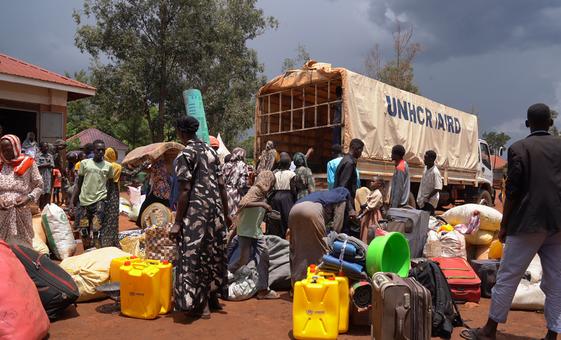
Uganda has a progressive refugee policy which enables refugees to work and access public services. This coupled with its geographic proximity to crises has made it the continent’s largest refugee-hosting country.

“Emergency funding runs out in September. More children will die of malnutrition, more girls will fall victim to sexual violence, and families will be left without shelter or protection unless the world steps up,” said Dominique Hyde, UNHCR’s director for external relations.

UNHCR estimates that it costs $16 per refugee per month to provide essential services, but at this point, the agency will only be able to deliver $5 worth of aid each month.  

Funding missing

Most refugees are entering Uganda from war-torn Sudan, South Sudan and the Democratic Republic of the Congo – all countries which have been ravaged by protracted armed conflicts and acute food insecurity.  

These refugees are seeking shelter and life-saving aid, and many of them are children.  

In a recent visit to some of the refugee camps, Ms. Hyde met one 16-year-old girl who fled violence in South Sudan after losing her parents. She is now caring for her four younger siblings alone.  

“She dreams of going back to school, but survival is all she can think about,” Ms. Hyde said.  

Children like her depend on the aid which UNHCR and the Uganda government provide. But with only 25 per cent of the funding required, the aid is quickly disappearing.

“Uganda has opened its doors, its schools, and its health centers. This model can succeed, but it can’t do it alone,” Ms. Hyde said.  

A test of democratic resilience in Serbia as crackdown on protests continues

Independent human rights experts warned Monday that Serbia’s intensifying crackdown on protests and protestors — especially students, professors and civil society — violates international human rights and undermines democracy.  

The protests, which began in late 2024 in response to an infrastructural collapse which killed 16 people, have become a nationwide call for accountability, transparency and justice.

“What we are witnessing in Serbia is a systematic attempt to silence critical voices and dismantle the independence of academic institutions. This is not just a student protest — it is a test of human rights accountability and democratic resilience,” the experts said.  

Independent experts are appointed by the Human Rights Council in Geneva to monitor and report on special human rights matters. They are independent of the UN system and any government.  

Renewed commitment  

Since the end of June, the experts said that they have observed increasingly violent repression of protests, including unlawful arrests, prolonged detention and smear and surveillance campaigns against individuals. Some protesters have reportedly been seriously injured.  

Educational institutions in particular have come under pressure with some universities slashing faculty salaries and some high school teachers have been threatened with disciplinary action for supporting the protesters.  

“Instead of listening to young people’s voices, the Government has chosen to punish them. This approach not only violates international human rights standards, but also, by its very nature, undermines the very foundation of a democratic society,” the experts said.

The experts called on the Serbian government to renew its commitment to human rights and justice, stressing that academic freedom and access to justice are pillars of democracy.

New programme in Afghanistan seeks to rebuild farmer resilience

The Food and Agriculture Organization (FAO), in concert with the United Kingdom, is launching a new agricultural resiliency programme in Afghanistan in the hopes of improving production and nutrition throughout the country.  

Resilient Agriculture Livelihoods (ReAL) hopes to reach over 150,000 people in all eight regions of the country by the end of next May. It will specifically target small-scale farmers, landless labourers, livestock keepers and women and girls.  

“Afghanistan’s farmers are extraordinarily resilient, but repeated climate and economic shocks are eroding this strength. This project lays down important pathways to help farmers rebuild that resilience,” said Richard Trenchard, the FAO representative in Afghanistan.

Agricultural cornerstone

The ReAL program will work to expand market access for farmers in addition to managing climate risks in a way that will promote sustainable land use and enable communities to not rely on humanitarian assistance long-term.  

Between 2022 and 2024, FAO reached over 30.3 million people in Afghanistan with emergency food relief and long-term resilience projects, work which helped to decrease the food insecurity crisis by half.  

“In a country where agriculture sustains most lives, this is a short-term investment with long-term impact,” said Mr. Trenchard. 

Source link

World News in Brief: Hunger in the English- and Dutch-speaking Caribbean, climate and displacement crisis in Somalia, World Breastfeeding Week

Across the region, nations face food-related challenges notably due to geographical remoteness, lack of local available resources and exposure to climate change. 

“The Caribbean is particularly vulnerable to natural hazards and supply chain disruptions, which can cause increases in food prices,” said, Brian Bogart. head of WFP for the region.

“It’s deeply concerning that many people are struggling to afford the food they need,” he said. 

Supply chain challenges

Rising food prices are a major concern for the region, with food inflation consistently outpacing overall inflation rates, with local production efforts challenged by increasing operational costs. 

In 2025, 30 per cent of Caribbean people reported eating less than usual, a trend notably triggered by increased food costs and global geopolitical factors.

As the region significantly relies on imported agricultural inputs, “strengthening and diversifying supply chains and trade routes across the region is essential,” said Mr. Bogart. 

He added that in a region particularly impacted by climate disasters, “these efforts will help make food more accessible and affordable while supporting faster recovery in times of crisis.” 

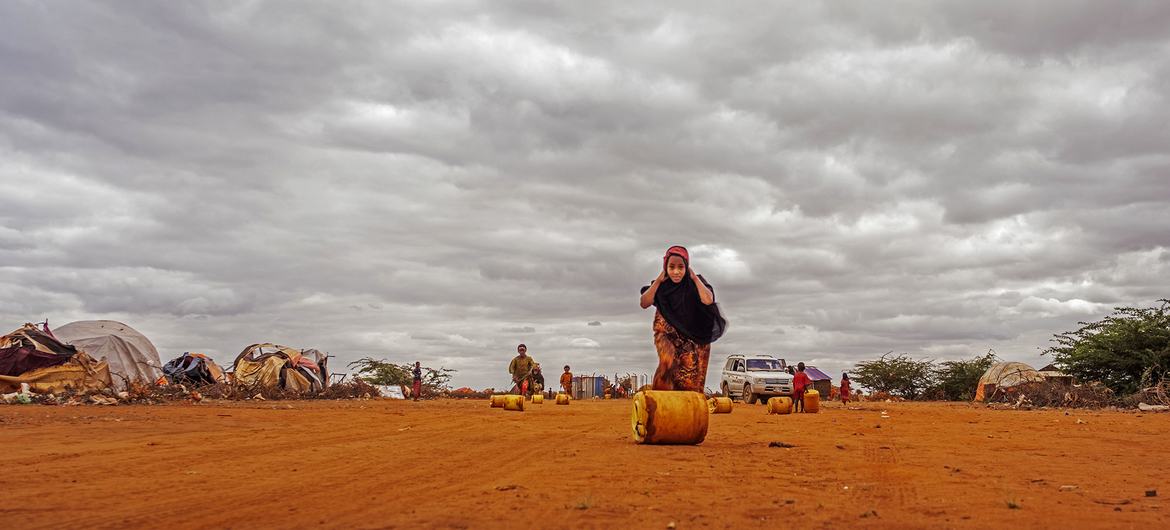
A girl moves a container full of water at a site for displaced people in Dolow, Somalia. (file)

UN migration agency highlights deepening climate and displacement crisis in Somalia

Climate shocks and mass displacement caused by conflict have uprooted some 3.6 million people in Somalia, according to the International Organization for Migration (IOM). 

Almost half the population has been impacted by the climate crisis, the UN agency added.

IOM Deputy Director General Ugochi Daniels concluded a four-day visit to Somalia this week where she expressed solidarity for communities who continue to endure relentless droughts, floods and conflict.

Ms. Daniels also noted that communities are finding solutions to withstand the worst impacts of the climate crisis, but they need international support from the Green Climate Fund urgently.

IOM is active across Somalia in displacement sites and in rural and other fragile areas. Its work includes promoting land restoration and so-called “environmental peacebuilding”, which aims to reduce tensions over shared resources.

Another IOM initiative encourages Somalis to invest in their own development by providing additional funding.

Last year, communities contributed more than half a million dollars toward projects such as solar energy, clean water access and small-scale farming – investments all matched by more than $2 million from IOM. 

World Breastfeeding Week: Invest in health systems and policies to benefit mums and babies

This Friday (1 August) marks the start of World Breastfeeding Week and this year’s theme calls for investing in health systems as well as policies, laws and programmes that prioritize women, babies and breastfeeding.

The World Health Organization (WHO) said investing in breastfeeding support is one of the most powerful tools policy-makers have to improve public health, strengthen economies, and secure the well-being of future generations.

The UN agency explained that breastfeeding protects child health and improves survival, especially in the first months of life.  For infants, breastmilk is more than food: it also provides protection against many common illnesses like diarrhoea, pneumonia and infections.

Mothers also benefit as breastfeeding reduces the risk of postpartum haemorrhage, as well as breast and ovarian cancers, heart disease, and type 2 diabetes.

WHO urges governments to allocate dedicated funding for breastfeeding support, including for when new mums come home, along with maternity protections like paid leave after giving birth. 

Source link

World News in Brief: First UN mission to Syria’s Sweida, fresh displacement in Haiti, new lightning record

The team went to Sweida City, as well as two districts – Shahba and Salkhad – where they met with local community representatives and partners, in addition to visiting displacement sites and reception centres. 

Members also conducted assessments in the three districts of the governorate, where hundreds of people have been killed, and some 175,000 people displaced, in recent sectarian violence amid Syria’s ongoing political transition since the fall of the Assad regime last December.

A senior UN official told the Security Council earlier this week that a fragile ceasefire is “largely holding”.

More aid delivered

OCHA said a fifth humanitarian aid convoy organized by the Syrian Arab Red Crescent also arrived in Sweida on Thursday. It was the largest so far, with 40 trucks.

The convoy, which included UN assistance, delivered medical supplies, flour, fuel, canned goods, hygiene kits and shelter materials, among other assistance. 

On Wednesday, the Syrian Arab Red Crescent also delivered four tankers carrying more than 120,000 litres of fuel.

Haiti: Armed groups expand activities

Armed groups in Haiti are expanding their presence and activities in the Artibonite region which has sparked waves of displacement, according to OCHA. 

Last Monday, violence linked to armed groups flared in the town of Liancourt, where a vehicle and several homes were set on fire. This followed a week of violent clashes.

As of 19 July, nearly 15,000 people have been displaced across four communes in Artibonite. They are staying with host families, many of whom were already finding it hard to meet basic needs.

OCHA said response efforts are underway, led by local humanitarian partners. They have distributed hygiene kits to more than 500 displaced households and host communities, as well as hundreds of hot meals.

2017 lightning flash in US Great Plains sets new world record

A lightning flash in a notorious storm hotspot in the United States nearly a decade ago has been certified as the longest on record, the World Meteorological Organization (WMO) announced on Thursday.

The megaflash – an incredible 829 kilometres long (515 miles) – occurred during a major storm in the Great Plains in October 2017 and was some 61 kilometres greater than the previous record, also set in the same region.

It extended from eastern Texas to near Kansas City, equivalent to the distance between Paris and Venice in Europe: a journey that would take roughly eight to nine hours by car, or at least 90 minutes by plane.

Value of early warning systems 

The flash was not identified in the original 2017 analysis of the storm but was discovered through re-examination. 

WMO’s Committee on Weather and Climate Extremes recognized the new record with the help of the latest satellite technologies and the findings were published in the Bulletin of the American Meteorological Society.

“Lightning is a source of wonder but also a major hazard that claims many lives around the world every year and is therefore one of the priorities for the international Early Warnings for All initiative,” said WMO Secretary-General Celeste Saulo.

Launched in 2022, the initiative aims to ensure that everyone on the planet is protected from hazardous weather, water, or climate events through early warning systems by the end of 2027. 

Source link

World News in Brief: Violence in Somalia, cholera in Haiti, tax support for sustainable development

Clashes intensified in the town of Mahas in the Hiraan region, Hirshabelle state, on 26 July forcing the entire population – over 28,000 people – to flee their homes. 

Another 38,000 people were displaced in the Gedo region, Jubaland state, between 23 and 26 July, some of whom crossed into Kenya. 

Security concerns have forced seven health facilities in the Hiraan region to suspend operations, leaving thousands of people without essential healthcare and emergency services. Humanitarian access also has been restricted, particularly in areas that were already hard to reach.  

OCHA noted that only a limited number of aid partners are able to operate in these locations given the insecurity as well as financial constraints. Meanwhile, affected communities urgently need shelter, food, clean water, healthcare and protection. 

The situation is unfolding as aid agencies grapple with severe funding cuts. A $1.4 billion humanitarian plan for Somalia this year is around 16 per cent funded, with $229 million received to date.

Cholera haunts displaced families in Haiti

Cholera continues to impact the fragile public health system in Haiti, particularly in sites hosting displaced people where there is limited access to safe water and sanitation.

The Caribbean country is confronting multiple political, security and socio-economic crises, including rampant gang activity mainly in the capital, Port-au-Prince.  

The UN World Health Organization (WHO) said that between 13 and 19 July, 34 new suspected cholera cases were reported across six of the nation’s 10 departments. Most were linked to displacement sites. 

Five active transmission hotspots have been identified, including in Port-au-Prince and in the northern regions. 

Since December 2024, over 2,800 suspected cholera cases have been recorded across Haiti, with 91 laboratory-confirmed cases and 36 fatalities. 

Despite funding shortfalls, UN humanitarian partners continue to carry out key cholera prevention and response activities. 

Families in Artibonite department received water purification tablets and oral rehydration salt, for example, while partners in central Haiti have installed handwashing stations and scaled up community outreach. 

Experts to help countries create tax policies that advance sustainable development

Secretary-General António Guterres has appointed 25 experts to a UN committee to help countries design tax policies that advance their social, environmental and economic development objectives. 

The UN Committee of Experts on International Cooperation in Tax Matters supports governments in navigating complex policy trade-offs.  Its work provides countries with practical options and tools based on real-world experiences from tax systems across the globe. 

The 25 experts, who will serve for the 2025-2029 term, have diverse expertise in tax policy design and administration, as well as international tax cooperation. 

They represent various geographical regions and tax systems, and the majority are women, reflecting the UN’s commitment to strengthening inclusivity in tax leadership. 

Source link

World News in Brief: Remembering Dr. David Nabarro, deadly shipwreck off Libya, verdict in peacekeeper’s killing

The British physician and champion for global public health died this past weekend at the age of 75. 

He was the World Health Organization’s (WHO) special envoy dealing with the COVID-19 crisis.

Legacy of service

“The Secretary-General pays tribute to Dr. Nabarro’s extraordinary legacy of service and reaffirms his commitment to advancing the principles he championed: solidarity, science and health for all,” UN Deputy Spokesperson Farhan Haq said on Tuesday in New York.

Dr. Nabarro was remembered as “a tireless advocate for global health, a leader who brought clarity, compassion and conviction to some of the world’s most complex health emergencies, from AIDS and malaria to avian influenza and the COVID-19 pandemic.”

He also served as the Special Representative of former Secretary-General Ban Ki-moon on food security and nutrition and headed the UN High-Level Task Force on the Global Food Security Crisis. 

Also paying tribute was WHO chief Tedros Adhanom Ghebreyesus. He called Dr. Nabarro a “great champion of global health” whose work impacted so many lives across the world.

Libya: Migration agency offers support in the wake of deadly shipwreck

At least 18 migrants died following a shipwreck off the coast of Tobruk, Libya, this past weekend, the International Organization for Migration (IOM) reported on Tuesday.

Fifty people are still missing, and 10 survivors are accounted for so far.

“This latest tragedy is a stark reminder of the deadly risks people are forced to take in search of safety and opportunity,” IOM said in a statement.

The UN agency noted that “Libya remains a major transit point for migrants and refugees, many of whom face exploitation, abuse and life-threatening journeys.”

Meanwhile, IOM teams on the ground are coordinating with local partners to provide support where possible.

“We reiterate our call for enhanced regional cooperation to expand access to safe, regular and dignified migration pathways,” the statement concluded.

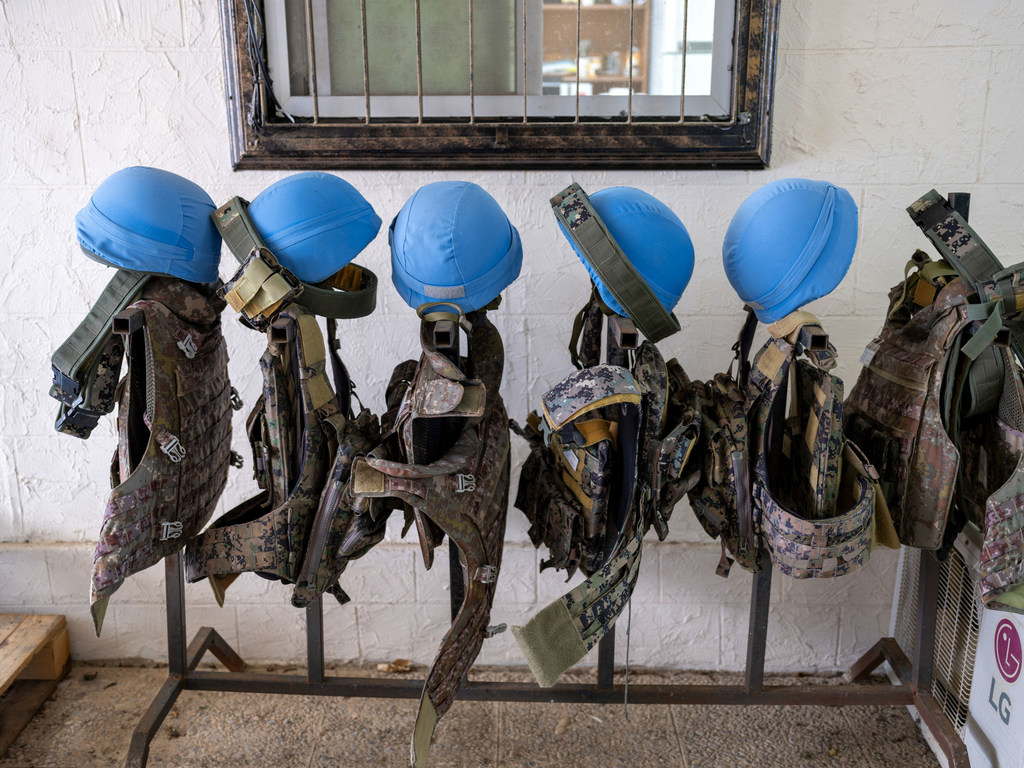
Blue helmets and bulletproof vests belonging to peacekeepers serving with United Nations Interim Force In Lebanon (UNIFIL).

Lebanon: Verdict handed down in trial into 2022 killing of Irish peacekeeper 

The UN Interim Force in Lebanon (UNIFIL) has welcomed the conclusion of the trial into the killing of Irish peacekeeper Private Seán Rooney nearly three years ago.

Lebanon’s Permanent Military Court on Monday found six of the individuals charged with the killing guilty while another was acquitted, according to a statement from the mission.

“UNIFIL welcomes the conclusion of the trial process and the Government of Lebanon’s commitment to bring the perpetrators to justice,” it said.

Private Rooney, 24, was shot and killed on 14 December 2022 in an incident in Al-Aqbieh, just outside UNIFIL’s area of operations in south Lebanon. Three other “Blue Helmets” were injured.

Since the attack, UNIFIL has extended its full support to both Lebanese and Irish authorities with their respective judicial proceedings, the statement said.

The mission once again offered deepest condolences to Private Rooney’s family, friends and colleagues as well as the Government of Ireland. 

Source link

World News in Brief: Cambodia-Thailand ceasefire, bloody weekend in Ukraine, stop hepatitis deaths

The deal was announced on Monday by Malaysia’s Prime Minister Anwar Ibrahim, current chair of the Southeast Asian bloc ASEAN, and was due to take effect at midnight local time.

The clashes, which began on 24 July, reportedly displaced more than 130,000 people in Thailand and over 4,000 in Cambodia, UN aid partners said last week.

Nearly 40 people were killed and some 200 injured, according to media reports, which cited Thai and Cambodian sources

The UN Security Council met behind closed doors on Friday afternoon to discuss the crisis, which goes back decades.

‘A positive step’

The Secretary-General hailed the ceasefire “as a positive step towards ending current hostilities and easing tensions,” UN Deputy Spokesperson Farhan Haq said in a statement.

The UN chief urged both countries “to respect the agreement fully and to create an environment conducive to addressing long-standing issues and achieving lasting peace.

He commended Malaysia, the current ASEAN Chair, as well as the United States and China, for their dedicated efforts towards the peaceful resolution of the situation.

Media reports said Prime Minister Ibrahim of Malaysia mediated talks between the sides at his official residence near the country’s capital, Kuala Lumpur.

The statement concluded by underlining that the UN stands ready to support efforts aimed at promoting peace and stability in the region.

Ukraine: 20 dead and 120 injured in weekend attacks

Since Friday, at least 20 people were killed and a further 120 injured in Ukraine as attacks continued to devastate the country, the UN Office for the Coordination of Humanitarian Affairs (OCHA) said on Monday.

The most severe attacks occurred in the Sumy region where a civilian bus was hit, killing three women over the age of 65 and injuring 19 more. Sumy also experienced electricity outages as a result of the attacks. 

These attacks come in the midst of a three-year high for civilian casualties, with 6,574 killed in the first half of 2025 and 5,000 long-range munitions launched by Russia in July alone. 

Civilian structures damaged

Residential buildings, shops and schools were hit across the border region this weekend, damaging structures which civilians rely upon for their livelihoods. A hospital in Kharkiv was also struck on Friday, the World Health Organization (WHO) said. 

To support families and people impacted by the attacks, aid workers delivered assistance in the form of shelter materials and psychosocial support. They also helped with repairs to some structures. 

“Aid workers continue to coordinate with local organizations to support the most vulnerable people in the Sumy region,” UN Deputy Spokesperson Farhan Haq told journalists at Headquarters in New York.

In Chile, new hepatitis treatments mean around 98 per cent of patients recover completely.

UN health agency calls for urgent action on hepatitis

The World Health Organization (WHO) is urging governments and partners to step up efforts to eliminate viral hepatitis as a public health threat and reduce liver cancer deaths.

The UN agency issued the appeal on Monday, World Hepatitis Day.

“Every 30 seconds, someone dies from a hepatitis-related severe liver disease or liver cancer. Yet we have the tools to stop hepatitis”, said WHO Director-General Tedros Adhanom Ghebreyesus.

Viral hepatitis – types A, B, C, D and E – are the main causes of acute liver infections, but only hepatitis B, C and D can lead to chronic disease, significantly increasing the risk of cirrhosis, liver failure and liver cancer.

However, most people with hepatitis are unaware that they are infected. Types B, C, and D affect over 300 million people globally and cause more than 1.3 million deaths each year, mainly from liver cirrhosis and cancer.

Break down the barriers

World Hepatitis Day is observed annually on 28 July. This year’s theme, Let’s Break It Down, calls for urgent action to dismantle the financial, social and systemic barriers that stand in the way of hepatitis elimination and liver cancer prevention.

Last month, the International Agency for Research on Cancer (IARC) – a specialized branch of WHO – classified hepatitis D as a human carcinogen, along with types B and C. 

Hepatitis D, which only develops in people already infected with hepatitis B, increases the risk of liver cancer two to six times compared with hepatitis B alone. 

WHO said the disease’s reclassification “marks a critical step in global efforts to raise awareness, improve screening, and expand access to new treatments for hepatitis D.”

Oral treatment can cure hepatitis C in two to three months and effectively suppress hepatitis B with lifelong therapy, the agency said.

Although treatment options for hepatitis D continue to evolve, reducing the incidence of cirrhosis and liver cancer will only occur with significant expansion and deepening of vaccination, testing, and treatment programmes. 

Source link

World News in Brief: Thailand-Cambodia border hostilities, humanitarian efforts in Syria and attacks across Ukraine

The dispute dates to 1953 when France first mapped the border, but tensions resurfaced in May after the death of a Cambodian soldier in a border skirmish.

Secretary-General António Guterres is “following with concern” reports of the clashes, his Deputy Spokesperson Farhan Haq told journalists in New York.

“The Secretary-General urges both sides to exercise maximum restraint and address any issues through dialogue and in a spirit of good neighbourliness, with a view to finding a lasting solution to the dispute,” he said.

Inter-agency humanitarian assistance in Syria

The Office for the Coordination of Humanitarian Affairs (OCHA) led an inter-agency visit to Rural Damascus governorate in Syria on Thursday to assess needs and provide assistance to more than 500 families displaced by recent violence in nearby Sweida governorate.

The UN agencies visited the Sayyeda Zeinab community and plan to visit the neighbouring Dar’a Governorate in the coming days, where humanitarians are supporting tens of thousands of people displaced by violence.

In Rural Damascus and Dar’a, OCHA and its partners are expanding protection services for displaced people. This includes psychosocial first aid and case management support for children.

Also on Thursday, the World Food Programme (WFP) distributed urgent food assistance to displaced families. The agency additionally continues to provide assistance across the country, including to Syrians returning home after a decade of conflict.

Limited access to Sweida

On Wednesday, a second convoy from the Syrian Arab Red Crescent (SARC) arrived in Sweida, with UN agencies providing support.

The convoy included food, wheat flour, fuel, medicines and health supplies. Medical supplies were delivered to the Sweida national hospital, and wheat flour was dispatched to bakeries.

Across Sweida, Rural Damascus and Dar’a governorates, the UN has distributed over 1,600 dignity kits to displaced women and girls. UN partners are also providing recreational activities, awareness sessions on gender-based violence and support for women and children.

But despite efforts in neighbouring governorates and increasing support in Sweida, full and direct access to the conflict-ridden governorate itself is limited due to security constraints.

Nonetheless, the UN is continuing dialogue with Syrian authorities to facilitate direct access to Sweida.

Nationwide attacks in Ukraine

OCHA further reported that at least five civilians were killed, and 46 others injured, in attacks across several regions of Ukraine over the past two days.

Kharkiv in the northeast was one of the more affected regions, where a glide bomb strike injured at least 16 people on Thursday, and fighting killed three and injured five others on Wednesday.

Additionally, overnight attacks in central Ukraine injured seven people in Cherkasy and four in Odesa City, damaging homes, health centres, schools, shopping areas and a market.

Civilians in the southern Kherson region, the eastern Donetsk region and the southeast Zaporizhzhia region were also affected.

Evacuations and humanitarian response

Following the overnight attacks in Cherkasy and Odesa, aid workers assisted first responders by providing first aid, meals, shelter materials, hygiene kits, emotional support and legal assistance to affected families.

Amid the hostilities, nearly 600 people were evacuated from the Donetsk region, and, in the past day, another 24 were evacuated from the northeastern region of Sumy.

Source link

World News in Brief: Houthi-Israel tensions, Sudan cholera cases rise, deadly attacks in Ukraine

These strikes occurred while the UN Mission to support the Hudaydah Agreement – established in 2018 to support the ceasefire between the Government of Yemen and the Houthis – was patrolling at locations to the northern parts of the Port. 

The Secretary-General also expressed deep concern about the continuing missile and drone strikes conducted by the Houthis against Israel. 

Risk of further escalation

Concerned about the risk of further escalation, the UN recalled that international law, together with international humanitarian law, must be respected by all parties at all times, including the obligations to respect and protect civilian infrastructure. 

“The Secretary-General remains profoundly concerned about the risk of further escalation in the region,” said Mr. Dujarric. 

As the UN Chief reiterated his call for “all involved to cease all military actions and exercise maximum restraint,” he also renewed his call for the immediate and unconditional release of all UN and other personnel arbitrarily detained by the Houthi authorities. 

Sudan: Crisis worsens as cholera and floods drive needs higher  

The humanitarian crisis in Sudan continues to deepen as cholera spreads, flooding displaces communities, and thousands of people return to areas with little to no support, according to the UN Office for the Coordination of Humanitarian Affairs (OCHA).

In the locality of Tawiola, in North Darfur State, over 1,300 confirmed cases of cholera in just one week were reported on Sunday by an association of Sudanese doctors. 

While local and international partners have set up cholera treatment centres, the current capacity is far from sufficient to cope with the rising caseload.  

As Tawila hosts several hundred thousand displaced people, partners on the ground have been struggling to keep pace with the growing needs, notably as such needs are set to increase as the upcoming rainy season sets in. 

Vulnerable returnees 

Across Sudan, people returning to their communities face serious challenges, including the lack of essential services and the threat posed by explosive remnants of war. 

In White Nile State, some residents have begun returning after being displaced for a year. Yet, an assessment by OCHA and its partners last week found that health, water, sanitation and hygiene support is urgently needed, even more so ahead of the rainy season.

Similarly, in eastern Sudan, OCHA warns that many families returning to Kassala State are struggling to cope with the impact of heavy rains and flooding, as heavy rains destroyed more than 280 homes in the village of Tirik earlier in July. 

Additionally, as insecurity continues to impede the work of humanitarians, challenges faced by returnee families often lead them to return to displacement sites, undermining the sustainability of return efforts. 

In this context, OCHA called for increased international support to meet soaring needs across Sudan. 

Ukraine: At least 20 civilians reportedly killed in recent attacks  

In Ukraine, attacks over the weekend and into Monday reportedly killed over 20 civilians and injured more than 100 others, including several children, according to authorities.

The strikes affected the capital Kyiv, as well as western and front-line regions, damaging homes, schools, and a health facility.

In Kyiv, a kindergarten, metro stations, shops and residential buildings were hit. 

The Ivano-Frakivsk region in western Ukraine which hosts many displaced people and had previously been less affected by hostilities, suffered the largest attack since the full-scale Russian invasion in February 2022.  

Frontline regions  

Meanwhile, in areas near the frontlines in the Donetsk, Dnipro and Kherson regions, hostilities caused civilian casualties and further damage to schools, a health facility, and apartment buildings. Odesa, Kharkiv, Sumy and other regions also reported that homes and shops were destroyed.  

With support from UN agencies, and coordinating with local authorities and first respondents, humanitarian organizations on the ground continue to provide shelter materials, non-food items, legal aid, psychosocial support and assistance for children across the country.  

Source link

World News in Brief: Violence in Haiti, rising insecurity in DR Congo, expert panel on nuclear war

Displaced Haitians are dispersed among the 250 active displacement sites across the country, most of which are informal. Just over a fifth of these sites are managed by humanitarian organizations, meaning that many are living in precarious conditions.  

In June alone, more than 200 alerts were reported across displacement sites, over 80 per cent of which were related to essential needs such as lack of water, food, shelter or healthcare.

OCHA noted that nearly 1.3 million people are now internally displaced in Haiti, the highest number ever recorded in the country due to violence.

Constrained UN response

The UN and partners have supported more than 113,000 displaced Haitians this year, providing essential services such as water, shelter, sanitation and healthcare.

The humanitarian response is severely constrained by limited funding and persistent insecurity, hampering humanitarian access to the most affected areas and delaying the delivery of aid. 

Despite the challenges, the agency continues to work closely with Haitian authorities and humanitarian partners to coordinate relief efforts and mobilise additional resources to support displaced communities. 

DR Congo: Ongoing violence in the east drives displacement, impedes aid delivery

Ongoing violence in North and South Kivu provinces in the eastern Democratic Republic of the Congo (DRC) continues to claim the lives of civilians and to trigger new displacement. 

In North Kivu, UN partners on the ground in Rutshuru and Lubero territories reported that fighting between M23 and other armed groups was ongoing until Tuesday, resulting in eight civilian deaths and 42,500 displaced people as of earlier this week. 

Since early July, heavy clashes between M23 and other armed groups in South Kivu have also persisted, as local partners said the fighting has displaced at least 37,000 people from their homes. 

Aid access restrictions 

The surge in violence is making it harder for humanitarians to deliver assistance to vulnerable communities. 

While partners and teams on the ground are doing their best to maintain services for those affected, access restrictions and severe funding shortages pose significant obstacles. 

A humanitarian convoy coordinated by OCHA along the road between the provincial capital Bukavu and the city of Uvira, primarily planned for this Friday, has been postponed due to a lack of security guarantees on that route. 

Many UN partners on the ground are forced to scale back their operations, disrupting essential services for those in need. 

OCHA called on the international community to take urgent action to address these severe funding gaps and avert a humanitarian tragedy. 

New panel to examine the effects of a nuclear war

The UN Secretary-General has appointed an independent scientific panel of 21 experts to examine the physical and societal consequences of a nuclear war on a local, regional and planetary scale in the days, weeks and decades following such an event.

The creation of the panel, mandated by a General Assembly resolution, comes at a time when nuclear guardrails are being eroded and “the risk of nuclear war is higher than at any point since the depths of the Cold War,” UN deputy spokesperson Farhan Haq said on Friday during the daily media briefing from Headquarters in New York. 

The panelists will seek input from a wide range of stakeholders – including international and regional organizations, the International Committee of the Red Cross (ICRC), civil society and affected communities. 

Members will hold their first meeting in September and will submit a final report to the General Assembly in 2027. 

Source link