‘The UN is here to do the right things’: Envoy Colin Stewart bids farewell but keeps the faith

I started feeling very idealistic about the UN, and I’ve never lost that feeling,” Mr. Stewart told UN News in an exclusive interview.

In early August, he steps down as the Special Representative of the Secretary-General and head of the UN Peacekeeping Force in Cyprus (UNFICYP).

His departure comes at a moment of cautious optimism on the island. Just last week, the Secretary-General reported that talks between the Greek Cypriot and Turkish Cypriot leaders were “constructive”, with “common understanding” on new initiatives.

Mr. Stewart called the talks “an important step” in maintaining momentum.

“We are at a bit of a challenging moment for Cyprus because of upcoming elections in the north and other dynamics,” he explained. “The intent was to keep the ball rolling and keep the momentum going, and I think that succeeded.”

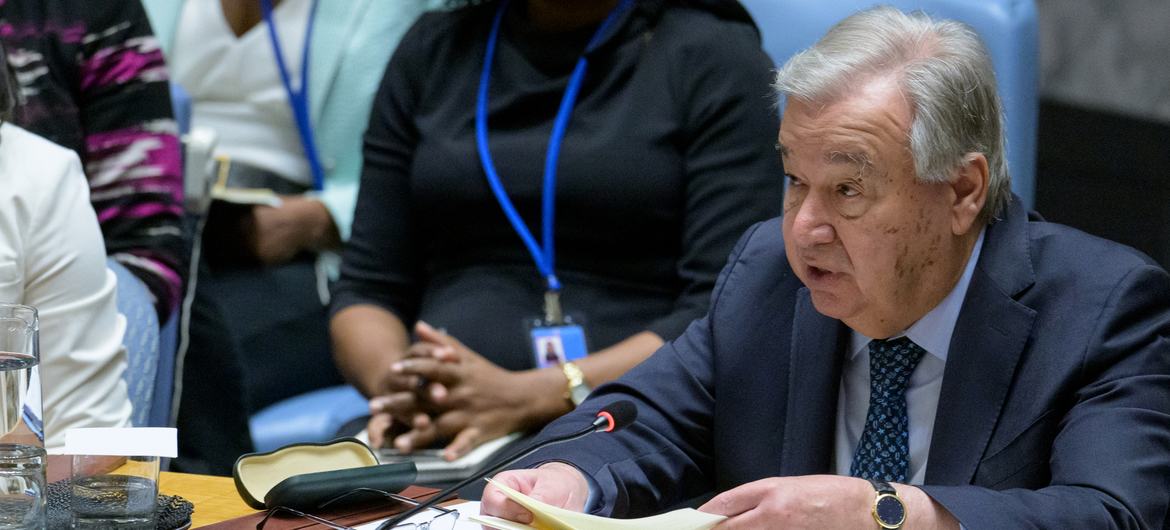
SRSG Colin Stewart speaks to UN News.

Peace by preventing sparks

Looking back at his tenure in Cyprus, Mr. Stewart likened UNFICYP’s daily work to stamping out sparks before they ignite.

“There are all sorts of activities happening in the buffer zone every day, each with the potential to escalate,” he said. “Our job is to prevent those sparks from bursting into flames. When I report to the Security Council that things are calm, it means we have been successful.

Our job is to prevent sparks from bursting into flames. When I report to the Security Council that things are calm, it means we have been successful.

The numbers bear out his point: in more than half a century of UN peacekeeping on the island, not a single shot has been fired between the two militaries.

Some people ask why the peacekeeping mission is still needed, given that it’s been peaceful for 50 years…the answer is simple – it’s peaceful because the mission has been doing its job. Without it, the deep mistrust between the sides could easily spiral into confrontation.”

Lessons on trust and empathy

Mr. Stewart also served as the Special Adviser on Cyprus, leading the Secretary-General’s good offices to support a comprehensive settlement. The greatest obstacle, he said, lies not in public sentiment but in political will.

The people get along fine,” he noted. “Millions cross from one side to the other every year without incident. But among political leaders, distrust runs so deep that even the idea of compromise is viewed negatively.

This distrust, he said, is rooted in decades of hardline narratives that portray the other side as an enemy rather than a partner. Breaking those narratives is essential.

“Peacebuilding requires not just negotiation but a willingness to dismantle these rigid narratives and build empathy,” he said. “And we do this all the time at an individual level. Bring two people who have each lost something in front of each other, and they can quite readily sympathise with each other and share a common grief.”

This belief in the power of empathy, he added, resonates far beyond Cyprus: in many conflicts, peace emerges when people begin to recognise the humanity – and suffering – on the other side.

Peacekeeping not one-size-fits-all

Mr. Stewart’s career has given him a panoramic view of peacekeeping’s evolution.

In Timor-Leste, he saw how UN support can help a fledgling state build resilience. In Addis Ababa, as part of the UN Office to the African Union, he witnessed the power of partnerships. And in Western Sahara, he experienced the limits of peacekeeping when a ceasefire failed to hold.

He highlighted that peacekeeping is not a one-size-fits-all mode – it is modular – “a bit of this and a bit that”, tailored to the circumstances and working with a wide range of partners.

I guess I have lived through the evolution of peacekeeping and seen many different aspects of it, [but] I am ever more convinced that peacekeeping is an absolutely essential tool for the international community.

A quiet exit

Now preparing for life after the UN, Mr. Stewart is clear: he has no plans to return in any advisory or consulting role.

“For me, retirement means retirement,” he said with a smile.

“I want to do all the things I’ve been postponing for my whole career – live in a house I own, spend time with my teenage son who is going to high school…that is the life that I have in mind.”

Idealism remains intact

Concluding the interview, I asked if he had any final words. As he looked around for ideas, I suggested, “maybe your first day on the job.”

He recalled his beginning in the United Nations, a journey that started with the referendum for self-determination in Timor-Leste in the 1990s, against the backdrop of intimidation, violence and a fragile security environment.

I started off feeling very idealistic about the UN, and I’ve never lost that feeling…the UN is here to do good things – the right things

“It was our watch, our responsibility to put on a free and fair vote,” he said, “and that was going to be impossible under these circumstances.” Yet, despite the odds, the Timorese vote went ahead, and the result was clear — a success against all expectations.

That was a very heady, exciting experience to start in the UN…it started me off feeling very idealistic about the UN, and I’ve never lost that feeling that, you know, the UN is here to do good things, to do the right things.

As he steps away from the UN, Mr. Stewart says that idealism remains intact.

It might take time, but we will succeed…even though people get discouraged because it’s very, very hard for all kinds of reasons that are out of our control, it’s a wonderful principle to be serving. So, I leave wishing only the best for my colleagues who will continue the fight.

Source link

‘Famine silently begins to unfold’ in Gaza, UNRWA chief says

Philippe Lazzarini, Commissioner-General for the UN Relief and Works Agency for Palestinian Refugees (UNRWA), said that is what one of its workers told him on Thursday morning.  

This sobering comment comes amidst increasingly severe malnutrition for children and adults throughout the Gaza Strip.  

“When child malnutrition surges, coping mechanisms fail, access to food and care disappears, famine silently begins to unfold,” Mr. Lazzarini said in a tweet.   

Bombs are not the only thing that kills

Gaza has faced relentless bombardment for almost three years, but Tedros Adhanom Ghebreyesus, Director-General of the World Health Organization (WHO), said at a briefing on Wednesday that it is not just the bombs which are killing Palestinians.  

Starvation is “another killer”.

Reportedly at least 100 people have died from hunger, and WHO has documented at least 21 cases of children under the age of five dying from malnutrition.  

Additionally, Mr. Lazzarini said one in five children in Gaza City is malnourished, a number increasing every day that unhindered humanitarian aid is denied. He said these children urgently need treatment, but supplies remain low.  

Between early March and mid-May – 80 consecutive days – no aid was allowed into the Gaza Strip, pushing the population to the brink of famine. While minimal aid has since entered, Tedros emphasised that it is not enough.  

“Food deliveries have resumed intermittently, but remain far below what is needed for the survival of the population,” he said. 

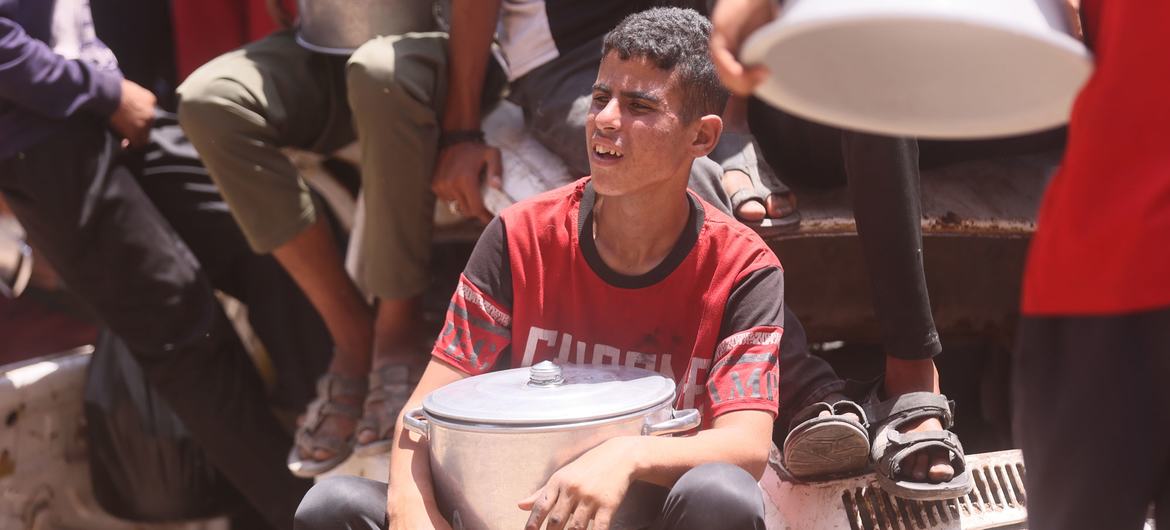
A boy in Gaza waits for food.

Safe havens are no longer safe

Tedros reported that between 27 May and 21 July, over 1,000 people in Gaza have been killed while trying to access food.  

Many of these have died in or around sites operated by the Gaza Humanitarian Foundation (GHF), an American-run and Israeli-backed aid distribution organization which the UN has repeatedly said violates well-established principles of international humanitarian law.

“Parents tell us their children cry themselves to sleep from hunger. Food distribution sites have become places of violence,” Tedros said.  

In addition to risking their lives when seeking out desperately needed humanitarian assistance, hospitals – which have been systematically targeted, according to UNFPA – are no longer safe havens.  

“Hospitals, which are supposed to be safe havens, have regularly been attacked, and many are no longer functioning,” Tedros said.  

He recalled that on Monday, a WHO staff residence, a humanitarian site, was attacked, with male personnel being stripped and interrogated, women and children forced to flee on foot in the midst of violence and one WHO staff member detained. 

“Despite this, WHO and other UN agencies are staying in Gaza. Our commitment is firm. UN agencies must be protected while operating in conflict zones,”  Tedros said.  

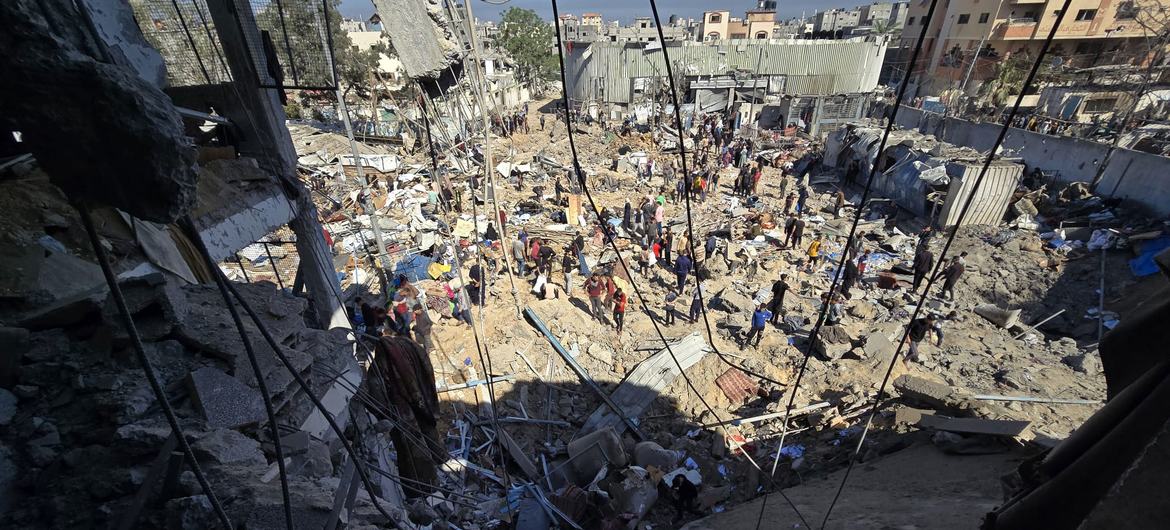
An UNRWA school turned shelter in Al Bureij, Gaza, lies in ruins following a missile attack in May 2025.

Frontline workers face hunger

In addition to the Palestinians in Gaza who are “emaciated, weak and at high risk of dying”, aid workers are also feeling the effects of the sustained lack of supplies.

Most UNRWA workers are surviving on a meagre bowl of lentils each day, Mr. Lazzarini said, leading many of them to faint from hunger at work.  

“When caretakers cannot find enough to eat, the entire humanitarian system is collapsing,” he said.  

Some parents are too hungry to care for their children, and even those who do reach clinics for treatment are often too tired to follow the advice provided.  

Mr. Lazzarini noted that UNRWA alone has 6,000 trucks of desperately needed food and medical supplies in Jordan and Egypt. He called for this and other aid to be immediately let through.

“Families are no longer coping. They are breaking down, unable to survive. Their existence is threatened,” he said.  “Allow humanitarian partners to bring unrestricted and uninterrupted humanitarian assistance to Gaza.” 

Source link

UN forum affirms stronger commitment to achieve sustainable development

At the end of the conference, Member States adopted a Ministerial Declaration by a vote of 154-2-2, with the United States and Israel voting against the document and Paraguay and Iran abstaining.  

“We strongly reaffirm our commitment to effectively implement the 2030 Agenda [which]… remains our overarching roadmap for achieving sustainable development and overcoming the multiple crises we face,” the declaration said.  

15 years of HLPF

The HLPF has happened on an annual basis since 2010 and is convened by the Economic and Social Council (ECOSOC) to discuss the progress, or lack thereof, on the 17 Sustainable Development Goals (SDGs), which were adopted in 2015 as part of the 2030 Agenda and aspire to create a more equitable and inclusive world.

This year, the forum focused on five of these goals: good health and wellbeing, gender equality, decent work and economic growth, life below water and partnerships.

Negotiations regarding the ministerial document were led by representatives from Czechia and St. Vincent and the Grenadines, who highlighted the significance of the proceedings.  

“This year’s deliberations have held particular significance. Ten years after the adoption of the 2030 Agenda, a range of interlinked and persistent challenges continues to jeopardise the full realisation of the SDGs,” said Jakub Kulhánek, permanent representative of Czechia and one of the two lead facilitators of the declaration.  

The clock is ticking

In the ministerial declaration, Member States said that time is running out to achieve the SDGs, which remain severely off track.  

According to the Secretary-General’s report on the Goals, which was released on the first day of the HLPF, only 18 per cent of the SDGs are on track to be achieved by 2030, with over half making progress that is too slow.  

While the ministerial declaration addressed each of the five SDGs in the spotlight at the forum, Member States particularly emphasised the role of poverty in impeding sustainable development and the worsening climate crisis that is threatening all aspects of the development agenda.  

The declaration called both of these issues some of the “greatest global challenges” that the world faces.

In keeping with SDG 16, which underlines the role that institutions like governments must play in promoting peace, Member States also affirmed that strong governance and partnership is essential to realising peace as a prerequisite for development.

“We recognise that sustainable development cannot be realised without peace and security, and peace and security will be at risk without sustainable development,” it stated.

Plan of Action

In the midst of challenges to multilateralism, Member States said that the declaration was an affirmation of the UN’s commitment to multilateralism, which is celebrating its 80th anniversary this year.

“At a time when serious doubts about the future of multilateralism persist, your steadfast commitment has been both reassuring and inspiring,” said Mr. Kulhánek.

Member States, in the declaration, affirmed a commitment to urgently working towards the SDGs in order to achieve a better world.  

“We will act with urgency to realise its vision as a plan of action for people, planet, prosperity, peace and partnership, leaving no one behind.” 

Source link

Global collaboration grows to address crises in Gaza, Sudan, Afghanistan

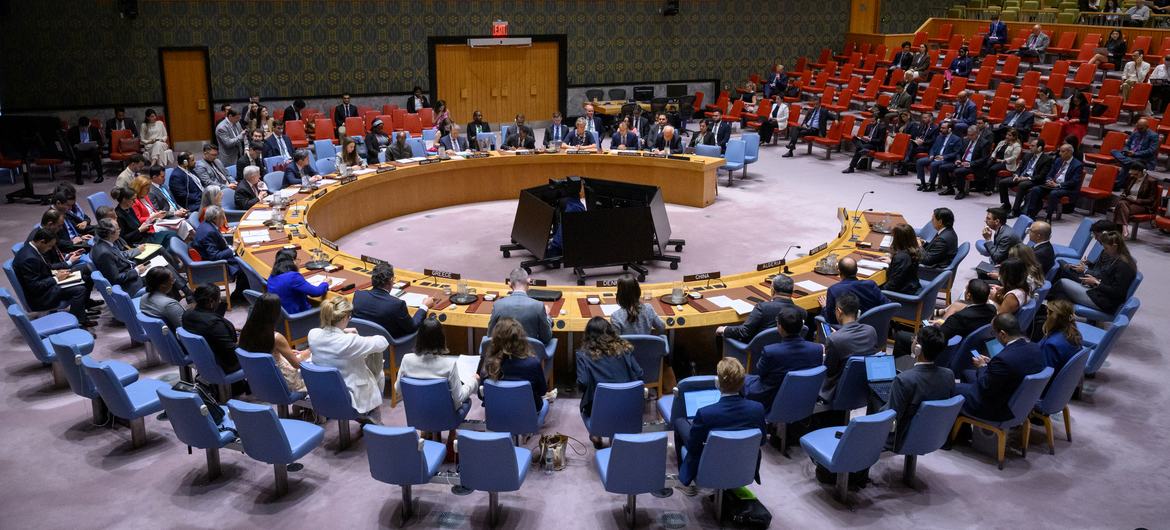
Briefing the Security Council on Thursday, Khaled Khiari, Assistant Secretary-General for the Middle East, said the OIC remains an “indispensable” partner in efforts to promote peace, uphold international law and deliver durable political solutions in a range of crisis contexts.

Headquartered in Jeddah, Saudi Arabia, the OIC has 57 member states and five observers, representing significant political, economic cultural and religious constituency.

Its voice carries considerable weight in some of the world’s conflict-affected situations,” Mr. Khiari said.

The UN values this partnership, not only as a matter of institutional cooperation, but as an essential component of our efforts to promote durable peace, inclusive governance and respect for international and human rights law.

He emphasized that the cooperation aligns with Chapter VIII of the UN Charter, which encourages partnerships with regional organizations in maintaining peace and security, and with the Pact for the Future – adopted by Member States last September to revitalize multilateralism and tackle global challenges through collective action.

Helping resolve crises

Mr. Khiari outlined joint UN-OIC work in Gaza, including the recent endorsement by the bloc and the League of Arab States of a recovery and reconstruction plan, as well as collaboration on the question of Jerusalem through an annual conference held in Dakar, Senegal.

In Sudan, where over two years of war have brought devastating humanitarian consequences, he welcomed the OIC’s backing for international mediation, including support for the UN Secretary-General’s Personal Envoy, Ramtane Lamamra.

Turning to Afghanistan, Mr. Khiari praised the OIC’s role in the UN-led “Doha Process,” noting its continued engagement with the Taliban de facto authorities and advocacy for the rights of Afghan women and girls – an area where the OIC’s moral and religious standing carries particular influence.

On Myanmar, the OIC remains an essential voice in global efforts to ensure a safe, dignified and voluntary return of the Rohingya to Rakhine state. He noted sustained coordination between the UN Secretary-General’s Special Envoy and the OIC in pushing for accountability and citizenship rights.

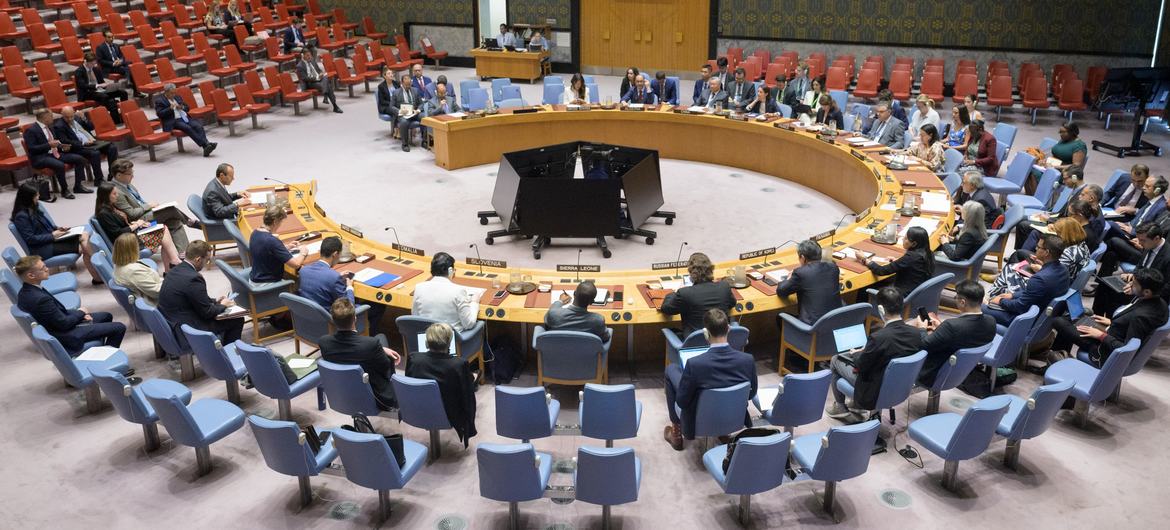
A wideview of the Security Council as ASG Khaled Khiari briefs members about cooperation between the UN and the Organisation of Islamic Cooperation.

Cooperation on global issues

Assistant Secretary-General Khiari also highlighted the growing collaboration between the two organizations on elections, including training on observation and women’s political participation. A new staff exchange programme is also helping to strengthen institutional ties.

He acknowledged the OIC’s leadership in countering Islamophobia and all forms of religious intolerance, an area where the UN has stepped up efforts, including through the appointment of a Special Envoy.

Counter-terrorism cooperation has also advanced, following a March 2024 memorandum of understanding. Joint initiatives include technical support, parliamentary engagement, and rights-based prevention strategies.

“As we move forward with the implementation of the Pact for the Future,” Mr. Khiari concluded, “the UN-OIC partnership will remain critical to defusing tensions, advancing sustainable peace, and reinforcing multilateral norms and principles.

Source link

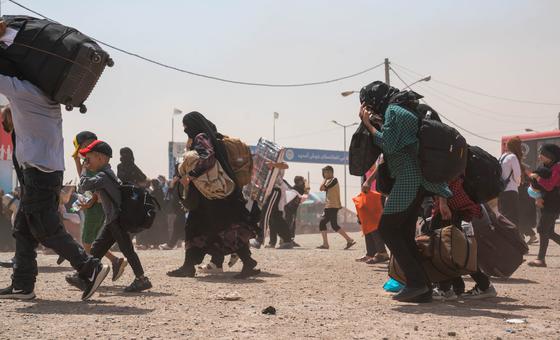
Torture, threats and arbitrary arrests: UN warns of ‘serious abuses’ against Afghans forced to return

These abuses include threats, cases of torture, mistreatment and arbitrary arrest and detention, according to the UN Assistance Mission in Afghanistan (UNAMA) and the Office of the UN High Commissioner for Human Rights (OHCHR).

The report said these violations were committed against Afghans “based on their profile” and targeted women, media workers and civil society members as well as individuals affiliated with the former government that fell in 2021 and its security forces, despite the Taliban’s claims that such individuals benefit from an amnesty.

No one should be returned to a country where they are at risk of being persecuted because of their identity or personal history,” said Volker Türk, the UN High Commissioner for Human Rights.

“In Afghanistan, this situation is even more pronounced for women and girls, who are subjected to a series of measures that amount to persecution solely on the basis of their gender.”

Since 2023 and the start of large-scale deportation campaigns launched by Iran and Pakistan, millions of Afghans have returned to their country. In 2025 alone, more than 1.8 million people have returned to Afghanistan, 1.5 million of them from Iran.

Women under house arrest

The UN refugee agency, UNHCR, recently estimated that the total could reach three million by the end of the year, returning to a country facing a severe humanitarian crisis.

The situation of women forcibly returned is particularly dire. A former television journalist, who left the country after the Taliban’s takeover in August 2021, described how, after being involuntarily returned to Afghanistan, she saw her prospects vanish.

“I am very worried for my personal safety and feel immense frustration with the current situation imposed on women in [my province]. I can unequivocally say that I am effectively under house arrest. There are no job opportunities, no freedom of movement and no access to education – whether to learn or to teach – for women and girls,” she testified.

Many people are also forced to live in hiding since returning to Afghanistan due to real or feared threats from the de facto authorities. This is the case for individuals affiliated with the former government and its security forces, who have had to go into hiding for fear of reprisals, despite the public amnesty announced by the de facto authorities.

Living in hiding

A former official described how, after returning in 2023, he was detained for two nights in a house where he was severely tortured, beaten with sticks, cables and wood, subjected to water torture and faced a mock execution.

Other refugees returned from Iran must frequently change locations to avoid being identified, such as one former judge.

I try to stay hidden because I know that the prisoners who were detained because of my decisions are now senior government officials and are still looking for me. If they find me, I’m sure they’ll kill me. They already threatened me when I was a judge,” they said.

Faced with these serious abuses, the UN is urging States not to return anyone to Afghanistan who faces a real risk of serious human rights violations.

Member States should expand resettlement opportunities for at-risk Afghans and ensure their protection, giving priority to those most likely to suffer human rights violations if returned to Afghanistan, including women and girls, individuals affiliated with the former government and security forces, media professionals, civil society activists and human rights defenders,” the report said.

Source link

Deep-sea must not turn into ‘Wild West’ of rare minerals exploitation, agency head says

Marking its 30th anniversary, ISA is the world’s authority on the deep-sea beyond national jurisdiction. Washington may have passed an order on deep-sea licensing in international waters earlier this year, but the authority’s chief Leticia Carvalho said the United States, which is not an ISA member, “is going at it alone”.

“The rest of the world is united and cohesive and all behind of the rule of the law and the International Seabed Authority,” Ms. Carvalho told UN News. “ISA is a super power. We have all the knowledge, we have the ability given by the law, we have the mandate.”

Indeed, under international law, the deep seabed beyond national jurisdiction belongs to no single nation, Ms. Carvalho said, inviting the United States to join ISA.

To address these concerns, ISA has been drafting a mining code as a way to ensure that the deep-sea remains protected and does not turn into the “Wild West” of exploitation, she said.

Read our explainer on ISA and why it matters now here.

Costly search for rare minerals

Rare minerals needed to satiate demands for producing tech items from batteries to solar panels have driven interest in the deep-sea and what it offers. From cobalt to zinc, a plethora of rare earth minerals have been observed by explorations of the ocean floor.

ISA has issued 31 contracts for mineral exploration to 21 firms from 20 countries as of 2024, according to the UN’s World Economic Situation and Report 2025. While commercial mining in international waters has not yet commenced, pending the finalisation of an international code for deep-sea mining by the ISA, right now, countries can pursue deep-sea mining within their own territorial waters or “exclusive economic zones”.

Even after the international code is in place, those engaged in deep-sea mining will continue to face major challenges due to high capital requirements and operational costs relative to conventional mining and the enormous technical uncertainties associated with the unique problems surrounding mining on the ocean floor, according to the UN report.


‘One of our last frontiers’

UN Secretary-General António Guterres said the international seabed is “the common heritage of humankind, a principle enshrined in the UN Convention on the Law of the Sea, which must continue to guide us”.

“We must bring together our global efforts in climate action, biodiversity preservation and marine protection,” he said in a message marking ISA’s anniversary, commending its commitment to finding balanced and effective solutions. “The deep ocean remains one of our last frontiers. It holds great promise, but also requires great caution.”

For 30 years, the authority has helped protect this shared realm through peaceful, sustainable and inclusive governance, and today, it is navigating complex challenges with care and clarity, he said, emphasising that “as we mark this milestone, let us advance cooperation grounded in science, and keep working together to safeguard the ocean for the benefit of all people, everywhere.”

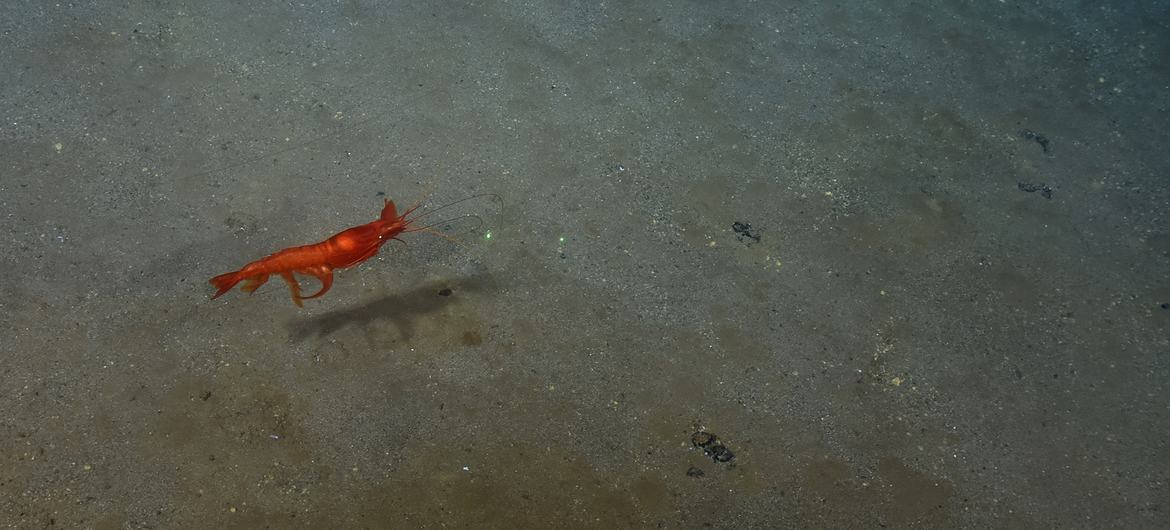
The deep-sea contains a plethora of life and rare earth minerals.

Mining code and more

In addition to achieving progress on a draft mining code at its ongoing annual session at headquarters in Kingston, Jamaica, ISA launched its Deep-Sea Biobank last month in a bid to preserve and share knowledge.

The initiative aims to collect and preserve samples from the ocean floor that will benefit all nations, especially developing countries, Ms. Carvalho said, adding that the goal is to study the minerals, exploration and exploitation potential, but also to preserve and to study biodiversity and genetics.

“The future that I see is we need to really take care, cherish [and] nurture the deep-sea,” Ms. Carvalho said. “The future of ISA is stronger, enhanced, wider and wiser. We will know much more than we know now.”

Learn more about ISA here.

Source link

Syria: Second convoy brings critical aid to Sweida

Deadly sectarian violence has displaced more than 145,000 people in the southern city, some of whom have fled to neighbouring Dar’a and Rural Damascus governorates. 

The convoy carried a range of critical support, including food, wheat flour, fuel, medicines and health supplies. 

OCHA coordinated with the SARC to prepare the convoy, which included supplies from UN agencies.  

Engagement and support

The Office continues to engage with authorities and partners to facilitate an inter-agency UN mission to Sweida as conditions allow.

The UN is also working with partners to deliver a range of assistance to people displaced to Dar’a and Rural Damascus, including food, water, and health and protection services.   

Mobile medical teams have so far provided more than 3,500 consultations, including trauma care, maternal health and psychosocial support while nearly 38,000 people have received food aid. 

Additionally, over 1,000 kits containing non-food items were distributed in Dar’a and Rural Damascus, helping more than 5,000 people. 

OCHA said UN inter-agency missions to assess needs and provide assistance to both governorates are planned for the coming days. 

The first convoy to Sweida arrived on Sunday. The 32 trucks brought food, water, medical supplies and fuel provided by the UN World Food Programme (WFP), the UN Children’s Fund (UNICEF) and other partners. 

Haiti: Violence and displacement driving humanitarian crisis as funding needs go unmet

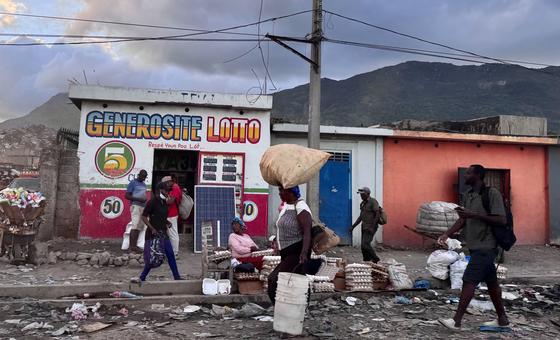
Nearly 1.3 million people in the Caribbean country have fled their homes, with an additional 15,000 uprooted last week after armed attacks in the communes of Dessalines and Verrettes in the Artibonite department.

Further, the UN Children’s Fund (UNICEF) and its partners have screened more than 217,000 children for acute malnutrition in 2025. Some 21,500 children have been admitted for acute malnutrition treatment, representing a mere 17 per cent of the 129,000 children who are projected to need lifesaving services this year.  

This malnutrition stems from severe food insecurity across the country. The Integrated Food Security Phase Classification (IPC) reported that an estimated 5.7 million people – more than half of Haiti’s population – faced high levels of acute food insecurity between March and June this year.  

Education emergency

Haiti’s children also face an education emergency. More than 1,600 schools remain closed in Haiti, an increase of over two thirds compared to the start of the year.  

“Without access to education, children, of course, are more vulnerable to exploitation and recruitment by gangs,” UN Spokesperson Stéphane Dujarric told journalists at Headquarters in New York

In response, UNICEF has provided learning opportunities to more than 16,000 children, and the agency has given over 100,000 children mental health and psychosocial support.      

Insecurity and lack of funds straining access

Despite dire humanitarian needs and commendable efforts by UN agencies, the current support “is just a fraction of what is needed in Haiti”, Mr. Dujarric emphasised.

Insecurity continues to constrain the humanitarian response, causing access challenges, supply shortages and the closure of health facilities.

Subsequently, the many displaced families in urgent need of hygiene supplies, food, emergency shelter, medical assistance and other essential items are often unable to access them.  

Humanitarian response is also hampered by a severe lack of funds.

“Haiti remains, as I have said here many times, the least funded of our underfunded country appeals globally,” Mr. Dujarric stressed. More than halfway through the year, the Haitian humanitarian response plan has received less than 9 per cent of the $908 million required.  

Source link

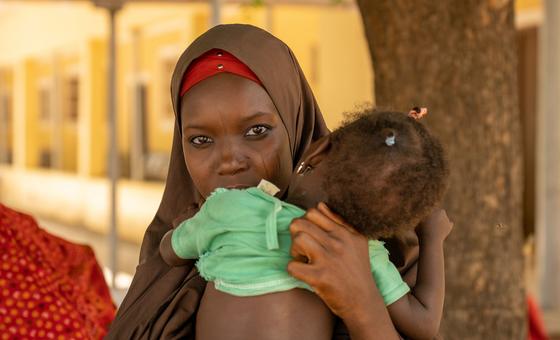
Nigeria: Amid record hunger and surging insecurity, emergency food assistance to stall entirely

While WFP has been able to hold hunger at bay across northern Nigeria in the first half of 2025, funding shortfalls are jeopardising such efforts, with life-saving programmes set to grind to a halt by the end of July.  

Without immediate funding, millions of vulnerable people will be left without food assistance as WFP’s food and nutrition stocks have been completely exhausted, with the organization’s last supplies leaving warehouses in early July.  

With life-saving assistance set to end after the current round of distributions is completed, millions of vulnerable people will face impossible choices: endure increasingly severe hunger, migrate, or even risk possible exploitation by extremist groups in the region.  

Children at risk

“Nearly 31 million people in Nigeria are now facing acute hunger, a record number,” said WFP Country Director David Stevenson, with children set to be among the worst affected if vital aid ends.  

With more than 150 WFP-supported nutrition clinics in Borno and Yobe states set to close if funding is not renewed, over 300,000 children under the age of two will lose access to potential life-saving treatment.  

“This is no longer just a humanitarian crisis,” he said. “It’s a growing threat to regional stability, as families pushed beyond their limits are left with nowhere to turn.”  

Extremist groups  

In conflict-affected areas in the north, escalating violence from extremist groups is driving mass displacement, with some 2.3 million people across the Lake Chad Basin having been forced to flee their homes.  

As mass displacement strains already limited resources and pushes communities to the brink, the lack of emergency food assistance risks increasing recruitment by these groups.

“When emergency assistance ends, many will migrate in search of food and shelter. Others will adopt negative coping mechanisms – including potentially joining insurgent groups – to survive,” said Mr. Stevenson.    

“Food assistance can often prevent these outcomes,” he added, as WFP urgently seeks $130 million to sustain food and nutrition operations through the end of the year.

Source link

Home is where the heart is — and where development begins

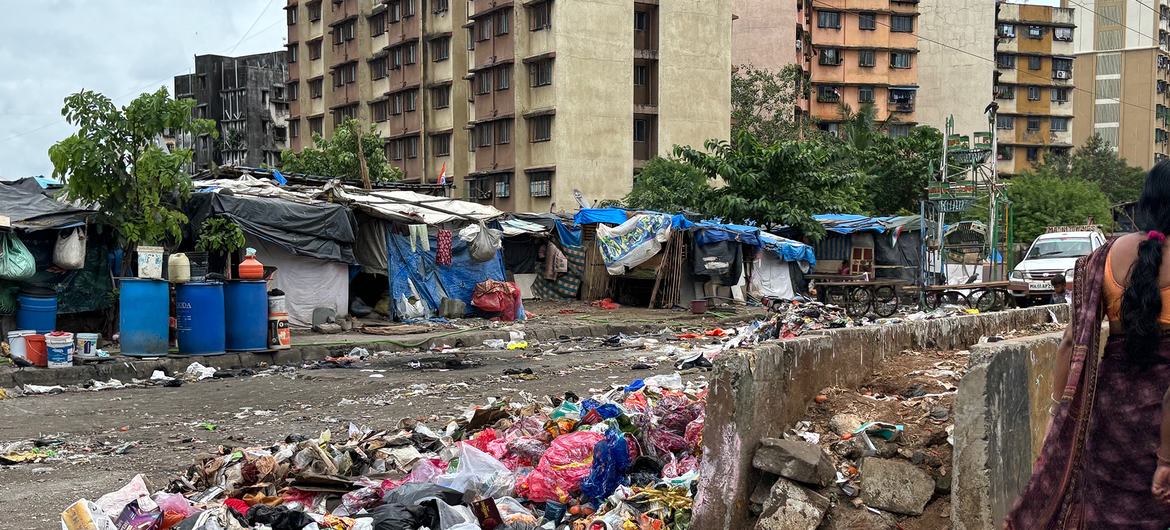
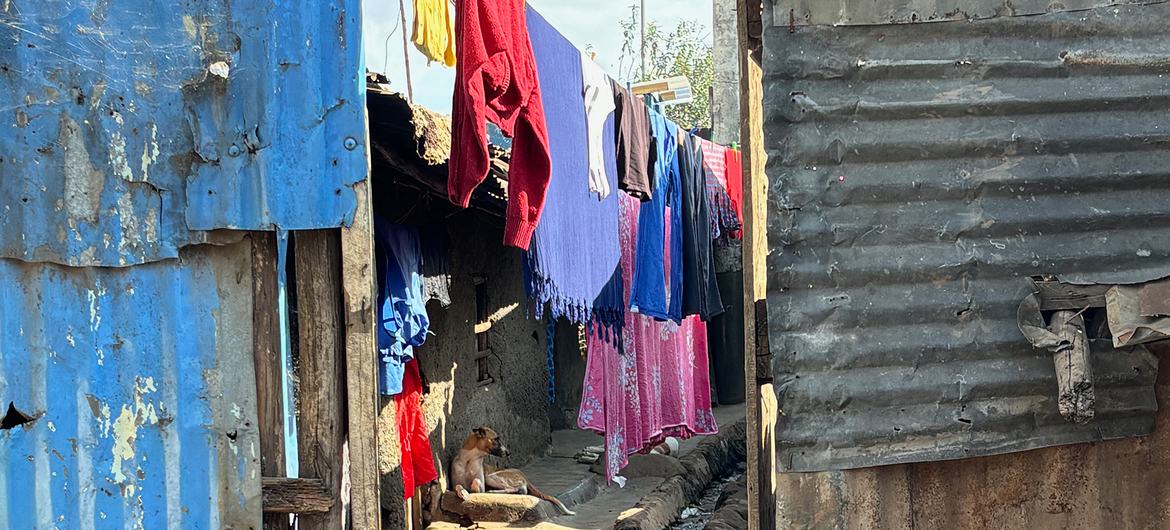
Mathare, one of the country’s largest slums, houses upwards of 500,000 people in five square kilometres, cramming them together and storing the human waste they produce in uncovered rivulets. But when he recounted the visit later to UN News, this was not the image that stuck with him the most.  

Without formal sewage systems, rivulets in the Mathare slum in Nairobi hold human waste.

What he remembered most clearly was a group of boys and girls, dressed in navy blue school uniforms — the girls in skirts and the boys in pants, both with miniature ties underneath their vests — surrounded by squawking chickens and human waste.  

There was no formal, or UNICEF-funded, school nearby. But the Mathare community had come together to create a school where their children might just have the chance to break an intergenerational cycle of poverty and invisibility.

“That was a message for me that development should be localized. There is something happening at the community [level],” said Mr. Jobin.

Globally, over one billion people live in overcrowded slums or informal settlements with inadequate housing, making this one of the largest development issues worldwide, but also one of the most underrecognized.  

“The first place where opportunity begins or is denied is not an office building or a school. It is in our homes,” UN Deputy Secretary-General Amina Mohammed told a high-level meeting of the Economic and Social Council (ECOSOC) on Tuesday.    

A litmus test

Mr. Jobin was one of the experts taking part in the High-Level Political Forum (HLPF) on Sustainable Development at UN Headquarters in New York this month to discuss progress – or lack thereof – towards the globally agreed 17 Sustainable Development Goals (SDGs).

One of the goals aspires to create sustainable cities and communities. However, with close to three billion people facing an affordable housing crisis, this goal remains unrealized.

“Housing has become a litmus test of our social contract and a powerful measure of whether development is genuinely reaching people or quietly bypassing them,” said Rola Dashti, Under-Secretary-General for the UN Economic and Social Commission for Western Asia (ESCWA).  

Housing as a mirror for inequalities

An apartment building at an informal settlement in Mumbai, India.

With over 300 million unhoused people worldwide, sometimes it is easy to forget about the one billion people who are housed but inadequately. These people, who populate informal settlements and slums, live in unstable dwellings and in communities where few services are provided.  

“Housing reflects the inequalities shaping people’s daily lives. It signals who has access to stability, security and opportunity and who does not,” said Ms. Dashti.

Children living in slums or informal settlements are up to three times more likely to die before their fifth birthday. They are also 45 per cent more stunted than their peers as a result of poor nutrition.  

Women and girls are more likely to experience gender-based violence. And human trafficking and child exploitation are also more prevalent.  

An intergenerational invisibility

People in informal settlements are often not a part of the national census, according to Mr. Jobin, meaning that they are not taken into consideration in policies, social programmes or budgets. Even if they were given social protections, these settlements rarely have addresses at which families could receive cash transfers.  

This is why experts often say that the people living in informal settlements and slums are invisible in official data and programmes.

“You’re born from an invisible family, so you become invisible,” Mr. Jobin said. “You don’t exist. You’re not reflected in policies or budgeting.”

This invisibility makes it almost impossible to escape poverty.  

“You become a prisoner of a vicious circle that entertains itself and then you reproduce yourself to your kid,” he said, referring to an inescapable cycle of deprivation.

The urban paradox

More and more people are migrating into urban centres, leading to the growth of these informal settlements. And with their growth, comes more urgency to address the issues.  

The World Bank estimates that 1.2 million people each week move to cities, often seeking the opportunities and resources that they offer. But millions of people are never able to benefit, instead becoming forgotten endnotes in an urban paradox that portrays urban wealth as a protection against poverty.  

By 2050, the number of people living in informal settlements is expected to triple to three billion, one-third of whom will be children. Over 90 per cent of this growth will occur in Asia and Africa.  

“These statistics are not just numbers — they represent families, they represent workers and entire communities being left behind,” said Anacláudia Rossbach, Under-Secretary-General of UN Habitat which is working to make cities more sustainable.  

The Mathare slum in Nairobi houses 500,000 people within 5 square kilometres.

Housing as a human right

It is not just national and local governments which struggle to contend with informal settlements — organizations like UNICEF are also “blind”, Mr. Jobin said, regarding the scope of problems in informal settlements.  

Development partners face twin issues in designing interventions — there is not enough national data and informal governance, or slum lords, can be more critical for coordinating programs than traditional governmental partners.

“We know the issue …  But somehow we have not really been able to intervene,” he said.

Ms. Mohammed emphasized that we need to begin to see adequate and affordable housing as more than just a result of development — it is the foundation upon which all other development must rest.  

“Housing is not simply about a roof over one’s head. It’s a fundamental human right and the foundation upon which peace and stability itself rests.” 

World Court says countries are legally obligated to curb emissions, protect climate

The UN’s principal judicial body ruled that States have an obligation to protect the environment from greenhouse gas (GHG) emissions and act with due diligence and cooperation to fulfill this obligation.  

This includes the obligation under the Paris Agreement on climate change to limit global warming to 1.5°C above pre-industrial levels.  

The court further ruled that if States breach these obligations, they incur legal responsibility and may be required to cease the wrongful conduct, offer guarantees of non-repetition and make full reparation depending on the circumstances. 

‘A victory for our planet’

UN Secretary-General António Guterres issued a video message welcoming the historic decision, which came a day after he delivered a special address to Member States on the unstoppable global shift to renewable energy. 

“This is a victory for our planet, for climate justice and for the power of young people to make a difference,” he said.

Reasoning of the Court

The court used Member States’ commitments to both environmental and human rights treaties to justify this decision.  

Firstly, Member States are parties to a variety of environmental treaties, including ozone layer treaties, the Biodiversity Convention, the Kyoto Protocol, the Paris Agreement and many more, which oblige them to protect the environment for people worldwide and in future generations.  

But, also because “a clean, healthy and sustainable environment is a precondition for the enjoyment of many human rights,” since Member States are parties to numerous human rights treaties, including the UN’s Universal Declaration of Human Rights, they are required to guarantee the enjoyment of such rights by addressing climate change.  

Case background

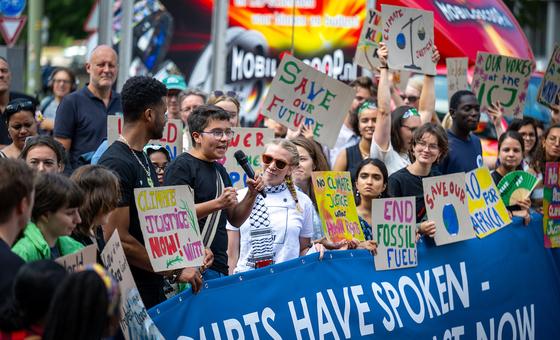
In September 2021, the Pacific Island State of Vanuatu announced that it would seek an advisory opinion from the court on climate change. This initiative was inspired by the youth group Pacific Island Students Fighting Climate Change, which underscored the need to act to address climate change, particularly in small island States.

After the country lobbied other UN Member States to support this initiative in the General Assembly, on 29 March 2023, it adopted a resolution requesting an advisory opinion from the ICJ on two questions: (1) What are the obligations of States under international law to ensure the protection of the environment? and (2) What are the legal consequences for States under these obligations when they cause harm to the environment?

The UN Charter allows the General Assembly or the Security Council to request the ICJ to provide an advisory opinion. Even though advisory opinions are not binding, they carry significant legal and moral authority and help clarify and develop international law by defining States’ legal obligations.

This is the largest case ever seen by the ICJ, evident by the number of written statements (91) and States that participated in oral proceedings (97).

The ‘world court’

The ICJ, informally known as the “world court”, settles legal disputes between UN Member States and gives advisory opinions on legal questions that have been referred to it by UN organs and agencies.

It is one of the six main organs of the UN alongside the General Assembly, the Security Council, the Economic and Social Council (ECOSOC), the Trusteeship Council and the Secretariat and is the only one not based in New York. 

UN official reiterates call for Gaza ceasefire as ‘nightmare of historic proportions’ unfolds

Khaled Khiari, Assistant Secretary-General for the Middle East, told ministers and ambassadors that ongoing talks must lead to a permanent end to hostilities, the release of all hostages, unimpeded entry of humanitarian aid, and for recovery and reconstruction to begin.

He painted a grim picture of conditions on the ground, citing expanded Israeli military operations, particularly in Deir Al-Balah, which have led to further mass displacement.

UN premises were also struck, hampering humanitarian operations and exacerbating the already dire situation.

ASG Khiari briefs the Security Council.

Humanitarian toll deepens

At least 1,891 Palestinians have been killed in Gaza since 30 June, according to figures from Gazan health authorities, including 294 people reportedly killed while attempting to collect aid near militarised distribution points.  

Evacuation orders continue to force repeated displacement, while food insecurity and malnutrition are worsening despite a limited uptick in the entry of humanitarian supplies.

On the Israeli side, 13 soldiers have been killed in the same period. Palestinian armed groups have continued sporadic rocket attacks into Israel. According to Israeli sources, 50 hostages – including 28 believed to be dead – are still being held by Hamas and other groups.

The Secretary-General has repeatedly condemned the continued holding of hostages by Hamas and other armed groups,” Mr. Khiari stressed. “Hostages must be released immediately and unconditionally.

Places of worship struck

The briefing also highlighted growing concerns about civilian casualties and attacks on protected sites.  

Mr. Khiari condemned a 17 July strike on the Catholic Church of the Holy Family in Gaza City, which killed three and injured several others. The strike forced the evacuation of roughly 600 Palestinians, including children and persons with special needs, who had been sheltering there.

The Israeli Prime Minister’s Office expressed regret, describing the strike as the result of “stray ammunition,” and said an investigation was underway, Mr. Khiari reported.

© UN Women/Samar Abu Elouf

A woman and child walk through the heavily bombed town of Khuza’a in the Gaza Strip.

Dire fuel shortages

Since 9 July, Israel has allowed limited fuel deliveries through the Kerem Shalom/Karim Abu Salem crossing, after 130 days of a full blockade.

However, the amount is “a fraction of what is required to run essential life-saving services in Gaza, where nearly every aspect of life depends on fuel,” Mr. Khiari warned.

Occupied West Bank

Turning to the occupied West Bank, Mr. Khiari reported high levels of violence, including deadly Israeli military operations, attacks by settlers on Palestinians and retaliatory attacks by Palestinians against Israelis.

He noted that the Palestinian Authority (PA) is facing a severe fiscal crisis, with $2.7 billion in withheld clearance revenues, crippling its ability to pay salaries and provide basic services.

Unless urgently addressed, the deterioration of the PA’s fiscal and institutional situation could have catastrophic consequences, undermining the significant progress made over many years to build up Palestinian institutions,” he warned, urging immediate international support.

A wide view of the Security Council meeting on the situation in the Middle East, including the Palestinian question.

Tensions in the wider region

Mr. Khiari also highlighted continued tensions along the Blue Line between Lebanon and Israel, as well as renewed violence in Syria’s Sweida region and Israeli airstrikes on Syrian territory.

He urged both Israel and Syria to adhere to the 1974 Disengagement Agreement and to avoid any actions that risk escalating the conflict.

Call for a political horizon

Mr. Khiari concluded by reiterating that only a revived political process towards the two-State solution can deliver a sustainable solution.

Our goal is clear: realizing the vision of two States – Israel and a viable and sovereign Palestinian State of which Gaza is an integral part – living side by side in peace and security within secure and recognized borders, on the basis of the pre-1967 lines, with Jerusalem as the capital of both States,” he said.

‘Catastrophic birth outcomes’ in Gaza threaten a whole generation, warns UN agency

In the first half of 2025, only 17,000 births were recorded, according to Gazan health authorities, representing a 41 per cent decline in Gaza’s birth rate over the past three years, the agency said.  

Additionally, 220 mothers died – more than 20 times the total number of maternal deaths in 2022 – while at least 20 newborns died within 24 hours of birth.

“Every mother and child deserves the right to a safe birth and a healthy start to life. What we are witnessing is a systematic denial of these fundamental rights, pushing an entire generation to the brink,” said Laila Baker, regional director for the Arab States at UNFPA.

These conditions come amidst an ongoing Israeli bombardment of Gaza which has displaced the entire Palestinian population at least once and reportedly killed over 60,000.  

Something treatable becomes a death sentence 

UNFPA said that the systematic targeting of a health care system already on the brink of collapse is creating an untenable situation for mothers and newborns.  

The majority of hospitals and health facilities have been damaged or destroyed with medicine stocks running severely low and medical equipment severely damaged.  

Ambulance services are also facing severe impediments, meaning that women giving birth face extreme challenges accessing healthcare. In this context, treatable complications during birth become death sentences.  

“The scale of suffering for new mothers and their babies in Gaza is beyond comprehension,” Ms. Baker said.  

Preventable loss

UNFPA said it has 170 trucks at the border between Israel and Gaza – and has since March 2025 – which contain lifesaving supplies such as ultrasounds machines, portable incubators and maternity kits. However, they have not been allowed into the Strip.  

The agency urged Israel to allow “unimpeded, sustained and demilitarized” humanitarian aid into Gaza including fuel, medical supplies and nutritional support.  

“Every moment lost means more preventable loss of life and unimaginable suffering for the most vulnerable,” UNFPA said.  

SECURITY COUNCIL LIVE: Debate on the situation in the Middle East

The Security Council meets today for its quarterly open debate on the situation in the Middle East, with a focus on the worsening crisis in Gaza. UN Assistant Secretary-General Khaled Khiari is expected to brief on the situation in the war-ravaged enclave where food entry and distribution remain severely restricted, malnutrition is rising, and fuel and shelter supplies are critically scarce. UN News, in coordination with UN Meetings Coverage, brings you live updates from today’s discussions. UN News App users can follow here.

‘Perfect storm’ of global crises drove years of food price surges: FAO

The report, to be released later this month, reveals how between 2020 and 2024, the world experienced a dramatic increase in food prices driven by a combination of COVID-19 inflation, the war in Ukraine restricting movements on food and commodities, and increasing climate shocks.  

“The episodes described in this publication bring up what we call a perfect storm,” said Mr. Torero Cullen.

Máximo Torero Cullen speaks to journalists at UN Headquarters via video link.

First, he explained that during the COVID-19 pandemic, governments launched fiscal stimulus and relief packages, which increased demand and, thus, global inflation.

Russia’s full-scale invasion of Ukraine compounded this crisis. Before the war began in 2022, Ukraine was a key exporter of wheat, sunflower oil and fertilisers. The war not only restricted these exports but disrupted trade routes and pushed up fuel and input costs, which amplified inflation across the world.

Additionally, increasingly frequent and intense climate shocks in major producing regions – such as droughts, floods and heat waves – further aggravated food inflation.

Worldwide impacts

Only in 2024 did prices return to pre-COVID levels, meaning that households struggled for multiple years to afford food, with major consequences.

As real wages fell while food prices increased, household purchasing power was eroded. Households responded by buying cheaper and less nutritious food, reducing meal frequency, and often prioritising meals for certain family members and reducing intake for women and children.

Mr. Torero Cullen also explained that an increase in food prices directly correlates to an increase in moderate and severe food insecurity. The impacts of this were particularly harsh in Africa and Western Asia, where food imports, dependence and currency depreciation made food even more expensive.

Moreover, as food prices increased, nutrition outcomes among children under five worsened. The SOFI report illustrated that a 10 per cent food price increase led to a 2.7 to 6.1 per cent increase in moderate to severe wasting, which has long-lasting effects on child development and public health systems.  

Notably, these grave impacts were uneven, mostly affecting low-income and African countries – many of which are still seeing worsening figures. During the peak of the crisis in January 2023, some low-income countries experienced food price inflation of up to 30 per cent, compared to 13.6 per cent globally.

Policy recommendations  

Mr. Torero Cullen finished his briefing by outlining the policy prescriptions detailed in the SOFI report.  

He first underscored targeted fiscal support. “Social protection measures are the most effective response to food price spikes,” he explained. “This will protect vulnerable populations without creating long-term fiscal risk or market distortions.”  

He also highlighted avoiding trade disruptions, coordinating monetary and fiscal policies, improving market transparency, and institutional preparedness as essential components for avoiding future crises.

“This SOFI underscores that inflation can undermine progress. It underlines our vulnerabilities, and it also brings the importance of strengthening resilience, inclusiveness and transparency to be able to avoid and minimize the risk of these problems,” he concluded.  

Source link

Security Council, in unanimous vote, presses nations to resolve disputes peacefully

The text, sponsored by Pakistan and adopted unanimously, reiterated that all States “shall settle their international disputes by peaceful means through dialogue, diplomatic engagement and cooperation in such a manner that international peace and security, and justice, are not endangered.”

It also reiterated that nations must “refrain in their international relations from the threat or use of force against the territorial integrity or political independence of any state, or in any other manner inconsistent with the Purposes of the United Nations.”

Highlighting the need to prevent disputes from arising and escalating, the resolution further called on Member States to take “necessary measures for the effective implementation of Security Council resolutions for peaceful settlement of disputes.”

Mediation and preventive diplomacy

The text encouraged the Secretary‑General to ensure that the United Nations can “lead and support mediation and preventive diplomacy efforts,” while continuing to deploy his good offices.

It also took note “with appreciation” of the work of the UN’s Mediation Support Unit (MSU) and urged the Secretariat to ensure the availability of “well-trained, experienced, independent, impartial, and geographically and linguistically diverse mediation experts at all levels.”

The MSU is the UN system-wide focal point on mediation expertise and support, providing tailored operational support to peace and dialogue processes globally.

Participation of women and youth

The resolution also underscored the importance of integrating inclusive approaches to peaceful settlement of disputes; ensuring the full, equal and meaningful participation of women, and meaningful participation of youth in conflict prevention and dispute resolution efforts.

It also highlighted the role of regional and subregional organizations in complementing UN efforts, calling for enhanced information-sharing and cooperation.

The Council further requested that the Secretary‑General present “concrete recommendations for further strengthening the mechanisms for peaceful settlement of disputes” within one year, alongside plans for an open debate to review progress.

Source link

Sudan: UN scales up response plan as humanitarian needs spiral in Tawila

Over 380,000 people are currently displaced there, and the plan aims at increasing assistance for communities over the next three months.

It focuses on food, healthcare, water, sanitation, shelter and protection, and requires $120 million for implementation, according to the UN Office for Humanitarian Coordination (OCHA). 

Spread of diseases

The health situation in North Darfur has also been deteriorating, with humanitarian partners on the ground warning that cholera, measles, malaria and trauma cases are surging in El Fasher and other displacement camps in the region.

As insecurity has forced the over 32 health facilities in the region to close, the lack of rapid diagnostic tests and the widespread Internet outage in the El Fasher area are also severely hindering disease surveillance.

Critical shortages of surgical supplies, essential medicines and vaccines are “pushing the health system to the brink, leaving thousands without access to the care that they need to stay alive,” UN Spokesperson Stéphane Dujarric said during his daily press briefing from New York.

Deadly civilian toll

Displacement continues to take a deadly toll on civilians seeking safety, with markets in South Darfur reeling from sharp price increases due to flooding and seasonal rivers cutting off supply routes from Chad and Northern State.  

Meanwhile, the UN remains “deeply concerned over escalating violence in the Kordofan region,” Mr. Dujarric said, after five civilians were reportedly killed and several others injured in drone strikes on fuel markets in Al Fula and Abu Zabad towns in West Kordofan state.

The UN called for an immediate cessation of hostilities, the protection of civilians and humanitarian personnel, unimpeded access across conflict lines and borders, and increased international support to address the spiraling humanitarian needs across Sudan.

Source link

UN laments US withdrawal from educational and cultural agency

“I deeply regret President Donald Trump’s decision to once again withdraw the United States of America from UNESCO,” Audrey Azoulay, Director-General of the Paris-based agency, said in a statement.

In New York, UN Spokesperson Stéphane Dujarric said that the Secretary-General joins Ms. Azoulay “in deeply regretting the decision by the United States.”

The US first withdrew from UNESCO in 1984 under President Ronald Reagan and didn’t rejoin for two decades. Fourteen years after re-entry, the first Trump administration withdrew from the organization in 2017, but the decision was reversed under President Joseph Biden in 2023.  

Ms. Azoulay underscored that “this decision contradicts the fundamental principles of multilateralism,” and she highlighted that this decision would affect UNESCO partners in the United States, including communities seeking site inscription.

A White House press statement on the withdrawal said the decision had been taken to protect American interests from UNESCO’s work to advance “divisive social and cultural causes.”

The statement also said the organization is focused on the UN Sustainable Development Goals (SDGs), which it described as “a globalist, ideological agenda for international development at odds with our America First foreign policy.”

The statement also specifically cited UNESCO’s decision to admit the State of Palestine as a Member State as problematic, contrary to US policy and fuelling the United Nations’ “anti-Israel rhetoric”.

Ms. Azoulay in her statement denied these claims that UNESCO is “anti-Israel,” highlighting the organization’s work in Holocaust education and combating antisemitism.

“UNESCO is the only United Nations agency responsible for these issues, and its work has been unanimously acclaimed by major specialized organizations,” she said, including American organizations such as the United States Holocaust Memorial Museum in Washington, DC.

Diversifying funding in preparation

Ms. Azoulay stressed that this announcement was anticipated, and the organization has prepared accordingly, highlighting major structural reforms in recent years, including the diversification of funding sources.  

“The decreasing trend in the financial contribution of the US has been offset,” she explained. Despite the US now representing eight per cent of the organization’s budget, UNESCO’s budget has steadily increased thanks to donations from member states and private contributors, the latter of which have doubled since 2018.

“Today, the Organization is better protected in financial terms,” she said.

Continuing US partnerships

“UNESCO’s purpose is to welcome all the nations of the world, and the United States of America is and will always be welcome,” Ms. Azoulay emphasised.

The organization will continue to work with its US partners in the private, academic and non-profit sectors, and it will pursue discussions with the US Government. 

Source link

‘Bet on youth’ to realise Africa’s digital potential, UN deputy chief says

In 2024, only 34 per cent of women and 45 per cent of men on the continent used the internet, compared to global averages of 65 and 70 per cent. Meanwhile, 98 per cent of Africans under the age of 18 do not complete school with even basic STEM (science, technology, engineering and mathematics) skills, reflecting long-term underinvestment in education.  

This slow progress in digital integration and STEM education is impeding Africa’s ability to reach the Sustainable Development Goals (SDGs) by 2030, the report noted. The “digital divide” hits marginalised groups hardest, including women and rural communities.  

“Africa is a vast and populous continent, rich in natural endowments and talents. Yet much of that potential remains underutilised,” said Philémon Yang, the President of the General Assembly in a message to the meeting.  

The potential of youth

Deputy Secretary-General Amina Mohammed, told delegates that Africa must “bet on youth.”

By 2050, there will be over 850 million young people in Africa.   

“This is an incredible opportunity. Realising this potential means investing in STEM education now. It means building digital infrastructure that connects talent to opportunity,” Ms. Mohammed said.

But current systems do not sufficiently support young innovators – three-fourths of young Africans have insecure employment, lacking basic protections.

This lack of social protection is part of a wider labour rights gap, the report noted. In 2023, only 19 per cent of people in Africa had access to at least one form of social protection –such as social security or health insurance – compared to 53 per cent globally.

“Strong social protection is not just about safety nets. It is about creating the stability that allows societies to take risks, innovate and grow,” Ms. Mohammed said. 

People-cantered approaches

The report calls on governments and partners to adopt a people-cantered approach that promotes digital and technological innovation while also decent work, rights and intellectual property.  

“Resilience cannot be achieved without governance that places people at the centre of policy design and implementation,” the report said.

Speakers also stressed that African expertise must guide solutions.

“We reaffirm our collective determination to ensure that Africa’s development is led by its own people, grounded in knowledge, innovation and social justice,” said Ahmadou Lamin Samateh, Minister of Health of the Gambia, speaking for the African Group.

Power of partnerships

In his message, Mr. Yang said no single African country can achieve full digital integration alone; regional cooperation and multilateral support are essential.

“[Digital tools] can offer a way into the future… [but] no country can close these gaps alone…multilateral cooperation with the United Nations at its centre has secured eight decades of unprecedented human progress,” he said.

Ms. Mohammed emphasised the possibilities “when we get this right.”

“The choice is ours — we can continue business-as-usual and watch the 2030 Agenda slip away or we can support systemic transformation.” 

Source link

‘Peace is a choice’: UN chief urges diplomacy as wars spread from Gaza to Ukraine

This is the only sustainable path to global security, he told ministers at a high-level open debate of the Security Council on Tuesday.

The Secretary-General emphasised that the UN Charter’s tools – negotiation, mediation, conciliation, arbitration and more – remain a lifeline when tensions escalate, grievances fester and states lose trust in each other.

These tools are needed now more than ever, he stressed, as conflicts rage and international law is violated with impunity.

The cost is staggering – measured in human lives, shattered communities and lost futures. We need look no further than the horror show in Gaza – with a level of death and destruction without parallel in recent times.”

The risk of starvation looms and aid operations are being denied the space and safety to function. UN premises, such as the UN Office for Project Services (UNOPS) and the World Health Organization (WHO)’s main warehouse, have been hit despite parties being notified of their locations.

“These premises are inviolable and must be protected under international humanitarian law – without exception,” Mr. Guterres reiterated.

Peace is a choice – make it

From Gaza to Ukraine, from the Sahel to Sudan, Haiti and Myanmar, “conflict is raging, international law is being trampled, and hunger and displacement are at record levels,” he continued, adding that terrorism, violent extremism and transnational crime also remain “persistent scourges” pushing security further out of reach.

Peace is a choice. And the world expects the Security Council to help countries make this choice.

Mr. Guterres pointed to the UN Charter’s bedrock obligation in Article 2.3 that “all Members shall settle their international disputes by peaceful means”, and to Chapter VI, which empowers the Security Council to support “negotiation, enquiry, mediation, conciliation, arbitration, judicial settlement, resort to regional agencies or arrangements, or other peaceful means of their own choice.”

Action 16 of last year’s Pact for the Future urges states to recommit to preventive diplomacy, he said, commending Pakistan – the Council President for July – for tabling a resolution encouraging fuller use of those tools, which was adopted unanimously at the meeting.

Secretary-General António Guterres addresses the Security Council high-level open debate.

P5 must overcome divisions

Security Council members – “in particular its permanent members” – must overcome divisions, the Secretary-General said, reminding them that even during the Cold War, Council dialogue underpinned peacekeeping missions and humanitarian access, and helped prevent a third world war.

He urged members to keep channels open, build consensus and make the body “more representative” of today’s geopolitical realities with more inclusive, transparent and accountable working methods.

Mr. Guterres also urged deeper cooperation with regional and subregional organizations.

Mediation can work even amid war, he said, noting the third anniversary of the Black Sea Initiative and a related memorandum with Russia that enabled grain movements during the conflict in Ukraine.

Renew commitment to multilateralism

States must honour their obligations under the Charter; international human rights, refugee and humanitarian law, and the principles of sovereignty, territorial integrity and political independence, Mr. Guterres said.

As we mark the 80th anniversary of our Organization and the Charter that gave it life and shape, we need to renew our commitment to the multilateral spirit of peace through diplomacy,” he said.

I look forward to working with you to achieve the international peace and security the people of the world need and deserve.

Security Council open debate

A signature event of the Pakistani presidency, Tuesday’s open debate was chaired by Deputy Prime Minister and Foreign Minister Mohammad Ishaq Dar.

The session aimed to assess the effectiveness of existing mechanisms for pacific dispute settlement, examine best practices and explore new strategies for tackling protracted conflicts.

It also sought to enhance cooperation with regional organizations, boost capacity-building and resource mobilisation, and align future efforts with the conflict-prevention vision outlined in the Pact for the Future.

Source link