About Arun Kumar N

Arun has been associated with India International Times since 2018 and he has been a key reporter in covering science and space related stories. He can be reached at arunKnn@indiainternationaltimes.com.

UN official reiterates call for Gaza ceasefire as ‘nightmare of historic proportions’ unfolds

Khaled Khiari, Assistant Secretary-General for the Middle East, told ministers and ambassadors that ongoing talks must lead to a permanent end to hostilities, the release of all hostages, unimpeded entry of humanitarian aid, and for recovery and reconstruction to begin.

He painted a grim picture of conditions on the ground, citing expanded Israeli military operations, particularly in Deir Al-Balah, which have led to further mass displacement.

UN premises were also struck, hampering humanitarian operations and exacerbating the already dire situation.

ASG Khiari briefs the Security Council.

Humanitarian toll deepens

At least 1,891 Palestinians have been killed in Gaza since 30 June, according to figures from Gazan health authorities, including 294 people reportedly killed while attempting to collect aid near militarised distribution points.  

Evacuation orders continue to force repeated displacement, while food insecurity and malnutrition are worsening despite a limited uptick in the entry of humanitarian supplies.

On the Israeli side, 13 soldiers have been killed in the same period. Palestinian armed groups have continued sporadic rocket attacks into Israel. According to Israeli sources, 50 hostages – including 28 believed to be dead – are still being held by Hamas and other groups.

The Secretary-General has repeatedly condemned the continued holding of hostages by Hamas and other armed groups,” Mr. Khiari stressed. “Hostages must be released immediately and unconditionally.

Places of worship struck

The briefing also highlighted growing concerns about civilian casualties and attacks on protected sites.  

Mr. Khiari condemned a 17 July strike on the Catholic Church of the Holy Family in Gaza City, which killed three and injured several others. The strike forced the evacuation of roughly 600 Palestinians, including children and persons with special needs, who had been sheltering there.

The Israeli Prime Minister’s Office expressed regret, describing the strike as the result of “stray ammunition,” and said an investigation was underway, Mr. Khiari reported.

© UN Women/Samar Abu Elouf

A woman and child walk through the heavily bombed town of Khuza’a in the Gaza Strip.

Dire fuel shortages

Since 9 July, Israel has allowed limited fuel deliveries through the Kerem Shalom/Karim Abu Salem crossing, after 130 days of a full blockade.

However, the amount is “a fraction of what is required to run essential life-saving services in Gaza, where nearly every aspect of life depends on fuel,” Mr. Khiari warned.

Occupied West Bank

Turning to the occupied West Bank, Mr. Khiari reported high levels of violence, including deadly Israeli military operations, attacks by settlers on Palestinians and retaliatory attacks by Palestinians against Israelis.

He noted that the Palestinian Authority (PA) is facing a severe fiscal crisis, with $2.7 billion in withheld clearance revenues, crippling its ability to pay salaries and provide basic services.

Unless urgently addressed, the deterioration of the PA’s fiscal and institutional situation could have catastrophic consequences, undermining the significant progress made over many years to build up Palestinian institutions,” he warned, urging immediate international support.

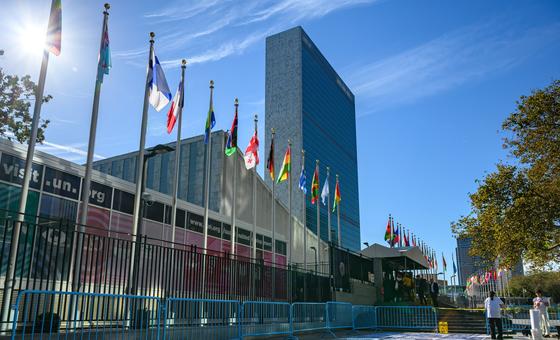
A wide view of the Security Council meeting on the situation in the Middle East, including the Palestinian question.

Tensions in the wider region

Mr. Khiari also highlighted continued tensions along the Blue Line between Lebanon and Israel, as well as renewed violence in Syria’s Sweida region and Israeli airstrikes on Syrian territory.

He urged both Israel and Syria to adhere to the 1974 Disengagement Agreement and to avoid any actions that risk escalating the conflict.

Call for a political horizon

Mr. Khiari concluded by reiterating that only a revived political process towards the two-State solution can deliver a sustainable solution.

Our goal is clear: realizing the vision of two States – Israel and a viable and sovereign Palestinian State of which Gaza is an integral part – living side by side in peace and security within secure and recognized borders, on the basis of the pre-1967 lines, with Jerusalem as the capital of both States,” he said.

‘Catastrophic birth outcomes’ in Gaza threaten a whole generation, warns UN agency

In the first half of 2025, only 17,000 births were recorded, according to Gazan health authorities, representing a 41 per cent decline in Gaza’s birth rate over the past three years, the agency said.  

Additionally, 220 mothers died – more than 20 times the total number of maternal deaths in 2022 – while at least 20 newborns died within 24 hours of birth.

“Every mother and child deserves the right to a safe birth and a healthy start to life. What we are witnessing is a systematic denial of these fundamental rights, pushing an entire generation to the brink,” said Laila Baker, regional director for the Arab States at UNFPA.

These conditions come amidst an ongoing Israeli bombardment of Gaza which has displaced the entire Palestinian population at least once and reportedly killed over 60,000.  

Something treatable becomes a death sentence 

UNFPA said that the systematic targeting of a health care system already on the brink of collapse is creating an untenable situation for mothers and newborns.  

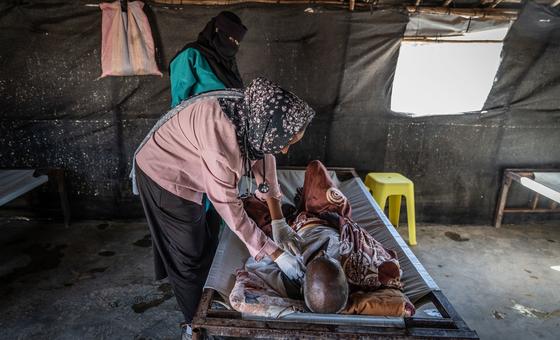
The majority of hospitals and health facilities have been damaged or destroyed with medicine stocks running severely low and medical equipment severely damaged.  

Ambulance services are also facing severe impediments, meaning that women giving birth face extreme challenges accessing healthcare. In this context, treatable complications during birth become death sentences.  

“The scale of suffering for new mothers and their babies in Gaza is beyond comprehension,” Ms. Baker said.  

Preventable loss

UNFPA said it has 170 trucks at the border between Israel and Gaza – and has since March 2025 – which contain lifesaving supplies such as ultrasounds machines, portable incubators and maternity kits. However, they have not been allowed into the Strip.  

The agency urged Israel to allow “unimpeded, sustained and demilitarized” humanitarian aid into Gaza including fuel, medical supplies and nutritional support.  

“Every moment lost means more preventable loss of life and unimaginable suffering for the most vulnerable,” UNFPA said.  

SECURITY COUNCIL LIVE: Debate on the situation in the Middle East

The Security Council meets today for its quarterly open debate on the situation in the Middle East, with a focus on the worsening crisis in Gaza. UN Assistant Secretary-General Khaled Khiari is expected to brief on the situation in the war-ravaged enclave where food entry and distribution remain severely restricted, malnutrition is rising, and fuel and shelter supplies are critically scarce. UN News, in coordination with UN Meetings Coverage, brings you live updates from today’s discussions. UN News App users can follow here.

‘Perfect storm’ of global crises drove years of food price surges: FAO

The report, to be released later this month, reveals how between 2020 and 2024, the world experienced a dramatic increase in food prices driven by a combination of COVID-19 inflation, the war in Ukraine restricting movements on food and commodities, and increasing climate shocks.  

“The episodes described in this publication bring up what we call a perfect storm,” said Mr. Torero Cullen.

Máximo Torero Cullen speaks to journalists at UN Headquarters via video link.

First, he explained that during the COVID-19 pandemic, governments launched fiscal stimulus and relief packages, which increased demand and, thus, global inflation.

Russia’s full-scale invasion of Ukraine compounded this crisis. Before the war began in 2022, Ukraine was a key exporter of wheat, sunflower oil and fertilisers. The war not only restricted these exports but disrupted trade routes and pushed up fuel and input costs, which amplified inflation across the world.

Additionally, increasingly frequent and intense climate shocks in major producing regions – such as droughts, floods and heat waves – further aggravated food inflation.

Worldwide impacts

Only in 2024 did prices return to pre-COVID levels, meaning that households struggled for multiple years to afford food, with major consequences.

As real wages fell while food prices increased, household purchasing power was eroded. Households responded by buying cheaper and less nutritious food, reducing meal frequency, and often prioritising meals for certain family members and reducing intake for women and children.

Mr. Torero Cullen also explained that an increase in food prices directly correlates to an increase in moderate and severe food insecurity. The impacts of this were particularly harsh in Africa and Western Asia, where food imports, dependence and currency depreciation made food even more expensive.

Moreover, as food prices increased, nutrition outcomes among children under five worsened. The SOFI report illustrated that a 10 per cent food price increase led to a 2.7 to 6.1 per cent increase in moderate to severe wasting, which has long-lasting effects on child development and public health systems.  

Notably, these grave impacts were uneven, mostly affecting low-income and African countries – many of which are still seeing worsening figures. During the peak of the crisis in January 2023, some low-income countries experienced food price inflation of up to 30 per cent, compared to 13.6 per cent globally.

Policy recommendations  

Mr. Torero Cullen finished his briefing by outlining the policy prescriptions detailed in the SOFI report.  

He first underscored targeted fiscal support. “Social protection measures are the most effective response to food price spikes,” he explained. “This will protect vulnerable populations without creating long-term fiscal risk or market distortions.”  

He also highlighted avoiding trade disruptions, coordinating monetary and fiscal policies, improving market transparency, and institutional preparedness as essential components for avoiding future crises.

“This SOFI underscores that inflation can undermine progress. It underlines our vulnerabilities, and it also brings the importance of strengthening resilience, inclusiveness and transparency to be able to avoid and minimize the risk of these problems,” he concluded.  

Source link

Security Council, in unanimous vote, presses nations to resolve disputes peacefully

The text, sponsored by Pakistan and adopted unanimously, reiterated that all States “shall settle their international disputes by peaceful means through dialogue, diplomatic engagement and cooperation in such a manner that international peace and security, and justice, are not endangered.”

It also reiterated that nations must “refrain in their international relations from the threat or use of force against the territorial integrity or political independence of any state, or in any other manner inconsistent with the Purposes of the United Nations.”

Highlighting the need to prevent disputes from arising and escalating, the resolution further called on Member States to take “necessary measures for the effective implementation of Security Council resolutions for peaceful settlement of disputes.”

Mediation and preventive diplomacy

The text encouraged the Secretary‑General to ensure that the United Nations can “lead and support mediation and preventive diplomacy efforts,” while continuing to deploy his good offices.

It also took note “with appreciation” of the work of the UN’s Mediation Support Unit (MSU) and urged the Secretariat to ensure the availability of “well-trained, experienced, independent, impartial, and geographically and linguistically diverse mediation experts at all levels.”

The MSU is the UN system-wide focal point on mediation expertise and support, providing tailored operational support to peace and dialogue processes globally.

Participation of women and youth

The resolution also underscored the importance of integrating inclusive approaches to peaceful settlement of disputes; ensuring the full, equal and meaningful participation of women, and meaningful participation of youth in conflict prevention and dispute resolution efforts.

It also highlighted the role of regional and subregional organizations in complementing UN efforts, calling for enhanced information-sharing and cooperation.

The Council further requested that the Secretary‑General present “concrete recommendations for further strengthening the mechanisms for peaceful settlement of disputes” within one year, alongside plans for an open debate to review progress.

Source link

Sudan: UN scales up response plan as humanitarian needs spiral in Tawila

Over 380,000 people are currently displaced there, and the plan aims at increasing assistance for communities over the next three months.

It focuses on food, healthcare, water, sanitation, shelter and protection, and requires $120 million for implementation, according to the UN Office for Humanitarian Coordination (OCHA). 

Spread of diseases

The health situation in North Darfur has also been deteriorating, with humanitarian partners on the ground warning that cholera, measles, malaria and trauma cases are surging in El Fasher and other displacement camps in the region.

As insecurity has forced the over 32 health facilities in the region to close, the lack of rapid diagnostic tests and the widespread Internet outage in the El Fasher area are also severely hindering disease surveillance.

Critical shortages of surgical supplies, essential medicines and vaccines are “pushing the health system to the brink, leaving thousands without access to the care that they need to stay alive,” UN Spokesperson Stéphane Dujarric said during his daily press briefing from New York.

Deadly civilian toll

Displacement continues to take a deadly toll on civilians seeking safety, with markets in South Darfur reeling from sharp price increases due to flooding and seasonal rivers cutting off supply routes from Chad and Northern State.  

Meanwhile, the UN remains “deeply concerned over escalating violence in the Kordofan region,” Mr. Dujarric said, after five civilians were reportedly killed and several others injured in drone strikes on fuel markets in Al Fula and Abu Zabad towns in West Kordofan state.

The UN called for an immediate cessation of hostilities, the protection of civilians and humanitarian personnel, unimpeded access across conflict lines and borders, and increased international support to address the spiraling humanitarian needs across Sudan.

Source link

UN laments US withdrawal from educational and cultural agency

“I deeply regret President Donald Trump’s decision to once again withdraw the United States of America from UNESCO,” Audrey Azoulay, Director-General of the Paris-based agency, said in a statement.

In New York, UN Spokesperson Stéphane Dujarric said that the Secretary-General joins Ms. Azoulay “in deeply regretting the decision by the United States.”

The US first withdrew from UNESCO in 1984 under President Ronald Reagan and didn’t rejoin for two decades. Fourteen years after re-entry, the first Trump administration withdrew from the organization in 2017, but the decision was reversed under President Joseph Biden in 2023.  

Ms. Azoulay underscored that “this decision contradicts the fundamental principles of multilateralism,” and she highlighted that this decision would affect UNESCO partners in the United States, including communities seeking site inscription.

A White House press statement on the withdrawal said the decision had been taken to protect American interests from UNESCO’s work to advance “divisive social and cultural causes.”

The statement also said the organization is focused on the UN Sustainable Development Goals (SDGs), which it described as “a globalist, ideological agenda for international development at odds with our America First foreign policy.”

The statement also specifically cited UNESCO’s decision to admit the State of Palestine as a Member State as problematic, contrary to US policy and fuelling the United Nations’ “anti-Israel rhetoric”.

Ms. Azoulay in her statement denied these claims that UNESCO is “anti-Israel,” highlighting the organization’s work in Holocaust education and combating antisemitism.

“UNESCO is the only United Nations agency responsible for these issues, and its work has been unanimously acclaimed by major specialized organizations,” she said, including American organizations such as the United States Holocaust Memorial Museum in Washington, DC.

Diversifying funding in preparation

Ms. Azoulay stressed that this announcement was anticipated, and the organization has prepared accordingly, highlighting major structural reforms in recent years, including the diversification of funding sources.  

“The decreasing trend in the financial contribution of the US has been offset,” she explained. Despite the US now representing eight per cent of the organization’s budget, UNESCO’s budget has steadily increased thanks to donations from member states and private contributors, the latter of which have doubled since 2018.

“Today, the Organization is better protected in financial terms,” she said.

Continuing US partnerships

“UNESCO’s purpose is to welcome all the nations of the world, and the United States of America is and will always be welcome,” Ms. Azoulay emphasised.

The organization will continue to work with its US partners in the private, academic and non-profit sectors, and it will pursue discussions with the US Government. 

Source link

‘Bet on youth’ to realise Africa’s digital potential, UN deputy chief says

In 2024, only 34 per cent of women and 45 per cent of men on the continent used the internet, compared to global averages of 65 and 70 per cent. Meanwhile, 98 per cent of Africans under the age of 18 do not complete school with even basic STEM (science, technology, engineering and mathematics) skills, reflecting long-term underinvestment in education.  

This slow progress in digital integration and STEM education is impeding Africa’s ability to reach the Sustainable Development Goals (SDGs) by 2030, the report noted. The “digital divide” hits marginalised groups hardest, including women and rural communities.  

“Africa is a vast and populous continent, rich in natural endowments and talents. Yet much of that potential remains underutilised,” said Philémon Yang, the President of the General Assembly in a message to the meeting.  

The potential of youth

Deputy Secretary-General Amina Mohammed, told delegates that Africa must “bet on youth.”

By 2050, there will be over 850 million young people in Africa.   

“This is an incredible opportunity. Realising this potential means investing in STEM education now. It means building digital infrastructure that connects talent to opportunity,” Ms. Mohammed said.

But current systems do not sufficiently support young innovators – three-fourths of young Africans have insecure employment, lacking basic protections.

This lack of social protection is part of a wider labour rights gap, the report noted. In 2023, only 19 per cent of people in Africa had access to at least one form of social protection –such as social security or health insurance – compared to 53 per cent globally.

“Strong social protection is not just about safety nets. It is about creating the stability that allows societies to take risks, innovate and grow,” Ms. Mohammed said. 

People-cantered approaches

The report calls on governments and partners to adopt a people-cantered approach that promotes digital and technological innovation while also decent work, rights and intellectual property.  

“Resilience cannot be achieved without governance that places people at the centre of policy design and implementation,” the report said.

Speakers also stressed that African expertise must guide solutions.

“We reaffirm our collective determination to ensure that Africa’s development is led by its own people, grounded in knowledge, innovation and social justice,” said Ahmadou Lamin Samateh, Minister of Health of the Gambia, speaking for the African Group.

Power of partnerships

In his message, Mr. Yang said no single African country can achieve full digital integration alone; regional cooperation and multilateral support are essential.

“[Digital tools] can offer a way into the future… [but] no country can close these gaps alone…multilateral cooperation with the United Nations at its centre has secured eight decades of unprecedented human progress,” he said.

Ms. Mohammed emphasised the possibilities “when we get this right.”

“The choice is ours — we can continue business-as-usual and watch the 2030 Agenda slip away or we can support systemic transformation.” 

Source link

‘Peace is a choice’: UN chief urges diplomacy as wars spread from Gaza to Ukraine

This is the only sustainable path to global security, he told ministers at a high-level open debate of the Security Council on Tuesday.

The Secretary-General emphasised that the UN Charter’s tools – negotiation, mediation, conciliation, arbitration and more – remain a lifeline when tensions escalate, grievances fester and states lose trust in each other.

These tools are needed now more than ever, he stressed, as conflicts rage and international law is violated with impunity.

The cost is staggering – measured in human lives, shattered communities and lost futures. We need look no further than the horror show in Gaza – with a level of death and destruction without parallel in recent times.”

The risk of starvation looms and aid operations are being denied the space and safety to function. UN premises, such as the UN Office for Project Services (UNOPS) and the World Health Organization (WHO)’s main warehouse, have been hit despite parties being notified of their locations.

“These premises are inviolable and must be protected under international humanitarian law – without exception,” Mr. Guterres reiterated.

Peace is a choice – make it

From Gaza to Ukraine, from the Sahel to Sudan, Haiti and Myanmar, “conflict is raging, international law is being trampled, and hunger and displacement are at record levels,” he continued, adding that terrorism, violent extremism and transnational crime also remain “persistent scourges” pushing security further out of reach.

Peace is a choice. And the world expects the Security Council to help countries make this choice.

Mr. Guterres pointed to the UN Charter’s bedrock obligation in Article 2.3 that “all Members shall settle their international disputes by peaceful means”, and to Chapter VI, which empowers the Security Council to support “negotiation, enquiry, mediation, conciliation, arbitration, judicial settlement, resort to regional agencies or arrangements, or other peaceful means of their own choice.”

Action 16 of last year’s Pact for the Future urges states to recommit to preventive diplomacy, he said, commending Pakistan – the Council President for July – for tabling a resolution encouraging fuller use of those tools, which was adopted unanimously at the meeting.

Secretary-General António Guterres addresses the Security Council high-level open debate.

P5 must overcome divisions

Security Council members – “in particular its permanent members” – must overcome divisions, the Secretary-General said, reminding them that even during the Cold War, Council dialogue underpinned peacekeeping missions and humanitarian access, and helped prevent a third world war.

He urged members to keep channels open, build consensus and make the body “more representative” of today’s geopolitical realities with more inclusive, transparent and accountable working methods.

Mr. Guterres also urged deeper cooperation with regional and subregional organizations.

Mediation can work even amid war, he said, noting the third anniversary of the Black Sea Initiative and a related memorandum with Russia that enabled grain movements during the conflict in Ukraine.

Renew commitment to multilateralism

States must honour their obligations under the Charter; international human rights, refugee and humanitarian law, and the principles of sovereignty, territorial integrity and political independence, Mr. Guterres said.

As we mark the 80th anniversary of our Organization and the Charter that gave it life and shape, we need to renew our commitment to the multilateral spirit of peace through diplomacy,” he said.

I look forward to working with you to achieve the international peace and security the people of the world need and deserve.

Security Council open debate

A signature event of the Pakistani presidency, Tuesday’s open debate was chaired by Deputy Prime Minister and Foreign Minister Mohammad Ishaq Dar.

The session aimed to assess the effectiveness of existing mechanisms for pacific dispute settlement, examine best practices and explore new strategies for tackling protracted conflicts.

It also sought to enhance cooperation with regional organizations, boost capacity-building and resource mobilisation, and align future efforts with the conflict-prevention vision outlined in the Pact for the Future.

Source link

Deep dive into the International Seabed Authority: Why it matters now

At a time when the international community seeks to regulate the rich tapestry of the planet’s ocean floors while countries and corporations speed towards deep-sea mining opportunities, here’s what you need to know about ISA and why it matters now:

What does it do?

ISA manages the mineral resources of the seabed beyond national jurisdiction, which covers 54 per cent of the world’s oceans, for “the shared benefit of all humankind”.

Created by the UN Convention on the Law of the Sea in 1994, ISA is aims to ensure that all economic activities in the deep seabed, including mining, are regulated and responsibly managed.

Mandated to ensure the effective protection of the marine environment from harmful effects that may arise from deep-seabed-related activities, its work also contributes to the 2030 Agenda for Sustainable Development.

Seabeds contain rich fauna and an array of rare earth minerals.

Why it matters now?

As the world’s only international body that focuses on the deep-sea area beyond national borders, ISA aims to address pressing concerns, from plastic waste littering oceans to the race to secure rare earth minerals to quench the world’s insatiable thirst for lithium batteries and a range of tech items.

What kind of rare earth minerals are on the ocean floor? Copper, cobalt, gold, lanthanum, neodymium, nickel, silver, yttrium and zinc to name a few.

Right now, countries can pursue deep-sea mining within their own territorial waters or “exclusive economic zones”. But, under international law, the deep seabed belongs to no single country or corporation, ISA Secretary-General Leticia Carvalho wrote in a recent op-ed.

“It is our common heritage,” she said.

An active volcano on the ocean floor.

What’s the draft mining code?

Right now, nations are looking for ever more sources of rare earth minerals to meet demand for renewable energy technologies and such items as mobile phones and computers. The deep-sea contains a plethora of supplies. That’s where the draft mining code comes in.

During its 30th session, ISA members are working on a draft code that would protect the marine environment and build a foundation for ensuring that any activities in the deep-sea area are conducted responsibly and in line with environmental sustainability principles as well as benefitting all of humanity.

A food container seen resting at 4,947m on the slopes of an underwater canyon near the North Marianas Islands in the Pacific Ocean.

Tackling the ‘missing plastics paradox’

Plastic pollution is another part of the problem. To address this and other pressing issues, ISA members adopted a global research agenda in July 2020, serving as an action plan for marine scientific research with six strategic priorities that include advancing knowledge of deep-sea ecosystems, promoting data sharing and providing insights into the scientific landscape of plastics in the deep-sea.

This latter growing global challenge has potential consequences for the sustainable use of oceans. In 2019, the plastics industry produced over 450 million tonnes of plastic, a figure expected to rise in the coming decades and is likely to increase pressure on marine environments and species. Yet, a portion of plastics entering the oceans remains unaccounted for, a phenomenon known as the “missing plastics paradox”.

Some researchers suggest that the deep sea may act as a sink for plastic debris, where their prolonged persistence could pose risks to these environments.

Acorn worms were one of the many types of fauna observed in the deep-sea around the North Marianas Islands in the Pacific Ocean.

The world’s new deep-sea biobank

ISA has also just begun filling its new biobank, launched in June on the margins of the UN Ocean Conference in Nice, France. The Deep-Sea Biobank Initiative (DBI) aims to enhance access to deep-sea biological samples and genetic data collected from the international seabed area.

Designed to promote deep-sea research and inclusive scientific collaboration, particularly for developing States, the initiative will establish a global repository of biological samples and develop standard operating procedures to enhance data quality, sharing and use by stakeholders.

“The DBI is ISA’s response to a growing need to advance research, share data, build capacity and facilitate access to deep-sea knowledge, particularly for developing States,” said the authority’s chief Carvalho. “We aim to create standardised and equitable pathways for scientific collaboration, empowering countries and institutions to explore, understand and protect the ocean’s most remote ecosystems.”

The International Seabed Authority has emerged as a central institution of global ocean architecture, charting a course towards responsible and sustainable use.

‘DeepData’ diving

The wealth of data and information ISA has collected has been critical to shaping environmental management plans. Every data byte collected through deep-sea exploration adds critical new information about life in the ocean and assists with decision making.

In launching the DeepData database in 2019, ISA made publicly available for the first time the biggest and most complete global repository of environmental data and information on the deep-sea area.

Exactly how much data has been collected? As of May 2023, DeepData contained over 10 terabytes, roughly equivalent to 6.9 million Instagram uploads. Widely used around the world, it had about 2.4 million hits from visitors in 2022 alone and more than 160 citations in scientific publications.

Learn more about ISA here.

  • The International Seabed Authority (ISA) has 170 members
  • ISA is an autonomous intergovernmental organization established by the UN
  • Members meet annually to address pressing issues
  • The 30th session concludes with the ISA assembly meeting from 21 to 25 July in Kingston, Jamaica

SECURITY COUNCIL LIVE: High-level debate on peaceful settlements of dispute

The UN Security Council meets today for a high-level open debate on Promoting International Peace and Security through Multilateralism and Peaceful Settlement of Disputes, chaired by Pakistan’s Deputy Prime Minister and Foreign Minister Mohammad Ishaq Dar. UN Secretary-General António Guterres is expected to brief as over 80 Member States join discussions on strengthening diplomacy and mechanisms for conflict prevention. UN News, in coordination with UN Meetings Coverage, brings you live updates. UN News App users can follow here.

Source link

UN’s Guterres declares fossil fuel era fading; presses nations for new climate plans before COP30 summit

In a special address at UN Headquarters in New York, Mr. Guterres cited surging clean energy investment and plunging solar and wind costs that now outcompete fossil fuels.

The energy transition is unstoppable, but the transition is not yet fast enough or fair enough,” he said.

The speech, A Moment of Opportunity: Supercharging the Clean Energy Age – a follow‑up to last year’s Moment of Truth – was delivered alongside a new UN technical report drawing on global energy and finance bodies.

“Just follow the money,” Mr. Guterres said, noting that $2 trillion flowed into clean energy last year, $800 billion more than fossil fuels and up almost 70 per cent in a decade.

Key points from the address

  • Point of no return – The world has irreversibly shifted towards renewables, with fossil fuels entering their decline
  • Clean energy surge – $2 trillion invested in clean energy last year, $800 billion more than fossil fuels
  • Cost revolution – Solar now 41 per cent cheaper and offshore wind 53 per cent cheaper than fossil fuel alternatives.
  • Global challenge – Calls on G20 nations to align new national climate plans with the 1.5°C target of the Paris Agreement
  • Energy security – Renewables ensure “real energy sovereignty”
  • Six opportunity areas – Climate plan ambition, modern grids, sustainable demand, just transition, trade reform, and finance for emerging markets.

A shift in possibility

He noted new data from the International Renewable Energy Agency (IRENA) showing solar, once four times costlier, is now 41 per cent cheaper than fossil fuels.

Similarly, offshore wind is 53 per cent cheaper, with more than 90 per cent of new renewables worldwide beating the cheapest new fossil alternative.

This is not just a shift in power. It is a shift in possibility,” he said.

Renewables nearly match fossil fuels in global installed power capacity, and “almost all the new power capacity built” last year came from renewables, he said, noting that every continent added more clean power than fossil fuels.

Clean energy is unstoppable

Mr. Guterres underscored that a clean energy future “is no longer a promise, it is a fact”. No government, no industry and no special interest can stop it.

Of course, the fossil fuel lobby will try, and we know the lengths to which they will go. But, I have never been more confident that they will fail because we have passed the point of no return.

He urged countries to lock ambition into the next round of national climate plans, or NDCs, due within months. Mr. Guterres called on the G20 countries, which are responsible for 80 per cent of emissions, to submit new plans aligned with the 1.5°C limit and present them at a high‑level event in September.

Targets, he added, must “double energy efficiency and triple renewables capacity by 2030” while accelerating “the transition away from fossil fuels”.

Real energy sovereignty

The Secretary-General also highlighted the geopolitical risks of fossil fuel dependence.

“The greatest threat to energy security today is fossil fuels,” he said, citing price shocks after Russia’s invasion of Ukraine.

There are no price spikes for sunlight, no embargoes on wind. Renewables mean real energy security, real energy sovereignty and real freedom from fossil-fuel volatility.

Six opportunity areas

Mr. Guterres mapped six “opportunity areas” to speed the transition: ambitious NDCs, modern grids and storage, meeting soaring demand sustainably, a just transition for workers and communities, trade reforms to broaden clean‑tech supply chains, and mobilising finance to emerging markets.

Financing, however, is the choke point. Africa, home to 60 per cent of the world’s best solar resources, received just 2 per cent of global clean energy investment last year, he said.

Only one in five clean energy dollars over the past decade went to emerging and developing economies outside China. Flows must rise more than five-fold by 2030 to keep the 1.5-degree limit alive and deliver universal access.

Mr. Guterres urged reform of global finance, stronger multilateral development banks and debt relief, including debt‑for‑climate swaps.

The fossil fuel age is flailing and failing. We are in the dawn of a new energy era,” he said in closing.

That world is within reach, but it won’t happen on its own. Not fast enough. Not fair enough. It is up to us. This is our moment of opportunity.

Source link

Food lifeline fading for millions in South Sudan hit by conflict and climate shocks

Earlier this month, the UN agency began airdropping emergency food assistance in Upper Nile state after surging conflict forced families from their homes and pushed communities to the brink of famine.

Nationwide, the picture is just as alarming, with half the country’s population – more than 7.7 million people – officially classified as food insecure by UN partner the IPC platform. This includes more than 83,000 face “catastrophic” levels of food insecurity.

“The scale of suffering here does not make headlines but millions of mothers, fathers, and children are spending each day fighting hunger to survive,” said WFP Deputy Executive Director Carl Skau, following a visit to South Sudan last week. 

The worst-hit areas include Upper Nile state, where fighting has displaced thousands and relief access is restricted. Two counties are at risk of tipping into famine: Nasir and Ulang.

South Sudan, the world’s youngest country, gained independence in 2011. This gave way to a brutal and devastating civil war which ended in 2018 thanks to a peace agreement between political rivals which has largely held.

However, recent political tensions and increased violent attacks – especially in Upper Nile state – threaten to unravel the peace agreement and return the nation to conflict.

The humanitarian emergency crisis has been exacerbated by the war in neighbouring Sudan. 

Since April 2023, nearly 1.2 million people have crossed the border into South Sudan, many of them hungry, traumatised, and without support. WFP says that 2.3 million children across the country are now at risk of malnutrition.

Crucial, yet fragile gains

Despite these challenges, the UN agency has delivered emergency food aid to more than two million people this year. In Uror County, Jonglei state, where access has been consistent, all known pockets of catastrophic hunger have been eliminated. Additionally, 10 counties where conflict has eased have seen improved harvests and better food security, as people were able to return to their land.

To reach those in the hardest-hit and most remote areas, WFP has carried out airdrops delivering 430 metric tons of food to 40,000 people in Greater Upper Nile. River convoys have resumed as the most efficient way to transport aid in a country with limited infrastructure. These included a 16 July shipment of 1,380 metric tons of food and relief supplies. WFP’s humanitarian air service also continues flights to seven Upper Nile destinations.

At the same time, a cholera outbreak in Upper Nile has placed additional pressure on the humanitarian response. Since March, WFP’s logistics cluster has airlifted 109 metric tons of cholera-related supplies to affected areas in Upper Nile and Unity states.

However, the UN agency says it can currently support only 2.5 million people – and often with just half-rations. Without an urgent injection of $274 million, deeper cuts to aid will begin as soon as September.

“WFP has the tools and capacity to deliver,” said Mr. Skau. “But without funding – and without peace – our hands are tied.” 

Source link

Deadly floods show need for faster, wider warnings, UN agency says

The UN World Meteorological Organization (WMO) said on Monday that more intense downpours and glacier outburst floods are becoming increasingly frequent, with deadly consequences for communities caught off guard.

Flash floods are not new, but their frequency and intensity are increasing in many regions due to rapid urbanization, land-use change and a changing climate,” said Stefan Uhlenbrook, WMO Director of Hydrology, Water and Cryosphere.

Each additional degree Celsius of warming enables the air to hold about 7 per cent more water vapour.

This is increasing the risk of more extreme rainfall events. At the same time, glacier-related flood hazards are increasing due to enhanced ice melting in a warmer climate,” he added.

Thousands of lives lost every year

Floods and flash floods claim thousands of lives each year and cause billions of dollars in damage. In 2020, severe flooding across South Asia killed more than 6,500 people and caused $105 billion in economic losses.

Two years later, catastrophic floods in Pakistan left over 1,700 people dead, 33 million affected and losses exceeding $40 billion, reversing years of development gains.

This year, the onslaught has continued. In July alone, South Asia, East Asia and the United States have seen a string of deadly events, from monsoon rains to glacial lake bursts and sudden flash floods.

Each year, extreme weather and climate events take a massive toll on lives and economies worldwide.

Asia reels from monsoon onslaught

In India and Pakistan, heavy monsoon rains have severed transport links, washed away homes and triggered landslides. Pakistan declared a state of emergency in its worst-hit areas, deploying military helicopters for rescue missions after forecasters warned of exceptional flood risk along the upper Jhelum River.

The Republic of Korea suffered record-breaking downpours between 16-20 July, with rainfall exceeding 115 mm per hour in some locations. At least 18 people were killed and more than 13,000 were evacuated.

In southern China, authorities issued flash flood and landslide alerts on 21 July, just a day after Typhoon Wipha battered Hong Kong, underscoring the compound risks of sequential storms.

Texas flash flood strikes overnight

Overnight 3 into 4 July, a sudden deluge turned Texas Hill Country into a disaster zone, killing more than 100 people and leaving dozens missing. In a few hours, 10-18 inches (25–46 cm) of rain swamped the Guadalupe River basin, sending the river surging 26 feet (8 metres) in just 45 minutes.

1-day precipitation totals from NASA’s IMERG multi-satellite precipitation product show heavy rainfall over central Texas on July 4, 2025.

Many of the victims were young girls at a summer camp, caught unaware as floodwaters tore through sleeping quarters around 4 AM. Although the US National Weather Service issued warnings ahead of time, local sirens were lacking and the final alerts came when most were asleep.

Glacier outburst floods surge

Not all floods this month were caused by rain.

In Nepal’s Rasuwa district, a sudden outburst from a supraglacial lake – formed on a glacier’s surface – swept away hydropower plants, a major bridge and trade routes on 7 July. At least 11 people were killed and more than a dozen are reported missing.

Scientists at the International Centre for Integrated Mountain Development (ICIMOD), a WMO partner, say glacial-origin floods in the Hindu Kush-Himalaya region are occurring far more often than two decades ago, when one might strike every five to 10 years.

In May and June 2025 alone, three glacial outburst floods hit Nepal, Afghanistan and Pakistan, with two more in Nepal on 7 July. If warming continues, the risk of such floods could triple by the century’s end.

Aftermath of a flood that swept through a high-altitude village in Nepal.

Closing the warning gap

The WMO is stepping up efforts to improve flood forecasting through its global initiative and real-time guidance platform, now used in over 70 countries.

The system integrates satellite data, radar and high-resolution weather models to flag threats hours in advance and is being expanded into a country-led, globally interoperable framework.

A 2022 World Bank study estimated that 1.81 billion people – nearly a quarter of the world’s population – are directly exposed to 1-in-100-year flood events, with 89 per cent living in low- and middle-income countries.

The UN’s Early Warnings for All initiative aims to ensure that everyone, everywhere, is protected by early warning systems by 2027.

Source link

Gaza: UN staff now fainting from hunger, exhaustion; WHO worker detained

Doctors, nurses, journalists, humanitarians, among them UNRWA staff, are hungryfainting due to hunger and exhaustion while performing their duties,” said Juliette Touma, Director of Communications with the UN agency for Palestine refugees, UNRWA. 

Speaking from Amman, she stressed that seeking food “has become as deadly as the bombardments.”

The development comes as the UN human rights office, OHCHR, announced on Tuesday that more than 1,000 Palestinians have now been killed by the Israeli military while trying to get food in Gaza since the so-called Gaza Humanitarian Foundation (GHF) started operating on 27 May. 

“As of 21 July, we have recorded 1,054 people killed in Gaza while trying to get food,” said OHCHR spokesperson Thameen Al-Kheetan; “766 of them were killed in the vicinity of GHF sites and 288 near UN and other humanitarian organizations’ aid convoys.” 

Mr. Al-Kheetan noted that the finding came from “multiple reliable sources on the ground, including medical teams, humanitarian and human rights organizations. It is still being verified in line with our strict methodology.”

The Foundation’s hubs are supported by the US and Israeli authorities and started operating in southern Gaza on 27 May, bypassing the UN and other established NGOs. 

Aid relief is not a job for mercenaries

“The so-called GHF distribution scheme is a sadistic death-trap,” UNRWA’s Ms. Touma said. “Snipers open fire randomly on crowds, as if they’re given a licence to kill.” 

Quoting a statement by UNRWA head Philippe Lazzarini, Ms. Touma called the scheme a “massive hunt of people in total impunity.”

“This cannot be our new norm. Humanitarian assistance is not the job of mercenaries,” she added.

The UNRWA spokesperson insisted that the UN and its humanitarian partners have the expertise, experience and available resources to provide safe, dignified and at-scale assistance. 

“We have proven it time and again during the last ceasefire,” she said.

Living conditions in the Strip have reached a new low as prices for basic commodities have increased by around 4,000 per cent. For Gaza’s inhabitants who have lost their homes and been displaced multiple times, they have no income and find themselves completely deprived of essentials.

A child waits for food in Gaza.

$200 for a bag of flour

Ms. Touma highlighted the testimony of a colleague on the ground who had to walk for hours to buy a bag of lentils and some flour, paying almost $200 for it. 

On Monday, the UN World Food Programme (WFP) said that a quarter of Gaza’s population faces famine-like conditions. Almost 100,000 women and children are suffering from severe acute malnutrition and need treatment as soon as possible.

Vital everyday items such as diapers are scarce and costly, at about $3 each. Mothers have resorted to using plastic bags instead, while one father “said that he had to cut one of his last shirts to give his daughter sanitary pads,” Ms. Touma said.

“We at UNRWA have stocks of hygiene supplies, including diapers for babies and for adults waiting outside the gates of Gaza,” Ms. Touma stressed, insisting that the agency has 6,000 trucks loaded with food, medicines and hygiene supplies waiting in Egypt and in Jordan to be allowed into the enclave.

Urgent ceasefire call

She reiterated the UN’s calls for “a deal that would bring a ceasefire, that would release the hostages, that would bring in a standard flow of humanitarian supplies into Gaza under the management of the United Nations, including UNRWA.”

Humanitarian operations in the enclave are being pushed into an “ever-shrinking space”, said World Health Organization (WHO) spokesperson Tarik Jašarević.

Briefing journalists in Geneva, he condemned three attacks on Monday on a building housing WHO staff in Deir Al-Balah in central Gaza, as well as the “mistreatment of those sheltering there and the destruction of its main warehouse.”

“Staff and their families, including children, were exposed to grave danger and traumatized after airstrikes caused a fire and significant damage,” Mr. Jašarević said, adding that Israeli military entered the premises, “forcing women and children to evacuate on foot” towards the coastal shelter of Al Mawasi amid active conflict. 

Screened at gunpoint

The WHO spokesperson said that staff and family members were “handcuffed, stripped, interrogated on the spot and screened at gunpoint.” Two staff and two family members were detained and while three were later released, one WHO staff member remains in detention for reasons unknown to the organization.

Mr. Jašarević called for the release of the detained staff member and insisted that “no one should be held without charges and without due process.”

The latest evacuation order for the area has impacted several WHO premises and compromised its presence on the ground, “crippling efforts to sustain a collapsing health system,” Mr. Jašarević added, and “pushing survival further out of reach for more than two million people.” 

The Israeli military operation in Deir Al-Balah on Monday also caused an explosion and fire inside WHO’s main warehouse, which is located within the evacuation zone in the central Gazan city – “part of a pattern of systematic destruction of health facilities,” the agency’s spokesperson said.

According to Gaza’s health authorities, since the start of the war in October 2023 some 1,500 health workers have been killed in the Strip. Some 94 per cent of all health facilities have been damaged and half of Gaza’s hospitals are “not functional at all,” Mr. Jašarević said. 

“The chance to prevent loss of lives and reverse immense damage to the health system slips further out of reach every day,” he stressed.

Visa denials 

Spotlighting further challenges to the humanitarian operation in Gaza, the WHO spokesperson pointed to an increase in the denial of visas by the Israeli authorities for emergency medical teams seeking to enter the Strip since the breakdown of the latest ceasefire between Israel and Hamas on 18 March. 

He said that 58 international staff for the emergency medical teams, including surgeons and critical medical specialists, have been denied access.

UNRWA’s Ms. Touma highlighted the fact that ever since the agency’s Commissioner-General was denied entry to Gaza in March 2024, he has not been allowed back into the Strip. He has also not received a visa from Israel to enter the occupied West Bank, including East Jerusalem, for more than a year. 

The UNRWA spokesperson also deplored the lack of access for international media to the enclave. 

“It certainly is time, if not long overdue, for international media to go into Gaza precisely to look into the facts and to help with reporting first-hand information on the horrors that people in Gaza are living through,” she said. 

People dying from lack of aid every day in Gaza: WFP official

Ross Smith, director of emergency preparedness and response, briefed journalists in New York in the wake of a deadly incident on Sunday in which dozens of civilians were killed and injured while waiting to access food as a WFP convoy was entering northern Gaza.

“Yesterday’s incident is one of the greatest tragedies we’ve seen for our operations in Gaza and elsewhere while we’re trying to work,” he said, speaking from Rome.

“And it’s completely avoidable, and it’s an absolute tragedy,” he added.

Famine conditions and malnutrition

Gaza’s population stands at roughly 2.1 million and earlier this year, food security experts warned that one in five people faces starvation.

Mr. Smith said WFP assessments show that a quarter of the population is facing famine-like conditions. Almost 100,000 women and children are suffering from severe acute malnutrition and need treatment as soon as possible.

Pointing to reports, he said “people are dying from lack of humanitarian assistance every day, and we are seeing this escalate day by day.” 

He stressed that food assistance, and humanitarian assistance more broadly, are “the only solution at the moment” for Gaza.

Minimum operating conditions

Mr. Smith said humanitarians have a set of minimum operating conditions that need to be in place for them to work effectively.

These include crossing points into Gaza, “proper routing” inside the enclave so that teams can move independently, and the entry of more than 100 trucks of aid a day.

“We also need to have no armed actors near food distribution points, near our convoys, and near the movement of those convoys from one place to another,” he continued, while underscoring the need to reach people where they are and not in otherwise predetermined locations.

“And I would say above all that we have had agreements in principle on these things, but we have not had adherence to these in practice in Gaza itself. And this is really where the breakdown is, and it’s where we see incidents like (yesterday) take place,” he said.

Ceasefire now

Mr. Smith also highlighted the critical need for a ceasefire “so that we can move effectively.”

In response to a journalist’s question, he said WFP moved more than 200 trucks of assistance per day into Gaza during the ceasefire earlier this year. Since mid-May, it has been able to move less than 10 per cent of what is needed.

He said the UN agency has enough stocks pre-positioned outside Gaza to supply the entire population for two months “if we can get a ceasefire and if we can move.” 

Source link

World News in Brief: Houthi-Israel tensions, Sudan cholera cases rise, deadly attacks in Ukraine

These strikes occurred while the UN Mission to support the Hudaydah Agreement – established in 2018 to support the ceasefire between the Government of Yemen and the Houthis – was patrolling at locations to the northern parts of the Port. 

The Secretary-General also expressed deep concern about the continuing missile and drone strikes conducted by the Houthis against Israel. 

Risk of further escalation

Concerned about the risk of further escalation, the UN recalled that international law, together with international humanitarian law, must be respected by all parties at all times, including the obligations to respect and protect civilian infrastructure. 

“The Secretary-General remains profoundly concerned about the risk of further escalation in the region,” said Mr. Dujarric. 

As the UN Chief reiterated his call for “all involved to cease all military actions and exercise maximum restraint,” he also renewed his call for the immediate and unconditional release of all UN and other personnel arbitrarily detained by the Houthi authorities. 

Sudan: Crisis worsens as cholera and floods drive needs higher  

The humanitarian crisis in Sudan continues to deepen as cholera spreads, flooding displaces communities, and thousands of people return to areas with little to no support, according to the UN Office for the Coordination of Humanitarian Affairs (OCHA).

In the locality of Tawiola, in North Darfur State, over 1,300 confirmed cases of cholera in just one week were reported on Sunday by an association of Sudanese doctors. 

While local and international partners have set up cholera treatment centres, the current capacity is far from sufficient to cope with the rising caseload.  

As Tawila hosts several hundred thousand displaced people, partners on the ground have been struggling to keep pace with the growing needs, notably as such needs are set to increase as the upcoming rainy season sets in. 

Vulnerable returnees 

Across Sudan, people returning to their communities face serious challenges, including the lack of essential services and the threat posed by explosive remnants of war. 

In White Nile State, some residents have begun returning after being displaced for a year. Yet, an assessment by OCHA and its partners last week found that health, water, sanitation and hygiene support is urgently needed, even more so ahead of the rainy season.

Similarly, in eastern Sudan, OCHA warns that many families returning to Kassala State are struggling to cope with the impact of heavy rains and flooding, as heavy rains destroyed more than 280 homes in the village of Tirik earlier in July. 

Additionally, as insecurity continues to impede the work of humanitarians, challenges faced by returnee families often lead them to return to displacement sites, undermining the sustainability of return efforts. 

In this context, OCHA called for increased international support to meet soaring needs across Sudan. 

Ukraine: At least 20 civilians reportedly killed in recent attacks  

In Ukraine, attacks over the weekend and into Monday reportedly killed over 20 civilians and injured more than 100 others, including several children, according to authorities.

The strikes affected the capital Kyiv, as well as western and front-line regions, damaging homes, schools, and a health facility.

In Kyiv, a kindergarten, metro stations, shops and residential buildings were hit. 

The Ivano-Frakivsk region in western Ukraine which hosts many displaced people and had previously been less affected by hostilities, suffered the largest attack since the full-scale Russian invasion in February 2022.  

Frontline regions  

Meanwhile, in areas near the frontlines in the Donetsk, Dnipro and Kherson regions, hostilities caused civilian casualties and further damage to schools, a health facility, and apartment buildings. Odesa, Kharkiv, Sumy and other regions also reported that homes and shops were destroyed.  

With support from UN agencies, and coordinating with local authorities and first respondents, humanitarian organizations on the ground continue to provide shelter materials, non-food items, legal aid, psychosocial support and assistance for children across the country.  

Source link

Syria: Ongoing violence fuelling mass displacement in Sweida

More than 93,000 Syrians have been displaced across Sweida, neighbouring Dar’a governorate and Rural Damascus due to escalating violence in the city,  UN Spokesperson Stéphane Dujarric said at Monday’s daily press briefing in New York.

Most displaced people in Sweida are staying with local communities or in one of 15 reception centres, while around 30 collective shelters have opened in Dar’a.

Infrastructure and services are suffering in the area. Some hospitals and health centres in Sweida are out of service, water infrastructure has been critically damaged, significant cuts to electricity have been reported, and access to food is disrupted.

Initial aid delivery

On Sunday, the first aid convoy deployed by the Syrian Arab Red Crescent reached Sweida and the Salkhad district within the city, where most displaced people are seeking safety.  

The convoy of 32 trucks carried food, water, medical supplies and fuel provided by the World Food Programme (WFP), the UN Children’s Fund (UNICEF) and other partners.

UN Emergency Relief Coordinator Tom Fletcher welcomed this initial delivery on social media, saying it was a “desperately needed first step, but much more relief is needed.”  

Mr. Dujarric stressed that as the UN engages with relevant parties to facilitate humanitarian access and ensure the protection of civilians, the Office for the Coordination of Humanitarian Affairs (OCHA) is working with authorities to facilitate a direct visit to Sweida to deliver assistance when security conditions allow.  

Mr. Fletcher echoed this sentiment, saying OCHA teams “are mobilised to move as much as we can.”

“We continue to urge all parties to protect people who have been caught up in the violence, including by allowing them to move freely to seek safety and medical assistance,” concluded Mr. Dujarric.

Source link

Gaza: Guterres condemns killing of people seeking food as humanitarian conditions deteriorate

Stéphane Dujarric was speaking to reporters at UN Headquarters in New York a day after dozens of Palestinians were killed seeking food aid.

He said the Secretary-General deplored the growing reports of both children and adults suffering from malnutrition and strongly condemned the ongoing violence, including the shooting, killing and injuring of people attempting to get food.

Not a target

Civilians must be protected and respected, and they must never be targeted,” said Mr. Dujarric, noting that the population in Gaza remains gravely undersupplied with the basic necessities of life.

He stressed that “Israel has the obligation to allow and facilitate by all the means at its disposal the humanitarian relief provided by the United Nations and other humanitarian organizations.” 

Mr. Dujarric said the Secretary-General noted that the recent intensification of hostilities comes as the humanitarian system in Gaza is being impeded, undermined and endangered.

New evacuation orders

He pointed to a new evacuation order issued for parts of Deir Al-Balah, which is pushing people into more desperate conditions and sparking further displacement, while restricting the UN’s ability to deliver aid.

He reported that two UN guesthouses in Deir Al-Balah were struck, despite the parties being informed about their locations. 

“They suffered damage,” he said, responding a reporter’s question. “The UN staff inside was, to say the least, rattled.”

Mr. Dujarric underscored that the UN intends to remain in Deir Al-Balah.

Ceasefire now

The Secretary-General reiterated his urgent call for the protection of civilians, including humanitarian personnel, and for the provision of essential resources to ensure their survival.

He once again called for the immediate and unconditional release of all hostages.

Mr. Dujarric said the UN stands ready to significantly scale up its humanitarian operations in Gaza, adding “the time for a ceasefire is now.” 

People dying from malnutrition 

Amid the ongoing shelling, displacement and destruction in Gaza, humanitarians continue to receive reports of severely malnourished people arriving at medical points and hospitals in extremely poor health. 

More than a dozen people, including children, have reportedly died from hunger in the last 24 hours, according to the Gaza health agencies. 

The UN Office for the Coordination of Humanitarian Affairs (OCHA) recalled that roughly 88 per cent of Gaza is now under displacement orders or within displacement zones. 

Shelter and fuel 

Gaza’s population is some 2.1 million and about 1.35 million need shelter and household items.  However, no shelter supplies have been allowed to enter for more than four months.   

The dire fuel crisis also continues, with humanitarians continuing to warn that the limited quantities that have been allowed to enter in recent days are hardly sufficient. 

Traditional aid systems critical: UN official 

Meanwhile the new UN Humanitarian Coordinator for the Occupied Palestinian Territory, Ramiz Alakbarov, has met with the Prime Minister of the State of Palestine, Mohammad Mustafa, in Ramallah.  

At a press conference, Dr. Alakbarov called for an immediate and permanent ceasefire, the unconditional release of the hostages, and the lifting of all restrictions on access to people in Gaza.         

He said to address immediate needs, humanitarian organizations must be able to use the traditional systems of aid delivery. 

He noted that these systems are currently undermined by violence, including armed looting and recurrent shootings at civilians seeking aid. which he said must be independently investigated.   

Dreams amid the rubble: Gaza’s women speak of homes, loss and hungry children

In Gaza City, families living in tents reveal a shared, grim reality.

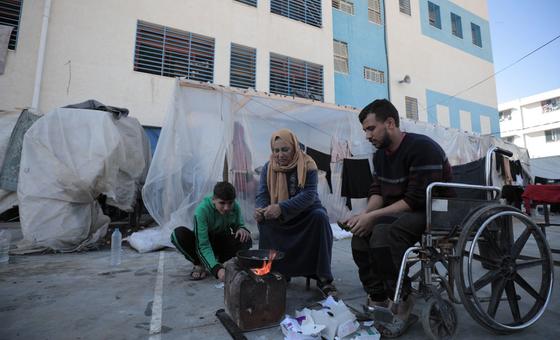
Many have been forced to flee the fighting dozens of times. Most find themselves homeless and hungry while facing an uncertain future.

Khadija Manoun and her daughter in the space she uses as a kitchen inside a destroyed building.

Khadija Manoun: Kitchen of life’s leftovers

Khadija Manoun said she and her family have moved more than 20 times, from Jabalia in the northern Gaza Strip to a destroyed building in western Gaza, in search of shelter. She had owned a new fully furnished house, which she had built with a bank loan.

“I furnished my house well, with tiles and electrical appliances,” she said. “It had only been three years since I had the house. Then the war came and everything was lost.”

Today, everything has changed, Ms. Manoun said. Her spacious, fully equipped kitchen is now just a corner in the rubble, where a solitary soap dish borrowed from a neighbour sits. Metal utensils have been replaced with plastic tea containers to serve 10 people.

The bathroom was reduced to a corner covered with pieces of cloth that had been blankets. Her dressing room is now home to tattered suitcases.

“This is now my closet where I put everything,” she said. “I had a bedroom that had cost me 10,000 shekels.”

Her family sleeps on simple mattresses. Clean drinking water is a luxury that Khadija chases after, running between trucks, often returning with empty containers.

Amid all this, she sometimes reminisces, scrolling through photos on her mobile phone of her old home and the meals they used to eat.

Badriya Barrawi, a displaced person in Gaza, is living among the ruins of destroyed buildings.

Badriya Barawi: Exhausted by hunger

In her modest tent on the beach west of Gaza City, Badriya Barawi, from Beit Lahia, sits, arranging what remains of her life. Tears stream from her eyes.

“Have mercy on us,” she said. “We are fed up and exhausted, mentally and physically. We can’t bear it any longer. How long will this life go on?”

She says her children are crying from the heat and hunger.

“We haven’t had bread for three days. This morning, I fed the children hummus, but is that enough for their stomachs?” said Ms. Barawi, who suffers from high blood pressure and diabetes.

She said she collapses daily from a lack of food.

Hiyam Zayed is displaced from Beit Lahia in the northern Gaza Strip.

Hiyam Zayed: Trampled garden of dreams

In a nearby tent, Hiyam Zayed and her eight daughters eat lentil soup without bread. Describing her former home, she said there were six rooms and a garden.

“I was happy in my home,” she said. “My daughters and I used to have fun there. They played on the roof or inside the rooms. We had a beautiful garden in front of the house, and we grew plants and ate its produce and raised chickens. My daughters were very happy. We fed them the best food and dressed them in the best clothes.”

She also said she used to have a washing machine, a fully equipped kitchen and a refrigerator “full of goodies”.

Now, everything is gone.

“No food, no washing machine, no feelings: we’ve become depressed,” she added.

“My daughters wear the worst clothes. I can’t find a way to bathe them. I used to turn on the water tap at home and water would run for drinking or bathing. Now, we live in a tent in the sand. I light a fire to cook after I used to have gas. I borrow cooking utensils.”

“How are we to blame for what happened, and who bears responsibility?” Ms. Zayed asked. “What is my fault and my children’s fault when we are displaced from one place to another and they die of hunger?”

Hiyam’s daughters eating a lunch of lentil soup, without bread, where they live, inside a destroyed building.

Mass displacement

According to UN reports, more than two million Palestinians –the population of Gaza – live in about 15 per cent of the Strip’s area after the war caused widespread destruction of infrastructure and homes.

International organizations have warned that the continuation of the conflict threatens to have “catastrophic consequences” in the near term.

That includes a serious impact on children’s mental and physical health, the spread of disease and the disintegration of social structures.

This amid the absence of any clear path towards a political or humanitarian solution.

Source link