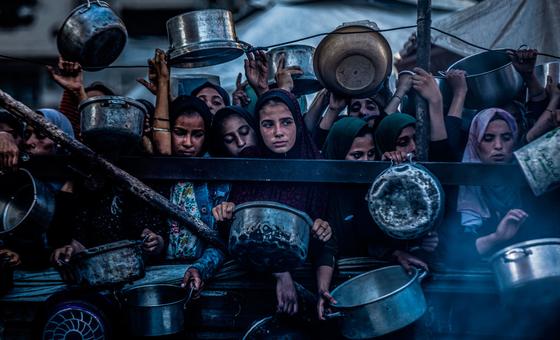
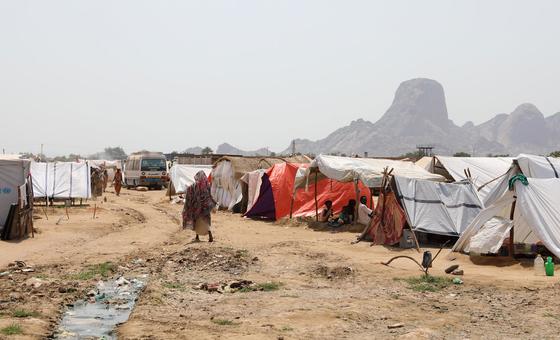
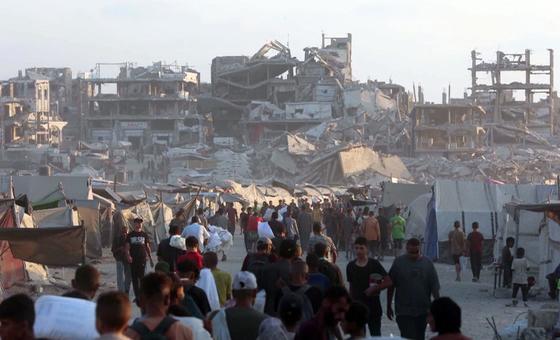
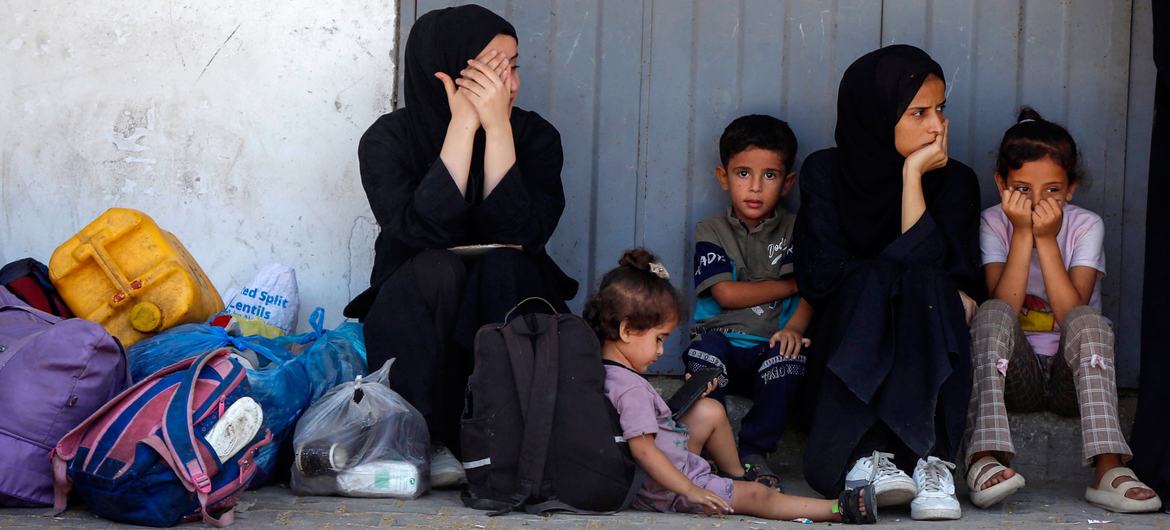
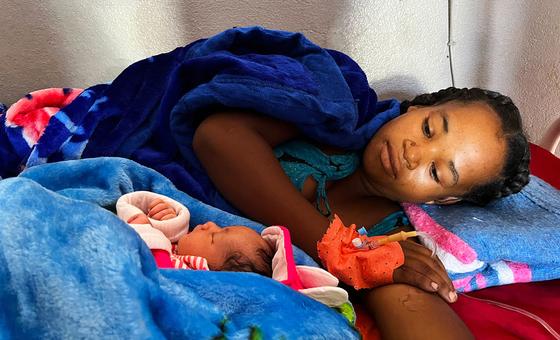
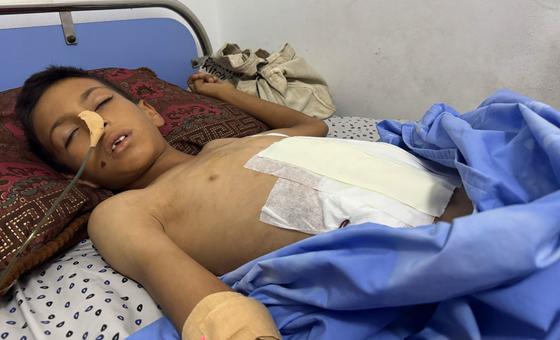
Philippe Lazzarini posted on social media saying that aid distribution “has become a death trap,” citing reports from international medical staff on the ground and local health authorities who reported at least 31 deaths and more than 150 injured as civilians were lining up to receive aid from the Israel and United States-backed Gaza Humanitarian Foundation – which bypasses existing aid agencies.
‘Humiliating system’
“A distribution point by the Israeli-American plan was put far south in Rafah,” Mr. Lazzarini said on X.
“This humiliating system has forced thousands of hungry and desperate people to walk for tens of miles to an area that’s all but pulverized due to heavy bombardment by the Israeli army.”
He said aid delivery and distribution “must be at scale and safe. In Gaza, this can be done only through the United Nations including UNRWA.”
Gaza’s defence agency said Israeli forces had been responsible for the gunfire. The Gaza Humanitarian Foundation – which uses private contractors and involves Israel Defense Forces (IDF) to secure its sites – has strongly denied that civilians were fired on, accusing Hamas militants of misinformation.
Disputed events
The IDF said on social media that reports of them firing towards residents receiving aid from the foundation were false: “Findings from an initial inquiry indicate that the IDF did not fire at civilians while they were near or within the humanitarian aid distribution site.”
The IDF posted video which it said showed gunmen shooting at civilians collecting aid, adding that “Hamas is doing everything in its power to prevent the successful distribution of food in Gaza.”
Medical staff at Nasser hospital in nearby Khan Younis told media outlets that around 79 people were admitted on Sunday, mostly with gunshot wounds, along with the bodies of some of those killed. Journalists on the scene posted video footage of bodies being carried on carts along with wounded arrivals.
‘Lift the siege’
UNRWA chief Lazzarini called on Israel to lift the three-month old aid blockade and allow safe and unhindered access. “This is the only way to avert mass starvation including among one million children.”
Highlighting the difficulties of clearly establishing facts on the ground due to Israel’s ban on international media from entering the Gaza Strip, the UNRWA chief said that amid competing narratives and “disinformation campaigns in full gear,” the ban on eyewitness reporting must be lifted immediately.
More than 30 people were killed and over 100 wounded while waiting in the early morning to get food from two sites in Rafah and Middle Gaza run by the newly established Gaza Humanitarian Foundation (GHF), according to media reports.
The organization is backed by Israel and the United States and uses private US security contractors supervised by the Israeli military. Aid distributions began at the end of May, bypassing the UN and other humanitarian agencies.
Risking their lives
UN chief António Guterres issued a statement on Monday saying he was “appalled” by the reports.
“It is unacceptable that Palestinians are risking their lives for food,” he said.
“I call for an immediate and independent investigation into these events and for perpetrators to be held accountable.”
He stressed that Israel has clear obligations under international humanitarian law to agree to and facilitate humanitarian aid.
Allow UN operations
“The unimpeded entry of assistance at scale to meet the enormous needs in Gaza must be restored immediately,” he said.
“The UN must be allowed to work in safety and security under conditions of full respect of humanitarian principles.
Meanwhile, the Secretary-General continues to call for an immediate permanent, sustainable ceasefire in Gaza and the immediate and unconditional release of all hostages.
“This is the only path to ensuring security for all. There is no military solution to the conflict,” he said.
According to the UN, many frontline Ukrainian families are at risk of missing critical planting and harvesting windows.
“Agriculture is a fabric of rural society. It’s not just a way to make a living – it’s a way of being. And vulnerable rural families are holding on. They need support not just to survive, but to thrive and rebuild,” said Rein Paulsen, Director of Emergencies and Resilience at the UN Food and Agriculture Organization (FAO) during a recent visit to Ukraine.
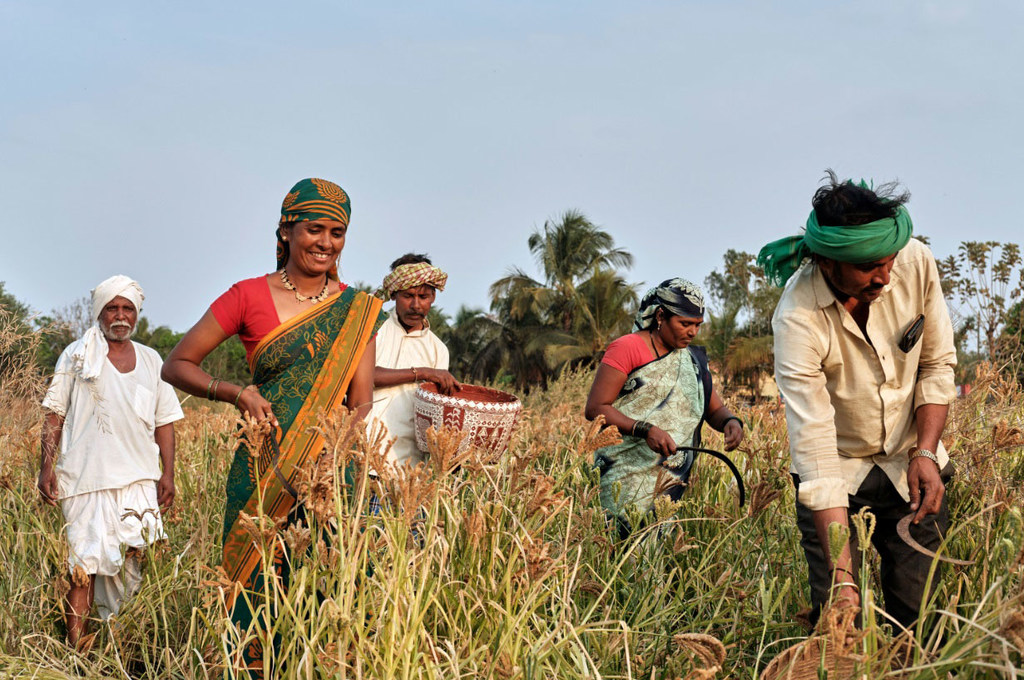
Rural households across Ukraine – many headed by an elderly relative or woman – depend on agriculture for survival, often tending a single cow or a small flock of chickens.
But these families are among the most vulnerable and least supported, especially those living near the frontlines.
Hardship growing
As the war provoked by Russia’s invasion of Ukraine enters its fourth year, these households face growing challenges cultivating their land due to anti-personnel mines, land contamination, labour shortages, lack of inputs, shelling and frequent electricity cuts.
Veronika, 4, stands near a sign that reads “Danger of Mines”. Chistovodivka, Kharkiv region, Ukraine (file, May 2025)
According to the Fourth Rapid Damage and Needs Assessment, Ukraine’s agriculture sector has suffered $83.9 billion in damages and losses since the war began, with an additional $1.6 billion in the irrigation sector. A significant portion of this burden falls on rural households.
Call for support
On Monday, the FAO warned that without urgent and sustained support, thousands of rural households may be unable to plant or harvest on time, jeopardising national food security and rural livelihoods.
Since the start of the war, FAO has supported more than 250,000 rural families with vegetable seeds, animal feed, day-old chicks, cash and vouchers. Over 15,000 farmers have also received crop seeds, temporary storage, and financial assistance.
In addition, the FAO and partners have worked to survey mined areas, restore access to farmland, and support national systems for monitoring and recovery.
But this assistance is not enough, especially as funding shortfalls limit the full implementation of the FAO’s Emergency and Early Recovery Response Plan for 2025–2026 in Ukraine.
The organization is calling for urgent support to help rural households safely access their land and secure essential resources such as seeds, fertiliser, storage and reliable energy.
This requires more than emergency funds alone – a sustained and coordinated response is needed to meet long-term needs.
Without increased support, these families’ ability to plant, harvest and recover remains under serious threat.
Zeenat and her husband, Moamen Abu Asr, live with their children in a flimsy canvas tent, one of thousands that now line Gaza’s coastline.
Once a place of rest and leisure, the beach has become a last refuge for Palestinians displaced by relentless Israeli bombardment and military operations.
As displacement orders push people into ever smaller pockets of land, the strip of coast around Gaza’s seaport has turned into a makeshift camp. Its frayed tents and overcrowded conditions reflect the gravity of a humanitarian crisis that has plunged to unprecedented depths after more than 600 days of conflict between Israeli forces and Hamas.
The seaport, once a centre of Gaza’s fishing economy, is now a wasteland. All the boats have been destroyed, and in their place stands a sprawling encampment – a harsh and barren environment with almost none of the basic necessities for survival.
Moamen Abu Asr fixing a water tank by his tent.
A family with nothing left
Moamen and his family have been living in the camp for around two months, surviving in a tent cobbled together from salvaged mats and broken utensils recovered from nearby rubble.
He sits outside with his children, scrolling through pictures on his phone – fragments of a past life left behind in Shujaiya, east of Gaza City, when residents were ordered to evacuate without warning.
“There have been times when we’ve been displaced once every two months,” he told UN News. “Every day is suffering for us. We came to Gaza port with no food, no water – not even our iron tent.”
“There is nothing of life’s basics for us,” he said. To feed his family, Moamen repairs small water tanks for five shekels – about $1.43 – barely enough for anything in a place where prices have soared. “One kilo of flour is a hundred shekels [around $28.60],” he explained. “Our situation is very difficult, and we do not know what to do. By God, this is not life. We would rather die.”
Flies hover over one of the Abu Asr family’s sleeping children in their tent in Gaza.
‘We live on water’
The humanitarian situation has worsened since March, when Israeli authorities imposed a complete blockade on aid. Though this was slightly eased in recent weeks, the limited trickle of supplies cannot meet the overwhelming demand. Desperate civilians, starving and fearful, have resorted to looting whatever aid does arrive.
In their tent, Zeenat washes a few cooking utensils – all she could find in the communal makeshift kitchen. Most days, there is no food to prepare.
“Yesterday I cried a lot about my son,” she said. “He told me, ‘Mum, I want to eat.’ I stood helpless, not knowing what to do. The food didn’t come from the charity kitchen. We now live on fresh water. I recommend it to my children to help fill their stomachs. Today, thank God, we got a plate of food and ate it.”
Zeinat Abu Asr describes the hardship her family is facing in Gaza.
‘Enough is enough’
Conditions in the tent are dire. Flies swarm everywhere, and stray dogs – thin and hungry – prowl nearby. “Yesterday, a dog came into the tent and was pulling on a tarpaulin while my son was sleeping. I thought it was pulling my baby. I screamed and my husband kicked the dog out.”
“We don’t know where to go or what to do. They uprooted us. Our hearts are extinguished. We can’t be patient anymore. Our patience has run out.”
The tents scattered along Gaza’s coastline are a stark symbol of the deepening humanitarian tragedy. The cries of hunger are louder than any voice of hope. There is no shelter left – only the sea remains.
Nothing encapsulates the despair more than Zeenat’s final plea: “Let the war end. Give us a break. Otherwise, let all countries come together and drop a nuclear bomb on us and end our misery, because we are tired of this life. Enough is enough.”
Every day, we voluntarily give up information about ourselves to machines. This happens when we accept an online cookie or use a search engine. We barely think about how our data is sold and used before clicking “agree” to get to the page we want, dimly aware that it will be used to target us as consumers and convince us to buy something we didn’t know we needed.
But what if the machines were using the data to decide who to target as enemies that need to be killed? The UN and a group of non-governmental organisations are worried that this scenario is close to being a reality. They are calling for international regulation of Lethal Autonomous Weapons (LAWS) to avoid a near-future where machines dictate life-and-death choices.
Large-scale drone warfare unfolding in Ukraine
For several months, the Kherson region of Ukraine has come under sustained attack from weaponised drones operated by the Russian military, principally targeting non-combatants. More than 150 civilians have been killed, and hundreds injured, according to official sources. An independent UN-appointed human rights investigation has concluded that these attacks constitute crimes against humanity.
The Ukrainian army is also heavily reliant on drones and is reportedly developing a “drone wall” – a defensive line of armed Unmanned Aerial Vehicles (UAVs) – to protect vulnerable sections of the country’s frontiers.
Once the preserve of the wealthiest nations that could afford the most high-tech and expensive UAVs, Ukraine has proved that, with a little ingenuity, low-cost drones can be modified to lethal effect. As conflicts around the world mirror this shift, the nature of modern combat is being rewritten.
But, as devastating as this modern form of warfare may be, the rising spectre of unmanned drones or other autonomous weapons is adding fresh urgency to ongoing worries about ‘killer robots’ raining down death from the skies, deciding for themselves who they should attack.
“The Secretary-General has always said that using machines with fully delegated power, making a decision to take human life is just simply morally repugnant,” says Izumi Nakamitsu, the head of the UN Office for Disarmament Affairs. It should not be allowed. It should be, in fact, banned by international law. That’s the United Nations position.”
Human Rights Watch, an international NGO, has said that the use of autonomous weapons will be the latest, most serious example of encroaching “digital dehumanisation,” whereby AI makes a host of life-altering decisions on matters affecting humans, such as policing, law enforcement and border control.
“Several countries with major resources are investing heavily in artificial intelligence and related technologies to develop, land and sea based autonomous weapons systems. This is a fact,” warns Mary Wareham, advocacy director of the Arms Division on Human Rights Watch. “It’s being driven by the United States, but other major countries such as Russia, China, Israel and South Korea, have been investing heavily in autonomous weapons systems.”
Advocates for AI-driven warfare often point to human limitations to justify its expansion. Soldiers can make errors in judgment, act on emotion, require rest, and, of course, demand wages – while machines, they argue, improve every day at identifying threats based on behavior and movement patterns. The next step, some proponents suggest, is allowing autonomous systems to decide when to pull the trigger.
A UAV (Unmanned Aerial Vehicle) is pictured airborne over Afghanistan.
There are two main objections to letting the machines take over on the battlefield: firstly, the technology is far from foolproof. Secondly, the UN and many other organisations see the use of LAWS as unethical.
“It’s very easy for machines to mistake human targets,” says Ms. Wareham of Human Rights Watch. “People with disabilities are at particular risk because they of the way they move. Their wheelchairs can be mistaken for weapons. There’s also concern that facial recognition technology and other biometric measurements are unable to correctly identify people with different skin tones. The AI is still flawed, and it brings with it the biases of the people who programmed those systems.”
As for the ethical and moral objections, Nicole Van Rooijen, Executive Director of Stop Killer Robots, a coalition campaigning for a new international law on autonomy in weapons systems, says that they would make it very difficult to ascertain responsibility for war crimes and other atrocities.
“Who is accountable? Is it the manufacturer? Or the person who programmed the algorithm? It raises a whole range of issues and concerns, and it would be a moral failure if they were widely used.”
A ban by 2026?
The speed at which the technology is advancing, and evidence that AI enabled targeting systems are already being used on the battlefield, is adding to the urgency behind calls for international rules of the technology.
In May, informal discussions were held at UN Headquarters, at which Mr. Guterres called on Member States to agree to a legally binding agreement to regulate and ban their use by 2026.
Attempts to regulate and ban LAWS are not new. In fact, the UN held the first meeting of diplomats in 2014, at the Palais des Nations in Geneva, where the chair of the four-day expert talks, Ambassador Jean-Hugues Simon-Michel of France, described LAWS as “a challenging emerging issue on the disarmament agenda right now,” even though no autonomous weapons systems were being used in conflicts at the time. The view then was that pre-emptive action was needed to get rules in place in the eventuality that the technology would make LAWS a reality.
11 years later, talks are ongoing, but there is still no consensus over the definition of autonomous weapons, let alone agreed regulation on their use. Nevertheless, NGOs and the UN are optimistic that the international community is inching slowly towards a common understanding on key issues.
“We’re not anywhere close to negotiating a text,” says Ms. Rouijen from Stop Killer Robots. “However, the current chair of the Convention on Certain Conventional Weapons (a UN humanitarian law instrument to ban or restrict the use of specific types of weapons that are considered to cause unnecessary or unjustifiable suffering to combatants or to affect civilians indiscriminately) has put forward a rolling text that is really quite promising and that, if there is political will and political courage, could form the basis of negotiations.”
Ms. Wareham from Human Rights Watch also sees the May talks at the UN as an important step forward. “At least 120 countries are fully on board with the call to negotiate a new international law on autonomous weapons systems. We see a lot of interest and support, including from peace laureates, AI experts, tech workers, and faith leaders.”
“There is an emerging agreement that weapon systems that are fully autonomous should be prohibited,” says Ms. Nakamitsu, from the UN Office for Disarmament Affairs. “When it comes to war, someone has to be held accountable.”
“Africa is a continent of boundless energy and possibility. But for too long, the colossal injustices inflicted by enslavement, the transatlantic slave trade and colonialism have been left unacknowledged and unaddressed,” he said.
The United Nations has repeatedly said that slavery and the transatlantic slave trade constituted crimes against humanity, and the Secretary-General has repeatedly called for redress for these injustices.
Speaking to the Africa Dialogue Series — which is focused on the theme of justice through reparations — the Secretary-General noted that the movement for reparatory justice is gaining momentum around the world as reflected by the declaration of the Second Decade for People of African Descent, which runs through 2035.
The last decade, which ended in 2024, yielded tangible results, with over 30 Member States revising laws to better tackle racial discrimination. However, the Secretary-General noted that much work remains.
“We point to the poisoned legacies of enslavement and colonialism, not to sow division but to heal them,” he said.
‘Long shadow of colonialism’
Mr. Guterres underlined the entrenched nature of racism and exploitative systems, saying that these systems have disadvantaged African countries and people of African descent beyond the end of colonialism and enslavement.
“Decolonization did not free African countries, or people of African descent, from the structures and prejudices that made those projects possible,” he said.
In fact, when the United Nations was founded and many of the global structures established, some African countries were still colonies.
“When African countries gained their independence, they inherited a system built to serve others — not them,” the Secretary-General said.
“Knowledge of our true history can serve as a powerful compass in our onward march towards progress,” he said.
The Ark of Return, the Permanent Memorial to Honour the Victims of Slavery and the Transatlantic Slave Trade, located at the Visitors’ Plaza of UN Headquarters in New York.
Transforming ‘poisoned legacies’
To address the inequities of this system, the Secretary-General called upon the global community to take action on international financial systems which are burdening developing economies in Africa and the Caribbean. Specifically, he emphasized the importance of restructuring debt systems which are “suffocating” these countries’ economies.
Previous UN reports have noted that some poor countries spend more on debt repayments than they do on health, education and infrastructure combined
Mr. Guterres also called for massive investments into clean energy infrastructure in Africa which has been deeply impacted by climate change.
“African countries did not cause the climate crisis. Yet the effects of our heating planet are wreaking havoc across the continent,” he said.
He also reiterated his call for the establishment of a permanent Security Council position for an African Member State.
Mr. Yang, the General Assembly President, underlined the urgency of the Secretary-General’s remarks, urging member states to act imminently.
“Now is the moment to turn recommendations into rights, apologies into action and aspirations into accountability.”
According to UN Children’s Fund, UNICEF, more than 290 schools have been damaged or destroyed in Ituri this year alone, bringing the total number of out-of-school children in the province to over 1.3 million.
Protection crisis
Between January and April 2025, a surge in violence displaced more than 100,000 people – half of them children. During this period, reported cases of abduction, maiming, sexual violence, and the recruitment and use of children by armed groups rose by 32 per cent compared to the same timeframe last year.
John Adbor, UNICEF’s representative in the DRC, referred to the situation as a “protection crisis”, stating: “Violence and conflict are shattering children’s right to learn – putting them at far greater risk of being recruited by armed groups, exploited, and abused.”
“The needs are immense, and our resources are not enough,” Mr. Adbor added, referring to UNICEF’s emergency response in the region.
With more than 1.8 million conflict-affected children now out of school across the DRC, UNICEF is prioritising mental health and psychosocial support through child-friendly spaces, reintegration of children formerly associated with armed groups, and treatment for acute malnutrition.
WHO approves two new vaccines to protect infants from RSV
Respiratory syncytial virus (RSV) is the leading cause of severe lung infections in young children globally, resulting in approximately 100,000 deaths each year among children under the age of five.
Alarmingly, 97 per cent of these deaths occur in low and middle-income countries.
Although RSV can infect people of all ages, “it is especially harmful to infants, particularly those born prematurely,” said Kate O’Brien from the World Health Organization (WHO).
Around half of all RSV-related deaths occur in babies younger than six months.
New immunisation products
On Friday, WHO issued recommendations for two new immunisation tools: a maternal vaccine, administered to pregnant women in their third trimester to protect their newborns; and a long-acting antibody injection for infants, which begins to protect within a week of administration and lasts for at least five months.
Considering the global burden of severe RSV illness in infants, WHO recommends that all countries adopt either the maternal vaccine or the antibody injection as part of their national immunisation strategies.
“These RSV immunisation products can transform the fight against severe RSV disease, dramatically reduce hospitalisations and deaths, and ultimately save many infant lives worldwide,” said Ms O’Brien.
Dire hurricane forecasts compound Haiti woes
UN humanitarians have raised alarm over Haiti’s heightened vulnerability to natural disasters, warning that the country’s limited capacity to respond could be severely tested during the 2025 hurricane season – forecast to be significantly more intense than average across Latin America and the Caribbean.
Rubbish burns on the coast of Haiti.
Running from June to November, the upcoming season poses a serious threat to the impoverished island nation, where economic crisis, ongoing gang-related violence and rampant insecurity have already displaced over one million people.
Displacement sites at risk
More than 200,000 people are currently living in displacement sites across the country, many of which are situated in flood-prone areas.
Lacking proper shelter, drainage and sanitation, these camps “leave families acutely vulnerable to storms,” said UN Spokesperson Stéphane Dujarric.
The UN Office for the Coordination of Humanitarian Affairs (OCHA) is working with national authorities and humanitarian partners to prepare for the hurricane season. Ongoing efforts include contingency planning, mapping of high-risk areas – particularly displacement sites – and strengthening early warning systems.
However, humanitarian access remains limited, and preparedness is severely hindered by the lack of pre-positioned supplies throughout the country.
This is a “direct consequence of underfunding,” said Mr. Dujarric, adding that “funding remains a major obstacle” to the UN’s emergency response in Haiti.
Among them is Ahmed Abu Amsha, a music teacher who has become something of a humanitarian troubadour.
Fleeting moments of joy
Living in a worn tent with his family, he refuses to let despair drown out hope. Instead, he teaches music to displaced children, helping them find moments of joy through rhythm and song.
Originally from Beit Hanoun, Abu Amsha is a guitar instructor and regional coordinator at the Edward Said National Conservatory of Music. Since the war began, his family has been displaced 12 times. Each time they fled, they took their instruments.
“They’re the only thing that keeps us hopeful,” he said, sitting beside bottles of water outside his tent, a guitar resting gently in his lap.
UN Video | Music amid the rubble: A Gazan musician plants seeds of hope
Daily horror
Daily life in the camp is a grind of hardship – narrow alleys, water queues, a constant struggle to survive. Yet within this bleakness, Abu Amsha has created something extraordinary: Gaza Bird Singing (GBS), a musical group made up of displaced children with budding talents.
The idea came during a period of displacement in Al-Mawasi, Khan Younis, where he began training children to sing and play. The group has since performed in various camps, their music echoing on social media and offering a rare glimpse of hope amid rubble.
Clinging to music
His son Moein, who plays the ney – an end-blown wind instrument similar to a flute – carries his instrument wherever they go. “We’ve been displaced more than 11 times, and I always carry my ney with me. It’s the only thing that helps me forget the sound of the bombing,” he said.
Finding a quiet space is hard, but they try to practise inside their tent, cocooned from chaos.
For Yara, a young violinist learning under Abu Amsha’s guidance, each new displacement deepens her anxiety. “But whenever I’m scared, I play. Music makes me feel safe,” she said.
Under the tarpaulin roofs of the camp, children gather to play, plucking strings, blowing wind instruments, tapping rhythms into existence – trying to transcend the horrific soundtrack of war.
Ahmed Abu Amsha (right, with guitar) surrounded by children who play, sing and learn music.
Sacred space
In a place stripped of necessities, the sound of music feels both surreal and sacred.
Yet Abu Amsha remains steadfast in his mission. “We sing for peace, we sing for life, we sing for Gaza,” he says softly, as the melody of the oud rises behind him – a fragile beauty in a scene shattered by war.
The United States is the largest debtor at about $1.5 billion, as the Trump Administration is withholding funds to cut what it sees as unnecessary spending.
Other major contributors with unpaid dues include China ($597 million), Russia ($72 million), Saudi Arabia ($42 million), Mexico ($38 million) and Venezuela ($38 million). An additional $137 million is yet to be paid by other Member States.
The UN’s separate peacekeeping budget faces a similar crisis, with $2.7 billion in unpaid assessments as of 30 April.
The situation is equally concerning at UN agencies and programmes, which have their own budgets and funding channels.
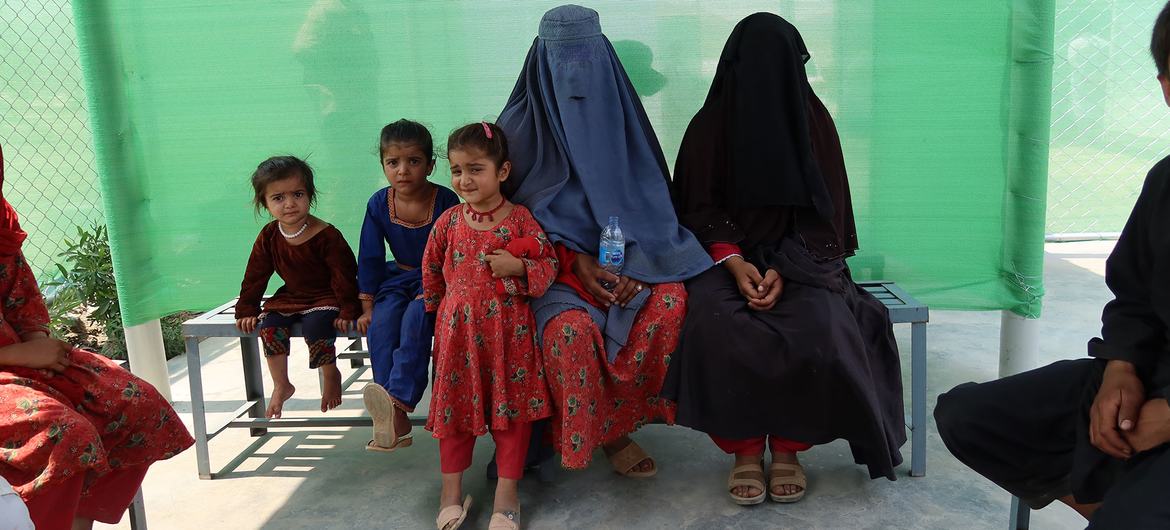
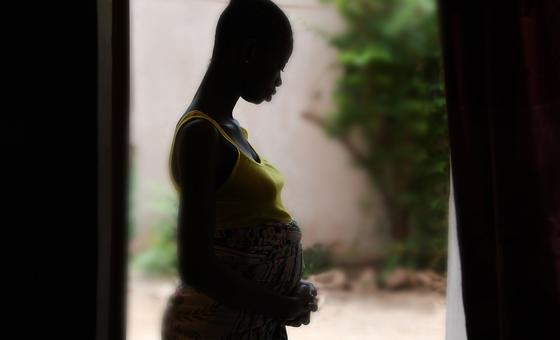
The UN sexual and reproductive health agency, UNFPA, for instance has warned that women and girls in crisis zones – such as the Democratic Republic of the Congo (DRC), Haiti, Sudan and Afghanistan – are already suffering from shrinking support.
Cuts have slashed the ability to hire midwives, supply essential medicines, deploy health teams, and provide safe spaces for survivors of sexual violence.
In Mozambique, nearly 750,000 displaced persons and refugees are in urgent need of protection, but the UN refugee agency (UNHCR) warns it may have to suspend essential services, including healthcare, education, and support for survivors of gender-based violence, with only one-third of its funding appeal met.
HIV/AIDS programs are also at risk. In Tajikistan, UNAIDS Country Director Aziza Hamidova reports that 60 per cent of HIV programme support is in jeopardy. Community health centers have already closed, outreach has been cut, and access to PrEP testing and counseling has dropped sharply.
Dwindling funds for crisis response
The Office for the Coordination of Humanitarian Affairs (OCHA) – which leads UN’s response to crisis – is raising alarms over the cascading impact of funding gaps.
In Sudan, only 13 per cent of the $4.2 billion needed for 2025 has been received, forcing 250,000 children out of school. In the DRC, gender-based violence cases have surged 38 per cent, but programmes are shutting down. In Haiti, cholera response efforts risk collapse. Meanwhile, just 25 per cent of Ukraine’s 2025 humanitarian appeal has been funded, jeopardizing critical services.
UN Emergency Relief Coordinator and head of OCHA, Tom Fletcher, has already announced staff cuts and scaling back of some country programmes.
Located in north-central Tajikistan, the glacier is a vital water source for many communities in Central Asia, feeding rivers and helping to sustain millions of lives and livelihoods.
But due to climate change, it is melting. Quickly. Over the past 80 years, it lost the equivalent of 6.4 million Olympic sized pools of water.
The International Conference on Glaciers Preservation, held 29 May – 1 June in Tajikistan’s capital Dushanbe, is highlighting the ways in which glacier retreat threatens lives and livelihoods worldwide.
“This is not just ice. This is food, water and security for generations to come,” said Ms. Mohammed.
‘Our glaciers are dying’
Glaciers, along with ice sheets, store approximately 70 per cent of the world’s freshwater, making them essential for human survival and economies. But five of the past six years have witnessed the most rapid glacier retreat on record.
“Our glaciers are dying,” said Celeste Saulo, Secretary-General of the World Meteorological Organization (WMO), a co-organizer of the conference.
“The death of a glacier means much more than the loss of ice. It is a mortal blow to our ecosystems, economies, and social fabric.”
Melting glaciers increase the likelihood and severity of floods and mudslides, in addition to impacting various industries such as agriculture and forestry.
Bridging science and action
Ms. Mohammad said that the rate of glacier retreat means that the international community must take immediate action.
“The time to act is now for our people and our planet,” she said.
The conference in Dushanbe has worked to elevate glacier preservation to the top of the worldwide climate agenda ahead of the UN COP30 climate change conference in Brazil this November.
Ms. Saulo emphasized that strengthening glacier monitoring and improving warning systems for glacier collapse will help “bridge science and services.” She also said that this must all translate into concrete action to slow glacier retreat.
In Tajikistan specifically, Parvathy Ramaswami — the UN Resident Coordinator in the country — said that they have focused on supporting farmers through training and knowledge transfer for local communities.
“[The training] means that more children are safe from disasters, they can go to school, learn and grow,” she explained. “Families and communities become resilient and prosper.”
Deputy Secretary-General Amina Mohammed (centre) with Model UN youths and Ambassador for a Day in Tajikistan.
Intergenerational conversations
In Tajikistan, the Deputy Secretary-General met with many youth climate activists. She emphasized that actions to address glacier retreat must be intergenerational, much like the conversations which the conference encouraged.
“The global decisions we are shaping today will affect [young people’s] lives. So to think that we can begin to shape a person’s future without them, really doesn’t bode well for the rights that they have to determine their future, their aspirations,” she said.
In giving advice to younger generations, she expressed hope that young activists would continue to advocate for their vision of the future.
“They should continue to raise their voices, they should continue to have their courage of conviction, they should remember that this is about a life journey and they need to make every step count.”
This is especially true among youth users: it’s one of the main reasons young people experiment with tobacco or nicotine products in the first place, according to the UN World Health Organization (WHO).
Flavoured nicotine and tobacco products are inherently addictive and toxic – often more so than regular tobacco. Flavours increase usage, make quitting harder, and have been linked to serious lung diseases, WHO maintains.
Despite decades of progress in tobacco control, flavoured products are luring a new generation into addiction and contributing to eight million tobacco-related deaths each year.
Youth-oriented marketing
Nicotine products are often marketed directly toward young people through bright and colourful packaging featuring sweet and fruity flavour descriptors.
Research shows that this type of advertising can trigger reward centres in adolescent brains and weaken the impact of health warnings.
Young people also report a growing presence of flavoured nicotine product marketing across all social media platforms.
This marketing of flavours works across all forms of nicotine and tobacco products, including cigarettes, e-cigarettes, cigars, pouches and hookahs.
WHO said flavours such as menthol, bubble gum and cotton candy, are “masking the harshness of tobacco” and other nicotine products, turning what are toxic products “into youth-friendly bait.”
Call for action
Just ahead of World No Tobacco Day, the UN health agency released a series of fact sheets and called on governments to ban all flavours in tobacco and nicotine products to protect young people from lifelong addiction and disease.
It cited Articles 9 and 10 of the successful 2003 Framework Convention on Tobacco Control (FCTC), which obliges countries to regulate the contents and disclosure of tobacco products, including flavourings.
WHO chief Tedros Adhanom Ghebreyesus said on Friday that “without bold action, the global tobacco epidemic…will continue to be driven by addiction dressed up with appealing flavours.”
As of December 2024, over 50 countries had adopted policies regulating tobacco additives, with most targeting flavourings by banning flavour labels or images and restricting the sale of flavored products. Some also control flavour use during production.
However, the WHO noted that tobacco companies and retailers have found ways to circumvent these rules, offering flavour accessories including sprays, cards, capsules and filter tips, to add to unflavoured products.
Still, WHO is urging all 184 FCTC parties (which make up 90 per cent of the world’s population) to implement and enforce strong bans and restrictions on flavoured products and related additives.
“Gaza is the hungriest place on Earth,” OCHA spokesperson Jens Laerke told reporters in Geneva, stressing that it is the only defined territory in the world where the entire population is at risk of famine.
“The aid operation that we have ready to roll is being put in an operational straitjacket that makes it one of the most obstructed aid operations, not only in the world today, but in recent history,” he said.
Mr. Laerke explained that out of nearly 900 aid trucks that were approved to enter from the Israeli side since the reopening of the Kerem Shalom border crossing between Israel and the war-torn enclave ten days ago, less than 600 have been offloaded on the Gaza side.
An even lower number has been picked up for distribution in Gaza, he said, pointing to the “congested, insecure” routes which humanitarians are assigned to use by the Israeli authorities, as well as “significant delays” in the approvals.
Drip-feed of desperation
The OCHA spokesperson stressed that the limited number of truckloads coming in is a “trickle”.
“It is drip-feeding food into an area on the verge of catastrophic hunger,” he insisted.
Mr. Laerke added that many of the trucks were “swarmed by desperate people” on the way.
“It’s a survival reaction by desperate people who want to feed their families,” he said, adding that the aid on the trucks “had been paid for by the donors to go to those people”.
“I don’t blame them one second for taking the aid that essentially is already theirs, but it’s not distributed in a way we wanted,” he explained.
On Wednesday, hungry crowds overran a UN World Food Programme (WFP) warehouse in Deir Al-Balah in central Gaza, where limited stocks of wheat flour had been pre-positioned for use by the few bakeries able to resume operations.
The incident reportedly left two people dead. In a statement WFP reiterated warnings over “the risks imposed by limiting humanitarian aid to hungry people in desperate need of assistance”.
‘Paid for’ aid must be delivered
OCHA’s Mr. Laerke insisted once again on the fact that the UN and partners have “tens of thousands of pallets of food and other life-saving assistance” ready to enter Gaza to relieve the suffering.
“The aid has been paid for by the world’s donors, who expect us on their behalf to deliver it. It is cleared for customs, it is approved and it’s ready to move,” he said.
A new US and Israeli-backed aid distribution scheme run by a private entity called the Gaza Humanitarian Foundation started operating independently of the UN this week in the Strip.
On Tuesday at least 47 Palestinians were reportedly shot and injured trying to collect aid from its distribution facility in the south, according to information received by UN human rights office, OHCHR.
Aid scheme to bypass UN ‘not working’
In reaction to the incident OCHA head in the Occupied Palestinian Territory Jonathan Whittall warned on Wednesday that the US-Israeli distribution scheme was “engineered scarcity: four distribution hubs located in central and southern Gaza, secured by private US security contractors, where those Palestinians who can reach them will receive rations.”
Mr. Laerke told reporters that this “alternative modality” is “not working” as it does not meet people’s needs.
He added that it constitutes a “violation of basic principle of impartiality”, and that criteria for getting aid have to be based on need, and not the ability to walk for kilometres to a distribution point.
“It creates chaos, and it creates a situation that is extremely dangerous for people,” Mr. Laerke said. “Even if you enter one of those distribution points, pick up a package, the minute you’re out of it… Are you a target for looters again? Yes, you are.”
The OCHA spokesperson reiterated calls by the humanitarian community for the reopening of all crossing points into Gaza, to enable delivery from all corridors, including from Jordan and Egypt.
“We need to be able to deliver food directly to families where they are,” as has been the case in the past, he said.
Highlighting the challenges for humanitarian access, Mr. Laerke said that over 80 per cent of the Gaza Strip is currently within Israeli militarized zones or under displacement orders. Since the ceasefire between Israel and Hamas collapsed on 18 March nearly 635,000 people in the enclave have been displaced yet again.
She recalled the adoption of Security Council resolution 2774 in February – the first since Russia’s full-scale invasion of Ukraine in 2022 – which sparked a sense of optimism for a diplomatic solution.
That has since been replaced by a sense of international frustration – and more suffering in Ukraine following the surge in attacks.
“The hope that the parties will be able to sit down and negotiate is still alive, but just barely,” Ms. DiCarlo warned.
Rising civilian toll
Under-Secretary-General DiCarlo briefing the Security Council.
The weekend’s escalation has been described as the largest wave of attacks, with record numbers of long-range missiles and drones killing and injuring dozens of civilians and damaging homes and infrastructure in Kyiv, Kharkiv, Odesa, Mykolaiv, and other cities.
Russian regions bordering Ukraine also reported civilian casualties and infrastructure damage. According to the Russian Ministry of Foreign Affairs, nine civilians were killed and 117 injured by Ukrainian strikes between 19 and 25 May, with a further 17 civilians killed and over 100 injured the week before.
“The United Nations is not able to verify these reports. However, if confirmed, these figures serve as a vivid reminder of the rising civilian toll of Russia’s full-scale invasion of Ukraine, most egregiously in Ukraine, but also increasingly in the Russian Federation itself,” Ms. DiCarlo said.
International humanitarian law strictly prohibits attacks against civilians and civilian infrastructure, she stressed.
“They are unacceptable and indefensible – wherever they occur – and must stop immediately.”
‘Every delay costs lives’
OCHA Director Doughten briefing the Security Council.
Lisa Doughten, Director for Financing at the UN Office for the Coordination of Humanitarian Affairs (OCHA), painted a dire picture on the ground.
Over 5,000 people – mostly from Kherson, Donetsk and Sumy regions – were newly displaced in the past week alone, adding to the 3.7 million already displaced across Ukraine. An estimated 1.5 million civilians in Russian-occupied areas remain largely cut off from humanitarian assistance.
Despite escalating challenges, humanitarian organizations – many of them local NGOs – continue to deliver food, water, hygiene kits and protection services.
However, only a quarter of the $2.6 billion needed for the 2025 humanitarian response plan has been funded, leaving aid workers struggling to meet rising needs.
“Every delay costs lives. Every dollar helps us reach the next family under fire with aid, educate the next child out of school, help evacuate people with disabilities, and sustain water in front-line communities,” Ms. Doughten said.
“The needs do not shrink. And so, our resolve cannot falter.”
A wideview of the Security Council meeting as members discuss the situation in Ukraine
The war is a strategic mistake: US
Sanctions for Russia are “still on the table” if they make the “wrong decision” to continue the catastrophic war against Ukraine, the representative of the United States, John Kelley, told ambassadors.
“President [Donald] Trump has emphasised from the beginning that this war was a strategic mistake and should never have happened; time is not on the side of any who would prolong it,” Mr. Kelley said.
The US also condemned Russia’s decision to launch record numbers of long-range missiles and drones against civilians and civilian infrastructure in Ukraine this past weekend.
Mr. Kelley noted that if Russia makes the “wrong decision to continue this catastrophic war,” the United States may be forced to end their negotiation efforts.
“To be clear, in doing so, we would not be ‘abandoning’ our principles or our friends. Rather, we would be recognising Russia’s refusal to work with us toward a desirable outcome,” he said.
Mr. Kelley also referenced President Trump’s conversation with Russian President Vladimir Putin on 21 May, saying that the US is expecting a “term sheet” which will outline a Russian ceasefire proposal.
“We will judge Russia’s seriousness towards ending the war not only by the contents of that term sheet, but more importantly, by Russia’s actions,” Mr. Kelley said.
Ukraine trying to derail peace: Russia
Russia’s Ambassador Vasily Nebenzya accused the Ukrainian Government of attempting to “deceive and mislead” President Donald Trump in order to push the US away from its central role brokering negotiations.
“As long as the spectre of the ‘Russian threat’ persists, [Volodymyr] Zelensky’s clique can avoid accountability for embezzled budget funds and Western – primarily American – aid, which now totals tens if not hundreds of billions of dollars,” Mr. Nebenzya said.
“Even their partners in Europe and the [Joe] Biden administration, who have also profited greatly from the conflict in Ukraine, are starting to grow weary of this.”
Regarding allegations that Russia is targeting civilians in Ukraine, he claimed the casualties are the result of Ukrainian air defense systems being “positioned near residential buildings and public infrastructure in violation of basic international humanitarian law.”
He stated that the true targets of Russian strikes are military-industrial sites, citing the destruction of ammunition depots and other weapons facilities in various Ukrainian regions.
Ukraine open to talks that ‘yield tangible results’
Khrystyna Hayovyshyn, Deputy Permanent Representative of Ukraine to the UN, said that the international community must increase pressure on Russia, including through sanctions, to end the “diplomatic stalemate” for which she squarely blamed Russia.
“Ukraine did not initiate this war, nor do we desire its continuation,” Ms. Hayovyshyn said.
She noted that President Volodymyr Zelensky remains willing to meet President Vladimir Putin at any point for direct talks, but that the Russian President has not made himself available – including failing to attend the negotiations in Türkiye where Mr. Zelensky was present.
“We are not afraid of talks,” she said. “We are for constructive talks.”
Ms. Hayovyshyn said that “only positive result” of the meeting in Türikye was the agreement from both Russia and Ukraine to each release 1,000 prisoners of war.
But she reiterated that Ukraine would not compromise on its territorial integrity or sovereignty when negotiating for peace.
“Achieving peace at any cost will not end the war. A comprehensive, just and lasting peace must rest on a fundamental respect towards non-negotiable principles,” she said.
This includes more than 1.12 billion people living in slums or informal settlements. An additional 300 million face absolute homelessness, lacking any form of stable shelter, UN-Habitat estimates.
Living without
The crisis is particularly acute in rapidly urbanising regions such as Africa and the Asia-Pacific. As cities grow, housing development and infrastructure fail to keep pace, leading to a dramatic increase in informal and inadequate living conditions.
In Africa, 62 per cent of urban dwellings are informal. In the Asia-Pacific region, over 500 million people lack access to basic water services, and more than a billion live without adequate sanitation.
As climate change intensifies, those without formal, quality housing and services face growing risks from extreme heat, severe weather events, and water scarcity.
Finding sustainable solutions to the housing crisis is central to advancing global sustainable development. Quality housing is not only a basic human right – it also drives job creation, boosts national income, saves lives, and lays the foundation for better health, education, and economic mobility.
UN-Habitat response
To address this crisis, on Thursday, delegates gathered under the UN’s roof in Nairobi to resume the second session of the UN-Habitat Assembly. Through discussion, collaboration and policy planning, the major summit aims to address this pressing and deeply intertwined issue.
“This Assembly represents the highest global platform for normative discussions on sustainable urbanisation and human settlements. It is a moment of collective reflection, renewed political will and forging consensus for the future we seek for our cities and communities,” said UN-Habitat Executive Director Anacláudia Rossbach in her opening remarks.
Strategic plan
A key focus of the Assembly is the adoption of UN-Habitat’s Strategic Plan for 2026–2029. The plan will prioritise adequate housing, access to land and basic services and the transformation of informal settlements.
It outlines three main impact areas: (1) inclusive prosperity, (2) preparedness, recovery, and reconstruction and (3) climate sustainability. These pillars are designed to accelerate progress toward the Sustainable Development Goals.
The plan also emphasises strengthening collaboration with other UN agencies to achieve shared objectives.
The Assembly will continue through 30 May, with a final decision on the strategic plan expected at the close of the session.
At the end of April, Fariza Dzhobirova attended a Model United Nations Conference on Glaciers’ Preservation in Tajikistan’s capital, Dushanbe, where she represented Switzerland.
For Ms. Dzhobirova, it was a rehearsal of sorts for the actual High-levelConference on Glaciers’ Preservation which began on Thursday in Dushanbe. There, she will serve as a panel member representing her own country.
“The [Model UN] conference gave me a platform to raise my voice, collaborate with like-minded peers from across the region and develop policy recommendations that we hope will influence real-world decisions,” she said.
The High-level Conference on Glaciers’ Preservation, hosted by the Government of Tajikistan and supported by variety of United Nations agencies, will work to underline the extreme urgency of melting glaciers, elevating it as a global climate and development challenge.
Will glaciers survive the 21st century?
Glaciers, alongside ice sheets, account for over 70 per cent of the world’s freshwater resources and are integral to many local economies, providing water, sustaining agriculture and generating energy.
However, due to the increasing temperature of the planet, glaciers are melting at unprecedented rates – scientists predict that if the current rate of melting continues, many glaciers will not survive the 21st century.
In Tajikistan alone, 30 per cent of glaciers have disappeared over the last century, disrupting local and national water supplies and agricultural patterns. And Slovenia and Venezuela have lost all their glaciers.
Just yesterday, one day before the conference was set to begin, a partial glacier collapse in Switzerland buried most of a small village, according to news reports.
“The death of a glacier is more than just the loss of ice,” said World Meteorological Organization (WMO) Secretary-General Celeste Saulo.
Youth voices are the present and the future
Before the conference, Parviz Boboev from the UN ountry team in Tajikistan sat down with Ms. Dzhobirova to discuss what motivates her climate activism.
Fariza Dzhobirova, a young climate activist from Tajikistan, represents Switzerland at a Model United Nations conference on glacier preservation.
Parviz Boboev: What inspired you to get involved in the climate movement?
Fariza Dzhobirova: Growing up in Tajikistan, where more than 90% of our freshwater comes from glaciers, I’ve seen how climate change is already impacting people’s lives. Rivers are shrinking, water is becoming less accessible, and natural disasters like landslides and floods are affecting more and more communities.
I’ve met a family who lost their home because of mudflow. I saw a teenage girl from that family of the same age as me that had totally different problems because of this climate-related disaster. I was thinking about my classes. She was thinking about how to survive.
My message is that young people are not just the future — we are the present, and we are ready to contribute today
And I know there are many examples similar to this – farmers whose land can no longer be irrigated and children whose futures are at risk. Seeing this pain and injustice made it impossible for me to stay silent or uninvolved.
Participating in the upcoming Glaciers’ Preservation conference means a lot to me. It’s about raising the voices of people who are often left out of global discussions. For me, it’s a chance to speak on behalf of my generation and my country, and to show that young people are ready to be part of the solution.
Parviz Boboev: What message do you hope to share at the conference about the impact of climate change on your community and generation?
Fariza Dzhobirova: Being invited to speak is a great responsibility for me. It’s a chance to represent not only Tajikistan, but the voice of a generation.
My message is that young people are not just the future — we are the present, and we are ready to contribute today. Climate change is not only about the environment — it’s about how we live, how we work, how we learn. It affects our opportunities, our mental health, our ability to plan for the future. And yet, many young people are still excluded from decision-making processes.
At the conference, I want to encourage leaders and policymakers to truly listen not just to the facts and data, but to the experiences and hopes of young people. When you give youth a platform, you don’t just invest in their potential — you strengthen the resilience and sustainability of entire communities.
Parviz Boboev: Youth voices are becoming increasingly important in global climate conversations. How do you see the role of young people in shaping solutions?
Fariza Dzhobirova: I truly believe that young people have a unique role to play in shaping more just, inclusive and forward-looking climate solutions. We bring fresh ideas, the courage to question outdated systems and a strong sense of responsibility for the future.
In countries like Tajikistan, where glaciers are directly connected to people’s livelihoods, youth are already stepping up. What we need now is more trust and investment in young people. We don’t expect to solve everything alone, but we do hope to be included — in dialogue, in decision-making, and in designing real solutions.
Protecting glaciers and water resources is not just a technical challenge; it’s a human one. By working together — across generations and borders — we can make our region stronger, more resilient, and more united in the face of climate change.
UN agencies warn that the decimated enclave is teetering on the brink of further chaos after months of war and the collapse of all essential services.
The incident took place at WFP’s Al-Ghafari facility in Deir Al-Balah, where limited stocks of wheat flour had been pre-positioned for use by the few bakeries which have been able to resume operations.
Tragic consequences
Corinne Fleischer, WFP’s Regional Director for the Middle East, described it as a “tragedy [that] should never have happened”.
She called for immediate and steady flow of aid to avoid further scenes desperation.
“When people know food is coming, desperation turns to calm,” she said.
The storming of the warehouse is the latest sign of a hunger crisis spiralling out of control after 80 days of near-total blockade on aid into Gaza. While limited supplies of aid have resumed, “it is a drop in the ocean of what is urgently needed,” UN officials have said.
In a statement, WFP said it has consistently warned of alarming and deteriorating conditions on the ground, and the risks of limiting humanitarian aid – despite the looming threat of famine.
The agency reiterated its call for safe, unimpeded humanitarian access to enable orderly food distributions across Gaza immediately.
Collapse of fishing sector
The UN-led Protection Cluster – a coalition of UN entities and NGOs working on protecting civil rights during crisis – warned on Thursday of a collapse of Gaza’s fishing sector.
The sector was a vital source of food and livelihoods before the conflict erupted on 7 October 2023, when Hamas and other Palestinian armed groups attacked Israeli communities.
Monitoring from the UN human rights office, OHCHR, “found a consistent pattern” of Israeli military attacks on fishers in Gaza.
This included firing on vessels at sea by Israeli Naval Forces, as well as drone attacks at sea and on land.
According to the UN Food and Agriculture Organization (FAO), Gaza’s fishing industry is now operating at just 7.3 per cent of its pre-October 2023 capacity, with the fleet all but decimated.
Around 94 per cent of trawlers, 100 per cent of large fishing vessels and 70 per cent of smaller boats have been destroyed.
“This dramatic decline is having a devastating impact on food security, income generation, and community resilience across Gaza, triggering negative coping strategies and risks to fishers,” the Protection Cluster said in a report.
Darkest point
Meanwhile, the UN Humanitarian Country Team (HCT) warned that the humanitarian situation in Gaza, six hundred days into the crisis, is at its darkest point yet.
“As relentless, deadly bombardment and mass displacement intensify, families are being starved and denied the basic means of survival,” the team said in statement on Wednesday, adding that conditions for humanitarians to deliver aid safely and at scale are absent.
The HCT noted that over the past days, it had submitted 900 truckloads for Israeli approval – about 800 were cleared and just over 500 were cleared for offloading on the Israeli side of Kerem Shalom.
However, humanitarians have been able to collect only about 200 on the Palestinian side of the crossing due to insecurity and restricted access.
“While letting us bring in some nutrition and medical supplies, as well as flour, Israeli authorities have banned most other items, including fuel, cooking gas, shelter and hygiene products,” the HCT said.
Let us work
The UN and partners underscored Israel’s obligations under international humanitarian law, and urged it to treat civilians humanely, with respect for their inherent dignity, refrain from forcible transfer and facilitate the aid that is needed.
“We echo the Secretary-General’s calls: a permanent ceasefire, the immediate and unconditional release of all hostages, and full humanitarian access,” it said, adding:
“We are ready to save lives. Let us work. The window to prevent famine is closing fast.”
The first UN peacekeeping operation was established in 1948 and today more than 68,000 civilian, military, and police personnel are posted at 11 missions in Africa, Asia, Europe and the Middle East.
The Day pays tribute to their unwavering service and sacrifice while honouring the more than 4,400 blue helmets who have died in the line of duty over the past 77 years – 57 in 2024 alone.
This year’s theme focuses on the future of peacekeeping and UN Secretary-General António Guterresnoted that “peacekeepers face increasingly complex situations in an increasingly complex world.”
Deadly misinformation
He highlighted growing polarization and division across the globe, threats such as terrorism and deadly misinformation targeting peacekeepers, as well as challenges that transcend borders ranging from climate change to transnational crime.
“Now more than ever, the world needs the United Nations – and the United Nations needs peacekeeping that is fully equipped for today’s realities and tomorrow’s challenges,” he said.
The Secretary-General stressed that “it is essential that peacekeepers have what they need to do their jobs” and “this is the shared responsibility of the United Nations and Member States.”
The commemoration at UN Headquarters in New York includes a wreath-laying ceremony as well as the presentation of awards to two outstanding women peacekeepers whose work helps to advance gender equality in the field.
Listen to our interview with Squadron Leader Sharon Mwinsote Syme of Ghana, the 2024 UN Military Gender Advocate of the Year.
‘A very rewarding job’
Meanwhile, peacekeepers have been sharing what it means to serve under the UN flag.
“It’s a very rewarding job because you really do have a lot of contact with the civilian population and their concerns, their culture, their needs,” said Lieutenant Colonel Agustín García from Spain, deployed at the UN Interim Force in Lebanon (UNIFIL).
The mission was established in 1978 to confirm Israel’s withdrawal from Lebanon and its mandate was most recently defined in a 2006 Security Council resolution which called for a full cessation of hostilities between Hezbollah and Israel following their 34-day war on Lebanese territory that year.
Despite conflict between the sides last year, UNIFIL remains on the ground, supporting the Lebanese Armed Forces (LAF) in its efforts to restore government authority in the south and providing vital assistance to local communities including security, humanitarian aid and reconstruction of schools and hospitals.
In addition, the Assembly endorsed a wide range of measures to promote health equity, reduce air pollution, and strengthen protections for vulnerable populations.
“The words ‘historic’ and ‘landmark’ are overused, but they are perfectly apt to describe this year’s World Health Assembly,” WHO Director-General Tedros Adhanom Ghebreyesus said at the Assembly’s closing, ending nine days of intense debate and decisions.
The agreement, seen as a once-in-a-generation opportunity to improve global preparedness and response to future pandemics, aims to strengthen international coordination, enhance equity in access to medical tools and ensure that no country is left behind in future health crises.
A key next step will be consultations on access to pathogen and benefit-sharing, which seeks to guarantee equitable sharing of medical countermeasures derived from pathogens.
Boost for WHO budget
Another major outcome was the approval of a 20 per cent increase in assessed contributions – the core, mandatory funding from Member States that underpins WHO’s work.
By 2030-2031, these contributions will cover 50 per cent of the agency’s core budget, a crucial step toward financial sustainability.
Health leaders also pledged at least $210 million to WHO’s ongoing Investment Round, adding to the $1.7 billion already raised and expanding the agency’s donor base.
For the first time, nations adopted global resolutions on lung and kidney health, aligning with the growing recognition of noncommunicable diseases as a global priority.
Countries also set an ambitious new target to halve the health impacts of air pollution by 2040 and in an innovative move, adopted a resolution on social connection, acknowledging mounting evidence linking social isolation to poor health outcomes.
They also endorsed measures to combat the digital marketing of formula milk and baby foods, and addressed rare diseases, a lead-free future and the eradication of Guinea worm disease.
Delegates meeting in a committee at the 78th World Health Assembly.
History is made
In conclusion, Director-General Tedros urged countries to continue the momentum beyond the Assembly, highlighting the spirit of cooperation and commitment to health for all.
“You, the nations of the world, made history,” he said.
“Yes, there is conflict in our world, but you have shown that there is also cooperation. Yes, there is inequity, but you have shown a commitment to equity. Yes, there is disease, but you have shown a commitment to health – health for all.”
There, alongside civilian gender units, Ms. Syme met a group of local community members – both men and women. Partway through, she realised something was different.
“The women were not talking,” she told UN News. “They were very quiet.”
Then she remembered that local cultural norms dictated women do not speak in public.
“We are women like you. We want to be able to help, but we don’t know how we can help you,” she told them in a separate meeting. “Can you please tell us what your problem is so we can see how we can help?”
It is for this sort of work founded in community trust building and a relentless belief in the importance of gender perspectives and empowerment in peacekeeping, that the UN will honour two exceptional women peacekeepers on Thursday as part of International Peacekeepers’ Day.
Ms. Syme is this year’s winner of the UN Military Gender Advocate of 2024 Award.
“[Ms. Syme’s] dedication has not only improved the effectiveness of UNISFA’s operations but also ensured that the mission is more reflective of and responsive to the communities it serves,” said Under-Secretary-General for Peace Operations Jean-Pierre Lacroix.
The other honouree is Chief Superintendent Zainab Mbalu Gbla of Sierra Leone who has been named Woman Police Officer of the year for her work with UNISFA.
“Chief Superintendent Gbla embodies the work of the United Nations to improve lives and shape futures,” said Mr. Lacroix.
Gender and peacekeeping
The UN Woman Police Officer of the Year Award was established in 2011 and the UN Military Gender Advocate of the Year Award was first presented five years later.
Both awards recognize peacekeepers whose work has substantially advanced the integration of gender perspectives and empowerment into peacekeeping.
In 2000, the Security Councilpassed a resolution which affirmed the essential role women play in peacebuilding, peacekeeping and humanitarian responses. Since then, the United Nations has worked to fully integrate gender perspectives into peacekeeping.
According to Ms. Syme, applying gender perspectives should be a “daily task” for all peacekeepers.
“We need to understand the gender dynamics within our area of operation, otherwise, we might not be able to have the right intervention, we might not be able to carry out the right activities,” she said.
Intergenerational legacy
Ms. Gbla experienced the impact of peacekeeping herself as a civilian in Sierra Leone in the wake of a war that ravaged her country.
“I saw people coming from different parts of the world just to bring peace to my country… That’s why I told myself that one day I’d love to be a peacekeeper – to help other people, to return the favour,” Ms. Gbla told UN News.
As a UNISFA gender officer, not only did she create a school programme and female mentorship network where none had existed before, she also worked diligently to ensure that learning was fun, incorporating performing arts and visual aids.
“[The women of Abyei] are ready to work, they are ready to do things for themselves if peace allows them. The children are ready to go to school, if peace allows them,” she said.
A health campaign in Abyei
Ms. Syme’s meeting with the women of Sector North was the beginning of an enormously successful health campaign in the region which discussed harmful practices such as child marriage and female genital mutilation, the two issues which the community women had identified.
The campaign engaged both men and women, and Ms. Syme said that she was deeply impressed and moved by the response of the male leaders who, through the campaign, realized the harm that practices of child marriage and female genital mutilation had caused.
“[The leaders] promised that they are going to revise these cultural practices so that going forward, they will not do it again,” Ms. Syme said.
This campaign happened in June 2024 and has driven Ms. Syme’s work since then, work which includes training over 1,500 UNISFA officials in gender-responsive peacekeeping.
“It has motivated me,” Ms. Syme said. “It has motivated me a lot.”
The future of peacekeeping through gender
Both Ms. Syme and Ms. Gbla will receive their awards on International Peacekeeping Day. This year, Member States and UN officials will be asked to consider the future of peacekeeping.
For both Ms. Syme and Ms. Gbla, the future of peacekeeping and security cannot be disentangled from gender perspectives and empowerment.
“If you don’t know the gender dynamics of the area, if you don’t know who is in charge, if you don’t know what will benefit who…you may think you are providing security, but you are not really providing security,” Ms. Syme said.
Ms. Gbla, in discussing her award, paid homage to all the women who wear a UN uniform, underlining their tireless work in the pursuit of peace.
“Each of us [women] faces unique challenges in our respective missions, yet our collective goal remains the same – to foster peace and protect the vulnerable.”
In a report released Wednesday, UNICEF highlighted the growing threat of cholera in the war-torn country, with more than 7,700 cases and 185 associated deaths reported in Khartoum State alone since January 2025. Alarmingly, over 1,000 cases have affected children under the age of five.
Since the onset of conflict in April 2023, three million people have been forced to flee their homes, displaced internally and across the region.
Returning to homes without water
While improved access to parts of Khartoum State has enabled more than 34,000 people to return since January, many are coming back to homes that have been severely damaged and lack access to basic water and sanitation services.
Recent attacks on power infrastructure in Khartoum State have compounded the crisis, disrupting water supplies and forcing families to collect water from unsafe, contaminated sources.
This significantly increases the risk of cholera, particularly in densely populated areas such as displacement camps.
UNICEF has implemented a multi-pronged approach to the crisis, including distributing household water treatment chemicals, delivering over 1.6 million oral cholera vaccines, supplying cholera treatment kits, and more.
“Each day, more children are exposed to this double threat of cholera and malnutrition, but both are preventable and treatable, if we can reach children in time,” said Sheldon Yett, UNICEF Representative for Sudan.
Malaria and new prevention efforts
Also on Wednesday, UNICEF launched a partnership with the Sudanese government’s health ministry and The Global Fund to Fight AIDS, Tuberculosis and Malaria to distribute nearly 15.6 million insecticide-treated bed nets to prevent the spread of malaria among vulnerable families across Sudan, along with 500,000 additional nets for antenatal and immunization facilities.
The campaign aims to protect 28 million Sudanese across 14 states.
As with cholera, ongoing conflict and displacement have created conditions conducive to the spread of malaria. Overcrowded and unsanitary living conditions, coupled with the approaching rainy season, present a serious health risk to millions, particularly those returning to damaged communities.
In addition, the initiative aims to bolster the availability of anti-malarial medications, rapid diagnostic tests, and investments in strengthening the healthcare system.
Critical medical supplies reach West Darfur
In a more positive development, the World Health Organization (WHO) announced Tuesday that El Geneina Hospital in West Darfur has received eight tonnes of medical supplies for nutrition, non-communicable diseases and mental health.
The delivery, supported by the World Bank Africa, the Share Project, and the European Union, is expected to sustain the hospital’s operations for six months, providing vital support to one of the regions hardest hit by the multiple escalating crises.