Gaza: ‘No one should ever be forced to risk their life to find food,’ says UN humanitarian agency

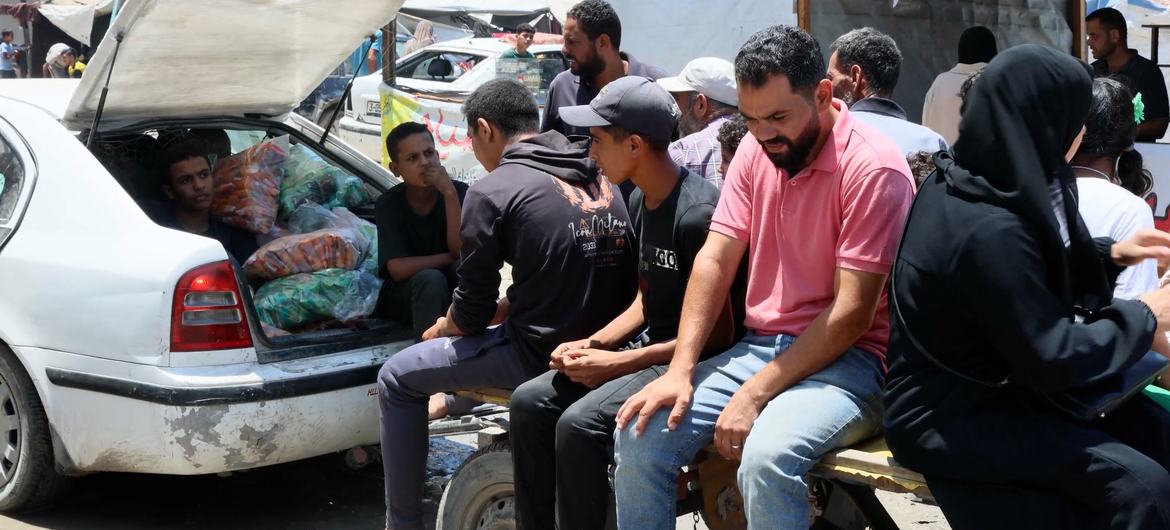
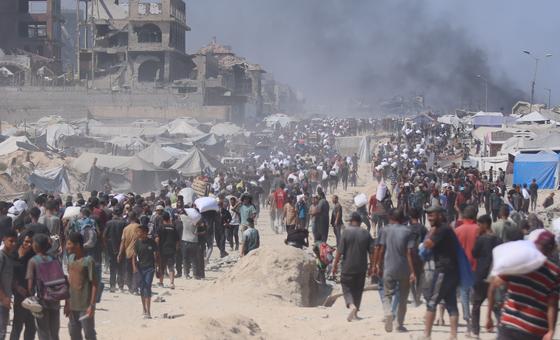
The months-long deprivation of most life-sustaining basic goods has led to a deepening of the crisis.  More than 100 people were killed, and hundreds of others injured, along food convoy routes and near Israeli-militarised distribution hubs in the past two days alone.  

As one in three people currently going days without food, OCHA reiterated that no one should ever be forced to risk their life to get something to eat.  

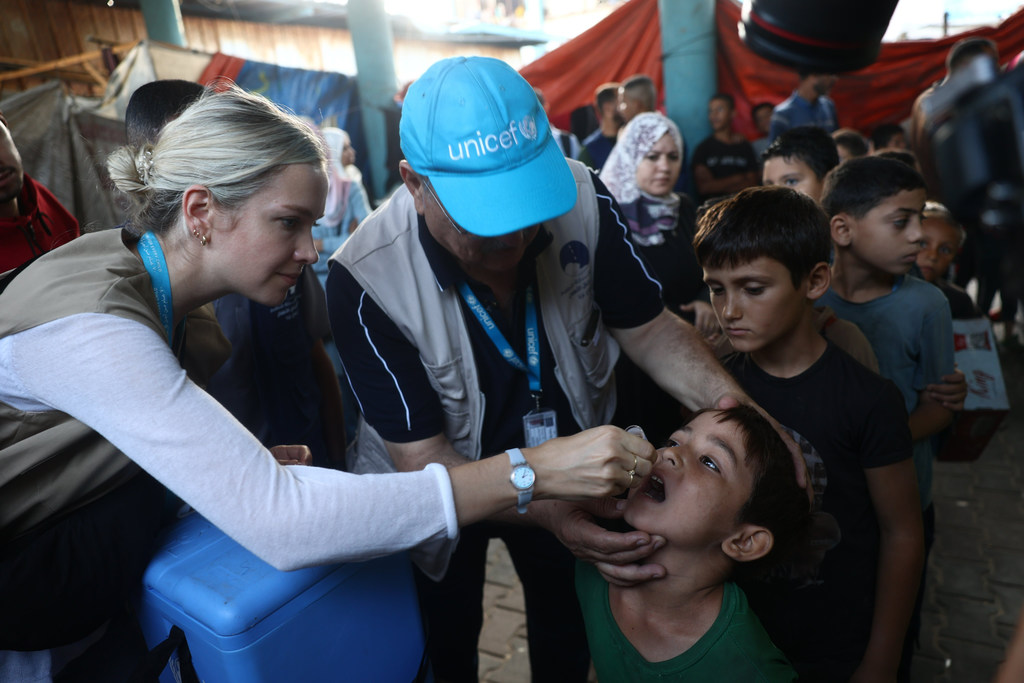
Ted Chaiban, Deputy Director of UN children’s agency UNICEF, who is fresh from a visit to Gaza, noted that “the marks of deep suffering and hunger were visible on the face of families and children.”

He was briefing journalists in New York about his five-day visit in Gaza, the West Bank and Israel. 

Grave risk of famine

“Gaza now faces a grave risk of famine,” he said, briefing journalists in New York about his five-day mission to the enclave, the West Bank and Israel.

“This is something that has been building up, but we now have two indicators that have exceeded the famine threshold.”  

The crisis can only be addressed through unrestricted flow of aid into Gaza, with commercial supplies also allowed to enter to help address people’s needs.  

Nearly a week since the Israeli announcement to allow the scale up of aid and tactical pauses to allow safe passage of UN convoys, OCHA reported that the aid that has entered Gaza so far remains insufficient, while UN convoys continue to face impediments and danger along the routes provided by the Israeli authorities.  

“Civilians must always be protected and community-level aid delivery at scale must be facilitated, not obstructed,” said OCHA.  

Starved, bombed and displaced  

“The children I met are not victims of a natural disaster. They are being starved, bombed, and displaced,” Mr. Chaiban said.  He noted that more than 18,000 boys and girls have been killed since the beginning of the war, “an average of 28 children a day, the size of a classroom, gone.”  

While in Gaza, Mr. Chaiban met with the families of the 10 children killed and 19 injured by an Israeli airstrike as they were queuing for food with their mothers and fathers at a UNICEF-supported nutrition clinic in Deir Al-Balah.  

Discussion with Israeli authorities

Engaging with Israeli authorities in Jerusalem and Tel Aviv, UNICEF “pressed for a review of [Israel’s] military rules of engagement to protect civilians and children,” Mr. Chaiban said.

Simultaneously, UNICEF also called for more humanitarian aid and commercial traffic to come in to stabilise the situation and reduce the desperation of the population.

“Children should not be getting killed waiting in line at a nutrition centre or collecting water, and people should not be so desperate as to have to rush a convoy,” he said.  

“What is happening on the ground is inhumane.” Mr. Chaiban said, hoping for a sustained ceasefire and a political way forward.  


Source link

Gaza: Nearly 1,400 Palestinians killed while seeking food, as UN warns airdrops are no solution

Between 30 and 31 July alone, 105 Palestinians were killed and at least 680 more injured along the convoy routes in the Zikim area in North Gaza, southern Khan Younis, and in the vicinity of the GHF sites in Middle Gaza and Rafah, the office (OHCHR) said in a press release issued on Friday

In total, since 27 May, at least 1,373 Palestinians have been killed while seeking food; 859 in the vicinity of the GHF sites and 514 along the routes of food convoys.

OHCHR noted that most of the killings were committed by the Israeli military, and that while it is aware of the presence of other armed elements in the same areas, it does not have information indicating their involvement in the killings.

“[The office] has no information that these Palestinians were directly participating in hostilities or posed any threat to Israeli security forces or other individuals. Each person killed or injured had been desperately struggling for survival, not only for themselves, but also for their families and dependents,” it said.

Uphold international law

The office emphasized that intentionally directing attacks against civilians not taking direct part in hostilities and intentionally using starvation of civilians as a method of warfare by depriving them of objects indispensable to their survival, including willfully impeding relief supplies, are war crimes.  

“If part of a systematic or widespread attack on the civilian population, these may also constitute crimes against humanity,” OHCHR added, noting that the cumulative impact of these incidents and humanitarian access restrictions.

“Each of these killings must be promptly and independently investigated, and those responsible held to account. Urgent measures must be put in place to prevent recurrence,” it said.

Airdrops not effective

Meanwhile, the UN Relief and Works Agency for Palestine Refugees (UNRWA), underscored the need to open road crossings to supply aid at scale across the Gaza Strip.

“Airdrops are at least 100 times more costly than trucks. Trucks carry twice as much aid as planes,” UNRWA Commissioner-General Philippe Lazzarini said on social media.  

“If there is political will to allow airdrops – which are highly costly, insufficient and inefficient, there should be similar political will to open the road crossings,” he stressed.

Mr. Lazzarini further noted that UNRWA has 6,000 trucks loaded with aid stuck outside Gaza waiting permission to enter.  

During the ceasefire earlier this year, UNRWA and other UN agencies were able to bring in 500 to 600 trucks of aid each day.  

“Aid reached the entire population of Gaza in safety and dignity. It succeeded to reverse the deepening starvation without any aid diversion,” the UNRWA head said.

“Let us go back to what works and let us do our job.” 

Source link

Gaza Strip: Humanitarians warn of worsening famine conditions, attacks on civilians

Of the 154 malnutrition-related deaths since October 2023 (including 89 children) reported by Gazan health authorities, the World Health Organization (WHO) said 63 occurred in July alone.

These deaths follow a steep drop in food consumption: 81 per cent of households reported poor food consumption in July (up from 33 per cent in April), and 24 per cent experienced severe hunger (up from 4 per cent), crossing the famine threshold, according to the humanitarian update issued by the UN Office for the Coordination of Humanitarian Affairs (OCHA) on Wednesday.

Acute malnutrition rates also surpassed famine thresholds in Khan Younis, Deir al Balah and Gaza City.

Given these recent figures, IPC food security experts warned that the worst-case famine scenario is unfolding. However, they added that while the third famine threshold of starvation-related deaths is rising, collecting data remains a challenge. 

UN agencies caution that time is running out for a full-scale humanitarian response. 22 per cent of the analyzed population is facing “catastrophic” level of food insecurity, and a further 54 per cent is at “emergency” level. 

At the same time, less than 15 per cent of essential nutrition services remain functional.

Attacks on civilians

Of the over 60,000 Palestinians reported killed since October 2023, nearly 9,000 died after hostilities reignited in March, and 640 between 23 and 30 July.

Civilian casualties while seeking food are also rising, with 1,239 killed and over 8,152 injured since 27 May.

OCHA further noted that displacement figures since 18 March have surpassed 767,800, though no new evacuation orders were issued by Israeli authorities since 20 July. The 20 July order affecting a humanitarian hub in Deir al Balah has since been rescinded.

Amid ongoing displacement, overcrowding in shelters, lack of privacy and worsening hunger has elevated the risk of gender-based violence (GBV) for women and girls.  

The conditions are especially dire in southern Gaza, where there are no longer any safe shelters for GBV survivors.

Humanitarian measures

Between 23 and 29 July, only 47 per cent of 92 coordinated aid movements were fully facilitated by Israeli authorities. About 16 per cent were denied, 26 per cent impeded after initial approval and 11 per cent withdrawn by organizers.

The Israeli military announced a daily 10-hour pause in military activity, beginning 27 July, in Al Mawasi, Deir al Balah and Gaza City “to increase the scale of humanitarian aid entering Gaza.”

They also announced measures including airdrops of flour, sugar and canned food; the reconnection of the power line from Israel to the southern Gaza desalination plant; the removal of customs barriers on food, medicine, and fuel from Egypt; and the designation of secure routes for UN humanitarian convoys.

However, humanitarian partners warned that airdrops could endanger civilians, lead to unequal distribution and fall short of needs.

Working with limited funding

In addition, lack of sufficient funding is also hampering response efforts.

As of 30 July, only about 21 per cent of the $4 billion requested for the 2025 urgent humanitarian appeal for the region has been secured, leaving critical gaps. 

Source link

With Gaza smouldering, ministers renew push for two-State solution at UN

The High-level International Conference for the Peaceful Settlement of the Question of Palestine and the Implementation of the Two-State Solution took place in New York from 28 to 30 July.

The United States and Israel did not participate.

France and Saudi Arabia, co-chairs of the Conference, called on all UN Member States to support a declaration urging collective action to end the war in Gaza and to achieve a just, peaceful and lasting settlement of the Israeli-Palestinian conflict.

The New York Declaration on the Peaceful Settlement of the Question of Palestine and the Implementation of the Two-State Solution outlines political, humanitarian, and security steps to be taken on a timebound and irreversible basis.

The co-chairs urged countries to endorse the declaration by the end of the 79th session of the General Assembly, in early September, should they so wish.

Act before it is too late

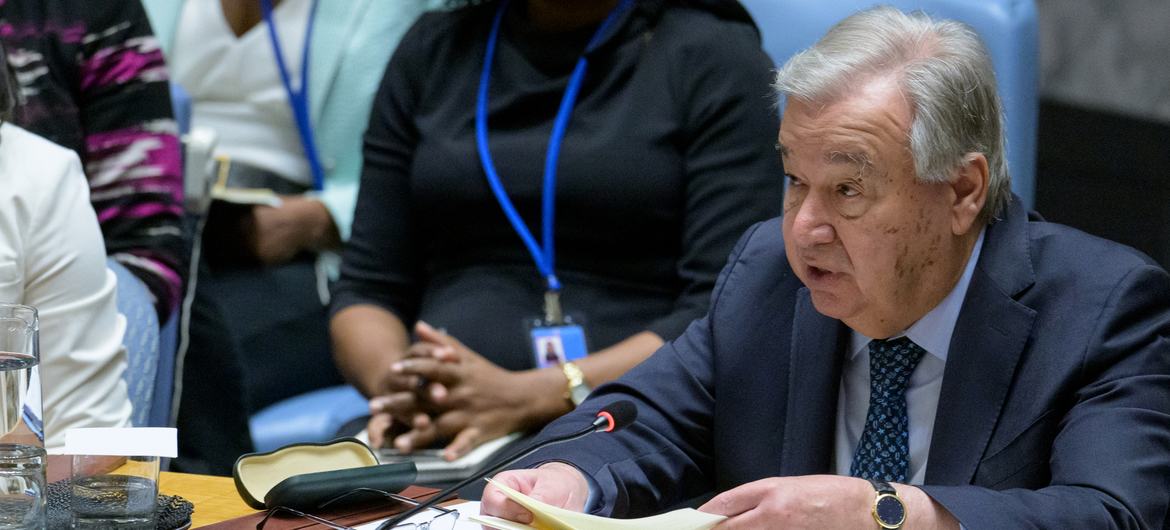
In his stark opening remarks on Monday, Secretary-General Guterres stressed that the two-State solution is the only viable path to ending the longstanding conflict and achieving lasting peace in the region, warning that there is no alternative.

“A one-State reality where Palestinians are denied equal rights and forced to live under perpetual occupation and inequality? A one-State reality where Palestinians are expelled from their land? That is not peace. That is not justice. And that is not acceptable,” he said.

He condemned both Hamas’ 7 October 2023 attacks and the scale of Israel’s military response, reiterating his call for an immediate and permanent ceasefire, the unconditional release of hostages, and unfettered humanitarian access.

“This conflict cannot be managed. It must be resolved,” Mr. Guterres concluded. “We must act before it is too late.”

Secretary-General António Guterres addresses the high-level conference on the peaceful settlement of the question of Palestine and the implementation of the two-State solution.

Calls for peace

Over the three days, more than 125 speakers took the floor during the general debate, including high-level representatives from across the globe and major regional and international organizations such as the Organization of Islamic Cooperation (OIC) and the International Committee of the Red Cross (ICRC).

Delegates underscored the urgency of concrete steps to realise a two-State solution, highlighting the need to empower and reform the Palestinian Authority, reconstruct Gaza and ensure accountability for violations of international law.

France, which co-chaired the Conference, recalled its support for Israel as it joined the community of nations and affirmed that Palestinians deserve the same right to a homeland.

“At a time where the two-State solution is more threatened than ever, France is ready to fully recognise the State of Palestine,” said Jean-Noël Barrot, Minister for Europe and Foreign Affairs. That recognition, he added, would come in September when leaders reconvene for the General Assembly’s 80th session.

Co-chair Saudi Arabia’s Foreign Minister, Faisal bin Farhan al Saud, emphasised the suffering of thousands of civilians in Gaza under bombardment, while Israeli settlements expand in Jerusalem and the West Bank to alter the region’s demographic nature.

“Peace and security do not take place through deprivation of rights or force,” he said, underscoring the need for a genuine and irreversible peace process.

Foreign Secretary David Lammy of the United Kingdom addresses the high-level conference.

The United Kingdom’s Foreign Secretary, David Lammy, outlined recent UK actions – including the suspension of arms exports and sanctions on extremist settlers, and restoring of funding to the UN Relief and Works Agency for Palestine Refugees.

“It is with the hand of history on our shoulders that His Majesty’s Government therefore intends to recognise the State of Palestine when the UN General Assembly gathers in September here in New York,” he declared.

“We will do this unless the Israeli Government acts to end the appalling situation in Gaza, ends its military campaign and commits to a long-term sustainable peace based on a two-State solution.”

Source link

Gaza children starving despite Israeli ‘tactical pauses’, UN says

Speaking at the regular news briefing in New York, UN Deputy Spokesperson Farhan Haq said that even four days into the announced pauses, “we are still seeing casualties among those seeking aid and more deaths due to hunger and malnutrition.”

He added that parents are “struggling to save their starving children” and warned that the current conditions for aid delivery are “far from sufficient”.

The UN Office for the Coordination of Humanitarian Affairs (OCHA) said that while it is using every available window to deliver supplies during the unilateral pauses, the scale of need vastly outpaces what is getting through.

“A permanent ceasefire is needed more than ever,” Mr. Haq said, emphasising that “unilateral tactical pauses alone do not allow for the continuous flow of supplies required to meet immense needs levels in Gaza.”

Access a major hurdle

Access remains one of the biggest hurdles.

Entry through the Kerem Shalom/Karem Abu Salem crossing requires multiple layers of approval from Israeli authorities, including safe passage, cessation of bombardment and the literal opening of locked gates.

“Yesterday, three facilitated missions allowed our staff to collect cargo containing food from the Kerem Shalom and Zikim crossings and allowed for fuel to be transferred within Gaza,” Mr. Haq said.

“However, the others faced impediments, particularly delays in receiving the green light to move by the Israeli authorities, and one had to be cancelled.”

Extreme hunger haunts children

The situation was echoed by Ricardo Pires, UNICEF’s communication manager, who returned from Gaza this week.

“It’s absolutely apocalyptic,” he told UN News. “Children are being injured and killed while trying to get food and aid while suffering from malnutrition and hunger.”

Mr. Pires said that two out of the three criteria for a famine declaration have been met, according to the latest alert by food security experts.

UNICEF and other agencies are also grappling with the collapse of basic infrastructure.

Perfect storm of suffering for children

“We’re at the brink of a man-made drought,” Mr. Pires said, with only 40 per cent of water production functioning and children turning to contaminated sources, risking deadly disease.

“Children are dehydrated. They are reverting to contaminated water, which will make them sick, with deadly diseases or diarrhoea outbreaks and in some cases, even meningitis,” he added.

“It is a complete perfect storm of suffering for children.”

UN News interview with UNICEF Communication Manager Ricardo Pires.

Source link

In Gaza, mounting evidence of famine and widespread starvation

According to the Integrated Food Security Phase Classification (IPC) platform, two out of three famine thresholds for food consumption have been breached across most of Gaza, with acute malnutrition levels in Gaza City confirming aid agencies’ repeated warnings.

“Mounting evidence shows that widespread starvation, malnutrition, and disease are driving a rise in hunger-related deaths,” the IPC assessment maintained.

“It’s clearly a disaster unfolding in front of our eyes, in front of our television screens,” said Ross Smith, UN World Food Programme (WFP) Director of Emergencies. “This is not a warning, this is a call to action. This is unlike anything we have seen in this century,” he told journalists in Geneva.

No food – for days

The context to the alert is stark: one in three people is now going without food for days at a time, the IPC said. Hospitals are also overwhelmed and have treated more than 20,000 children for acute malnutrition since April. At least 16 children under five have died from hunger-related causes since mid-July.

The alert follows a May 2025 IPC analysis that projected catastrophic levels of food insecurity for the entire population by September. According to the platform’s experts, at least half a million people are expected to be in IPC Phase 5 – catastrophe – which is marked by starvation, destitution, and death.

The crisis is driven by nearly two years of conflict sparked by Hamas-led terror attacks in Israel in October 2023 that left some 1,250 dead and around 450 people taken hostage Heavy fighting has killed more than 59,500 people according to the enclave’s health authorities and destroyed 70 per cent of Gaza’s infrastructure. Echoing aid agencies’ longstanding concerns for non-combatants, the IPC assessment confirmed that displacement is rampant, with safe areas reduced to less than 12 per cent of the entire territory.

Ceasefire now

Gaza has a population of some 2.1 million people and 90 per cent have been displaced, many of them multiple times over. More than 762,500 displacements have been recorded since the end of the ceasefire on 18 March.

Meanwhile, humanitarian access remains severely restricted, with aid convoys frequently obstructed or looted. On Sunday, Israel announced that it would begin daily humanitarian pauses in Gaza. More than 100 trucks of aid reportedly entered on Sunday, but the UN continues to uphold the need to flood Gaza with food, fuel and medicine.

In line with international calls for an end to the war, the IPC platform also calls for an unconditional and immediate ceasefire, unimpeded humanitarian access and the restoration of essential services. Widespread death is imminent without urgent intervention, the report warns.

The food security experts also appealed for the protection of civilians, humanitarian personnel and critical infrastructure including health, water, sanitation, roads and telecommunications networks.

Key Points

Famine is confirmed if all three core thresholds are breached: plummeting food consumption, acute malnutrition and starvation-related deaths. It is extremely difficult to gather robust data on acute malnutrition and related deaths because health systems are “collapsing”, UN agencies WFP and the UN Children’s Fund explained in a joint alert.

Children at risk: More than 20,000 treated for acute malnutrition; 16 deaths reported.

Infrastructure collapse: 70 per cent of Gaza’s infrastructure destroyed.

Displacement crisis: Safe zones now cover less than 12 per cent of the Strip.

For more details on the IPC and its work tracking hunger and famine conditions follow this link:

https://news.un.org/en/story/2024/03/1147661


Source link

While Gaza ceasefire remains elusive, UN readies for Conference around Israel-Palestine two-State solution

“It’s not a peace conference,” Bob Rae, Canada’s Ambassador to the UN, told UN News ahead of the event, mandated by the General Assembly, in which his country will play a leading role.

“It’s a way of trying to maintain the debate and get beyond the sticking points to the solutions. We hope there’ll be some listening, and we hope there’ll be some learning on the basis of what we hear.”

Mr. Rae’s caution reflects the high levels of uncertainty and concern surrounding the two-State solution. Neither one of the two parties to the conflict will be taking part, and the United States, a strong backer of Israel, is not expected to participate.

In an address to the Security Council in April, UN Secretary-General António Guterres warned that the process is “at risk of vanishing altogether.” Political will to achieve the goal, he said, “feels more distant than ever.”

However, in an exchange with the press on 5 June Mr. Guterres also said, “And for those that doubt about the two-state solution, I ask: What is the alternative? Is it a one-State solution in which either the Palestinians are expelled, or the Palestinians will be forced to live in their land without rights?” 

He reminded that it was “the duty of the international community to keep the two-state solution alive and then to materialize the conditions to make it happen.”

The Canadian Ambassador said that, whilst the organisers of the event continue to urge Israel and Palestine to engage with the conference, they understand the difficult situation they both find themselves in. “Many citizens [of Israel] are still being held as hostages by Hamas. They’ve suffered this tremendous attack, the worst attack on the Jewish population anywhere in the world since 1940. And now we’re having to deal with the outcome of that which has been the war in Gaza, which is hugely traumatic for the Palestinians and for many members of the Arab community.”

Making a difference on the ground

The conference, held in the Trusteeship Council at UN Headquarters in New York, was convened as a result of the adoption of a General Assembly Resolution (Resolution ES-10/22) in 2024. In a concept note released ahead of the event, the two nations declared that international consensus on the two-State solution “still enjoys near-universal support,” and that it is “clearly the only way to satisfy the legitimate aspirations, in accordance with international law, of both Israelis and Palestinians…and create the conditions for regional peace and stability.”

In a swipe at the failure of previous efforts to bring about peace, the statement declares that “the aim of this international conference would not be to ‘revive’ or to ‘relaunch’ another endless process, but to implement, once and for all, the two-State solution.”

In a preparatory meeting for the conference held at the UN in May, Anne-Claire Legendre, Middle East and North Africa advisor to French President Emmanuel Macron, said that “ the prospects of a Palestinian State must be maintained. Irreversible steps and concrete measures for the implementation thereof are necessary,” and called for a lasting ceasefire, an immediate influx of humanitarian aid and the release of hostages.

Her counterpart, Manal bint Hassan Radwan, head of the Saudi Arabian negotiating team, added that  efforts to end fighting and secure release of hostages and detainees must be “anchored in a credible and irreversible political plan that addresses the root cause of the conflict and offers a real path to peace, dignity and mutual security.”

“There has to be the basis for a broader political solution. It’s not just about saying there’s going to be a ceasefire and that will solve the problem. How do we reconstruct Gaza? How do we change the governance of Gaza? How do we approach the West Bank? How do we deal with issues which have long been the source of a lack of agreement between the parties? Let’s not forget that there has been one really successful negotiation, which was based on the 1993 Oslo Accords, and since that time we have not had a lot of substantive agreements. We’ve got to try to find a way to create a framework for actual discussion.”

Source link

Amid starvation in Gaza, Sudan, Guterres slams hunger ‘as a weapon of war’

The development comes as UN Secretary-General António Guterres cautioned that conflict-driven hunger is spreading “from Gaza to Sudan and beyond”.

“Hunger fuels instability and undermines peace. We must never accept hunger as a weapon of war,” he said in a video message to the UN Food Systems Summit Stocktake in Addis Ababa. 

Meanwhile, citing reports Monday that “more children died today of hunger”, the UN agency for Palestinian refugees, UNRWA, said that it hoped to receive permission to bring in thousands of trucks loaded with food, medicine and hygiene supplies that Israel has blocked from entering Gaza for months.

“They are currently in Jordan and Egypt waiting for the green light,” the UN agency explained, adding that “at least 500/600 trucks” are needed every day to prevent more people from starving. More than 100 people have now starved to death in Gaza, UNRWA said, while local health authority reports indicate more than 40 deaths from malnutrition this month alone.

“Opening all the crossings and flooding Gaza with assistance is the only way to avert further deepening of starvation among the people of Gaza,” the UN agency maintained.

Humanitarian pauses

Its comments follow a major policy shift over the weekend when the Israeli army announced the establishment of a daily humanitarian pause from 10am to 8pm local time, in areas where its troops are not active. Child malnutrition has been on the rise in Gaza, particularly since 2 March when Israel imposed a near-total blockade, UNWRA has said.

According to a map supplied by the Israeli authorities, the humanitarian pause applies to a thin strip of Gaza encompassing Al-Mawasi in the southwest, Deir Al-Balah in the centre and Gaza City in the north. 

On Sunday, a convoy of more than 100 trucks carrying aid supplies reportedly entered the Strip via the Kerem Shalom border crossing in the south.

Aid desperatedly needed

While welcoming that development, the UN aid coordination office, OCHA, highlighted the staggering scale of needs on the ground in Gaza. 

One in three people “hasn’t eaten for days”, insisted Tom Fletcher, UN Emergency Relief Chief and head of OCHA. “People are being shot just trying to get food to feed their families. Children are wasting away. This is what we face on the ground right now.”

In his statement, Mr. Fletcher acknowledged “progress” on the aid front, but stressed that “vast amounts of aid are needed to stave off famine and a catastrophic health crisis”. He said that UN agencies and the humanitarian community remain mobilized “to save as many lives as we can”. 

In addition to Israel’s temporary boost for increased aid in Gaza, customs restrictions on food, medicine and fuel from Egypt have reportedly been lifted. Secure routes for UN humanitarian convoys have also been designated.

“We need sustained action, and fast, including quicker clearances for convoys going to the crossing and dispatching into Gaza,” Mr. Fletcher said, underscoring the need for “multiple trips per day to the crossings so we and our partners can pick up the cargo; safe routes that avoid crowded areas; and no more attacks on people gathering for food”. 

Meeting on two-State solution

Meanwhile in New York, France and Saudi Arabia on Monday launched a new diplomatic initiative to push for a two-State solution between Israel and the Palestinian people. 

The three-day conference begins as President Emmanuel Macron announced that France will formally recognize Palestine in September, the first of the G7 nations to do so.

A UN General Assembly resolution from 1947 established the partition of Palestine – then under British mandate – into two independent states, one Jewish and the other Arab. The State of Israel was declared in 1948. 

UN warns of ‘catastrophic hunger’ in Gaza as Israel announces humanitarian pauses

But as starvation tightens its grip and “children are dying before our eyes,” UN officials and aid workers warn that the measures fall far short of the much-needed ceasefire and unfettered aid access that could help stem the spiralling humanitarian catastrophe.

“Welcome announcement of humanitarian pauses in Gaza to allow our aid through,” UN Emergency Relief Coordinator Tom Fletcher said on X. “In contact with our teams on the ground who will do all we can to reach as many starving people as we can in this window.”

Also reacting via the platform, UNICEF said: “This is an opportunity to begin to reverse this catastrophe and save lives.”

According to the agency, since the collapse of the ceasefire between Israel and Hamas in March, children have been trapped in a nightmare and deprived of the basics to survive.

“The entire population of over two million people in Gaza is severely food insecure. One out of every three people has not eaten for days, and 80 per cent of all reported deaths by starvation are children,” the agency continued.

UNICEF emphasized that while it has never stopped delivering, “we can do a lot more if additional designated humanitarian corridors are created to facilitate the movement of our convoys – as well as commercial trucks, which are essential.”

‘A lifeline – if upheld and expanded’

The UN World Food Programme (WFP) also welcomed Israel’s announcement and its intent to open designated corridors for aid convoys in Gaza, “where hunger has reached catastrophic levels.”

With nearly half a million people facing famine-like conditions and a third of the population going days without food, WFP said in a press statement that the measures could offer a lifeline – if upheld and expanded.

Despite recent deliveries, including 350 truckloads last week, aid workers continue to face extreme risks and logistical hurdles. WFP said it has enough food stockpiled or en route to feed Gaza’s 2.1 million residents for three months, but without a ceasefire and consistent access, the scale of need far outpaces current efforts.

“An agreed ceasefire is the only way to reach everyone,” the agency stressed, calling for predictable and safe conditions to prevent further loss of life.

‘An entirely preventable crisis’

At the same time, the UN World Health Organization (WHO) warned that malnutrition in Gaza is spiralling out of control, with a sharp rise in deaths – most of them in July – marking what it calls a “dangerous trajectory.”

Of the 74 malnutrition-related deaths recorded this year, 63 occurred this month alone, including 24 children under five. Many died before reaching medical care, their bodies showing signs of severe wasting.

“This crisis is entirely preventable,” WHO said in a press release, citing the deliberate obstruction of aid for the mounting toll.

Children are bearing the brunt. Over 5,000 children have already been treated for malnutrition in July, many with the most life-threatening form. But Gaza’s four specialized treatment centers are overwhelmed, running low on fuel and supplies, and staffed by exhausted health workers.

“The health system is on the brink,” WHO warned, as disease spreads rapidly through communities with no clean water or sanitation.

The crisis is also devastating pregnant and breastfeeding women, over 40 per cent of whom are now severely malnourished. And it’s not just hunger that’s killing people—it’s the desperate search for food, according to WHO.

Since late May, more than 1,000 people have been killed and over 7,000 injured while trying to access aid. WHO is calling for an immediate ceasefire and a sustained surge of diverse, nutritious food and medical supplies.

“This flow must remain consistent and unhindered,” the agency said, urging protection for civilians, health workers, and humanitarian operations.

‘The world will judge this conference’

Looking ahead to the High-Level Conference on Palestine set to open on Monday at UN Headquarters in New York, the UN High Commissioner for Human Rights issued a strong call for immediate action to end Israel’s unlawful occupation and the ongoing devastation in Gaza.

“Countries that fail to use their leverage may be complicit in international crimes,” Volker Türk warned in a statement, urging governments to seize the moment for concrete measures that pressure Israel to halt the carnage and recommit to a two-state solution.

The UN rights chief described Gaza as a “dystopian landscape of deadly attacks and total destruction,” where children are starving and families are being killed in their search for food. The militarized aid distribution system, supported by the US and Israel, is failing to meet the scale of need.

“We can never forget that more than 300 of our own colleagues have been killed,” he added.

Moreover, in the occupied West Bank, violence by Israeli forces and settlers continues unabated, with homes demolished and water supplies cut off.

Mr. Türk reiterated condemnation of the 7 October attacks by Hamas but emphasized that the scale of suffering inflicted on Palestinians since then cannot be justified.

Calling for an immediate, permanent ceasefire, the release of hostages and detainees, and a massive surge in humanitarian aid, he concluded:

“The people of the world will judge this Conference on what it delivers.”

Source link

Gaza: More deaths reported as starvation spreads

In an update on Friday, OCHA said that the starvation crisis is deepening across the enclave, with the local health authorities announcing that two more people had died from starvation the previous day.

Hunger and malnutrition increase the risk of illnesses that weaken the immune system, particularly among women, children, older people and persons with disabilities or chronic diseases, with deadly consequences. 

Food scarcity also impacts pregnant and breastfeeding women, increasing the risk of their babies being born with health complications and affecting mothers’ ability to breastfeed. 

Aid constrictions

The small trickle of supplies making it into the Strip is nowhere near adequate to address the immense needs as Israeli authorities continue to impose constraints on humanitarians and hamper their response. 

Out of 15 attempts to coordinate humanitarian movements inside Gaza on Thursday, four were outright denied, three were impeded, one was postponed and two others had to be cancelled by the organisers, with only five missions facilitated.

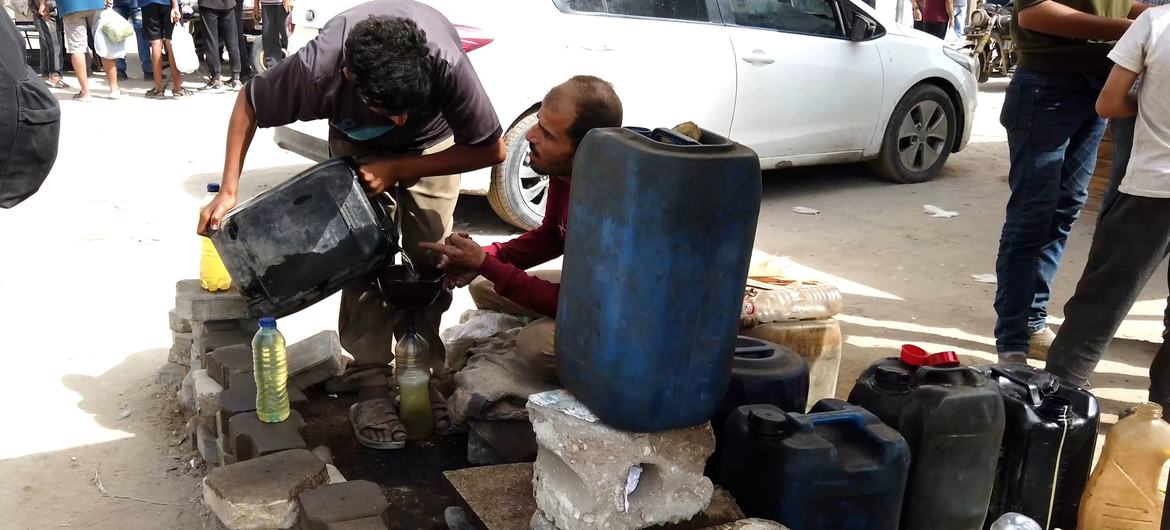
Even though the limited amount of fuel received yesterday was fully allocated to community kitchens, healthcare and water and sanitation facilities, the fuel shortage continues as the quantities entering Gaza remain insufficient to maintain essential facilities.

UN preparations

Despite severe constraints, UN teams are prepared to ramp up aid delivery and address these severe needs as soon as they are allowed to do so. 

For the UN to accelerate the delivery of food aid, health services, clean water and waste management, nutrition supplies and shelter materials, Israel must open its crossings, allow fuel and equipment in and permit humanitarian staff to operate safely.

The Under-Secretary-General for Humanitarian Affairs, Tom Fletcher, said in a social media post on Thursday that “we must save as many lives as we can – and we have a plan.” 

The plan he shared with Member States outlines the necessary steps to stop the horror and alleviate constraints on humanitarian operations. 

Mr. Fletcher has also written to the head of the Gaza Humanitarian Foundation (GHF), the aid distribution model backed by Israel and the United States, reiterating that the UN is ready to engage with any partner to provide desperately needed humanitarian aid to Gaza.

He stressed that any such partnership must adhere to the globally accepted principles of humanity, impartiality neutrality and independence, with aid going where needs are greatest and without discrimination and that humanitarians answer to civilians in need, not the warring parties. 

Mr. Fletcher also said that he welcomes dialogue on how to reach as many people as possible to alleviate suffering without causing harm. 

In hard-hitting human rights address, Guterres calls for urgent action on Gaza, authoritarianism and climate justice

Recalling his own experience living under dictatorship in Portugal, Mr. Guterres told participants at the Global Assembly of the international rights charity Amnesty International on Friday that the fight for human rights is “more important than ever”.

He called on States to uphold international law and defend human rights “consistently and universally, even or especially when inconvenient”, urging collective action to restore global trust, dignity and justice.

‘A moral crisis’

Mr. Guterres painted a stark picture of a world in turmoil, citing multiple ongoing crises, foremost among them, the war in Gaza.

While reiterating his condemnation of the 7 October 2023 terror attacks by Hamas and other Palestinian armed groups in Israel, the Secretary-General said that “nothing can justify the explosion of death and destruction since”.

The scale and scope is beyond anything we have seen in recent times,” he said.

I cannot explain the level of indifference and inaction we see by too many in the international community. The lack of compassion. The lack of truth. The lack of humanity.

Key takeaways from the address

  • Gaza – “A moral crisis that challenges the global conscience”
  • Ukraine – Call for a “just and lasting peace” based on the UN Charter, international law and resolutions
  • Authoritarianism – A “global contagion”, with political repression, attacks on minorities and shrinking civic space
  • Climate justice – Bold action needed to cut emissions; clean energy transition must uphold human rights
  • Digital threats – Concern over algorithmic spread of hate and falsehoods; manipulation via social media
  • Call to action – “Human rights are the solution, foundation of peace and engine of progress”

UN staff ‘neither dead nor alive’

He described UN staff in Gaza as working in “unimaginable conditions”, many of them so depleted they “say they feel neither dead nor alive”.

Since late May, he noted, more than 1,000 Palestinians have been killed trying to access food – not in combat, but “in desperation – while the entire population starves”.

This is not just a humanitarian crisis. It is a moral crisis that challenges the global conscience.

Ready to scale up aid

Mr. Guterres said the UN stands ready to dramatically scale up humanitarian operations “as we successfully did during the previous pause in fighting”, but called for an “immediate and permanent ceasefire”, the unconditional release of all hostages and full humanitarian access.

“At the same time, we need urgent, concrete and irreversible steps towards a two-State solution,” he stressed.

He also spoke about other conflicts, including Sudan as well as Russia’s invasion of Ukraine, where he called for a “just and lasting peace” based on the UN Charter, international law and relevant UN resolutions.

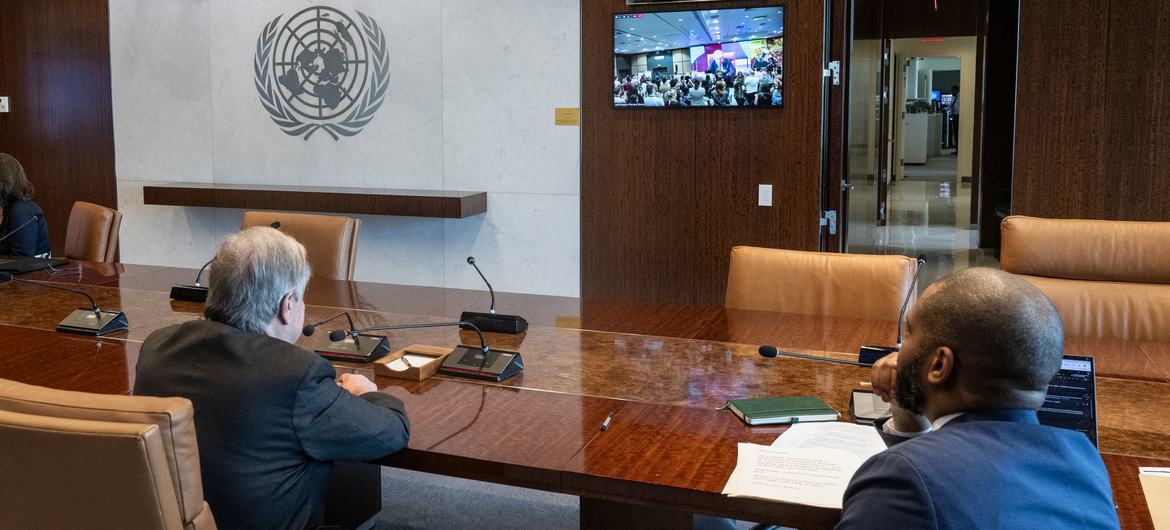
Secretary-General Guterres (left) addresses Amnesty International’s Global Assembly via video link.

Rising authoritarianism

The Secretary-General warned that authoritarian tactics are on the rise globally.

We are witnessing a surge in repressive tactics aiming at corroding respect for human rights,” he said. “And these are contaminating some democracies.

Political opposition movements are being crushed, accountability mechanisms dismantled, journalists and activists silenced, civic space strangled and minorities scapegoated.

Rights of women and girls in particular are being rolled back, most starkly, he said, in Afghanistan.

“This is not a series of isolated events. It is a global contagion.”

Weaponization of technology

He decried the growing weaponization of digital platforms, saying algorithms are “boosting the worst of humanity, rewarding falsehoods, fuelling racism and misogyny and deepening division”.

He called on governments to uphold the Global Digital Compact adopted by countries at the UN General Assembly last September and to take stronger action to combat online hate and disinformation.

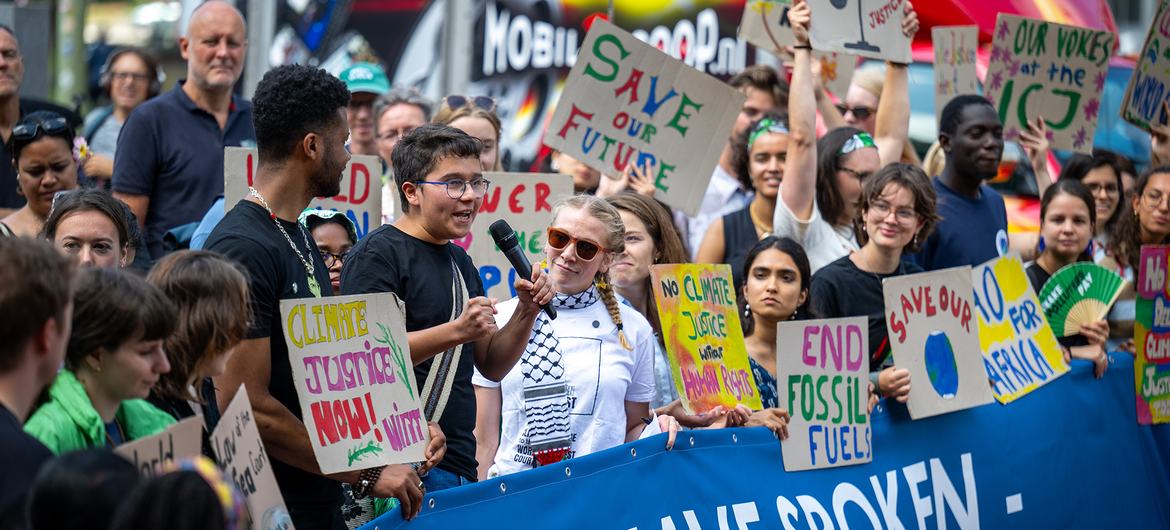
© ICJ-CIJ/Frank van Beek

Activists outside the International Court of Justice (ICJ) in The Hague as the Court delivers its advisory opinion on the obligations of States in respect of climate change.

Climate justice is human rights

Turning to climate, Mr. Guterres described the environmental emergency as a “human rights catastrophe”, with the poorest and most vulnerable communities suffering most.

He welcomed the International Court of Justice (ICJ)’s advisory opinion this week, affirming that climate change is a human rights issue and that States have obligations under international law to protect the global climate system.

But, he cautioned against a transition to clean energy that sacrifices human rights.

“We cannot accept a clean energy future built on dirty practices…We cannot accept enormous violations of human rights, many of them against children, in the name of climate progress.”

He called for urgent emissions cuts, a just transition away from fossil fuels and real financing for developing countries to adapt, build resilience and recover from loss and damage.

A legacy of activism

The Secretary-General concluded by praising Amnesty International’s decades of activism, calling its work “indispensable” to the global human rights movement.

When you stand for human rights, you stand with what is right,” he told delegates.

“Your courage continues to change lives. Your persistence is shifting the course of history. Let’s keep going. Let’s meet this moment with the urgency it demands. And let’s never, ever give up.

Founded in 1961, Amnesty International is a global human rights movement that campaigns to end abuses and promote justice. The organization has long worked in collaboration with the United Nations, participating actively in the development of international human rights law and mechanisms.

Today’s speech by Mr. Guterres is first-ever address by a UN Secretary-General to Amnesty International’s Global Assembly, the charity’s highest decision-making body. The UN chief spoke via a video link to the event in Prague.

Source link

Gaza First Person: ‘The best of humankind in a place abandoned by humanity’

Sonia Silva has been working in the embattled enclave since the beginning of November 2023, just one-month after the terror attack by Hamas and other armed groups in southern Israel that sparked the brutal conflict.

She spoke to UN News about the misery people have experienced in recent days.

“In my one year and eight months in Gaza, this past week has been by far the worst. The only comparable experience was the Rafah incursion in May 2024, when the border was closed, but this week has been significantly more intense.

I live in UNICEF accommodation in Deir Al-Balah, a city in central Gaza.

Sonia Silva, UNICEF Head of Office in Gaza.

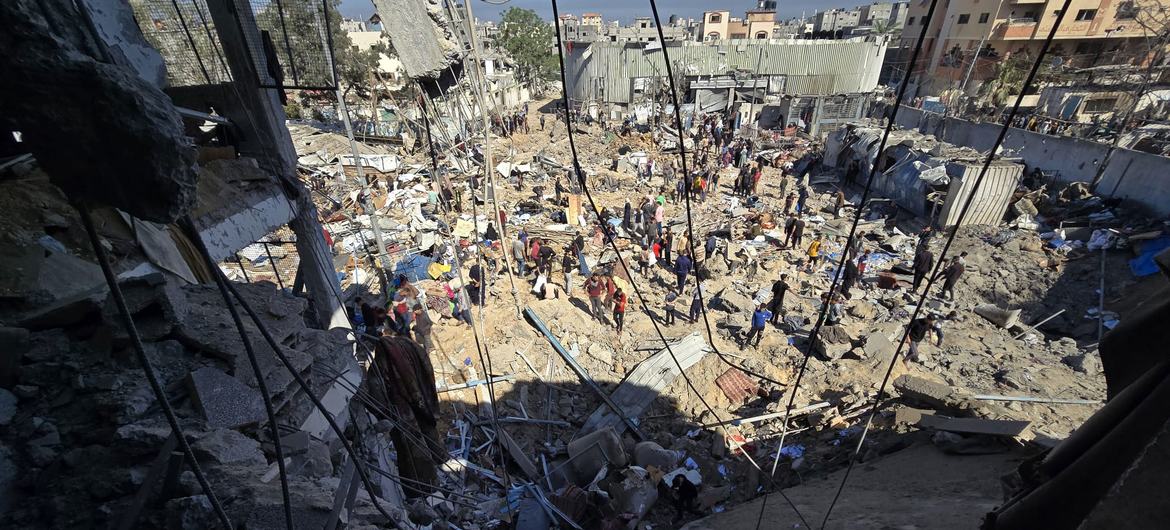
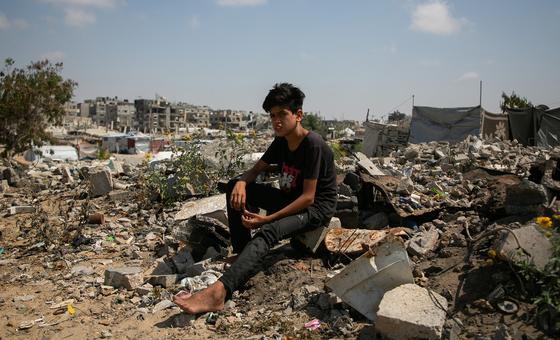
When you drive from south to north in the Gaza Strip, it looks as if there has just been a major natural disaster. The level of destruction has reached an unprecedented scale, devastating civilian infrastructure and entire neighborhoods.

Buildings are no longer standing. People are living in destroyed houses, tents and on the streets.

Seeing humanity in this condition is scary and fills me with a sense of doom and fear.

Terrifying offensive

Deir Al-Balah is or had been different.

It’s one of the few places in the Gaza Strip where urban infrastructure remains. It has been somewhat spared, compared to other areas.

That is until last Sunday evening, when a terrifying offensive was unleashed on Deir Al-Balah.

I have yet to see the level of destruction over the last few days, but reports indicate it is significant.

A building was destroyed by a rocket blast only 100 metres from where I normally sleep.

But, for 72 hours my colleagues and I barely slept. The explosions and gunfire were incessant.

It is stronger than you.

Your body knows something is wrong and is in an upper state of alertness.

I was not scared, but I was deeply concerned about my national colleagues who were very close to the crossfire and who were trying to comfort young children.

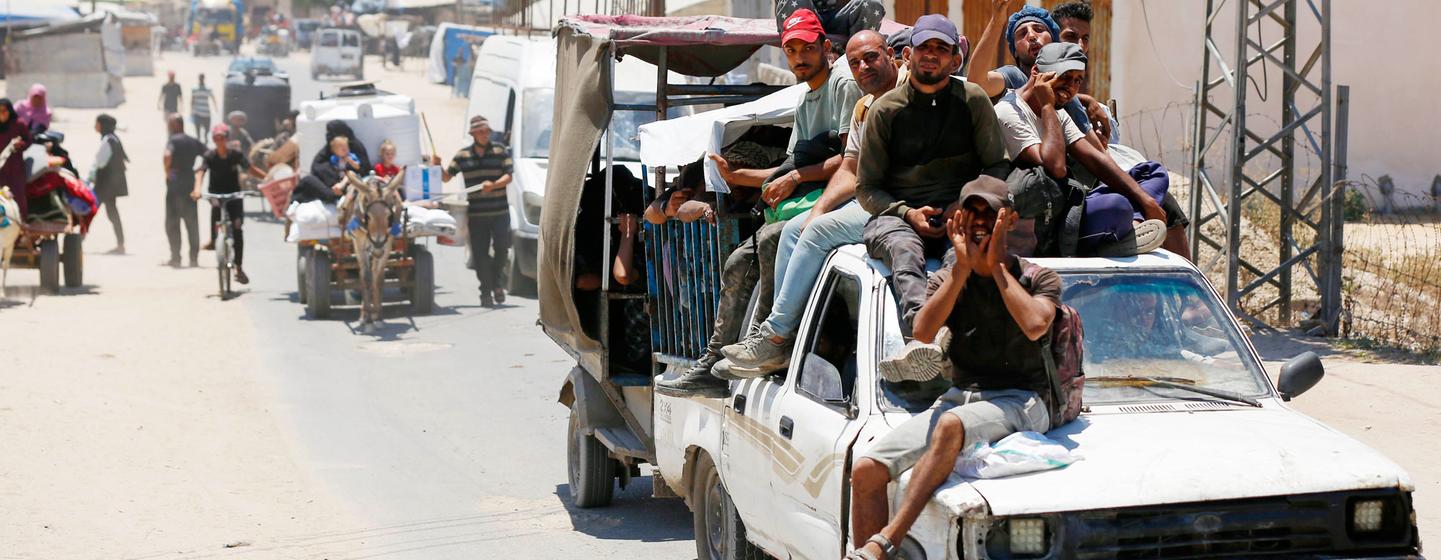
Families evacuate from Deir Al-Balah in the Gaza Strip

I am fortunate because I am an international civil servant and am entitled to a break. Every 4 to 6 weeks, I get to leave, I get to rest, I get to recharge my batteries.

But, not my Palestinian colleagues and their families, who have lived through this for more than 21 months, who have lost everything, their loved ones and belongings.

They don’t get to switch off.

UNICEF staff vaccinate children against polio in September 2024.

The ongoing shortages of food are making things worse. It affects the entire population, including our frontline partners, our national colleagues and all the supporting staff.

What has struck me most about Gaza is that despite the hardship, colleagues keep going, colleagues keep teasing each other, colleagues who have lost everything show the utmost generosity and solidarity.

I would like to pay tribute to all of my colleagues and our partners who are hanging on to fragments of hope for a better life but still keep essential services running.

They are the best of humankind in a place abandoned by humanity.”

Source link

‘Famine silently begins to unfold’ in Gaza, UNRWA chief says

Philippe Lazzarini, Commissioner-General for the UN Relief and Works Agency for Palestinian Refugees (UNRWA), said that is what one of its workers told him on Thursday morning.  

This sobering comment comes amidst increasingly severe malnutrition for children and adults throughout the Gaza Strip.  

“When child malnutrition surges, coping mechanisms fail, access to food and care disappears, famine silently begins to unfold,” Mr. Lazzarini said in a tweet.   

Bombs are not the only thing that kills

Gaza has faced relentless bombardment for almost three years, but Tedros Adhanom Ghebreyesus, Director-General of the World Health Organization (WHO), said at a briefing on Wednesday that it is not just the bombs which are killing Palestinians.  

Starvation is “another killer”.

Reportedly at least 100 people have died from hunger, and WHO has documented at least 21 cases of children under the age of five dying from malnutrition.  

Additionally, Mr. Lazzarini said one in five children in Gaza City is malnourished, a number increasing every day that unhindered humanitarian aid is denied. He said these children urgently need treatment, but supplies remain low.  

Between early March and mid-May – 80 consecutive days – no aid was allowed into the Gaza Strip, pushing the population to the brink of famine. While minimal aid has since entered, Tedros emphasised that it is not enough.  

“Food deliveries have resumed intermittently, but remain far below what is needed for the survival of the population,” he said. 

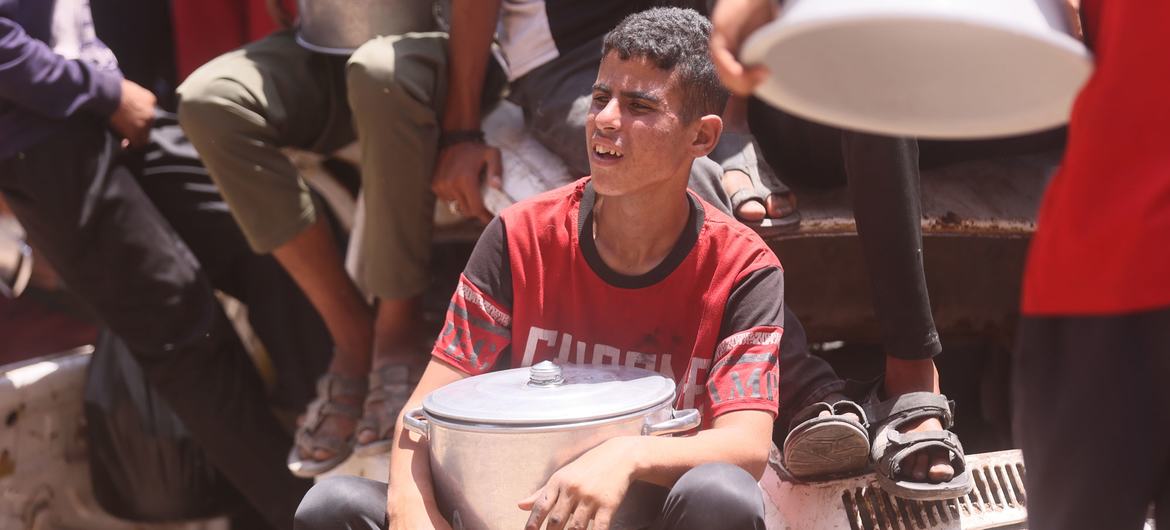
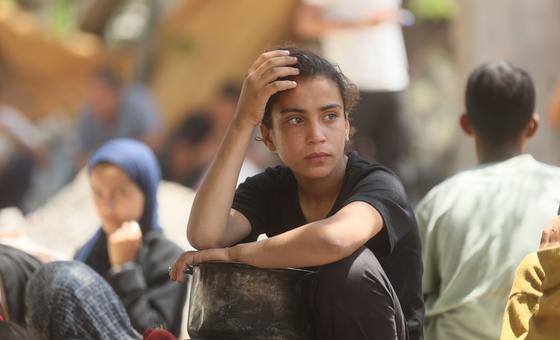
A boy in Gaza waits for food.

Safe havens are no longer safe

Tedros reported that between 27 May and 21 July, over 1,000 people in Gaza have been killed while trying to access food.  

Many of these have died in or around sites operated by the Gaza Humanitarian Foundation (GHF), an American-run and Israeli-backed aid distribution organization which the UN has repeatedly said violates well-established principles of international humanitarian law.

“Parents tell us their children cry themselves to sleep from hunger. Food distribution sites have become places of violence,” Tedros said.  

In addition to risking their lives when seeking out desperately needed humanitarian assistance, hospitals – which have been systematically targeted, according to UNFPA – are no longer safe havens.  

“Hospitals, which are supposed to be safe havens, have regularly been attacked, and many are no longer functioning,” Tedros said.  

He recalled that on Monday, a WHO staff residence, a humanitarian site, was attacked, with male personnel being stripped and interrogated, women and children forced to flee on foot in the midst of violence and one WHO staff member detained. 

“Despite this, WHO and other UN agencies are staying in Gaza. Our commitment is firm. UN agencies must be protected while operating in conflict zones,”  Tedros said.  

An UNRWA school turned shelter in Al Bureij, Gaza, lies in ruins following a missile attack in May 2025.

Frontline workers face hunger

In addition to the Palestinians in Gaza who are “emaciated, weak and at high risk of dying”, aid workers are also feeling the effects of the sustained lack of supplies.

Most UNRWA workers are surviving on a meagre bowl of lentils each day, Mr. Lazzarini said, leading many of them to faint from hunger at work.  

“When caretakers cannot find enough to eat, the entire humanitarian system is collapsing,” he said.  

Some parents are too hungry to care for their children, and even those who do reach clinics for treatment are often too tired to follow the advice provided.  

Mr. Lazzarini noted that UNRWA alone has 6,000 trucks of desperately needed food and medical supplies in Jordan and Egypt. He called for this and other aid to be immediately let through.

“Families are no longer coping. They are breaking down, unable to survive. Their existence is threatened,” he said.  “Allow humanitarian partners to bring unrestricted and uninterrupted humanitarian assistance to Gaza.” 

Source link

Global collaboration grows to address crises in Gaza, Sudan, Afghanistan

Briefing the Security Council on Thursday, Khaled Khiari, Assistant Secretary-General for the Middle East, said the OIC remains an “indispensable” partner in efforts to promote peace, uphold international law and deliver durable political solutions in a range of crisis contexts.

Headquartered in Jeddah, Saudi Arabia, the OIC has 57 member states and five observers, representing significant political, economic cultural and religious constituency.

Its voice carries considerable weight in some of the world’s conflict-affected situations,” Mr. Khiari said.

The UN values this partnership, not only as a matter of institutional cooperation, but as an essential component of our efforts to promote durable peace, inclusive governance and respect for international and human rights law.

He emphasized that the cooperation aligns with Chapter VIII of the UN Charter, which encourages partnerships with regional organizations in maintaining peace and security, and with the Pact for the Future – adopted by Member States last September to revitalize multilateralism and tackle global challenges through collective action.

Helping resolve crises

Mr. Khiari outlined joint UN-OIC work in Gaza, including the recent endorsement by the bloc and the League of Arab States of a recovery and reconstruction plan, as well as collaboration on the question of Jerusalem through an annual conference held in Dakar, Senegal.

In Sudan, where over two years of war have brought devastating humanitarian consequences, he welcomed the OIC’s backing for international mediation, including support for the UN Secretary-General’s Personal Envoy, Ramtane Lamamra.

Turning to Afghanistan, Mr. Khiari praised the OIC’s role in the UN-led “Doha Process,” noting its continued engagement with the Taliban de facto authorities and advocacy for the rights of Afghan women and girls – an area where the OIC’s moral and religious standing carries particular influence.

On Myanmar, the OIC remains an essential voice in global efforts to ensure a safe, dignified and voluntary return of the Rohingya to Rakhine state. He noted sustained coordination between the UN Secretary-General’s Special Envoy and the OIC in pushing for accountability and citizenship rights.

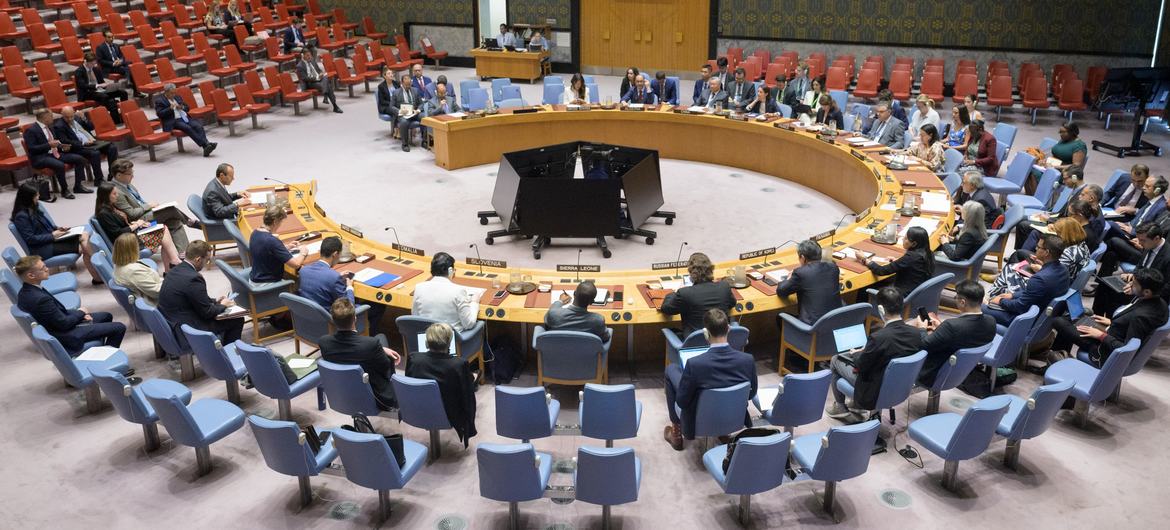
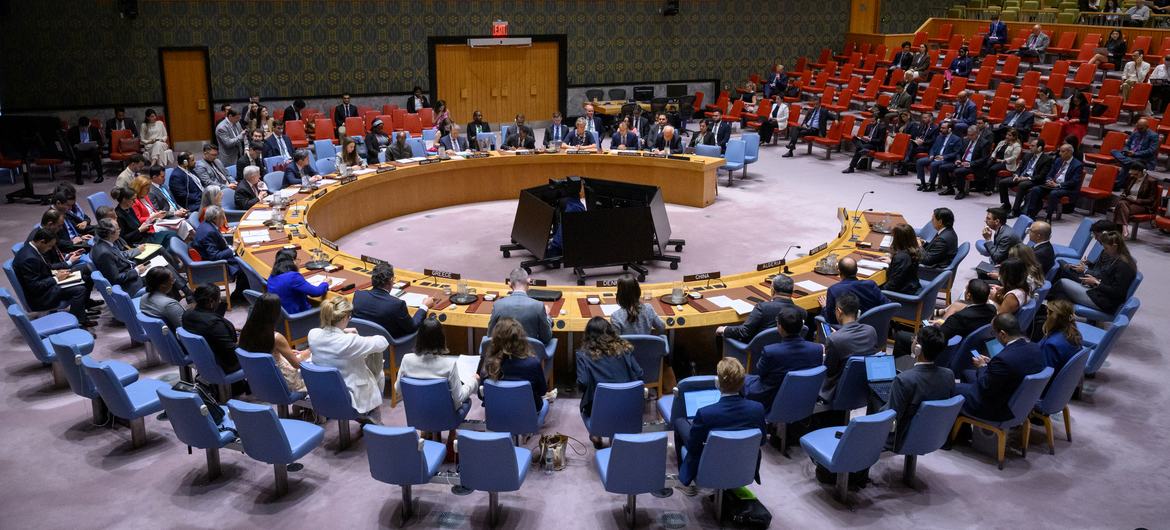
A wideview of the Security Council as ASG Khaled Khiari briefs members about cooperation between the UN and the Organisation of Islamic Cooperation.

Cooperation on global issues

Assistant Secretary-General Khiari also highlighted the growing collaboration between the two organizations on elections, including training on observation and women’s political participation. A new staff exchange programme is also helping to strengthen institutional ties.

He acknowledged the OIC’s leadership in countering Islamophobia and all forms of religious intolerance, an area where the UN has stepped up efforts, including through the appointment of a Special Envoy.

Counter-terrorism cooperation has also advanced, following a March 2024 memorandum of understanding. Joint initiatives include technical support, parliamentary engagement, and rights-based prevention strategies.

“As we move forward with the implementation of the Pact for the Future,” Mr. Khiari concluded, “the UN-OIC partnership will remain critical to defusing tensions, advancing sustainable peace, and reinforcing multilateral norms and principles.

Source link

UN official reiterates call for Gaza ceasefire as ‘nightmare of historic proportions’ unfolds

Khaled Khiari, Assistant Secretary-General for the Middle East, told ministers and ambassadors that ongoing talks must lead to a permanent end to hostilities, the release of all hostages, unimpeded entry of humanitarian aid, and for recovery and reconstruction to begin.

He painted a grim picture of conditions on the ground, citing expanded Israeli military operations, particularly in Deir Al-Balah, which have led to further mass displacement.

UN premises were also struck, hampering humanitarian operations and exacerbating the already dire situation.

ASG Khiari briefs the Security Council.

Humanitarian toll deepens

At least 1,891 Palestinians have been killed in Gaza since 30 June, according to figures from Gazan health authorities, including 294 people reportedly killed while attempting to collect aid near militarised distribution points.  

Evacuation orders continue to force repeated displacement, while food insecurity and malnutrition are worsening despite a limited uptick in the entry of humanitarian supplies.

On the Israeli side, 13 soldiers have been killed in the same period. Palestinian armed groups have continued sporadic rocket attacks into Israel. According to Israeli sources, 50 hostages – including 28 believed to be dead – are still being held by Hamas and other groups.

The Secretary-General has repeatedly condemned the continued holding of hostages by Hamas and other armed groups,” Mr. Khiari stressed. “Hostages must be released immediately and unconditionally.

Places of worship struck

The briefing also highlighted growing concerns about civilian casualties and attacks on protected sites.  

Mr. Khiari condemned a 17 July strike on the Catholic Church of the Holy Family in Gaza City, which killed three and injured several others. The strike forced the evacuation of roughly 600 Palestinians, including children and persons with special needs, who had been sheltering there.

The Israeli Prime Minister’s Office expressed regret, describing the strike as the result of “stray ammunition,” and said an investigation was underway, Mr. Khiari reported.

© UN Women/Samar Abu Elouf

A woman and child walk through the heavily bombed town of Khuza’a in the Gaza Strip.

Dire fuel shortages

Since 9 July, Israel has allowed limited fuel deliveries through the Kerem Shalom/Karim Abu Salem crossing, after 130 days of a full blockade.

However, the amount is “a fraction of what is required to run essential life-saving services in Gaza, where nearly every aspect of life depends on fuel,” Mr. Khiari warned.

Occupied West Bank

Turning to the occupied West Bank, Mr. Khiari reported high levels of violence, including deadly Israeli military operations, attacks by settlers on Palestinians and retaliatory attacks by Palestinians against Israelis.

He noted that the Palestinian Authority (PA) is facing a severe fiscal crisis, with $2.7 billion in withheld clearance revenues, crippling its ability to pay salaries and provide basic services.

Unless urgently addressed, the deterioration of the PA’s fiscal and institutional situation could have catastrophic consequences, undermining the significant progress made over many years to build up Palestinian institutions,” he warned, urging immediate international support.

A wide view of the Security Council meeting on the situation in the Middle East, including the Palestinian question.

Tensions in the wider region

Mr. Khiari also highlighted continued tensions along the Blue Line between Lebanon and Israel, as well as renewed violence in Syria’s Sweida region and Israeli airstrikes on Syrian territory.

He urged both Israel and Syria to adhere to the 1974 Disengagement Agreement and to avoid any actions that risk escalating the conflict.

Call for a political horizon

Mr. Khiari concluded by reiterating that only a revived political process towards the two-State solution can deliver a sustainable solution.

Our goal is clear: realizing the vision of two States – Israel and a viable and sovereign Palestinian State of which Gaza is an integral part – living side by side in peace and security within secure and recognized borders, on the basis of the pre-1967 lines, with Jerusalem as the capital of both States,” he said.

‘Catastrophic birth outcomes’ in Gaza threaten a whole generation, warns UN agency

In the first half of 2025, only 17,000 births were recorded, according to Gazan health authorities, representing a 41 per cent decline in Gaza’s birth rate over the past three years, the agency said.  

Additionally, 220 mothers died – more than 20 times the total number of maternal deaths in 2022 – while at least 20 newborns died within 24 hours of birth.

“Every mother and child deserves the right to a safe birth and a healthy start to life. What we are witnessing is a systematic denial of these fundamental rights, pushing an entire generation to the brink,” said Laila Baker, regional director for the Arab States at UNFPA.

These conditions come amidst an ongoing Israeli bombardment of Gaza which has displaced the entire Palestinian population at least once and reportedly killed over 60,000.  

Something treatable becomes a death sentence 

UNFPA said that the systematic targeting of a health care system already on the brink of collapse is creating an untenable situation for mothers and newborns.  

The majority of hospitals and health facilities have been damaged or destroyed with medicine stocks running severely low and medical equipment severely damaged.  

Ambulance services are also facing severe impediments, meaning that women giving birth face extreme challenges accessing healthcare. In this context, treatable complications during birth become death sentences.  

“The scale of suffering for new mothers and their babies in Gaza is beyond comprehension,” Ms. Baker said.  

Preventable loss

UNFPA said it has 170 trucks at the border between Israel and Gaza – and has since March 2025 – which contain lifesaving supplies such as ultrasounds machines, portable incubators and maternity kits. However, they have not been allowed into the Strip.  

The agency urged Israel to allow “unimpeded, sustained and demilitarized” humanitarian aid into Gaza including fuel, medical supplies and nutritional support.  

“Every moment lost means more preventable loss of life and unimaginable suffering for the most vulnerable,” UNFPA said.  

‘Peace is a choice’: UN chief urges diplomacy as wars spread from Gaza to Ukraine

This is the only sustainable path to global security, he told ministers at a high-level open debate of the Security Council on Tuesday.

The Secretary-General emphasised that the UN Charter’s tools – negotiation, mediation, conciliation, arbitration and more – remain a lifeline when tensions escalate, grievances fester and states lose trust in each other.

These tools are needed now more than ever, he stressed, as conflicts rage and international law is violated with impunity.

The cost is staggering – measured in human lives, shattered communities and lost futures. We need look no further than the horror show in Gaza – with a level of death and destruction without parallel in recent times.”

The risk of starvation looms and aid operations are being denied the space and safety to function. UN premises, such as the UN Office for Project Services (UNOPS) and the World Health Organization (WHO)’s main warehouse, have been hit despite parties being notified of their locations.

“These premises are inviolable and must be protected under international humanitarian law – without exception,” Mr. Guterres reiterated.

Peace is a choice – make it

From Gaza to Ukraine, from the Sahel to Sudan, Haiti and Myanmar, “conflict is raging, international law is being trampled, and hunger and displacement are at record levels,” he continued, adding that terrorism, violent extremism and transnational crime also remain “persistent scourges” pushing security further out of reach.

Peace is a choice. And the world expects the Security Council to help countries make this choice.

Mr. Guterres pointed to the UN Charter’s bedrock obligation in Article 2.3 that “all Members shall settle their international disputes by peaceful means”, and to Chapter VI, which empowers the Security Council to support “negotiation, enquiry, mediation, conciliation, arbitration, judicial settlement, resort to regional agencies or arrangements, or other peaceful means of their own choice.”

Action 16 of last year’s Pact for the Future urges states to recommit to preventive diplomacy, he said, commending Pakistan – the Council President for July – for tabling a resolution encouraging fuller use of those tools, which was adopted unanimously at the meeting.

Secretary-General António Guterres addresses the Security Council high-level open debate.

P5 must overcome divisions

Security Council members – “in particular its permanent members” – must overcome divisions, the Secretary-General said, reminding them that even during the Cold War, Council dialogue underpinned peacekeeping missions and humanitarian access, and helped prevent a third world war.

He urged members to keep channels open, build consensus and make the body “more representative” of today’s geopolitical realities with more inclusive, transparent and accountable working methods.

Mr. Guterres also urged deeper cooperation with regional and subregional organizations.

Mediation can work even amid war, he said, noting the third anniversary of the Black Sea Initiative and a related memorandum with Russia that enabled grain movements during the conflict in Ukraine.

Renew commitment to multilateralism

States must honour their obligations under the Charter; international human rights, refugee and humanitarian law, and the principles of sovereignty, territorial integrity and political independence, Mr. Guterres said.

As we mark the 80th anniversary of our Organization and the Charter that gave it life and shape, we need to renew our commitment to the multilateral spirit of peace through diplomacy,” he said.

I look forward to working with you to achieve the international peace and security the people of the world need and deserve.

Security Council open debate

A signature event of the Pakistani presidency, Tuesday’s open debate was chaired by Deputy Prime Minister and Foreign Minister Mohammad Ishaq Dar.

The session aimed to assess the effectiveness of existing mechanisms for pacific dispute settlement, examine best practices and explore new strategies for tackling protracted conflicts.

It also sought to enhance cooperation with regional organizations, boost capacity-building and resource mobilisation, and align future efforts with the conflict-prevention vision outlined in the Pact for the Future.

Source link

Gaza: UN staff now fainting from hunger, exhaustion; WHO worker detained

Doctors, nurses, journalists, humanitarians, among them UNRWA staff, are hungryfainting due to hunger and exhaustion while performing their duties,” said Juliette Touma, Director of Communications with the UN agency for Palestine refugees, UNRWA. 

Speaking from Amman, she stressed that seeking food “has become as deadly as the bombardments.”

The development comes as the UN human rights office, OHCHR, announced on Tuesday that more than 1,000 Palestinians have now been killed by the Israeli military while trying to get food in Gaza since the so-called Gaza Humanitarian Foundation (GHF) started operating on 27 May. 

“As of 21 July, we have recorded 1,054 people killed in Gaza while trying to get food,” said OHCHR spokesperson Thameen Al-Kheetan; “766 of them were killed in the vicinity of GHF sites and 288 near UN and other humanitarian organizations’ aid convoys.” 

Mr. Al-Kheetan noted that the finding came from “multiple reliable sources on the ground, including medical teams, humanitarian and human rights organizations. It is still being verified in line with our strict methodology.”

The Foundation’s hubs are supported by the US and Israeli authorities and started operating in southern Gaza on 27 May, bypassing the UN and other established NGOs. 

Aid relief is not a job for mercenaries

“The so-called GHF distribution scheme is a sadistic death-trap,” UNRWA’s Ms. Touma said. “Snipers open fire randomly on crowds, as if they’re given a licence to kill.” 

Quoting a statement by UNRWA head Philippe Lazzarini, Ms. Touma called the scheme a “massive hunt of people in total impunity.”

“This cannot be our new norm. Humanitarian assistance is not the job of mercenaries,” she added.

The UNRWA spokesperson insisted that the UN and its humanitarian partners have the expertise, experience and available resources to provide safe, dignified and at-scale assistance. 

“We have proven it time and again during the last ceasefire,” she said.

Living conditions in the Strip have reached a new low as prices for basic commodities have increased by around 4,000 per cent. For Gaza’s inhabitants who have lost their homes and been displaced multiple times, they have no income and find themselves completely deprived of essentials.

A child waits for food in Gaza.

$200 for a bag of flour

Ms. Touma highlighted the testimony of a colleague on the ground who had to walk for hours to buy a bag of lentils and some flour, paying almost $200 for it. 

On Monday, the UN World Food Programme (WFP) said that a quarter of Gaza’s population faces famine-like conditions. Almost 100,000 women and children are suffering from severe acute malnutrition and need treatment as soon as possible.

Vital everyday items such as diapers are scarce and costly, at about $3 each. Mothers have resorted to using plastic bags instead, while one father “said that he had to cut one of his last shirts to give his daughter sanitary pads,” Ms. Touma said.

“We at UNRWA have stocks of hygiene supplies, including diapers for babies and for adults waiting outside the gates of Gaza,” Ms. Touma stressed, insisting that the agency has 6,000 trucks loaded with food, medicines and hygiene supplies waiting in Egypt and in Jordan to be allowed into the enclave.

Urgent ceasefire call

She reiterated the UN’s calls for “a deal that would bring a ceasefire, that would release the hostages, that would bring in a standard flow of humanitarian supplies into Gaza under the management of the United Nations, including UNRWA.”

Humanitarian operations in the enclave are being pushed into an “ever-shrinking space”, said World Health Organization (WHO) spokesperson Tarik Jašarević.

Briefing journalists in Geneva, he condemned three attacks on Monday on a building housing WHO staff in Deir Al-Balah in central Gaza, as well as the “mistreatment of those sheltering there and the destruction of its main warehouse.”

“Staff and their families, including children, were exposed to grave danger and traumatized after airstrikes caused a fire and significant damage,” Mr. Jašarević said, adding that Israeli military entered the premises, “forcing women and children to evacuate on foot” towards the coastal shelter of Al Mawasi amid active conflict. 

Screened at gunpoint

The WHO spokesperson said that staff and family members were “handcuffed, stripped, interrogated on the spot and screened at gunpoint.” Two staff and two family members were detained and while three were later released, one WHO staff member remains in detention for reasons unknown to the organization.

Mr. Jašarević called for the release of the detained staff member and insisted that “no one should be held without charges and without due process.”

The latest evacuation order for the area has impacted several WHO premises and compromised its presence on the ground, “crippling efforts to sustain a collapsing health system,” Mr. Jašarević added, and “pushing survival further out of reach for more than two million people.” 

The Israeli military operation in Deir Al-Balah on Monday also caused an explosion and fire inside WHO’s main warehouse, which is located within the evacuation zone in the central Gazan city – “part of a pattern of systematic destruction of health facilities,” the agency’s spokesperson said.

According to Gaza’s health authorities, since the start of the war in October 2023 some 1,500 health workers have been killed in the Strip. Some 94 per cent of all health facilities have been damaged and half of Gaza’s hospitals are “not functional at all,” Mr. Jašarević said. 

“The chance to prevent loss of lives and reverse immense damage to the health system slips further out of reach every day,” he stressed.

Visa denials 

Spotlighting further challenges to the humanitarian operation in Gaza, the WHO spokesperson pointed to an increase in the denial of visas by the Israeli authorities for emergency medical teams seeking to enter the Strip since the breakdown of the latest ceasefire between Israel and Hamas on 18 March. 

He said that 58 international staff for the emergency medical teams, including surgeons and critical medical specialists, have been denied access.

UNRWA’s Ms. Touma highlighted the fact that ever since the agency’s Commissioner-General was denied entry to Gaza in March 2024, he has not been allowed back into the Strip. He has also not received a visa from Israel to enter the occupied West Bank, including East Jerusalem, for more than a year. 

The UNRWA spokesperson also deplored the lack of access for international media to the enclave. 

“It certainly is time, if not long overdue, for international media to go into Gaza precisely to look into the facts and to help with reporting first-hand information on the horrors that people in Gaza are living through,” she said. 

People dying from lack of aid every day in Gaza: WFP official

Ross Smith, director of emergency preparedness and response, briefed journalists in New York in the wake of a deadly incident on Sunday in which dozens of civilians were killed and injured while waiting to access food as a WFP convoy was entering northern Gaza.

“Yesterday’s incident is one of the greatest tragedies we’ve seen for our operations in Gaza and elsewhere while we’re trying to work,” he said, speaking from Rome.

“And it’s completely avoidable, and it’s an absolute tragedy,” he added.

Famine conditions and malnutrition

Gaza’s population stands at roughly 2.1 million and earlier this year, food security experts warned that one in five people faces starvation.

Mr. Smith said WFP assessments show that a quarter of the population is facing famine-like conditions. Almost 100,000 women and children are suffering from severe acute malnutrition and need treatment as soon as possible.

Pointing to reports, he said “people are dying from lack of humanitarian assistance every day, and we are seeing this escalate day by day.” 

He stressed that food assistance, and humanitarian assistance more broadly, are “the only solution at the moment” for Gaza.

Minimum operating conditions

Mr. Smith said humanitarians have a set of minimum operating conditions that need to be in place for them to work effectively.

These include crossing points into Gaza, “proper routing” inside the enclave so that teams can move independently, and the entry of more than 100 trucks of aid a day.

“We also need to have no armed actors near food distribution points, near our convoys, and near the movement of those convoys from one place to another,” he continued, while underscoring the need to reach people where they are and not in otherwise predetermined locations.

“And I would say above all that we have had agreements in principle on these things, but we have not had adherence to these in practice in Gaza itself. And this is really where the breakdown is, and it’s where we see incidents like (yesterday) take place,” he said.

Ceasefire now

Mr. Smith also highlighted the critical need for a ceasefire “so that we can move effectively.”

In response to a journalist’s question, he said WFP moved more than 200 trucks of assistance per day into Gaza during the ceasefire earlier this year. Since mid-May, it has been able to move less than 10 per cent of what is needed.

He said the UN agency has enough stocks pre-positioned outside Gaza to supply the entire population for two months “if we can get a ceasefire and if we can move.” 

Source link

Gaza: Guterres condemns killing of people seeking food as humanitarian conditions deteriorate

Stéphane Dujarric was speaking to reporters at UN Headquarters in New York a day after dozens of Palestinians were killed seeking food aid.

He said the Secretary-General deplored the growing reports of both children and adults suffering from malnutrition and strongly condemned the ongoing violence, including the shooting, killing and injuring of people attempting to get food.

Not a target

Civilians must be protected and respected, and they must never be targeted,” said Mr. Dujarric, noting that the population in Gaza remains gravely undersupplied with the basic necessities of life.

He stressed that “Israel has the obligation to allow and facilitate by all the means at its disposal the humanitarian relief provided by the United Nations and other humanitarian organizations.” 

Mr. Dujarric said the Secretary-General noted that the recent intensification of hostilities comes as the humanitarian system in Gaza is being impeded, undermined and endangered.

New evacuation orders

He pointed to a new evacuation order issued for parts of Deir Al-Balah, which is pushing people into more desperate conditions and sparking further displacement, while restricting the UN’s ability to deliver aid.

He reported that two UN guesthouses in Deir Al-Balah were struck, despite the parties being informed about their locations. 

“They suffered damage,” he said, responding a reporter’s question. “The UN staff inside was, to say the least, rattled.”

Mr. Dujarric underscored that the UN intends to remain in Deir Al-Balah.

Ceasefire now

The Secretary-General reiterated his urgent call for the protection of civilians, including humanitarian personnel, and for the provision of essential resources to ensure their survival.

He once again called for the immediate and unconditional release of all hostages.

Mr. Dujarric said the UN stands ready to significantly scale up its humanitarian operations in Gaza, adding “the time for a ceasefire is now.” 

People dying from malnutrition 

Amid the ongoing shelling, displacement and destruction in Gaza, humanitarians continue to receive reports of severely malnourished people arriving at medical points and hospitals in extremely poor health. 

More than a dozen people, including children, have reportedly died from hunger in the last 24 hours, according to the Gaza health agencies. 

The UN Office for the Coordination of Humanitarian Affairs (OCHA) recalled that roughly 88 per cent of Gaza is now under displacement orders or within displacement zones. 

Shelter and fuel 

Gaza’s population is some 2.1 million and about 1.35 million need shelter and household items.  However, no shelter supplies have been allowed to enter for more than four months.   

The dire fuel crisis also continues, with humanitarians continuing to warn that the limited quantities that have been allowed to enter in recent days are hardly sufficient. 

Traditional aid systems critical: UN official 

Meanwhile the new UN Humanitarian Coordinator for the Occupied Palestinian Territory, Ramiz Alakbarov, has met with the Prime Minister of the State of Palestine, Mohammad Mustafa, in Ramallah.  

At a press conference, Dr. Alakbarov called for an immediate and permanent ceasefire, the unconditional release of the hostages, and the lifting of all restrictions on access to people in Gaza.         

He said to address immediate needs, humanitarian organizations must be able to use the traditional systems of aid delivery. 

He noted that these systems are currently undermined by violence, including armed looting and recurrent shootings at civilians seeking aid. which he said must be independently investigated.