INTERVIEW: Sevilla ‘a critical test’ of multilateralism

The promises were made at the opening of the Financing for Development Conference (FFD4), currently underway in the Spanish city of Sevilla, when delegates agreed on the Sevilla Commitment

During the conference UN News spoke to Li Junhua, the UN Under-Secretary General for Economic and Social Affairs and Secretary-General of the international summit.

Li Junhua: The adoption of the Sevilla Agreement was an exceptional moment at an event which has brough together some 60 Heads of State and Government and seen 130 major initiatives announced as part of the Sevilla Platform for Action, which is aiming to implement the outcome document and turbocharge financing for sustainable development.

A record number of business leaders from various sectors actively participated in and positively contributed to the entire process and to the outcome of Conference. They all committed to supporting the implementation of the new roadmap.

UN News: What benefits do you think vulnerable communities in developing countries can look forward to, as a direct result of the decisions made here in Sevilla?

Li Junhua, UN Under-Secretary-General for Economic and Social Affairs.

Li Junhua: The Sevilla Commitment firmly recognizes that poverty eradication is indispensable to achieving sustainable development. This is the most essential point for all the developing countries. It proposes a package of actions for a large-scale investment push for the Sustainable Development Goals (SDGs) in the long run. This includes boosting investment in vital areas such as social protection systems, agrifood systems and inclusive, affordable and quality health systems.

Furthermore, it aims to strengthen the global response to crises which affect vulnerable communities the most. For instance, it calls for the implementation of the decision concerning climate finance agreed at the UN Climate Conference in Baku, and also the fund for responding to Loss and Damage.

To me, significant steps and commitments have been made to support countries in special situations to close the significant infrastructure gap in critical sectors. The most vulnerable populations can benefit significantly by gaining essential services and employment opportunities generated by, for instance, energy, transport, ICT [information and communication technology], water and sanitation infrastructure development.

Last but not least, there is a strong resolve to expand access to financial products and services across society, particularly for women, youth, persons with disabilities, displaced people, migrants and other persons in vulnerable situations. These are very tangible outcomes for vulnerable communities.

UN News: In what ways is this conference a real test of multilateralism, at a time when it’s under more strain than ever, and with a deeply uncertain global economic outlook?

Li Junhua: This conference is a critical test of our ability to solve problems together.

We know that, at its core, the sustainable development crisis is a crisis of funding and financing. We need to tackle these challenges to bring the SDGs back on track, but it is far from easy. Commitments on development finance directly impact national budgets, and reforming the international financial architecture will inevitably shift the power dynamics between States.

The fact that Member States adopted the Sevilla Agreement by consensus sends a powerful signal that multilateralism can still deliver. Of course, the real challenge now lies in translating these commitments into actions. So I would say that, ultimately, success depends on the collective efforts of all Member States and all stakeholders.

Source link

Drowning in debt: New forum in Sevilla offers borrowers chance to rebalance the books

The Borrowers’ Forum is being hailed as a milestone in efforts to reform the international debt architecture, supported by the UN and emerging as a key part of the Sevilla Agreement outcome document.

“This is not just talk – this is execution,” said Egypt’s Minister of Planning and Economic Development, Dr Rania Al-Mashat. “The Borrowers’ Forum is a real plan, driven by countries, to create a shared voice and strategy in confronting debt challenges.”

Rebeca Grynspan, Secretary-General of UN Trade and Development (UNCTAD), said developing nations often face creditors as a united bloc while negotiating alone. “Voice is not just the ability to speak — it’s the power to shape outcomes. Today, 3.4 billion people live in countries that pay more in debt service than they do on health or education.”

The forum – one of 11 recommendations by the UN Secretary-General’s Expert Group on Debt – will allow countries to share experiences, receive technical and legal advice, promote responsible lending and borrowing standards, and build collective negotiating strength.

Its launch addresses long-standing calls from the Global South for more inclusive decision-making in a debt system dominated by creditor interests.

‘Silent but urgent’

Zambia’s Foreign Minister, Mulambo Haimbe, told journalists the initiative would foster “long-term partnerships, mutual respect and shared responsibility” and expressed his country’s willingness to host an early meeting.

Spain’s Finance Minister Carlos Cuerpo described the current debt crisis as “silent but urgent,” and called the Forum a “Sevilla moment” to match the Paris Club of creditors, created nearly 70 years ago.

UN Special Envoy on financing the 2030 Agenda Mahmoud Mohieldin said the forum was a direct response to a system that has kept debtor countries isolated for too long. “This is about voice, about fairness – and about preventing the next debt crisis before it begins.”

The launch comes at a time of rising debt distress across the developing world.

The agreement – known in Spanish as the Compromiso de Sevilla – adopted by consensus at the conference, includes a cluster of commitments on sovereign debt reform.

Alongside support for borrower-led initiatives, it calls for enhanced debt transparency, improved coordination among creditors, and the exploration of a multilateral legal framework for debt restructuring.

It also endorses country-led debt sustainability strategies, debt payment suspension clauses for climate-vulnerable nations, and greater support for debt-for-nature and debt-for-climate swaps – albeit with stronger safeguards and evidence of impact.

Frustration over ‘missed opportunity’ to tackle debt crisis

Civil society groups on Wednesday sharply criticised the adopted outcome in Sevilla, calling it a missed opportunity to deliver meaningful reform of a global debt system that is crippling many developing nations.

Speaking at a press briefing inside the conference, Jason Braganza of the African Forum and Network on Debt and Development (AFRODAD) said the final outcome document adopted on day one – the Sevilla Agreement – fell far short of what was needed.

This document did not start with much ambition and still managed to be watered down,” he said. “Nearly half of African countries are facing a debt crisis. Instead of investing in health, education and clean water, they’re paying creditors.”

Mr. Braganza praised the leadership of the African Group and the Alliance of Small Island States, which fought for a UN Framework Convention on sovereign debt.

‘False solutions’

Although that ambition was not fully realised, he welcomed a small breakthrough in the form of a new intergovernmental process that could lay the groundwork for future reform.

Civil society leaders also warned of the dangers of so-called “debt-for-climate swaps”, with Mr. Braganza calling them “false solutions” that fail to provide genuine fiscal space for developing nations.

Tove Ryding of the European Network on Debt and Development (Eurodad) echoed those concerns, saying: “We are told there’s no money to fight poverty or climate change — but there is. The problem is economic injustice. And the outcome of this conference reflects business as usual.”

She highlighted the progress made on a new UN Tax Convention as proof that determined countries can bring about real change, adding: “If only we had a tax dollar for every time we were told this day would never come.”

Agreement bears fruit for public health

To help close gaps in access to public services and policies, and to address healthcare cuts that could cost thousands of lives, Spain on Wednesday launched the Global Health Action Initiative aimed at revitalising the entire global health ecosystem.

The initiative, which will channel €315 million into the global health system between 2025 and 2027, is supported by leading multilateral health organisations and more than 10 countries.

Source link

General Assembly approves $5.4 billion UN peacekeeping budget for 2025-2026

Acting on the recommendation of its Fifth Committee (Administrative and Budgetary), the Assembly endorsed the budgets for 12 missions, the logistics centres in Entebbe (Uganda) and Brindisi (Italy), and the support account for peacekeeping.

The budgets were adopted without a vote, except for the resolution on the UN Interim Force in Lebanon (UNIFIL), which was adopted by 147 votes in favour to 3 against (Argentina, Israel, and United States), with 1 abstention (Paraguay).

The adoption of UNIFIL’s budget followed an Israeli-proposed oral amendment, which was rejected by 5 votes in favour (Argentina, Canada, Israel, Paraguay, and US) to 83 against, with 57 abstentions.

Last year, the peacekeeping budget stood at $5.59 billion for 14 operations, meaning the 2025-2026 figure reflects a modest decrease, following final settlements of former missions in Côte d’Ivoire and Liberia.

Pressing liquidity challenges

Despite the agreement on the budgets, UN Controller Chandramouli Ramanathan outlined a sobering picture about the fragility of the UN’s broader liquidity situation.

You manage somehow to find common ground three times a year. But I only wish you had gone a little bit further to solve one of the underlying problems of the UN, which has been plaguing us for 80 years,” he told delegates last week as they concluded negotiations in the Fifth Committee.

He described how approved budgets are often undermined by cash shortages, forcing immediate instructions to slash spending by 10, 15, or even 20 per cent.

No money, no implementation. There is not enough cash. I cannot emphasize enough a massive effort needed on your side to somehow take us over that line and deal with a problem that’s plagued the UN for the last so many years,” he said.

UN peacekeeping operations

UN peacekeeping remains one of the most iconic UN activities, with nearly 70,000 military, police and civilian personnel deployed across Africa, the Middle East and Europe.

Missions include long-standing deployments such as MONUSCO in the Democratic Republic of the Congo, UNFICYP in Cyprus, and MINUSCA in the Central African Republic. Mandated by the Security Council, these operations work to stabilize conflict zones, support political processes, protect civilians, and assist in disarmament and rule-of-law efforts.

UN’s peacekeeping budget is separate from its regular budget, which supports the Organization’s core programs, including human rights, development, political affairs, communications and regional cooperation.

The peacekeeping budget cycle runs from July-June, while the regular budget is aligned with the calendar year.

Source link

Sudan: UN warns of soaring displacement and looming floods

At Tuesday’s regular briefing at the UN Headquarters, in New York, Spokesperson Stéphane Dujarric relayed warnings from the UN Office for the Coordination of Humanitarian affairs (OCHA), citing urgent concerns across the country.

“Across Sudan, we continue to be deeply concerned about the humanitarian impact of the ongoing fighting, which is escalating displacement and driving needs even higher,” Mr. Dujarric said.

Conflict driving displacement

Clashes between rival militaries – Sudanese Armed Forces (SAF) and the Rapid Support Forces (RSF) – continue to uproot civilians, particularly in Darfur and Kordofan states. Fighting in El Fasher alone has displaced more than 400,000 people since April, according to OCHA.

In June, nearly 8,000 displaced people from North Darfur arrived in Ad-Dabba, putting pressure on overstretched resources and limited access to healthcare, shelter, clean water and food.

In North Kordofan, over 16,000 people were forced to flee their homes in Bara between 26 and 29 June alone, while another 16,000 to flee Babanusa in West Kordofan on 27 June, according to the UN International Organization for Migration (IOM).

Flood warnings

Separately, OCHA warned of increased flood risks as Sudan enters its rainy season, which runs through October. Forecasts point to above-average rainfall, heightening the threat of both riverine and flash floods – especially in areas already facing limited infrastructure and access.

“Any flooding could disrupt road access, hamper aid delivery, and heighten the threat of disease outbreaks during the ongoing lean season,” Mr. Dujarric said, noting that an ongoing cholera outbreak could worsen with the floods.

Nearly 500,000 people were affected by floods last year. With the likelihood of a repeat or worse this season, Mr. Dujarric said humanitarian agencies are ready to respond “where access and resources allow,” but warned that critical funding gaps are hampering preparedness.

UN relief visits Sudan

Mr. Dujarric also highlighted the importance of recent discussions between Under-Secretary-General for Humanitarian Affairs Tom Fletcher and senior SAF and RSF officials.

Mr. Fletcher appealed for a humanitarian pause to allow lifesaving aid to reach people in El Fasher, which has been besieged by the RSF and cut off from assistance since last April.

“Our humanitarian colleagues underscore that we will continue our engagements with the aim of facilitating the swift and safe delivery of aid to all those who need it,” Mr. Dujarric said.  

Source link

‘The margins of the budget’: Gender equality in developing countries underfunded by $420 billion annually

“The money simply is not reaching the women and girls who need it most,” UN Women said in a news release issued on Monday.  

This estimate comes in the midst of the Fourth International Conference on Financing for Development underway in Sevilla, Spain.

There, world leaders are working to revitalize the international financing structure to better support the Sustainable Development Goals (SDGs), one of which is gender equality.  

“We cannot close gender gaps with budgets that are lacking a gender lens … Gender equality must move from the margins of the budget lines to the heart of public policy,” said Nyaradzayi Gumbonzvanda, Deputy Executive Director of UN Women.

Move from promise to action

In order to remedy this shortfall, UN Women said that the world needs a decade of targeted and consistent investment to end gender gaps and ensure that no one is left behind.

This includes expanding gender-responsive budgeting which carefully tracks where funding is most needed and supporting programs which target those areas.

Currently, three-fourths of countries do not have systems to track the allocation of public funds in relation to gender equality.  

Specifically, investment in public care systems – such as child and elder care programmes – is essential to ensuring that women can enter the workforce.

Overwhelmed by debt

Additionally, UN Women called for urgent debt relief, citing that many countries are so burdened by debt financing that they cannot dedicate money to advancing gender equality.  

In this vein, UN Women welcomed the Compromiso de Sevilla, the outcome of the Conference adopted by Member States, which lays out new commitments to development financing, including on promoting gender equality.

Ms. Gumbonzvanda emphasised the need for governments to back the commitments they made in this document with real action.  

“[Gender equality] takes money. It takes reform. And it takes leadership that sees women not as a cost, but as a future.”

Source link

Gaza: Families deprived of the means for survival, humanitarians warn

“As humanitarian assistance and basic services dwindle, people in Gaza have been increasingly deprived of the means for their survival,” UN Spokesperson Stéphane Dujarric told reporters at the UN Headquarters in New York.

It has been 17 weeks since any fuel has entered Gaza, according to Mr. Dujarric – a critical shortage that forced the Al-Shifa Medical Complex to suspend its kidney dialysis services and restrict its intensive care unit services to just a few hours per day.

Other hospitals, including Al-Aqsa in Deir al-Balah, have also come under attack, with the World Health Organization (WHO) reporting a strike on a tent sheltering displaced civilians in its courtyard.

Over the past 48 hours, five school buildings sheltering displaced families  were also hit, reportedly causing deaths and injuries, while a new evacuation order issued on Sudan displaced 1,500 families from northern Gaza.  

Living in terror

Olga Cherevko, an official at the UN Office for the Coordination of Humanitarian Affairs (OCHA), described conditions for families in Gaza as “living in terror.”

“The only thing that is on their minds right now is a ceasefire and peace at last,” she said.  

Ms. Cherevko called for Israel to open all border crossings and allow a steady and sufficient flow humanitarian aid.

“The thing that needs to happen for us…to address the emergency on the ground, is to reopen additional crossings, to allow supplies to enter through multiple corridors and remove the constraints that are in place for us to deliver supplies to people in need,” she said.  

She warned that unless conditions change quickly, essential services will continue to shut down — and the broader humanitarian response could stall entirely.

“If the situation doesn’t change very, very urgently, more such services will continue shutting down,” Ms. Cherevko said.

“And if the situation doesn’t change going forward, the entire humanitarian operation could grind to a halt.” 

Source link

50 years of CITES: Shielding wildlife from trade-driven extinction

Originally conceived in 1963 at a meeting of the International Union for Conservation of Nature, the Convention entered into force in 1975, as the first global agreement of its kind. It continues to serve as a vital tool to help prevent the rapid decline of species.  

Why CITES matters?

The urgency of CITES’ mission is clear: international wildlife trade is now worth billions of dollars, and unregulated trade – alongside habitat loss and overexploitation – continues to drive vulnerable species towards extinction.

Because such trade span borders, international cooperation is critical.

“CITES is not a static agreement or self-sustaining,” said Ivonne Higuero, Secretary-General of CITES, marking the anniversary.

“It is a living promise to invest in nature – a commitment to the future, to each other and to the millions of species with whom we share this planet.”

With 185 parties – States or regional economic organizations – where the Convention has entered into force, CITES regulates trade for over 40,000 plant and animal, covering live animals, timber and herbal products.

Real world impact

CITES has established itself as one of the most effective multilateral environmental agreements by developing consensus-based governance and implementation tools such as the CITES Trade Database – the world’s most comprehensive source of global wildlife trade data – and guidelines for legal acquisition, permitting and enforcement.

Thanks to the Convention, international collaboration has brought critically endangered species from the brink, like African elephants, pangolin and crocodiles.

Michelle Henley/Elephants Alive

Pachyderm protection: Elephant mothers around baby.

A key initiative, the Monitoring the Illegal Killing of Elephants (MIKE) Programme, operates at over 70 sites across Africa and Asia, covering roughly half of the pachyderm population. MIKE data has contributed to a downward trend in illegal killings, especially in Africa.

Looking ahead

CITES Secretary-General Higuero called on the international community to remain committed to the cause.

“Let the next 50 years be marked by deeper unity, sharper focus and bolder action,” she said.

“We must continue aiming high and build a world where wild animals and plants thrive in their natural habitats, where trade supports – not threatens – biodiversity, and where people and planet prosper in harmony.”

UN and CITES

The CITES secretariat is supported by the United Nations Environment Programme (UNEP), which it with administrative and operational backing.  

CITES complements the work of other UN entities, such as the Food and Agriculture Organization (FAO) to improve fisheries management, capacity building and technical cooperation with the Economic and Social Commission for Asia and the Pacific (ESCAP), and initiatives focusing on the youth with the UN Development Programme. 

Source link

Spain and Brazil push global action to tax the super-rich and curb inequality

Presented during the UN’s 4th International Conference on Financing for Development, taking place this week in Sevilla, the proposal highlights a growing problem: the richest individuals often contribute less to public finances than ordinary taxpayers, thanks to lower effective tax rates and legal loopholes.

“Our countries need more and more public revenues to meet their needs. Inequality is a problem everywhere, and the richest pay less than the middle class – even less than lower-income taxpayers,” said Spain’s Secretary of State for Finance Jesús Gascón, during a press conference at the conference venue, where temperatures have soared to record highs in recent days.

The two governments are calling on others to join a drive for a fairer, more progressive global tax system. They point to a stark reality: the wealthiest one per cent of the global population owns more than 95 per cent of humanity combined.

The Spanish Secretary of State for Finance Jesús Gascón (on screen) addresses a meeting at the Financing for Development conference in Sevilla, Spain.

Sharing knowledge, closing gaps

In today’s interconnected world, access to reliable data is essential. The initiative prioritises information sharing – between governments and tax authorities – to help expose gaps in tax systems, close loopholes, and combat evasion and avoidance.

Improving data quality and building national capacities for data analysis will help tax administrations identify where and how wealth is concentrated, how much is currently being paid, and what needs to change.

Though some progress has already been made, the countries say much more must be done and many more countries should come on board.

There’s a real need to know who the beneficial owners are behind companies and legal structures used to conceal wealth,” said Mr. Gascón. The initiative also proposes technical cooperation, training in data analytics, and peer review mechanisms to strengthen national tax systems.

A global wealth registry?

Spain and Brazil are even considering steps toward a global wealth registry – acknowledging that this would take time, political will, and major national efforts.

But the aim is clear: more transparency, more accountability, and fairer contributions from the richest.

We cannot tolerate the intensity of inequality, which has been increasing in recent years,” said Brazil’s Minister-Counsellor to the UN, José Gilberto Scandiucci denying that this was some kind of far-leftist agenda.

This is a moderate initiative to confront a very radical reality.”

The proposal forms part of the Seville Platform for Action, which is turbocharging voluntary actions to help reach the Sustainable Development Goals (SDGs) – currently way off track for the 2030 deadline.

G20 highlights ‘high worth’ factor

It also follows the 2024 agreement by the G20 industrialised nations who met in Rio, Brazil, last year – the first international accord to commit to a joint tax agenda for high-net-worth individuals.

A three-month work plan is now being drawn up, with regular meetings planned to track progress. The goal: bring more countries, international organisations and civil society on board to push forward tax reforms targeting the ultra-rich.

“If we want to effectively tax the super-rich, fight inequality and make our tax systems fairer and more progressive, we need political will – and we need to act within our means,” Mr. Gascón added.

Source link

Iran crisis: UN stays and delivers

“In the early morning hours of 13 June, a number of attacks took place in Tehran, and other parts of Iran,” said Stefan Priesner, UN Resident Coordinator in Iran.

“Then over the next 12 days there were multiple attacks by either side…we know that there have been at least 627 people killed and almost 5,000 injured in Iran.

Underlining that the UN remained in Iran through the duration of the conflict, Mr. Priesner noted that discussions are ongoing with the Government on “how to adapt existing UN programmes to meet the country’s post-conflict needs”, he told journalists in Geneva via Zoom.

Tehran insight

Speaking from the Iranian capital, the UN official confirmed reports that Tehran had seen a population movement as several residents left the city seeking safety from the missile strikes. He mentioned the solidarity that Iranians had shown towards each other, with families in the north and the countryside hosting those coming from Tehran.

Looking ahead, Mr. Priesner said “we know that the health sector has very specific needs given the damage.” 

Stefan Priesner, UN Resident Coordinator in Iran.

The UN’s development and humanitarian presence in Iran spans 18 agencies with approximately 50 international staff and 500 national staff.

Last year’s budget amounted to around $75 million with two-thirds dedicated to the country’s roughly 3.5 million refugees or people in a refugee like situations.

Iran has been hosting one of the largest – and most protracted – refugee situations in the world for over four decades with inclusive policies for example in the fields of access to health and education, and UN has supported these efforts over the years.

The remainder of the budget is allocated for development projects including climate adaptation and mitigation work. Mr. Priesner said there was need for significant additional funding to support the most vulnerable groups in Iran including children, the elderly, female-headed households and persons with disabilities.

The UN official confirmed reports that increasing numbers of Afghan refugees have been heading back to their country across the Iranian border either voluntarily or through deportation.

According to the UN refugee agency, UNHCR, 36,100 Afghans returned on 26 June alone. The number of daily returns has continued to increase since 13 June, it said.

Every day, and sometimes every few hours, buses arrive and stop at the Afghanistan-Iran border, carrying exhausted and desperate Afghan refugee families with all their belongings,” said Arafat Jamal, UNHCR Representative in Afghanistan.

Afghanistan returnees’ plight

“Many are returning to a country they barely know, forced out of Iran after decades of living there. The recent Israel-Iran war accelerated their return, pushing numbers to a record high, while deep funding cuts have made humanitarian aid operations increasingly challenging.”

Having just returned from the Islam Qala border area, UNHCR Representative Arafat Jamal told UN News that the flow of people into Afghanistan has surged since the conflict, rising from around 5,000 daily crossings to a recent peak of nearly 30,000.

The UNHCR official warned that Afghan returnees are arriving in an impoverished country that is unprepared to support them. Women and girls who had access to education and jobs in Iran now return to a country where “extreme gender injustice” makes such opportunities impossible, he said.

Arafat Jamal, UNHCR Representative in Afghanistan, on returns from Iran.

Children’s lives ‘turned upside down’ by wars across Middle East, North Africa, warns UNICEF

Alarmingly, 110 million children in the region live in countries affected by war, with homes, schools and health facilities damaged or destroyed in fighting.

“A child’s life is being turned upside down the equivalent of every five seconds due to the conflicts in the region,” said Edouard Beigbeder, UNICEF Regional Director for the Middle East and North Africa, on Tuesday.

UNICEF estimates indicate that 45 million children across the region will require humanitarian assistance in 2025, a 41 per cent increase since 2020.  

Funding shortfalls  

However, funding gaps are affecting vital programmes across the region.

For instance, as of May, Syria faced a 78 per cent funding gap and the State of Palestine a 68 per cent gap for their 2025 appeals. UNICEF’s regional programmes are also under increasing financial strain.

The outlook for 2026 also remains bleak, UNICEF said, noting that its funding for Middle East and North Africa is projected to decline by 20 to 25 per cent, potentially resulting in shortfalls of up to $370 million.

Conflicts must stop  

This would jeopardize lifesaving programmes across the region, including treatment for severe malnutrition, safe water production in conflict zones and vaccinations against deadly diseases.

“As the plight of children in the region worsens, the resources to respond are becoming sparser,” said Mr. Beigbeder.

“Conflicts must stop. International advocacy to resolve these crises must intensify. And support for vulnerable children must increase, not decline.” 

Northern hemisphere heatwave underscores value of early-warning alerts

Three days after Spain’s national weather service confirmed a record 46°C reading in the southern town of El Granado, there’s been little let-up in stifling day and night temperatures across the continent and beyond.

In Barcelona, a road sweeper reportedly died on Saturday after completing her shift, prompting an investigation and widespread public appeals to keep out of the sun wherever possible.

“Everybody is at risk,” insisted Clare Nullis, spokesperson for the World Meteorological Organization (WMO): “If you go out without water in the middle of the day, to do jogging, have a bike ride, you will probably have health problems or even die.”

Fossil fuel factor

If part of the reason for Europe’s heat misery is because it is in the grip of a strong high-pressure weather front trapping hot air from northern Africa, Ms. Nullis noted that “human-induced climate change” is the source of these acute weather events.

Another part of the climate puzzle is that sea surface temperatures in the Mediterranean are exceptionally high for this time of year. “It’s the equivalent of a land heatwave”, the WMO spokesperson said.

“Extreme heat creeps up on you,” she added, while dangerously warm conditions are becoming “more frequent, more intense” because of global warming caused by burning fossil fuels.

“It’s something we have to learn to live with,” Ms. Nullis maintained, highlighting the importance of early warnings from national meteorological and hydrological services to prevent more deaths from extreme heat events – which are often “under-reflected” in official statistics.

Hot days – and nights

According to the UN agency, night-time minimum temperatures and daytime maximum temperatures broke monthly station records for June in parts of Western and Southwestern Europe, partly explaining why the heatwave is so draining.

“The frequency and intensity of extreme heat events is increasing in Europe and by 2050 about half the European population may be exposed to high or very high risk of heat stress during summer,” Ms. Nullis explained.

“What is exceptional – and I would stress exceptional but not unprecedented – is the time of year. We are 1 July, and we are seeing episodes of extreme heat which normally we would see later on.”

WMO insisted that warnings from national weather services and coordinated heat-health action plans are increasingly important to protect public safety and wellbeing.

The UN agency is promoting these efforts through its Early Warnings for All platform.

A key component is the WMO Coordination Mechanism (WCM) which supports crisis-prone and conflict-affected regions with advice. WMO curates authoritative weather, climate and water information from countries such as its WCM Global Hydromet Weekly Scan

Gaza: UN urges Israel to allow fuel into Strip

“Amid ongoing Israeli military operations, scores of people have reportedly been killed and injured, including while waiting for food,” the UN Office for the Coordination of Humanitarian Affairs (OCHA) said.

“Over the weekend, there were numerous reports of attacks hitting homes, as well as schools hosting displaced people,” it added.

Catastrophic hunger

OCHA noted that amid the “heavy constraints” on bringing in supplies and carrying out humanitarian operations across Gaza, people are going hungry.

“The World Food Programme (WFP) reports that one in five people faces catastrophic hunger, and more than 90,000 women and children urgently require treatment for malnutrition,” it said.

WFP has about 130,000 metric tons of food positioned in the region, ready to serve people in Gaza if improved access is granted.

Call for access

OCHA reiterated calls on Israel to facilitate the access and entry of essential supplies into Gaza, through the available crossing points and corridors, to address people’s desperate needs. Fuel, in particular, is urgently needed.

The UN and its partners call on the Israeli authorities, with utmost urgency, to allow the entry of fuel into Gaza. This is critically needed for life-saving operations – including hospitals, water and sanitation equipment, telecommunications, moving cargo from crossings, and operating community kitchens,” it said.

Displacement continues

Mass displacement continues in the war-torn enclave.

On Sunday, the Israeli military issued new evacuation orders for parts of Jabalya and Gaza City, impacting around 150,000 people. Those forced to flee join thousands already crowded into shelters lacking water, sanitation, and medical care. Shelter materials such as tents and timber have not entered Gaza in 17 weeks.

Most of the territory remains under displacement orders, OCHA said, and Israel, as the occupying power, has a legal obligation to protect civilians.

Search for the missing

Meanwhile, in war-torn Gaza, thousands of families remain trapped in a spiral of anxiety and despair as they search for their missing loved ones.

Among them is Anwar Hawas, a young woman in her twenties, searching desperately for Hadi, her 17-year-old autistic brother who has been missing for weeks.

“Every day I go out in the morning and return in the evening, hoping to find him,” she told UN News.

The Palestinian Central Bureau of Statistics reports that more than 11,000 individuals are missing in Gaza since the war started on 7 October 2023, the majority among them women and children. 

Source link

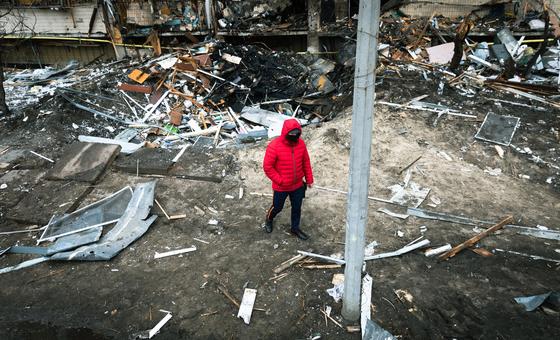
Report reveals significant rise in civilian casualties and rights violations in Ukraine

It covers the period from 1 December 2024 to 31 May 2025, during which 986 civilians were killed and 4,807 injured – a 37 per cent increase compared to the same period the previous year.

The war in Ukraine – now in its fourth year – is becoming increasingly deadly for civilians,” said Danielle Bell, Head of the UN Human Rights Monitoring Mission in Ukraine (HRMMU).

“We continue to document patterns of violence that are inconsistent with obligations under international humanitarian law.”

Concern over use of short-range drones

Most casualties occurred in areas under Ukrainian Government control, primarily due to Russian attacks using long-range explosive weapons in populated areas and short-range drones near frontline locations.

Nearly half of all casualties were caused by missiles, loitering munitions and air-dropped bombs in densely populated areas. At least three attacks involved the use of missiles with fragmentation warheads which detonated above ground and scattered fragments across large open areas, killing and injuring many civilians at once.

The use of short-range drones is driving the rise in civilian casualties, the report said. OHCHR verified that 207 civilians were killed and 1,365 injured in these attacks.

Among the deadliest incidents was a Russian drone strike on a civilian bus transporting employees of a mining company to work in the Dnipropetrovsk region. Eight women and two men were killed, and 57 people were injured.

“The high number of civilian casualties from the use of short-range drones, which allow operators to see their targets in real time, raises grave concerns,” Ms. Bell said.

Our findings strongly suggest a failure to distinguish between civilian and military targets, and to take all feasible precautions to verify the military nature of those targets – or worse, an intentional decision not to.

During the same period, Russian forces struck at least five hospitals directly. Some of the attacks used multiple loitering munitions, suggesting potential deliberate targeting of the hospitals in violation of international humanitarian law.

Prisoners of war

Serious violations against prisoners of war (POWs) also remain a major concern, according to the report. OHCHR documented credible allegations that at least 35 Ukrainian POWs and one Russian POW were executed during the reporting period.

Staff interviewed 117 recently released Ukrainian POWs and two detained medical personnel, nearly all of whom described being tortured and ill-treated in captivity. This included severe beatings, electric shocks, sexual violence, dog attacks, and deliberate humiliation, often carried out by personnel wearing balaclavas to conceal their identities.

Ms. Bell said the continued brutalization of Ukrainian prisoners of war is not only inhumane, but a serious violation of international law.

These are not isolated incidents – they point to well-documented patterns of widespread and systematic torture that demand urgent and unambiguous accountability, and measures toward prevention,” she said.

Meanwhile, more than half of the Russian POWs and third-country nationals held by Ukraine also reported abuse – including torture, ill-treatment, threats, and internment in unofficial facilities – which mostly occurred in transit places before arrival at official places of internment.

Rights concerns in Russian-occupied areas

The report highlights ongoing human rights concerns with Ukrainian civilians unlawfully detained by Russian authorities, predominantly in occupied territory. People who have been released described torture, ill-treatment, and dire conditions of detention.

Ukrainians in occupied territory faced increased coercion to adopt Russian citizenship. OHCHR documented over 16,000 homes listed by Russian occupation authorities as potentially “abandoned” and therefore at risk of being confiscated.

Displaced residents faced severe legal and logistical obstacles, as well as security risks, to reclaim their property.

Ukrainian children recruited

Another issue covered in the report is the recruitment and use of Ukrainian children “for sabotage activities of increasing gravity against Ukrainian military objectives.”

The children reportedly were recruited by unidentified actors, likely affiliated with Russia, according to Ukrainian law enforcement authorities. Some of these youngsters were killed or injured, while others are facing prosecution after being enticed via social media to commit arson or plant explosives.

“Using children to commit acts of sabotage or violence exploits their vulnerability and endangers their lives,” Ms. Bell said. “It compounds their suffering by exposing them to violence, coercion, and harsh legal consequences.

OHCHR also voiced concern over the situation of older people, mainly women, as well as persons with disabilities, who remain at disproportionate risk, particularly in frontline areas.

Many are unable to evacuate due to poverty and limited housing options, while those who can often face long stays in shelters that lack appropriate facilities, or they are placed in institutional settings due to the absence of suitable alternatives.

Source link

Afghanistan: Surging returns from Iran overwhelm fragile support systems, UN agencies warn

Ninety-nine per cent of the returnees were undocumented, and 70 per cent were forcibly returned, with a steep rise in families being deported – a shift from earlier months, when most returnees were single young men, according to the UN agency.

The rise follows a March decision by the Iranian Government requiring all undocumented Afghans to leave the country.

Conditions deteriorated further after the recent 12-day conflict between Iran and Israel, which caused the daily refugees crossings to skyrocket from about 5,000 to nearly 30,000, according to Arafat Jamal, the UN refugee agency (UNHCR) representative in Afghanistan.

“They are coming in buses and sometimes five buses arrive at one time with families and others and the people are let out of the bus and they are simply bewildered, disoriented, and tired and hungry as well,” he told UN News, describing the scene at a border crossing.

“This has been exacerbated by the war, but I must say it has been part of an underlying trend that we have seen of returns from Iran, some of which are voluntary, but a large portion were also deportations.” 

Strain on aid efforts

Afghanistan, already grappling with economic collapse and chronic humanitarian crisis, is unprepared to absorb such large-scale returns.

The 2025 Humanitarian Needs and Response Plan calls for $2.42 billion in funding, but only 22.2 per cent has been secured to date.

The scale of returns is deeply alarming and demands a stronger and more immediate international response,” said IOM Director General Amy Pope, “Afghanistan cannot manage this alone.”

Meanwhile, UNHCR alongside partners is working to address the urgent needs of those arriving – food, water, shelter, protection. However its programmes are also under severe strain due to limited funding. 

The agency had to drastically reduce its cash assistance to returnee families at the border from $2,000 per family to just $156.

We are not able to help enough women, and we are also hurting local communities,” added Mr. Jamal.

Some relief, but not enough

In response to growing crisis, the UN Central Emergency Response Fund (CERF) has allocated $1.7 million to the World Food Programme (WFP) to support drought-affected families in Faryab Province.

The funds will provide cash assistance to some 8,000 families in the region, where over a third of the rural population is already facing crisis or emergency levels of acute food insecurity.

“Acting ahead of predicted hazards to prevent or reduce humanitarian impacts on communities is more important than ever,” said Isabelle Moussard Carlsen, Head of OCHA Afghanistan, adding “when humanitarian action globally and in Afghanistan is underfunded…we must make the most of every dollar.” 

Source link

Gaza: ‘Unbearable’ suffering continues, UN official tells Security Council

Briefing ambassadors in the Security Council, Assistant Secretary-General for the Middle East Khaled Khiari said more than 1,000 Palestinians had been killed since mid-June alone, many of them while seeking aid.

Citing figures from the Gazan health authorities, he reported that the total number of Palestinian fatalities since 7 October 2023 had surpassed 56,500.

The level of suffering and brutality in Gaza is unbearable,” Mr. Khiari said. “The continued collective punishment of the Palestinian people is unjustifiable.

Killed trying to access aid

Mr. Khiari cited multiple incidents involving the Israel Defense Forces (IDF) opening fire near food distribution points.

On 17 June, at least 50 people were killed and 200 injured in Khan Younis when an IDF tank opened fire on a crowd waiting for UN World Food Programme (WFP) aid trucks.

Once again a week later, IDF troops reportedly opened fire near Gaza Humanitarian Foundation sites, this time killing 49 Palestinians and injuring 197 others.

“We strongly condemn the loss of lives and injuries of Palestinians seeking aid in Gaza,” Mr. Khiari said. “We call for an immediate and independent investigation into these events and for perpetrators to be held accountable.”

He emphasised that the UN “will not participate in any aid delivery modality that does not comply with the fundamental humanitarian principles of humanity, impartiality, independence, and neutrality,” a sentiment which other UN officials have repeatedly said as well.

Strong condemnation

Mr. Khiari reiterated the UN’s strong condemnation of Hamas and other Palestinian armed groups for their attacks in Israel, which killed over 1,200 people and led to more than 250 being taken hostage. Fifty hostages, including one woman, remain in captivity.

Nothing can justify these acts of terror. We remain appalled that hostages may be subjected to ongoing ill-treatment and that the bodies of hostages continue to be withheld,” he said.

At the same time, he also condemned “the widespread killing and injury of civilians in Gaza, including children and women, and the destruction of homes, schools, hospitals and mosques.”

Rising violence in the West Bank

In the occupied West Bank, Israeli raids and settler violence have escalated.  

Mr. Khiari reported that a 15-year-old boy and an elderly woman were killed in separate incidents on 25 June. Armed settlers also killed several Palestinians during attacks in Surif and Kafr Malik.

The escalating violence in the occupied West Bank is alarming,” Khiari said, warning that military operations and settler expansion are leading to fatalities, displacement and destruction.

Iran-Israel ceasefire brings hope to the region

Mr. Khiari concluded his briefing with comments on the wider Middle East region, particularly the recent flare-up between Israel and Iran.

He welcomed the 24 June ceasefire agreement between the two countries, announced by US President Donald Trump, and credited US and Qatari mediation.

We hope that this ceasefire can be replicated in the other conflicts in the region – nowhere is this more needed than in Gaza,” he said.

Human rights can be a ‘strong lever for progress’ in climate change, says UN rights chief

Speaking at the Human Rights Council in Geneva, High Commissioner Volker Türk asked Member States whether enough was being done to protect people from the escalating impacts of climate change  

“Are we taking the steps needed to protect people from climate chaos, safeguard their futures and manage natural resources in ways that respect human rights and the environment?” asked delegates at the ongoing session of the Human Rights Council in Geneva.  

His answer was simple – we are not doing nearly enough.  

Mr. Türk emphasised that while climate change presents dire risks human rights – especially for the most vulnerable – it also can be a strong lever for progress.  

Central to this is a “just transition” away from environmentally destructive activities.  

“What we need now is a roadmap that shows us how to rethink our societies, economies and politics in ways that are equitable and sustainable,” he said.  

The right to decent work 

One of the main avenues through which the Council – UN’s highest intergovernmental body on human rights – examined the connection between human rights and climate change was the right to decent work.

“Because of climate change, the very human right of decent work is fundamentally challenged today,” said Moustapha Kamal Gueye, a senior official at the International Labor Organization (ILO).

He warned that 80 million full-time jobs will no longer exist in 2030 if the world continues its current climate trajectory. More than 70 per cent of the global workforce – 2.4 billion workers – will be exposed to excessive heat at some point on the job.  

These alarming statistics underscored the urgent need for robust social protection systems, including social security, for workers as the climate crisis continues to intensify, Mr. Gueye said. Less than 9 per cent of workers in the 20 most climate-impacted countries have any form of social protection.  

“From a climate resilience perspective, nations are far from achieving the human right to social protection,” Mr. Gueye said. “Investments in social protection need to be scaled up, and this must move from shock-responses to institutionalised and rights-based approaches.”

On a more hopeful note, he added, a shift towards low-carbon economies can potentially generate over 100 million new jobs by 2030. However, he cautioned that, that these jobs may not emerge where others are lost, reinforcing the need for strong safety nets and planning.  

‘Defossilize’ the economy and knowledge

Elisa Morgera, the UN special rapporteur on human rights and climate change, also presented her latest report, which calls for “defossilization” of economies. Phasing out fossil fuels, she said, is the most effective way to reduce climate impacts while protecting human rights.

Of course, this is not a simple task, as Ms. Morgera noted that fossil fuels have invaded all parts of our lives and economies.  

“Fossil fuels are everywhere: in our food systems, in our ocean and in our bodies, including in our brains – in many cases without us knowing or choosing for them to be in our lives,” Ms. Morgera said.  

Ms. Morgera – who is mandated and appointed by the Human Rights Council, and is not a UN staff member – also stressed the need to “defossilize knowledge,” noting how fossil fuel interests have distorted public understanding and attacked climate defenders.

While geopolitical divisions may slow progress, she insisted that action can begin now at every level. “We can nourish hope and share concrete learning that can inspire a course correction, within the current decade, toward a safe climate for all.” 

A people-centred approach

Mr. Türk concluded his remarks reinforcing that a just transition must ensure no one is left behind.

“If we don’t safeguard people’s lives, their health, their jobs and their future opportunities, the transition will replicate and exacerbate the injustices and inequalities in our world,” he said.  

Mr. Gueye echoed that message: “The global climate agenda is a human story and it is about human rights. The ambition that nations and the global community seek cannot be confined to numerical targets and indicators – it must fundamentally be about people.” 

Every hour, 100 people die of loneliness-related causes, UN health agency reports

 Loneliness is linked to approximately 100 deaths every hour – more than 871,000 deaths annually. By contrast, strong social connections are associated with better health and longer life, the UN health agency said on Monday.

WHO defines social connection as the ways in which people relate to and interact with one another. Loneliness is the distressing feeling that arises when there is a gap between desired and actual social relationships, while social isolation refers to the objective lack of social ties.

“In this age when the possibilities to connect are endless, more and more people are finding themselves isolated and lonely,” said Tedros Adhanom Ghebreyesus, WHO Director-General.

Disproportionate impact

While loneliness affects people across all ages, young people and people living in low- and middle-income countries are especially vulnerable.

“Even in a digitally connected world, many young people feel alone. As technology reshapes our lives, we must ensure it strengthens – not weakens – human connection,” said Chido Mpemba, co-chair of WHO Commission on Social Connection, which published the report.

The report, From loneliness to social connection: charting the path to healthier societies, highlights concerns about excessive screen time and harmful online interactions, particularly among youth and their negative effects on mental health.

Multiple factors contribute to loneliness and social isolation, including poor health, low income and education, living alone, lack of adequate community infrastructure and public policies, as well as certain aspects of digital technologies.

Serious health risks

Loneliness and social isolation increase the risk of stroke, heart disease, diabetes, cognitive decline, and early death. Lonely people are twice as likely to experience depression and may also face heightened anxiety and suicidal thoughts.

Conversely, social connection offers protective benefits throughout life—reducing inflammation, lowering the risk of serious illness, promoting mental health, and extending longevity.

Towards healthier societies

The report lays out a roadmap for global action focused on five key areas: policy, research, interventions, improved measurement and public engagement. Together, these aim to reshape social norms and build a movement for social connection.

While the costs of social isolation and loneliness are steep, the benefits of social connections are profound. WHO urged governments, communities, and individuals to make social connection a public health priority.

After the big development pledges in Seville, UN says action starts now

That’s where the Sevilla Platform for Action (SPA) comes in – a major step to begin implementing the Seville Agreement without delay.

It features over 130 concrete actions to support the renewed global financing framework that world leaders just adopted at the international conference.

They will help countries mobilise resources for an SDG investment push, build developing countries’ development capacity, help address the sustainable development debt crisis, and take steps to improve the system by which the developing world can borrow money for national investment without crippling debt burdens.

Launching the platform, Spain’s Prime Minister Pedro Sánchez, highlighted the urgency of collective action saying the platform represents “a critical opportunity to restore trust in multilateralism and deliver tangible financing.”

UN Secretary-General António Guterres underscored the importance of the SPA as a catalyst for joint action and delivery.

In a world divided, it is “a springboard towards a more just, inclusive and sustainable world for all countries,” he said.

Countries can make up for absence of US

Speaking earlier at press conference for the hundreds of journalists here in Sevilla, he said the absence of the United States which left negotiations earlier this month was a challenge but there are always ways to raise the money needed: “It’s a question of political will.”

This can be done if leaders are willing to take the necessary measures such as working through multilateral development banks and carbon taxes, for example.

Power shifts

To have the United States on board would be excellent but it can be done in any case by those willing to do so.”

“I have a clear message to the powerful,” the UN chief continued. “It’s better to lead the reform of the system now than to wait and eventually suffer the resistance later when power relations change.

“And I believe that the reforms that are proposed in Sevilla in line with the work that was done in the Summit of the Future are reforms that are absolutely needed both for developing and developed countries.”

Following the opening remarks, interventions demonstrated strong political commitment to start implementing the historic funding agreement.

Notable initiatives include a global hub for debt swaps for development at the World Bank and a debt pause clause alliance – championed by Spain and a coalition of partners.

Sevilla Platform for Action at a glance:

  • It aims to bring together countries, organisations, businesses and others to make real, measurable progress in tackling global financial and development challenges.
  • Any group – from governments to charities, businesses to universities – can put forward a new or significantly expanded plan that supports the UN’s sustainable development goals.
  • Proposals must set out clear, achievable actions with specific results, a timeline, and show how they will be funded.
  • Submissions were open from 1 May to 6 June 2025, using an online form.
  • Each plan had to name the lead group behind it, list any supporting partners, explain what makes it new or ambitious, and include a communications plan.
  • Selected initiatives will be presented to the public and media during FFD4 in Sevilla.
  • All approved commitments will be listed online, with progress tracked and reported through future UN reviews and meetings.

‘Everyone’s business’

A further essential part of turning words in Sevilla into action on the ground, is mobilising the business community.

Business leaders on Monday issued an urgent appeal to unlock more private capital at the opening of the International Business Forum on Monday.

António Guterres told delegates: “Development is everyone’s business”, emphasising the private sector’s essential role alongside public institutions in achieving the SDGs.

Sevilla in the south of Spain is the venue for FFD4.

Five priorities for delivery

A new communique from the conference’s Business Steering Committee – co-chaired by the International Chamber of Commerce (ICC) and Global Investors for Sustainable Development (GISD) – outlines five priority areas for action:

  • Create more ways to invest in development: Set up tools and platforms that make it easier and safer for private money to flow into projects that help people, especially in poorer countries.
  • Work more closely with governments: Join forces to plan and support projects from an early stage, making them ready for investment.
  • Make sustainability rules clearer and more consistent: Align standards across countries so businesses can invest more confidently and support national development goals.
  • Fix financial rules that get in the way: Update regulations that make it harder to invest long-term in developing countries.
  • Help small businesses get funding: Improve access to finance for entrepreneurs by reducing risks and partnering with development banks and governments.

The communiqué complements the newly endorsed Seville Agreement and business leaders described the moment as pivotal. “Private finance is essential to bridge the global gap,” said José Viñals, co-chair of GISD.

At the forum, developing countries are showcasing over $1 billion worth of investable projects in sectors including energy, agriculture and digital infrastructure.

“The focus now must be on action,” said UN economic chief and conference Secretary-General Li Junhua.

Source link

It’s time to finance our future and ‘change course’, Guterres tells world leaders in Sevilla

António Guterres issued his clarion call noting that sustainable development powered by international cooperation, is now facing “massive headwinds.”

Addressing the opening session of the 4th Financing for Development Conference (FFD4) in baking hot Sevilla, Spain – basking in record high June temperatures – the Secretary-General noted multilateralism itself is also feeling the heat, while trust between nations and institutions fray.

The world is on fire, shaken by inequalities, climate chaos and raging conflicts: “Financing is the engine of development and right now, this engine is sputtering,” he told the conference, attended by more than 50 world leaders, over 150 nations and around 15,000 delegates.

“As we meet, the 2030 Agenda for Sustainable Development – our global promise to transform our world for a better, fairer future – is in danger.”

Some two-thirds of the ambitious Sustainable Development Goals (SDGs) targets agreed in 2015 are significantly off track – hence the staggering $4 trillion investment needed to turn it around.

“We are here in Sevilla to change course. To repair and rev up the engine of development to accelerate investment at the scale and speed required,” said Mr. Guterres.

He described the outcome known as the Sevilla Commitment adopted on Monday – without the United States which pulled out of the process earlier this month – as a “global promise” to low-income nations to lift them up the development ladder.

The UN chief outlined three key action areas:

  • First, get resources flowing fast at home to spur sustainable growth, and for richer countries to honour their pledge under the accord to double aid to poorer countries to boost development. This includes tripling the lending capacity of Multilateral Development Banks and innovative solutions to unlock private cash.
  • Second, fix the “unsustainable, unfair and unaffordable” global debt system. Right now, poorer countries are spending around $1.4 trillion just servicing their vast debts in the form of interest payments. Among the innovations, a new borrowers’ forum will ensure fairer debt resolution and action.
  • Third, reform the global financial architecture, with major shareholders playing their part, so that it empowers every country. “We need a fairer global tax system shaped by all, not just a few.”

The current crisis of affordability and stalled development is “a crisis of people,” he continued, which leaves families hungry, children unvaccinated, and girls left out of education.

“This conference is not about charity. It’s about restoring justice and to facilitate the ability of all people to live in dignity,” said Mr. Guterres.

This conference is not about money – it’s about investments in the future we wish to build together.”

A tangible and actionable’ roadmap

King Felipe of Spain spoke just ahead of the official opening, telling delegates the multicultural city of Sevilla welcomes the world “with open arms”.

He said a new roadmap would emerge that is based on what is “concrete and tangible and actionable”.

The conference must be a success, because cooperation is one of our fundamental pillars of the multilateral world and “the ultimate embodiment of the values that sustain it – especially at this particular point in history where many certainties are melting away and many fears and uncertainties are taking shape.”

‘Our time is now’

Spain’s President Pedro Sánchez told delegates “our time is now and our place is here.” Millions of lives will depend on the choices made in Sevilla and going forward.

We must choose “ambition over paralysis, solidarity over indifference and courage over convenience,” he continued, adding that the eyes of world are on this hall, to see what we are ready to do together and in the face of this historic challenge we must prove our worth.”

Sevilla was “the New York of the 16th century” in diplomatic terms he told delegates – and a cradle of globalism – we must all do that legacy justice today.

‘Sevilla is not an end point’

Secretary-General of the conference, Li Junhua – who’s in charge of the Department of Economic and Social Affairs (DESA) – said the week in Sevilla is key moment to mobilise the resources necessary to build a just, inclusive and sustainable future.

The UN effort to finance development has been anchored in multilateralism and solidarity – but today, the whole framework is under “profound stress.”

He said never has sustainable development been so tested but the pact made in Sevilla puts people back at the centre.

Sevilla is not an end point, it is a launch pad for a new era of implementation, accountability and solidarity.” UNDESA is ready to support all nations to translate the commitment into international action, he underscored.

President of the UN General Assembly Philémon Yang told delegates above all, “we need leadership to guide the world forward into a brighter more prosperous future for everyone, everywhere.”

He said the Sevilla framework will renew global partnership for the decade ahead and provide a focus on a debt burden which is crippling the developing world.

President of the UN Economic and Social Council Bob Rae said trust between countries had to be strengthened, because its absence “creates chaos.”

“Most of all I want to congratulate states for bringing forward the ambition, deepening engagement between financial institutions.”

The week represents a real commitment to action, he said.

Ajay Banga, President of the World Bank Group, told delegates ending poverty remains his key mission and the surge in population underway in developing countries requires resources “at an unprecedented scale and pace.”

He said everyone knew that governments, philanthropies and institutions are unable to meet every projection or promise – which is why the private sector is essential to the Sevilla Agreement so that capital can flow.

Mr. Banga added that the bank’s reforms of recent years are about being a better partner to the private sector and government clients.

Improving response time, boosting capital and systems of growth are key – but much more is needed to deliver for the next generation.

Exempt least-developed from punishing tariffs: WTO

Ngozi Okonjo-Iweala, Director-General of World Trade Organization said the conference was gathering at a time of unprecedented difficulty.

After decades of positive contributions, the global trading system has now been “severely disrupted” leaving exports so hampered by unilateral tariff measures and policy uncertainty that the WTO has sharply downgraded growth forecasts.

Further tariff barriers on 9 July – the deadline set by the US administration – will only make the contraction in global trade worse.

She reminded that the WTO has argued for the least developed nations and Africa overall to be exempted from the tariffs, “so we can better integrate them into the world trading system, not further exclude them.”

She said the Sevilla Agreement rightly recognises international trade as an engine of development.

“We therefore need to bolster stability and predictability in global trade,” through action at many levels that can grow national resources through exports, she told delegates.

IMF calls for broader tax base

Nigel Clarke, Deputy Managing Director of the International Monetary Fund (IMF), called for broadening the tax base, building strong financial management systems, coordinating support and addressing debt more sustainably.

“Many countries continue to struggle with high interest costs,” he said, calling on the international community to improve debt restructuring processes.  

Through its capacity development, the Fund is equipping members to chart their own paths and is also providing financial support when they need it most, he added.

Source link

Funding shortages threaten relief for millions of Sudanese refugees: WFP

In an alert, the UN agency warned that it faces having to make “drastic cuts” to life-saving food assistance, which may “grind to a halt” in the Central African Republic, Egypt, Ethiopia and Libya in the coming months as resources run out.

WFP noted that the situation for many Sudanese refugees is already dire, more than two years since war erupted between Sudan’s national army and paramilitary rebels.

“In Uganda, many vulnerable refugees are surviving on less than 500 calories a day” – less than a quarter of daily nutritional needs – as new arrivals strain refugee support systems, WFP said. In Chad, which hosts almost a quarter of the four million refugees who fled Sudan, food rations will be reduced in the coming months without new contributions.

Vulnerable youngsters

Children are particularly vulnerable to sustained periods of hunger and malnutrition rates among young refugees in reception centres in Uganda and South Sudan have already breached emergency thresholds. According to WFP, refugees are already severely malnourished even before arriving in neighbouring countries to receive emergency assistance.

“This is a full-blown regional crisis that’s playing out in countries that already have extreme levels of food insecurity and high levels of conflict,” said Shaun Hughes, WFP Emergency Coordinator for the Sudan Regional Crisis.

“Millions of people who have fled Sudan depend wholly on support from WFP, but without additional funding we will be forced to make further cuts to food assistance. This will leave vulnerable families, and particularly children, at increasingly severe risk of hunger and malnutrition.”

Source link