Ahead of UN summit, countries finalise landmark ‘Compromiso de Sevilla’

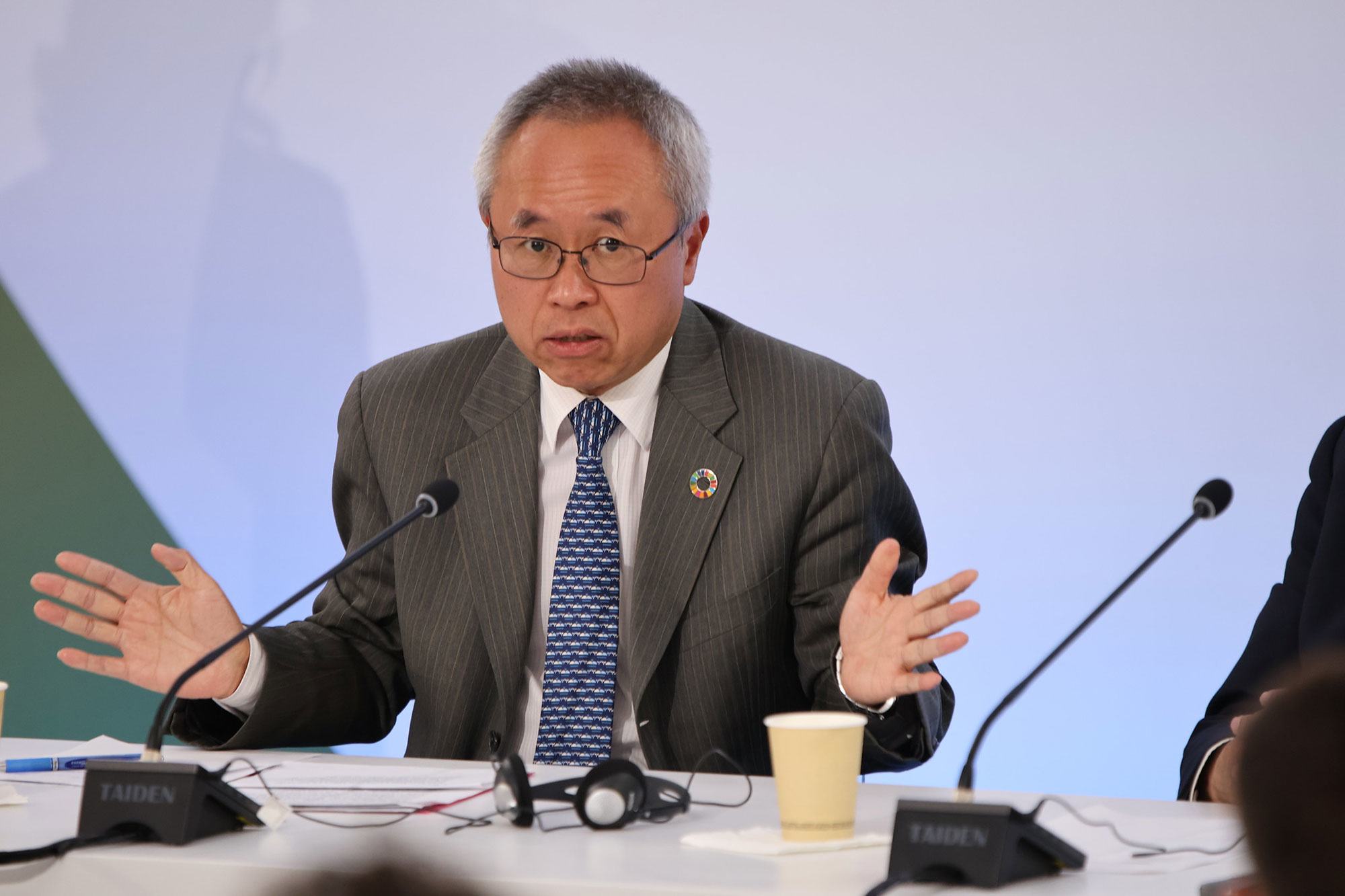
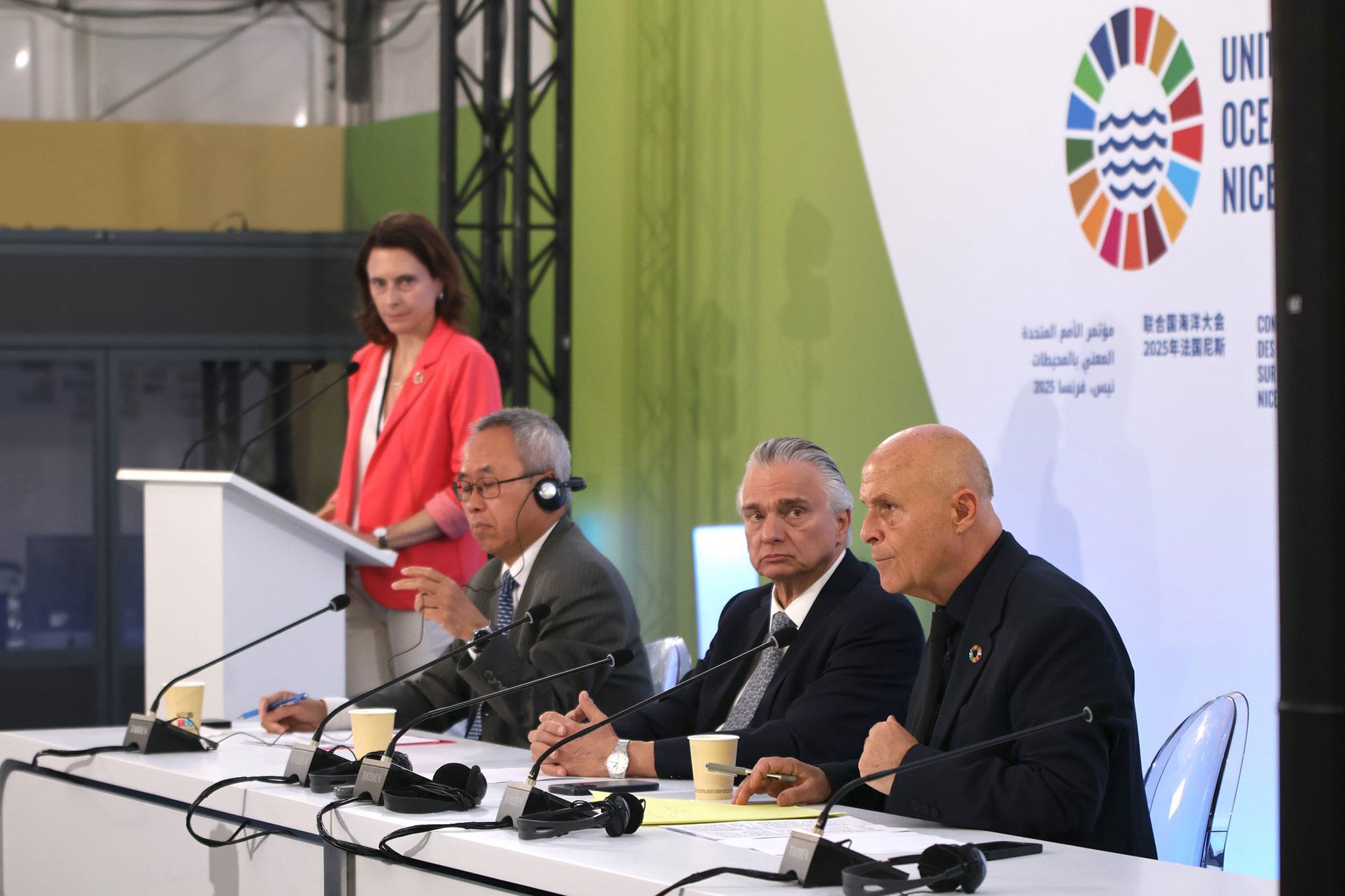
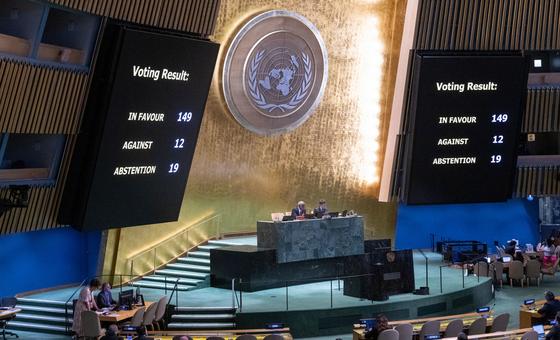
On Tuesday, Member States at UN Headquarters endorsed the finalized outcome document, known as the Compromiso de Sevilla (the Seville Commitment), following months of intensive intergovernmental negotiations.

It is intended as the cornerstone of a renewed global framework for financing sustainable development, particularly amid a widening $4 trillion annual financing gap faced by developing countries.

A reinvigorated framework

Co-facilitators of the outcome document – Mexico, Nepal, Zambia and Norway – hailed the agreement as an ambitious and balanced compromise that reflects a broad base of support across the UN membership.

“This draft reflects the dedication, perseverance, and constructive engagement of the entire membership,” said Ambassador Alicia Buenrostro Massieu, Deputy Permanent Representative of Mexico.

“Sevilla is not a new agenda. It is a strengthening of what already exists. It renews our commitment to the Addis Ababa Action Agenda and aligns fragmented efforts under a single, reinvigorated framework,” she added.

Nepal’s Ambassador Lok Bahadur Thapa called the outcome a “historic opportunity” to confront urgent financing challenges.

“It recognizes the $4 trillion financing gap and launches an ambitious package of reforms and actions to close this gap with urgency,” he said, highlighting commitments to boost tax-to-GDP ratios and improve debt sustainability.

Opening of third International Conference on Financing for Development, in 2015, which adopted the historic Addis Ababa Action Agenda.

United States withdrawal

The agreement came despite sharp divisions on several contentious issues, culminating in the United States decision to exit the process entirely.

“Our commitment to international cooperation and long-term economic development remains steadfast,” said Jonathan Shrier, Acting US Representative to the Economic and Social Council.

“However, the United States regrets that the text before us today does not offer a path to consensus.”

Mr. Shrier voiced his country’s objection to proposals in the draft, which he said interfered with the governance of international financial institutions, introduced duplicative mechanisms, and failed to align with US priorities on trade, tax and innovation.

He also opposed proposals calling for a tripling of multilateral development bank lending capacity and language on a UN framework convention on international tax cooperation.

Renewal of trust

Under-Secretary-General for Economic and Social Affairs Li Junhua welcomed the adoption of the document, calling it a clear demonstration that “multilateralism works and delivers for all.”

He praised Member States for their flexibility and political will in finalizing the agreement, despite challenges.

“The FFD4 conference presents a rare opportunity to prove that multilateralism can deliver tangible results. A successful and strong outcome would help to rebuild trust and confidence in the multilateral system by forging a renewed financing framework,” Mr. Li said.

A woman sells vegetables in a market in Seychelles. Despite ongoing efforts, progress toward achieving several SDGs — including those on women’s empowerment – remains off track for 2030.

For the common good

The Sevilla conference, to be held from 30 June to 3 July will mark the fourth major UN conference on financing for development, following Monterrey (2002), Doha (2008) and Addis Ababa (2015).

It is expected to produce concrete commitments and guide international financial cooperation in the lead-up to and beyond the 2030 deadline of the Sustainable Development Goals (SDGs).

“We firmly believe that this outcome will respond to the major challenges we face today and deliver a real boost to sustainable development,” said Ambassador Thapa of Nepal.

Source link

Human Rights Council hears alarming updates on executions in Iran and global civic space crackdown

At least 975 people were executed in Iran in 2024, the highest number reported since 2015, according to a report Deputy High Commissioner for Human Rights, Nada Al-Nashif, presented to the Geneva-based Council on Wednesday. 

Of the total executions, just over half were for drug-related offenses, 43 per cent for murder, two per cent for sexual offenses, and three per cent for security-related charges. At least four executions were carried out publicly. 

“These cases are marked by serious allegations of torture and due process violations, including lack of access to a lawyer,” said Ms. Al-Nashif. 

Violence and discrimination against women

At least 31 women were reportedly executed in Iran last year, up from 22 in 2023. Of the 19 women executed for murder, nine had been convicted of killing their husbands in cases involving domestic violence or forced or child marriage, areas in which Iranian women have no legal protections.

Some executions were reportedly linked to protests that began in September 2022 under the banner “Women, Life, and Freedom.”

Beyond executions, femicide cases surged, with 179 reported in 2024 compared to 55 the year before. Many stemmed from so-called “honour” crimes or family disputes, often involving women and girls seeking divorce or rejecting marriage proposals.

Ms. Al-Nashif also warned that the suspended Chastity and Hijab Law, if enacted, would pose a serious threat to women’s rights. Penalties for violations such as improper dress could include heavy fines, travel bans, long-term imprisonment, or even the death penalty.

In addition, of the 125 journalists prosecuted in 2024, 40 were women, many reporting on human rights and women’s rights issues.

Religious and ethnic minorities

“In 2024, the death penalty continued to have a disproportionate impact on minority groups,” Ms. Al-Nashif told the Council.

At least 108 Baluchi and 84 Kurdish prisoners were executed in 2024, representing 11 and 9 per cent of the total, respectively.

The report also raised concerns over the lack of official data on the socioeconomic conditions of ethnic and ethno-religious minorities and non-citizens, which hampers efforts to assess their situation and measure the impact of targeted policies and programmes.

Looking ahead

While Iran continued engagement with the Office of the UN High Commissioner and other human rights mechanisms, it denied access to the Independent International Fact-Finding Mission on the Islamic Republic of Iran.

“Our Office remains ready to continue and build on its engagement with the Iranian authorities on the range of issues highlighted in the report of the Secretary-General for the promotion and protection of all human rights,” Ms. Al-Nashif concluded. 

Global ‘Super Election’ cycle undermined democratic participation

In the Council’s afternoon session, Gina Romero, UN Special Rapporteur on the rights to freedom of peaceful assembly and association, presented her report on how the 2023–2025 “super election” cycle has affected civic space around the world.  

In 2024, half of the world’s population elected their local, national and international representatives. While Ms. Romero’s report on this cycle does not assess the integrity of the elections, it identifies troubling global patterns of systematic repression of the exercise of peaceful assembly and association.

“The misuse of restrictive laws, smear campaigns, disinformation targeting civil society intensified globally in the super electoral cycle, undermining electoral participation and freedom of association,” she said.  

Political repression and violence

As criminal justice systems are used to repress the opposition, leaders and members of political parties faced undue restrictions and political persecution. Civil society activists and election observers have also faced harassment, arbitrary detention, torture and murder.  

“When political parties, civil society, and peaceful assemblies are suppressed, genuine political pluralism and competition cannot exist,” argued Ms. Romero. “I stress that these conditions are incompatible with free and genuine elections and risk legitimising undemocratic rule.”

Minority representation

Ms. Romero also underscored that women’s political leadership remains severely underrepresented, while LGBTIQ individuals and their organizations faced attacks during the super electoral cycle.  

Both groups experienced physical and online political violence, restricting their electoral participation and accelerating the decline of their rights after the elections.

Calls to protect freedoms  

Amid global crises and a rapid democratic decline, Ms. Romero emphasized the urgent need to protect the rights to peaceful assembly and association throughout the entire electoral cycle.  

She outlined key recommendations, including strengthening legal protections before elections, ensuring accountability afterward, regulating digital technologies and promoting non-discriminatory participation throughout.  

“Dissent is a fundamental element of democratic societies,” she concluded in Spanish. “Rather than being suppressed, it should be welcomed and permanently protected.” 

Source link

Guterres renews call for Israel-Iran ceasefire

I reiterate my call for immediate de-escalation leading to a ceasefire,” Mr. Guterres said in a statement in which he strongly appealled against any further internationalization of the conflict. 

“Any additional military interventions could have enormous consequences, not only for those involved but for the whole region and for international peace and security at large,” he warned.

He condemned “the tragic and unnecessary loss of lives and injuries to civilians and damage to homes and critical civilian infrastructure.” 

Deadly escalation

The crisis erupted on Friday when Israel began targeting nuclear and military sites across Iran, prompting Tehran to launch retaliatory strikes on Israeli cities.

Since then, more than 250 people have been killed across both countries, according to media reports.

The International Atomic Energy Agency (IAEA), which has been monitoring Iran’s nuclear programme for decades, said that it had received information that two centrifuge production facilities were struck on Wednesday.

The TESA Karaj workshop and the Tehran Research Center were previously under its monitoring and verification as part of a 2015 international agreement known as the Joint Comprehensive Plan of Action (JCPOA).

“At the Tehran site, one building was hit where advanced centrifuge rotors were manufactured and tested,” the agency said in a tweet. “At Karaj, two buildings were destroyed where different centrifuge components were manufactured.”

Last week, the IAEA passed a resolution declaring that Iran was not complying  with its non-proliferation obligations.

The text noted Iran’s “many failures” to provide the agency with full and timely cooperation regarding undeclared nuclear material and activities at multiple undeclared locations in the country.

 Diplomacy reigns supreme

As the crisis in the Middle East deepens, the Secretary-General stressed that “diplomacy remains the best and only way to address concerns regarding Iran’s nuclear programme and regional security issues.”

 He underlined that “the UN Charter remains our shared framework to save people from the scourge of war,” urging all Member States to fully comply with the document and international law, including international humanitarian law. 

UN relief chief calls for solidarity, with humanitarians ‘literally under attack’

Tom Fletcher was speaking at the annual stock-take of his sector known as the ECOSOC Humanitarian Affairs Segment, which brings together UN Member States and organizations, humanitarian and development partners, as well as the private sector and affected communities.

He said this year’s theme – renew global solidarity for humanity – “could not be more urgent.”

“We need you right now,” he said. “We’re in a moment of conflict, of transactional politics, of selfishness, of division, of polarization. And global solidarity – the lifeblood of what we do – is in retreat.”

Moreover, “at this moment, when the needs are at their highest, the funding is also in retreat.”

Crises, climate and cutbacks

Mr. Fletcher reminded participants of “some uncomfortable truths,” noting that the Middle East currently “teeters on the edge of a wider war.”  

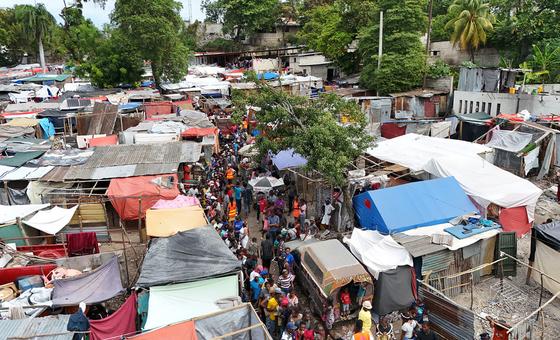
At the same time, people in Gaza are starving as food aid rots at border crossings, girls in Afghanistan are banned from school, women in war-torn Sudan are experiencing horrific violence, and gangs are terrifying families in Haiti.

This is happening amid the climate crisis “which will drive more humanitarian needs in the coming years than any other factor that we discuss today,” he said.

“Meanwhile, our teams, our humanitarian staff, the bravest of us, are not hesitating to go towards the sound of gunfire, the sound of danger to drive those convoys through those checkpoints and they are being killed in record numbers, while those responsible for killing them roam free.”

‘Life and death decisions’

Just six months ago, Mr. Fletcher launched a $44 billion appeal to reach 190 million people worldwide this year.  

In the wake of the deepest cuts ever to humanitarian operations globally, the plan was this week “hyper-prioritized” to focus on the most critical areas, with $29 billion in funding to support 114 million.

He acknowledged that “we’re left with the cruelest of equations when we make those life and death decisions, literally, about who to save.” 

Humanitarians “will save as many lives as we can with the resources that you give us,” and they are asking world leaders to give only one per cent of what they spent on defense last year.

“This isn’t just a call for money, of course. It is a call for global responsibility, for a shared commitment to end the suffering,” he said.

New humanitarian pact

“We also make this call that all of us find a moment to come off our talking points and to find the individual moment of courage and creativity to support this effort.”

Mr. Fletcher said the humanitarian movement will continue and is being re-designed from the ground up

“We’ll find new allies, we’ll find new sources of funding, we’ll find new ideas, we won’t just patch up the old model. We will also forge a new one. A bold humanitarian pact with the people we serve,” he said.

Women at the forefront

The pact will be “more local, more lean, more green,” and will include people on the frontlines of crisis who “know better than anyone what they need.”

Furthermore, the UN’s highest-level humanitarian coordination forum – the Inter-Agency Standing Committee (IASC) – has voiced unequivocal commitment that women and girls will lead this humanitarian reset and will back women humanitarian leaders in this work.

 “These leaders, the real leaders of our movement, don’t work for the UN or international NGOs. They are not part of the logos, and egos, and silos of our systems,” he said.

“They have something much more powerful – they are rooted in their communities with the trust of their communities and an unshakeable belief that even in these darkest moments we can choose to help each other. They are there for us and we must be there for them.”

Boosting effectiveness

The Economic and Social Council (ECOSOC) is one of the six main UN organs.

Since 1998, it has held the Humanitarian Affairs Segment to strengthen the coordination and effectiveness of UN humanitarian efforts.

Previous meetings have focused on issues such as addressing food security and recovery from the COVID-19 pandemic. 

Source link

Power of football inspires team effort towards development goals

As the football Club World Cup gets underway in the United States, on the other side of the globe, Japanese club Gamba Osaka has reaffirmed its commitment to sustainable development by becoming the first team in the country’s professional league to join the United Nations’ Football for the Goals initiative.

The initiative provides a platform for the global football community to engage with and promote the internationally agreed Sustainable Development Goals (SDGs).

The UN’s Maher Nasser (left) and Shinji Ito of Gamba Osaka mark the Japanese club’s membership of the Football for the goals initiative.

Shinji Ito, an external affairs executive for the football team, Gamba Osaka, told UN News at the United Nations Pavilion at Expo 2025 in Osaka that supporting the Sustainable Development Goals (SDGs) is important to his club.

“As a football club we can work with supporters towards changing attitudes and behaviour on issues like the environment, climate, sustainability, health and disability, which are part of the SDGs.”

The multicoloured SDG logo is prominently displayed at the club’s stadium in Osaka, Japan’s second largest city, it has featured on the team kit and players have visited local schools to explain why the SDGs are important.

At the stadium, efforts are made to encourage fans to separate recycling trash, a behaviour which many in Japan believe needs to be highlighted and stepped up.  Paper cups have replaced plastic cups and the player’s team shirts are made from more sustainable and environmentally-friendly materials.

“We are seeing increased awareness about the importance of the SDGs,” said Mr Ito. “We recognize that this is a long-term commitment and that significant change takes place over 10 years or longer.”

Team effort

Gamba Osaka is now signed up to the UN’s Football for the Goals initiative, making it a first for Japan’s professional game. 

Taro Shinzato (left) visited the UN Pavilion with Satoka Shinzato.

The initiative aims to inspire and guide all those involved in the sport who see the value of sustainability, from confederations, national associations, leagues and clubs to players’ associations, organized fan groups, as well as media and commercial partners.

It’s encouraging them to build on existing sustainability approaches and to implement strategies that lead to behavioural change.

Launched in 2022, at a time when progress towards the SDGs was and continues to falter, there are now some 370 entities signed up.

“The global football industry is extremely influential and has the power to communicate with billions of people across the world,” said Maher Nasser, Commissioner-General of the United Nations at Expo 2025.

“Our members will inspire action by demonstrating how sustainable practices can be mainstreamed through any business model, including sport,” he added.

Keeping an eye on the ball

The SDGs are part of the Japanese school curriculum,  so many young people are aware of their importance.

Taro Shinzato, who supports rival team Nagoya Grampus 8, visited the UN Pavilion at Expo 2025, telling us: “When we think of the SDGs, we focus on the environment and sustainable living in Japan. We perhaps don’t think enough about the SDGs in other countries, which is very important as we all share the same Earth.” 

Football for the Goals

  • Football for the Goals was launched in July 2022.
  • The initiative has 370 members from over 120 countries.
  • All six of FIFA’s regional confederations are members.
  • Each member has committed to integrating sustainable practices into their operations and to promoting the SDGs.

Civilian deaths in conflict are surging, warns UN human rights office

At least 48,384 individuals – mostly civilians – were killed in 2024, based on casualties recorded by OHCHR.

“Behind every statistic is a story. Behind every data point, a person,” said UN rights chief Volker Türk.

This alarming rise in civilian deaths exposes major failures to protect some of the most vulnerable in both peacetime and conflict situations, “painting a picture of a global human rights landscape in need of urgent action,” he said.

Human rights defenders

Just over 500 of those killed in 2024 were human rights defenders, with the number of journalists killed also rising by 10 per cent, comparing 2023 to 2024.

The level of targeting of human rights defenders and journalists remained alarmingly high: at least one human rights defender, journalist, or trade unionist was killed or forcibly disappeared every 14 days.

Detentions of rights defenders was most widespread in northern Africa, central, southern and western Asia. Killings were most prevalent in Latin America and the Caribbean.

Alarming rise in deaths of women and children

Violence against children and women in armed conflicts has been devastating over the past two years.

Between 2023 and 2024, approximately four times more children and women were killed in armed conflicts than during 2021–2022.

Women reported experiencing gender-based discrimination at more than twice the rate of men, and the poorest households were hardest hit, perpetuating cycles of poverty and inequality.

Discrimination does not exist in isolation,” said Mr Türk, as OHCHR’s findings revealed widespread and compounding discrimination, with nearly one in three persons with disabilities reporting having experienced discrimination, compared to fewer than one in five without disabilities.

Source link

UN rights office ‘horrified’ by deadly violence at Gaza food distribution sites

The UN human rights office (OHCHR) in the Occupied Palestinian Territory on Wednesday called on the Israeli military to cease the use of lethal force near aid convoys and food distribution sites.

It cited “repeated incidents” of Palestinians being shot or shelled while seeking food, warning that such attacks could constitute war crimes under international law.

“We are horrified at the repeated incidents, continuously reported in recent days across Gaza, and we call for an immediate end to these senseless killings,” the office said in a statement.

Hundreds killed

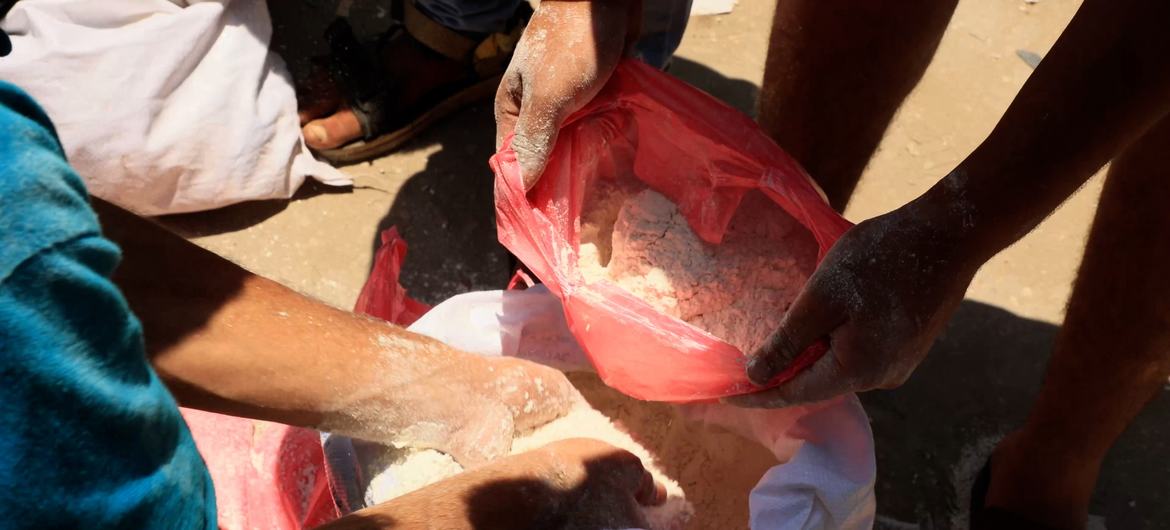
Since 27 May, when the Gaza Humanitarian Foundation (GHF), an initiative backed by Israel and the United States began food distribution in southern Gaza – bypassing the established UN-led system – hundreds have been killed and many more wounded near four distribution points or while waiting to pick up aid.

In one of the deadliest recent incidents, Israeli military reportedly shelled a crowd waiting for UN food trucks in southern Gaza on 17 June, killing at least 51 people and injuring some 200 others, according to Gazan health authorities.

A day earlier, three Palestinians were reportedly killed and several injured in a similar incident in western Beit Lahiya.

There is no information to suggest that the people killed or injured were involved in hostilities or posed any threat to the Israeli military or to staff of GHF distribution points,” OHCHR said.

Protect civilians, aid workers

The UN World Food Programme (WFP), which has managed to dispatch only 9,000 metric tons of food within Gaza over the past month – a fraction of what is required for the 2.1 million people in need – echoed calls for immediate protection of civilians and aid workers.

“Far too many people have died while trying to access the trickle of food aid coming in,” the agency said in a separate statement.

“Any violence resulting in starving people being killed or injured while seeking life-saving assistance is completely unacceptable.”

Massive scale-up needed

The UN emergency food relief agency said the fear of starvation and desperate need for food is causing large crowds to gather along well-known transport routes, hoping to intercept and access humanitarian supplies while in transit.

Only a massive scale-up in food distributions can stabilize the situation, calm anxieties and rebuild the trust within communities that more food is coming,” it said, calling urgently for safer convoy routes, faster permissions, restored communication channels and additional border openings.

“The time to act is now. Delays cost lives. We must be allowed to safely do our jobs,” the agency said.

Source link

Iran-Israel crisis: UN rights office appeals for urgent de-escalation

Israel began targeting nuclear and military sites across Iran last Friday, prompting a barrage of retaliatory strikes on Israeli cities.

“The UN human rights office urges de-escalation and urgent diplomatic negotiations to end these attacks and find a way forward,” said Ms. Al-Nashif. “We are following closely and are aware of reports that many thousands of residents are fleeing parts of the capital, Tehran, as a result of warnings covering broad areas.”

Latest reports from the region indicate that more than 200 people have been killed in Iran and 24 in Israel to date. The violence continued unabated overnight in both countries. 

Addressing the Human Rights Council in Geneva at a scheduled meeting to discuss Iran’s rights record, the Deputy High Commissioner highlighted serious concerns that populated areas have been hit in the escalation.

“It is imperative that both sides fully respect international law, in particular by ensuring the protection of civilians in densely populated areas and of civilian objects,” she said. “We urge all those with influence to engage in negotiation as a matter of priority.”

Nuclear watchdog update

In a related development, the UN-backed nuclear watchdog said on Wednesday that two Iranian centrifuge production facilities had suffered major damage after being targeted.

“The TESA Karaj workshop and the Tehran Research Centre, were hit,” it said in an update. “At the Tehran site, one building was hit where advanced centrifuge rotors were manufactured and tested. 

At Karaj, two buildings were destroyed where different centrifuge components were manufactured,” said the International Atomic Energy Agency (IAEA).

Speaking at the Council after the Deputy High Commissioner, Iran’s Permanent Representative of Iran, Ambassador Ali Bahreini, condemned the Israeli strikes: 

“There has been no violation worse than [the] 13 June act of aggression against Iran,” he said, pointing to “continuous blind attacks on residential areas, bombardment of vital supplies, explosion of drinking water resources and reckless strikes on nuclear facilities are immediately impacting the civilians and people of Iran.”

Such “deliberate targeting” of his country’s nuclear facilities risked exposing local communities to a “possible hazardous leak”, the Iranian ambassador continued. “This is not an act of war against our country, it is war against humanity.”

In a short statement to the Council from which Israel announced its withdrawal earlier this year, Mr. Bahreini called for accountability and international condemnation of the Israeli attacks. 

“This impunity must come to [an] end,” he said. “Israel activities are not just against one or two countries. It is acting against all humanity and their actions target all human rights.”

Source link

‘Hate speech is poison in the well of society,’ says Guterres

It is an alarm bell: the louder it rings, the greater the threat of genocide,” he warned.

As part of its core mission to combat hatred, discrimination, racism and inequality, the UN is stepping up efforts to challenge hate speech wherever it arises.

“Hate speech is poison in the well of society. It has paved the way for violence and atrocities during the darkest chapters of human history,” Mr. Guterres added.

Voices of hate

Hate speech often fuels violence and intolerance, with ethnic and religious minorities among the most frequent targets.

While the destructive power of hatred is nothing new, today it is being amplified by modern communication technologies.

Online hate speech has become one of the most prevalent means of spreading divisive narratives, posing a growing threat to peace and security around the world.

#NoToHate

Ahead of the international day, the UN has produced a series of videos aimed at countering hate speech – part of the #NoToHate campaign.

Ahmed Shaheed, Deputy Director of the Essex Human Rights Centre, speaks here about countering Islamophobia:

Rabbi Jill Jacobs, Executive Director of T’ruah: The Rabbinic Call for Human Rights, addresses rising antisemitism:

Artificial Intelligence

This year’s theme sheds light on the nexus between hate speech and artificial intelligence. Building coalitions is the main tool societies can use to reclaim inclusive and safe spaces free of hatred.

While AI tools offer myriad potential opportunities to make positive differences in situations of conflict and insecurity, biased algorithms and digital platforms are also spreading toxic content and creating new spaces for harassment and abuse.

Recognising these immense potential and risks, Member States have recommitted to countering hate speech online.

“Let us commit to using artificial intelligence, not as a tool of hatred, but as a force for good,” said Mr. Guterres.

Source link

Israeli actions in Palestinian territories constitute war crimes, Human Rights Council hears

“The goal of the Israeli government is abundantly clear: the destruction of life in Gaza.”

That’s how Navi Pillay, Chair of the Commission of Inquiry on the Occupied Palestinian Territory, opened her statement to the 59th session of the Council on Tuesday.

Calling the war in Gaza “the most ruthless, prolonged and widespread attack against the Palestinian people since 1948,” Ms. Pillay addressed the findings of the Commission’s report, released to the HRC on 6 May.

Attacks on educational facilities in Gaza

It found that 90 per cent of Gaza’s schools and universities have been damaged or destroyed by Israeli attacks – including airstrikes, shelling, burning and controlled demolitions.

“With the loss of education, Palestinians are also losing their source of stability, hope and possibility of a future,” said Ms. Pillay.

By not issuing adequate warnings to civilians sheltering inside, these attacks caused extensive casualties, amounting to war crimes, including knowingly launching attacks that caused excessive and disproportionate civilian harm, and the crime against humanity of extermination.

The Commission found no military necessity to justify the destruction of schools, concluding that the intent was to restrict long-term Palestinian access to education.

Notably, while Israeli forces often claimed they were targeting Hamas operatives allegedly based in schools, the Commission verified only one instance of Hamas using a school for military purposes, compared to the systematic Israeli use of schools as military bases.

Education restrictions in the West Bank

Ms. Pillay also warned that education in the West Bank remains under threat. Demolition orders, military raids, restrictions, and operations have significantly reduced school days, while settler violence has endangered students and teachers. The Israeli government has either incited or failed to prevent such violence, she said.

Attacks on religious and cultural sites

In Gaza, Israeli forces have damaged 53 per cent of religious and cultural sites.

Many were being used for refuge or worship, causing further civilian casualties, constituting war crimes and, in some cases, the crime against humanity of extermination.

This completely avoidable damage “has a cascading effect and deeply affects intangible cultural elements, such as religious and cultural practices, memories and history, undermining the identity of Palestinians as a people,” said Ms. Pillay.

Because Israeli forces should have known where these sites were and planned their assaults accordingly, the Commission found these acts constituted war crimes including intentionally targeting historic and religious sites and widespread destruction without military necessity.

Seizure of cultural heritage sites in the West Bank

In the West Bank and East Jerusalem, the Commission documented repeated cases of Israeli authorities or settlers seizing cultural heritage sites, displacing Palestinians, excluding non-Jewish history and restricting Palestinian access.

The report highlights increasing restrictions and assaults on Palestinians at Haram al-Sharif/Temple Mount, a long-standing flashpoint in East Jerusalem.

Ms. Pillay argued that through these actions, “Israel has been using cultural heritage and settlements as leverage for its unlawful territorial claims in the occupied West Bank, in flagrant defiance of multiple United Nations resolutions and the 2024 advisory opinion of the International Court of Justice (ICJ).”

These actions violate international law, including the right to cultural life, freedom of religion, and protection of cultural heritage.

Recommendations

Ms. Pillay concluded her speech by underscoring that Israel’s attacks on education, infrastructure and heritage sites aim to “erode Palestinians’ historical ties to the land and weaken their collective identity, thereby hindering their right to self-determination” and the possibility of a peaceful, sustainable two-State solution.

Accordingly, the Commission calls for Israel to end the unlawful occupation and enable Palestinian self-determination; stop attacks and seizures of educational, religious and cultural sites; end the systematic erasure of Palestinian history; and comply fully with international law, including the 2024 ICJ ruling.

Sudan’s war intensifies amid starvation, rights probe warns

Meanwhile in Sudan, heavy fighting continues to escalate as a “direct result” of the continued flow of arms into the country meaning that the war is far from over, top independent human rights investigators said on Tuesday, ahead of briefing the Human Rights Council.

In an update on the emergency in the northeast African nation, the Independent International Fact-Finding Mission for the Sudan highlighted the increased use of heavy weaponry in populated areas – and a sharp rise in sexual violence.

“Many Sudanese are dying from hunger and especially those who have been detained and in detention – they are dying and millions affected,” said Joy Ngozi Ezeilo, Expert Member of the Fact-Finding Mission.

“In terms of international responsibility, we urge all States to respect and enforce the arms embargo of the United Nations Security Council Resolution 1556,” she added.

Humanitarian relief continues to be weaponized and hospitals and medical facilities remain under siege, warned the investigators, whose mandate was established by the Council in October 2023.

Two young women carry water at a site for displaced people in eastern Sudan.

Direct link

There is a direct link between the flow of arms in Sudan, armed hostilities and the resulting violence amounting to violations of international humanitarian law and human rights violations,” said Mohamed Chande Othman, Chair of the Fact-Finding Mission.

We know the kind of arms that are being used: heavy artillery, modern warfare, drones and in fact, they have escalated.”

Fellow investigator Mona Rishmawi insisted that testimonies gathered pointed to “both sides” continuing to commit war crimes – a reference to the Sudanese Armed Forces (SAF) and the Rapid Support Forces (RSF) which turned on each other in April 2023, following a breakdown in transition to civilian rule.

Around El Fasher, for instance, civilians have been “assaulted, detained and killed while villages have been attacked, burned and looted” by the RSF. During one RSF attack from 10 to 13 April, more than 100 civilians were reportedly killed, while a SAF bombing in Al Koma killed at least 15 civilians.

Now into its third year, the war has killed tens of thousands of civilians so far, displacing over 13 million Sudanese and subjecting many more to sexual violence, looting and the destruction of homes, health facilities, markets and other infrastructure. 

Crimes against humanity continue, “particularly in the context of persecution of certain ethnic groups”, Ms. Rishmawi insisted.

The result of restrictions to aid relief has been to drive famine, “especially in Darfur”, said the investigators, who are respected human rights experts and not UN staff.

In their latest update to the Human Rights Council, the investigators documented a sharp rise in sexual and gender-based violence, with women and girls subjected to rape, gang rape, abduction, sexual slavery and forced marriage, mostly in RSF-controlled displacement camps.

About UN experts

The members of both the Commission of Inquiry on the Occupied Palestinian Territory and the Fact-Finding Mission for the Sudan receive their mandates from the UN Human Rights Council.

They are not UN staff and do not receive payment for their work. 

Source link

UN condemns deadly Russian strikes on Ukrainian capital as civilian toll mounts

According to the UN Human Rights Monitoring Mission in Ukraine (HRMMU), more than 30 locations across seven districts of Kyiv were struck in what it described as “the deadliest attack” on the Ukrainian capital in nearly a year.

Last night’s attack exemplifies the grave threat posed by the tactic of deploying missiles and large numbers of drones simultaneously into populated areas,” said Danielle Bell, Head of HRMMU.

Humanitarian Coordinator for Ukraine, Matthias Schmale, also strongly condemned the attacks, which extended to Odesa, Zaporizhzhia and other areas.

“The people of Ukraine should not have to take cover in shelters night after night,” he said. “Each day, the war takes a devastating toll on civilians.”

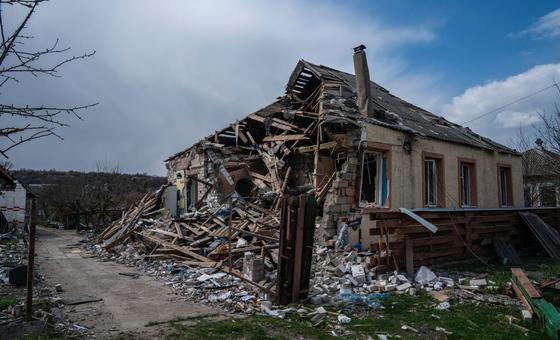
In the southern port city of Odesa, strikes reportedly injured several civilians and damaged a kindergarten and a centre for children with special needs – places where children should feel safe. In Zaporizhzhia, residential buildings were hit.

First responders and humanitarian agencies are already on the ground, providing emergency care and supplies while assessing further needs.

Human toll rising

The barrage included 440 long-range drones and 32 missiles launched by Russian forces, HRMMU noted in a news release citing information from Ukrainian authorities, of which 175 drones and 14 missiles targeted Kyiv.

It marked the fourth time this month that more than 400 munitions were fired in a single night – far surpassing the 544 total launched during the entire month of June 2024.

Even before this latest attack, the human toll of such tactics had been rising sharply. HRMMU had already verified at least 29 civilian deaths and 126 injuries from long-range weapons in June alone.

The overall civilian casualty count in the first five months of 2025 is nearly 50 per cent higher than in the same period last year.

Mr. Schmale reiterated that attacks on civilians and civilian infrastructure are prohibited under international humanitarian law.

Civilians, including children, must never be a target,” he said. “We must not normalize the war.”

Refugee crisis deepens

Meanwhile, the broader humanitarian crisis continues to deepen. The intense conflict, now in its third year since Russia’s full-scale invasion, has driven more than 6.3 million Ukrainians to seek refuge across Europe.

Most are women, children, and older persons, many of whom rely on temporary protection directives extended by host countries like the European Union (EU) and Moldova, according to a report released on Tuesday by Office of the UN High Commissioner for Refugees (UNHCR).

Noting the volatile situation in Ukraine, the agency urged the respective governments to maintain legal status for refugees until conditions allow for safe, dignified, and sustainable returns.

Source link

Afghan women face near total social, economic and political exclusion

But recently, the level of participation has reached a new low – zero.

Zero women in national or local decision-making bodies.

Zero girls projected to be in secondary education following a December 2024 ban.

These numbers are part of the index released Tuesday by gender equality agency UN Women which is the most comprehensive study on gender inequality in Afghanistan since the Taliban resumed de facto control in 2021.

It paints a sobering picture of the state of gender equality in Afghanistan.

“Since [2021], we have witnessed a deliberate and unprecedented assault on the rights, dignity and very existence of Afghan women and girls. And yet, despite near-total restrictions on their lives, Afghan women persevere,” said Sofia Calltorp, UN Women chief of humanitarian action, at a briefing in Geneva.

Second-widest gender gap in the world

The report released by UN Women noted that while the Taliban regime has presided over “unparalleled” gender inequality, disparities existed long before 2021.

“The issue of gender inequality in Afghanistan didn’t start with the Taliban. Their institutionalised discrimination is layered on top of deep-rooted barriers that also hold women back,” Ms. Calltorp said. 

According to the index, Afghanistan currently has the second-worst gender gap in the world, with a 76 per cent disparity between women’s and men’s achievements in health, education, financial inclusion and decision-making.

Afghan women are currently realizing only 17 per cent of their potential, and recent policies by the de facto government — including the December 2024 ban on women in secondary education and the increasingly stringent restrictions on women’s movement — will perpetuate and perhaps worsen this under-realized potential.

Systematic exclusion and social effects

This sort of systematic exclusion of women from society at all levels not only impedes progress on the Sustainable Development Goals (SDGs) and gender equality but also exacerbates poverty and instability more broadly, making it harder for the economy to diversify labour sources.

“Afghanistan’s greatest resource is its women and girls. Their potential continues to be untapped,” said UN Women Executive Director Sima Bahous.

Right now, only 24 per cent of women are part of the labour force, compared to 89 per cent of men. Continued protracted economic strife has led to the number of women in the workforce increasing.

“Overlapping economic, political, and humanitarian crises — all with women’s rights at their core — have pushed many households to the brink. In response – often out of sheer necessity — more women are entering the workforce,” Ms. Calltorp said.

Nevertheless, women are still predominantly working in lower-paid and less secure positions and are overwhelmingly responsible for all unpaid domestic work.

Ms. Calltorp noted that despite the “devastating” daily constraints that Afghan women face, they continue to advocate for themselves and their rights.

“[Afghan women] continue to find ways to run businesses and advocate for their rights – and the rights of all Afghans…Their courage and resilience spans generations,” Ms. Calltorp said.

Stark choices

Alongside a deteriorating gender equality landscape, the aid outlook in Afghanistan is increasingly bleak with only 18 per cent of the 2025 humanitarian response plan for Afghanistan funded.

This is having tangible impacts on the ground, leading UN agencies and partners to call for action and funds.

“Time and time again in Afghanistan, we have seen how donor support can be the difference between life and death…We make an urgent appeal to donors to increase flexible, timely and predictable funding,” they said.

Women, girls and other vulnerable groups are particularly impacted by these funding shortages — 300 nutrition sites for malnourished mothers and children have shut and 216 gender-based violence points have suspended work impacting over one million women and girls.

“The choices we make now will reveal what we stand for as a global community. If the world tolerates the erasure of Afghan women and girls, it sends a message that the rights of women and girls everywhere are fragile and expendable,” Ms. Calltorp said.

“Afghan women and girls haven’t given up, and we will not give up on them.”

Source link

‘Syria simply cannot withstand another wave of instability,’ Security Council hears

“Syria simply cannot withstand another wave of instability,” UN Deputy Special Envoy Najat Rochdi said on Tuesday in a briefing to the Security Council in New York. 

The risks of further escalation in the region are not hypothetical – they are immediate, severe, and risk unraveling the fragile progress toward peace and recovery in Syria.” 

She echoed the Secretary-General’s condemnation of military escalation in Middle East and his call on Israel and Iran to show maximum restraint. 

The UN Special Envoy for Syria, Geir Pedersen, has also expressed growing alarm over the potential consequences of any further escalation, which she also conveyed. 

‘Constructive and cooperative’ engagement 

Ms. Rochdi reported on the Special Envoy’s ongoing engagement in recent months, such as meetings with senior officials in Damascus, including interim foreign minister Asaad Hassan al-Shaibani. 

Their discussions focused on recent positive developments in international relations as well as the importance of prioritizing domestic affairs towards a genuinely inclusive political transition in which all Syrians have a stake. 

Overall, the meetings with Syrian officials “were marked by a constructive and cooperative tone, with a shared interest in strengthening engagement with the United Nations across multiple sectors,” she said.  

Road to transition 

“Particular attention was given to the next steps in the transition and to coordinating efforts with the newly established committees on transitional justice and missing persons,” she added. 

Among the important next steps is the establishment of a new People’s Assembly as the transitional legislative authority.  In this regard, she welcomed the recent presidential decree announcing the appointment of a supreme committee for elections to the Assembly. 

The committee will be responsible for supervising the indirect election of 100 of the 150 members of the People’s Assembly via electoral colleges, she explained.  It will also define the electoral timeframe and eligibility conditions for electors and candidates.  

“We encourage the Supreme Committee to take measures that safeguard inclusivity, transparency and openness in all stages of this process,” she said.

Developments in the northeast 

Turning to the northeast, Ms. Rochdi referred to the 10 March deal reached between the interim authorities and the Syrian Democratic Forces (SDF), which controls the region, to integrate the Kurdish-led group into the national army. 

The agreement “continues to present a historical opportunity to solve one of the key outstanding issues in this conflict and restore Syria’s sovereignty and unity, a priority which the Special Envoy discussed with interim Foreign Minister Shaibani.”

She also welcomed recent detainee exchanges as well as cooperation that enabled several Syrian families at the Al-Hol camp to return to the northwest. Thousands of people from several countries have been held for years at the notorious complex for their alleged ties to ISIL extremists.

“We stress the importance of negotiations moving forward in earnest with bold steps and an active spirit of compromise from both sides to implement the 10 March agreement,” Ms. Rochdi told ambassadors.

“This is a priority for stability in Syria and the region, for the restoration of Syria’s sovereignty, unity, independence and territorial integrity, and for the success of the overall political transition.”  

Women and civil society

Special Envoy Pedersen also engaged with a broad spectrum of Syrians including women, who continue to seek greater representation in leadership positions, including as candidates and delegates in the process for the People’s Assembly.

“Syrian civil society representatives also continue to be active on all fronts working for a new Syria founded on the principles of inclusivity, openness, and transparent participatory processes,” she added.

She stressed that the protection and safety of all components of society, along with prevention of incitement of communal tensions, “are absolute cornerstones for stability.” 

Attacks against specific communities

She noted that sporadic violent incidents continued in Homs, Hama and other regions, including killings, kidnappings and infringements on individual liberties. 

Furthermore, some of the people that the Special Envoy met in Damascus voiced concern over ongoing attacks targeting specific communities and groups, including Alawites, Druze, and women. 

 “While many interlocutors emphasized that these incidents did not appear to be systematic or part of official policy, they highlighted the persistent challenges faced by the interim authorities in controlling certain groups – whether affiliated with the interim authorities or operating independently,” she said.

Ms. Rochdi also pointed to encouraging signs the interim authorities have taken to ease tensions such as the recent issuance of a fatwa that prohibits revenge killings and extrajudicial retaliation. Additionally, recent decisions to reinstate judges who were removed by the former regime represent a welcome step towards rebuilding trust between the judiciary and the population.

Respect Syria’s sovereignty

Meanwhile, other security challenges persist, with sporadic and limited acts of violence this month, including at a border post with Iraq and on contact lines in Deir-ez-Zor, and in rural Homs. 

“The southwest saw a serious incident of Israeli artillery fire and airstrikes on military sites and weapons depots across southern Syria, in response to a rare incident of small rocket fires out of Syria into the Israeli-occupied Syrian Golan,” she continued, noting that two groups unaffiliated with the interim authorities claimed responsibility. 

Additionally, Israeli incursions, arrests, and drone strikes occurred last week in Beit Jinn in the Damascus countryside, which she said are unacceptable and must cease. 

Syria’s sovereignty, independence, and territorial integrity must be respected, along with the 1974 Disengagement of Forces Agreement. Diplomacy is possible and must be prioritised,” she said. 

Ms. Rochdi further reported that “ongoing activity by ISIL remains notable, including attacks on SDF positions, and a US drone strike on an ISIL figure in northwest Syria.”

Returnees and economic measures

Before concluding, Ms. Rochdi reported that despite the fragile security and socioeconomic situation in their homeland, nearly 600,000 people are estimated to have returned to Syria in the past six months, mostly from neighbouring countries.

An estimated 1.34 million displaced people inside Syria have also gone back to their areas of origin during the same period.  

She said the UN continues to welcome and encourage international actions which contribute to the reactivation of Syria’s economy. They include a six-month waiver of some US sanctions, the European Union’s (EU) lifting of economic sanctions, and a broad range of transactions authorized by the United Kingdom to facilitate commercial activity in some key sectors.

She also hailed a large contract for the construction of several gas and solar energy plants, signed between the interim authorities and a consortium of regional and international actors. 

“These projects are expected to supply more than half of Syria’s national electricity needs, representing a big leap toward energy security, economic revival, and infrastructure resilience,” she said.

More to follow on this story… 

Source link

More Gazans killed trying to get food, healthcare near to ‘full disaster’

 “We are walking the fine grey line between operational capacity and full disaster, every day,” said Dr Thanos Gargavanis, WHO trauma surgeon and emergency officer, speaking from the enclave.

The veteran UN medic’s comments came amid new reports on Tuesday morning that more Palestinians had been killed trying to access food, this time near an aid distribution site in Khan Younis in southern Gaza.

The mass casualty event left “hundreds of casualties, completely overwhelming Nasser Medical Complex” in Khan Younis, said WHO’s Representative in the occupied Palestinian territory, Dr Rik Peeperkorn.

No-go zone

Across Gaza today, health services are “barely available” and difficult to access, Dr Peeperkorn said, since more than 80 per cent of Gaza’s territory is under evacuation orders.

“The shrinking humanitarian space makes every health activity way more difficult than the previous day,” Dr Gargavanis added.

Nasser Medical Complex is the largest referral hospital in Gaza and the only remaining main hospital in Khan Younis. It is situated within the evacuation zone announced by the Israeli military on 12 June.

The nearby Al-Amal Hospital – operated by the Palestinian Red Crescent Society (PRCS) – continues to provide services to patients already there, but it is unable to admit anyone else because of ongoing military operations.

“It is what we call a completely minimal functional hospital,” Dr Peeperkorn said.

Deadly impact of fuel shortages

Only 17 of Gaza’s 36 hospitals are currently partially functional, medical supplies are critically low and no fuel has entered the Strip for more than 100 days.

The latest mass casualty event is just the latest involving Gazans trying to access aid amid ongoing severe restrictions placed on the amount of aid allowed into the Strip by Israel.

On Monday, more than 200 patients arrived at the Red Cross Field Hospital in Al Mawasi – the highest number received by the facility in a single mass casualty incident. Of that number, 28 patients were reportedly declared dead, WHO’s Dr Peeperkorn said.

Just one day earlier, on 15 June, the same hospital received at least 170 patients, who reportedly had been trying to access a food distribution site.

“The recent food distribution initiatives by non-UN actors every time result in mass casualty incidents,” WHO’s Dr Gargavanis insisted.

Private aid plan fallout

Since late May, the UN and humanitarian partners have been sidelined in Gaza as a new aid distribution model backed by Israel and the United States began operations under the framework of the Gaza Humanitarian Foundation (GHF), which uses private military contractors. 

The WHO trauma surgeon highlighted a “constant correlation” between the locations of food distribution spots and the mass casualty incidents in Rafah, in Khan Younis and along the Netzarim corridor.

Asked about the type of injuries sustained by those seeking aid, and who is responsible, Dr Garavanis stressed that WHO is not a forensic agency.

“We’re not in a position to clearly identify from the nature of the injury” who has caused it, he said. “What we can say, though, is that we’re talking of gunshot wound injuries, and we’re talking of very few incidents of shrapnel injuries.”

The UN has repeatedly warned that the new aid distribution system does not meet humanitarian principles of humanity, impartiality, independence and neutrality. The global body has also called for aid restrictions to be lifted.

Dr Peeperkorn insisted that the WHO must be facilitated to move supplies into Gaza in a cost-effective manner “via all possible routes” to prevent further shutdowns of medical services. He said that 33 WHO trucks with supplies are waiting at Al Arish in Egypt to be granted passage into the enclave, with another 15 standing by in the occupied West Bank.

Source link

DR Congo: Human rights violations could amount to war crimes, UN experts say

Volker Türk told the Human Rights Council that the investigation and analysis undertaken by his office, OHCHR, had revealed “an apparent total disregard for the protection of civilians during and after military operations.”

The OHCHR’s Fact-Finding Mission in the eastern DRC is also investigating other alleged violations of international humanitarian law, “many of which may amount to war crimes,” he said.  

Arbitrary Arrests

After capturing cities and villages in early 2025, the M23 Rwanda-backed rebels arbitrarily arrested police officers and large numbers of other civilians, including children, the UN human rights office reported.  

According to witnesses, those captured were, and are, still being held in “inhumane conditions,” and many were forcibly recruited into the ranks of the M23.  

The Mission is also investigating alleged arbitrary arrests and enforced disappearances of suspected M23 supporters by the military intelligence arm of the DRC armed forces.  

Extrajudicial Killings

OHCHR also reported that members of the M23 carried out summary and extrajudicial executions, which likely amount to war crimes, said Mr. Türk.  

The Mission is also investigating alleged summary executions by members of the DRC armed forces and DRC-backed Wazalendo militias.  

UN human rights is also investigating reports of death threats, detention and other reprisals against human rights defenders, journalists, and members of civil society perceived as critical of the M23; including the alleged killings of at least two activists.  

Sexual Violence

The Mission received reports of “horrific” use of sexual violence by all parties as a means of reprisal against communities, relatives of perceived opponents, and people from other ethnic groups, said Mr. Türk.  

In North and South Kivu, nearly 40 per cent of survivors of sexual and gender-based violence are children. The UN International Children’s Emergency Fund (UNICEF) estimated that during the most intense phase of the conflict, a child was raped every 30 minutes.  

Mr. Türk called on “all parties to the conflict to commit immediately to a ceasefire and resume negotiations, and to respect international humanitarian and human rights law.” 

Source link

Guterres to launch life-saving campaign strengthening mine action worldwide

António Guterres announced the move in a statement issued on Monday, in response to plans by several UN Member States to withdraw from the Anti-Personnel Mine Ban Convention.

The 1997 treaty, also known as the Ottawa Convention, prohibits the use, stockpiling, production and transfer of these weapons. 

Landmark global agreeement

Since then, it “has led to a virtual halt in global production of anti-personnel mines, and a drastic reduction in their deployment,” and “more than 40 million stockpiled mines have been destroyed,” according to the UN Office for Disarmament Affairs (UNODA).

To date, 165 States are party to the treaty and 133 have signed it.  

Five European countries – Estonia, Finland, Latvia, Lithuania and Poland – have recently announced that they intend to leave, or taken steps in this direction, reportedly due to security concerns related to Russia.

Weakening protection, undermining progress

Without naming countries, the Secretary-General expressed grave concern over the development.

“At a time when civilians face heightened risks from widening conflicts, it is imperative that we strengthen the frameworks that protect human life and dignity,” he said. 

“These announcements are particularly troubling, as it risks weakening civilian protection and undermining two decades of a normative framework that has saved countless lives.”

He urged all States “to adhere to humanitarian disarmament treaties and immediately halt any steps towards their withdrawal,” and appealed to the 32 States that have yet to join the treaty to do so without delay.

These countries include China, Iran, Israel, Russia, and the United States.

ICBL/Gwenn Dubourthoumieu

A 33-year old landmine survivor tries on a new prosthesis at the fitting and rehabilitation centre in Kabalaye, Chad. (file)

About the campaign

The Secretary-General’s campaign will centre around upholding the norms of humanitarian disarmament, accelerating mine action as an enabler of human rights and sustainable development, and driving forward the vision of a mine-free world.

“To achieve these aims, over the next six months this campaign will aim to re-energise public support for disarmament and will also facilitate concrete actions by States to uphold humanitarian norms and strengthen mine action,” he said.

He concluded by stressing that “the urgency of this matter cannot be overstated,” saying “the protection of innocent lives depends on our collective action and commitment.” 

Source link

From Himalayan melt to drowning shores, children lead the climate fight

For young people living on the frontlines, climate change disrupts education, health and safety, casting a pall of uncertainty over the future.

As countries race to meet climate goals, the UN Children’s Fund (UNICEF) is stepping in to ensure that children’s voices are not just heard, but central to shaping solutions.

UN News spoke with the heads of UNICEF in Nepal and the Maldives to explore how the agency is empowering youth, embedding climate resilience in schools and driving child-inclusive climate action.

A young girl stands next to a tap with a small jerry can in a mountain village in Nepal. Many houses lack piped water, so children often fetch water on their way home from school.

A daily reality

In a remote village in western Nepal, 11-year-old Sabu and her friends face danger daily on their way to school. Intensifying and unpredictable rains trigger landslides that wash away roads, and floods that submerge homes and farmland.

Children live with anxiety and uncertainty. When it rains and there are floods, they have to trek, bridges are overrun, roads are muddy – and this is what they have to walk through day after day.”

It becomes a huge burden for children to carry,” says Alice Akunga, UNICEF Representative in Nepal.

Thousands of kilometers away, in the low-lying Maldives, the threat takes a different but equally devastating form. Sea surges erode coastlines, flood homes and wash away infrastructure.

Erosion is a daily reality for children here…young people see their trees falling, homes at risk and they grow up with the constant fear of losing their islands,” explains Edward Addai, UNICEF Representative in the Maldives.

Climate change is not something far-off – it is part of their lives.

A father and his daughter on a stretch of severely eroded beach in Dhiffushi island, in the Maldives.

Kids at the heart of climate action

UNICEF’s work in both countries is guided by a simple principle: children must be at the heart of climate solutions. This means not only shielding them from impacts but also empowering them to be agents of change.

In Nepal, with the support of UN agencies, the government has integrated climate change education into the national curriculum. Classes go beyond theory, with teacher training, green school initiatives and practical actions like rainwater harvesting and waste management.

“We are supporting updating school safety frameworks…making them more resilient and absorb climate shocks such as heavy rains or floods,” Ms. Akunga said.

At the recently concluded Sagarmatha Sambaad – the Everest climate talks – UNICEF supported a national youth-led dialogue that brought together over 100 children and young people from across Nepal to engage with policymakers and submit a Children and Youth Declaration to the Prime Minister.

UNICEF Representative to Maldives Edward Addai speaks with a group of girls participating in a plastic clean up drive.

Youth leadership beyond classrooms

In the Maldives, the agency’s approach emphasises community engagement alongside education.

UNICEF has helped establish environmental clubs in schools, providing safe spaces for children to learn, discuss and act on climate issues. It is also working with the health system to introduce solar energy to hospitals, supplanting fossil fuels.

“These clubs are critical for nurturing leadership and connecting school activities to community projects,” Mr. Addai added.

Young people are also at the centre of the Government’s climate plans, engaging in direct dialogue with policymakers and strengthening intergenerational accountability. One such initiative is the Youth Track to COP, a platform co-led by UNICEF and government partners to prepare young people to meaningfully engage in national and global climate discussions.

Alice Akunga, UNICEF Representative to Nepal, with a group of young children in a classroom.

Safeguarding the next generation

UNICEF is also supporting efforts to integrate child-sensitive policies into the countries’ Nationally Determined Contributions (NDCs) – the climate pledges under the Paris Agreement.

Nepal’s pledges include commitments to green schools and climate-resilient educational infrastructure. Children were actively involved in the consultations for Nepal’s latest NDC, sharing firsthand stories of how climate impacts their daily lives.

The Maldives’ emphasises youth engagement, clean water access and strengthened health systems in climate-vulnerable areas. Young people are also shaping policy through national mock COPs and direct participation in global climate forums.

This ensures that resilience efforts will extend beyond infrastructure to cover children’s health, education and mental wellbeing.

© UNICEF/Laxmi Prasad Ngakhusi

An eight-year-old girl retrieves her textbooks from the rubble of her home, destroyed in an earthquake in western Nepal.

Getting it right, for everyone

The UNICEF officials emphasised what a truly child-inclusive climate plan requires.

It recognises how climate change impacts every aspect of a child’s life – from their lungs to their learning to their access to clean water,” Ms. Akunga said.

“It ensures children can keep receiving health services, continue learning and adapt without anxiety or uncertainty. It’s about securing their survival, growth, and development no matter what climate shocks come.”

Mr. Edward added: “If we get it right for children, we get it right for society.”

“Children are the future caretakers of their land and communities. A climate plan that ignores children’s realities will fail everyone. But when children are healthy, educated, and included, society thrives,”

Children leading the way

Ms. Akunga recalled meeting Sabu, the 11-year-old girl, on a field visit.

“I met this child. I went to her village and met her parents…she has taken it upon herself and mobilised other young girls to learn about medicinal plants – how to nurture them and protect them from extreme weather conditions.”

She spoke of how Sabu is transferring knowledge from elders to peers – bridging generations – and impressing her community with her passion.

Despite the daunting challenges, children like Sabu are stepping up. They are organizing themselves, advocating for change and proposing solutions.

“Their voices matter…children are not just affected by climate change — they are essential partners in responding to it,” Ms. Akunga affirmed.

Mr. Addai echoed this sentiment: “By listening to children and including them in decisions, we build a world where the next generation can live safely and thrive.

A group of young Maldivians at a national conference as the country prepares for the COP28 climate summit.

‘Behind each crisis, people are suffering,’ Türk tells Human Rights Council

We are on an indefensible path of escalating conflict and open disregard for international human rights and humanitarian law,” said Volker Türk, addressing the UN Human Rights Council in Geneva.

Offering a global overview, he painted a stark picture of a world in crisis – with surging armed conflict, deepening climate disruption, emerging technological threats, and a worrying rise in authoritarianism.

Spiralling conflicts

Conflicts around the world are spiralling, as civilians are deliberately attacked and starvation and rape is used as weapons of war by parties. Yet, “accountability is often absent,” said Mr. Türk, who heads the office of human rights, OHCHR.  

From Ukraine to Myanmar, conflicts are plunging countries deeper into chaos and lawlessness.  

In Sudan, the number of arbitrary killings of civilians as rival militaries battle for control, tripled between February and April, OHCHR reports.  

In Gaza, “Israel has weaponised food and blocked lifesaving aid,” Mr. Türk continued, calling for an “immediate ceasefire leading to a two-State solution, with Gaza as an integral part of a Palestinian State.”  

Describing the military escalation between Israel and Iran as “deeply worrying,”  Mr. Türk appealed “for de-escalation and urgent diplomatic negotiations to end these attacks and find a way forward.”  

“This violence must end,” he said.  

Civil society under attack

Around the world, at least 625 human rights defenders and media workers were killed or disappeared in 2024, OHCHR has reported.  

That is one every 14 hours,” the human rights chief said.  

In many places around the world, civil society and the media are being vilified, harassed and silenced; yet it is civil society and the media who play a vital role holding power to account.  

As investigating and reporting human rights abuses and violations are necessary tools to mitigate conflict and build peace, Mr. Türk said he was “deeply disturbed” by attacks on the international institutions, including the International Criminal Court (ICJ).  

“Sanctioning judges and prosecutors at national, regional or international levels, for doing their jobs, is an assault on the rule of law and corrodes justice,” he said.  

Persecuted minorities

From anti-immigrant rhetoric to hate speech targeting the LGBTIQ+ community, one in five people across 119 countries reported experiencing discrimination in the past year, OHCHR said.  

Discrimination is neither rare nor random, it is widespread,” said Mr. Türk.  

For instance, data gathered by the UN shows that women face discrimination at more than double the level experienced by men.  

Highlighting the war on women and girls in Afghanistan, the de facto authorities continue to enforce a systematic policy of erasing women and girls from public life, he continued.  

In these troubled times, “we need governments and societies to stand up for human rights, in word and deed,” concluded Mr. Türk.  

Source link

UNHCR forced to make deep cuts, despite rising needs worldwide

This will entail cutting just under half of all senior positions at the agency’s Geneva headquarters and regional bureaux. 

Around 3,500 permanent staff posts have been discontinued, hundreds of temporary staff positions have been terminated, and some offices have been downsized or closed worldwide.

According to the report, decisions on where to cut costs were guided by the priority to maintain operations in regions with the most urgent refugee needs.

Financial realities

The announcement follows a warning in March from UNHCR that severe funding cuts were putting millions of refugee lives at risk, with immediate and devastating consequences.

The agency anticipates it will end the year with available funding at roughly the same level as a decade ago – despite the number of refugees forced to flee having nearly doubled in that time to over 122 million.

“In light of difficult financial realities, UNHCR is compelled to reduce the overall scale of its operations,” said Filippo Grandi, the United Nations High Commissioner for Refugees. “We will focus our efforts on activities that have the greatest impact for refugees, supported by streamlined headquarters and regional bureau structures.” 

‘Unshakeable’ commitment to refugees

Despite the prioritisation of refugee needs, key programmes – including financial assistance to vulnerable families, health, education, and water and sanitation – have been significantly impacted. 

In response, UNHCR is coordinating with UN partners, aid groups and host countries to mitigate the impact on those who rely on its support by streamlining operations, exploring new models and utilising technology to enhance efficiency.

“Even as we face painful cuts and lose so many dedicated colleagues, our commitment to refugees remains unshakeable,” said Mr. Grandi. 

“Although resources are scarcer and our capacity to deliver is reduced, we will continue to work hard to respond to emergencies, protect the rights of refugees and pursue solutions.”  

Source link

Brutal cuts mean brutal choices warns UN relief chief, launching ‘survival appeal’

“We have been forced into a triage of human survival,” said Mr. Fletcher. “The math is cruel, and the consequences are heartbreaking. Too many people will not get the support they need, but we will save as many lives as we can with the resources we are given.”

New priorities

The appeal aims to reprioritise individual country plans in pursuit of two main goals: first, to reach people and places facing the most urgent humanitarian needs, and second, to prioritise life-saving support based on existing planning for the 2025 humanitarian response.  

This is intended to ensure that limited resources are directed where they can do the most good, as quickly as possible.

Rather than limiting lifesaving aid to a predetermined matrix, humanitarian partners are focused on addressing the most urgent needs in ways that respect the dignity of affected people, allowing them to choose what they need most, OCHA said.

The appeal prioritises but does not replace the Global Humanitarian Overview 2025 (GHO), launched last December, which covers 180 million vulnerable people across 70 countries. The GHO calls for $44 billion, but at the halfway point of the year, less than 13 per cent of that amount has been received.

A call for global solidarity

“Brutal funding cuts leave us with brutal choices,” said Fletcher. “All we ask is one per cent of what you chose to spend last year on war. But this isn’t just an appeal for money – it’s a call for global responsibility, for human solidarity, for a commitment to end the suffering.” 

Source link