UN warns of escalation risk after large-scale Russian drone incursion into Poland

She said it was not the first time drones had been spotted beyond Ukraine’s borders “but it is the first time that multiple drones have flown so deep into a neighbouring country’s airspace.

Ms. DiCarlo said the UN had no way of verifying any claims or counter-claims surrounding the incident and could only rely on publicly available information.

According to Poland, 19 Russian drones entered its airspace overnight on 9 and 10 September during a large-scale missile and drone assault on Ukraine. Polish authorities said some drones were pre-emptively shot down, and debris was later recovered across central and eastern parts of the country.

The episode marked the first time NATO allies used force to neutralize such drones.

Polish authorities reported temporary airport closures in Warsaw and Rzeszów and restrictions on air traffic in the east of the country. While no casualties were reported, residential areas in some villages sustained damage.

Russia’s Defence Ministry acknowledged carrying out strikes against Ukrainian targets during the same period but said it had no intention of engaging any targets in Poland. Belarus reportedly stated that some drones were deflected by Ukrainian countermeasures and veered off course, adding that it had alerted neighbouring countries as drones approached their airspace.

Poland invoked Article 4 of the North Atlantic Treaty (NATO treaty) following the incident, prompting emergency consultations among the 32 member states of the European security pact.

Civilian toll mounts in Ukraine

The briefing came against a backdrop of continued Russian strikes across Ukraine.

President Volodymyr Zelenskyy said more than 400 drones and 40 cruise and ballistic missiles were launched on 15 regions between 9 and 10 September, causing civilian deaths, including at least one in the capital Kyiv.

Impact in Russia and occupied regions

Ms. DiCarlo also highlighted the war’s toll in Russia and in Russian-occupied regions of Ukraine.

She reminded the Council that attacks against civilians and civilian infrastructure, wherever they occur, are prohibited under international humanitarian law and must stop.

“This week’s events underline the dangerous impact of this war on the security of the region and the risk of escalation,” she said.

“We, therefore, once again urgently call for a full, immediate and unconditional ceasefire in Ukraine. The end state must be a just, comprehensive and sustainable peace in line with the UN Charter, international law and relevant UN resolutions.


More to follow…

Source link

Israeli strike in Doha marks ‘alarming escalation’, warns top UN official, in call to uphold diplomatic norms

Rosemary DiCarlo described Tuesday’s strike in a residential area of the Qatari capital – which targeted Hamas’s political leadership killing several affiliates along with a Qatari security officer – as potentially opening a “new and perilous chapter in this devastating conflict, seriously threatening regional peace and stability.

The attack occurred on 9 September in residential compounds reportedly housing members of the Hamas’ political bureau, including the son of its chief negotiator, Khalil al-Hayya.

While Hamas leaders survived, the organization said, the incident disrupted ongoing negotiations over a US-mediated ceasefire and hostage release agreement to end the war in Gaza.

Respect sovereignty

The sovereignty and territorial integrity of any country, including Qatar – a valued partner in advancing peacemaking and conflict resolution – must be respected,” Ms. DiCarlo told ambassadors.

She urged all parties to exercise restraint and reaffirmed the need to preserve negotiation and mediation channels to prevent further suffering in Gaza and the wider region.

Israel claimed responsibility for the strike, with Prime Minister Benjamin Netanyahu describing it as “a wholly independent operation” following a deadly attack on civilians in Jerusalem on 8 September, which Hamas said it carried out.

Qatar, the Gulf Cooperation Council, the League of Arab States, and the Organization of Islamic Cooperation condemned the action and expressed concern over further escalation.

Confidence undermined

Ms. DiCarlo told ambassadors that Israel’s strike came “at the height of ongoing consultations.”

Any action that undermines the work of mediation and dialogue weakens confidence in the very mechanisms we depend on for conflict resolution,” she said, stressing that durable solutions in the Middle East cannot be achieved through further violence.

She called for renewed commitment to diplomacy, warning that the urgency of a ceasefire and hostage release has never been greater.

I call on all stakeholders to exercise utmost restraint at this sensitive time and recommit to diplomacy. The urgency of a ceasefire and hostage release deal in Gaza has never been greater. Strike a deal. Free the hostages. End the suffering of the people of Gaza.”

Gaza crisis spiralling

Meanwhile, the humanitarian and security situation in Gaza and the occupied West Bank remains critical.

Since the conflict in Gaza erupted in October 2023 – following attacks by Hamas and other Palestinian armed groups on communities in southern Israel, tens of thousands have died – mostly civilians – infrastructure and basic services are largely destroyed, and the enclave lies in ruins while a new offensive to take Gaza City is ongoing.

The UN Security Council meets to discuss the situation in the Middle East in the aftermath of an Israeli strike in Doha, the capital of Qatar..

Security Council press statement

Ahead of Thursday’s session, the Security Council issued a press statement expressing condemnation of the strikes in Doha and deep regret over the loss of civilian life.

The statement reaffirmed support for Qatar’s sovereignty and territorial integrity and acknowledges the country’s key role in mediation efforts to end the devastating war, alongside Egypt and the United States.

It emphasised that releasing hostages – including those killed by Hamas – ending hostilities, and ensuring civilian protection in Gaza, remain the Council’s highest priorities.

It also on all parties to seize ongoing diplomatic opportunities for peace.

Source link

Child obesity level surpasses underweight cases worldwide for the first time, UNICEF warns

One in 10 children aged 5 to 19 – 188 million worldwide – are now living with obesity, placing them at heightened risk of chronic diseases such as type-2 diabetes, heart conditions, and certain cancers.

“When we talk about malnutrition, we are no longer just talking about underweight children,” said UNICEF Executive Director Catherine Russell.

“Obesity is a growing concern that can impact the health and development of children. Ultra-processed food is increasingly replacing fruits, vegetables and protein at a time when nutrition plays a critical role in children’s growth, cognitive development and mental health”, she added.

The report, Feeding Profit: How Food Environments are Failing Children, draws on data from over 190 countries and highlights a stark shift.

One in five overweight

Since 2000, the number underweight among five to 19-year-olds has dropped from nearly 13 per cent to 9.2 per cent.

In the same period, obesity has tripled, from three per cent to 9.4 per cent. Today, obesity rates exceed underweight in every region except sub-Saharan Africa and South Asia.

The situation is particularly acute in the Pacific Islands, where traditional diets have been displaced by cheap, energy-dense imported foods.

High-income countries are not exempt: 27 per cent of children in Chile, and 21 per cent in both the United States and United Arab Emirates, are affected.

Globally, one in five children and adolescents, or 391 million, are overweight, with nearly half now classified as obese.

Children are considered overweight when they are significantly heavier than what is healthy for their age, sex and height.

Obesity is a severe form of overweight and leads to a higher risk of developing insulin resistance and high blood pressure, as well as life-threatening diseases later in life, including type-2 diabetes, cardiovascular disease, and certain cancers.

A consumer in Mongolia eats a sugary desert.

Marketing to blame

The report points to powerful commercial forces shaping these outcomes. Ultra-processed and fast foods, high in sugar, salt, unhealthy fats and additives, dominate children’s diets and are aggressively marketed, influencing children’s diets.

In a UNICEF poll of 64,000 young people across 170 countries, 75 per cent reported seeing ads for sugary drinks, snacks, or fast food in the previous week.

Sixty per cent said the ads made them want to eat the products. Even in conflict-affected countries, 68 per cent of young people said they were exposed to these advertisements.

These patterns, UNICEF warns, carry staggering economic consequences. By 2035, the global cost of overweight and obesity levels is projected to exceed $4 trillion annually. In Peru alone, obesity-related health issues could cost over $210 billion across a generation.

Government must act

Still, some governments are taking action. Mexico – where sugary drinks and ultra-processed foods make up 40 per cent of children’s daily calories – has banned their sale in public schools, improving food environments for more than 34 million children.

UNICEF is urging governments worldwide to follow suit with sweeping reforms: mandatory food labelling, marketing restrictions, and taxes on unhealthy products; bans on junk food in schools; stronger social protection programmes; and safeguards to shield policymaking from industry interference.

“In many countries we are seeing the double burden of malnutrition, the existence of stunting and obesity. This requires targeted interventions,” said Ms. Russell.

Nutritious and affordable food must be available to every child to support their growth and development. We urgently need policies that support parents and caretakers to access nutritious and healthy foods for their children”, she concluded.
 

Window to prevent famine spreading in Gaza is ‘closing fast’, UN warns

Tom Fletcher’s statement amid what he described as “a massive military offensive” by Israeli forces against Palestinians in Gaza City, and the failure of ceasefire negotiations with Hamas militants.

By the end of September famine will likely have spread into Deir al Balah and Khan Younis, he said, unless there is a huge influx of humanitarian aid: “Death, destruction, starvation and displacement of Palestinian civilians are the result of choices that defy international law and ignore the international community.”

The horror can be stopped, he continued, if aid is allowed in at scale.

Mr. Fletcher called again for an immediate ceasefire, the protection of civilians, the release of all hostages held inside Gaza by Hamas and other militants and the release of arbitrarily detained Palestinians.

He also insisted on the implementation of the International Court of Justice’s (ICJ) provisional measures which call for prevention of genocidal acts and the immediate and effective delivery of urgent basic services to Gaza’s civilian population.

No money, nowhere to go

Ahead of a second airstrike on a Gaza City high rise apartment block on Saturday in as many days which Israeli forces claimed was being used by Hamas – which the militant group denied – Israel reportedly dropped leaflets warning residents to relocate to the south.

UN News’s correspondent spoke to families trying to survive in the city amid Israel’s ongoing offensive, who are facing an impossible choice over staying or fleeing.

Abu Amer Al-Sharif, A Palestinian in Gaza City.

Abu Amer al-Sharif said, “we are at a loss,” sitting in front of what remains of his house in the city that used to be home to over one million people.

They had salvaged some belongings – but moving again seemed a daunting task.

“You know the financial burden, including transportation costs and rent for new housing. There are no salaries from the authorities and people have no income. Families are required to pay thousands of dollars for the places they move to, in addition to transportation costs. On top of that, our property is damaged,” Abu Amer said.

‘I live on the rubble’

In the same neighborhood, Hossam Madi stands amid the rubble of his home, breaking up furniture to sell as firewood.

We don’t have enough money to move to the southern Gaza Strip,” he said bluntly.

Hossam Madi, a resident of Sheikh Radwan in northern Gaza City removes some of his belongings from his destroyed home.

“I break wood to sell it to buy a kilo of flour for breakfast or lunch. We have nothing. Look at our house, look what happened to it. I am living on the rubble, and now I will take my things and move to western Gaza.”

Saqr Abu Sultan said he wasn’t sure where they were headed, loading his family’s belongings onto a three-wheeled cart in preparation for leaving the Sheikh Radwan neighborhood.

The situation is chaotic now. We’re trying to evacuate, but we don’t know where to go, despite the constant talk of safe areas,” he said.

Abu Amer Al-Sharif and his family in Gaza City remove their belongings and household items from their home, preparing for yet another displacement..

Source link

The ‘unthinkable’ is underway in Gaza City, UNICEF warns

Tess Ingram, Communication Manager for UNICEF’s Middle East and North Africa Regional Office, recently spent nine days there, describing it as “a city of fear, flight and funerals.”   

“The last refuge for families in the northern Gaza Strip is fast becoming a place where childhood cannot survive,” she said, speaking from the enclave to journalists in New York.

Children ‘fighting for survival’

Nearly a million people remain in Gaza City, where the collapse of essential services is leaving its youngest and most vulnerable residents “fighting for survival” as famine spreads and aid barely trickles in.

Only 44 out of 92 UNICEF-supported outpatient nutrition treatment centres are still functional, which means thousands of malnourished children lack access to these critical lifelines.

Meanwhile, hospitals “are on their knees”.  Only 11 are still partly functioning and only five have neonatal intensive care units, or NICUs.

“The 40 incubators between them are running at up to 200 per cent capacity, meaning there are as many as 80 babies fighting for life in overcrowded machines, utterly dependent on generators and medical supplies that may run dry at any moment,” she said.

‘Small bodies shredded by shrapnel’

In Gaza City, Ms. Ingram met displaced families on the run once again, children who have been separated from their parents, and mothers whose children either died from starvation or who fear their offspring will be next.

“I’ve spoken to kids in hospital beds, their small bodies shredded by shrapnel,” she said.  “The unthinkable is not looming. It is already here. The escalation is underway.”

Famine is ‘everywhere’ in Gaza City

Famine was “everywhere I looked in Gaza City”, she said. “Just an hour in a nutrition clinic is enough to erase any questions about whether there is a famine,” she added.

At these clinics, waiting rooms are filled with tearful parents, “children fighting the double punch of disease and malnutrition”, mothers unable to breastfeed, and “babies losing their vision, their hair and their strength to walk.”

Like elsewhere in the enclave, whole families are surviving on one bowl of lentils or rice a day from community kitchens.  Parents often go without so that their children can have something to eat.

A sad reunion

Last week, Ms. Ingram visited a stabilisation centre that treats malnourished children and was shocked to find a woman there called Nesma and her daughter, Jana.  

UNICEF had evacuated the girl for treatment in southern Gaza more than a year ago and she recovered. Jana and her mother then returned to northern Gaza during the ceasefire earlier this year to reunite with the rest of their family 

“Then the blockade on aid, hunger returned, and this time both of Nesma’s children deteriorated.” Her two-year-old daughter Jouri died from malnutrition last month and Jana “is barely hanging on”.

© UNICEF/Mohammed Nateel

A child suffering from malnutrition lies on a bed in the Patient Society Hospital in Gaza City .

‘More children will starve’

Ms. Ingram said children like Jana “are returning to emergency wards or relapsing just weeks after finishing treatment for malnutrition because of the ongoing lack of food, safe water and other essential supplies” in the Gaza Strip.

She affirmed that “without immediate and increased access to food and nutrition treatments, this recurring nightmare will deepen and more children will starve – a fate that is entirely preventable.”

UNICEF continues to respond to the crisis and in the past two weeks provided partners on the ground with enough ready-to-use therapeutic food to support more than 3,000 acutely malnourished children over the six-week course of treatment.

The agency also provided complimentary food to support more than 1,400 infants as well as high energy biscuits for more than 4,600 pregnant and breastfeeding women, among other assistance such as safe drinking water and construction of temporary learning centres.

“Our team is doing everything in their power to help children, but we could do far more, reach every child here, if our operations on the ground were enabled at scale and we were well funded,” she said.

Malnutrition numbers rising

UNICEF is seeking $716 million this year for its response in Gaza, where needs are immense and childhood malnutrition continues to rise. In February, just over 2,000 youngsters were admitted for treatment.  In July, the number climbed to 13,000 and by mid-August had already reached 7,200.

The agency continues to call on Israel to review its rules of engagement to ensure that children are protected, and for Hamas and other armed groups to release all remaining hostages, Ms. Ingram said.

She underlined the need for Israel to allow sufficient aid to enter, while humanitarians must be able to safely reach families where they are.

Her final plea was for the international community, especially States and stakeholders with influence, to use their leverage to end the war now: “because the cost of inaction will be measured in the lives of children buried in the rubble, wasted by hunger and silenced before they even had a chance to speak.” 

Source link

Funding cuts could push 6 million more children out of school, warns UNICEF

Official Development Assistance (ODA) for education is projected to fall by $3.2 billion – a 24 per cent drop from 2023 – with just three donor governments accounting for nearly 80 per cent of the cuts.

Such a decline would push the number of out-of-school children worldwide from 272 million to 278 million, UNICEF said – the equivalent of shutting every primary school in Germany and Italy combined.

“Every dollar cut from education is not just a budgetary decision, it’s a child’s future hanging in the balance,” said UNICEF Executive Director Catherine Russell.

Children in crisis hit hardest

The heaviest impact is expected in regions that are already vulnerable. West and Central Africa could see 1.9 million children lose access to school, while 1.4 million more could be pushed out across the Middle East and North Africa.

In total, 28 countries stand to lose at least a quarter of the education aid they rely on. Côte d’Ivoire and Mali face some of the steepest risks, with enrolment projected to fall by 340,000 and 180,000 students respectively.

Primary education will be hit hardest, with funding expected to drop by one-third. UNICEF warns this could deepen the global learning crisis and cost those children affected an estimated $164 billion in lost lifetime earnings.

In humanitarian contexts, the cuts could be devastating. In the Rohingya refugee response, 350,000 children risk losing access to basic schooling permanently.

Displaced children in a classroom in Baghdad, Iraq.

Call to protect education

The crisis will also threaten vital services. School feeding programmes – sometimes a child’s only reliable meal – could see funding halved, while support for girls’ education is likely to shrink. At least 290 million children who remain in classrooms could also face a decline in learning quality.

UNICEF is calling on donors to direct at least half of all education aid to least developed countries, safeguard humanitarian funding, and prioritise early years and primary schooling. It also urges reforms to make financing more efficient and sustainable.

“Education, especially in emergency settings, often serves as a lifeline,” Ms Russell said. “Investing in children’s education is one of the best investments in the future – for everyone.”

Source link

‘The people of Haiti are in a perfect storm of suffering,’ warns UN chief

Six million people are in need of humanitarian assistance, while 1.3 million people – half of them children – having been forced to flee their homes, he added.

‘Shamefully overlooked’

Haiti now ranks among the five hunger hotspots worldwide that are of “highest concern,” said the UN chief. Yet it remains the world’s least funded humanitarian appeal. Less than 10 per cent of the $908 million needed has been received.

The UN chief lamented the level of international neglect, describing Haiti as “shamefully overlooked and woefully underfunded,” as armed groups continue to block humanitarian access and attack aid workers.

Due to the lack of resources, around 1.7 million people risk receiving no humanitarian assistance at all. “This is not a funding gap. It is a life-and-death emergency,” he said, urging donors to act before lifesaving operations grind to a halt.

Across the country, basic services have collapsed, and mass displacement has left children without education, healthcare or any sense of safety. As of April, gang violence had interrupted the schooling of some 243.000 children, as attacks on schools continued.

‘Unimaginable suffering’

The head of the UN Children’s Fund (UNICEF), Catherine Russell, told ambassadors Haiti’s youth are enduring “unimaginable suffering amidst the brutal armed violence.”

She noted that last year the UN in Haiti had verified more than 2,000 grave violations against children – a nearly 500 per cent increase on the previous year.

The Caribbean nation last year was among the five worst offenders worldwide, Ms. Russell added, including cases of summary execution.

Even more concerning, she said, was the 700 per cent increase in cases of recruitment and use of children by armed groups, alongside a 54 per cent increase in killing and maiming, according to Ms. Russell.

Children now account for a staggering 50 per cent of all active gang members in Haiti.

“I ask Members of this Council to use all available leverage to protect children,” she said, and to support “concrete actions” which will prevent violations from spiralling still further.

‘Signals of hope’

Despite the bleak outlook across Haiti and soaring levels of violence and lawlessness, “there are emerging signals of hope,” said the Secretary-General.

Closer coordination between the Prime Minister’s Task Force, the Haitian National Police and Security Council-backed Multinational Security Support Mission (MSS) is improving operations on the ground, he said.

But, more decisive international support is required to protect and expand these fragile gains.

The Kenyan-led mission was authorised by the Security Council in October 2023 and aims to help over-stretched Haitian authorities stem the gang violence and restore national security, especially in the capital.

Mr. Guterres welcomed efforts by the Security Council to advance his proposal to strengthen the MSS through UN logistical and operation support, and urged ambassadors “to act without delay and authorise an international force, supported by the UN through logistical and operational backing, and predictable financing.”

Source link

SECURITY COUNCIL LIVE: Haiti ‘shamefully overlooked’, warns Guterres

Haitians are enduring a “perfect storm of suffering” the UN Secretary-General António Guterres told the Security Council on Thursday as gang violence continues to paralyse daily life across the island. Around 1.3 million people – half of them children – have fled their homes and six million are relying on humanitarian assistance. Follow our live Meetings Coverage as the latest crisis debate unfolds.

Source link

UN warns Gaza crisis could worsen without safe, unrestricted aid flow

In his regular daily briefing, UN Spokesperson Stéphane Dujarric highlighted that ongoing delays, bottlenecks at holding points and interference in the loading process at crossing platforms are undermining efforts to collect and distribute supplies to those in need.

It is imperative that the UN and its humanitarian partners are enabled to deliver aid at scale, using community-based mechanisms to reach the most vulnerable,” he said.

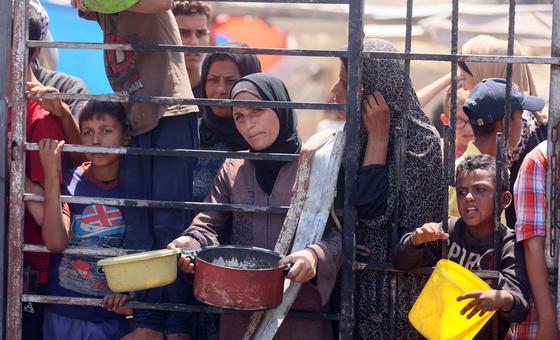
Injured trying to reach food

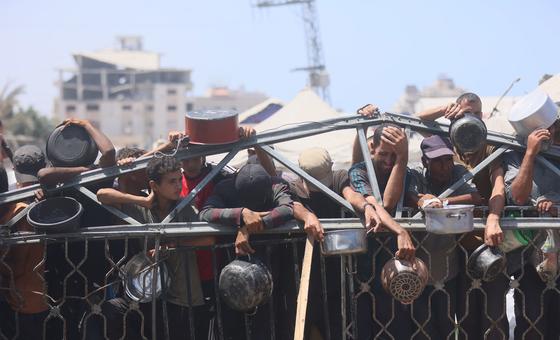
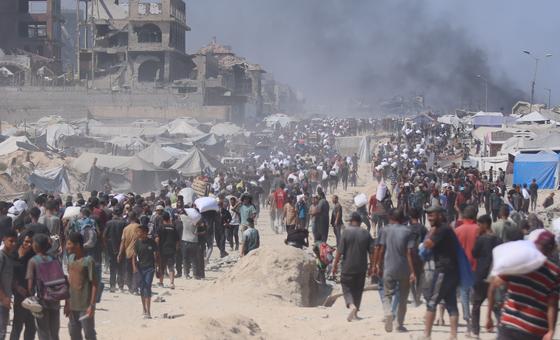
Recent figures illustrate the scale of the challenge. Between May 27 and August 8, the Red Cross Field Hospital in Rafah treated more than 4,500 wounded patients – most reporting injuries sustained while attempting to reach food distribution sites.  

Many were hurt in crowd crushes or subjected to theft or violence immediately after receiving critical food aid.

Of 12 aid missions requiring coordination with Israeli authorities on Thursday, five were facilitated without impediments. Four missions were cancelled by the organisers, and three others were impeded and only eventually fully accomplished – these included the collection of food aid from Zikim and Kerem Shalom/Karem Abu Salem crossings.

The UN Spokesperson also highlighted an ongoing starvation crisis, with increasing numbers of deaths, particularly among children.

Hospitals are struggling to cope with rising cases of malnutrition and many facilities have reportedly run out of bedspace to treat patients, he said.

No cooking fuel

Energy shortages are compounding the crisis, Mr. Dujarric said, noting that cooking gas has been unavailable in Gaza’s markets for five months, while firewood has become increasingly unaffordable.

More people are resorting to using waste and scrap wood as alternative fuel sources for cooking, which only makes worse health and protection risks, and causes environmental hazards,” he added.

Protect fleeing civilians

He also stressed that civilians must be protected in the event of expanded military operations in Gaza City.

Fleeing civilians must be protected and they must have their essential needs met, and they must be able to voluntarily return when the situation allows. And if they choose to stay, they should not be threatened or put at risk,” he said.

Mr. Dujarric also reiterated the UN’s long-standing call for the immediate and unconditional release of hostages held in the Strip.

Gaza health system ‘catastrophic’ as hospitals overwhelmed and medicines running out, WHO warns

Fewer than half of Gaza’s hospitals and under 38 per cent of primary healthcare centres are partially functioning – or are doing so at minimal levels – said Dr. Rik Peeperkorn, World Health Organization (WHO) Representative for the West Bank and Gaza.

Bed occupancy in major facilities is exceeding limits by large margins – Shifa Hospital is at 250 per cent capacity, Nasser at 180 per cent, Al-Rantisi at 210 per cent and Al-Ahli at over 300 per cent.

Critical supplies running out

“The critical shortage in medications and consumables continue and have only exacerbated, with 52 per cent of the medicines and 68 per cent of consumables at zero stock,” Dr. Peeperkorn told journalists in Geneva, speaking from Jerusalem.

Hospitals are particularly overwhelmed by injuries from food distribution areas, which are also driving persistent shortages of blood and plasma,” he added, noting that since 27 May, at least 1,655 people have been killed in those areas and more than 11,800 injured.

The crisis has been exacerbated by displacement orders in Gaza City that now place WHO’s own warehouse in an evacuation zone. Hospitals, primary care centres and ambulance facilities are also located inside or near these areas, threatening further disruption to services.

Malnutrition worsening

Hunger and malnutrition are worsening rapidly.

Since the start of 2025, 148 people have died from malnutrition, including 49 children – 39 of them under five years old. Nearly 12,000 children under five were diagnosed with acute malnutrition in July, the highest monthly figure to date, with more than 2,500 suffering from the most severe form.

New threat from meningitis

Disease outbreaks are adding to the pressure.

Suspected meningitis cases reached 452 between July and early August – the highest number since the escalation began. Guillain-Barré syndrome, a rare post-infection disorder, has also surged, with 76 suspected cases since June.

Both conditions are harder to treat due to “zero stocks” of vital medicines, including intravenous immuneoglobulin and anti-inflammatories, Dr. Peeperkorn said.

Access challenges

Access for international medical teams and supplies remains a major obstacle.

Dr. Peeperkorn said that international medics face entry denials, while key items such as ICU equipment, anaesthesia machines and cold chain supplies continue to be held back.

Though WHO managed to bring in 80 trucks of medical supplies since June, he stressed that procedures are slow and unpredictable, with many shipments delayed or denied.

We need multiple crossings into Gaza opened, procedures simplified, and access impediments lifted,” he said. “We hear about more humanitarian supplies being allowed in – but it’s not happening, or it’s happening far too slowly.”

Aid blockade deepens Gaza crisis as malnutrition deaths rise, warns UNRWA

“For over 150 days, not a single truck from UNRWA has been permitted to deliver food, medicine or other essentials into Gaza,” the agency said on Friday. “This denial of access is costing lives every single day.”

Nearly 100 children dead from malnutrition

According to Gaza’s Ministry of Health, cited by the UN, at least 61,158 Palestinians have been killed and more than 151,000 injured since October, amid relentless Israeli bombardment and ground operations.

UNRWA said nearly 350 of its own staff are among the dead since Israel’s military operation in Gaza began following the 7 October 2023 Hamas-led terror attacks.

Many civilians have been killed while sheltering in schools or tents, or while queuing for food.

Food insecurity is now acute. UN data show 193 people — including 96 children — have died from malnutrition since the start of August, with July seeing the highest monthly rate of acute malnutrition recorded in children under five.

Soaring prices

Wheat flour prices have soared by up to 15,000 per cent compared to pre-war levels. “Sustained, large-scale deliveries are the only way to stabilise food supplies and prices,” UNRWA stressed.

Health services are close to collapse. More than half of essential medical supplies are already out of stock, and hospitals have been forced to ration fuel for generators. UNRWA teams have nevertheless managed over 1.5 million health consultations since March, but “without resupply, our ability to save lives is dwindling,” the agency warned.

Vast scale of displacement

Displacement is on a vast scale: 1.9 million people — around 90 per cent of Gaza’s population — have been forced from their homes, many repeatedly. Nearly 100,000 are crammed into over 60 UNRWA-run shelters.

In the northern Israeli-occupied West Bank, around 30,000 people from Nur Shams, Tulkarm and Jenin refugee camps remain unable to return home due to Israel’s “Iron Wall” military operation, ongoing since January.

The agency urged immediate, unhindered humanitarian access. “We need the world to act — to open the crossings, to stop the suffering, and to uphold the most basic principles of humanity,” it said.

The UN Security Council is due to meet in New York in emergency session on Sunday morning local time to discuss the Israeli cabinet’s endorsement of a military takeover of Gaza City which is home to around one million Palestinians.

‘The real challenge is still ahead’: UN warns on Afghan returnees

“The real challenge is still ahead of us,” Stephanie Loose, Programme Manager in Afghanistan, told journalists in Geneva on Friday.

We’re speaking about the reintegration of people who’ve lost their homes, who’ve lost their assets and also their hope.” 

Millions on the move

Afghanistan is currently facing an unprecedented returnee crisis. 

Since September 2023, some three million Afghans living in Pakistan and Iran were either deported or voluntarily repatriated, with over two million arriving so far this year.  For some, it’s not a return but a new start.

“Many in Afghanistan don’t have a place to go because they’ve never actually lived in Afghanistan,” Ms. Loose said.

“Sixty per cent of those who are returning now are below 18, so they don’t have any social ties, they don’t have any networks, and there is a real risk for them taking negative coping mechanisms.”

Concern for women and girls

Returnees are coming to a country under Taliban rule and where roughly half the population – 22.9 million people – requires humanitarian assistance amid economic, human rights and climate-related crises. 

Ms. Loose noted that Taliban edicts preventing women and girls from attending secondary school, getting a job, or going outside without a male chaperone, present a serious challenge to returnees.

“They’re being pushed back into a country where there’s no education for girls beyond 12, where they don’t actually know where to go, and where there’s actually specifically for women and girls no social and no economic development opportunities,” she said. 

“We also have women-headed households who return to the country. So, you can just imagine actually what it means to them. They cannot actually leave their houses without being accompanied by a mahram, a male guardian, even if they want to go and see a doctor.

Challenges to integration

She added that integration is likely to be further complicated by the high level of needs in Afghanistan, given the fragile political, economic and social situation, linked to more than four decades of conflict.

Afghanistan is also among the top 10 countries impacted by climate change, and droughts, floods and heatwaves have taken a toll on rural livelihoods. They also threaten people living in informal settlements in urban areas who account for up to 80 per cent of the population in these locations.

Given the scale of needs across Afghanistan, Ms. Loose stressed that rebuilding lives goes beyond emergency aid.

People need access to basic services, to water, to sanitation.  And overall, they do need livelihood opportunities…to lead their lives in dignity and to support their families,” she said.

International appeal

Reintegrating large numbers of displaced people will require huge efforts from the international community and the Afghan authorities, she said. 

It is a humanitarian crisis for individuals, but demands systemic, locally grounded approaches, and strong investment in basic services, infrastructures, housing solutions and livelihood opportunities,” she said.

Ms. Loose urged the international community not to forget about Afghanistan and its people, especially women and girls, and to ensure adequate funding is made available so that they can live in dignity. 

Source link

Abuse during and after childbirth persists globally, WHO warns

Over the past decade, a growing body of evidence has highlighted the widespread impact of mistreatment and the necessity of placing respectful care at the centre of all maternal and newborn health strategies.  

WHO’s Human Reproduction Programme (HRP), and partners released a new compendium on Wednesday aimed at ending mistreatment and promoting respectful maternal and newborn care, featuring the latest evidence and guidance on best practices.

From policymaking to clinical settings and community services, this compendium outlines actionable steps to uphold the rights, needs and preferences of women, newborns, parents and families.  

Broad range of mistreatment

Taking different forms, mistreatment during childbirth ranges from neglect and abuse to non-consensual medical procedures, with an earlier WHO-supported study finding that 40 per cent of women in four countries had experienced some sort of abuse or discrimination during labour or childbirth.

Some reported being slapped, shouted at, or forcibly restrained.

Across these four countries, researchers also found that more than four in 10 women had been physically or verbally abused during childbirth, with some also experiencing discrimination.  

In addition, up to 75 per cent of extremely sensitive procedures were performed without consent.  

Shut out

Too often, women are not part of decision-making and are treated with contempt or even abuse,” said WHO’s Dr. Hedieh Mehrtash.

“Respectful maternal and newborn care needs to be embedded and integrated into policy and practice,” said WHO, as the compendium provides practical resources for countries, urging health systems to proactively embed dignity, equity, and respect into every aspect of maternity and newborn care – building on WHO’s 2014 statement on preventing disrespect and abuse.

Highlighting critical areas where mistreatment is often overlooked, WHO’s compendium provides programme managers with essential background to build a foundational understanding of mistreatment and respectful care and aims to ensure respectful practices become the norm. 

Source link

Afghan women returnees face rising risks, UN warns

UN Women – which champions gender empowerment and equality – alongside the international humanitarian agency CARE International and partners, issued the call in a report published on Thursday that also highlights the key challenges and needs of women aid workers assisting the returnees.

The Gender Alert comes amid a surge in returnees to Afghanistan, where the Taliban has ruled for four years, implementing numerous decrees that restrict women’s rights amid economic crisis, climate shocks and immense humanitarian needs.

Strangers in a strange land

Since September 2023, more than 2.4 million undocumented Afghan migrants have returned, or were forced to return, from Pakistan and Iran.

Women and girls account for a third of returnees from Iran so far this year, and about half of those coming from Pakistan.   

Many arrive in a country they have never lived in, with no home, income or access to education and healthcare.

Women and children who have returned to Afghanistan, wait to be seen at a maternity clinic.

A myriad of risks

Like all women and girls in Afghanistan, the returnees face increased risks of poverty, early marriage, violence, exploitation and unprecedented restrictions on their rights, movements and freedoms.  

Vulnerable women and girls arriving with nothing into communities that are already stretched to breaking point puts them at even greater risk,” said Susan Ferguson, UN Women Special Representative in the country. 

We need a place to stay, a chance to learn and a way to earn.

“They are determined to rebuild with dignity, but we need more funding to provide the dedicated support they need and to ensure women humanitarian workers are there to reach them.” 

Housing, income and education

The report outlines urgent and long-term needs, such as safe and affordable shelter, livelihood support and girls’ education.  

As one participant in a focus group in Nangahar province put it, “We need a place to stay, a chance to learn and a way to earn.”

Currently, only 10 per cent of women-headed households live in permanent shelter, nearly four in 10 fear eviction, and all girls are banned from attending secondary school.

Impact of aid cuts

Although women humanitarian workers at border points are critical to reaching female returnees, cuts in foreign aid and movement restrictions increasingly hamper their efforts.

For example, women humanitarians are required to be accompanied by a male guardian, or mahram, when travelling.  However, “funding cuts have sharply eroded staff mahram support in the provinces of Kandahar and Nangarhar, leaving provision inconsistent, delayed, or absent altogether,” the report said.

The funding cuts have severely weakened the capacity of humanitarian organizations to respond, and women humanitarian workers at border points report that they are overwhelmed by the sheer number of arrivals and being unable to meet even their basic needs. 

‘Distressed, disoriented and without hope’

“Witnessing the volume of arrivals and the hardship faced by women, children and families – many distressed, disoriented and without hope – has left a deep impact on all of us responding to this crisis,” said Graham Davison, CARE Afghanistan Director.

He underscored the urgent need for support to provide basic services, safe spaces and protection for women and girl returnees. 

The report noted that Afghanistan is already facing one of the world’s most dire humanitarian crises, driven by decades of conflict, poverty and natural disasters.

As this latest wave of returns threatens to push already fragile communities further into crisis, the partners urged the international community to act now to protect the rights of Afghan women and girls and to invest in the women humanitarians who support them.

Arafat Jamal, the UN refugee agency (UNHCR) Representative in Afghanistan, recently spoke about the surge in returnees from Iran.

Record number of returns

Separately, the International Organization for Migration (IOM) also called for international support as Afghanistan confronts “one of the largest return movements in recent history.”

Returnee numbers are on track to increase as one million more Afghans are expected to return from Pakistan following the Government’s decision not to extend their stay.

IOM operates four reception centres at major border crossings in Afghanistan, including Islam Qala and Milak with Iran, and Torkham and Spin Boldak with Pakistan. 

The UN agency is appealing for additional funding to scale up its response to address growing needs at the borders and in areas of return.

Source link

Gaza crisis deepens as UN warns children are ‘dying before reaching hospital’

With 96 per cent of households lacking clean water, many malnourished children are not surviving long enough to receive hospital care.

James Elder, Spokesperson for the UN Children’s Fund (UNICEF), told at a news briefing in Geneva that it would be a mistake to assume the situation is improving.

There’s a sense through the world’s press that things are improving,” he said. “But unless there is sustained humanitarian aid…there will be horrific results.

He emphasised the scale of need: “When food comes in which supports 30,000 children, there are still 970,000 children not getting enough. It is a drop in the ocean.”

Aid still a trickle

The UN relief coordination office, OCHA, said that although unilateral pauses have allowed some aid into Gaza, the current trickle is vastly insufficient.

“There should be hundreds and hundreds of trucks entering Gaza every day, for months or years to come,” said Jens Laerke, OCHA spokesperson. “People are dying every day. This is a crisis, on the brink of famine.

Thousands of tons of pre-funded aid remain stuck just outside the enclave, he added, as bureaucratic delays and lack of safe access continue to block distribution.

Urgent scale-up needed

In New York, UN Deputy Spokesperson Farhan Haq also noted the impediments to bringing in and distributing sufficient aid.

“Massive food shortages continue to impact people’s chances for survival,” he said. “As malnutrition levels rise, children’s immune systems are weakened, hindering their development and growth far into the future.”

Last Thursday alone, 71 kitchens delivered over 270,000 hot meals across Gaza, including 10,000 to health facilities. But that figure falls far short of what’s needed to feed more than two million people.

We need an urgent scale-up of supplies, as well as an environment that allows humanitarians to reach people in need safely, rapidly and efficiently,” Mr. Haq added.

Health challenges continue

Some medicine has entered Gaza in recent days, but supplies remain limited. Health workers continue to operate under extreme pressure and shortages.

The World Health Organization (WHO) reported 46 cases of Guillain-Barré syndrome in July, including two deaths. The condition, which affects the nervous system, has been linked to compromised immunity, poor nutrition and hygiene-related infections.

The situation of pregnant women and nursing mothers is equally alarming. The UN reproductive health agency, UNFPA, said that 40 per cent of pregnant or breastfeeding women are suffering from severe malnutrition, with newborn deaths and stillbirths on the rise.

Meanwhile, three UN fuel tankers reached Gaza City on Monday. The fuel will power critical health, water and sanitation services, but OCHA stressed this only allows operations to run at “bare minimum” capacity.

Source link

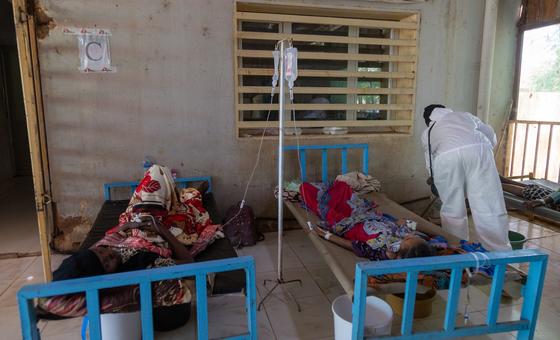
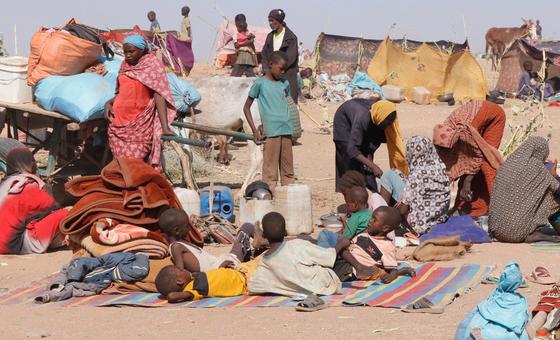
Cholera spreads in North Darfur, 640,000 children under threat, UNICEF warns

More than 1,180 cholera cases – including an estimated 300 in children – and at least 20 deaths have been reported in Tawila, a town that has absorbed over half a million people fleeing violence since April.

Across the wider Darfur region, the toll is even more alarming: nearly 2,140 cases and at least 80 fatalities as of 30 July.

Despite being preventable and easily treatable, cholera is ripping through Tawila and elsewhere in Darfur, threatening children’s lives, especially the youngest and most vulnerable,said Sheldon Yett, UNICEF Representative in Sudan.

With hospitals bombed and many health facilities shuttered, Tawila – located just 70 kilometres from the besieged state capital El Fasher – has become a flashpoint of overlapping crises.

Limited access to clean water, poor sanitation and overcrowded camps have created ideal conditions for the disease to spread.

Deepening catastrophe

The cholera outbreak is unfolding against a backdrop of deepening catastrophe. Since the war between rival militaries erupted in April 2023, critical infrastructure has been decimated, millions displaced and food systems dismantled.

Famine has already been declared in at least 10 locations, including the vast Zamzam camp, with over a dozen more areas at risk.

Sudan’s extreme vulnerability to climate shocks – from droughts to devastating floods – has further compounded the crisis, leaving families to navigate the deadly intersection of conflict, hunger, disease and environmental collapse.

Over 640,000 children at risk

More than 640,000 children under five in North Darfur alone are now at risk. Recent assessments show that the number of children suffering from severe acute malnutrition in the region has doubled in the past year.

Children whose bodies are weakened by hunger are far more likely to contract cholera and to die from it,” UNICEF warned.

They cannot wait a day longer.

Call for action

UNICEF is urgently calling on all parties to ensure sustained, safe and unimpeded humanitarian access. Bureaucratic delays, looted aid convoys and active fighting have hampered the delivery of vital supplies, including vaccines, therapeutic food and medical kits.

The agency is scaling up its emergency response in Tawila and across Darfur, distributing Oral Rehydration Salts (ORS), chlorinated water and hygiene kits.

Nearly 30,000 people in Tawila now have daily access to safe drinking water, while outreach teams are raising awareness on prevention and early treatment.

Funds urgently needed

To support long-term containment, UNICEF plans to deliver more than 1.4 million doses of oral cholera vaccine and bolster treatment centres.

Additional supplies – soap, latrine slabs, plastic sheeting – are being readied, though access remains the greatest obstacle.

Since the outbreak was officially declared in August 2024, more than 94,000 cholera cases and over 2,370 deaths have been reported across 17 of Sudan’s 18 states. UNICEF says it urgently requires $30.6 million to fund its emergency cholera response.

Source link

Gaza: Nearly 1,400 Palestinians killed while seeking food, as UN warns airdrops are no solution

Between 30 and 31 July alone, 105 Palestinians were killed and at least 680 more injured along the convoy routes in the Zikim area in North Gaza, southern Khan Younis, and in the vicinity of the GHF sites in Middle Gaza and Rafah, the office (OHCHR) said in a press release issued on Friday

In total, since 27 May, at least 1,373 Palestinians have been killed while seeking food; 859 in the vicinity of the GHF sites and 514 along the routes of food convoys.

OHCHR noted that most of the killings were committed by the Israeli military, and that while it is aware of the presence of other armed elements in the same areas, it does not have information indicating their involvement in the killings.

“[The office] has no information that these Palestinians were directly participating in hostilities or posed any threat to Israeli security forces or other individuals. Each person killed or injured had been desperately struggling for survival, not only for themselves, but also for their families and dependents,” it said.

Uphold international law

The office emphasized that intentionally directing attacks against civilians not taking direct part in hostilities and intentionally using starvation of civilians as a method of warfare by depriving them of objects indispensable to their survival, including willfully impeding relief supplies, are war crimes.  

“If part of a systematic or widespread attack on the civilian population, these may also constitute crimes against humanity,” OHCHR added, noting that the cumulative impact of these incidents and humanitarian access restrictions.

“Each of these killings must be promptly and independently investigated, and those responsible held to account. Urgent measures must be put in place to prevent recurrence,” it said.

Airdrops not effective

Meanwhile, the UN Relief and Works Agency for Palestine Refugees (UNRWA), underscored the need to open road crossings to supply aid at scale across the Gaza Strip.

“Airdrops are at least 100 times more costly than trucks. Trucks carry twice as much aid as planes,” UNRWA Commissioner-General Philippe Lazzarini said on social media.  

“If there is political will to allow airdrops – which are highly costly, insufficient and inefficient, there should be similar political will to open the road crossings,” he stressed.

Mr. Lazzarini further noted that UNRWA has 6,000 trucks loaded with aid stuck outside Gaza waiting permission to enter.  

During the ceasefire earlier this year, UNRWA and other UN agencies were able to bring in 500 to 600 trucks of aid each day.  

“Aid reached the entire population of Gaza in safety and dignity. It succeeded to reverse the deepening starvation without any aid diversion,” the UNRWA head said.

“Let us go back to what works and let us do our job.” 

Source link

In Myanmar, conflict and floods collide as UN warns of deepening crisis

Farhan Haq, UN Deputy Spokesperson, stressed the need for unimpeded relief operations and a peaceful path out of crisis.

The UN remains concerned by ongoing violence in Myanmar, including aerial bombardment hitting civilians and civilian infrastructure,” he said, at the regular press briefing in New York.

Civilians and humanitarian workers must be protected.

His remarks come as monsoon rains and flooding – worsened by Cyclone Wipha – swept through parts of the country, further straining regions already destabilized by conflict and a devastating earthquake in March.

Millions forced to flee

The crisis left more than 3.3 million people internally displaced, with another 182,000 seeking refuge abroad since the military coup in February 2021, according to the latest UN figures. In addition, over 1.2 million – mostly members of the minority Muslim Rohingya community – were forced to flee the country, driven by waves of violence.

The largest exodus took place in August 2017, when nearly one million Rohingya fled brutal violence and attacks by security forces, likened to a “textbook example of ethnic cleansing” by then UN High Commissioner for Human Rights Zeid Ra’ad Al Hussein.

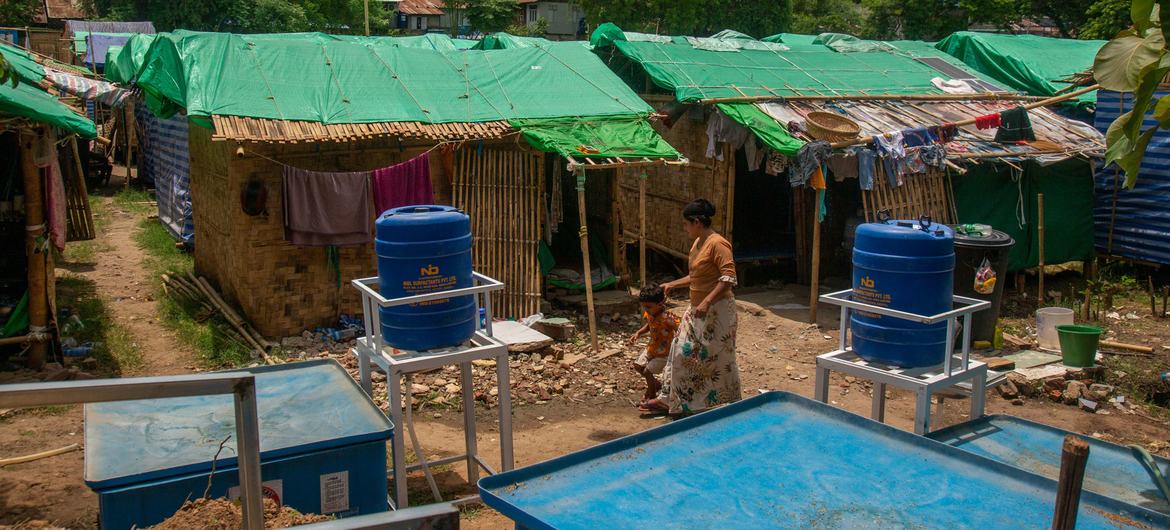
Disasters and fighting has forced millions across Myanmar to flee their homes in search of safety. Many shelter in IDP camps like this one in central Myanmar.

Floods, landslides upend lives

In the flood-affected areas of Bago, Kayin and Mon states, more than 85,000 people have been affected, with homes destroyed, roads cut off and emergency services overstretched.

Relief partners report significant shortages of food, safe drinking water and medical supplies. In Taungoo district (Bago) alone, three flood-related deaths have been confirmed, while six more people reportedly died in a landslide in Shan state.

The pathway out of the deteriorating situation in Myanmar requires an end to the violence 
– UN spokesperson Farhan Haq

The pathway out of the deteriorating situation in Myanmar requires an end to the violence and unimpeded access for relief workers and supplies,” Mr. Haq stressed, noting that health systems are also under acute strain.

Disease outbreaks rising

A humanitarian bulletin from the World Health Organization (WHO)-led Health Cluster warns that floodwaters are driving spikes in acute watery diarrhoea, dengue and malaria.

There are deep concerns over outbreaks of vaccine-preventable diseases like measles, and polio is increasing due to low immunization rates and poor hygiene conditions in overcrowded camps.

WHO has verified 27 attacks on healthcare facilities so far this year, with other monitoring groups reporting over 140 additional incidents.

Meanwhile, severe funding shortages – exacerbated by cuts in United States funding – have forced the suspension of services at 65 health facilities and 38 mobile clinics across Myanmar. Services at a further 28 mobile clinics have been scaled down.

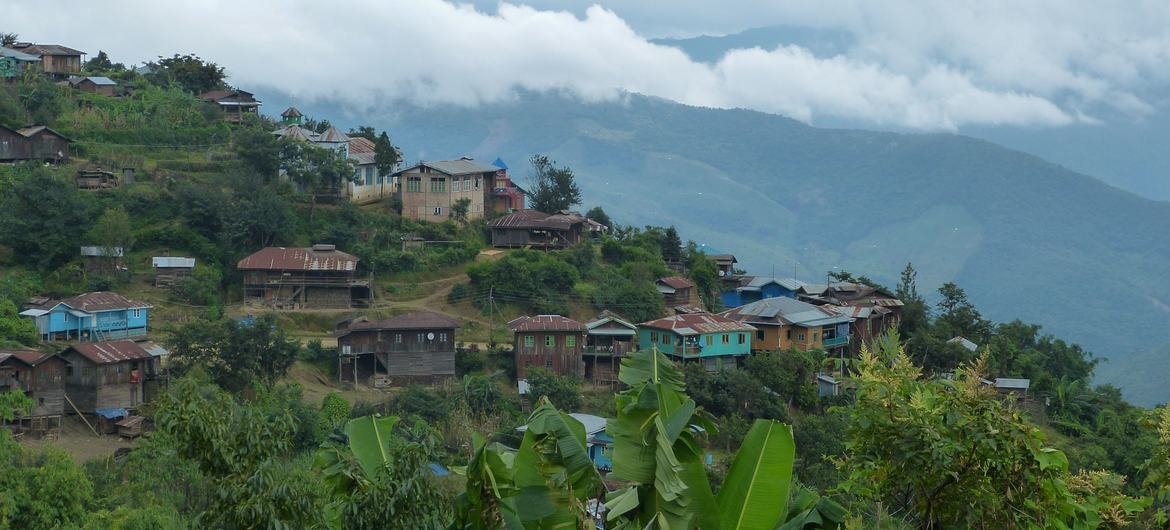
Hakha, the capital of Chin state in Myanmar.

Elections under military cannot be credible

The political context remains grim. Since the February 2021 military coup, which overthrew the elected government and imprisoned top leaders including State Counsellor Aung San Suu Kyi, Myanmar has seen a steady escalation of armed conflict and repression.

The junta’s plans to hold elections have drawn deep concern, including from the UN.

The Secretary-General reiterates his concern over the military’s plan to hold elections amid ongoing conflict and human rights violations, and without conditions that would permit the people of Myanmar to freely and peacefully exercise their political rights,” said Mr. Haq.

He recalled Security Council Resolution 2669, adopted in 2022, which called for the immediate release of all arbitrarily detained prisoners, including President Win Myint and Aung San Suu Kyi; upholding democratic institutions and processes; and pursuing in constructive dialogue and reconciliation in accordance with the will and interests of the people of Myanmar.

Commitment to stay and deliver

Despite the volatility and access constraints, UN agencies remain committed to reaching affected populations.

As of July, nearly 306,000 people had received health services in 59 earthquake-hit townships – just 67 per cent of the target population, reflecting the limited funding and security challenges faced by aid workers.

The United Nations is committed to staying and delivering in Myanmar,” Mr. Haq affirmed, “and to working with all stakeholders, including ASEAN and other regional actors, to attain sustainable peace.

Source link

UN warns of ‘catastrophic hunger’ in Gaza as Israel announces humanitarian pauses

But as starvation tightens its grip and “children are dying before our eyes,” UN officials and aid workers warn that the measures fall far short of the much-needed ceasefire and unfettered aid access that could help stem the spiralling humanitarian catastrophe.

“Welcome announcement of humanitarian pauses in Gaza to allow our aid through,” UN Emergency Relief Coordinator Tom Fletcher said on X. “In contact with our teams on the ground who will do all we can to reach as many starving people as we can in this window.”

Also reacting via the platform, UNICEF said: “This is an opportunity to begin to reverse this catastrophe and save lives.”

According to the agency, since the collapse of the ceasefire between Israel and Hamas in March, children have been trapped in a nightmare and deprived of the basics to survive.

“The entire population of over two million people in Gaza is severely food insecure. One out of every three people has not eaten for days, and 80 per cent of all reported deaths by starvation are children,” the agency continued.

UNICEF emphasized that while it has never stopped delivering, “we can do a lot more if additional designated humanitarian corridors are created to facilitate the movement of our convoys – as well as commercial trucks, which are essential.”

‘A lifeline – if upheld and expanded’

The UN World Food Programme (WFP) also welcomed Israel’s announcement and its intent to open designated corridors for aid convoys in Gaza, “where hunger has reached catastrophic levels.”

With nearly half a million people facing famine-like conditions and a third of the population going days without food, WFP said in a press statement that the measures could offer a lifeline – if upheld and expanded.

Despite recent deliveries, including 350 truckloads last week, aid workers continue to face extreme risks and logistical hurdles. WFP said it has enough food stockpiled or en route to feed Gaza’s 2.1 million residents for three months, but without a ceasefire and consistent access, the scale of need far outpaces current efforts.

“An agreed ceasefire is the only way to reach everyone,” the agency stressed, calling for predictable and safe conditions to prevent further loss of life.

‘An entirely preventable crisis’

At the same time, the UN World Health Organization (WHO) warned that malnutrition in Gaza is spiralling out of control, with a sharp rise in deaths – most of them in July – marking what it calls a “dangerous trajectory.”

Of the 74 malnutrition-related deaths recorded this year, 63 occurred this month alone, including 24 children under five. Many died before reaching medical care, their bodies showing signs of severe wasting.

“This crisis is entirely preventable,” WHO said in a press release, citing the deliberate obstruction of aid for the mounting toll.

Children are bearing the brunt. Over 5,000 children have already been treated for malnutrition in July, many with the most life-threatening form. But Gaza’s four specialized treatment centers are overwhelmed, running low on fuel and supplies, and staffed by exhausted health workers.

“The health system is on the brink,” WHO warned, as disease spreads rapidly through communities with no clean water or sanitation.

The crisis is also devastating pregnant and breastfeeding women, over 40 per cent of whom are now severely malnourished. And it’s not just hunger that’s killing people—it’s the desperate search for food, according to WHO.

Since late May, more than 1,000 people have been killed and over 7,000 injured while trying to access aid. WHO is calling for an immediate ceasefire and a sustained surge of diverse, nutritious food and medical supplies.

“This flow must remain consistent and unhindered,” the agency said, urging protection for civilians, health workers, and humanitarian operations.

‘The world will judge this conference’

Looking ahead to the High-Level Conference on Palestine set to open on Monday at UN Headquarters in New York, the UN High Commissioner for Human Rights issued a strong call for immediate action to end Israel’s unlawful occupation and the ongoing devastation in Gaza.

“Countries that fail to use their leverage may be complicit in international crimes,” Volker Türk warned in a statement, urging governments to seize the moment for concrete measures that pressure Israel to halt the carnage and recommit to a two-state solution.

The UN rights chief described Gaza as a “dystopian landscape of deadly attacks and total destruction,” where children are starving and families are being killed in their search for food. The militarized aid distribution system, supported by the US and Israel, is failing to meet the scale of need.

“We can never forget that more than 300 of our own colleagues have been killed,” he added.

Moreover, in the occupied West Bank, violence by Israeli forces and settlers continues unabated, with homes demolished and water supplies cut off.

Mr. Türk reiterated condemnation of the 7 October attacks by Hamas but emphasized that the scale of suffering inflicted on Palestinians since then cannot be justified.

Calling for an immediate, permanent ceasefire, the release of hostages and detainees, and a massive surge in humanitarian aid, he concluded:

“The people of the world will judge this Conference on what it delivers.”

Source link

UN warns of escalating human toll in Ukraine amid relentless aerial attacks, mounting aid shortfall

“Nowhere is safe in Ukraine,” said Miroslav Jenča, Assistant Secretary-General for Europe at the UN Department of Political Affairs (UNDPPA).

Citing figures from the UN human rights office, OHCHR, he said civilian casualties reached a three-year high in June, with 6,754 civilians killed or injured in the first half of 2025 alone.

Russian forces launched over 5,000 long-range munitions against Ukraine so far in July, including a record-breaking 728 drones in a single day. Major cities such as Kyiv and Odesa have been hit by swarms of missiles and drones.

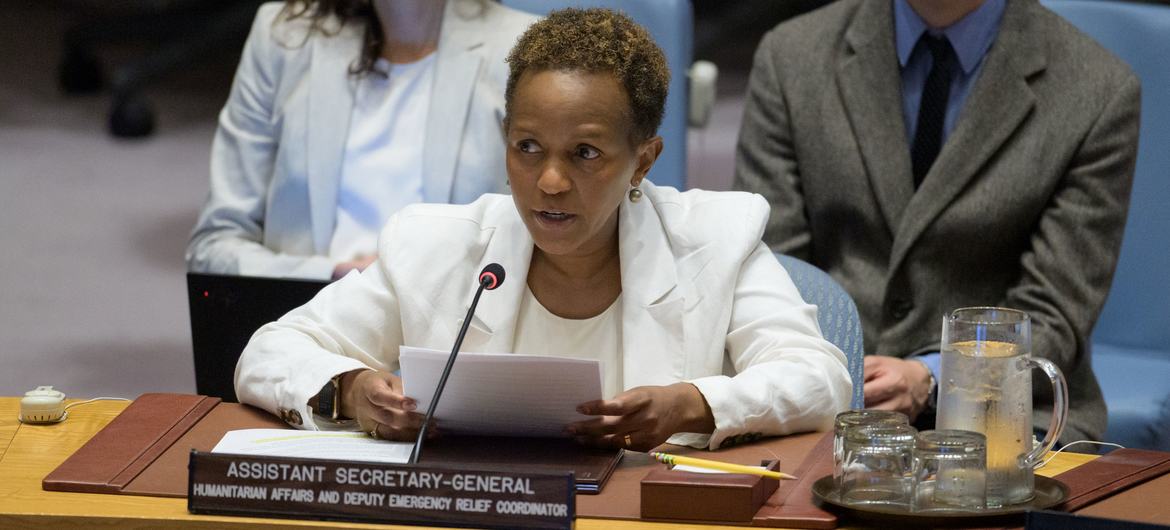
Assistant Secretary-General for Humanitarian Affairs Joyce Msuya echoed those words, saying “there is no safe place left in Ukraine” as the use of explosive weapons in populated areas has left cities reeling.

A rehabilitation centre for persons with disabilities in Kharkiv, maternity wards, schools, and energy infrastructure have all come under fire in recent weeks.

Joyce Msuya, UN Deputy Emergency Relief Coordinator, briefs the Security Council meeting on maintenance of peace and security of Ukraine.

Spiralling humanitarian situation

The humanitarian impact is worsening sharply, she continued.

“Nearly 13 million people need assistance, but limited funding means we can reach only a fraction of them,” Ms. Msuya warned. As of now, only 34 per cent of the $2.6 billion required for this year’s humanitarian response has been received.

Ukraine’s displacement crisis also continues to grow. Over 3.7 million people remain displaced within the country, while nearly six million are refugees abroad. More than 26,000 people have newly registered at transit centres since April alone.

Strikes in Russia

The senior UN officials also expressed concern over reported civilian casualties from Ukrainian drone strikes inside Russia, including in Belgorod, Kursk and Moscow.

While the UN could not independently verify these incidents, Mr. Jenča reiterated: “International law clearly prohibits attacks against civilians and civilian infrastructure. We strongly condemn all such attacks – wherever they occur.”

Concerns over nuclear safety

Attacks near Ukraine’s nuclear facilities have further alarmed the UN.

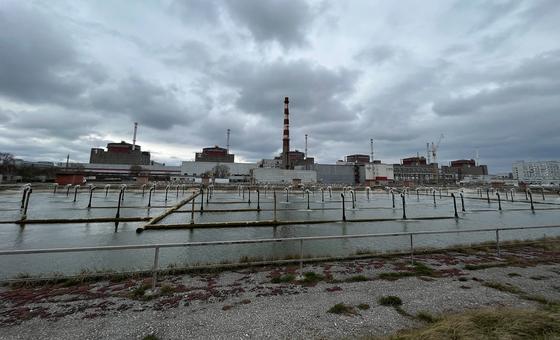
Earlier this month, drone strikes hit Enerhodar, where Zaporizhzhia Nuclear Power Plant staff live, and drones have been detected near other operating plants.

“Any nuclear incident must be avoided at all costs,” Mr. Jenča said.

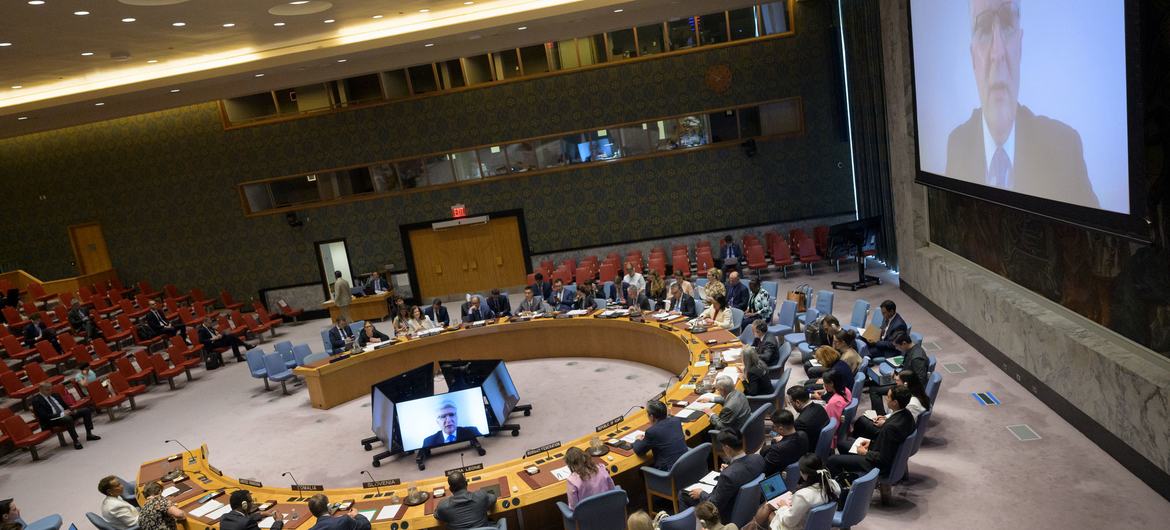
ASG Miroslav Jenča (on screen) briefs the Security Council meeting on the maintenance of peace and security of Ukraine.

Political momentum needed

While some diplomatic movement continues – including recent prisoner exchanges and talks in Istanbul – UN officials called for intensified political will toward a ceasefire.

“The heartbreaking and rising human toll of the past nearly three-and-a-half years of war underscores the urgency of a complete, immediate and unconditional ceasefire,” Mr. Jenča said, “as the first step towards a just and lasting peace.”

Source link