Torture, threats and arbitrary arrests: UN warns of ‘serious abuses’ against Afghans forced to return

These abuses include threats, cases of torture, mistreatment and arbitrary arrest and detention, according to the UN Assistance Mission in Afghanistan (UNAMA) and the Office of the UN High Commissioner for Human Rights (OHCHR).

The report said these violations were committed against Afghans “based on their profile” and targeted women, media workers and civil society members as well as individuals affiliated with the former government that fell in 2021 and its security forces, despite the Taliban’s claims that such individuals benefit from an amnesty.

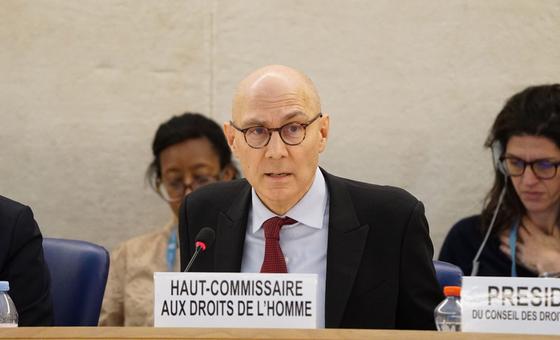
No one should be returned to a country where they are at risk of being persecuted because of their identity or personal history,” said Volker Türk, the UN High Commissioner for Human Rights.

“In Afghanistan, this situation is even more pronounced for women and girls, who are subjected to a series of measures that amount to persecution solely on the basis of their gender.”

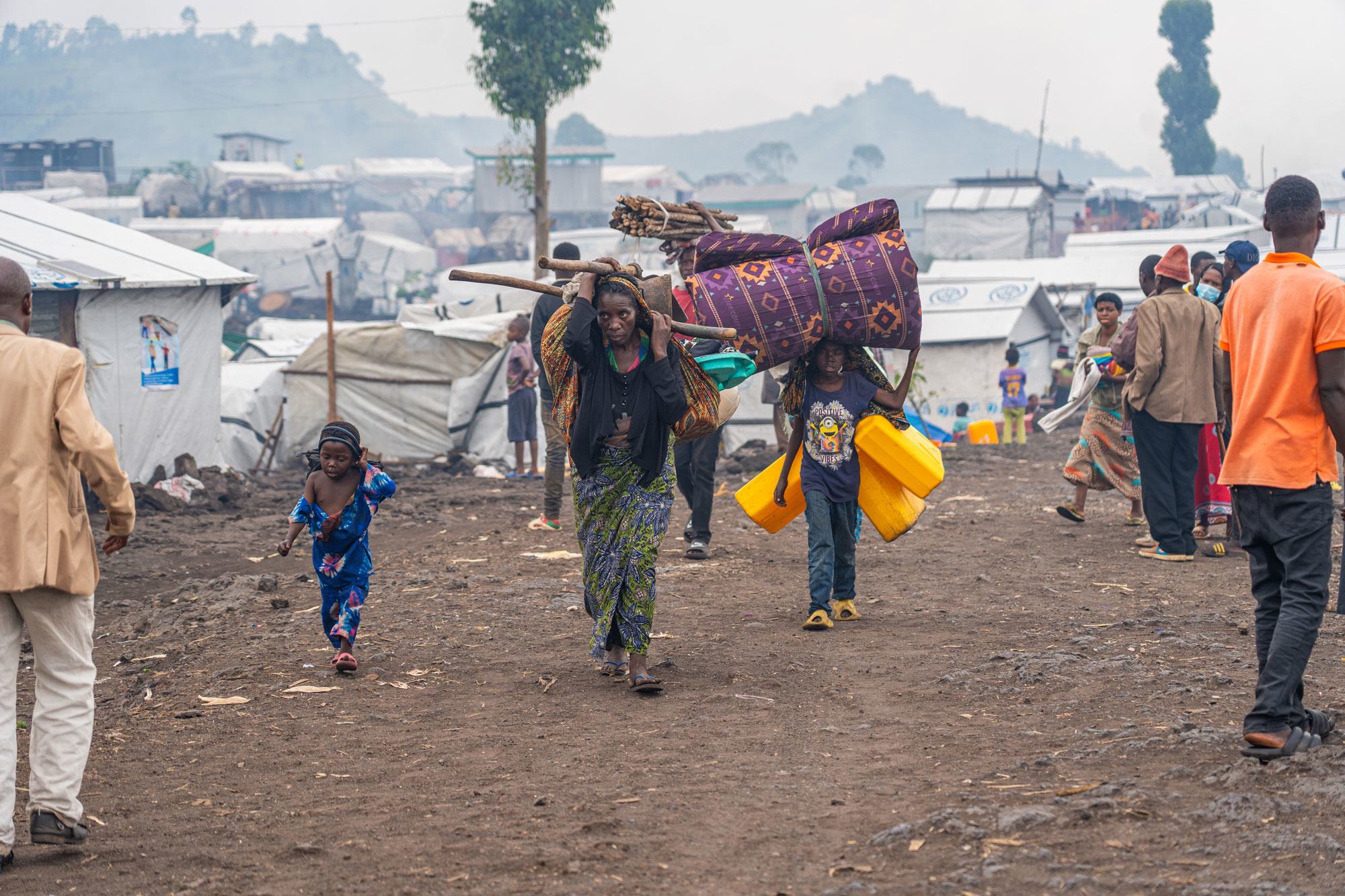
Since 2023 and the start of large-scale deportation campaigns launched by Iran and Pakistan, millions of Afghans have returned to their country. In 2025 alone, more than 1.8 million people have returned to Afghanistan, 1.5 million of them from Iran.

Women under house arrest

The UN refugee agency, UNHCR, recently estimated that the total could reach three million by the end of the year, returning to a country facing a severe humanitarian crisis.

The situation of women forcibly returned is particularly dire. A former television journalist, who left the country after the Taliban’s takeover in August 2021, described how, after being involuntarily returned to Afghanistan, she saw her prospects vanish.

“I am very worried for my personal safety and feel immense frustration with the current situation imposed on women in [my province]. I can unequivocally say that I am effectively under house arrest. There are no job opportunities, no freedom of movement and no access to education – whether to learn or to teach – for women and girls,” she testified.

Many people are also forced to live in hiding since returning to Afghanistan due to real or feared threats from the de facto authorities. This is the case for individuals affiliated with the former government and its security forces, who have had to go into hiding for fear of reprisals, despite the public amnesty announced by the de facto authorities.

Living in hiding

A former official described how, after returning in 2023, he was detained for two nights in a house where he was severely tortured, beaten with sticks, cables and wood, subjected to water torture and faced a mock execution.

Other refugees returned from Iran must frequently change locations to avoid being identified, such as one former judge.

I try to stay hidden because I know that the prisoners who were detained because of my decisions are now senior government officials and are still looking for me. If they find me, I’m sure they’ll kill me. They already threatened me when I was a judge,” they said.

Faced with these serious abuses, the UN is urging States not to return anyone to Afghanistan who faces a real risk of serious human rights violations.

Member States should expand resettlement opportunities for at-risk Afghans and ensure their protection, giving priority to those most likely to suffer human rights violations if returned to Afghanistan, including women and girls, individuals affiliated with the former government and security forces, media professionals, civil society activists and human rights defenders,” the report said.

Source link

‘Catastrophic birth outcomes’ in Gaza threaten a whole generation, warns UN agency

In the first half of 2025, only 17,000 births were recorded, according to Gazan health authorities, representing a 41 per cent decline in Gaza’s birth rate over the past three years, the agency said.  

Additionally, 220 mothers died – more than 20 times the total number of maternal deaths in 2022 – while at least 20 newborns died within 24 hours of birth.

“Every mother and child deserves the right to a safe birth and a healthy start to life. What we are witnessing is a systematic denial of these fundamental rights, pushing an entire generation to the brink,” said Laila Baker, regional director for the Arab States at UNFPA.

These conditions come amidst an ongoing Israeli bombardment of Gaza which has displaced the entire Palestinian population at least once and reportedly killed over 60,000.  

Something treatable becomes a death sentence 

UNFPA said that the systematic targeting of a health care system already on the brink of collapse is creating an untenable situation for mothers and newborns.  

The majority of hospitals and health facilities have been damaged or destroyed with medicine stocks running severely low and medical equipment severely damaged.  

Ambulance services are also facing severe impediments, meaning that women giving birth face extreme challenges accessing healthcare. In this context, treatable complications during birth become death sentences.  

“The scale of suffering for new mothers and their babies in Gaza is beyond comprehension,” Ms. Baker said.  

Preventable loss

UNFPA said it has 170 trucks at the border between Israel and Gaza – and has since March 2025 – which contain lifesaving supplies such as ultrasounds machines, portable incubators and maternity kits. However, they have not been allowed into the Strip.  

The agency urged Israel to allow “unimpeded, sustained and demilitarized” humanitarian aid into Gaza including fuel, medical supplies and nutritional support.  

“Every moment lost means more preventable loss of life and unimaginable suffering for the most vulnerable,” UNFPA said.  

UN warns of record civilian casualties in Ukraine

Russian forces launched an attack overnight focused on Kyiv, deploying 397 Shahed unmanned attack and decoy drones, along with 18 high-powered missiles, killing two and injuring at least 16, according to the UN Human Rights Monitoring Mission in Ukraine (HRMMU).

UN Spokesperson Stéphane Dujarric noted during his daily briefing in New York that four Kyiv districts were hit, damaging residential buildings, a clinic and a TV station, while an outpatient clinic was destroyed during the bombardment.

Mr. Dujarric also relayed reports from local authorities of recent attacks in other regions which left more than nine dead and at least ten civilians injured.

Grim June record

These attacks come after June saw the highest monthly civilian casualty count in Ukraine since the Russian invastion began in February 2022, with 232 people killed and 1,343 injured.

This data reflects a worsening trend: 6,754 civilians were killed or injured in the first half of 2025 – a sharp 54 per cent rise compared to the same period in 2024, when 4,381 civilian casualties were documented.

This breaks down to a 17 per cent increase in civilian deaths and a 64 per cent increase in injuries.

Russia’s increased use of long-range missiles and drones in urban areas – and their enhanced destructive power – were key drivers behind the spike in casualties.

The growing number of attacks also played a crucial role, as Russia launched ten times more missile and unmanned drone strikes in June 2025 than in June 2024.

Civilians across Ukraine are facing levels of suffering we have not seen in over three years,” said Danielle Bell, Head of HRMMU. “The surge in long-range missile and drone strikes across the country has brought even more death and destruction to civilians far from the frontline.”

Child suffering intensifies

Also on Thursday, the UN Children’s Fund (UNICEF) reported that an estimated 70 per cent of children in Ukraine (3.5 million) are experiencing “material deprivation” – up from 18 per cent in 2021.

Material deprivation refers to a lack of essential goods and services, including nutritious food, appropriate clothing, heating at home and access to education.

According to UNICEF’s report, one in three children in Ukraine lives in a home without a functioning water supply or sewage system, and nearly half lack access to a space to play.

This deprivation is driven by continued attacks on infrastructure – including water, sanitation, and energy systems – as well as on homes, schools, and healthcare facilities, along with rising poverty across the country.

Looking towards recovery

These warnings come as the fourth Ukraine Recovery Conference opened in Rome on Thursday. It aims to build global awareness and maintain momentum for international support and investment in Ukraine’s recovery, rebuilding, reform, and modernisation.

The Director General of the UN migration agency (IOM), Amy Pope, is among those attending. The agency plays a major role in Ukraine, where nearly four million people remain internally displaced, and another five million refugees reside across Europe.

“Displacement on this scale imposes numerous challenges for Ukraine and its people,” she said.

“Recovery must begin with a focus on the people in need – connecting them to services and restoring their livelihoods, so it becomes more than just returning home, but about regaining their place in society.”

Source link

UN warns of deepening health crisis in Gaza amid mass casualty incidents

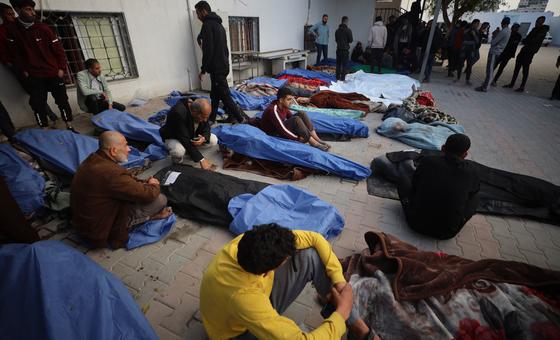
Across the Gaza Strip, as people desperately search for food, mass casualty incidents are reported almost daily, UN Spokesperson Stéphane Dujarric, told reporters at his regular briefing in New York.

Hospitals, already under immense strain, are struggling to cope and lack of essential supplies – including fuel and medicines – is placing even greater pressure on overstretched teams.

The war has also had a devastating impact on health workers. According to Gazan health authorities, more than 1,500 medical staff have been killed in Gaza since October 2023.

Medical supplies arrive – but much more is needed

The World Health Organization (WHO) reported that 11 trucks carrying medical aid, including surgical supplies, assistive devices, orthopaedic instruments and other essential medical items, had entered the Strip on Tuesday.

These supplies are set to be distributed to various health facilities across Gaza.

“The health needs remain immense. Much more medical supplies are needed. We urgently call for the unimpeded entry of fuel, food, and health aid at scale into Gaza through all possible routes,” Tedros Adhanom Ghebreyesus, WHO General-Director, said in a post on social media.

Mr. Dujarric echoed that message, calling for the opening of all crossings and corridors “to ensure the consistent, frequent and large-scale distribution of aid to people in need, wherever they are.”

Disease risk rising

Against the backdrop of access challenges, the spectre of deadly disease outbreaks is also rising.

In northern Gaza, 10 water wells have stopped functioning due to lack of fuel, and another 25 are operating only partially and could soon shut down.

“Shorter pumping hours, reduced water production and limited solid waste collection provide fertile ground for diseases to spread – especially among vulnerable people including children, older people and pregnant women,” Mr. Dujarric said.

No hygiene items have entered Gaza since early March 2025, he noted, added that the ongoing shortage of cleaning and sanitation supplies is severely affecting health and impeding an effective medical response.

Source link

US tariff delay deepens trade uncertainty, warns top UN economist

While the initial 90-day pause on so-called “reciprocal” tariffs offered some relief compared to planned increases of up to 50 per cent, the US imposed a 10 per cent baseline tariff instead, added on top of existing duties. This means many countries – especially developing economies – faced higher costs exporting goods to the US.

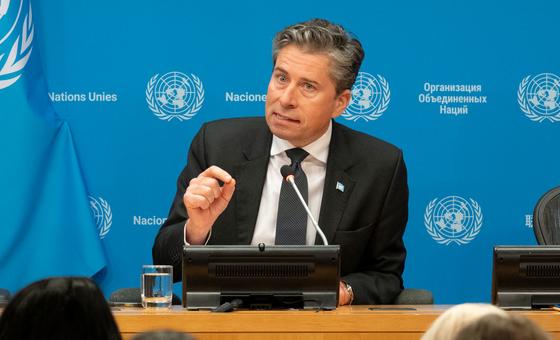
The tariff suspension, originally set to expire soon, has now been extended until August 1, further prolonging uncertainty, Pamela Coke-Hamilton, Executive Director of the International Trade Centre (ITC), told reporters at a regular news briefing at the UN Office in Geneva (UNOG).

She warned this move adds to a mounting “dual shock” of rising trade restrictions and deep cuts to development aid, which hit developing countries the hardest.

ITC is a joint United Nations-World Trade Organization (WTO) agency supporting businesses in developing countries.

Real-world consequences

Economic uncertainty has real-world consequences on countries and sectors,” Ms. Coke-Hamilton said, citing the volatility in gold and precious metals flows as a case in point.

After the US exempted those commodities from the new tariffs, trade volumes surged – with gold imports into Switzerland up 800 per cent year-on-year in May, based on US import data.

Ms. Coke-Hamilton said that since the beginning of the year, ITC has tracked more than 150 new restrictive trade measures globally.

Layered onto existing global trade disruptions since the start of the war in Ukraine, the resulting strain has disproportionately impacted least developed countries (LDCs), which often face the steepest tariffs and the narrowest fiscal space to respond.

A ‘perfect storm’ is brewing

Lesotho, for instance, faces a 50 per cent tariff on apparel exports to the US, threatening its largest industry and tens of thousands of jobs. Viet Nam, though having negotiated a lower tariff, faces a 20 per cent levy – double the current baseline rate – potentially reshaping its $937 million auto and auto-related trade with the US.

Ms. Coke-Hamilton also flagged concerns over cuts in development financing, noting that G7 countries are projected to reduce aid spending by 28 per cent next year – the largest drop in five decades.

A perfect storm is brewing – just as trade becomes more unpredictable, external support through aid is also shrinking,” she said.

Navigating the challenges

To respond, she urged developing countries to focus on three strategic responses: strengthening regional value chains, investing in value addition to reduce commodity dependence and prioritising small business resilience.

Stability can come from the ground up,” she said.

Although uncertainties lie ahead in both the trade and aid landscapes, developing countries can still find ways not only to navigate these challenges, but to take on an active role in bringing about greater stability.

Source link

UN warns of worsening humanitarian crisis in Sudan as displacement, hunger and disease escalate

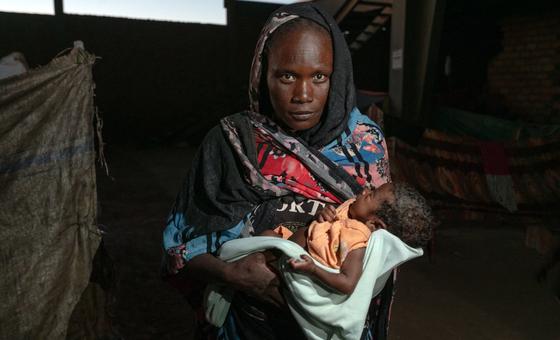
The situation is particularly dire in El Fasher, the capital of North Darfur province, which has witnessed some of the worst episodes of the ongoing conflict between rival militaries.

Those remaining in El Fasher are facing “extreme shortages” of food and clean water, with markets repeatedly disrupted, UN Spokesperson Stéphane Dujarric told journalists at the regular news briefing in New York.

Across the city, nearly 40 per cent of children under five are suffering from acute malnutrition, including 11 per cent with severe acute malnutrition.

Most of the surrounding water infrastructure has also been destroyed or rendered non-functional due to minimal maintenance and fuel shortages, Mr. Dujarric added.  

El Fasher displacement

Since April 2023, an estimated 780,000 people have been displaced from El Fasher town and the nearby Zamzam displacement camps, including nearly 500,000 in April and May of this year.

Famine conditions have been confirmed in the area since last August.

About three-quarters of Zamzam camp’s residents fled to various locations across Tawila, where the UN and its partners have scaled up critical humanitarian assistance.

Cholera outbreak continues

Mr. Dujarric further warned that the breakdown of water and sanitation services, combined with low vaccination coverage, has sharply increased the risk of disease outbreaks, including cholera.

So far this year, Sudan has reported more than 32,000 suspected cholera cases.

According to the UN Office for Coordination of Humanitarian Affairs (OCHA) cholera cases continue to rise across Darfur, with over 300 suspected cases and more than two dozen deaths reported in South Darfur state last week alone.

“Conflict and collapsing infrastructure continue to drive the spread of the disease and impede response efforts,” Mr. Dujarric stressed.

Unprecedented and complex crisis

Since war erupted between the former allies-turned-rivals, the Sudanese Armed Forces (SAF) and Rapid Support Forces (RSF) in April 2023, tens of thousands of civilians have been killed and more than 12 million forced to flee their homes – including approximately four million as refugees in neighbouring countries.

The crisis is unfolding against a backdrop of extreme vulnerability, as the country remains highly susceptible to the impacts of climate change and disasters.

From severe droughts to deadly floods, the compounded effects of conflict and environmental instability are pushing communities to the brink, leaving them struggling to survive. Famine has already been declared in some parts of the country, putting millions of lives at risk.

Lack of resources hamstring response

Despite growing needs, the $4.2 billion humanitarian response plan for 2025, which aims to assist around 21 million of the most vulnerable people, remains only 21 per cent funded, having received $896 million so far.

Tom Fletcher, UN Under-Secretary-General for Humanitarian Affairs, underscored the gravity of the situation in El Fasher.

Civilians in the area remain cut off from aid and face the risk of starvation, he said in a post on social media.

Appealing for an urgent humanitarian pause, he warned that “every day without access costs lives.” 

Source link

UN chief condemns Russian strikes on Ukraine, warns of nuclear safety risk

In a statement issued by his spokesperson, António Guterres expressed alarm over the dangerous escalation and the rising toll on civilians.

He reiterated that attacks against civilians and critical infrastructure are prohibited under international law and called for an immediate and unconditional ceasefire.

“These strikes disrupted the power supply to the Zaporizhzhia Nuclear Power Plant, once again underlining the ongoing risks to nuclear safety,” UN Spokesperson Stéphane Dujarric said.

“The Secretary-General reiterates his call for a full, immediate and unconditional ceasefire in Ukraine as a first step towards a just, comprehensive and sustainable peace, in line with the UN Charter, international law and relevant UN resolutions.”

Fragile situation

The airstrikes on Friday severed the nuclear plant’s last external power connection, forcing the ZNPP to rely on emergency diesel generators for more than three hours, according to the International Atomic Energy Agency (IAEA).

Power was eventually restored, but the incident marked the ninth time the plant has lost all off-site electricity since the full-scale invasion began in 2022.

Rafael Mariano Grossi, Director General of the nuclear watchdog, warned that the situation remains extremely fragile.

“What was once virtually unimaginable – that a major nuclear power plant would repeatedly lose all of its external power connections – has unfortunately become a common occurrence,” he said.

Nuclear safety deterioration

Located in southern Ukraine, the Zaporizhzhia plant is the largest nuclear power facility in Europe. Although its six reactors have been in cold shutdown since 2024, they still require electricity to cool reactor cores and spent fuel pools to prevent overheating and potential radioactive release.

During the blackout, 18 diesel generators were activated to maintain critical cooling functions. The plant has enough diesel on site for at least ten days, with contingency plans in place to secure further supplies if needed, IAEA reported.

The ZNPP has become dramatically more vulnerable since the war began. Prior to the conflict, it had access to ten external power lines; it now relies on just one.

IAEA teams remain based at the site and continue to monitor the situation closely.

Source link

Sudan: UN warns of soaring displacement and looming floods

At Tuesday’s regular briefing at the UN Headquarters, in New York, Spokesperson Stéphane Dujarric relayed warnings from the UN Office for the Coordination of Humanitarian affairs (OCHA), citing urgent concerns across the country.

“Across Sudan, we continue to be deeply concerned about the humanitarian impact of the ongoing fighting, which is escalating displacement and driving needs even higher,” Mr. Dujarric said.

Conflict driving displacement

Clashes between rival militaries – Sudanese Armed Forces (SAF) and the Rapid Support Forces (RSF) – continue to uproot civilians, particularly in Darfur and Kordofan states. Fighting in El Fasher alone has displaced more than 400,000 people since April, according to OCHA.

In June, nearly 8,000 displaced people from North Darfur arrived in Ad-Dabba, putting pressure on overstretched resources and limited access to healthcare, shelter, clean water and food.

In North Kordofan, over 16,000 people were forced to flee their homes in Bara between 26 and 29 June alone, while another 16,000 to flee Babanusa in West Kordofan on 27 June, according to the UN International Organization for Migration (IOM).

Flood warnings

Separately, OCHA warned of increased flood risks as Sudan enters its rainy season, which runs through October. Forecasts point to above-average rainfall, heightening the threat of both riverine and flash floods – especially in areas already facing limited infrastructure and access.

“Any flooding could disrupt road access, hamper aid delivery, and heighten the threat of disease outbreaks during the ongoing lean season,” Mr. Dujarric said, noting that an ongoing cholera outbreak could worsen with the floods.

Nearly 500,000 people were affected by floods last year. With the likelihood of a repeat or worse this season, Mr. Dujarric said humanitarian agencies are ready to respond “where access and resources allow,” but warned that critical funding gaps are hampering preparedness.

UN relief visits Sudan

Mr. Dujarric also highlighted the importance of recent discussions between Under-Secretary-General for Humanitarian Affairs Tom Fletcher and senior SAF and RSF officials.

Mr. Fletcher appealed for a humanitarian pause to allow lifesaving aid to reach people in El Fasher, which has been besieged by the RSF and cut off from assistance since last April.

“Our humanitarian colleagues underscore that we will continue our engagements with the aim of facilitating the swift and safe delivery of aid to all those who need it,” Mr. Dujarric said.  

Source link

Children’s lives ‘turned upside down’ by wars across Middle East, North Africa, warns UNICEF

Alarmingly, 110 million children in the region live in countries affected by war, with homes, schools and health facilities damaged or destroyed in fighting.

“A child’s life is being turned upside down the equivalent of every five seconds due to the conflicts in the region,” said Edouard Beigbeder, UNICEF Regional Director for the Middle East and North Africa, on Tuesday.

UNICEF estimates indicate that 45 million children across the region will require humanitarian assistance in 2025, a 41 per cent increase since 2020.  

Funding shortfalls  

However, funding gaps are affecting vital programmes across the region.

For instance, as of May, Syria faced a 78 per cent funding gap and the State of Palestine a 68 per cent gap for their 2025 appeals. UNICEF’s regional programmes are also under increasing financial strain.

The outlook for 2026 also remains bleak, UNICEF said, noting that its funding for Middle East and North Africa is projected to decline by 20 to 25 per cent, potentially resulting in shortfalls of up to $370 million.

Conflicts must stop  

This would jeopardize lifesaving programmes across the region, including treatment for severe malnutrition, safe water production in conflict zones and vaccinations against deadly diseases.

“As the plight of children in the region worsens, the resources to respond are becoming sparser,” said Mr. Beigbeder.

“Conflicts must stop. International advocacy to resolve these crises must intensify. And support for vulnerable children must increase, not decline.” 

‘Fuel for Gaza is a matter of life and death,’ UN warns

“Israeli authorities continue to restrict the delivery of fuel into and throughout the Gaza Strip, effectively choking off life-saving services for deprived and starving people,” UN Spokesperson Stéphane Dujarric said during his regular press briefing in New York.

Conditions in the enclave remain bleak, as Israeli operations continue to have a devastating impact on civilians, with reports of the killing and injury of scores of people, many of whom were just seeking aid.

Pregnant women and babies at risk

Due to the fuel situation, the UN Population Fund (UNFPA) warned that 80 per cent of critical care units, including those used for childbirth, risk shutting down – at a time when 130 women are giving birth every day. 

As UNFPA stressed, fuel for Gaza is a matter of life and death,” said Mr. Dujarric.

He added that community kitchens were able to prepare more than 200,000 meals every day this week. 

However, this represents an 80 per cent reduction compared with the more than one million meals distributed daily at the end of April, calling it “basically a trickle offered to people on the brink of famine.”

In the absence of fuel, cooking gas and electricity, people have resorted to burning plastic waste. 

“When they do so in makeshift tents, you can imagine what happens with the poor ventilation and the tremendous risks that that poses,” he told journalists. 

© UNICEF/Mohammed Nateel

A young boy in Gaza with severe weight loss and malnutrition eats a nutritional supplement.

Allow in more aid

Furthermore, the UN relief coordination office, OCHA, also reminds that to meaningfully address the massive deprivation in Gaza, the Israeli authorities must allow in higher volumes of supplies and more varied types of food, as well as cooking gas, fuel and shelter items.

Mr. Dujarric stressed that to facilitate the orderly distribution of aid, supplies must be channelled daily through multiple crossings and land routes simultaneously. This would ensure people that the flow of essential support is steady, sufficient and reliable.  

He said the UN and partners attempted to coordinate 15 humanitarian movements inside Gaza on Tuesday but only three were fully facilitated by the Israeli authorities, while seven were denied outright.

Four missions were initially approved but then halted on the ground, although one was ultimately accomplished on Wednesday and another was cancelled by the organizers.   

Senior envoy warns Iran-Israel conflict is deepening crisis in Afghanistan

Roza Otunbayeva, the Secretary-General’s Special Representative and head of the UN Assistance Mission in Afghanistan (UNAMA), said the ongoing missile attacks between Iran and Israel are already having a tangible impact.

This conflict is already having an effect in Afghanistan, disrupting trade and increasing the prices of basic goods and fuel, and prompting the return of additional Afghans from Iran,” she said, echoing the Secretary-General’s urgent call for de-escalation.

Anticipating more returnees

More than 600,000 Afghans have returned from neighbouring Pakistan and Iran this year, and she said UN agencies are preparing for potential cross-border movements from Iran considering the “concerning developments” in the region.

Returns from Iran alone in the past few days have been over 10,000 per day,” she said.  

Local communities and the de facto Taliban authorities “have made huge efforts to absorb returnees, but without international assistance, there are limits to safe, orderly and peaceful returns.”

Concerns over engagement

Ms. Otunbayeva updated the Council on the UN’s ongoing engagement with Taliban leaders who returned to power nearly four years ago.

This “Comprehensive Approach” aims to achieve an Afghanistan that is at peace with itself and its neighbours, fully reintegrated into the international community, meets its international obligations, and without going through another cycle of violence.

She stressed that it “does not seek to normalize the status quo but rather ensure that multiple key issues of concern – in particular upholding the country’s international obligations – remain at the core of engagement efforts.”

A teenage girl in Afghanistan stays at home as she is no longer allowed to attend school.

Erasure of women and girls’ rights continues

She said the international community “remains extremely concerned that engagement has not improved the unacceptable situation of Afghan women and girls, promoted inclusive governance, or prevented a marked deterioration in human rights.”

Meanwhile, the de facto authorities have conveyed grievances around frozen assets, sanctions, non-recognition, the need for greater development assistance, and an end to aid dependency.

She noted that the UN will convene meetings of two working groups on counter-narcotics and the private sector to be held in Doha, Qatar, in the coming days, calling this “an important development that gives momentum to multilateral engagement and builds confidence in the value of mutual cooperation.”

Relative stability, restrictive policies

Ms. Otunbayeva said Taliban rule has provided relative stability and security in Afghanistan, promoted modest economic growth and foreign investment, initiated dormant infrastructure projects, and deepened diplomatic ties abroad, particularly in the region.

However, authorities “continue to implement highly restrictive and discriminatory policies on the Afghan people,” as embodied in the “law on the propagation of virtue and prevention of vice,” which took effect last August. 

This law “cemented” the Taliban’s systematic, state-sponsored policies that exclude women and girls from participation in public life, including access to education, employment, freedom of movement, and freedom of expression.

Reintegration at risk

Through this law, the de facto authorities are continuing to pursue a path that distances Afghanistan from its international obligations and hinders Afghanistan’s eventual reintegration into the international system,” she said.

“We cannot forget the unacceptable situation of Afghan women and girls, even if their continued marginalisation under increased enforcement of more and more decrees no longer generates headlines.”

The ongoing ban on girls’ education beyond primary school “is the clearest sign of the Taliban’s discrimination against women and continues to set Afghanistan apart from the world,” she said, calling once again for the ban to be lifted and for girls and women to again have the right to education.

One in five going hungry

Joyce Msuya, UN Assistant Secretary-General for Humanitarian Affairs, highlighted how funding cuts are impacting Afghanistan, where half of all people require assistance to survive. 

The population faces “persistent and acute humanitarian needs compounded by decades of conflict, entrenched poverty, an ever-harsher climate, severe restrictions on the rights of women and girls and highly constrained funding environment,” she said.

Today, one in every five Afghans is hungry, 3.5 million children are acutely malnourished and roughly 3.7 million children are out of school, including 2.2 million girls over age 11 who are banned from education. Additionally, the maternal mortality rate is over 2.5 times the global average. 

Health facilities shuttered

She said the aid cuts continue to hamper humanitarian response, and 420 health facilities have been forced to shut their doors, affecting more than three million people.

“Almost 300 nutrition sites have closed, depriving 80,000 acutely malnourished children, pregnant women, and new mothers of essential treatment,” she added.

“Despite challenges, and at great risk, our Afghan female colleagues continue to deliver aid, going where others cannot, listening to communities who would otherwise not be heard, and standing by those who might otherwise be forgotten,” she said.

Hardships increase

Sima Bahous, Executive Director of UN Women, upheld calls for more diplomacy to address the spiralling crisis in the Middle East and Iran.

“The growing regional and global insecurity will only deepen the hardships faced by Afghan women and girls, compounding poverty, displacement, violence and deprivation,” she warned.

Additionally, the ability of the UN and partners to support Afghan women has been drastically undermined by legal and bureaucratic barriers which make it harder than ever to hire women, let alone reach them, at a time when deep cuts to aid budgets “have ever more devastating consequences.”

‘Unshakeable determination’

“Yet, we stay, and we deliver, as we always have,” said Ms. Bahous, highlighting how UN Women continues to navigate through endless restrictions and negotiate with the Taliban.

“And, Afghan women continue to lead the way,” she added.  “They have opened underground schools; organized in silence; built lives in those slivers of space left to them. They have shown unshakable determination, even when the world faltered.” 

Source link

Gaza: UN warns of ‘weaponised hunger’ and growing death toll amid food chaos

Speaking to journalists in Deir al Balah on Saturday, Jonathan Whittall, who heads the UN humanitarian coordination office (OCHA) in Gaza and the West Bank, said: “The attempt to survive is being met with a death sentence.”

Since Israel eased its total blockade last month, more than 400 people are reported to have died trying to reach food distribution points.

We see a chilling pattern of Israeli forces opening fire on crowds gathering to get food,” Mr. Whittall said, noting many of these sites are in militarised zones. Others have been killed along access routes or while protecting aid convoys.

“It shouldn’t be this way,” he said. “There shouldn’t be a death toll associated with accessing the essentials for life.”

Empty warehouses, overwhelmed hospitals

Conditions across Gaza continue to deteriorate. Water wells have run dry or are located in dangerous areas, sanitation systems have collapsed, and disease is spreading rapidly.

“Our warehouses stand empty,” Mr. Whittall said. “Displaced families flee with nothing – and we have nothing to give them.”

Partially functioning hospitals are overwhelmed by near-daily mass casualty events. Some have been directly hit, while others are choked by fuel shortages and forced evacuation orders.

UNICEF reports more than 110 children are being treated for malnutrition every day. Mr. Whittall said humanitarian agencies are capable of reaching every family in the shattered enclave but are being systematically blocked. “We have a plan…but we are prevented from doing so at every turn.”

Death sentence

He described the situation as “weaponised hunger”, “forced displacement”, and “a death sentence for people just trying to survive”.

“This is carnage,” Mr. Whittall said. “It appears to be the erasure of Palestinian life from Gaza.”

He urged the international community to act: “We need a lasting ceasefire, accountability, and real pressure to stop this. This is the bare minimum.”

‘A fire no one can control’: UN warns of spiralling Iran-Israel war

In an address to the UN Security Council on Friday, Mr. Guterres made an urgent plea for de-escalation, calling the spiralling confrontation a defining moment for the future of global security.

We are not drifting toward crisis – we are racing toward it,” he said.

“This is a moment that could shape the fate of nations…the expansion of this conflict could ignite a fire no one can control,” he warned.

Widespread panic, destruction

The Secretary-General’s remarks came amid a mounting civilian toll in both Israel and Iran, and as several nuclear sites in Iran have come under direct military assault.

Over 100 targets have been struck across Iran, including military and nuclear infrastructure such as the Natanz and Isfahan nuclear facilities and the Khondab heavy water reactor.

Iranian officials report over 224 civilian deaths, with some estimates twice as high. More than 2,500 have been injured reportedly – while major cities like Tehran have seen mass displacements, fuel shortages and widespread panic.

Iran has responded with its own barrage of missile strikes on Israel, hitting cities such as Tel Aviv, Haifa and Beersheba. Critical civilian sites, including the Soroka Medical Center and the Weizmann research institute, have been damaged. Twenty-four Israelis are confirmed dead, with more than 900 injured.

Give peace a chance

Mr. Guterres urged both parties to give diplomacy a chance, reiterating the need for full Iranian cooperation with the UN nuclear energy watchdog, IAEA, and warning that the “only thing predictable about this conflict is its unpredictability.”

He also called for unity within the Security Council and adherence to the UN Charter.

“The Non-Proliferation Treaty is a cornerstone of international security,” he said. “Iran must respect it. But the only way to bridge the trust gap is through diplomacy – not destruction.”

A wide view of the Security Council meeting on the Israel-Iran crisis.

Regional fallout expanding

Rosemary DiCarlo, UN Under-Secretary-General for political affairs, echoed those concerns, providing a grim overview of the violence and rising human toll.

“The vast majority are civilians,” she said, warning of a “humanitarian crisis in real time.”

The regional fallout is expanding, with airspace restrictions now spanning Lebanon to Iraq. Missiles from Yemen’s Houthi forces have targeted Israel and occupied Palestinian territory, while armed groups in Iraq are reportedly mobilizing.

“Any further expansion of the conflict could have enormous consequences for international peace and security,” Ms. DiCarlo cautioned.

She also highlighted global economic implications, noting that trade through the vital Strait of Hormuz has fallen 15 per cent amid rising tensions.

Grave warnings on nuclear safety

The most alarming update, however, came from IAEA Director General Rafael Grossi, who warned the Council that Israeli attacks on Iranian nuclear facilities are degrading critical safety systems and placing millions at potential radiological risk.

At Natanz, the destruction of electricity infrastructure and direct strikes on enrichment halls have led to internal contamination. While no radiological release has been detected outside the facility, Mr. Grossi warned that uranium compounds now pose significant health hazards within.

At Isfahan, multiple buildings – including a uranium conversion plant and a metal processing facility – were hit. At Arak’s Khondab reactor site, damage was sustained, though the facility was not operational.

The greatest risk, however, is the Bushehr Nuclear Power Plant, which remains operational.

A direct strike, Mr. Grossi warned, “could result in a high release of radioactivity to the environment.”

Millions at risk

Even disruption of its external power supply could lead to a core meltdown. In the worst-case scenario, radiation would affect populations hundreds of kilometres away and require mass evacuations.

Mr. Grossi also warned against any attack on the Tehran Nuclear Research Reactor, which could endanger millions in the capital.

Nuclear facilities and material must not be shrouded by the fog of war,” he said. “We must maintain communication, transparency and restraint.

Pledge to stay

Concluding his briefing, Mr. Grossi pledged that the IAEA would continue to monitor and report on nuclear safety conditions in Iran and reiterated his readiness to mediate.

He stressed the agency “can guarantee, through a watertight inspections system,” that nuclear weapons will not be developed in Iran, urging dialogue.

“The alternative is a protracted conflict – and a looming nuclear threat that would erode the global non-proliferation regime.”

WHO warns of a health financing emergency

Speaking at the regular Friday press briefing in Geneva for humanitarian agencies, she warned that as wealthier nations make deep spending cuts, both international aid and national health systems are facing serious disruption.

Dr. Chalkidou highlighted recent decisions by the United States, several European governments, and EU bodies to freeze or scale down health aid.

WHO forecasts indicate that global health investment is likely to drop by up to 40 per cent this year, down $10 billion from just over $25 billion in 2023. The estimated $15 billion spent on health aid would bring the figure down to the lowest level in a decade.

Impacts in developing countries

This funding shortage is creating a health finance emergency in many developing countries – particularly in sub-Saharan Africa – which depend on external aid to finance their health systems.

In numerous countries, US-financed healthcare programmes were the primary source of external aid, accounting for as much as 30 per cent of current health spending in countries like Malawi, and around 25 per cent in Mozambique and Zimbabwe.

Since 2006, external aid per capita in low-income countries has consistently exceeded domestic health spending.

Many sub-Saharan nations face soaring debt burdens – some spending twice as much on debt servicing as on health – making reallocation of resources difficult.

The consequences are severe: Dr. Chalkidou referred to a survey by WHO showing that countries today are reporting health service disruptions “not seen since the peak of COVID-19”.

Solutions

To address this crisis, WHO is urging countries to reduce aid dependency, boost revenue through improved taxation—including health taxes on products like tobacco and alcohol—and work with multilateral banks to secure low-interest loans for cost-effective health investments.

WHO also plans to attend the upcoming International Conference on Financing for Development in Seville, where global leaders are expected to address the health financing crisis and hopefully make new commitments.

UN warns of mounting humanitarian toll as Israel-Iran hostilities continue

UN High Commissioner for Human Rights Volker Türk on Thursday called for “maximum restraint” and reiterated that both Israel and Iran are bound by international humanitarian law.

“The widescale, continuing attacks by Israel across Iran, and the missile and drone strikes launched in response by Iran, are inflicting severe human rights and humanitarian impacts on civilians, and risk setting the whole region ablaze,” he said in a statement.

The only way out of this spiralling illogic of escalation is maximum restraint, full respect for international law, and return in good faith to the negotiating table,” he stressed.

Appalling collateral damage

The UN rights chief also expressed deep concern over the impact on civilians.

It is appalling to see how civilians are treated as collateral damage in the conduct of hostilities,” he said, adding that threats and inflammatory rhetoric by senior officials on both sides suggest a “worrying intention” to inflict harm on civilians.

The airstrikes, missile and drone attacks – launched by both Israel and Iran since 13 June – have caused heavy damage to civilian infrastructure and claimed hundreds of lives.  

According to Iranian authorities, at least 224 people have been killed, while human rights groups report significantly higher figures. In Israel, officials report 24 deaths and more than 840 injuries so far.

Widespread panic

Warnings from both governments have also prompted widespread panic among civilians.

Israel’s call for civilians to evacuate on Tuesday triggered panic across Tehran, resulting in heavy traffic jams on highways. Movement has reportedly been hampered across the country by fuel shortages, leading to hours-long queues at petrol stations.

Concern for refugees

The Office of the UN High Commissioner for Refugees (UNHCR) expressed grave concern over the deteriorating humanitarian situation, adding that it is monitoring reports that people are on the move within Iran and that some are leaving for neighbouring countries.

UNHCR Spokesperson Babar Baloch cautioned that the situation remained fluid and hard to verify.

Iran has long hosted the largest Afghan refugee population in the world. Now, its own people are experiencing devastation and fear,” Mr. Baloch added.

He also emphasised the principle of non-refoulement, calling on neighbouring countries to grant protection to anyone fleeing violence, and not turn them back.

UNHCR Spokesperson Baloch on the crisis.

Iran hosts an estimated 3.5 million refugees and those in refugee-like situations, including some 750,000 registered Afghans and over 2.6 million undocumented individuals.

Regional worries

There is already regional fallout, with missile launches from Yemen towards Israel and the Occupied Palestinian Territory and heightened tensions reportedly involving armed groups in Iraq, according to OCHA.

This escalation takes place as the region already grapples with mounting humanitarian needs, sharply reduced funding, and constrained operational space for humanitarian action,” the Office said in a flash update issued on Wednesday.

“De-escalation is vital to preventing further suffering of civilians and population displacements,” OCHA underscored.

Source link

Civilian deaths in conflict are surging, warns UN human rights office

At least 48,384 individuals – mostly civilians – were killed in 2024, based on casualties recorded by OHCHR.

“Behind every statistic is a story. Behind every data point, a person,” said UN rights chief Volker Türk.

This alarming rise in civilian deaths exposes major failures to protect some of the most vulnerable in both peacetime and conflict situations, “painting a picture of a global human rights landscape in need of urgent action,” he said.

Human rights defenders

Just over 500 of those killed in 2024 were human rights defenders, with the number of journalists killed also rising by 10 per cent, comparing 2023 to 2024.

The level of targeting of human rights defenders and journalists remained alarmingly high: at least one human rights defender, journalist, or trade unionist was killed or forcibly disappeared every 14 days.

Detentions of rights defenders was most widespread in northern Africa, central, southern and western Asia. Killings were most prevalent in Latin America and the Caribbean.

Alarming rise in deaths of women and children

Violence against children and women in armed conflicts has been devastating over the past two years.

Between 2023 and 2024, approximately four times more children and women were killed in armed conflicts than during 2021–2022.

Women reported experiencing gender-based discrimination at more than twice the rate of men, and the poorest households were hardest hit, perpetuating cycles of poverty and inequality.

Discrimination does not exist in isolation,” said Mr Türk, as OHCHR’s findings revealed widespread and compounding discrimination, with nearly one in three persons with disabilities reporting having experienced discrimination, compared to fewer than one in five without disabilities.

Source link

Brutal cuts mean brutal choices warns UN relief chief, launching ‘survival appeal’

“We have been forced into a triage of human survival,” said Mr. Fletcher. “The math is cruel, and the consequences are heartbreaking. Too many people will not get the support they need, but we will save as many lives as we can with the resources we are given.”

New priorities

The appeal aims to reprioritise individual country plans in pursuit of two main goals: first, to reach people and places facing the most urgent humanitarian needs, and second, to prioritise life-saving support based on existing planning for the 2025 humanitarian response.  

This is intended to ensure that limited resources are directed where they can do the most good, as quickly as possible.

Rather than limiting lifesaving aid to a predetermined matrix, humanitarian partners are focused on addressing the most urgent needs in ways that respect the dignity of affected people, allowing them to choose what they need most, OCHA said.

The appeal prioritises but does not replace the Global Humanitarian Overview 2025 (GHO), launched last December, which covers 180 million vulnerable people across 70 countries. The GHO calls for $44 billion, but at the halfway point of the year, less than 13 per cent of that amount has been received.

A call for global solidarity

“Brutal funding cuts leave us with brutal choices,” said Fletcher. “All we ask is one per cent of what you chose to spend last year on war. But this isn’t just an appeal for money – it’s a call for global responsibility, for human solidarity, for a commitment to end the suffering.” 

Source link

Without urgent funding, global hunger hotspots are set to grow, UN warns

But hunger has followed them. Over 57 per cent of the population in the world’s youngest country to the south is already facing high levels of acute food insecurity.

Sudan and South Sudan are among five global hunger hotspots of “highest concern”, trapped in a worsening cycle of conflict, climate shocks and economic decline.

Continued fighting in Sudan, anticipated flooding impacting its southern neighbour and deteriorating economic conditions in both countries are set to intensify hunger in the coming months.

A new report released on Monday by the World Food Programme (WFP) and the Food and Agriculture Organization (FAO) also identified Palestine, Mali and Haiti as the other top-priority hunger hotspots, with a further seven countries likely to see worsening food security over the next five months.

The report, which analyses existing data to project the nature of food insecurity, emphasised that without immediate humanitarian assistance, people living in these hotspots will face severe food conditions and high risks of starvation and death.  

“This report makes it very clear: hunger today is not a distant threat  – it is a daily emergency for millions. We must act now and act together to save lives and safeguard livelihoods,” said FAO Director General QU Dongyu.  

Conflict-driven hunger

The report identified that the main driver of hunger is conflict which is often compounded by climate and economic shocks.  

“There’s an on-going famine in Sudan and also a risk of famine in the case of Gaza. And all of those are driven by conflict and lack of access for humanitarians,” said Jean-Martin Baucer, FAO food security analysis director.

In Gaza, the entire population of 2.1 million people is projected to experience crisis levels of food insecurity in the next months as a result of protracted military operations, with almost 500,000 projected to face catastrophic levels of food insecurity.  

Sawsan was an artist in Gaza before the conflict began. Since then, she and her four children have been displaced, losing everything that they owned. They do not have enough to eat: Sawsan described to WFP that she now reduced to crushing macaroni to make bread for her children.  

The report also noted that climate shocks and conflict often cause protracted economic declines, diminishing the purchasing power and self-sustaining capacity of households and communities.

Window closing fast 

In recent months, humanitarian food operations have faced significant food shortages and have been geographically impeded by security crises which make the delivery of aid simply dangerous.  

WFP and FAO are calling for the international community to drastically step up funding for food and nutrition related humanitarian aid in the coming months and advocate for an end to the fighting.  

“Urgent, sustained investment in food assistance and recovery support is crucial as the window to avert yet more devastating hunger is closing fast,” said WFP executive director Cindy McCain.

‘Red alert’

In May, the food aid sector estimated that it would need $12.2 billion, but only nine per cent of this was funded.  

The report also underlined the importance of moving towards longer-term humanitarian strategies which equip communities with self-sustaining capabilities and are less expensive.

“This report is a red alert. We know where hunger is rising and we know who is at risk. We have the tools and experience to respond but without funding and access, we cannot save lives,” said Ms. McCain.   

Displacement doubles while funding shrinks, warns UNHCR

In December last year, the overthrow of the Assad regime by opposition forces reignited hope that most Syrians could see home again soon. As of May, 500,000 refugees and 1.2 million internally displaced people (IDPs) returned to their areas of origin.

But that’s not the only reason Syria is no longer the largest displacement crisis in the world.

Sudan sets a grim record

More than two years of civil war in Sudan has seen it pass Syria with 14.3 million people displaced since April 2022, 11.6 million of whom are internally displaced – that’s one-third of the entire Sudanese population, representing the largest internal displacement crisis ever recorded.

The UN refugee agency’s (UNHCR) latest report released Wednesday highlights the sheer scale of the problem, noting “untenably high” displacements – but it also contains “rays of hope,” despite the immediate impact of aid cuts in capitals around the world this year.

We are living at a time of intense volatility in international relations, with modern warfare creating a fragile, harrowing landscape marked by acute human suffering,” said High Commissioner for Refugees Filippo Grandi.

A place to live in peace

By the end of 2024, 123.2 million people worldwide were displaced, representing a decade-high number, largely driven by protracted conflicts in Sudan, Myanmar and Ukraine.

73.5 million people worldwide have fled within their own countries, and of the 42.7 million refugees living beyond their borders, 73 per cent are hosted in low and middle-income countries, with 67 per cent are hosted in neighbouring countries.

Sadeqa and her son are refugees who have faced repeated displacement. They fled from Myanmar after Sadeqa’s husband was killed in 2024. In Bangladesh, they lived in a refugee camp for Rohingya Muslims, but the camp was overcrowded, leading them to flee again via boat.

She got on the boat not knowing where it was going. Ultimately, the vessel was rescued after weeks at sea, and now, she and her son live in Indonesia.

We are searching for a place where we can live in peace,” Sadeqa said.

There are countless stories like hers. However, at the same time, Mr. Grandi said that there were “rays of hope” in the report. This year, 188,800 refugees were permanently resettled into host countries in 2024, the highest number in 40 years.

Moreover, 9.8 million people returned home in 2024, including 1.6 million refugees and 8.2 million internally displaced people mostly in Afghanistan and Syria.

‘Long-lasting solutions’

While 8.2 million IDPs returning home represents the second-largest single year tally on record, the report noted continuing challenges for returnees.

For example, many of the Afghan and Haitian refugees who returned home in the past year were deported from their host countries.

The report emphasized that returns must be voluntary and that the dignity and safety of the returner must be upheld once they reach their area of origin. This requires long-term peace-building and broader sustainable development progress.

The search for peace must be at the heart of all efforts to find long-lasting solutions for refugees and others forced to flee their homes,” Mr Grandi said.

‘Brutal’ funding cuts

In the last decade, the number of people who have been forcibly displaced worldwide has doubled but funding levels for UNHCR remain largely unchanged.

The report explained that this lack of increased funding endangers already vulnerable displaced communities and further destabilizes regional peace.

“The situation is untenable, leaving refugees and others fleeing danger even more vulnerable,” UNHCR said. 

Source link

Flavoured nicotine products driving youth addiction, WHO warns

This is especially true among youth users: it’s one of the main reasons young people experiment with tobacco or nicotine products in the first place, according to the UN World Health Organization (WHO).  

Flavoured nicotine and tobacco products are inherently addictive and toxic – often more so than regular tobacco. Flavours increase usage, make quitting harder, and have been linked to serious lung diseases, WHO maintains.  

Despite decades of progress in tobacco control, flavoured products are luring a new generation into addiction and contributing to eight million tobacco-related deaths each year.

Youth-oriented marketing

Nicotine products are often marketed directly toward young people through bright and colourful packaging featuring sweet and fruity flavour descriptors.  

Research shows that this type of advertising can trigger reward centres in adolescent brains and weaken the impact of health warnings.

Young people also report a growing presence of flavoured nicotine product marketing across all social media platforms.

This marketing of flavours works across all forms of nicotine and tobacco products, including cigarettes, e-cigarettes, cigars, pouches and hookahs.  

WHO said flavours such as menthol, bubble gum and cotton candy, are “masking the harshness of tobacco” and other nicotine products, turning what are toxic products “into youth-friendly bait.”  

Call for action

Just ahead of World No Tobacco Day, the UN health agency released a series of fact sheets and called on governments to ban all flavours in tobacco and nicotine products to protect young people from lifelong addiction and disease.

It cited Articles 9 and 10 of the successful 2003 Framework Convention on Tobacco Control (FCTC), which obliges countries to regulate the contents and disclosure of tobacco products, including flavourings.

WHO chief Tedros Adhanom Ghebreyesus said on Friday that “without bold action, the global tobacco epidemic…will continue to be driven by addiction dressed up with appealing flavours.

As of December 2024, over 50 countries had adopted policies regulating tobacco additives, with most targeting flavourings by banning flavour labels or images and restricting the sale of flavored products. Some also control flavour use during production.

However, the WHO noted that tobacco companies and retailers have found ways to circumvent these rules, offering flavour accessories including sprays, cards, capsules and filter tips, to add to unflavoured products.

Still, WHO is urging all 184 FCTC parties (which make up 90 per cent of the world’s population) to implement and enforce strong bans and restrictions on flavoured products and related additives.