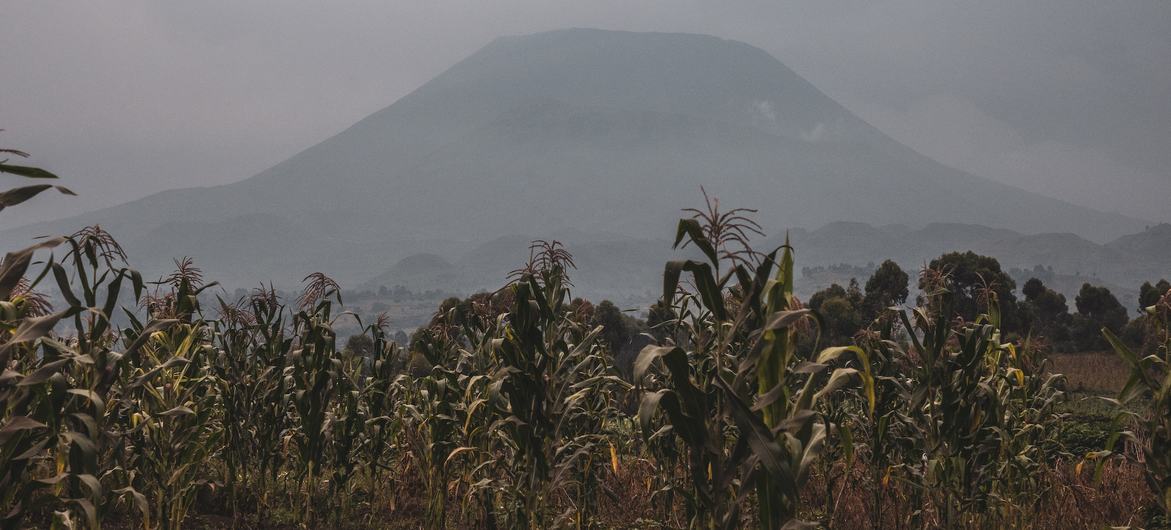
Global demand for meat and dairy set to rise, but climate and nutrition gaps remain

However, persistent nutritional gaps and mounting environmental pressures reveal a complex path ahead, according to a new study by the UN Food and Agriculture Organization (FAO) and the Organisation for Economic Cooperation and Development (OECD) – an influential international policy forum.

The Agricultural Outlook 2025-2034, released on Tuesday, projects a six per cent increase in global per capita consumption of animal-source foods by 2034 – beef, pork, poultry, fish, dairy and other animal products.  

The trend is most pronounced in lower middle-income countries, where intake is expected to rise by 24 per cent, far outpacing the global average.  

These projections point to better nutrition for many people in developing countries,” said Qu Dongyu, Director-General of the FAO.

Agricultural Outlook 2025‑2034

Increased incomes, better diets – but not for all

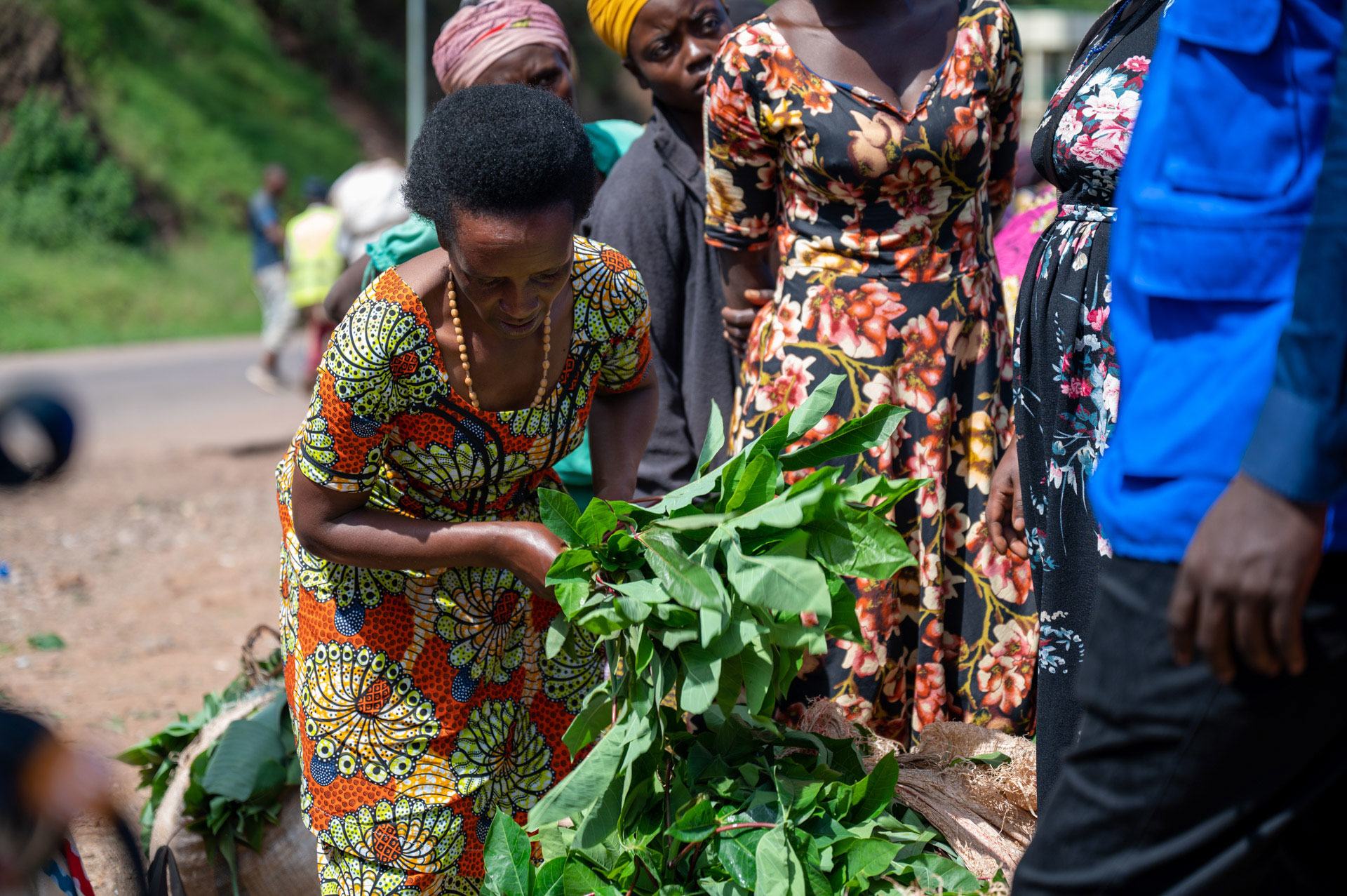
The surge in consumption in middle-income economies is attributed largely to rising disposable incomes, changing dietary preferences and urbanisation. In these countries, daily per capita intake of animal-sourced foods is projected to reach 364 kilocalories, surpassing the 300 kcal benchmark.

At the same time, consumption in low-income countries will remain low – reaching just 143 kcal per day, less than half the amount deemed necessary for a healthy diet – highlighting stark inequalities in access to nutrient-rich diets and the challenges ahead to ensure everyone is food secure.

Mr. Qu urged greater efforts to ensure people in the lowest-income countries also benefit from improved nutrition and food security.

Production expanding but emissions rising

To meet rising demand, global agricultural and fish production is projected to increase by 14 per cent over the next decade, largely driven by productivity gains in middle-income nations.

Output of meat, dairy and eggs is expected to grow by 17 per cent, while total livestock inventories are projected to expand by seven per cent.

However, these gains come at an environmental cost: direct greenhouse gas (GHG) emissions from agriculture are set to rise by six per cent by 2034, despite improvements in emissions intensity.

As production becomes more efficient, the emissions generated per unit of output will decline, but the overall footprint will still grow unless additional measures are taken.

Agricultural Outlook 2025‑2034

Other key findings

  • Cereal yields to grow 0.9 per cent annually, with harvested area expanding just 0.14 per cent per year – half the pace of the last decade
  • By 2034, 40 per cent of cereals will go directly to human consumption, 33 per cent to animal feed, and the rest to biofuels and industry
  • Biofuel demand set to rise 0.9 per cent annually, led by Brazil, India and Indonesia
  • Sub-Saharan Africa’s beef herd projected to grow 15 per cent, though productivity remains just one-tenth of North America’s
  • India and Southeast Asia will drive 39 per cent of global consumption growth by 2034; China’s share falling to 13 per cent from 32 per cent
  • High-income countries to see drop in per capita fats and sweeteners intake due to health trends and policy shifts

A win-win: More nourishment, fewer emissions

The report outlines a scenario in which nourishment improves for all, and agricultural emissions are reduced by as much as seven per cent below current levels by 2034.

Achieving this dual outcome would require major investments to improve productivity, alongside widespread adoption of existing low-emission technologies such as precision farming, improved livestock feed and prioritising nutritional production.

Future progress will depend on a blend of policy coordination, technological innovation and targeted investments – especially in countries where the gap between demand and nutritional value is stark.

We have the tools to end hunger and boost global food security,” said Mathias Cormann, Secretary-General of the OECD.

“Well-coordinated policies are needed to keep global food markets open, while fostering long-term productivity improvements and sustainability in the agriculture sector.”

Pivotal role for global trade

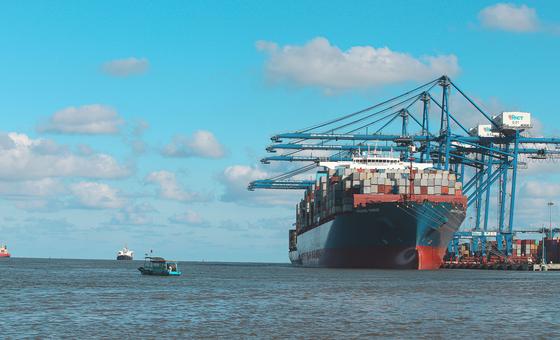
The Outlook also reiterates the importance of trade, given that 22 per cent of all calories eaten will have crossed international borders by 2034.

International trade will remain indispensable to the global agri-food sector,” the report stressed.

Multilateral cooperation and a rules-based agricultural trade are essential to facilitating these trade flows, balancing food deficits and surpluses across countries, stabilising prices and enhancing food security, nutrition and environmental sustainability.”

Source link

World News in Brief: Inter-ethnic violence in Syria, Indigenous Peoples’ rights, global information security

The violence erupted two days after a Druze merchant was abducted on the highway to Damascus.

The incident marks the latest episode of sectarian bloodshed in Syria, where fears among minority groups have surged since Islamist rebels toppled former dictator Bashar al-Assad in December and installed a new caretaker Government, which is gaining increasing international recognition.

Those targeted include the Druze sect, an offshoot of Shia Islam.  

UN voices ‘deep concern’

On Monday, UN Deputy Special Envoy for Syria, Najat Rochdi, expressed “deep concern” over these reports and urged authorities and stakeholders to “take immediate steps to protect civilians, restore calm and prevent incitement.”

She also underscored the need for inclusion, trust-building and meaningful dialogue to advance a credible and inclusive political transition in Syria.

UN human rights chief says ‘wisdom’ of Indigenous Peoples needed in climate change, digital policy upgrades

The UN human rights chief spoke at a high-level political forum on the rights of Indigenous Peoples on Monday.

Underscoring how crucial such forums are to advancing the rights of Indigenous Peoples, Volker Türk highlighted developments in Colombia, Finland and Guatemala that have given them more self-determination.

But despite these advances, violations against Indigenous Peoples’ rights continue.

Many still lack formal land recognition, while mining activity, deforestation and large-scale agricultural development often cause environmental destruction.

Indigenous Peoples also experience immense discrimination and face the brunt of climate chaos, Mr. Türk stressed.

Toll on activists

Furthermore, data from the human rights office reveals that 26 per cent of rights activists killed in 2023 and 2024 were Indigenous, largely in the Americas.

Additionally, states are using AI in ways that harm Indigenous Peoples through surveillance, data exploitation and exclusion from decision-making. Türk thus called for human rights-based approaches that uphold Indigenous data sovereignty and self-determination.

The High Commissioner also called for future policies on climate, digital technologies and other areas to “reflect the wisdom and experience of Indigenous Peoples.”

“This is not only essential to respect and fulfil the human rights of Indigenous Peoples,” he concluded. “There is growing recognition that the ideas and approaches of Indigenous Peoples hold important lessons for all of us.”

Guterres welcomes step forward in securing digital technology worldwide

The UN chief Antonio Guterres on Monday, welcomed the adoption by consensus of the UN Open Ended Working Group on Information and Communication Technologies.

It was established in 2020 with a five-year mandate to promote regular institutional dialogue and initiatives focused on keeping digital technologies safe and secure.  

The Secretary-General welcomed the Final Report of 10 July, which summed up the past five years of negotiations, said a statement issued by his Spokesperson.  

It reflects shared views on current and emerging threats, responsible government policies, international law, norms and efforts such as confidence-building and capacity development.  

Call for cooperation

It also establishes a permanent mechanism to continue discussions about responsible State behaviour in the use of information and communications technologies, which the Secretary General particularly appreciated.  

“The Secretary-General now calls upon all States to work together through the Global Mechanism to tackle digital risks and ensure these technologies are leveraged for good,” the statement said.  

The Secretary General congratulated the group on its accomplishments, saying the consensus adoption “demonstrates that even in the most challenging international security environment, collective action is still possible.” 

Source link

Smurf your voice: Global campaign urges everyone to speak up for a better future

Launched in June, the eight-week digital campaign draws on the enduring popularity of the beloved Smurfs to encourage young people – along with their parents and caregivers – to raise their voices on issues that matter to them.

The initiative is part of the UN’s ActNow effort for the Sustainable Development Goals (SDGs) and aims to empower individuals, especially children, to speak out and take action in their communities.

Voices for change

Featuring Rihanna, Hannah Waddingham, Billie Lourd and Amy Sedaris – who voice various characters in an upcoming Smurfs film – the campaign includes vibrant public service announcements (PSAs) and colourful social media cards.

The Smurfs know the importance of speaking up and speaking out because everyone, every child, has the right to be heard,” said Hannah Waddingham, who voices Jezebeth in the movie.

The power to create change is already inside you. You just have to act,” added Billie Lourd (Worry Smurf).

Amy Sedaris (Jaunty) summed it up simply: “It’s easy if you follow the Smurfs’ blueprint. Small actions can add up to make a big difference.

The videos, produced in multiple formats, direct viewers to a dedicated “Speak Up with the Smurfs” section on the ActNow platform, which offers child-friendly tools and resources.

Join the Smurfs and speak up for a better world! | UN ActNow and UNICEF

Smurfing it up

To smurf things up a bit – campaign invites everyone to “smurf their voice” and help smurf a brighter future, one action at a time. Whether you’re five or fifty-five, there’s always a way to smurf positive change.

In Smurf-speak, “smurf” can mean just about anything – noun, verb, or adjective – but the message here is clear: smurf your voice, smurf your rights, smurf the future.

UNICEF’s involvement centres on ensuring the message reaches children everywhere – and that they are equipped to participate meaningfully in decisions affecting their lives.

Global rollout

The campaign is being promoted across Paramount Global’s platforms – including CBS, MTV, Nickelodeon, BET, Comedy Central, streaming services like Paramount+ and Pluto TV, and the free-to-air network Net 10 in Australia.

Smurf-themed content will also light up Times Square in New York City and appear in markets across Europe, Latin America and Asia.

Content is available in over a dozen languages, including Arabic, French, Spanish, Hindi, Kiswahili, and Japanese, to ensure broad accessibility.

About the Smurfs

First introduced in 1958, the Smurfs are small blue fictional characters known for their teamwork, mischief, and unique way of speaking.

Generations of children (like this author and his little ones) have followed their adventures, and their continued appeal has made them ideal messengers for values like cooperation, kindness and now, global citizenship.

By rallying a new generation to speak up – or smurf up – the campaign hopes to inspire meaningful, lasting change for children (and adults) everywhere.

Source link

UN Human Rights Council hears grim updates on Ukraine, Gaza and global racism

Escalating conflict in Ukraine

In an oral update, Ilze Brands Kehris, UN Assistant Secretary-General for Human Rights, reported a sharp escalation in hostilities in Ukraine.

Civilian casualties have surged, with April to June seeing nearly 50 per cent more deaths and injuries compared to the same period in 2024.

“More than 90 per cent of these casualties occurred in territory controlled by Ukraine,” she said, attributing the spike in part to intensified Russian drone and missile attacks.

Attacks using airburst warheads and repeated strikes on hospitals have instilled “terror and anxiety” among urban populations, she added. A June 16-17 nighttime attack in Kyiv killed more civilians than any other assault in the past year.

While ceasefire negotiations have produced some humanitarian gains – such as the exchange of prisoners of war and the return of deceased soldiers – Ms. Kehris underscored harrowing conditions in detention.

Over 117 former Ukrainian POWs interviewed by the UN rights office, OHCHR, reported torture, including sexual violence, in Russian captivity. Though less widespread, similar abuses have also been documented in unofficial Ukrainian detention facilities, prompting calls for transparent investigations.

The report also noted ongoing human rights violations in territories occupied by Russia, including restrictions on civic space and the exercise of freedom of expression.

“Peace is more imperative than ever,” Ms. Kehris said, reiterating calls for an immediate cessation of hostilities in line with international law.

Structural racism and intersectionality

Ashwini K.P., Special Rapporteur on contemporary forms of racism, delivered a thematic report focused on intersectionality as a tool for racial justice.

Drawing from experiences of Black feminists and expanded by studies focusing on Dalit, Indigenous, Muslim and Roma community members, the concept of intersectionality was presented as essential to dismantling systemic discrimination.

“Women of African descent, caste-oppressed communities, Roma, Arab and Muslim women, and other marginalized groups are disproportionately impacted due to overlapping forms of discrimination,” Ms. Ashwini said.

Her report detailed how states can integrate an intersectional approach, emphasising data disaggregation, participatory policymaking, legal recognition of multiple discrimination and historical accountability.

Ms. Ashwini highlighted the importance of reparatory justice for communities affected by colonialism and slavery and called on states – particularly those historically complicit – to implement bold reforms.

People search through the rubble of a destroyed building in the central Gaza Strip.

Deepening crisis in Gaza

Francesca Albanese, Special Rapporteur on the situation of human rights in the Palestinian territories occupied since 1967, also reported to the Council, with grim update on Gaza.

She described conditions as “apocalyptic” and reported over 200,000 people killed or injured since 7 October 2023, when Hamas and other Palestinian armed groups attacked Israeli communities – killing at least 1,200 people and taking more than 250 as hostages.

“In Gaza, Palestinians continue to endure suffering beyond imagination,” Ms. Albanese said, describing the Israeli-backed Gaza Humanitarian Foundation as a “death trap – engineered to kill or force the flight of a starved, bombarded, emaciated population marked for elimination.”

She also accused Israel of using the conflict as an opportunity to test new weapons and technology against the population of the enclave “without restraint”.

“The forever-occupation has provided an optimal testing ground for arms manufacturers and big tech with little oversight and zero accountability – while investors, and private and public institutions have profited handsomely,” she said.

“We must reverse the tide,” Ms. Albanese urged, calling on Member States to impose a full arms embargo on Israel, suspend all trade agreements and investment relation and enforce accountability, “ensuring that corporate entities face legal consequences for their involvement in serious violations of international law.”

Independent rights experts

Special Rapporteurs are independent human rights experts appointed and mandated by the Human Rights Council – the UN’s highest intergovernmental forum on human rights.

Forming a part of its Special Procedures, Special Rapporteurs and other independent experts are mandated to monitor and assess the rights situation in certain thematic or country situations.

They work in their individual capacity, are not UN staff and do not receive a salary. 

Source link

The Sevilla Commitment: A vital step to rebuild trust in global cooperation

Activists, many from the Global South, attending the talks in Spain, are calling for greater leadership and commitment from wealthier nations to help address long-standing structural inequalities.

The 4th International Conference on Financing for Development (FFD4) carries strong symbolic weight, reflected in the agreed priorities of the Sevilla Commitment.

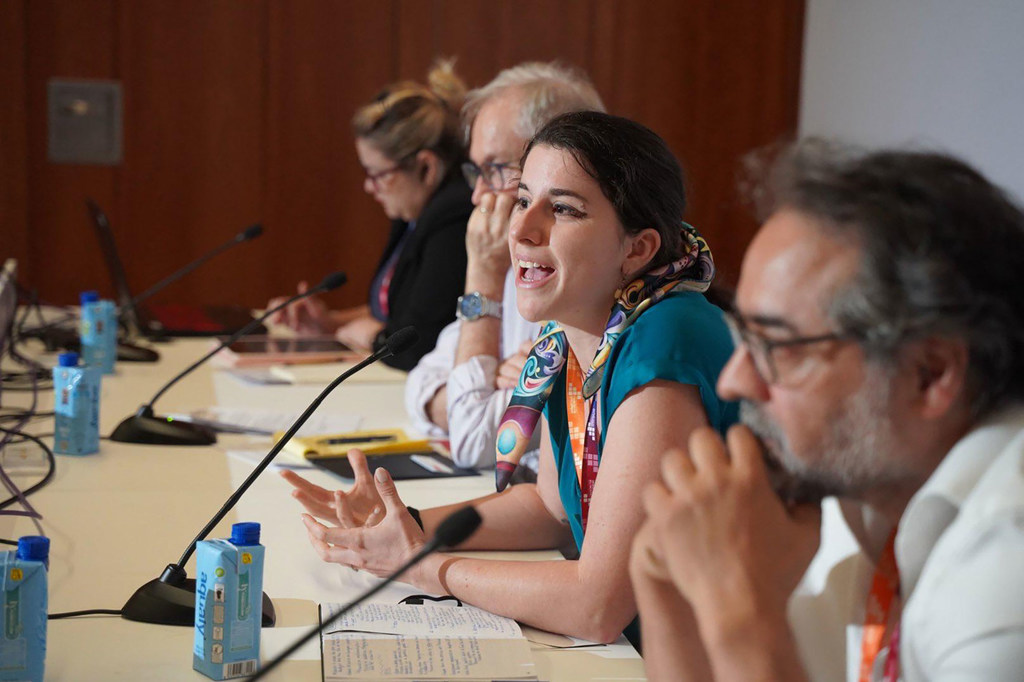
Courtesy of Paula Sevilla

Paula Sevilla, International Institute for Environment and Development.

However, organizations warn that there is still a long way to go before promises translate into tangible action.

Good timing

That is the message from Paula Sevilla, a representative of the International Institute for Environment and Development (IIED) – a London-based research centre – who has worked for decades on sustainability and climate justice in Latin America, Africa, and Asia.

“This summit has come at a crucial time to try to restore faith in international cooperation, especially after the pandemic, which exposed a lack of global solidarity,” she stated.

One of IIED’s main goals in Sevilla has been to ensure that the announced financial commitments actually reach local communities at the forefront of the climate crisis.

To that end, the organization emphasizes the need to address issues such as external debt – draining public budgets – and to support innovative mechanisms like blended finance to direct resources to those who need them most.

“We’re seeing countries spend more on debt payments than on healthcare or education, while inequalities are deepening,” the expert warned, speaking shortly after a respectful but forceful protest inside the conference centre.

A place to call home

Housing solutions linked to sustainable development are notably absent from the summit’s final document.

“It’s regrettable that it’s not even mentioned, at a time when we are facing a global cost-of-living crisis – not only in the Global South but also here in Spain. Housing is a source of anguish and distrust among citizens, and it has been completely ignored,” Ms. Sevilla said.

Despite this, her organization is working to leverage the Sevilla outcome to find ways to channel funding into providing more affordable homes.

Commenting on the initiative led by Spain and Brazil to work towards fair taxation and push back against tax avoidance by the world’s richest – promoting more transparency and accountability – the IIED representative said it could be a useful path toward correcting structural inequalities.

Tax for development

We need leadership from the Global North, where many of the world’s major tax-avoiding corporations are based. Without their commitment, we won’t move forward,” she stated.

She also criticized the absence of the United States from the summit – not  only as a diplomatic setback but also as a worrying precedent following the dismantling of its international development agency, USAID.

“We’re talking about people counting their pills to figure out how many days of life they have left. This is dramatic,” she emphasised.

With just five years remaining to meet the Sustainable Development Goals, Ms. Sevilla warned that time is running out – and that the Sevilla Commitment will be meaningless without real change.

We need political leadership, a will to cooperate, and a commitment to protect democratic space. In the end, it’s organized people who keep hope alive and hold leaders accountable,” Sevilla concluded.

The Sevilla Commitment in brief:

  • The Sevilla Commitment sets out a new global roadmap to raise the trillions of dollars needed each year to achieve sustainable development, building on previous international agreements
  • It calls for fairer tax systems, cracking down on tax evasion and illicit financial flows, and strengthening public development banks to support national priorities
  • The agreement highlights the need for new tools to ease debt pressures on vulnerable countries, including debt-swap schemes, options to pause payments during crises, and better transparency
  • Countries committed to boosting the capacity of multilateral development banks, increasing the use of special drawing rights, and attracting more private investment to support development
  • It also aims to make the global financial system more inclusive and accountable, with improved coordination, stronger data systems, and broader participation from civil society and others

The Commitment launches the Sevilla Platform for Action, which includes over 130 initiatives already underway to turn the pledges into real-world results.

Source link

Spain and Brazil push global action to tax the super-rich and curb inequality

Presented during the UN’s 4th International Conference on Financing for Development, taking place this week in Sevilla, the proposal highlights a growing problem: the richest individuals often contribute less to public finances than ordinary taxpayers, thanks to lower effective tax rates and legal loopholes.

“Our countries need more and more public revenues to meet their needs. Inequality is a problem everywhere, and the richest pay less than the middle class – even less than lower-income taxpayers,” said Spain’s Secretary of State for Finance Jesús Gascón, during a press conference at the conference venue, where temperatures have soared to record highs in recent days.

The two governments are calling on others to join a drive for a fairer, more progressive global tax system. They point to a stark reality: the wealthiest one per cent of the global population owns more than 95 per cent of humanity combined.

The Spanish Secretary of State for Finance Jesús Gascón (on screen) addresses a meeting at the Financing for Development conference in Sevilla, Spain.

Sharing knowledge, closing gaps

In today’s interconnected world, access to reliable data is essential. The initiative prioritises information sharing – between governments and tax authorities – to help expose gaps in tax systems, close loopholes, and combat evasion and avoidance.

Improving data quality and building national capacities for data analysis will help tax administrations identify where and how wealth is concentrated, how much is currently being paid, and what needs to change.

Though some progress has already been made, the countries say much more must be done and many more countries should come on board.

There’s a real need to know who the beneficial owners are behind companies and legal structures used to conceal wealth,” said Mr. Gascón. The initiative also proposes technical cooperation, training in data analytics, and peer review mechanisms to strengthen national tax systems.

A global wealth registry?

Spain and Brazil are even considering steps toward a global wealth registry – acknowledging that this would take time, political will, and major national efforts.

But the aim is clear: more transparency, more accountability, and fairer contributions from the richest.

We cannot tolerate the intensity of inequality, which has been increasing in recent years,” said Brazil’s Minister-Counsellor to the UN, José Gilberto Scandiucci denying that this was some kind of far-leftist agenda.

This is a moderate initiative to confront a very radical reality.”

The proposal forms part of the Seville Platform for Action, which is turbocharging voluntary actions to help reach the Sustainable Development Goals (SDGs) – currently way off track for the 2030 deadline.

G20 highlights ‘high worth’ factor

It also follows the 2024 agreement by the G20 industrialised nations who met in Rio, Brazil, last year – the first international accord to commit to a joint tax agenda for high-net-worth individuals.

A three-month work plan is now being drawn up, with regular meetings planned to track progress. The goal: bring more countries, international organisations and civil society on board to push forward tax reforms targeting the ultra-rich.

“If we want to effectively tax the super-rich, fight inequality and make our tax systems fairer and more progressive, we need political will – and we need to act within our means,” Mr. Gascón added.

Source link

‘Global solidarity benefits us all’: Spain makes the case for development funding

For decades, helping the least developed countries to develop has been seen as beneficial for the international community as a whole, as well as a duty of the countries with more resources.

However, this philosophy is being challenged by some wealthy nations, which have decided to reduce or even end funding for projects and initiatives designed to support the poorer countries of the Global South in their attempts to improve the living standards and wellbeing of their citizens.

Ahead of the fourth International Conference on Financing for Development, which takes place in Seville, Spain, between 30 June and 3 July, Ms. Granados told Antonio Gonzalez from UN News that, despite the uncertainty, many rich countries, including Spain, still believe in the need for development financing and solidarity between nations.

This interview has been edited for clarity and length

UN News: Is development financing as we know it over?

Spain’s Secretary of State for International Cooperation, Eva Granados.

Eva Granados: Development cooperation and global solidarity are not only beneficial for everyone, but also a political and moral duty.

It is true that, in the last year, there has been a reduction in official development aid, but this is not the case for all countries. Spain, for example, has increased its contribution to official development aid by 12 percent.

The philosophy behind development financing is certainly being challenged in some quarters, but this is the same kind of denialism that questions the need for policies calling for equality between men and women, or the reality of the climate crisis. There are many people making a lot of noise, but there are far more of us who believe in global solidarity. We have to explain, and explain well, why this solidarity and this international cooperation matter.

I believe that all the peoples of the world have a duty to each other, and we need to counter these narratives; climate change is clearly affecting us all and solidarity between genders is beneficial to the whole of society.

In 2015, at a conference in Addis Ababa [which laid the groundwork for a landmark international agreement on financing], we talked about debt issues, international taxation, trade and research. It’s the job of those of us who are committed to development cooperation and financing for development to make this agenda evolve.

UN News: Why is it in the interests of richer countries like Spain to spend money on international development?

Eva Granados: In the case of Spain, international cooperation and global solidarity are part of our social contract. Cooperation and peaceful relations between the peoples of the world are included in our constitution, and setting aside a 0.7 percent contribution of our gross national income to international cooperation is inscribed in law.

And this benefits our country. For example, during the COVID-19 pandemic, it was clear that, whilst the challenges were national, the solutions were global. Another example is climate change. The Mediterranean is heavily impacted, both on the European and African side. We have to cooperate and work in a coordinated manner, to form partnerships and to create global policies.

UN News: There is a €4 trillion annual gap in the funding needed for development and what is currently raised. Can this gap be bridged?

Eva Granados: The financing gap is large, but relatively speaking, €4 trillion is still only one percent of the financial transactions that take place annually. I think we have quite a few scenarios where it can be achieved.

If all donor countries contributed 0.7 percent of Gross National Income, we would barely meet 10 percent of the financing needs for development. This means that we have to do everything we can to attract investment, and work with the private sector.

We also have to help create global tax systems that distribute wealth and end the situation whereby two out of five citizens worldwide live in countries that spend more on debt servicing than on education or health services. It is unacceptable that the richest and wealthiest on the planet are contributing so little to international development. Super-rich people and large multinationals have to do more.

UN News: What results do you want to see coming out of this conference?

Eva Granados: These are uncertain times, but Seville is a ray of light for global solidarity. The countries represented at the conference are signalling that they believe in multilateralism.

The objective is to obtain more and better resources for sustainable development. We need to combine ambition with action. Just as in Addis Ababa, where we were able to reach agreement on a large number of issues, Seville is the time to put concrete issues on the table and bring together the political will of world leaders to reach agreements.

Seville is also a good time for us to set that viewpoint from the perspective of women. It is important that, in all the chapters of the document we are discussing, the needs of women are at the forefront.

And it is important that the final document includes a follow-up mechanism, so that countries can be held  accountable on an annual basis for the commitments we reach, and a commitment from all Member States to contribute to official development aid. 

Source link

New UN report charts path out of debt crisis threatening global development

On Friday, Deputy Secretary-General Amina Mohammed launched a new report, Confronting the Debt Crisis: 11 Actions to Unlock Sustainable Financing.

She was joined by experts Mahmoud Mohieldin and Paolo Gentiloni, along with Rebeca Grynspan, Head of the UN Conference on Trade and Development (UNCTAD).

A growing crisis

“Borrowing is critical for development,” Ms. Mohammed said, but today, “borrowing is not working for many developing countries, over two-thirds of our low income countries are either in debt distress or at a high risk of it.”

The crisis is accelerating, Ms. Grynspan warned.

More than 3.4 billion people now live in countries that spend more on interest payments than on health or education – 100 million more than last year.

Debt service payments by developing countries have soared by $74 billion in a single year, from $847 billion to $921 billion.

“The nature of this crisis is mostly connected to the increase of debt servicing costs,” Mr. Gentiloni explained. “Practically, the debt services costs doubled in the last ten years.”

Prepared by the UN Secretary-General’s Expert Group on Debt, the report reinforces the commitments put forward in the Compromiso de Sevilla, the outcome document of the Fourth International Conference on Financing for Development – taking place next week.

A path forward

The report outlines 11 actions that are both technically feasible and politically viable.

Mr. Mohieldin explained that the recommendations fall under two key goals: providing meaningful debt relief and preventing future crises.

It identifies three levels of action:

At the multilateral level: repurpose and replenish funds to inject liquidity into the system, with targeted support for low-income countries.

At the international level: establish a platform for borrowers and creditors to engage directly.

At the national level: strengthen institutional capacity, improve policy coordination, manage interest rates, and bolster risk management.

“These are eleven proposals that are doable and that only need the political will of all the actors to be able to make them real,” Ms. Grynspan stressed.

Source link

$1 towards a girl’s education = $3 for the global economy: That’s how development works

Every dollar invested in girls’ education yields an average return of $2.80 – translating into billions in additional GDP. Similarly, each dollar spent on water and sanitation saves $4.30 in healthcare costs.

Simple math, not miracles

These aren’t miracles – they’re measurable outcomes. Maths doesn’t recognize gender or infrastructure; it simply reflects the truth in numbers. And those numbers make a compelling case: helping countries with the least resources benefits everyone, including those with the most.

Even a single dollar, strategically invested, can make a profound difference.

For example, allocating just $1 per person annually to combat non-communicable diseases could prevent nearly seven million deaths by 2030. Likewise, every dollar spent on disaster risk reduction can save up to $15 in recovery costs.

Yet despite such compelling evidence, development aid is often misunderstood – seen by some as mere charity, and by others as a vehicle for profiteering.

Equity, not charity

The latest UN Development Programme report on Afghan women entrepreneurs challenges the skeptics.

It highlights that these women are not seeking charity – they’re asking for a fair chance to succeed. Earning their own income gives them a measure of independence, which in turn strengthens the communities they live in.

Against all odds, they are generating income, creating jobs, and building fuller, more enriching lives.

Expanding access to public and private financing, guaranteeing loans, offering preferential terms in international markets, and reinforcing support networks can fuel business growth and foster a more prosperous future – whether in Afghanistan or Ecuador, or anywhere in between.

FFD4 faces strong headwinds

These examples – from education and health to entrepreneurship and disaster resilience – paint a clear, data-driven narrative: smart investments in development pay dividends for everyone.

That message should be front and center at the upcoming Fourth UN Conference on Financing for Development which will be held in the Spanish city of Sevilla, from 30 June to 3 July. But the summit, known by its clunky acronym FFD4, faces stiff headwinds.

Even as countries negotiating at UN Headquarters in New York agreed a week ago on a sweeping outcome document – set to be adopted at the close of the conference and intended to guide the future of global development aid – some nations are pulling back.

Notably, the United States has announced it will not send a delegation to Sevilla at all.

And even though there are some notable exceptions, including Spain, which has increased its development financing budget allocations by 12 per cent, the uncertain landscape ahead has led UN Secretary-General Antono Guterres to lament that “global collaboration is being actively questioned.”

This questioning is reflected in the $4 trillion annual deficit in development financing, as well as the abandonment of earlier commitments and delivery of aid by donors at what the Secretary-General has called “a historic speed and scale.”

Moreover, the Sustainable Development Goals, signed by all world leaders just 10 years ago, are a long way off track.

What is at stake in Seville?

Success in Sevilla “will require other countries to fill the global leadership vacuum and demonstrate credible commitment to multilateral cooperation, which is essential for our survival,” states Jayati Ghosh, professor of economics at the University of Massachusetts, Amherst.

Meaningful steps forward must include deep reforms of the international financial system. As it stands, it fails to meet the needs of developing countries while steadfastly protecting the interests of wealthier nations.

Consider this: developing countries face interest rates at least twice as high as those paid by developed nations. And today, the average rates charged by private creditors to these countries have reached their highest levels in 15 years.

What aid gives, debt takes away

Developing countries spent a record $1.4 trillion on external debt service in 2023, the highest in 20 years.

Meanwhile, in 2024, more than 1.1 billion people live in developing countries where external debt servicing accounts for more than 20 per cent of government revenue, and nearly 2.2 billion live in developing countries where the percentage is higher than 10 per cent.

Interest payment on this debt hinders development by preventing investment in health infrastructure and education services, to cite just two examples.

Debt restructuring is therefore essential, because much of the hope for development is lost in the give and take of aid and debt.

Promoting investment in what works

Eradicating hunger, advancing gender equality, protecting the environment, confronting climate change, and saving our oceans are not radical ideas.

Despite claims from some highly ideological viewpoints that the Sustainable Development Goals represent an extremist agenda, they are, in fact, a shared baseline – an urgent set of priorities that humanity demands and that the leaders of 193 countries committed to in 2015.

Despite the noise made by those who oppose development aid and multilateralism, they are a minority, says Spain’s Secretary of State for International Cooperation.

Ana Granados Galindo sees Seville as “a beacon of global solidarity.”

Meanwhile, as the world gears up for FFD4, mathematics, statistics, and Afghan women continue to work their common sense ‘development magic’.

Source link

World News in Brief: Global investment plunges, hurricane season in Haiti, rising cholera and hunger in South Sudan

Their latest data shows that the outlook for international investment this year “is negative”, a sharp course correction from January, when “modest” growth seemed possible.

The reasons for this range from trade tensions and tariffs whose main effect has been a “dramatic increase in investor uncertainty”, said UNCTAD Secretary-General Rebeca Grynspan.

She said that investment in renewable energy, water and sanitation fell by some 30 per cent and that agriculture saw a 19 per cent drop in investor confidence.

Only the health sector saw an increase of nearly 20 per cent, Ms. Grynspan said, although that only accounts for “less than $15 billion globally”.

‘Very real consequences’

“Behind those numbers are very real consequences. Jobs not created,” she said. “Infrastructure not built, sustainable development delayed. What we see here is not just a downturn. It is a pattern.”

Ms. Grynspan also cited “growing geopolitical tensions” in addition to rising trade barriers around the world as reasons for the fall in global investment for development.

In critical sectors as hi-tech industries and rare earth minerals, governments are also tightening screening measures on proposed foreign investment, the UN agency noted.

Supplies to limit hurricane impact in Haiti critically low

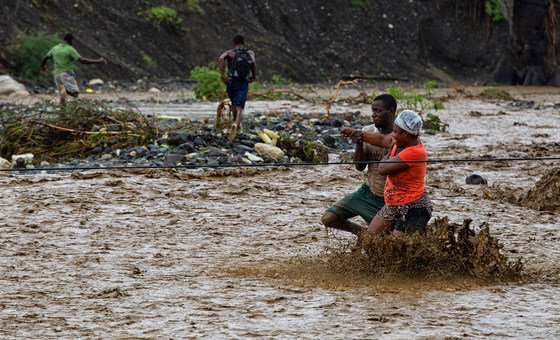
The Humanitarian Country Team in Haiti warned Wednesday that funding and pre-positioned contingency supplies are critically low ahead of what is forecast to be an above-average hurricane season.

Haiti is highly vulnerable to extreme weather, with 96 per cent of the population at risk. Forecasts project 12 to 19 tropical storms and up to five major hurricanes this year.

The alert comes as the fragile island nation grapples with a worsening humanitarian crisis. Armed gangs control much of the country, the collapse of essential services and growing displacement have left 5.7 million people food insecure, 1.3 million displaced and 230,000 living in makeshift shelters ill-equipped to withstand severe weather.

Limited preparations  

Humanitarian actors have pre-positioned limited stocks of essential items, but they are at a record low for a hurricane season posing such high risk.  

For the first time, Haiti will begin the hurricane season without pre-positioned food supplies or the financial resources necessary to initiate a rapid response.  

Meanwhile, UN Humanitarian Office (OCHA) is coordinating missions with UN agencies and partners to assess how to safely resume aid operations in high-need areas, following their suspension on 26 May due to insecurity.

“I am deeply concerned for communities, families, and vulnerable groups who have already been affected by violence and are living in precarious conditions,” said Ulrika Richardson, Humanitarian Coordinator in Haiti, calling for immediate support.

As of mid-June, the $908 million Humanitarian Response Plan for Haiti is just 8 per cent funded.

Worsening cholera and hunger in South Sudan

OCHA raised the alarm on Thursday over rising malnutrition and cholera cases in war-torn South Sudan.

An estimated 2.3 million children under five urgently need treatment for acute malnutrition, a 10 per cent increase since last July.

This crisis is unfolding amid the world’s most severe cholera outbreak this year, with almost 74,000 cases and at least 1,362 deaths reported as of 16 June.  

The start of the rainy season and waning immunity risk a significant surge in infections.

UN response

The 2025 Humanitarian Needs and Response Plan for South Sudan is only 20 per cent funded.

Despite limited resources and many challenges, the UN and partners have scaled up efforts, delivering vaccines and life-saving aid to contain the disease and protect the most vulnerable.

“This dire situation is a stark reminder that we need funding urgently to expand food assistance, to expand nutrition and expand health services to those who need it the most,” said UN Spokesperson Stéphane Dujarric at the daily briefing in New York. 

Source link

Human Rights Council hears alarming updates on executions in Iran and global civic space crackdown

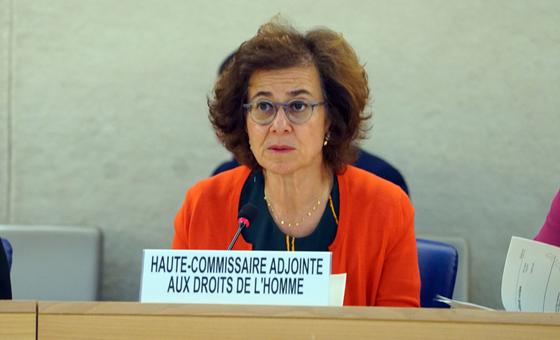
At least 975 people were executed in Iran in 2024, the highest number reported since 2015, according to a report Deputy High Commissioner for Human Rights, Nada Al-Nashif, presented to the Geneva-based Council on Wednesday. 

Of the total executions, just over half were for drug-related offenses, 43 per cent for murder, two per cent for sexual offenses, and three per cent for security-related charges. At least four executions were carried out publicly. 

“These cases are marked by serious allegations of torture and due process violations, including lack of access to a lawyer,” said Ms. Al-Nashif. 

Violence and discrimination against women

At least 31 women were reportedly executed in Iran last year, up from 22 in 2023. Of the 19 women executed for murder, nine had been convicted of killing their husbands in cases involving domestic violence or forced or child marriage, areas in which Iranian women have no legal protections.

Some executions were reportedly linked to protests that began in September 2022 under the banner “Women, Life, and Freedom.”

Beyond executions, femicide cases surged, with 179 reported in 2024 compared to 55 the year before. Many stemmed from so-called “honour” crimes or family disputes, often involving women and girls seeking divorce or rejecting marriage proposals.

Ms. Al-Nashif also warned that the suspended Chastity and Hijab Law, if enacted, would pose a serious threat to women’s rights. Penalties for violations such as improper dress could include heavy fines, travel bans, long-term imprisonment, or even the death penalty.

In addition, of the 125 journalists prosecuted in 2024, 40 were women, many reporting on human rights and women’s rights issues.

Religious and ethnic minorities

“In 2024, the death penalty continued to have a disproportionate impact on minority groups,” Ms. Al-Nashif told the Council.

At least 108 Baluchi and 84 Kurdish prisoners were executed in 2024, representing 11 and 9 per cent of the total, respectively.

The report also raised concerns over the lack of official data on the socioeconomic conditions of ethnic and ethno-religious minorities and non-citizens, which hampers efforts to assess their situation and measure the impact of targeted policies and programmes.

Looking ahead

While Iran continued engagement with the Office of the UN High Commissioner and other human rights mechanisms, it denied access to the Independent International Fact-Finding Mission on the Islamic Republic of Iran.

“Our Office remains ready to continue and build on its engagement with the Iranian authorities on the range of issues highlighted in the report of the Secretary-General for the promotion and protection of all human rights,” Ms. Al-Nashif concluded. 

Global ‘Super Election’ cycle undermined democratic participation

In the Council’s afternoon session, Gina Romero, UN Special Rapporteur on the rights to freedom of peaceful assembly and association, presented her report on how the 2023–2025 “super election” cycle has affected civic space around the world.  

In 2024, half of the world’s population elected their local, national and international representatives. While Ms. Romero’s report on this cycle does not assess the integrity of the elections, it identifies troubling global patterns of systematic repression of the exercise of peaceful assembly and association.

“The misuse of restrictive laws, smear campaigns, disinformation targeting civil society intensified globally in the super electoral cycle, undermining electoral participation and freedom of association,” she said.  

Political repression and violence

As criminal justice systems are used to repress the opposition, leaders and members of political parties faced undue restrictions and political persecution. Civil society activists and election observers have also faced harassment, arbitrary detention, torture and murder.  

“When political parties, civil society, and peaceful assemblies are suppressed, genuine political pluralism and competition cannot exist,” argued Ms. Romero. “I stress that these conditions are incompatible with free and genuine elections and risk legitimising undemocratic rule.”

Minority representation

Ms. Romero also underscored that women’s political leadership remains severely underrepresented, while LGBTIQ individuals and their organizations faced attacks during the super electoral cycle.  

Both groups experienced physical and online political violence, restricting their electoral participation and accelerating the decline of their rights after the elections.

Calls to protect freedoms  

Amid global crises and a rapid democratic decline, Ms. Romero emphasized the urgent need to protect the rights to peaceful assembly and association throughout the entire electoral cycle.  

She outlined key recommendations, including strengthening legal protections before elections, ensuring accountability afterward, regulating digital technologies and promoting non-discriminatory participation throughout.  

“Dissent is a fundamental element of democratic societies,” she concluded in Spanish. “Rather than being suppressed, it should be welcomed and permanently protected.” 

Source link

Without urgent funding, global hunger hotspots are set to grow, UN warns

But hunger has followed them. Over 57 per cent of the population in the world’s youngest country to the south is already facing high levels of acute food insecurity.

Sudan and South Sudan are among five global hunger hotspots of “highest concern”, trapped in a worsening cycle of conflict, climate shocks and economic decline.

Continued fighting in Sudan, anticipated flooding impacting its southern neighbour and deteriorating economic conditions in both countries are set to intensify hunger in the coming months.

A new report released on Monday by the World Food Programme (WFP) and the Food and Agriculture Organization (FAO) also identified Palestine, Mali and Haiti as the other top-priority hunger hotspots, with a further seven countries likely to see worsening food security over the next five months.

The report, which analyses existing data to project the nature of food insecurity, emphasised that without immediate humanitarian assistance, people living in these hotspots will face severe food conditions and high risks of starvation and death.  

“This report makes it very clear: hunger today is not a distant threat  – it is a daily emergency for millions. We must act now and act together to save lives and safeguard livelihoods,” said FAO Director General QU Dongyu.  

Conflict-driven hunger

The report identified that the main driver of hunger is conflict which is often compounded by climate and economic shocks.  

“There’s an on-going famine in Sudan and also a risk of famine in the case of Gaza. And all of those are driven by conflict and lack of access for humanitarians,” said Jean-Martin Baucer, FAO food security analysis director.

In Gaza, the entire population of 2.1 million people is projected to experience crisis levels of food insecurity in the next months as a result of protracted military operations, with almost 500,000 projected to face catastrophic levels of food insecurity.  

Sawsan was an artist in Gaza before the conflict began. Since then, she and her four children have been displaced, losing everything that they owned. They do not have enough to eat: Sawsan described to WFP that she now reduced to crushing macaroni to make bread for her children.  

The report also noted that climate shocks and conflict often cause protracted economic declines, diminishing the purchasing power and self-sustaining capacity of households and communities.

Window closing fast 

In recent months, humanitarian food operations have faced significant food shortages and have been geographically impeded by security crises which make the delivery of aid simply dangerous.  

WFP and FAO are calling for the international community to drastically step up funding for food and nutrition related humanitarian aid in the coming months and advocate for an end to the fighting.  

“Urgent, sustained investment in food assistance and recovery support is crucial as the window to avert yet more devastating hunger is closing fast,” said WFP executive director Cindy McCain.

‘Red alert’

In May, the food aid sector estimated that it would need $12.2 billion, but only nine per cent of this was funded.  

The report also underlined the importance of moving towards longer-term humanitarian strategies which equip communities with self-sustaining capabilities and are less expensive.

“This report is a red alert. We know where hunger is rising and we know who is at risk. We have the tools and experience to respond but without funding and access, we cannot save lives,” said Ms. McCain.   

Global push to end plastic pollution gains ground in Nice

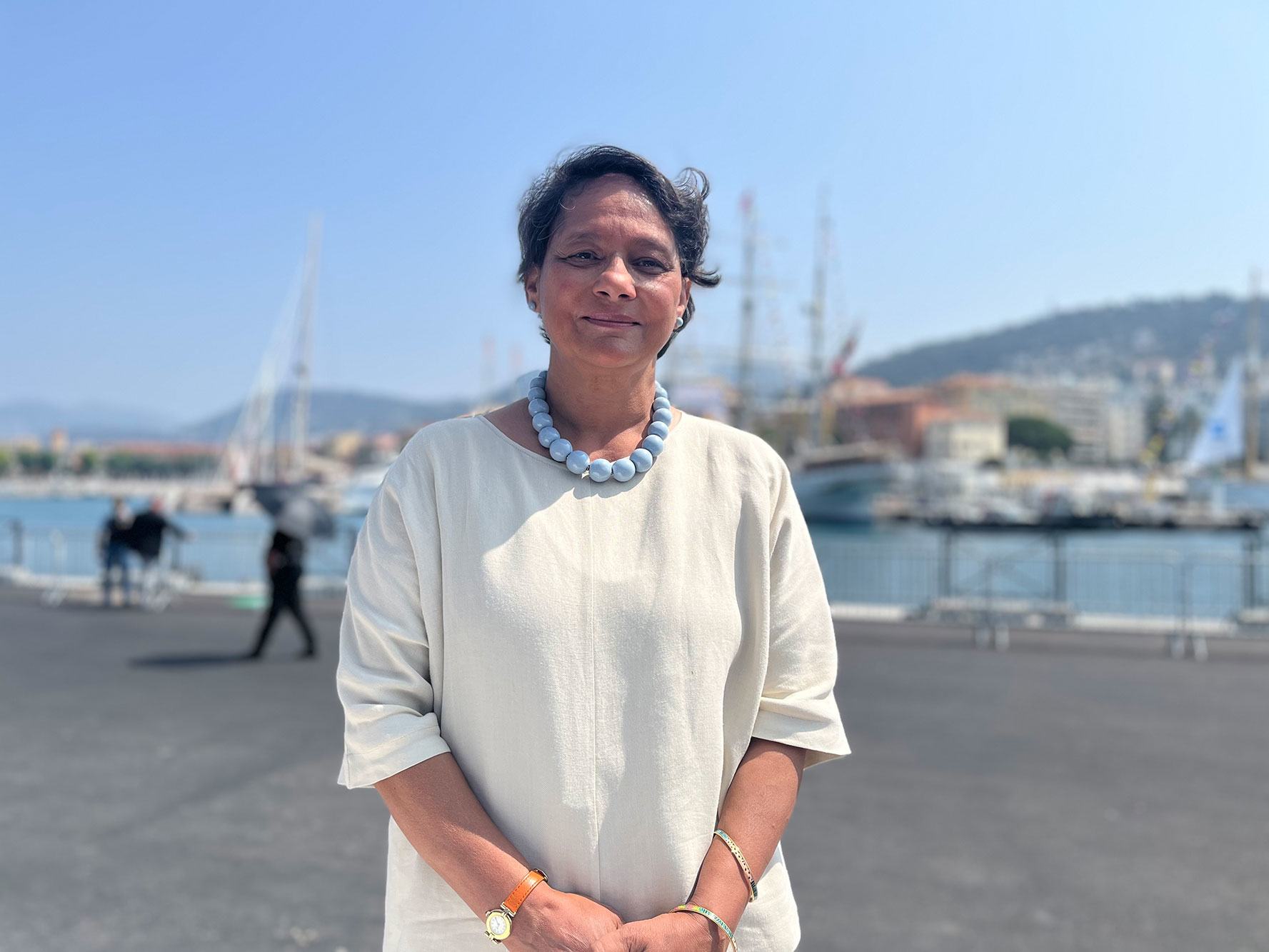
Away from the cameras and fanfare of the Third UN Ocean Conference under way in the coastal French city, they voiced a shared determination to finalize this year a global treaty that could, for the first time, regulate plastics across their entire life cycle.

“There is renewed commitment to conclude the treaty in August,” Jyoti Mathur-Filipp, who attended the meeting and is leading the treaty negotiations, told UN News. “This is too urgent an issue to be left for the future.”

Hosted by Inger Andersen, the head of the UN Environment Programme (UNEP), the informal gathering marked a quiet but significant diplomatic moment – a sign that after two years of deliberations, political momentum may finally be catching up with scientific alarm.

With one round of talks remaining – scheduled from August 5 to 14 in Geneva – negotiators are now under pressure to deliver the first legally binding treaty aimed at tackling plastic pollution across production, consumption, and waste.

A crisis accelerating in plain sight

Plastic waste has infiltrated nearly every ecosystem on Earth, and increasingly in the form of microplastics – the human body. Without urgent action, the amount of plastic entering the ocean each year could reach 37 million metric tons by 2040, according to UN estimates.

“We are choking with plastic,” Ms. Mathur-Filipp said. “If we do not do something to tackle plastic pollution, we will not have a single ecosystem left, whether it’s terrestrial or marine.”

The economic toll is no less staggering. Between 2016 and 2040, the projected cost of plastic-related damage could reach $281 trillion. “It is costing the economy a lot,” said the Indian native. “In tourism, in beach clean-up, in lack of fish for fishing folk, coastal damage, wetlands damage.”

Jyoti Mathur-Filipp, Executive Secretary of the Intergovernmental Negotiating Committee (INC) on Plastic Pollution.

The final stretch in Geneva

The treaty process was launched in 2022, at the request of the UN Environment Assembly, the world’s highest decision-making body on environmental issues. Since then, the Intergovernmental Negotiating Committee (INC) has convened five times in less than two years – an unusually rapid timeline by UN standards.

“We have had five sessions very rapidly from December of 2022 to December of 2024,” said Ms. Mathur-Filipp, who serves as the INC’s Executive Secretary. She hopes the upcoming session this August in Geneva will mark the treaty’s conclusion.

A key breakthrough came six months ago at the last round of talks in Busan, South Korea, where delegates produced a 22-page “Chair’s text,” outlining the draft treaty’s basic structure.

“It has 32 or 33 articles in it, with names of articles, so countries can now start seeing what this treaty will look like,” she explained. “They have started speaking with article numbers for negotiation… and this is why my hope is that there would be a conclusion.”

A treaty with teeth – and flexibility

While the draft treaty is still under negotiation, it includes measures that would target the entire life cycle of plastic – from upstream production to downstream waste. It reflects both mandatory and voluntary provisions, in line with the original UN mandate.

The current draft also includes the institutional architecture of a typical multilateral treaty: the ratification process, governance rules, and proposed implementation bodies.

“It has an objective. It has a preamble,” said Ms. Mathur-Filipp. “It looks like a treaty.”

If all goes according to plan, the final text will be submitted to a diplomatic conference – later this year or in early 2026 – where governments can formally adopt it and begin the ratification process.

Unequal burdens, global stakes

Although plastic pollution is a global issue, some countries – especially small island developing states – bear a disproportionate burden.

“It is a fact that small island developing states are not the ones that are using plastic as much as what’s flowing onto their shores and therefore, they become responsible for beach clean-up, which is not their doing,” Mathur-Filipp said. “They are unfairly impacted.”

An estimated 18 to 20 per cent of global plastic waste ends up in the ocean.

One diplomat’s mission

Before leading the INC, Ms. Mathur-Filipp worked at the UN Convention on Biological Diversity, where she helped shape the landmark Kunming-Montreal Global Biodiversity Framework, the 2022 agreement to protect 30 per cent of the planet’s land and ocean by 2030. The challenge of managing a fast-moving, high-stakes negotiation is familiar terrain.

“I wasn’t tired enough there, so now I’m doing this,” she said.

As the Mediterranean UNOC3 host city plays its part in building momentum, all eyes will, in the weeks ahead, turn to Geneva. The outcome in August could determine whether the world takes a decisive step toward curbing the plastic crisis – or allows it to deepen, unchecked.

World News in Brief: Global growth slows, deadly Ukraine attacks, Haiti hurricane hunger risk, legal migration for refugees

Growth is projected to weaken to 2.3 per cent, or nearly half a percentage point lower than expected at the start of the year, according to the Global Economic Prospects report.

“The global outlook is predicated on tariff rates close to those of late May prevailing,” it said.

“Accordingly, pauses to previously announced tariff hikes between the United States and its trading partners are assumed to persist.”

Although a global recession is not expected, average global growth is on track to be the slowest of any decade since the 1960s.

Poor countries suffer

Growth forecasts are being slashed in nearly 70 per cent of all economies, with the poorest countries most affected.

In most developing countries, nearly 60 per cent, growth should average 3.8 per cent in 2025 before reaching an average 3.9 per cent in the following two years – more than a percentage lower than the average in the 2010s.

The slowdown will impact efforts by developing countries in areas such as job creation, poverty reduction and closing income gaps with richer economies.

“The world economy today is once more running into turbulence. Without a swift course correction, the harm to living standards could be deep,” said Indermit Gill, Senior Vice President and Chief Economist.

The report calls for rebuilding trade relations as “economic cooperation is better than any of the alternatives – for all parties,” he said.

Countries are also urged to improve business climates and to promote employment by ensuring workers are equipped with necessary skills.

At least three dead in new Russian drone assault on Ukrainian cities 

A massive new wave of Russian drone attacks has killed at least three civilians and left Kyiv, Odesa and Zaporizhzhia engulfed in clouds of thick smoke, aid teams said on Tuesday. 

The attack was reportedly one of the largest since Russia’s full-scale invasion more than three years ago.

In an online update, the UN aid coordinating office, OCHA, said that a maternity ward in Odesa had come under fire, causing injuries and widespread damage to homes. 

Another terrible night

The UN Children’s Fund, UNICEF, underscored the impact of the violence on civilians, citing 16-year-old Sonya from Kyiv in an online post. “It was a terrible night,” she said. “The sounds were so frightening – a buzzing sound that was getting closer and explosions every five minutes.”

Russia has intensified its airstrikes on Ukraine in recent days. 

According to Moscow, it stepped up its bombing campaign in retaliation for Ukraine’s suprise drone attacks deep inside Russian territory last week codenamed operation spiderweb.

Amid the ongoing conflict, UN humanitarian teams and partners continue to work to help civilians in cities across Ukraine.

They provide first aid, protection services, food, construction materials and other support including counselling and legal advice.

Haiti: Hurricane season is here, but there are no food supplies

The World Food Programme (WFP) has reported that for the first time ever, it has no prepositioned food supplies in Haiti for the hurricane season, which lasts from June to November. 

WFP also said staffers do not have the financial resources to respond quickly to an emergency weather event in the country. 

Other UN agencies have prepositioned water and sanitation kits for 100,000 and health supplies for 20,000 people. However, these are not sufficient, especially in the absence of food, to meet needs during an emergency. 

“The current lack of contingency stocks and operational funds leaves Haiti’s most at-risk communities dangerously unprotected at a time of heightened vulnerability,” Deputy Spokesperson Farhan Haq said in a briefing Tuesday. 

Famine-like conditions

Food insecurity and malnutrition are already rampant, with over half the population facing acute hunger. Haiti is one of five countries worldwide which is experiencing famine-like conditions. 

Continuing armed violence by gangs in the capital and in other regions has displaced over one million people, compounding the hunger crisis and limiting access to other basic services such as clean water and health care. 

UN agencies in the country estimate that they will need $908 million to continue providing life-saving resources in Haiti, but currently, they have only received $78 million in emergency support. 

Refugees find hope through legal migration

Nearly one million refugees from eight countries with high asylum recognition rates were granted entry permits to 38 destination countries between 2019 and 2023, according to a new report from UN refugee agency, UNHCR, and the Organisation for Economic Co-operation and Development (OECD), Safe Pathways for Refugees

These permits were issued through existing systems for work, study, or family reunification.

“Refugees are using the same legal channels that millions rely on every day,” said Ruven Menikdiwela, UNHCR’s Assistant High Commissioner for Protection. 

“We don’t need new systems – just safer access to the ones already in place.”

In 2023 alone, nearly 255,000 permits were issued, marking a 14 per cent increase from 2022 and the highest number recorded since tracking began in 2010. 

Countries such as Germany, Canada, the United States, the United Kingdom and Sweden have played a leading role. 

UNHCR is urging States to remove obstacles for refugees and integrate them into regular migration systems. It also calls for stronger partnerships to expand access to legal pathways amid growing displacement and strained asylum systems. 

Source link

Global action needed as progress stalls on disability-inclusive development goals

“The message is stark: persons with disabilities face higher poverty, greater unemployment, deeper food and health insecurity and more limited access to education, jobs, and digital technologies,” said Amina Mohammed.

But action is underway.

The 18th Session of the Conference of States Parties to the Convention on the Rights of Persons with Disabilities (COSP18) will focus on enhancing public awareness of the rights and contributions of persons with disabilities for social development.

Progressive roots

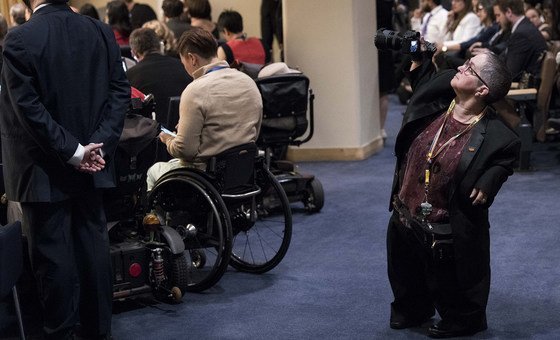
Chair of the Committee on the Rights of Persons with Disabilities, Kim Mi-Yeon, underscored the importance of the Convention on the Rights of Persons with Disabilities, now 20 years old, even amid growing global challenges.

The CRPD is the most progressive human rights treaty of the 21st century…It marked a decisive shift – from medical and charity models to a rights-based approach – and affirms the duty to dismantle structural and gender-based discrimination,” said Mr. Kim.  

Even with the ongoing UN liquidity crisis, he highlighted the momentum across the world for bolstering rights, including the International Forum on Disability Employment in Korea.  

Gaining momentum

The social development agenda aims to continue building momentum for disability rights and social development ahead of two major upcoming events: the Second World Summit for Social Development in November and the Fourth International Conference on Financing for Development later this month, FFD4, taking place in the Spanish city of Sevilla.

This week’s agenda

From Tuesday to Thursday, the conference will feature speeches by UN and civil society leaders, a public debate on the rights and contributions of persons with disabilities and three roundtables.

The roundtables will explore financing for disability-inclusive development, harnessing artificial intelligence for inclusion and advancing the rights of Indigenous persons with disabilities

Government officials, civil society representatives, UN agencies, and experts will share strategies and best practices throughout the event. 

Source link

Social and economic barriers, not choice, driving global fertility crisis: UNFPA

The UN Population Fund (UNFPA) unveiled its flagship State of World Population report on Tuesday, warning that a rising number of people are being denied the freedom to start families due to skyrocketing living costs, persistent gender inequality, and deepening uncertainty about the future.

Titled The real fertility crisis: The pursuit of reproductive agency in a changing world, the report argues that what’s really under threat is people’s ability to choose freely when – and whether – to have children.

The report draws on a recent UNFPA/YouGov survey covering 14 countries that together represent 37 per cent of the global population.

Money worries

Economic barriers were the top factor, with 39 per cent of respondents citing financial limitations as the main reason for having fewer children than they would like.

Fear for the future – from climate change to war – and job insecurity followed, cited by 19 per cent and 21 per cent of respondents, respectively.

Thirteen per cent of women and eight per cent of men pointed to the unequal division of domestic labour as a factor in having fewer children than desired.

The survey also revealed that one in three adults have experienced an unintended pregnancy, one in four felt unable to have a child at their preferred time and one in five reported being pressured to have children they did not want.


Solutions to the fertility crisis

The report warns against simplistic and coercive responses to falling birth rates, such as baby bonuses or fertility targets, which are often ineffective and risk violating human rights.

Instead, UNFPA urges governments to expand choices by removing barriers to parenthood identified by their populations.

Recommended actions include making parenthood more affordable through investments in housing, decent work, paid parental leave and access to comprehensive reproductive health services.

Immigration factor

The agency also encourages governments to view immigration as a key strategy to address labour shortages and maintain economic productivity amid declining fertility.

Regarding gender inequality, the report calls for addressing stigma against involved fathers, workplace norms that push mothers out of the workforce, restrictions on reproductive rights, and widening gender gaps in attitudes among younger generations that are contributing to rising singlehood.

UN searches for solutions to global housing crisis

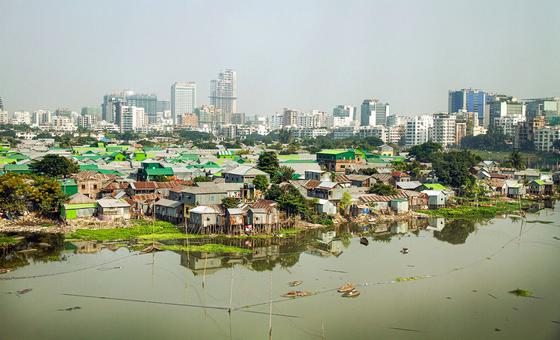
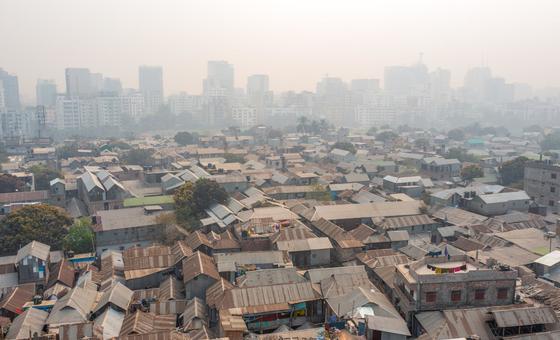
This includes more than 1.12 billion people living in slums or informal settlements. An additional 300 million face absolute homelessness, lacking any form of stable shelter, UN-Habitat estimates.

Living without

The crisis is particularly acute in rapidly urbanising regions such as Africa and the Asia-Pacific. As cities grow, housing development and infrastructure fail to keep pace, leading to a dramatic increase in informal and inadequate living conditions.

In Africa, 62 per cent of urban dwellings are informal. In the Asia-Pacific region, over 500 million people lack access to basic water services, and more than a billion live without adequate sanitation.

As climate change intensifies, those without formal, quality housing and services face growing risks from extreme heat, severe weather events, and water scarcity.

Finding sustainable solutions to the housing crisis is central to advancing global sustainable development. Quality housing is not only a basic human right – it also drives job creation, boosts national income, saves lives, and lays the foundation for better health, education, and economic mobility.

UN-Habitat response

To address this crisis, on Thursday, delegates gathered under the UN’s roof in Nairobi to resume the second session of the UN-Habitat Assembly. Through discussion, collaboration and policy planning, the major summit aims to address this pressing and deeply intertwined issue.

“This Assembly represents the highest global platform for normative discussions on sustainable urbanisation and human settlements. It is a moment of collective reflection, renewed political will and forging consensus for the future we seek for our cities and communities,” said UN-Habitat Executive Director Anacláudia Rossbach in her opening remarks.

Strategic plan

A key focus of the Assembly is the adoption of UN-Habitat’s Strategic Plan for 2026–2029. The plan will prioritise adequate housing, access to land and basic services and the transformation of informal settlements.

It outlines three main impact areas: (1) inclusive prosperity, (2) preparedness, recovery, and reconstruction and (3) climate sustainability. These pillars are designed to accelerate progress toward the Sustainable Development Goals.

The plan also emphasises strengthening collaboration with other UN agencies to achieve shared objectives.

The Assembly will continue through 30 May, with a final decision on the strategic plan expected at the close of the session.

Source link

Biodiversity loss demands urgent global action, says UN chief

In a message marking Thursday’s International Day for Biological Diversity, the UN chief raised alarm over the “lightning pace” of degradation of the natural world.

Biodiversity is the bedrock of life and a cornerstone of sustainable development,” Mr. Guterres said.

Yet humanity is destroying biodiversity at lightening pace, the result of pollution, climate crisis, ecosystem destruction and – ultimately – short-term interests fuelling the unsustainable use of our natural world.”

He stressed that no country, “however rich or powerful,” can address the crisis in isolation, nor thrive without the ecological richness that defines life on Earth.

Alarm bells ringing

The International Day comes amid stark concern for the future: one million species are at risk of extinction, 75 per cent of land ecosystems and two-thirds of marine environments have been significantly altered by human activity.

Furthermore, if current trends continue, progress towards eight of the 17 Sustainable Development Goals (SDGs) could be jeopardized.

Mr. Guterres called for urgent implementation of the Kunming-Montreal Global Biodiversity Framework, the landmark agreement adopted to halt and reverse nature loss by 2030.

This includes delivering on national biodiversity action plans, scaling finance for conservation, shifting harmful subsidies, and supporting local communities, Indigenous Peoples, women and youth.

Live in harmony with nature

Biological diversity underpins food security, livelihoods, health and climate resilience.

Roughly three billion people eat fish for 20 a per cent of their animal protein intake, and 80 per cent of rural populations in developing countries rely on plant-based medicine.

Yet the destruction of natural habitats is also increasing the risk of zoonotic disease transmission, making biodiversity preservation a key factor in global health.

Living in harmony with nature and sustainable development is humanity’s path to a better world for all,” Mr. Guterres said, echoing this year’s theme.

“Together, let us take it.”

The International Day

The UN officially designated 22 May as the International Day for Biological Diversity in 2000 to increase understanding and awareness of biodiversity issues.

The date marks the adoption of the Convention on Biological Diversity in 1992.

World Health Assembly opens amid high-stakes pandemic treaty vote, global funding crisis

Tedros Adhanom Ghebreyesus, Director-General of the World Health Organization, urged Member States to remain focused on shared goals even amid global instability.

We are here to serve not our own interests, but the eight billion people of our world,” he said in his keynote address at the Palais des Nations. “To leave a heritage for those who come after us; for our children and our grandchildren; and to work together for a healthier, more peaceful and more equitable world. It’s possible.”

The Assembly, WHO’s highest decision-making body, runs through 27 May and brings together delegations from 194 Member States under the theme One World for Health.

This year’s agenda includes a vote on the intensely negotiated Pandemic Agreement, a  reduced budget proposal, and discussions on climate, conflict, antimicrobial resistance, and digital health.

Pandemic prevention focus

A central item on the Assembly’s agenda is the proposed WHO pandemic accord, a global compact aimed at preventing the kind of fragmented response that marked the early stages of COVID-19.

The treaty is the result of three years of negotiations between all WHO Member States.

“This is truly a historic moment,” Dr Tedros said. “Even in the middle of crisis, and in the face of significant opposition, you worked tirelessly, you never gave up, and you reached your goal.”

A final vote on the agreement is expected on Tuesday.

If adopted, it would mark only the second time countries have come together to approve a legally binding global health treaty under WHO’s founding rules. The first was the Framework Convention on Tobacco Control, adopted in 2003 to curb the global tobacco epidemic.

2024 health check

In his address, Tedros presented highlights from WHO’s 2024 Results Report, noting both progress and persistent global health gaps.

On tobacco control, he cited a global one-third reduction in smoking prevalence since the WHO Framework Convention entered into force two decades ago.

He praised countries including Côte d’Ivoire, Oman, and Viet Nam for introducing stronger regulations last year, including plain packaging and restrictions on e-cigarettes.

On nutrition, he pointed to new WHO guidelines on wasting and the expansion of the Tobacco-Free Farms Initiative in Africa, which has supported thousands of farmers in transitioning to food crops.

He also emphasised WHO’s growing work on air pollution and climate-resilient health systems, including partnerships with Gavi and UNICEF to install solar energy in health facilities across multiple countries.

On maternal and child health, Tedros noted stalled progress and outlined new national acceleration plans to reduce newborn mortality. Immunisation coverage now reaches 83 per cent of children globally, compared to less than 5 per cent when the Expanded Programme on Immunisation was launched in 1974.

We are living in a golden age of disease elimination,” he said, citing the certification of Cabo Verde, Egypt, and Georgia as malaria-free; progress in neglected tropical diseases; and Botswana’s recognition as the first country to reach gold-tier status in eliminating mother-to-child transmission of HIV.

WHO has been supporting Universal Health Coverage in Rwanda.

WHO budget strain

Turning to WHO’s internal operations, Tedros offered a stark assessment of the organisation’s finances.

We are facing a salary gap for the next biennium of more than US$ 500 million,” he said. “A reduced workforce means a reduced scope of work.”

This week, Member States will vote on a proposed 20 per cent increase in assessed contributions, as well as a reduced Programme Budget of $ 4.2 billion for 2026–2027, down from an earlier proposal of $ 5.3 billion. The cuts reflect an effort to align WHO’s work with current funding levels while preserving core functions.

Tedros acknowledged that WHO’s long-standing reliance on voluntary earmarked funding from a small group of donors had left it vulnerable. He urged Member States to see the budget shortfall not only as a crisis but also as a potential turning point.

“Either we must lower our ambitions for what WHO is and does, or we must raise the money,” he said. “I know which I will choose.”

He drew a sharp contrast between WHO’s budget and global spending priorities: “US$ 2.1 billion is the equivalent of global military expenditure every eight hours; US$ 2.1 billion is the price of one stealth bomber – to kill people; US$ 2.1 billion is one-quarter of what the tobacco industry spends on advertising and promotion every single year. And again, a product that kills people.”

It seems somebody switched the price tags on what is truly valuable in our world,” he said.

Emergencies and appeals

The Director-General also detailed WHO’s emergency operations in 2024, which spanned 89 countries. These included responses to outbreaks of cholera, Ebola, mpox, and polio, as well as humanitarian interventions in conflict zones such as Sudan, Ukraine, and Gaza.

In Gaza, he said, WHO had supported more than 7,300 medical evacuations since late 2023, but over 10,000 patients remained in urgent need of care.

Looking ahead: a transformed WHO?

The WHO chief closed with a look at the agency’s future direction, shaped by lessons from the COVID-19 pandemic. He highlighted new initiatives in pandemic intelligence, vaccine development, and digital health, including expanded work on artificial intelligence and support for mRNA technology transfer to 15 countries.

WHO has also restructured its headquarters, reducing management layers and streamlining departments.

Our current crisis is an opportunity,” Dr Tedros concluded. “Together, we will do it.”